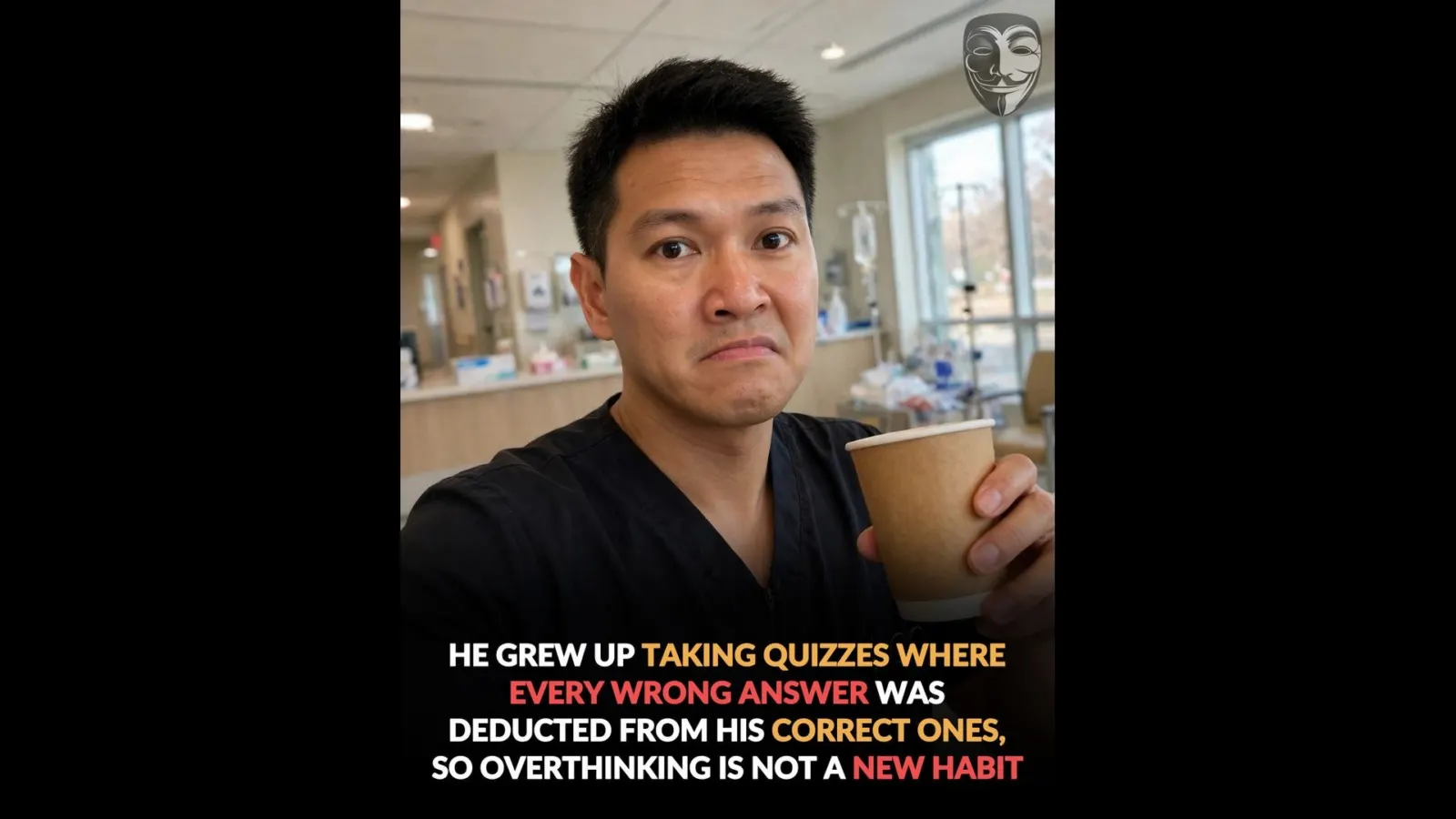
Negative Marking Made This Nurse an Overthinker
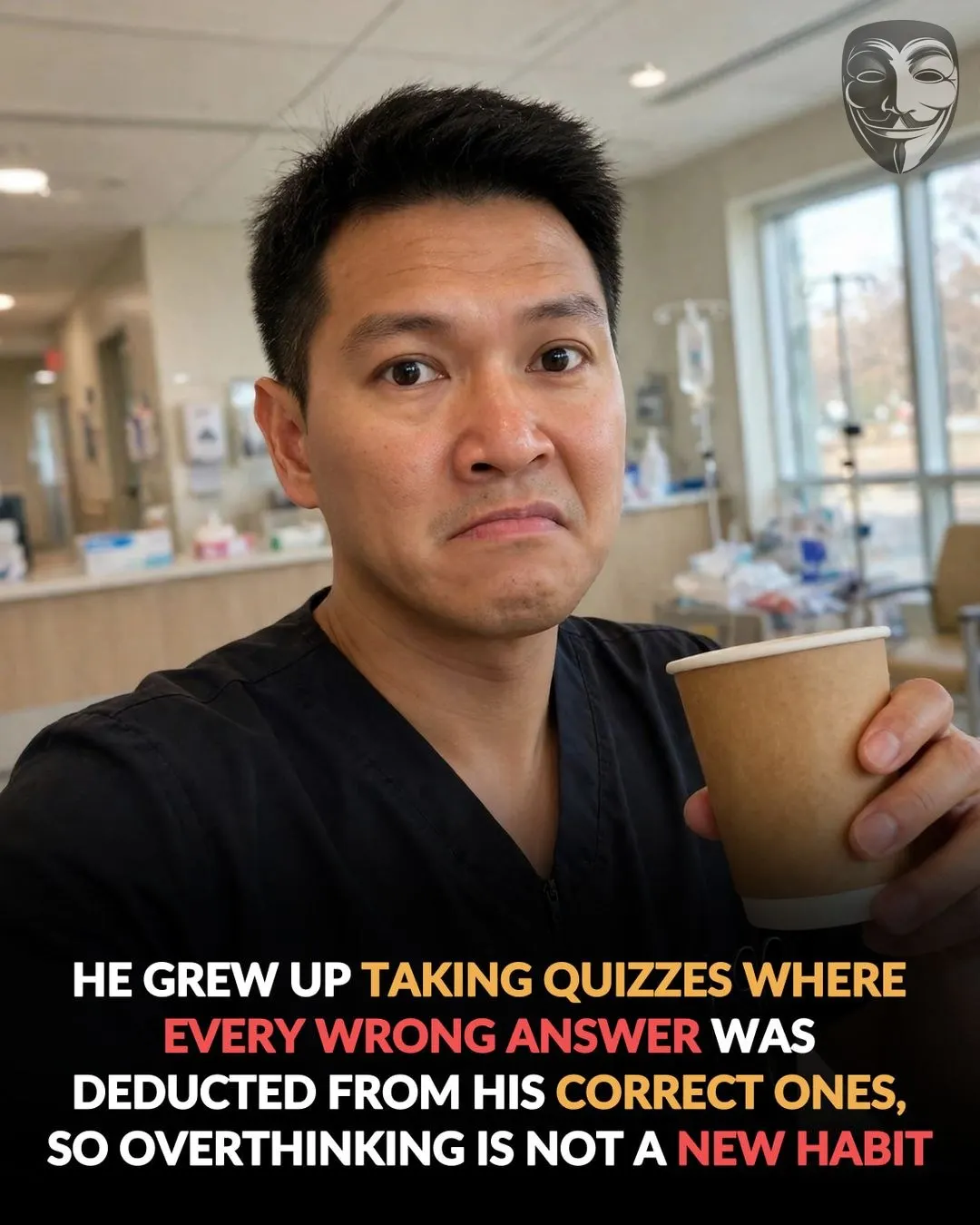
Negative marking shaped the way one nurse thinks about every choice he makes. The nurse, who posts on the Nurse Archie page, shared a selfie with his coffee and a message for anyone who tells him to stop overthinking. He grew up taking quizzes where every wrong answer was deducted from his correct ones, so weighing every choice twice became a habit he never shook off. Read about another nurse in the news in our story on Lauren Underwood and see how a study about children and belief found facts can blur under pressure.
The habit followed him from the classroom into adult life, and the joke in his caption says it plainly. He called it childhood trauma, correct minus wrong quizzes, and the line made people laugh because it felt true. That scoring system is still used in competitive exams, where a wrong answer can cost part of the marks earned for a right one. For more on how studies shape belief, read our report on children and belief groups and our story on a young physics prodigy.
References:
EdProcto: Negative marking: does it stop guessing, and what does it cost?
StudyBlink: How To Handle Negative Marking: Apply This 5 Smart Tips
Snitchnotes: How to Study for Multiple-Choice Exams With Negative Marking
MDPI: Cracking the Code of Test Anxiety: Insight, Impacts, and Implications
The Selfie That Started It All

The nurse posted a simple selfie, coffee in hand, with a message that many people recognized at once. He was not asking for advice or sympathy. He was explaining why he thinks the way he does, and the photo made the point in a warm and human way. A nurse spends the day making quick calls about care, so a habit of double checking every choice is easy to understand. Read about another nurse in the news in our story on Lauren Underwood and about caregivers who carry the same daily load.
Coffee in Hand, a Message for the Overthinkers

The coffee in the photo is part of the joke and part of the comfort. A warm cup gives a nurse a short pause between busy shifts, and it gives an overthinker a moment to slow down. The nurse held his coffee the way millions of people do each morning, as a small ritual before the day begins. His caption turned that quiet moment into a story about school, quizzes, and a habit that never left. You may also like our story on a young physics prodigy and our light look at introverts and endless events.
What Negative Marking Really Means
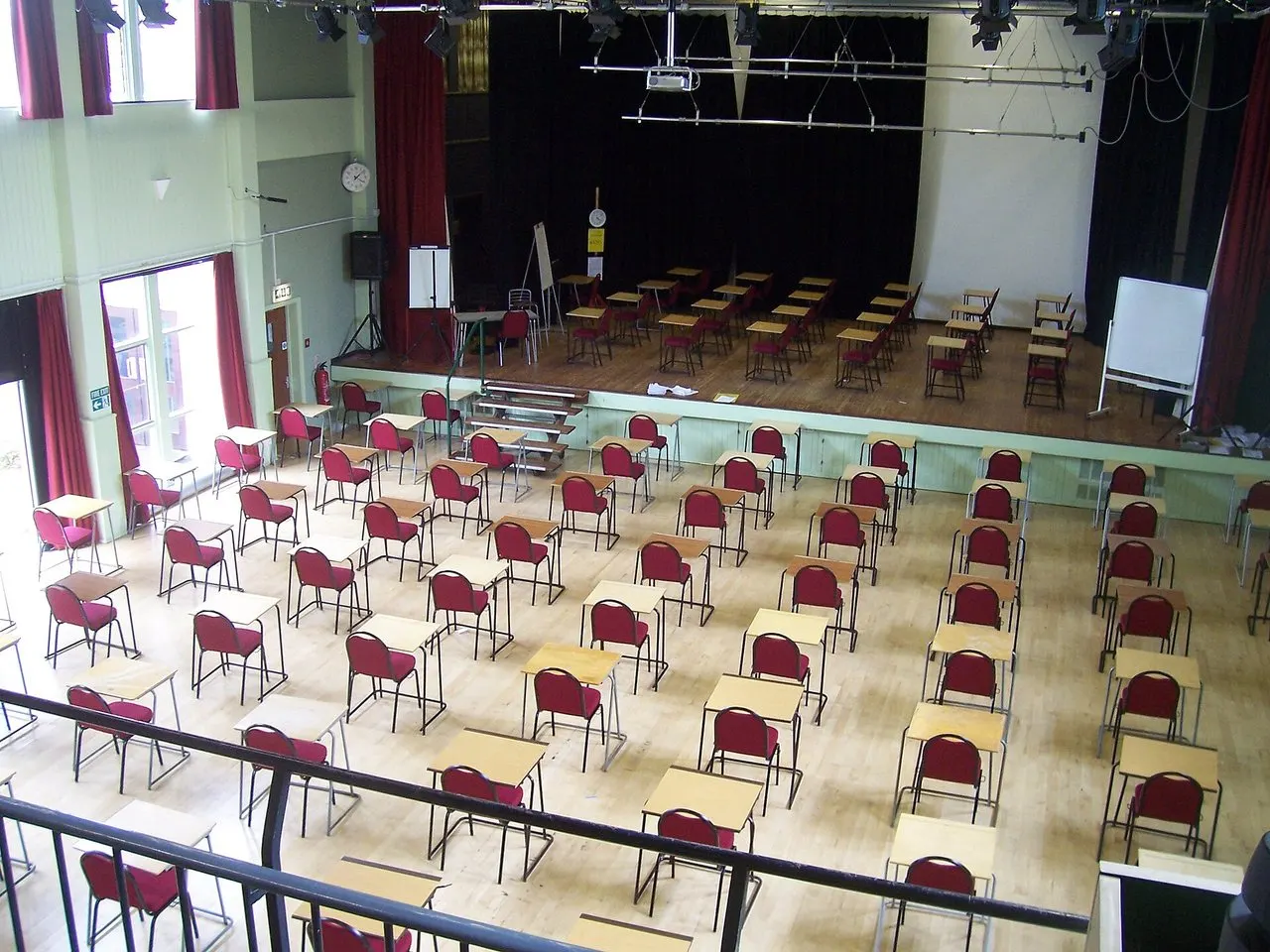
The grading rule is a scoring rule where a wrong answer takes away part of the marks a student earned for a right one. A guess that misses does not just earn zero, it pulls the total down. Teachers introduced the rule to stop students from guessing blindly on multiple choice tests. If guessing could hurt your score, students would answer only when they felt sure. Learn how a student coped with pressure in our report on a school valedictorian and why a witness who skipped the reading still faced a hard test in court.
How Negative Marking Works in Exams

In a typical exam with that scoring system, each right answer earns one mark and each wrong answer loses a quarter or a third of a mark. A student who answers four questions right and one wrong can end up with less than four marks in total. That daily math trained the nurse to weigh every choice twice. Read about a young man who learned early in our story on Elon Musk at 17 and a teen who beat the odds in our report on a homecoming king.
The Study of 2,435 Students and Test Anxiety

Research gives the joke a serious base. In one study of 2,435 students in English secondary schools, 16.4 percent described themselves as highly test anxious. The number matters because it shows the nurse is far from alone. Many students carry the same worry, and for some of them the worry stays long after the last exam is over. See how young people handle big change in our story on Gen Z and cash and how far human effort can reach in our report on Voyager 1.
When Negative Marking Crowds Out Working Memory

Experts say worry crowds out working memory, so even prepared students can go blank. Working memory is the short term space where the brain holds facts while it works on a problem. A student can know the material and still freeze when the question appears. That is why test anxiety feels so unfair. The problem is not a lack of study, it is a mind too busy worrying to think. Read about a different kind of pressure in our story on a tense summit meeting and our report on a nurse in leadership.
Going Blank Even When You Studied Hard

Going blank in an exam is one of the most common signs of test anxiety. The student sits down, reads the first question, and the answer they knew the night before will not come. Many students describe the feeling as a wall going up in the mind. The nurse knows that feeling well, because his school quizzes trained him to pause and doubt before every answer. Learn how belief shapes the mind in our study on children and belief groups and how a student found her way home in our report on a school valedictorian.
A Nurse Who Checks Twice at Work
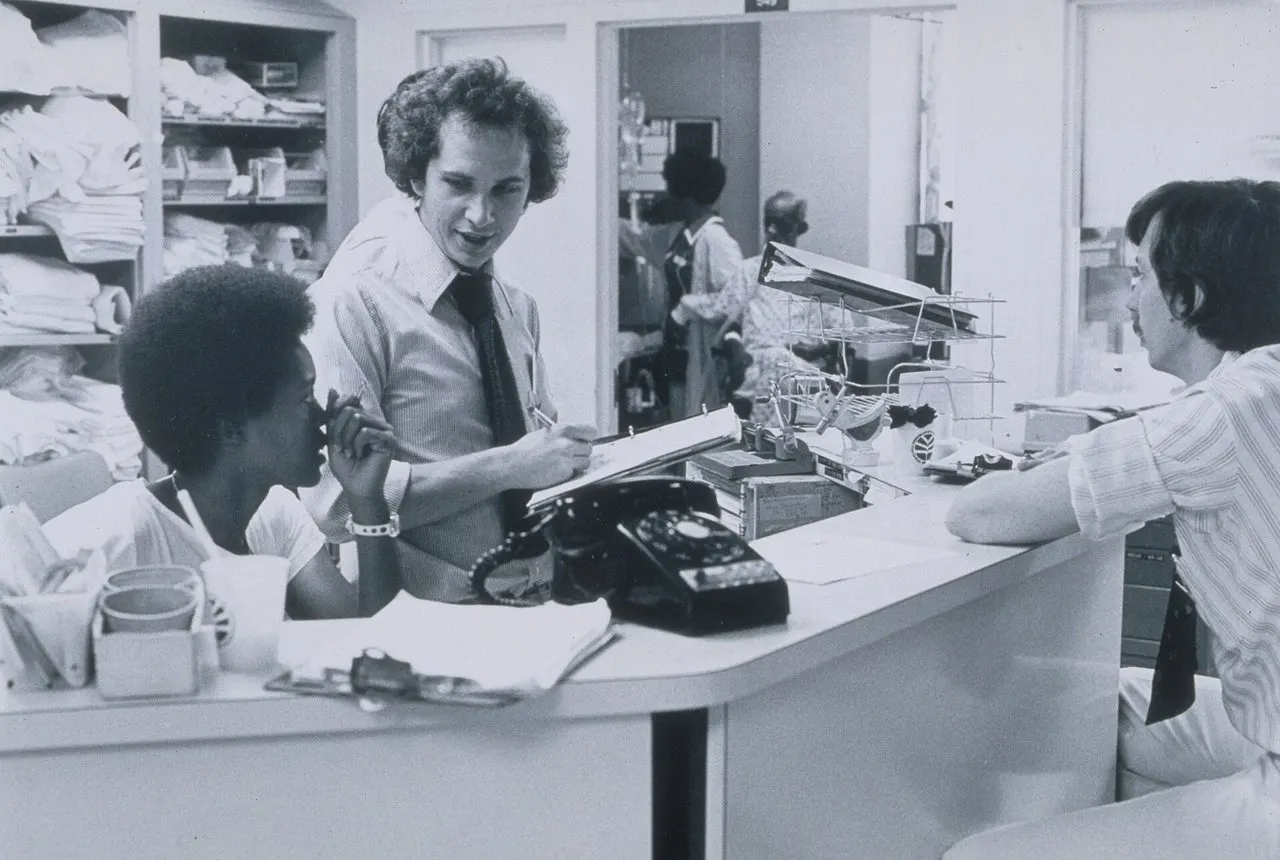
Nursing rewards care and attention, and double checking is part of the job. A nurse checks doses, charts, and patient notes before acting, because a small error can matter a great deal. For this nurse, the habit of weighing every choice twice fits the work, even if it started as a school fear. The difference is that at work the caution protects people, while in school it only cost marks. His post shows how a childhood habit can grow into a professional strength. Read about caregivers who know the same pressure and our light look at introverts and endless events.
The Small Comfort of a Coffee Break

Coffee is a small comfort that many nurses and overthinkers share. A short break with a warm cup gives the mind a pause from the next decision. The nurse in the photo holds his coffee like a shield against a busy day, and the image feels familiar to anyone who starts the morning with the same ritual. See a young man who worked hard from an early age in our story on Elon Musk at 17 and a witness who skipped the reading in our courtroom report.
The Signs of Test Anxiety in Students

Test anxiety shows up in the body as well as the mind. A student may feel a racing heart, sweaty hands, a tight stomach, or a headache before an exam. Some students sleep badly the night before a test, and others feel sick on the morning of it. Teachers often notice the signs first, when a strong student starts to struggle on test day. Learn how a young prodigy handled school pressure in our story on Laurent Simons and how a teen beat the odds in our report on a homecoming king.
What Experts Say About Test Pressure

Experts who study test anxiety say the pressure comes from more than the test itself. It comes from the fear of being judged, the fear of letting family down, and the fear that one score will shape the future. When a scoring rule punishes wrong answers, that fear grows, because every guess feels like a risk. Support, practice, and calm routines help more than punishment ever did. Read about a tense moment of history in our story on a 1974 escape and a journey far from Earth in our report on Voyager 1.
Four Smart Ways to Handle Negative Marking
Students who face that scoring system can use a few smart habits to protect their scores. First, answer the questions you know well and mark the ones you are unsure about for later. Second, rule out the choices that are clearly wrong before you guess. Third, guess only when you can narrow the options down to two. Fourth, practice with old papers so the format feels familiar. See how young people adapt to change in our story on Gen Z and cash and how a joke about daily life spread in our report on GTA VI footage.
How Teachers Can Ease the Pressure

Teachers can lower test anxiety without lowering standards. They can explain the scoring rule in plain words before the test, so no student is surprised by it. They can offer practice quizzes with the same rule, so students learn how it works in a low stakes setting. Small changes like these help students focus on what they know instead of what they fear. Learn how a brave student escaped danger in our story on a 1974 escape and how caregivers handle daily pressure.
Why the Joke Landed With So Many People

The nurse’s joke landed because it named a feeling that millions of people share. Almost everyone has sat a test where a wrong answer felt costly, and almost everyone has carried a school habit into adult life. The caption, childhood trauma, correct minus wrong quizzes, packs a whole school career into a few words. A joke works best when the audience sees itself in it, and this one did. Read about a tense summit in our story on a trilateral meeting and a student who found her way home in our report on a school valedictorian.
How Negative Marking Followed Him Into Adult Life

The habit did not stop when the nurse left school. It followed him into work, into daily choices, and into the small decisions most people make without thinking. He weighs options twice, checks details again, and thinks through what could go wrong before he acts. The school rule that once cost him marks now shapes the careful way he works. See how a young man built a new life in our story on Elon Musk at 17 and how a teen beat the odds in our report on a homecoming king.
Penalty Marking Leaves a Long Shadow

A scoring rule may look small on paper, but its shadow can stretch across a lifetime. The nurse’s story shows how a classroom habit can outlive the classroom by decades. Researchers who study test anxiety say the same thing in plainer words. Pressure that teaches fear instead of learning stays with students long after the grades are forgotten. The good news is that naming the habit is the first step to changing it. Read about a long journey in our report on Voyager 1 and a joke about daily life in our story on GTA VI footage.
Do You Still Overthink Because of School?

The nurse ended his post with a question for everyone who tells him to stop overthinking, and now we ask you the same thing. Do you still double check every choice because of a school rule that punished wrong answers? Did a quiz, a test, or a strict teacher shape the way you think today? Share your story in the comments and tell us what helped you let go of the worry. Read about a 1974 escape in our story on Carol Daronch and our light look at introverts and endless events.