The 22nd Amendment Hearing That Stumped a Trump Judge Pick
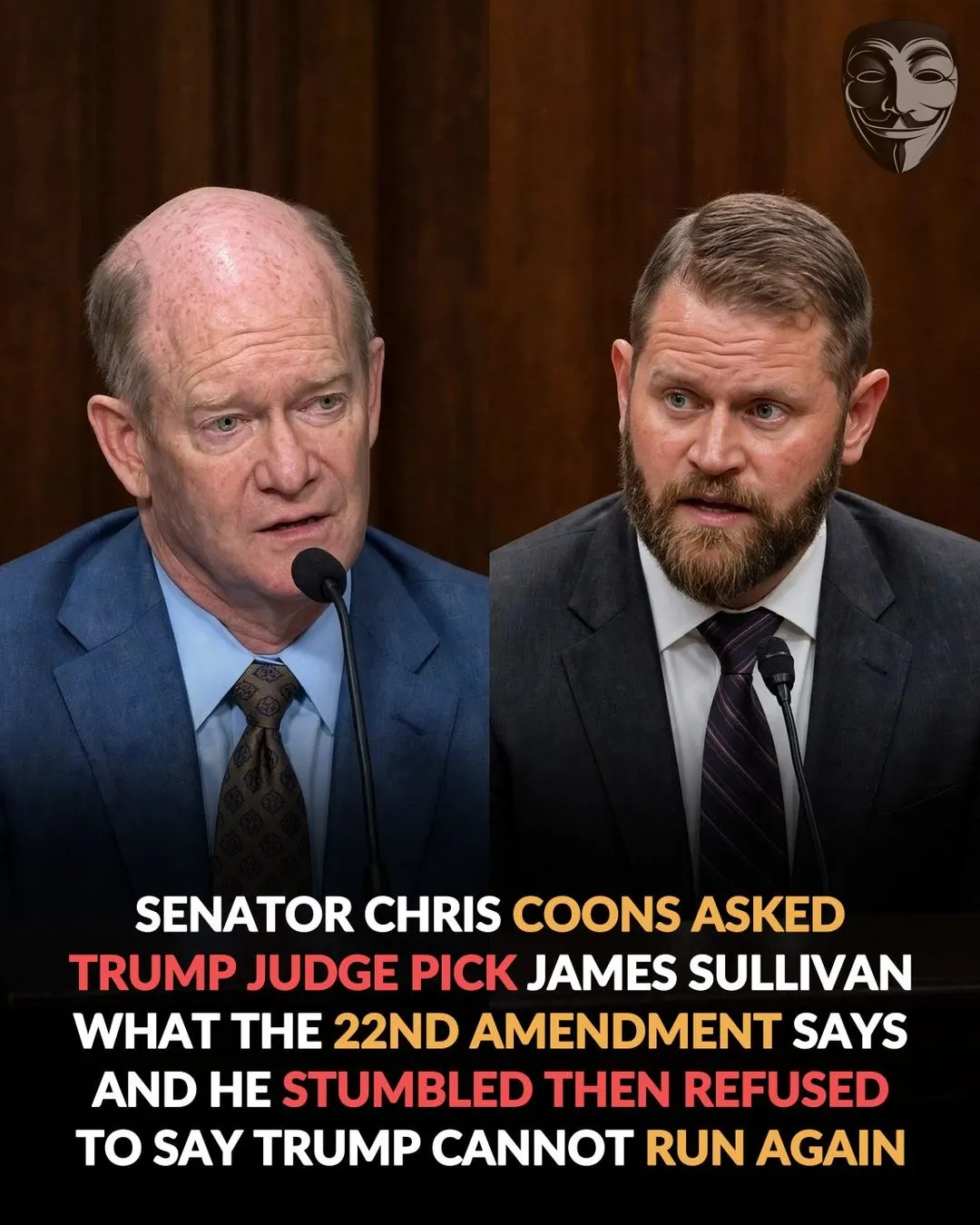
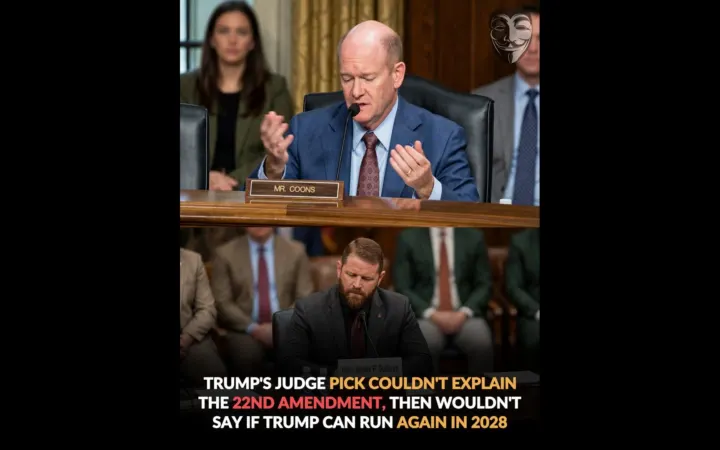
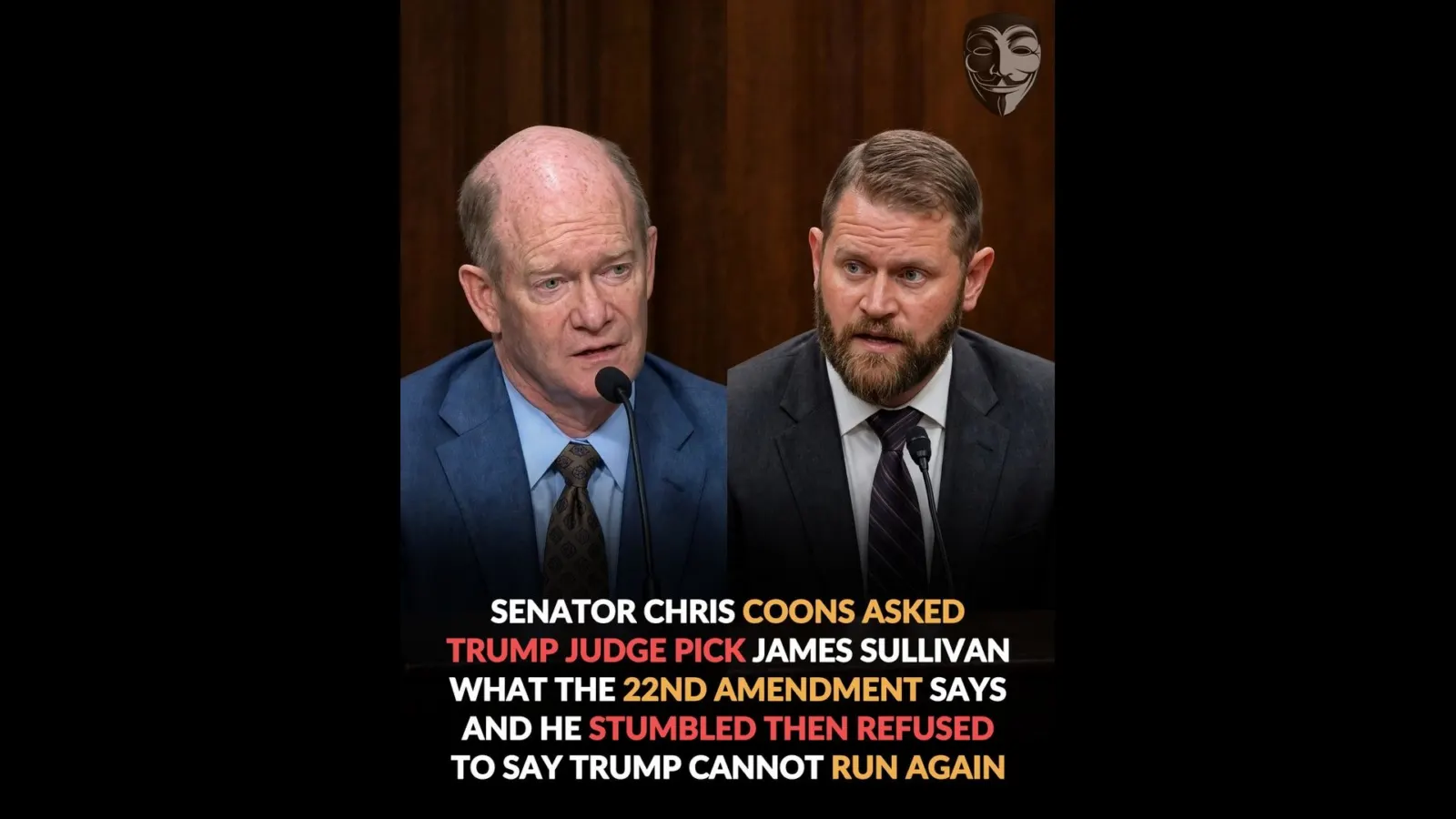
The 22nd Amendment hearing turned into one of the most talked about moments of the year when Senator Chris Coons asked a Trump judge pick a simple question about the Constitution and watched him struggle to answer. James P. Sullivan, a Texas Supreme Court justice nominated for a lifetime seat as a federal judge in West Texas, had come before the Senate Judiciary Committee on November 18, 2026, for his confirmation hearing. What followed was an exchange that left the room quiet, the nominee searching for words, and a short video clip racing around the internet within hours.
In the slides ahead we walk through the question, the long pause, the hint that saved the moment, and the refusal that followed when Coons asked about a third term for President Donald Trump. You can read about another Senate clash over a Trump nominee in our report on a Texas senator who blocked a Trump judge pick and about the wider debate over term limits in Mitch McConnell leaving the Senate. The story is short, the words are plain, and the Constitution itself does most of the talking.
References:
Mogaz: James P Sullivan stalls on 22nd Amendment question at Senate hearing
Political Lines: Trump Judicial Nominee Faces Tough Constitutional Questions
Mandatory: Donald Trump-Nominated Judge Declines to Rule Out Third Presidential Term
Legal AF: Hitting the Wall, Trump Judicial Nominee Cant Answer a Simple Question about the Constitution
A Simple Question Opens the 22nd Amendment Hearing
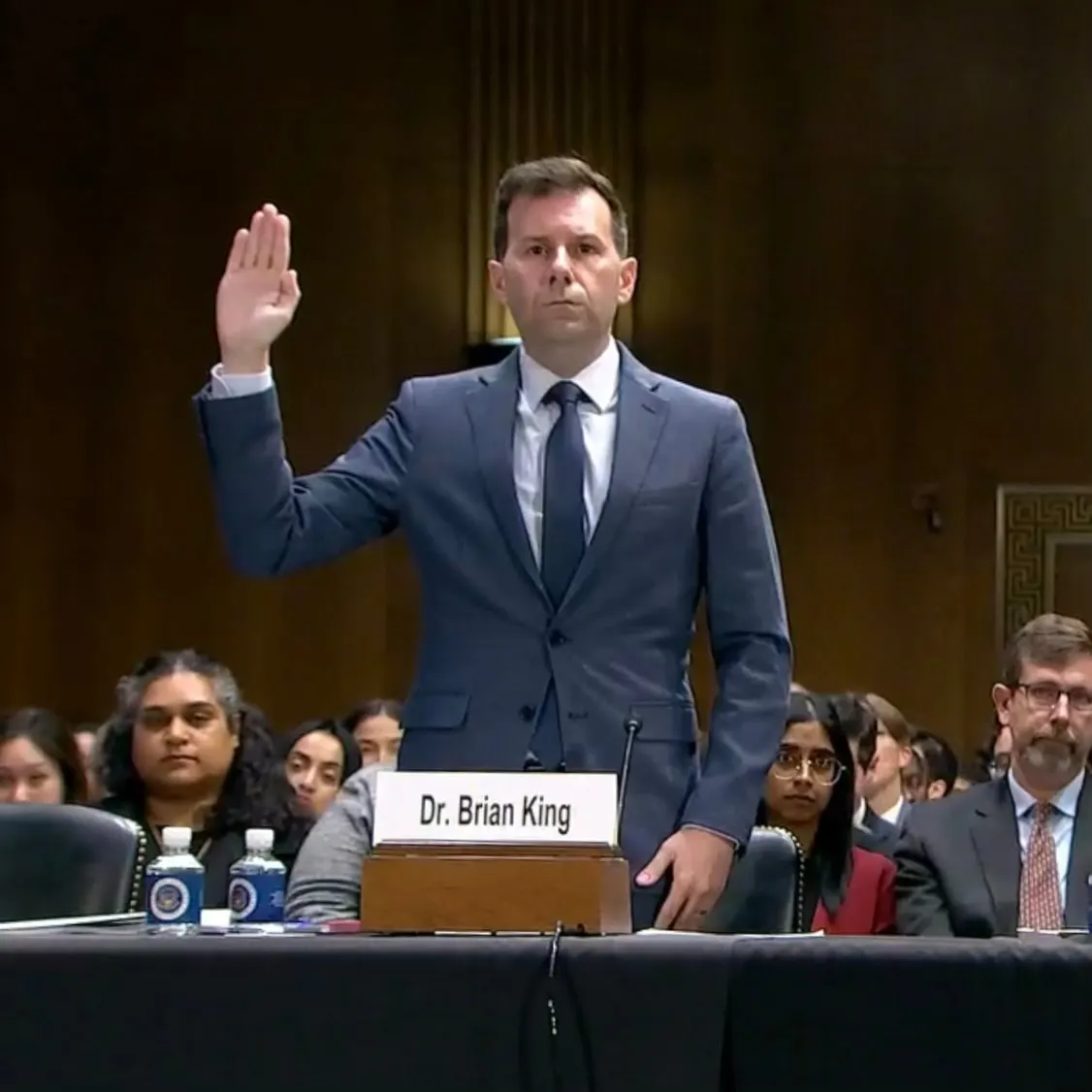
Senator Chris Coons opened his turn by talking about the oath every judge takes to uphold and defend the Constitution. Then he put a direct question to James P. Sullivan. The hearing had barely begun when Coons asked, in plain words, what the amendment provides. It was the kind of question a nominee for a lifetime federal judgeship is expected to answer without thinking twice. Instead, the answer came slowly, and the moment began to slip away from him. Read about another fiery Senate hearing over health officials and a bill to stop Trump from pardoning himself.
I Carry It Over My Heart

Sullivan closed his eyes and tried to find the words. He told the committee he carries the Constitution over his heart because sometimes it is not in his brain, then stopped and started again without reaching the answer. The hearing had found its most awkward moment. He squeezed his eyes shut, muttered oh boy, oh boy, and the silence stretched on while senators and fellow nominees watched. For a future federal judge, the stumble was hard to watch. See whether Obama could run again in 2028 and Trump appearing to fall asleep at the APEC table.
The Room Waits as the Answer Does Not Come
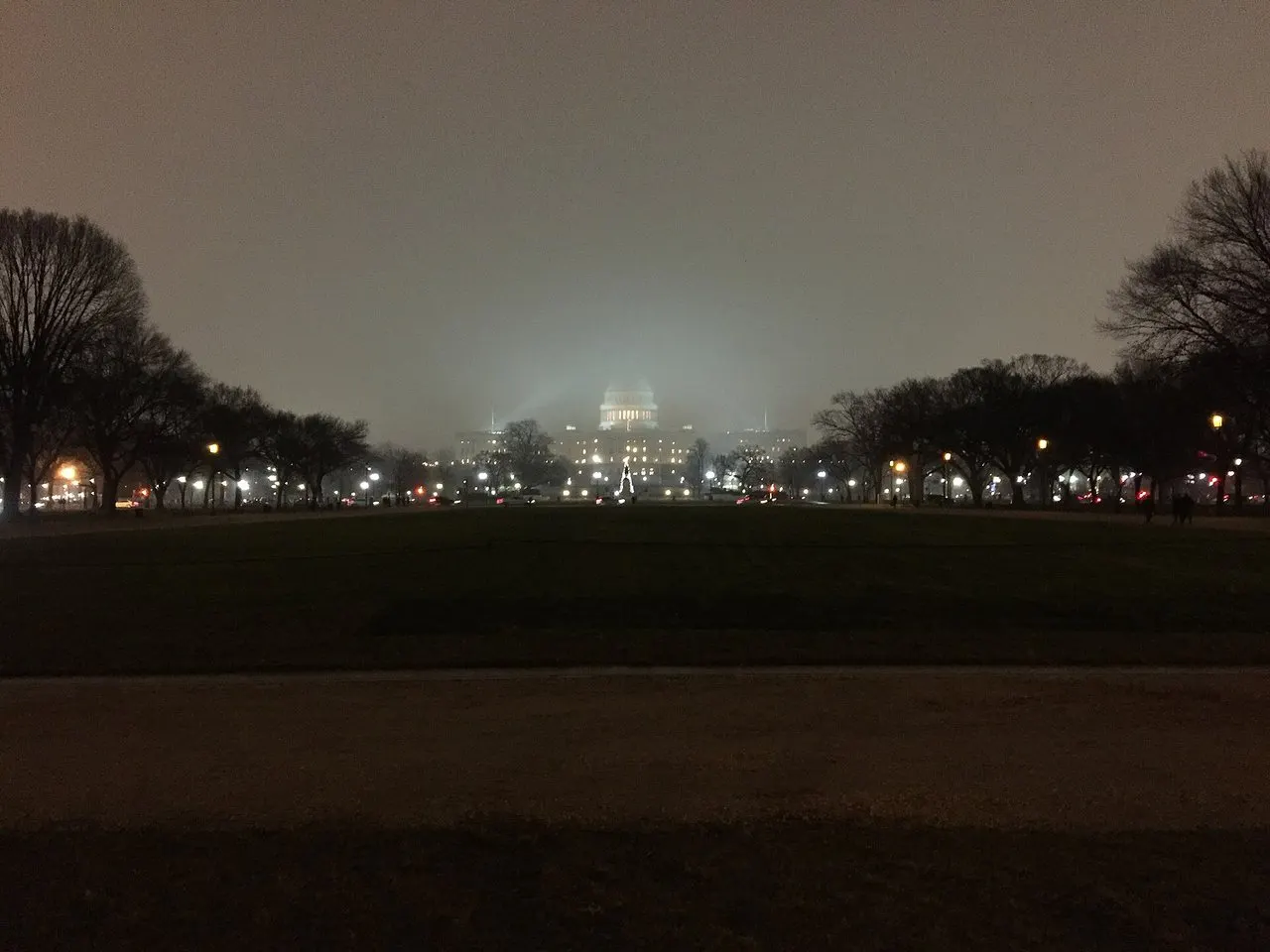
A confirmation hearing moves on a tight schedule, with seven nominees waiting for their turn and senators working through prepared questions. When Sullivan went quiet, the hearing room stayed still. Nobody filled the silence for him at first, and the cameras kept rolling as the seconds passed. The moment felt longer than it was because everyone in the room understood what was at stake. A nominee who cannot recite a short amendment invites doubt about the rest of his preparation. Read about Trump calling Putin his friend and Hakeem Jeffries warning the MAGA movement.
Coons Offers the First Words
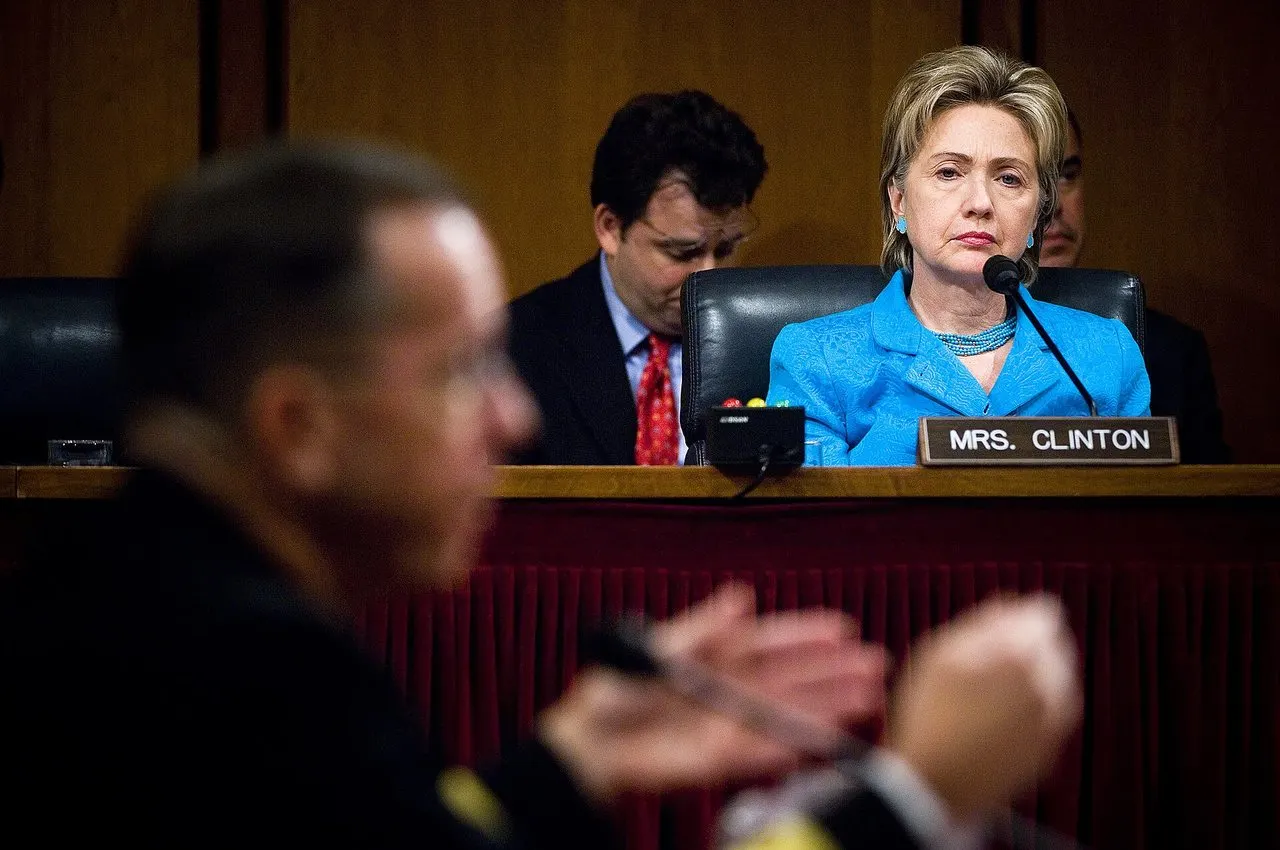
Senator Coons stepped in with a gentle hint, offering the opening words of the amendment as Sullivan searched his memory. No person shall be elected, Coons said, and Sullivan caught the thread at once. He thanked the senator and finished the sentence himself, saying no person shall be elected more than twice to the office of the President. The rescue was kind, but it also showed the room that the nominee had needed help with the very first step. See Hillary Clinton tearing into Trump and the plan to seal the border for every future president.
What the 22nd Amendment Hearing Was Really About

The hearing turned on a single short sentence that every American once learned in school. The amendment says no person shall be elected to the office of the President more than twice, and it has stood as the clear limit on presidential power since it was ratified in 1951. The rule is short and plain, which is why Coons kept coming back to it. He called it bracingly clear. The words leave little room for debate. Read about a bill to stop Trump from pardoning himself and the debate over older men running the world.
Trump Has Already Been Elected Twice
Coons then moved from the words of the amendment to the facts of the moment. He asked Sullivan whether President Donald Trump has been elected and served twice as president, and Sullivan agreed that Trump has been certified as the winner in the 2016 and the 2024 elections. The point mattered because the amendment counts elections, not years in office. Two wins means the limit has been reached, and the question of a third run follows from that simple count. See Trump appearing to fall asleep at the APEC table and the debate over an Obama comeback in 2028.
Can He Run Again in 2028? The 22nd Amendment Hearing Asks
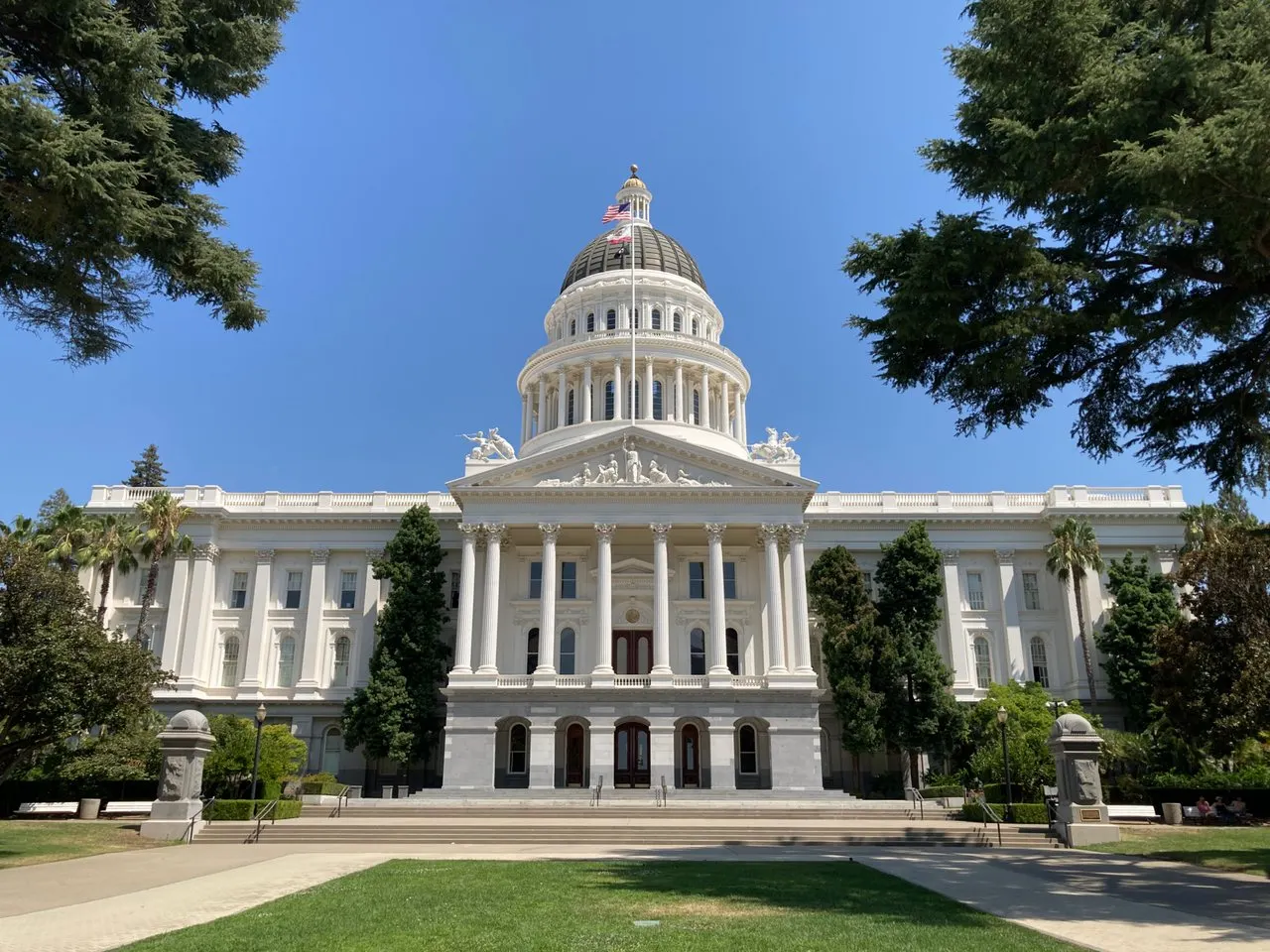
The follow-up question was the one the whole hearing had been building toward. Coons asked Sullivan whether Trump is eligible to run for president again in 2028, and this time no hint was offered. The nominee did not say yes and did not say no. Instead, he reached for a rule of judicial conduct and declined to answer at all. The dodge turned a short quiz into a much bigger story about what a future judge will say in public. Read about the debate over term limits in the Senate and John Cornyn blocked a Trump judge pick.
Canon 5 and the Refusal to Answer
Sullivan said it would violate Canon 5 to give an opinion on the question, calling the matter a subject of political debate. The hearing then became a debate about the rule itself. Canon 5 of the Code of Conduct for United States Judges tells judges and nominees not to speak about issues that may come before their court. Coons said he respects that rule for questions that are truly unsettled, but this one was not. He said only Trump treats a third term as open. See another fiery Senate hearing over health officials and the fight over Social Security.
A Very Disappointing Answer at the 22nd Amendment Hearing
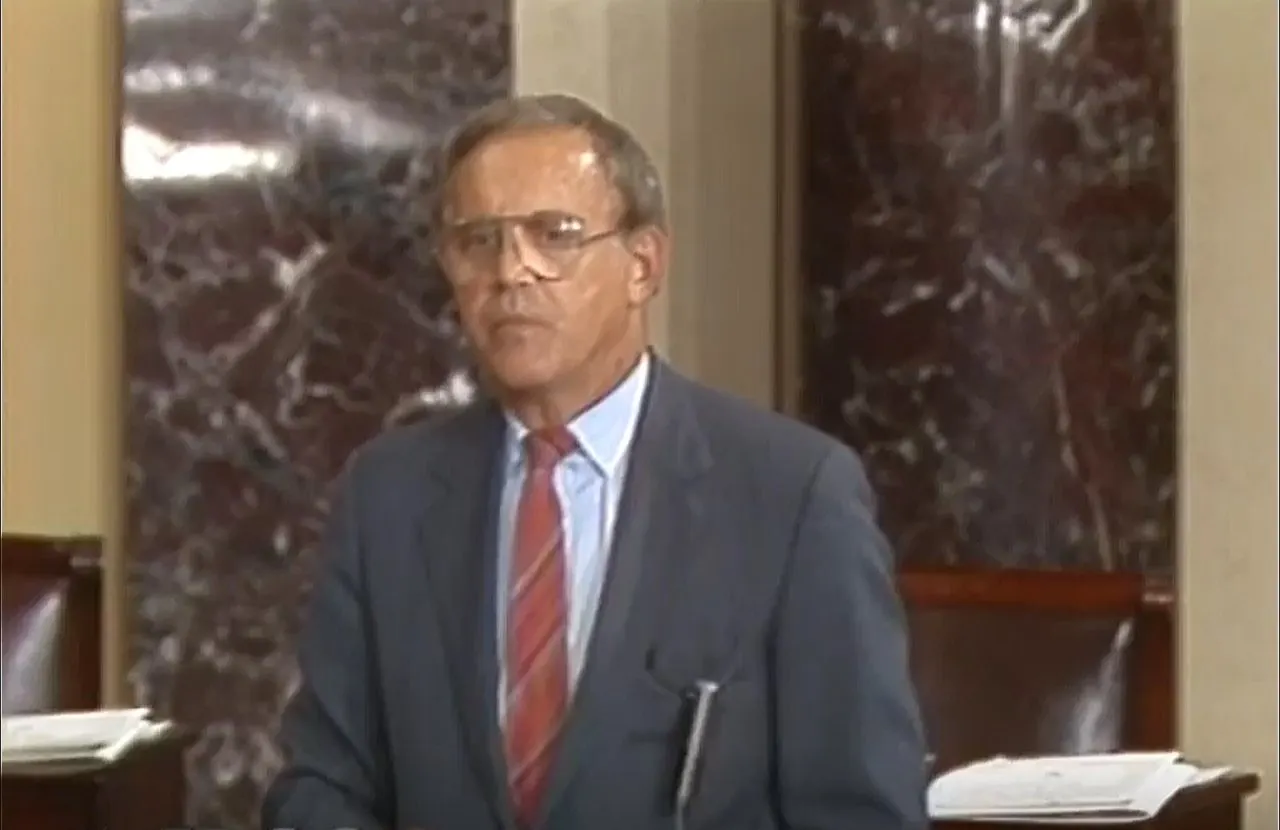
Coons did not hide his view of the answer. He called it a very disappointing answer and said the amendment is bracingly clear on the face of it. The hearing had shown two very different ideas of what a judicial nominee owes the public. One side said a nominee must stay silent on anything political. The other said a plain sentence of the Constitution is not a political question at all. The senator’s frustration was plain to everyone watching. Read about Jeffries telling MAGA to prepare for questions and Clinton’s warning before the meeting with Xi and Putin.
Two Nominees Beside Him Answered Plainly
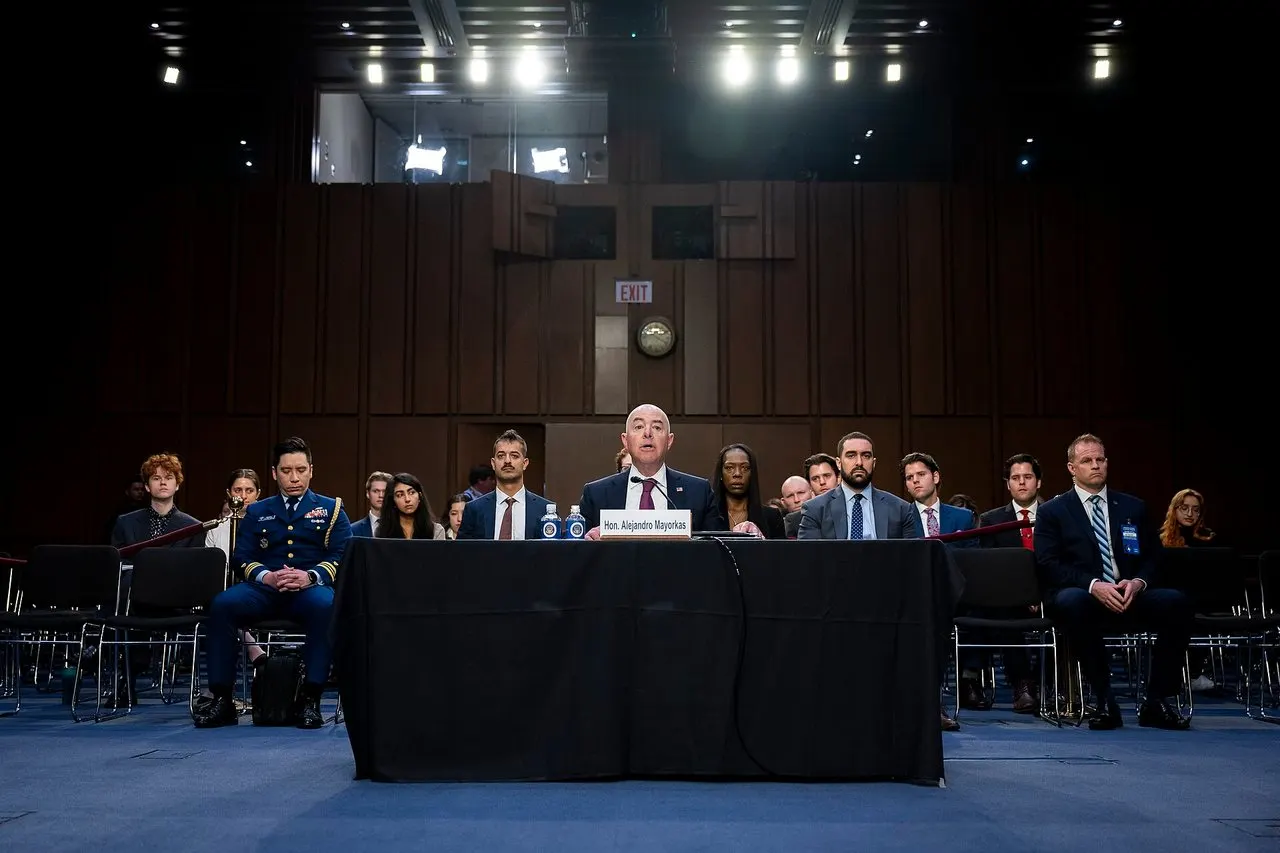
What made Sullivan’s answer harder to defend was what happened next. Two fellow nominees sitting beside him, William Lambert and Joseph Falvey, were asked the same question and gave the answer Sullivan would not give. They said plainly that the two-term limit applies to Trump like anyone else. Lambert, nominated for a seat in South Carolina, said the text seems clear that no one may serve a third term. The contrast was sharp, and it was sitting right there on camera. See a Texas senator who blocked a Trump judge pick and Ron Johnson saying to shut Social Security down.
Who Is James P. Sullivan?
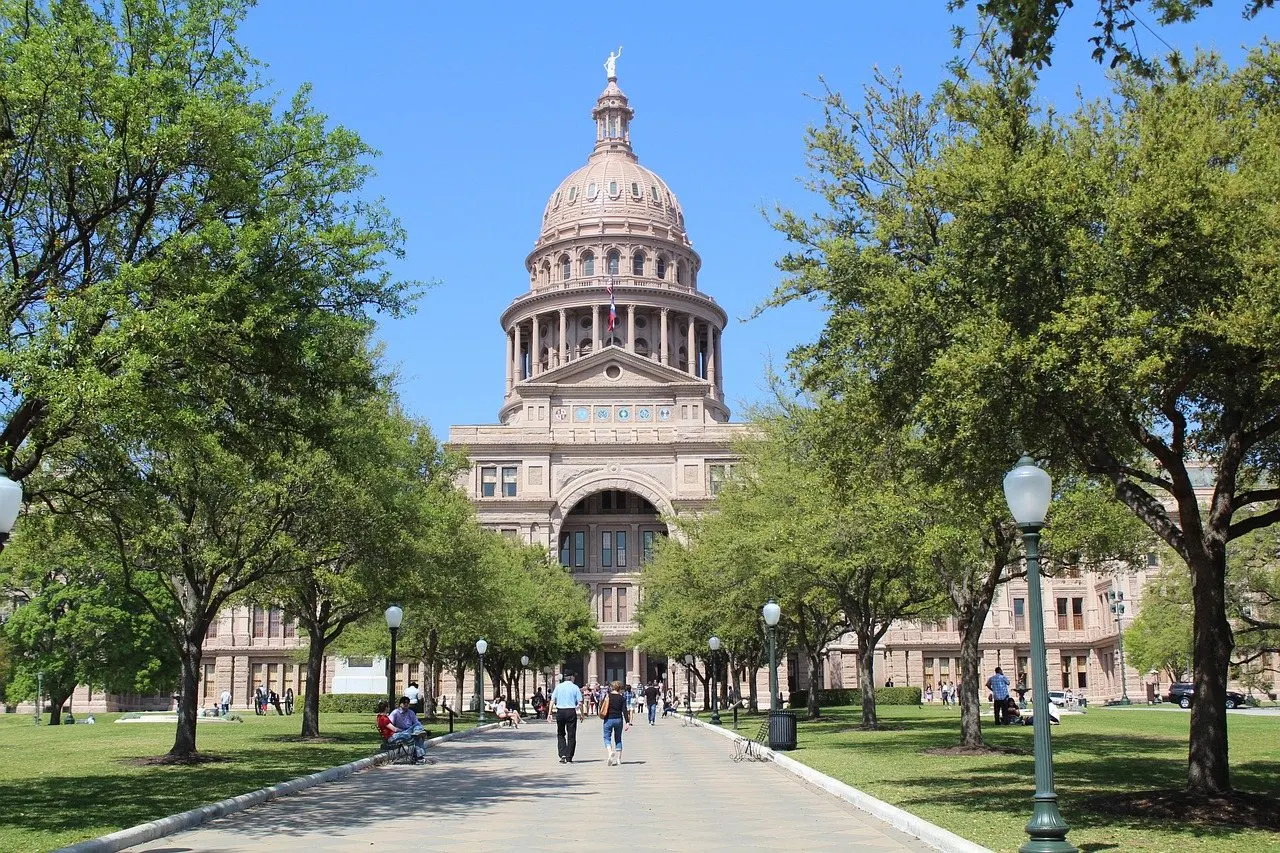
Sullivan came to the hearing as a justice of the Texas Supreme Court, the state’s highest court. The hearing was his chance to show the Senate he was ready for a bigger job. Just two weeks earlier, on November 3, Texas voters had turned him out of that seat, ending his time on the state court. Trump nominated him for the federal bench on November 10, only a week after that loss. The quick move from defeat to nomination raised eyebrows of its own. Read about the No Invasion Act and the warm welcome for Putin.
The West Texas Seat Behind the 22nd Amendment Hearing

The job Sullivan wants is a seat on the United States District Court for the Western District of Texas, a lifetime appointment as a federal judge. The hearing was the Senate’s first public look at whether he is fit for that trust. Federal judges decide cases about the Constitution itself, so the committee tests nominees on the document they will swear to protect. A lifetime seat is a great honor, and it comes with a high bar. See the fight over a Trump self-pardon and the question of Obama running again.
How a Confirmation Hearing Works

A confirmation hearing is the Senate’s interview for a lifetime post. The Judiciary Committee calls the nominee, swears him in, and takes turns asking about his record and his knowledge of the law. Senators from both parties get their time, and the nominee answers with cameras running. After the hearing, the committee votes on sending the nomination to the full Senate. The process is slow by design. It is the public’s only check before a judge takes the bench for life. Read about RFK Jr. facing a heated Senate hearing and the call for older leaders to step aside.
The History Behind the 22nd Amendment Hearing
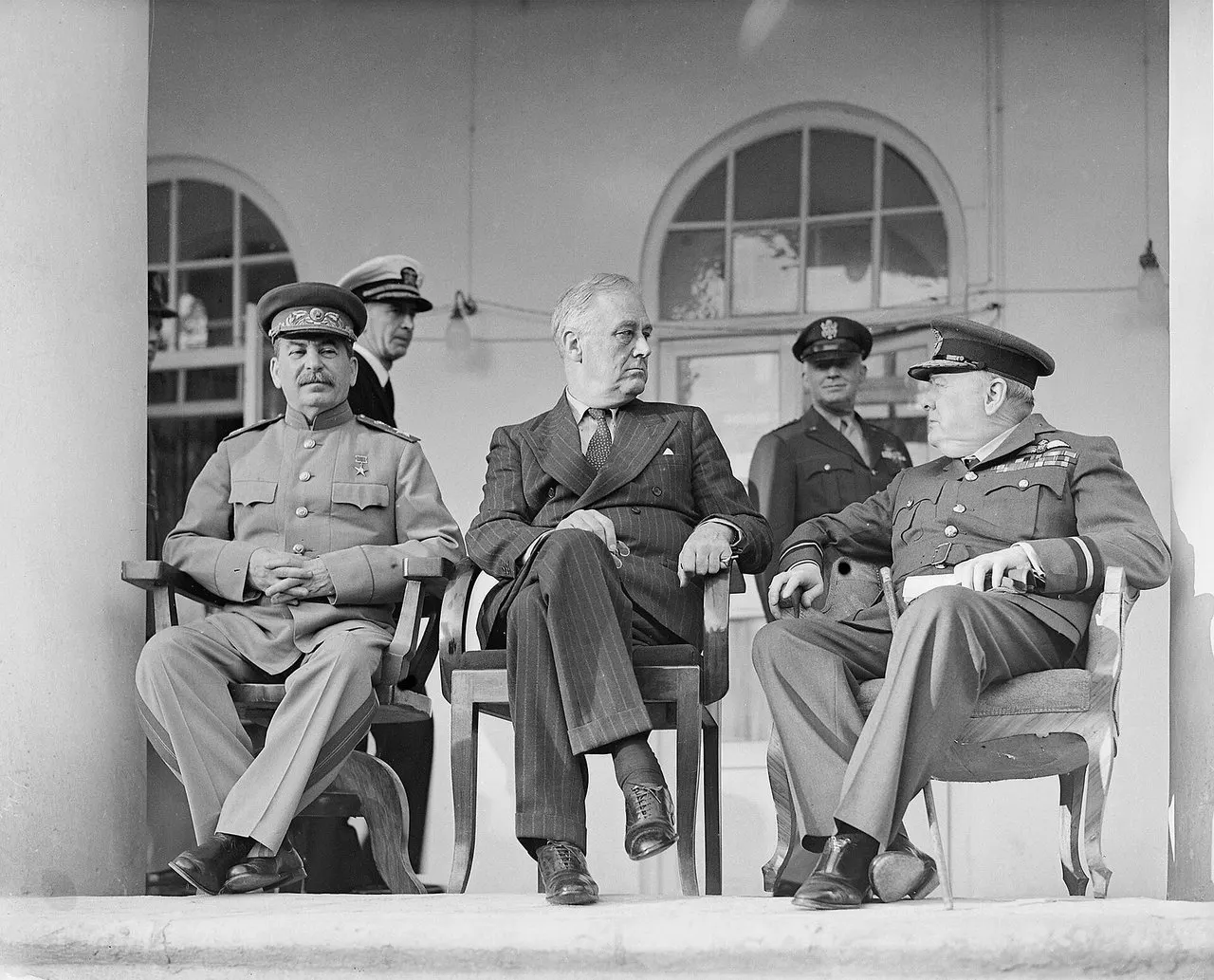
The hearing reached back to a story that began long before Sullivan was born. For the first 150 years of the republic, presidents followed George Washington’s example and stepped down after two terms. Then Franklin D. Roosevelt won four elections in a row, in 1932, 1936, 1940, and 1944, and the country decided the custom needed the force of law. The amendment was ratified in 1951, and no president has served more than two elected terms since. Read about McConnell’s farewell after four decades and the question of age in leadership.
What Happens Next for the Nomination
The hearing is only the first step, and Sullivan’s nomination now moves to a committee vote and then, if it passes, to the full Senate. The exchange will follow him through every step, because senators who saw the clip will ask about it again. A nomination can still move forward after a rough hearing, but the moment becomes part of the record. Supporters will say one stumble should not end a career, and critics will say it showed what they needed to see. See the debate over fixing Social Security and Hakeem Jeffries warning the MAGA movement.
Why the Clip Spread So Fast

Within hours of the hearing, the video of Sullivan closing his eyes and whispering oh boy, oh boy was everywhere. Short clips travel fast because they need no context, and this one had a senator, a judge, and the Constitution. News sites picked it up, and the exchange became the hearing’s most shared moment. For the public, the clip was the whole story in miniature. For the Senate, it was a reminder that every hearing now plays to a much bigger room. Read about Trump dozing off during the APEC summit and Trump’s friendship with Putin.
What Would You Ask a Judicial Nominee?
The hearing leaves a simple question for everyone who watched it. If you sat across from a nominee for a lifetime seat on the federal bench, what would you ask first? Would you test his knowledge of the Constitution, or would you ask how he would rule when the law and politics collide? Share your answer in the comments below and keep reading our coverage of the Senate and the courts. You may also like a bill to seal the border for future presidents and Clinton’s warning before the meeting with Xi and Putin.