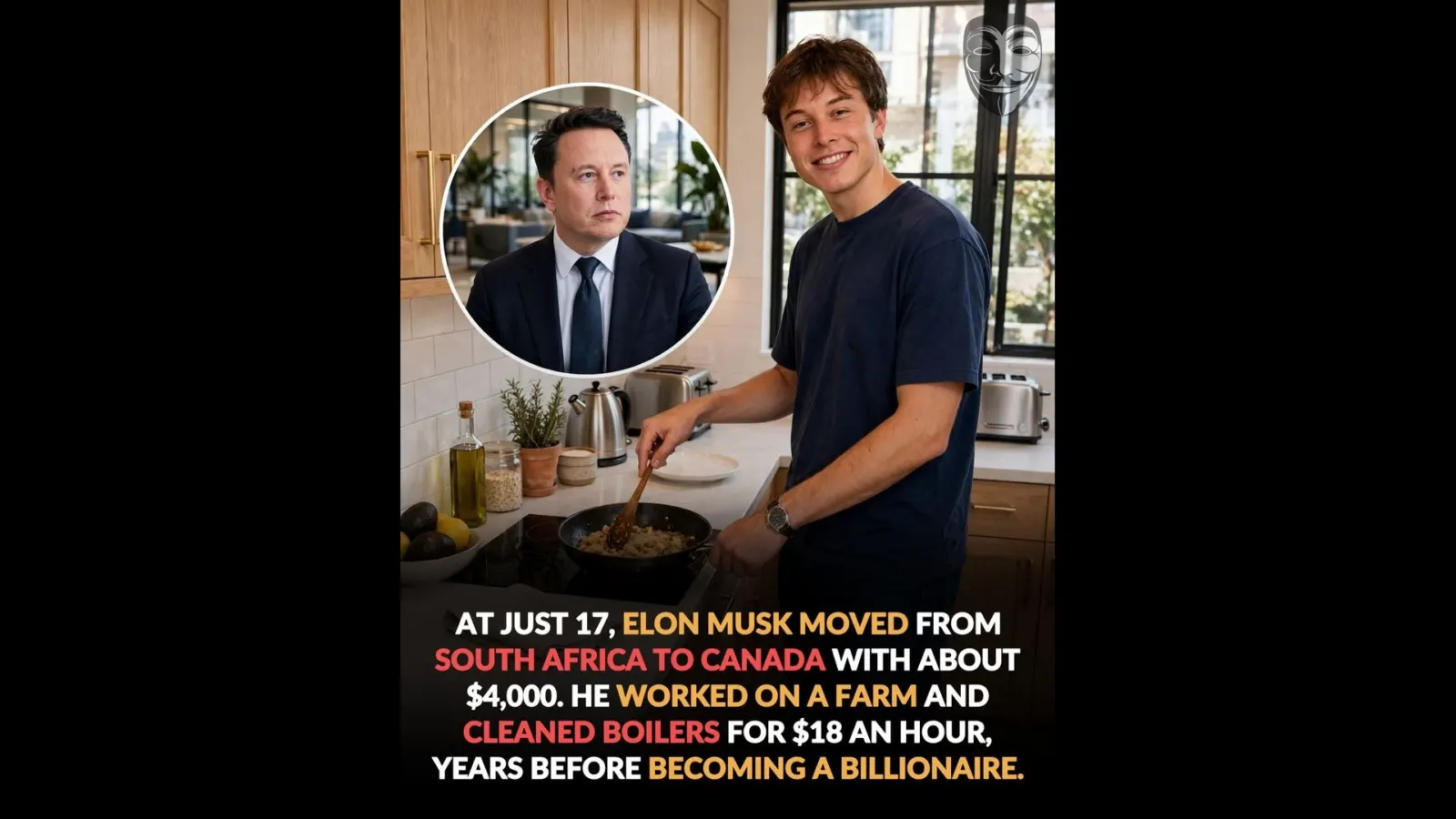
Elon Musk Canada: A Teenager Arrives With $4,000 and Big Dreams
Elon Musk Canada is the story of a 17-year-old who left South Africa in 1989 with about $4,000 and no place to stay. When he arrived in Montreal, the relative he had hoped to live with was no longer there, so he spent time in a youth hostel sharing a room. Days later he bought a $100 bus pass and crossed the country to Saskatchewan, where he worked about six weeks on a cousin’s farm. It was a rough start, years before Tesla and SpaceX made him famous, as covered in our report on the huge Tesla pay package.
Later, in Vancouver, Musk walked into an employment office and asked for the highest paying job on the board. It was cleaning the boilers at a lumber mill for $18 an hour, work that meant protective gear, cramped spaces and shovelling out steaming residue. According to his biographer Ashlee Vance, dozens of workers started that week but only Musk and two others lasted. In the slides ahead we follow his journey from Montreal to the farm to the boiler room, and look at his idea for an app where strangers post their bills.
References:
Source: Money: How Elon Musk Made Money Before Tesla
Source: Inc: The Scrappy Habit That Made Young Elon Musk A Successful Entrepreneur
Source: Luxury Launches: Elon Musk Once Crawled Through A Lethal Canadian Boiler Room Tunnel Shoveling Soot For A Measly $18 An Hour
Source: VC Post: Elon Musk Success Story What He Did During His Teen Years That Made Him A Billionaire
Leaving South Africa at 17
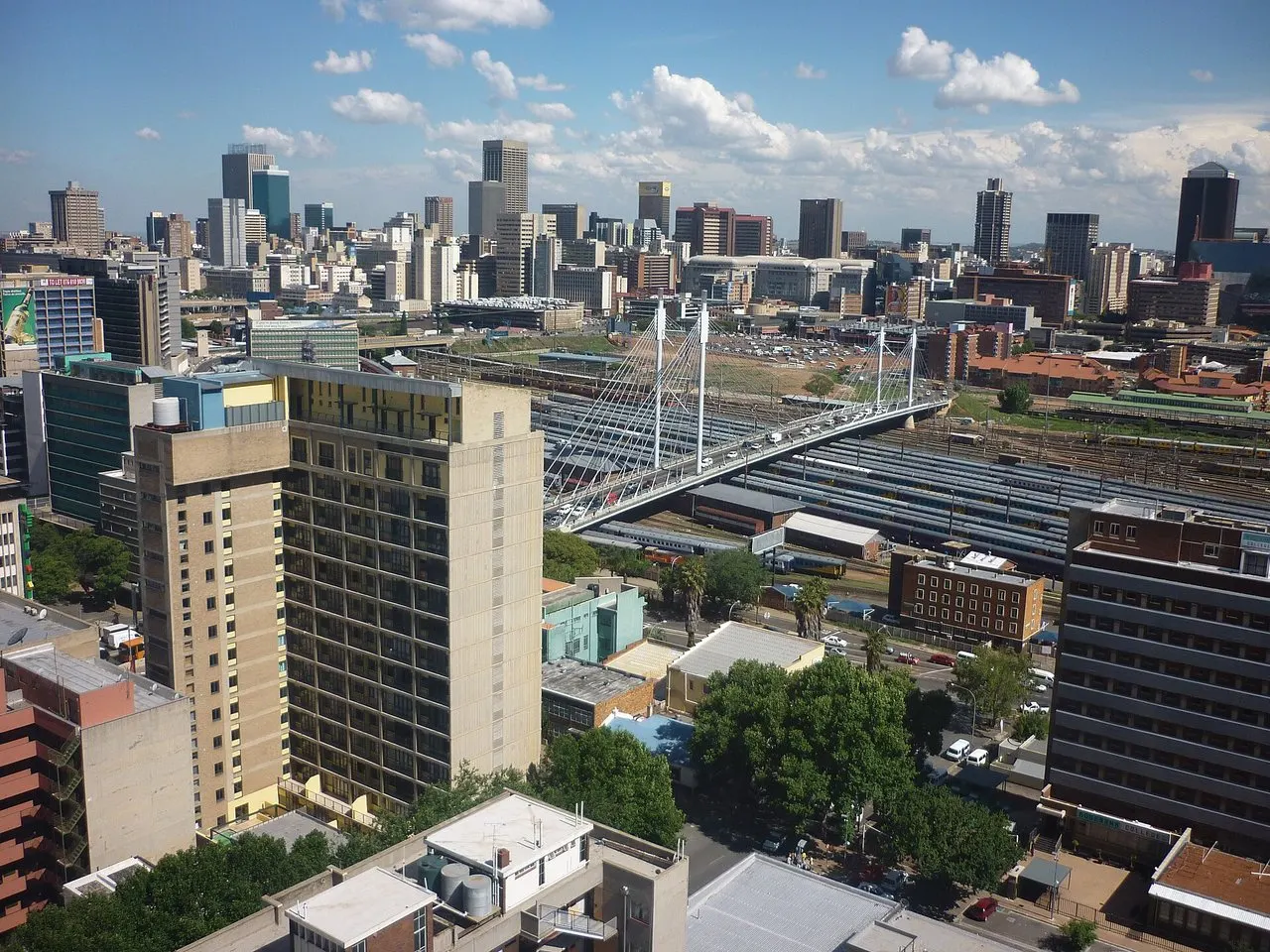
In 1989, Elon Musk was just 17 when he decided to leave South Africa and start a new life in Canada. He carried about $4,000 with him, a small sum for a teenager heading somewhere he knew almost no one. The move took courage, because he had no home waiting for him. He hoped a relative in Montreal would take him in, and that hope carried him across the ocean. He was chasing a different future, a theme in the story of Musk and Andrew Tate pledging money for murals and how tariffs hit jobs in Canada.
Elon Musk Canada Begins in Montreal
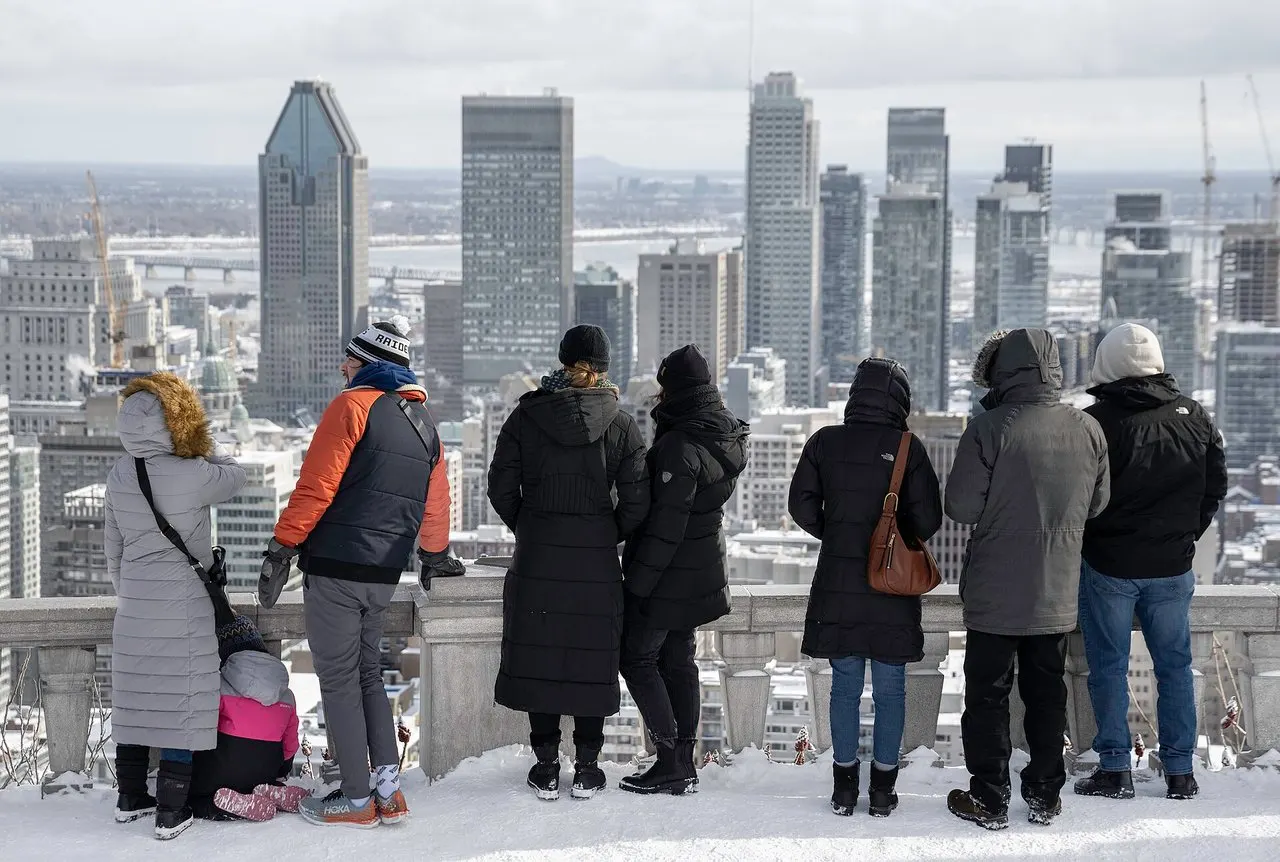
Montreal was Musk’s first stop in Canada, but the plan fell apart at once. The relative he had hoped to stay with had moved away, so no family home was waiting for him. With about $4,000 and no address, he had to think fast. He found a youth hostel instead, a bed in a room with strangers. It was not the welcome he had imagined. Starting over far from home is hard in any era, and it echoes the strain on household budgets in our look at hours of work for essentials and how tariffs hit jobs in Canada.
A Youth Hostel and Strangers for Roommates
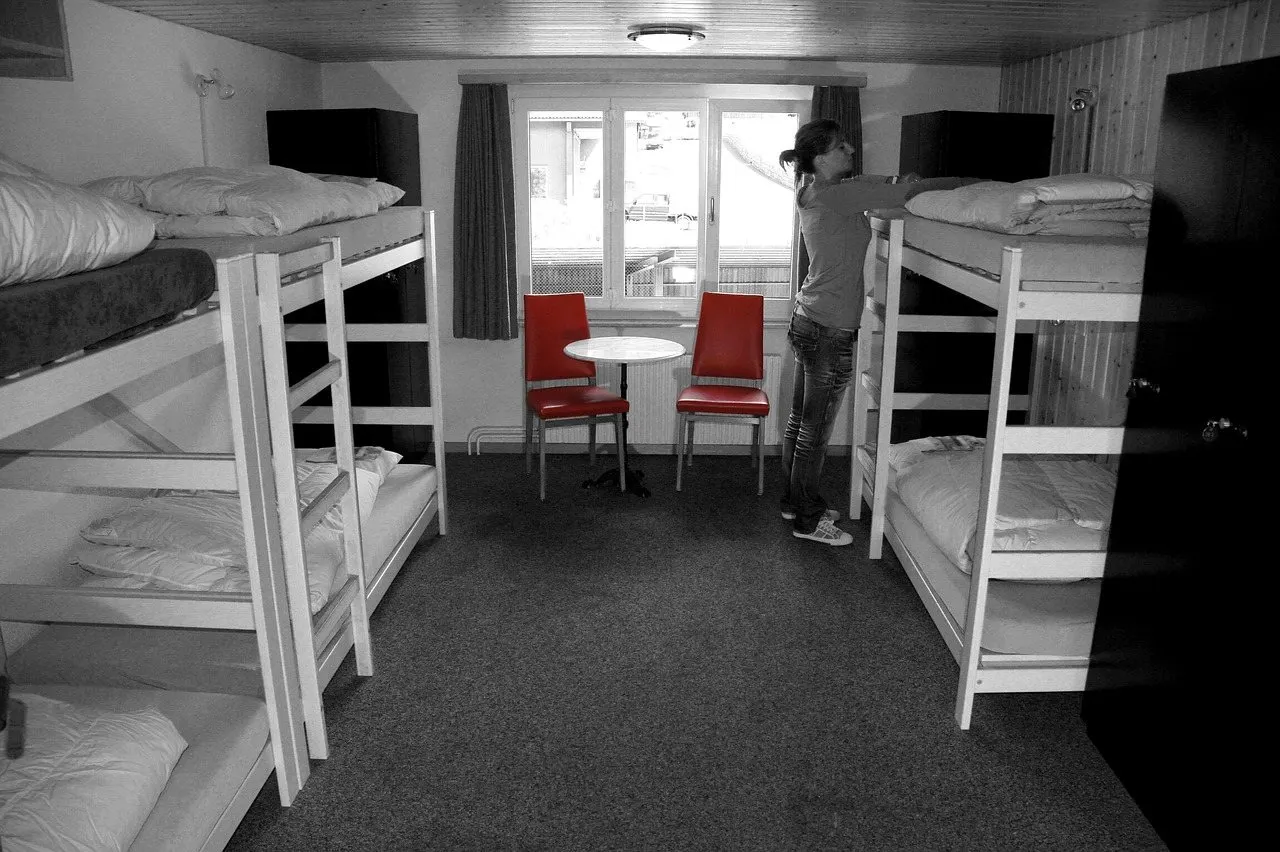
With no relative to stay with, Musk spent time in a youth hostel in Montreal, sharing a room with strangers. Hostels are a first stop for travellers with little money, offering a cheap bed. For a 17-year-old far from home, it was shelter and a lesson in looking after himself. He had left South Africa with hopes of building a different future, and the hostel was the first step of that plan. Tight budgets shape many young journeys, like the small sums in the story of the five cent chocolate bar and our look at hours of work for essentials.
A $100 Bus Pass Across Canada
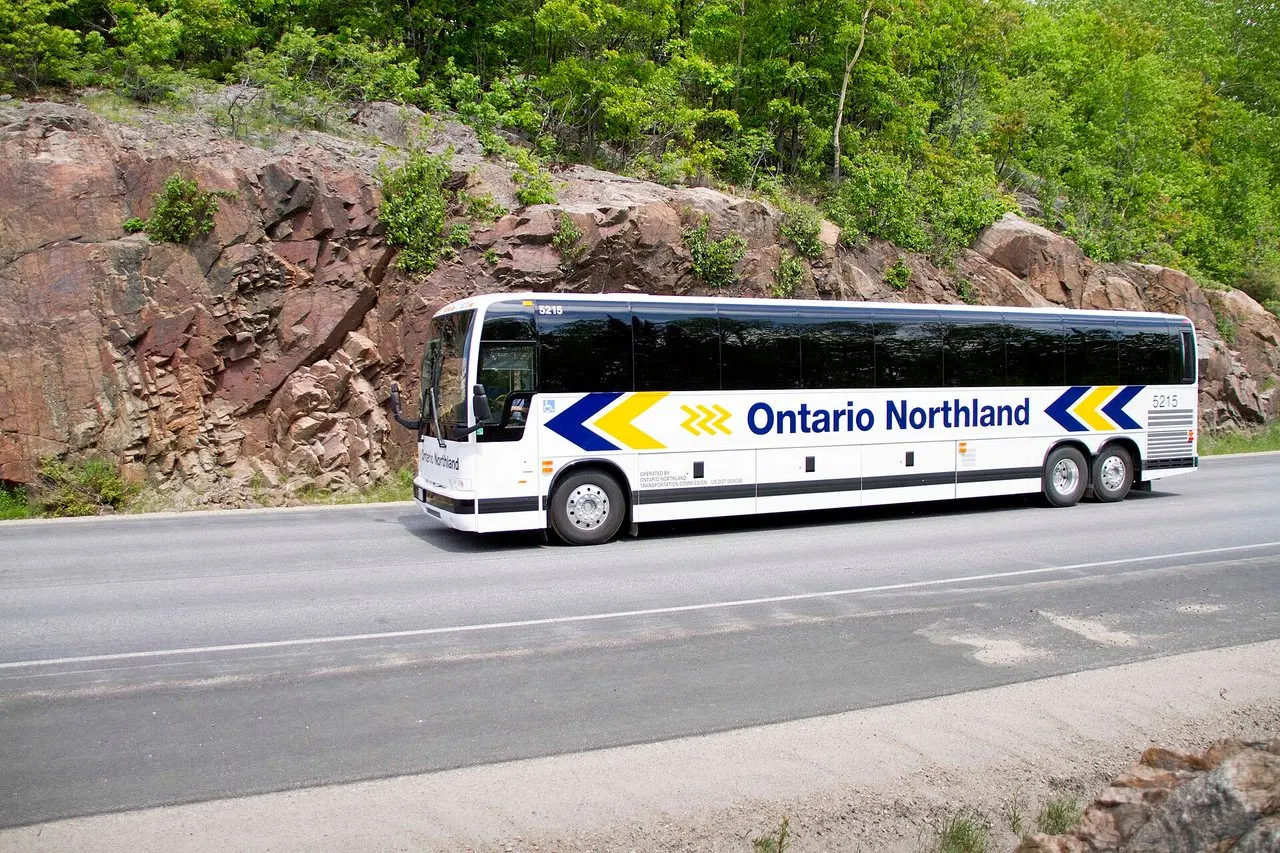
A few days after reaching Montreal, Musk bought a $100 bus pass and travelled across Canada to Saskatchewan. Canada is a vast country, and the ride from Montreal to the prairies takes days, not hours. The bus was the cheapest way for a teenager with about $4,000 to cross it. He was heading to contact a distant cousin he had never met, a bold move for someone with no safety net. The long ride gave Musk plenty of time to think, like the $17 billion deal bringing jobs home and how tariffs hit jobs in Canada.
Elon Musk Canada Reaches the Saskatchewan Farm
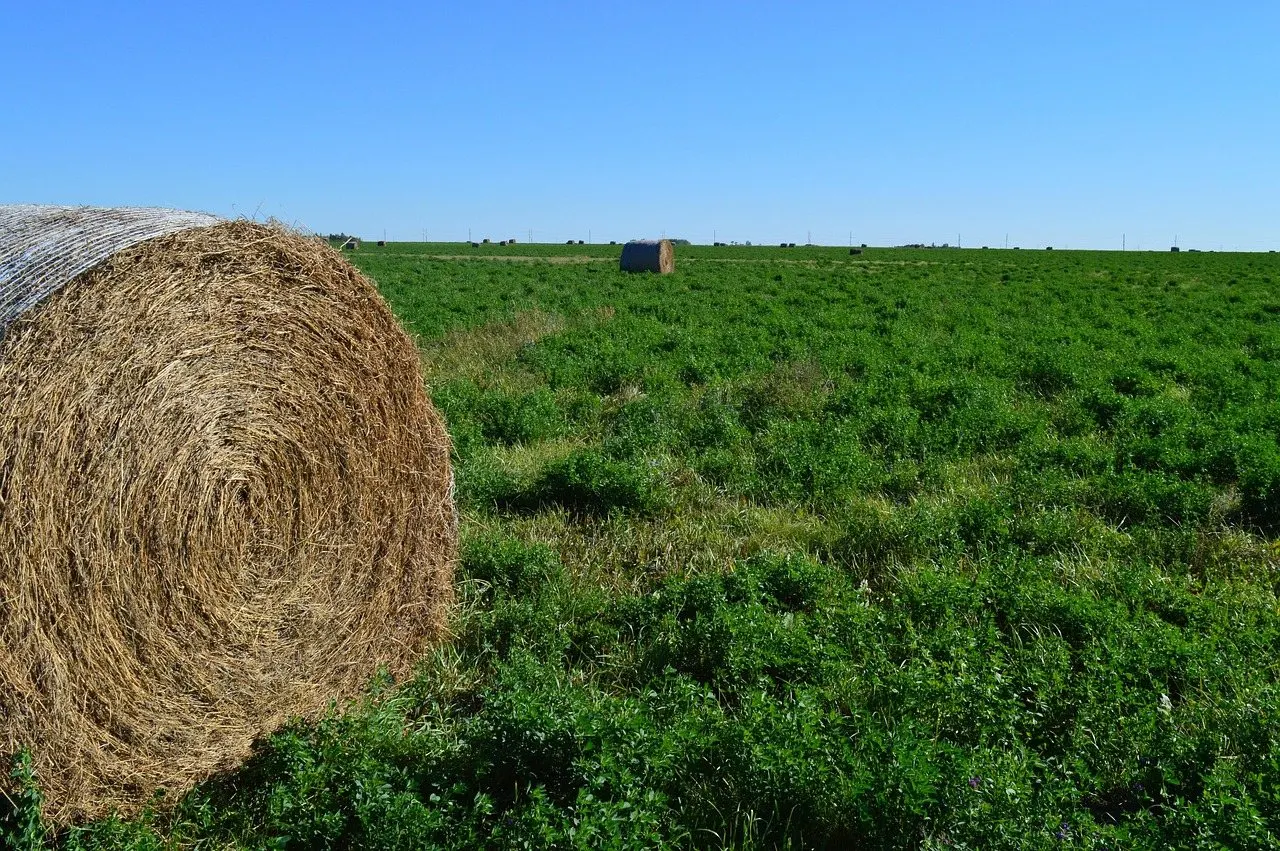
In Saskatchewan, Musk contacted a distant cousin he had never met, and the family took him in. He spent about six weeks working on the family’s farm, far from city life. Farm work starts early and ends late, with animals, fences and fields to tend. For a city teenager, it was a steep learning curve. He helped with daily chores and learned to keep going when the work was hard. Farm life builds grit, as shown in our look at hours of work for essentials and why we suddenly need a thousand data centers.
Six Weeks of Farm Chores and Grain Bins
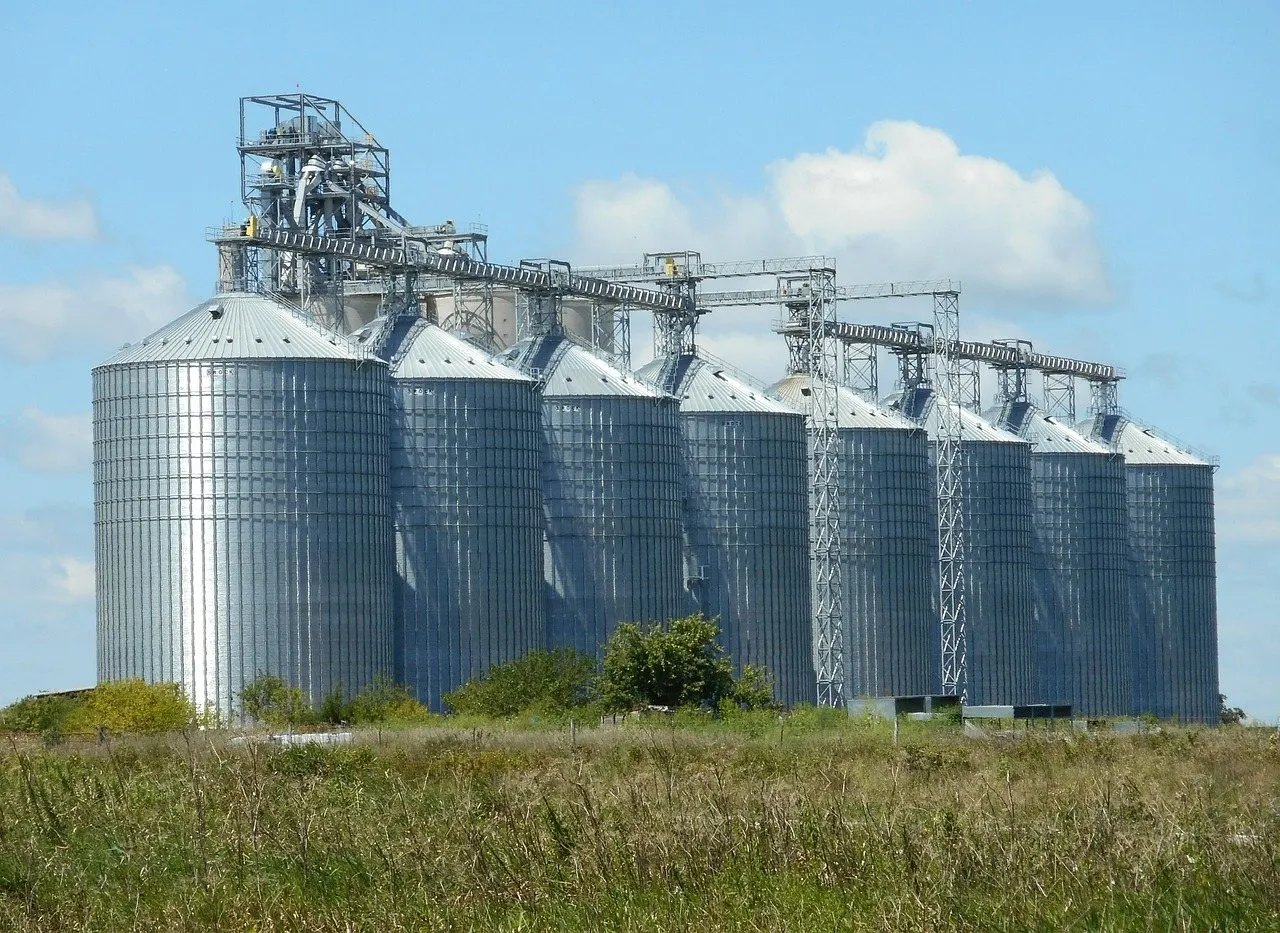
On the Saskatchewan farm, Musk’s main job was cleaning grain bins and helping with everyday chores. Grain bins are tall steel silos where harvested grain is stored, and they need regular cleaning. The work is dusty, physical and repetitive, and it teaches patience. Six weeks of it gave the teenager a taste of honest manual labour and a small wage to live on. It was ordinary work, far from the world of rockets and electric cars. Harvests still matter today, as seen in the story of the five cent chocolate bar and why we suddenly need a thousand data centers.
Elon Musk Canada Moves On to Vancouver

After about six weeks on the farm, Musk moved on to Vancouver, on the Pacific coast of Canada. Vancouver is a port city ringed by mountains and water, very different from the flat prairies of Saskatchewan. He arrived there looking for work and living on the money he had brought from South Africa. The city offered more jobs than the farm, and Musk went looking for one. Every move brought him closer to the job that would test him most, a search that mirrors other big moves, like Starlink going live over Iran and the historic deal over Greenland.
The Employment Office and the Highest Paying Job
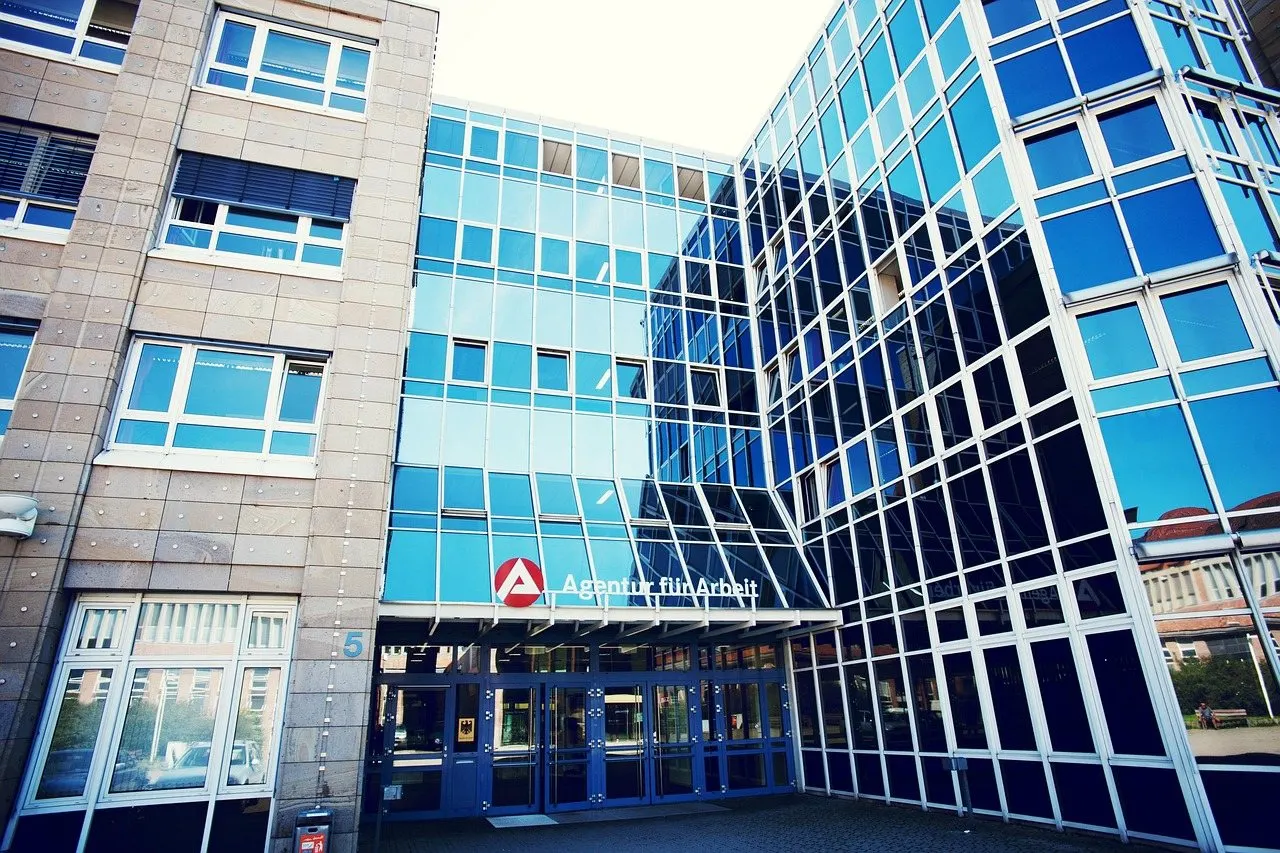
In Vancouver, Musk visited an employment office and asked for the highest paying job on the board. Most jobs offered relatively low wages, but one paid an impressive $18 an hour. The catch was cleaning boilers at a lumber mill, work few people wanted. Musk did not hesitate. The higher pay convinced him to take it, even though he knew it would be hard. Asking for the best paying job takes nerve. Big pay and big stakes also drive the huge Tesla pay package and the $17 billion deal bringing jobs home.
Elon Musk Canada and the $18 an Hour Boiler Job
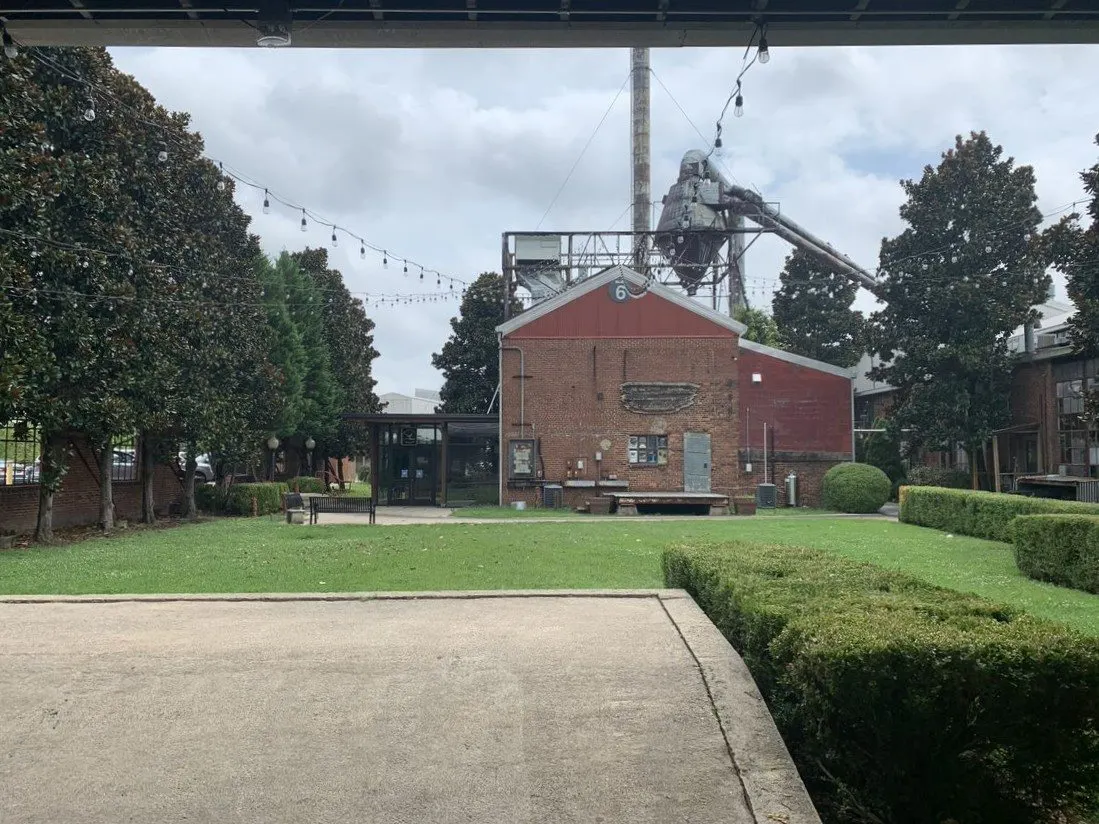
The job Musk took was cleaning the boilers at a lumber mill for $18 an hour, the highest pay on the board. A lumber mill burns wood to make steam, and the boilers build up residue that must be shovelled out by hand. It is hot, dirty and cramped work inside the mill. Few applicants wanted it, so it paid well. Musk put on the protective gear and got to work. The boiler room became his classroom in hard labour, as recalled in the Neuralink trial that could help blind people see and the Bruce Willis family gift to science.
Protective Gear and Cramped, Steaming Spaces
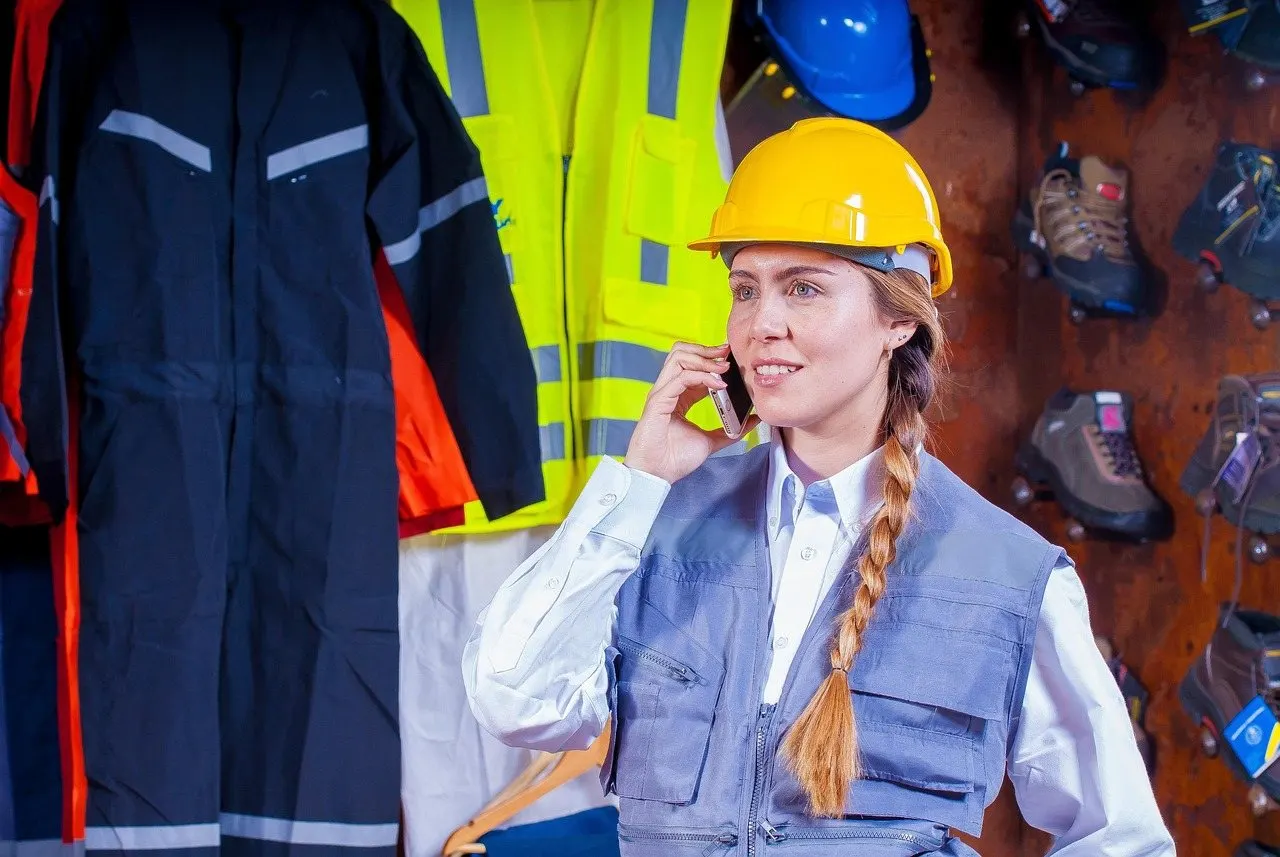
According to Musk, the boiler job involved wearing protective gear, crawling into cramped spaces and shovelling out steaming residue. The gear shielded him from the heat, but the spaces were tight and the air was thick. Every shovelful had to be hauled out by hand. It was exhausting, uncomfortable and potentially dangerous, yet Musk kept at it. The job tested his body and his will in equal measure. Tough gear and tough jobs also appear in the story of Musk and Andrew Tate pledging money for murals and the Bruce Willis family gift to science.
Elon Musk Canada: Shovelling Residue in the Heat

Inside the boiler, Musk shovelled out steaming residue, the ash and soot left behind after burning. The residue was hot enough to scorch skin, so every movement had to be careful and steady. He crawled through a narrow tunnel, scooping and hauling, while the heat pressed in from every side. It was the kind of job that makes a person respect honest work and the people who do it every day. Musk has said the experience stayed with him. Hard jobs in hot places also shape other stories, like Starlink going live over Iran and the historic deal over Greenland.
Only Three Workers Lasted the Week
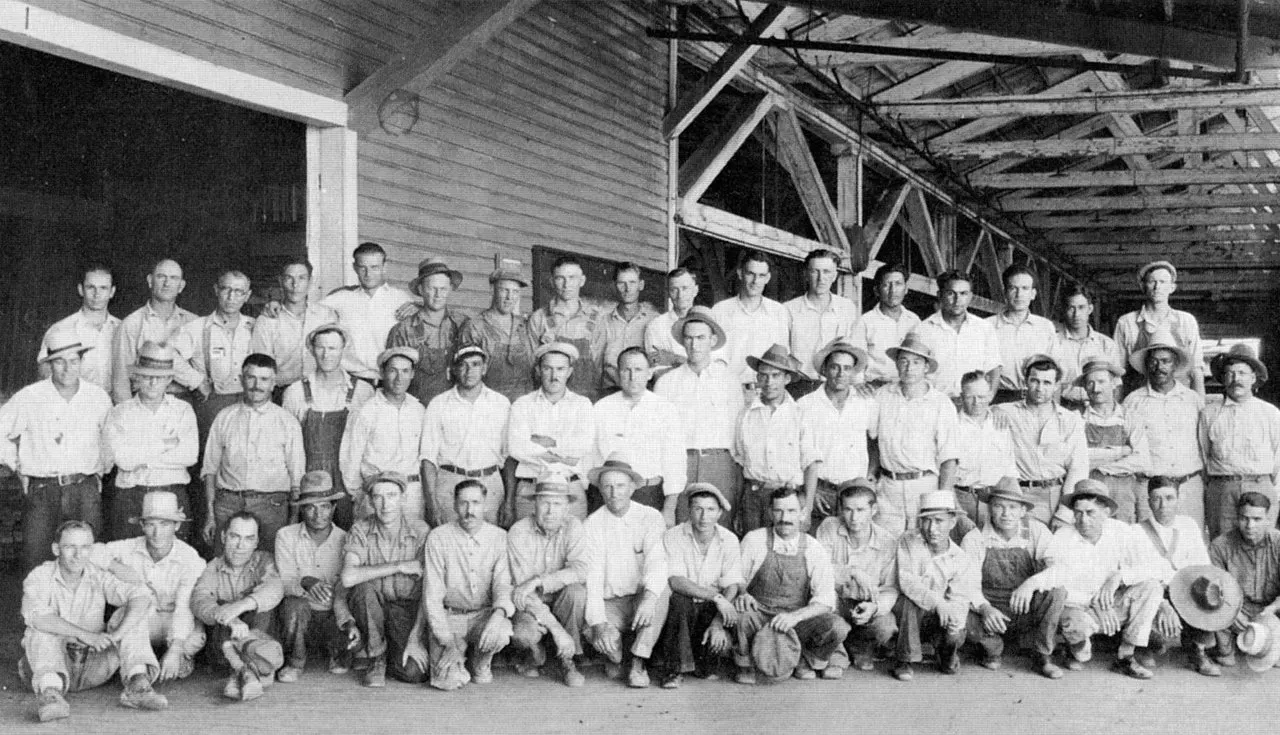
According to his biographer Ashlee Vance, dozens started that week, but only Musk and two others lasted. Most new hires quit within days. Musk was one of the three who stayed, and that says a lot about the teenager who had crossed an ocean with $4,000. He had already survived a hostel, a long bus ride and six weeks on a farm. Sticking with the boiler job was proof of his grit. Endurance also defines other lives, like the Neuralink trial that could help blind people see and the story of Musk and Andrew Tate pledging money for murals.
Long Before Tesla and SpaceX
All of this happened long before Tesla and SpaceX made Musk famous. In 1989 he was not a billionaire, a rocket builder or a car maker. He was a 17-year-old with a shovel, cleaning grain bins and boilers to earn a living. The contrast is why the story still gets shared. The teenager who crawled through a boiler room would go on to build electric cars and reusable rockets. The road from $18 an hour to the top was long, as seen in the huge Tesla pay package and his idea for an app where strangers post their bills.
Elon Musk Canada: The Story His Biographer Told
Much of what we know about Musk’s year comes from his biographer Ashlee Vance, who recorded the farm, the hostel and the boiler room. Vance wrote that dozens started at the mill that week and only three lasted, a detail that has stuck with readers. Biographers piece together a life from interviews and records, and this chapter shows a young man learning to endure. Without that account, the $18 an hour job might have been forgotten. The telling of a life also matters in his idea for an app where strangers post their bills and Starlink going live over Iran.
From Boilers to Rockets

The teenager who cleaned boilers in Canada went on to build rockets and send them into space. SpaceX, the rocket company Musk later built, now launches satellites and carries astronauts, a world away from shovelling soot in a lumber mill. Yet the same stubborn streak runs through both chapters of his life. The boy who would not quit the boiler job became the man who would not give up on reusable rockets. Big leaps start with small steps, as shown in the Neuralink trial that could help blind people see and why we suddenly need a thousand data centers.
What $4,000 Meant in 1989

Musk left South Africa with about $4,000, and in 1989 that money had to stretch a long way. It paid for the trip to Canada, the youth hostel, the $100 bus pass and food while he looked for work. A teenager with no home and no job had to budget every dollar. The farm job and the boiler job turned that small stake into a living. Starting with little and working hard is a story many people know, echoing the small sums in the story of the five cent chocolate bar and the $17 billion deal bringing jobs home.
What Would You Have Done at 17?

Musk was 17 when he left home with $4,000, slept in a youth hostel, rode a bus across Canada, worked a farm and cleaned boilers for $18 an hour. Would you have taken the boiler job, or held out for easier work? Would you have kept going when dozens of others quit? His story is a reminder that ordinary hard work can be the start of an extraordinary life. Share your thoughts in the comments below. For more on the people in this story, read the Bruce Willis family gift to science and the historic deal over Greenland.