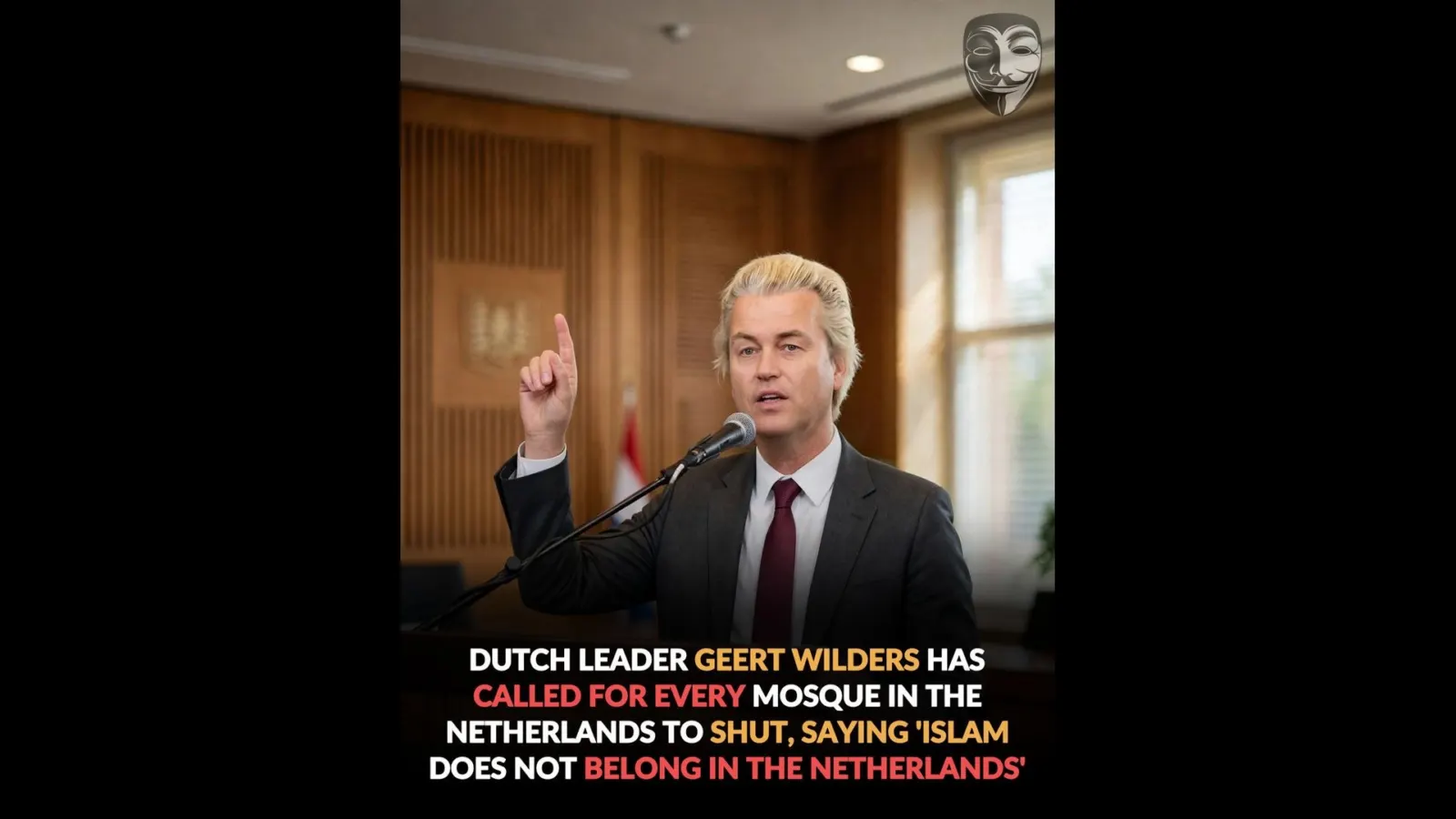
Geert Wilders Mosques Call Shakes the Netherlands
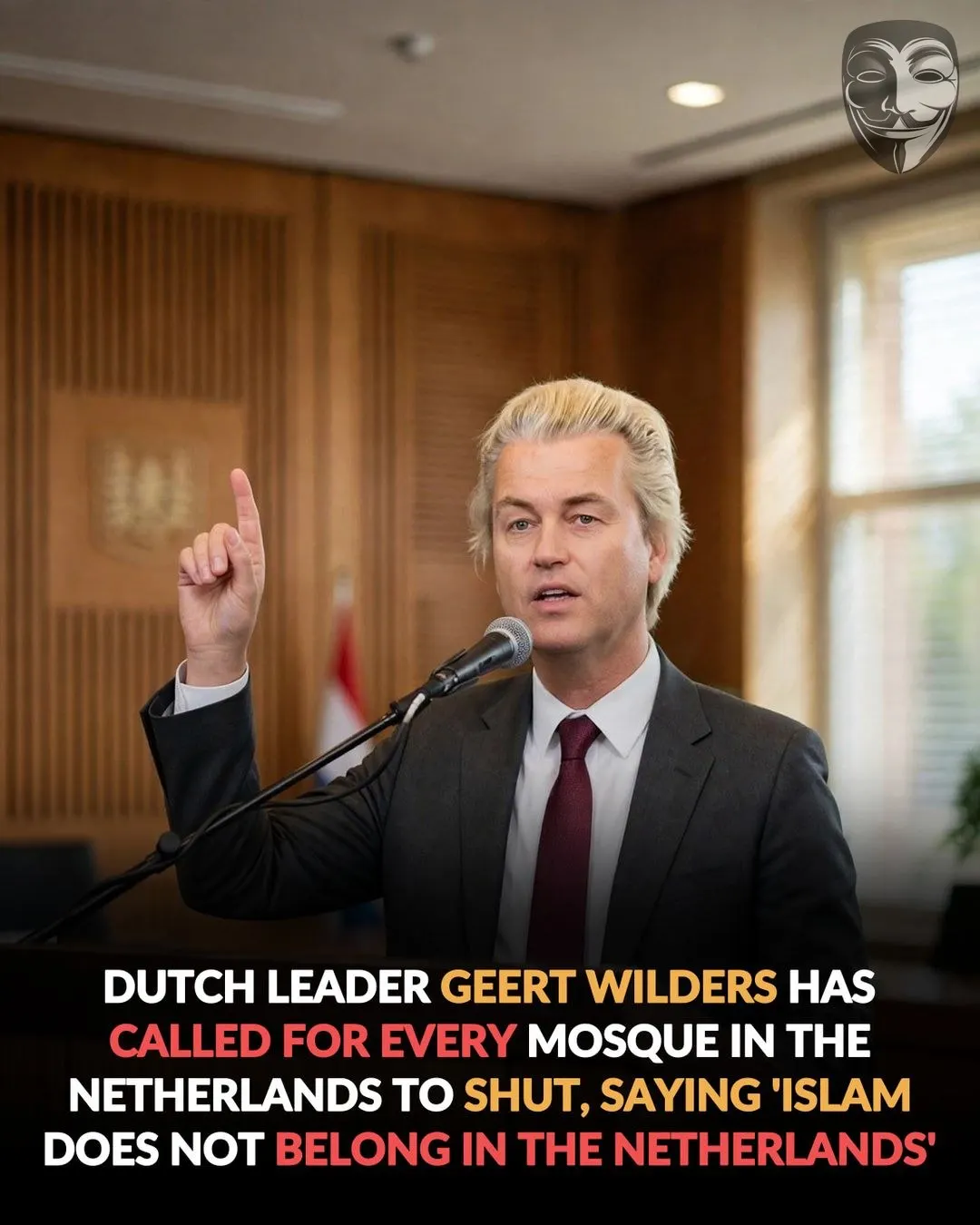
The Geert Wilders mosques call has set off a fierce debate across the Netherlands. On 18 November, Dutch Party for Freedom leader Geert Wilders posted that every mosque in the country must close, adding that Islam does not belong in the Netherlands. The message landed during a cabinet crisis, and it quickly spread far beyond his own supporters. In the slides ahead we look at what he said, why he said it, and how the country is reacting to a demand that touches faith, freedom and the future of Dutch towns.
Wilders also asked parliament to block a new mosque planned in the town of Enschede, turning a social media post into a concrete political demand. Supporters praised the call as long overdue, while critics warned it would shut Muslim communities out of their places of worship. The story fits a wider pattern of fierce debates over immigration and national identity, much like the row over the census and who counts as American and the storm around a local official and immigration raids. Those fights show how quickly one post can become a national argument.
References:
Shia Waves: Leader of far-right Dutch Party calls for closure of all mosques in Netherlands
Visegrad24: Geert Wilders calls for closing all mosques in the Netherlands
Islam Web: Dutch MP insults Islam, calls for ban on Quran
Global News Vertex: Wilders calls for mosques to close
The Geert Wilders Mosques Post That Started It All
On 18 November, Wilders posted a short message that carried a very large demand. He said every mosque in the Netherlands must close, and he added that Islam does not belong in the Netherlands. The words were plain and direct. Within hours the post was shared widely, and it drew praise from supporters and anger from critics. It was not a policy paper or a speech, yet it set off a wave of protest and debate, like the flag protests that shook Los Angeles and the report on force used at immigration protests.
Who Is Geert Wilders
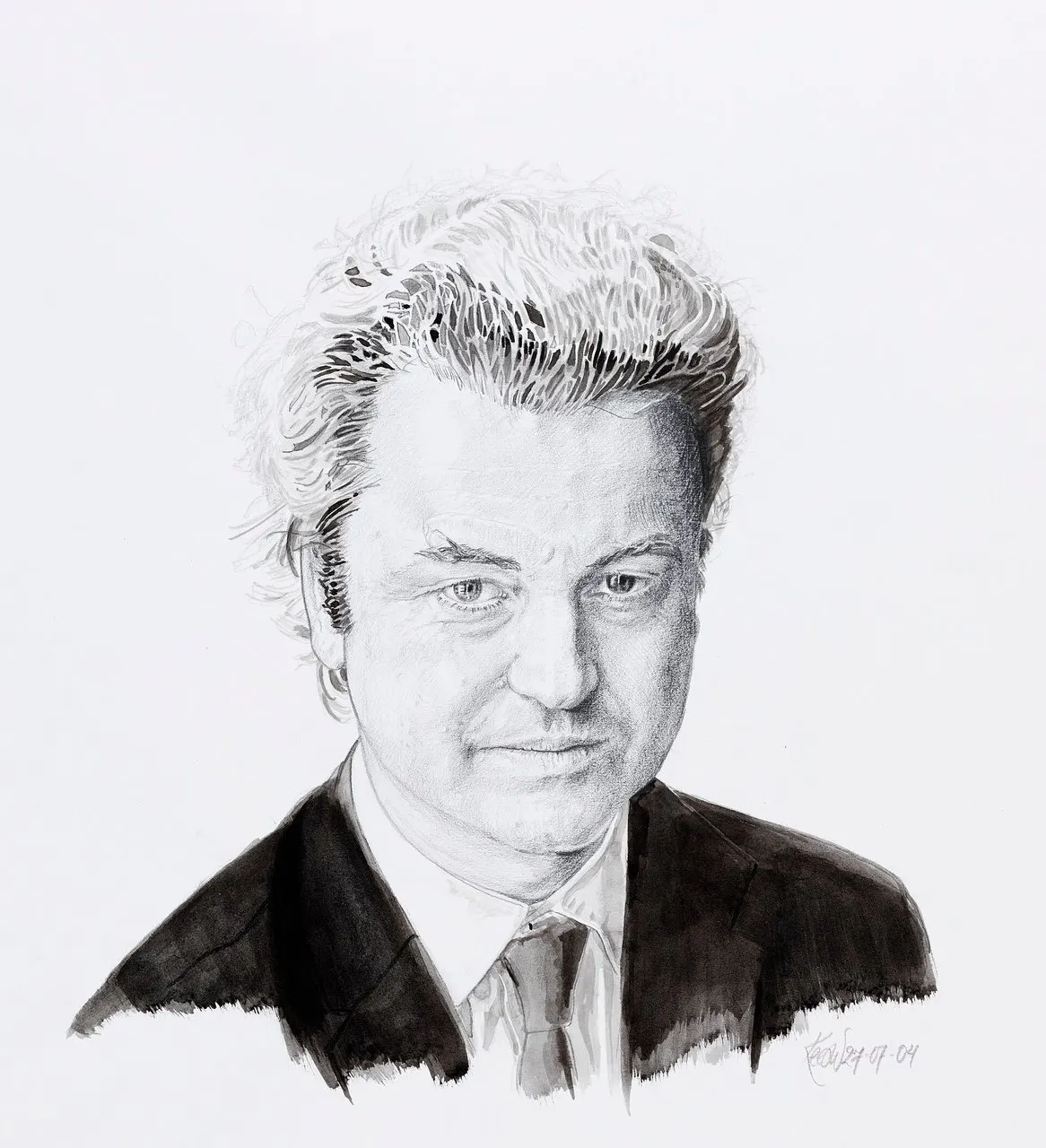
Geert Wilders leads the Dutch Party for Freedom, a party built around his views on immigration and identity. He has been a voice in Dutch politics for years, and his plain style has won him loyal supporters and fierce critics. He has pushed the call to close mosques for years, including in past election platforms, so the post surprised few who follow him. Like other leaders who keep testing the limits of politics, he thrives on direct talk, and like the judges at the center of a term limits debate, he often sits at the heart of a constitutional row.
The Enschede Mosque at the Center of the Row
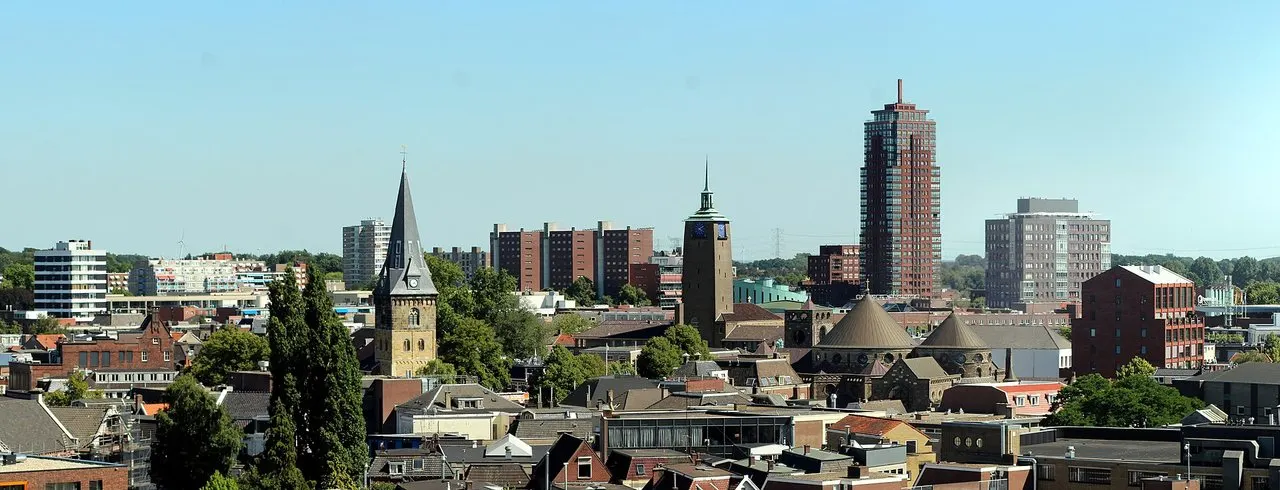
Enschede is a town in the east of the Netherlands, and it now sits at the center of this story. A new mosque is planned there, and Wilders has asked parliament to block it. For the town, the plan is no longer just a local building project. It has become part of a national argument about faith, belonging and who decides what rises on a Dutch street. The town now finds itself named in a debate far beyond its borders, much like the small places caught in big diplomatic deals and the towns split by a fight over voting rules.
Geert Wilders Mosques Demand Is Years in the Making
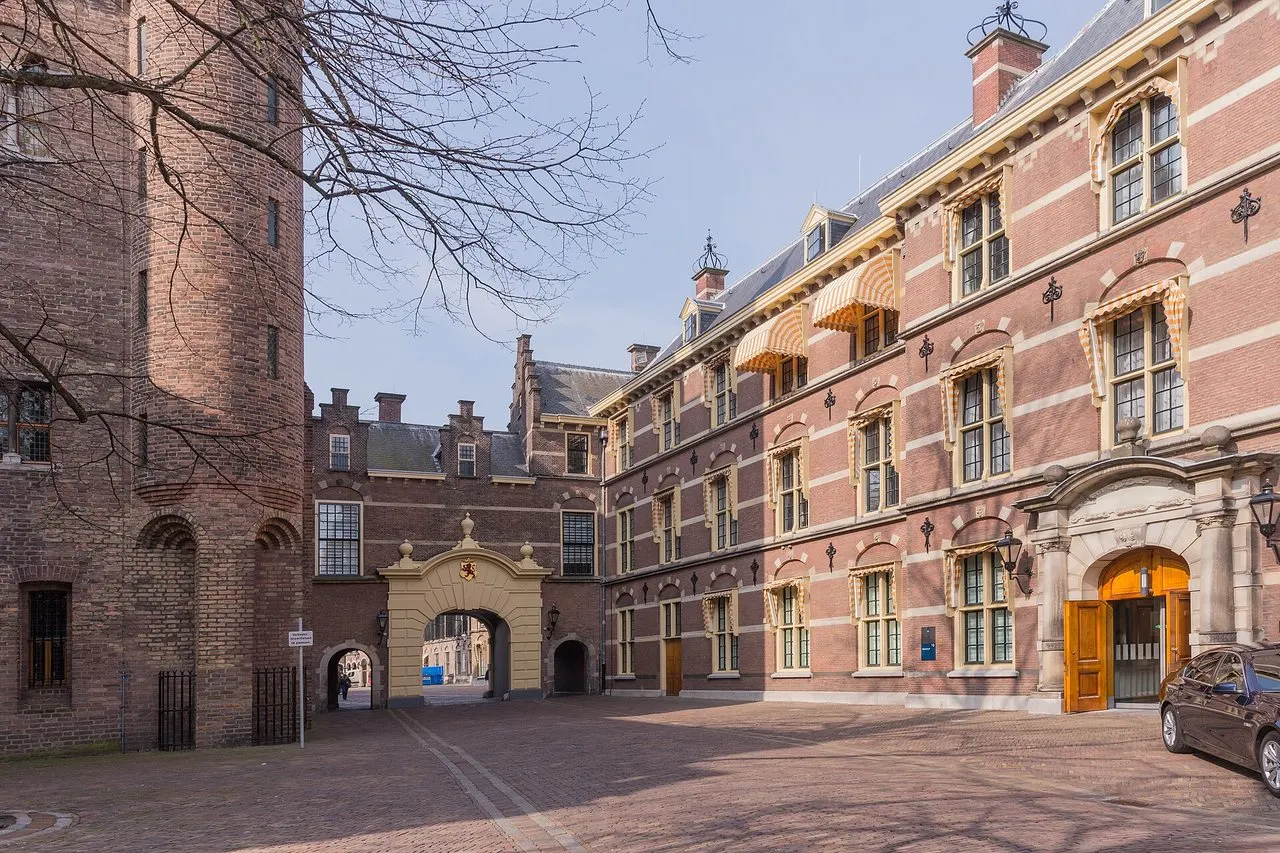
This is not a new demand from Wilders. He has pushed the same call for years, and it has appeared in past election platforms put before Dutch voters. Each time, the message has been the same, and each time it has drawn the same mix of cheers and anger. The latest post simply repeats a position he has held for a long time, now with a sharper edge. The Geert Wilders mosques demand has become a fixed part of his politics, much like the tariff fights that keep returning to the courts and the long arguments over arms and alliances.
A Warning About Mass Immigration
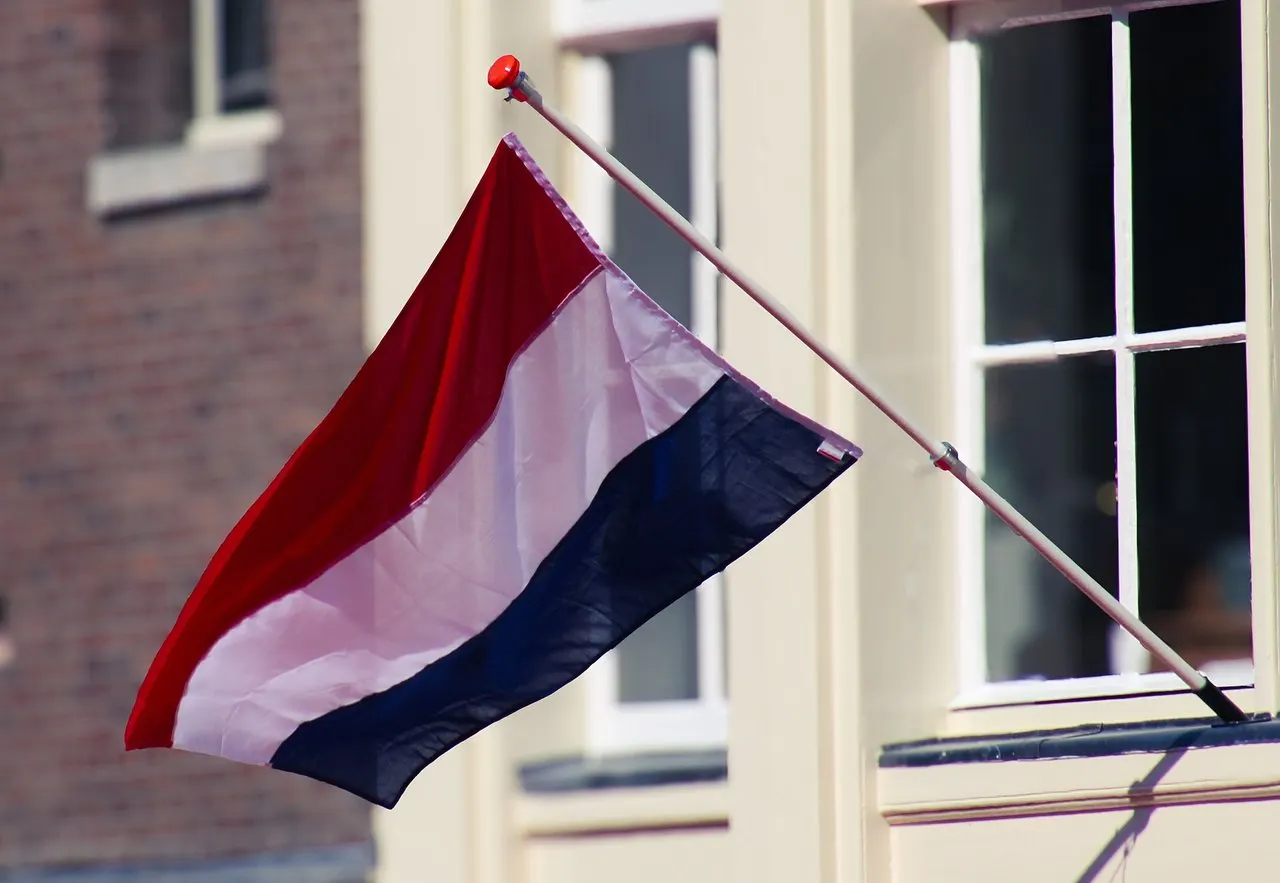
Wilders says mass immigration is changing the character of his country, and that warning sits at the heart of his message. For his supporters, the claim speaks to real change in towns and cities across the Netherlands, where new faces and new customs have arrived quickly. For his critics, the claim blames newcomers for problems with deeper roots. The argument over who belongs and what a country should look like is not new, and it echoes the census fight over who counts and the raids that split a California town.
Supporters Cheer the Geert Wilders Mosques Call
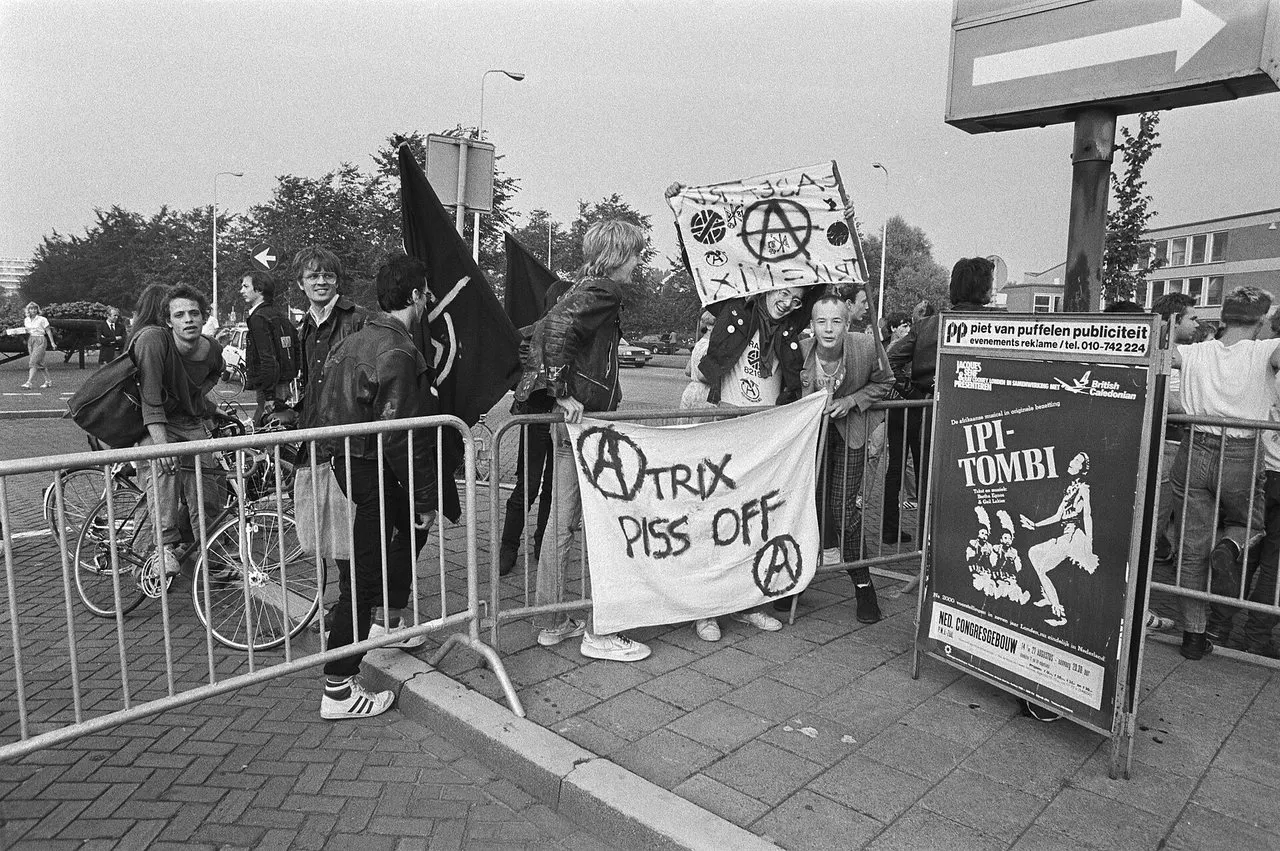
Supporters of Wilders praised the call as soon as it appeared, and many said it was long overdue. They see him as one of the few leaders willing to say out loud what they feel about immigration and Islam in the Netherlands. For them, the demand to close mosques is not hate but honesty, a stand for a country they fear is slipping away. Their praise filled social media within hours, much like the crowds that rallied around the flag in Los Angeles and the cheers for a tough crackdown in the capital.
Critics Say Communities Would Lose Their Mosques
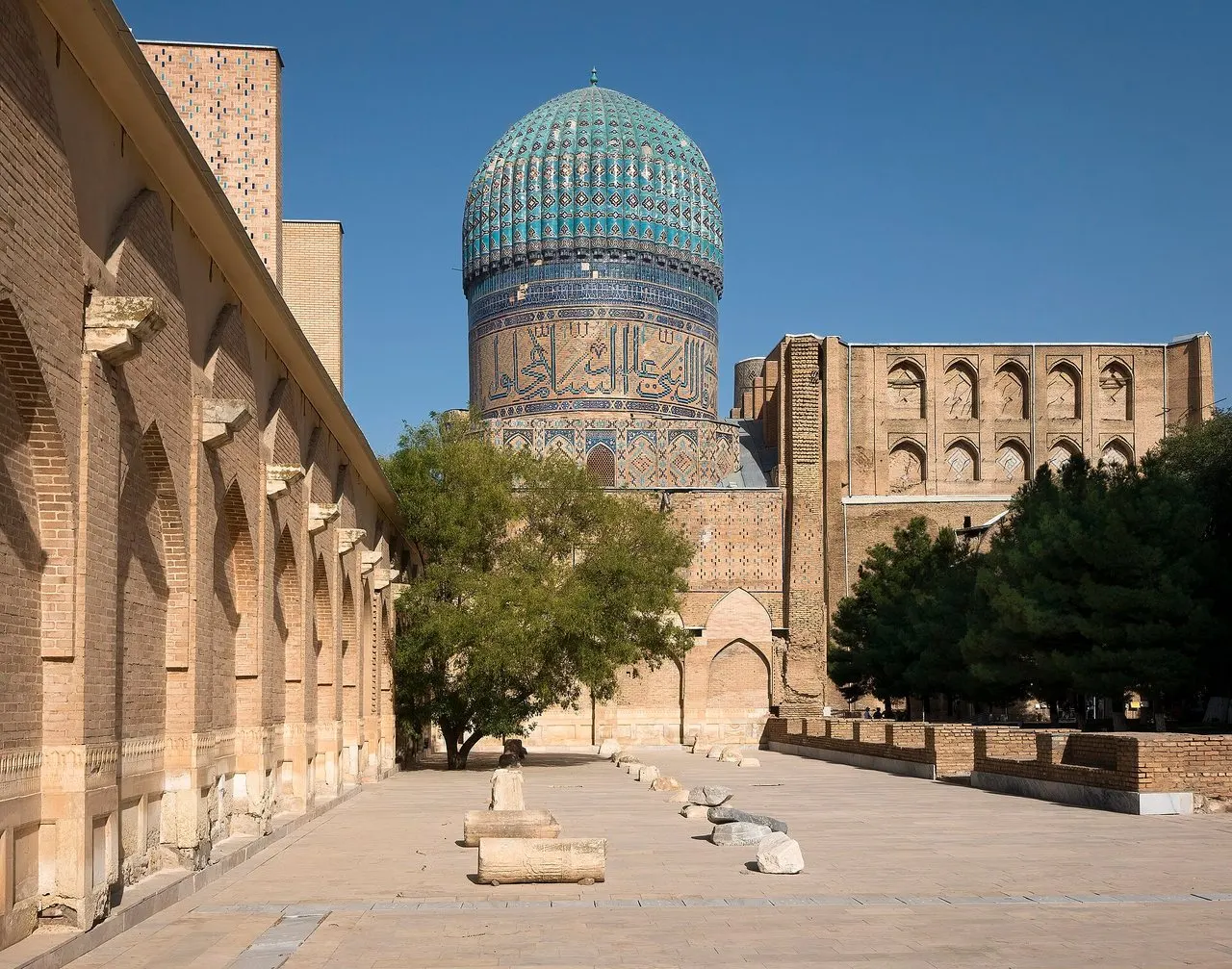
Critics warned that closing every mosque would shut Muslim communities out of their places of worship, leaving families with nowhere to pray together. They called the demand an attack on religious freedom, and they said it would punish ordinary people for the actions of a few. Mosques are more than prayer halls, they argued, since they host weddings, funerals, classes and charity work. The warning drew support from rights groups, much like the report on force used against protesters and the row over who may sign a peace deal.
A Cabinet Crisis Behind the Geert Wilders Mosques Call
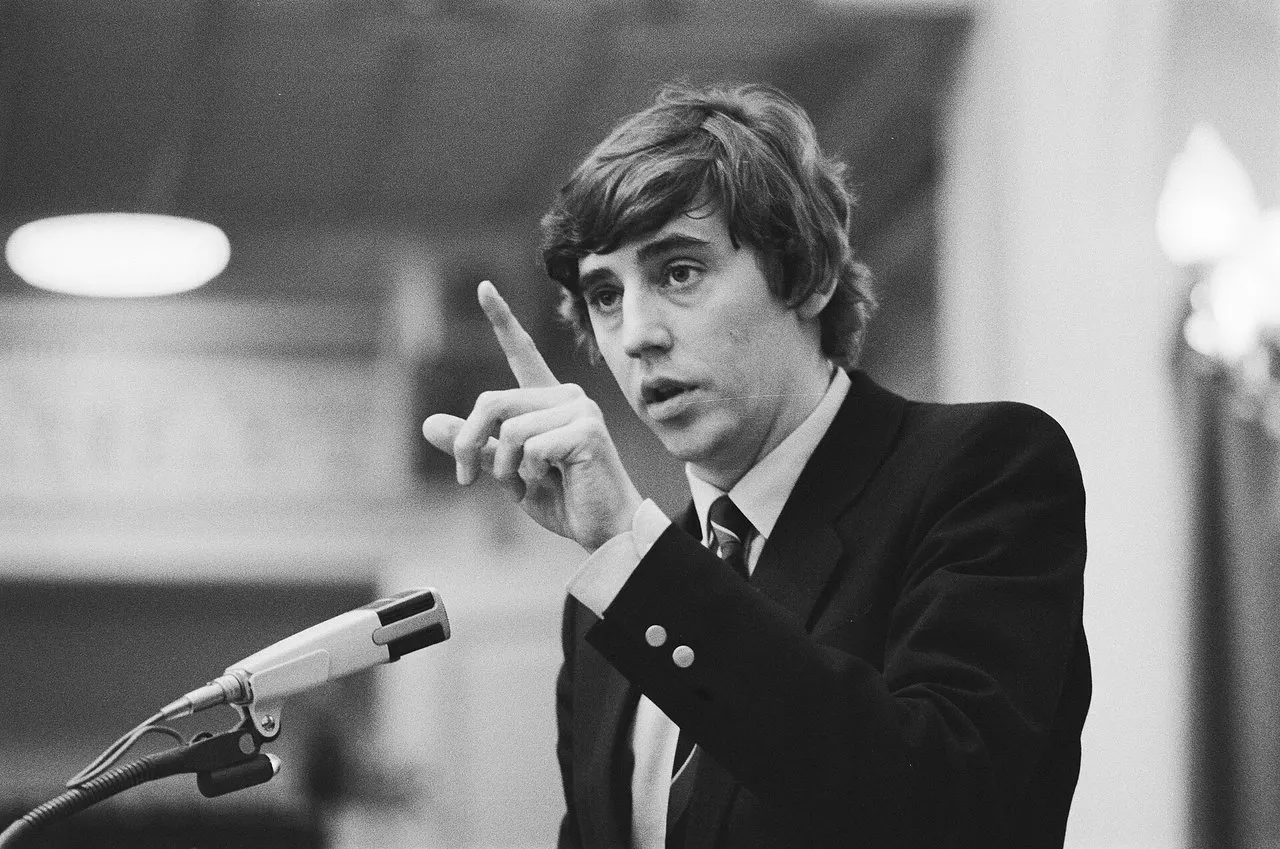
The post came during a cabinet crisis, a moment when the Dutch government was already under strain. In such times, a single message can carry extra weight, since ministers are distracted and the public is watching closely. Wilders chose that moment to press his demand, and the timing made it harder for other leaders to ignore. Crises have a way of forcing choices, much like the security talks that must be settled within a week and the summit where two leaders met but struck no deal.
What a Mosque Means to a Dutch Town
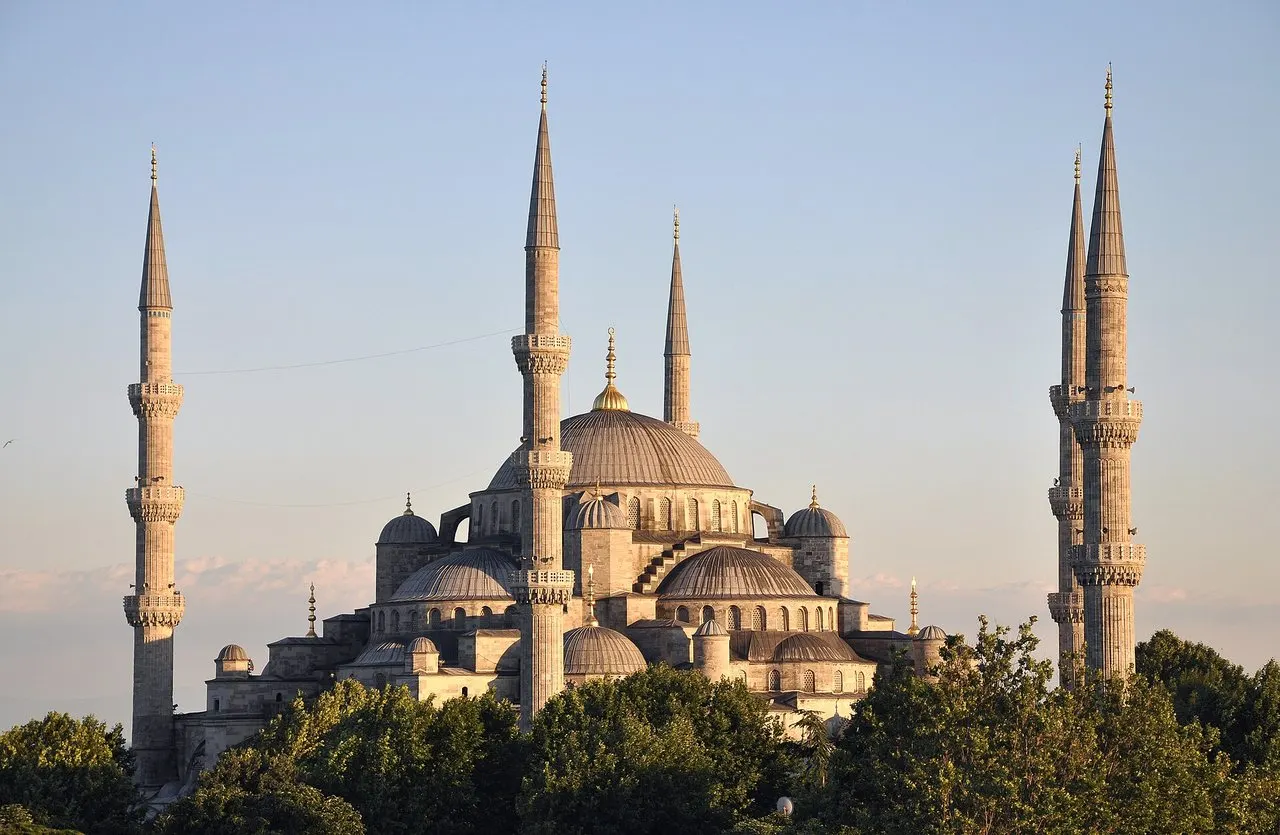
A mosque is far more than a building with a dome and a minaret. For the people who use it, it is a place to pray, to mark births and deaths, and to gather as a community. Children learn there, elders meet there, and charity work is planned there. Closing every mosque would therefore close hundreds of small community centers at once. The scale of that change is hard to grasp, much like the deal that redrew Arctic security in one vote and the court ruling that shook trade policy.
Geert Wilders Mosques Plan and the Law
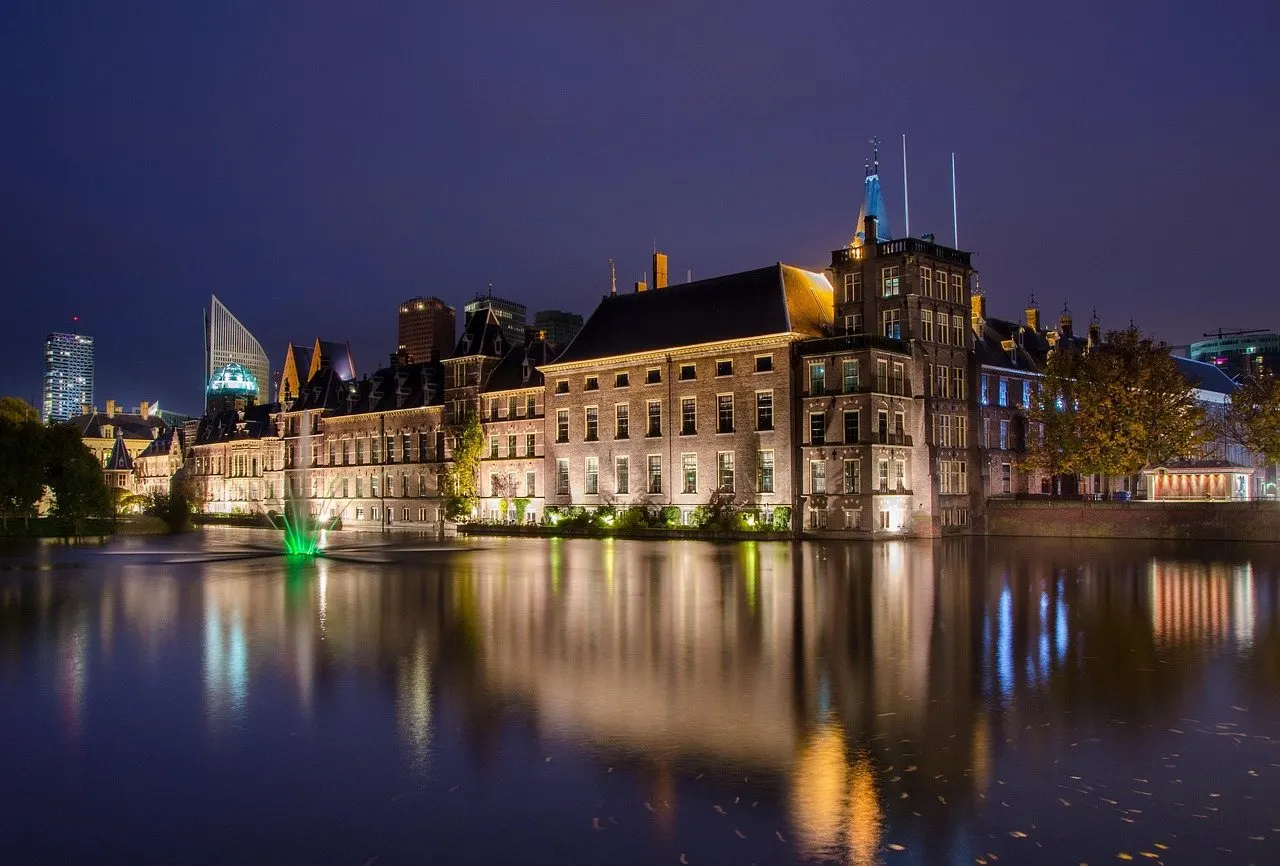
Could parliament actually close every mosque in the country? Dutch law protects freedom of religion, and any ban would face a long fight in the courts. Lawyers would ask whether the state can shut places of worship, and judges would weigh faith against public order. The legal path is far from clear, and the debate would likely run for years. That uncertainty has not slowed the argument, much like the plan to cap judges at eighteen years of service and the threat of tariffs on the partners of a rival power.
Freedom of Religion in the Netherlands
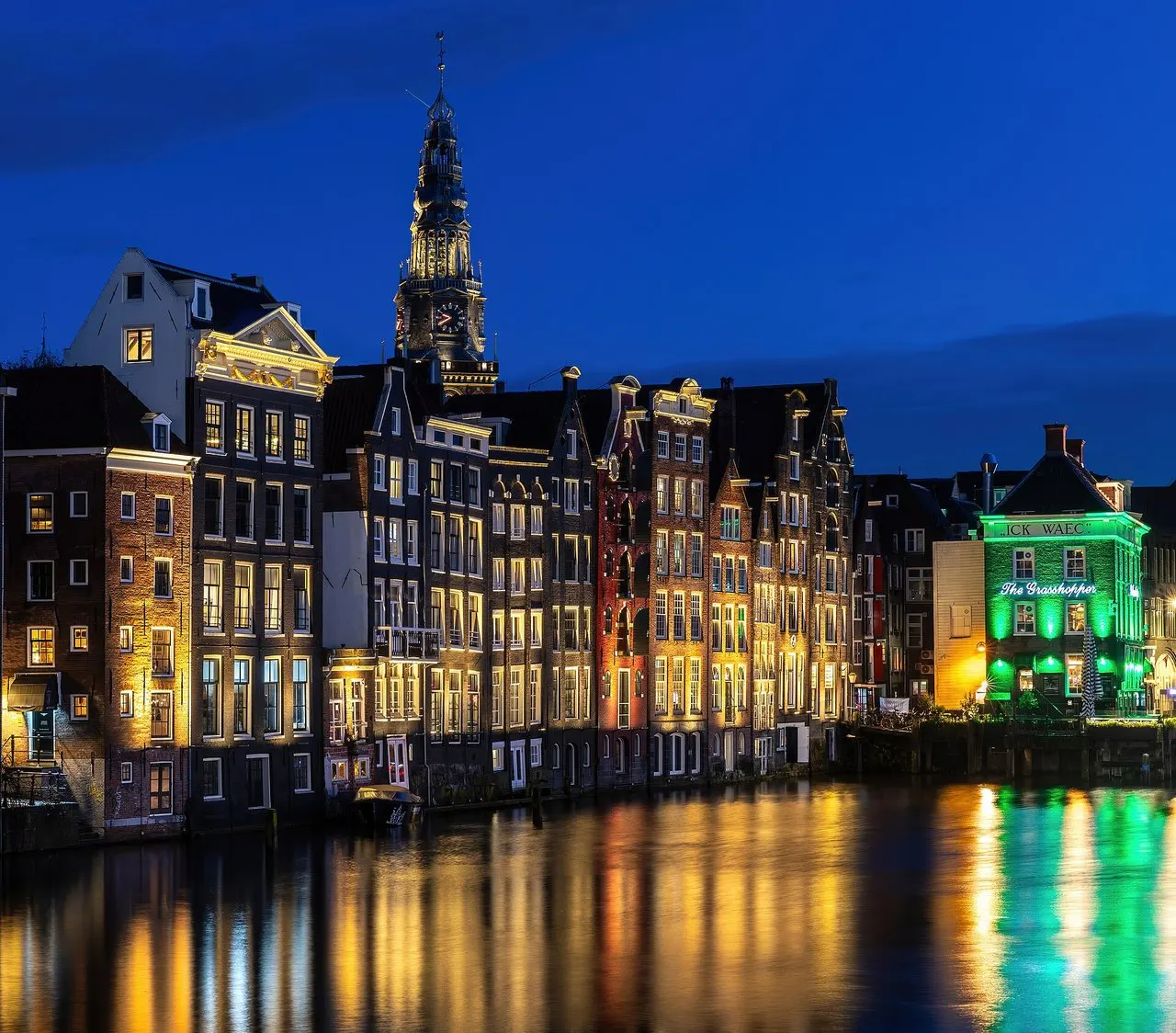
The Netherlands has long prided itself on tolerance, and freedom of religion is written into its constitution. Churches, mosques, synagogues and temples stand side by side in Dutch towns, and the state does not tell people how to pray. That tradition is now being tested by a call to close one faith’s houses of worship. Supporters of the tradition say rights must hold even when they are unpopular, much like the fight over who may vote and how and the question of who will lead next.
Round-the-Clock Security and Court Cases
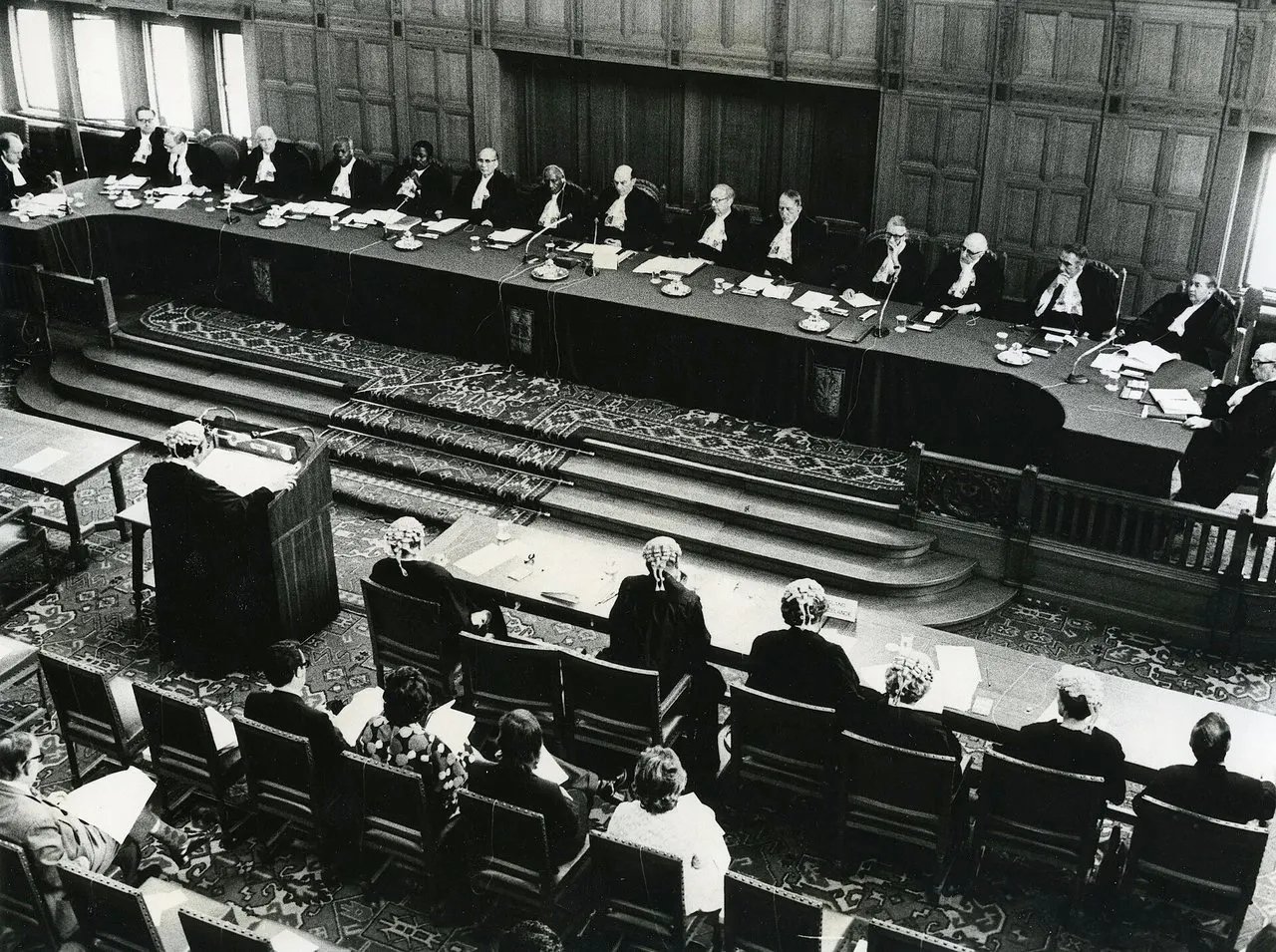
Wilders has paid for his warnings with round-the-clock security and endless court cases, as his own caption notes. He lives under guard because of threats made against him, and he has faced judges over his words about Islam and immigration. That history shapes how he speaks and how others hear him. To his supporters, it proves his courage. To his critics, it shows the cost of words that divide. The strain of life under guard is real, much like the patrols that filled the streets of the capital and the questions over who may speak for a nation at war.
How Europe Is Reacting
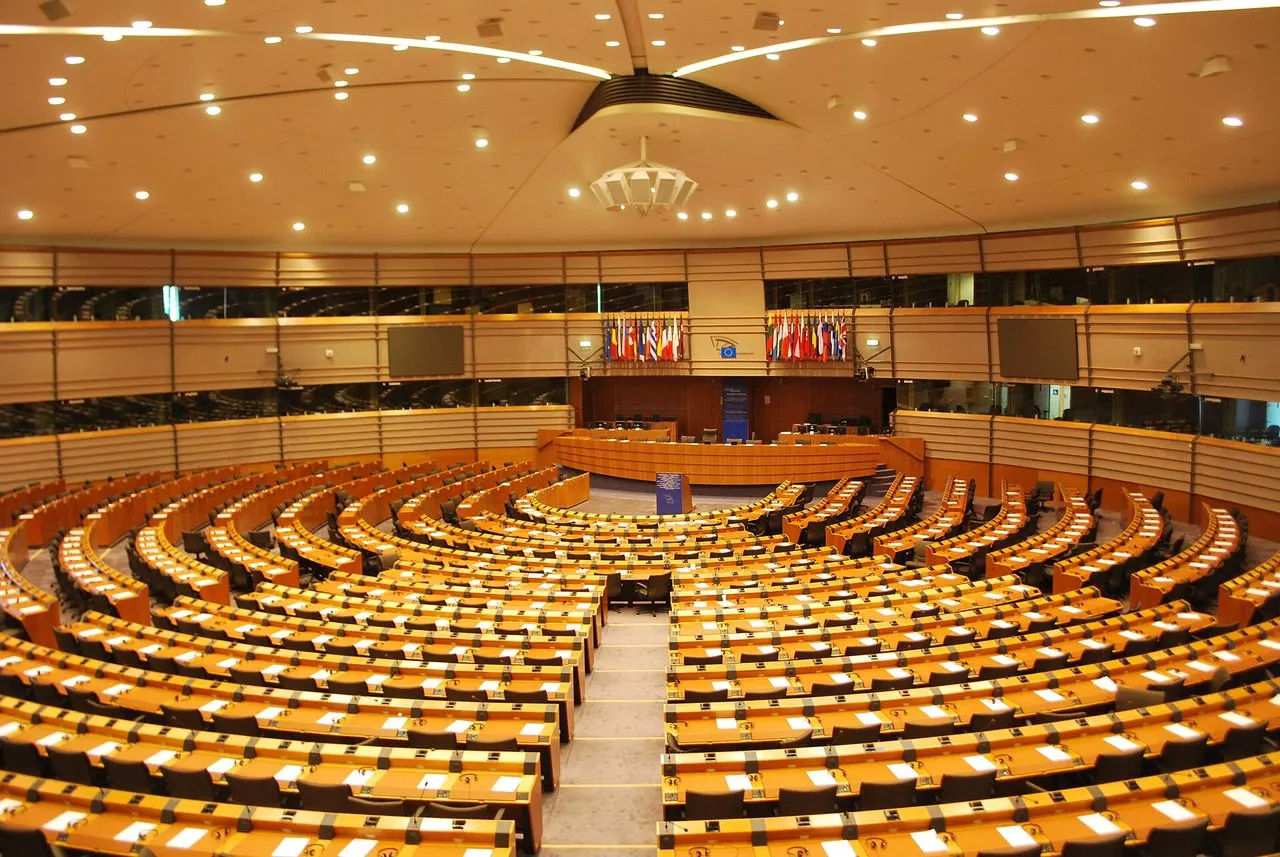
News of the call traveled quickly beyond the Netherlands, and leaders across Europe took note. Some praised Wilders for saying what they believe others only think, while others warned that such a ban would clash with European values. The debate fits a wider European argument over immigration, identity and the limits of free speech. Each country watches the others, and one bold move can shift the whole conversation, much like the draft guarantees that could shape a postwar peace and the talks that ended with progress but no deal.
What Happens Next in Parliament
Parliament must now decide what to do with the demand, starting with the planned mosque in Enschede. Lawmakers can debate it, vote on it, or let it fade, but ignoring it may prove hard while the public argument burns. Wilders will press his case, and other parties must choose whether to stand with him or against him. The vote will test where Dutch politics truly stands, much like the officers who raised the flag with pride and the report that counted hundreds of cases of force at protests.
The Integration Debate Behind the Call
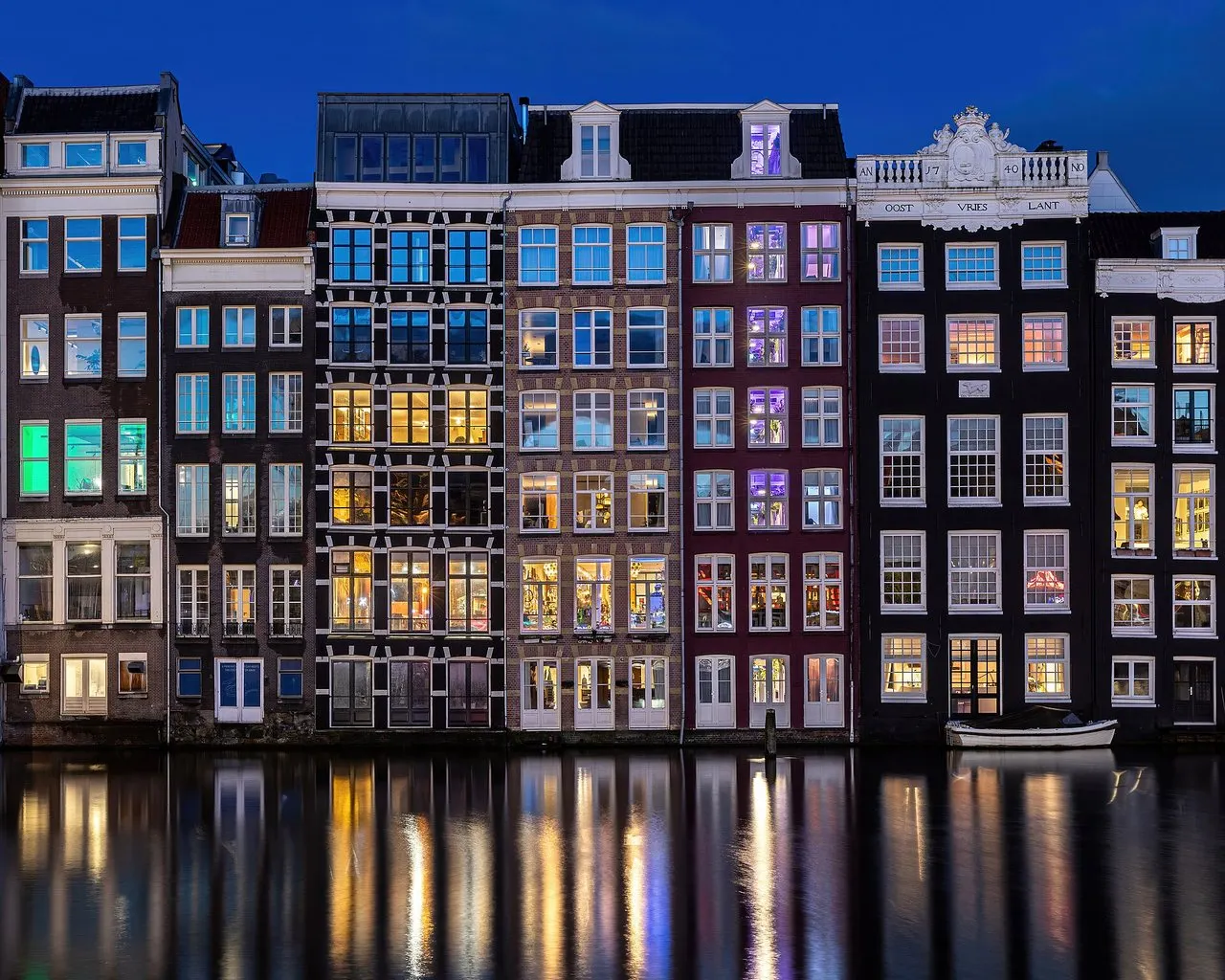
Behind the call lies a deeper debate about integration, about how newcomers and old residents live side by side. Some Dutch towns have changed fast, and not everyone feels at home in the new mix of languages, shops and customs. Others say diversity has made the country richer and that fear, not fact, drives the backlash. The argument will not end with one post, much like the census that left some people uncounted and the raids that divided a small town.
Geert Wilders Mosques Row Reaches Small Towns
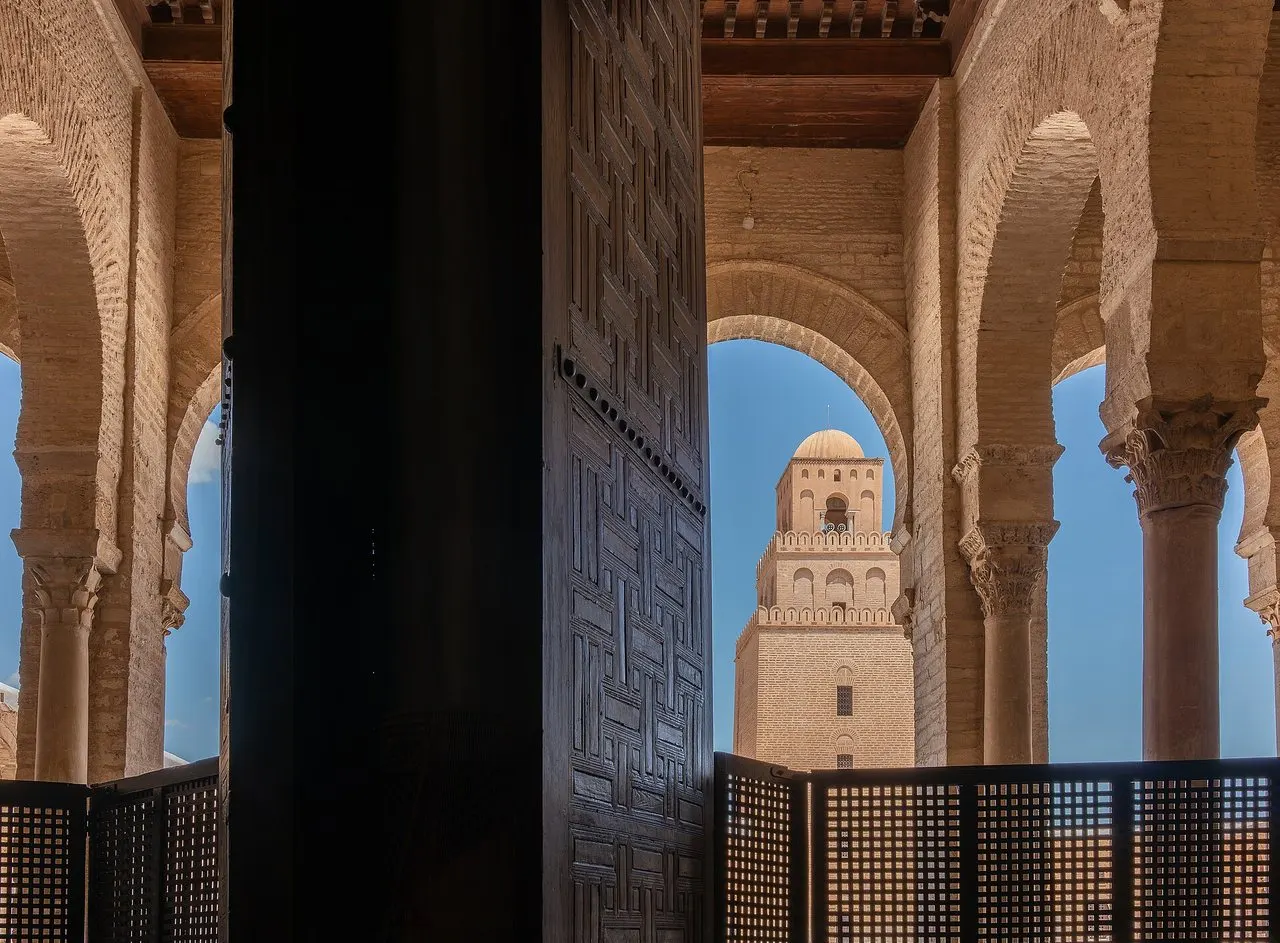
For small towns like Enschede, a national row can feel very close to home. A planned mosque becomes a test of who belongs, and neighbors who once waved at each other may find themselves on opposite sides. Local councils must weigh planning rules against passions that run high. The story shows how a single post from The Hague can land on a quiet street far away, much like the Arctic deal approved by a vote of 109 to 0 and the ruling that declared tariffs unlawful.
What Do You Think Should Happen Next?
Wilders has drawn a line, and now the Netherlands must decide whether to follow it. Should every mosque close, or should faith stay free even when it makes people uneasy? There is no easy answer, and the debate will shape the country for years to come. What do you think should happen next? Share your view in the comments below, and tell us how your town sees this row. For more on leaders under pressure, read our story on the plan to limit judges to eighteen years and our report on weapons, tariffs and a warning to Moscow.