Trump Rude Reporter Monica Alba and the Back Row Moment
Trump rude reporter Monica Alba was stopped by President Donald Trump at the end of a White House news conference on Friday, November 20, as she tried to ask a question about immigration. He asked her three times who she was with, then told her she was really a rude person, said he was not talking to her, and told her she should be in the back row instead of the front row. The exchange spread fast online, much like the viral video said to show items thrown from a White House window did earlier this year.
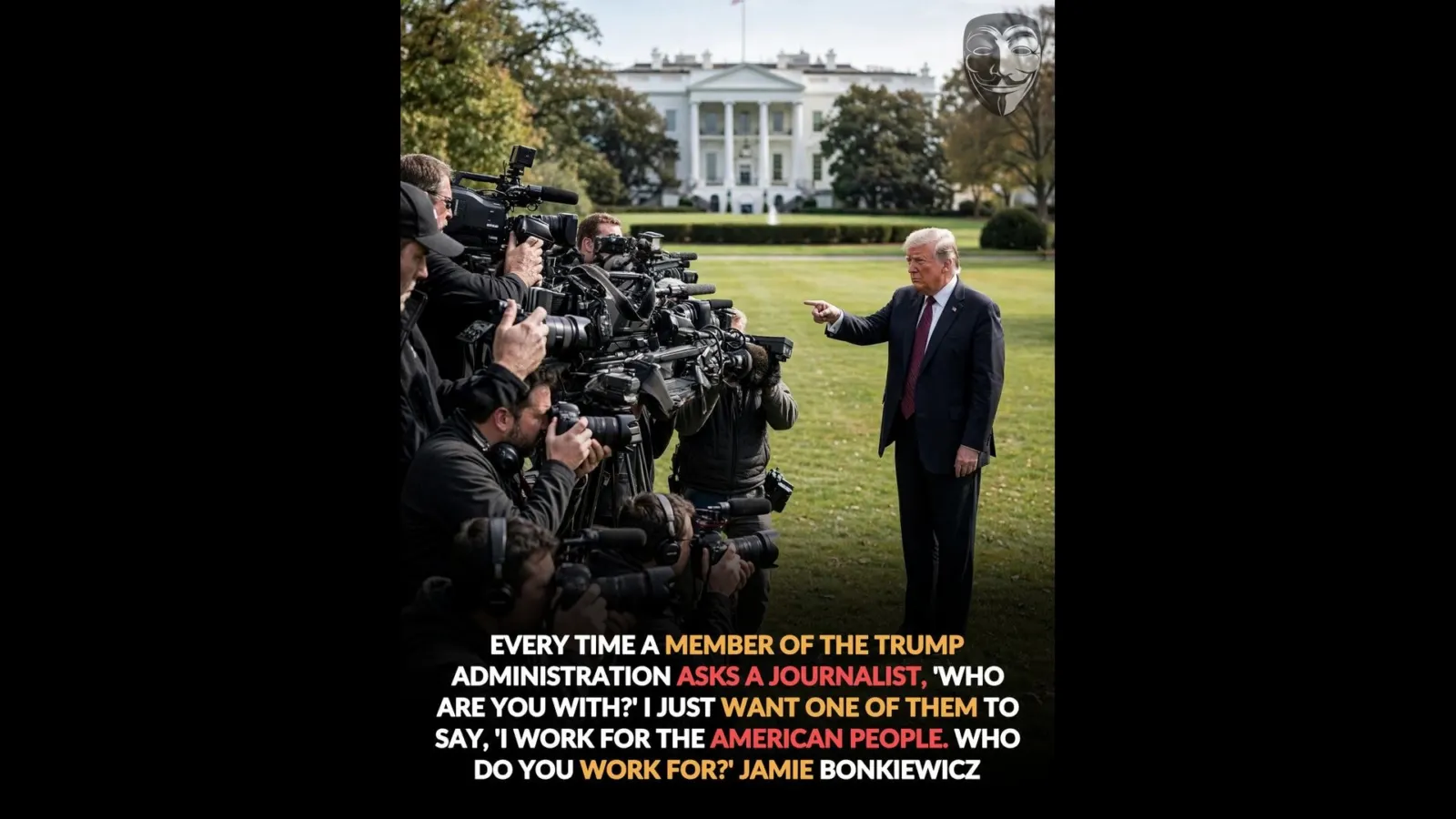
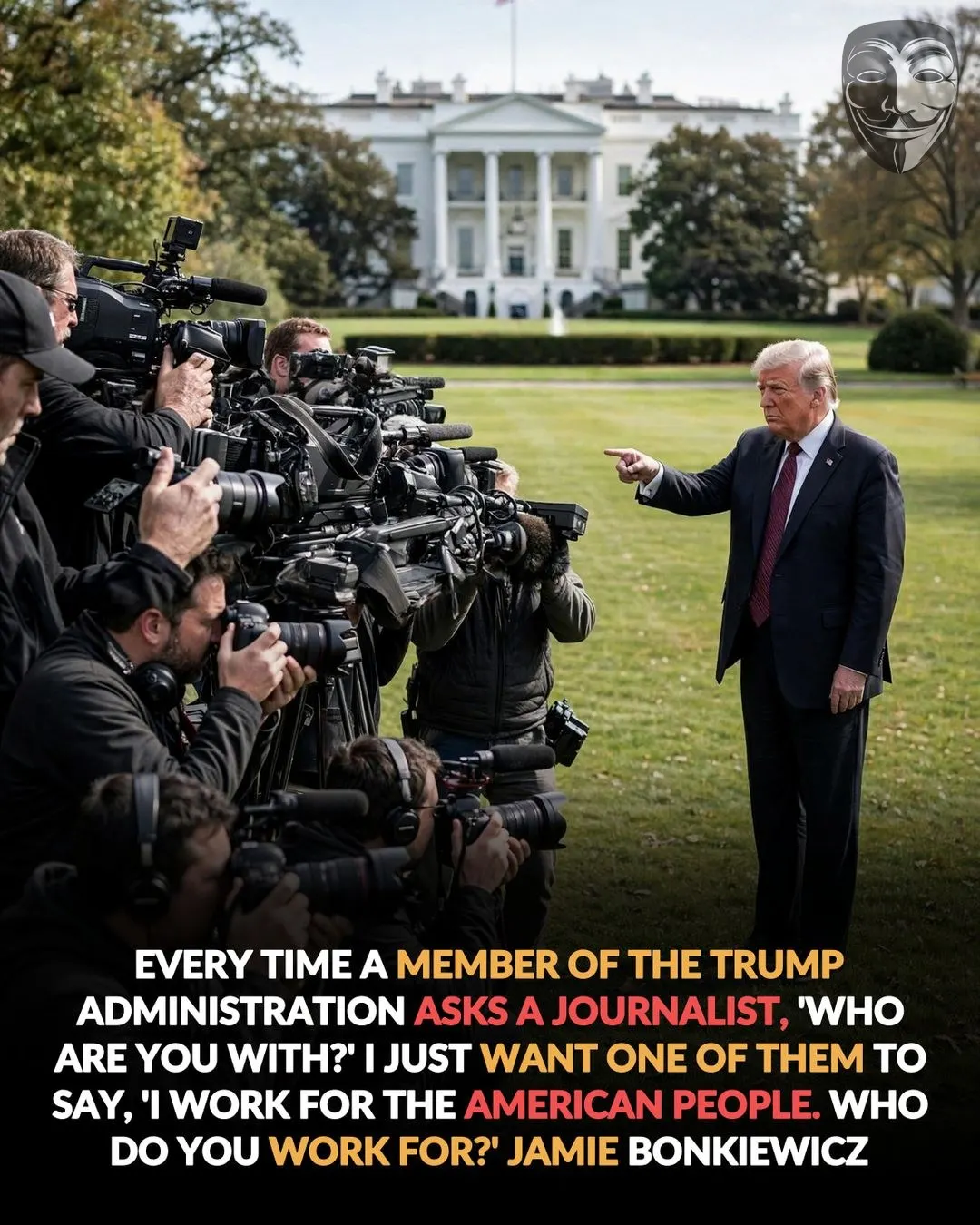
Jamie Bonkiewicz imagined the perfect answer in a post that soon went viral, a reporter saying they work for the American people and asking the president who he works for. That line struck a nerve because reporters see their job as asking questions for the public, not for any one leader. In the slides ahead we look at what happened in the room, who decides where reporters sit, and why the clash drew so much attention. For another president and press clash, read about Terry Moran launching a Substack after ABC News cut ties over a Trump post.
References:
The Union Star: You Are Really A Rude Person: Trump Tells Nbc Reporter To Move To The Back Row
Finwire: Trump wags finger at ‘really rude’ reporter, tells her she belongs in the ‘back row’ during press exchange
Cave News Times: “Rude”: Trump Snaps at Woman Reporter Who Dared to Ask Question
Mediaite: Trump Scolds ‘Rude’ Reporter for Interrupting Him Raving About Stephen Miller: ‘You Should Be in the Back of the Room’
Trump Rude Reporter Exchange at the News Conference
The news conference was near its end on Friday, November 20, when Alba tried to ask her question about immigration. Trump stopped her before she could finish, and the room went quiet as he asked who she was with. Reporters often wait a long time for a turn, and a question can be cut short when a president decides to move on. Moments like this travel far beyond the briefing room, from the new Trump portrait unveiled in the West Wing to Trump saying he would patrol D.C. with police and troops during a crime crackdown visit.
Who Is Monica Alba

Monica Alba covers the White House for NBC News, one of the major American broadcast networks. Her job is to stand in the briefing room, ask questions, and report what the president and his team say to viewers at home. White House correspondents attend news conferences and file stories on tight deadlines. The work is public and often tense, and reporters can become part of the story when an exchange turns sharp. The same spotlight follows other political figures, from Bernie Sanders calling Trump the most corrupt president in American history to Mamdani challenging Trump to a debate.
Three Times the Same Question
Trump asked Alba three times who she was with before he cut her off. The repeated question became the heart of the clip, sounding like a test, not a conversation. Reporters usually answer with the name of their news outlet. But being asked again and again on camera felt different to many viewers. The moment raised a simple question about respect in the briefing room, and other White House decisions raise similar questions, from the historic Trump deal with Greenland approved by the Danish Parliament to the plan to send the National Guard into Democratic-led cities.
The Trump Rude Reporter Moment Went Viral
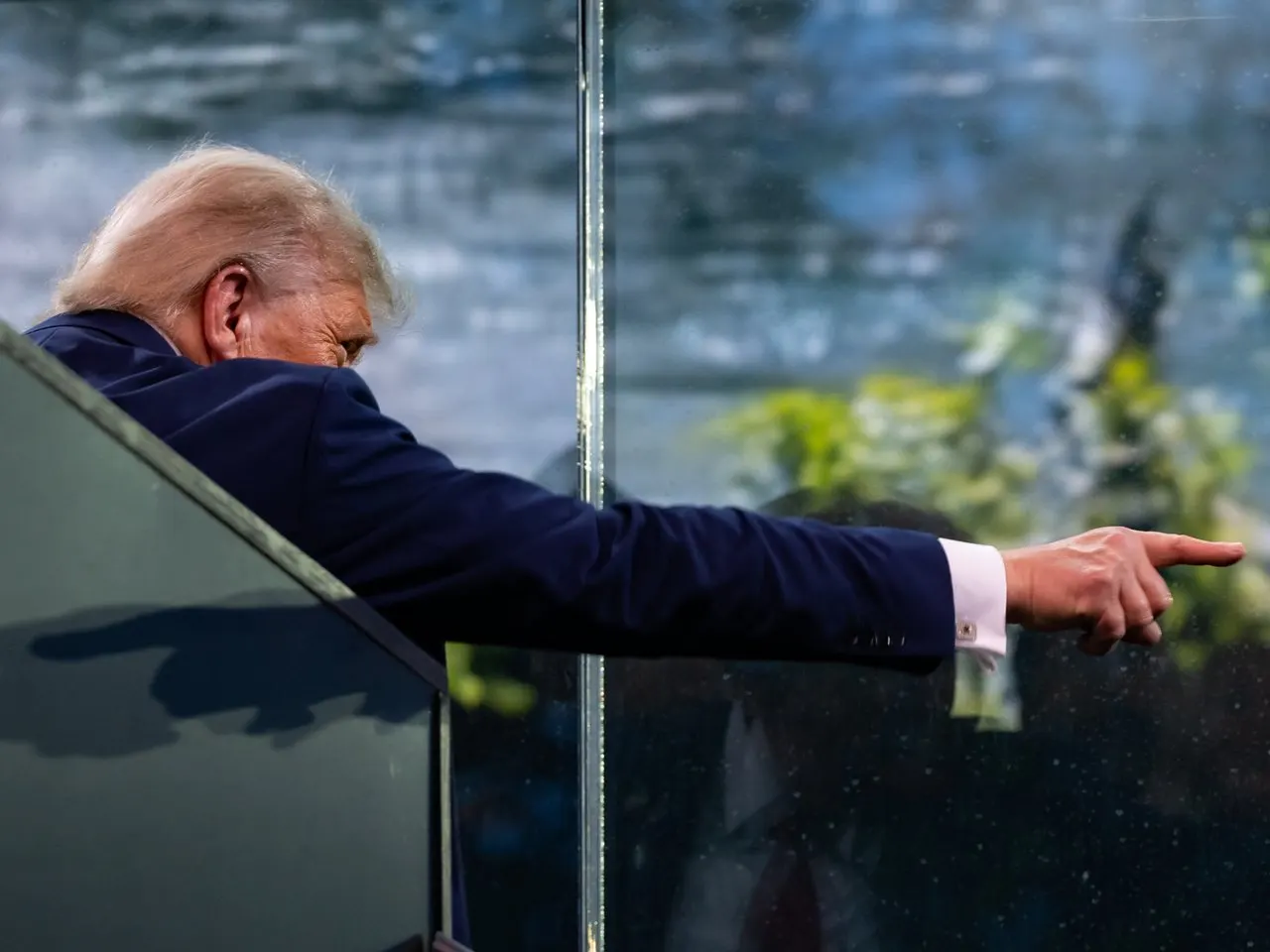
Within hours, the clip of the exchange was shared across social media, and the post by Jamie Bonkiewicz gave it a second life. People reposted the imagined comeback because it sounded like the answer many wished a reporter would give. A short video can travel further than a full news conference, and a single line can define a whole day of news. The same speed shapes other stories from Washington, from Trump bringing home a 17 billion dollar America First package from the Philippines to Trump seen at a golf club after false online rumors about his health.
How Briefing Room Seats Are Assigned
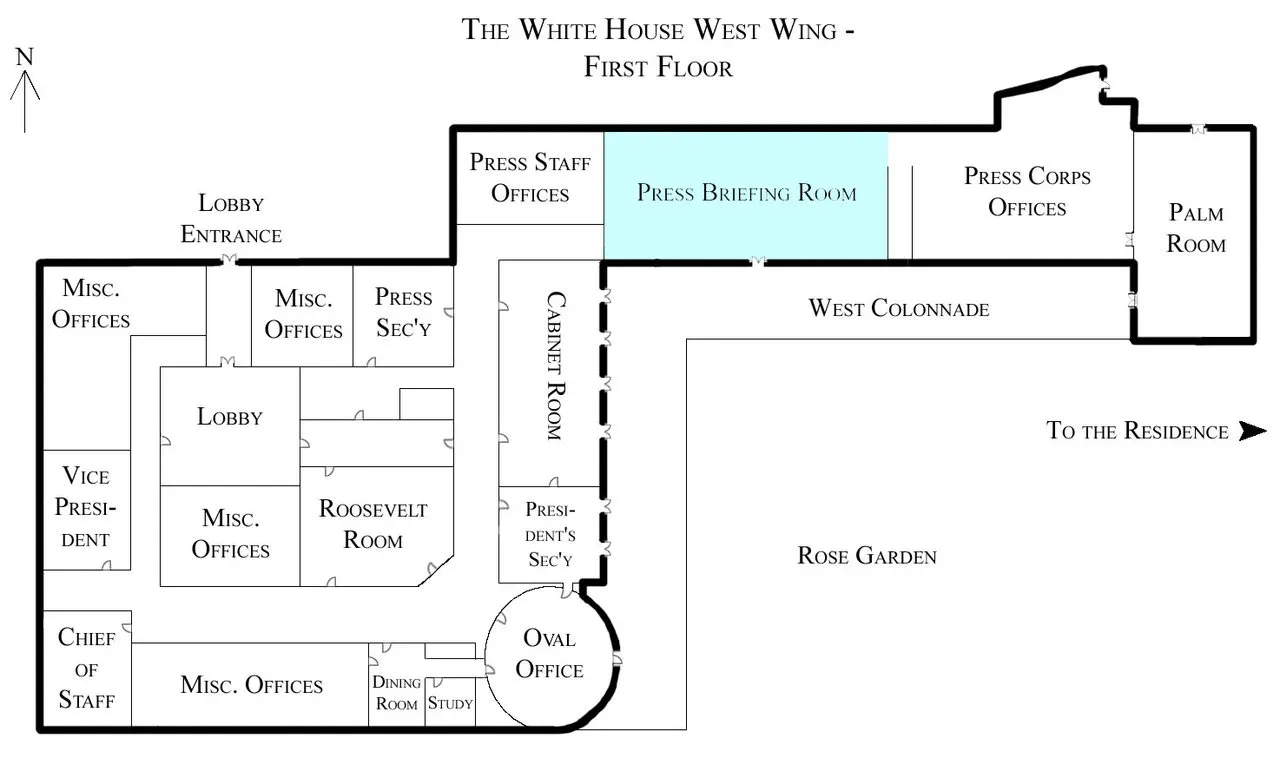
Briefing room seats are assigned by the White House Correspondents Association, not by the president. The group decides who sits where in the small room. The front row usually goes to the biggest news outlets, and a seat there means a better chance to be called on. That is why being told to move to the back row stung. The rules of the room matter to reporters, just as other rules matter in Washington, from the bill introduced to stop President Trump from pardoning himself to the federal crime crackdown after D.C..
The Comeback Jamie Bonkiewicz Imagined
Bonkiewicz imagined a reporter answering that they work for the American people, then asking the president who he works for. The line worked because it flipped the question back on the person asking it. The idea of saying so out loud felt bold to many readers. The post was shared widely because it gave people words they wished they had heard in the room. It joined a long list of viral White House moments, from the viral video said to show items thrown from a White House window to the new Trump portrait unveiled in the West Wing.
Trump Rude Reporter Post Sparks a Debate
The exchange split viewers into two camps. Some said the president was right to push back when a reporter spoke out of turn. Others said a president should answer questions from the press, even sharp ones, because that is part of the job. The argument kept going online long after the news conference ended, and each side shared the clip as proof. Public debate follows many White House stories, from Bernie Sanders calling Trump the most corrupt president in American history to Trump saying he would patrol D.C. with police and troops in a crime crackdown.
Alba and the NBC News White House Team
Alba is part of the NBC News team that covers the White House every day. The team includes reporters, producers, and camera crews who work long hours to bring live pictures and fast updates to viewers. The job means standing in the briefing room and asking questions when the chance comes. A reporter in that job must stay calm when the room turns tense. The press corps has seen many such tests, from Terry Moran launching a Substack after ABC News cut ties over a Trump post to the historic Trump deal with Greenland approved by the Danish Parliament.
Stephen Miller and the Immigration Question
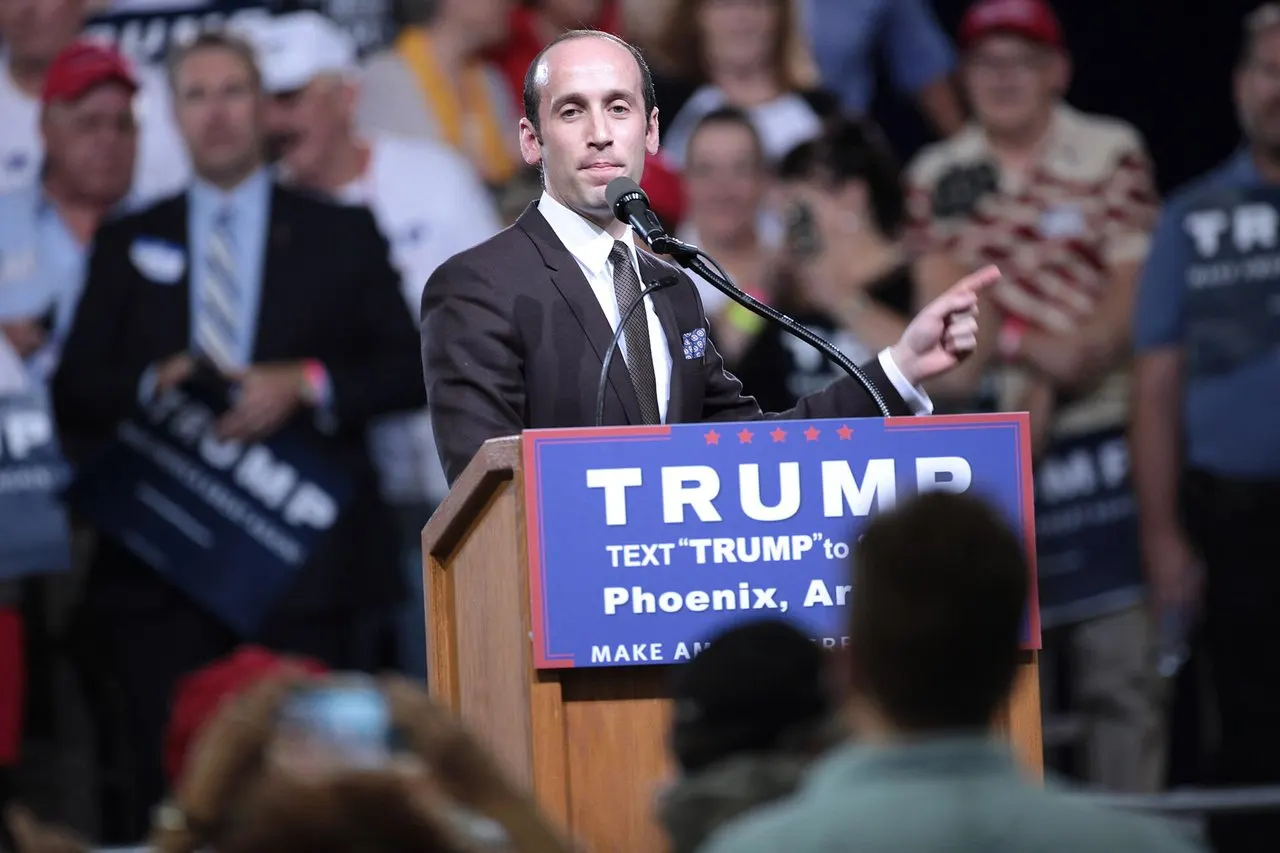
Alba had been trying to ask about immigration when Trump stopped her. Immigration has been one of the most talked about issues of his presidency, and the White House often faces sharp questions about it. Trump had been speaking about Stephen Miller, a close aide who works on immigration policy, when the exchange began. The topic itself may explain why the moment turned tense so fast. Immigration news keeps coming from Washington, from Trump bringing home a 17 billion dollar America First package from the Philippines to the bill introduced to stop President Trump from pardoning himself.
Trump Rude Reporter Clash in a Long Line of Briefing Room Moments
This was not the first tense moment between Trump and a reporter in the briefing room. Over the years, news conferences have produced sharp exchanges, raised voices, and reporters being told to sit down or move on. Each one becomes a clip that is shared and argued over for days. The briefing room has always been a stage where presidents and the press test each other in public. The same tension runs through other stories, from Mamdani challenging Trump to a debate in New York to the plan to send the National Guard into Democratic-led cities.
Why the Front Row Matters to Reporters
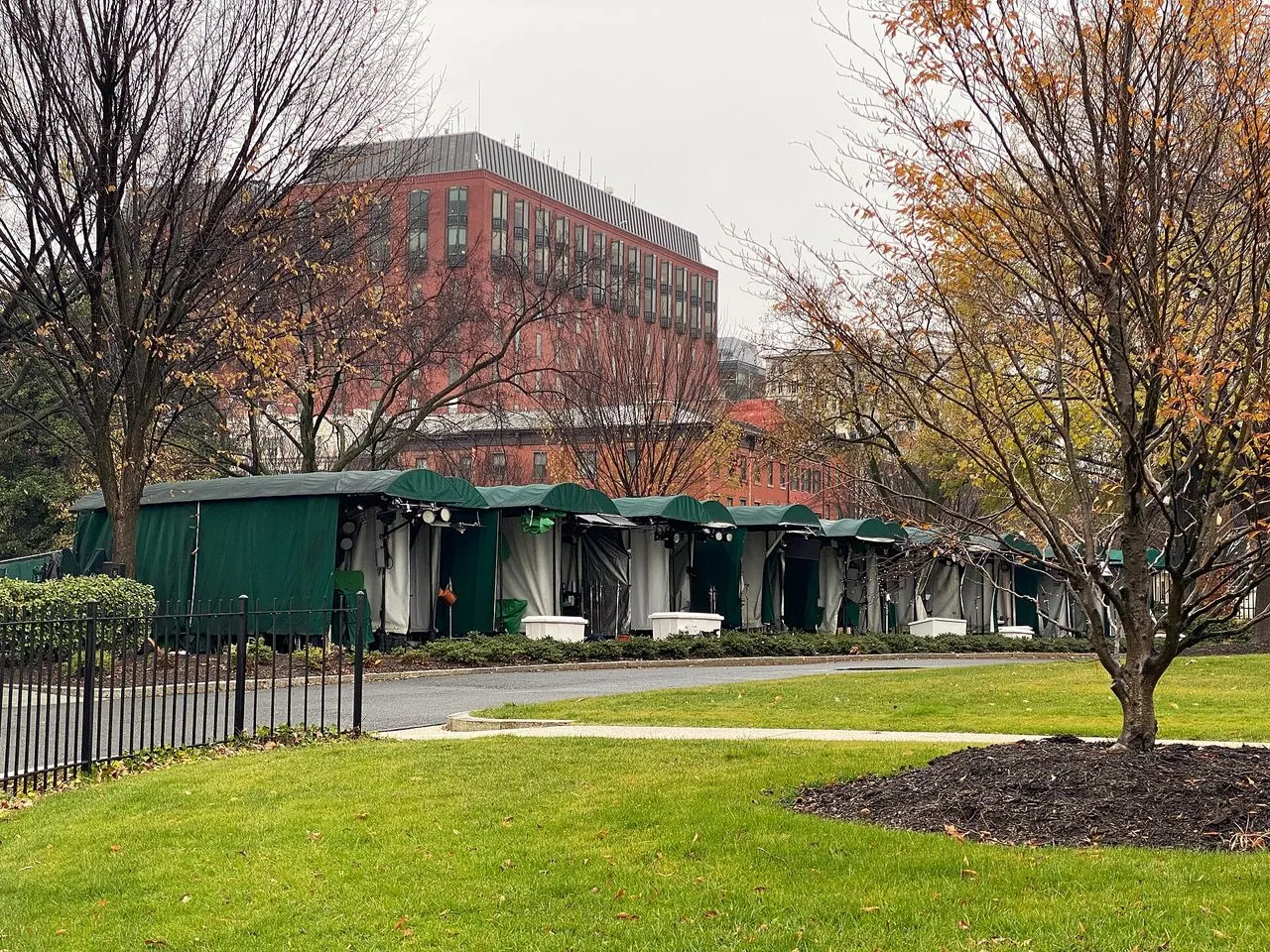
The front row of the briefing room is prime real estate for a reporter. Sitting there means a microphone is close, cameras can see you, and the president is more likely to call on you. Moving back would mean a worse view, a weaker chance to ask, and a clear loss of standing. That is why the order to move back sounded like a punishment. Status in the room matters, much like status in other Washington stories, from Trump seen at a golf club after false online rumors about his health to the federal crime crackdown after D.C..
How Reporters Cover the White House Every Day
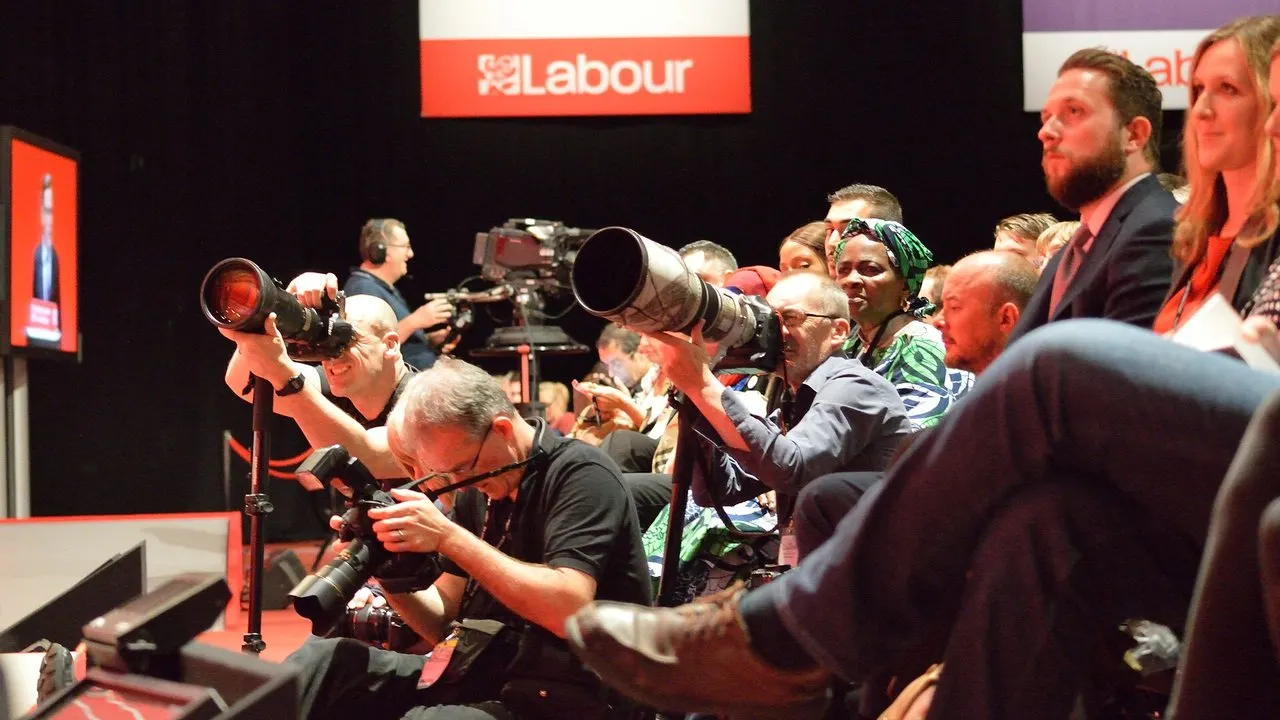
White House reporters start early and stay late. They attend briefings, read statements, check with sources, and file stories on deadlines that never seem to move. Much of the work is routine, but a single news conference can change the day in seconds. The job takes patience, thick skin, and a willingness to ask a hard question in front of a room full of rivals. Readers follow the daily grind through many stories, from the viral video said to show items thrown from a White House window to Bernie Sanders calling Trump the most corrupt president in American history.
Trump Rude Reporter Exchange and the Public Reaction
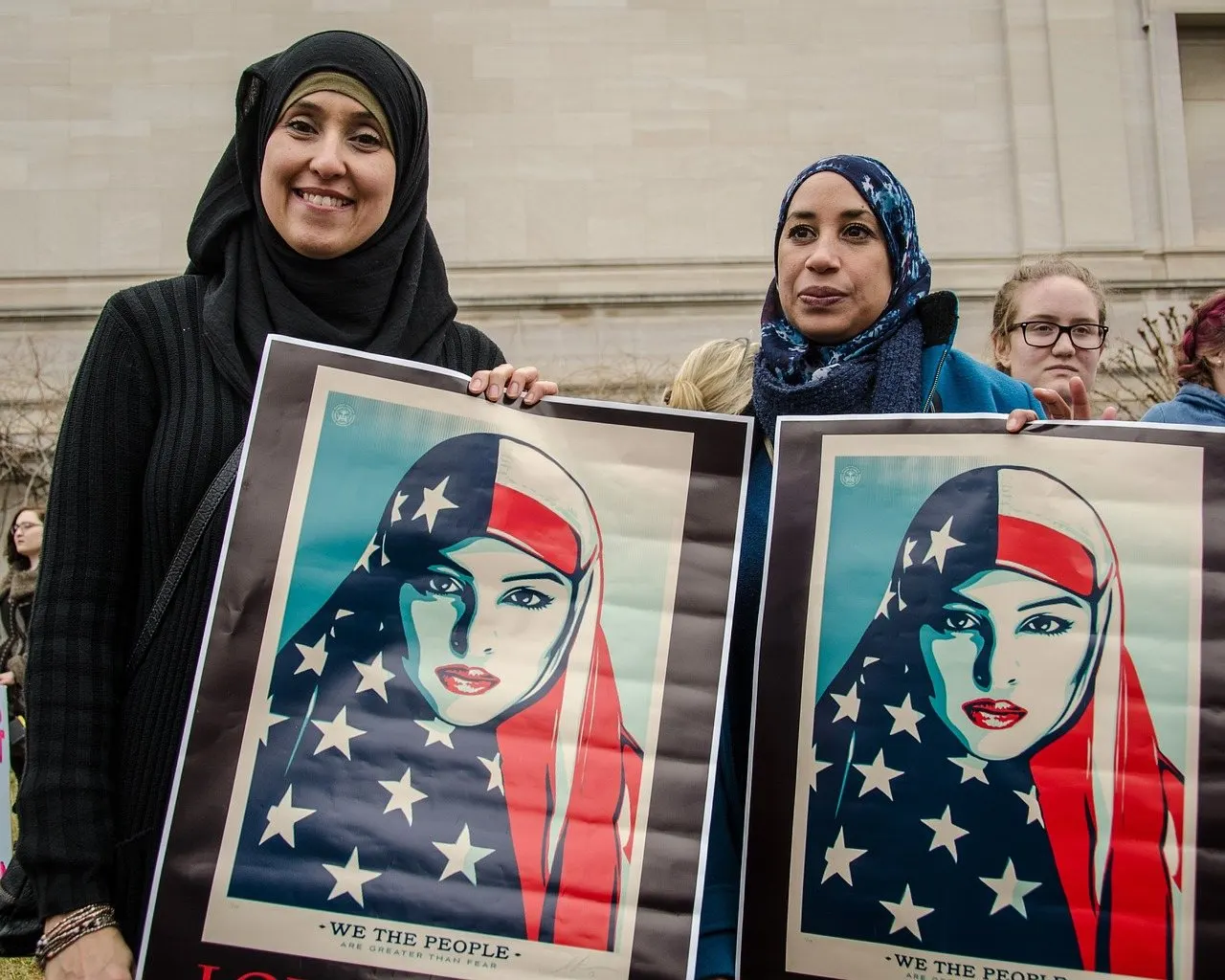
Online, the reaction was fast and loud. Supporters of the president said Alba had been rude and deserved the rebuke. Critics said the president had been rude to a reporter doing her job. The Bonkiewicz post gave critics a line to rally around. The White House Rapid Response account added to the fire, calling Alba a very rude fake news loser on X. The same split shows up in other stories, from the new Trump portrait unveiled in the West Wing to Terry Moran launching a Substack after ABC News cut ties over a Trump post.
How a White House News Conference Usually Works
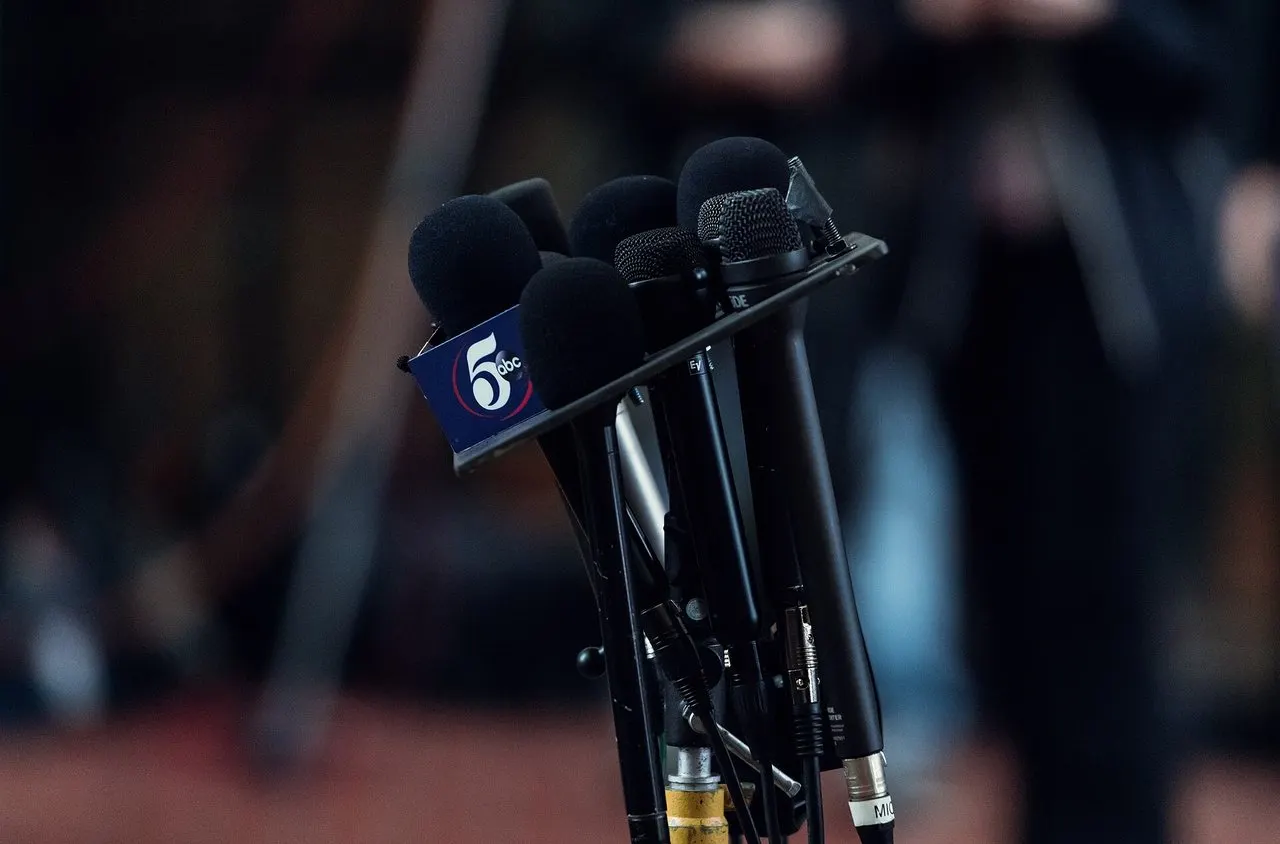
A White House news conference usually follows a simple pattern. The president or a spokesperson speaks first, then reporters raise their hands and wait to be called on. The order is not random, and the person at the podium can choose who speaks next. That control is why a reporter who speaks out of turn can be cut off. The rules are old and mostly unwritten. Similar unwritten rules shape other Washington moments, from Trump saying he would patrol D.C. with police and troops to the historic Trump deal with Greenland approved by the Danish Parliament.
The Role of the White House Correspondents Association
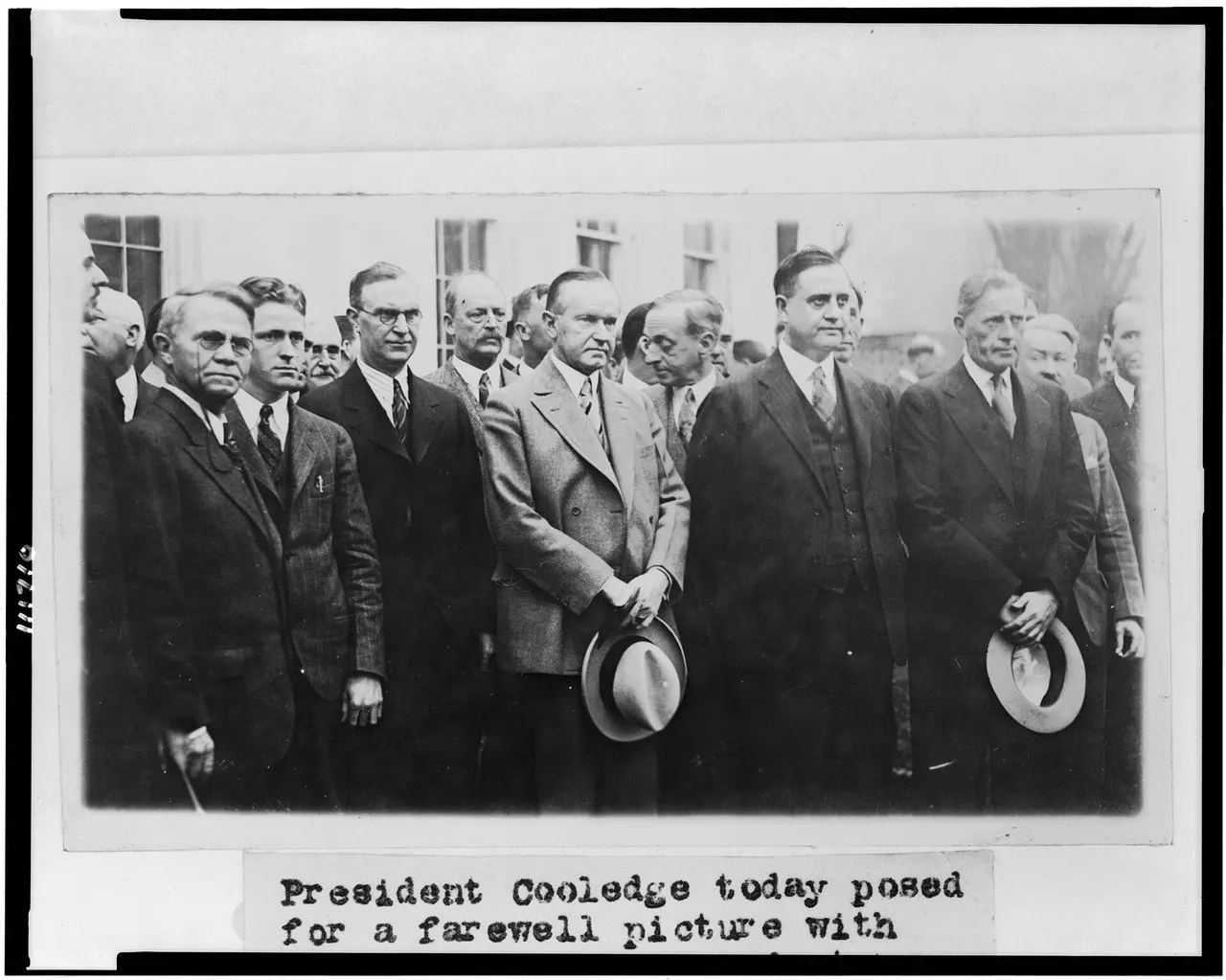
The White House Correspondents Association was founded in 1914, and it has managed briefing room seating for generations. Its members are journalists from newspapers, television, radio, and online outlets who cover the president. The group says its job is to protect access to the White House and to make sure reporters can do their work. When a president tries to decide where reporters sit, the association pushes back. Its work touches many stories, from Trump bringing home a 17 billion dollar America First package from the Philippines to Mamdani challenging Trump to a debate in the New York mayor race.
Trump Rude Reporter Story Keeps Spreading Online

Days after the news conference, the clip was still being shared, quoted, and argued over. New posts added new angles, and the Bonkiewicz line kept appearing in comments and replies. A moment that lasted less than a minute had become a lasting talking point about the press and the presidency. That is how news works now, with one short clip able to outlast a whole week of stories. The same long tail follows other Washington news, from the bill introduced to stop President Trump from pardoning himself to the plan to send the National Guard into Democratic-led cities.
What Would You Say If You Were Asked Who You Are With
The last word in this story may belong to the readers. If you were standing in the briefing room and the president asked who you were with, what would you say? Would you name your news outlet, or would you answer that you work for the American people? Share your answer in the comments below, and tell us whether you think Alba should have stayed in the front row. For more White House moments, read about Trump seen at a golf club after false online rumors about his health and the federal crime crackdown after D.C..