The Musk Student Visa Twist That Stopped the Internet
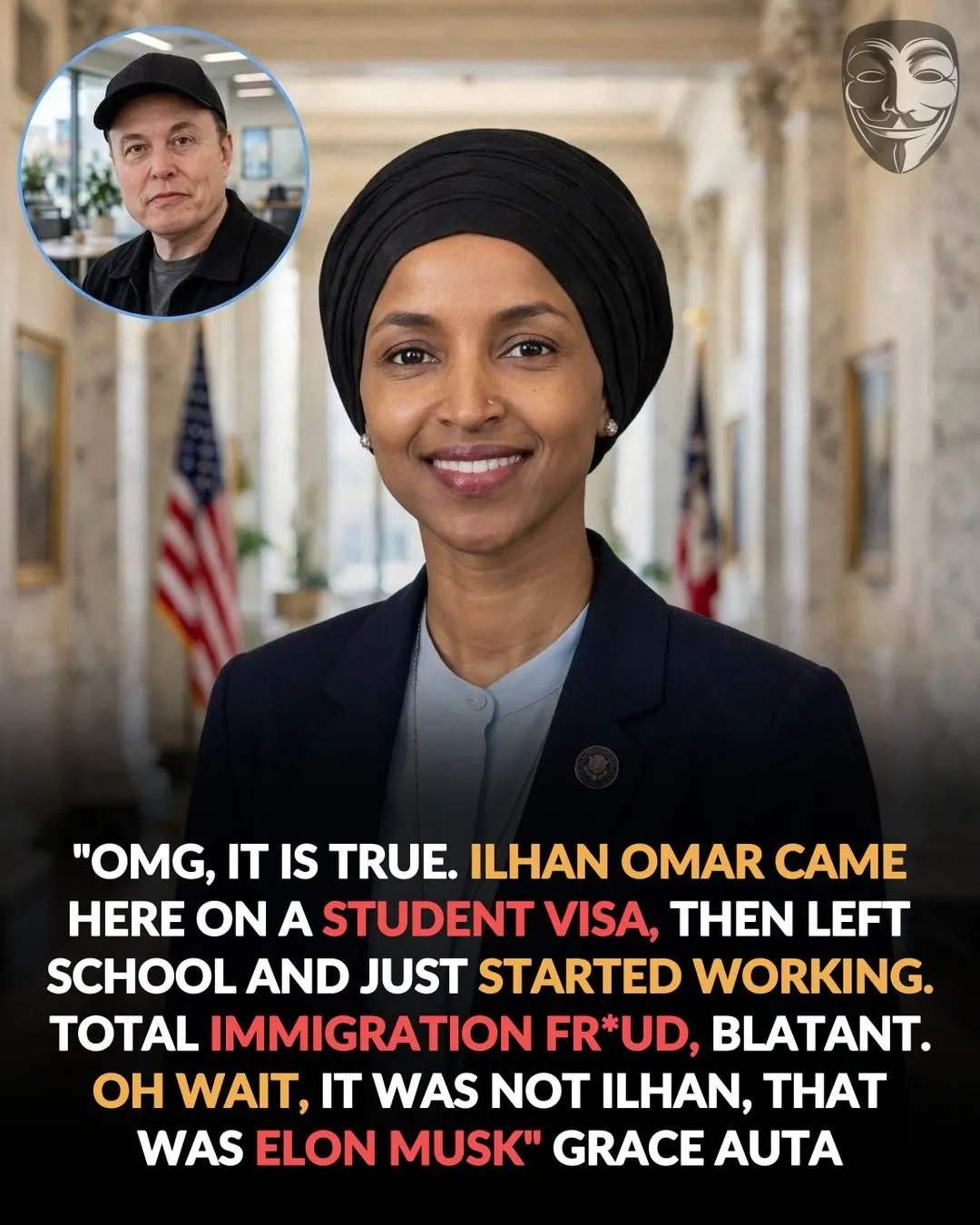
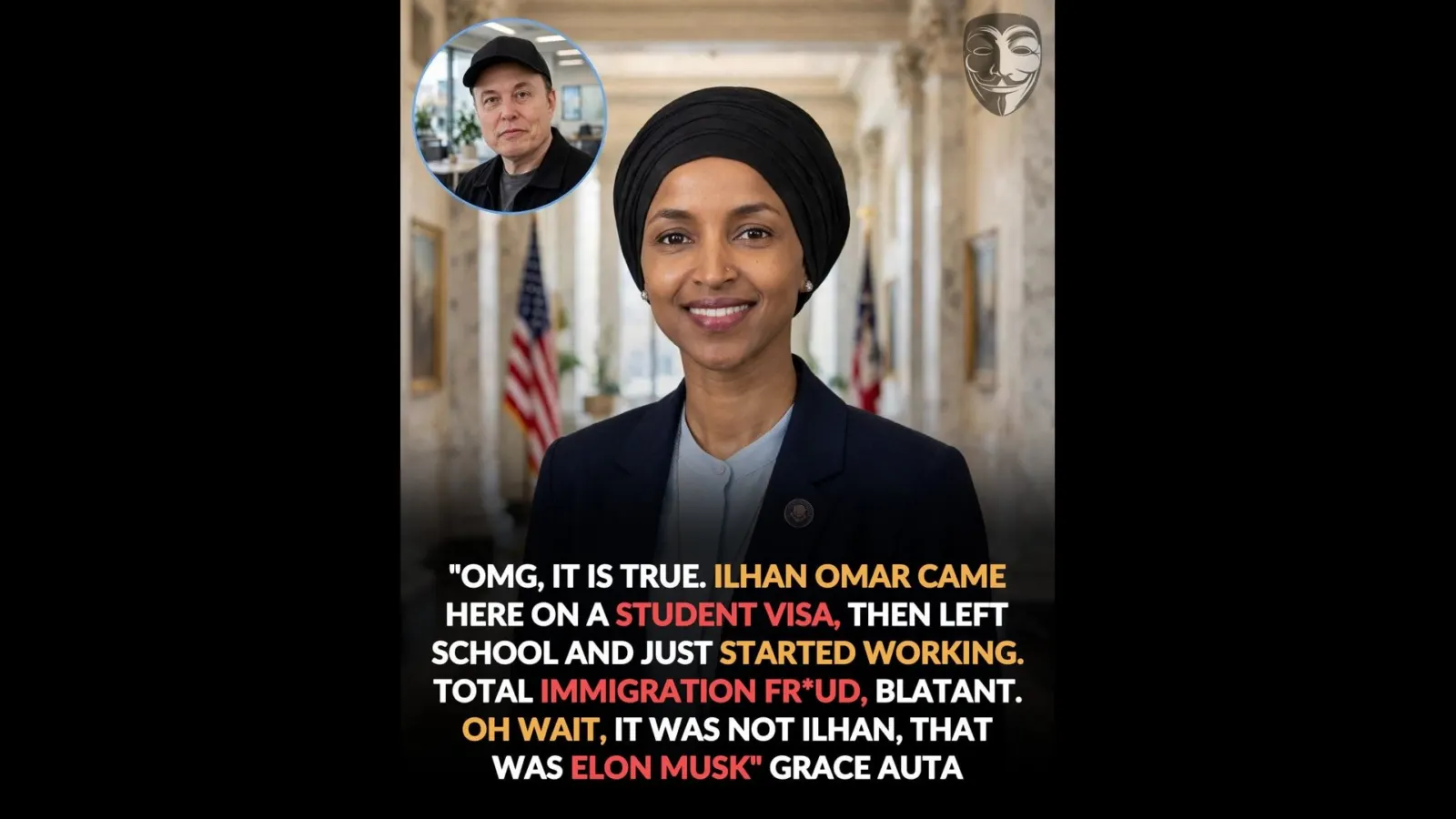
The Musk student visa twist began with a short post on X that looked like a shocking claim about Representative Ilhan Omar. On October 15, 2026, user Grace Auta wrote that Omar had come to America on a student visa, left school, and started working without permission. Readers gasped, shared the post, and argued in the replies. Then Auta dropped the twist that changed everything. She said she was not describing Omar at all. She was describing Elon Musk, and she pointed to reporting from The Washington Post to back her words.
The post spread fast because it mixed a famous name with a real news story from October 2024. The Washington Post had reported that Musk arrived in Palo Alto in 1995 to study at Stanford, never enrolled, and built his first company instead. Stanford has confirmed it has no record of Musk ever enrolling there as a graduate student. In the slides ahead, we walk through the post, the reporting, and the very different story of Omar herself. Read Tesla’s proposed pay package for Musk and Musk’s idea for an app where strangers post their bills.
References:
The Washington Post: Elon Musk, enemy of ‘open borders,’ launched his career working illegally
Fast Company: Biden blasts former ‘illegal worker’ Musk for immigration hypocrisy
The Stanford Daily: Elon Musk’s Stanford ties raise questions about legal status
TBS News: Washington Post reports Elon Musk briefly worked illegally in US in 1990s
A Post That Looked Like One Story
Grace Auta posted her message on X on October 15, 2026, and at first glance it read like a direct attack on Representative Ilhan Omar. The opening lines said Omar came to the United States on a student visa, quit school, and just started working. But Auta had built a surprise into the message, and the last line flipped the whole story around. Read about another online storm in our report on the false rumors about Trump’s health and the bill that would stop a president from pardoning himself.
The Twist Readers Did Not See Coming
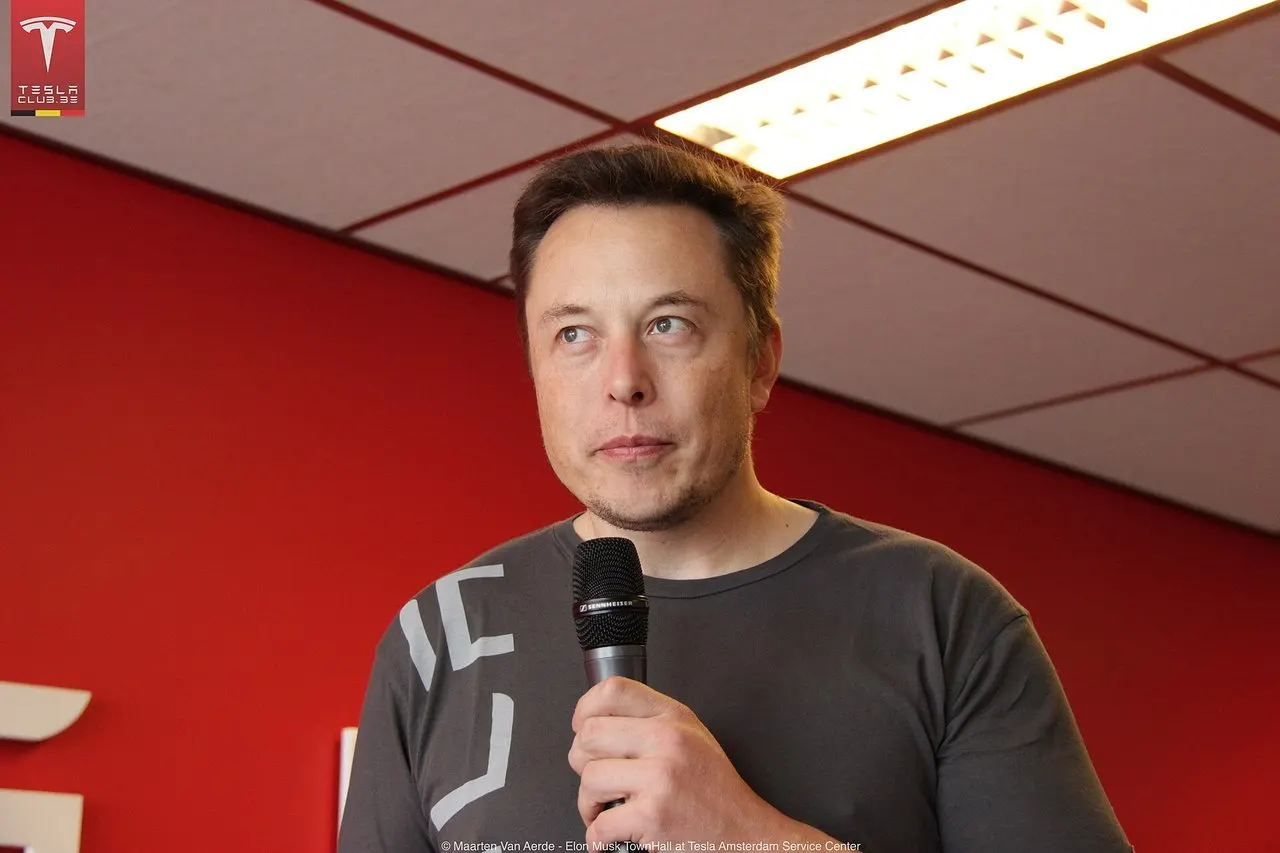
After the shocking opening, Auta wrote the words that changed the post completely. She said, oh wait, that was not Ilhan, that was Elon Musk. In one sentence, the target of the accusation switched from a congresswoman to the richest man in the world. The post was not really about Omar at all. It was a pointed comment about Musk, and about how the same facts can sound very different when the name changes. See how Musk stays in the news with Neuralink’s work on restoring sight and Starlink service over Iran.
Stanford Has No Record of the Musk Student Visa Graduate
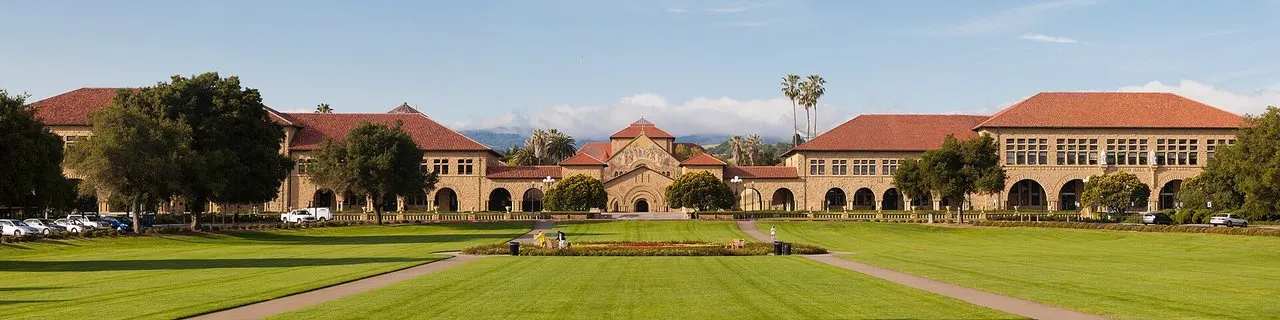
The heart of the story is a simple fact about Stanford University. Musk arrived in Palo Alto in 1995 to join a graduate program there, but he never enrolled in courses. Stanford has confirmed it has no record of Musk ever enrolling as a graduate student. The Washington Post reported that leaving school left Musk without a legal basis to remain in the United States. Learn more about schools and power in the plan to shift education control to the states and the court ruling that called the tariffs illegal.
Palo Alto in 1995, Where the Musk Student Visa Story Began
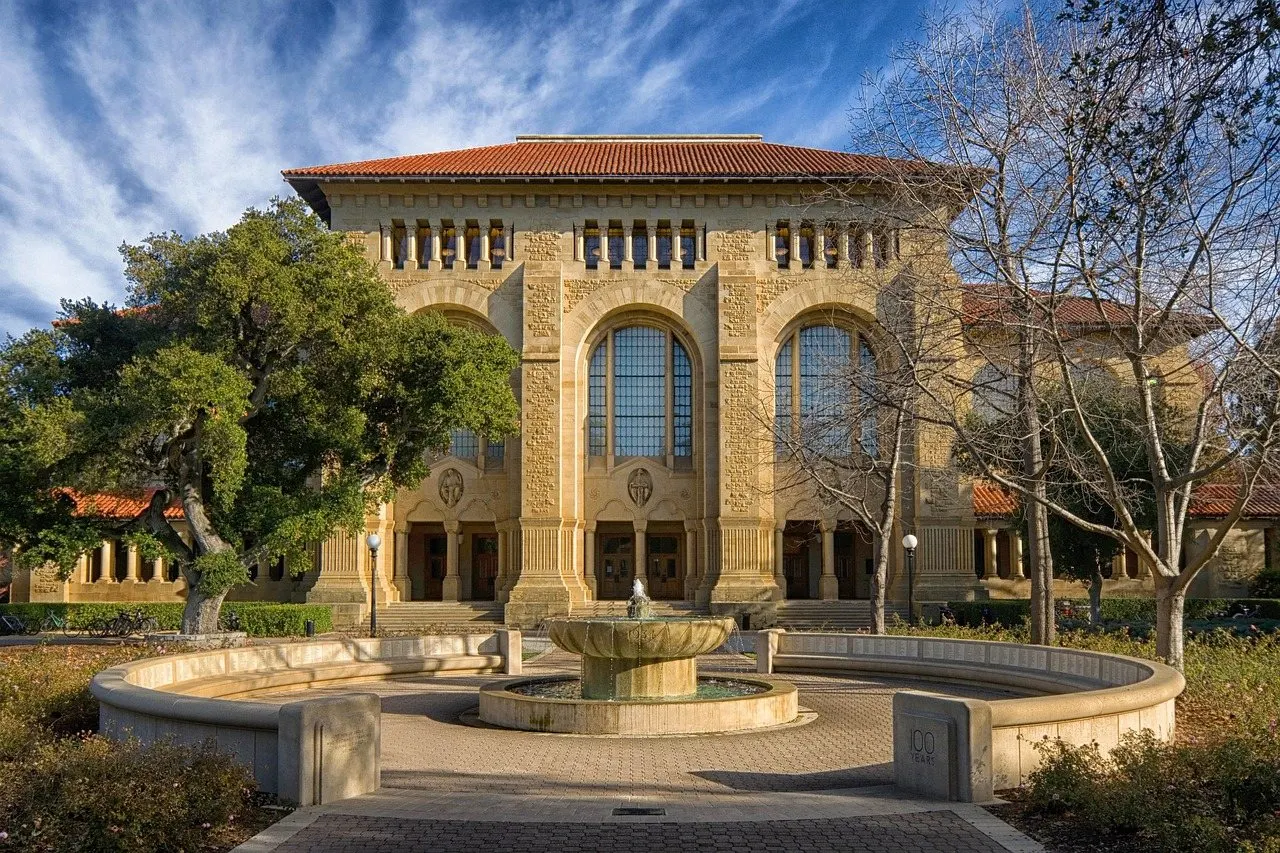
Palo Alto in 1995 was the center of a new world. Musk came from South Africa by way of Canada and Pennsylvania, ready to study at Stanford. Instead of settling into classes, he turned toward business within days. He and his brother Kimbal began building a company that would become Zip2. The choice set the course for everything that followed. Read about the world Musk later built through Tesla’s proposed pay package for Musk and the plan to shift education control to the states.
Zip2 Instead of Classrooms
While other new graduate students found their classrooms, Musk spent his days working on Zip2, an early online city guide. He wrote code, chased customers, and tried to turn a small idea into a real business. Former business associates later told The Washington Post that Musk said he was in the country on a student visa while he built the company. Six former associates and shareholders said the same thing. The startup life had replaced student life completely. Follow Musk’s later ventures in Neuralink’s work on restoring sight and Musk’s donation toward murals honoring Iryna Zarutska.
Investors Gave the Musk Student Visa Founders 45 Days

Money soon brought attention to the visa question. In 1996, the venture firm Mohr Davidow Ventures put 3 million dollars into Zip2. The funding agreement said the Musk brothers and an associate had 45 days to obtain legal work status, or the firm could reclaim its investment. A Zip2 board member later said their immigration status was not what it should be to be legally employed running a company in the United States. See the stakes of big money in Tesla’s proposed pay package for Musk and Musk’s idea for an app where strangers post their bills.
How The Washington Post Built Its Case

The Washington Post published its investigation on October 26, 2024, after months of reporting. The paper drew on company documents, former business associates, and court records. It also cited a 2005 email in which Musk wrote that he had no money for a lab and no legal right to stay in the country, so applying to Stanford seemed like a good way to solve both issues. Read about how courts and power mix in Justice Barrett’s sharp opinion aimed at Justice Jackson and the bill that would stop a president from pardoning himself.
What a Student Visa Actually Allows
A student visa is not a work permit. It lets a person from another country study full time in the United States, and it allows work only in limited cases. Legal experts told The Washington Post that leaving school left Musk without a legal basis to remain in the country. Former Justice Department immigration litigator Leon Fresco said that work which helped create revenue while unauthorized could mean trouble. Read the report on crowd-control weapons at immigration protests and officers raising the flag after the Los Angeles protests.
Ilhan Omar and the Musk Student Visa Mix-Up
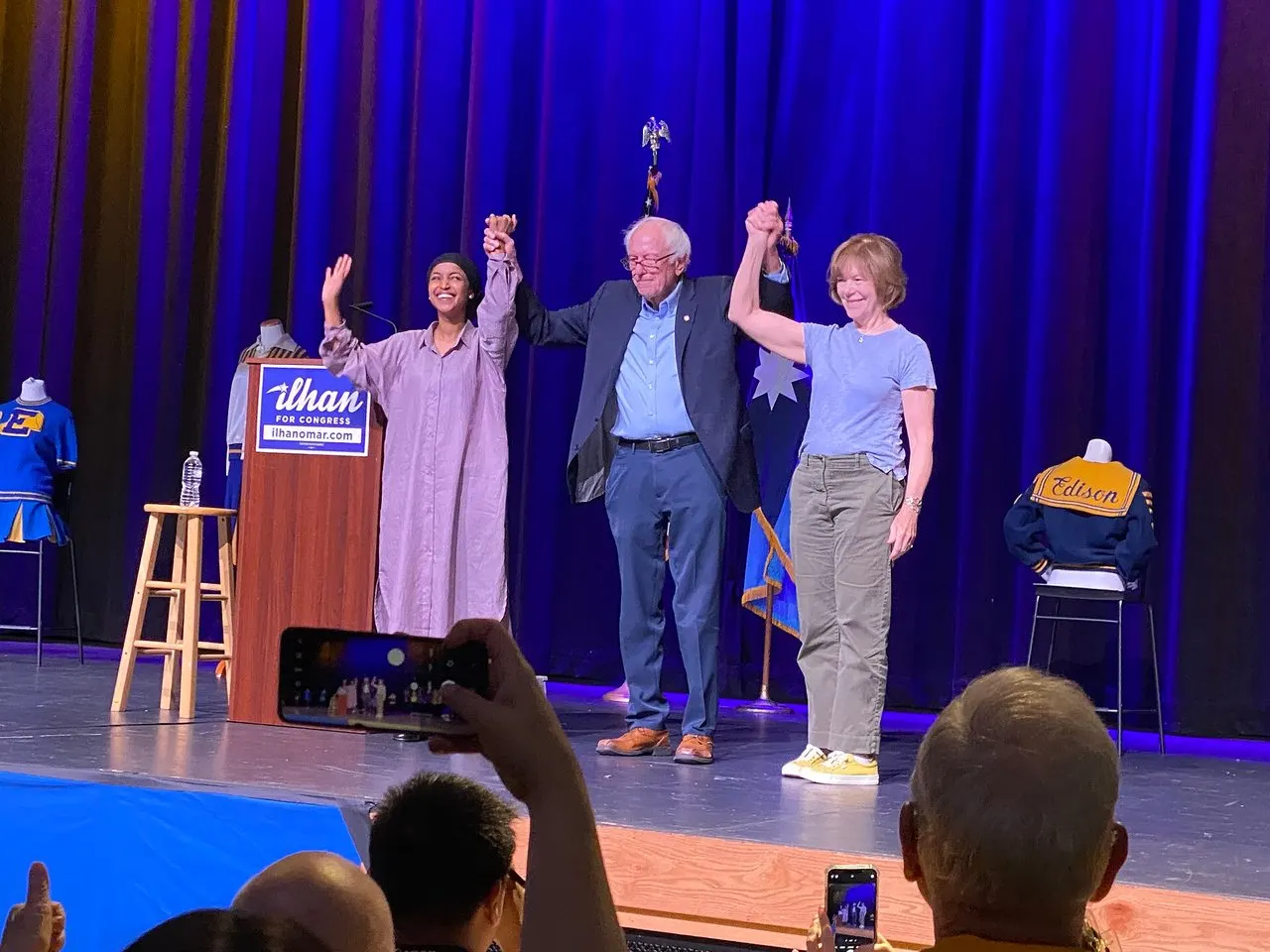
The post named Ilhan Omar first, and that choice was the whole trick. But the facts Auta described did not match Omar at all. Omar arrived in the United States as a child refugee from Somalia with her family in the 1990s. She later became a naturalized citizen. Her path to America had nothing to do with a student visa, a graduate program, or a startup in California. See how Congress makes news in the bill that would stop a president from pardoning himself and our report on the false rumors about Trump’s health.
From Somalia to Minnesota
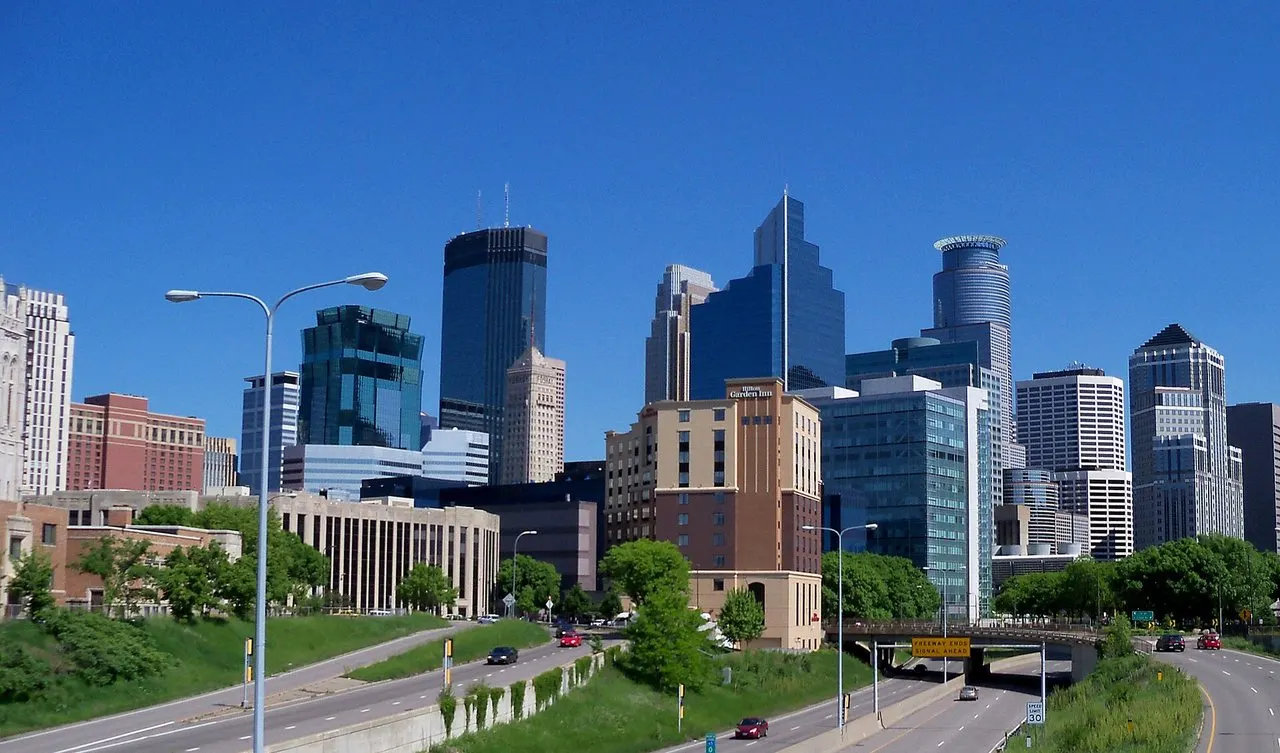
Omar’s real story began far from Silicon Valley. Her family fled Somalia and spent years as refugees before reaching the United States when she was a child. They settled in Minnesota, where she grew up, went to school, and later entered politics. She won a seat in the Minnesota state legislature and then in the United States House of Representatives. It is a very different story from the one Auta pretended to tell. Read about American politics in Justice Barrett’s sharp opinion aimed at Justice Jackson and the court ruling that called the tariffs illegal.
Biden Calls Out the Musk Student Visa Past
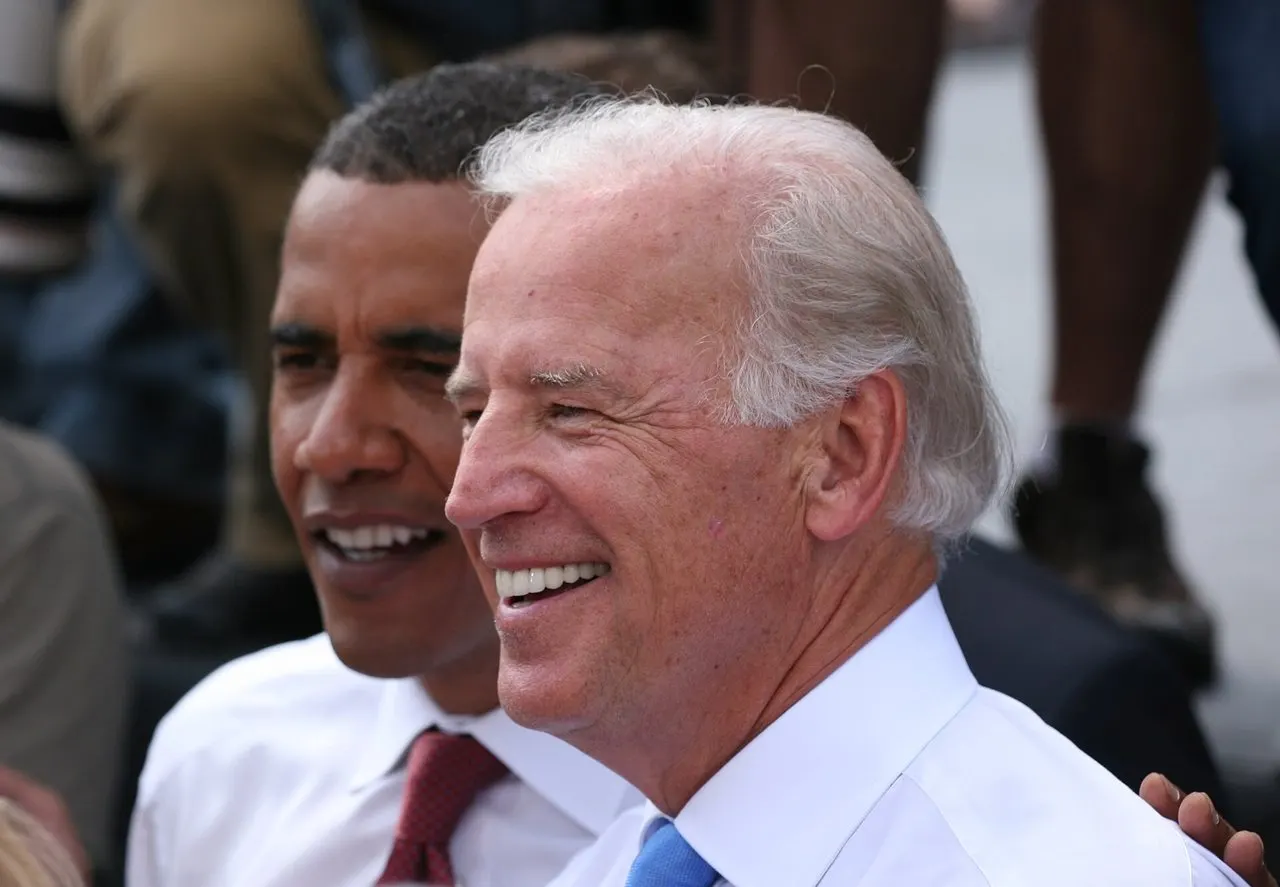
President Joe Biden seized on the Washington Post report the same weekend it appeared. Speaking at a campaign event in Pittsburgh on October 26, 2024, he called Musk an illegal worker and said the richest man in the world had come on a student visa, was not in school, and was violating the law. Musk replied on X that he was in fact allowed to work in the United States. Follow the campaign trail in our report on the false rumors about Trump’s health and the plan to shift education control to the states.
Musk Says He Was Allowed to Work
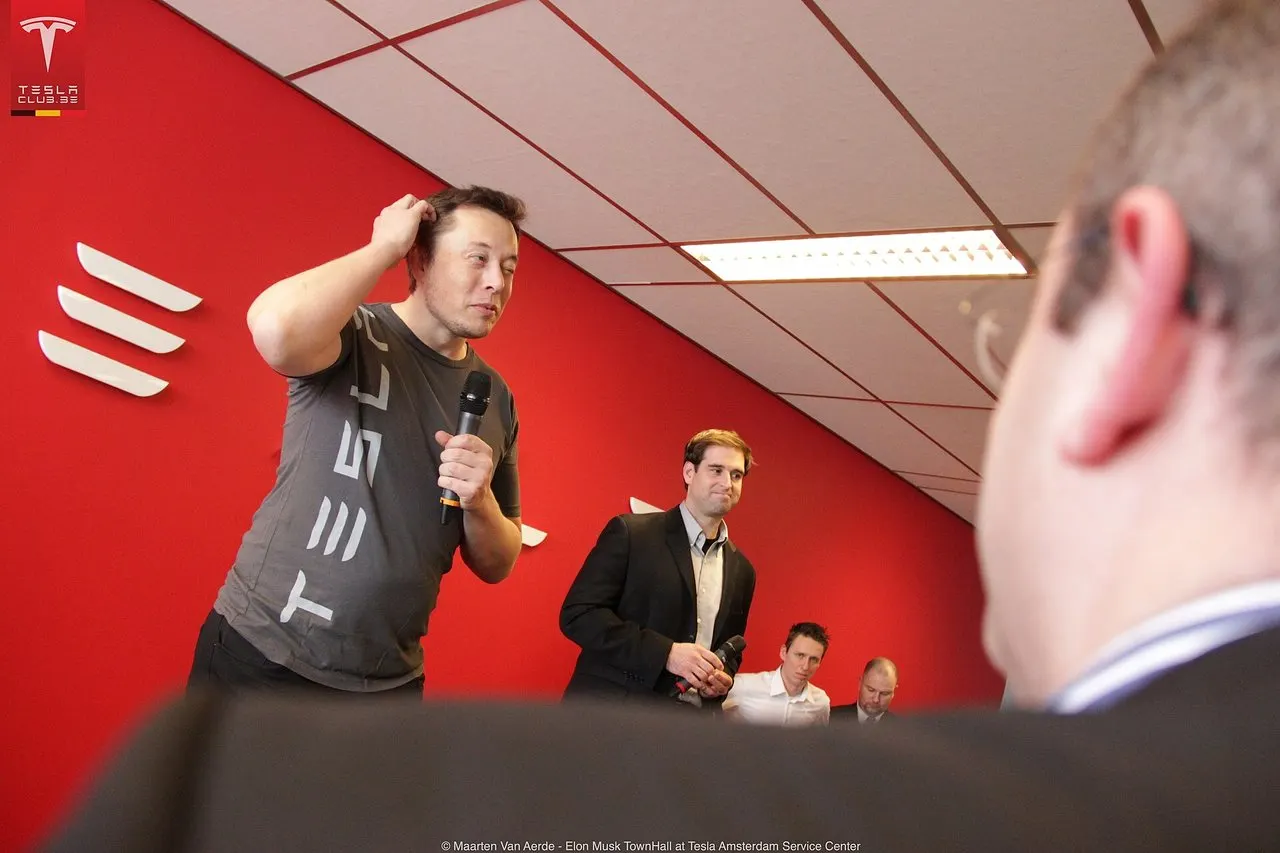
Musk has firmly denied that he worked illegally. After the Post report and Biden’s remarks, he wrote on X that he was on a J-1 visa that transitioned to an H-1B work visa. In a 2020 podcast, he had described himself as holding a student work visa, a classification that does not exist under United States immigration law. His brother Kimbal once called the two illegal immigrants in those early years. See Musk’s other big ideas in Musk’s idea for an app where strangers post their bills and Neuralink’s work on restoring sight.
What the Law Says About Working on a Student Visa
A student visa ties a person’s right to stay to full time study, and work is allowed only in limited settings. If a student builds a company and helps create revenue without work permission, experts say that can break the rules. Leon Fresco, a former Justice Department immigration litigator, told the Post that activity which helped facilitate revenue creation, such as design code or trying to make sales, could leave a person in trouble. Learn about the courts in Justice Barrett’s sharp opinion aimed at Justice Jackson and the report on crowd-control weapons at immigration protests.
Zip2 Sold for About 300 Million Dollars
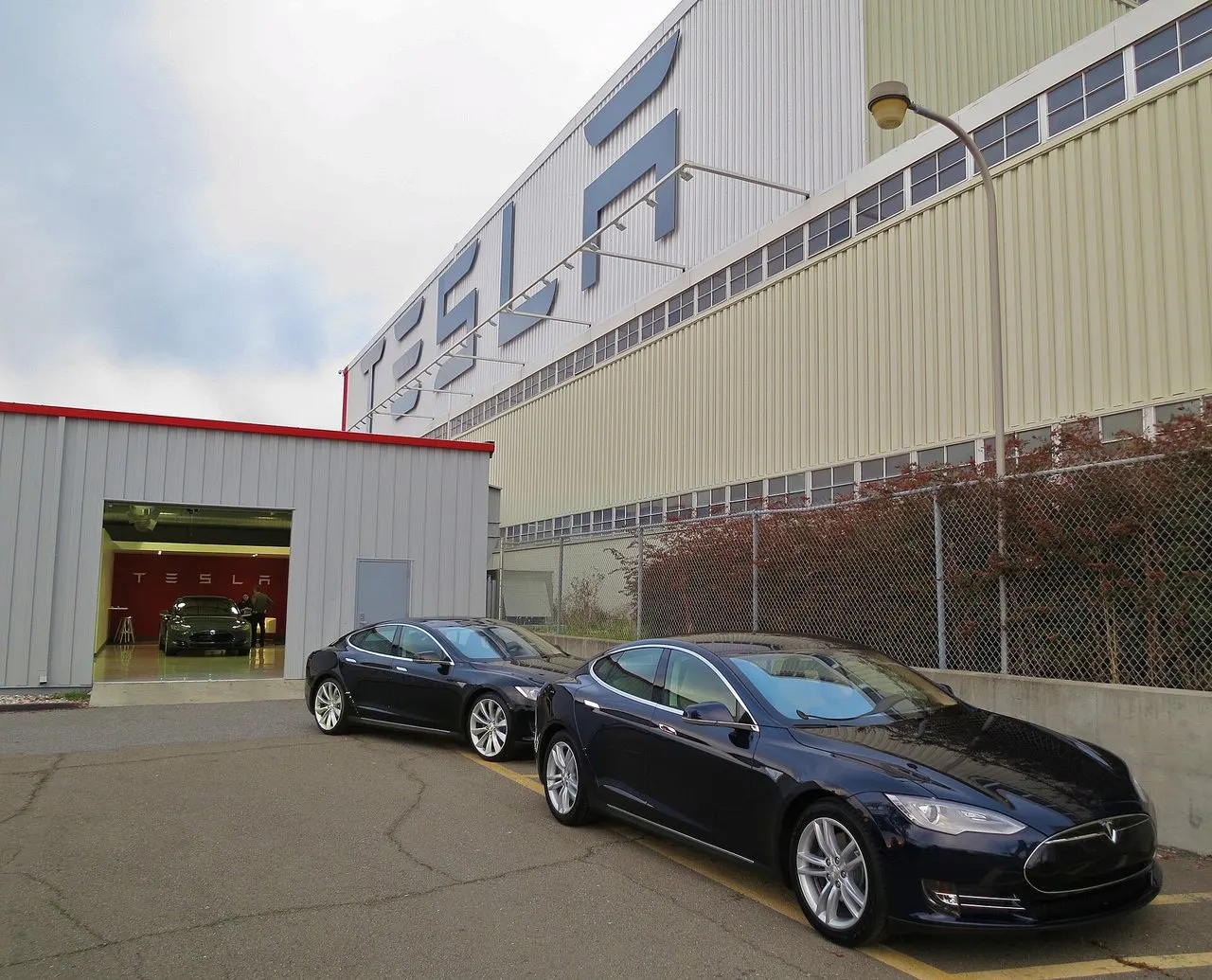
Whatever the visa questions, Zip2 made Musk rich. The company sold for about 300 million dollars in 1999, just four years after he arrived in Palo Alto. The sale gave Musk the money and the name to start his next ventures. He became an early investor in Tesla and later founded SpaceX, the rocket company that now works closely with the United States government. Track that fortune in Starlink service over Iran and Musk’s donation toward murals honoring Iryna Zarutska.
From Zip2 to Tesla and SpaceX
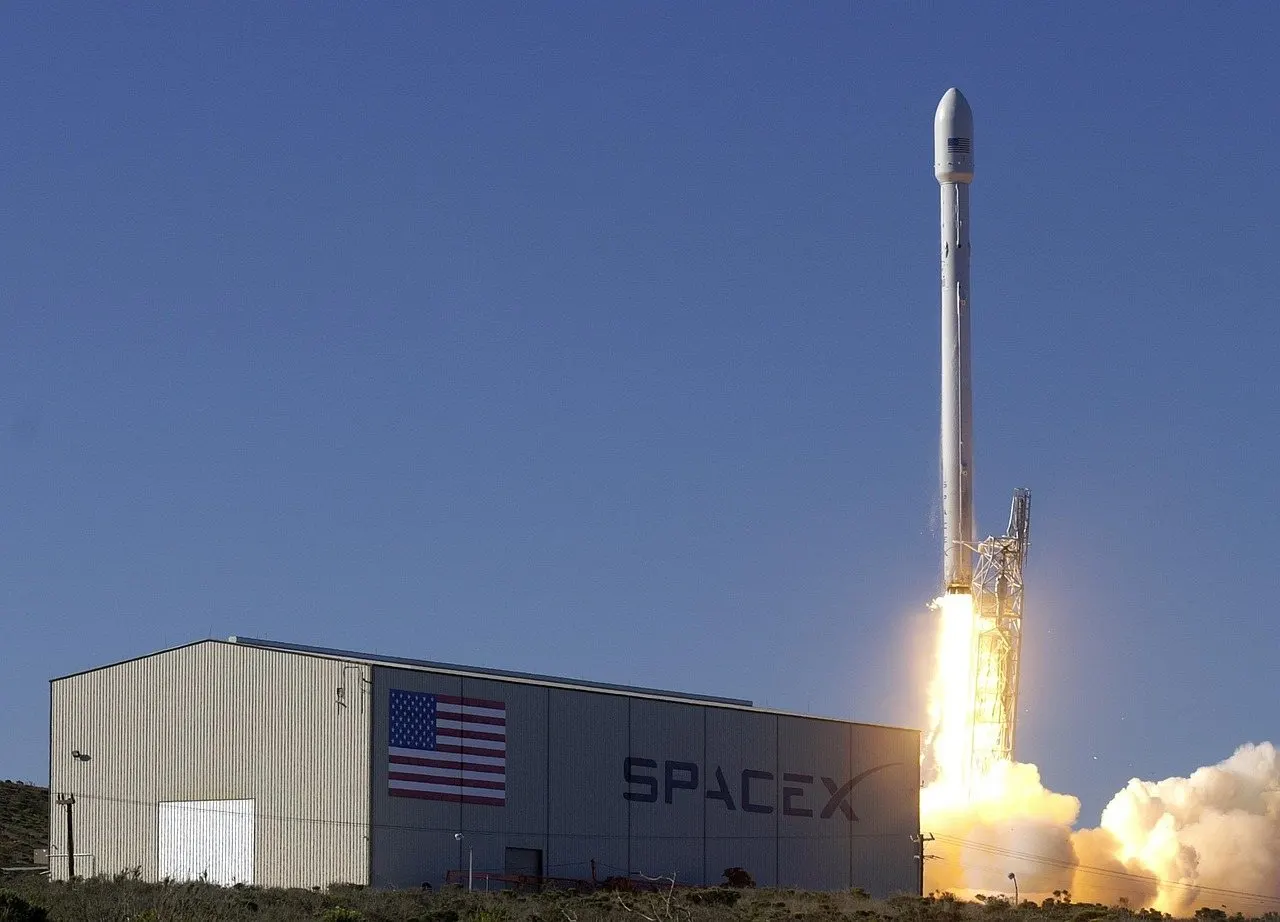
The road from Zip2 led to companies that changed whole industries. Tesla turned electric cars from a curiosity into a common sight on American roads. SpaceX cut the cost of reaching orbit and won contracts to carry astronauts and cargo for NASA. Musk also bought X, the platform where Auta posted the message that started this story. His companies now touch cars, rockets, satellites, and social media. The visa questions from 1995 still follow him, even as his businesses keep growing. Read more about his reach in Musk’s donation toward murals honoring Iryna Zarutska and Starlink service over Iran.
Why the Musk Student Visa Post Hit a Nerve
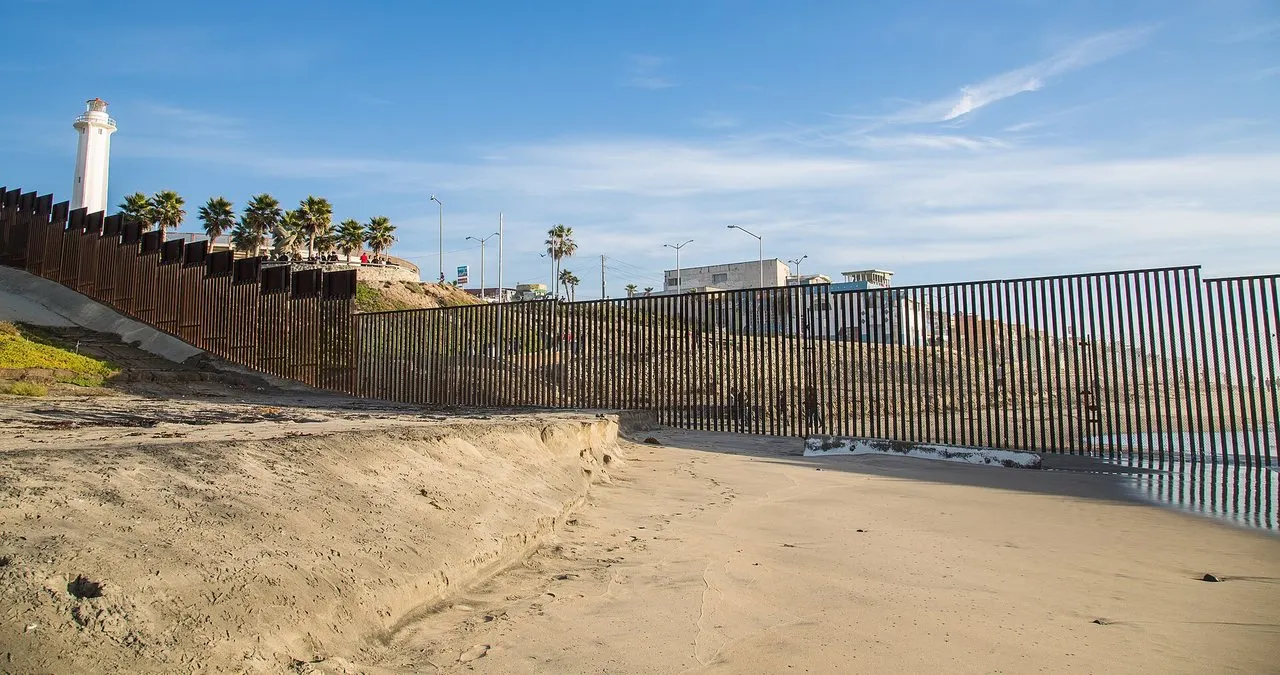
The post spread because it touched a sore spot in American politics. Immigration is one of the most argued topics in the country, and Musk has often spoken loudly against open borders and undocumented immigrants. Auta’s post asked readers to notice the gap between those strong words and the questions about his own early years. Others called it a pointed comment on double standards in how immigration scrutiny is applied to public figures. See the wider debate in the report on crowd-control weapons at immigration protests and officers raising the flag after the Los Angeles protests.
What Do You Think About the Musk Student Visa Story

Grace Auta’s post did more than surprise readers. It started a fresh argument about fairness, memory, and who gets a second look when the rules are unclear. Was the post a clever joke, a fair point, or an unfair mix of two different stories? Did it change how you see the visa questions around Musk, or did it change nothing at all? Share your thoughts in the comments below and tell us where you stand. For more reading, try the court ruling that called the tariffs illegal and officers raising the flag after the Los Angeles protests.