America Loses Its Measles Elimination Status After 25 Years
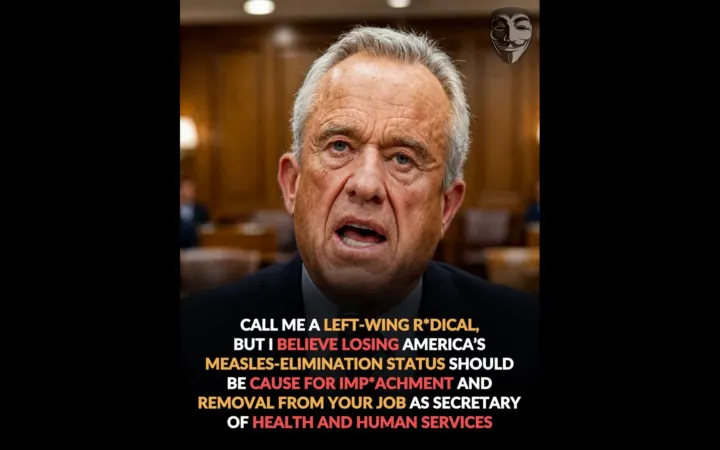
Measles elimination status is gone in America after 25 years, and the news has shaken families who thought this illness belonged to the past. On November 17, 2026, the Pan American Health Organization said measles is spreading continuously in the United States again, ending the elimination status the country first earned in 2000. Health officials have recorded more than 5,400 measles cases in 2026 and more than 7,000 cases since the start of 2025, the highest surge in decades. The loss follows the second death in the growing measles outbreak and shows how hard won progress can slip away.
Officials link the return to falling childhood vaccination rates and gaps in coverage, with about 92 percent of kindergarteners vaccinated in 2025, down from 95 percent in 2019. Health leaders say regaining the status will take stronger vaccination efforts, better outbreak tracking and steady support for state and local health departments. In the slides ahead we look at what the status meant, why cases are climbing and what families can do now. For a closer look at fast hospital care for a child, read our story about a Georgia toddler hospitalized after more than 150 stings.
References:
Science News: The US just lost its measles elimination status What now
KFF Health News: The US Long Treated Measles as a Preventable Tragedy Under Trump It Roared Back
APHA: Loss of US measles certification serves as reminder of value of public health protections
NPR: US has lost measles elimination status global health authorities say
What Losing Measles Elimination Status Really Means
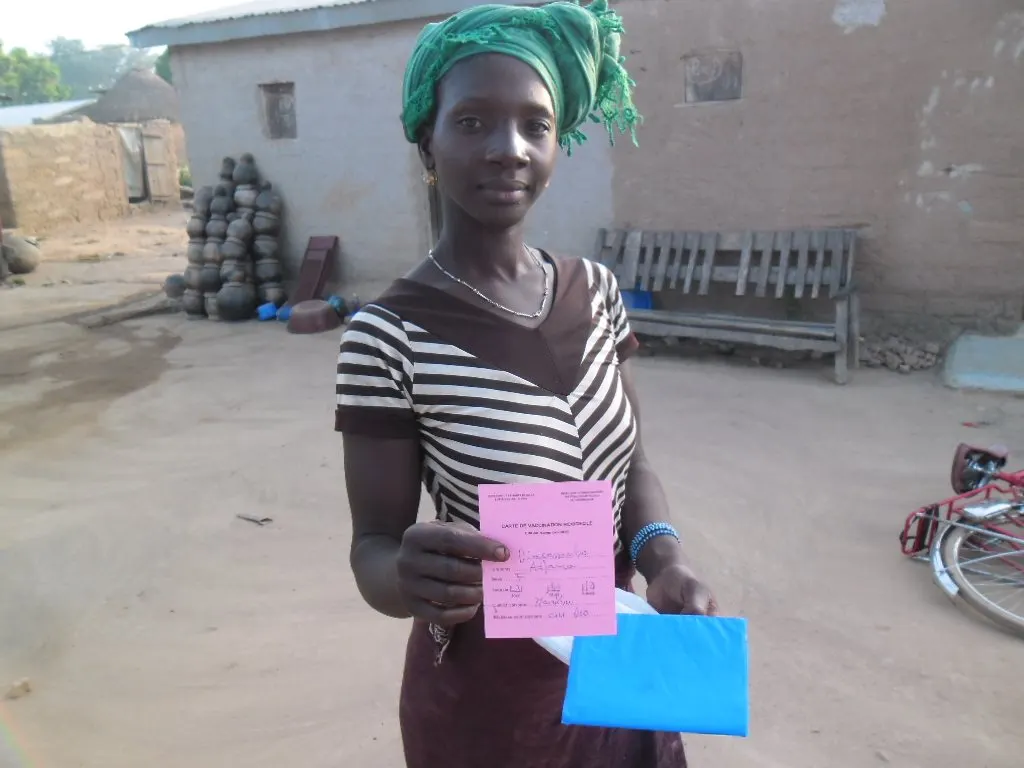
Losing the status does not mean measles is everywhere. It means the virus is spreading on its own inside the country again, not only in single cases from abroad. Agencies grant the status when a country stops continuous spread for a year, and take it away when chains keep going. That matters because measles is one of the most contagious illnesses known, and it finds every gap in protection. The toll is real, as shown by how the outbreak has already claimed lives. You may also enjoy our story on Jelly Roll and his 200 pound weight loss.
The November Announcement That Ended Measles Elimination Status

The announcement came from the Pan American Health Organization, which tracks illness in the Americas. On November 17, 2026, it said measles is spreading continuously in the United States again, ending the status first earned in 2000. The decision followed months of rising cases and outbreaks. Officials had warned for years that falling rates could bring this day closer, and the numbers finally caught up. The news spread fast, much like a weekend of false health rumors that once raced online. It was a stark moment for public health, coming after the earlier measles death in New Mexico.
More Than 5,400 Cases in a Single Year
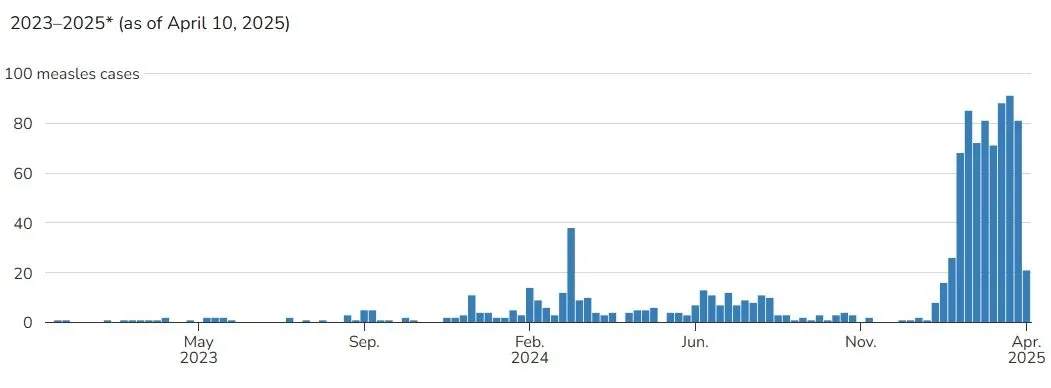
More than 5,400 measles cases hit the United States in 2026, a count that seemed impossible years ago. Since the start of 2025, officials have counted more than 7,000 cases, the highest surge in decades. Each case starts with fever, cough and a rash, and each can lead to more cases when people are not protected. Hospitals have felt the strain as families seek care and tests. Communities have rallied around sick children before, as in the story of a child who needed emergency care. Science keeps moving, as shown by the race to return astronauts to the Moon.
The Surge That Ended Measles Elimination Status
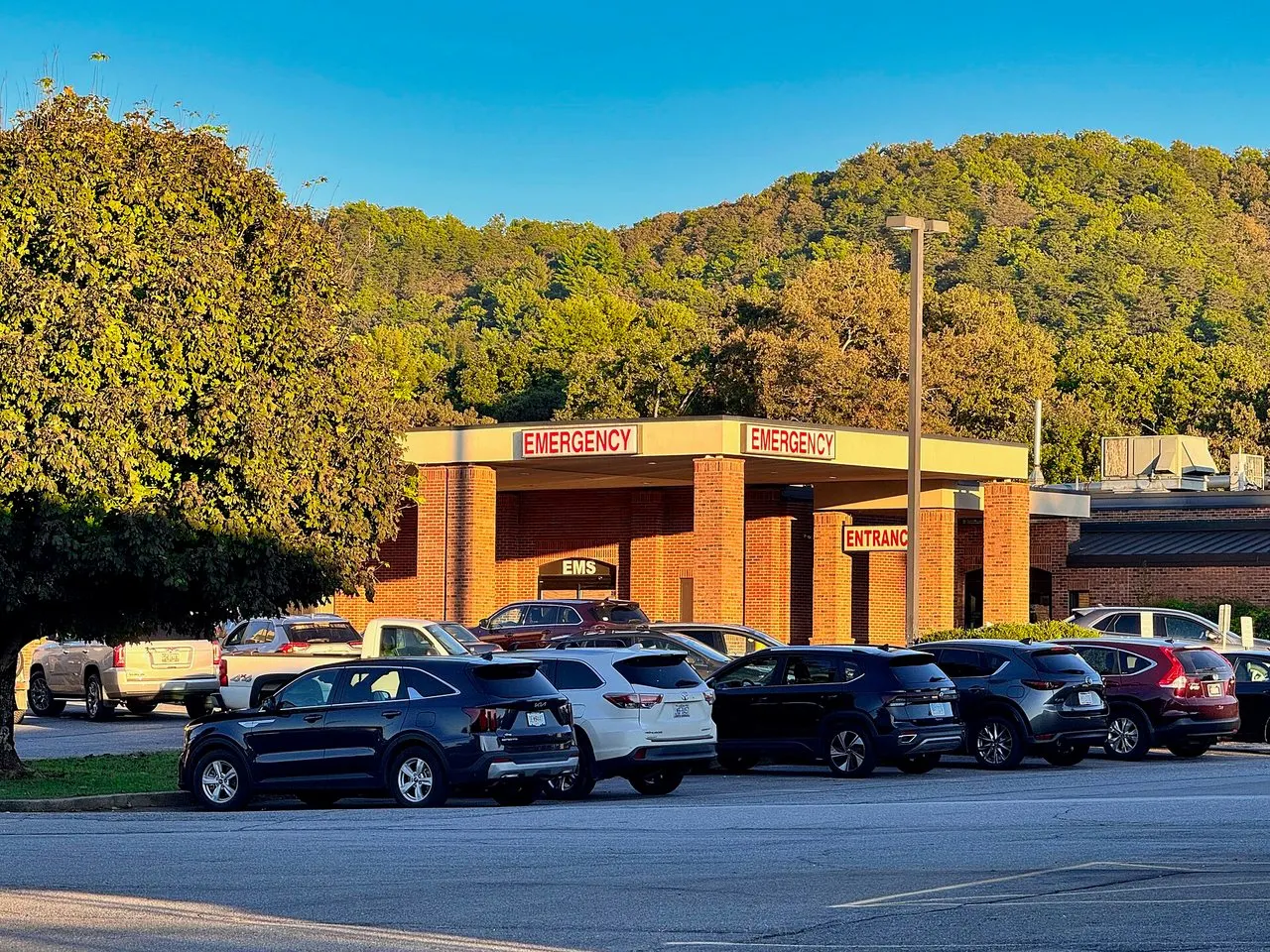
The surge that ended the status is the worst in decades, and it did not happen overnight. Cases built up through 2025 and kept climbing in 2026 as outbreaks spread. Measles moves fast because it can linger in the air after an infected person leaves a room, so one case in a school can turn into many. Health workers have traced chains of infection through families and schools. The work is painstaking, like how a dog led rescuers through the dark to a lost woman. It also recalls another child who needed fast emergency care when minutes counted.
Why Measles Spreads Faster Than Almost Any Other Illness

Measles spreads through coughs and sneezes, and it can stay in the air for two hours after an infected person has left. That is why it spreads faster than almost any other illness, and one case can lead to dozens more. People can pass it on before they feel sick, which makes warnings alone too weak. The virus finds unprotected people in schools, clinics and homes. Only vaccination truly blocks it. Travel can carry illness far, as shown by a shutdown that disrupted flights worldwide. Staying well matters, as our story on a singer who changed his health shows.
Why Fewer Families Are Getting the Shot
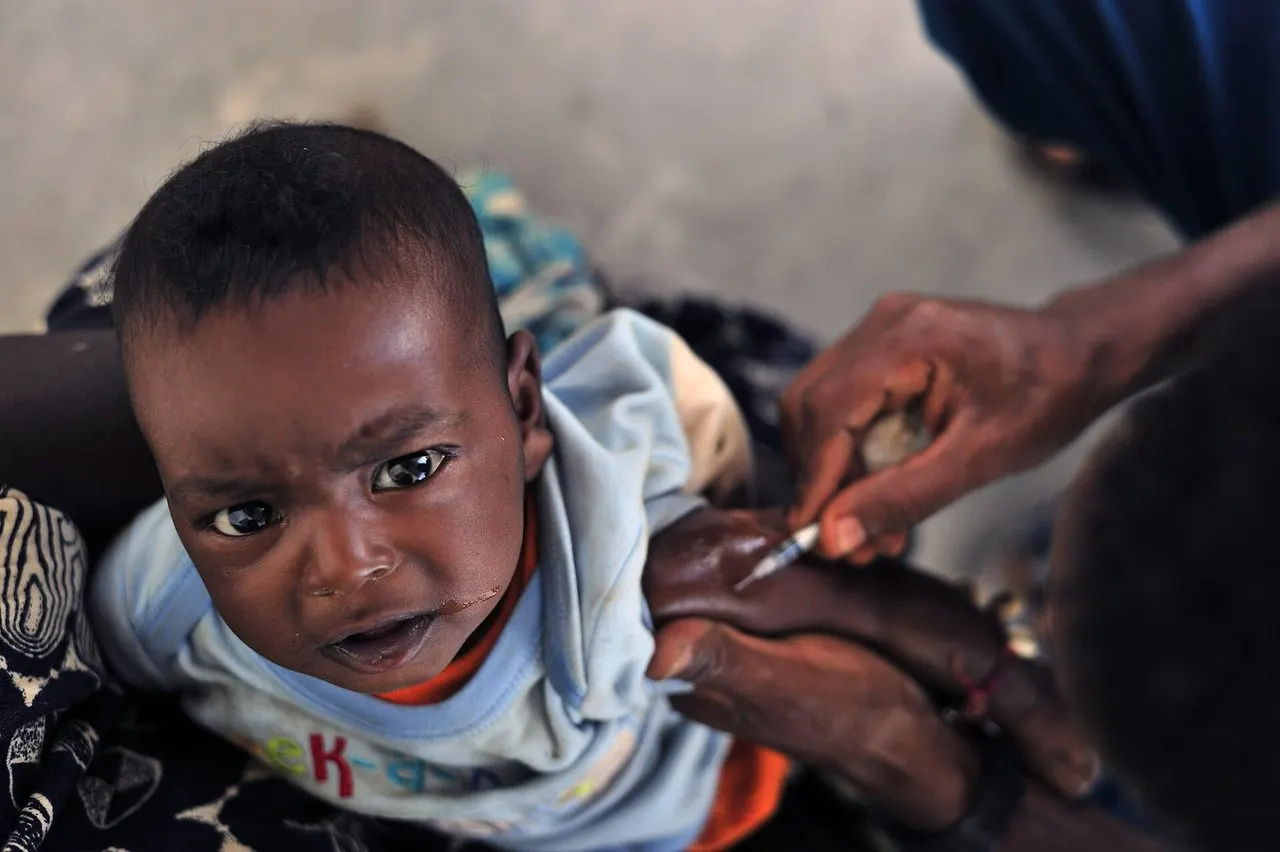
Vaccination rates have slipped for several reasons, and none has a single simple fix. Some parents miss appointments or move and lose track of records. Others hear doubts online and wait. Some clinics have closed or cut hours, which makes the shot harder to get. Each missed dose leaves a gap, and measles is quick to find it. Trust takes time to rebuild, and facts help more than blame. Big rule changes take time, as shown by why a president cannot close the Education Department alone. Health can improve with steady steps, as a singer who changed his health proved.
Kindergarten Coverage Has Fallen to 92 Percent
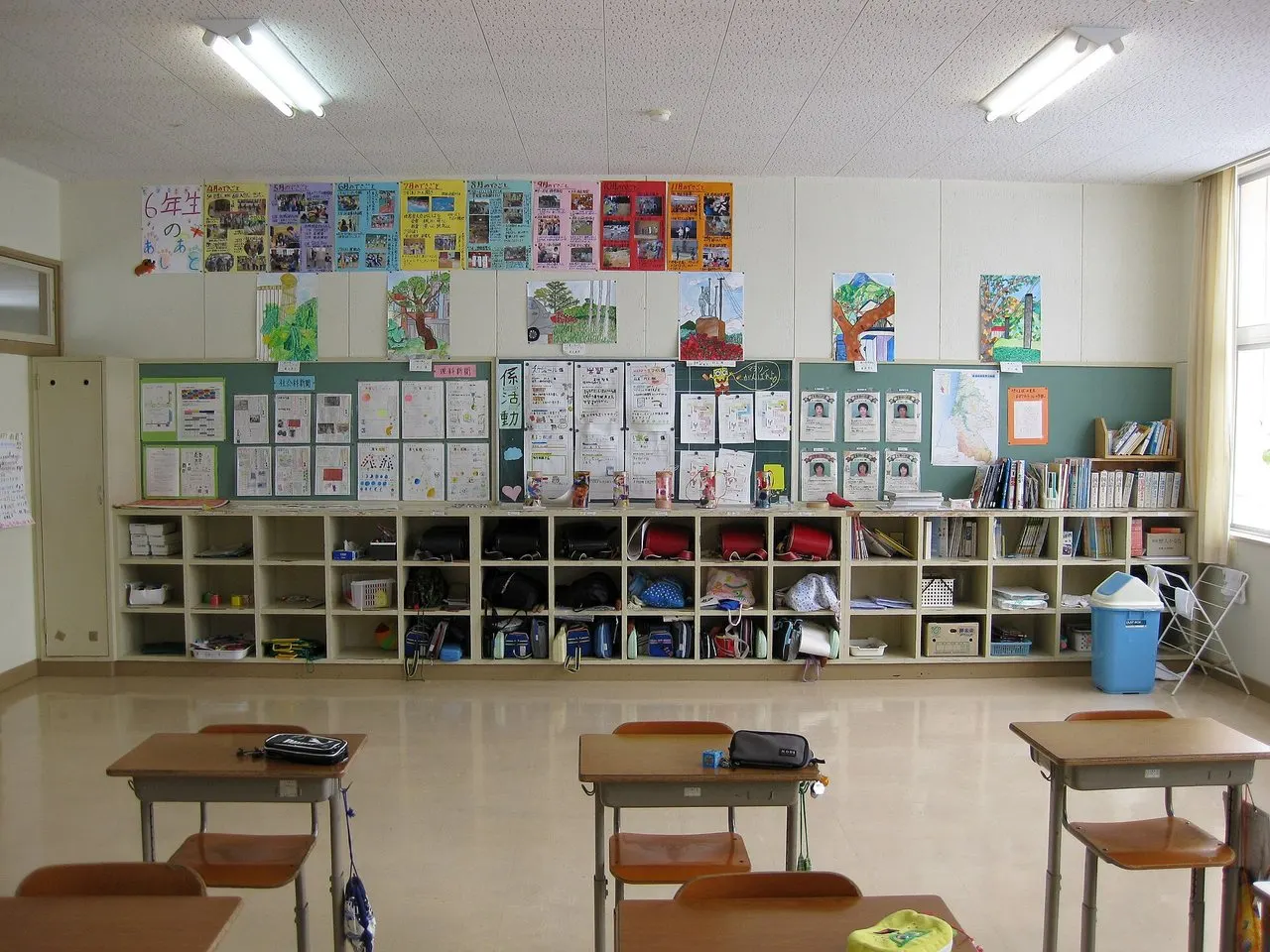
About 92 percent of kindergarteners were vaccinated in 2025, down from 95 percent in 2019. That small drop sounds minor, but tens of thousands more children start school without full protection. Schools bring children together daily, so a single case can spread through a classroom before anyone notices. States set their own school vaccine rules, and coverage varies widely. Nurses and teachers often spot the first signs of illness. The debate over school rules continues, much like the move to shift education control to the states. Health rumors also cloud the picture, as how quickly health rumors spread online shows.
The 2000 Milestone Behind Measles Elimination Status
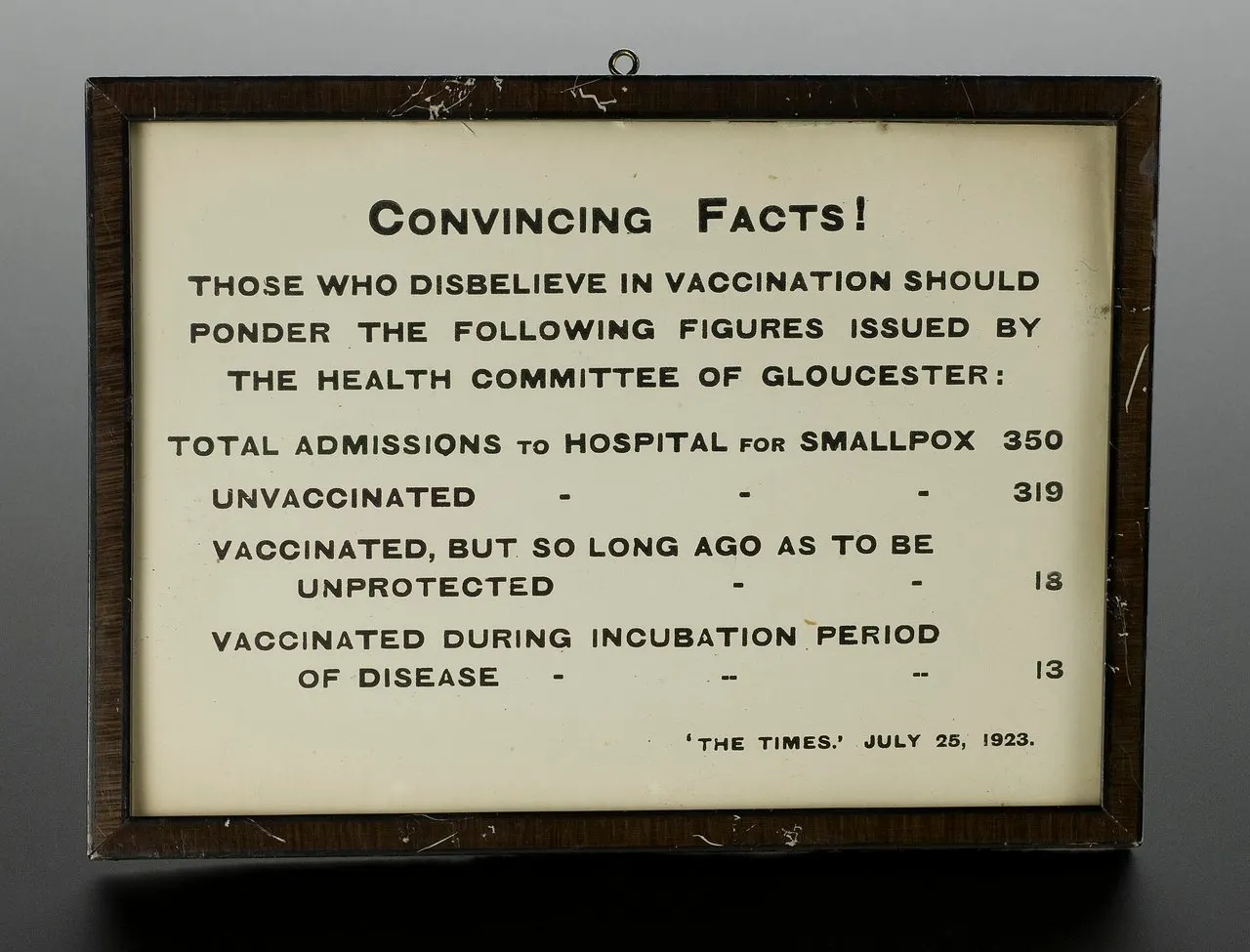
The year 2000 was a proud moment for public health. That was when the country first earned the status, after years of steady work and careful tracking. Doctors and nurses worked decades to reach that goal, and the reward was children who rarely saw it. The status proved a common effort could beat a dangerous virus. Now that it is gone, the country must rebuild what it once achieved. Courts can reshape big plans, as how a court checked a president’s tariffs shows. So can science, as the race to return astronauts to the Moon proves.
How Outbreak Teams Track Every New Case
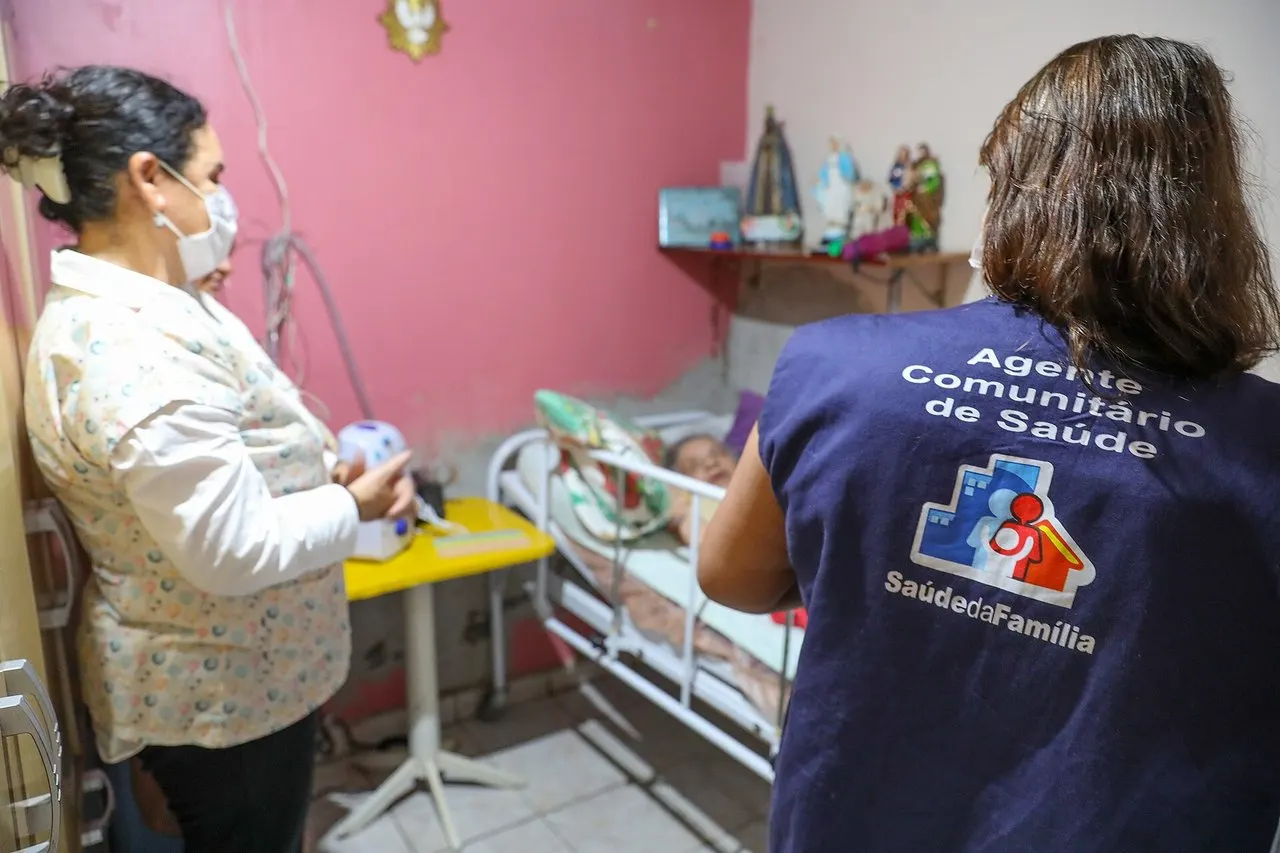
Outbreak tracking is slow work that rarely makes headlines. Health workers interview each sick person, list contacts and check who is protected. They test samples, watch for new cases and warn nearby clinics and schools. When a chain of infection keeps going for a year, the country loses its elimination status, as happened in 2026. State and local health departments carry most of this load and need steady support. New tools help, but old fashioned legwork still matters, as the new space race to the Moon shows. And the AI data center boom shows how fast systems can grow.
What Health Leaders Say Must Happen to Restore Measles Elimination Status
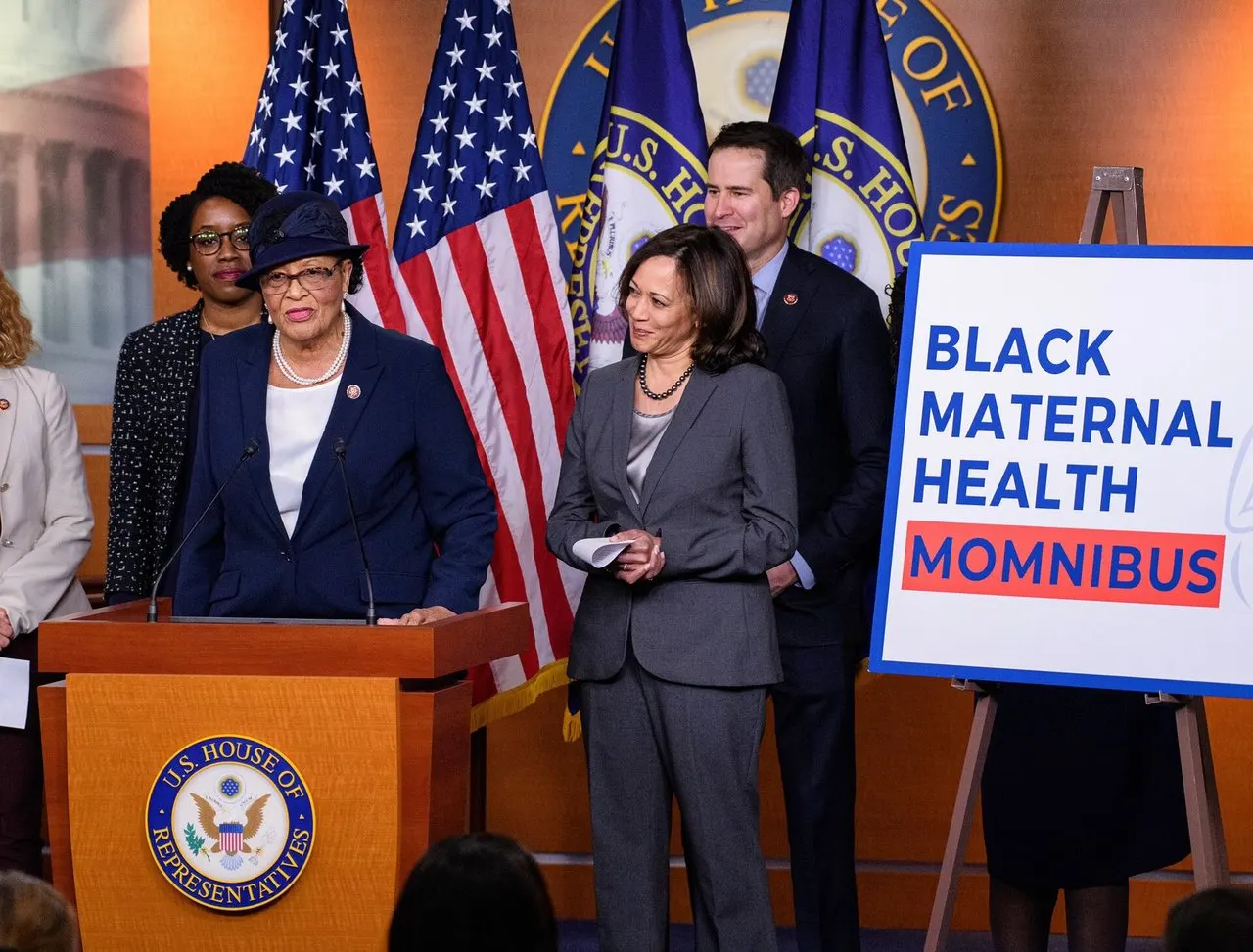
Health leaders say winning back the status will take stronger vaccination efforts, better outbreak tracking and steady support for state and local health departments. That means more clinics with open hours, clear records so no child is missed and honest answers for worried parents. It also means funding that does not vanish when the headlines fade. Leaders at every level must pull in the same direction, from Washington to the smallest county office. Rescue takes teamwork, as shown by how a dog led rescuers through the dark. Travel hubs matter too, as how a fire shut down Heathrow Airport proved.
Babies Too Young for the Shot Need Everyone Else Protected
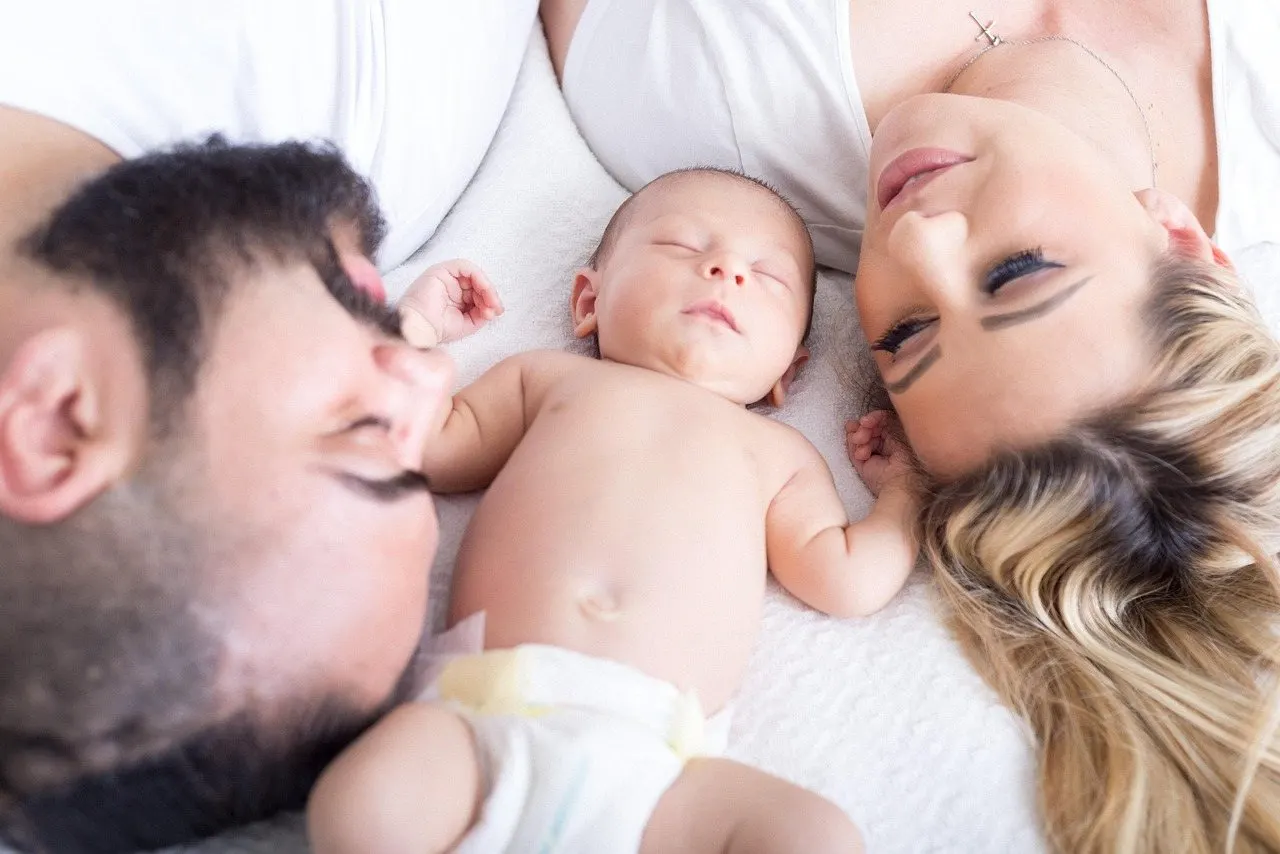
Babies under one are too young for the shot, so they depend on those around them. When most adults and older children are protected, the virus has nowhere to go. That shield is what that shared protection is built on. When coverage falls, those babies face risk first, along with people with weak immune systems. Doctors urge families to check records and catch up. Protecting the youngest shows care in action. Loyalty can save a life, as a loyal dog who saved her owner proved. See also why a president cannot close the Education Department alone.
The Symptoms Parents Should Watch For
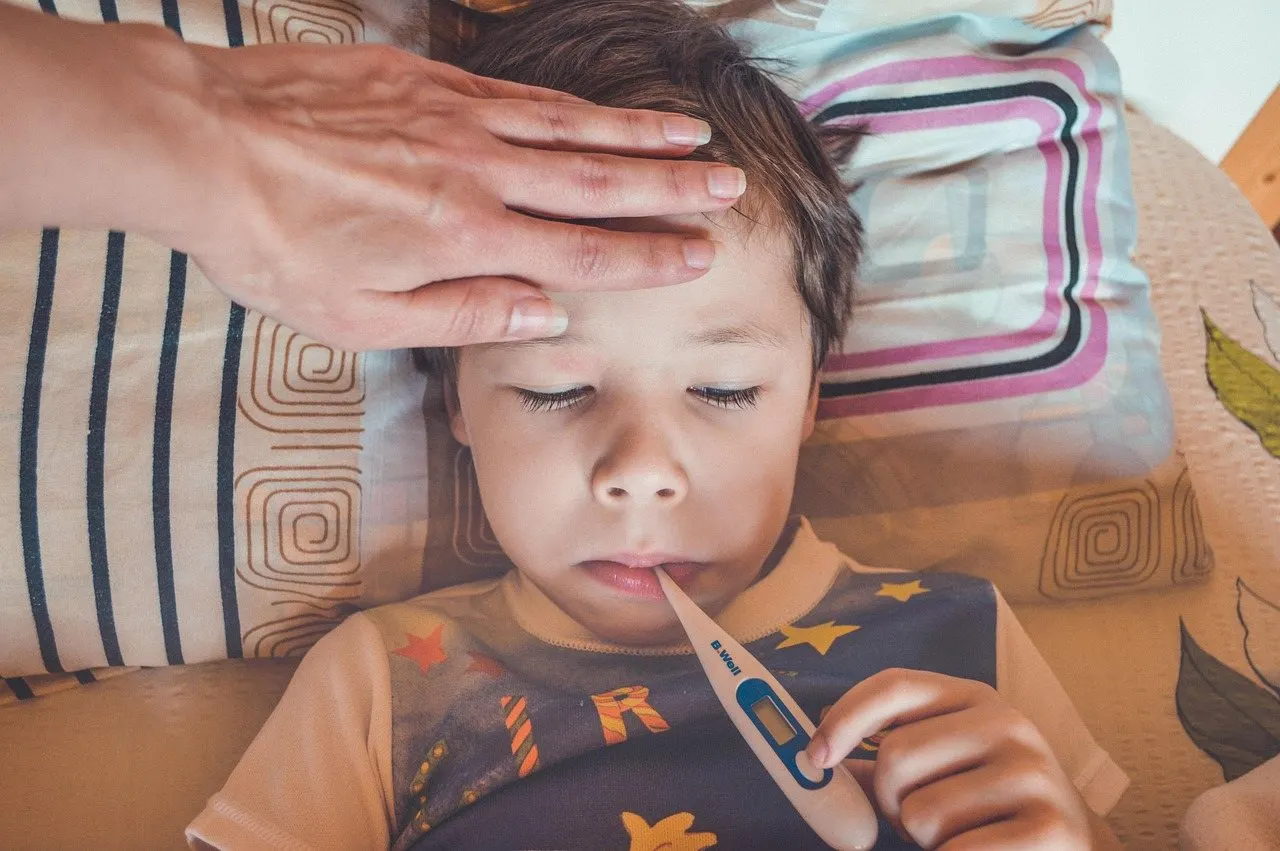
Measles often starts like a cold, with fever, cough and a runny nose. After a few days a red rash appears, starting on the face and spreading down the body. Some develop ear infections or diarrhea, and a few face far more serious problems. Call a doctor early if a child has a high fever with a rash, especially after travel or contact with a case. Quick care helps, and keeping the child home protects others. Airports spread illness fast, as a shutdown that disrupted flights worldwide showed. School rules matter too, as the debate over who runs education explains.
The Shot That Stops Measles Before It Starts
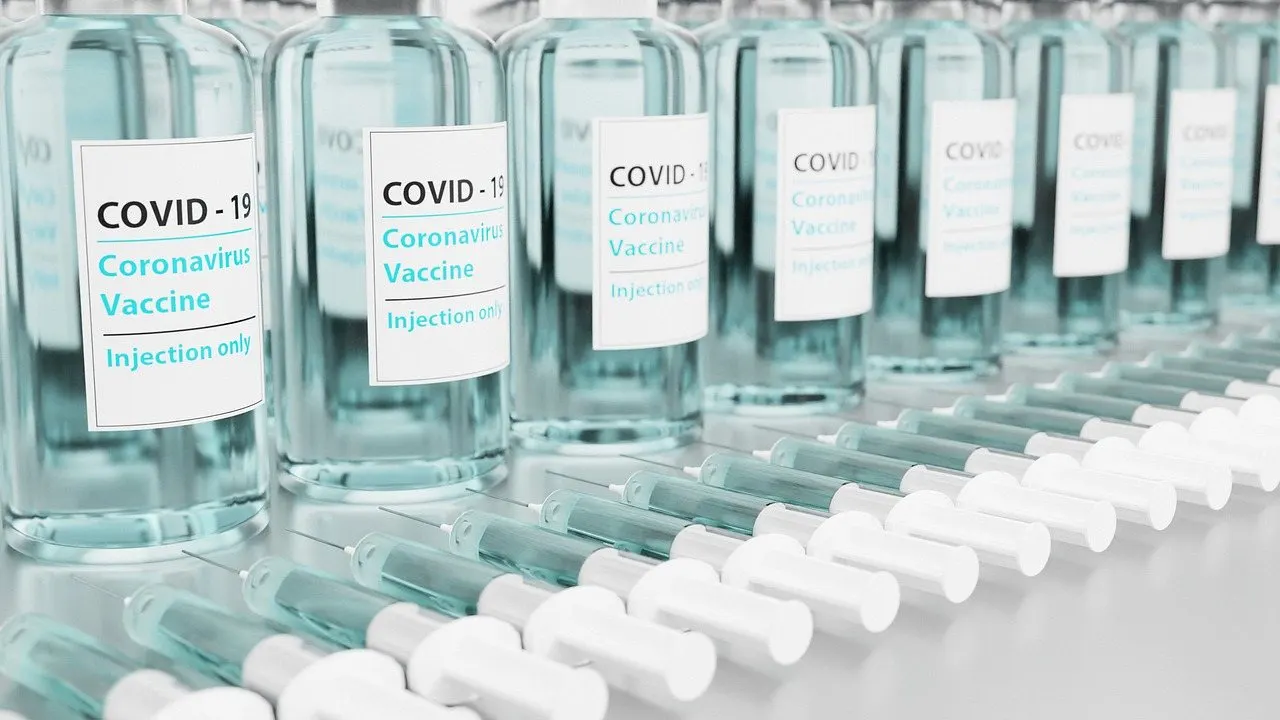
The measles shot, known as the MMR vaccine, protects against measles, mumps and rubella. Children receive two doses, one as a toddler and one before school, and those protect most people for life. Used for decades, it has a long safety record doctors trust. High use of this shot is how the country won the status. A quick clinic visit can close the gap for anyone who missed one. Big rule changes take time, as the limits on closing a federal department shows. Public debate can shift fast, as the debate over policing the capital proved.
Schools Sit at the Center of the Response
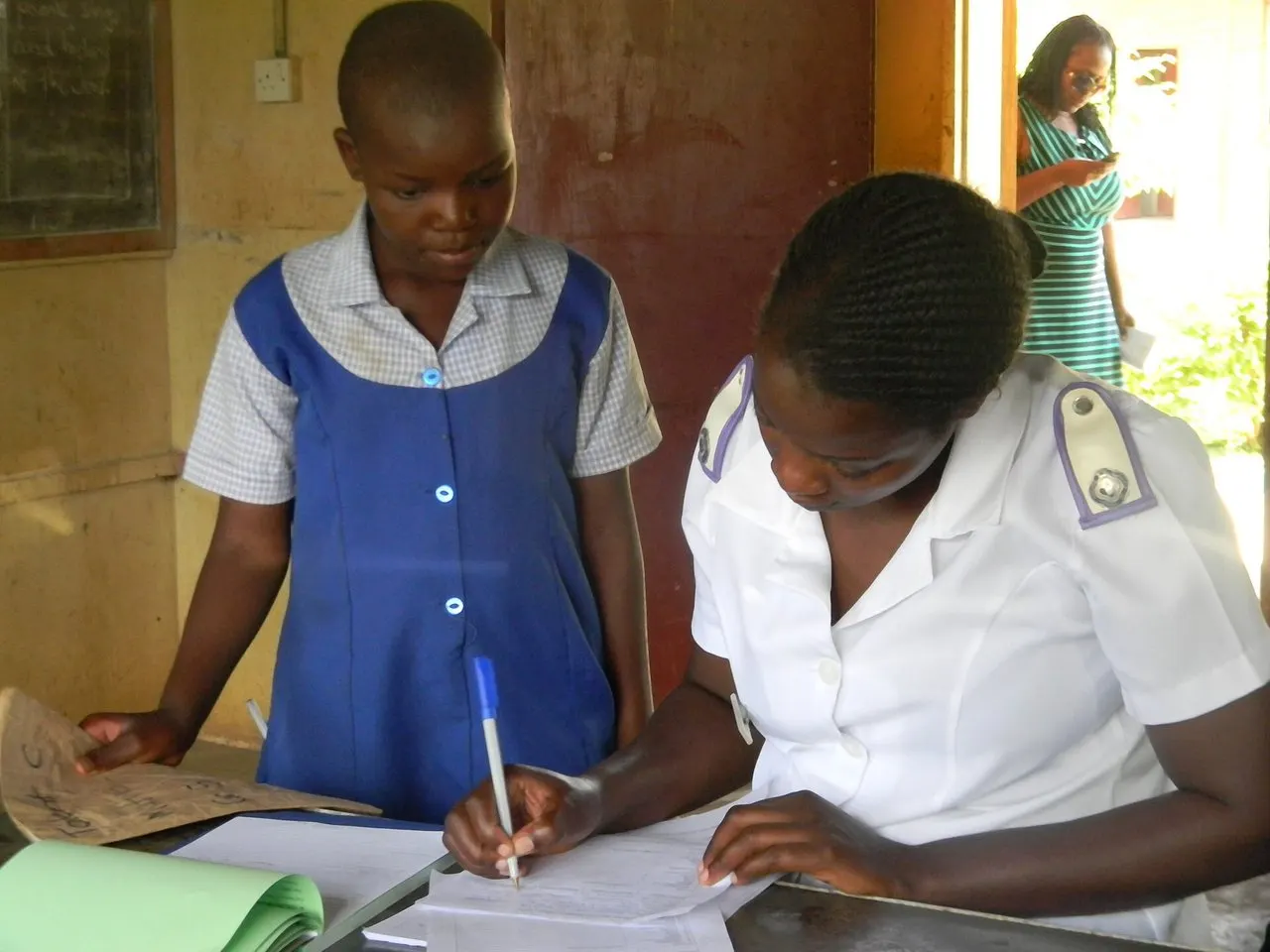
Schools sit at the center of the response because that is where children gather and where records live. Nurses check vaccine papers, send reminders to families and spot the first signs of illness. When a case appears, the school works with the health department to warn families and keep unprotected children home until the risk passes. Clear rules help everyone know what to do. Those rules are set by states, as how states may gain more control of schools explains. Courts can shape public policy too, as the tariffs case now before the Supreme Court shows.
How Other Countries Keep Measles Out
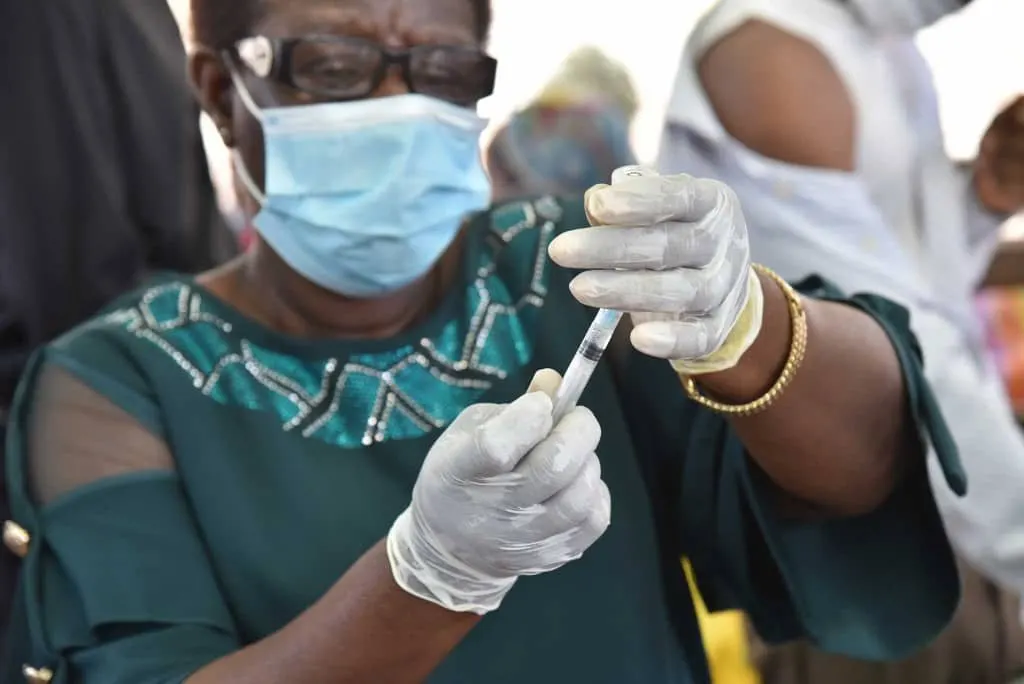
Other countries have kept the virus out by holding vaccination rates high and acting fast on cases. They run catch up campaigns, check records at school entry and send health workers to every neighborhood. The World Health Organization tracks progress and shares what works. America can learn from those efforts, from island nations to large neighbors. The goal is the same everywhere: no child should face a preventable illness. Crime patrols made news at home, as how crime patrols became national news shows. New debates also shape policy, as why the country suddenly needs a thousand data centers explains.
What Would You Ask About Measles and Vaccines?
What would you ask a health official about measles and vaccines? Would you want to know how the shot works, or when your child should get it? Share your thoughts in the comments and tell us what would help your family feel sure about the choice. Your questions can help other parents too, and our team reads every comment. For more reading, see the tariffs case now before the Supreme Court and why the country suddenly needs a thousand data centers.