Dragonflies Under Ice: A Hidden Winter Life
Dragonflies under ice spend the winter as nymphs in ponds that freeze over, and their hidden life is one of the quiet wonders of nature. Before they ever grow wings, dragonflies live underwater as nymphs, and some of them stay right there through the coldest months of the year. The water below the ice stays liquid, so the nymphs keep feeding and growing while the world above turns white and still. It is a slow and patient life, far from the bright summer skies where adult dragonflies will later hunt and fly.
Larger species can live as nymphs for two to seven years before they emerge as winged adults, and the common green darner can even spend the winter under the ice before it appears in spring. By spring those same nymphs climb out of the water and take flight, trading a dark underwater world for open air and light. In the slides ahead we look at how they breathe, hunt and grow through winter, and what happens on the day they leave the pond. For more stories about remarkable lives, read about the oldest Pearl Harbor veteran and a corgi that went viral.
References:
National Park Service: Common Green Darner
Lake County Nature: Where Do Insects Go in the Winter
Saw Mill River Audubon: Here Be Dragons
Duluth Reader: The Jewels of Summer
Dragonflies Under Ice in a Frozen Pond

When winter comes, the surface of a pond can freeze into a sheet of ice, yet life goes on below it. The ice seals the pond from wind and cold air, and the water near the bottom stays just warm enough to remain liquid. The nymphs rest in that quiet layer, safe from the frost above. It is a simple shelter, and it works year after year. People who prepare for cold weather also think ahead, and you can read advice on keeping emergency supplies and a test flight that ended in an explosion.
Life Before Wings Begins Underwater
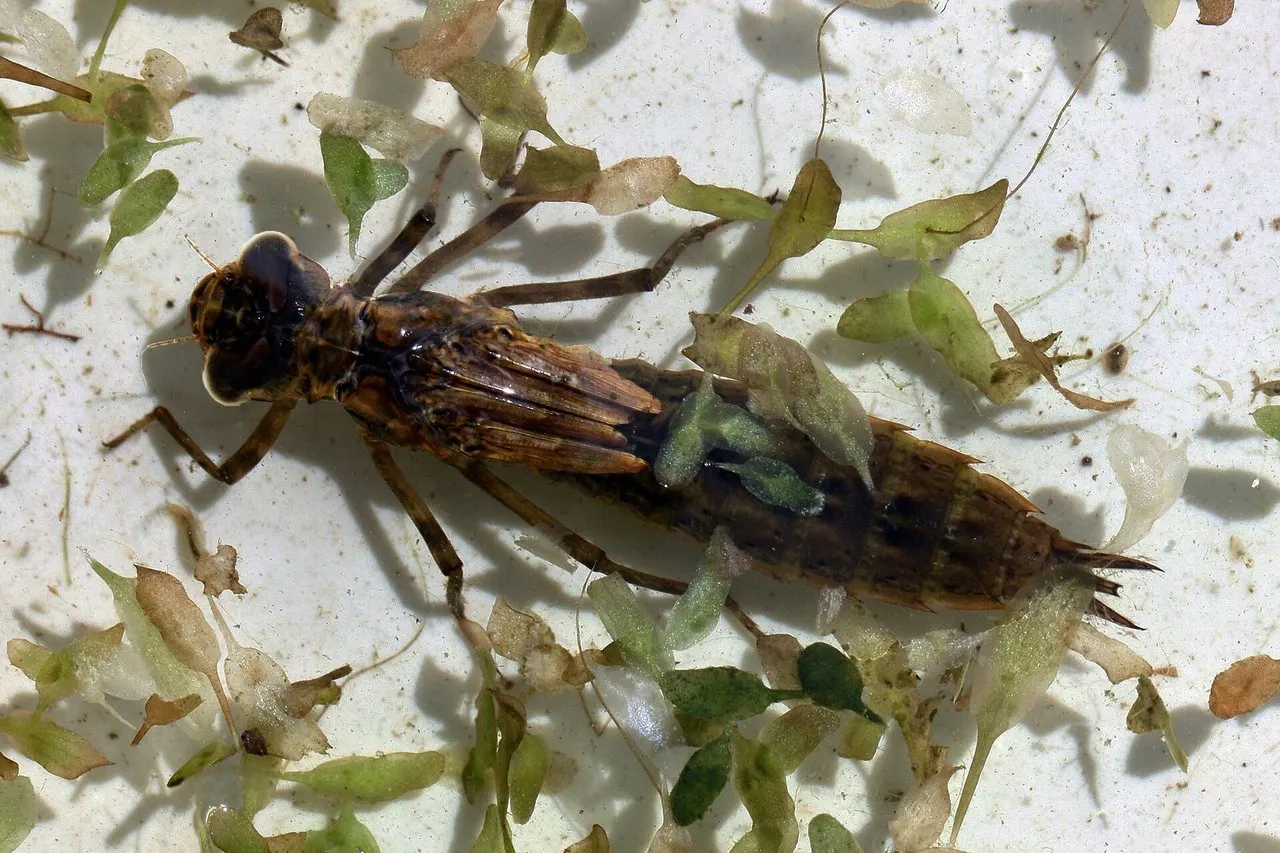
A dragonfly does not start its life in the air. It starts as a nymph, a wingless young insect that lives in the water and looks very different from the bright adult it will become. The nymph has a stout body, strong legs and a hungry mouth, and it spends its days among plants and mud at the bottom of the pond. This underwater childhood can last for years. Scientists are always learning how animals see and sense the world, and you can read about new work on restoring vision and an idea for strangers to share bills.
What Is a Dragonfly Nymph
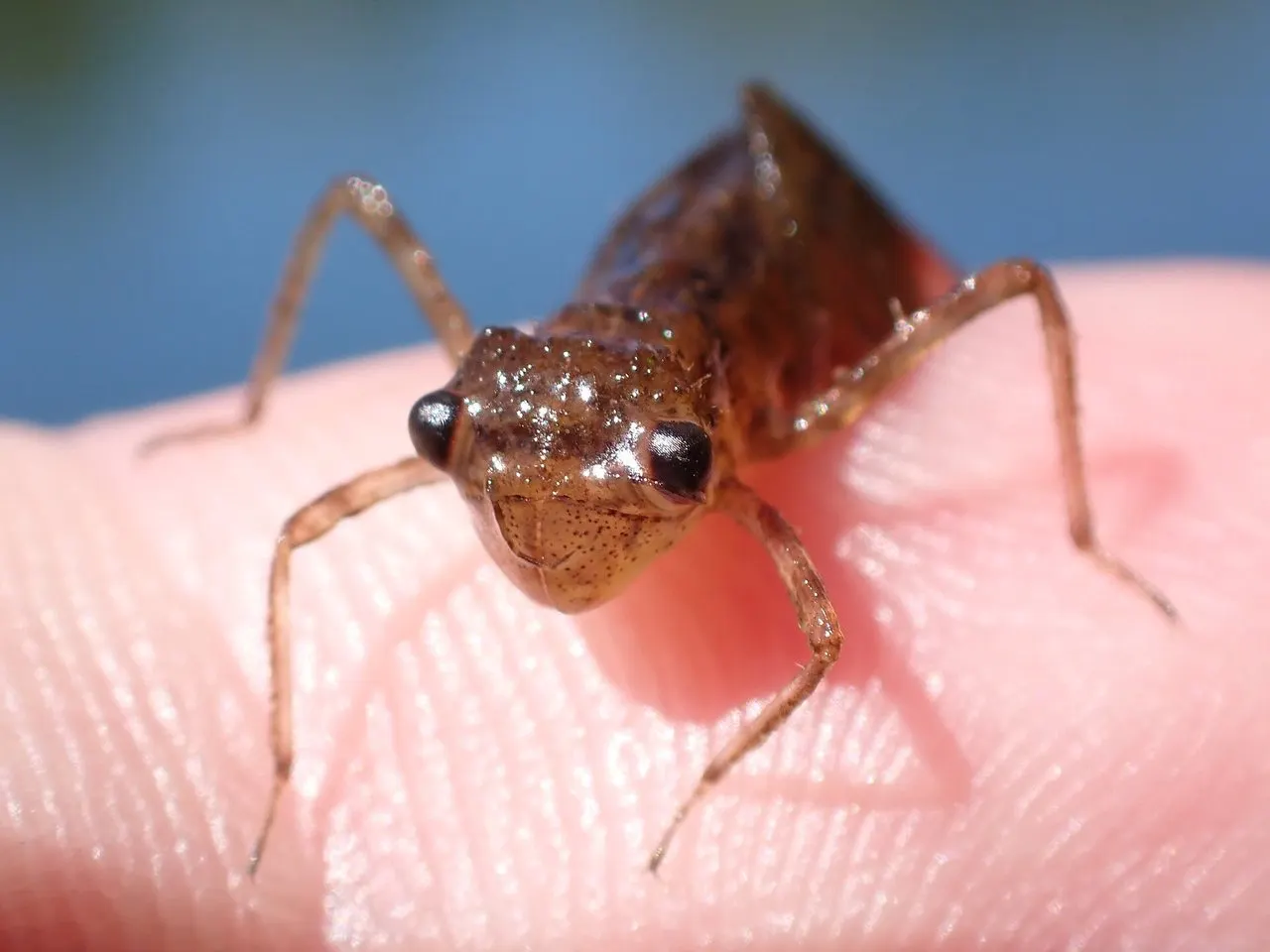
A dragonfly nymph is the young form of a dragonfly, and it lives its whole early life in fresh water. It breathes through gills in its body, moves with quick bursts of water, and catches small creatures with a jaw that shoots out like a trap. To a casual eye it may look plain, but it is a skilled hunter in its own small world. Its shape changes step by step as it grows and sheds its skin. Courts and public life also change step by step, and you can read about a plan to limit court service and a late night host who refused to apologize.
Dragonflies Under Ice: How Nymphs Breathe
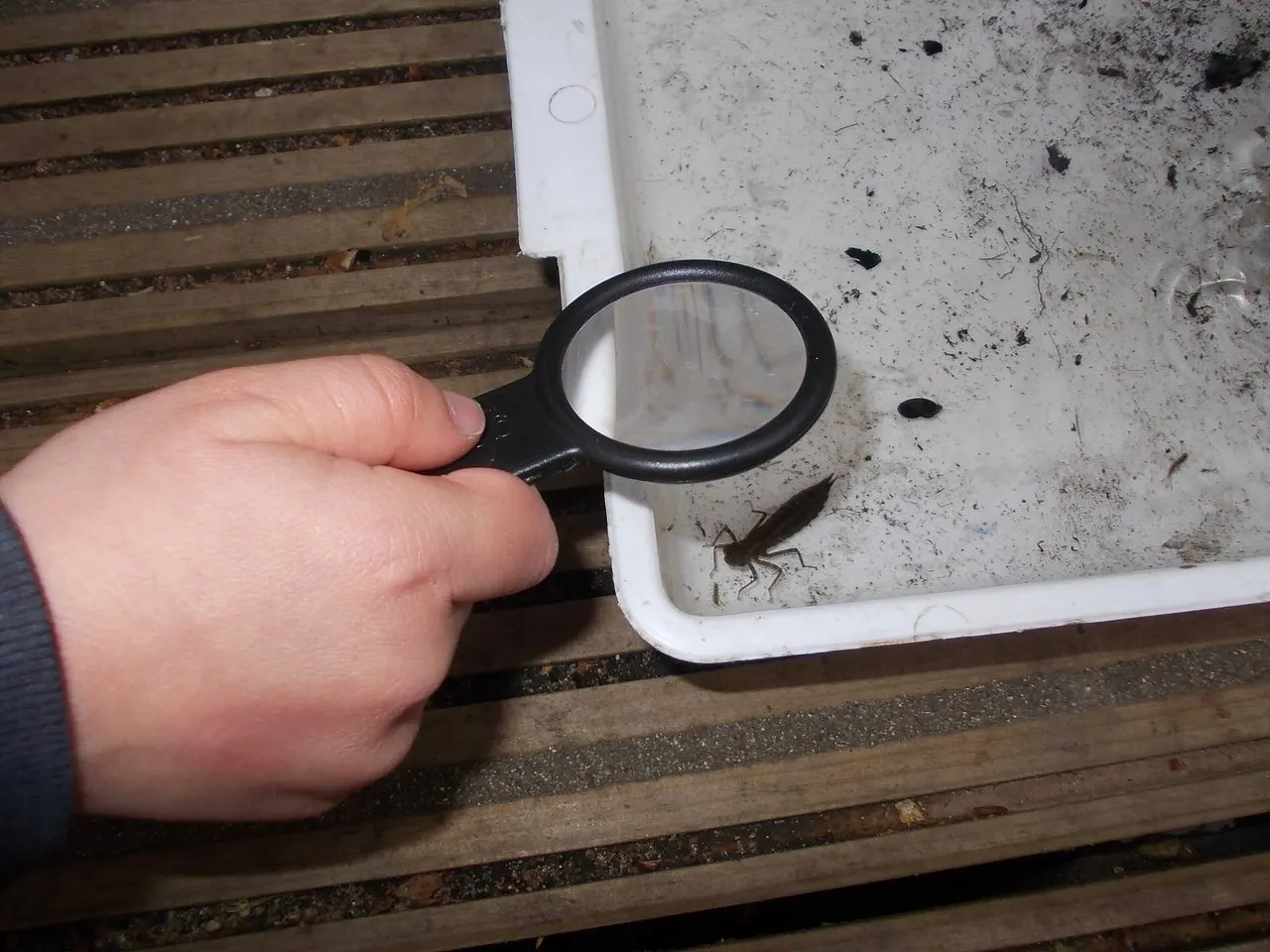
Dragonflies under ice still need air, and the nymph takes it from the water itself. Water holds dissolved oxygen, and the nymph draws it in through gills hidden inside its body. Cold water holds more oxygen than warm water, so winter water can be a good place to breathe. The nymph stays calm and still, saving energy while the pond sleeps under ice. Slow living is a theme in many fields, and you can read about a veteran host who spoke up and a football star and his partner.
Hunting in Cold Dark Water
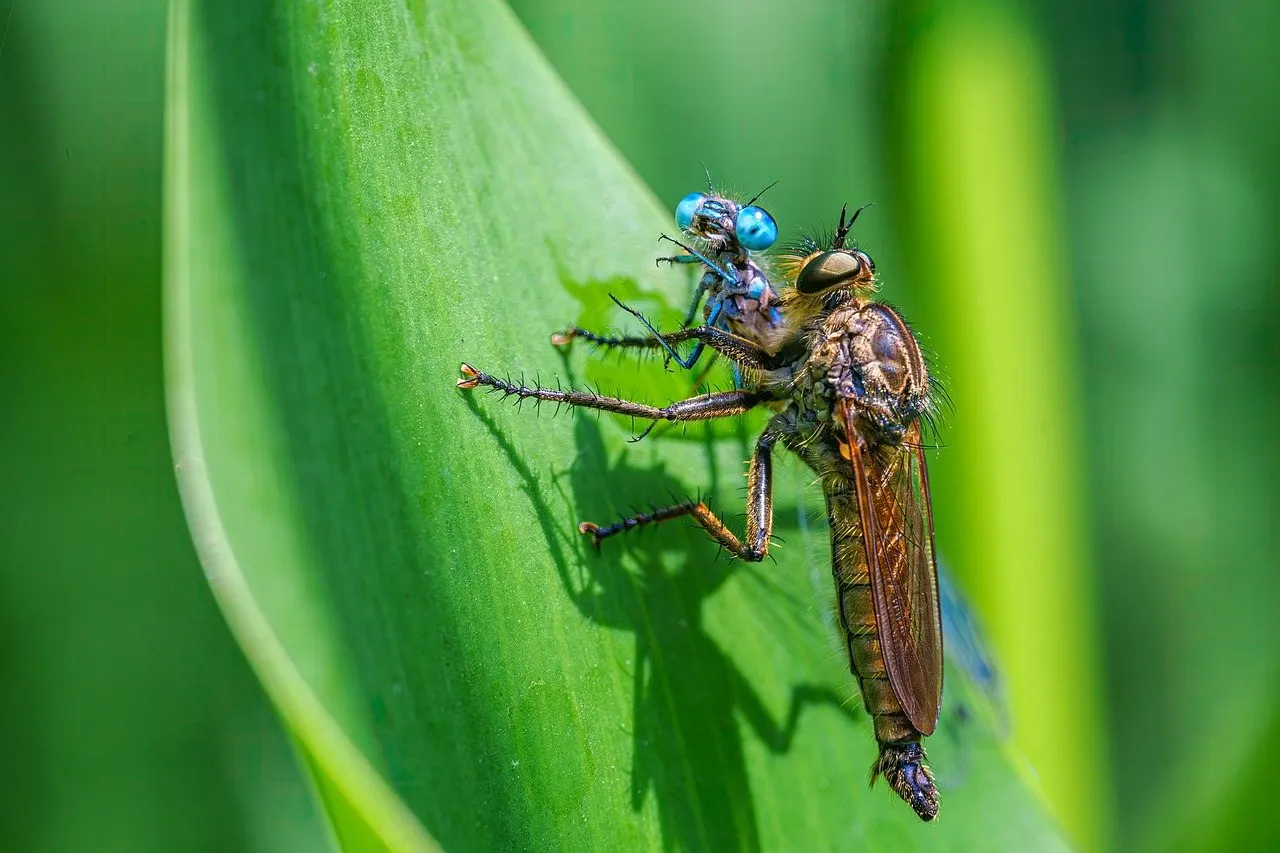
Even in winter, a dragonfly nymph keeps hunting. They wait among plants and mud, watching for tiny water creatures that drift too close. When prey comes near, its lower jaw shoots out in a flash and pulls the meal back in. Small fish, tadpoles and other insects are all on the menu when the nymph is large enough. The hunt is quiet and patient, and it keeps the nymph fed through the cold months. Nature is full of sudden turns, and you can read about a former pageant contestant and a restaurant owner in Texas.
Dragonflies Under Ice: Why the Pond Does Not Freeze Solid
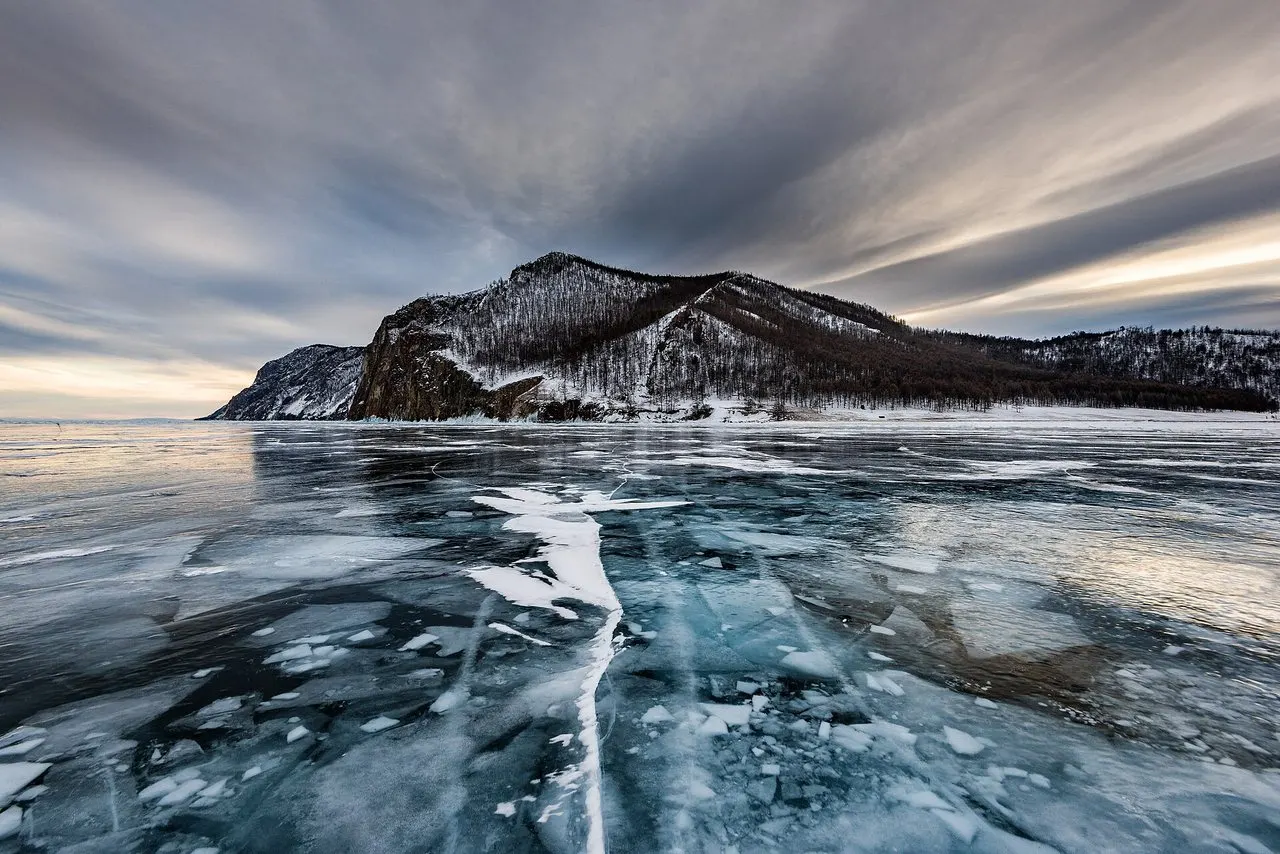
Ice floats, and that simple fact saves the pond. When the surface freezes, the ice forms a lid, and the water below it stays near four degrees, which is warm enough to stay liquid. Snow on top of the ice adds another layer of insulation, like a blanket over the pond. Below that blanket, plants rest and nymphs move slowly in the dark. The whole pond becomes a quiet room for winter. Technology also finds ways to reach far places, and you can read about satellite internet over Iran and a journalist who started a newsletter.
Feeding and Growing Through Winter

They do not sleep the winter away. They keep feeding and growing, a little at a time, through the coldest months. Each meal helps the nymph grow toward its next molt, when it sheds its old skin and comes out a little larger. Growth in winter is slow, but it is steady, and it adds up over the season. By spring the nymph is bigger and closer to its final change. People also keep moving through hard seasons, and you can read about a TikTok star who left the United States and a court ruling on tariffs.
The Common Green Darner
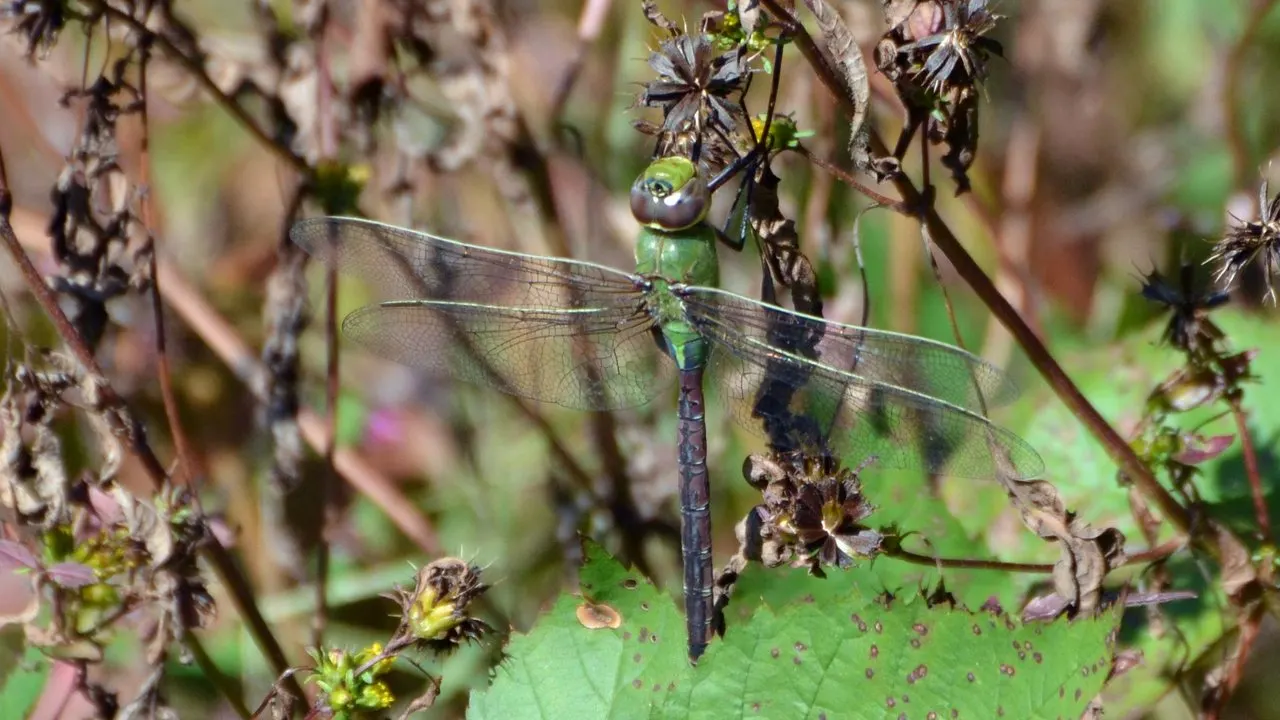
The common green darner is one of the best known dragonflies in North America, with a bright green body and a long blue tail on the male. It is a strong flier that can travel far, and some of its nymphs spend the winter under the ice before they appear in spring. The National Park Service notes this species in its guides, and it is a good place to start learning about dragonflies. Watch for it near ponds and lakes in warm months. Public life also has its long running stories, and you can read about a prosecutor who faced unpaid leave and a smashed star on the Walk of Fame.
Larger Species and Long Nymph Years
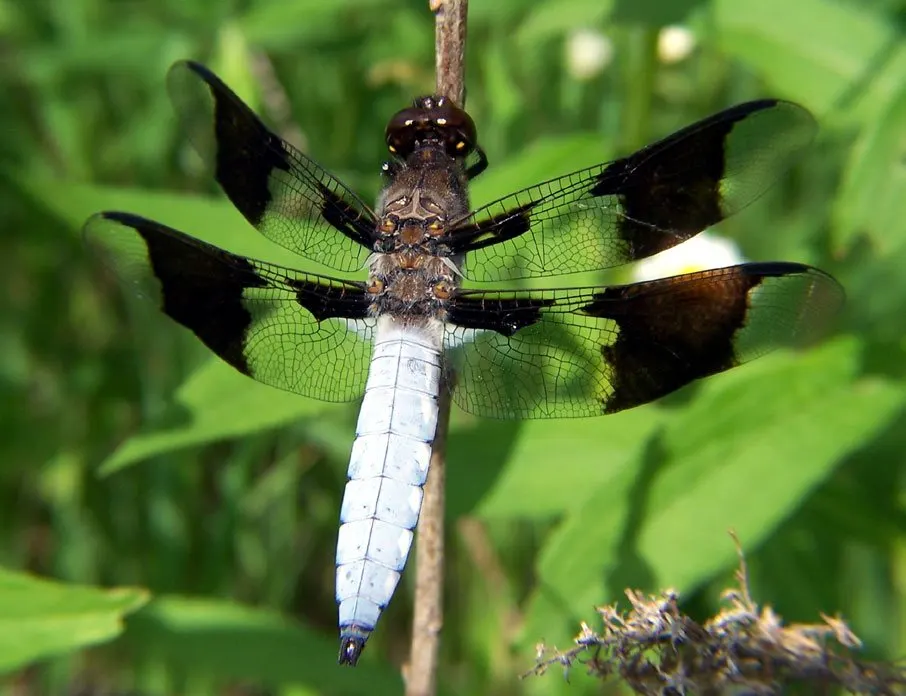
Some dragonflies live as nymphs for a very long time. Larger species can stay underwater for two to seven years before they emerge as winged adults. That is a long childhood, spent hunting and growing in the same pond through many winters and summers. Each year adds size and strength, and each winter tests the nymph in cold water. When the time finally comes, the change is quick and complete. Long stories reward patience, and you can read about the oldest Pearl Harbor veteran and advice on keeping emergency supplies.
Dragonflies Under Ice in Spring: From Nymph to Adult
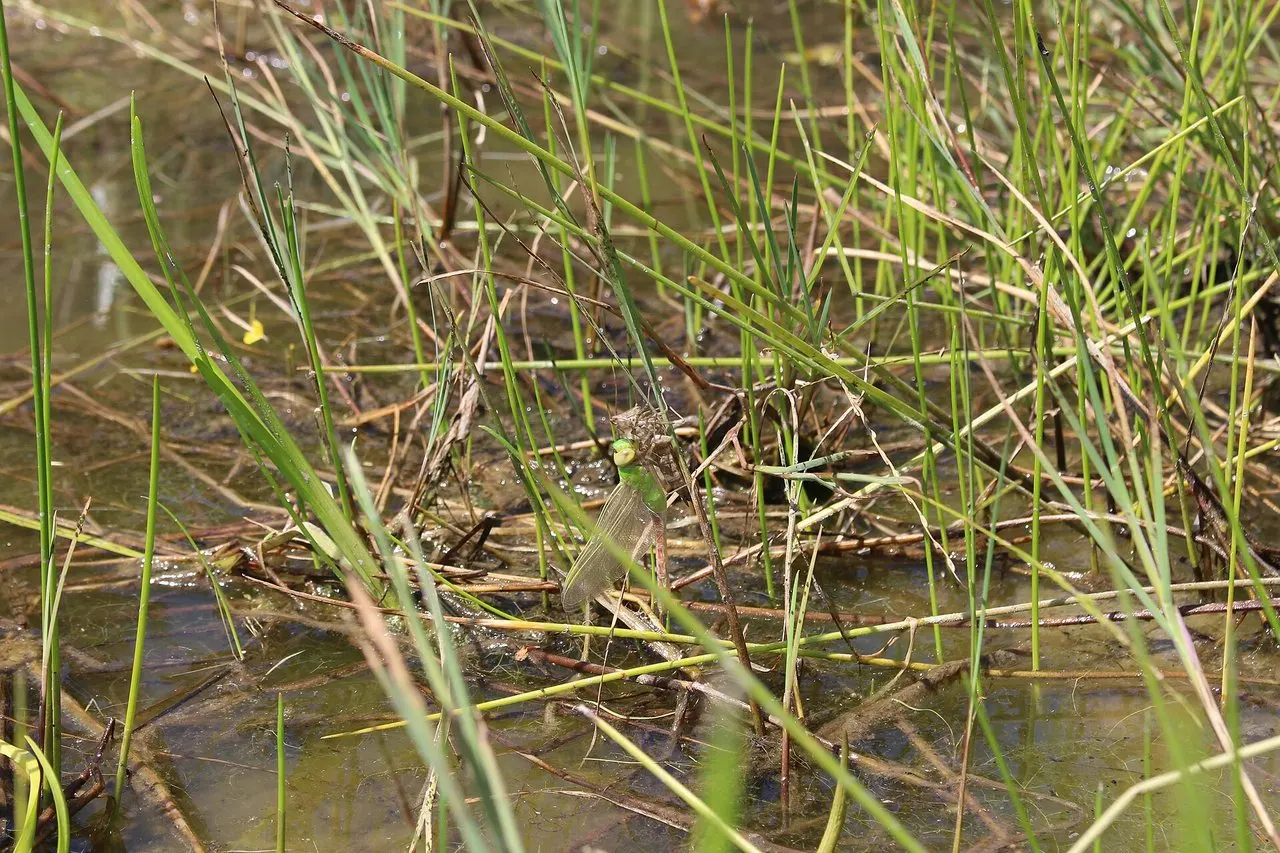
Spring is the season of change for the nymphs. As the ice melts and the water warms, the nymph feels the call to leave the water for good. It climbs up a plant stem, out of the pond, and into the open air. There its skin splits, and a soft new adult pulls itself free, with folded wings that slowly open and harden. It is one of the great transformations in nature. New ideas also take shape in surprising ways, and you can read about a corgi that went viral and a test flight that ended in an explosion.
Climbing Out of the Water
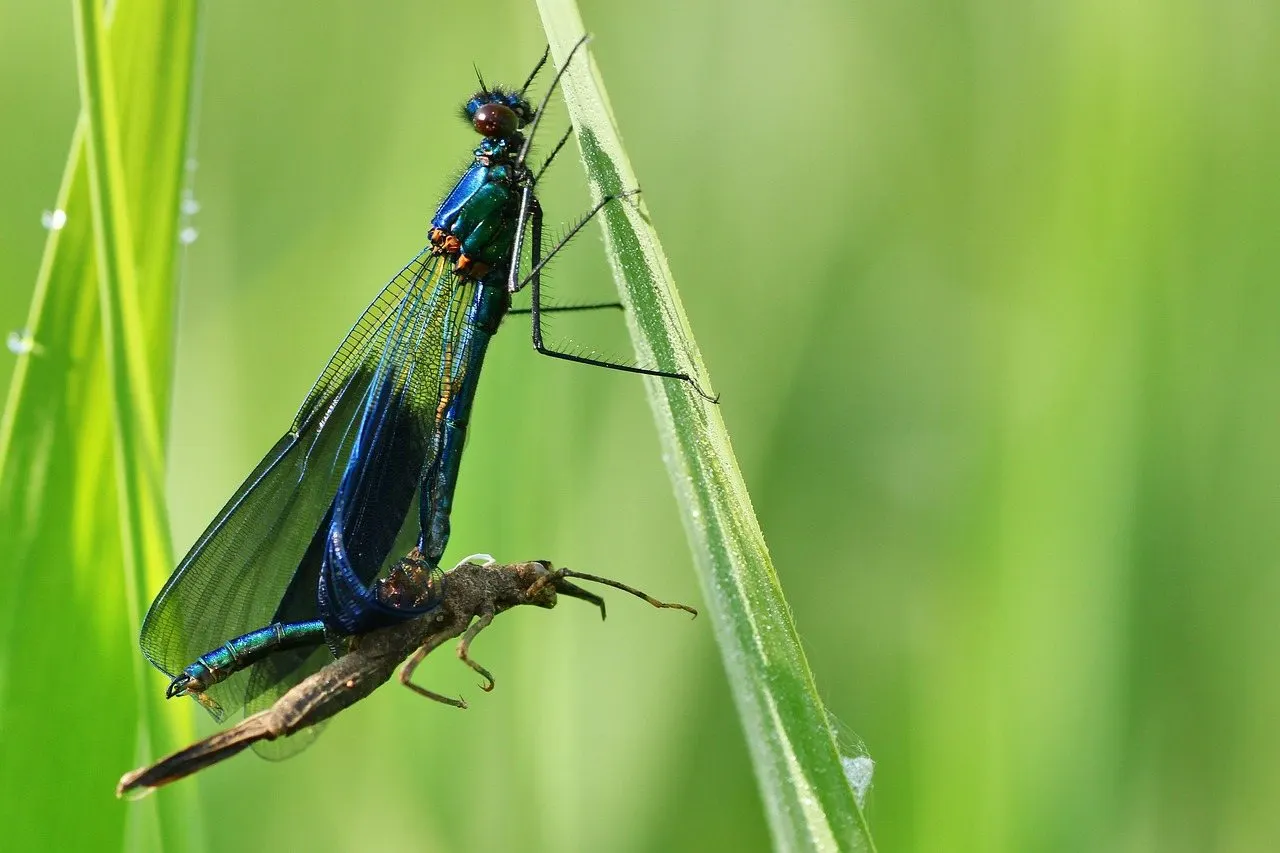
The climb out of the water is the most daring moment in a dragonfly life. The nymph grips a reed or a stem with its legs and pulls itself up, step by step, into air it has never breathed. Its body was built for water, yet they must now trust the air and the sun. Once it is clear of the surface, it stops and waits, and the change begins. It is a brave first step into a new world. Plans for the future also take bold steps, and you can read about new work on restoring vision and a plan to limit court service.
First Flight in Spring
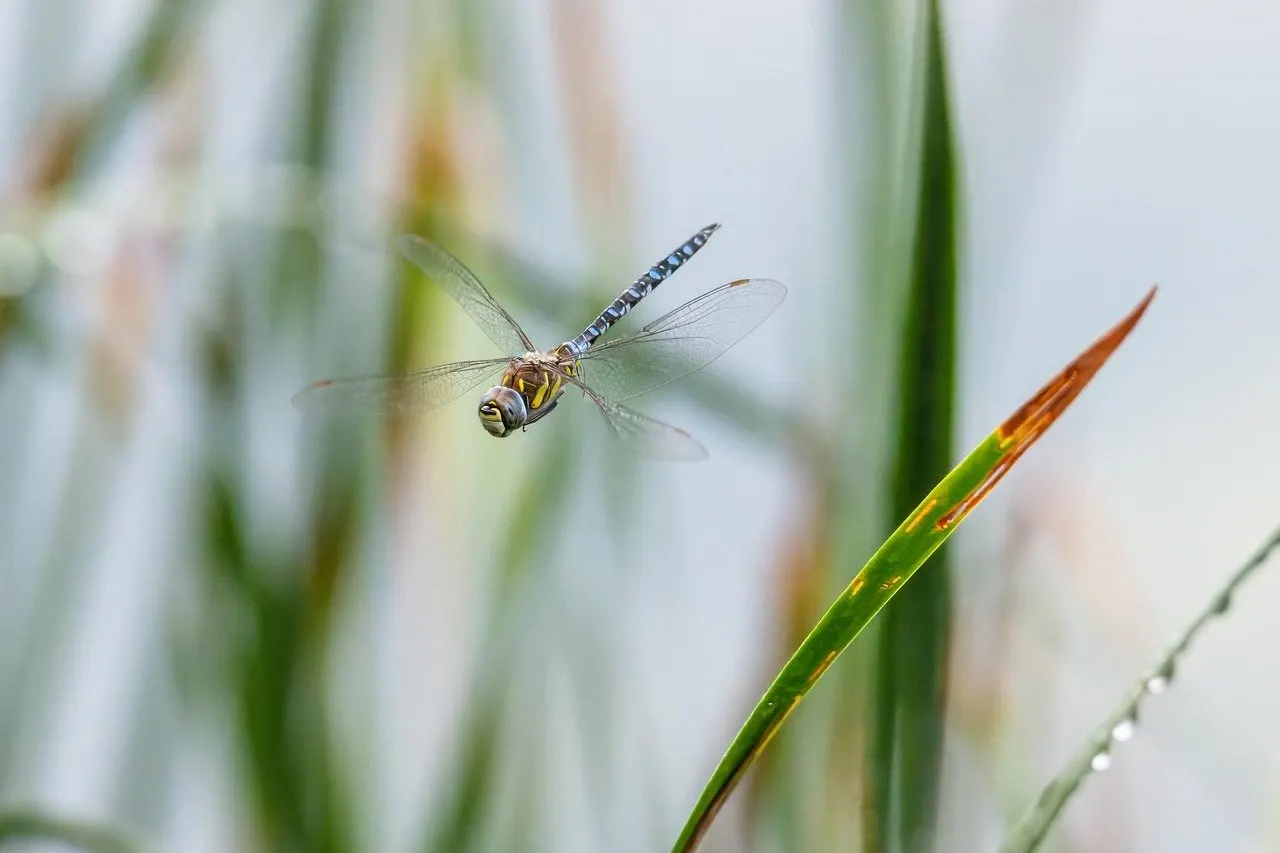
The first flight of a dragonfly is soft and unsure. Its wings are new and damp, and it must wait for them to dry and stiffen in the sun. Then it lifts off, wobbles for a moment, and finds the air. Soon it is darting over the pond, catching flies and showing off the bright colors that make dragonflies so loved. From a winter under ice to a spring in the sky, the journey is complete. Bright ideas also take flight in unexpected places, and you can read about an idea for strangers to share bills and a late night host who refused to apologize.
Dragonflies as Jewels of Summer
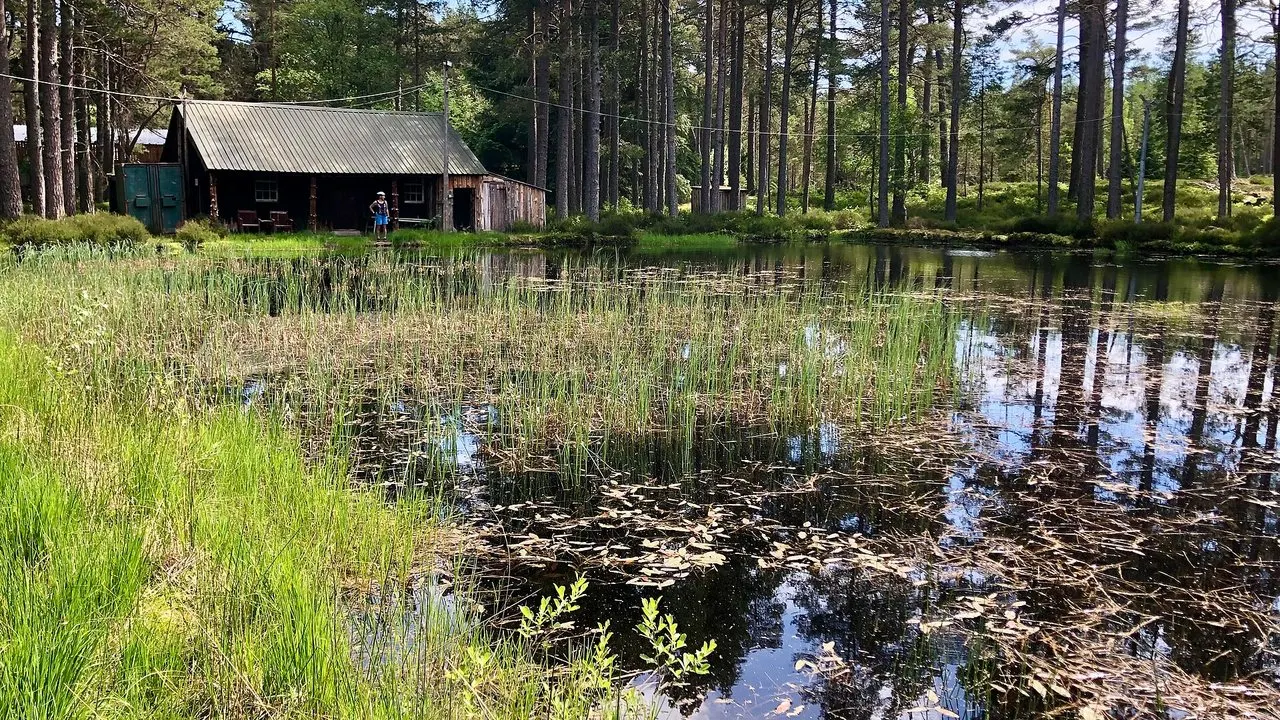
In summer, dragonflies are the jewels of the pond. Their wings catch the light, their bodies shine blue and green and red, and they dart and hover with a grace that has earned them many fans. The Duluth Reader calls them the jewels of summer, and the name fits. They hunt mosquitoes and other small insects, so they help keep the pond in balance. A summer walk by the water is better with them in it. Joy also shows up in small moments, and you can read about a veteran host who spoke up and a former pageant contestant.
Where Insects Go in Winter
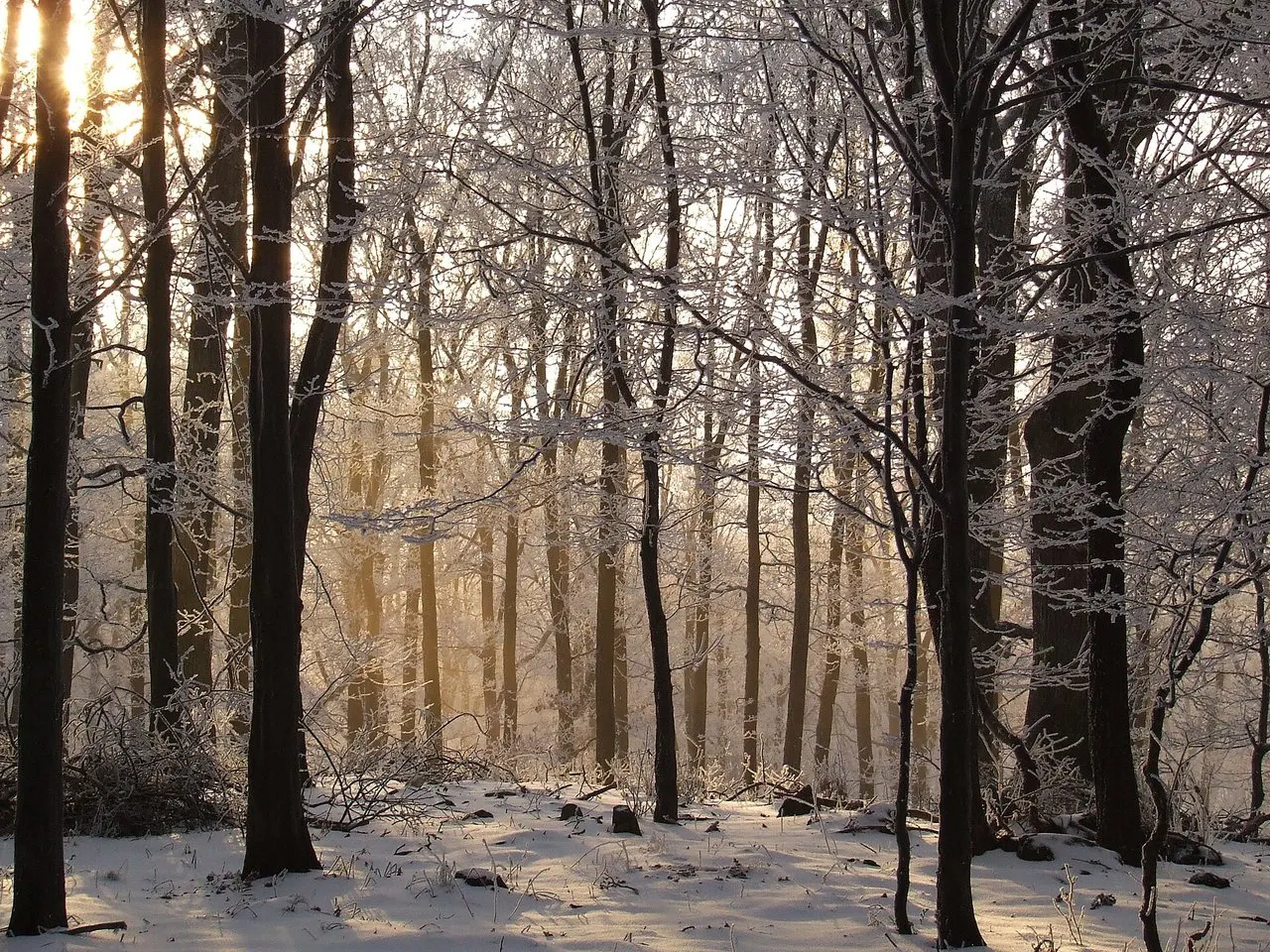
Dragonflies are not the only insects with a winter plan. Lake County Nature asks where insects go in the winter, and the answers are many. Some hide under bark, some burrow into soil, some sleep in leaf litter, and some wait under the ice. Each plan fits the insect and its home, and each one shows how life finds a way through cold and dark. Winter is not empty, it is only quiet. People also find shelter in cold times, and you can read about a football star and his partner and a restaurant owner in Texas.
Dragonflies Under Ice Need Healthy Wetlands
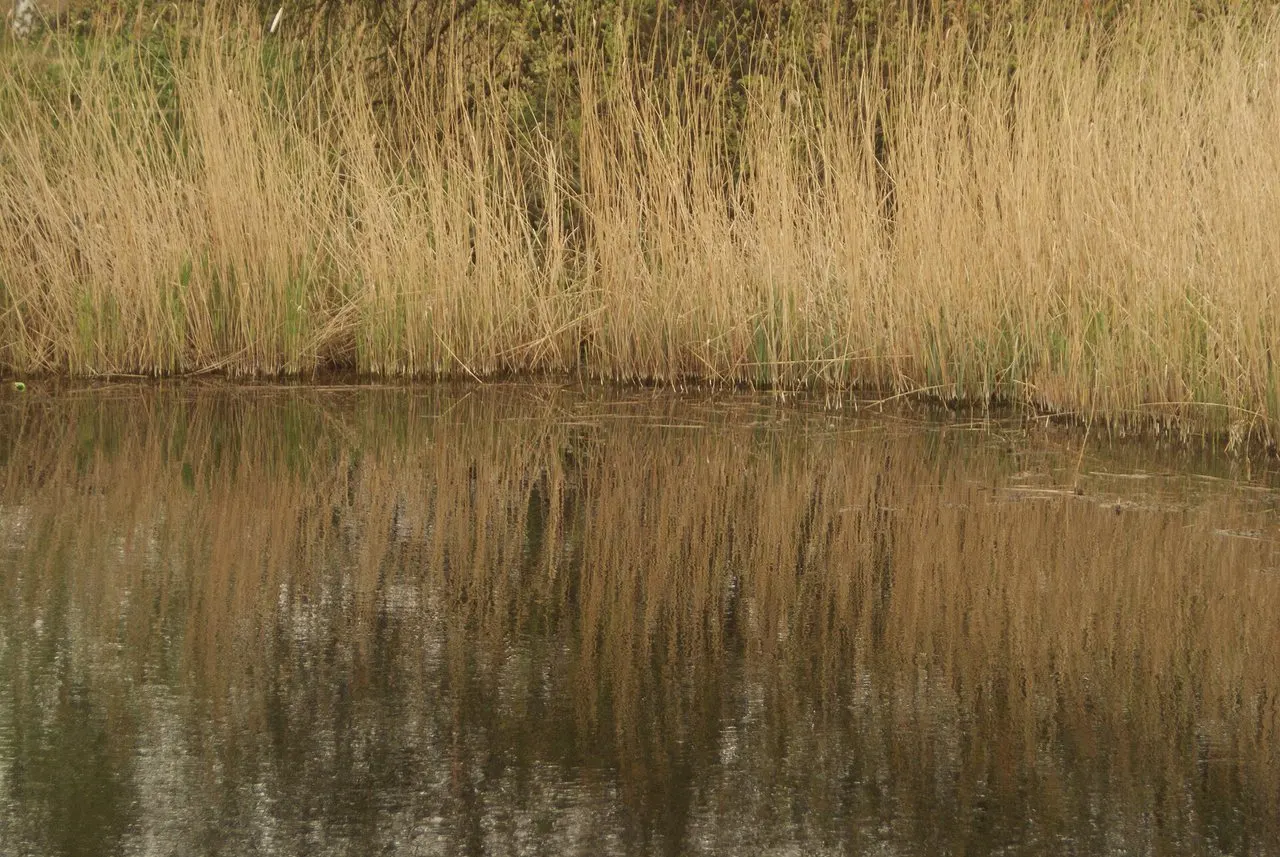
Dragonflies under ice need healthy water to survive the winter. Ponds, lakes and wetlands give them plants to hide in, prey to eat, and water that stays liquid under the ice. When wetlands are drained or polluted, nymphs lose their winter home, and fewer adults fly in spring. Protecting these places is a simple way to keep dragonflies coming back year after year. Clean water helps far more than dragonflies alone. News from far away can still touch home, and you can read about satellite internet over Iran and a TikTok star who left the United States.
How to Watch Dragonflies Without Harming Them
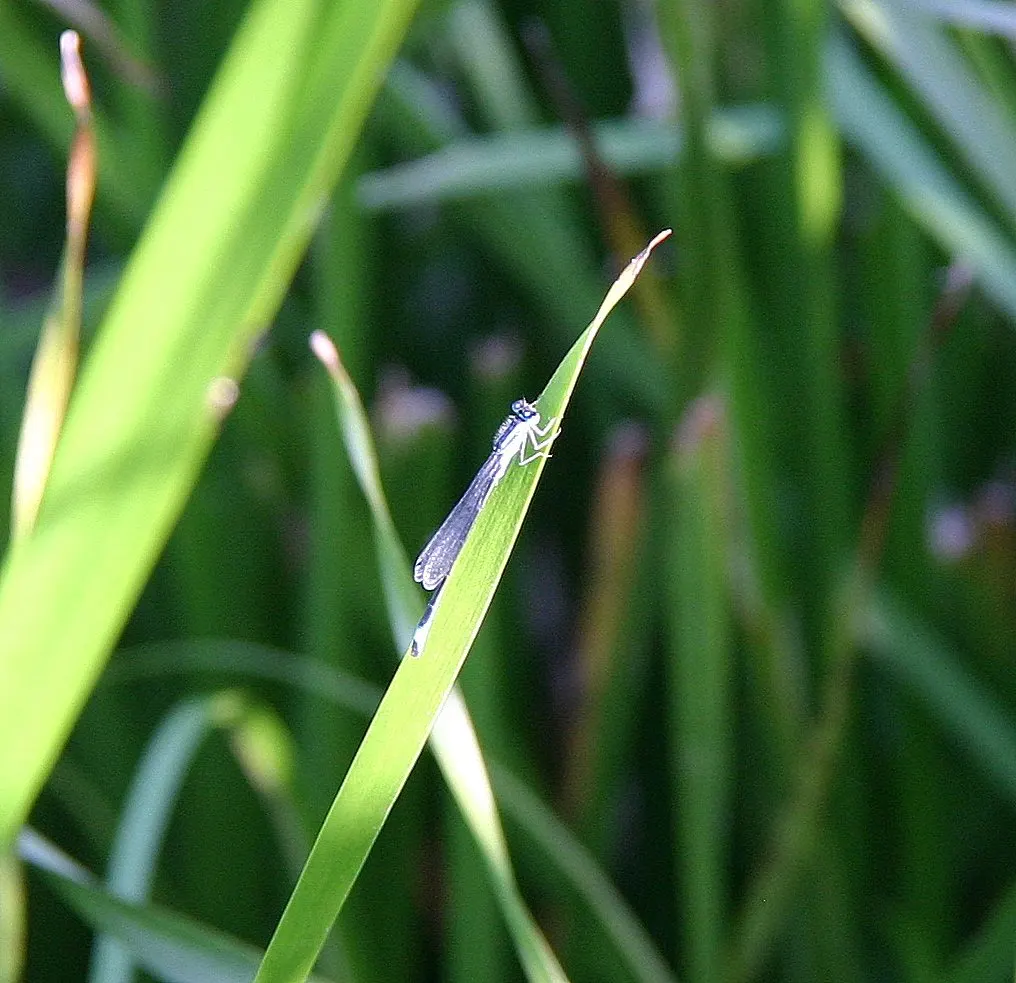
Watching dragonflies is easy and kind when you keep a little distance. Walk softly near the pond, stay on paths, and remember that the nymphs are young dragonflies, so do not pick them up or catch adults by the wings. A pair of binoculars helps you see their colors without getting close, and a camera with a zoom lens keeps the moment without a touch. Leave reeds and plants where they stand, since nymphs climb them in spring. Gentle watching keeps the pond safe. Good reporting also takes care, and you can read about a journalist who started a newsletter and a court ruling on tariffs.
What Would You Ask About Dragonflies Under Ice
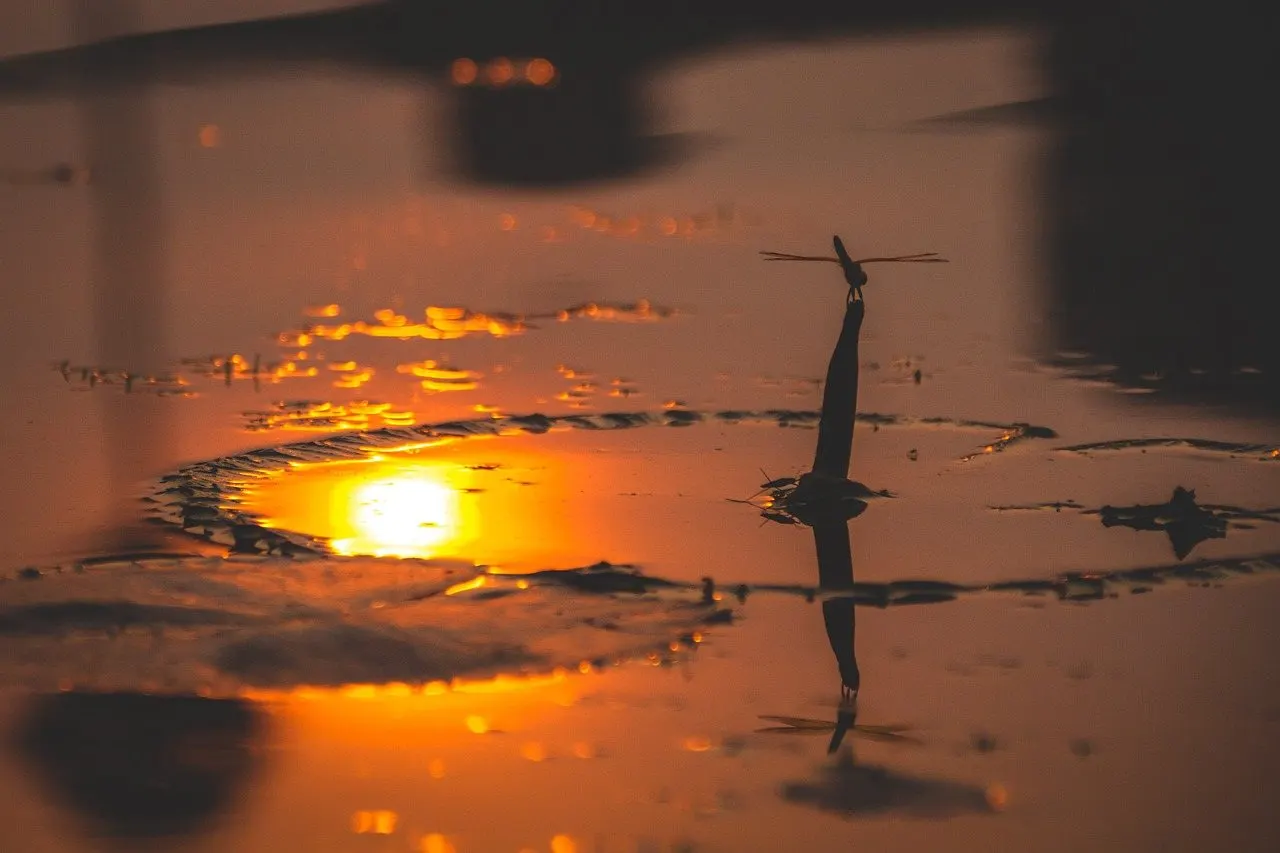
We have followed dragonflies under ice from a frozen pond to a bright first flight, and the story is full of quiet wonders. If you could ask a scientist one question about nymphs, what would it be? Would you ask how they breathe, how long they live, or what they eat in the dark water? Share your thoughts in the comments below, and tell us what you have seen at your own local pond. Your stories help other readers look closer at the water. Public life also invites questions, and you can read about a prosecutor who faced unpaid leave and a smashed star on the Walk of Fame.