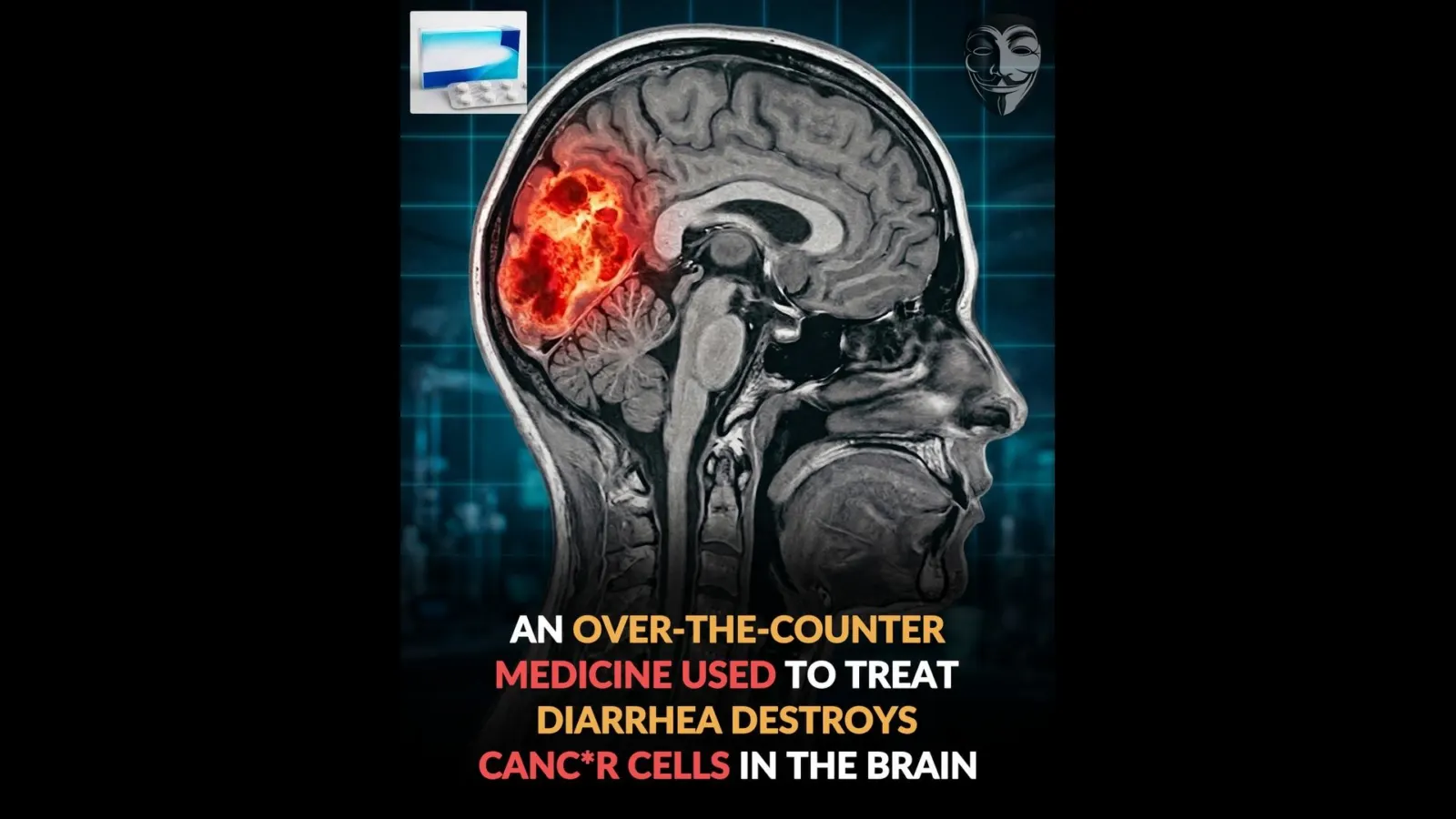
Loperamide Brain Cancer Research Found a New Weakness

Loperamide brain cancer research started with a question in a laboratory in Frankfurt, Germany. Scientists at Goethe University Frankfurt wanted to know whether a common diarrhea medicine could harm aggressive brain tumor cells. They teamed up with colleagues at the University of Groningen in the Netherlands and tested the medicine on glioblastoma cells in laboratory dishes. The results surprised the team. Loperamide pushed the cancer cells to destroy themselves by overworking the cell recycling system.
The researchers stress that this is early laboratory research only. Loperamide struggles to reach the brain, so nobody should take it hoping to treat cancer. The finding still matters because it points to a weakness in glioblastoma that future medicines could target. In the slides ahead, we explain how the medicine works inside a cell, why the brain barrier is a problem, and what scientists hope comes next. For more medical news, read our report on stem cell therapy using patients own cells to repair corneal damage and our story about Neuralink and human trials to restore vision.
References:
IFLScience: Common Anti-Diarrhea Drug Can Induce Death Of Aggressive Brain Cancer Cells
ScienceDaily: Anti-diarrhea Drug Drives Cancer Cells to Cell Death
Medical Xpress: Anti-diarrhea Drug Drives Cancer Cells to Cell Death
Engineerine: Diarrhea Drug Makes Brain Cancer Cells Self-Destruct
Loperamide Brain Cancer Tests Started in Frankfurt
Researchers at Goethe University Frankfurt in Germany led the laboratory work behind this finding. They worked with colleagues at the University of Groningen in the Netherlands, so the study crossed borders. The team tested loperamide on glioblastoma cells, the aggressive brain tumor cells that grow fast and resist many treatments. In the dishes, the medicine overstimulated autophagy, the natural recycling system inside cells, until the stress became too much for the cancer cells to survive. Read our report on stem cell therapy using patients own cells and our story about Chinese researchers and a 6G system that can jam radar.
What Is Loperamide, the Medicine in Imodium
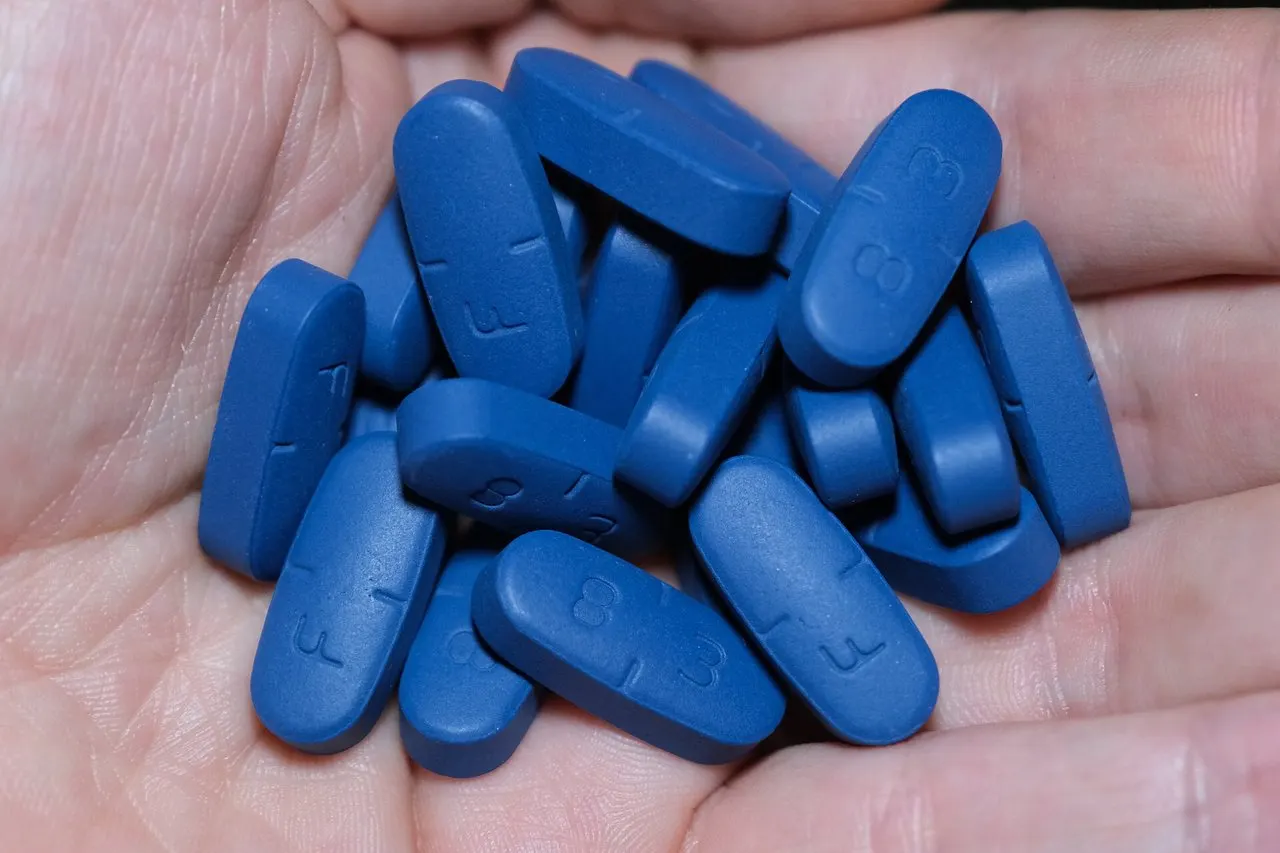
Loperamide is the active ingredient in Imodium, a common over-the-counter medicine used to treat diarrhea. Millions of people have taken it for stomach upsets. It works in the gut by slowing the movement of the intestines, which helps the body absorb more water and firm up loose stools. The new study looked at the same medicine in a very different place, inside brain tumor cells in a laboratory. There it acted in a surprising way. Learn more in our story on Neuralink and human trials to restore vision and our report on why we suddenly need a thousand data centers.
Glioblastoma Is an Aggressive Brain Tumor
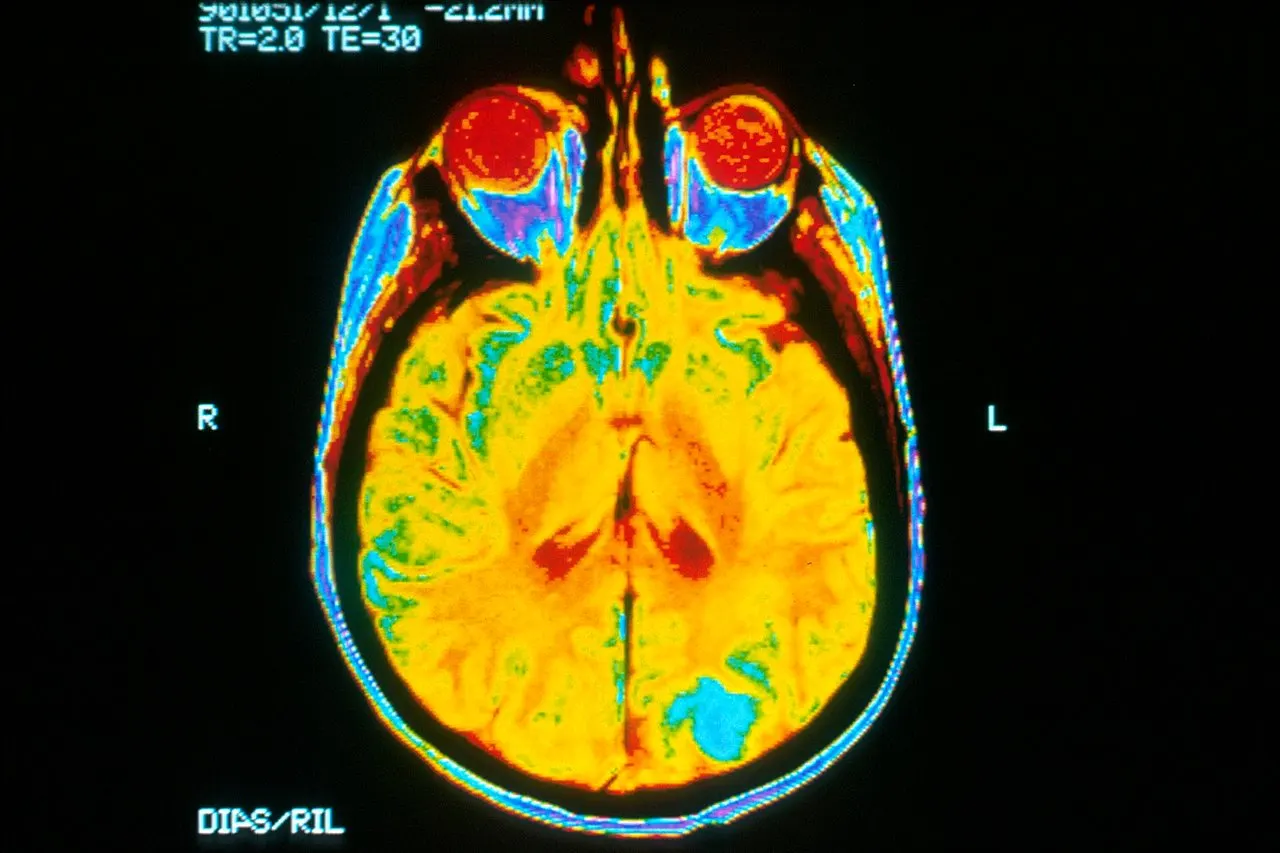
Glioblastoma is one of the most aggressive types of brain tumor. It grows quickly and spreads into nearby tissue, which makes it hard to remove fully with surgery. Doctors treat it with surgery, radiation and chemotherapy, yet it often comes back. That is why researchers keep looking for new weaknesses in these cells. The Frankfurt team found one when a familiar medicine pushed the tumor cells past a breaking point. Read our story on how the Willis family plans to donate Bruce Willis brain to science and our report on Ohio lawmakers urging NASA to move its headquarters to Cleveland.
Loperamide Brain Cancer Cells and the Recycling System
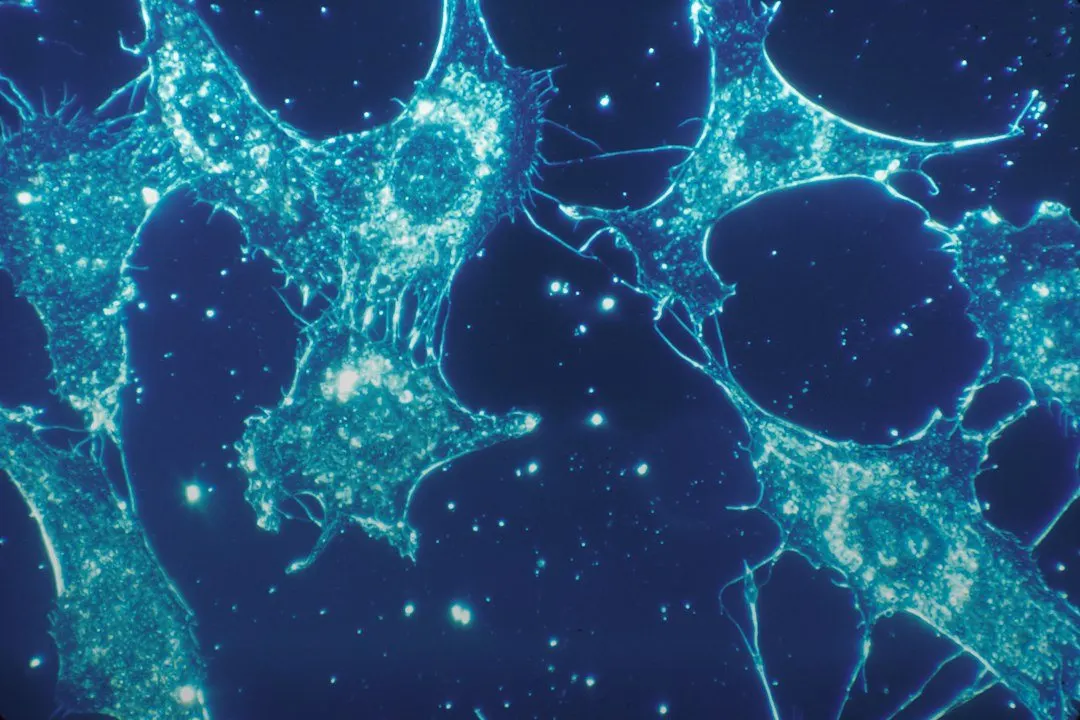
Autophagy is the natural recycling system inside every cell. It clears out damaged parts and old proteins so the cell can stay healthy. Loperamide pushed this system too far in the glioblastoma cells. The cleanup ran out of control and created severe stress instead of order. When a cell cannot fix that stress, it can turn on itself. That is what the researchers saw in their laboratory dishes. Read our report on stem cell therapy using patients own cells and our story about Chinese researchers and a 6G system that can jam radar.
Stress in the Protein Making Center
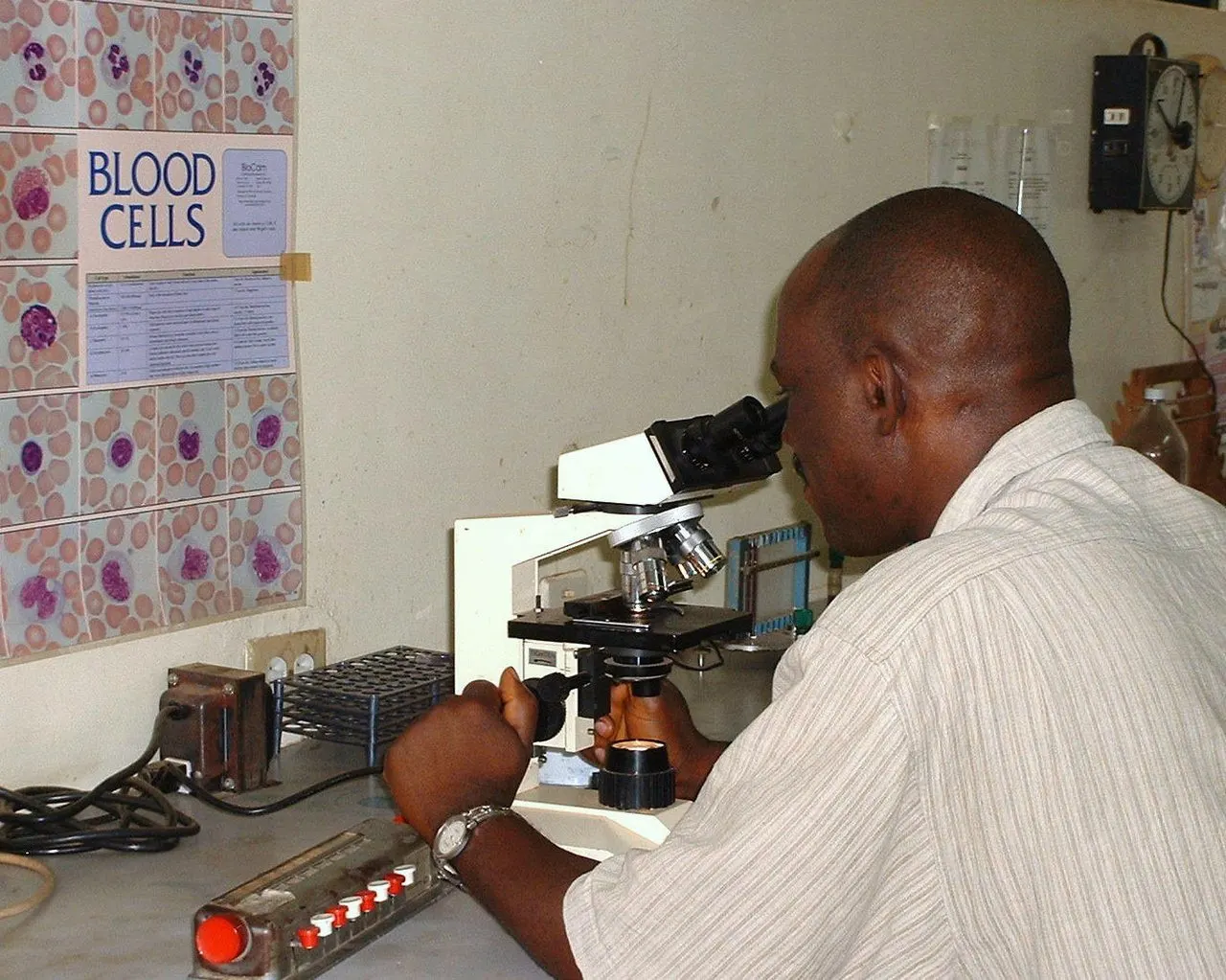
The endoplasmic reticulum is the protein making center of a cell. It folds new proteins into their correct shapes so they can do their jobs. Loperamide created severe stress in this center, and the stress raised levels of a protein called ATF4. Higher ATF4 switched on two receptors, RETREG1 and TEX264, which triggered reticulophagy. That process breaks down the protein making center itself. It is a drastic step that helped push these cancer cells toward destruction. Read our story on Neuralink and human trials to restore vision and our report on why we suddenly need a thousand data centers.
ATF4 and the Receptors That Break Down the Center

ATF4 acts like a messenger that tells the cell something is wrong. When stress builds in the protein making center, ATF4 levels rise. ATF4 activated RETREG1 and TEX264, two receptors that start reticulophagy, the breakdown of the endoplasmic reticulum. The cell began to dismantle its protein factory. Loperamide also blocked mTORC1, a protein that controls cell growth. The double hit left the cancer cell with no way to recover. Read our story on how the Willis family plans to donate Bruce Willis brain to science and our report on Ohio lawmakers urging NASA to move its headquarters to Cleveland.
A Blocked Enzyme Lets Harmful Fats Build Up
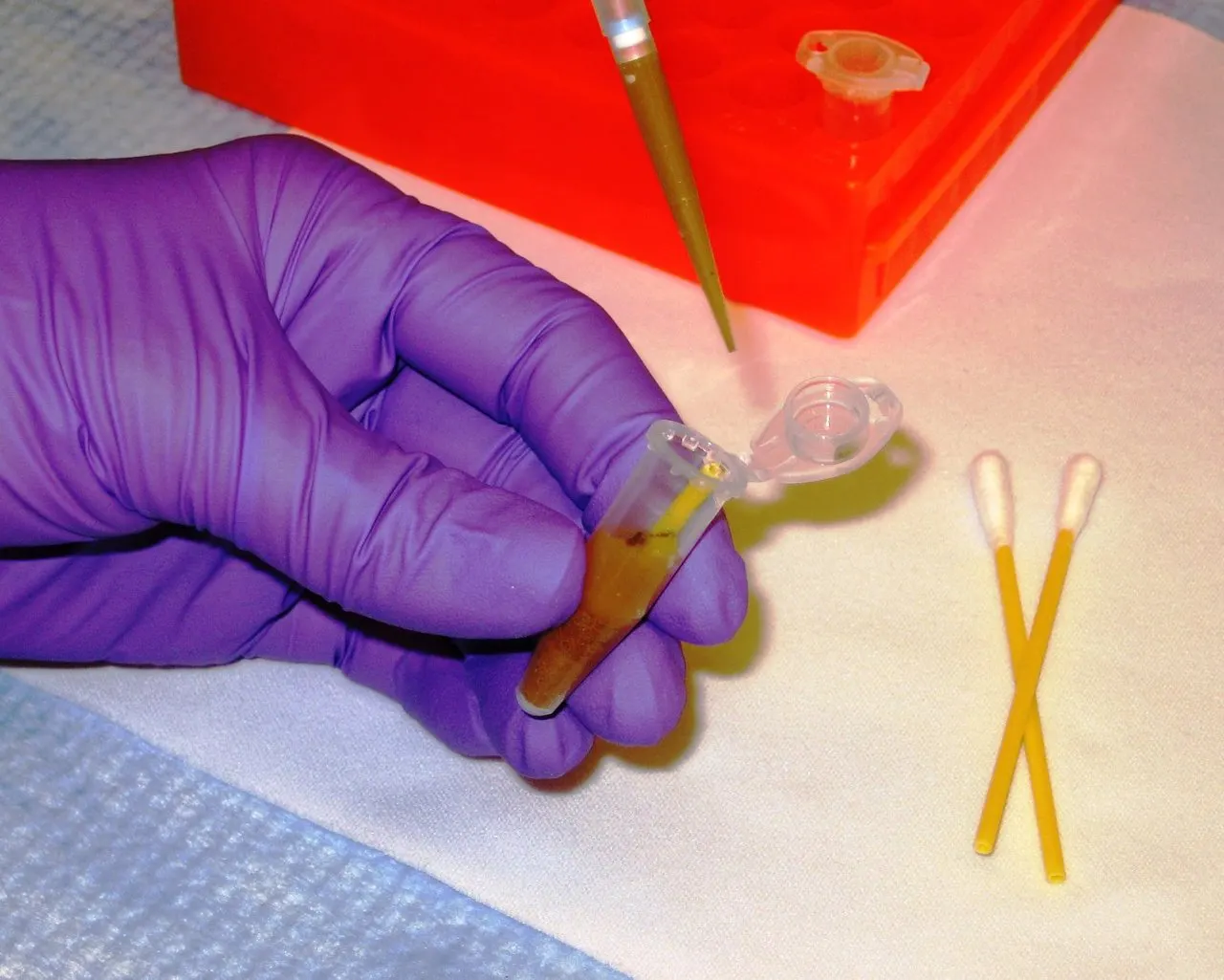
Loperamide also blocked an enzyme called SMPD1 inside the cancer cells. When SMPD1 stops working, harmful fats such as ceramides and cholesterol build up inside the cell. These fats damage lysosomes, the small compartments that process waste. Lysosomes need a clean and stable lining to work, and the fat buildup harms that lining. The damage adds to the stress from the protein making center. Together, the two problems overwhelm the cell. Read our story about Chinese researchers and a 6G system that can jam radar and our report on Miley Cyrus helping build housing for homeless women.
Loperamide Brain Cancer Tests Showed Lysosome Damage
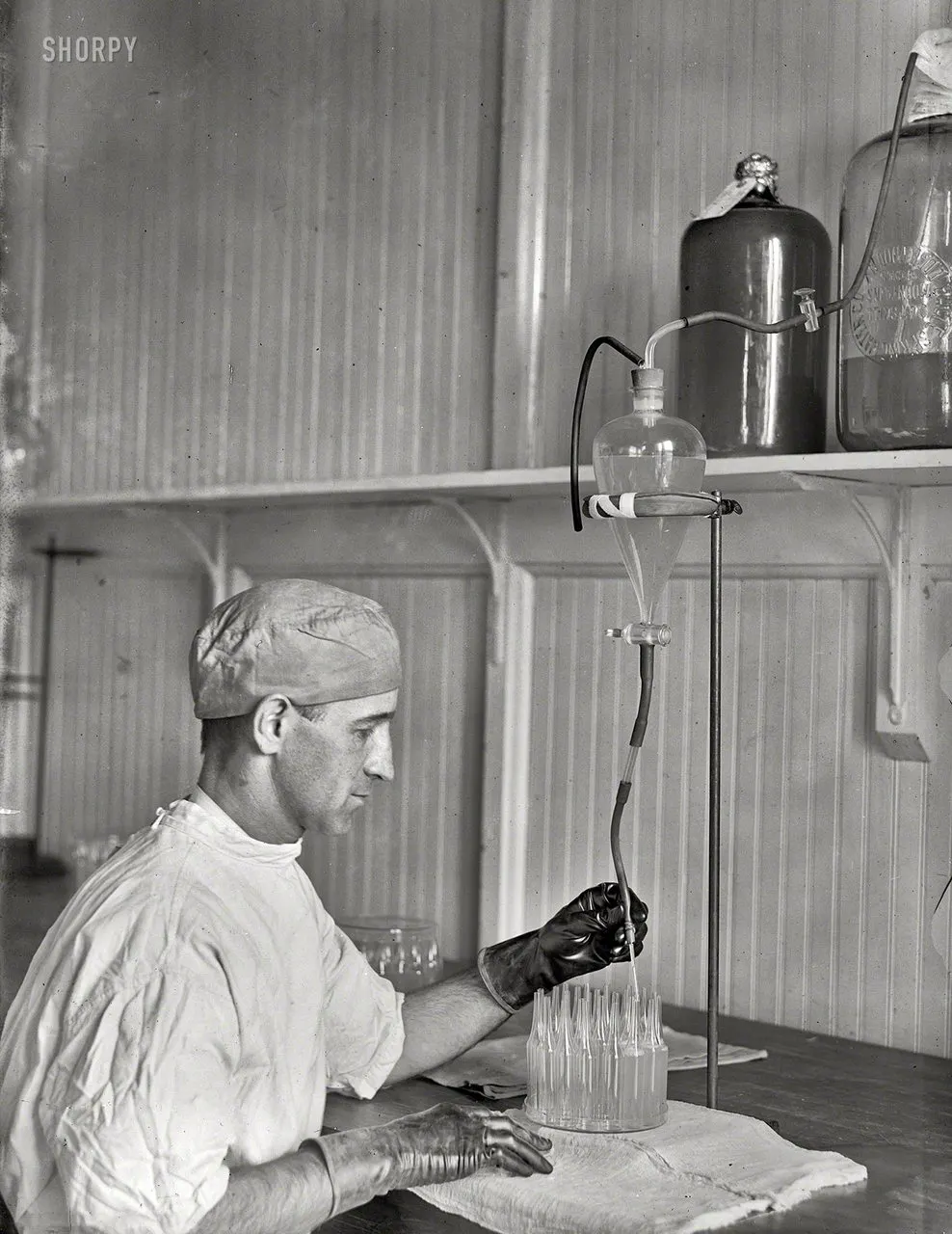
Lysosomes are the waste processing compartments of a cell. They break down worn out parts and keep the cell clean. In the loperamide tests, the fat buildup damaged these compartments so they could not do their job. Waste piled up while the protein making center broke down at the same time. The cancer cell faced failure on two fronts at once. That combined pressure is what the researchers believe drove the glioblastoma cells to destroy themselves. Read our story on why we suddenly need a thousand data centers and our report on Miley Cyrus helping build housing for homeless women.
Cell Cultures in Dishes Showed the Effect

All of this work happened in laboratory dishes, not in people. The researchers grew glioblastoma cells and added loperamide to see what would happen. They watched the cells and measured the stress signals, the protein changes and the fat buildup. They traced the chain from the medicine to the destruction of the cells. Laboratory tests like these are the first stage of research. They show what is possible, not what is proven in patients. Read our report on Miley Cyrus helping build housing for homeless women and our story about why Trump cannot shut down the Education Department alone.
Partners in Groningen Helped Run the Tests

The study was a team effort across two countries. Researchers at Goethe University Frankfurt in Germany worked with colleagues at the University of Groningen in the Netherlands. International teamwork is common in medical research because different labs bring different skills and tools. One group may grow the cells while another studies the proteins and fats inside them. Sharing the work helps scientists check each other results and build a stronger case. Read our story about why Trump cannot shut down the Education Department alone and our report on the legal fight over Trump deportations and a Brown University doctor.
Why Loperamide Brain Cancer Treatment Faces a Barrier
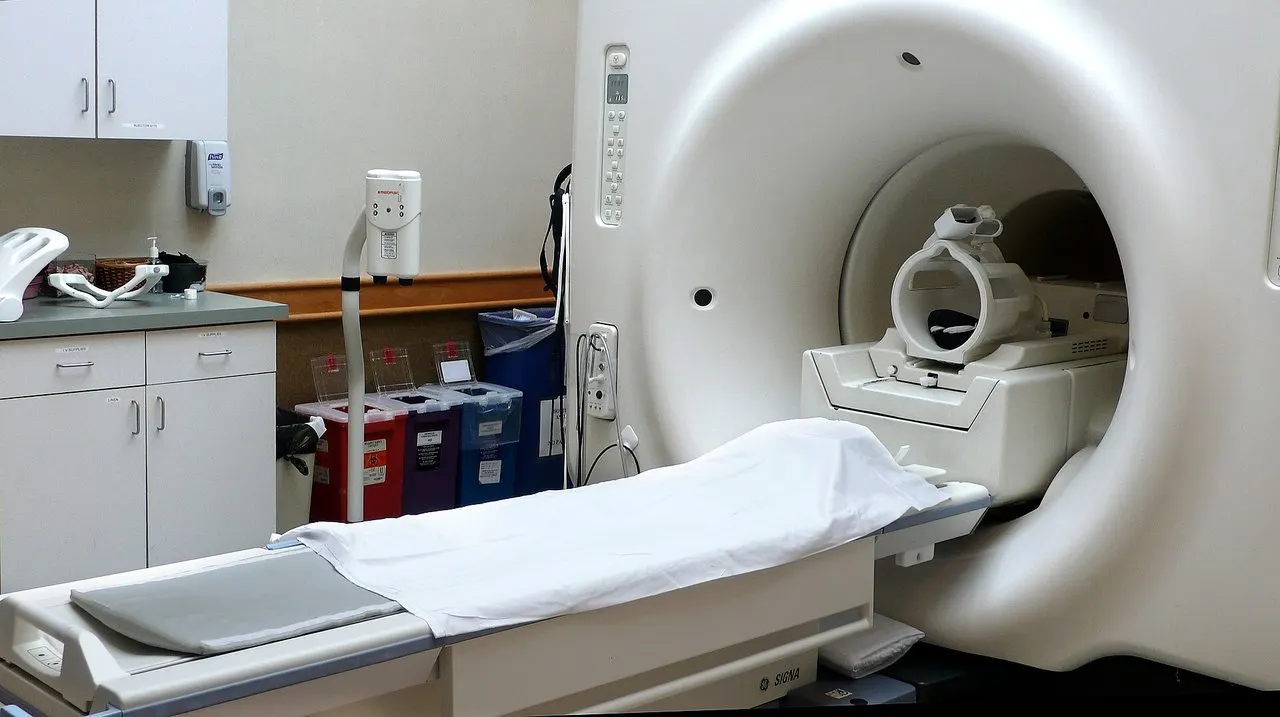
Loperamide struggles to reach the brain, and that is the biggest problem for this finding. A barrier protects the brain and keeps most medicines out of its tissue. A drug that works in a dish may never reach a tumor in a real patient. The researchers are clear about this. They say nobody should take loperamide to treat cancer. The value of the study is the weakness it reveals. Read our report on the legal fight over Trump deportations and a Brown University doctor and our story about brave men who saved foxes stranded by floodwaters.
How Doctors Watch Brain Tumors Today
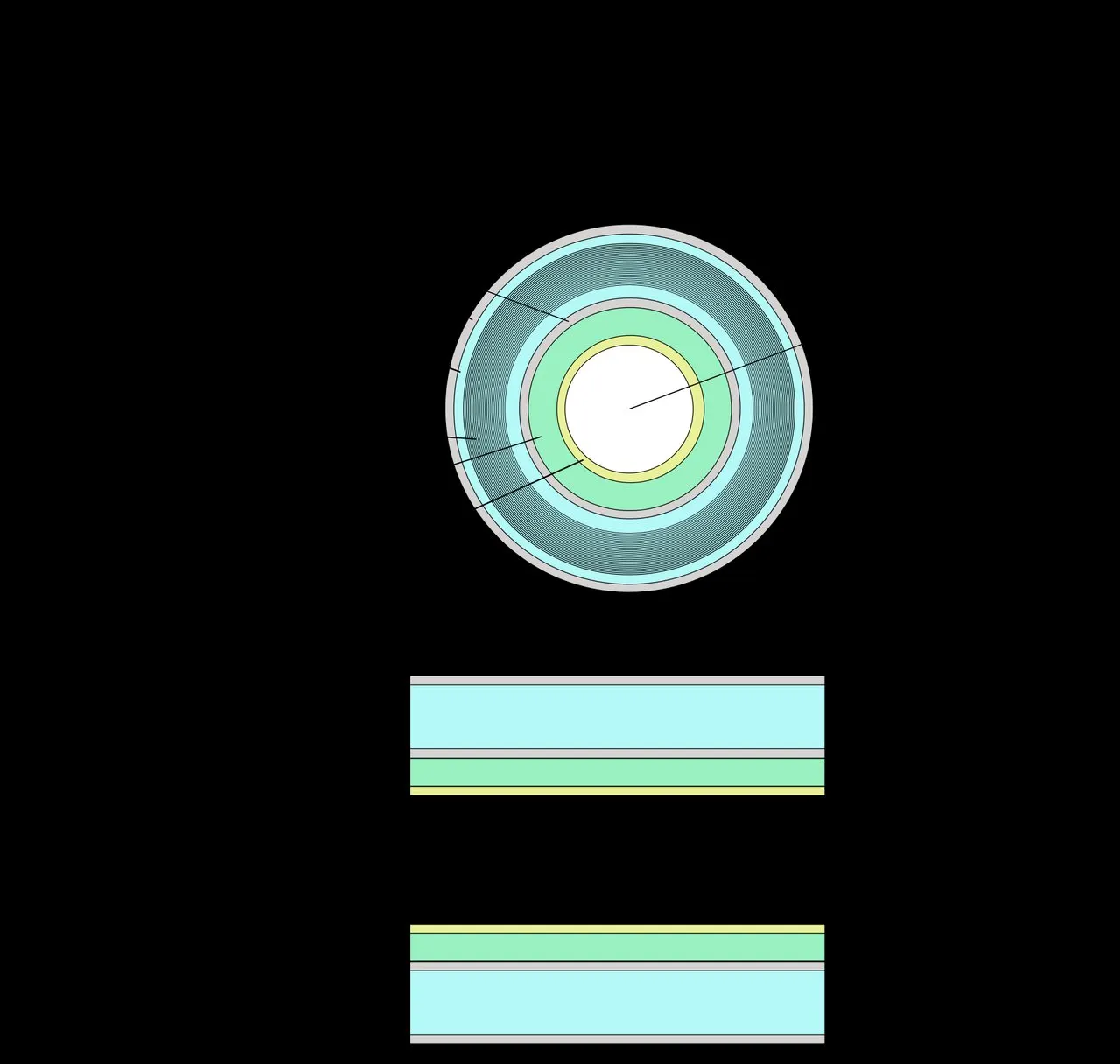
Doctors watch brain tumors with scans such as MRI, which builds detailed pictures of the brain without surgery. Scans show where a tumor sits, how big it is and whether it has grown or shrunk. That information guides surgery, radiation and chemotherapy. New research must pass many tests before it changes what doctors do. First come laboratory studies, then animal tests, then carefully run trials in people. Each step checks safety and effect. Read our story about why Trump cannot shut down the Education Department alone and our report on brave men who saved foxes stranded by floodwaters.
Loperamide Brain Cancer Hope for Future Medicines

The real hope from this study is a new target for future medicines. Loperamide showed that glioblastoma cells can destroy themselves when their recycling system is overworked. Future drugs could aim at the same weakness in a safer way. They could be designed to reach the brain and act on tumor cells. That kind of drug would need years of testing. But every new target gives researchers a fresh place to start. Read our report on the legal fight over Trump deportations and a Brown University doctor and our story about brave men who saved foxes stranded by floodwaters.
What Would You Ask About This Research

This study shows that answers can hide in familiar places. A medicine millions of people keep at home showed a surprising effect on brain tumor cells in a laboratory. The road from a dish to a treatment is long, and nobody should take loperamide for cancer. Still, the finding gives researchers a new weakness. What would you ask scientists about this research? Share your thoughts in the comments and read our story on how the Willis family plans to donate Bruce Willis brain to science and our report on Ohio lawmakers urging NASA to move its headquarters to Cleveland.