The Trump Philippines Deal That Brought Home $17 Billion
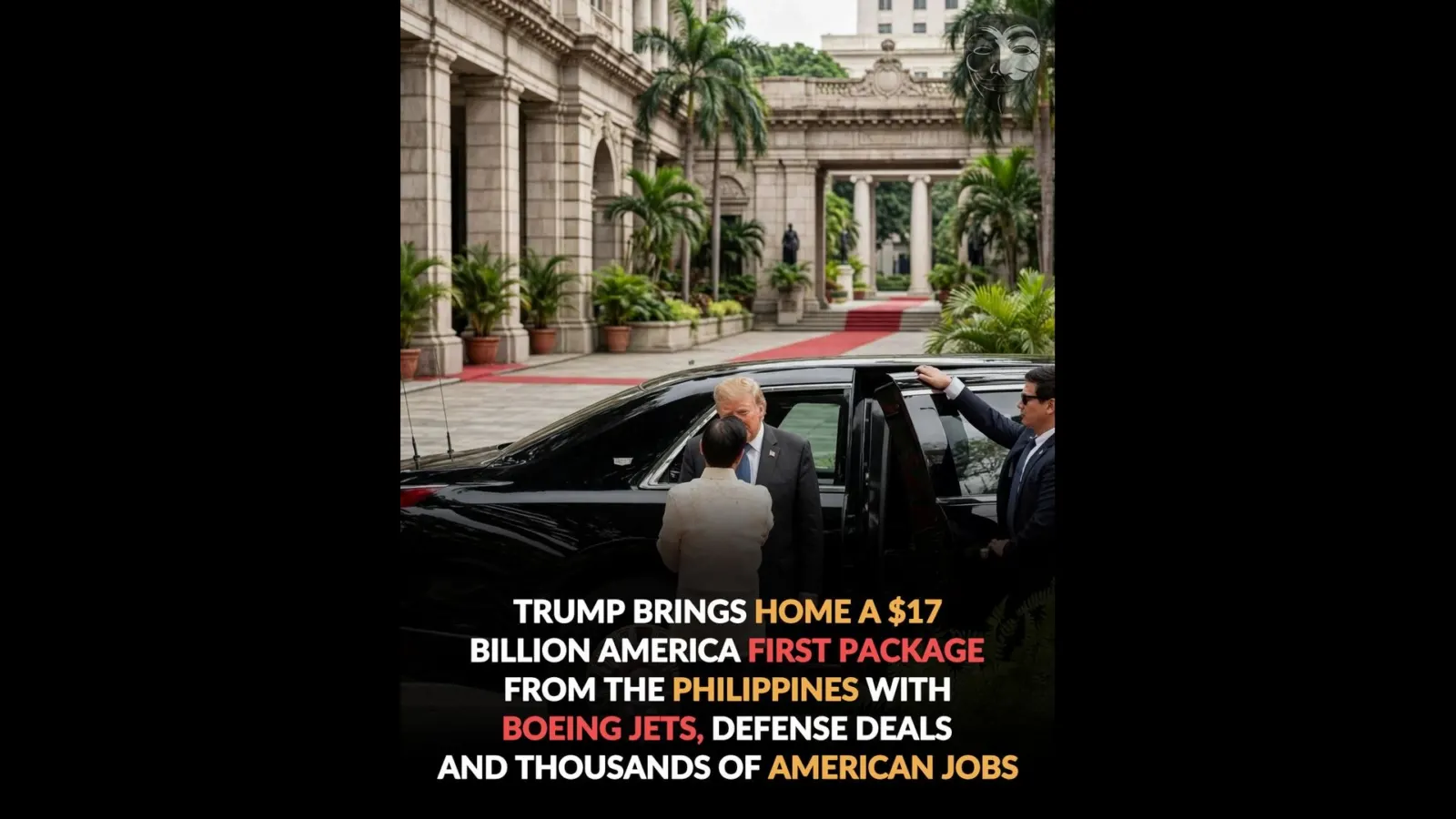
The Trump Philippines deal brought home about $17 billion in deals, frameworks and commitments for American companies and workers. President Trump sealed the package during a brief stop in Manila, where he met Philippine President Ferdinand R. Marcos Jr. for a state visit and the ASEAN Summit. The White House called it a historic haul for American factories, farmers, energy producers and defense workers. At the center sits a $12 billion Boeing and GE Aerospace sale to Philippine Airlines. The numbers below show how the package breaks down.
The deal fits a wider push to bring trade wins home, much like the approach behind his trade deal with China and the tariff talks with dozens of countries. Trump called the Philippines package the biggest trade deal ever made with the Philippines, and a fair deal for both countries. The slides ahead walk through the jets, the defense pacts, the satellites and the jobs behind the headline number. Each fact comes from the White House announcement and the news reports linked below.
References:
White House: At Press Briefing, President Trump Touts Historic Wins for Americans, Signals Deal-Making on Healthcare
Reuters: Trump Unveils $17 billion of Southeast Asia Deals for US firms, White House Says
TradingView: Boeing, GE Aerospace Lead Trump’s $17B-Plus Asia Deals With $12B Aircraft Sale
Context PH: Trump secures USD17B in deals, deepens Philippine ties
A $12 Billion Jet Order Leads the Trump Philippines Deal
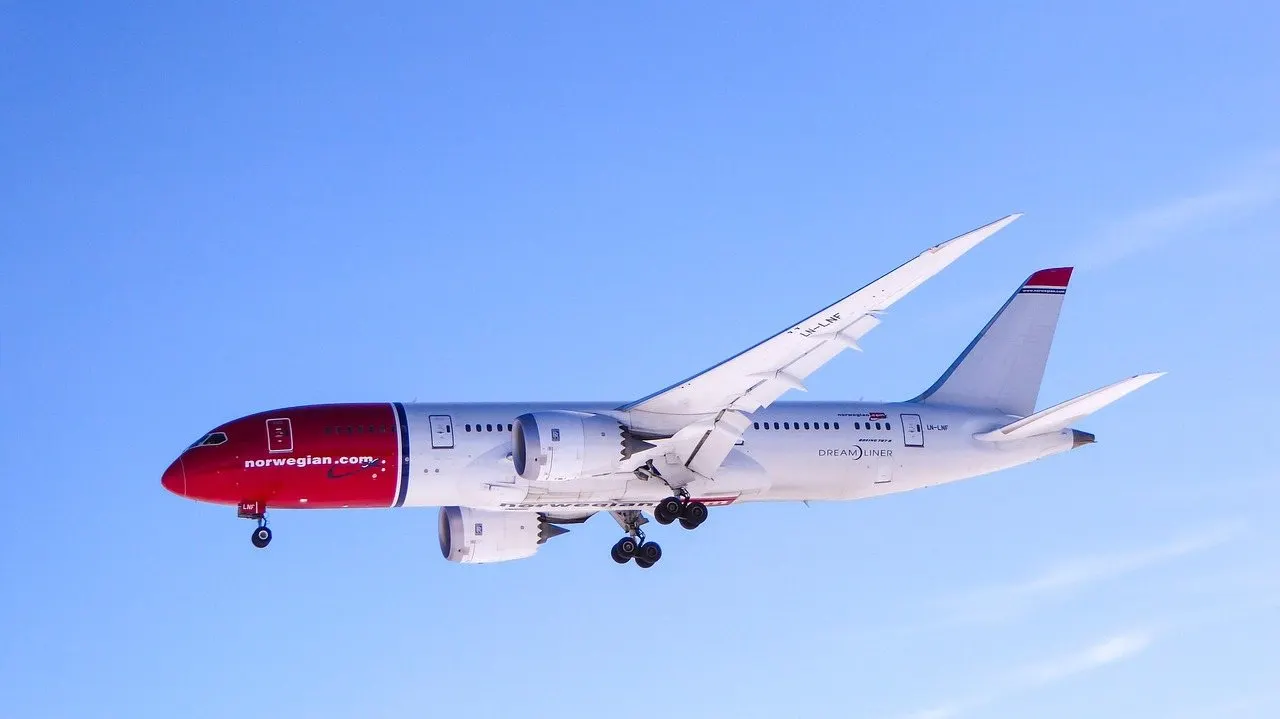
Boeing and GE Aerospace finalized a $12 billion sale to Philippine Airlines for up to 20 Boeing 787 Dreamliners, the largest single piece of the package. Philippine Airlines agreed to take 15 firm aircraft, with options for five more, all powered by GE Aerospace engines. The White House said the order supports an estimated 47,000 American jobs. American workers build the planes and the engines, which keeps the work at home. For context on big trade announcements, see his trade deal with China and how tariffs shape American exports.
47,000 American Jobs Ride on the Trump Philippines Deal
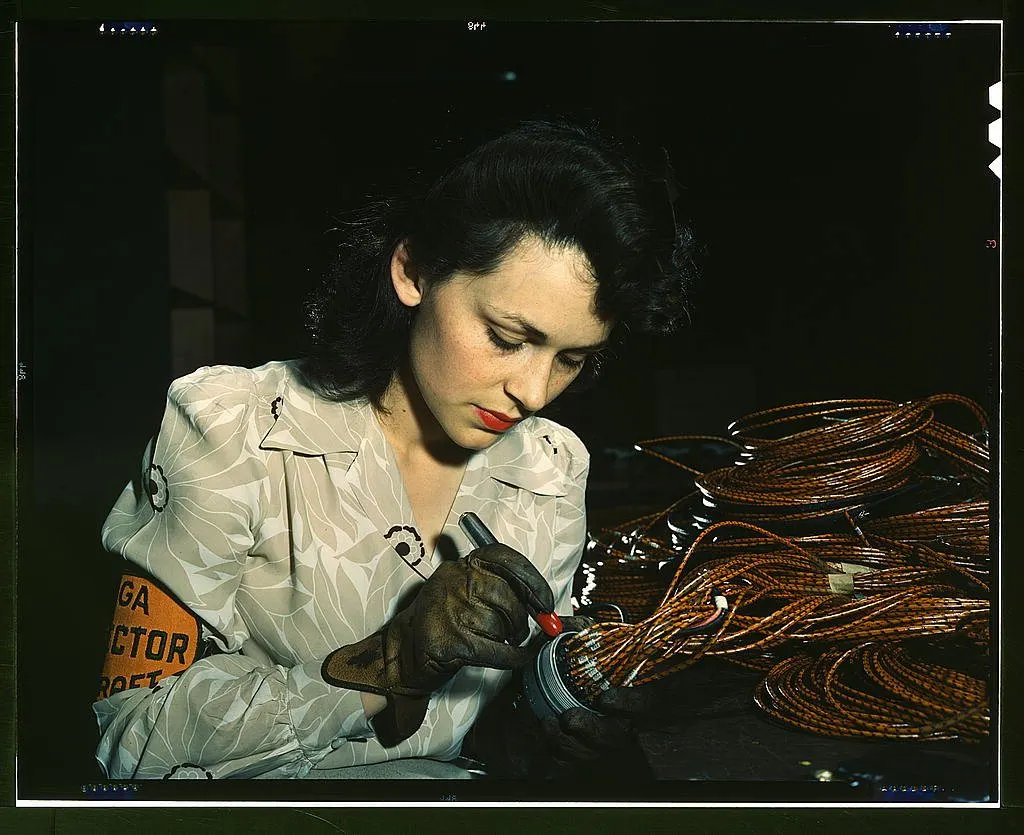
The White House said the Dreamliner order alone supports an estimated 47,000 American jobs. Those jobs stretch across the factories that build the planes, the plants that make the engines, and the suppliers that feed both lines. When a big order lands, shifts grow, overtime rises, and small towns near the plants feel the lift. That is the heart of the America First case for the deal. The jobs argument also runs through the debate over tariffs and jobs and the Alaska talks with Putin.
GE Engines Power the Trump Philippines Deal
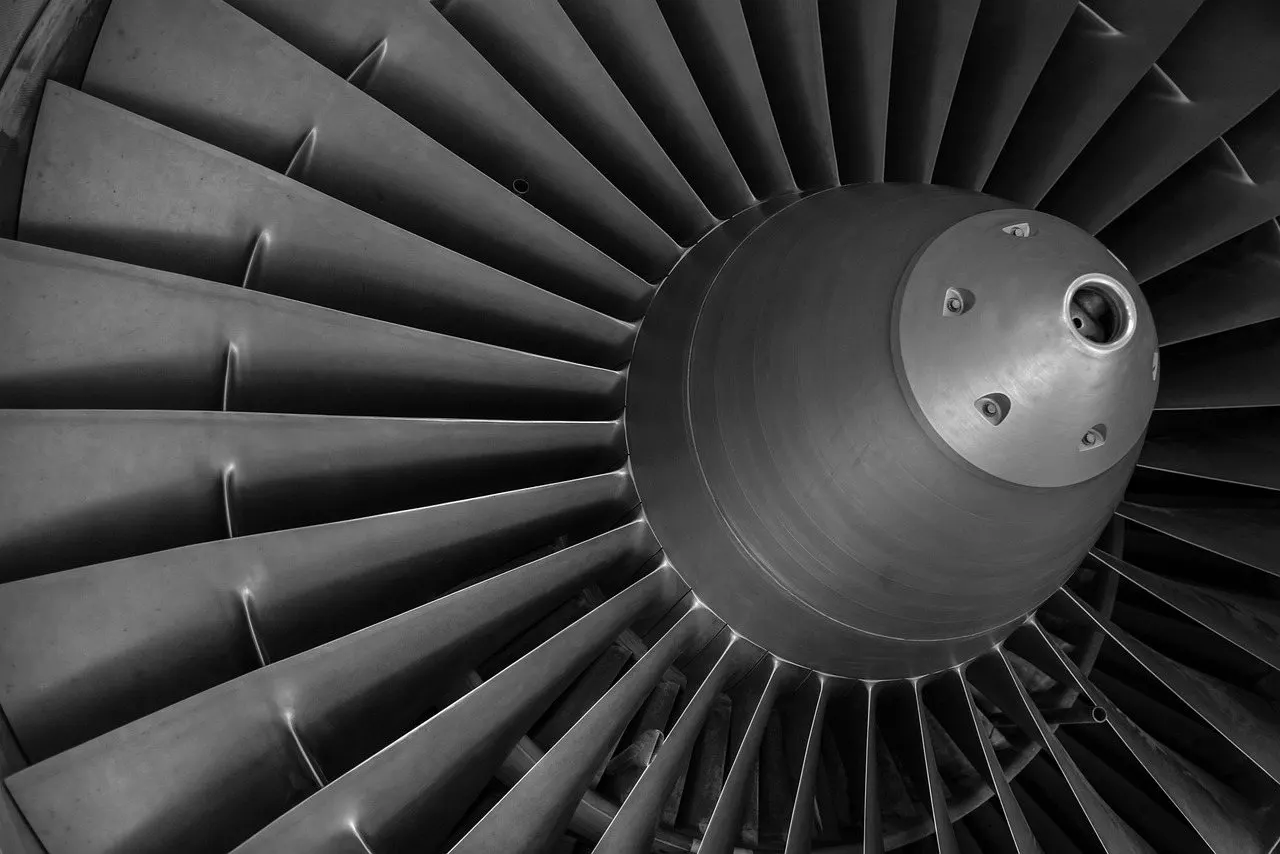
Every Dreamliner in the Philippine Airlines order will fly with GE Aerospace engines, which is why the deal carries the names of two American giants. GE Aerospace builds its engines in the United States, and the order keeps those lines busy for years. Engines are the heart of a jet, and they need skilled hands to build and test. The work supports engineers, machinists and inspectors across the supply chain. The same focus on American industry shows up in how tariffs shape American exports and the plan for NATO allies to buy American weapons.
Manila Hosted the Talks That Sealed the Deal
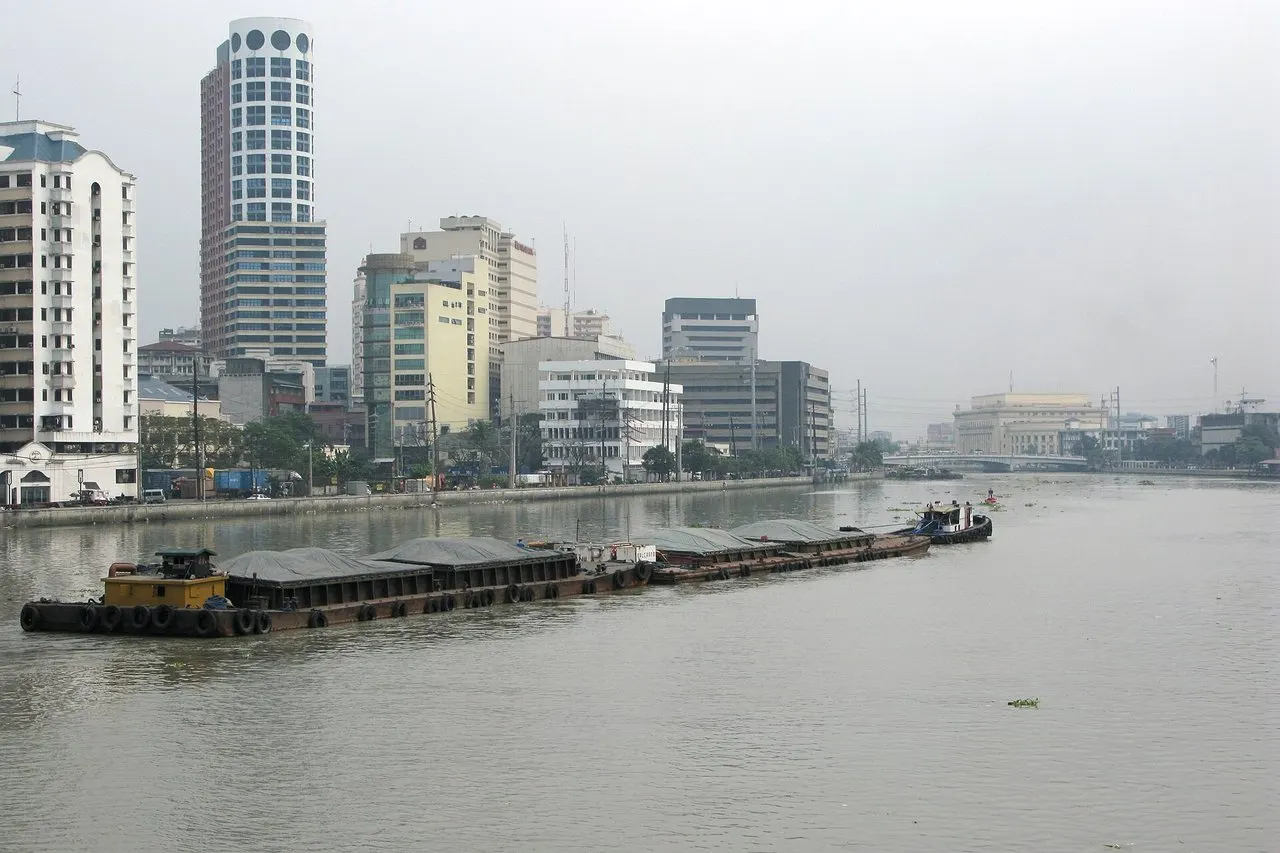
President Ferdinand R. Marcos Jr. hosted President Trump for a historic state visit in Manila, where the two leaders announced the landmark deals. The visit also covered the ASEAN Summit, which brought leaders from across Southeast Asia to the same table. Manila is the capital of the Philippines, a close American ally in the region. The setting mattered, because the deals were sealed face to face. The visit echoes other high profile meetings, like his summit in Alaska and the order on H-1B visas.
$2 Billion in Military Financing in the Trump Philippines Deal
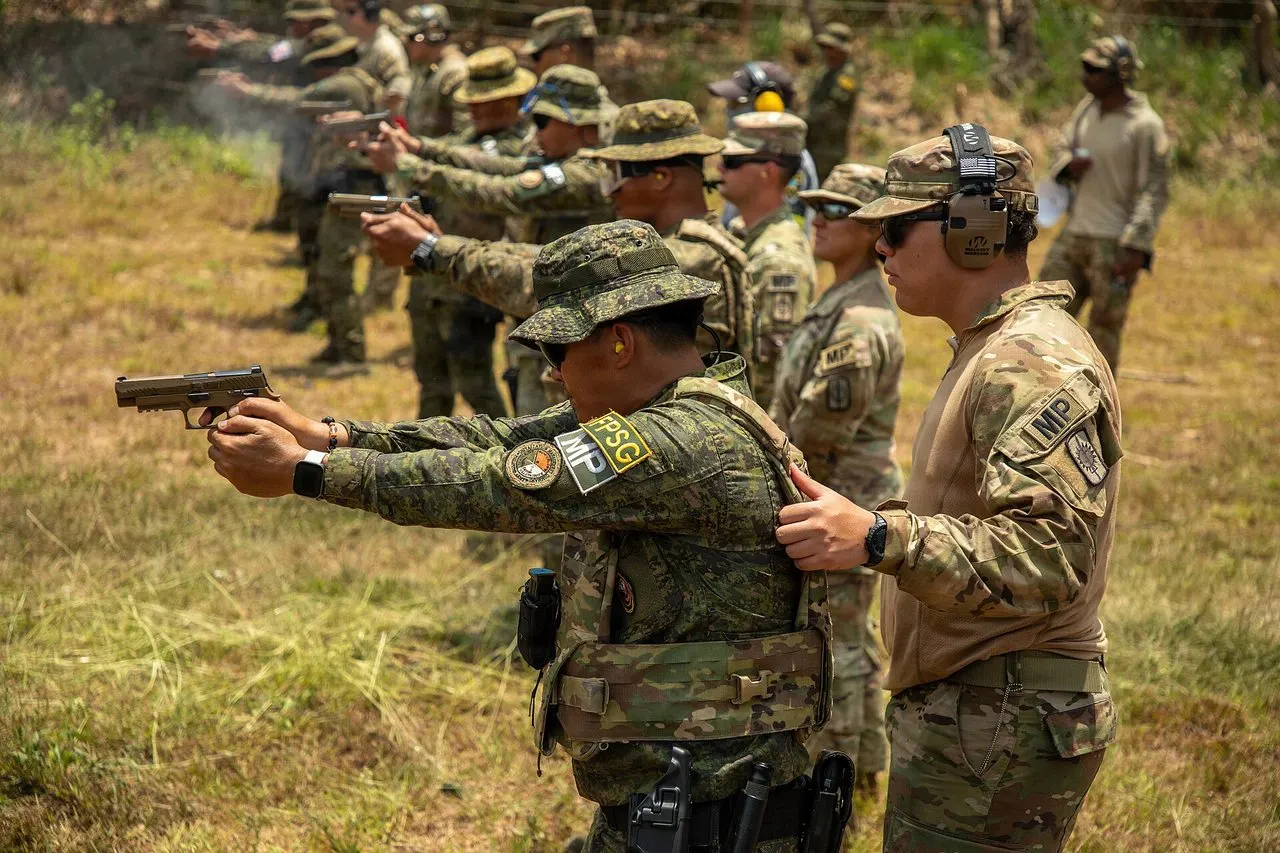
The United States and the Philippines will pursue a foreign military financing loan package of more than $2 billion, so Manila can buy defense equipment from American suppliers. The White House said the Trump Philippines deal supports over 7,000 American jobs. It also strengthens a key alliance in a region where China keeps pressing its claims. American defense workers build the systems, and American taxpayers are protected by the terms. The defense angle also appears in the Ukraine weapons deal and the plan to send the National Guard into cities.
$400 Million for South China Sea Defense
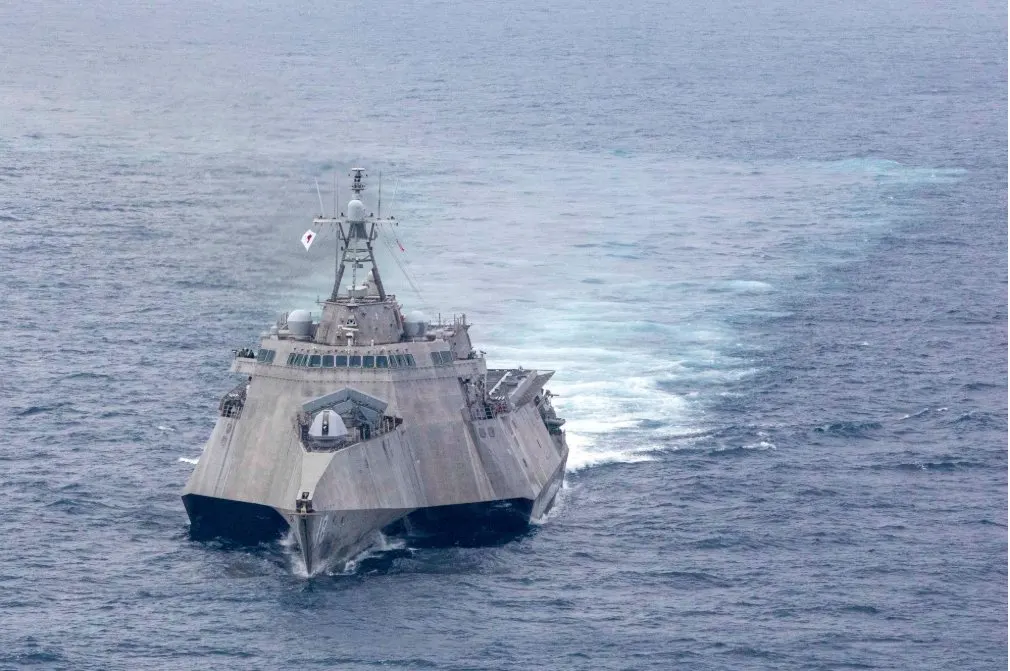
The United States will use $400 million in military financing to help the Philippine military expand its reach and deterrence in the South China Sea. The White House said that slice supports about 1,500 American jobs. The South China Sea is a busy stretch of water where trade ships pass and where rival claims often clash. Stronger Philippine defenses help keep those sea lanes open. The security theme runs through the push to protect American workers and the voter ID order.
A $40 Million Fuel Depot at Subic Bay
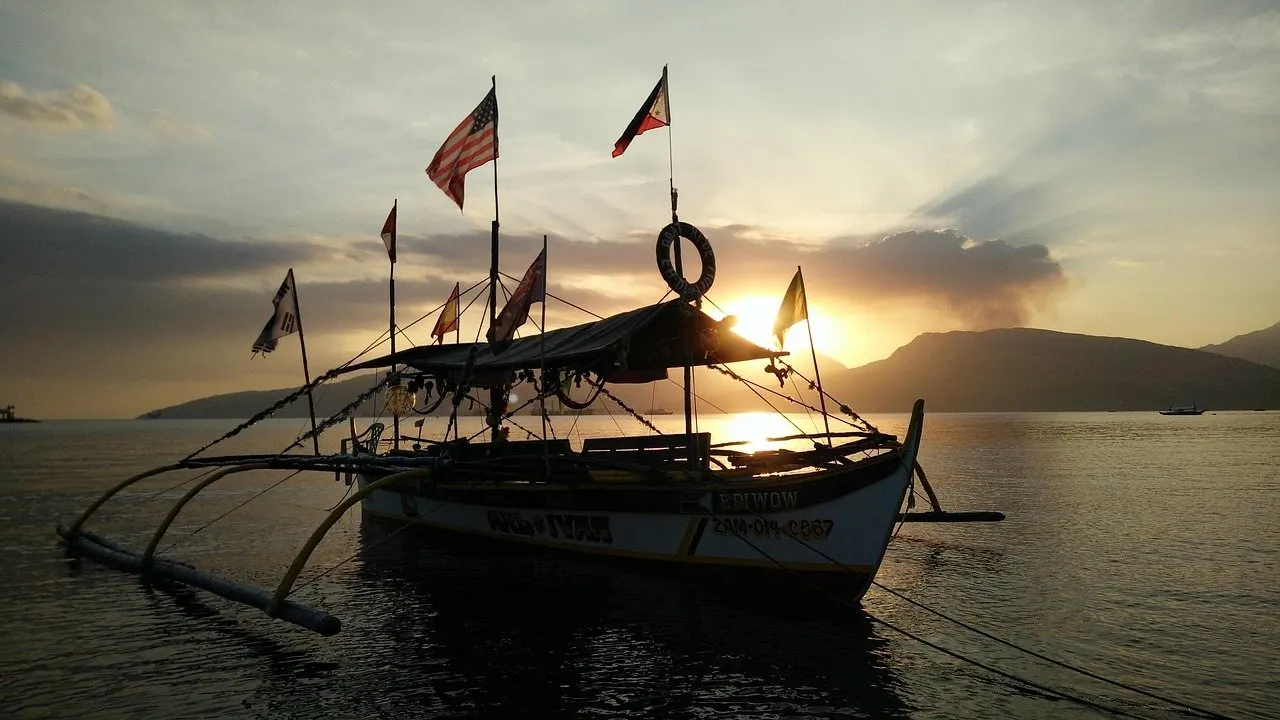
The package includes a $40 million fuel depot at Subic Bay, a deep harbor northwest of Manila that once hosted a major American naval base. Fuel storage may sound dull, but ships and planes cannot run without it. The depot will support American suppliers and the crews who keep it running. Subic Bay has long mattered for ships moving through the region. The base story recalls other big calls, like the debate over Guard deployments and the pushback on the flag order.
Satellites Join the Package
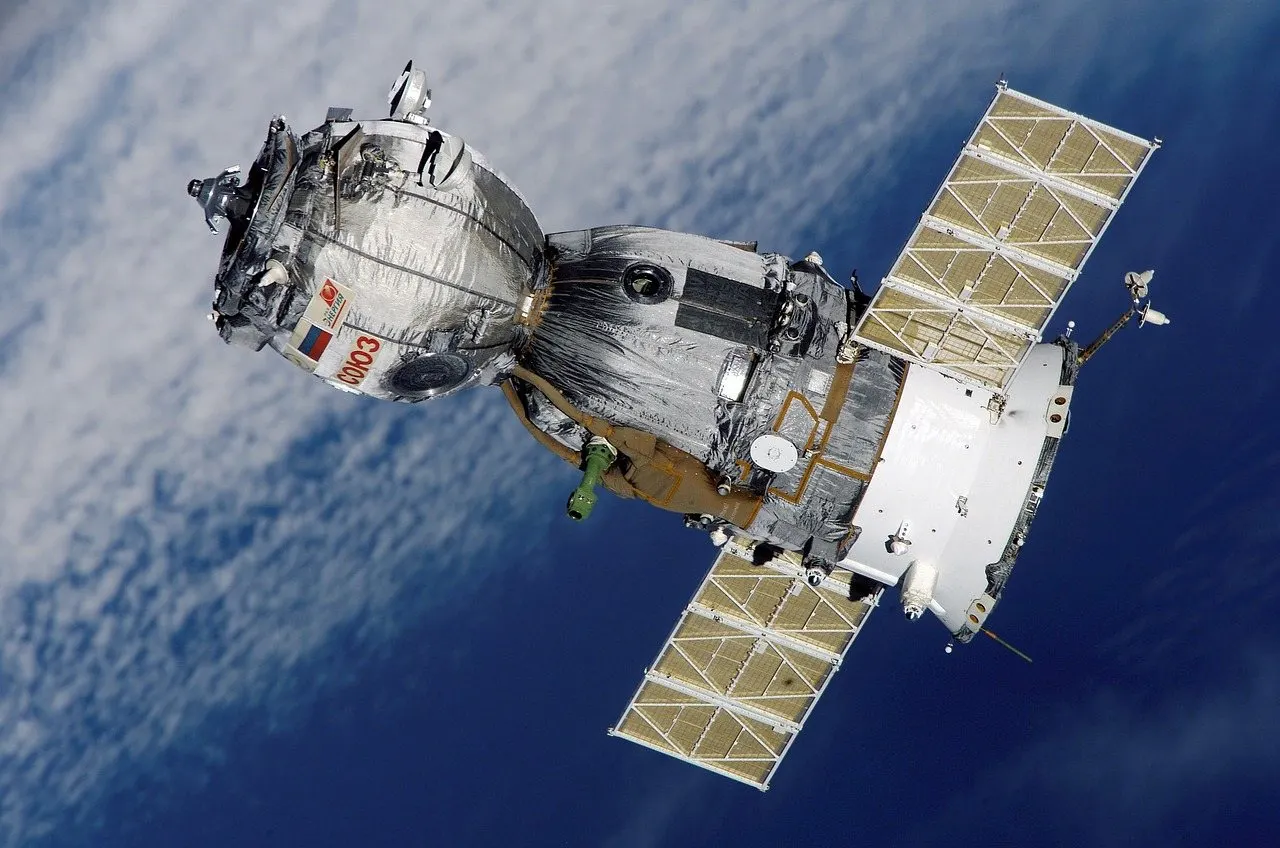
Up to $200 million in Astranis satellite services is part of the package, bringing better connections to islands across the Philippines. The White House said the satellite work supports about 600 American jobs. Satellites in orbit beam internet and phone signals down to places where cables cannot reach. For an island nation, that link matters for schools, clinics and small firms. The tech side of the trip also shows in the plan to end most mail-in voting and the quiet over the Intel deal.
Thailand Opens Its Markets in a New Trade Deal
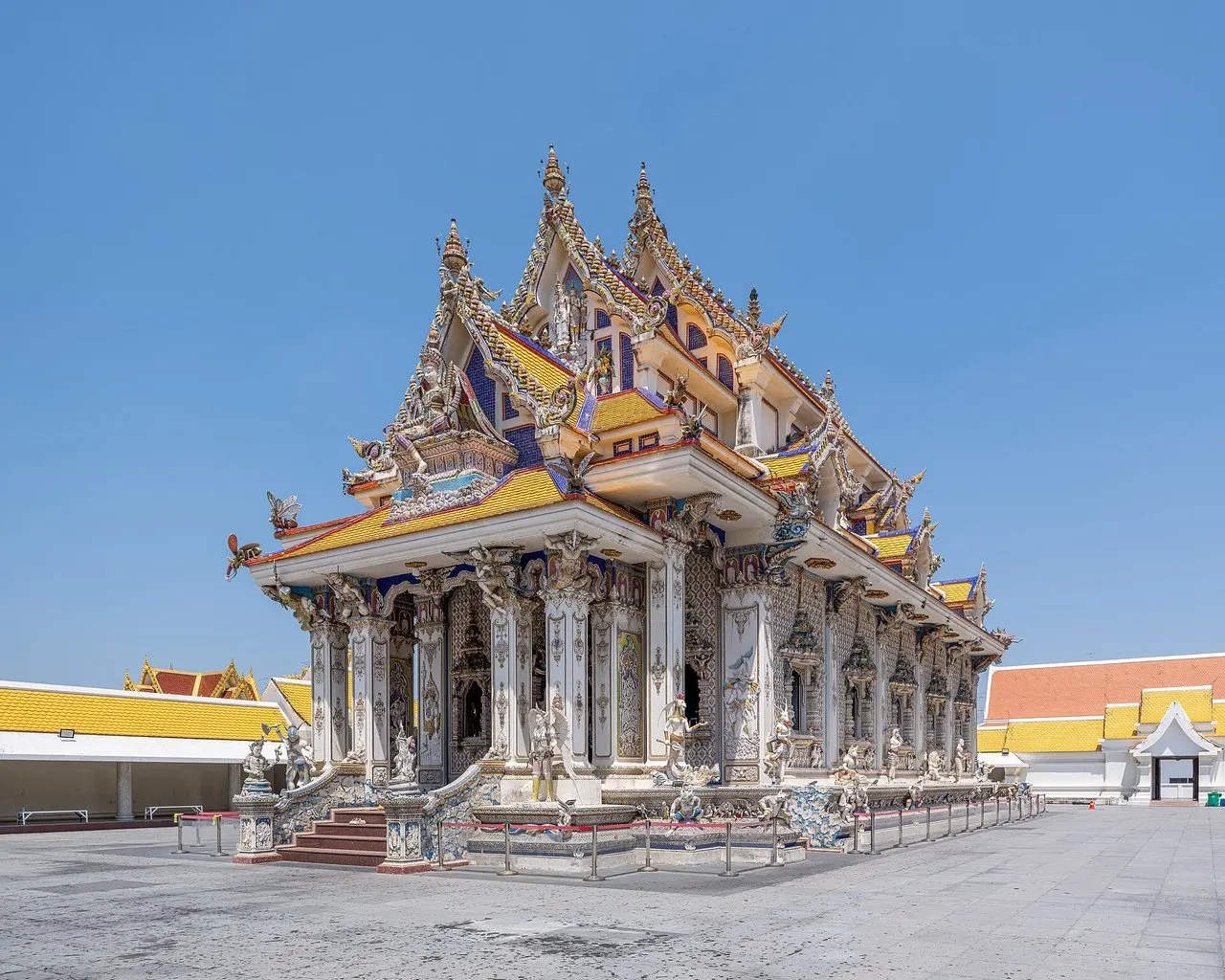
The regional wins go beyond the Philippines. President Trump announced the substantial conclusion of a trade deal with Thailand that would end tariffs on 99 percent of goods once it is signed. Lower tariffs mean American farm goods and factory products can compete on price in Thai shops. Thailand is a major economy in Southeast Asia, and open markets help both sides. The trade theme also runs through the flag-burning debate and the new Trump portrait in the West Wing.
A New Data Center Links Brunei to the Deal
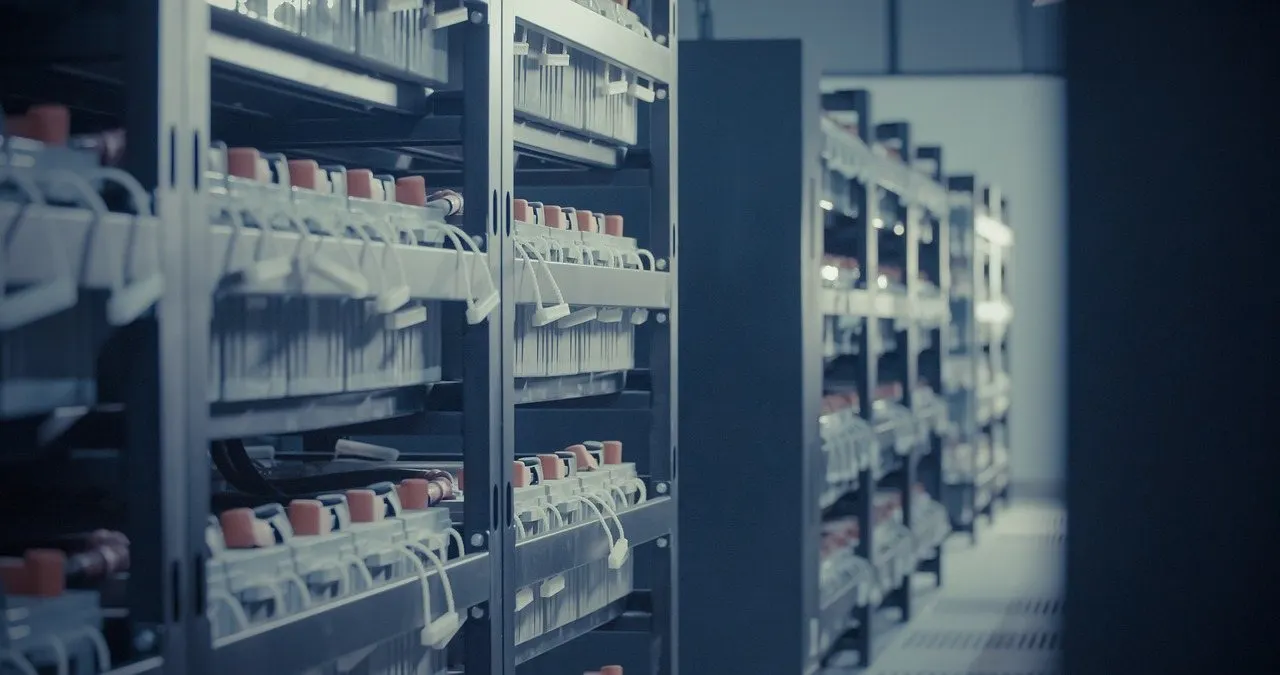
The package also includes a nearly $1 billion data center project involving Brunei, built with American technology and know-how. Data centers are the big buildings full of computers that store photos, run apps and power online services. A project of this size needs American servers, cooling gear and skilled builders. It shows the deal reaching beyond jets and ships into the digital economy. The tech story continues in the criticism of the Intel stake and the promised changes at the Kennedy Center.
Montana Coal Finds a Buyer in Asia
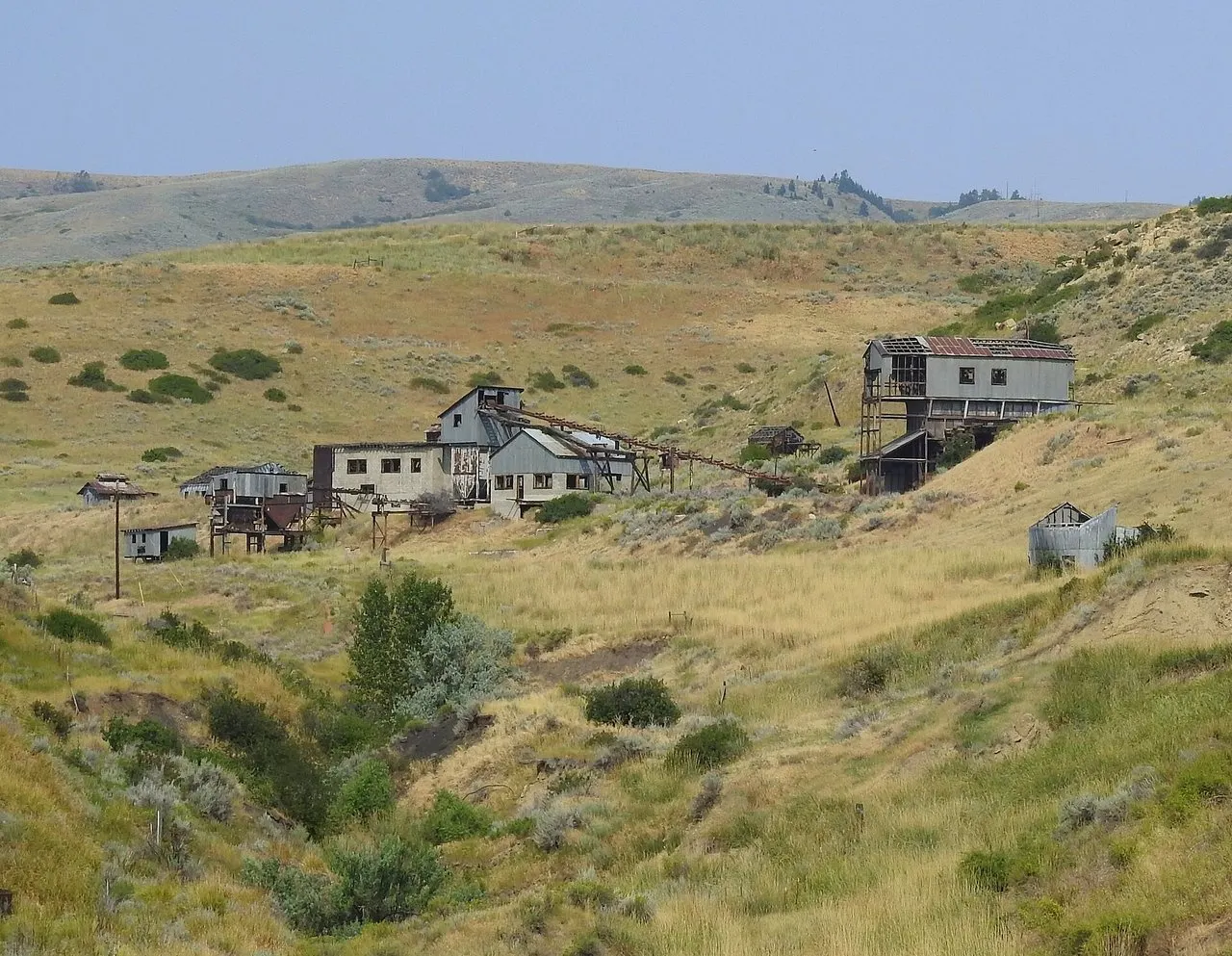
A $100 million Montana coal export is part of the wider package, giving miners in the Treasure State a customer across the Pacific. Montana has mined coal for more than a century, and its mines still employ whole towns. Coal from the state can fuel power plants in Asia, where demand stays strong. The sale shows the deal reaching American energy workers, not only factory floors. The energy angle also appears in the West Wing portrait unveiling and a trade pact with China.
American Factory Floors Feel the Trump Philippines Deal
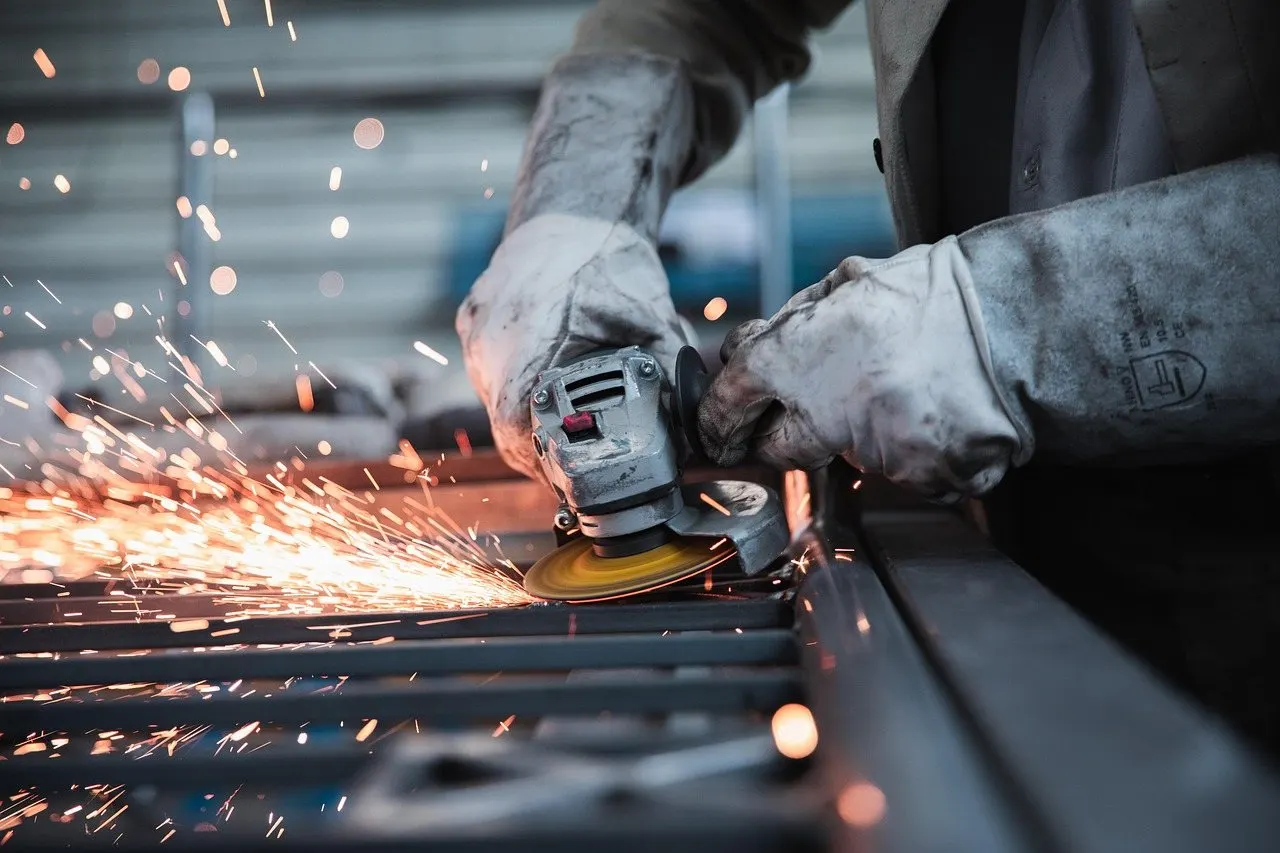
The deal is built for American workers first. The White House said the package brings real money for American factories, farmers, energy producers and defense workers. Planes get built in American plants, engines get tested by American crews, and the parts come from American suppliers. That is the opposite of shipping production overseas, and it is the line Trump keeps repeating. The worker first message also shapes the board visit to the Kennedy Center and why tariffs need not cause a recession.
Trump and the Art of the Trade Deal
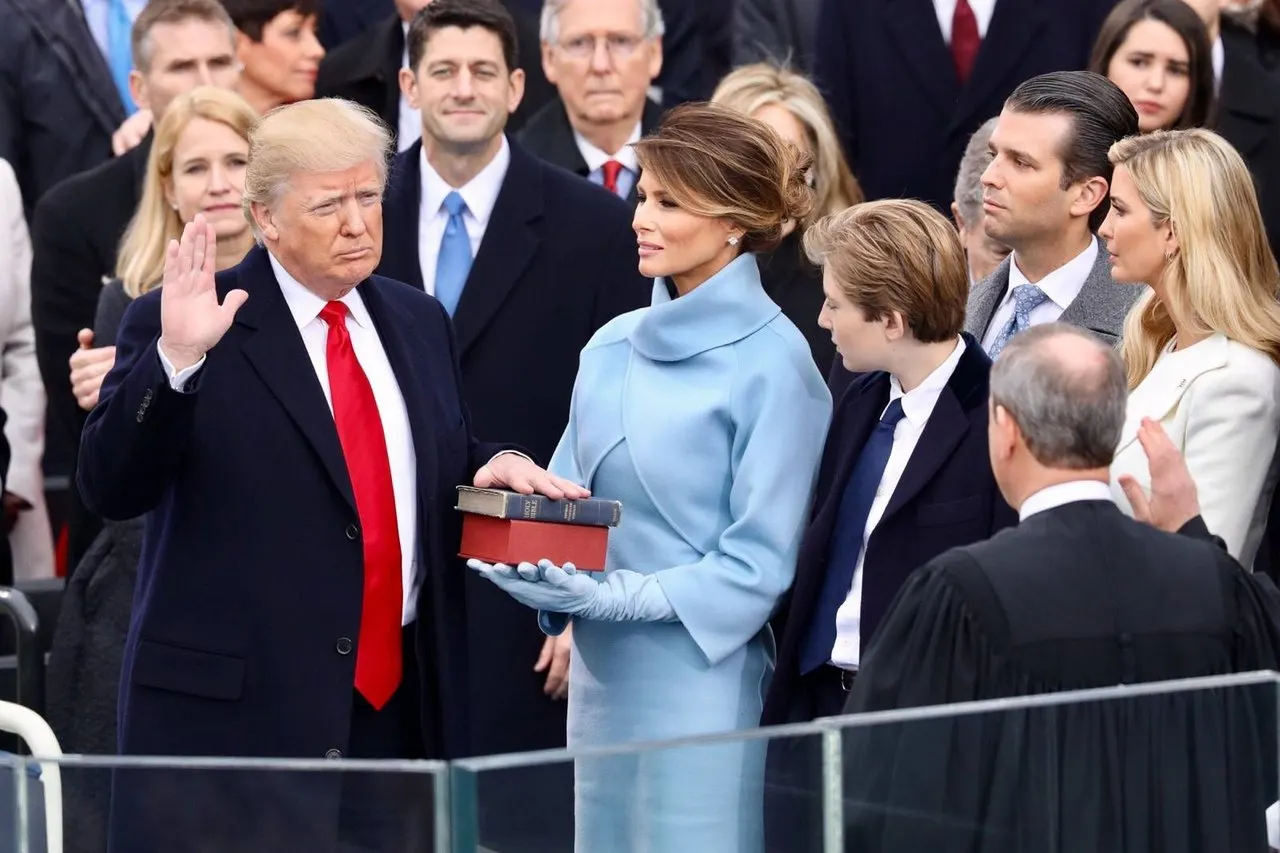
Trump called the Philippines package the biggest trade deal ever made with the Philippines, and a fair deal for both countries. The line fits a president who treats trade talks as headline events, with numbers, jobs and handshakes on display. Supporters say the approach wins deals that others could not close. Critics ask how much is new and how much was already in motion. Either way, the Manila numbers are now on the record. The dealmaker image also appears in the tariff warning from Tesla and the Alaska meeting on Ukraine.
Philippine Airlines Flies the Flag for the Deal
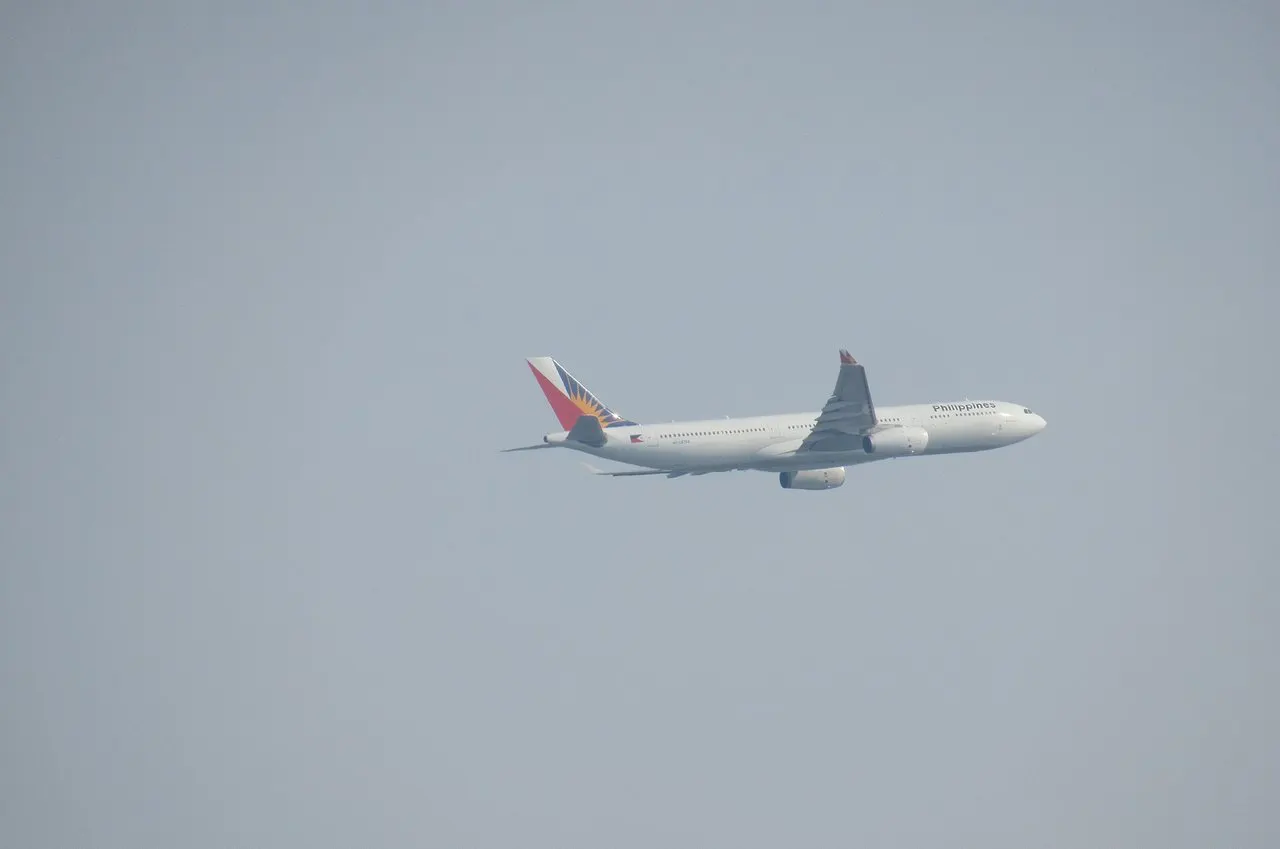
Philippine Airlines is the airline at the center of the biggest deal, and it will fly the new Dreamliners on long routes across Asia and the Pacific. The airline formalized the order for 15 firm aircraft, with options for five more. New planes mean newer cabins, longer range and lower fuel burn for the carrier. For passengers, the deal should mean fresher jets on the routes they fly. The aviation story also links to the tariff threat to Russia’s partners and the new H-1B fee.
Defense Technology Rounds Out the Package
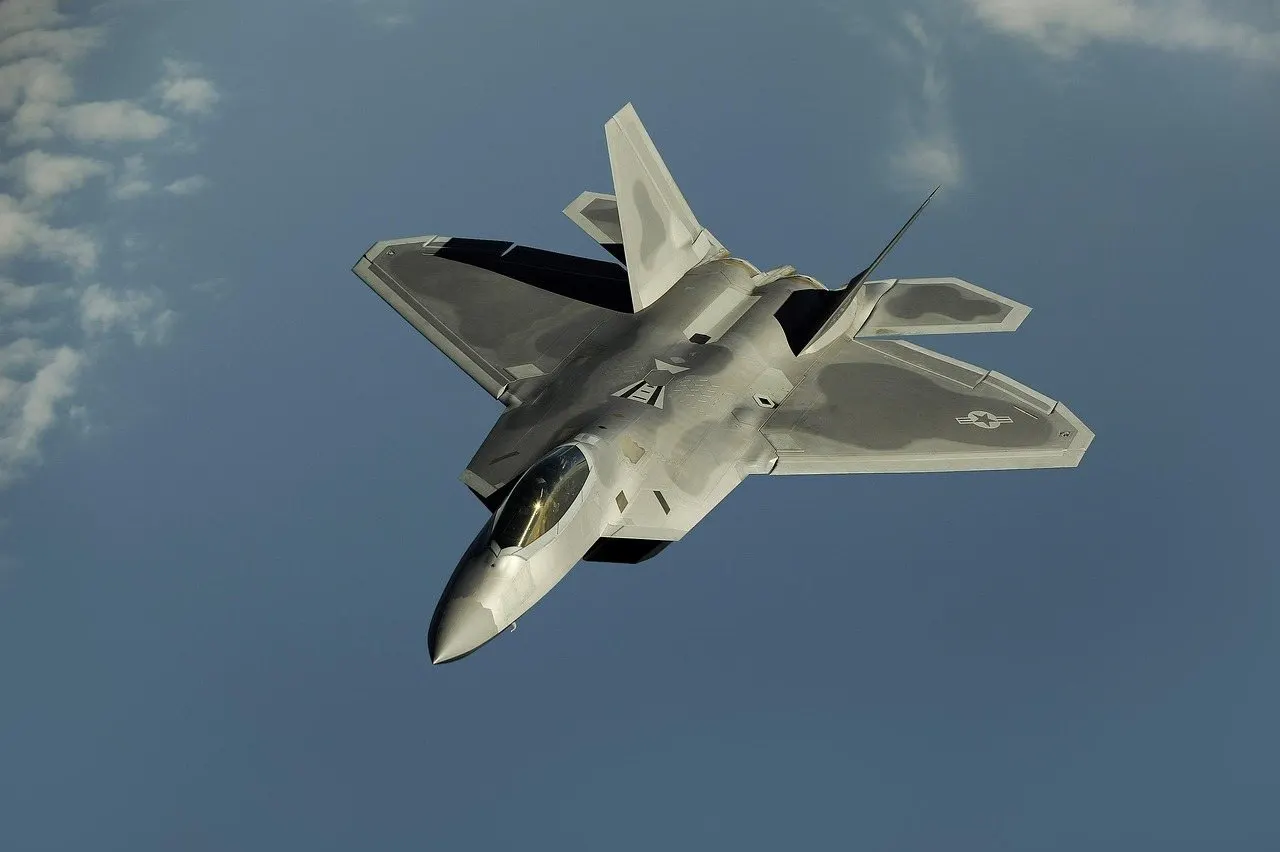
Beyond the big financing, the package holds defense technology deals worth $100 million combined, backing hundreds more American jobs. These are the systems, parts and know-how that modern forces rely on every day. American firms lead the world in this field, and allied buyers want their gear. The deals spread the work across smaller suppliers too, not only the giants. The defense theme continues in the pushback on Guard deployments and the debate over mail-in voting.
What the Deal Means for American Families

Strip away the billions and the deal comes down to paychecks. Jobs on factory floors, in engine plants, at ports and on farms all pay for groceries, rent and school runs. When an order this size lands, suppliers hire, truckers haul more, and small firms near the plants see new customers. That ripple is what the White House is selling. The family angle also shows in the flag-burning order and the criticism of the Intel stake.
What Do You Think of the Trump Philippines Deal?
The numbers are big, the jets are real, and the jobs are counted in the tens of thousands. But the Trump Philippines deal still sparks a debate. Do you think the package is a fair win for American workers, or do the questions about what was already agreed matter more? Would you back more deals like this one with other allies? Tell us what you think in the comments below, and keep reading the Butler painting shown to European leaders and the promised changes at the Kennedy Center.