Sweden Basic Income Gave 5,000 Citizens $1,800 a Month
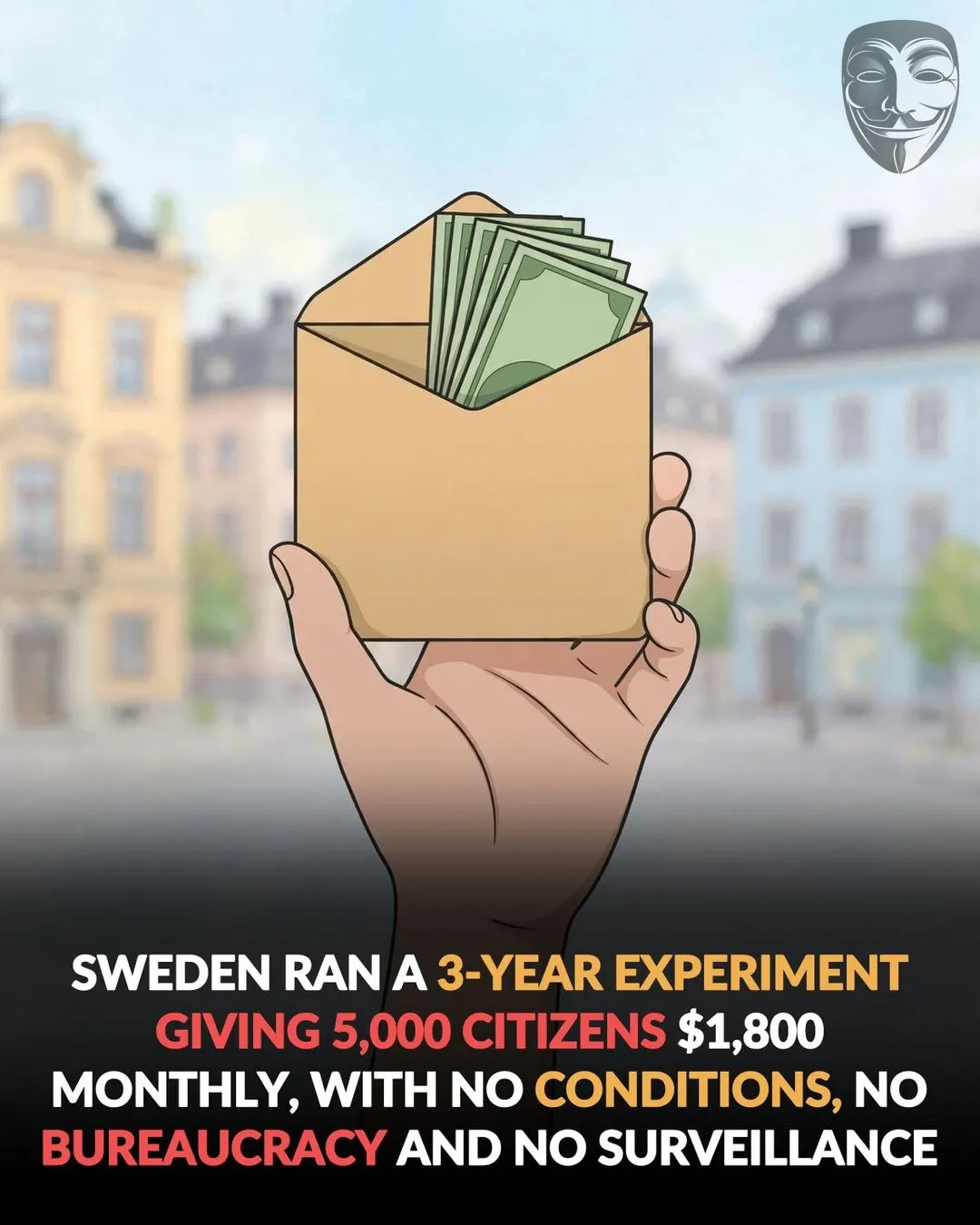
Sweden basic income gave 5,000 citizens $1,800 every month for three years, with no conditions, no bureaucracy and no surveillance. The post describes a bold trial that tested a simple idea. Give people enough money to live on, and see what they do with the freedom. The reported results surprised even supporters. Employment rose 12 percent. Mental health hospitalizations dropped 34 percent. Crime fell 41 percent. Children did better at school. The program even cost less than the welfare system it replaced.
In the slides ahead, we walk through the whole story, from the fears that the trial would fail to the numbers that made people rethink welfare. You will see how the money helped people start businesses, finish school and leave bad jobs for better ones. You will also see why the idea still faces strong resistance, even with results like these. For a hopeful look at what can come next, read our story about better days ahead and our report on whether the public has a right to know how much water and power data centers use.
References:
BBC News: Finland Basic Income Trial Falls Flat
Business Insider: Finland Is Killing Its Universal Basic Income Experiment
The Guardian: Finland Basic Income Trial Had Small Employment Effects But Better Wellbeing
Reuters: Finland Basic Income Trial Boosts Happiness But Not Employment
What Sweden Basic Income Really Means

Guaranteed income means every person in the trial received the same monthly payment, no matter what they earned or how they spent their time. There were no forms to fill in, no case workers checking up on them and no threat of losing the money if they found work. The payment was a floor under their lives, not a reward for good behavior. For more on how powerful interests shape public rules, read our report on a bill that would close a loophole for the very wealthy and our piece on finding freedom by being your true self.
How the Sweden Basic Income Experiment Began
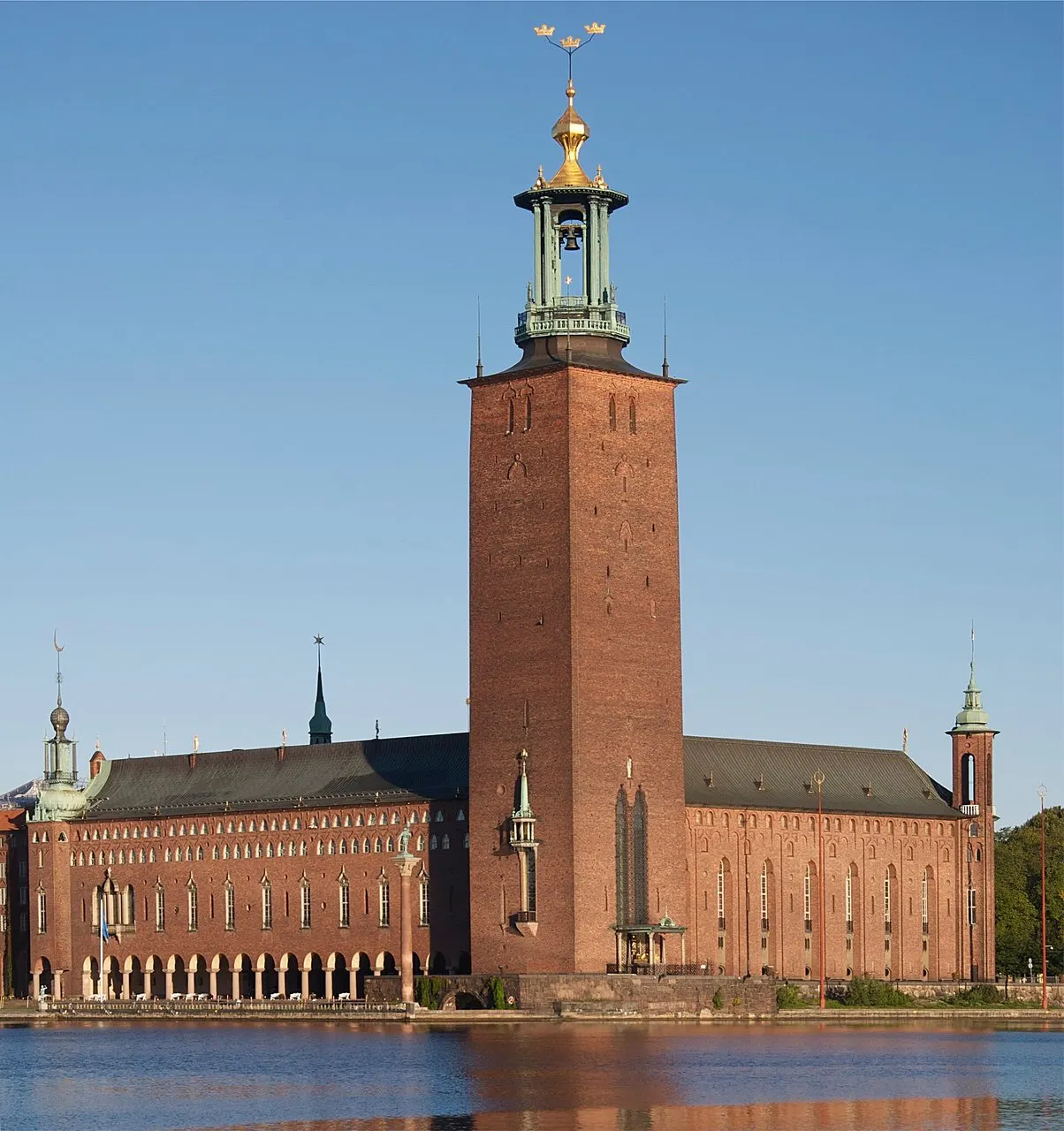
Sweden picked 5,000 citizens to take part in the three year trial, and each of them received $1,800 every month. The trial ran in real towns and cities, so the results show what happens in daily life. Families, workers, students and parents all shared the same safety net. Researchers tracked jobs, health, school results and crime, and compared the trial areas with places that had no payments. For a look at a country earning respect on the world stage, read our report on a recent Asia trip.
No Conditions, No Bureaucracy, No Surveillance

Most welfare programs come with rules. People must prove they are looking for work, report every dollar they earn and wait for approval before help arrives. This trial did none of that. The money arrived each month without forms, interviews or checks on how it was spent. Nobody watched where people went or what they bought. That trust was the point. For a warning about hidden messages, read our report on a top lawyer and a chat that erases itself.
The Predictions of Collapse
Critics made grim predictions before the trial began. They said people would stop working, grow lazy and drain public money. The post says these fears came from an old idea, that people only work when they are afraid of going hungry. It argues that fear is a poor way to run an economy. The trial put that claim to a real test. For more on powerful fights over hidden records, read our report on a lawmaker who says a scandal runs deeper than anyone imagined.
Employment Rose 12 Percent Under Sweden Basic Income
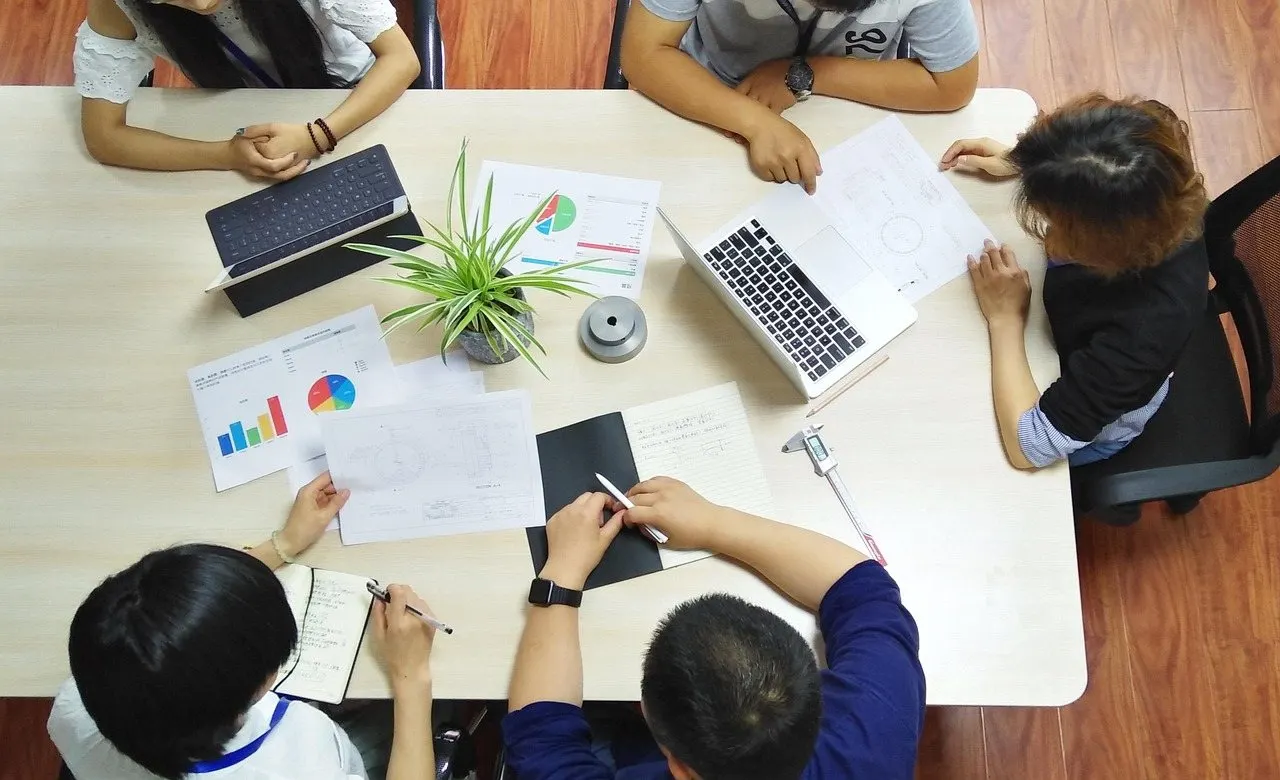
The first surprise was jobs. Employment rose 12 percent in the trial areas, the opposite of what critics predicted. People did not quit work in large numbers. Instead, many used the steady income to look for better jobs, wait for the right opening or start something of their own. The money gave them time to choose well instead of grabbing the first low paying job out of fear. For a look at leadership on the world stage, read our report on a recent Asia trip.
People Started New Businesses

Starting a business is a risk few people can take when one missed paycheck means losing a home. The trial changed that math. With $1,800 a month as a safety net, people could try an idea, rent a small space or buy tools without betting everything they owned. The post says many used the income to launch small businesses that would have stayed dreams under the old rules. For more on the freedom to be yourself, read our piece on finding freedom by being your true self.
Students Finished Their Education

Students in the trial could focus on their studies instead of juggling survival jobs late into the night. The post says many finished their education because the monthly payment covered rent and food while they learned. A finished degree or trade certificate can lift earnings for decades, while a dropped course can close doors for years. The trial treated learning as work worth supporting, not as a luxury. For a graduation story eighteen years in the making, read our report on a father and daughter who shared one school.
Workers Left Bad Jobs for Better Ones

Some workers used the trial to walk away from jobs that paid poorly and treated them badly. The post says they left abusive workplaces and found better ones, instead of staying because they had no choice. When workers can say no, employers must offer fair pay and decent conditions to keep good people. The trial showed that security does not make people lazy. It makes them picky about how they are treated. For more on standing tall, read our piece on finding freedom by being your true self.
Mental Health Hospitalizations Fell 34 Percent With Sweden Basic Income

Money worries weigh heavily on the mind, and the trial gave people room to breathe. Mental health hospitalizations fell 34 percent, a striking change in only three years. When rent is covered and food is on the table, stress falls and sleep improves. People can plan ahead instead of living from one crisis to the next. A steady income may be one of the simplest health policies a country can buy. For a story of quiet strength and faith, read our report on rising stronger each day.
Crime Fell 41 Percent in Sweden Basic Income Regions

Crime fell 41 percent in the trial areas, a surprising result. The post links the drop to the same cause as the other gains. When people have enough to live on, fewer are pushed toward desperate choices. Theft and other crimes of need fall when need itself falls. Safer streets help everyone, not just the people who got the payments. It is a reminder that security can protect a whole community. For an honest act worth celebrating, read our story about a boy who returned a lost phone.
Children Did Better at School
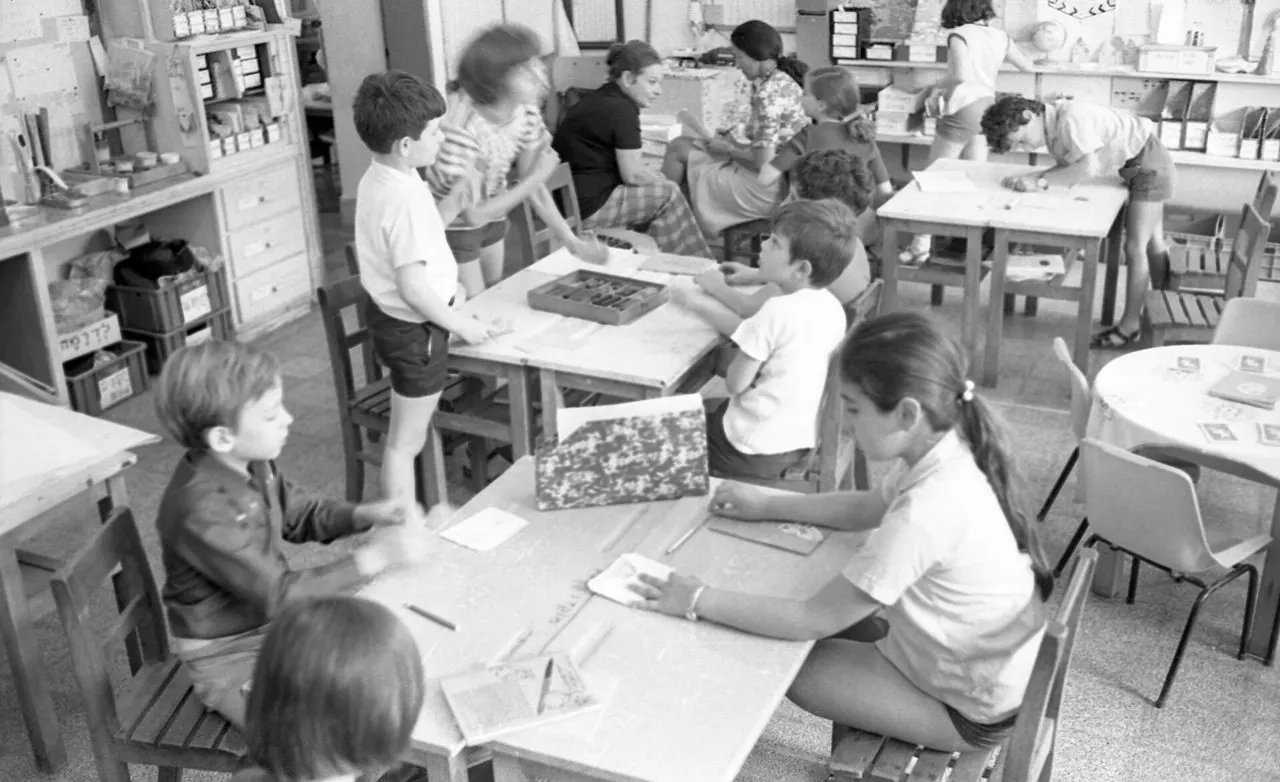
Children in the trial areas did better at school, the post reports, and the reasons are easy to see. Parents with steady money could afford childcare, books and a calm home where homework gets done. Children who eat well and sleep well learn better, and parents who are less stressed have more time to read with them. The trial suggests that helping parents is one of the best ways to help children. For more on teachers and learning, read our story of a teacher who changes his look every year.
The Program Cost Less Than Welfare

The most practical surprise was price. The post says the program cost less than the existing welfare system while producing better results. Old welfare needs offices, case workers, forms and checks, and all of that costs money before a family sees a dollar. A simple monthly payment skips that machinery. The trial suggests that a country can spend less and help more, by trusting people with cash. For more on powerful interests and public money, read our report on a bill that would close a loophole for the very wealthy.
GDP Grew Faster Where Sweden Basic Income Ran

The local economy grew faster in the trial areas than in the control areas. GDP grew 2.8 percent in the basic income regions, against 1.9 percent where the old system stayed in place. Money given to ordinary people gets spent quickly on food, rent and local shops, and that spending supports jobs nearby. The post argues that security unleashed productivity that desperation suppresses. For more on fights over hidden records, read our report on a lawmaker who says a scandal runs deeper than anyone imagined.
Why Old Welfare Punishes Work

Traditional welfare has a cruel trap. Earn a little money and you lose benefits, so working harder can leave a family worse off. They turn down extra hours or a small raise because the loss of help is bigger than the gain in pay. A guaranteed income removes that trap, because every dollar earned adds to the payment instead of replacing it. For a warning about officials who hide their messages, read our report on a top lawyer and a chat that erases itself.
Every Dollar Earned Added to Income in the Sweden Basic Income Trial

Under the trial, work always paid. A person who earned an extra dollar kept that dollar on top of the $1,800 payment, so there was no point where a raise made life harder. Extra hours, a better post or a second skill all added up, instead of being cancelled by a cut in help. The post says this is why employment rose instead of falling. When work always pays, people work more, not less. For a family that never stopped being family, read our story of Bruce Willis and Demi Moore.
Parents Could Finally Afford Childcare

Childcare is one of the biggest barriers to work for parents, and the trial helped clear it. With a steady monthly payment, parents could pay for childcare and take jobs they could not have taken before. The post says parents in the trial could work, study and raise their children without choosing between them. A payment that helps parents work is a payment that helps the whole household. For a family that never stopped being family, read our story of Bruce Willis and Demi Moore.
Finland Tried a Basic Income Trial Too
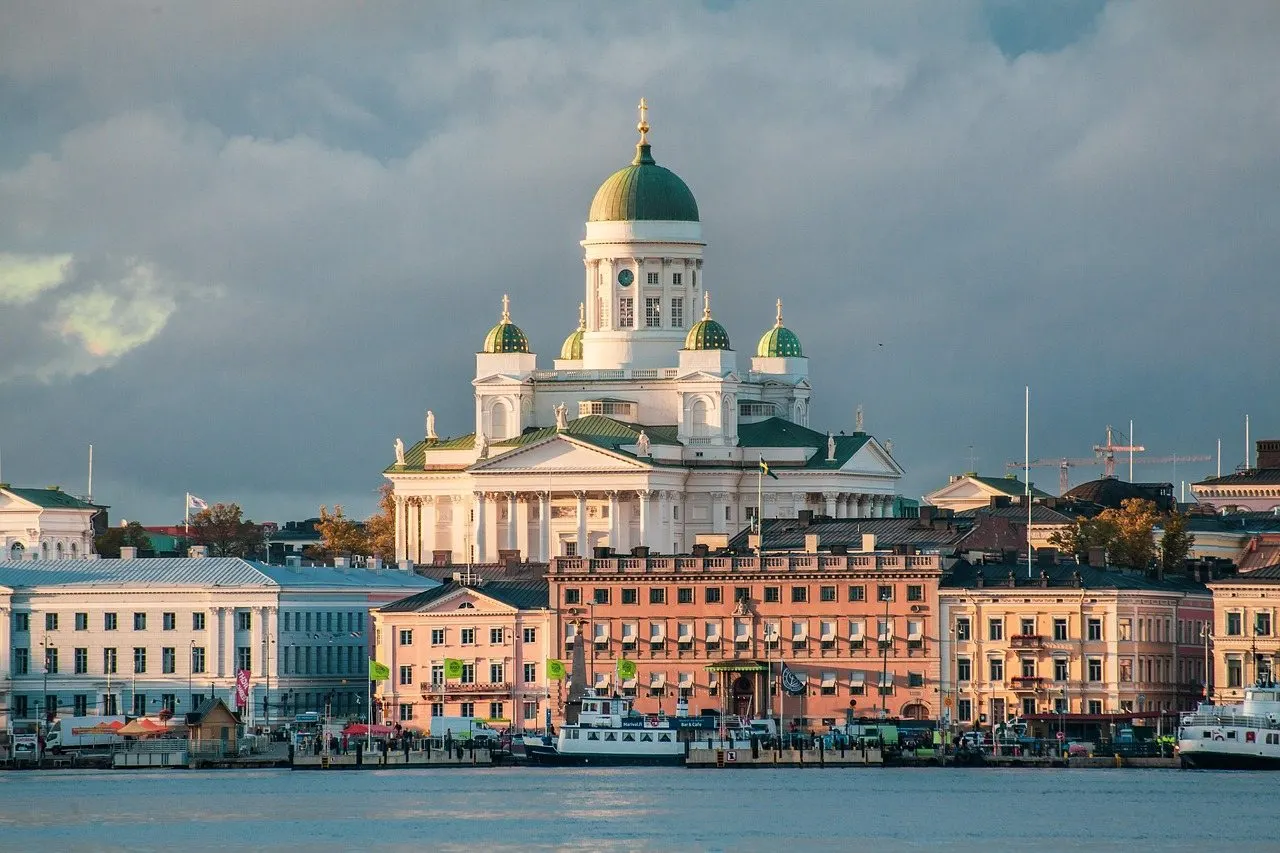
Sweden was not the first Nordic country to test the idea. Finland ran its own basic income trial, and the references for this story tell a mixed picture. The Guardian reported small employment effects but better wellbeing, and Reuters reported that the trial boosted happiness but did not raise employment. The BBC called the trial flat, and Business Insider reported that Finland was ending the experiment. For a hopeful look at what can come next, read our story about better days ahead.
Why Companies Fear Workers Who Can Say No

The post says leaked lobbying documents show what some companies really think. Employers benefit when workers are desperate, because desperate people accept low pay and poor conditions when the alternative is going hungry. A guaranteed income gives workers the power to refuse a bad job, and that forces companies to offer better pay and fairer treatment. It is not about the cost. It is about who holds the power. For an honest act worth celebrating, read our story about a boy who returned a lost phone.
So Why Isn’t This Everywhere?

If the results were this strong, why is the idea not used more widely? The post points to power, not evidence. Companies and lobby groups that gain from desperate workers have every reason to fight a policy that gives workers a choice. The trial suggests the barrier is not that the policy fails. It is that the policy works for the wrong people, at least in the eyes of those who profit today. For an honest act worth celebrating, read our story about a boy who returned a lost phone.
What Do You Think About Sweden Basic Income?
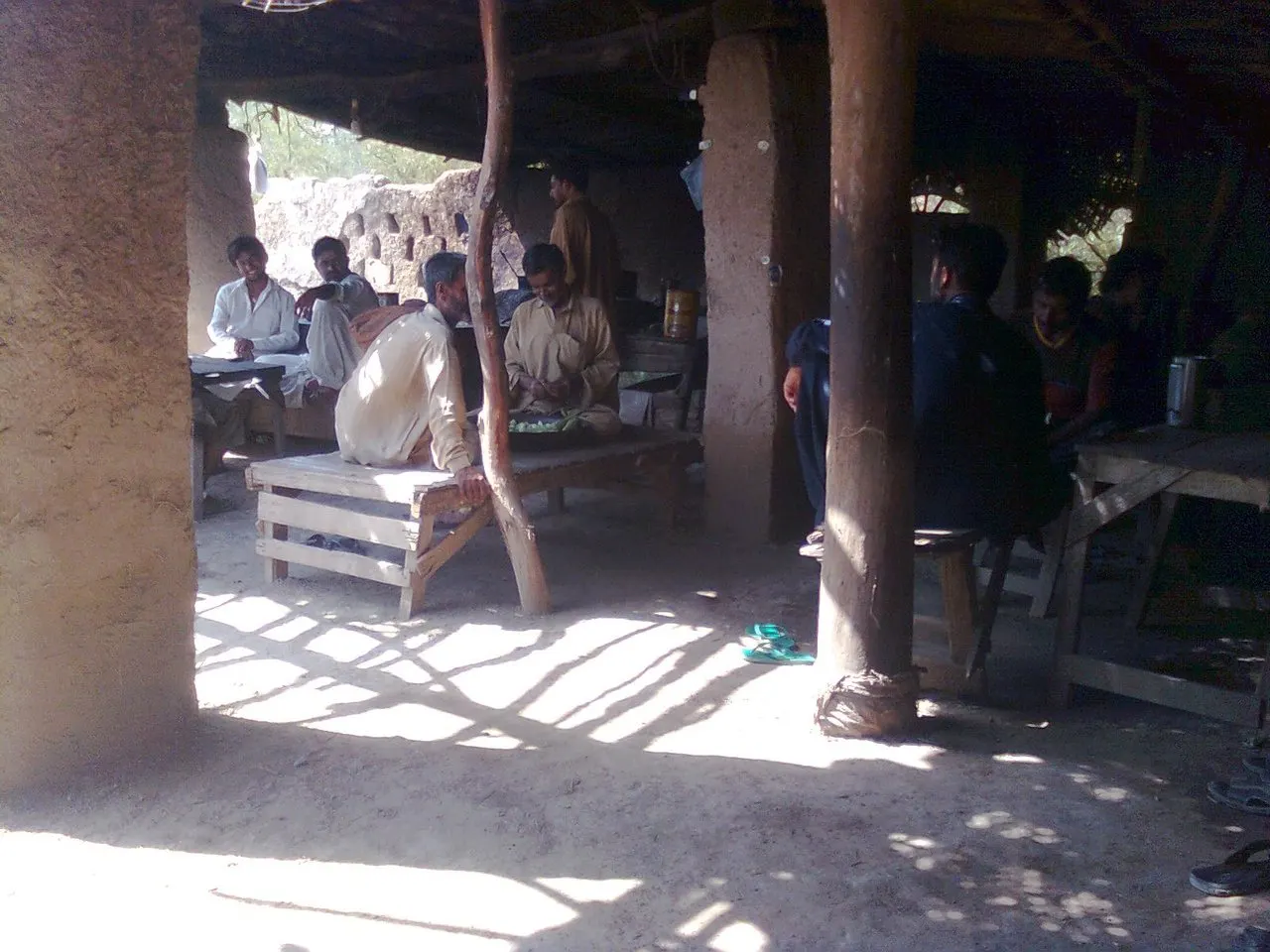
We have walked through the whole trial, from the bold promise to the numbers that surprised the critics. Employment rose, hospitalizations fell, crime dropped and children did better at school. The question now is what you think. Would a guaranteed income work in your country, or cause problems the trial missed? Share your thoughts in the comments below, and tell us what you would do with $1,800 a month and no strings attached. For a hopeful look at what can come next, read our story about better days ahead.