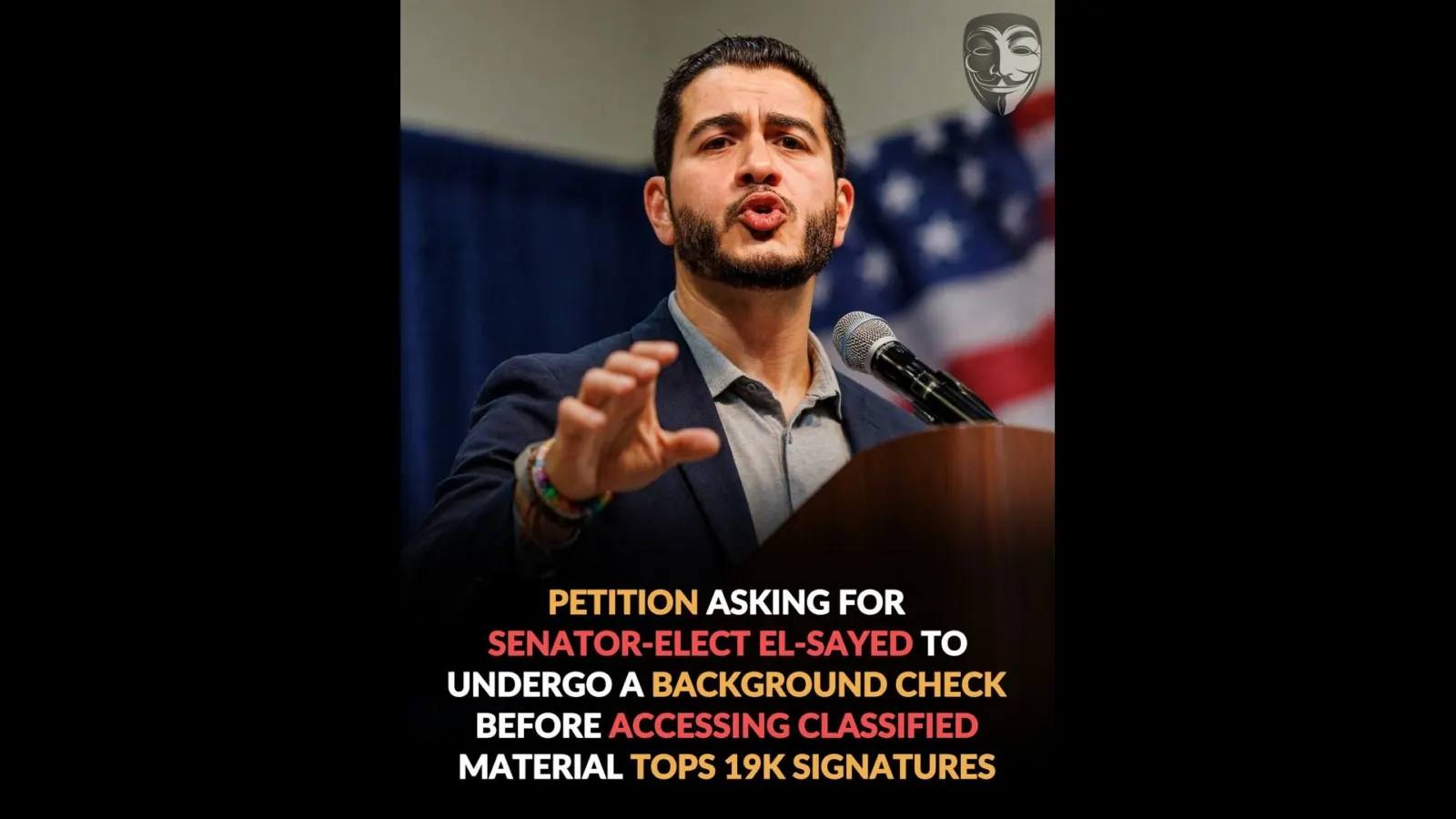
The El-Sayed Petition Tops 19,000 Signatures
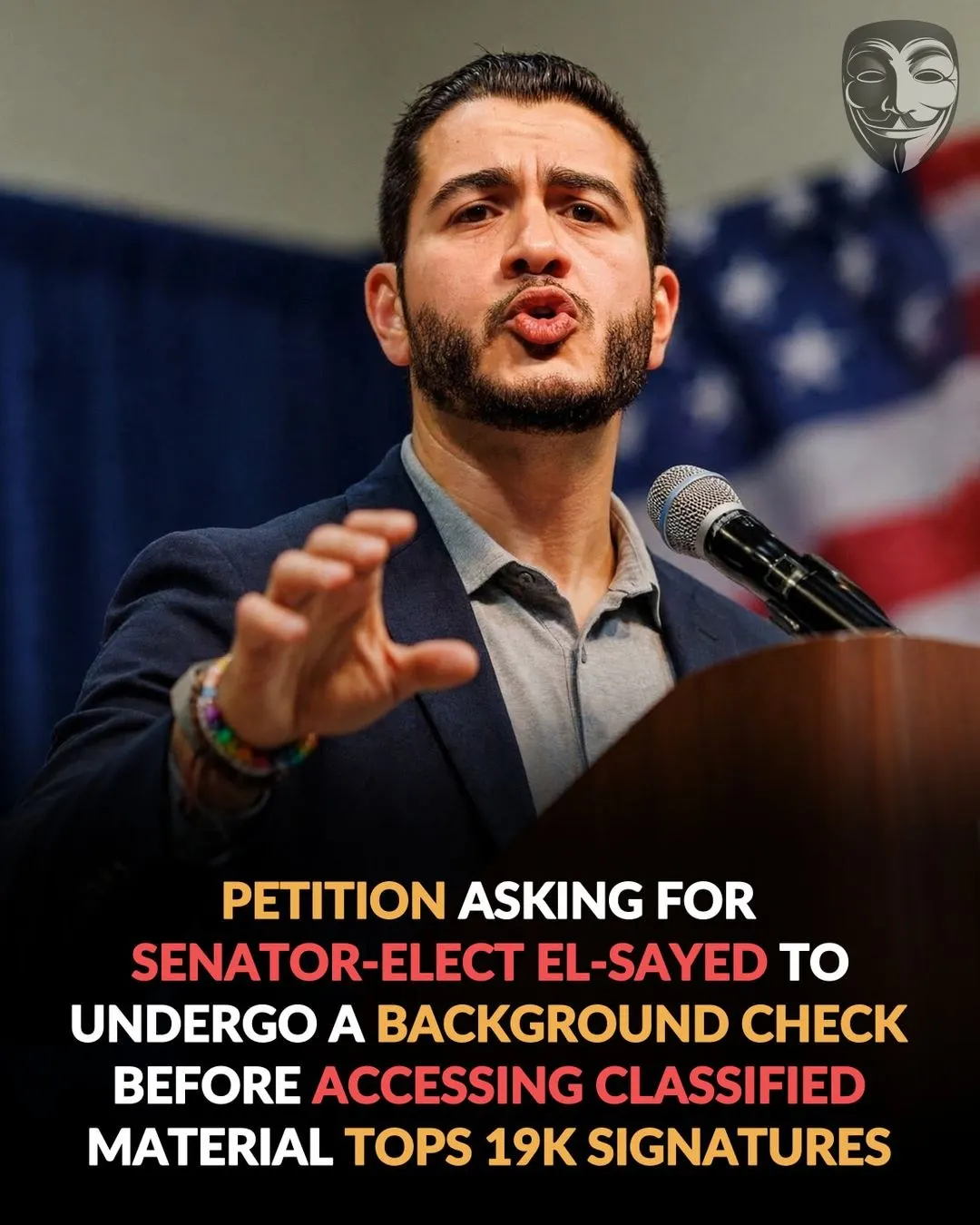
The El-Sayed petition began with a simple demand from a well known Washington voice. Former White House press secretary Sean Spicer started the petition on November 9, 2026, asking Michigan Senator-elect Abdul El-Sayed to complete a full background investigation before he sees classified material. The petition also asks Senate leaders to keep the new senator off three key committees and out of classified briefings until that review is done. More than 19,000 people signed within days. For more on Senate fights, read a Senate clash over a high profile meeting.
Spicer says the request is about national security and fair vetting. He points out that millions of soldiers and civil servants complete the same kind of background check before they handle secrets, and he believes a senator should meet the same standard. Supporters say the fast growth of the petition shows that many Americans agree with him. In the slides ahead, we look at what the petition asks, how the signature count grew, and what Senate leaders may do next. For more on the wider debate, read a fight over the next Senate leader.
References:
Conservative HQ: Sign the Petition Keep Muslim Democrat Senator-elect El-Sayed Away from Classified Materials
USA Daily: Cory Booker, Sean Spicer’s Petition, and the Constitutional Debate Over Abdul El-Sayed’s Access to Classified Intelligence
USA Daily: Amy Klobuchar, Sean Spicer, and the 34,000-Signature Petition, the Constitutional Dispute Over Abdul El-Sayed’s Access to Classified Intelligence
Daily USA News: More Than 34,000 Signatures and Three Powerful Senate Committees, Sean Spicer’s Petition Puts Abdul El-Sayed and America’s Classified Information Rules Under the Spotlight
Sean Spicer Started the El-Sayed Petition
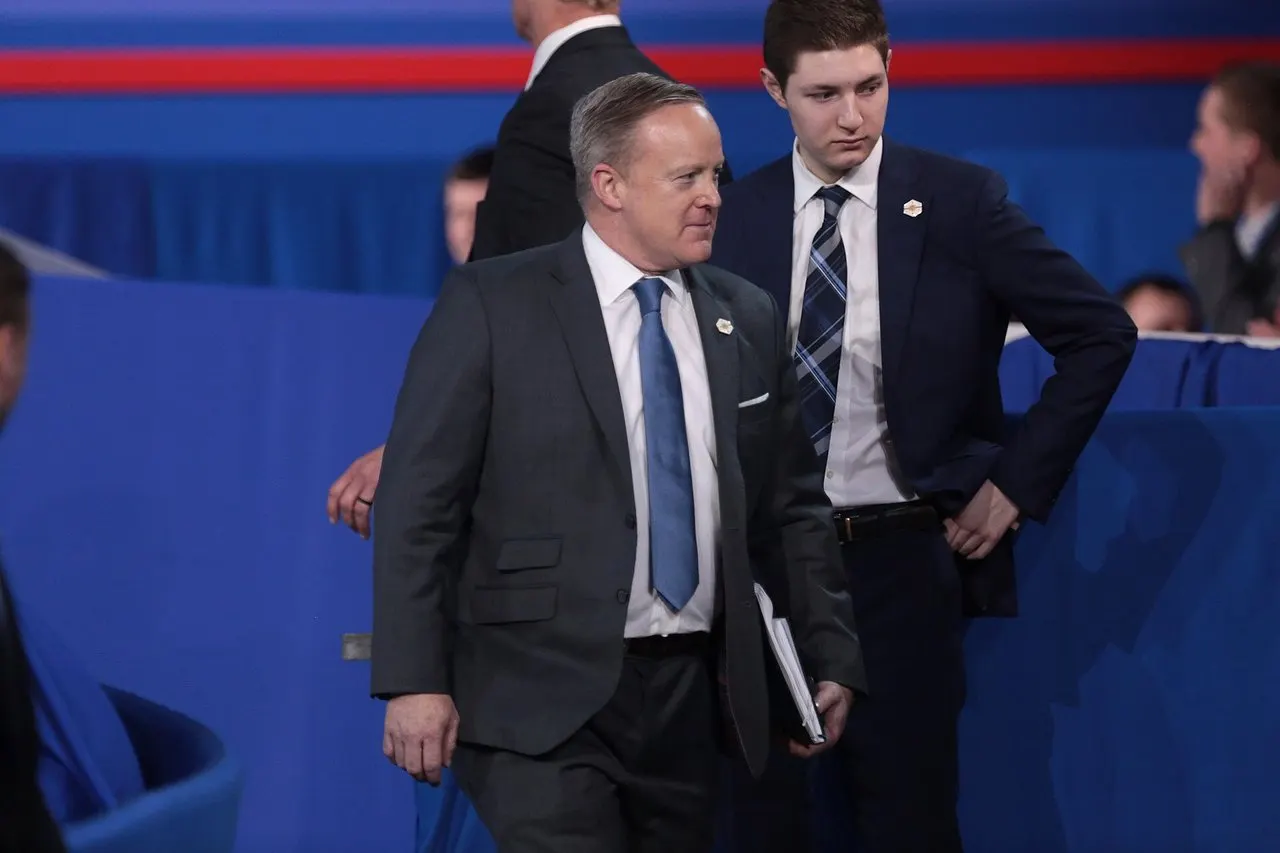
Sean Spicer is a familiar face in American politics. He served as President Donald Trump’s first White House press secretary, and he later became a television host and author. On November 9, 2026, he launched his petition on Change.org under the title Keep Senator-elect El-Sayed Away from Classified Materials. The page asks El-Sayed to volunteer for a federal background review. Spicer has said for years that he holds a security clearance himself and knows how the process works. For more on Washington, read a push for secret files to be released.
What the El-Sayed Petition Asks For

The petition asks for one clear step before anything else happens. It calls on El-Sayed to complete Standard Form 86, known as the SF-86, which is the long questionnaire used in federal background investigations. The form asks about jobs, homes, travel, money and contacts. Investigators then check those answers and talk to people who know the applicant. Until that review is finished, the petition asks Senate leaders to keep El-Sayed off key committees and out of classified briefings. For more on Washington, read a former adviser who broke with Trump.
The El-Sayed Petition Passed 23,000 Names
The first big milestone came fast. Within days of its launch, the petition passed 19,000 signatures, a number that put it on the front pages of conservative news sites. The count kept rising from there, and Spicer reported more than 23,000 signatures by November 19. Each new milestone brought fresh coverage and more names. For a petition started by one man, the pace surprised even people who follow online campaigns closely. For more on Washington, read a meeting that split America from its allies.
From 19,000 to More Than 34,000 Signatures

The numbers kept moving up week after week. After passing 25,000 signatures, the campaign crossed 30,000, and by November 26 the Change.org page showed more than 34,000 verified signatures. One report put the count at 32,993 on a Tuesday morning, and the goal listed on the page was 35,000. The steady climb showed that interest in the story was not fading. Each update gave supporters a new reason to share the link with friends. For more on Washington, read a silent shrug in Berlin.
Why the El-Sayed Petition Grew So Fast

Why did so many people sign so quickly? Part of the answer is the simplicity of the ask. The petition does not ask for a new law or a long process. It asks one man to take a test that millions of other Americans already take. That plain message is easy to explain and easy to share. News coverage and social media posts then carried it further, and every new signature made the next one more likely. For more on Washington, read a senator who praised the meeting.
What Classified Material Really Means
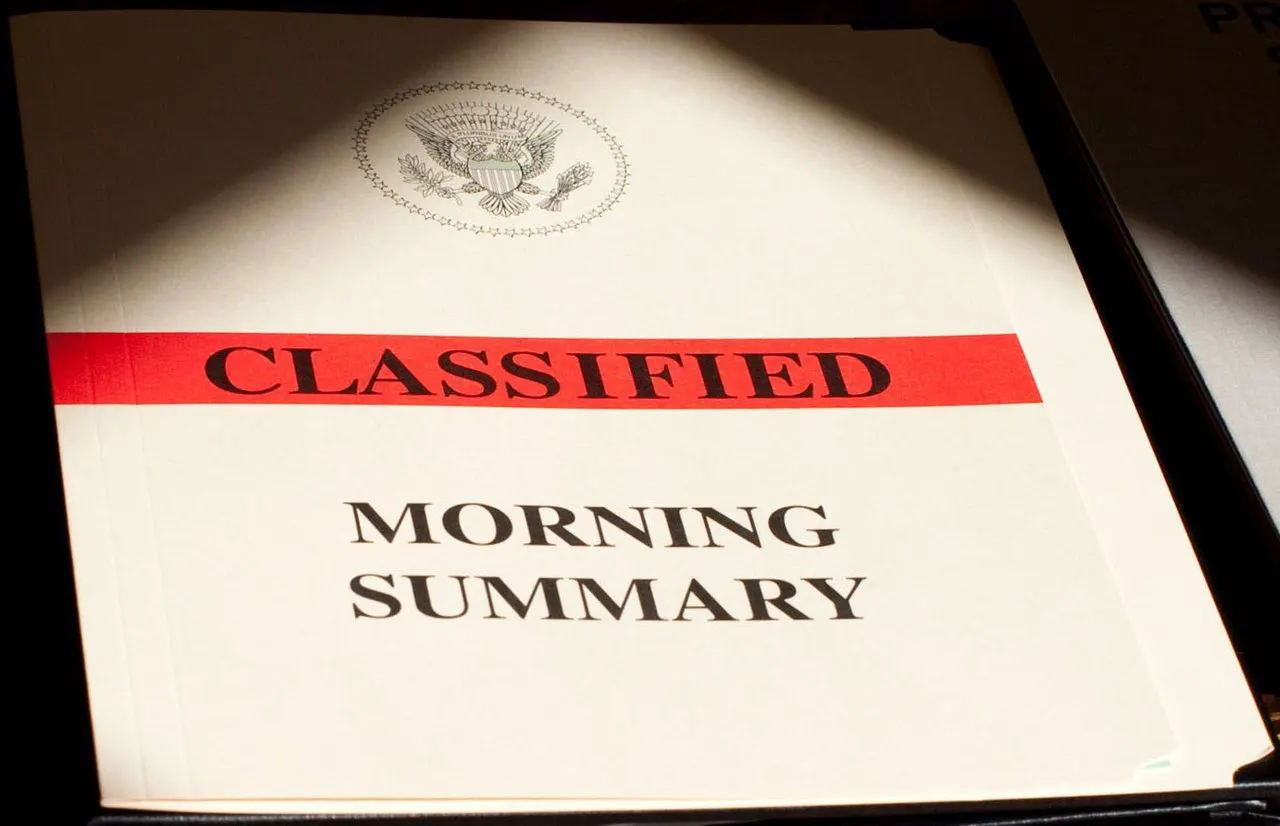
Classified material is not ordinary government paperwork. It covers military plans, intelligence reports and diplomatic messages that could harm the country if they reached the wrong hands. Access is limited to people with a clear need to know, and the rules are strict. Senators sit at the top of that system because they vote on war, peace and spending. That is why the question of who sees these papers matters so much. For more on Washington, read a call for a cabinet official to go.
Inside the Three Powerful Committees
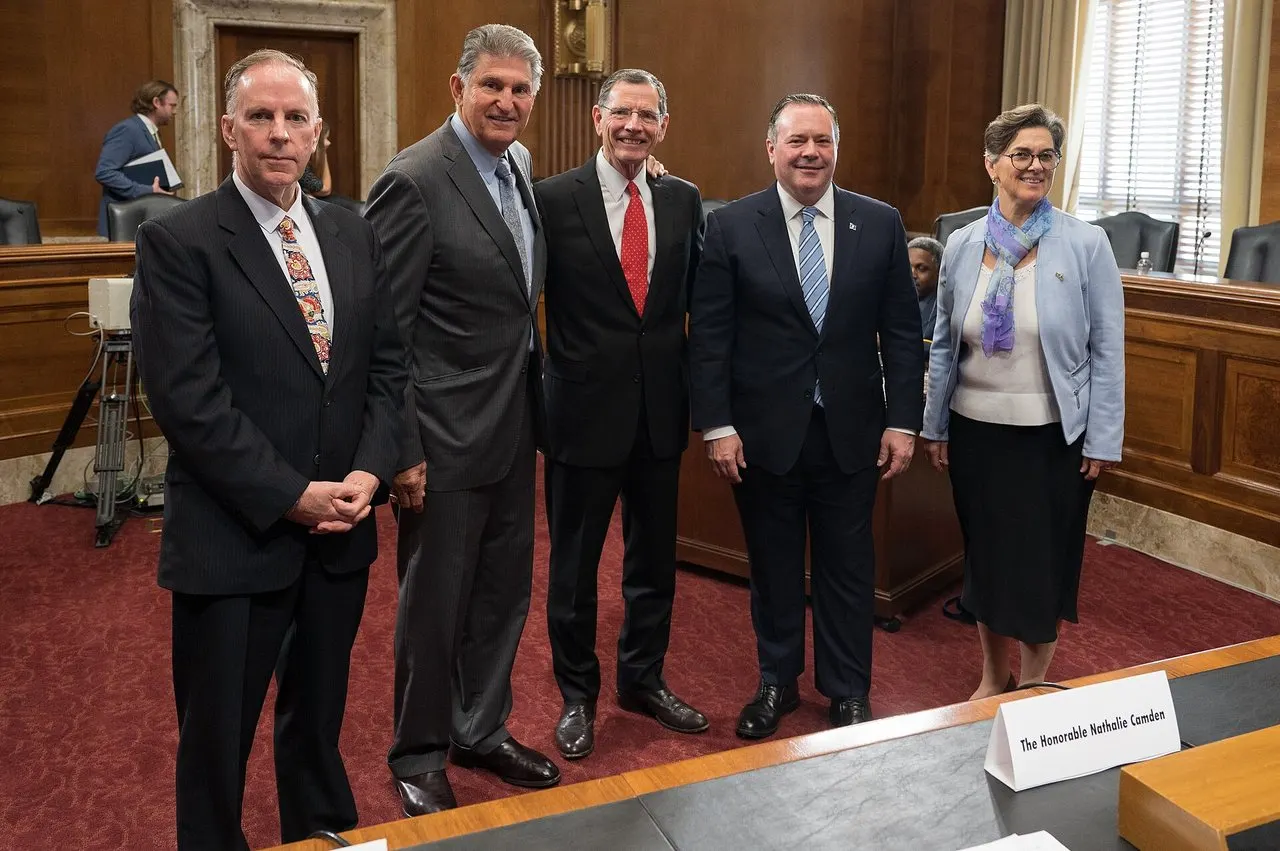
The petition names three Senate committees by name. They are the Intelligence Committee, the Armed Services Committee and the Foreign Relations Committee. Each one deals with secrets on a regular basis, from spy programs to weapons to talks with other nations. Members of these panels receive briefings that other senators never see. Spicer argues that El-Sayed should stay off all three until his background review is complete. For more on Washington, read a robot that may outnumber people.
The El-Sayed Petition and the SF-86 Form

The SF-86 is the form at the center of this story. It is a detailed questionnaire that federal workers fill out when they seek a security clearance. It asks for years of history on jobs, addresses, travel, debts and foreign contacts. Investigators verify the answers, interview friends and employers, and flag anything that needs a closer look. Spicer says El-Sayed should complete this same form voluntarily before he handles secrets. For more on Washington, read a rare Treasury bill sale.
How a Background Check Works
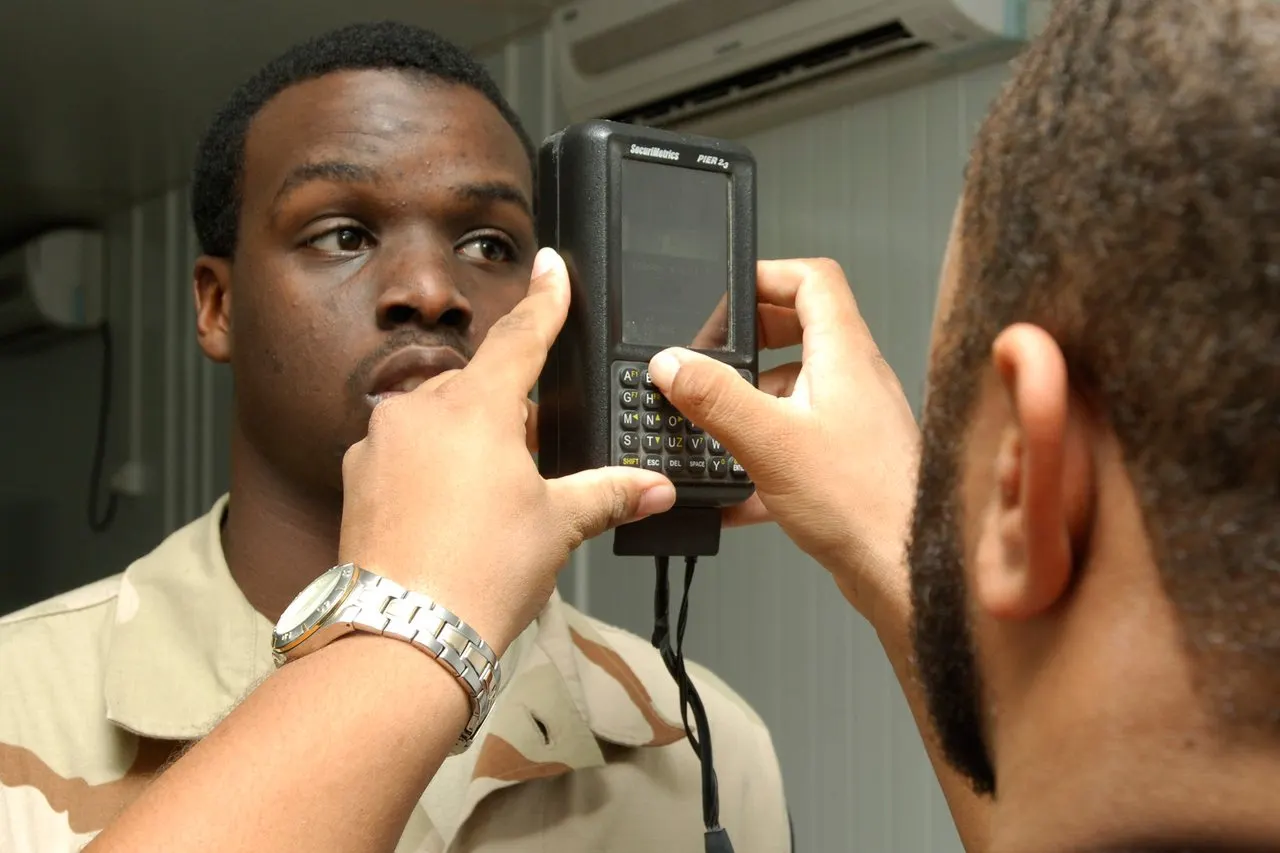
A background check is not a single test. It is a slow review of a whole life. Investigators start with the SF-86 and then check court records, credit reports and employment history. They speak with neighbors, teachers and former bosses. The goal is to find risks such as debt, foreign ties or secrets that could be used as pressure. Most applicants pass, and the process is a normal part of work in national security. For more on Washington, read a warning about robots and toys.
Senate Leadership Holds the Decision
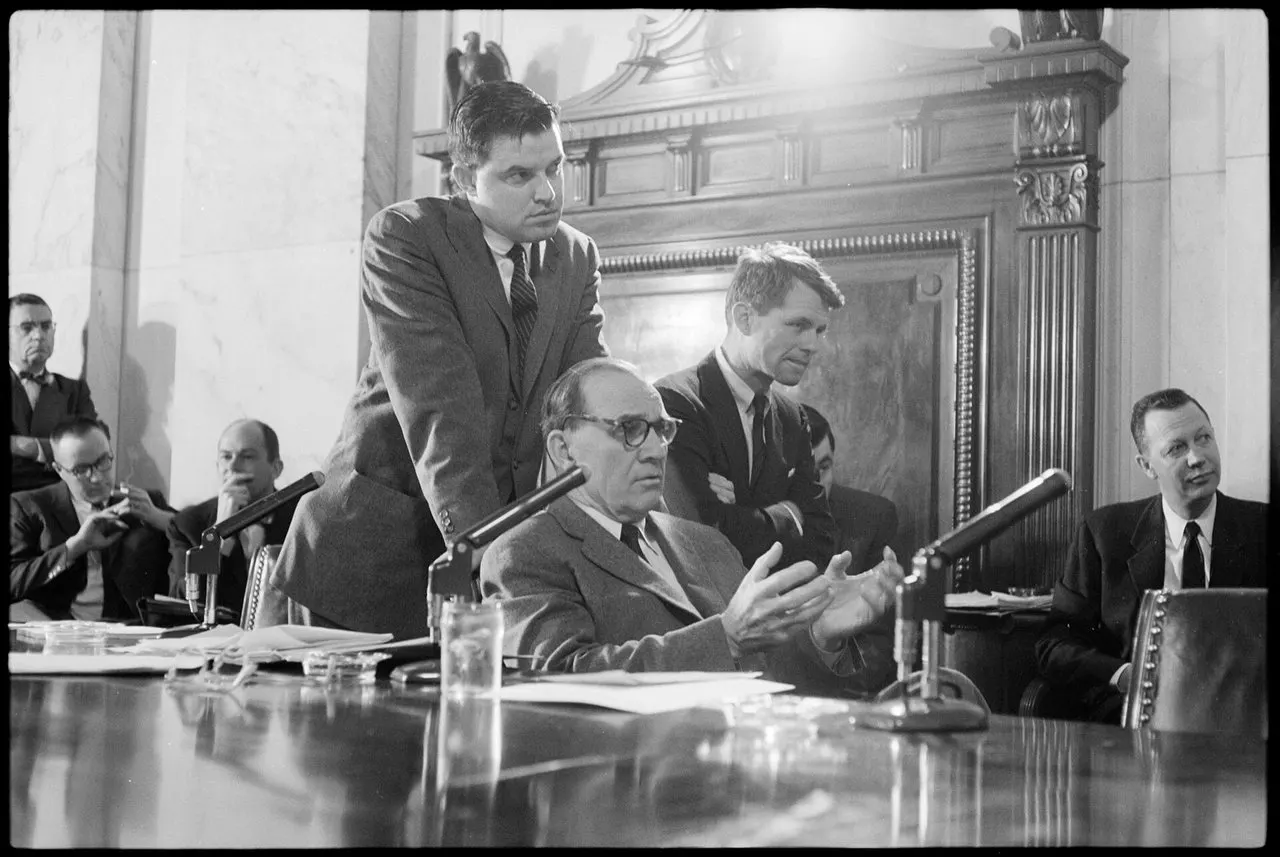
In the end, the decision sits with Senate leadership. Committee seats are handed out by party leaders, not by voters, and leaders can shape who sits where. The petition is aimed squarely at them. It asks them to hold El-Sayed off sensitive panels until he completes his review. Leaders have not yet said what they will do, and that silence is part of why the story keeps growing. For more on Washington, read a gorilla with pink and white fingers.
The Constitutional Debate Over Access

The debate touches a deep question in American law. Senators are elected by voters, and the Constitution gives Congress wide power over its own members. Supporters of the petition say extra vetting is common sense when secrets are involved. Critics ask whether one elected official can be singled out for a test that others never face. The clash between security and equal treatment is at the heart of the argument, and both sides say the stakes are high. For more on Washington, read a hologram at airport security.
Cory Booker and the El-Sayed Petition
Senator Cory Booker is one of the prominent Senate names tied to the coverage of this debate. A USA Daily report on the petition puts Booker at the center of its account of the constitutional questions around El-Sayed and classified intelligence. Booker has long been a leading voice in the Senate, and his name in the story shows how far the debate has traveled. It is no longer a small online campaign but a question that reaches the whole chamber. For more on Washington, read a dog that followed a camera car.
Amy Klobuchar and the 34,000 Signatures

Senator Amy Klobuchar is the other big name in the coverage. A second USA Daily report frames the dispute around Klobuchar, Spicer and the petition, which had passed 34,000 signatures by the time the report appeared. Klobuchar is a senior member of the Senate who has worked on many national security issues. Her name in the story underlines that the petition has become part of a wider Senate conversation. For more on Washington, read an actress on sacred rage.
The El-Sayed Petition Names Three Committees
Three committees keep coming up in this story, and each one matters. The Intelligence Committee oversees spy agencies and secret programs. The Armed Services Committee handles the military and its budget. The Foreign Relations Committee deals with treaties and talks with other nations. A senator on any of these panels sees material that stays hidden from most of the public, which is why Spicer named all three. For more on Washington, read a journey of faith.
National Security Is the Heart of the Argument

National security is the core of Spicer’s case. He argues that secrets are only safe when every person who sees them has been checked first. Soldiers, spies and clerks all go through the same review, and he sees no reason a senator should skip it. Supporters echo that point, saying the rule should apply to everyone in the same way. For them, the petition is a matter of fairness as much as safety. For more on Washington, read a Senate clash over a high profile meeting.
Why Thousands Signed the El-Sayed Petition

Thousands of ordinary people signed because the message felt personal to them. Many have served in the military or worked in government, and they remember their own background checks. Others simply believe that classified material deserves care. The petition gave them a quick way to say so. Each signature added weight to the request, and the growing total turned a single voice into a crowd that leaders could not ignore. For more on Washington, read a push for secret files to be released.
How an Online Petition Builds Momentum

Online petitions have changed how the public speaks to power. A campaign can start with one page and reach millions of people in days. Signers add their names with a click, and the running total is public for all to see. That open count creates momentum, as each milestone draws news stories and new signers. Spicer’s petition used that pattern well, turning a simple request into a national talking point. For more on Washington, read a former adviser who broke with Trump.
Michigan Sent El-Sayed to the Senate

El-Sayed won his seat in Michigan, a state with a long history of close and hard fought elections. Voters there chose him to represent them in the United States Senate, and he now prepares to take his oath and begin his term. The petition does not challenge his election. It asks only for a background review before he takes part in the most secret work of the Senate, a step his supporters say should come first. For more on Washington, read a meeting that split America from its allies.
The El-Sayed Petition and the Senate Calendar

The Senate calendar now matters as much as the petition itself. New senators take their seats at the start of the term, and committee assignments are settled in the weeks around that date. Leaders must decide who serves on each panel, and those choices set the tone for the next two years. The petition aims to shape that choice before it is made, while the assignments are still open and the window has not yet closed. For more on Washington, read a silent shrug in Berlin.
Inside a Classified Briefing
A classified briefing is a closed door meeting where senators hear secrets. Phones are left outside, notes are limited, and the material stays in the room. Briefers explain threats, operations and intelligence that the public may never see. Senators who attend must be trusted to keep that information safe. The petition argues that this trust should be earned through a background review before the first briefing begins. For more on Washington, read a senator who praised the meeting.
Washington Reacts to the Petition

Washington has reacted to the petition with a mix of praise and pushback. Supporters call it a simple demand for fairness. Critics call it an unfair test aimed at one man. News outlets have covered the rising signature count, and the story has spread across social media. The debate shows no sign of cooling down, and each side believes the public is on its side. For now, the petition keeps growing while the argument plays out in public. For more on Washington, read a call for a cabinet official to go.
What the Numbers Say About Public Support
The numbers tell their own story. The petition passed 19,000 signatures in its first days, then 23,000 by November 19, and more than 34,000 by November 26. Its goal stands at 35,000. Those figures are platform counts, not votes, but they show real public interest. Supporters point to the steady climb as proof that the request has broad backing, and they say leaders should pay attention to that signal. For more on Washington, read a robot that may outnumber people.
Two Sides of a Sharp Debate

The debate around the petition is sharp. One side says a background check is a normal step that protects the country. The other side says elected officials answer to voters, not to extra tests. Both sides raise fair points, and the argument has drawn in senators, reporters and ordinary citizens. What began as a single online page is now a full public debate about security, fairness and power. For more on Washington, read a rare Treasury bill sale.
The Spotlight Falls on the El-Sayed Petition

The spotlight now falls on Senate leaders. They must decide whether to act on the petition, ignore it, or find a middle path. Their choice will shape how the Senate handles vetting for years to come. Until they speak, the petition keeps gathering names, and the pressure keeps building. The next move belongs to them, and the whole country is watching to see what they do. That is why this story is far from over. For more on Washington, read a warning about robots and toys.
What Happens If the El-Sayed Petition Succeeds
If the petition succeeds, El-Sayed would complete the SF-86 and face a full background review. He would stay off the three named committees and out of classified briefings until the review ends. Supporters say that would set a clear standard for every new senator. Critics warn it could open the door to new tests for elected officials. Either way, the result would be a first, and it would be watched closely. For more on Washington, read a gorilla with pink and white fingers.
What Would You Ask About This Petition?

This story raises a question for every reader. Should a new senator complete a background check before seeing classified material, or should voters have the final say? There is no easy answer, and good people disagree. What do you think? Share your view in the comments below and tell us whether you signed the petition or would sign it today. Your voice matters in this debate, and we want to hear it. For more on Washington, read a hologram at airport security.