City-Run Supermarkets Are Coming to Every New York Borough
City-run supermarkets are the heart of Mayor Zohran Mamdani’s plan to make food affordable in the city, and the idea took center stage when he sat down with New York Times columnist Andrew Ross Sorkin at the DealBook Summit. Sorkin pressed him on the numbers, noting that grocery stores earn only 1 to 4 percent, and asked how the city could sell food at a 30 percent discount. Mamdani said the stores would be cheaper, not free, and the city would cover the gap. See also the plan to close Rikers Island by 2032.
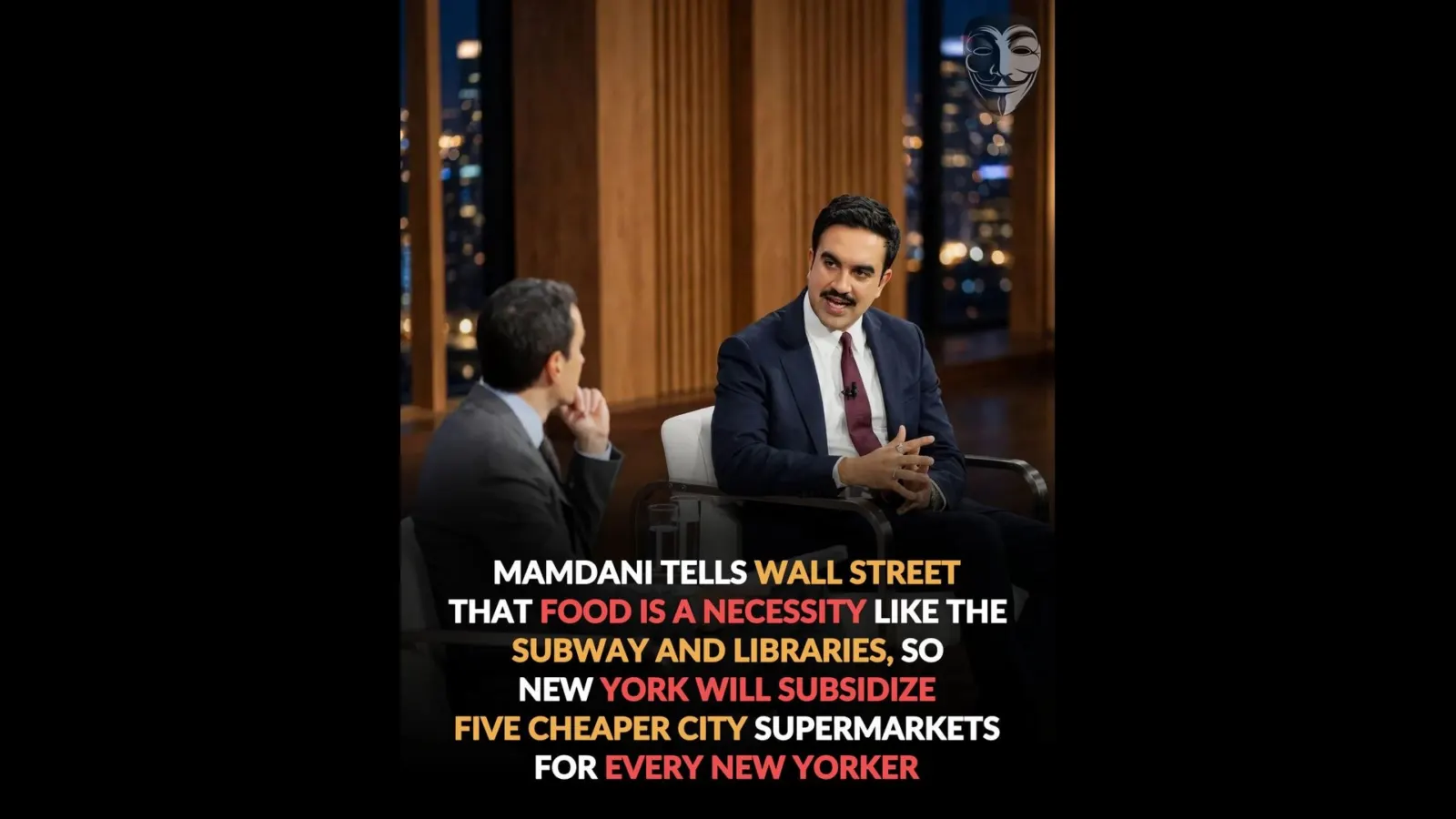
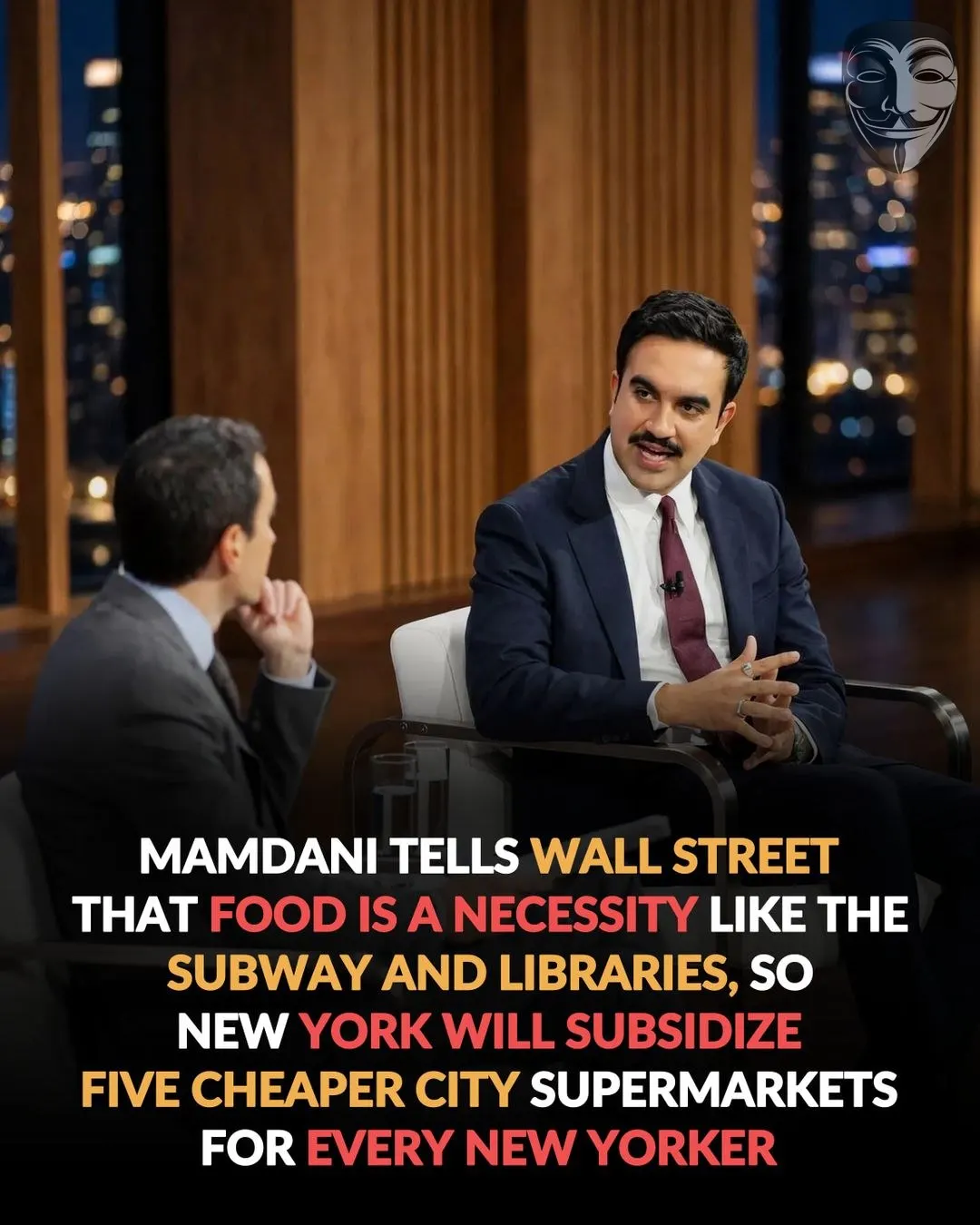
Mamdani told Sorkin that food belongs on the same list of necessities as the subway, public schools, libraries and sanitation, because nobody can live without it. He pointed to the lines at food pantries that keep growing every day, and he said the five stores are for every New Yorker, not one group. In the slides ahead we look at the summit exchange, the five store plan, the court fight and what happens next for shoppers across the five boroughs. See also the mayor’s other big plan for Rikers Island.
References:
Free Markets Report: Mamdani’s City-Run Grocery Stores Just Cleared Court. The Math Never Did.
NOTICE News: Cheap groceries aren’t bad for business. They’re bad for greed.
City Journal: At the DealBook Summit, Mamdani Came Up Short
Gateway Pundit: Mamdani is Asked to Simply Explain the Math Behind His City-Owned Grocery Stores and He Can’t Do It
The DealBook Stage Where the Fight Began

Ever since he took office as the first Democratic Socialist mayor of New York City, Zohran Mamdani has faced doubt from the monied classes, who feared he would lead the city down a path to fiscal ruin. His early months calmed at least some of those fears, yet his progressive ideas can still sound foreign to Wall Street types, as if the two sides speak different languages. A perfect example came at the DealBook Summit in November, when he sat down with Andrew Ross Sorkin. See also a warning that dishonor will remain.
Sorkin Asked About the 1 to 4 Percent Margin
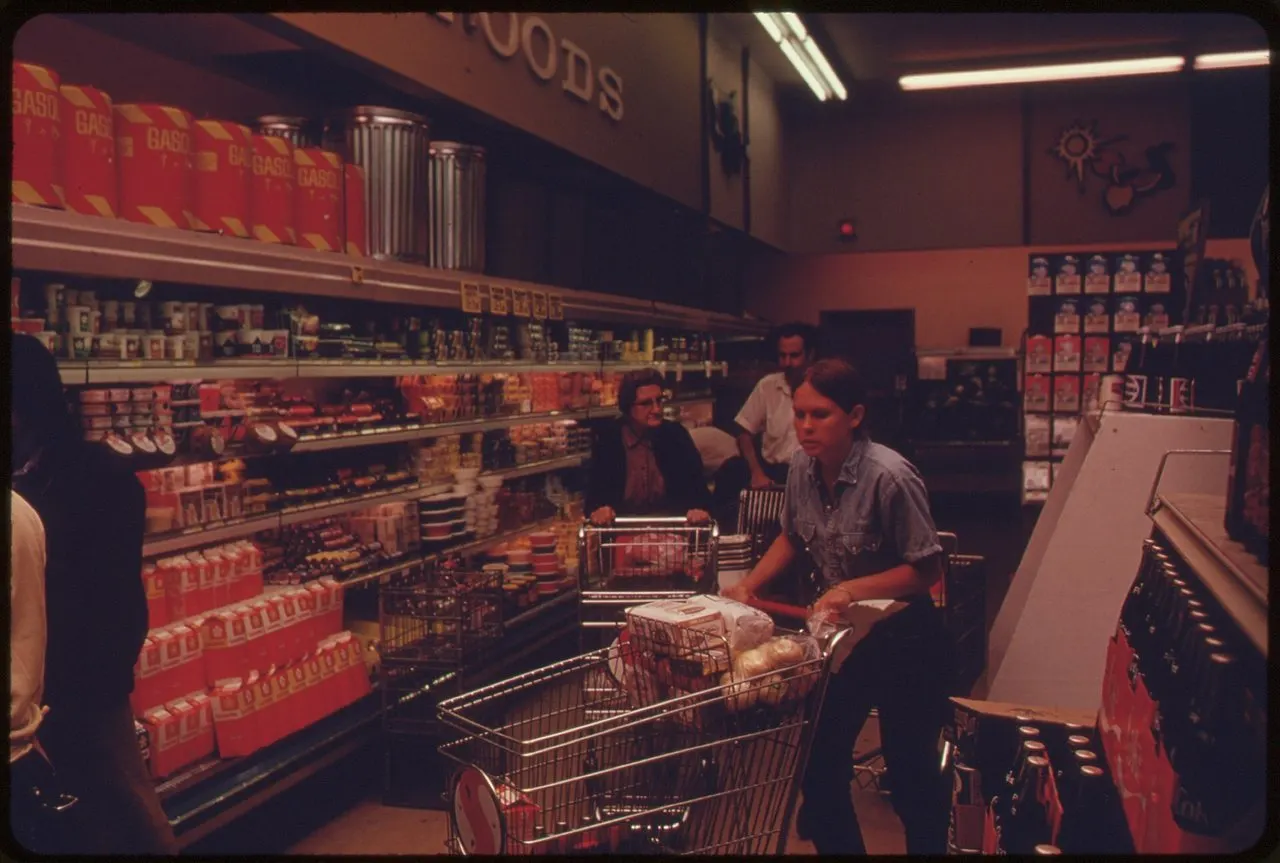
Sorkin opened the supermarket part of the interview with a simple line. He said he wanted to talk about supermarkets, and Mamdani answered with a smile, telling him to come on. Then Sorkin laid out the problem in plain numbers. Grocery stores typically earn a margin of only 1 to 4 percent, he said, yet the mayor plans to sell food at a 30 percent discount. He asked Mamdani to walk through the math and explain how the plan could work at all. See also a call for grace inside the caucus.
It Is Going to Be Subsidized
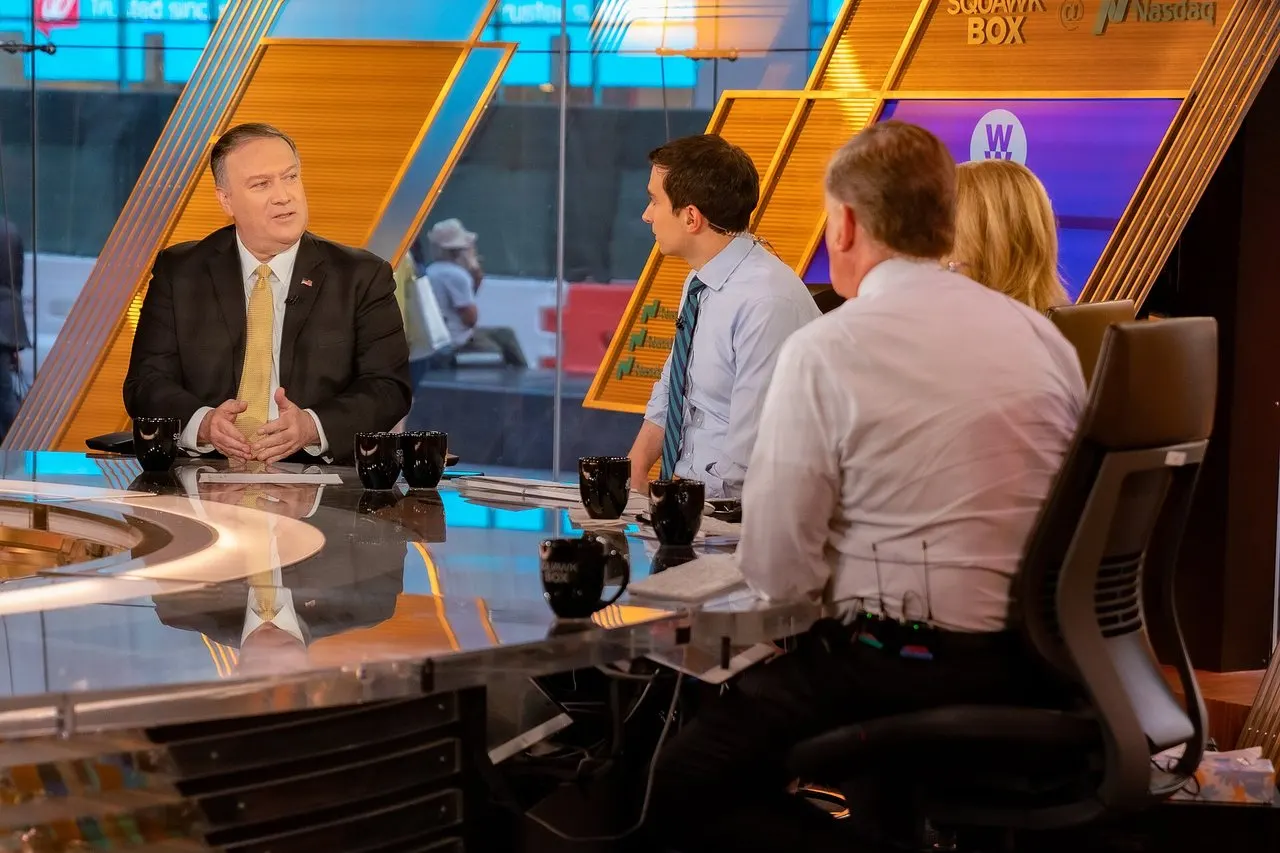
Mamdani did not try to answer with a spreadsheet. He took a step back and talked about what society calls necessary. When society deems something necessary for the public, he said, then we subsidize its creation and its operation. His most quoted line was short and plain. It is going to be subsidized, he told Sorkin. The stores are not free supermarkets, which is often how they are described. They are cheaper supermarkets, and the city will pay the difference. See also machines that may shape tomorrow.
City-Run Supermarkets in All Five Boroughs

The plan calls for five city-run supermarkets, one in each of the five boroughs, so that no part of the city is left out. The first store is set to open toward the end of 2027 in the Bronx, and the mayor plans to have all five stores open by the end of 2029. That timeline gives the city time to build the stores, pick private operators to run them and set the monthly prices for the basket of staples. See also a silent shrug in Berlin.
The First Store Opens in Hunts Point
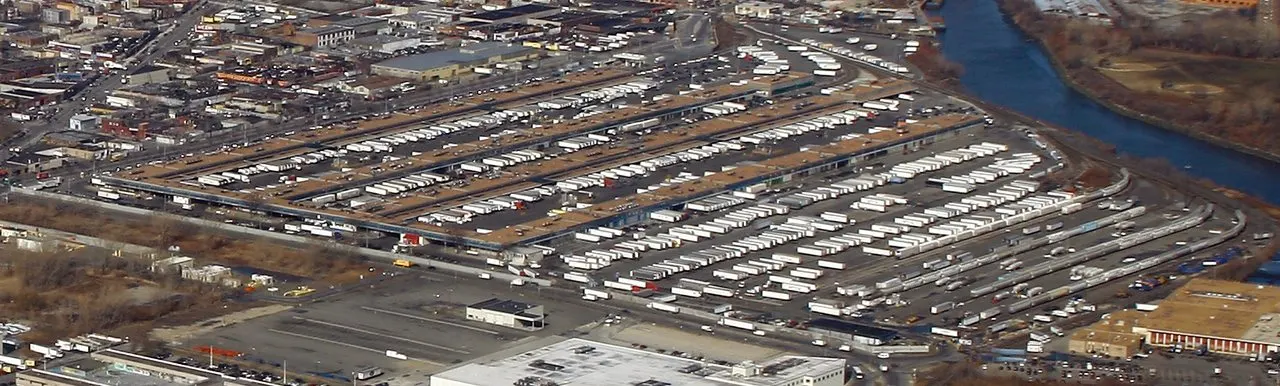
The first of the city-run supermarkets will open at The Peninsula in Hunts Point, in the Bronx, toward the end of 2027. Hunts Point is already home to one of the largest food markets in the country, so the neighborhood knows the grocery business well. The city owns the land there, which means it pays no rent and skips its own property taxes, and that saving is part of how the discount is paid for. See also a deal that forced open the books.
La Marqueta in East Harlem Is Next
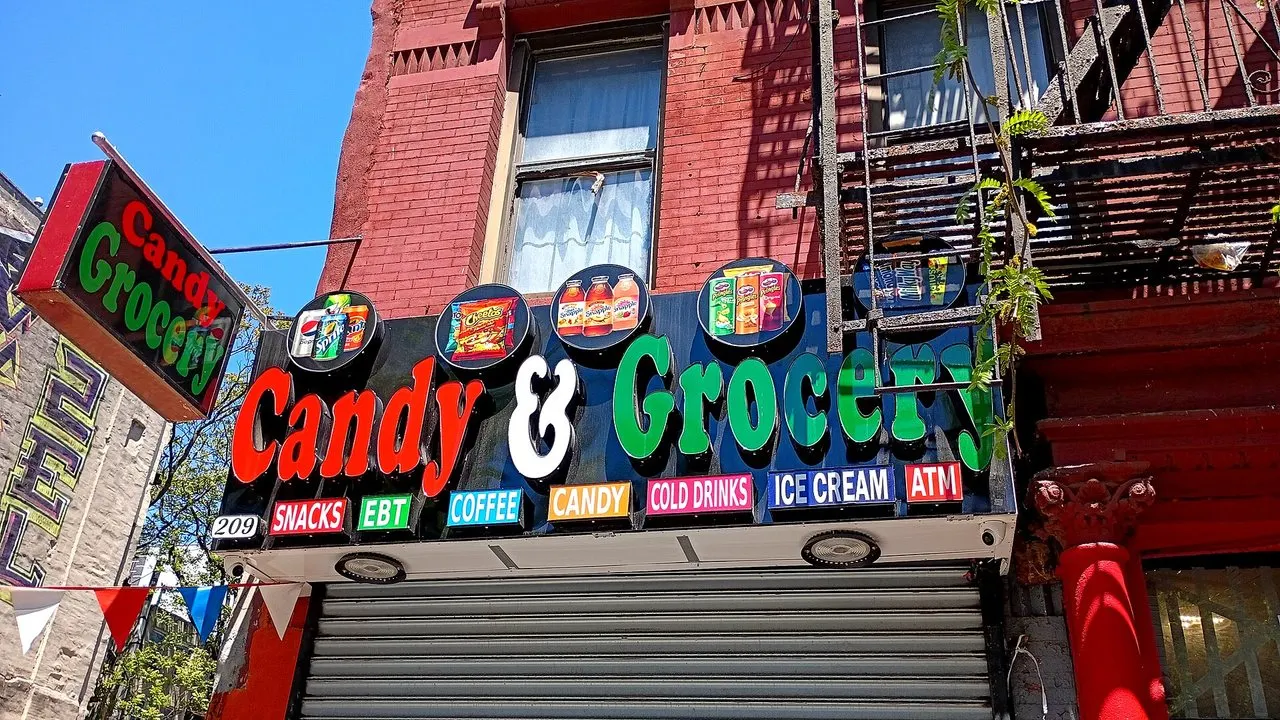
Behind the Bronx store comes La Marqueta in East Harlem, a historic public market that has served the neighborhood for generations. The city has named it as the next site in line, which shows the plan is meant to reach communities that already rely on public markets for fresh food. East Harlem shoppers know the value of a market close to home, and the new store would bring the same idea indoors with lower prices. See also a warning about disappearing messages.
All Five Stores Open by the End of 2029
Mamdani has promised that all five stores will be open by the end of 2029, which is the end of his four year term as mayor. That gives the city about three years to build the stores and get them running, starting with the Bronx and then moving to the other boroughs. The pace matters, because the plan is judged on whether real stores open their doors, not on speeches. See also a beloved actor’s gentle legacy.
City-Run Supermarkets Will Cut Prices by 30 Percent
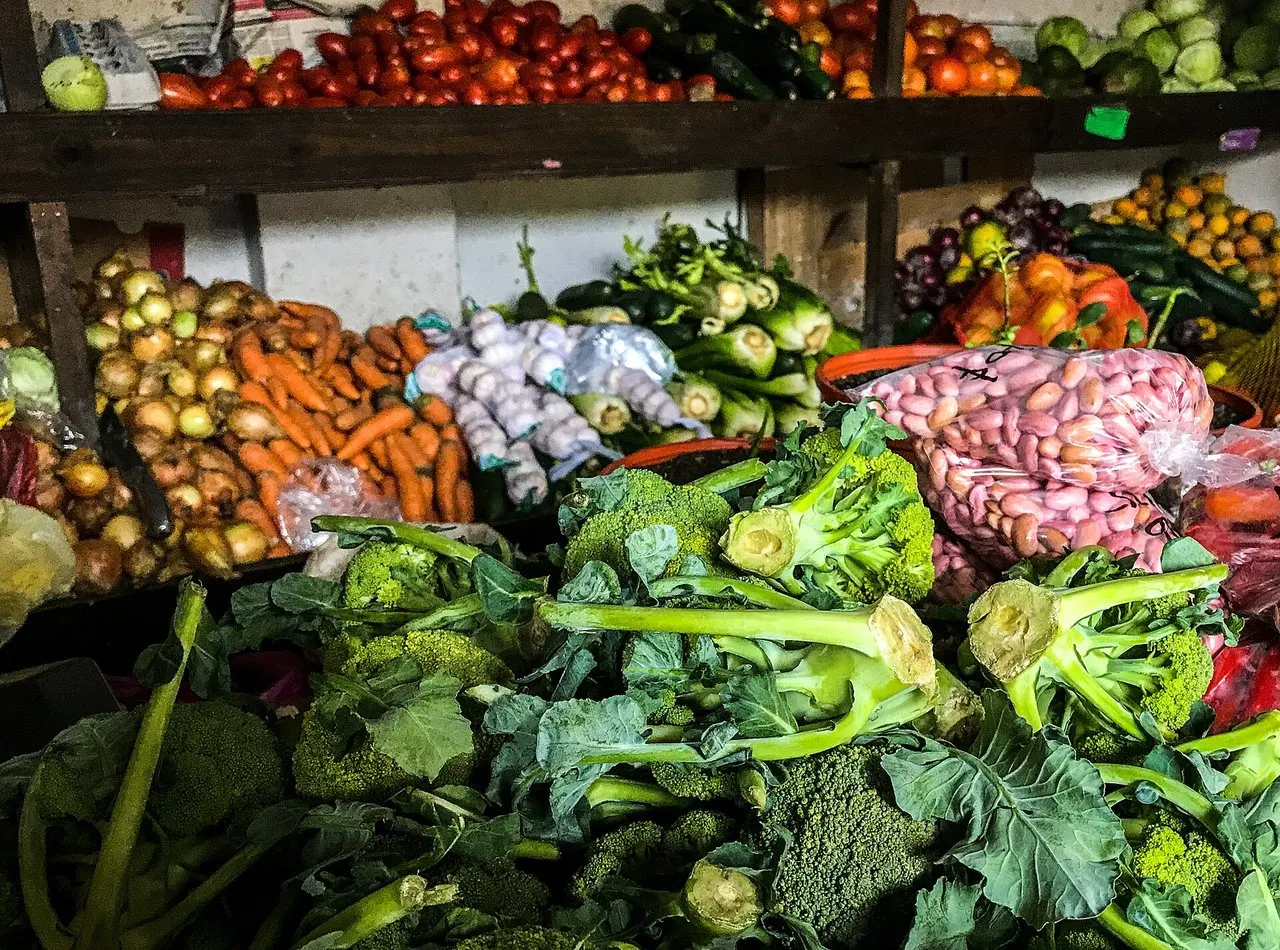
The heart of the plan is a 30 percent discount on a core basket of food. The basket covers all fresh produce, meat and seafood, plus about 20 categories of staples and dairy such as milk, bread, cheese and rice. The discount is the same for everyone who shops there, and the city sets the prices once a month so shoppers know what they will pay. City-run supermarkets will sell the basket at 30 percent below typical New York retail. See also a writer’s warning about toys and power.
Prices Locked for a Whole Month
Once a month the operator will set prices for the core basket, and those prices will hold for the whole month. That monthly lock is meant to give shoppers a steady price they can plan around, instead of prices that jump from week to week. The basket stays at 30 percent below typical retail for the full month, which the mayor says adds up to real money for families who buy food every week. See also the plan to close Rikers Island by 2032.
City-Run Supermarkets Are for Every New Yorker
The discount is not means tested, which means a hedge fund manager pays the same sticker price as a home health aide. Mamdani said the stores are for every New Yorker, not one group, because he wants the public sector to be so good that even the wealthiest New Yorkers choose to use it. That idea runs through the whole plan. Good public services should be for everyone, and everyone should want to use them. See also a warning that dishonor will remain.
What the Stores Will Not Sell
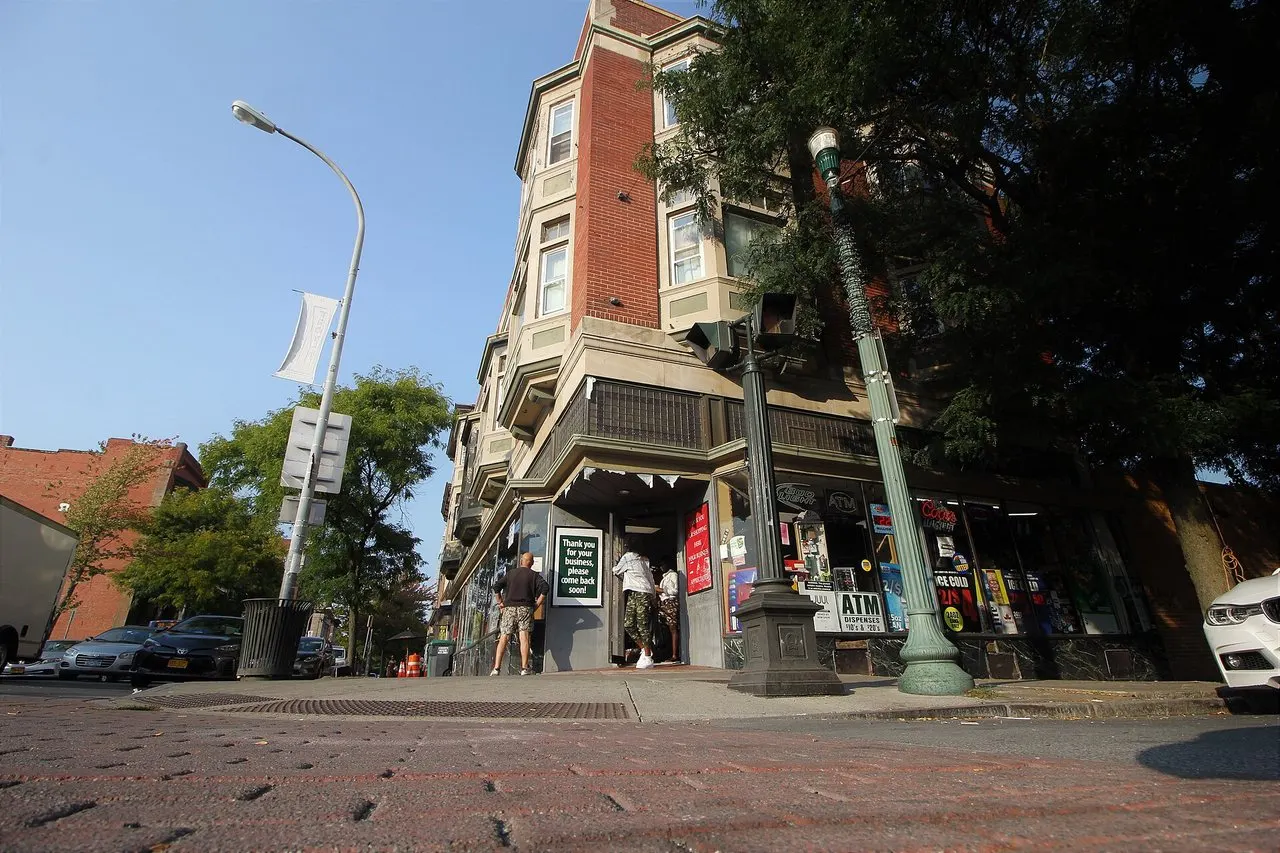
The city-run stores will not sell hot food, beer, cigarettes, alcohol or lottery tickets. Mamdani made that choice so the public stores do not take the most profitable business away from private shops and corner bodegas. The stores will stick to groceries and staples, which is where the discount helps families most. Bodegas and private grocers keep the items that keep their own businesses alive. See also a call for grace inside the caucus.
The City Committed 70 Million Dollars
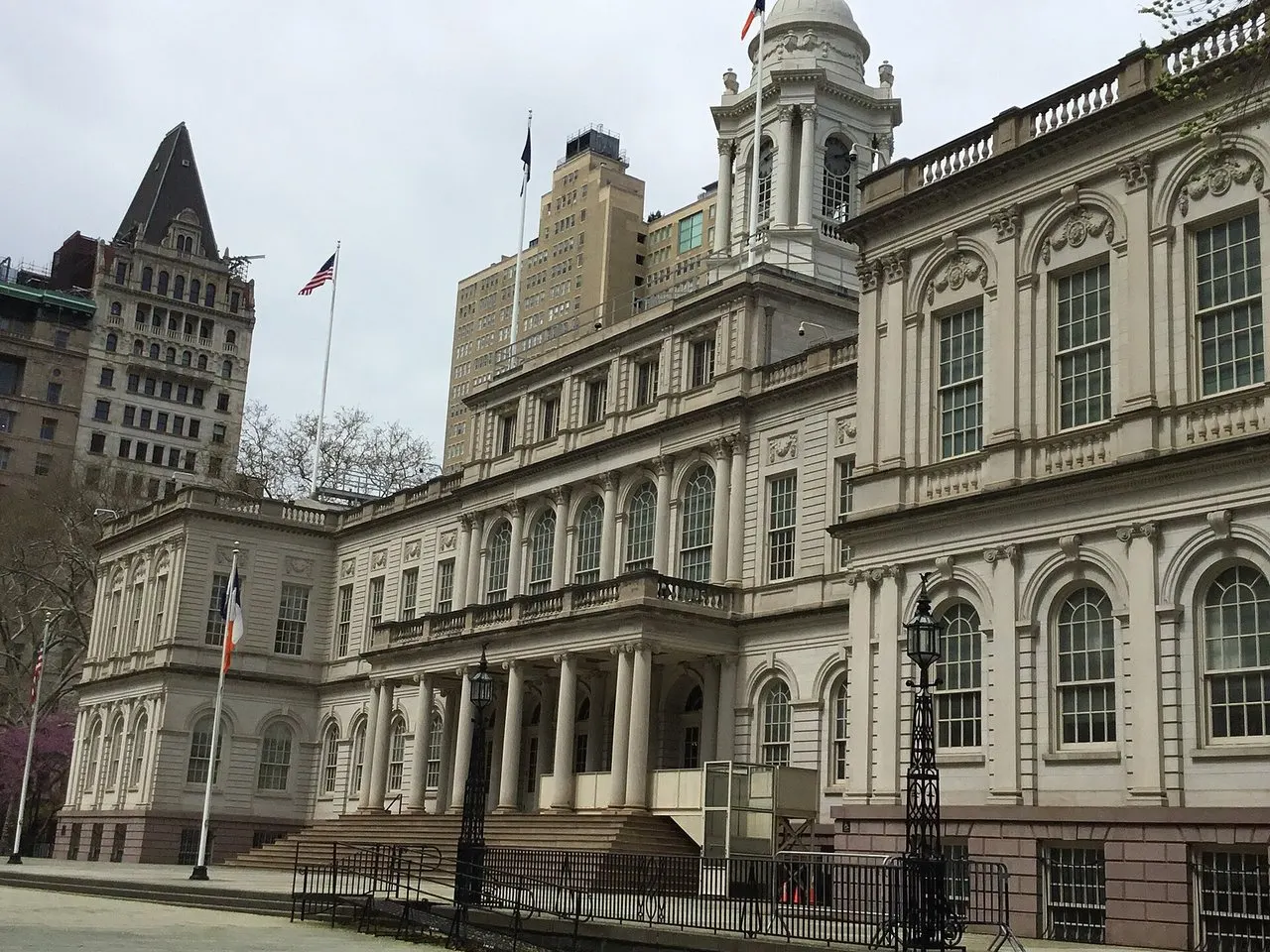
The city has committed 70 million dollars in capital to build the five stores. Because the city already owns the land, it pays no rent and skips its own property taxes, which keeps the cost of each store lower than a private shop in the same spot. The money covers building and fitting out the stores, while the monthly subsidy covers the gap between the discount price and the real cost of the food. See also machines that may shape tomorrow.
A Private Operator Will Run the Shops
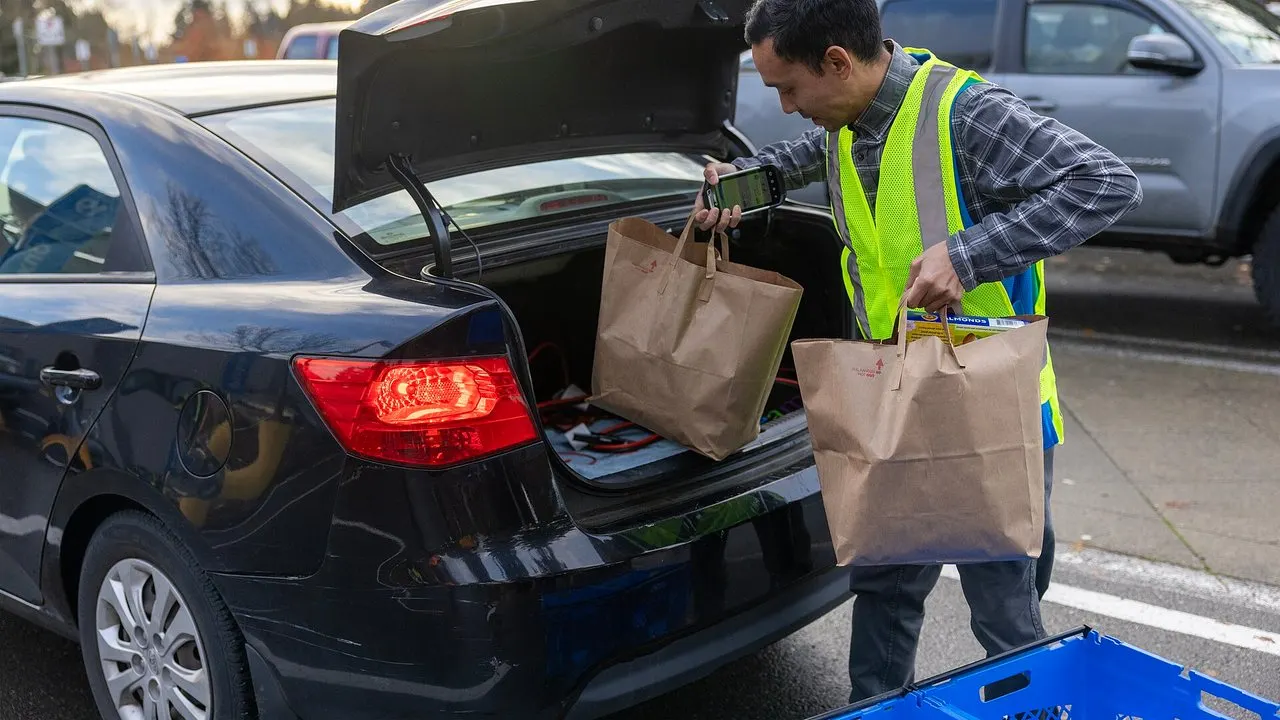
The city will own the stores, but a private operator chosen through a competitive bid will run the day to day work. The city has started the process of picking those operators, and the administration will provide the storefronts while covering rental costs and property taxes. The operator will set the monthly prices for the core basket and keep the shelves stocked, while the city watches the discount. See also a silent shrug in Berlin.
City-Run Supermarkets Treat Food as a Necessity
Mamdani told Sorkin that food belongs on the same list of necessities as the subway and the library, because you cannot live without it. He said that when society decides something is necessary for a dignified life, the public pays to create it and run it, even when it loses money. Food is easy to place on that list, he argued, because nobody can live without eating. City-run supermarkets put that belief into practice. See also a deal that forced open the books.
The Subway, the School and the Library Already Get Help
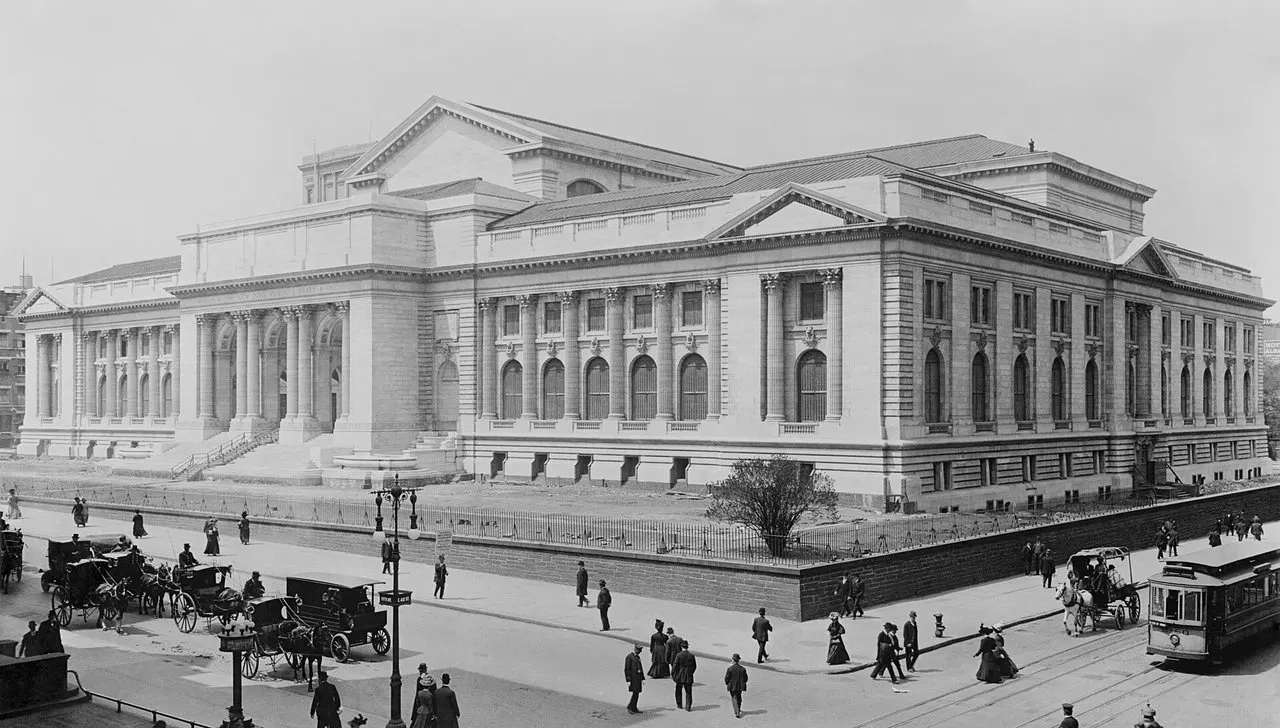
Mamdani reminded the DealBook audience that much of what New Yorkers rely on is not paid for at price. The subway, a public school, a library and sanitation all run with public money, because the city decided they matter too much to leave to the market alone. His point was simple. If the city can subsidize a train ride and a library card, it can subsidize a bag of groceries too. See also a warning about disappearing messages.
The Food Pantry Lines Keep Growing
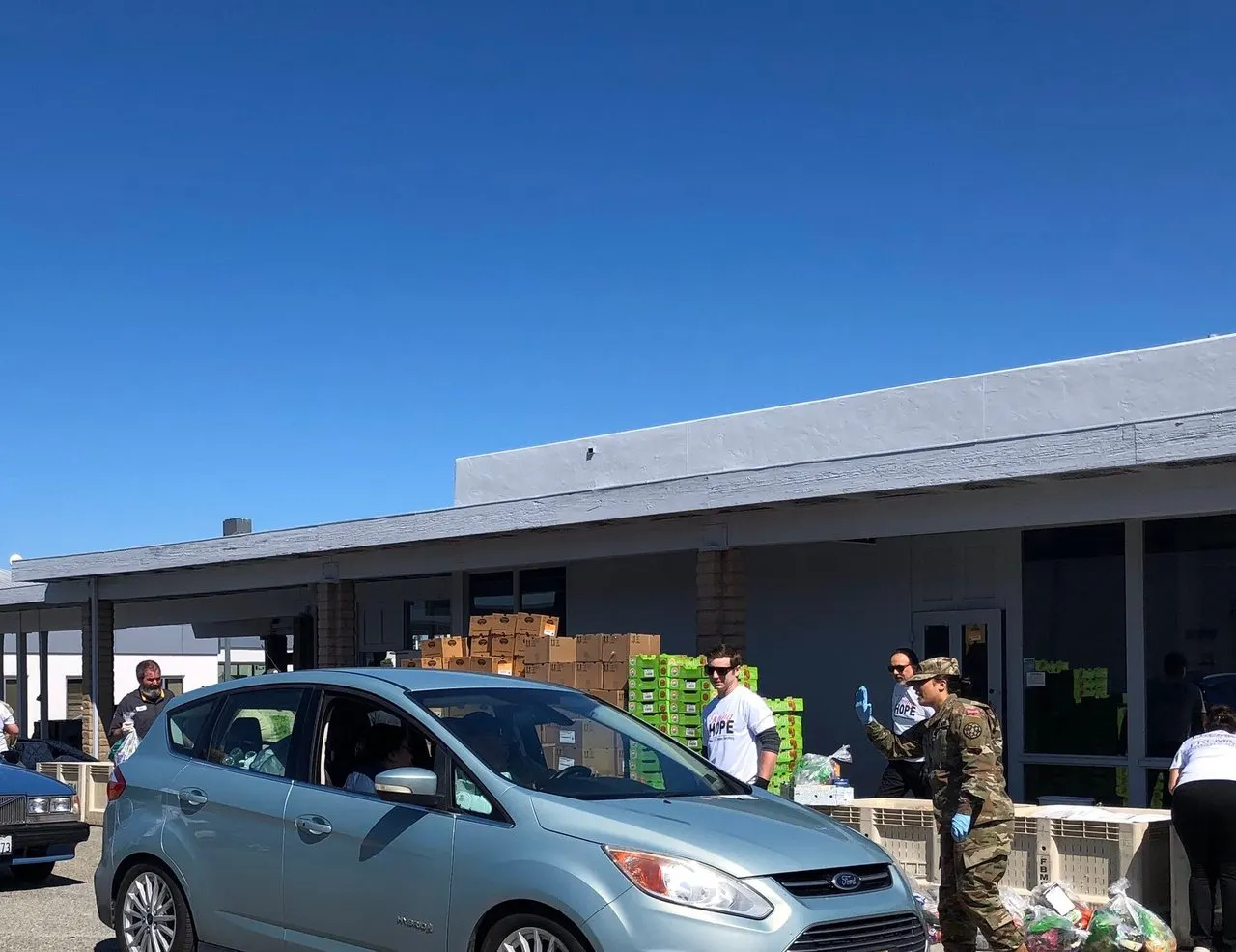
Mamdani pointed to the lines at food pantries that keep growing every day as proof that the problem is urgent. More and more New Yorkers now rely on free food to feed their families, even when they work full time. The mayor said nobody in New York should go hungry, and the five stores are meant to help families who cannot wait for a pantry line to move. See also a beloved actor’s gentle legacy.
City-Run Supermarkets Should Be Good Enough for the Wealthy
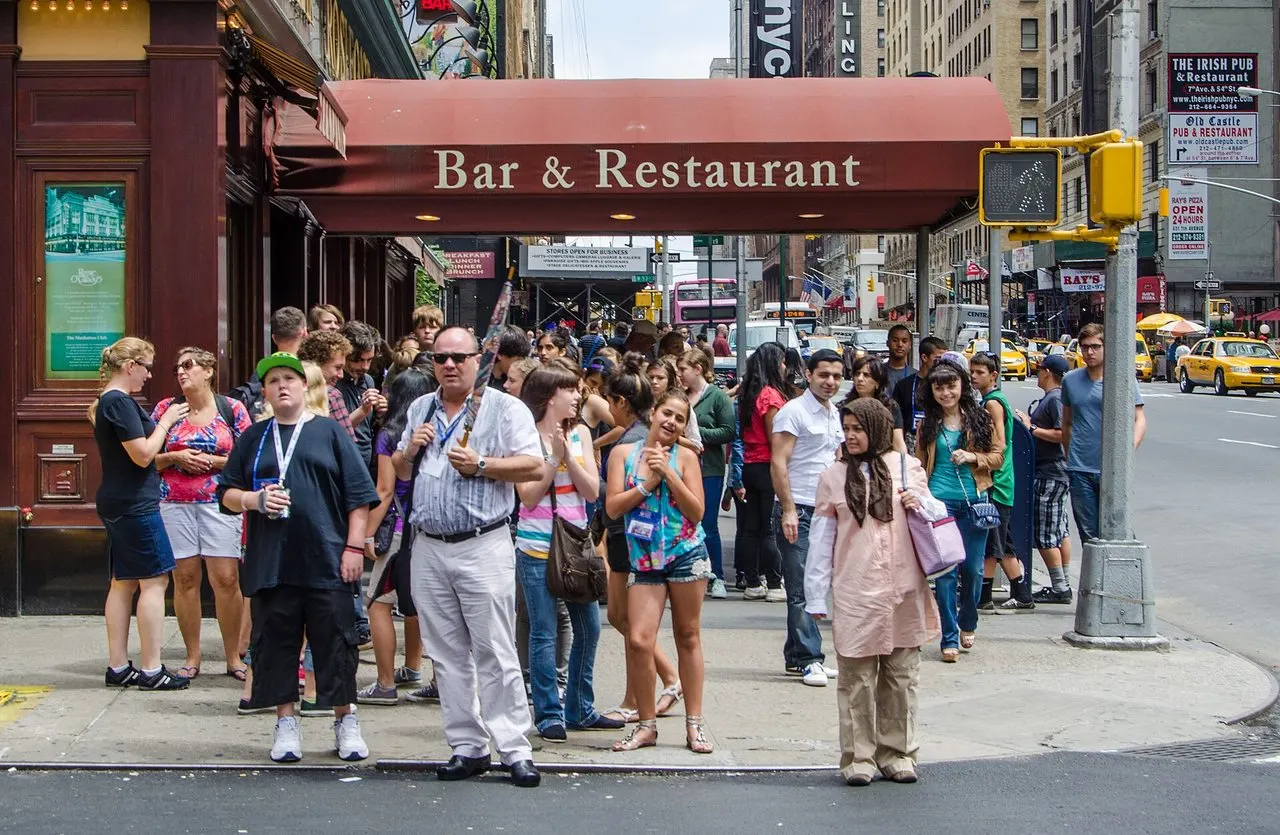
The mayor said he wants the public sector to be so good that even the wealthiest New Yorkers choose to use it. That is a high bar for a grocery store, and it is the point of the plan. If the stores are clean, well stocked and cheap, rich and poor shoppers will stand in the same line, and the service will belong to the whole city. See also a writer’s warning about toys and power.
The Supermarket Lobby Went to Court
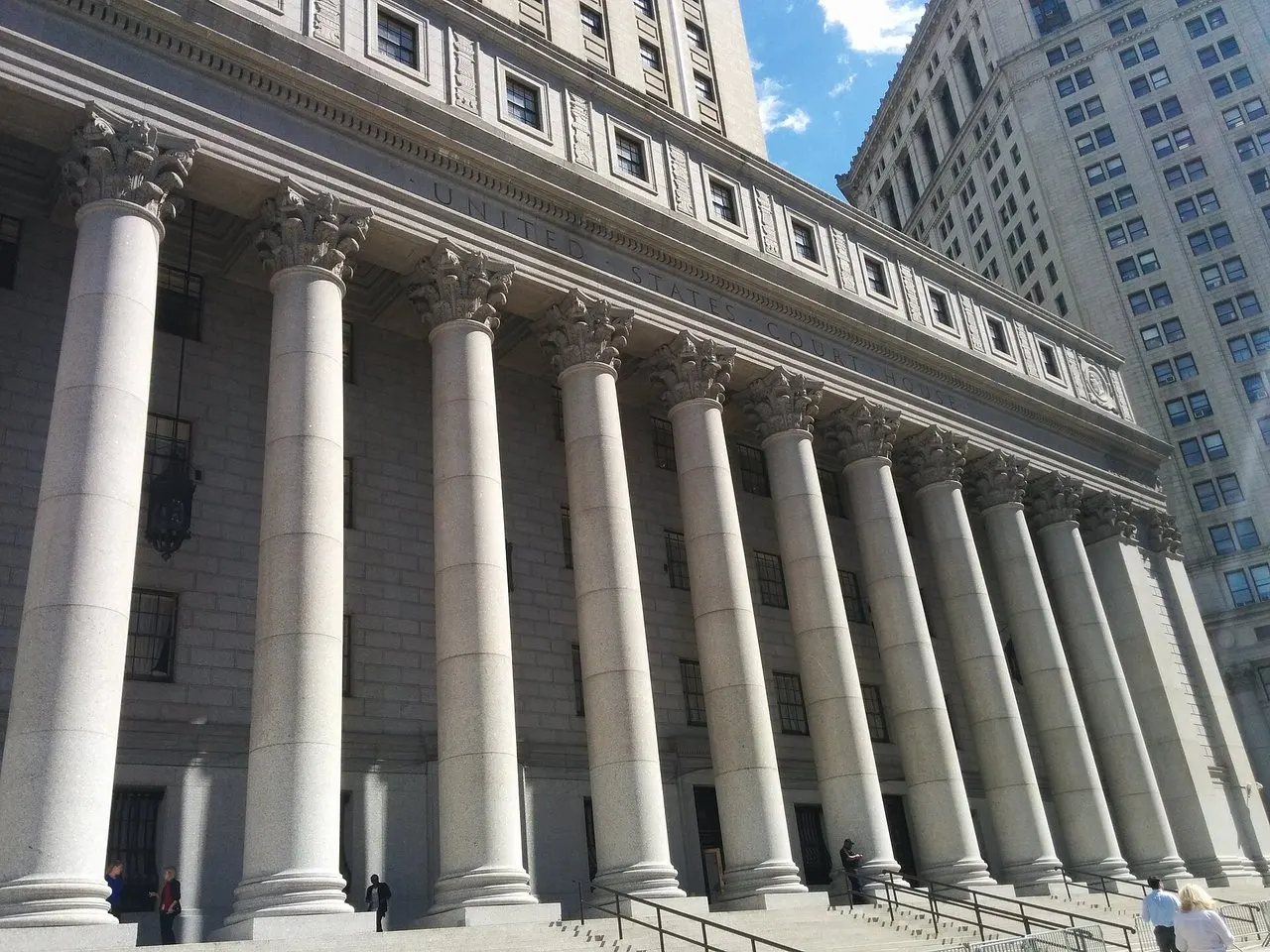
The plan did not go unchallenged. The National Supermarket Association, which speaks for private grocers, went to federal court to try to freeze the program before the first store could open. The grocers argued that a subsidized rival would undercut their shops and push prices down in a way they could not match. The court case became the first big test of whether the mayor’s idea could survive. See also the plan to close Rikers Island by 2032.
Judge Rochon Let the Plan Move Ahead
On November 20, Judge Jennifer Rochon of the Southern District of New York denied the grocers’ bid to freeze the program. She found that the grocers had not shown a dangerous probability that the city would recoup its subsidies by later raising prices. The ruling cleared the way for the city to name its private operator and move ahead with the first store in the Bronx. See also a warning that dishonor will remain.
The Critics Say the Math Never Did
The Free Markets Report argued that the court win does not fix the math. A mandated 30 percent discount on a core basket is roughly 14 times the grocery industry’s entire 2025 margin, the report said, and the city’s request for proposals caps nothing that bridges the gap. The critics say the subsidy will grow with every basket sold, and the more the stores sell, the more the city pays. See also a call for grace inside the caucus.
City-Run Supermarkets Are Bad for Greed, Supporters Say
NOTICE News took the other side, arguing that cheap groceries are not bad for business but bad for greed. The report said the supermarket lobby went to court because it fears losing sales, not because shoppers would suffer. Supporters of the plan say a 30 percent discount on staples is exactly what families need, and city-run supermarkets will force private stores to think harder about their own prices. See also machines that may shape tomorrow.
City Journal Says Mamdani Came Up Short
City Journal said the DealBook audience was not won over. The magazine called the summit a gathering of corporate executives, investors and other business leaders, and it said Mamdani came up short on several fronts for that crowd. Sorkin asked him to walk through the math, and the mayor answered with a case for subsidy instead of a set of numbers. For an audience that lives by the numbers, that was not enough. See also a silent shrug in Berlin.
Gateway Pundit Says He Could Not Do the Math

The Gateway Pundit said Mamdani was asked to simply explain the math and could not do it. The report said Sorkin pressed him on how a business with margins of 1 to 4 percent could sell food at a 30 percent discount, and the mayor rambled about why the stores are needed instead of answering. The site called his response a political case rather than a financial one, and it said the plan only works with large taxpayer subsidies. See also a deal that forced open the books.
City-Run Supermarkets Still Need an Operator

The court ruling unblocks the operator award, so the next step is for the city to name the private operator that will run the stores. The city has already started the process of picking operators through a competitive bid, and the first award will show how the monthly price setting works in practice. Until the operator is named, the plan is still a promise, not a shop. See also a warning about disappearing messages.
Why City-Run Supermarkets Matter to Every New Yorker
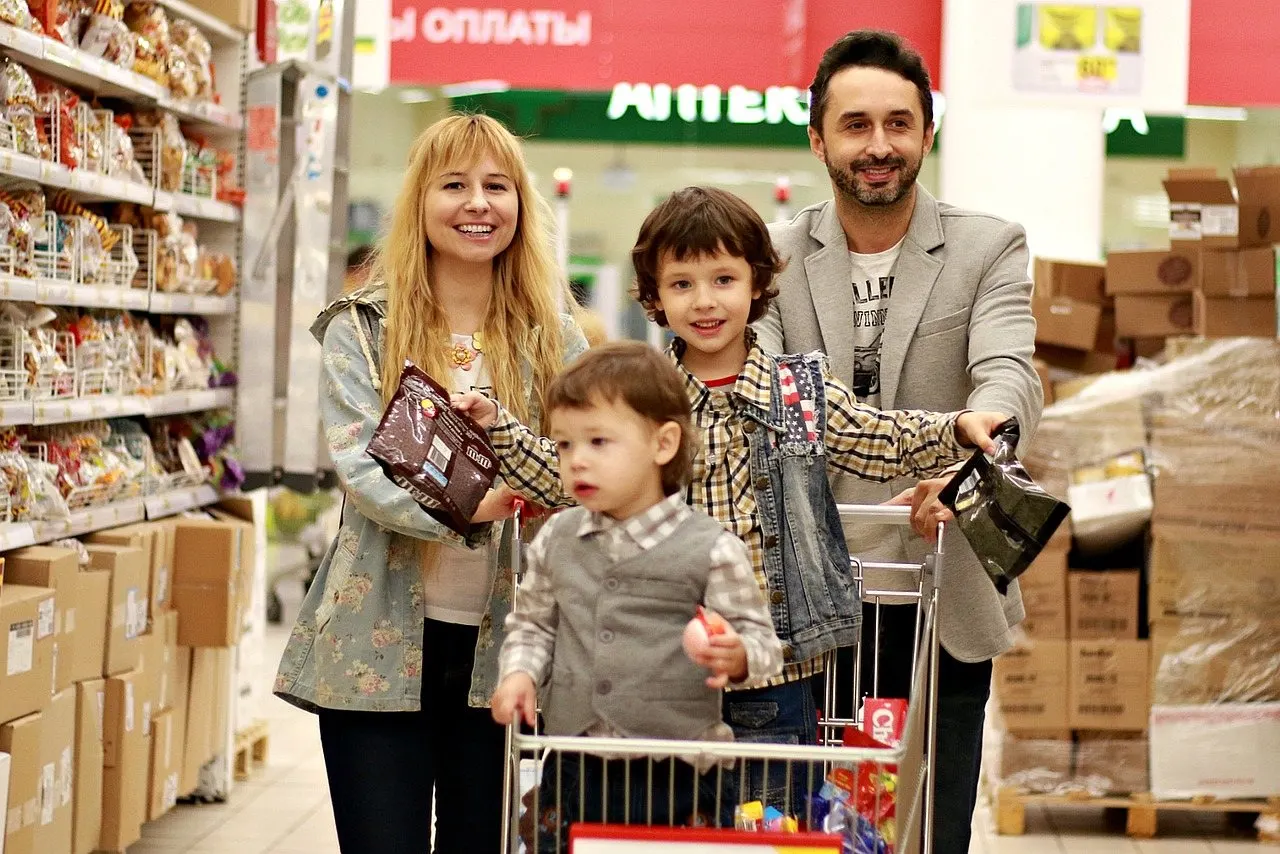
Food prices touch every family in the city, from the wealthiest streets to the poorest blocks, and that is why this fight matters to everyone. Mamdani has said he wants New York to work for all of its multi-cultural residents, whatever their income, and affordable groceries are a big part of that promise. Whether the stores open on time and keep their prices low will shape how the whole city judges the plan. See also a beloved actor’s gentle legacy.
Would You Shop at City-Run Supermarkets in Your Borough
The first store opens in the Bronx toward the end of 2027, and the other four boroughs follow by the end of 2029. The question now belongs to shoppers, not to the mayor or the critics. Would you shop at a city-run supermarket in your borough if the food cost 30 percent less, or stay loyal to your local grocer? Tell us what you think in the comments, and share this story with a neighbor who worries about food prices. See also a writer’s warning about toys and power.