Fired DOJ Prosecutors Are Being Urged to Join the Democrats
Fired DOJ prosecutors are at the center of a question now spreading across social media, and the question is simple. In January 2025, acting Attorney General James McHenry dismissed the career prosecutors who had worked for Special Counsel Jack Smith. More than a dozen prosecutors who handled January 6 cases were dismissed in the weeks that followed. Democratic lawmakers described the firings as a purge of experienced career officials, and many of those dismissed had exemplary work records. The story has echoes in the probe into the purged DOJ staff, which looks at what happened next.
The dismissals did not stop in January. In June, Attorney General Pam Bondi fired three career prosecutors who had worked on Capitol riot cases, and in July more than 20 additional Justice Department employees were dismissed, bringing the total tied to the Smith cases to about 35. The post now asks whether those fired lawyers should work for the Democrats to prosecute the people behind the firings. In the slides ahead we trace the timeline and the debate. For a related fight over presidential power, see the third impeachment push.
References:
NBC News: Pam Bondi fires three Jan. 6 prosecutors, sending another chill through DOJ workforce
The Frank: Bondi fires 20 DOJ staff over Jan. 6, Trump cases
Washington Post: Justice Dept. removes senior career officials from key positions
NBC News: Trump fired four top immigration court officials hours after taking office
The January Firings That Started It All
The first wave came fast. In January 2025, acting Attorney General James McHenry fired the career prosecutors who had worked for Special Counsel Jack Smith, the prosecutor who had led the federal cases against Donald Trump. More than a dozen prosecutors who handled January 6 cases were dismissed in the weeks that followed. The moves stunned many inside the department, where career lawyers are used to serving under presidents of both parties. Read about the dropped case against Mary Peltola for more on how the Justice Department has changed this year.
Who Was Special Counsel Jack Smith
Jack Smith served as special counsel, a role created to handle sensitive cases with some distance from day to day politics. A special counsel is picked from outside the department and given authority to run an investigation on his own. Smith led the federal cases that grew out of the 2020 election and the handling of classified records. His team included career prosecutors who had spent years building complex cases. Learn more in the probe into the purged DOJ staff.
The January 6 Cases at the Heart of the Story
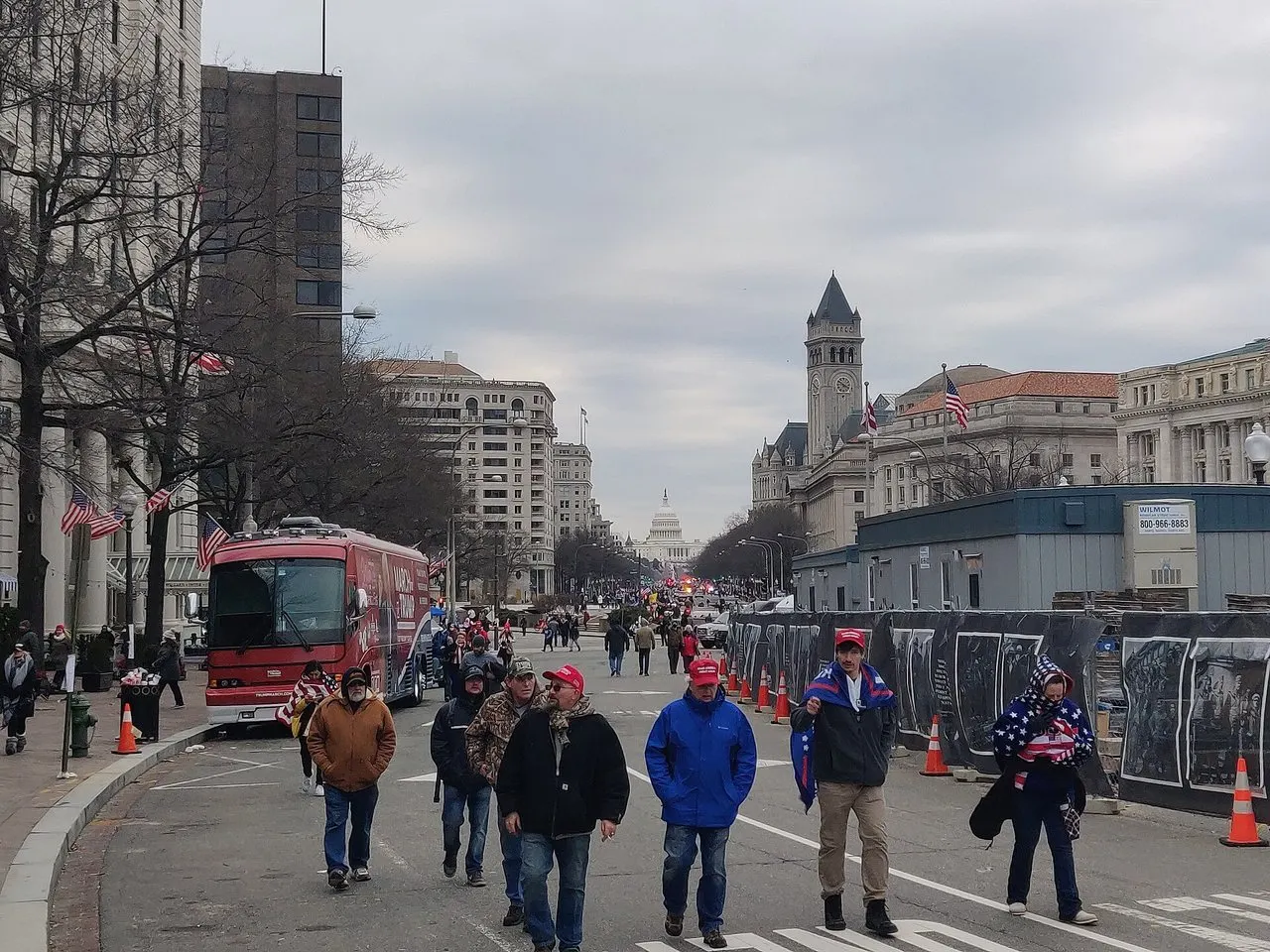
The January 6 cases were among the largest federal prosecutions in American history. Hundreds of people were charged after the riot at the United States Capitol on January 6, 2021, when a crowd forced its way into the building as Congress met to count electoral votes. Career prosecutors worked through the cases for years, sorting defendants by what each person had done that day. The work was slow and detailed. For context, read the third impeachment push.
What Career Prosecutors Do Every Day
Career prosecutors are the backbone of the Justice Department. Unlike political appointees, they do not change when a new president takes office. They build cases, appear in court and advise agents, often over decades of service. The system is meant to keep law enforcement steady no matter who wins an election. When many of them leave at once, the department loses memory and skill. See the warning about oligarchy for more on power and politics in Washington.
Three More Fired DOJ Prosecutors in June
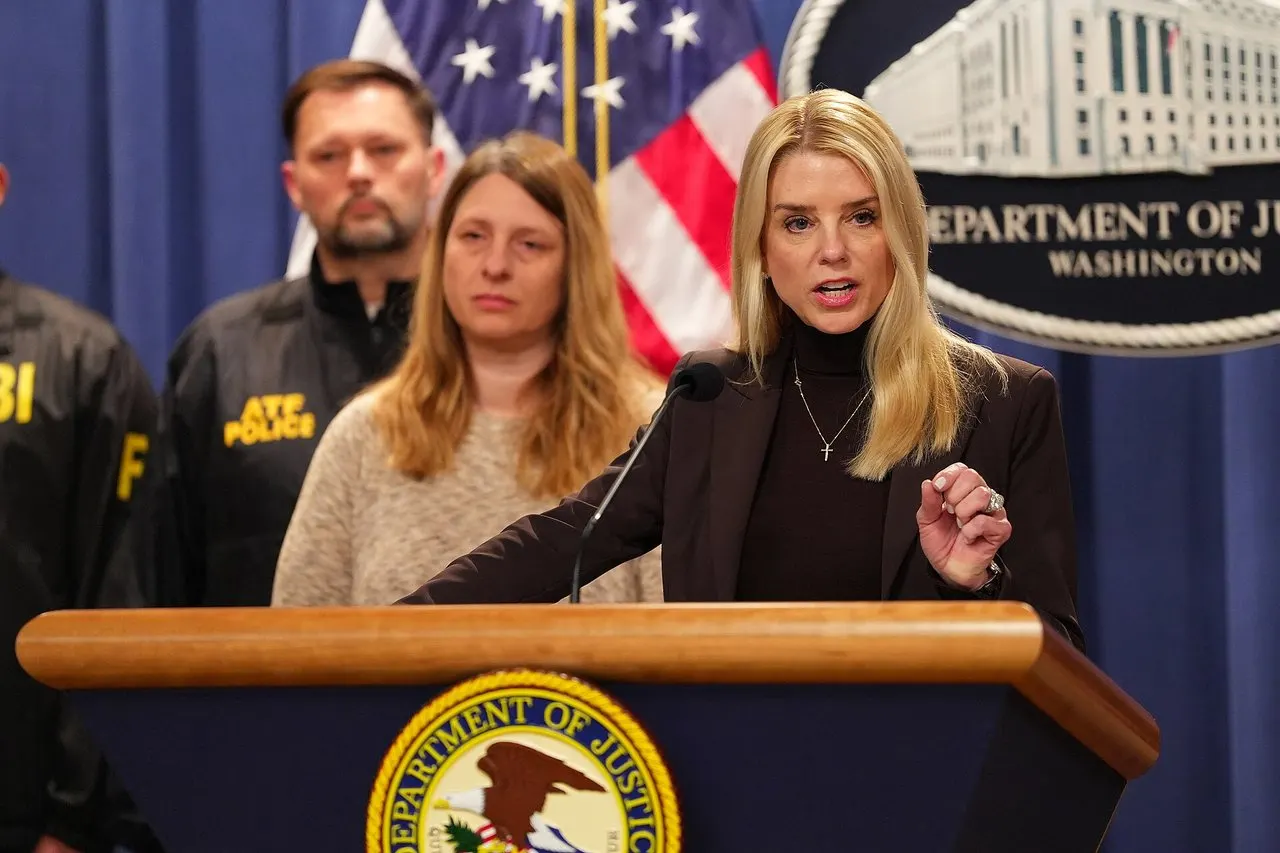
June brought a second wave. Attorney General Pam Bondi fired three career prosecutors who had worked on Capitol riot cases, a move that NBC News reported sent another chill through the Justice Department workforce. The three had handled cases tied to the events of January 6, and their dismissals came months after the January firings. For the people still working inside the department, each new round of firings raised the same question. Read the probe into the purged DOJ staff for more.
July Brought More Than 20 More Dismissals
July brought the largest round yet. More than 20 additional Justice Department employees were dismissed, according to The Frank, which reported that Bondi had fired 20 DOJ staff over the January 6 and Trump cases. The July dismissals pushed the total tied to the Smith cases to about 35 people. That number covers prosecutors and other staff who had worked on the cases. For more on the politics around the department, see the move to impeach Trump.
About 35 Fired DOJ Prosecutors in All
About 35 people tied to the Smith cases had lost their jobs by the summer of 2025. The count started with the prosecutors dismissed in January, grew with the three fired in June, and jumped again with the more than 20 dismissed in July. Behind each number is a lawyer who had built a career inside the Justice Department. Many had exemplary records, according to Democratic lawmakers who spoke out. Read the Alaska Senate case for related stories.
Four Immigration Court Officials Were Fired on Day One
The firings reached beyond the Smith cases. On his first day back in office, President Trump fired four top immigration court officials, hours after taking office, according to NBC News. Immigration judges decide whether people can stay in the United States, and their courts already faced long backlogs. The dismissals were part of a wider removal of senior career officials across the department. For more, read the Susan Smith parole decision.
Democratic Lawmakers Called It a Purge
Democratic lawmakers did not stay quiet. They described the dismissals as a purge of experienced career officials, a word that suggests the firings were planned and political rather than based on performance. The lawmakers pointed to the strong records of many of those dismissed. A purge, in their telling, would weaken the department by removing people who knew how to run complex cases. Read the silent shrug in Berlin for more on how political fights play out in public.
Many of the Dismissed Lawyers Had Exemplary Records
Many of the dismissed prosecutors had exemplary work records, according to the lawmakers who defended them. In the Justice Department, a strong record means years of careful case work, fair dealing with defense lawyers and respect from judges. Career prosecutors are graded on their work, not their politics, and a long record of good reviews is hard to earn. That is why the praise for these lawyers matters. See Dave Bautista on women’s rights for other stories in the news.
Should Fired DOJ Prosecutors Join the Democrats
The post asks a bold question. Should the fired DOJ prosecutors now join the Democrats and prosecute the people behind the firings? The idea turns the story around, picturing the dismissed prosecutors as investigators of the very officials who removed them. It is a question, not a plan, and no hiring has been announced. But the idea has caught on with readers. For more, read the DOJ case in Alaska.
Fired DOJ Prosecutors Could Help Democrats Investigate
There is a real report behind the idea. MS NOW reported that former Justice Department lawyers are applying to work for Democrats who are setting up to investigate the DOJ, and that shows the post is not pure fantasy. If hired, these lawyers would bring inside knowledge of how the department works, and they could help shape the questions that get asked. Read also the subpoena fight over the Epstein files.
How a Prosecution Actually Works
A prosecution is a long road. Investigators gather records and interview witnesses, then prosecutors decide whether the evidence supports charges. A grand jury may hear the case before charges are filed. If charges come, the case moves to trial, where a jury weighs the proof. Each step takes time and care, and a weak case can fall apart. For more on legal fights in the news, read the senator-judges debate.
Why the Rule of Law Matters Here
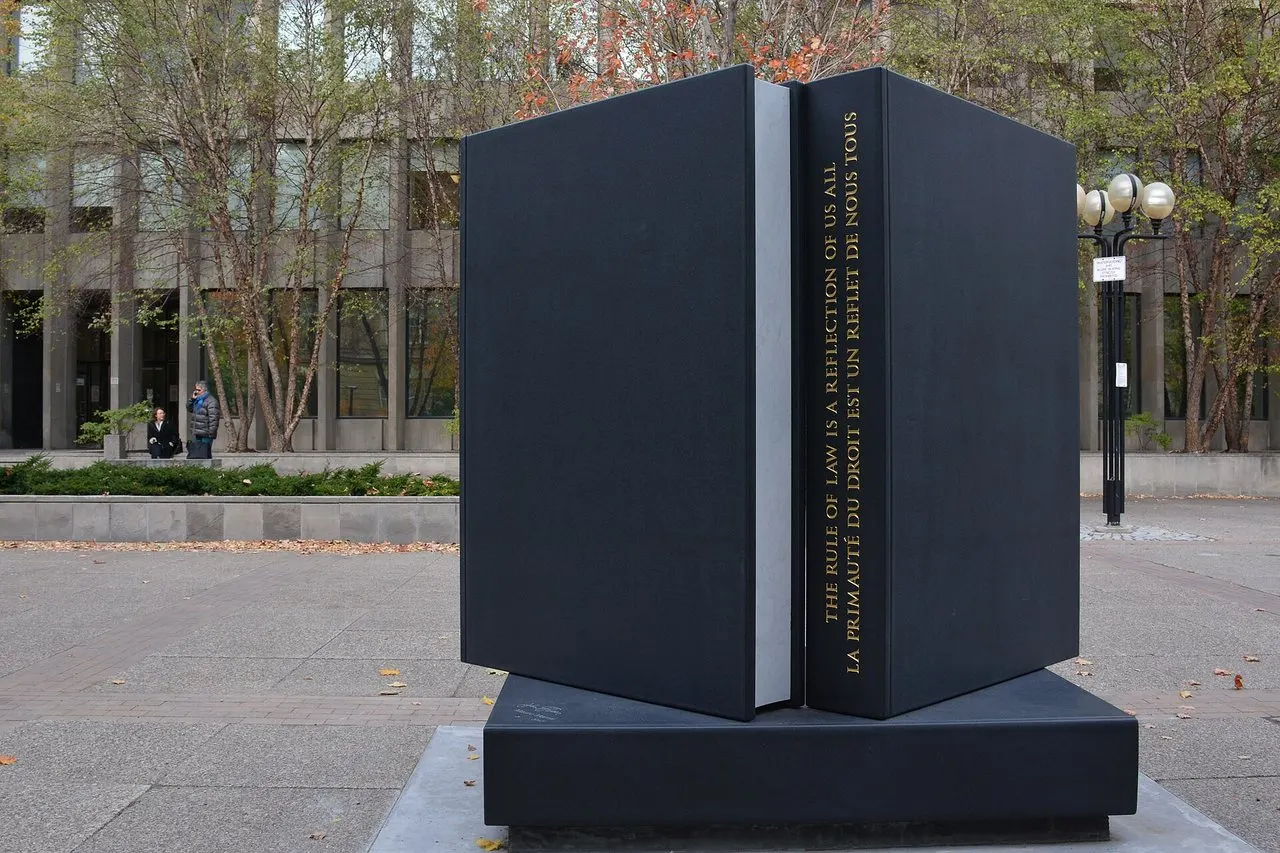
The rule of law is a simple idea with big stakes. It means the law applies to everyone, even to the people in power, and that cases are decided on facts rather than loyalty. Career prosecutors are a key part of that idea, because they are supposed to follow the evidence wherever it leads. When they are removed in large numbers, people start to ask hard questions. Read the Sanders warning on Musk for more on power and government.
A Chill Spread After the Fired DOJ Prosecutors Left
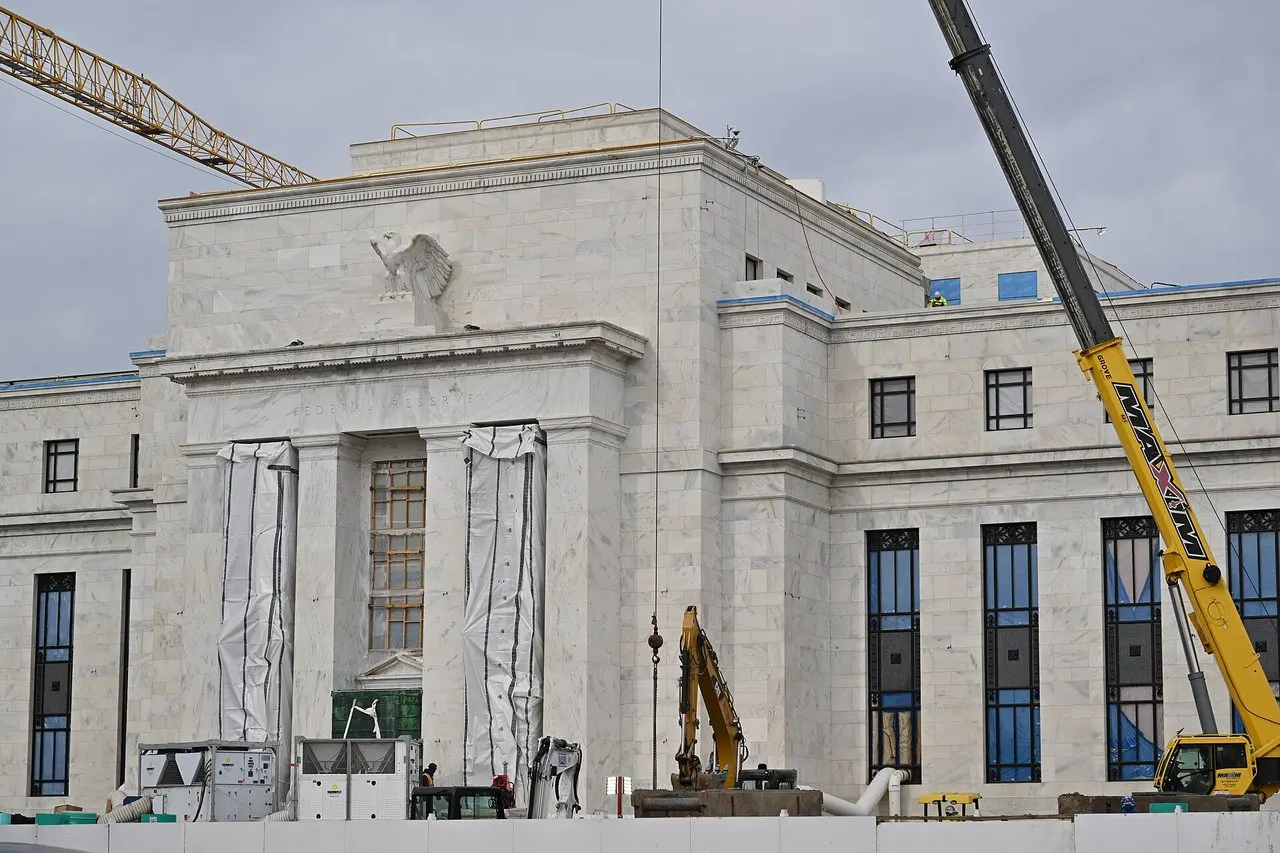
NBC News said the June firings sent another chill through the Justice Department workforce. A chill, in this sense, is fear that speaking up or doing your job could cost you your post. When experienced lawyers are dismissed, the people who remain may think twice before taking on a sensitive case. That caution can slow the work of justice. For related reading, see the Hall of Fame pardon debate.
What Congress Can Do Next
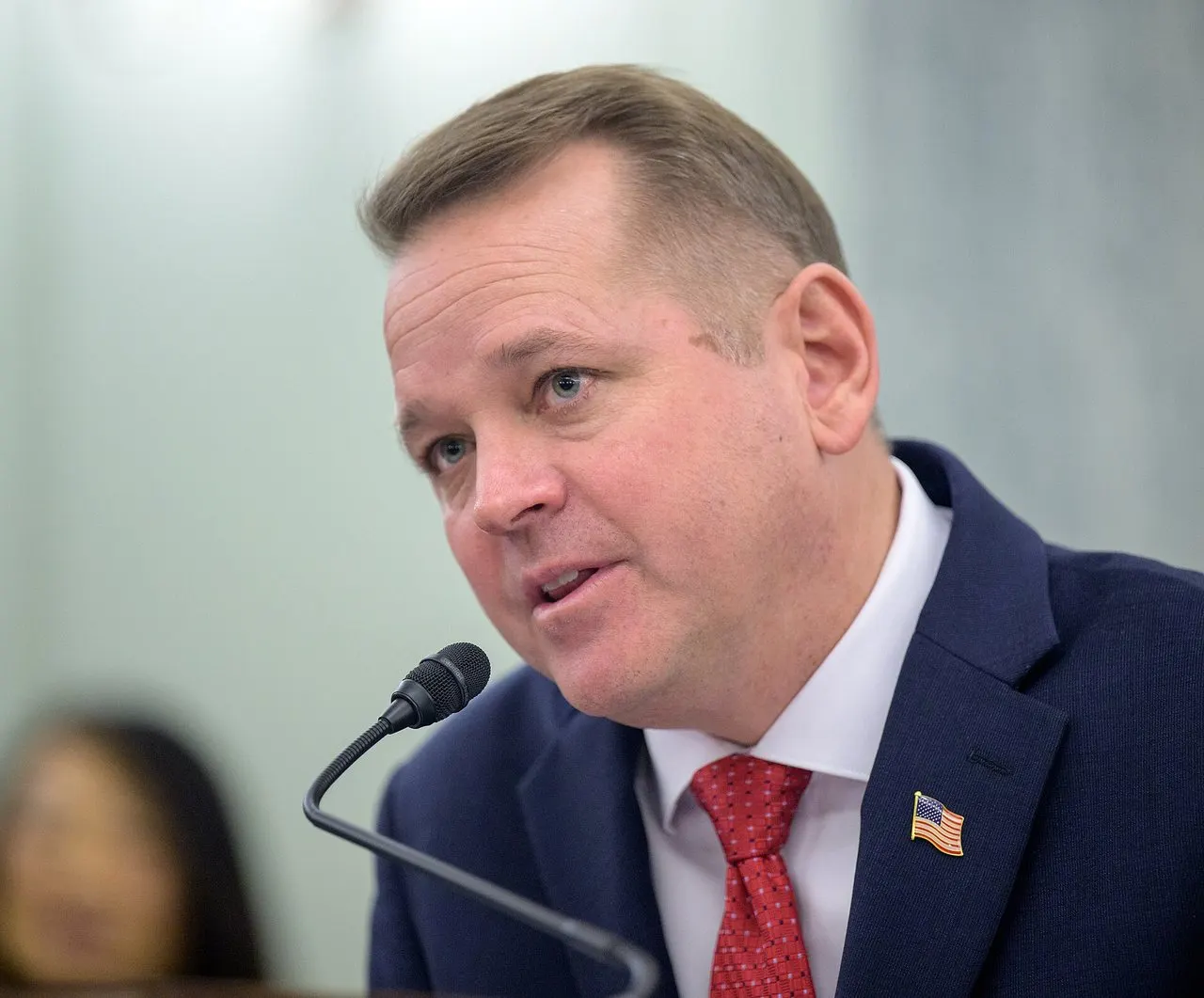
Congress has tools to look into the firings. Committees can hold hearings, call witnesses and ask for records from the Justice Department. Lawmakers can also use the power of the purse, since Congress controls the money that funds the department. Oversight is slow work, and it often ends in a report rather than a punishment. Still, it puts facts on the record. Read the push for a second vote on the Epstein files for more on Congress in action.
What Happens to Cases When Prosecutors Leave
When a prosecutor leaves a case, the work does not vanish. Another lawyer must pick up the files, learn the facts and get ready for court. That handover takes time, and in a complex case it can take months. Witnesses may need to be reinterviewed and deadlines may slip. The January 6 cases were large and detailed, so each departure added strain. For more, read the faith journey story.
The Courts Still Have the Final Say
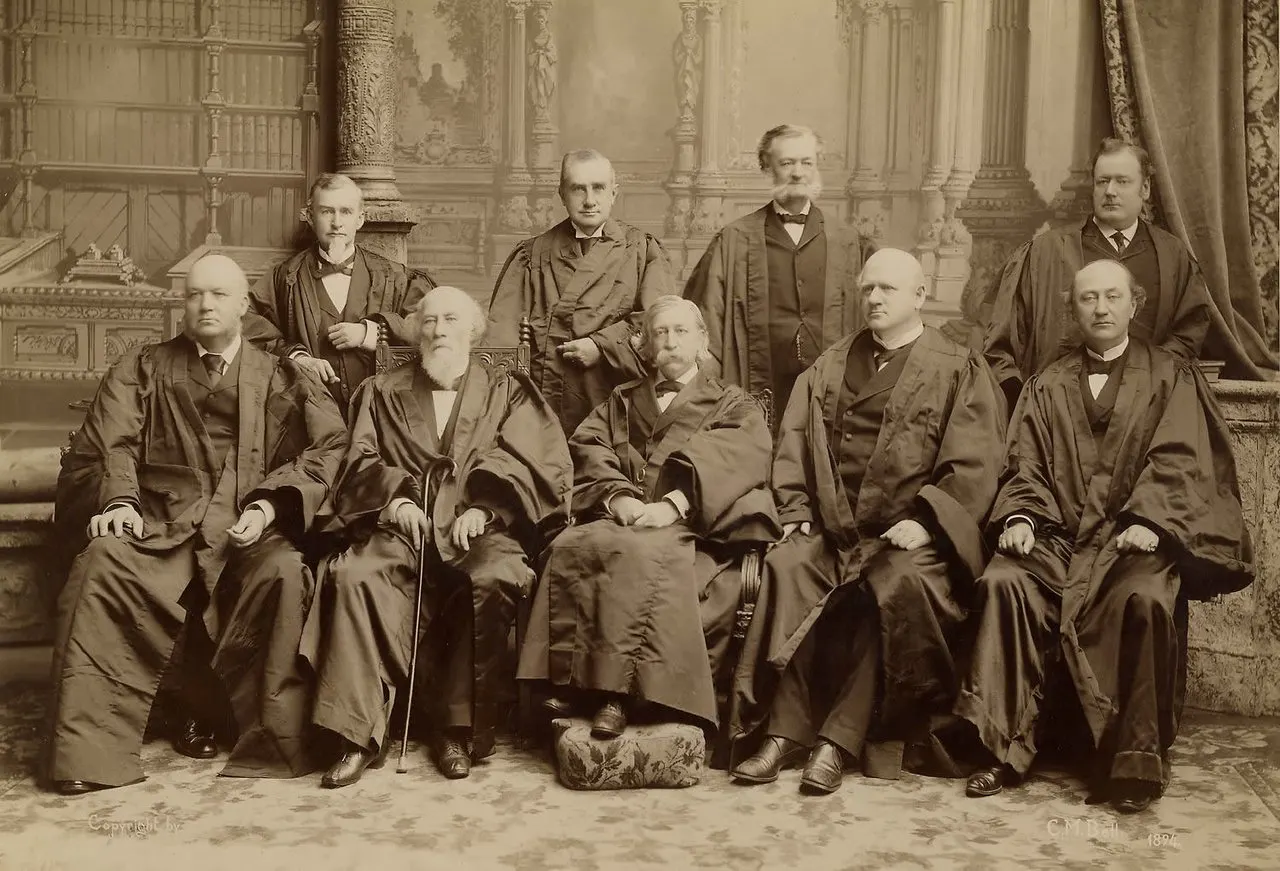
The courts still have the final say. Judges decide what evidence counts, whether a case can go forward and what sentence fits a conviction. The Supreme Court, the highest court in the country, can settle the biggest questions of law. Prosecutors may bring cases, but they cannot decide them on their own. That balance is part of the American system. Read the Hall of Fame pardon debate for more legal stories.
The 2025 Timeline for the Fired DOJ Prosecutors
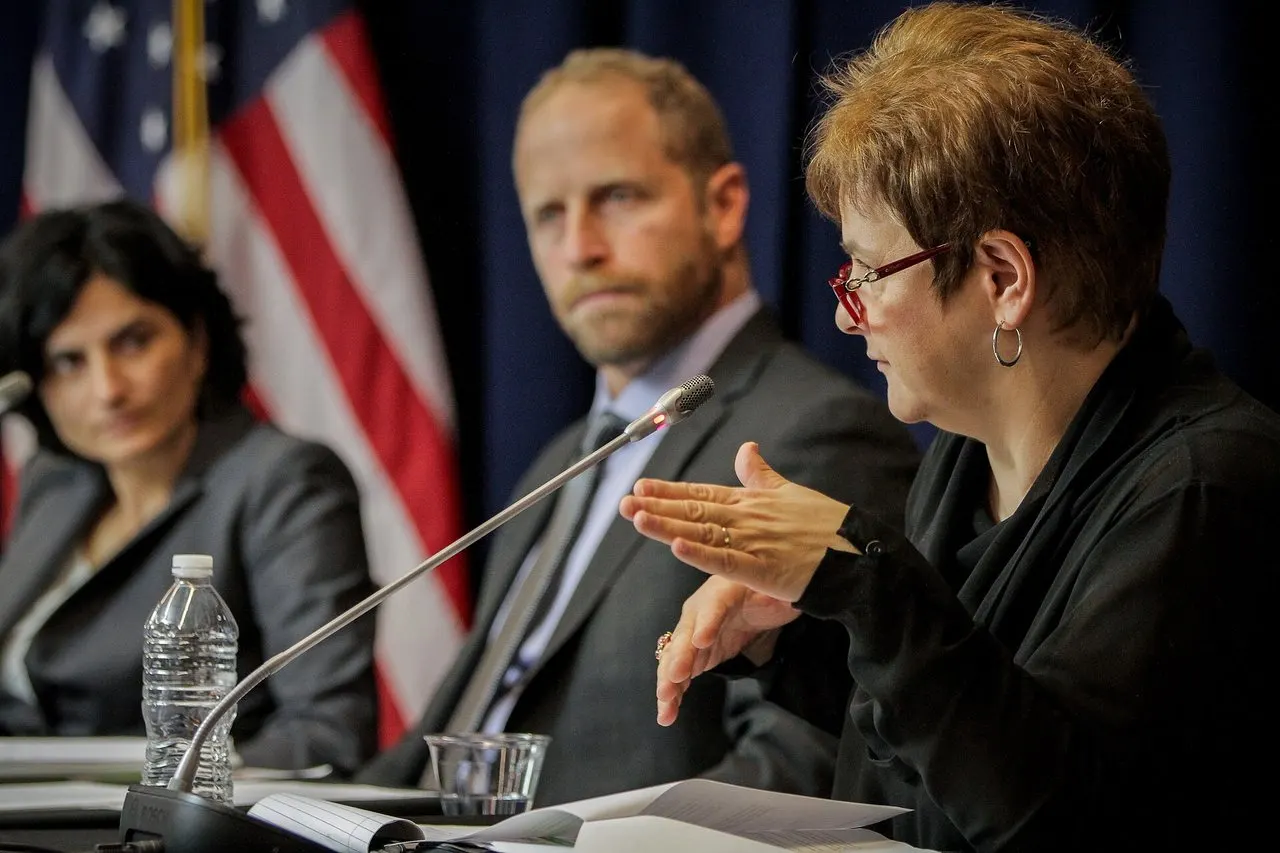
January brought the first firings, when acting Attorney General James McHenry dismissed the prosecutors who had worked for Special Counsel Jack Smith. The following weeks saw more than a dozen January 6 prosecutors dismissed. June brought the firing of three more by Attorney General Pam Bondi. July added more than 20 employees. By summer, about 35 people tied to the Smith cases had been dismissed. For the full picture, read the call to remove RFK Jr..
The Post That Started the Conversation

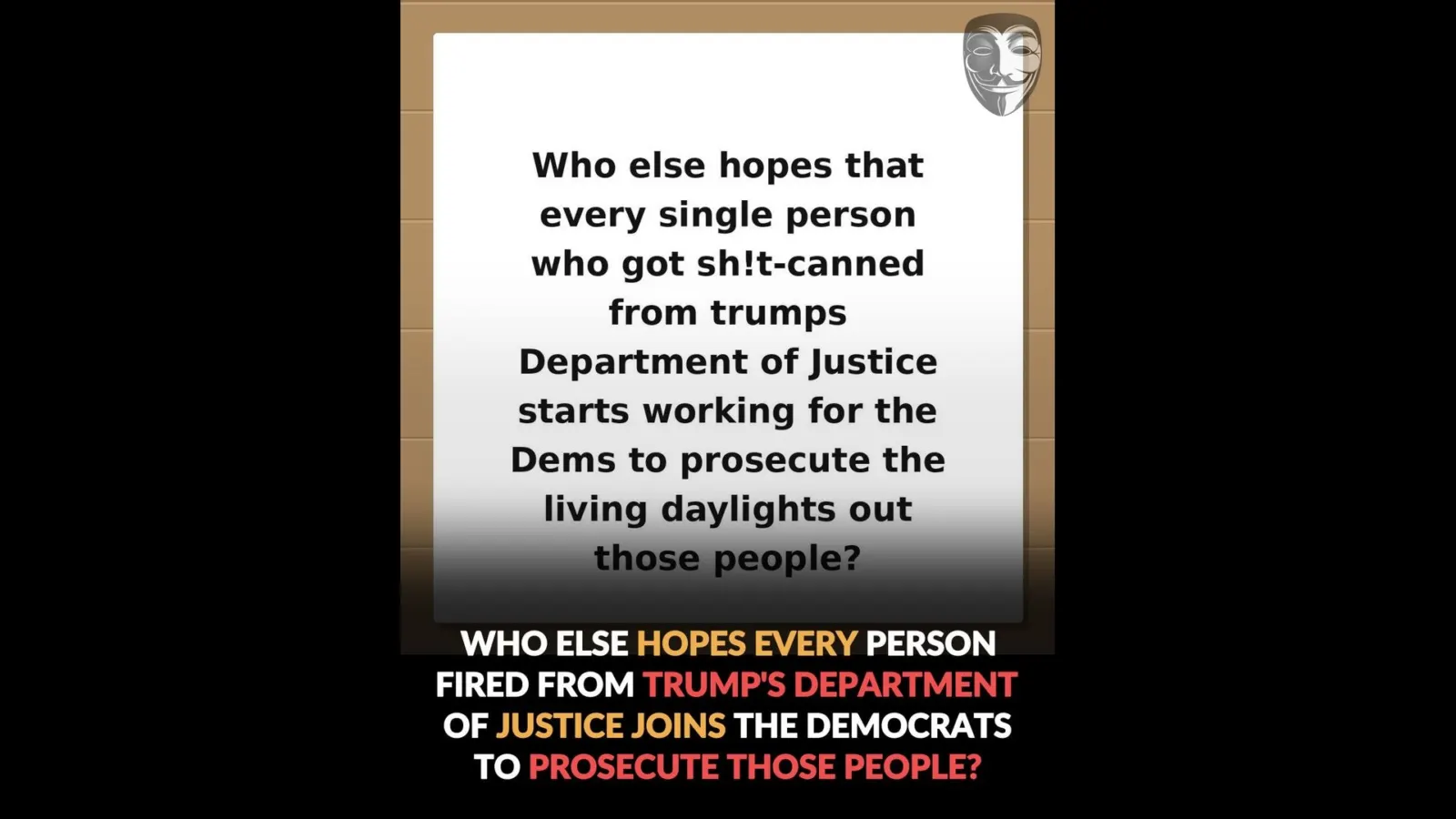
The post that started this article is short and direct. Its headline asks who else hopes every person fired from the Justice Department joins the Democrats to prosecute those people. The post points to the firings of 2025 and asks readers to picture a reversal, with the dismissed lawyers now on the other side. Posts like this travel fast because they turn a complex story into a simple question. Read the viral post about a Palestinian baby for more on posts that spark debate.
Why Justice Department Independence Matters
Justice Department independence is a norm, not a law. It is the idea that prosecutors should make decisions based on evidence, not on what the president wants. The norm grew out of past scandals, when politics reached into law enforcement and damaged public trust. It depends on leaders who respect it and on career staff who hold the line. For more, read the Berlin meeting moment.
How Fired DOJ Prosecutors Could Help Congress
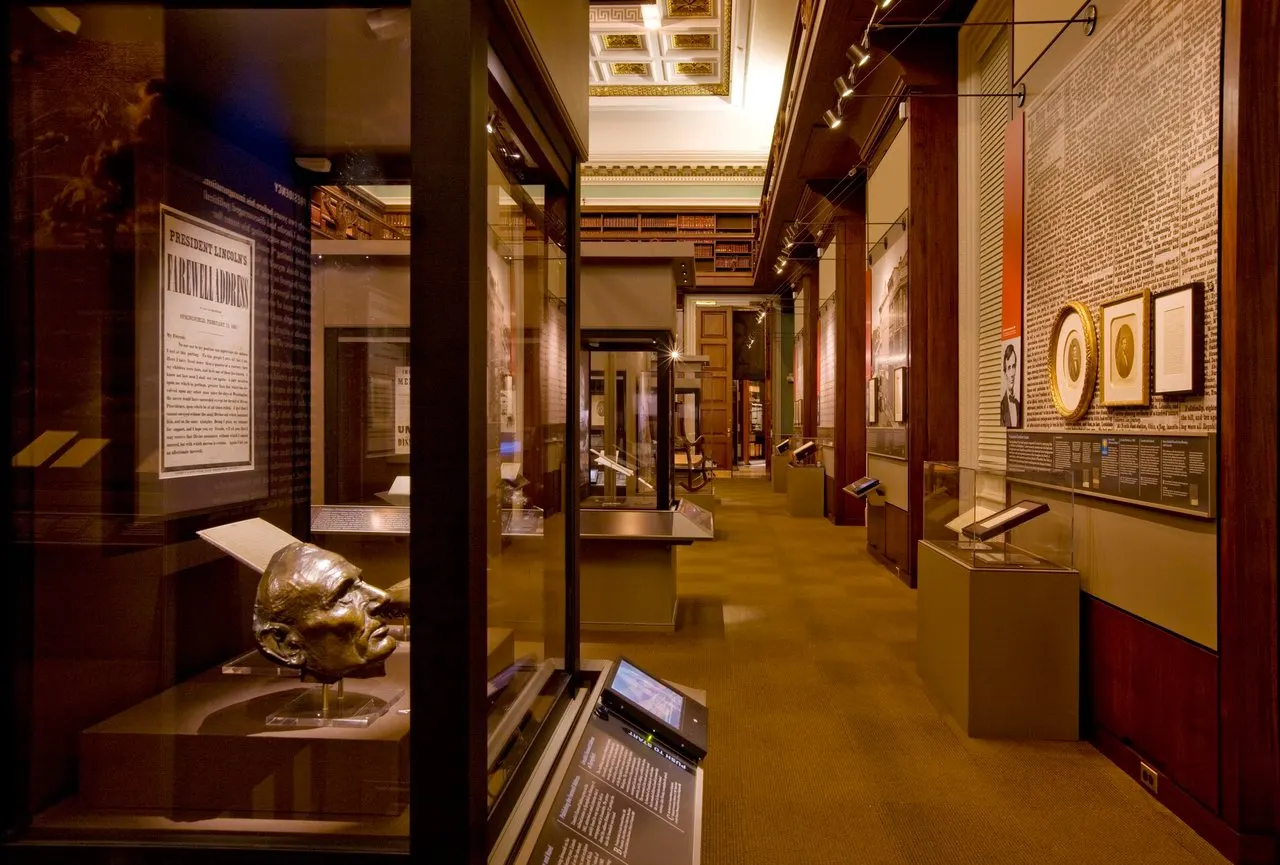
If Democrats hire former Justice Department lawyers, those lawyers could help in real ways. They know how cases are built, what records matter and where to look for answers. They could prepare questions for hearings, review documents and spot gaps in the official story. Their help would not be a prosecution by itself, but it could shape one. Read the Garcia subpoena call for more.
What Comes Next for the Fired DOJ Prosecutors
The fired DOJ prosecutors now face a choice about what comes next. Some may join law firms, where their trial experience is in high demand. Some may teach, write or speak about their work. And some may answer the call in the post and join the Democrats to investigate the department that fired them. Their next step is still unknown. For more, read the detransition journey.
The Fired DOJ Prosecutors Story Is Still Unfolding
The story is far from over. More firings may follow, and the Democrats’ investigations are still taking shape. The courts may also weigh in, if any of the dismissed lawyers challenge their removal. Each new step will add to a record that historians will study for years. For now, the questions outnumber the answers. Read the Treasury sale before the Lehman collapse for more on stories still developing.
What Do You Think Should Happen Next
What do you think should happen next? Should the dismissed prosecutors join the Democrats and help investigate the Justice Department, or should they move on to new careers in private practice? Would a prosecution of the people behind the firings be fair, or would it deepen the divide? Share your thoughts in the comments below, and keep the conversation respectful. For more reading, see the silent shrug in Berlin.