AI Workplace Anxiety: Robots Should Work the Mines, Not Make Our Art
AI workplace anxiety is now part of daily life for millions of American workers, and a new Pew Research Center survey puts clear numbers on that worry. The survey of 5,273 employed adults in the United States found that 52 percent feel worried about how artificial intelligence will be used in the workplace in the future, while only 36 percent feel hopeful. Another 33 percent say they feel overwhelmed by the prospect. Those numbers show a workforce that is not sure whether the machines coming into their offices and factories will help them or hurt them.
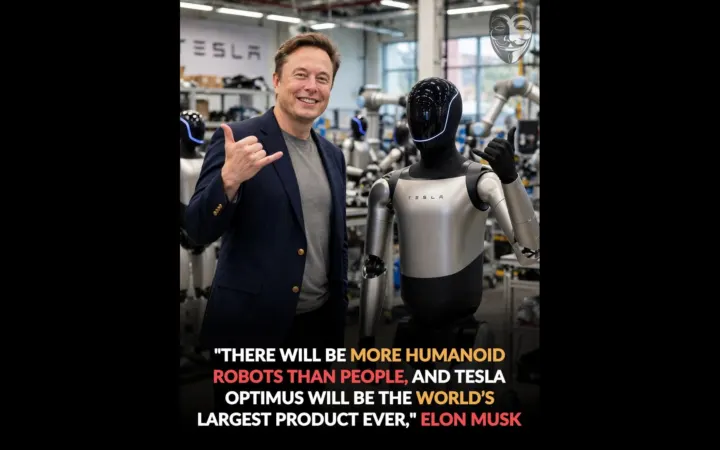
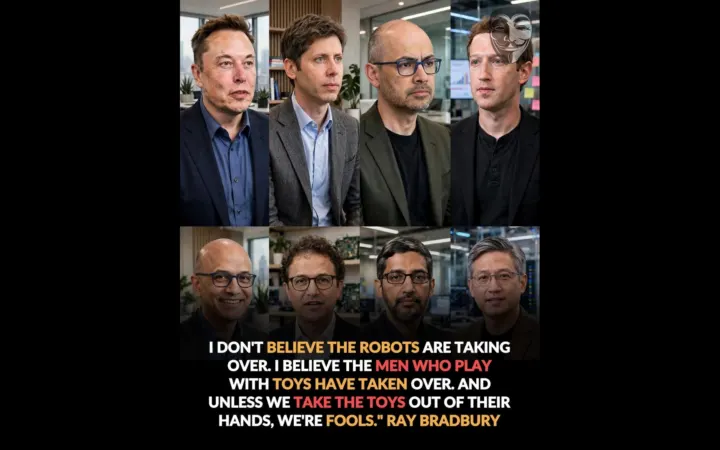
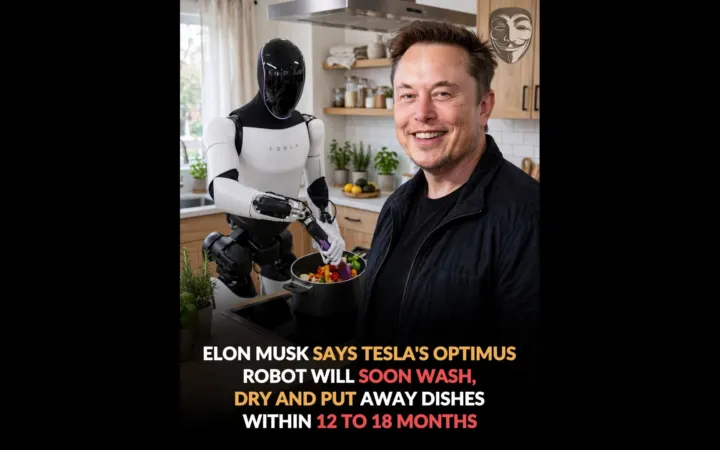
This survey found that only 6 percent of workers think AI will create more job opportunities for them in the long run, while 32 percent expect fewer chances and 31 percent expect little change. Yet 16 percent already say some of their work is done with AI, mostly for research, editing and drafting. Read how Tesla Optimus, the humanoid robot Elon Musk calls the largest product ever and why Ray Bradbury warned that men who play with toys have taken over as we look at 29 facts.
References:
Pew Research Center: U.S. Workers Are More Worried Than Hopeful About Future AI Use in the Workplace
Net Psychology: AI Anxiety Fear of Being Replaced by AI and What Helps
Human Workers: AI and Jobs Statistics How AI Affects Employment
Job Route: What Employees Fear About AI, and What Actually Helps
More Than Half of Workers Share AI Workplace Anxiety
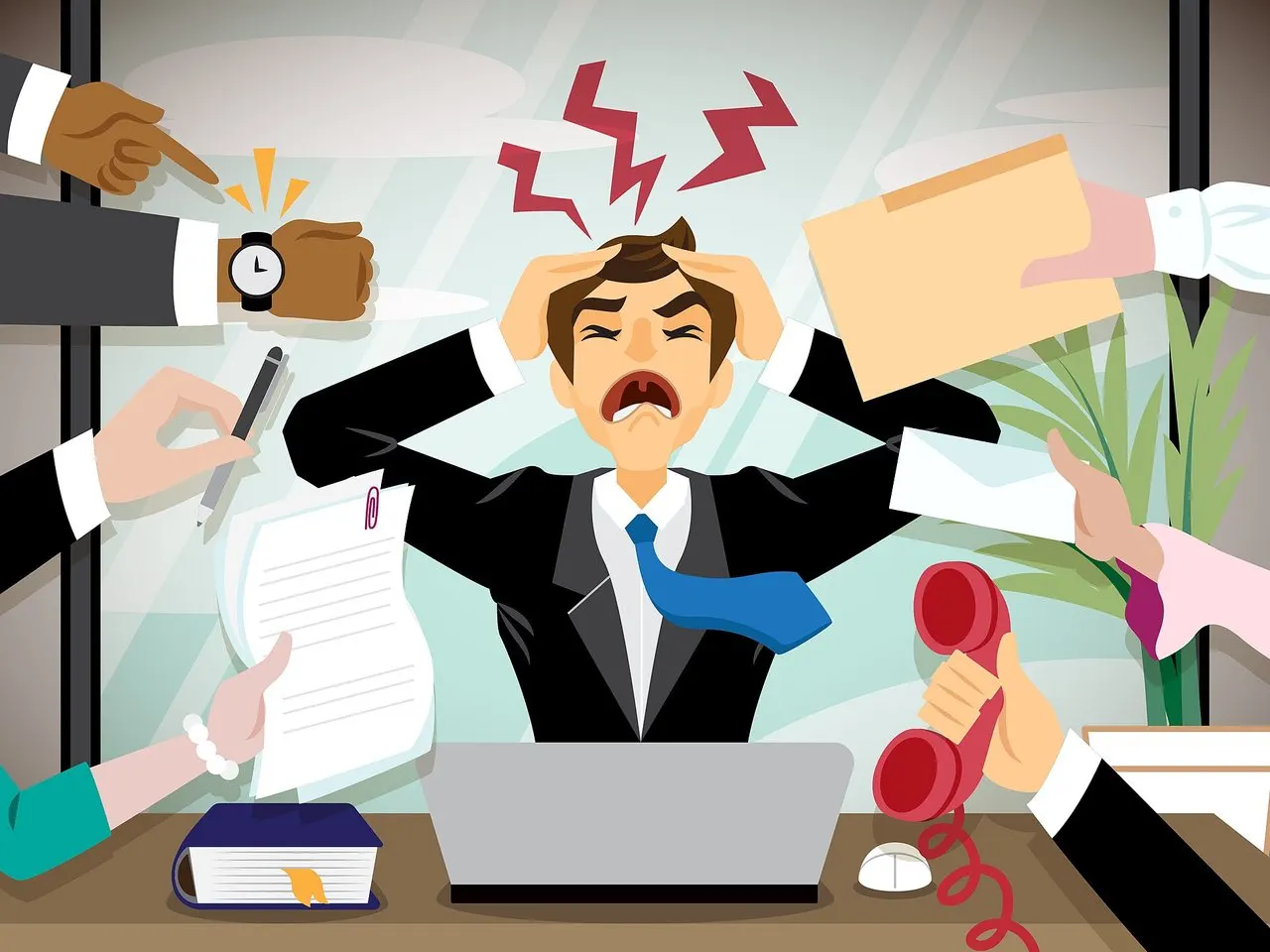
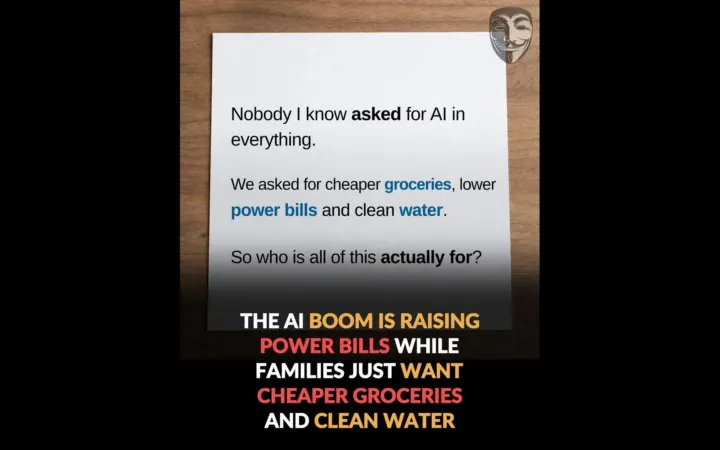
A Pew Research Center survey of 5,273 employed adults in the United States found that 52 percent feel worried about how AI will be used in the workplace in the future. That is more than half of the workforce, and it is a much larger share than the 36 percent who feel hopeful. It means they want to know who gains when a machine can do part of a job, and who loses. Read about how much water and power data centers use each year for more context on the numbers.
AI Workplace Anxiety Hits Workers in Every Kind of Job

Worry about AI is not limited to one age group or one kind of job, and AI workplace anxiety shows up in offices, factories, shops and schools alike. Pew found that feelings about AI vary by age, education and income, but the headline number holds across the country: most workers are uneasy about what comes next. Office staff, factory hands, teachers and drivers all face the same question about their future. Read workers facing big changes in their trade to see how change lands on real people.
Only a Third Feel Hopeful About AI at Work

Only 36 percent of workers say they feel hopeful about how AI may be used in the workplace in the future, according to the same Pew survey of 5,273 employed adults. That is just over one in three, and it sits well below the 52 percent who feel worried. Hope is not gone, though. The hopeful group tends to see AI as a helper, not a rival. The question is whether bosses will use it that way. Read Elon Musk says he regrets his midterm spending for stories about hope and change.
AI Workplace Anxiety Leaves One in Three Overwhelmed

One in three workers, 33 percent, say they feel overwhelmed by the prospect of AI at work, and another 29 percent say they feel excited, so the mood is mixed. New tools arrive fast, training is often thin, and workers are asked to keep up while doing their normal jobs. When people feel overwhelmed they may avoid the new tool, which only makes the gap wider. Good training and clear rules can turn that feeling around. Read a warning about chats that erase themselves about coping with big change.
Just 6 Percent Expect More Job Opportunities
Only 6 percent of workers think AI will create more job opportunities for them in the long run, a strikingly small number in a survey of 5,273 employed adults. By contrast, 32 percent expect fewer opportunities, and 31 percent say AI will not make much difference to their job prospects. It is a warning to employers and leaders. If workers do not see a future for themselves, they will resist the change. Read a silent shrug that said more than words about people facing a shifting job market.
A Third Expect Fewer Chances in the Long Run
About a third of workers, 32 percent, say AI use will lead to fewer job opportunities for them in the long run, and that fear shapes how they feel about every new tool at work. When people expect fewer chances, they may hold back from learning the new systems, or they may start looking for safer work. Work gives people pride, routine and friends, and losing it hurts in more ways than one. Read an implant that could transform diabetes treatment for more on how people face uncertain times.
AI Workplace Anxiety Grows as AI Joins the Workday

AI is already part of daily work for many people, and AI workplace anxiety grows as the tools move from headlines into real offices. Pew found that 16 percent of workers say at least some of their work is currently done with AI, a share that is higher among younger workers and those with a college degree. For them AI is not a future threat. It is already sitting on their desks. Read a call to surrender life to Christ about work that is already changing.
A Quarter Say AI Could Do Some of Their Work
Another 25 percent of workers say that while they are not using AI much now, at least some of their work could be done with AI, which brings the total who see AI in their job to more than four in ten. Some see that as a relief from dull tasks. Others see it as the first step toward being replaced. How bosses handle this moment will shape trust for years. Read a summit with leaders who aided Iran about the future of work.
Research Tops the List of AI Uses at 57 Percent
Among workers who have used AI chatbots, the most common use is research, named by 57 percent, and AI workplace anxiety eases a little when the tool acts like a smart library. A chatbot can scan long documents, sum up key points and point to sources in seconds, work that used to take hours. Used well, that kind of help leaves people more time for thinking and judgment, the parts machines cannot do. Read a golden retriever that followed a photographer about tools that change how we learn.
Editing Written Content Comes Next at 52 Percent
Editing written content is the second most common use of AI chatbots at work, named by 52 percent of workers who have used them. A chatbot can fix grammar, tighten a long email or suggest a clearer way to say something, and many workers welcome that help. Editing is a natural fit for AI because it is fast and it does not need new ideas, only cleaner words. Read the Tesla Optimus robot and its future about work that needs a human touch.
Drafting Written Content Follows at 47 Percent
Drafting written content is the third most common use, named by 47 percent of workers who have used AI chatbots, and it is the use that worries writers most. A machine can produce a first draft of a memo, a report or a speech in seconds, which saves time but also raises a hard question. If a machine writes the first draft, who owns the ideas in it, and what happens to the skill of writing itself? Read data centers and their water use about keeping human skill alive.
The Big Question Behind AI Workplace Anxiety
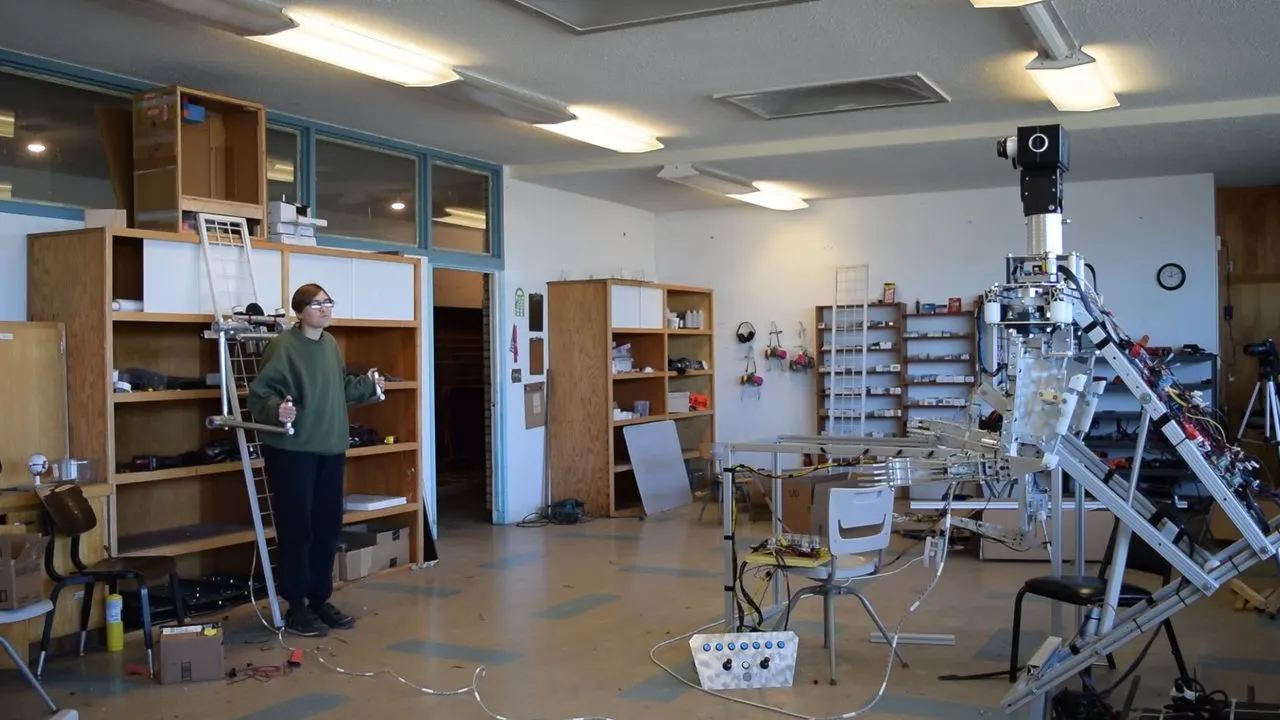
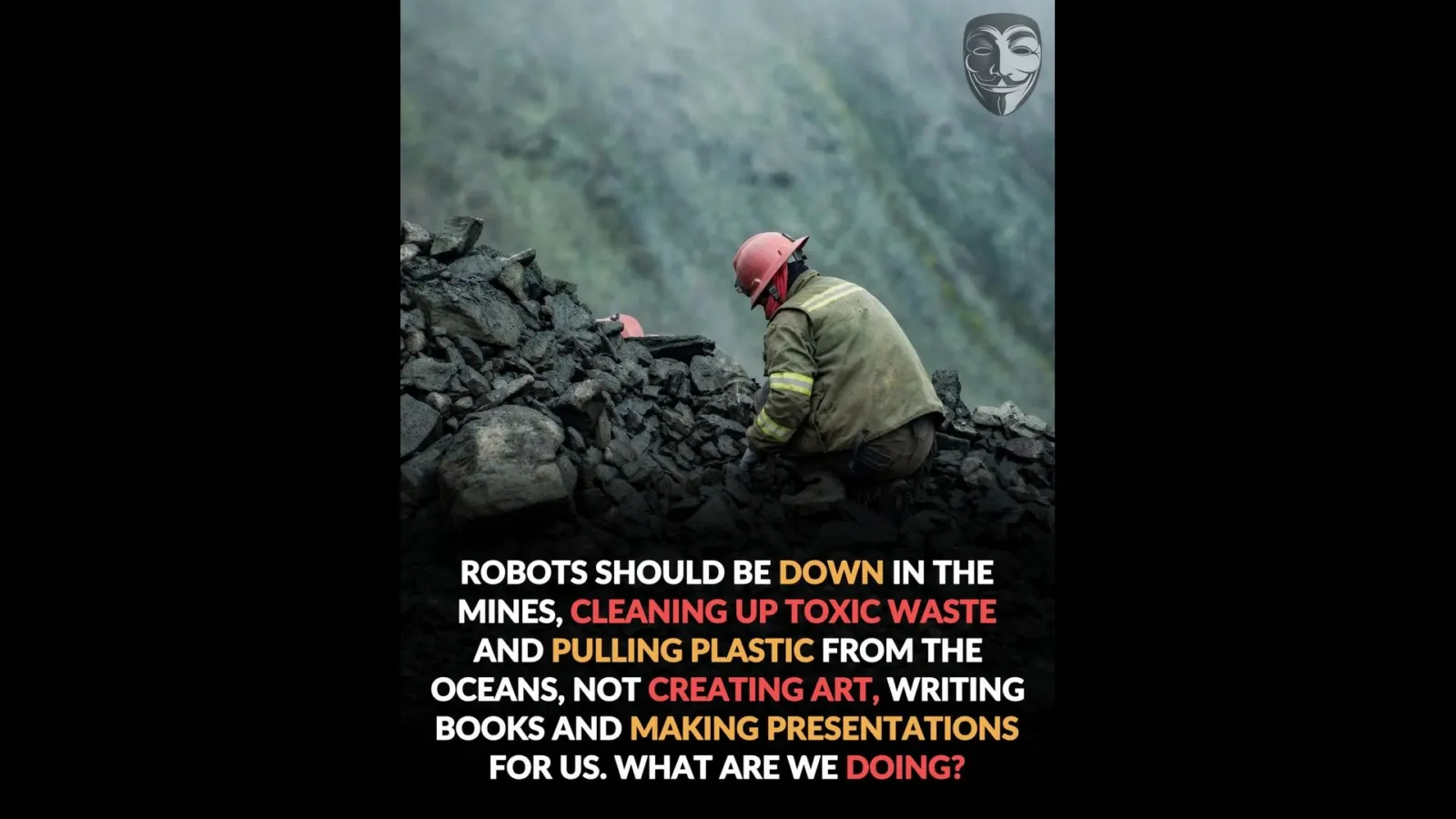
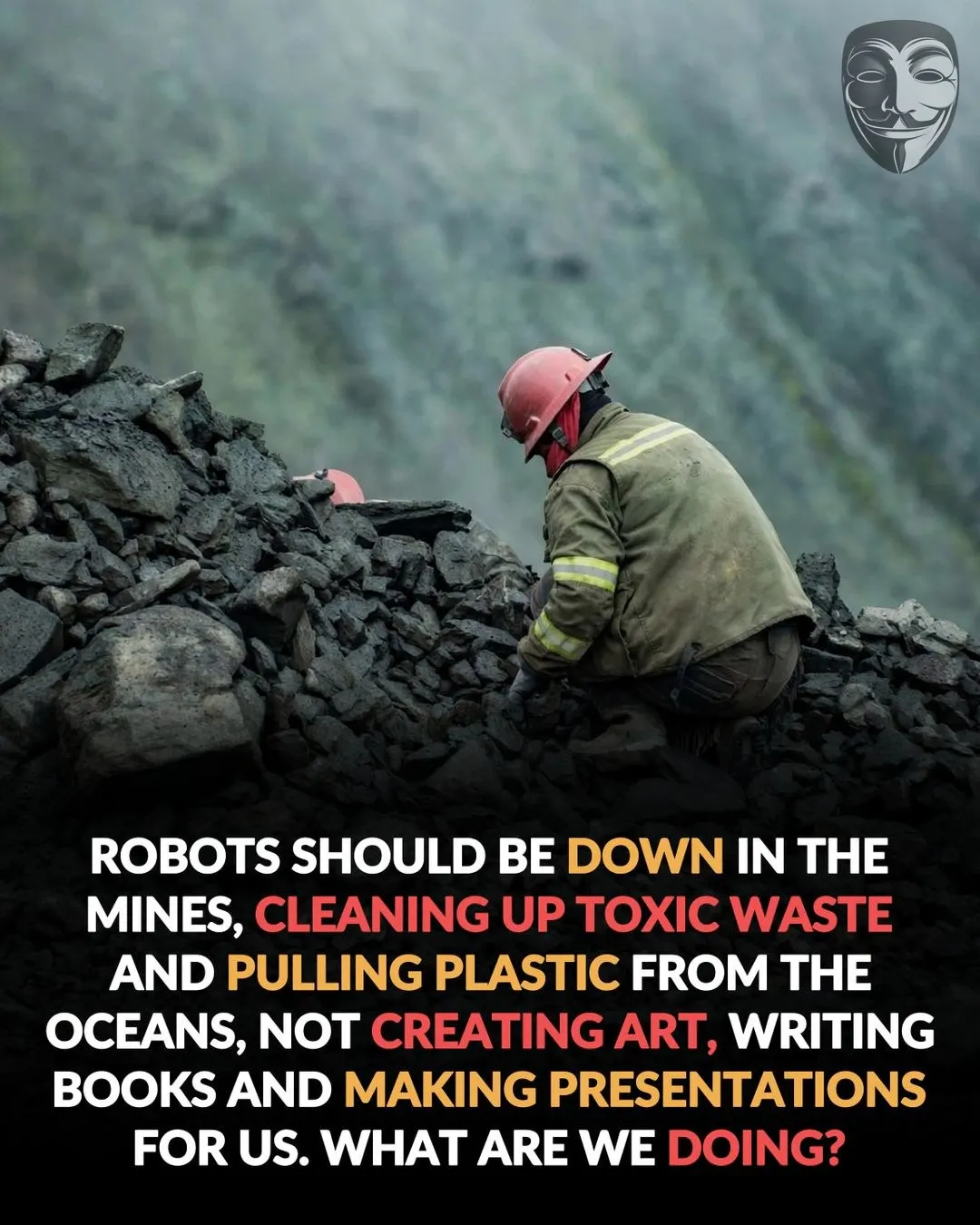
The debate about AI at work comes down to one simple question, and the worry grows sharper the longer we avoid answering it. Should robots be solving the dangerous, dirty and dull jobs we do not want to do, like working in mines and cleaning up toxic waste, instead of creating the art, books and presentations we want to do ourselves? Most people would rather a machine went down a mine than painted a picture. Read a plan that affects about 200 workers as we look at what machines should do.
Robots Should Be Down in the Mines
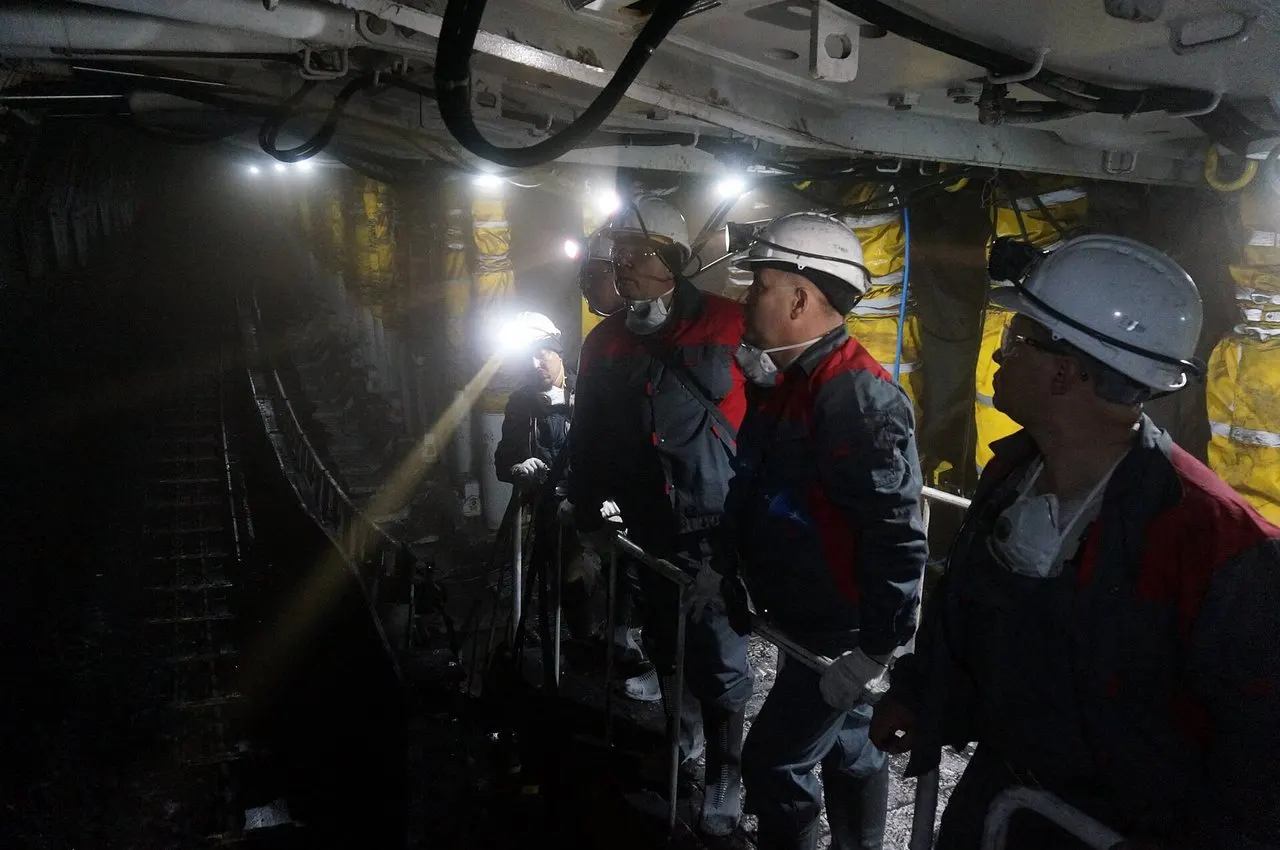
Mining is hot, dark, dusty and dangerous, and it is the kind of work the image headline says robots should be doing. Miners face cave-ins, bad air and long hours underground, and every year people are hurt or killed doing this job. Machines that can dig, haul and inspect tunnels would keep people out of harm while the work still gets done. Let robots take the risk, and let people do the safer work. Read Musk feeling foolish about his spending about hard jobs and new tools.
Cleaning Up Toxic Waste Is a Job for Machines
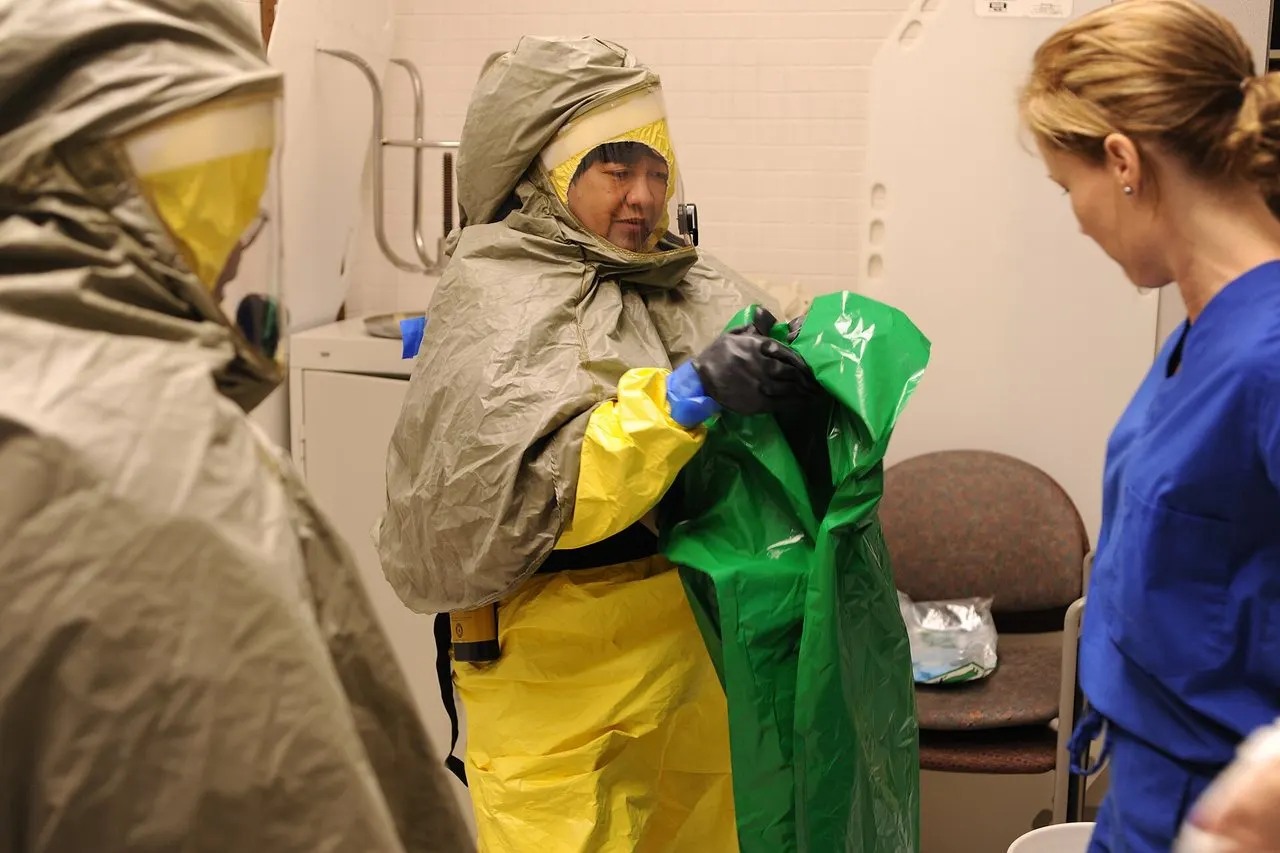
Toxic waste sites are poisoned ground where the air, soil and water can harm anyone who works there for long, so they are a natural place to send machines instead of people. Robots in protective shells can sort, lift and seal dangerous material without breathing it in or carrying it home on their clothes. Human crews would still plan the cleanup and check the results, but they would not have to stand in the worst of it. That is a fair trade. Read Raskin’s warning about disappearing messages about keeping workers safe.
Pulling Plastic From the Oceans
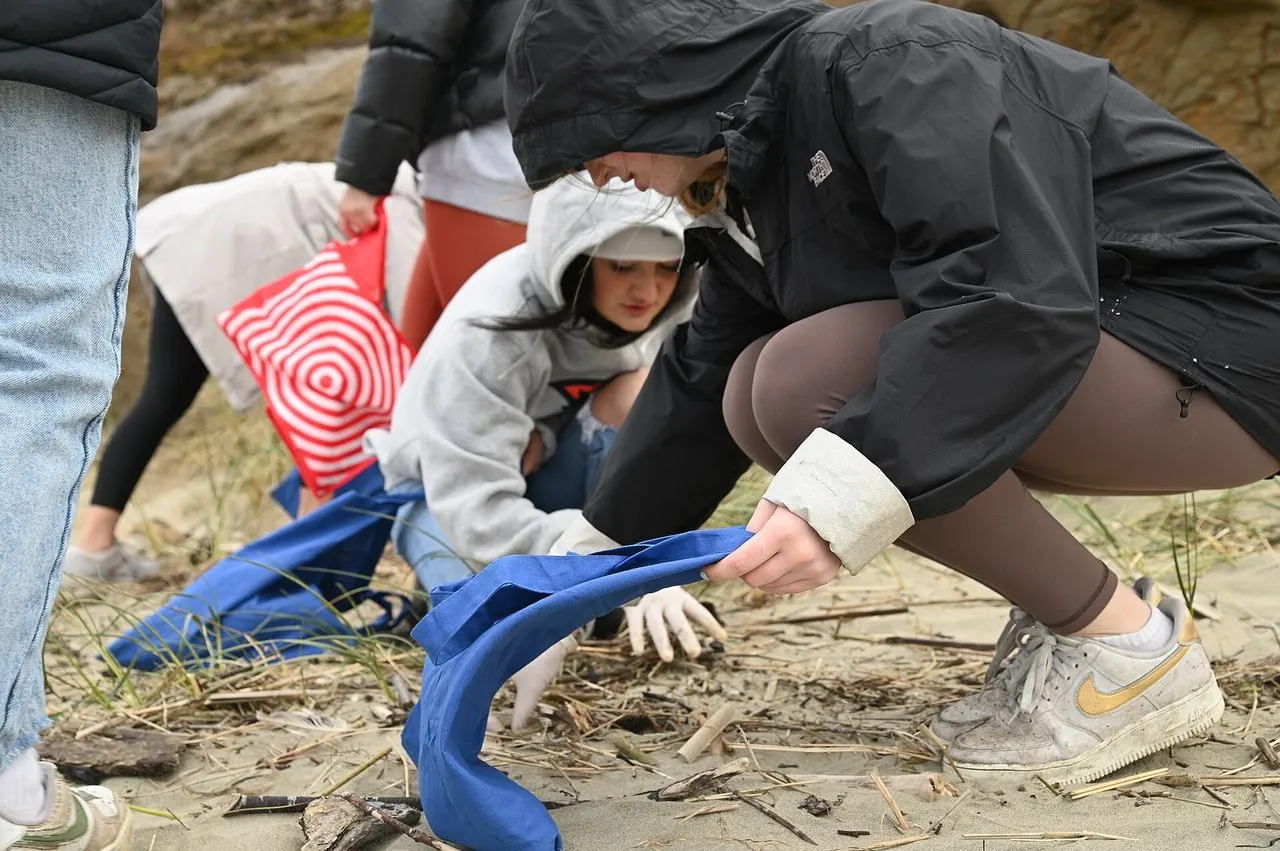
Plastic waste fills the oceans, harming fish, turtles and seabirds, and pulling it out is slow, dirty and endless work for human hands. Machines that skim the surface, sort the catch and recycle what they find could do this job around the clock without tiring. Volunteers already clean beaches by hand, and their work matters, but the scale of the problem needs more than weekends and good will. Read Zelensky’s quiet moment in Berlin about cleaning up our world.
AI Workplace Anxiety Rises When Machines Make Art

When a machine paints a picture or writes a song in seconds, worry rises among the artists, writers and designers who spent years learning their craft. Art is not only a product. It is how people express joy, grief and hope, and how they earn a living doing what they love. If machines flood the market with cheap pictures, human artists may struggle to be seen or paid. That is why many people say art should stay human. Read living cells that make insulin about protecting creative work.
Books Written by Machines Raise a Different Worry
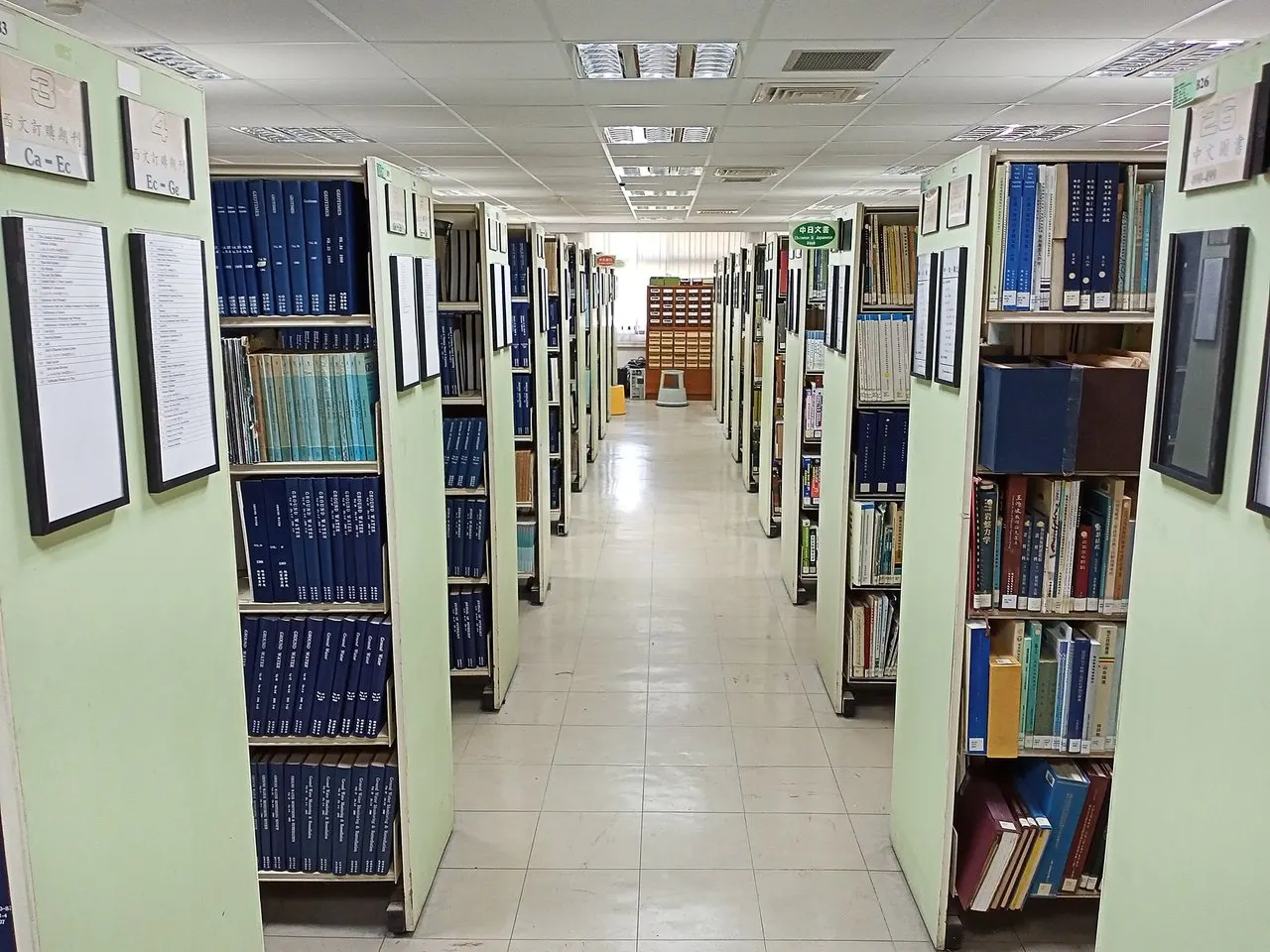
Books carry ideas, stories and the voice of the person who wrote them, and a machine that writes books raises a worry no mine or ocean can match. Readers want to know that a real person lived, thought and felt the story they are holding. A machine can copy style and plot, but it has no life to draw on. The answer is not to ban the tool, but to value the human behind the words. Read Dr. Stella Immanuel’s message about stories that matter.
Presentations Made in Seconds by AI
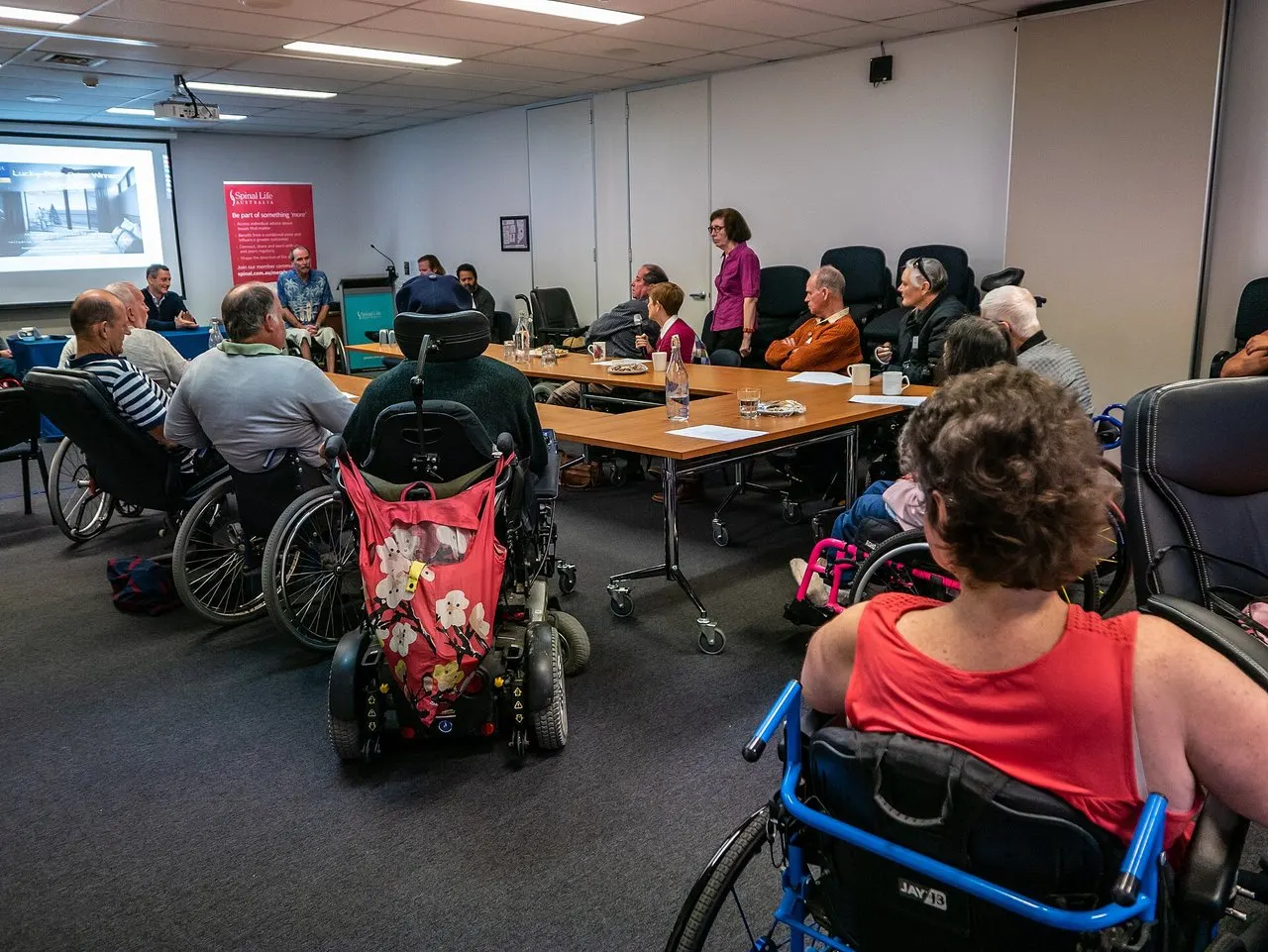
A worker can now ask AI to build a whole presentation in seconds, with slides, charts and talking points ready to go, and that speed is both a gift and a threat. It saves hours of dull formatting, but it can also make every talk sound the same, and it can hide the fact that no one really thought about the message. It is a person who cares about the idea and can answer hard questions. Read Trump celebrating with Putin and Xi about work that still needs people.
Dangerous Jobs Are Where AI Workplace Anxiety Eases

There is one place where AI workplace anxiety fades fast, and that is in the jobs that can hurt or kill people. Firefighters who walk into burning buildings, crews who handle explosives and teams who enter collapsed structures all face risks that no paycheck can fully cover. Machines can go first, test the danger and report back, so people only enter when it is safer. Most workers cheer for robots here. Read Maru and her thousand photos about machines that protect people.
AI Workplace Anxiety and the Fear of Being Replaced
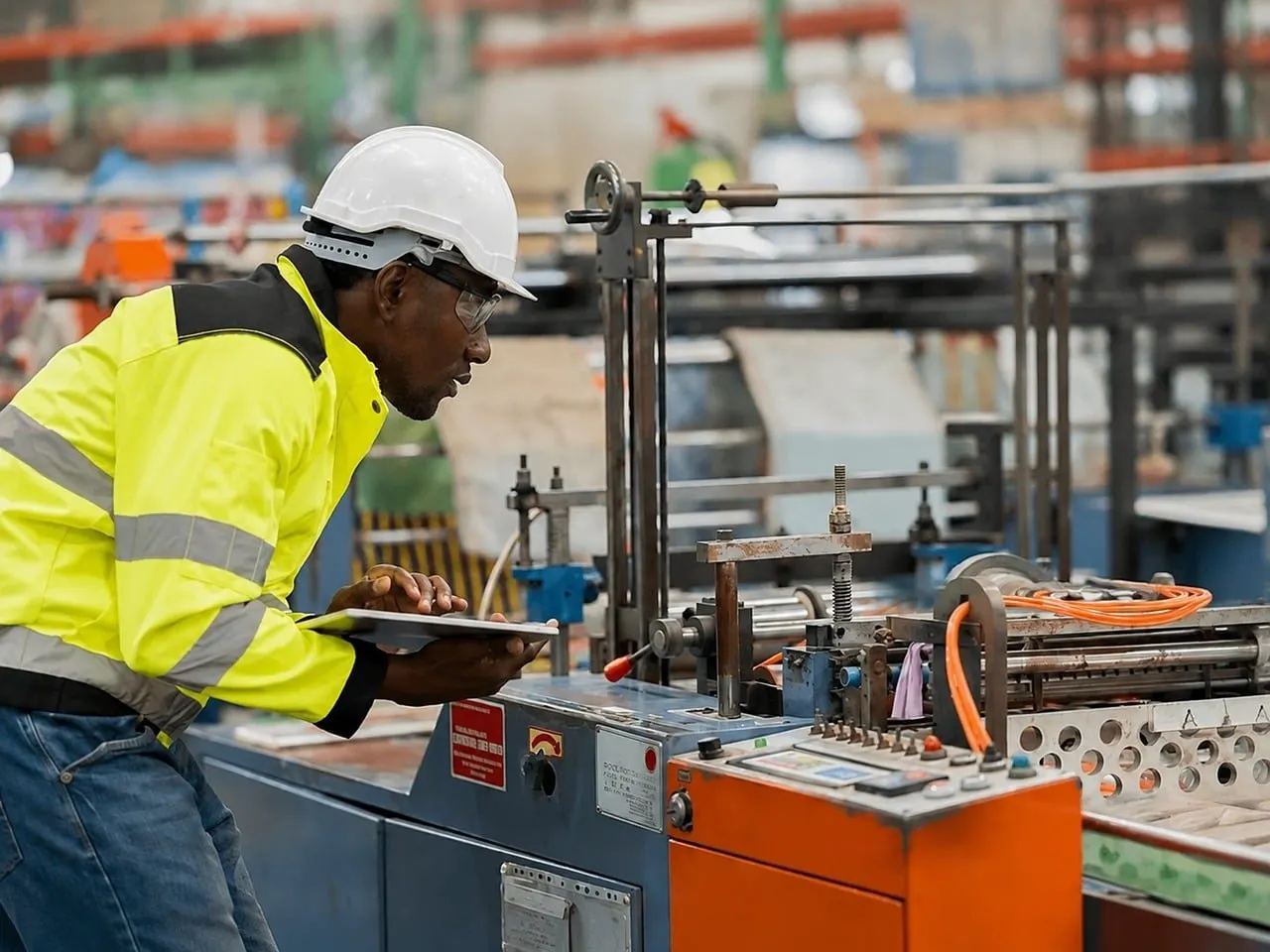
The deepest fear behind the numbers is simple: being replaced, and worry grows when workers hear that a machine can do their job cheaper. Psychologists who study AI anxiety say the fear is not only about money. People tie their worth to their work, and losing it can feel like losing a place in the world. What helps is honesty from bosses, training for new roles and a clear plan for people, not only for machines. Read the Tesla Optimus robot and its future about facing fear with facts.
How AI Affects Employment Across the Economy
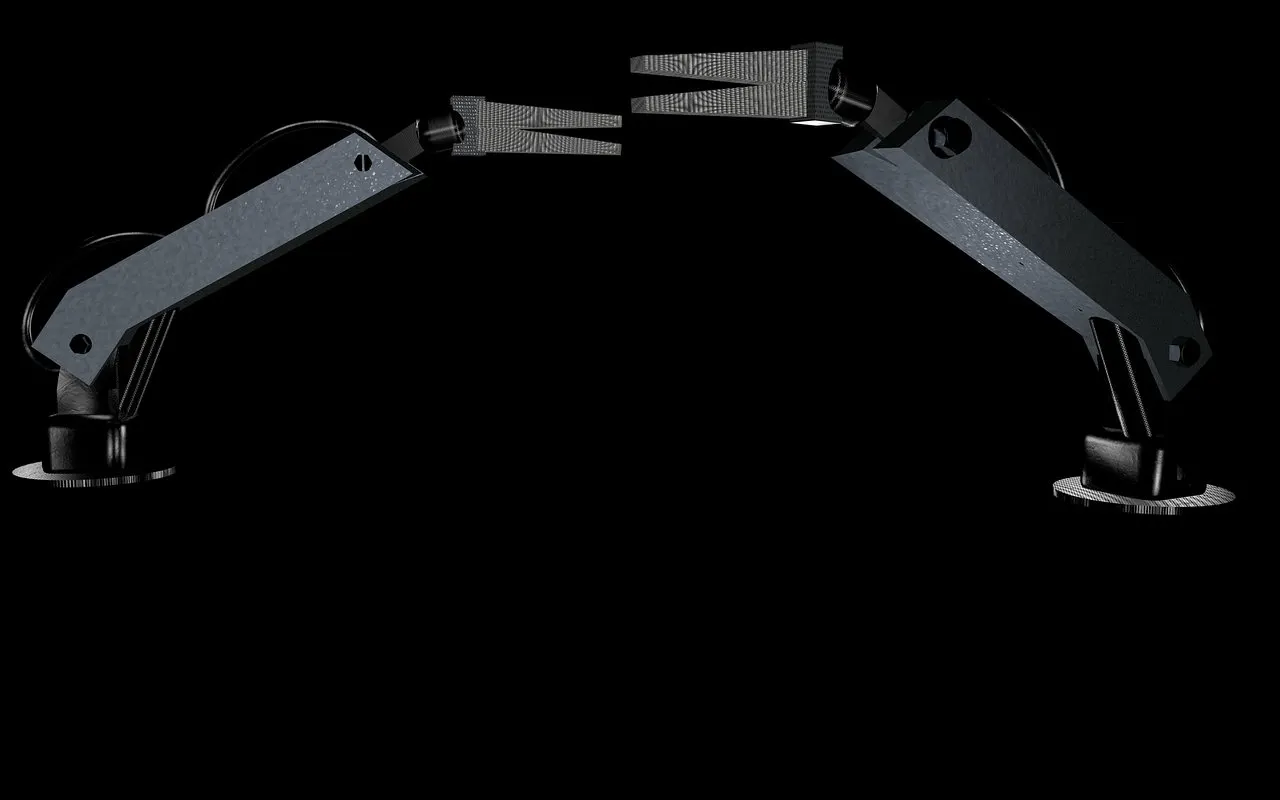
AI is changing jobs across the whole economy, not only in offices, as robots and software take on tasks in factories, warehouses, shops and farms. Some roles shrink, some grow, and many change shape, with workers asked to guide machines rather than do the task by hand. History shows that new tools can create new kinds of work, but the change is rarely smooth, and the people caught in the middle need help. That is why the Pew numbers matter so much. Read data centers and their water use about economies in motion.
What Employees Fear About AI, and What Helps
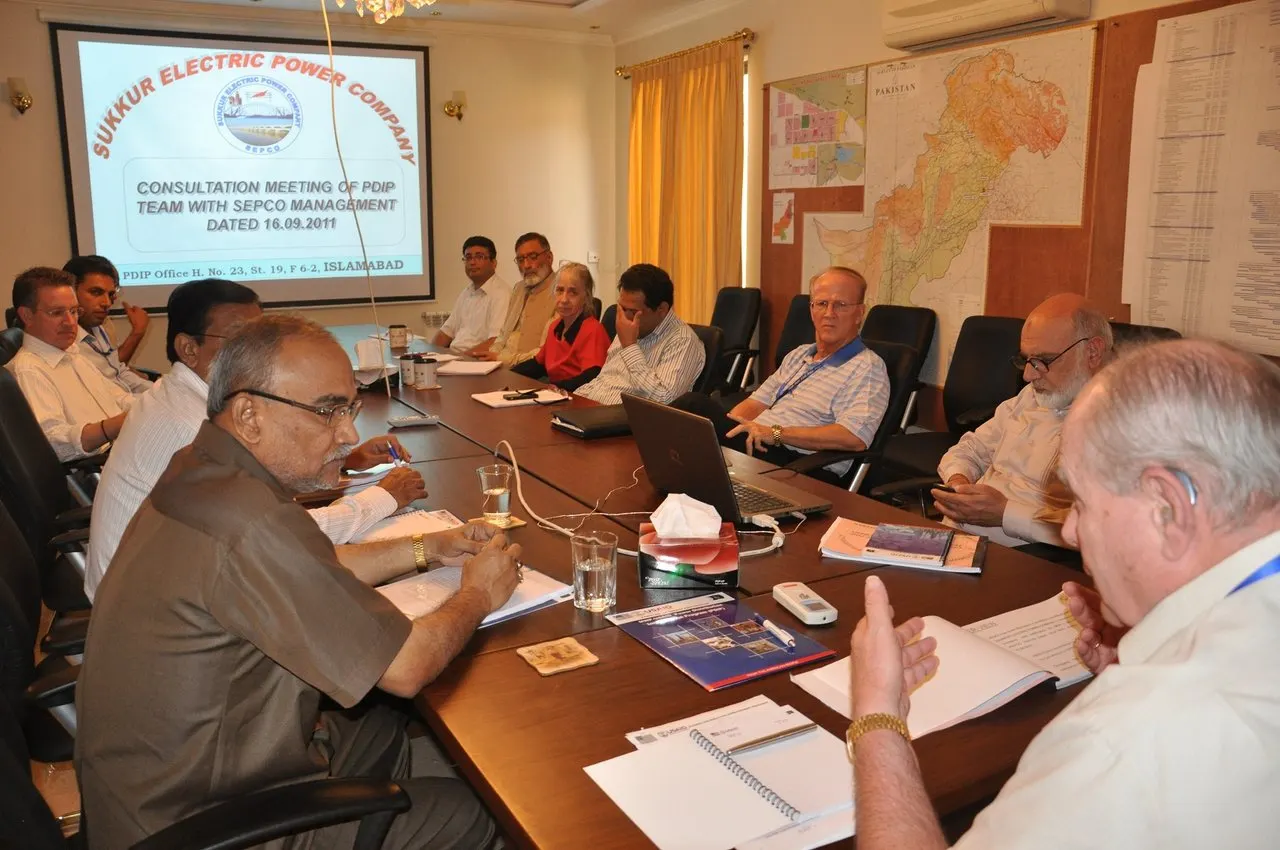
Workers fear many things about AI: losing their job, losing pay, being watched by software and being left behind by change they did not choose. What helps, according to workplace experts, is being told the truth early, getting real training and having a say in how new tools are used. A boss who explains the plan and listens to worries builds trust, while silence breeds rumors. The Pew survey is a loud signal that workers want a voice in this change. Read a plan that affects about 200 workers about listening to workers.
Robots That Work Where Humans Should Not Go
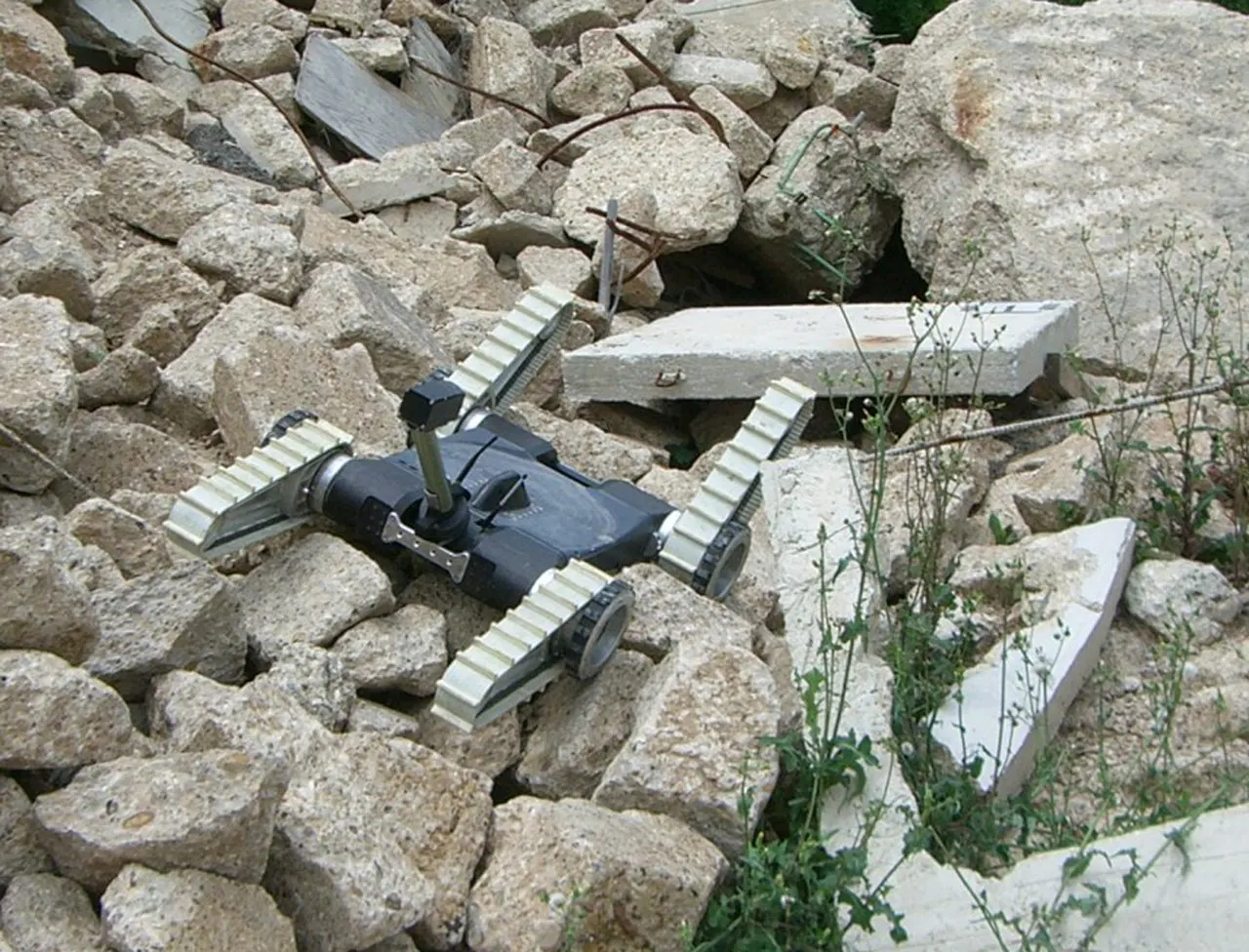
Rescue robots already crawl into rubble after earthquakes, roll into burning buildings and swim into flooded tunnels, doing work that would put human rescuers in grave danger. They carry cameras, sensors and microphones, and they can find a trapped person and report back before anyone risks a life. These machines are a clear example of the idea in our image headline. Send the robot where it is dangerous, and keep the person safe. Read Musk feeling foolish about his spending about rescue work and brave machines.
Smart Machines Are Helping Clean the Oceans
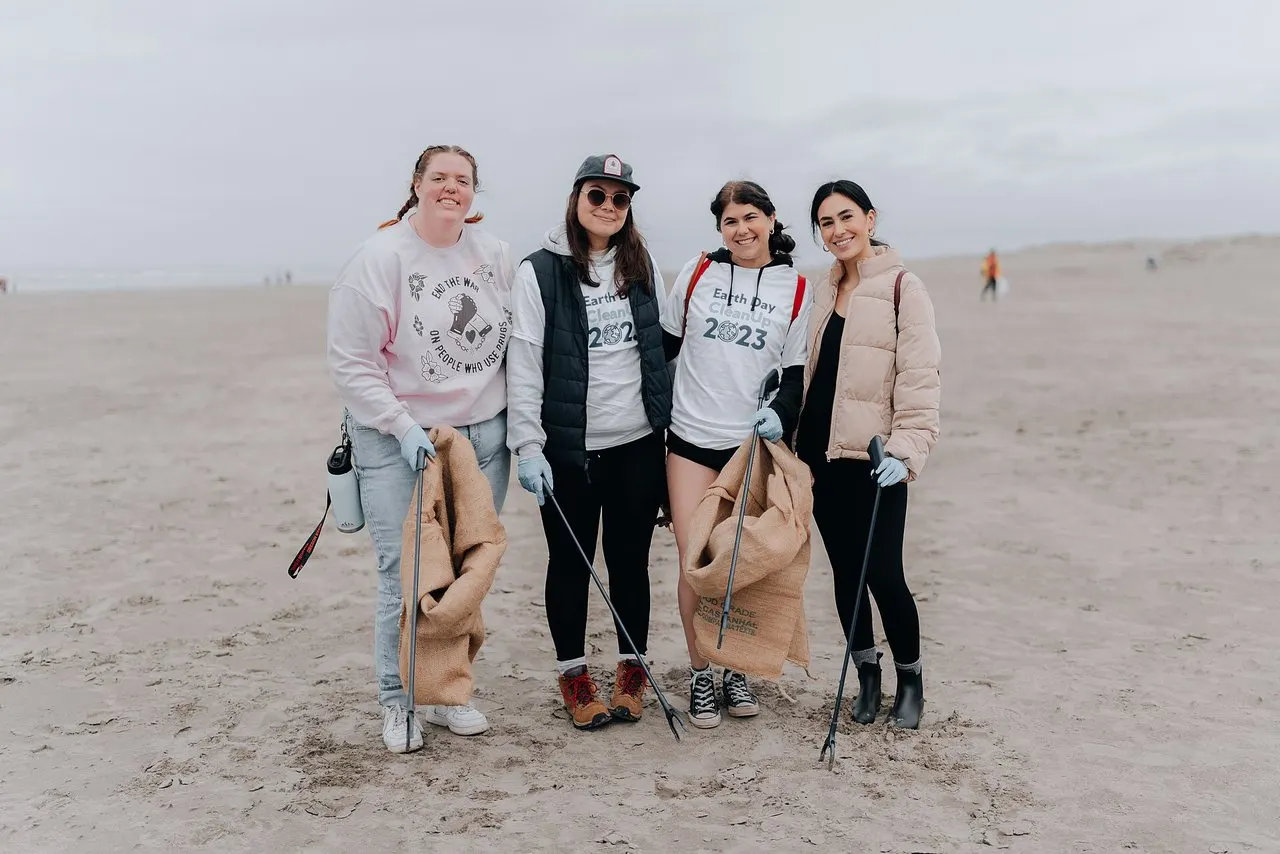
Ocean cleanup groups are already testing machines that collect floating plastic, with booms and nets that gather waste so ships can haul it away for recycling. The Ocean Cleanup project, founded by Boyan Slat, has run large systems in the Pacific that scoop up plastic from the surface. These tools do not replace beach volunteers. They work at a scale no human team could match, far out at sea, day and night. Read Raskin’s warning about disappearing messages about big ideas for a cleaner sea.
Mines Are Already Using Smarter Machines
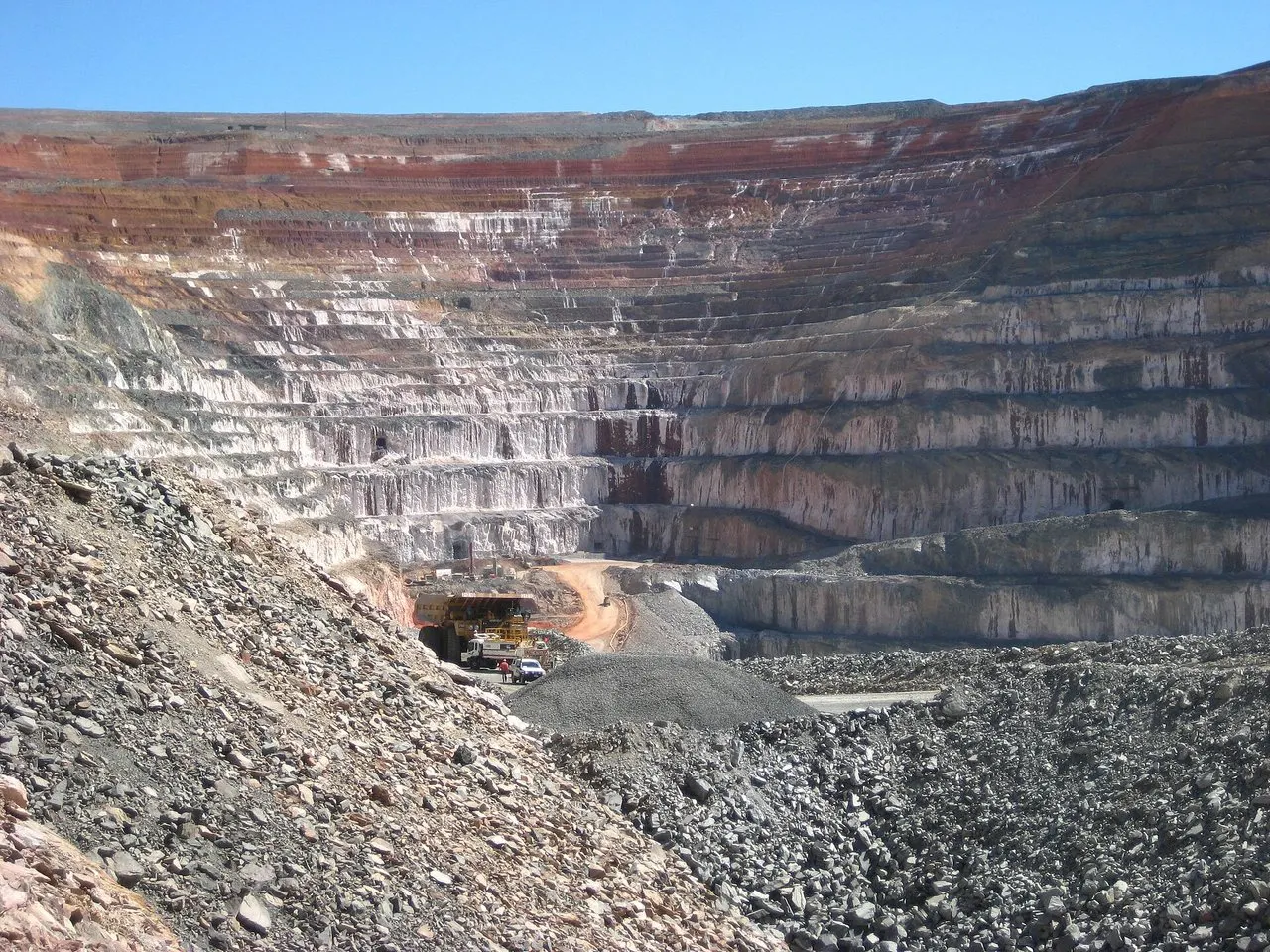
Modern mines already use driverless trucks, remote drills and sensors that watch the rock for danger, and these machines work the long, risky shifts that once fell to people. In large open pit mines in Australia, fleets of autonomous haul trucks move ore day and night with no driver on board. Human workers now sit in control rooms, guiding the fleet and fixing problems. The jobs change, but fewer people have to go underground. Read Zelensky’s quiet moment in Berlin about machines in hard places.
AI Workplace Anxiety and the Creative Work We Want to Keep

Painting, writing, music and design are the work people choose because they love it, and AI workplace anxiety bites hardest when machines take the work we actually want to do. A person who paints for a living does not want a machine to paint faster. They want time, tools and respect for the skill they built over years. Let machines do the dull and dangerous jobs, and let people keep the creative ones. Read living cells that make insulin about work worth keeping.
AI Workplace Anxiety Ends With a Choice We Make
The future of AI at work is not decided by the machines, and that worry can ease once we choose what the tools are for. Leaders can direct AI toward the mines, the toxic sites and the oceans, and protect the art, the books and the presentations that make work human. Workers can ask for training, honest plans and a real voice in the change. The Pew survey shows the worry is real, but worry can become a plan. Read Dr. Stella Immanuel’s message about choices that shape the future.
What Would You Ask AI to Do for You?

We have looked at 29 facts about worried workers, hopeful workers and the big question of what robots should do. The numbers are clear: 52 percent worried, 36 percent hopeful and only 6 percent expecting more chances. If you could give AI one job and keep the rest for people, what would you choose? Would you send it down a mine, into the oceans or after toxic waste? Tell us in the comments, and read Trump celebrating with Putin and Xi for more stories worth your time.