Banaue Rice Terraces: A 2,000-Year-Old Wonder Under Threat
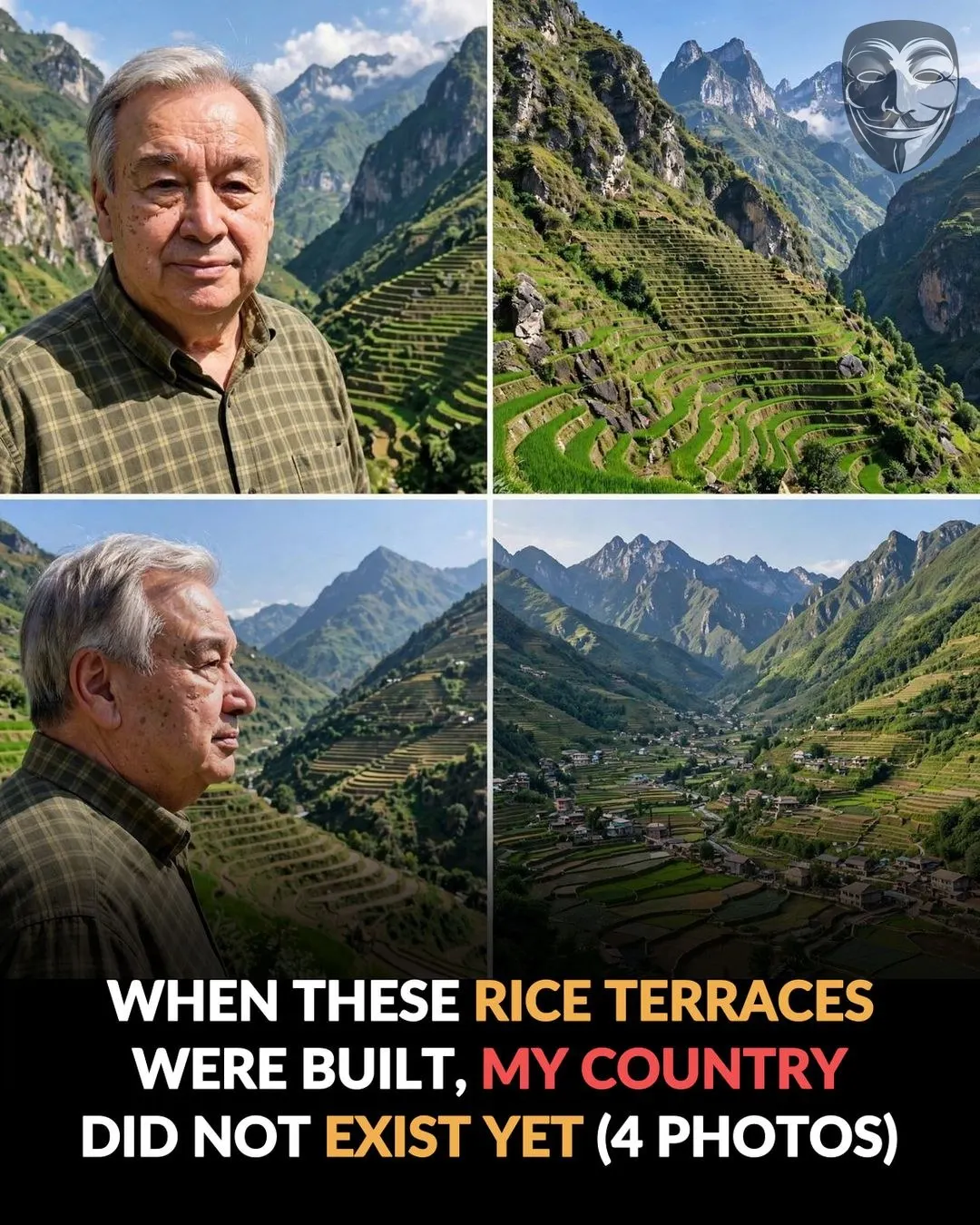
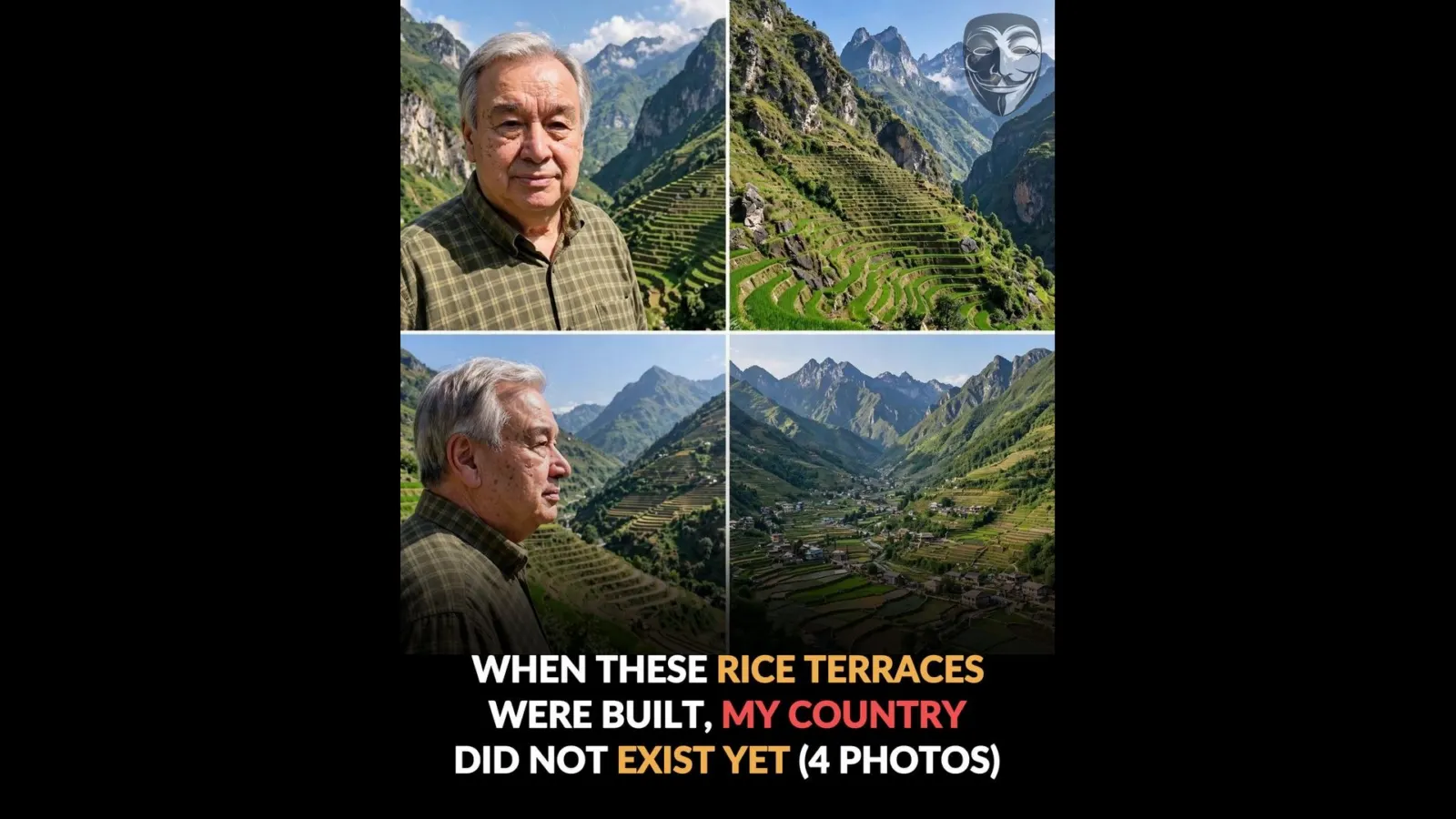
Banaue Rice Terraces are among the oldest living wonders in the world, carved into the mountains of Ifugao in the Philippines about 2,000 years ago. United Nations Secretary-General António Guterres visited them on November 18 and 19, 2026, after the ASEAN Summit in Manila, and stood before the green steps of stone and soil that Ifugao communities built long before his own country, Portugal, existed. He called the terraces an extraordinary testament to the Ifugao people’s deep understanding and careful management of the land, water and ecosystems, and he warned that climate change now threatens them.
Guterres said the only effective response is urgent climate action, from ending the addiction to fossil fuels to speeding up the shift to renewables and delivering early warning systems for all. His warning matters far beyond one mountain province, because forests in the Philippines are also under pressure and people everywhere are asking how much water large projects use each year. In the slides ahead we look at how the terraces were built, who keeps them alive today, and what can still be done to protect them for the next 2,000 years.
References:
Balita: UN chief warns landslides, drought threaten Banaue rice terraces
Maharlika News: Climate impact on heritage sites worries UN chief
PMN Sports: Climate impact on heritage sites worries UN chief
LinkedIn: The dramatic impacts of the climate crisis can be felt everywhere around the world
The UN Chief Comes to Ifugao
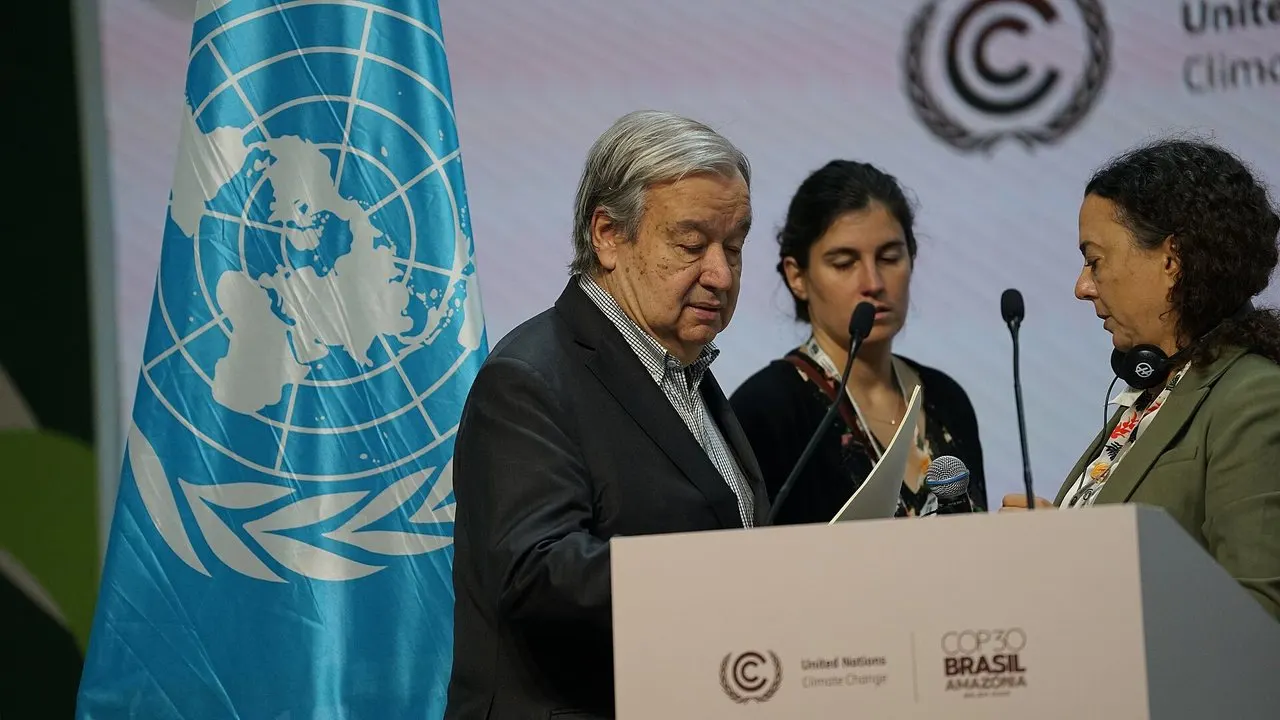
The Secretary-General came to Ifugao on November 18, 2026, right after the ASEAN Summit in Manila, to see the terraces for himself. António Guterres walked along the old stone walls and looked across the green steps that climb the mountainsides, and he met local people who live and farm there. His visit put a small mountain province in the world spotlight for a few days, and his words travelled far beyond the Philippines. Read more about leaders calling each other about Ukraine.
Banaue Rice Terraces Are Older Than Portugal
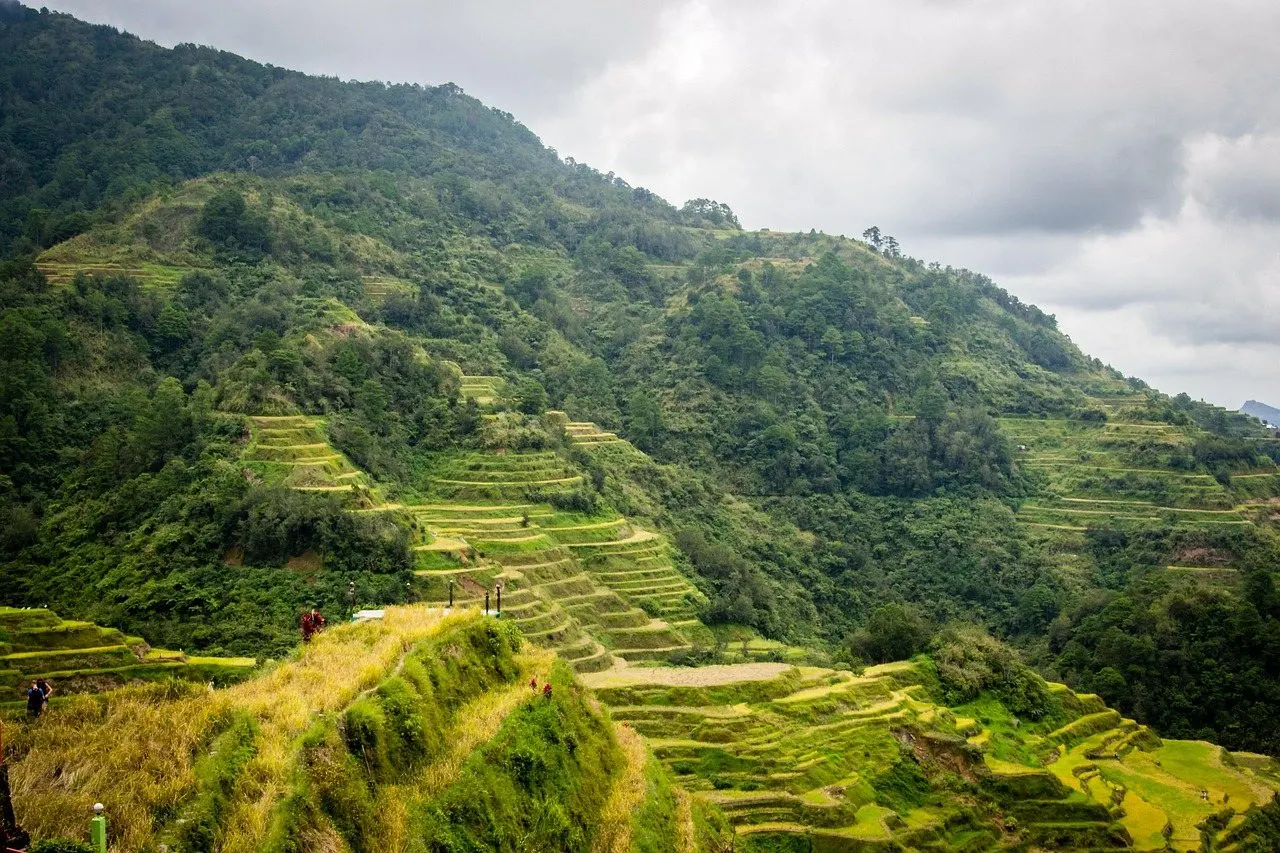
The Banaue Rice Terraces were built by hand about 2,000 years ago, long before modern machines or concrete. Ifugao families carved level steps into steep mountainsides and held the soil in place with walls of stone and mud, then filled each step with water and rice. The work took generations, and the result still feeds families today. When these terraces were built, the country we now call Portugal did not exist, which is why the UN chief’s words struck so many people. Read more about how another Philippine forest is losing ground fast.
Banaue Rice Terraces: A UNESCO World Heritage Treasure
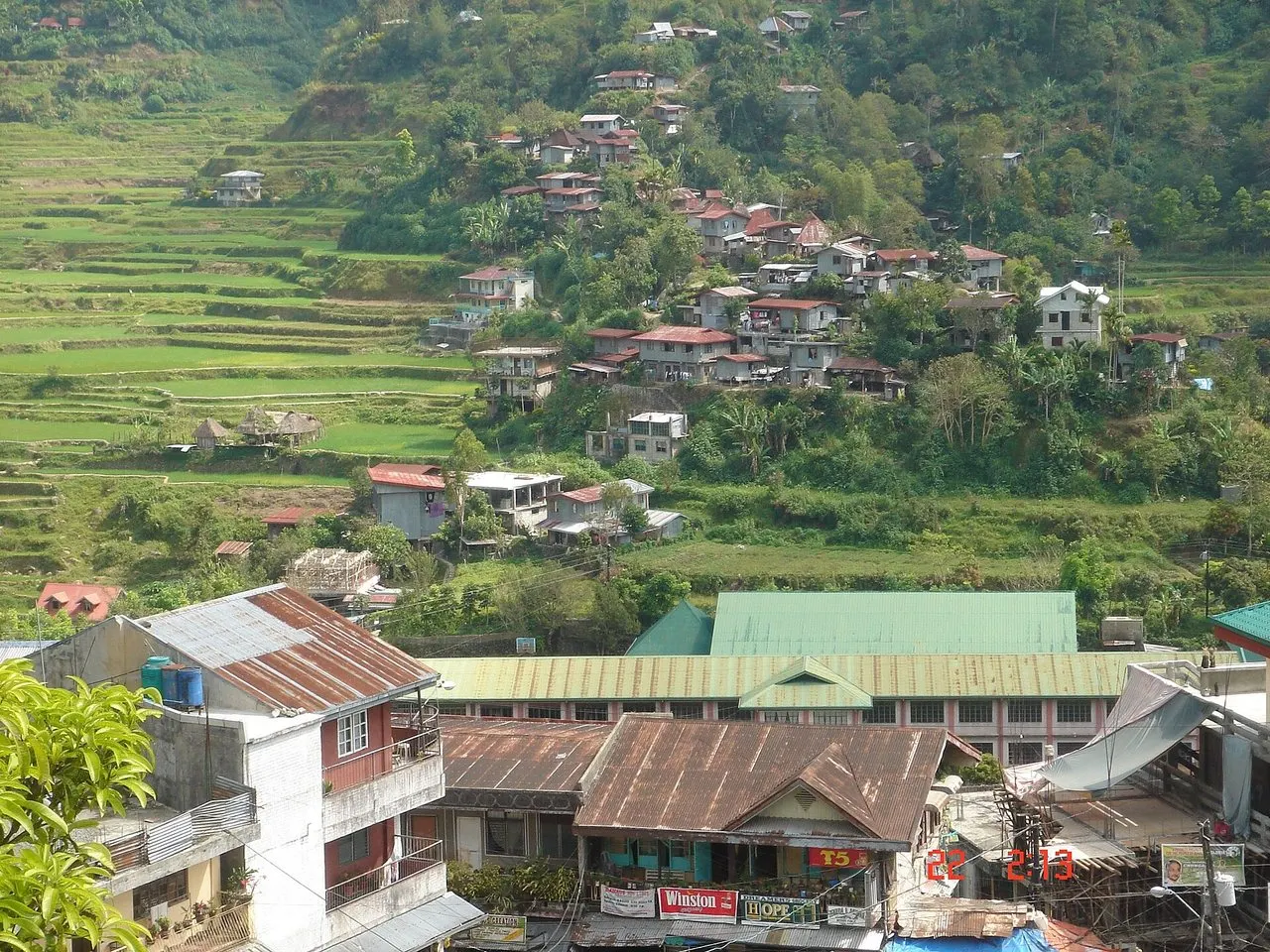
The Rice Terraces of the Philippine Cordilleras are listed as a UNESCO World Heritage site, a title given to places of outstanding value to all of humanity. The listing covers five groups of terraces, including the famous ones at Banaue and Batad, and it recognises the living culture behind them, not just the view. Guterres called them an extraordinary testament to the Ifugao people’s care for the land, water and ecosystems. Read more about an Asia trip that drew praise.
When These Terraces Were Built, Portugal Did Not Exist
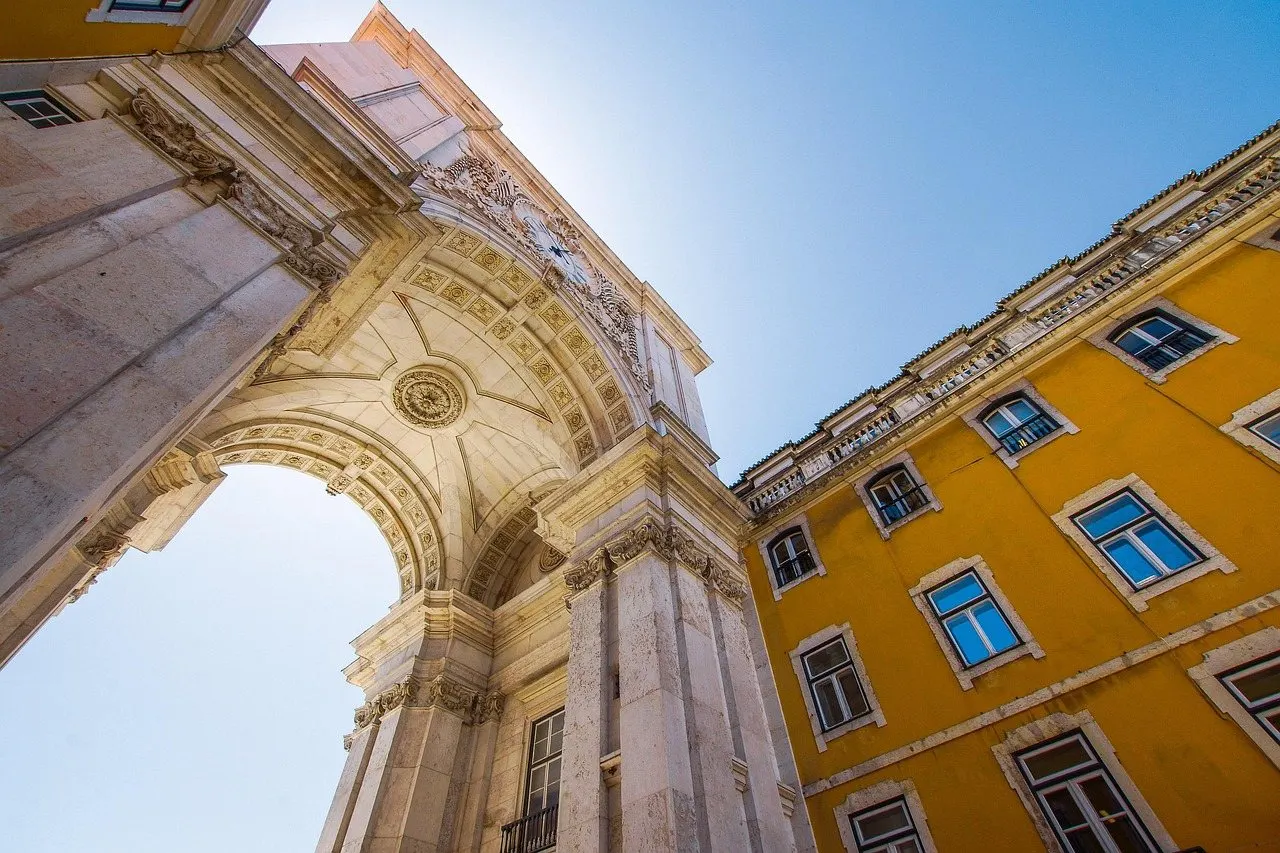
Guterres was born in Lisbon, the capital of Portugal, a country that took shape in the 1100s, when the first king of Portugal was crowned. By that time, the rice terraces of Ifugao had already been feeding families for more than a thousand years. That is the point of his remark, and it shows how old the terraces really are. A country with centuries of history can still be young next to them. Read more about a first speech as chief of staff.
How Water Flows Through the Banaue Rice Terraces
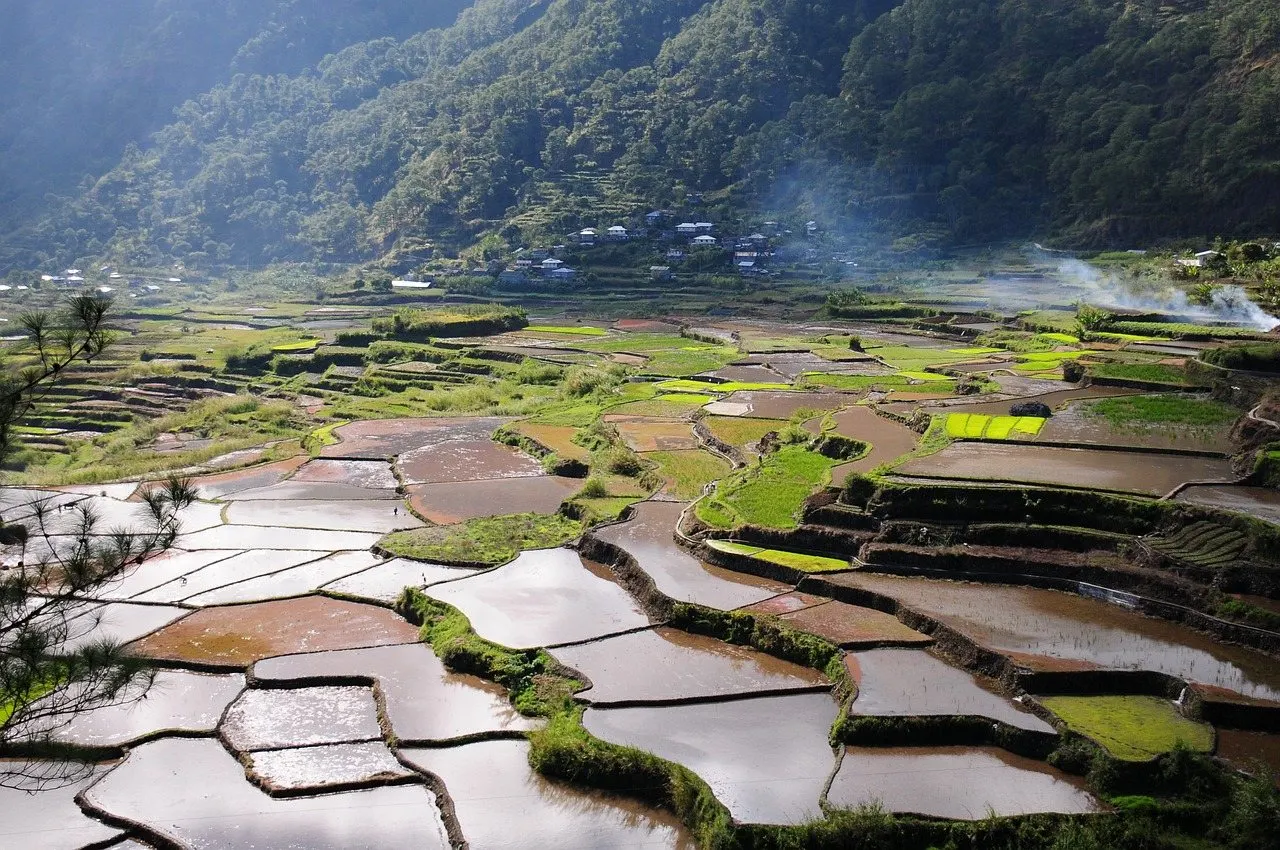
The terraces work because water flows downhill from the rainforests above them, filling each step in turn before moving to the next. Ifugao farmers built small channels and ponds to guide the water, and they plant trees on the slopes to keep the soil and the springs healthy. It is a system that has worked for about 2,000 years without pumps or pipes. When the forests above are cut or the rains fail, the whole system suffers. Read more about how much water large projects use each year.
The Ifugao People Who Built Them
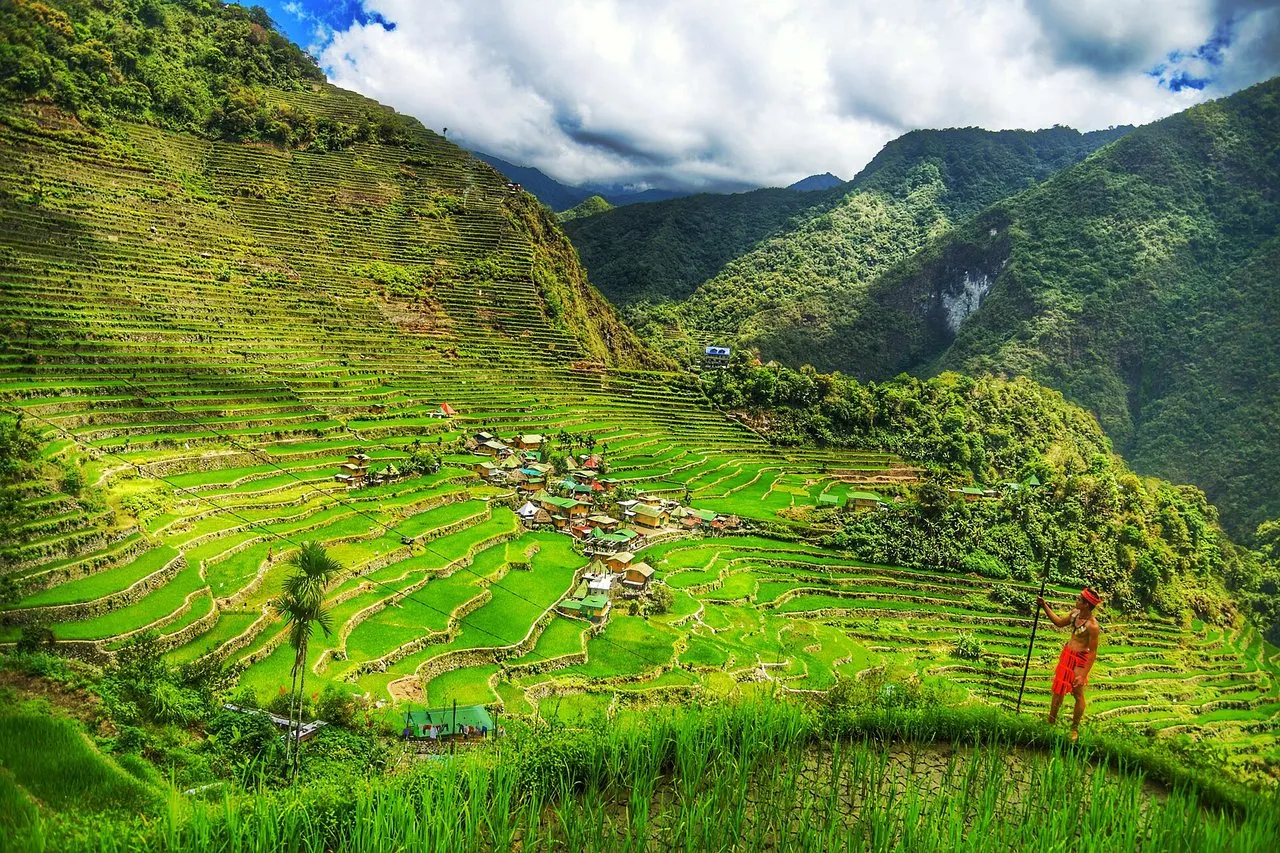
The Ifugao are the Indigenous people of these mountains, and the terraces are their work, their home and their heritage. Families pass the fields from parents to children, along with the knowledge of when to plant, how to repair a wall and how to share water fairly. Old stories, songs and rituals are tied to the rice cycle, from planting to harvest. The terraces are not a museum, because people still live and work on them every day. Read more about a much-loved Filipino sports star.
Landslides Hit the Banaue Rice Terraces Last Year
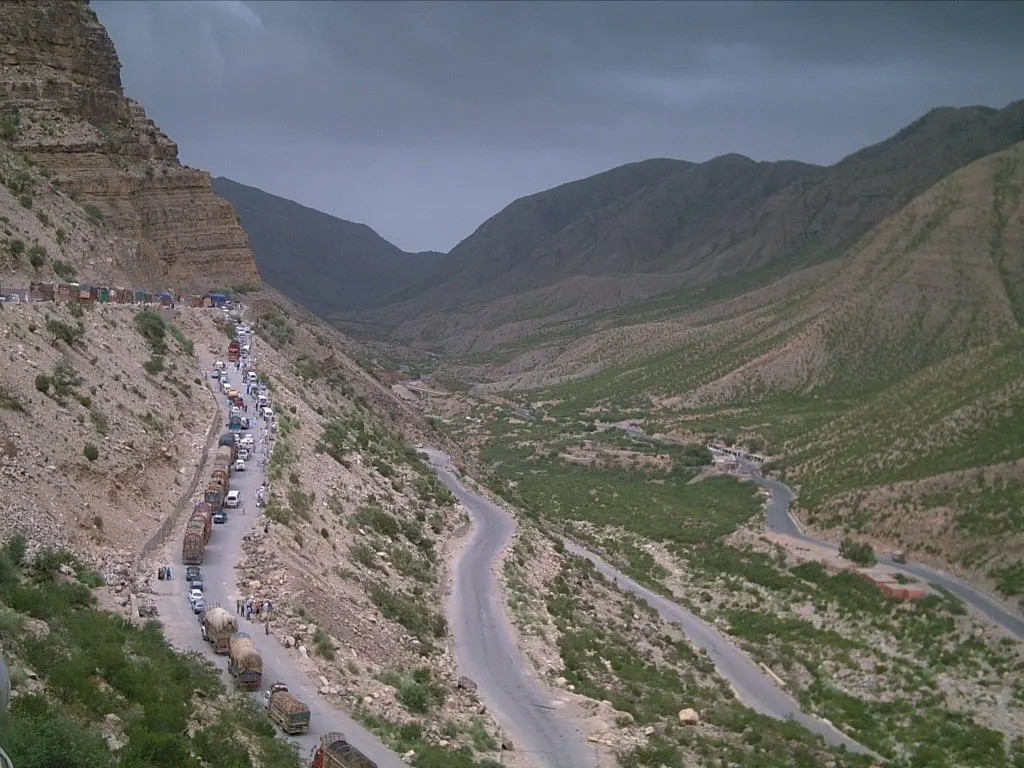
Guterres warned that landslides hit the terraces last year, tearing at the stone walls and burying fields under mud and rock. Heavy rain can loosen a whole hillside in minutes, and a single slide can undo years of careful work. Families then face the hard job of clearing the damage and rebuilding walls by hand, often while the next storm is already on its way. Climate change is making heavy rain more common in the mountains. Read more about a grandpa who found a child in the dark.
Drought Fears This Year
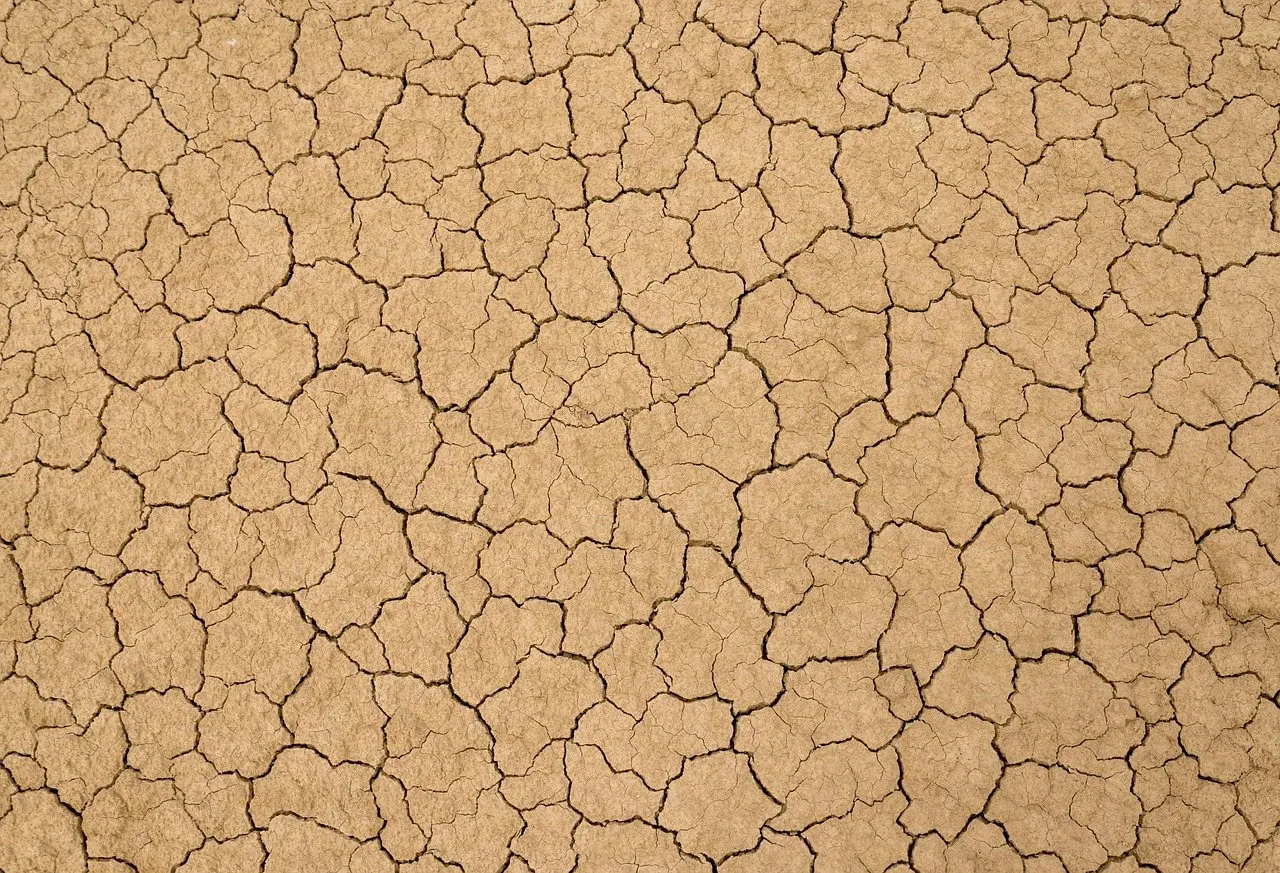
This year, people in Ifugao fear the opposite problem, a drought that could leave the terraces dry. Rice needs standing water to grow, so a dry season that runs too long can ruin a whole crop. Farmers watch the sky and the springs, and they worry about how much water will reach the lower steps. A failed harvest means less food and less money for families who already live simply. Drought and flood now threaten the same fields in the same year. Read more about remarks about the conflict.
Water, Food and Livelihoods at the Banaue Rice Terraces
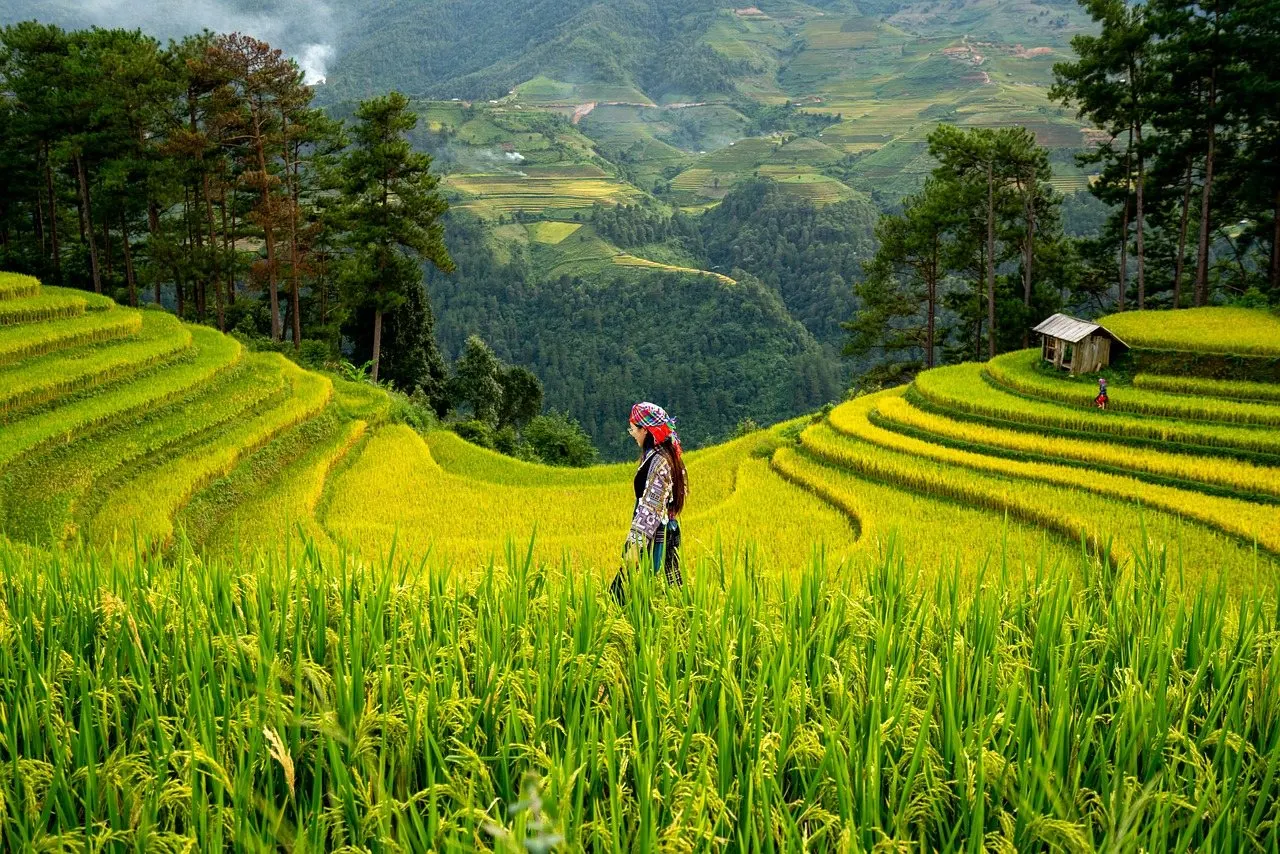
The terraces give local families water, food and a way to earn a living, and all three are at risk when the climate turns harsh. Rice from the terraces feeds households through the year, and visitors who come to see the views support guides, homestays and small shops. If the fields fail, families lose both dinner and income at the same time. That is why Guterres spoke about protecting the most vulnerable, not just the stones and the soil. Read more about calls for Congress to act on health care.
Ending the Addiction to Fossil Fuels
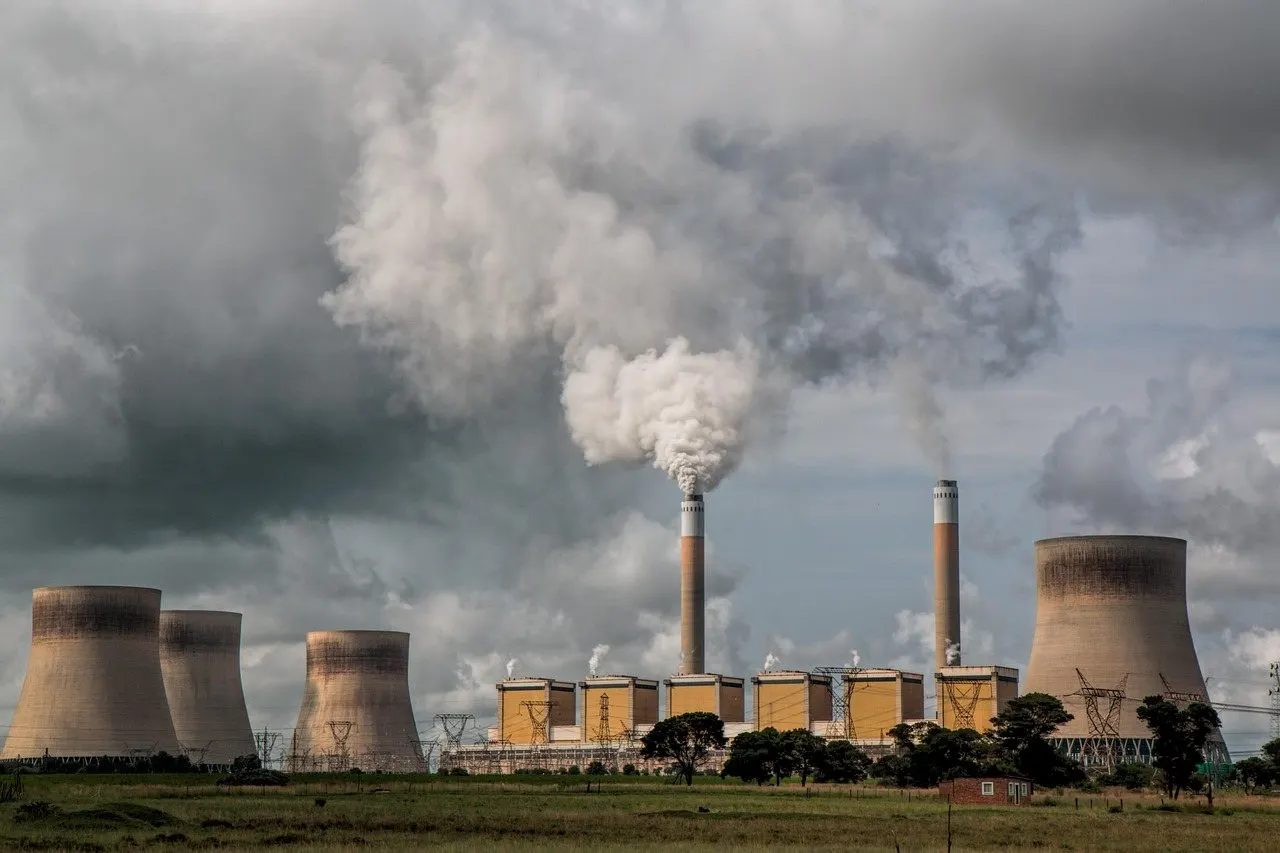
The UN chief called for an end to what he called the addiction to fossil fuels, the coal, oil and gas that warm the planet when they are burned. Every tonne of carbon dioxide released into the air traps more heat, and that heat brings heavier rain and longer dry spells to places like Ifugao. Ending the addiction means using less fuel and finding cleaner ways to make power. It is a big change, and it has to happen fast. Read more about remarks about the conflict.
Speeding Up the Shift to Renewables
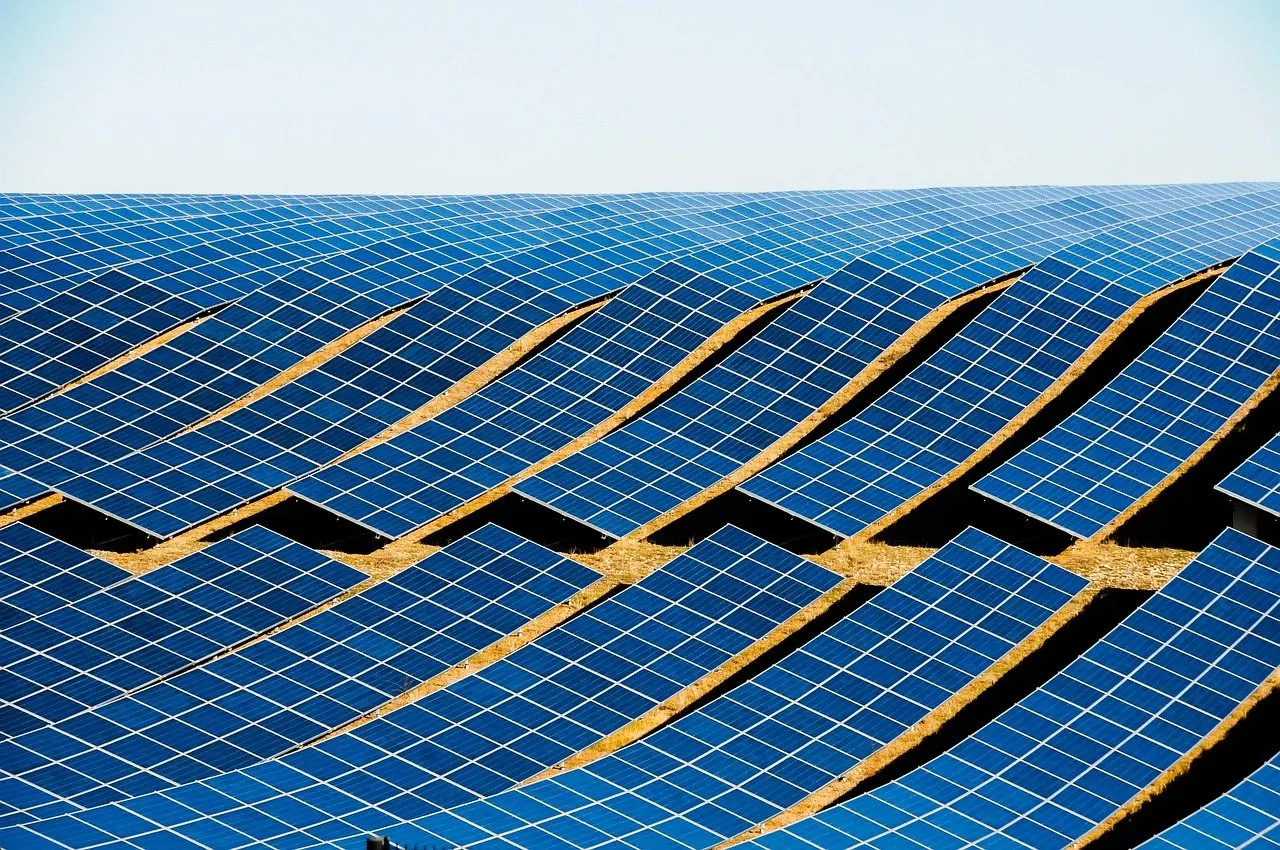
Renewable energy comes from the sun, the wind and flowing water, and it does not fill the air with smoke. Solar panels and wind turbines are now cheaper than they used to be, and many countries are building them quickly. Guterres wants the shift to speed up, so that clean power replaces coal and oil plants. For mountain villages, small solar systems can also bring light and power without long wires. Read more about a Christmas campaign that gives money away.
Early Warning Systems for All
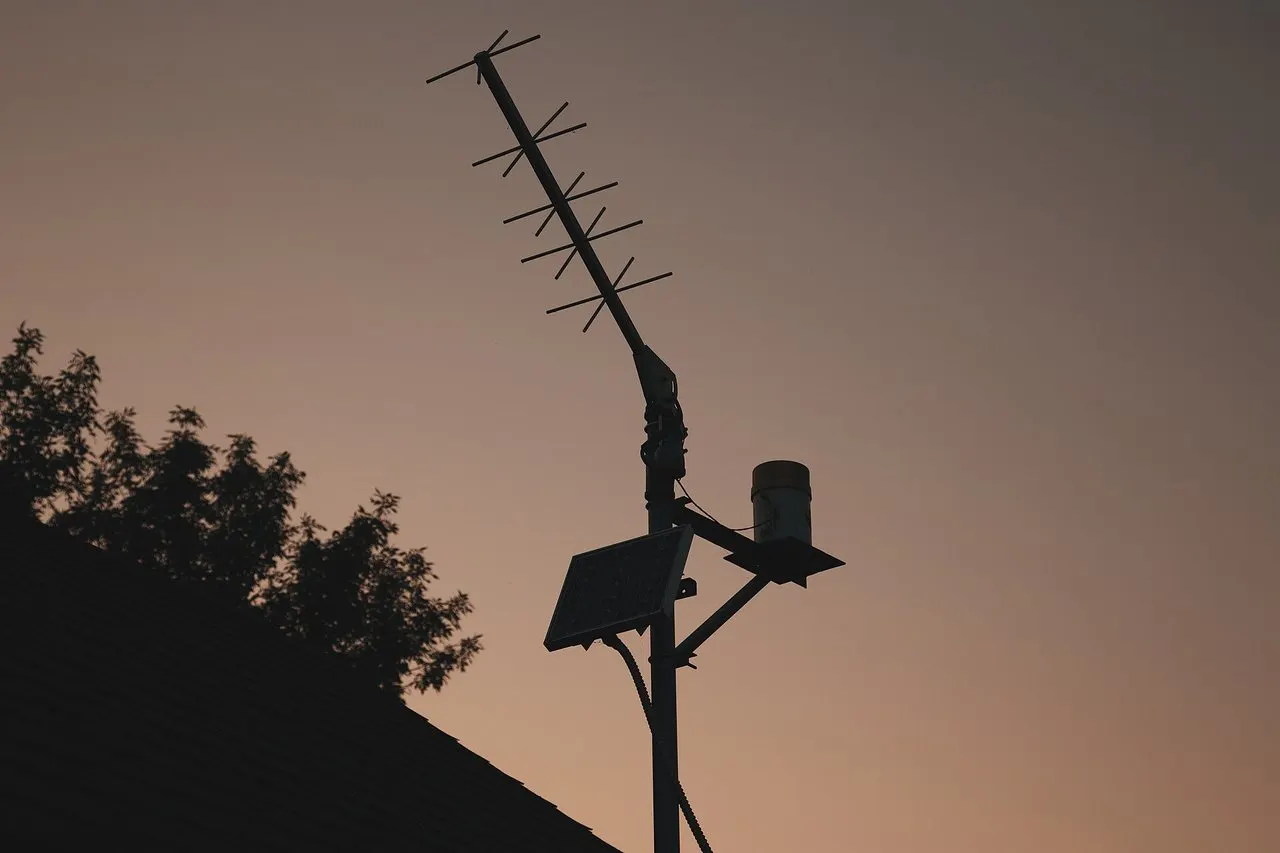
Early warning systems give people time to act before a storm, flood or landslide strikes, and Guterres wants them for everyone on Earth. A warning can be a text message, a radio alert or a siren, and it can tell families to move to higher ground or protect their fields. In remote mountain villages, warnings need radios and local leaders who know every household. A few hours of warning can save lives. Read more about a warning about disappearing messages.
Protecting the Most Vulnerable
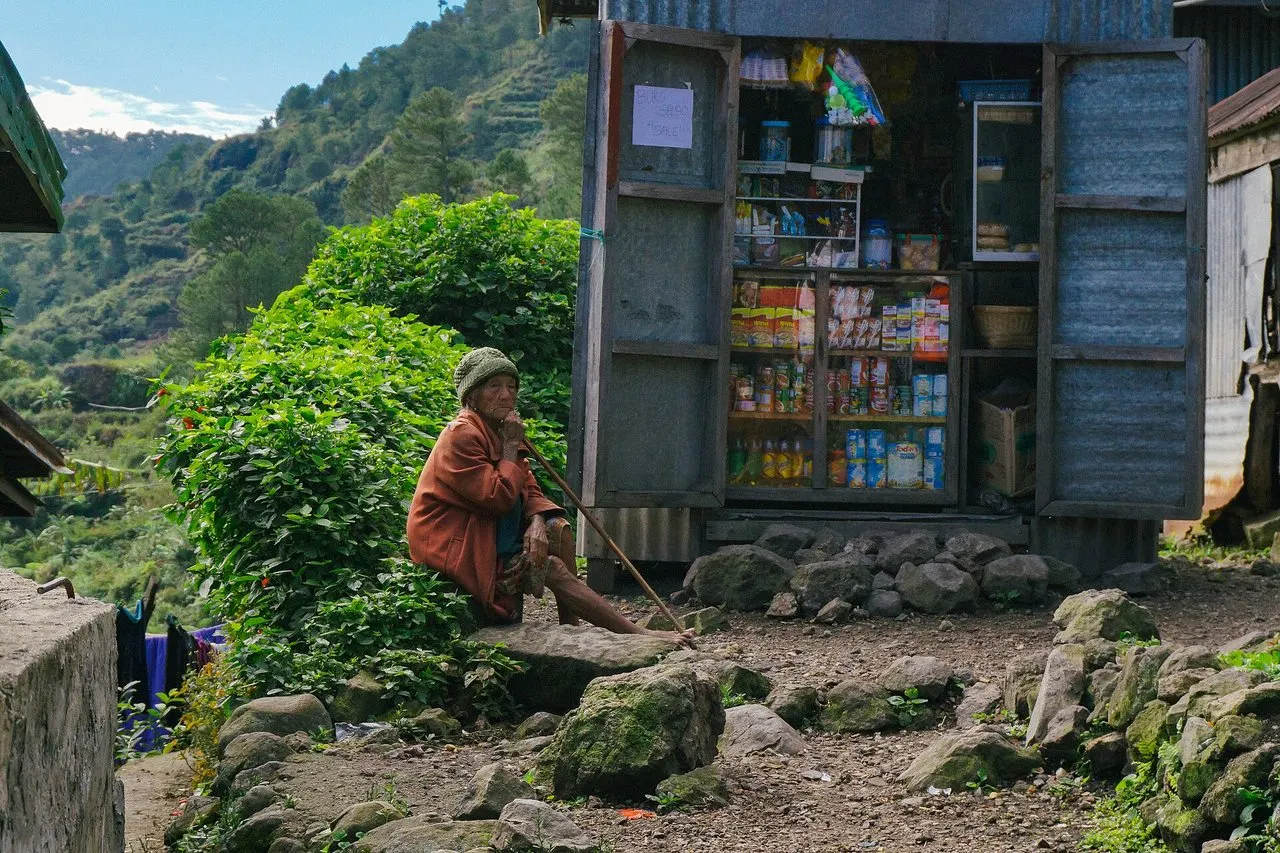
The people most at risk from climate change are often the ones who did the least to cause it, and Guterres said protecting them must come first. In Ifugao, that means small farmers, older people and children living in mountain villages, far from hospitals and big cities. They need strong houses, safe water and help when a harvest fails, not just kind words. Protecting the vulnerable is the heart of his message. Read more about a plan to help people afford care.
The Banaue Rice Terraces Are Not Alone
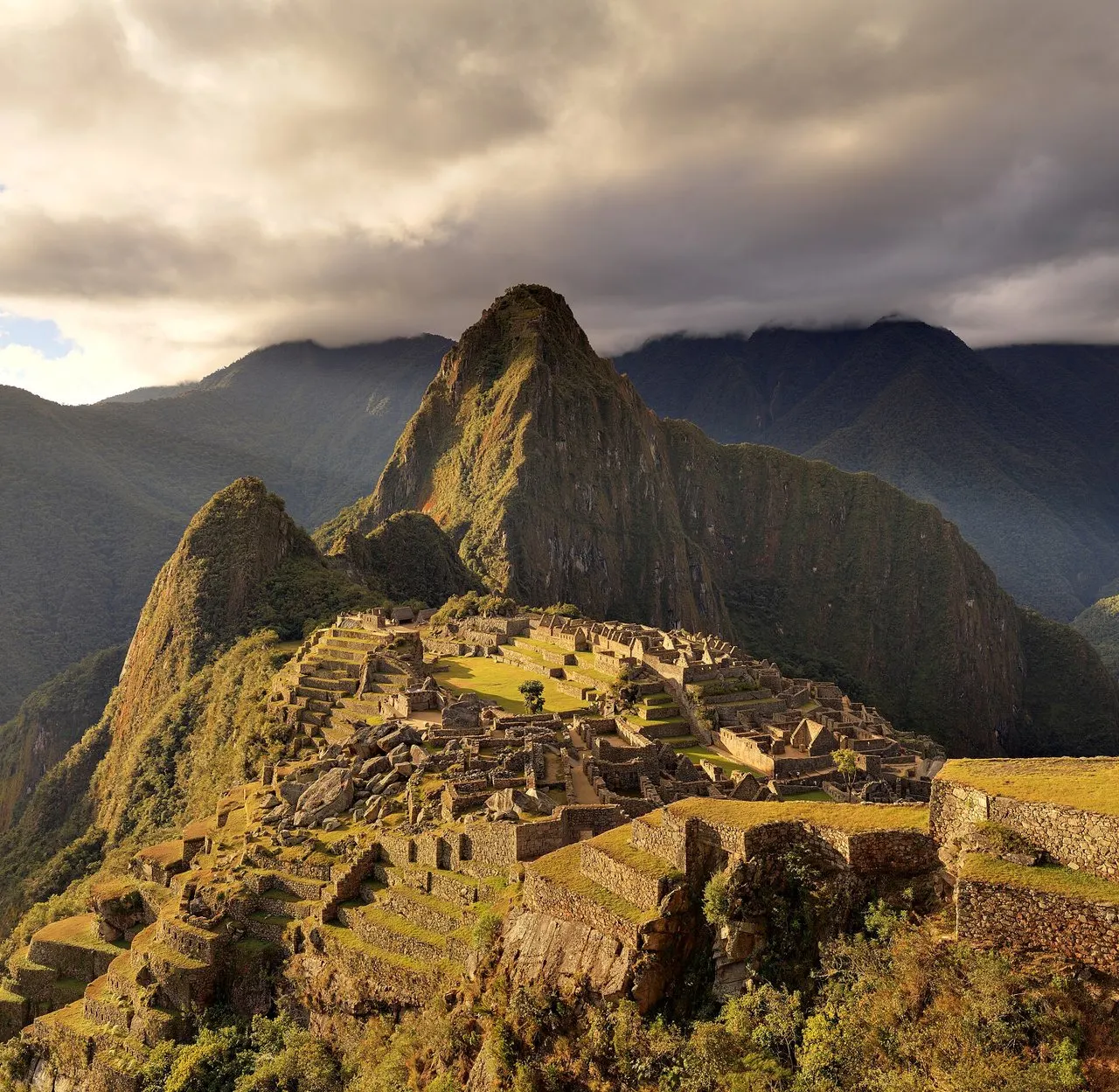
The Banaue terraces are not the only heritage site in danger, because climate change is pressing on old places all over the world. Rising seas threaten coastal towns, wildfires reach ancient forests, and heat cracks old stone. Machu Picchu in Peru, another UNESCO site high in the mountains, faces landslides and heavy rain, just like Ifugao. When a heritage site is damaged, the world loses a piece of shared history. Read more about leaders meeting across Asia.
Rice on Every Table
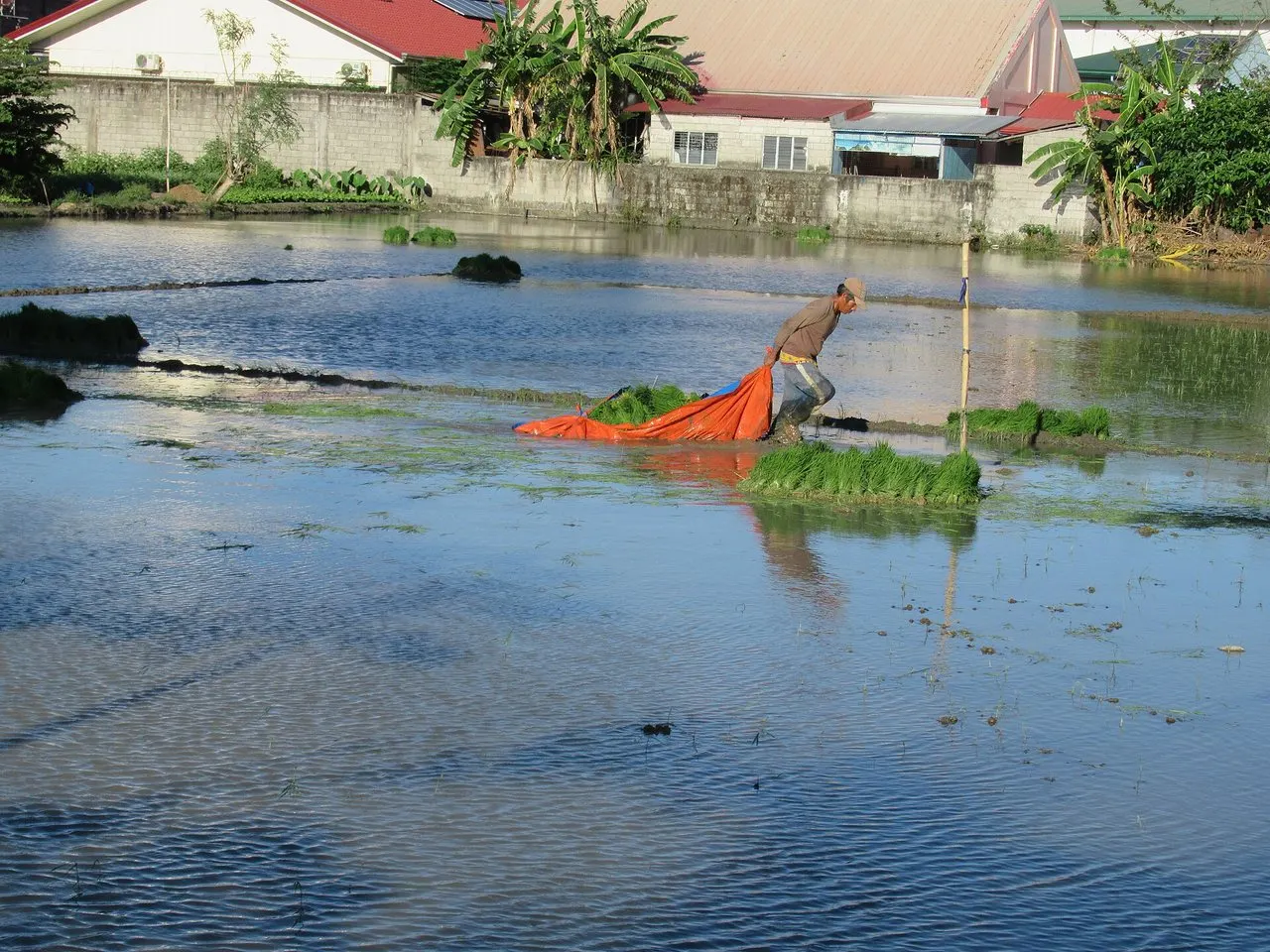
Rice is the food at the centre of almost every Filipino meal, from breakfast to dinner, and the Philippines grows millions of tonnes of it each year. In the terraces, farmers plant by hand, standing ankle-deep in muddy water and pushing young green shoots into the soil. The work is slow and hard, and it follows the same steps their grandparents used. A good harvest feeds a family, and a bad one is felt at every table. Read more about a huge jackpot split in the Philippines.
Banaue Town and the Banaue Rice Terraces
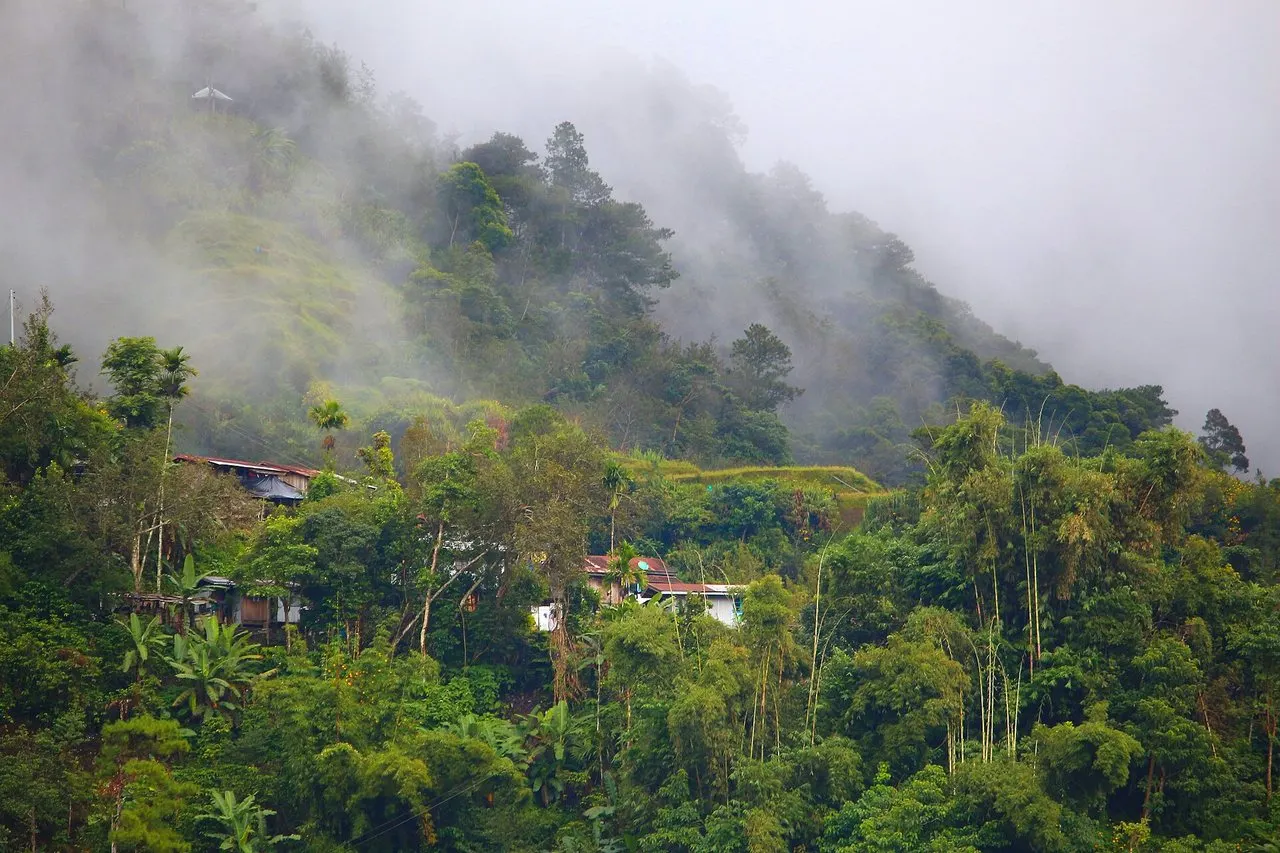
Banaue is a small town in Ifugao province, high in the Cordillera mountains of Luzon, and it is the gateway most visitors use to reach the terraces. Mist often hangs over the green slopes in the morning, and the air is cool compared with the hot lowlands. From the town, travellers walk to viewpoints and to villages like Batad, where the terraces form a perfect bowl around the houses. The town lives with the terraces, not apart from them. Read more about stories from the Philippines.
Banaue Rice Terraces Through the Seasons
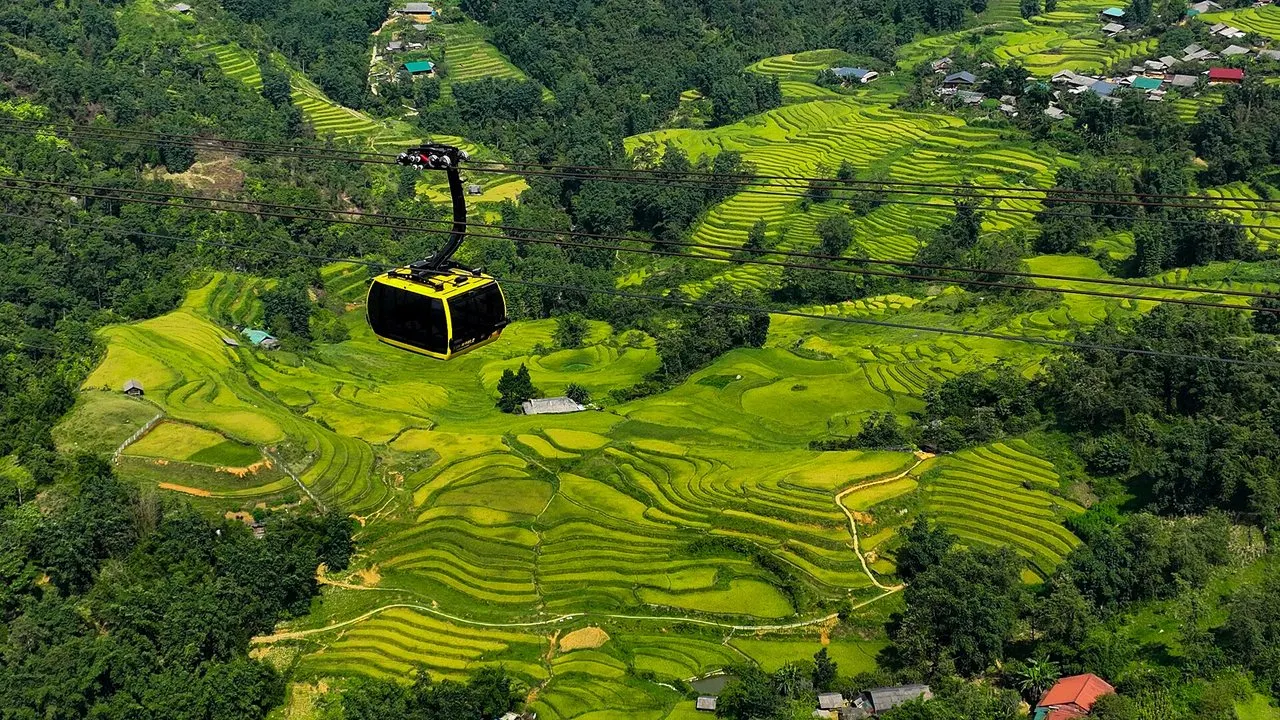
The terraces change with the seasons, and each season gives them a different colour. After planting, the steps shine like mirrors filled with water. As the rice grows, they turn bright green, and at harvest time they glow gold under the sun. In the dry months the fields rest, and the stone walls show through. Visitors come all year, but farmers say the green season is the most beautiful. Read more about a recent trip through Asia.
Visitors Come From Around the World
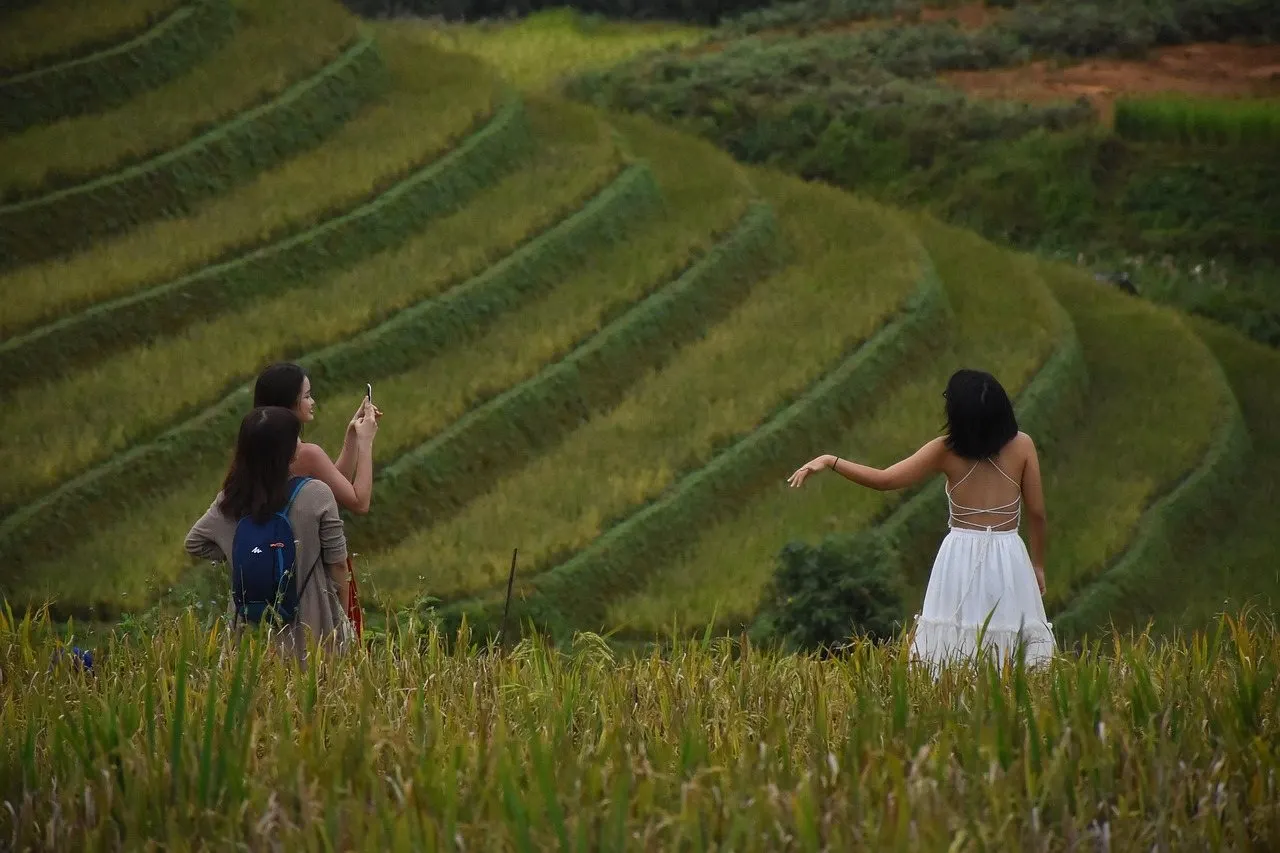
People travel from around the world to stand at the viewpoints above Banaue and take photos of the green steps. Tourism brings money to guides, drivers, homestays and small eateries, and it gives young people a reason to stay in the mountains. But too many visitors can wear down the paths and the walls, so the town has to balance welcome with care. The terraces belong to the farmers first, and visitors are guests. Read more about the shrug that spoke volumes.
What UNESCO Status Means for the Banaue Rice Terraces
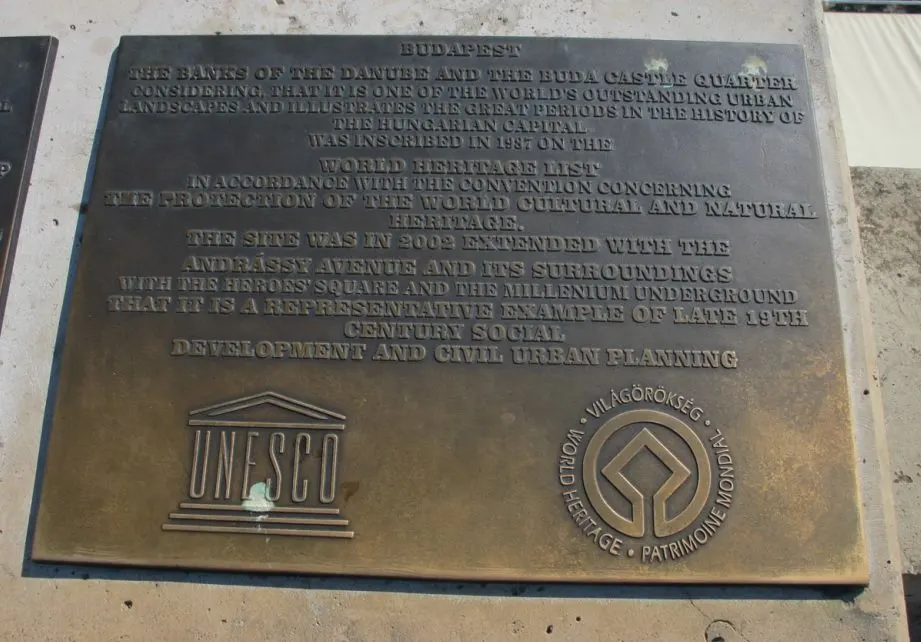
UNESCO listing does not just put a place on a famous list, because it brings help and attention too. Experts share advice on repairs, governments promise to protect the site, and visitors learn why it matters. The listing also reminds the world that the terraces are a living landscape, kept alive by the people who farm them. That living culture is what makes the site special, and it is what climate change threatens. Read more about a call that urged leaders to change course.
Keeping Ifugao Traditions Alive
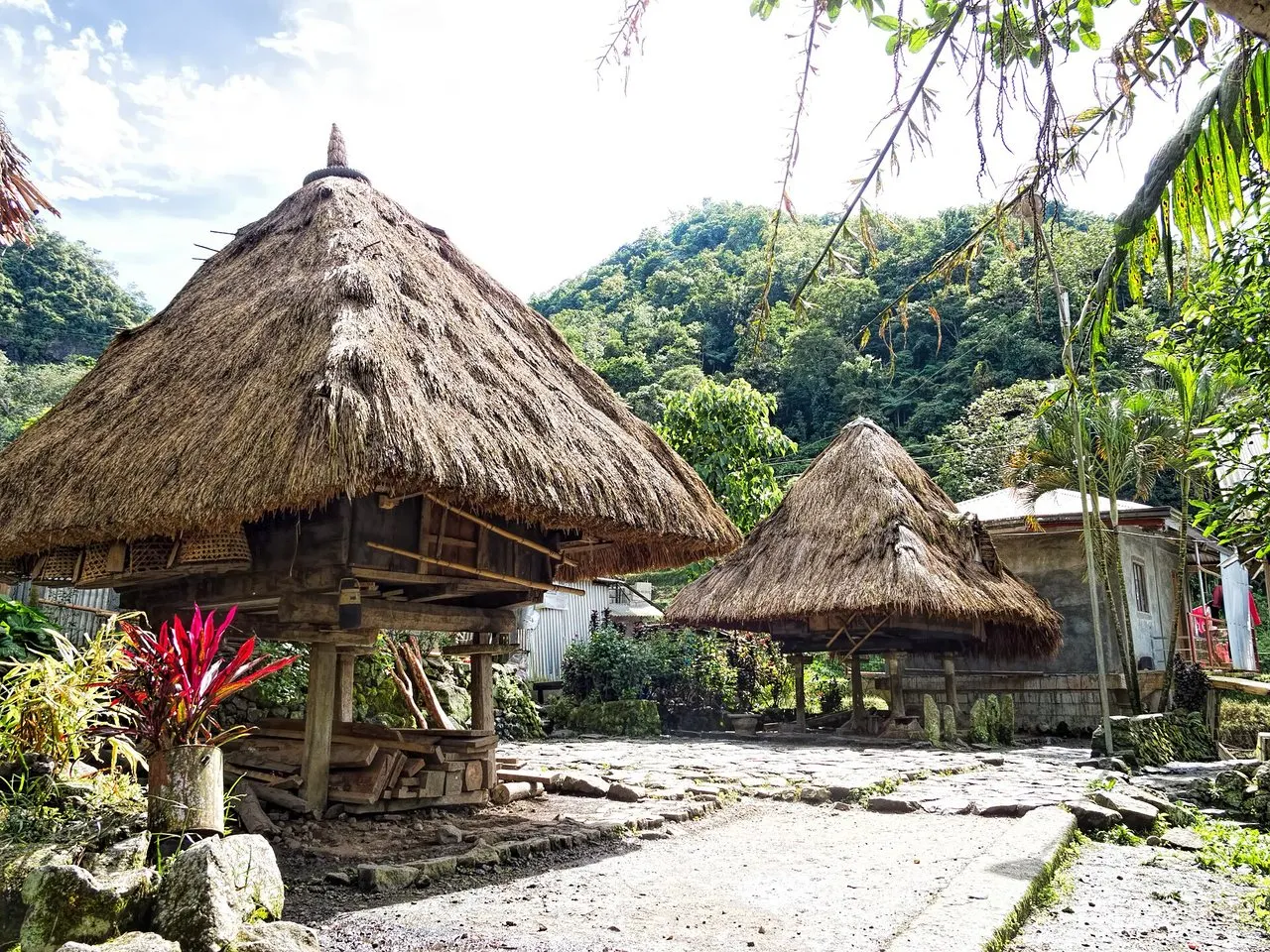
Young Ifugao are learning the old ways from their parents and grandparents, from building stone walls to cooking rice the traditional way. Many also study and work in cities, then return home with new ideas and new skills. Traditional stilt houses still stand in villages like Bangaan, and festivals keep the songs and stories alive. The future of the terraces depends on young people choosing to stay and care for them. Read more about families who got help at Christmas.
What Each of Us Can Do
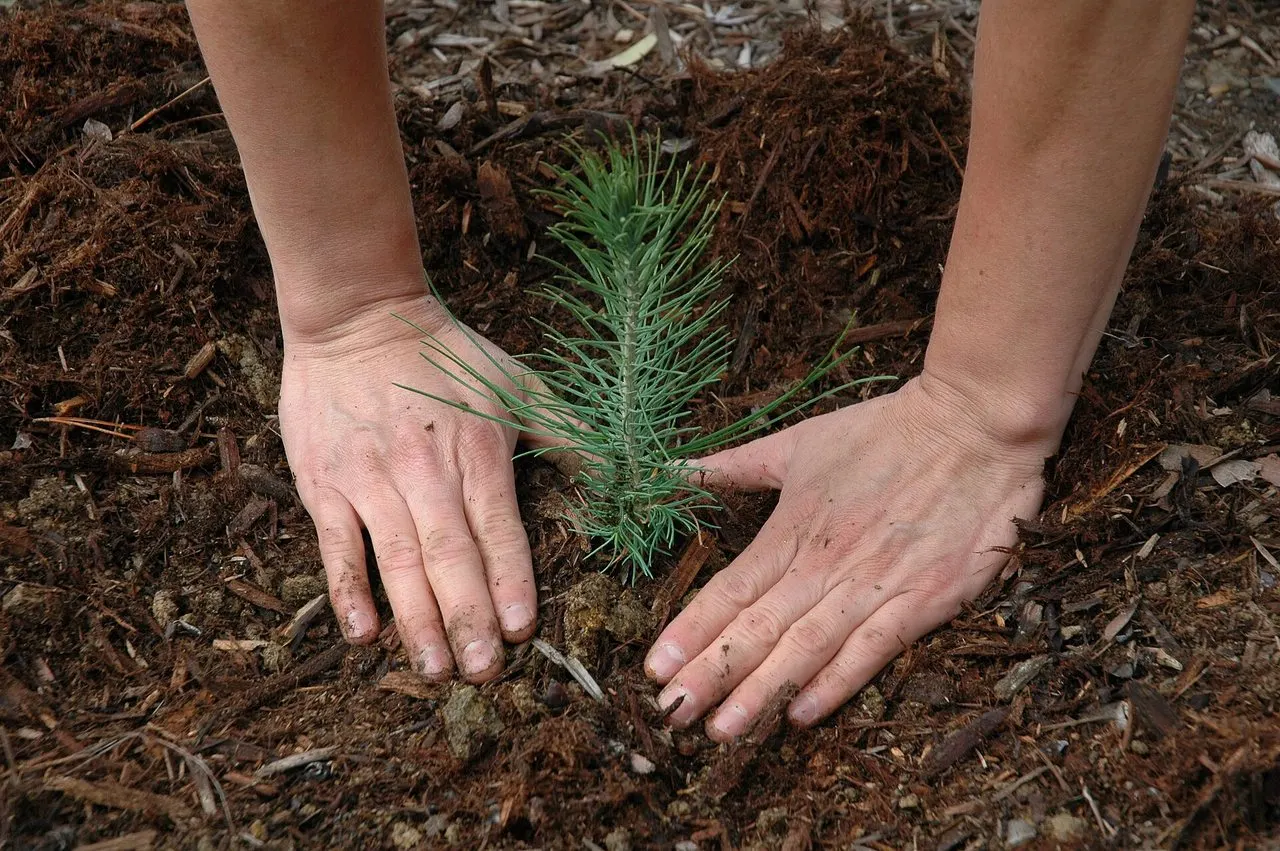
One person cannot fix the climate alone, but small steps still matter, and Guterres asked everyone to act. Saving energy at home, using less plastic, planting a tree and choosing clean power all help in their own way. Talking about the problem matters too, because leaders listen when voters care. The terraces were built by many hands over many years, and they will be saved the same way, one step at a time. Read more about a life remembered with warmth.
Banaue Rice Terraces: What Do They Mean to You?
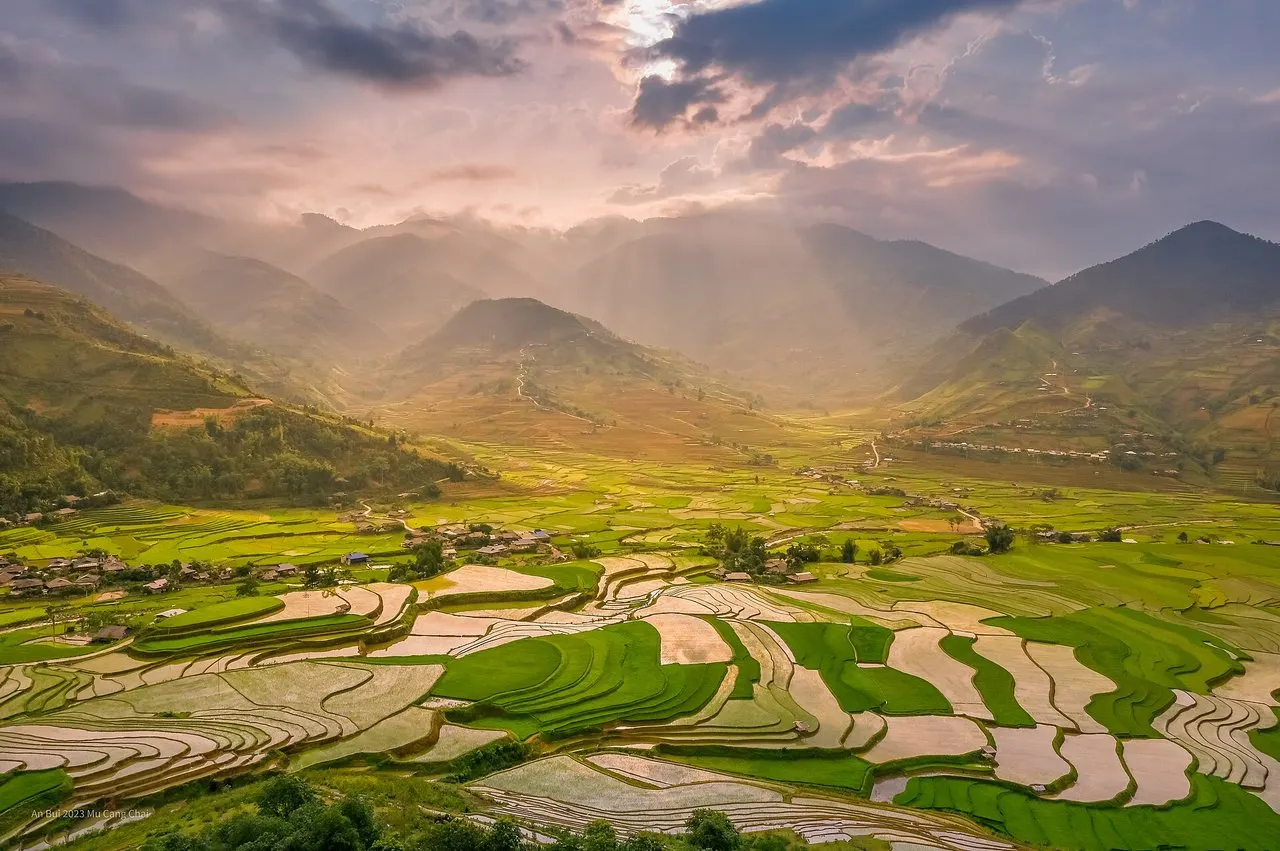
The Banaue Rice Terraces have stood for about 2,000 years, through storms, droughts and the rise and fall of kingdoms, and they still feed the families who care for them. Now they face a new test, and the world is watching to see what happens next. If you could stand on those green steps tomorrow, what would you want to see, and what would you ask the farmers who keep them alive? Tell us in the comments below. Read more about the first speech in a new role.