Cotton Lutnick Warning: Chips Reached China
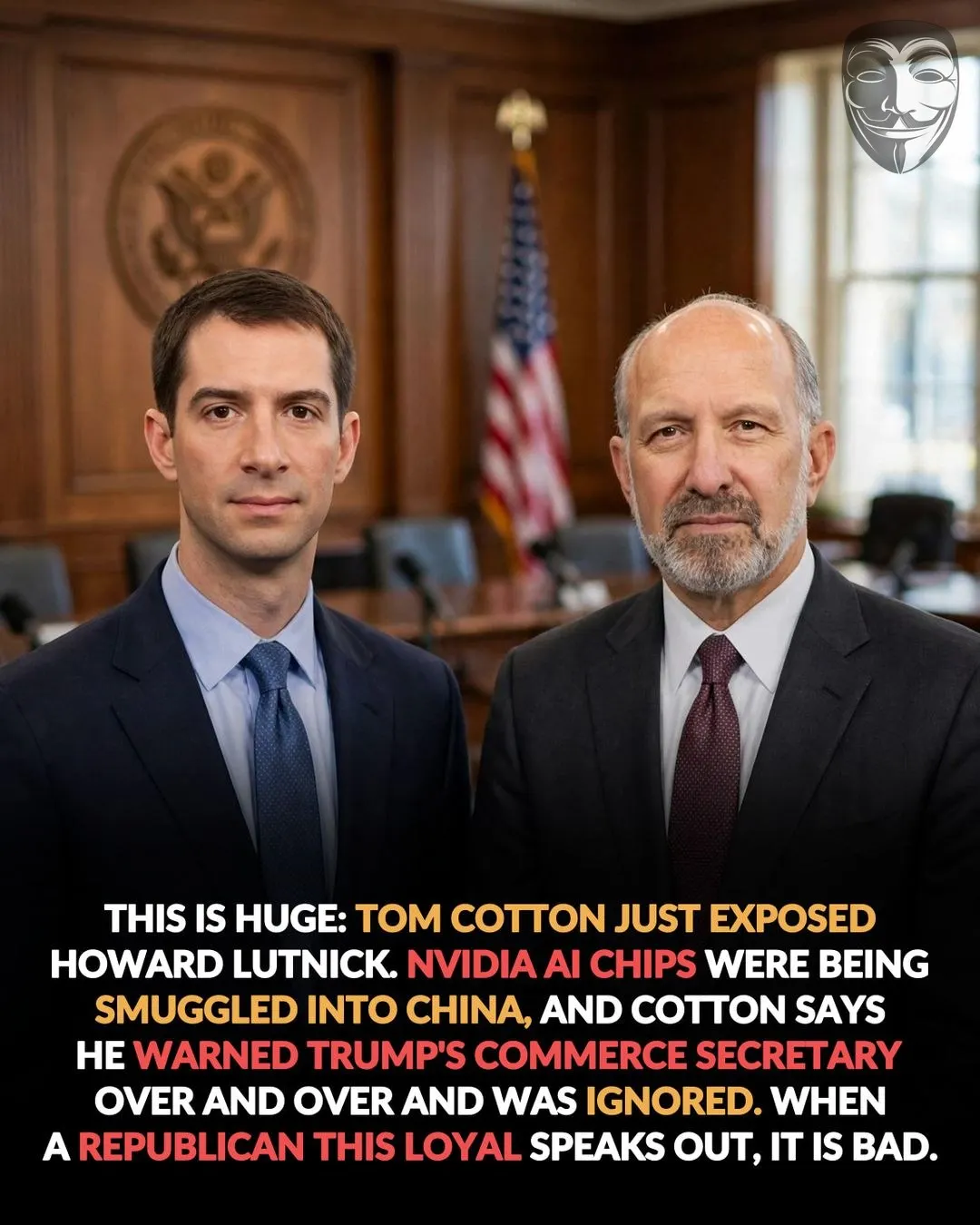
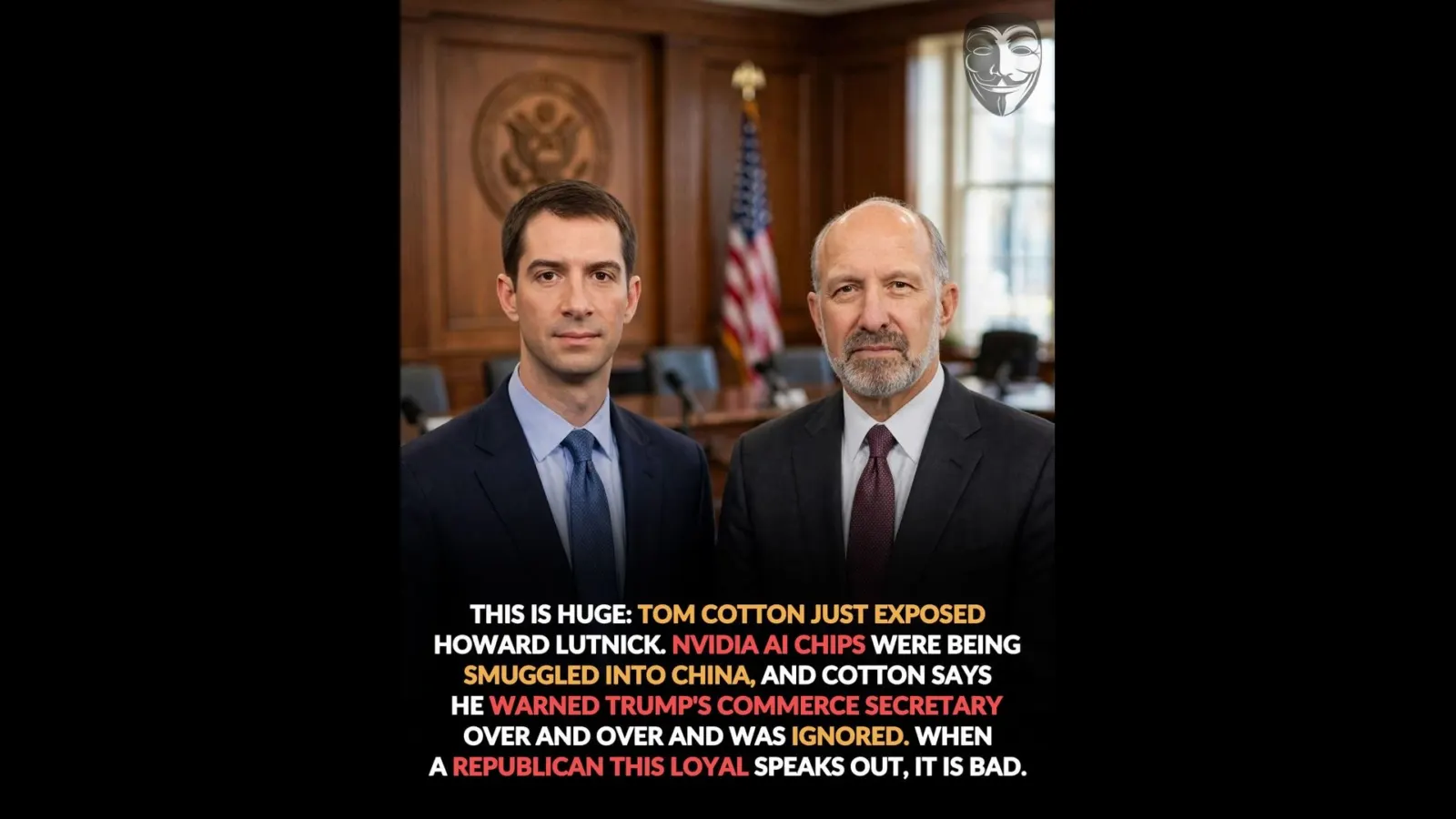
Cotton Lutnick warning is the story now shaking Washington, because Senator Tom Cotton says Commerce Secretary Howard Lutnick ignored repeated warnings that Nvidia AI chips were being smuggled into China. Cotton, the Republican who chairs the Senate Intelligence Committee, told the Wall Street Journal that he wrote to Lutnick as early as October 2025 about Megaspeed, a Singapore firm accused of diverting the chips through front companies. He says he received no real response, even as the chips kept moving.
The Journal reported that nearly 12 billion dollars worth of advanced chips may have reached China through Megaspeed, chips the Pentagon says Beijing needs to build military AI. Cotton stopped short of calling for Lutnick to resign, but said he would not support him, and senators from both parties are now pressing the Commerce Department for answers. In the slides ahead we trace the warnings, the firm, and what happens next, starting with the silent shrug in Berlin.
References:
Reuters: Republican Senator Cotton Says Lutnick Ignored Warnings on AI Chip Smuggling to China
The Hill: Lutnick in the Hot Seat as Senators Vow to Crack Down on AI Chip Leaks to China
Explainx: Cotton Lutnick Ignored China Chip Smuggling Warnings
Caffeine Free News: Senators From Both Parties Press Commerce Secretary Lutnick Over Nvidia Chip Exports to China Linked Firm
Cotton Lutnick Warning Began in the Senate
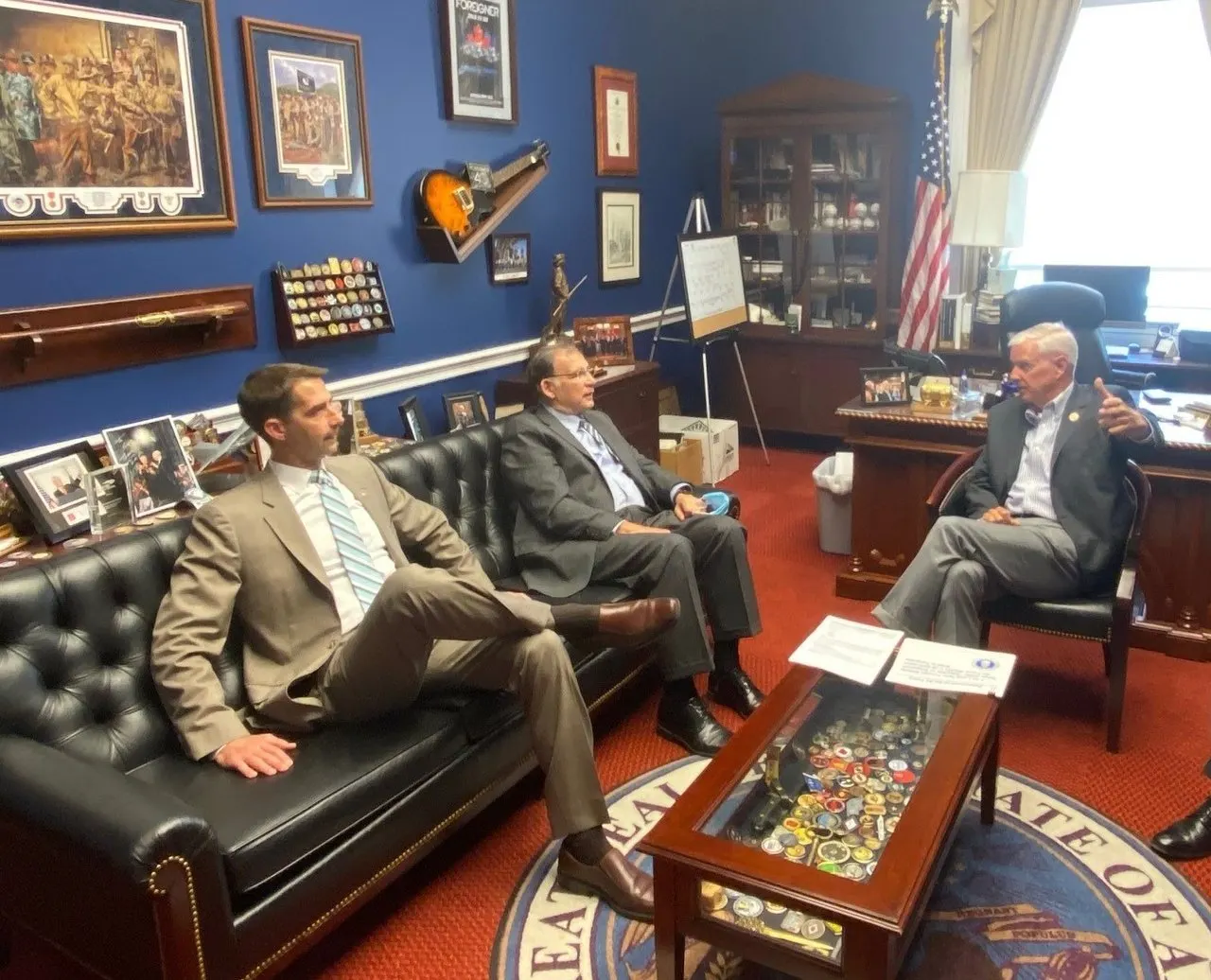
Senator Tom Cotton chairs the Senate Intelligence Committee, the panel that watches over the American intelligence agencies. That role gives his words extra weight, because he sees classified briefings that most senators never see. When the chairman of that committee says a cabinet secretary ignored warnings about sensitive technology, other senators listen. Cotton is a Republican from Arkansas, and he is known as one of the toughest China hawks in Washington, which makes his public break even more striking, as shown in the third impeachment push.
Howard Lutnick Runs the Commerce Department

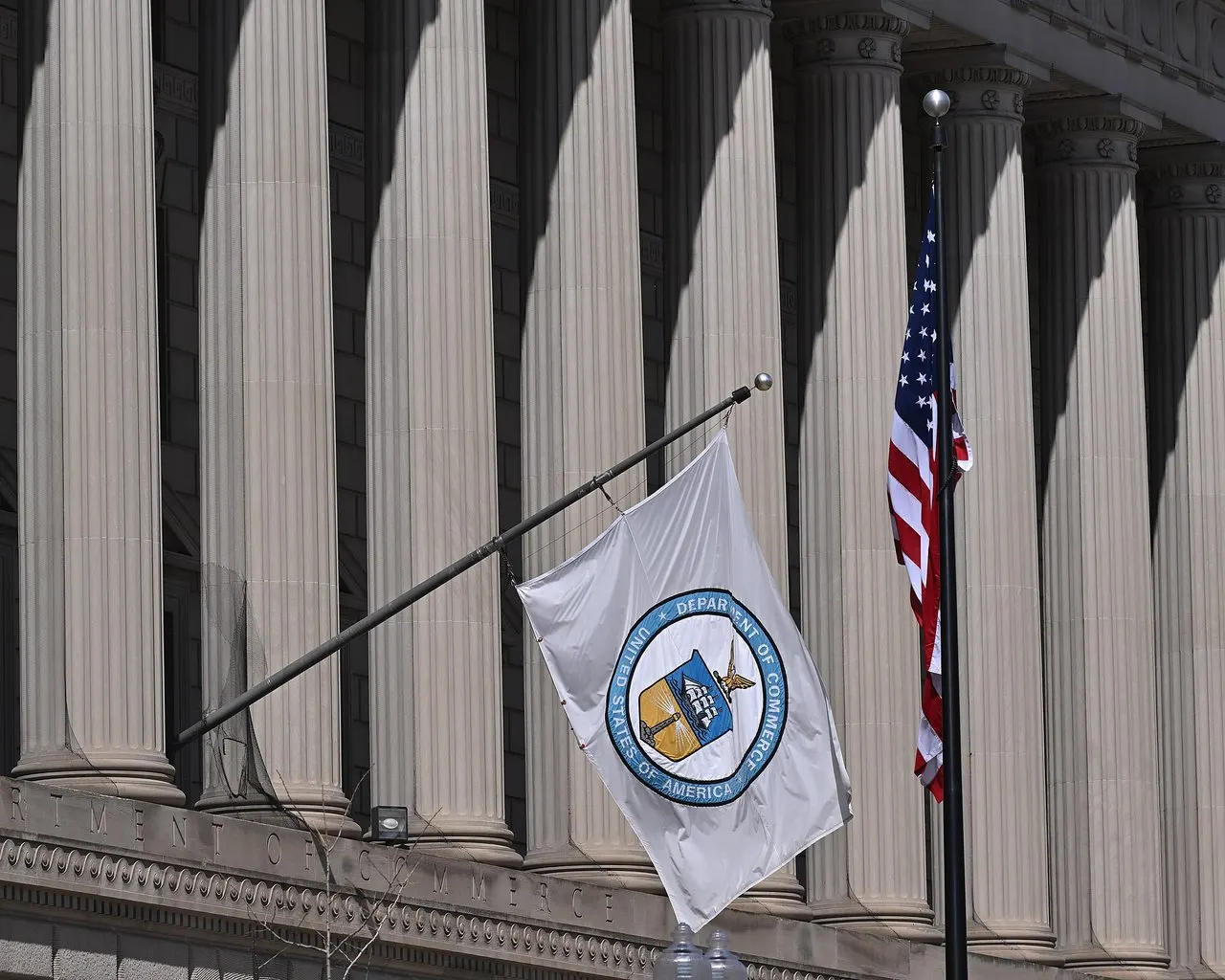
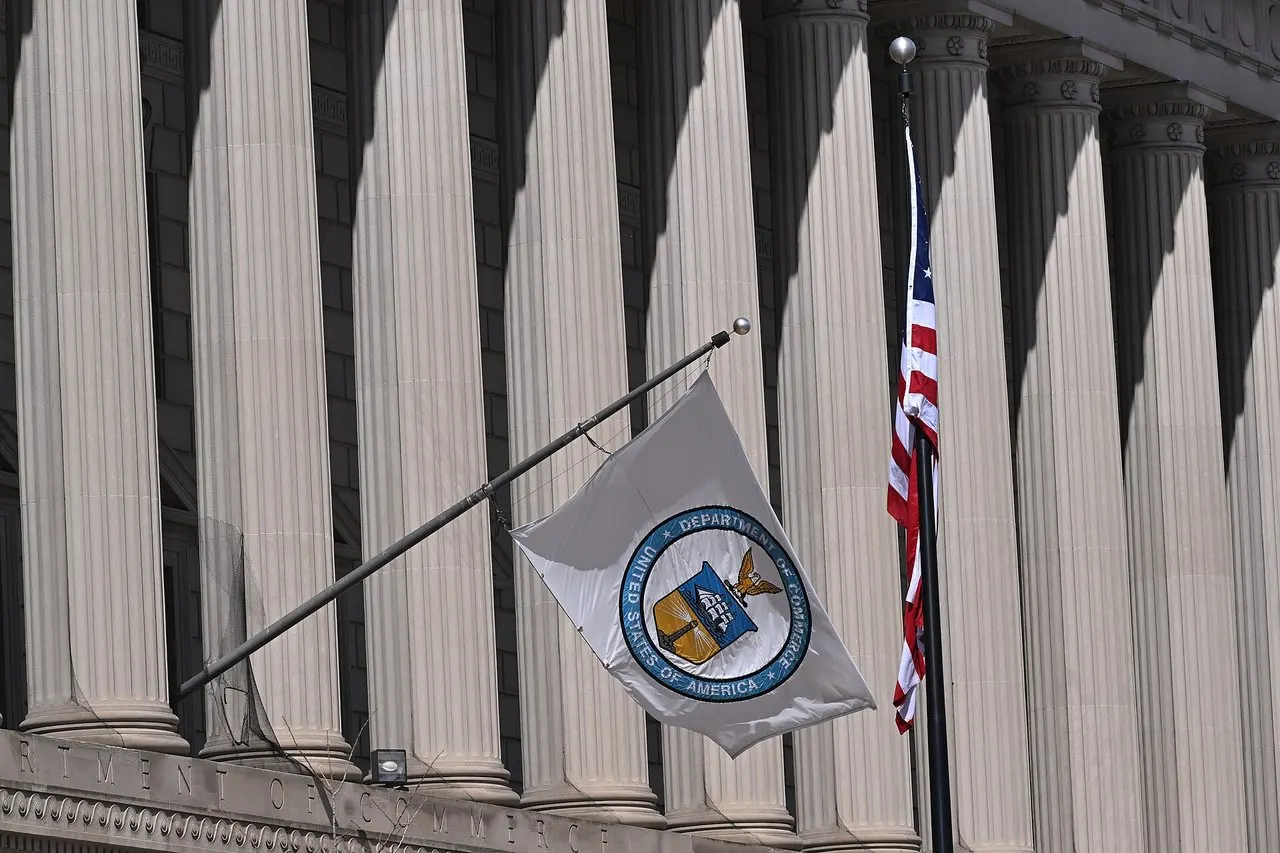
Howard Lutnick runs the Commerce Department, the cabinet department that controls the export rules for sensitive American technology. His job covers the licenses and limits that decide which chips can be sold abroad and which buyers are barred. That makes him the official at the center of this dispute, because the warnings from Cotton were about chips moving under those very rules. Lutnick came to the job after running the Wall Street firm Cantor Fitzgerald, and he also co-chaired the Trump transition, as noted in the joke about Washington spending.
The Cotton Lutnick Warning Letter of October 2025
Cotton says he wrote to Lutnick as early as October 2025, putting his concern in writing months before the story went public. The letter named Megaspeed, a Singapore firm accused of diverting Nvidia chips through front companies, and asked the Commerce Department to act. A written warning matters in Washington, because it creates a record that cannot be brushed aside as a passing chat. Cotton says the letter brought no real response, and the silence is now the heart of the dispute, as seen in the warning at the National Press Club.
Megaspeed and the Singapore Connection

Megaspeed is the Singapore firm at the center of the claims, accused of moving Nvidia AI chips toward China through front companies. Front companies are businesses set up to hide the true buyer, so a shipment can look routine while the end user is someone barred from buying the goods. Singapore is a major trading hub, so electronics pass through its ports every day. That busy flow can make it harder to spot one stream of chips heading the wrong way, a point raised in the deal over free legal work.
Cotton Lutnick Warning Focused on Nvidia Chips

Nvidia makes the advanced AI chips at the center of this story, the processors that train and run large artificial intelligence systems. These chips are in high demand around the world. The Pentagon says Beijing needs chips like these to build military AI, which is why the United States limits who can buy them. When chips of this kind reach a barred buyer, the concern is not about money alone but about what the buyer can build, as explained in the fight over the DC park plan.
Twelve Billion Dollars in Advanced Chips

The Wall Street Journal reported that nearly 12 billion dollars worth of advanced chips may have reached China through Megaspeed. That figure is striking because it suggests a flow far larger than a few stray shipments, and it covers a period in which the warnings were already on the table. Twelve billion dollars buys an enormous amount of computing power, enough to matter for a national AI program. The size of the number is one reason senators from both parties are now asking hard questions, as in the coming Judiciary probe.
Why the Pentagon Worries About Military AI

The Pentagon is the American military headquarters, and its leaders have long warned that China is working to build military AI. Advanced chips are a key part of that work, because modern weapons systems, surveillance tools, and planning software all need heavy computing power. That is why export controls on these chips exist in the first place, to slow a rival military program. When the Pentagon says Beijing needs these chips, it means the stakes go beyond trade and touch national defense, a theme in the hold on the cyber nominee.
How Export Controls Are Supposed to Work

Export controls are the rules that decide which sensitive goods can leave the United States and who may buy them. The Commerce Department writes and enforces these rules for technology, using licenses, lists of barred buyers, and checks on end users. The system only works if warnings about leaks are followed up, because a single hole can move a large volume of goods. Cotton says he warned Lutnick that the hole was open, and the dispute now turns on what the department did next, as discussed in the education spending plan.
Cotton Lutnick Warning Came Over and Over
Cotton says he warned Lutnick over and over, not once and not in passing. The phrase matters, because a single warning can be missed or misunderstood, while repeated warnings show a pattern. He says he raised the Megaspeed concern again and again, through the letter and other contacts, and still saw no real action. That repetition is why his public statement landed so hard, since it paints a picture of a secretary who was told, told again, and still did nothing, a pattern also seen in the briefing after the China trip.
No Real Response From the Commerce Secretary

According to Cotton, Lutnick gave no real response to the warnings about Megaspeed and the chips. In Washington, a real response means more than a polite reply, it means an inquiry, a hold on shipments, or a check on the buyers involved. Cotton says none of that happened. The lack of action is now the central charge, because the chips kept moving while the warnings sat unanswered, and the department has yet to explain its side in full, as noted in the Thanksgiving story turned movie.
The Wall Street Journal Broke the Story

The Wall Street Journal broke the story, reporting Cotton’s account of the warnings and the Megaspeed claims. A report in a paper of that standing carries weight, because its reporters check documents and speak to people on both sides before publishing. The Journal’s account put a dollar figure on the flow and named the firm at the center of it, which turned a private dispute into a public one. Once the story was out, other news outlets picked it up, and senators began demanding answers, as covered in the warning over SpaceX funding.
A Loyal Republican and a China Hawk Speaks Out
Cotton is not a critic of the president from the other side, and that is what makes his statement so striking. He is one of the hardest line Republicans in the Senate, a loyal supporter of the administration, and one of the loudest China hawks in Washington. When a senator like that goes public against a cabinet secretary from his own party, it signals that private channels have failed. His colleagues know his record, and they know he does not pick public fights lightly, a point echoed in the banquet dance in China.
Cotton Lutnick Warning Stopped Short of Resignation
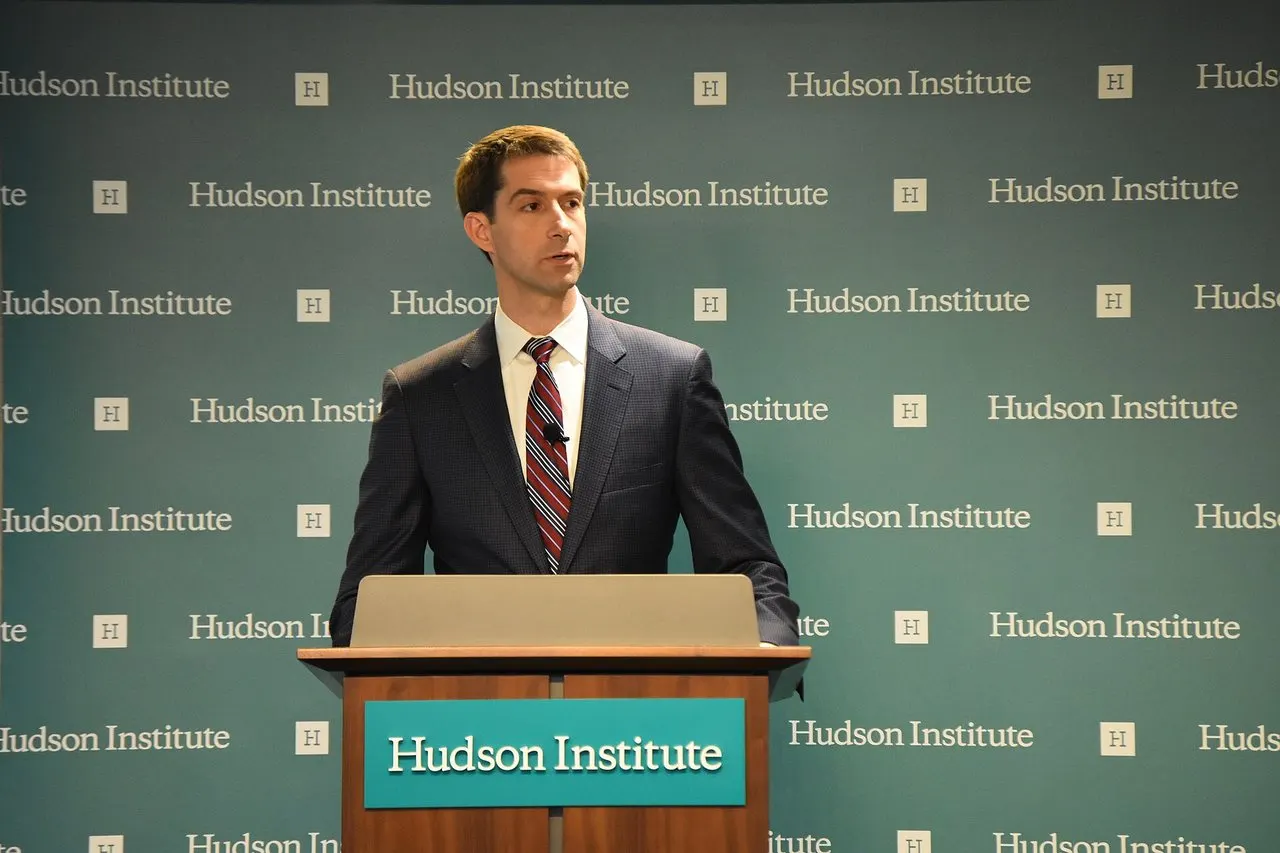
Cotton stopped short of calling for Lutnick to resign, a careful line that still leaves the secretary wounded. Calling for a resignation would be the sharpest step a senator can take against a cabinet member, and Cotton did not take it. Instead, he said he would not support Lutnick, a statement that still cuts deep, because a cabinet secretary needs the trust of the Senate to do his job. The careful wording leaves room for more pressure later, as the facts come out, as seen in the fight over defense spending.
Cotton Said He Would Not Support Lutnick
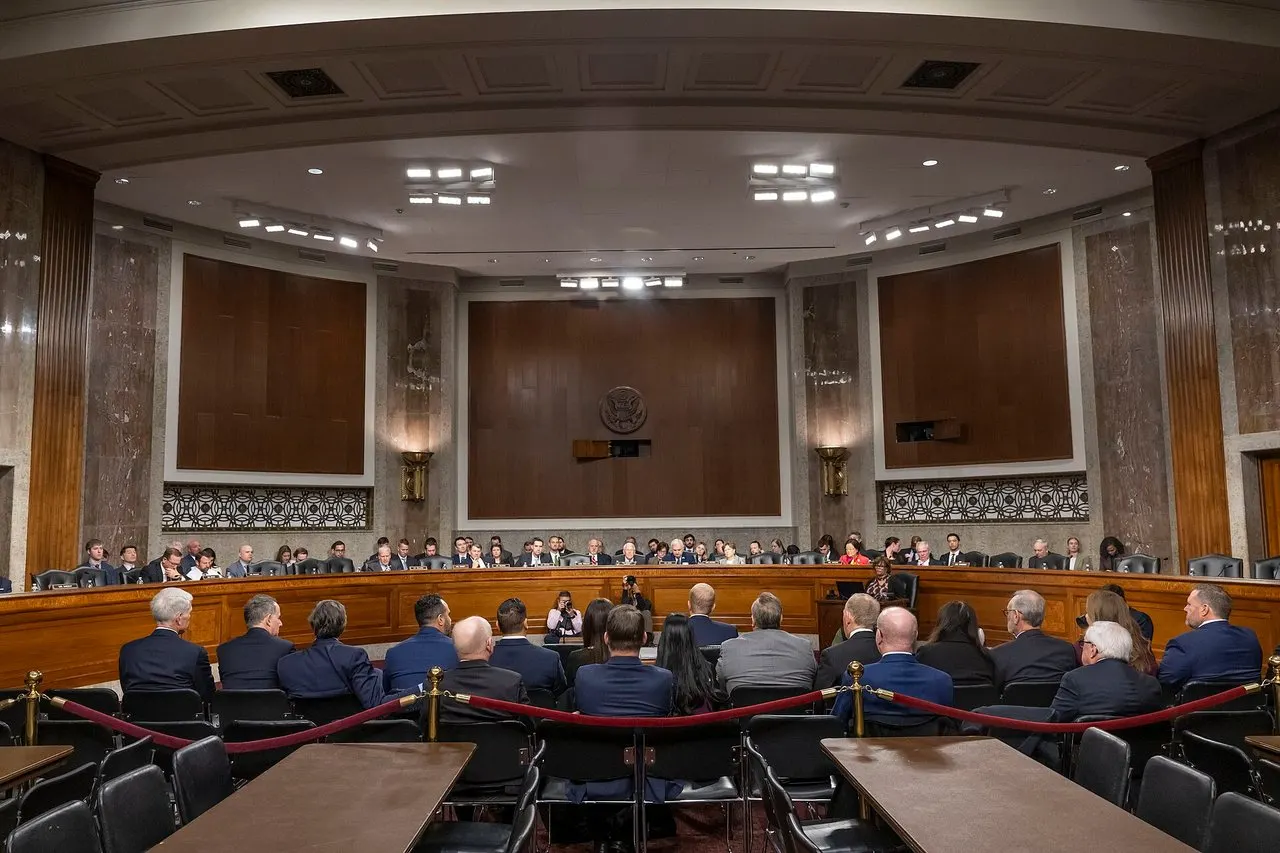
Cotton said he would not support Lutnick, words that carry real weight coming from the chairman of the Senate Intelligence Committee. Support from the Senate is not a formality for a Commerce Secretary, because the job needs cooperation on budgets, hearings, and new rules. Withdrawing support signals that the secretary has lost the confidence of a key overseer. It also raises the question of how Lutnick can lead the department while a leading senator says he cannot back him, a theme in the robot built to be the biggest product.
Senators From Both Parties Press for Answers
Senators from both parties are now pressing the Commerce Department for answers about the chip flow and the warnings. Bipartisan pressure is rare in Washington these days, and it matters, because it means the questions are not coming from one side alone. Democrats and Republicans both sit on the committees that oversee exports, and both have reasons to want the rules enforced. The Hill reported that senators vowed to crack down on AI chip leaks to China, a promise that will now be tested, as in the silent shrug in Berlin.
What Subpoena Power Could Mean in January
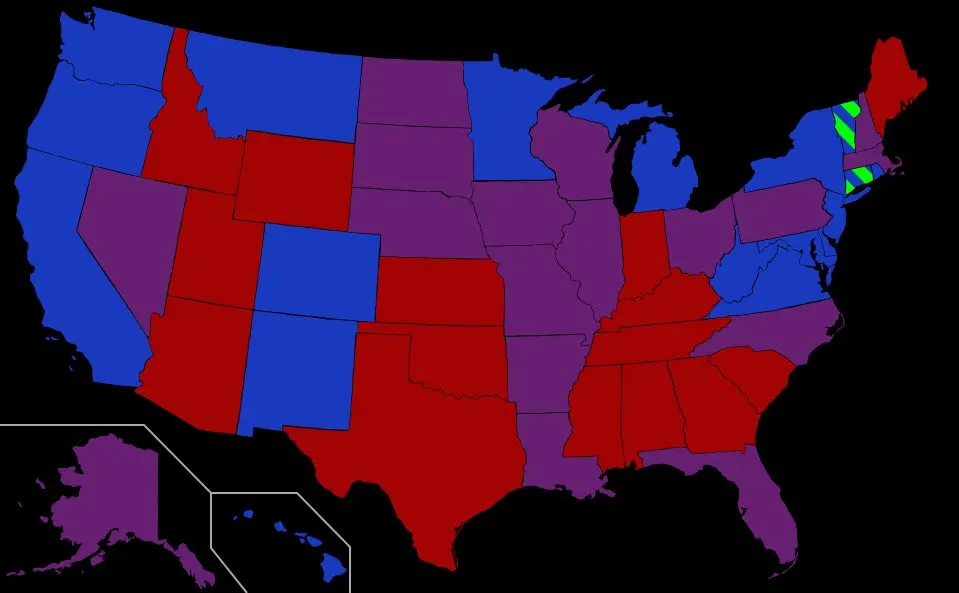
The post that started this story says Democrats take the House and the Senate on January 3, and that means subpoena power and sworn testimony. A subpoena can force officials to hand over documents and appear under oath, which is a far stronger tool than a letter or a press statement. If Lutnick is called to testify under oath, he would have to answer for the warnings in his own words. That prospect hangs over the Commerce Department as the new session approaches, a point raised in the third impeachment push.
Cotton Lutnick Warning and the Cantor Fitzgerald Past

Before he joined the cabinet, Lutnick ran Cantor Fitzgerald, the large Wall Street financial firm, for many years. That background made him a well known figure in New York finance long before he entered government. His business career also shaped his public image as a deal maker who understands markets and trade. Now that same background is being weighed against his record as a cabinet secretary, because the questions are about whether he acted fast enough on a national security warning, as discussed in the joke about Washington spending.
Lutnick Co-Chaired the Trump Transition
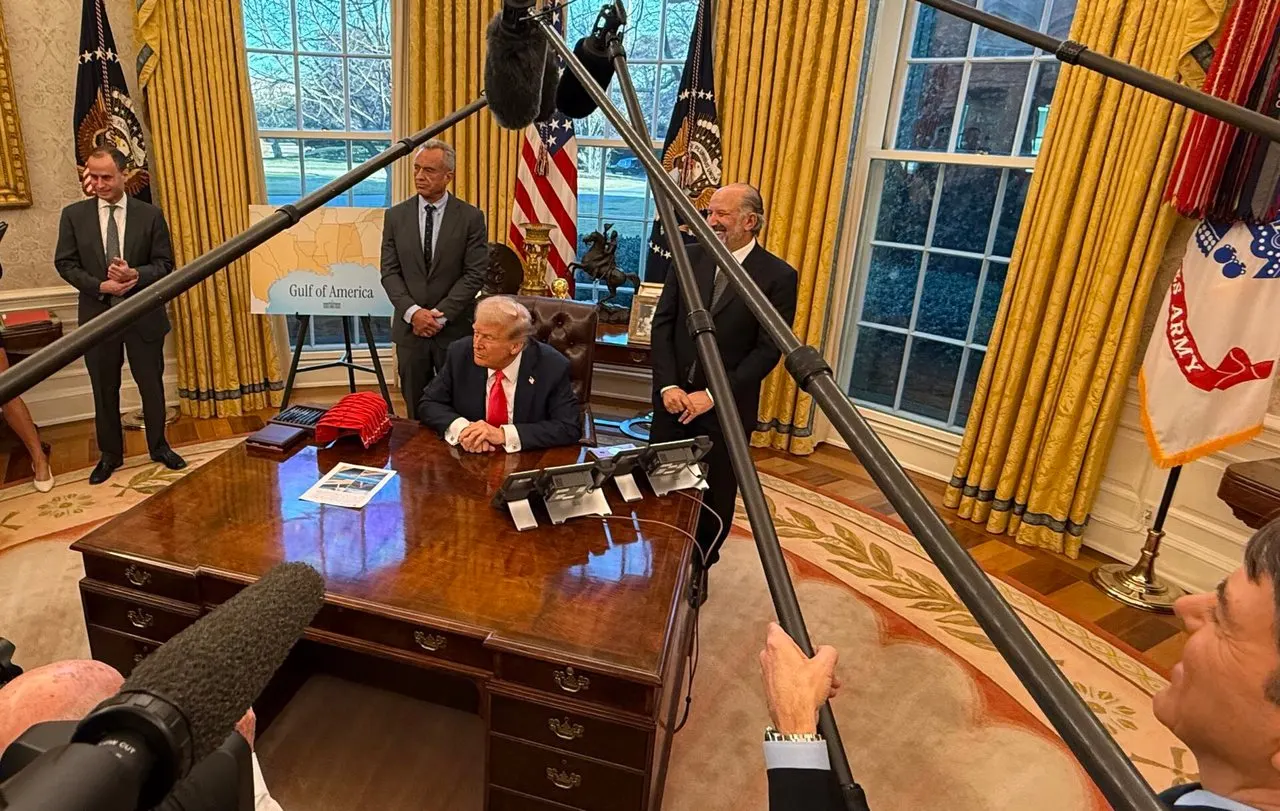
Lutnick also co-chaired the Trump transition, the team that prepared the new administration to take power. That role put him close to the president and gave him a hand in choosing who would run the government. It also means his cabinet post came with the full trust of the White House, which makes the current dispute harder for the administration. A secretary picked by the president himself is now facing public criticism from a loyal Republican senator, a tension noted in the warning at the National Press Club.
Tariffs, Grocery Bills and National Security
Lutnick has spent two years telling Americans that tariffs are worth the squeeze on grocery bills for the sake of national security. That argument asks ordinary families to pay more in the name of protecting the country. Cotton’s charge turns that argument back on the secretary, because it says the department failed to protect national security where it mattered most, on the chips themselves. The contrast between the tariff message and the chip warnings is now part of the debate, as seen in the deal over free legal work.
What Nvidia AI Chips Can Do
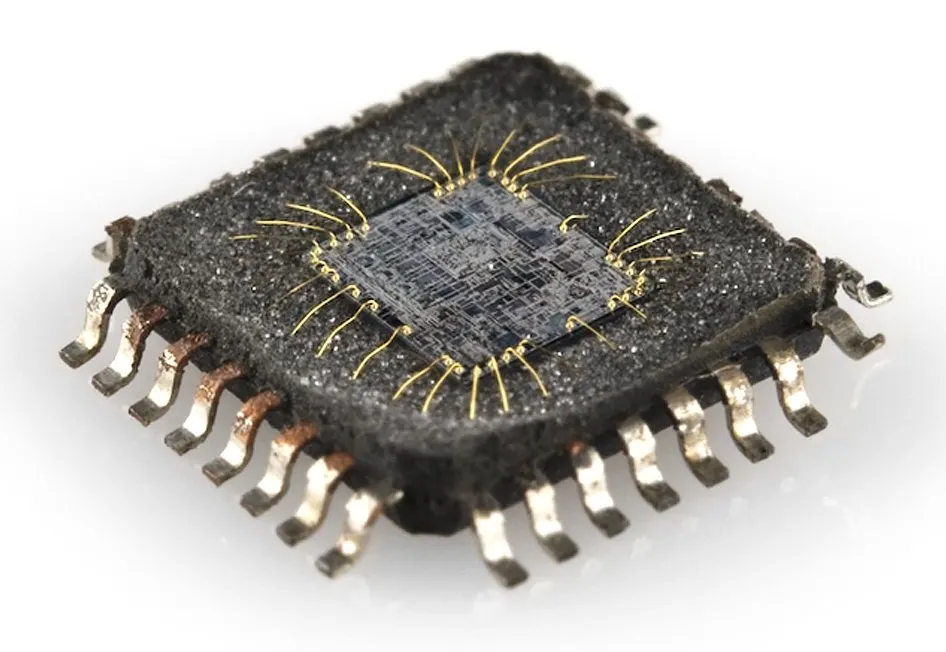
AI chips are the engines of modern artificial intelligence, the processors that learn from huge amounts of data and then spot patterns and guide machines. Training a large AI system needs thousands of these chips working together, which is why they are prized by every country building AI. The most advanced chips are made in small numbers and sold under tight rules, because their power has military as well as civilian uses. That dual use is why they sit at the heart of this dispute, as explained in the fight over the DC park plan.
Cotton Lutnick Warning About Front Companies

Front companies are the key tool in the kind of smuggling described in this story, and they work by hiding the real buyer behind a chain of firms. A chip maker sells to a company that looks clean, that company passes the chips along, and the trail ends with a barred buyer. Stopping that chain takes checks on end users, site visits, and follow up on tips. Cotton says he gave the department a tip, and the question now is why the chain was not broken, as noted in the coming Judiciary probe.
Singapore as a Trade Hub

Singapore is one of the busiest trading hubs in the world, with a port that moves vast amounts of goods every day. Its position makes it a natural stop for electronics heading across Asia. That same busy flow can be used to hide a shipment, because a container of chips looks like any other container on a crowded dock. The Megaspeed claims turn on that hub, since the firm is based there and the chips were said to move through it, a point made in the hold on the cyber nominee.
The Senate Intelligence Committee Watchdog Role

The Senate Intelligence Committee is the panel that oversees the intelligence agencies and the secrets they hold. Its chairman sees briefings on threats that other senators never see, and he can press agencies for answers behind closed doors. That role gives Cotton a direct line into the world of export controls and smuggling, because the committee tracks how sensitive technology moves. When its chairman speaks in public, it usually means the private channels have already been tried, as discussed in the education spending plan.
Data Centers and the Demand for Advanced Chips

Data centers are the giant buildings full of servers that run AI systems, and they need a constant supply of advanced chips. Every new data center is a hungry customer, and the demand for chips has grown fast as AI spreads into business, science, and defense. That demand is what makes a leak so valuable, because a buyer who cannot get chips legally will pay a high price to get them another way. The pressure on supply is part of why the controls exist, as explained in the briefing after the China trip.
Cotton Lutnick Warning Now Faces a Hearing Test
The next test for this dispute is likely to be a hearing, where senators can ask Lutnick direct questions on the record. Hearings matter because the answers are public, and officials must answer under oath or risk serious trouble. Senators can ask when the warnings arrived, what was done, and who was told. The answers will shape whether this stays a dispute over one firm or grows into a wider probe of the Commerce Department, a prospect raised in the Thanksgiving story turned movie.
Why Both Parties Are Asking the Same Questions
Both parties are asking the same questions now, and that shared focus is unusual in a divided Senate. Republicans want to know why a loyal senator’s warnings were ignored, and Democrats want to know why the export rules failed. When both sides agree that something went wrong, the pressure on the department grows, because there is no safe side to hide behind. The bipartisan push may be the most important fact in this story, as it keeps the questions alive, as seen in the warning over SpaceX funding.
What the Commerce Department Must Answer Next
The Commerce Department must now answer a short list of direct questions, and the answers will decide how this story ends. When did it first hear about Megaspeed, what checks did it run, and why did the chips keep moving. The department can release documents, brief senators, or open its own review, but silence will only feed the suspicion. Cotton has already put his account on the record, so the department cannot simply wait for the story to fade, a point made in the banquet dance in China.
What to Watch as the Probe Moves Forward

As the probe moves forward, readers should watch for a few clear signs of progress. First, whether the Commerce Department releases documents about the warnings. Second, whether senators set a hearing date and call Lutnick to testify. Third, whether any new action is taken against the firms named in the reports. Each step will show whether the system is working or whether the warnings were truly ignored, and each will be covered as it happens, as noted in the fight over defense spending.
What Do You Think Should Happen Next

Cotton’s public break with Lutnick leaves a simple question for readers, and we want to hear your answer. Should a cabinet secretary who ignored repeated warnings about AI chips reaching China stay in the job, or should he step aside while the facts are checked. Tell us what you think in the comments below, and share this story with friends who follow the news. Your voice matters in this debate, and we will keep following the story, as we follow the robot built to be the biggest product.