Republican Attendance Has Collapsed Since the Midterm Losses

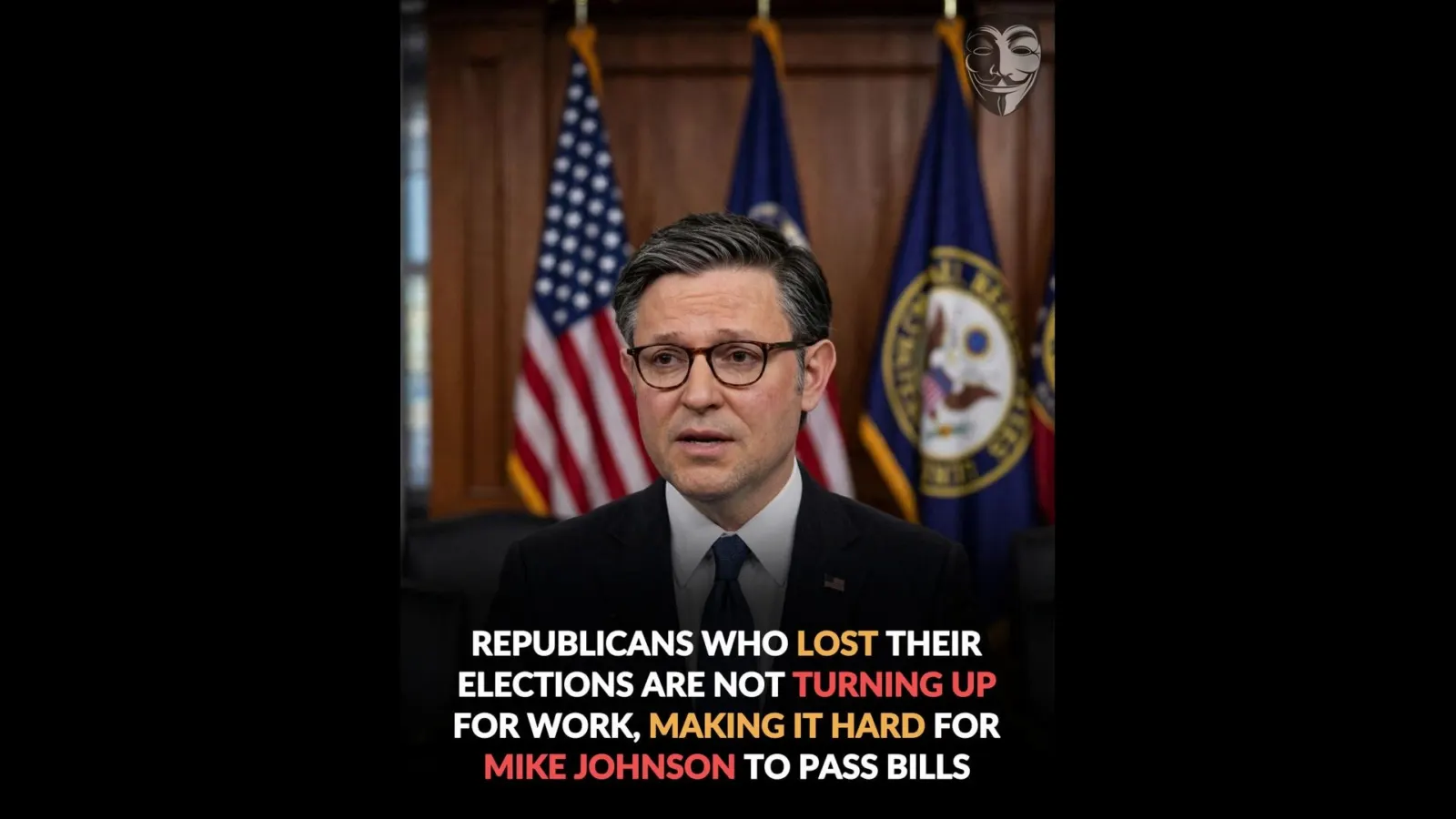
Republican attendance in the House has fallen sharply since the midterm elections on November 3, when Democrats won back the House. According to Roll Call, the average number of members missing votes has more than doubled since Election Day. On Thursday, November 19, 21 Republicans did not vote, and leaders had to pull a procedural vote and cancel a Friday session because they could not count on enough members being in town. The empty seats have left Speaker Mike Johnson pleading with his own party to show up for work.
Johnson wrote to his colleagues on November 20 that full attendance is needed to finish the term strong, with a government funding deadline on December 11 and a defense bill still waiting. He admitted that attendance is a great frustration for him now. Members still collect a salary of 174,000 dollars a year, and at least 30 House Republicans lost their seats in the midterms. In the slides ahead we look at the numbers, the canceled votes and what comes next. Read our report on Liz Cheney warning her colleagues.
References:
USA Today: Mike Johnson pleads with House Republicans to show up despite midterm losses
Roll Call: The House has a new lame-duck challenge: Attendance
Washington Stand: Gobbling Up the Legislative Calendar: GOP F*ghts to Make the Next Few Weeks Count
Democrawonk: House Republicans Skip Votes In Lame-Duck Session
Republican Attendance More Than Doubled After Election Day
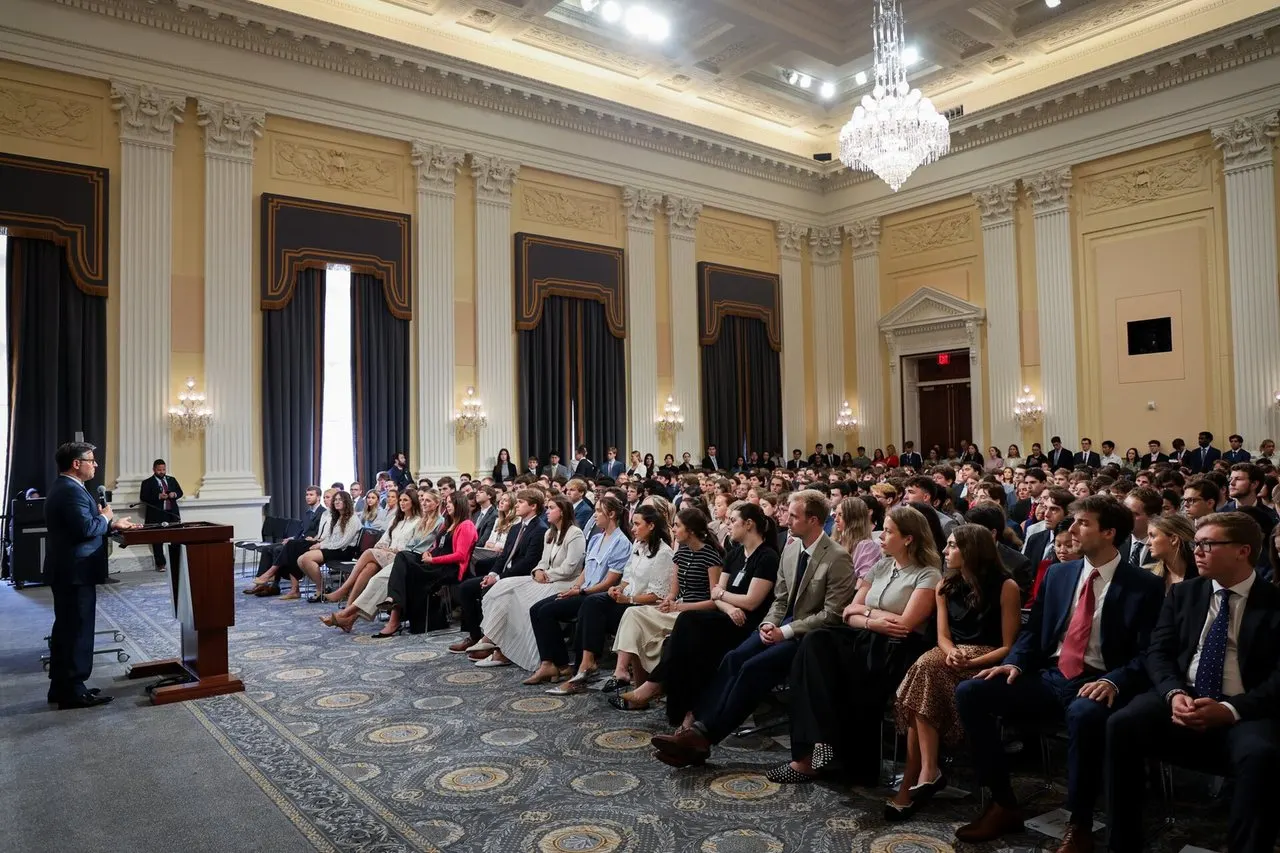
Since the midterm elections on November 3, the average number of House members missing votes has more than doubled, according to Roll Call. Democrats won back the House that day, and the shift changed the mood inside the Republican conference. Members who lost their seats or are leaving soon have less reason to travel to Washington for votes. The trend has grown worse each week. Leaders now face a chamber where counting votes is harder than it used to be. See our story on a possible third impeachment push.
Twenty-One Republicans Missed Votes on November 19

On Thursday, November 19, 21 Republicans did not vote. With so many members away, leaders could not be sure a vote would pass, even on routine matters. The absences were not a one day event. They followed weeks of thin attendance since the midterms, and they forced leaders to change plans at the last minute. The House needs enough members present to do its work, and that simple fact is now in doubt. Read our report on Fetterman vowing to refuse a shutdown vote.
A Procedural Vote Had to Be Pulled

With 21 Republicans missing on November 19, leaders had to pull a procedural vote because it was going to fail. A procedural vote is normally a routine step, the kind of vote that keeps the House moving. Losing one shows that the problem is no longer about big, divisive bills. It is about the basic work of running the chamber. When leaders cannot trust their own members to show up, even simple steps become a risk. See our story on Karoline Leavitt urging Americans to have more babies.
Republican Attendance Forced a Friday Session to Be Canceled

The absences were so bad that GOP leaders canceled a Friday voting session and sent everyone home early for Thanksgiving. A canceled session means no votes, no debate and no progress on bills waiting for action. For a House that has a funding deadline and a defense bill to finish, lost days are hard to get back. The decision also sent a strange message. The answer to members not showing up was to give them more time off. Read our story on the White House Thanksgiving turkey vote.
Johnson Called Republican Attendance a Great Frustration
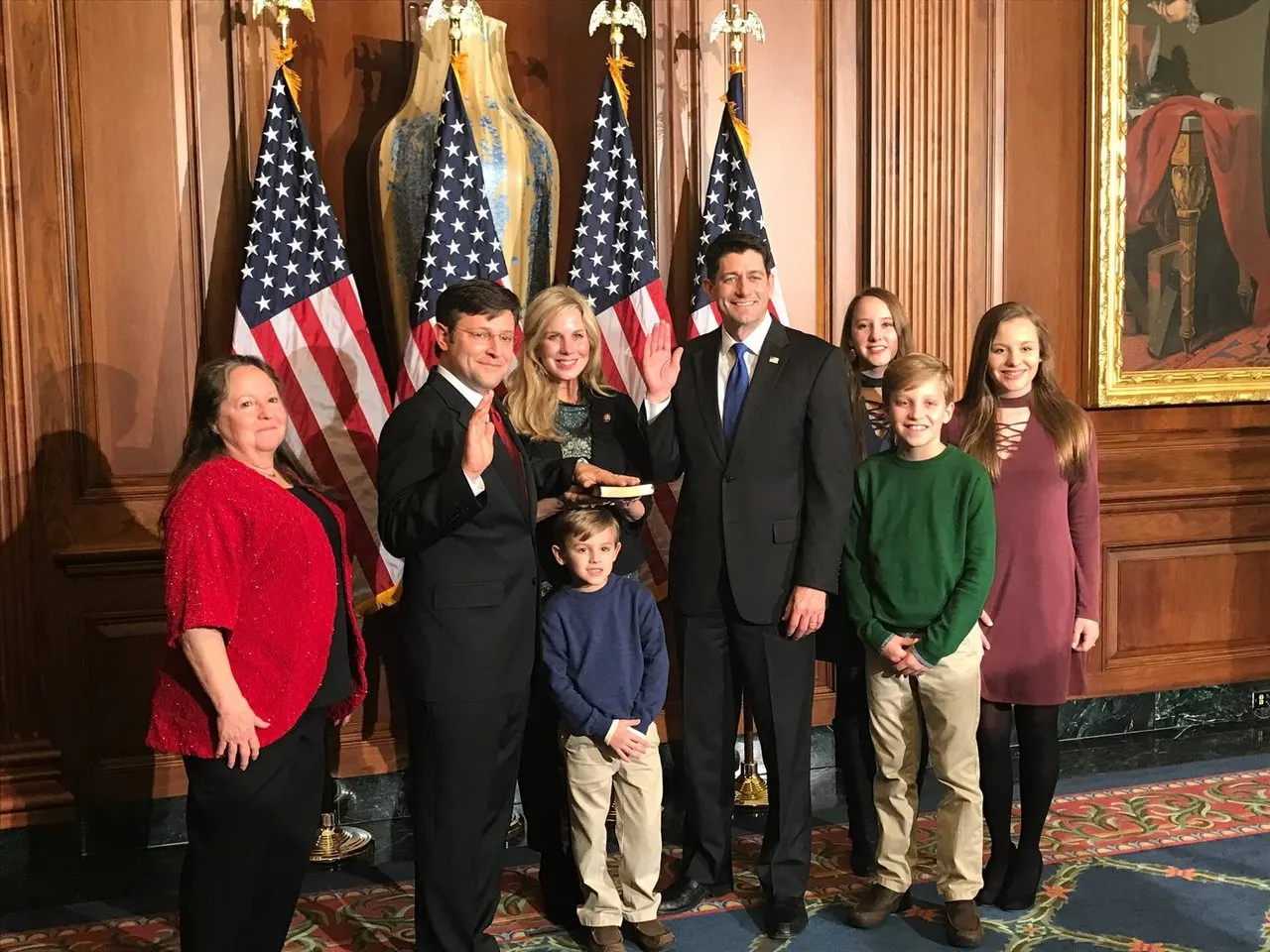
On November 20, Johnson wrote to his colleagues that full attendance is needed to finish the term strong. He admitted that attendance is a great frustration for him now, and he promised that leadership would be addressing that with members. The letter was a plea from a Speaker to his party. Speakers usually keep such talks private, but Johnson chose to put his worry in writing. The message was clear. Show up, or the work of the House will stall. See our report on Liz Cheney warning her colleagues.
Republican Attendance Matters With a Funding Deadline Near
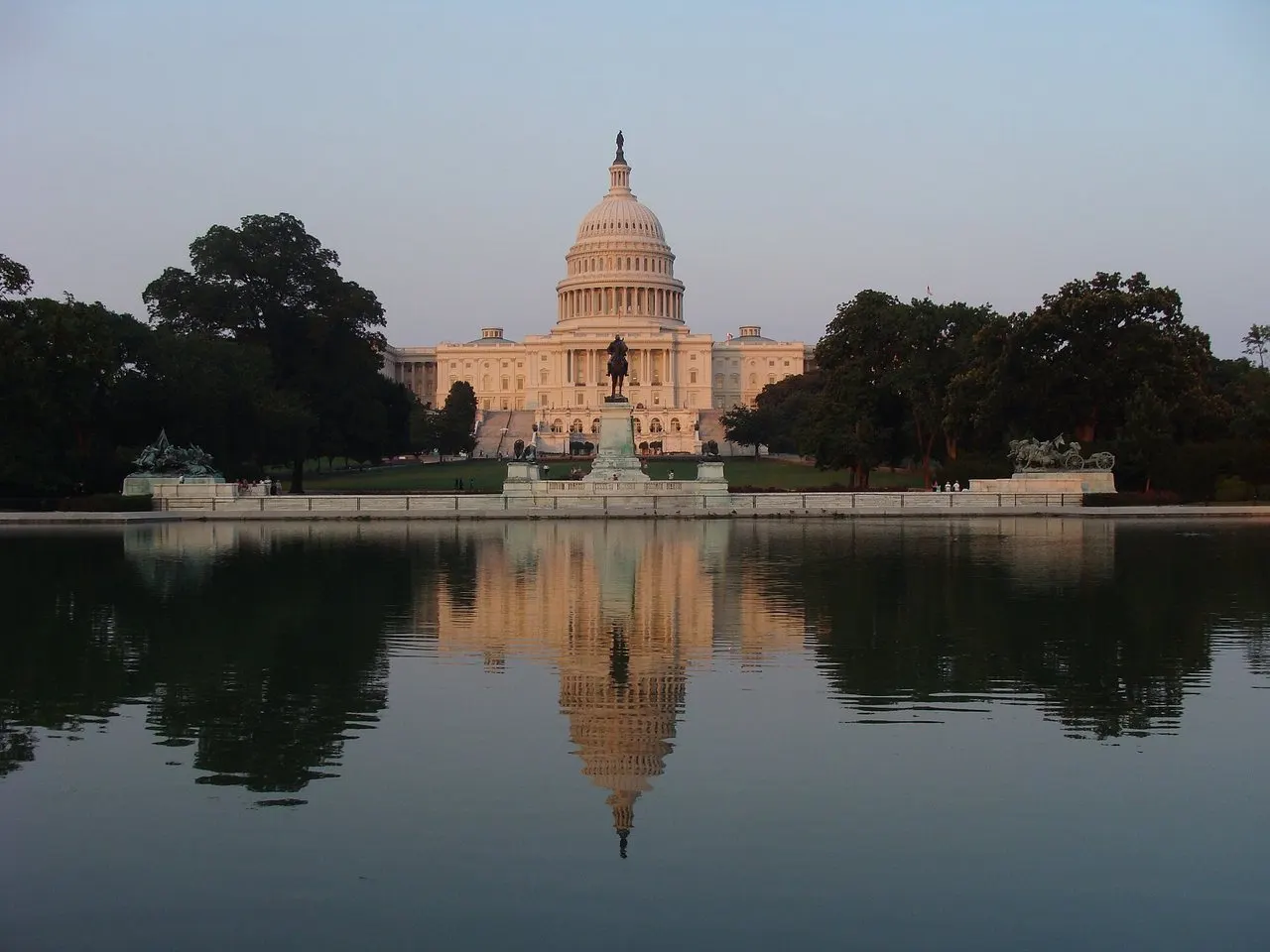
One reason Johnson wants full attendance is the government funding deadline on December 11. If Congress does not pass funding by then, parts of the government could shut down, and the pressure on leaders grows with every lost voting day. A funding bill needs enough members in the room to pass, and the absences make that harder. The deadline is only weeks away, and the calendar is already thin. Every canceled session brings the House closer to a crunch. Read our report on Fetterman refusing to support a shutdown.
A Defense Bill Is Still Waiting for a Vote

A defense bill is still waiting, and it cannot move forward while members stay home. Defense bills set pay and policy for the armed forces, and they are usually one of the most reliable pieces of legislation each year. When even that kind of bill stalls, it shows how far attendance has slipped. Service members and their families watch these votes closely, because the bill shapes their daily lives. A House that cannot vote cannot do its most basic job. See our story on Elon Musk regretting his midterm spending.
Members Still Collect 174,000 Dollars a Year
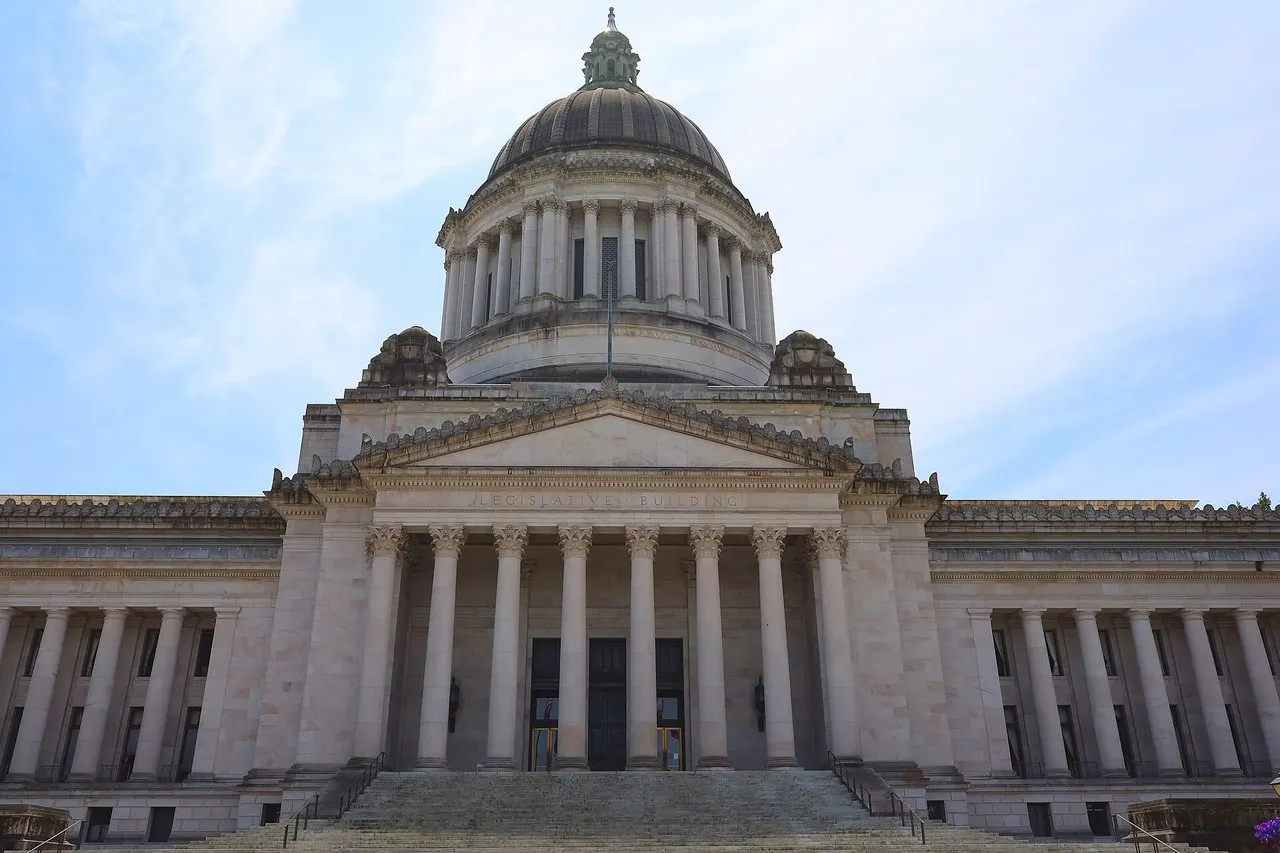
While the House struggles to gather enough members to vote, each member collects a salary of 174,000 dollars a year. Pay does not stop when attendance drops, and there is no penalty for missing votes. That fact has angered many readers, who ask why lawmakers are paid in full when they do not show up for work. Most Americans would lose pay for missing this many days. Members of Congress are paid on a different set of rules. Read our report on Melania Trump and her White House staff.
Nearly 40 Million Dollars Paid for Days at Home

The post added up the cost of all those missed days. Each member was paid 91,000 dollars for days the House was not in session. That adds up to nearly 40 million dollars in taxpayer money for House members to stay home. The number has shocked readers, because it turns an attendance problem into a bill taxpayers help to pay. Missing a vote is one thing. Being paid for days the House never met is another. See our story on finding hope on the worst days.
Republican Attendance Fell as the House Met Only 121 of 312 Days
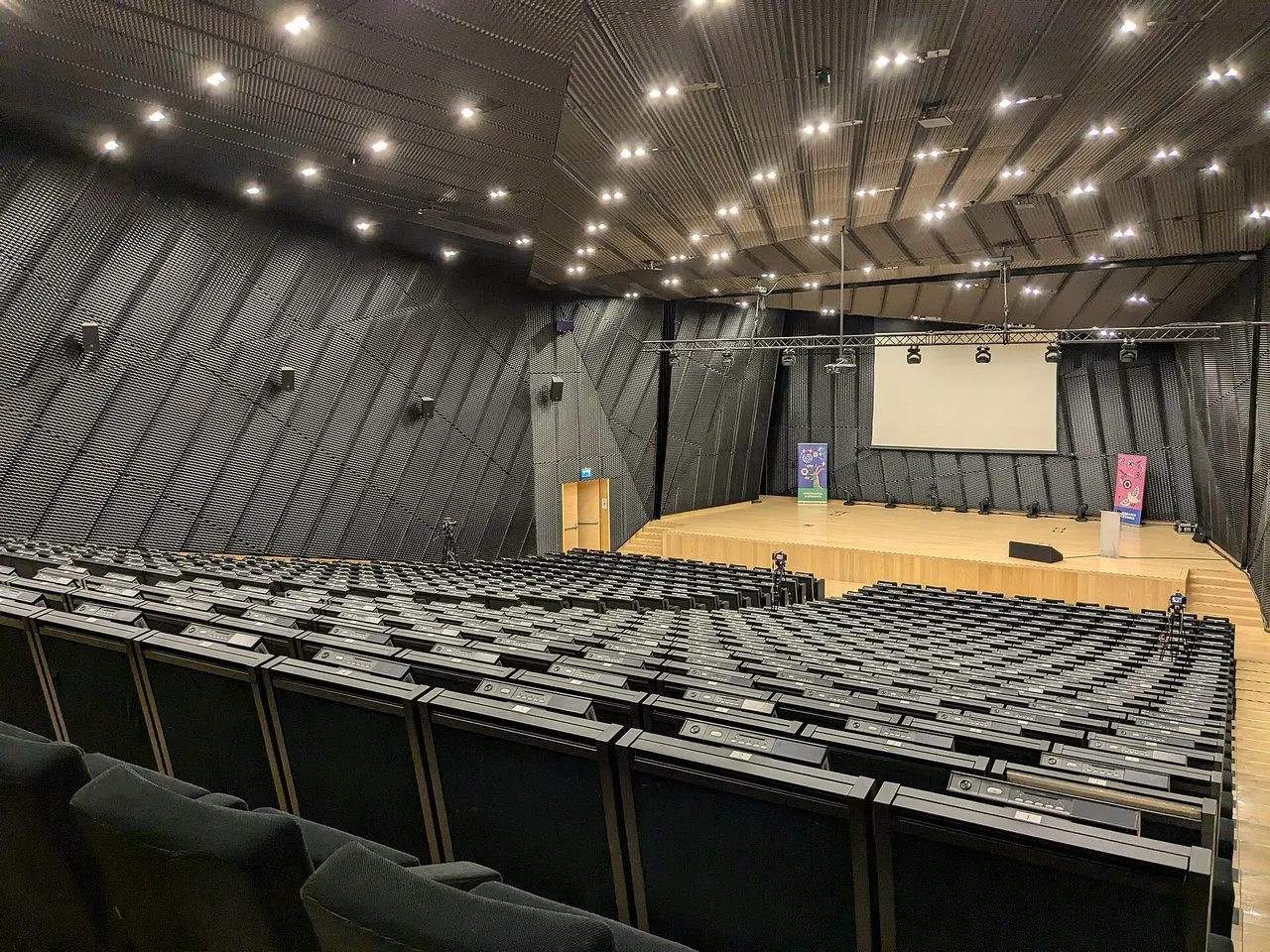
The problem did not start after the midterms. From January through early November, the House was scheduled to meet about 121 out of 312 days. That is under 40 percent of the year. A workplace open less than half the time leaves little room for catching up on missed votes. Johnson has canceled dozens of voting days this Congress, and each cancellation adds to the pile of unfinished business. The lame duck session was meant to finish the work. Read our story on Obama meeting Putin at the G20.
Dozens of Voting Days Were Canceled This Congress

Johnson has canceled dozens of voting days this Congress, a habit that has drawn criticism. Each canceled day pushes bills further down the calendar, and some bills may never get a vote at all. Lawmakers plan their travel and work around the House schedule, so last minute changes waste time. When the schedule keeps shrinking, the public starts to ask what the House is actually doing. The answer, for much of this year, has been less than expected. See our report on Fetterman vowing to refuse a shutdown vote.
Republican Attendance Fell When the House Shut Down in September
In September, Johnson shut the House down to dodge a vote on impeaching Pete Hegseth. It was a drastic step, and it showed how far leaders would go to avoid a difficult vote. Members went home while the issue stayed unresolved, and the calendar lost more working days. Critics said the move put politics ahead of the work of the House. Supporters said it avoided a messy public fight. Either way, the House did less work that month. Read our story on a possible third impeachment push.
At Least 30 Republicans Lost Their Seats
At least 30 House Republicans lost their seats in the midterm elections, and that loss shapes everything about the lame duck session. Members who are leaving have little reason to fly back to Washington for votes on bills they will not be around to see through. Some have already started new jobs or moved on to other plans. Others are simply tired after a long and bruising campaign. The result is a conference that acts like it already cleaned out its desk. See our story on Elon Musk regretting his midterm spending.
Jim Jordan Is Set to Lead House Republicans in the Minority

With Democrats taking the House, Jim Jordan is set to lead House Republicans in the minority. The change marks the end of Johnson’s time as Speaker and opens a new chapter for the party. Jordan will have to rebuild a conference that has just lost the majority and many of its members. His first job is to bring order to a group that has struggled to show up. The next two years will test if the party can regroup. Read our report on Liz Cheney warning her colleagues.
Republican Attendance Shadows Johnson as He Steps Aside

Mike Johnson is stepping aside as Jim Jordan is set to lead House Republicans in the minority. Johnson led the House through a Congress, and he leaves the top job after the midterm losses. His last weeks have been shaped by the attendance problem, and his plea for members to show up may be one of his last acts as Speaker. Leaders are judged by how they finish, and Johnson is finishing with a letter and empty seats. See our report on Melania Trump and her White House staff.
Thanksgiving Came Early for the House

Johnson canceled a Friday voting session and sent everyone home early for Thanksgiving. That was his answer to members not showing up for work. Give them more time off. The post joked that they earned it, and the joke landed because the timing was so odd. A holiday break is normal, but this one came after weeks of missed votes and canceled sessions. The House went home while the funding deadline and the defense bill waited. Read our story on the White House Thanksgiving turkey vote.
Republican Attendance and What Leaders Can Do Next
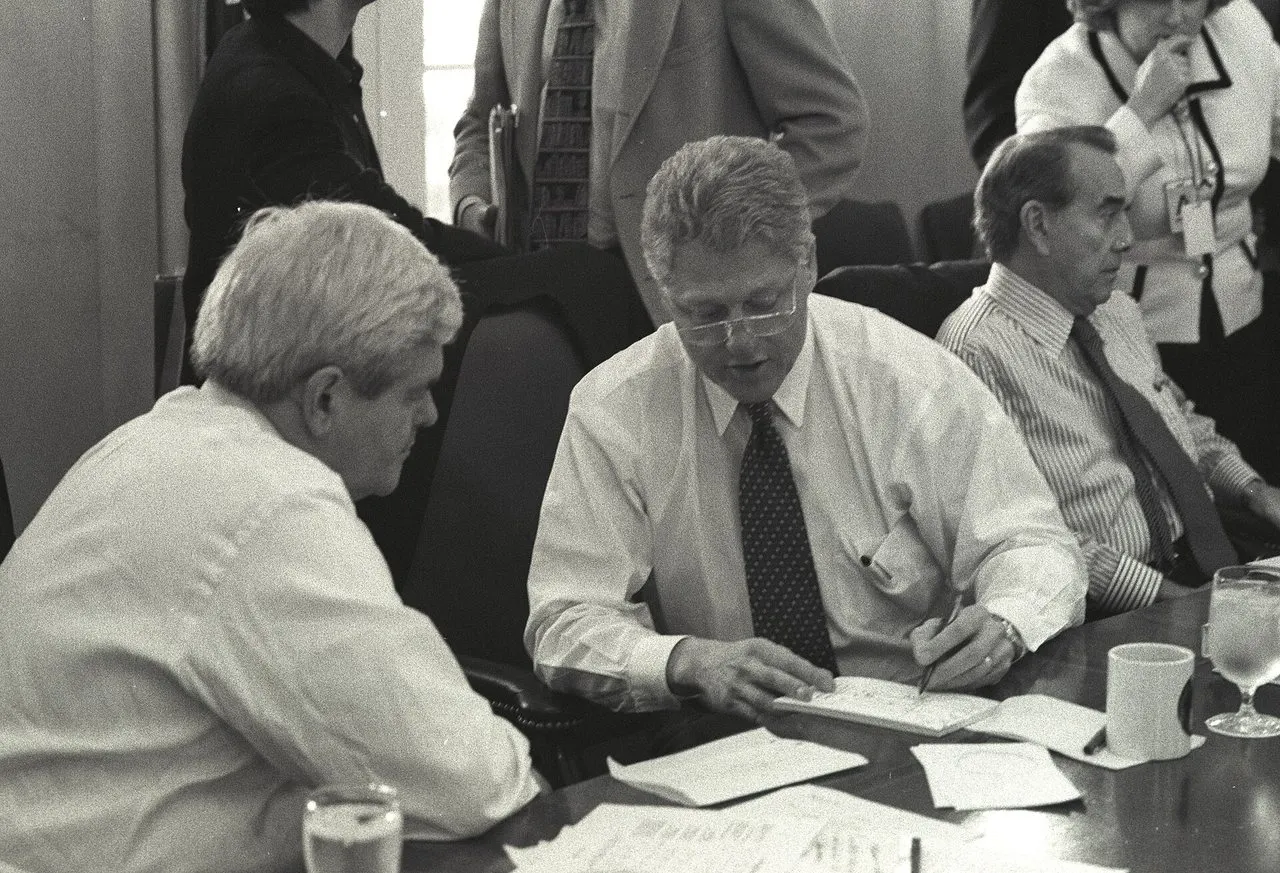
Johnson promised leadership would address the attendance problem with members, but the post asked a question. What is he going to threaten them with? At least 30 House Republicans lost their seats, and the conference acts like it already cleaned out its desk. Leaders can call, write and plead, but they cannot force a leaving member to fly back for a vote. The tools a Speaker has are limited, and they get weaker in a lame duck session. See our story on the stalled Ohio child marriage bill.
How Voting Works When Members Stay Away
The House needs enough members present to vote, and that is why absences matter. When too many members are away, leaders cannot be sure a bill will pass, so they pull votes. House rules assume members show up and vote, not that they stay home while their pay keeps coming. A quorum is the minimum number needed to do business, and thin attendance puts even that at risk. The system only works when members take part. Read our story on the fight over a private detention center.
Why the Lame-Duck Session Matters

A lame duck session is the time after an election when outgoing members still hold office. It is often busy, because leaders try to finish funding bills before the new members arrive. This year it is different, because so many members have stopped showing up. Work left undone now will fall to the next Congress, and the new majority will have its own plans. The lame duck is a last chance to finish the term. See our story on Zelensky and his silent shrug in Berlin.
Republican Attendance in the Roll Call Report

Roll Call reported that the average number of members missing votes has more than doubled since the midterm elections. The report gave the story its numbers, and it turned a funny caption into a serious problem with data behind it. Roll Call covers Congress closely, and its numbers are trusted by people who follow the House every day. The report showed that the absences were not a few bad days. They were a pattern that grew after Election Day. Read our story on Obama meeting Putin at the G20.
What USA Today Reported About the Plea

USA Today reported on Mike Johnson pleading with House Republicans to show up despite the midterm losses. The report put the Speaker’s letter in the spotlight and gave readers the key details. Johnson admitted his frustration in writing, and he asked his colleagues to finish the term strong. The story spread quickly, because it captured a strange moment in American politics. A Speaker begging his own party to come to work is not a normal headline. See our report on Trump greeting Putin at a summit.
Republican Attendance Has Become a Punchline for Critics
The original caption called the situation hilarious, and critics have enjoyed the empty seats. The post joked the conference acts like it already cleaned out its desk, and that line has been shared widely. Humor is one way people deal with a frustrating story, and the absences have given critics plenty of material. The jokes write themselves when leaders cancel sessions and send members home early. But behind the laughter, the work of the House is still not getting done. Read our report on Kevin Hart and fatherhood.
The Cost to Taxpayers Adds Up
Most Americans are not paid for days they do not work, and that is why the 40 million dollar figure struck a nerve. Taxpayers fund House salaries, and they expect members to show up and vote. When the House is out of session most of the year, the math looks bad. The post said each member was paid 91,000 dollars for days the House was not in session. That is the kind of number that sticks in the mind. See our story on the stalled Ohio child marriage bill.
Should Members Lose Pay When They Skip Votes?
The story leaves one simple question. Should members of Congress lose pay when they skip votes? Some say yes, because pay should follow work, and a member who skips work should not collect a full salary. Others say the rules are set by law, and changing them would take a vote that absent members would have to attend. What do you think? Share your thoughts in the comments below, and tell us how you would fix the attendance problem. Read our story on finding hope on the worst days.