A viral claim says Donald Trump is on course to be impeached, removed by Congress and jailed before Christmas Day 2026. It spread quickly around the midterm elections. The real path is far longer and harder than any post suggests. Here is what impeachment, removal and prosecution would each require, step by step.
Where the Trump Impeached Before Christmas Claim Comes From
The idea grew from talk that Democrats could win the House in the November 3 midterms. Polls and pundits spent months debating whether a so-called blue wave was coming, and commentators on the left openly discussed what a Democratic majority might do. If Democrats do take the House, investigations and impeachment votes become possible, because the majority controls committees and the floor schedule. That part of the claim has a real basis. Posts then jumped ahead to removal by the Senate and even prison time, all packed into a few short weeks before the holidays. Some of those posts used dramatic graphics and countdown clocks. Others quoted partial statements from lawmakers without context. Supporters of the president dismissed the whole thing as wishful thinking, while some critics shared it eagerly. Those later steps are a different matter, with separate rules, separate institutions and much longer timelines, as our past coverage explains. Below, we walk through each stage and what it would actually take.
References: The Times: Will Trump be impeached? What could happen if Democrats win midterms; News18: Could Trump face a third impeachment if Republicans lose midterms?; The Straits Times: How a blue wave could test Trump in his final two years
Step One: The House
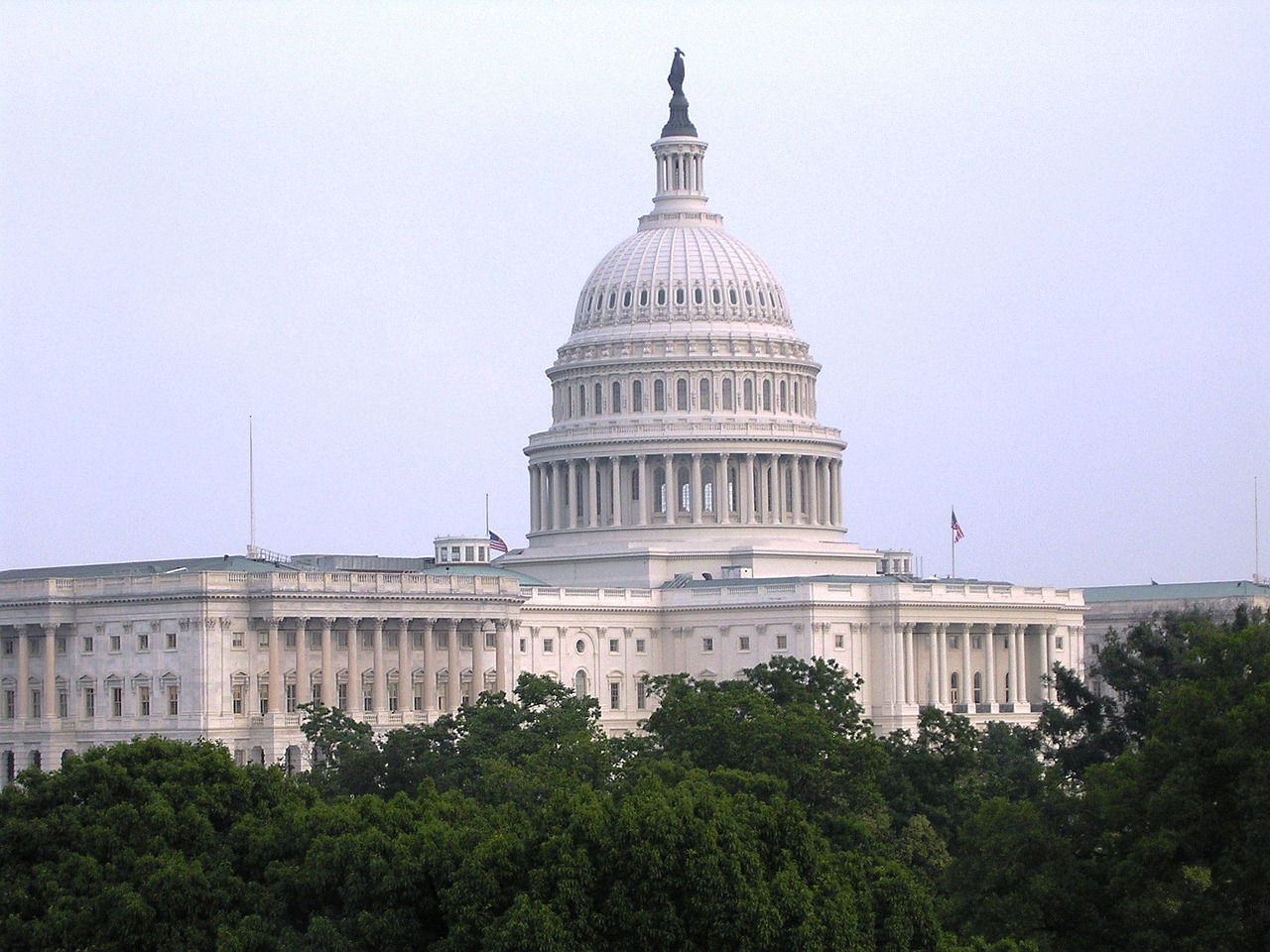
Impeachment starts in the House of Representatives. The Constitution gives the House the “sole power of impeachment,” which works much like an indictment. Members can introduce articles of impeachment, a committee usually reviews them, and then the full chamber votes. A simple majority can approve articles of impeachment. That only works if the party bringing the charges controls the chamber or wins over enough members from the other side. In practice, the majority party decides which bills and resolutions reach a vote. The leadership can also use procedural moves to set aside a resolution it does not want to debate. Timing is the next hurdle. The new Congress chosen in the midterms will not be seated until January 2027. Until then, the current House stays in place, with its current leaders and its current majority. Any change in control would only matter from that point forward. Follow the latest news on the results as races are called.
Step Two: The Senate Trial

After the House impeaches, the case moves to the Senate, which holds a trial. House members act as prosecutors, known as managers. The president’s lawyers present a defense. Senators sit as jurors, and when a president is on trial, the Chief Justice of the United States presides. Removal needs two thirds of senators present, usually 67 votes if all 100 take part. That bar is set high on purpose. The framers wanted removal to require broad agreement, not a narrow partisan win. No president has ever been removed this way in American history. Trump was impeached twice in his first term, once in 2019 over his dealings with Ukraine and once in January 2021 after the Capitol riot. He was acquitted both times. In the second trial, several Republican senators voted to convict, but the total still fell short of 67. That history, covered in earlier reports, shows how hard the Senate step is.
The Two-Thirds Wall
Getting 67 senators to agree on anything is rare. Major treaties need that many votes, and they often stall. Removing a president is even harder, because it asks lawmakers to overturn the result of a national election. It would require many members of the president’s own party to vote against him. Republicans currently hold a majority in the Senate, and even a strong night for Democrats in the midterms would leave them well short of 67 seats on their own. That means a large group of Republican senators would have to break ranks. In today’s politics, that kind of crossover is very uncommon. Senators who vote against their party’s leader often face primary challenges and backlash from voters back home. Political experts call this the biggest barrier by far, bigger than any legal question. Supporters of the president say that is how it should be. Critics say the system makes accountability too difficult. That math is why removal remains unlikely, according to most analysts.
Trump Impeached Before Christmas? The Deadline Problem

Look at the calendar and the claim falls apart. The new Congress starts on January 3, 2027. Christmas Day 2026 comes more than a week earlier. That alone makes removal before Christmas 2026 close to impossible, even with Trump impeached and every other step going the way the posts predict. The current House is led by Republicans, who would not bring such articles to the floor. Speaker-level control of the schedule means a resolution could be referred to committee or tabled without a real vote. The Senate would also need time. Past impeachment trials have taken weeks, with rules debates, presentations and closing arguments before the final vote. Even a fast-moving process would struggle to fit into the few weeks left in the year. So why did the “Trump impeached by Christmas” claim catch on? Specific deadlines feel urgent and make posts more shareable. Dates matter, and fact checks keep pointing that out. A deadline that does not match the calendar is a strong sign a claim is exaggerated.
What About Prison?

Impeachment is political, not criminal. Its only possible results are removal from office and, in some cases, a ban on holding future federal office. It cannot send anyone to jail, impose a fine or create a criminal record. Any prison sentence would require separate criminal charges, a grand jury or prosecutor’s decision, a trial and a conviction in court. Appeals could then take months or longer. There is another obstacle. A sitting president also has broad protections under recent Supreme Court rulings on immunity. In 2024, the Court said presidents have strong immunity for official acts, which narrows what prosecutors can pursue. Long-standing Justice Department policy also holds that a sitting president should not be indicted while in office. Critics of those protections say they put the president above the law. Supporters say they let a president do the job without constant legal threats. Either way, the path from impeachment to a prison cell is not a straight line. Read more on legal stories.
The Florida Angle

Some posts mention Florida specifically, suggesting a case there could put the president behind bars. The reference appears to point back to the classified documents case. Trump’s earlier federal documents case in Florida was dismissed in 2024, when the judge ruled that the special counsel had been improperly appointed. The case did not go to trial. After the 2024 election, federal prosecutors dropped their remaining efforts against him, in line with the policy on sitting presidents. What about the state level? State charges would need a local prosecutor willing to bring them, evidence of a state crime and a court process that takes months or years. Defense lawyers would almost certainly raise questions about immunity and whether a state can prosecute a sitting president at all. Those fights could go all the way to the Supreme Court. None of that happens quickly. Nothing points to that happening by Christmas, based on available reports, and no new Florida case has been announced.
What Democrats Are Saying

Some Democrats have said they would investigate the administration if they win the House. They point to concerns about executive power, spending decisions and how agencies are being run. A few progressive members have openly talked about impeachment and have filed or backed articles in the past. Others want to focus on prices, health care and jobs instead. Those lawmakers argue that voters care most about the cost of living and that another impeachment fight could backfire. They remember that past impeachments energized the president’s supporters. Party leaders tend to avoid promising impeachment before votes are counted. Their public message usually centers on “oversight” and “accountability,” words that leave room for hearings without committing to a vote. That approach lets them appeal to both their base and swing voters. It also reflects how hard the Senate math is, since leaders know removal is unlikely. That caution shows up in political coverage of the party’s plans for next year.
What Republicans Are Saying

Republicans call impeachment talk a distraction and a sign Democrats have no agenda beyond opposing the president. They argue that the two earlier impeachments were partisan efforts that ended in acquittal. They point to those two failed impeachments as proof that the process has been used for politics rather than real wrongdoing. Many say voters want results, not hearings. Lower prices, border security and economic growth are the themes they push most often. Some GOP lawmakers have also warned that a third impeachment could divide the country further and hurt Democrats at the ballot box in 2028. Others say they would welcome the fight, believing it would rally their supporters. Republican leaders have generally avoided engaging with the specifics of the viral claim. Instead, they use it as an example of what they see as overreach by the other side. Their message is aimed at undecided voters, who often say they are tired of constant conflict in Washington.
Why ‘Trump Impeached Before Christmas’ Posts Go Viral

Why does a claim like this spread so fast? Bold predictions get more shares than careful explanations. A headline promising impeachment, removal and prison in one sentence is built to spread. It gives one group of readers something to hope for and another group something to be angry about. Both reactions drive clicks, comments and reposts. Social media algorithms reward that kind of engagement, so the post climbs higher in feeds. Specific details, such as a Christmas deadline, add a sense of urgency. Meanwhile, the slower facts about House rules and Senate votes rarely make the same splash. Readers on both sides react strongly, and many share before reading past the headline. Some accounts post these claims knowing they will draw traffic, regardless of accuracy. A simple check helps: does the post explain how each step would happen, and does the timeline match the calendar? If not, caution is wise. That is a pattern seen in many viral posts about politics.
A Short History of Impeachment

Only three presidents have been impeached: Andrew Johnson, Bill Clinton and Donald Trump, who was impeached twice. Johnson was impeached in 1868 after clashing with Congress over Reconstruction, and he survived removal by a single vote in the Senate. Clinton was impeached in 1998 on charges tied to his testimony about a personal relationship, and the Senate acquitted him early the next year. Trump’s two impeachments came in 2019 and 2021. All were acquitted. Richard Nixon resigned in 1974 before a House vote, after it became clear he had lost support in his own party during the Watergate scandal. That case is often cited as proof that the real power of impeachment lies in political pressure, not just the final vote. No president has been removed by the Senate in more than two centuries. History shows how hard the process is, as covered in our history pieces. It also shows that the process tends to move slowly.
What Investigations Could Look Like

A Democratic House could hold hearings, issue subpoenas and request documents from federal agencies and the White House. Committees such as Oversight and Judiciary would likely take the lead. Witnesses could be called to testify in public, and reports could be released with findings. That can create headlines and pressure without leading to removal. Hearings shape public opinion, and they can set the stage for future legislation or campaign arguments. The administration would likely push back. In past fights, the White House has refused some requests and cited executive privilege. Courts often decide fights over subpoenas, which can take a long time. Some cases have dragged on for a year or more before a final ruling. By then, the political moment may have passed. Supporters of investigations say oversight is a core duty of Congress, no matter who is president. Critics say investigations can become political theater. Both views will be tested if control of the House changes. Expect more news on Congress next year.
What Voters Should Watch

The key numbers are seats. Who controls the House decides whether impeachment is even possible. A narrow majority means every vote counts, and a few members crossing over could change the outcome. Who controls the Senate decides how a trial would go and how quickly it would move. The majority leader shapes the schedule and the rules debate. Watch the size of each majority, not just which party wins. A one-seat edge behaves very differently from a twenty-seat cushion. Final counts can take days in close races. Some states count mail ballots after Election Day, and recounts are possible when margins are tight. Early projections can shift as more votes come in. It is also worth watching statements from new members once they are sworn in, since campaign promises do not always match what happens in office. Leadership elections inside each party will offer clues as well. Keep an eye on election updates, and rely on official results rather than social media screenshots.
The Bottom Line on Trump Impeached Before Christmas Claims

Impeachment is possible only if the House majority wants it. That depends on the midterm results and on whether leaders decide the fight is worth it. Removal needs a two-thirds Senate vote that has never happened in American history. Prison would require separate criminal cases, a trial and a conviction, along with answers to hard legal questions about presidential immunity. Each of those steps runs on its own timeline, and none of them is fast. A timeline with Trump impeached and removed by Christmas 2026 does not match how any of these work. The new Congress is not even seated until January. That does not mean investigations will not happen, or that the political fight is over. Both parties will keep making their case to voters. It simply means the viral claim mixes a possible future event with outcomes that are far less likely and far further away. Readers who want to understand the real story should focus on seat counts, committee plans and court rulings. Read more fact checks here.
Myth vs Fact: Trump Impeached Before Christmas

Myth: impeachment removes a president. Fact: it is only the charge, similar to an indictment; the Senate decides removal after a trial. Myth: Congress can jail a president. Fact: only courts can impose sentences, and only after criminal charges and a conviction. Myth: a new House majority takes over right after Election Day. Fact: new members are sworn in on January 3. Myth: removal just needs a majority of senators. Fact: it needs two thirds of those present, usually 67. Myth: impeachment has removed presidents before. Fact: none of the three impeached presidents was removed. Myth: a dismissed case can simply be restarted overnight. Fact: new charges require new filings, legal review and court time. These points are simple, but they are often lost when claims spread quickly online. Clearing them up does not favor one party or the other. It just explains how the system works. These mix-ups appear in many viral claims, so keep this list handy when the next one comes along.
The Midterm Math, Simply Put

The House has 435 seats, so 218 makes a majority when every seat is filled. That is the number that matters for impeachment. A party that wins 218 or more can pass articles without help from the other side, as long as its members stick together. The Senate has 100 seats, and 67 are needed to remove a president if every senator votes. That is the number that matters for removal. One number is within reach in a good year. Control of the House often flips in midterm elections, especially for the party that does not hold the White House. The other almost never is. No party has held 67 Senate seats in decades, and only a third of the Senate is up for election in any given cycle. That limits how much a single election can change. So even a big win for one side leaves the Senate math largely unchanged. Watch the results closely, and remember which number applies to which step.
Your Take on the Trump Impeached Before Christmas Claim

Do you think the next Congress will try impeachment? Some readers see it as a needed check on presidential power. Others see it as a political stunt that wastes time Congress should spend on prices, jobs and health care. Would it help or hurt the party that tries it? History offers mixed lessons. Republicans lost seats in the 1998 midterms during the Clinton impeachment fight, while the effects of the Trump impeachments are still debated. Voters may reward a party that holds power to account, or they may punish one that seems focused on the wrong things. There is also the question of what happens if the House does nothing. Would that disappoint voters who wanted action, or reassure those who want calm? None of these questions have easy answers, and reasonable people disagree. Share your view in the comments, and follow our coverage as this story develops. We will keep tracking the results, the new Congress and any formal moves in the weeks ahead.