In 2016, surgeons at Texas Children’s Fetal Center, including Dr. Oluyinka Olutoye and Dr. Darrell Cass, partially removed a baby from her mother’s womb at 23 weeks to take out a life-threatening tumor, then returned her to the womb. About 12 weeks later, Lynlee Hope Boemer was born by C-section, in what was widely described as being “born twice.”
A baby girl in Texas became known as the baby who was “born twice” after surgeons operated on her while she was still developing in the womb. In 2016, a team at Texas Children’s Fetal Center in Houston, including pediatric and fetal surgeon Dr. Oluyinka Olutoye and Dr. Darrell Cass, partially removed the baby from her mother’s uterus at about 23 weeks of pregnancy, removed a large tumor and then returned her to the womb to continue developing. About 12 weeks later, she was delivered by C-section. The case drew wide media attention as an example of how far fetal surgery has advanced.
The diagnosis
Margaret Boemer, a mother from North Texas, learned about 16 weeks into her pregnancy that her unborn daughter had a sacrococcygeal teratoma, a rare tumor that grows from the base of the tailbone. Some of these tumors can be managed after birth, but this one was large and growing quickly. It was diverting blood flow from the baby, which can lead to heart failure in a fetus.
The family was told the baby’s chances were poor and that ending the pregnancy was one of the options. Margaret Boemer and her husband, Jeff, decided to pursue surgery and were referred to Texas Children’s Fetal Center.
The operation
By about 23 weeks, the tumor had grown so large that it was putting the baby, named Lynlee, at risk of heart failure, and the doctors decided to operate. In open fetal surgery, surgeons opened the mother’s uterus and brought out the lower part of the baby’s body to remove the tumor while she remained connected to the placenta through the umbilical cord. At the time, she weighed about 1 pound, 3 ounces, according to news reports.
After most of the tumor was removed, the team placed the baby back inside the uterus and closed it. Fetal surgery carries significant risks, including premature labor, and requires close coordination among surgeons, anesthesiologists and other specialists to keep both mother and baby stable.
The second birth
After the surgery, Margaret Boemer spent the rest of her pregnancy on bed rest. In June 2016, at about 36 weeks, Lynlee Hope Boemer was delivered by C-section, weighing 5 pounds, 5 ounces. When she was about eight days old, she had another operation to remove the remaining parts of the tumor, and she went home afterward to recover.
The surgeons
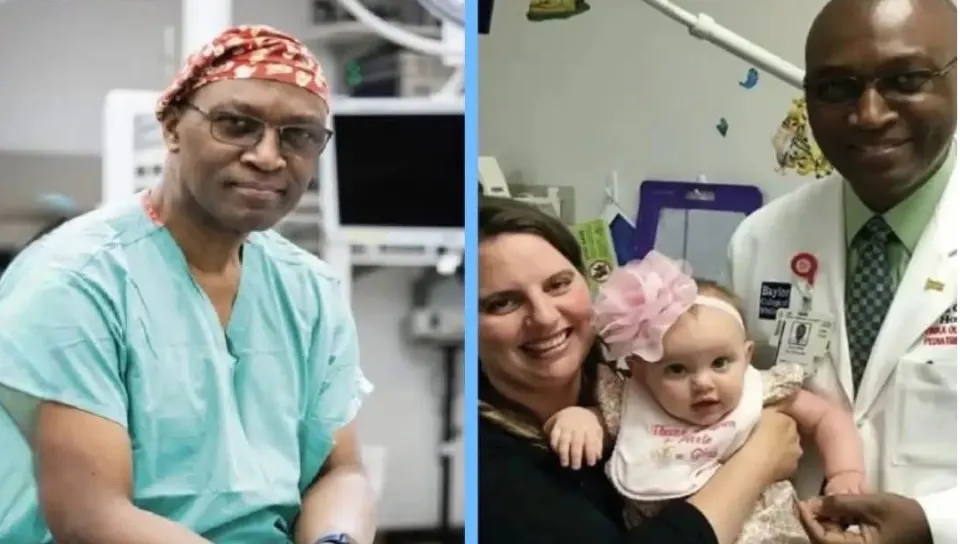
Dr. Oluyinka Olutoye is a Nigerian-born pediatric and fetal surgeon who trained in medicine in Nigeria before continuing his training in the United States. At the time of the surgery, he was a fetal surgeon at Texas Children’s Hospital in Houston. He later became surgeon-in-chief at Nationwide Children’s Hospital in Columbus, Ohio. Dr. Darrell Cass was also part of the Texas Children’s team.
The case brought international attention to Olutoye’s work and was widely celebrated, including in Nigeria.
What fetal surgery involves
Fetal surgery is a highly specialized field. For a long time, doctors had few options for treating serious problems in an unborn baby other than monitoring and waiting for delivery. Over recent decades, specialized centers have developed procedures to treat certain conditions before birth, such as some cases of spina bifida and large tumors like Lynlee’s.
These operations remain rare and are generally reserved for severe cases, because of the risks to both the mother and the baby, especially the risk of premature birth.
The parents’ decision
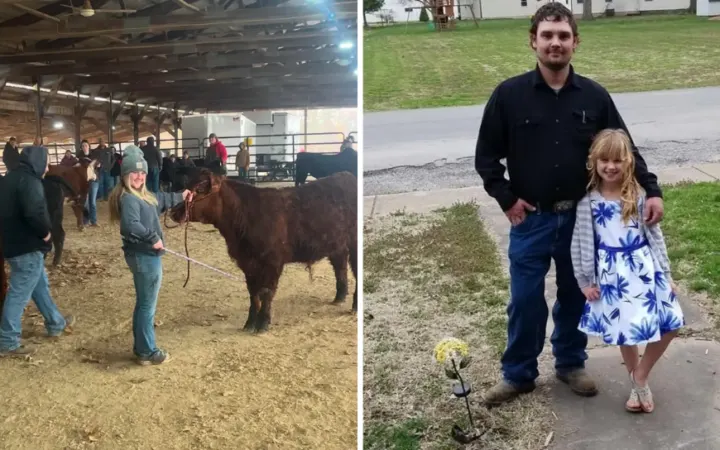
For Margaret and Jeff Boemer, choosing surgery meant accepting risks to both mother and baby. Margaret underwent two major operations, the fetal surgery and the C-section, and spent weeks on bed rest. The family has spoken publicly about their experience, and the case is often cited as an example of what specialized fetal care can achieve.
What it means for other families
Each successful case adds to doctors’ knowledge of when and how to operate before birth. Fetal surgery will likely remain uncommon and risky, but Lynlee’s case shows how specialized teams can treat some life-threatening conditions before a baby is born.
Wide attention
The story of Lynlee Hope and her surgeons was covered by news outlets around the world. It also highlighted the role of large multidisciplinary teams, including surgeons, anesthesiologists, cardiologists and nurses, in complex fetal care.
A rare outcome
Lynlee’s case remains one of the best-known examples of open fetal surgery. A baby given a poor prognosis before birth survived after an operation in the womb and a later delivery, an outcome made possible by specialized fetal care and her parents’ decision to pursue treatment.
Source: ABC7 News