
The 9-Day Treasury Bill Sale That Raised Eyebrows
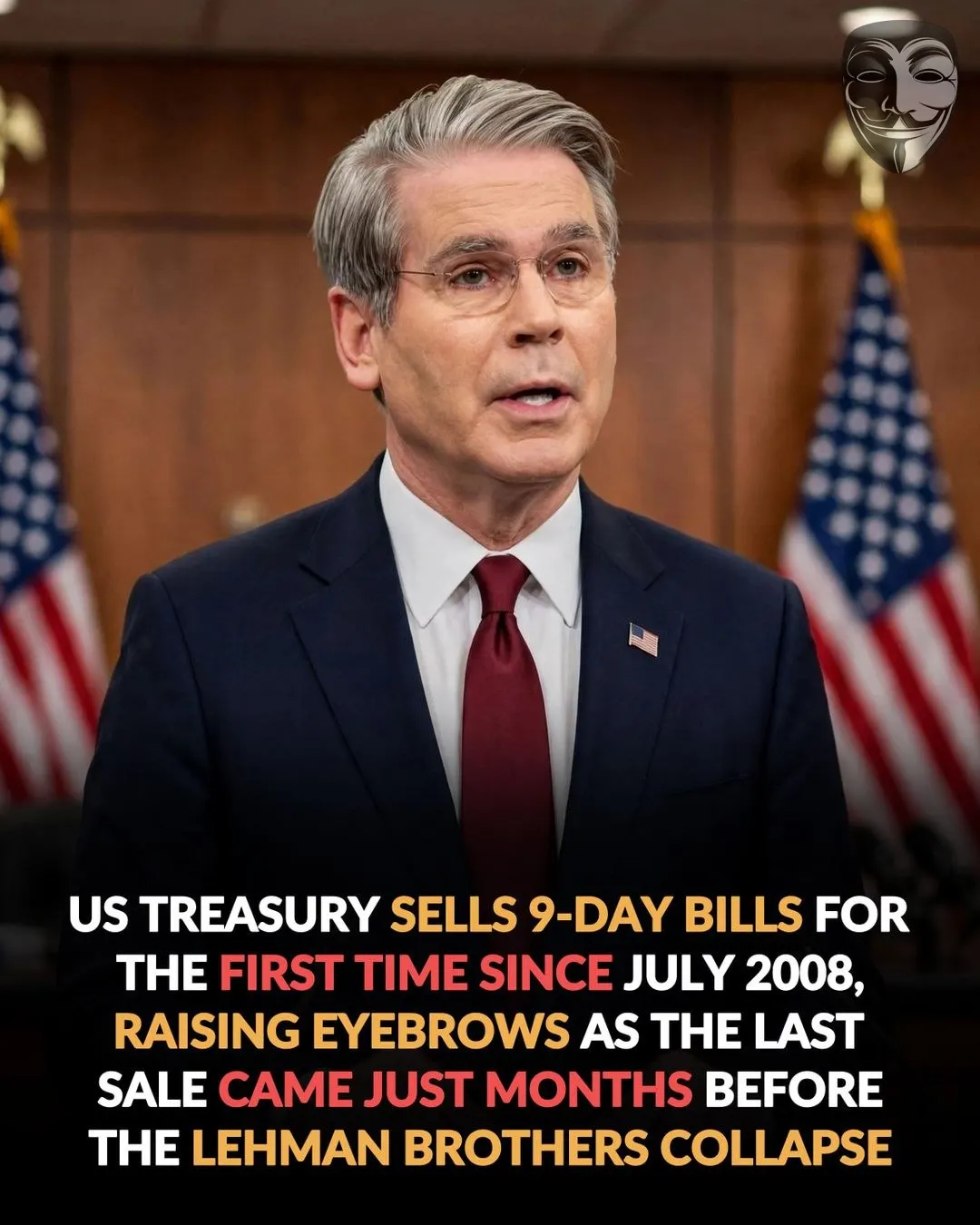
A 9-day Treasury bill sale on November 19 has raised eyebrows across the United States, because it was the first sale of that exact term since July 21, 2008. The United States Treasury sold 15 billion dollars of the short bills at a rate of 3.91 percent, and the bills settle on November 24 and mature on December 3. The auction drew strong demand, with a bid to cover ratio of 3.97, which means investors wanted nearly four times the amount on offer.
The timing has drawn attention because the last 9-day sale came just months before the collapse of Lehman Brothers and the 2008 financial crisis. A short bill on its own does not mean another financial crisis is imminent, but the unusual move has put a spotlight on Washington’s cash management. The same week, the Treasury sold 16 billion dollars in 20-year bonds at a 5.459 percent yield, and that auction attracted investor demand. In the slides ahead, we look at what happened and why it matters, alongside stories like Warren Buffett’s $5.5 billion gift.
References:
ZeroHedge: Treasury Sells First 9-Day Bill Since July 2008 As Month-End Cash Gets Tight
CryptoSlate: US Treasury sells $15 billion in first nine-day cash bill auction since 2008
Morningstar: U.S. 20-Year Treasury Auction Shows Stable Demand
Yonhap Infomax: Solid Demand at US 20-Year Treasury Auction, Yield Meets Expectations
What a 9-Day Treasury Bill Actually Is
A Treasury bill is a short term loan that investors make to the United States government, and the government promises to pay it back in full on a set date. Bills mature in a few weeks or months, unlike bonds that can last for years, so they are a useful tool for short term borrowing. A nine day bill is one of the shortest terms the Treasury ever sells, which is why this sale stood out to market watchers. For a change of pace, read about Melania Trump’s small White House staff.
The $15 Billion 9-Day Treasury Bill Auction
On November 19, the Treasury sold 15 billion dollars in a 9-day Treasury bill auction, a large sum for such a short term, and it was the first sale of that exact term since July 21, 2008. The bills were cash management bills, which help the government cover short gaps in its cash around the end of the month. The auction drew strong demand, with a bid to cover ratio of 3.97. For other big money stories, read about Amazon’s warning to New York shoppers.
A Rate of 3.91 Percent for Nine Days
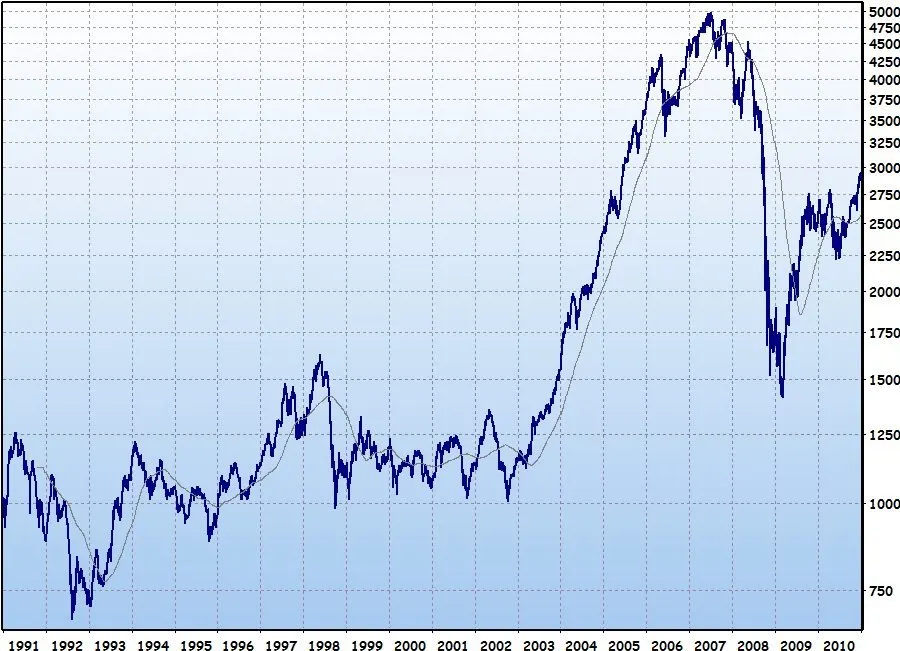
The bills sold at a rate of 3.91 percent, which is the return investors earn for lending money to the government for nine days. The rate is quoted on a yearly basis, so the cash earned over nine days is only a small slice of that figure, but the rate still shows what short term borrowing costs right now. Rates move with market conditions and the wider cost of money in the economy. To see how other big figures are reported, read about the debate over Brexit.
Settling on November 24 and Maturing on December 3

The bills settle on November 24 and mature on December 3, so buyers hand over their money just before the end of November and get it back nine days later. That short window bridges the end of the month, a time when the government often faces a rush of payments. Cash management bills are made for gaps like this, covering days or weeks rather than months or years. For more on plans and deadlines, read about the plan to privatize nine airports.
Strong Demand for the 9-Day Treasury Bill

The auction drew strong demand, with a bid to cover ratio of 3.97, which means investors offered to buy nearly four times the amount of bills on sale. A high ratio is a sign that buyers trust the government to pay them back and like the return on offer. Strong demand can also keep borrowing costs down, because the Treasury does not need to offer a higher rate to find buyers. For more on trust and public response, read about Schumer’s criticism of the Shenzhen meeting.
Why the Treasury Uses Cash Management Bills
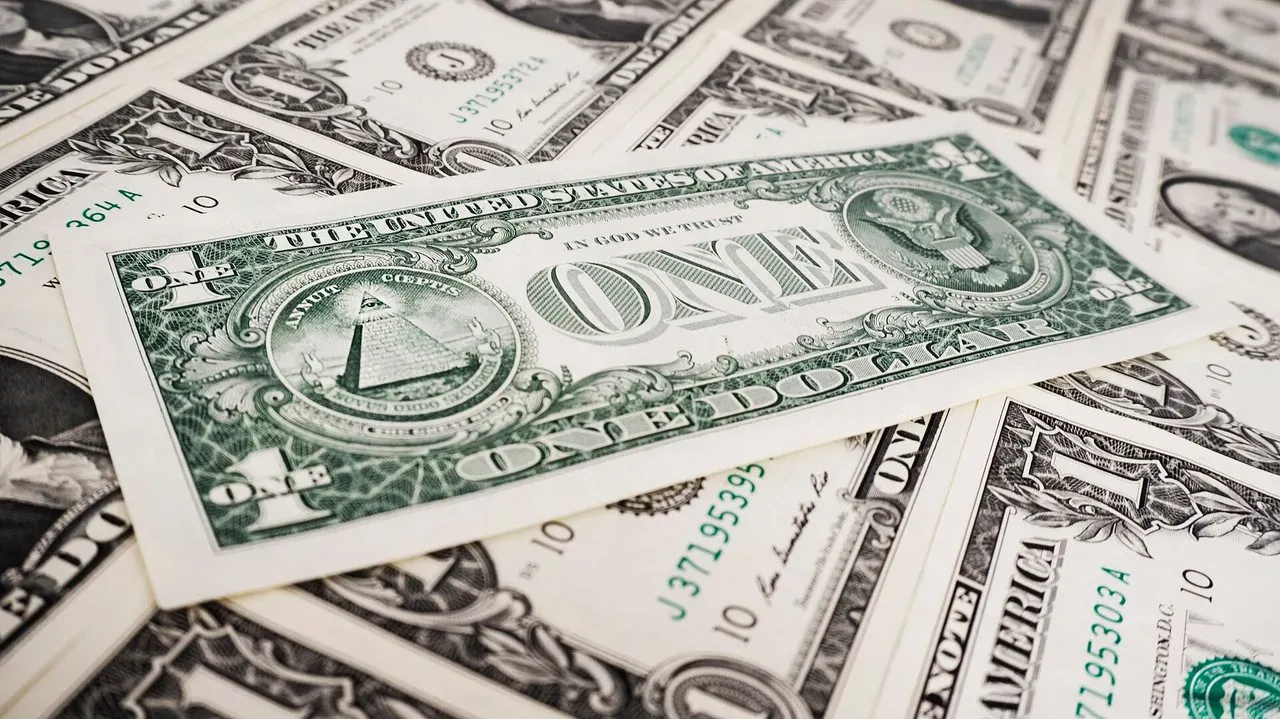
Cash management bills are a flexible tool the Treasury uses when its cash balance dips for a short time. Tax money arrives in waves through the year, while spending on wages, benefits and bills goes out every day, so the balance can run low between big tax dates. A short bill fills the gap without locking the government into long term debt. To learn about other tools and plans, read about the UK’s drone package for Ukraine.
Month End Cash Gets Tight in Washington
The end of the month is often a tight time for cash, because many payments fall due at once and income does not always arrive on the same day. That is why the Treasury chose a nine day bill that starts just before month end and matures in early December. The move was described as a response to tightening cash conditions, which means money was getting harder to manage. For other stories about pressure and deadlines, read about Ray Bradbury’s warning about robots.
The First 9-Day Treasury Bill Since July 2008
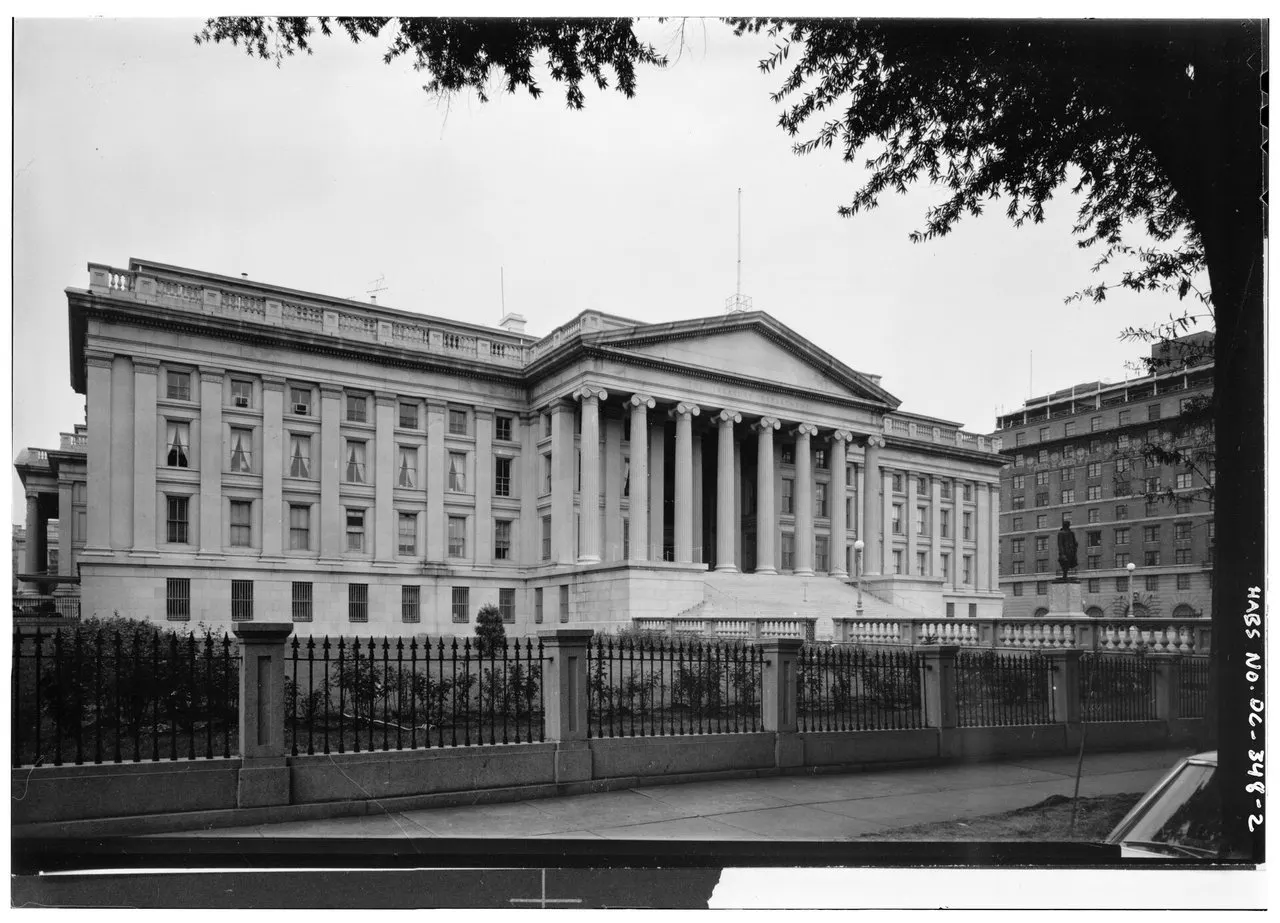
The last sale of a 9-day Treasury bill with this exact term took place on July 21, 2008, more than 17 years before this November sale. In all that time, the Treasury met its short term needs with bills of other lengths, so the return of the nine day term stood out at once. The long gap is a big reason the sale drew so much attention from investors and the press. For more on long waits and returns, read about Melania Trump’s lean first lady office.
What Came After July 2008

July 2008 was a nervous time in finance, and within months the crisis deepened when Lehman Brothers failed in September of that year. Banks stopped trusting each other, credit dried up, and the shock spread through the economy in the United States and around the world. The government and the central bank stepped in with rescue measures to steady the system. To read about other moments of high drama, see Warren Buffett’s $5.5 billion gift.
Lehman Brothers and the 2008 Financial Crisis
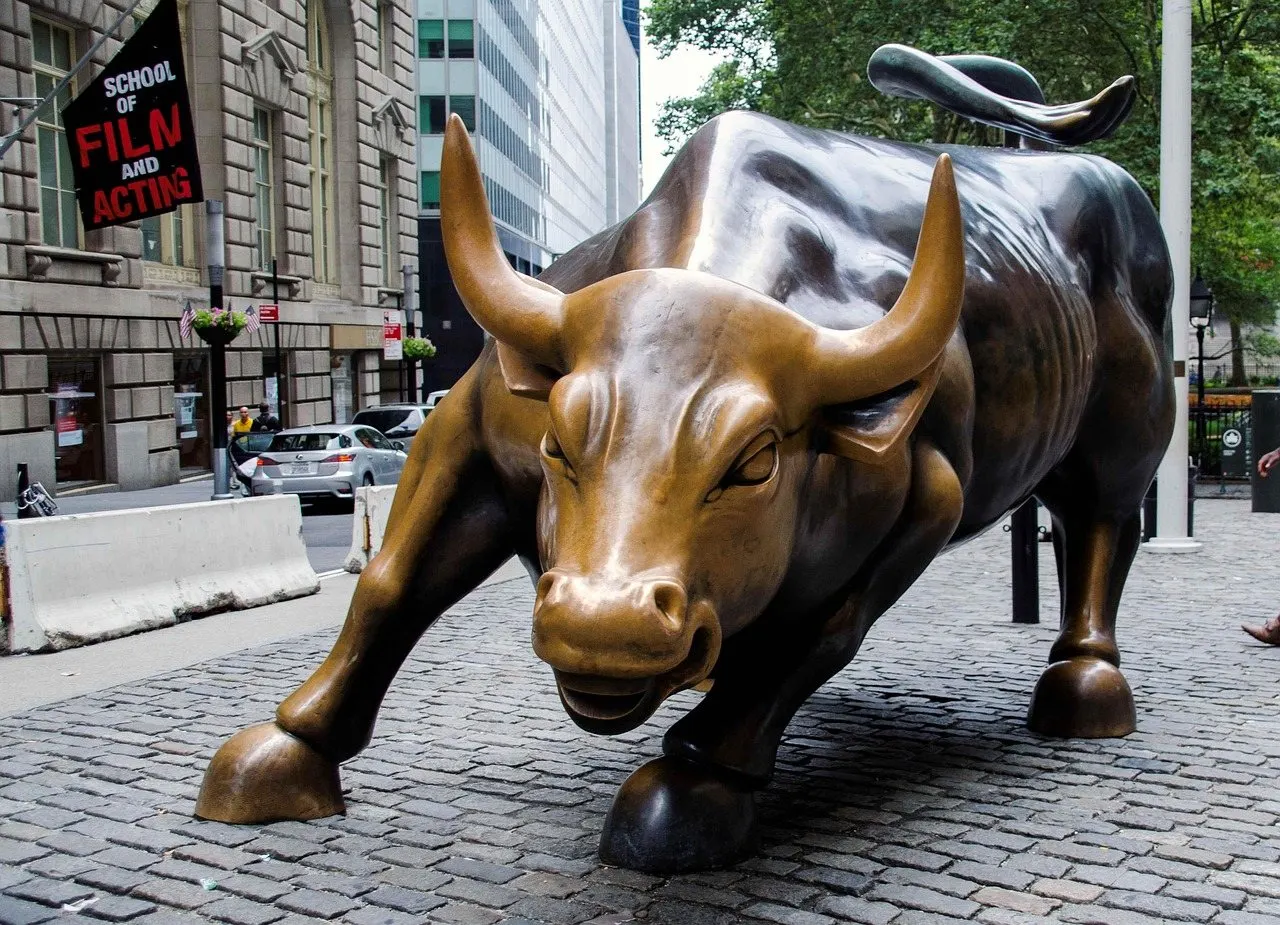
Lehman Brothers was a large investment bank on Wall Street, and its collapse in September 2008 became a symbol of the financial crisis. The bank had taken on too much risky debt tied to housing, and when those bets failed, it could not find the cash to keep going. Its fall shook markets around the world and led to years of debate about how banks should be watched. For more on power and its limits, read about the Pacific seabed auction.
Why a 9-Day Treasury Bill Does Not Mean a Crisis

A short bill on its own does not mean another financial crisis is imminent, and that point was made clearly in the original post about this sale. One auction is a small piece of a much larger picture, and many things would have to go wrong at once for a crisis to follow. Investors and officials watch the wider economy, jobs, prices and bank health before drawing big conclusions. For more on keeping things in proportion, read about Amazon’s warning to New York shoppers.
The $16 Billion 20-Year Bond Sale the Same Week

In the same week as the bill sale, the Treasury also sold 16 billion dollars in 20-year bonds, which are a very different kind of borrowing. Bonds last for decades, so they suit long term plans, while bills cover days and weeks. Selling both in one week shows the Treasury raising money across the full range of its tools. For more on big sales and launches, read about GTA 6’s record-breaking launch.
A 5.459 Percent Yield on Long Term Borrowing

The 20-year bonds sold at a yield of 5.459 percent, which is the yearly return buyers earn for lending money to the government for two decades. That figure is higher than the 3.91 percent on the nine day bills, because lending for longer usually carries a higher reward. The yield also shows that long term government borrowing is costly right now. To compare other long term plans, read about the plan to privatize nine airports.
Solid Investor Demand for the 20-Year Bonds

The 20-year bond auction attracted solid investor demand, and reports said the yield met expectations, which is a calm result for a large sale. When an auction goes well, it suggests buyers are comfortable lending to the government at that price. A weak auction would have raised more questions, so the steady result gave the Treasury room to breathe. For more on steady hands in tough spots, read about the demand over Scott Bessent’s home.
How Treasury Auctions Work

Treasury auctions follow a set routine, with the Treasury announcing the amount and term, investors placing bids, and the sale going to the highest bidders. The rate is set by the auction itself, based on what buyers are willing to accept, rather than by a single official. That market test is why auction results are watched so closely by banks and the press. To see other contests and routines, read about the UK’s drone package for Ukraine.
Who Buys a 9-Day Treasury Bill

Buyers of these nine day bills are usually banks, money market funds and other large investors that need a safe place to park cash for a few days. They like bills because the government is seen as a reliable borrower and the money comes back quickly. Ordinary savers rarely buy bills directly, but the rates still matter to them through funds and savings products. For more on who does what, read about the plan to end horse drawn carriages.
What Treasury Bills Mean for Everyday Savers

Treasury bill rates may seem far from daily life, but they feed into the rates on savings accounts, money market funds and short term loans. When the government pays more to borrow for a few days, banks and funds often pass some of that return on to their customers. That is why savers and borrowers both pay attention when Treasury rates move. For more on money in daily life, read about Melania Trump’s lean first lady office.
Washington Cash Management and the 9-Day Treasury Bill
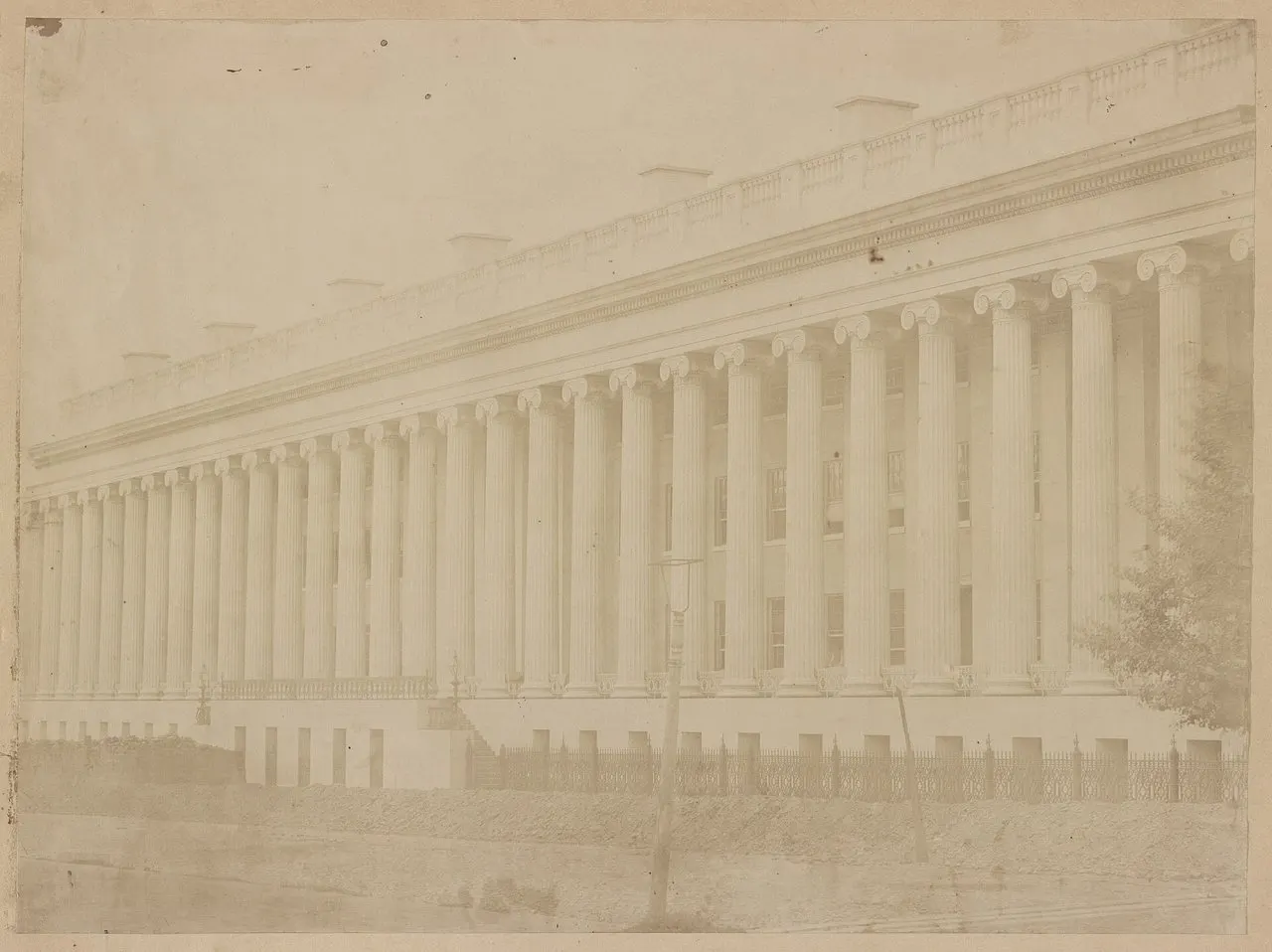
The sale has put a spotlight on Washington’s cash management, because the government must juggle income and spending every single day. When cash gets tight, officials reach for tools like short bills to keep payments flowing on time. The original post called the move a warning sign, but it also stressed that a short bill alone does not mean a crisis is coming. For more on Washington and its workings, read about Trump’s meeting with dictators joke.
The Cost of Government Borrowing

Borrowing costs matter because the government pays interest on everything it owes, and higher yields mean higher bills for taxpayers over time. The 5.459 percent yield on the 20-year bonds shows that long term borrowing is expensive right now, even though demand for the bonds was solid. Keeping those costs under control is one reason the Treasury mixes short and long term sales. For more on costs and trade offs, read about Melania Trump’s small White House staff.
How Markets Read a 9-Day Treasury Bill Sale
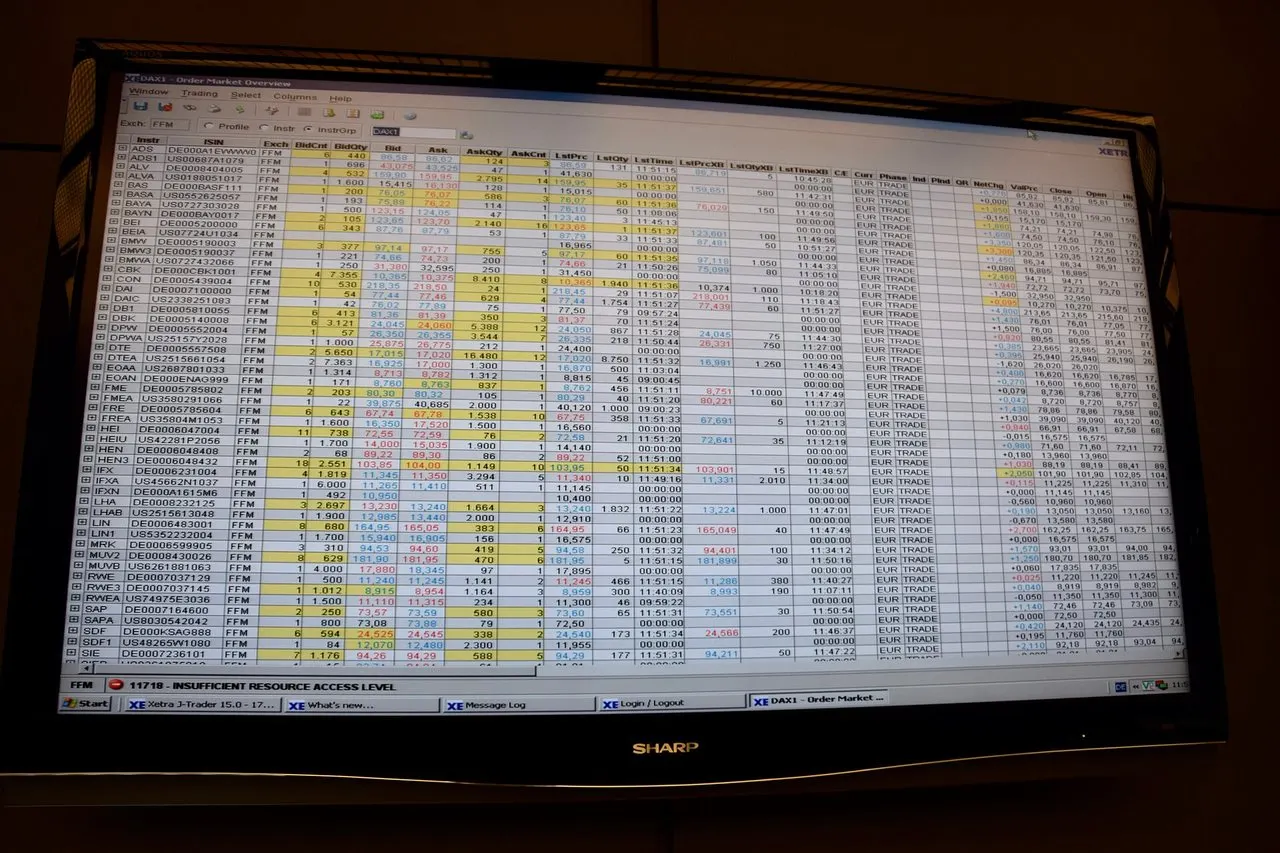
Markets read unusual Treasury moves as clues about cash needs, rates and confidence, but one auction is never the whole story. Traders compare each sale with recent auctions, watch how yields move, and look for patterns over weeks rather than hours. A single nine day bill can spark talk, yet the calm demand at both auctions this week gave a steadier signal. For more on reading the signals, read about the largest ICE detention center.
Treasury Bills and Interest Rates

Treasury bills sit close to the heart of interest rates, because their yields reflect what it costs to borrow money for a short time. When short rates rise, loans and savings products often follow, and when they fall, borrowing gets cheaper across the economy. The 3.91 percent rate on this sale is a snapshot of short term rates in late November. For more on numbers that shape daily life, read about the debate over Brexit.
What Comes Next After the 9-Day Treasury Bill Sale

The next things to watch are the December 3 maturity, when the nine day bills are paid back, and the Treasury’s coming auctions in December. If cash stays tight, more short bills may follow, and if conditions ease, the Treasury can return to its usual mix. Either way, each auction will give a fresh read on demand and rates. For more on what comes next, read about the Pentagon’s warning to Iowa families.
The Bigger Picture for the US Economy

The wider economy faces many pressures at once, from the cost of borrowing to the price of everyday goods, and the Treasury sale is one small window into those strains. The strong demand at both auctions is a reassuring sign, showing that investors still want to lend to the United States. The story is less about panic and more about watching how Washington manages its money. For more on the bigger picture, read about Schumer’s criticism of the Shenzhen meeting.
What Do You Think of the 9-Day Treasury Bill Sale

We have looked at the 15 billion dollar sale, the 3.91 percent rate, the strong demand and the echoes of 2008, and the facts show a striking move rather than a sure sign of trouble. Now we want to hear from you. What do you think this sale says about the United States economy, and are you worried or calm about what comes next? Share your thoughts in the comments below, and keep the conversation going with the sound wave cancer treatment.