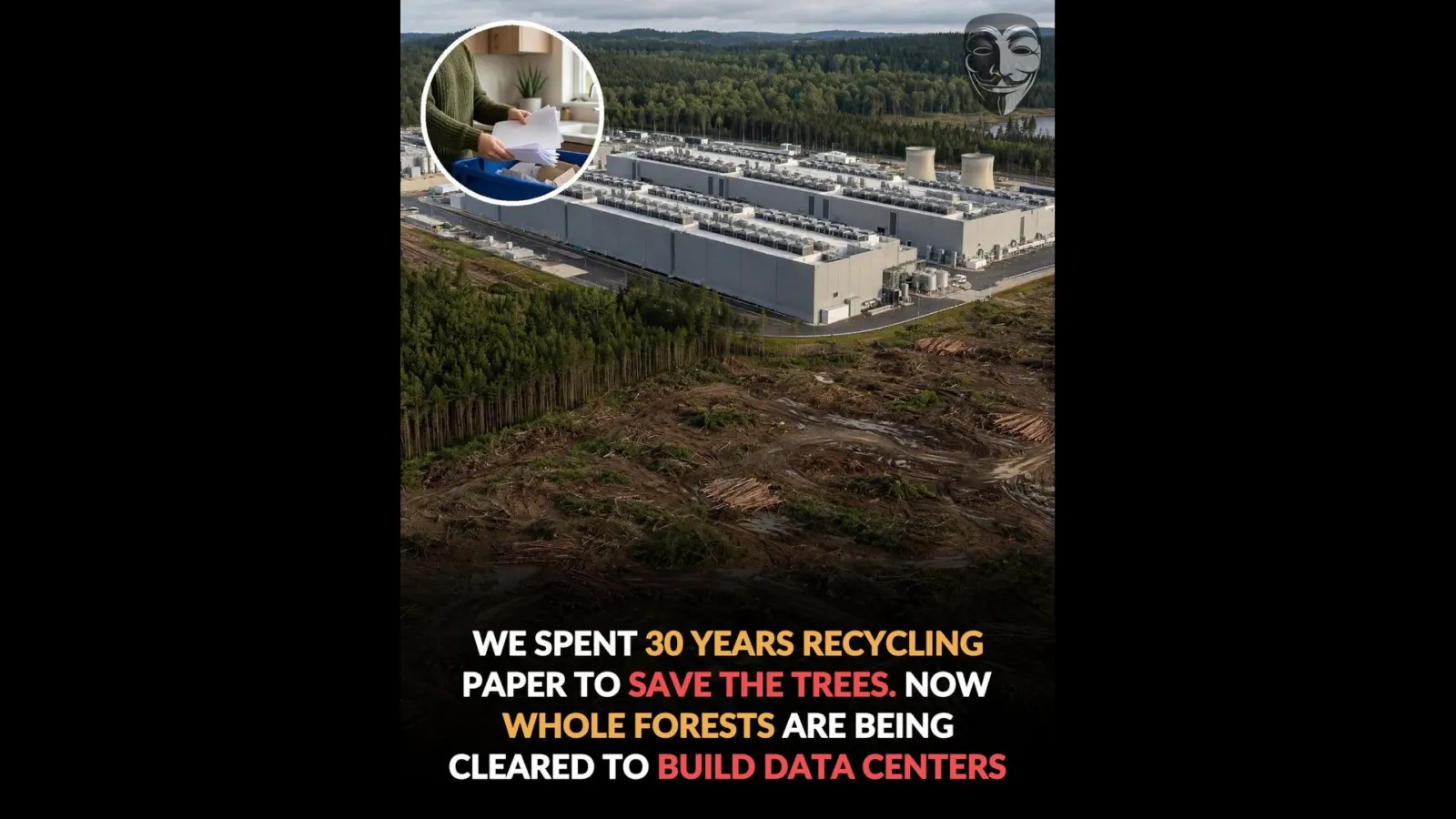
Data Centers Cleared the Forest We Spent 30 Years Saving
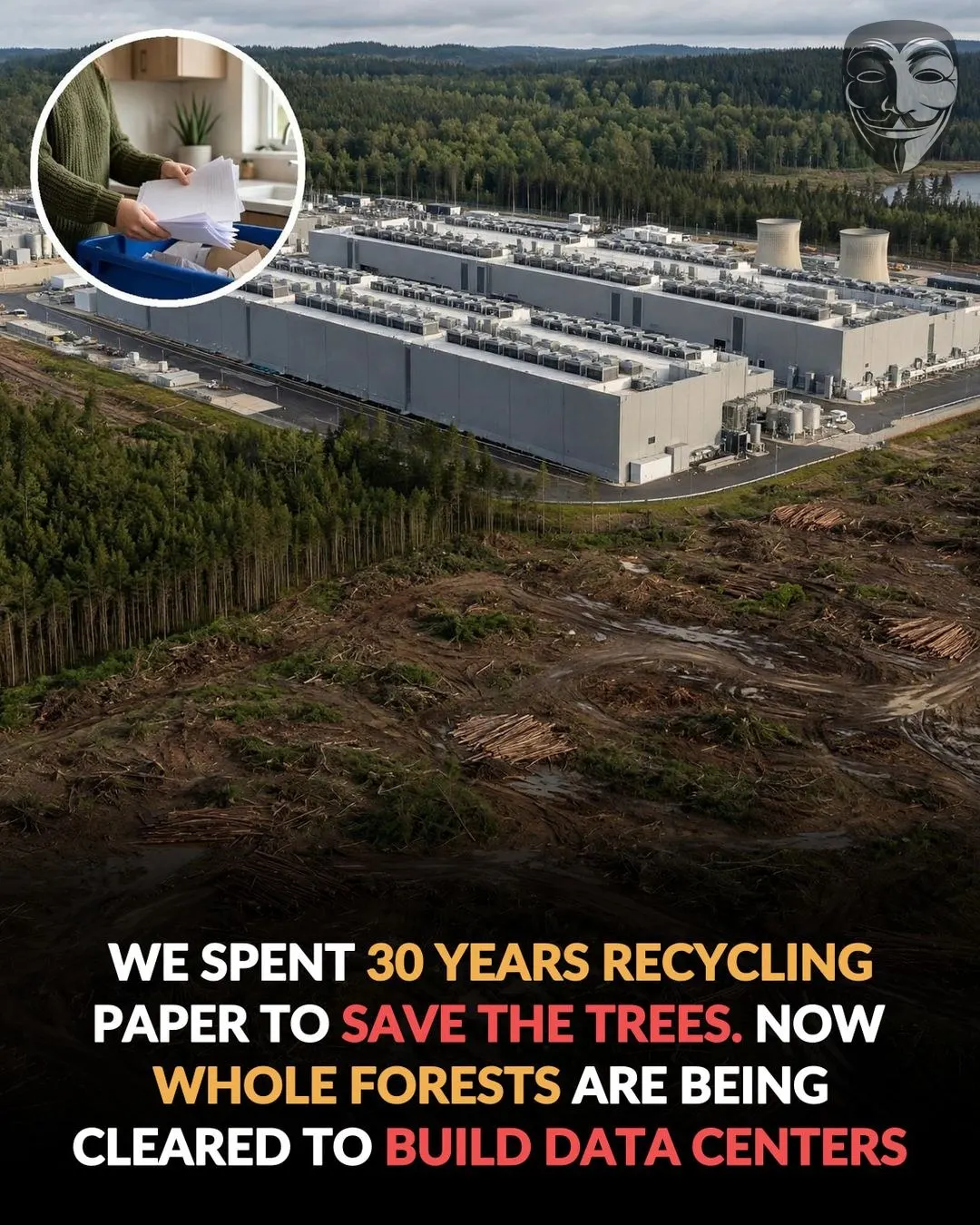
Data centers are now rising where forests stood, after thirty years of being told to save every sheet of paper. We printed on both sides, sorted our paper into the blue bin, and taught our children that every sheet saved was a little bit of forest saved. That small daily habit mattered, and it still does. But in place after place, hundreds of acres of woods are now cut down in a few weeks so giant buildings can go up, buildings that hum day and night and use as much electricity and water as a small town.
In Finland, Google’s subsidiary reportedly cleared around 330 hectares of forest near Muhos, about 250,000 trees, before the environmental checks were finished. Finnish authorities ordered the work to stop in October 2026, while police opened a criminal investigation into the clearing. In the slides ahead we look at the habit that shaped a generation, the scale of the loss, and the empty buildings that could have held the machines instead. For more, read the kids who planted one tree to save the planet.
References:
The Guardian: Google accused of clearing 250,000 trees for AI data centres in Finland
Reuters: Finnish police open cr*minal investigation into Google data centre site clearing
Yle: Finland halts Google data centre forest clearing over missing environmental assessment
Channel News: Google under fire for clearing 250,000 trees to build AI data centres
Thirty Years of the Blue Bin
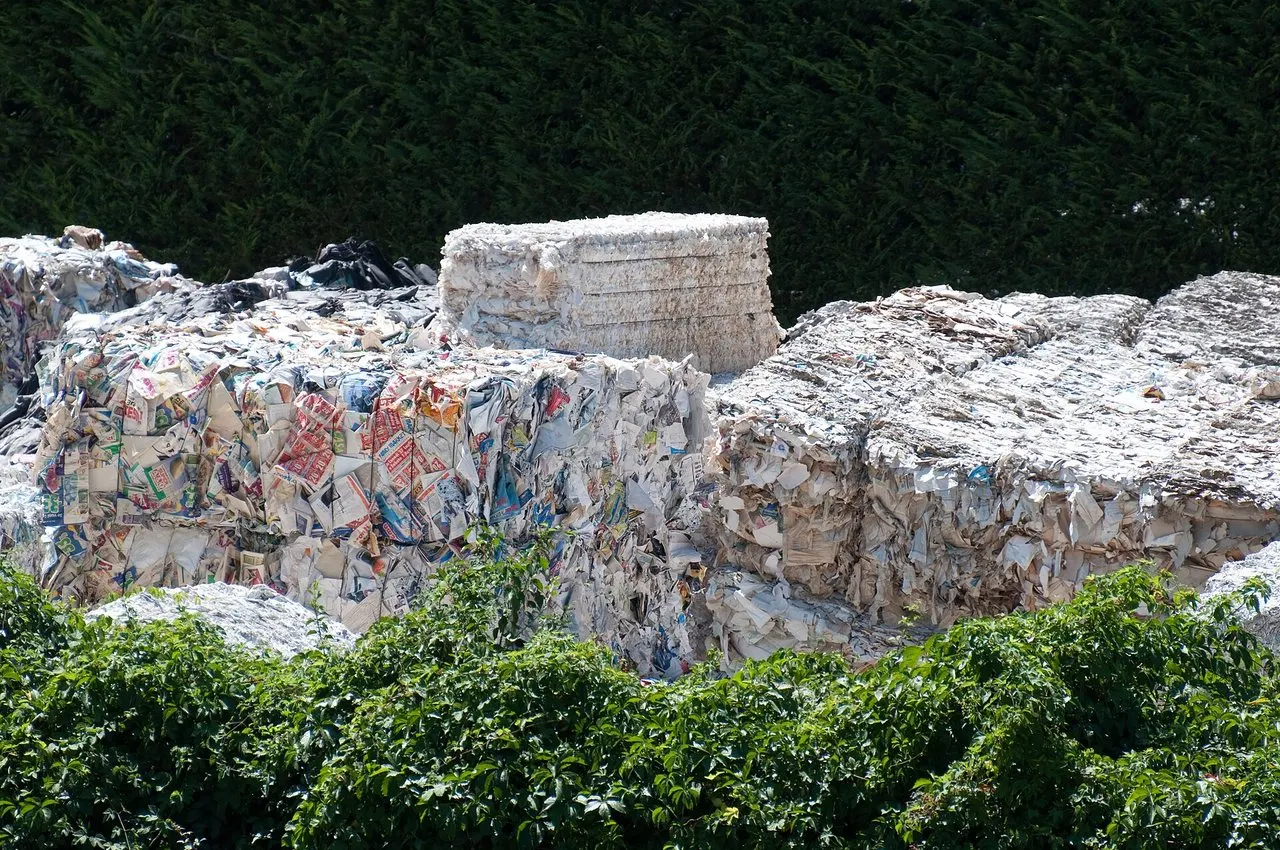
For thirty years, the blue bin sat by the curb in millions of homes, and sorting paper into it became a habit as ordinary as brushing teeth. Children learned in school that every sheet saved was a little bit of forest saved, and parents printed on both sides without thinking twice. The message was simple, and it worked, because people could see the result on their own street. Read about the fight over a river in Michigan.
Whole Forests Cleared for Data Centers in Weeks
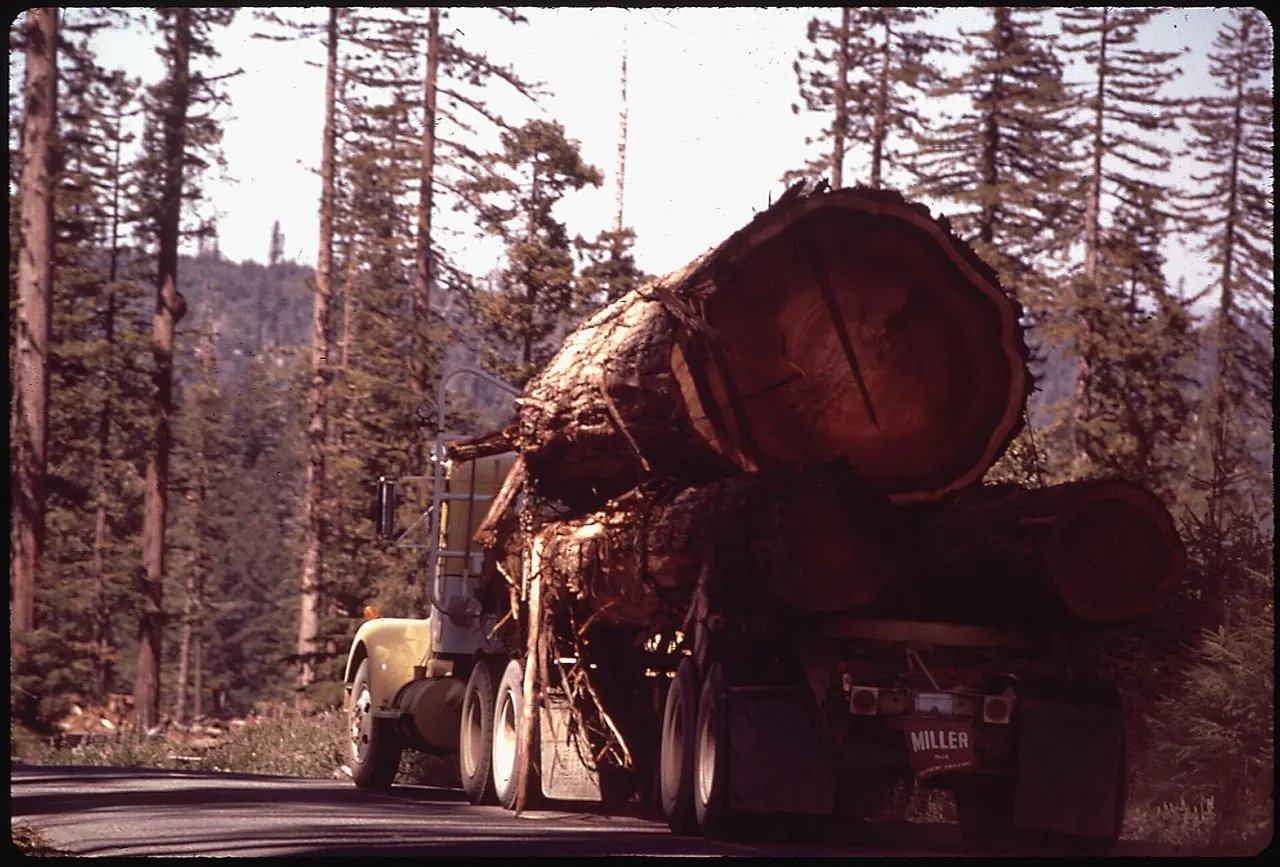
The shock of this story is the speed. Hundreds of acres of woods can be cut down in a few weeks, and a forest that took generations to grow is gone before the seasons change. Machines move in, trees come down in long lines, and the ground is left bare and quiet. What stood for decades becomes open land almost overnight. Read about a warning about men who play with toys.
The Giant Buildings Where Data Centers Live
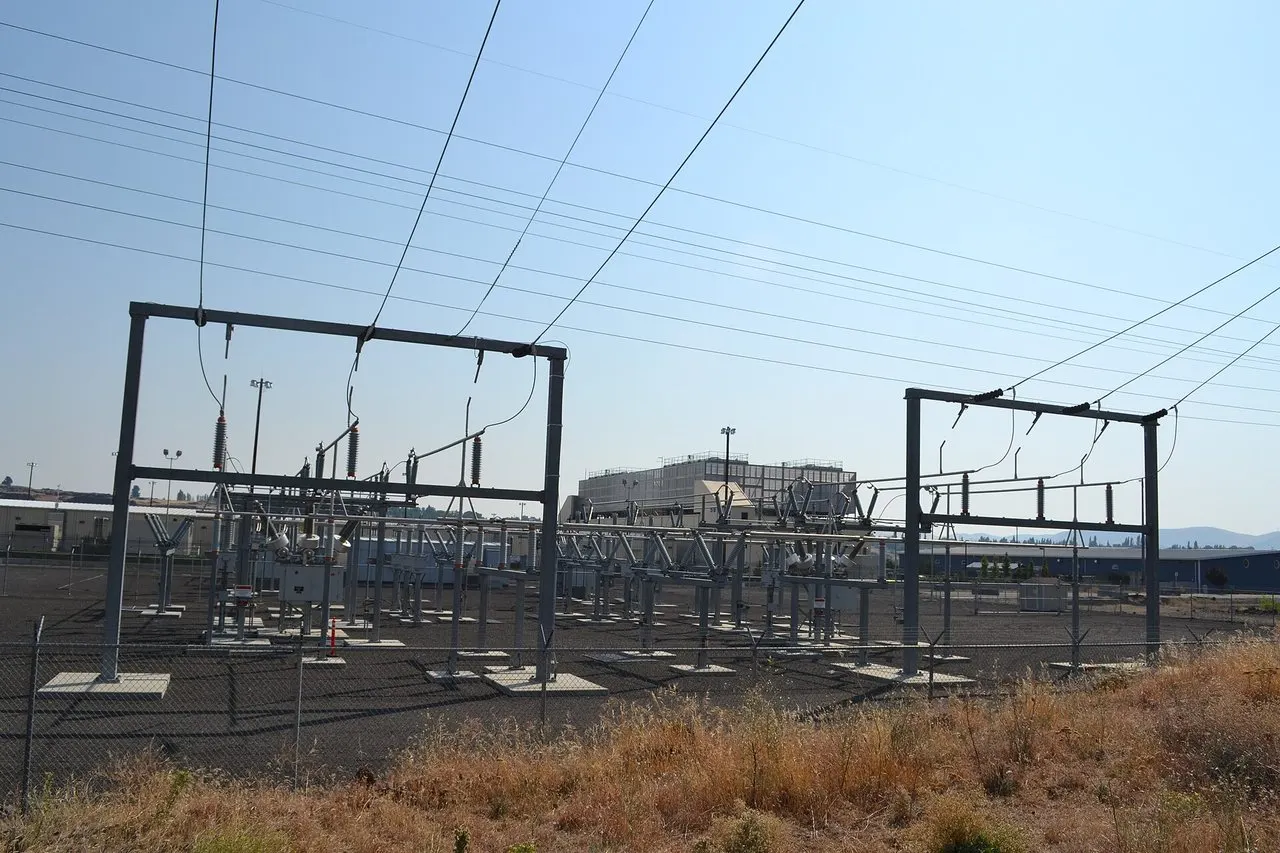
The buildings that replace the forest are enormous, plain halls that stretch across the cleared land and hum day and night. Inside them, row after row of machines store photos, videos, messages and the answers we ask our phones every day. They need power all the time, and they need cooling all the time. Read about a graduation photo 18 years in the making.
Inside the Data Centers That Hum Day and Night

Step inside one of these buildings and the first thing you notice is the sound, a low steady hum that never stops. Racks of servers blink in long corridors, and cool air pours over them to keep them from overheating. The machines work through the night while the town around them sleeps, and the lights never go out. Read about a grandma whose story became a movie.
The Pine Forests of Finland
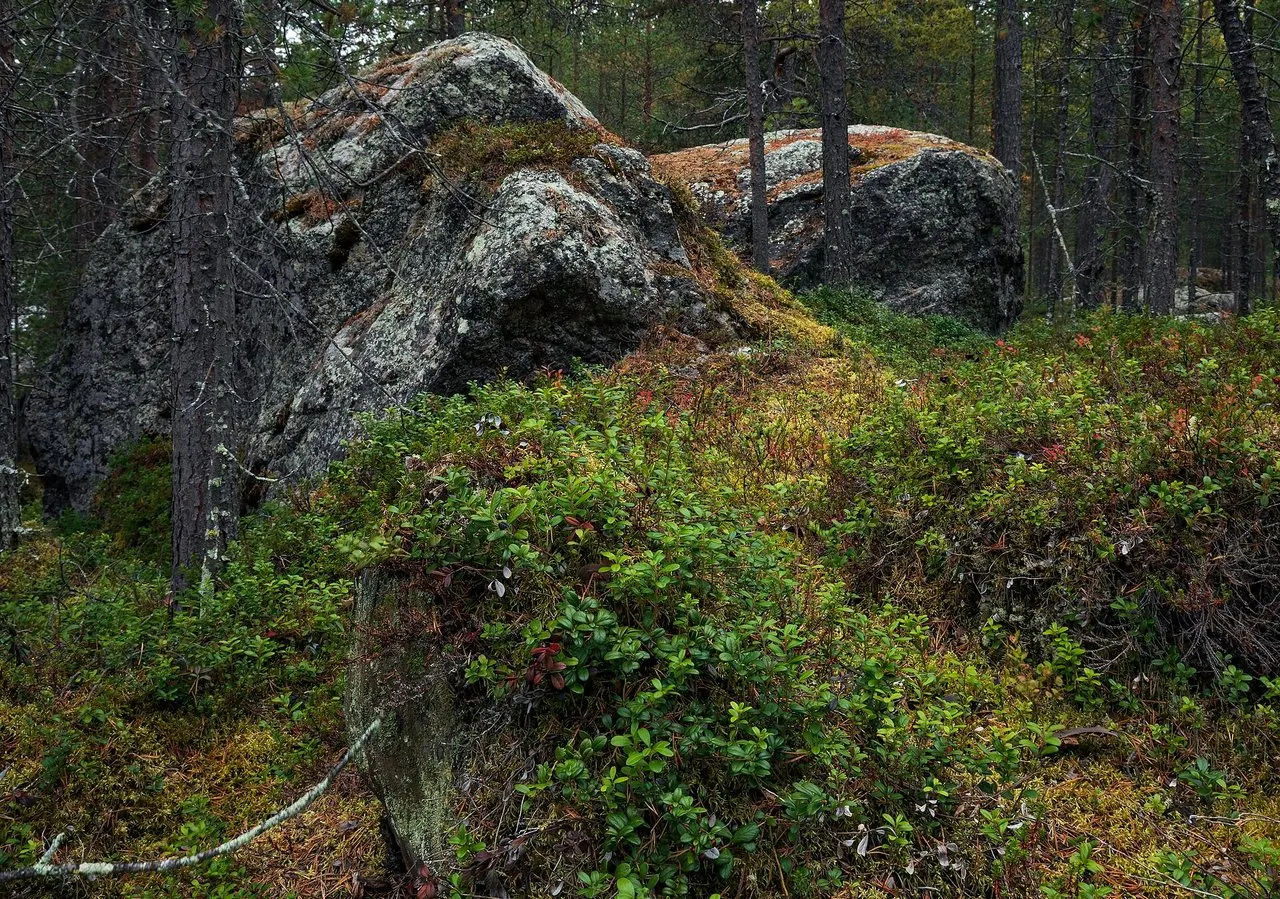
Finland is a country of lakes and pine forests, where the woods stretch to the horizon and shape daily life. People walk among the pines, pick berries and mushrooms, and know the forest as a place of calm. The trees there grow slowly in the cold northern light, and a mature pine may have stood for a hundred years. Read about rising stronger each day with faith.
330 Hectares Gone Near Muhos
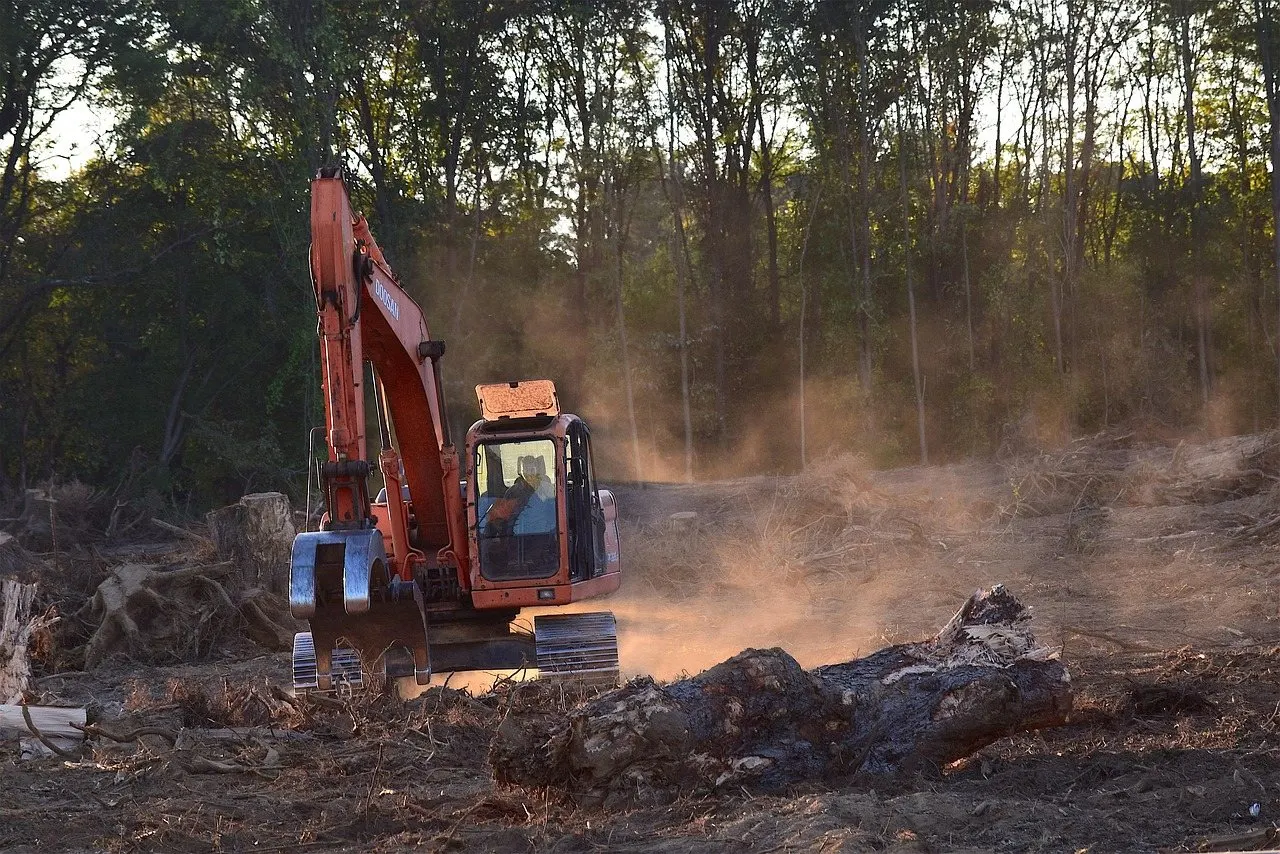
Near the town of Muhos in Finland, around 330 hectares of forest were reportedly cleared, about 250,000 trees. That is a huge area of living woodland, and it was cut before the environmental checks were finished. The number is hard to picture, so think of it as forest after forest falling in one place. Read about regrets about spending millions in the midterms.
Old Factory Sites Were Waiting

The post asks a simple question that many readers have shared. Why cut the forest first when old factory sites, empty malls and parking lots sit unused all over the country? An old factory already has roads, power lines and flat ground, and building there harms no living trees and saves the forest. Read about a joke about Washington spending billions a day.
Empty Malls With Room to Spare
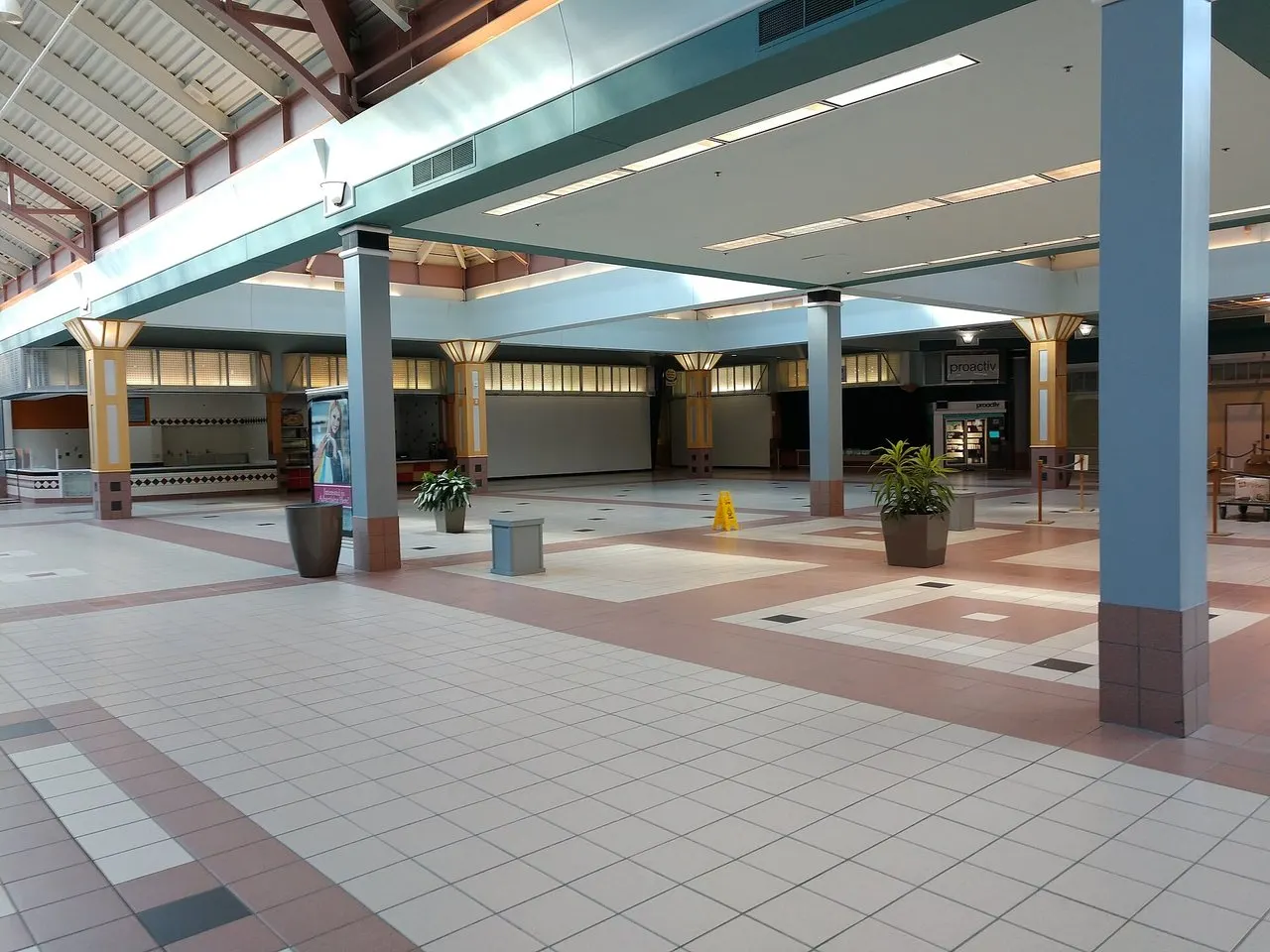
Walk through almost any town and you will find a shopping mall with dark shopfronts and a quiet food court. These big buildings already stand on paved ground, with parking, power and water already in place. Turning one into a home for machines would reuse what we already built, and leave the forest standing tall. Read about a six-year journey back to faith.
Parking Lots Sit Empty Every Night
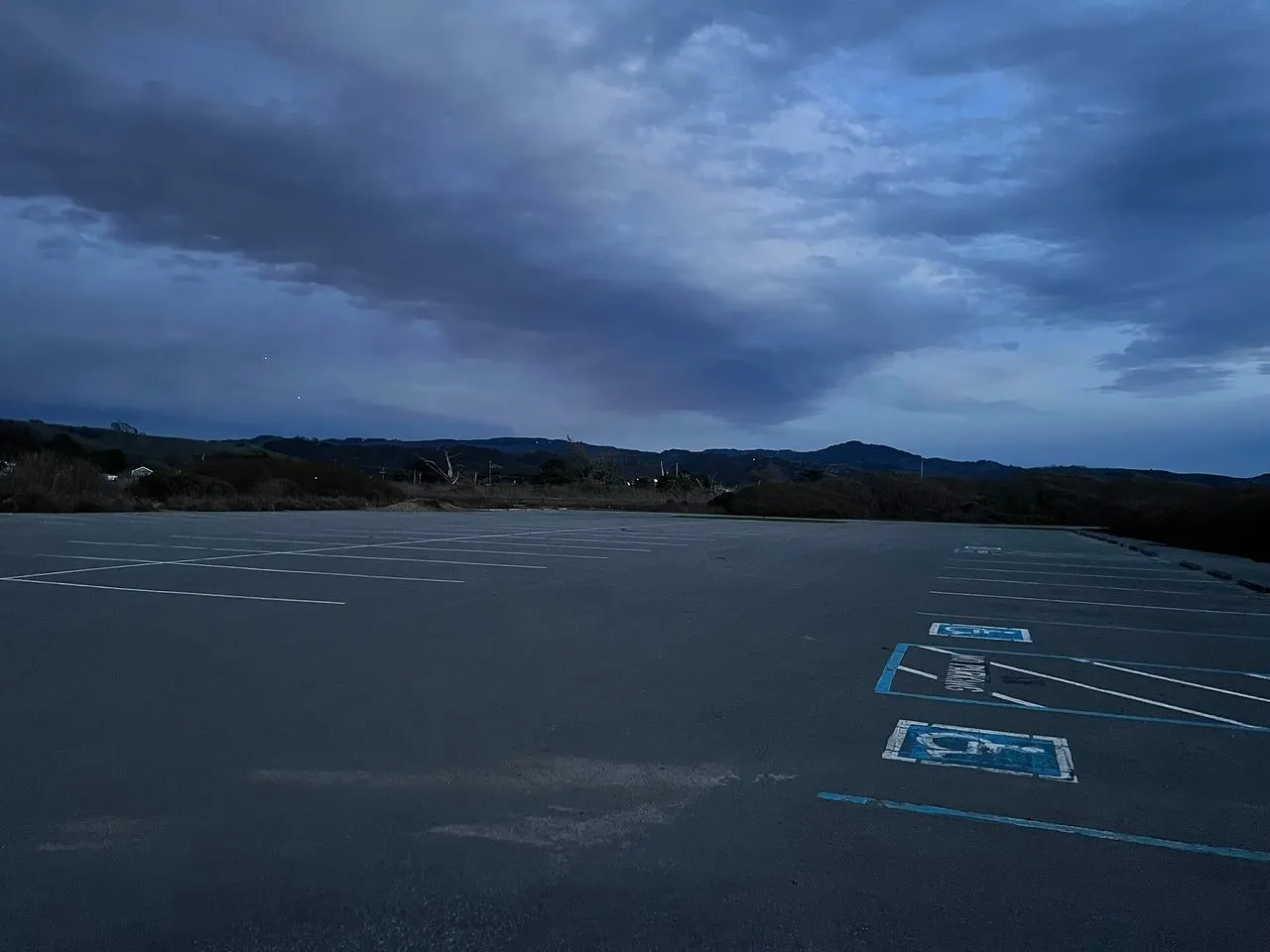
Parking lots cover huge areas of flat land in every city, and most of them sit empty through the night. They are already paved, already wired, and already close to the roads and power lines a big building needs. Nobody has to cut a single tree to build on them, and the land is already flat and ready. Read about moving forward with gratitude.
Planting a Sapling Takes Minutes
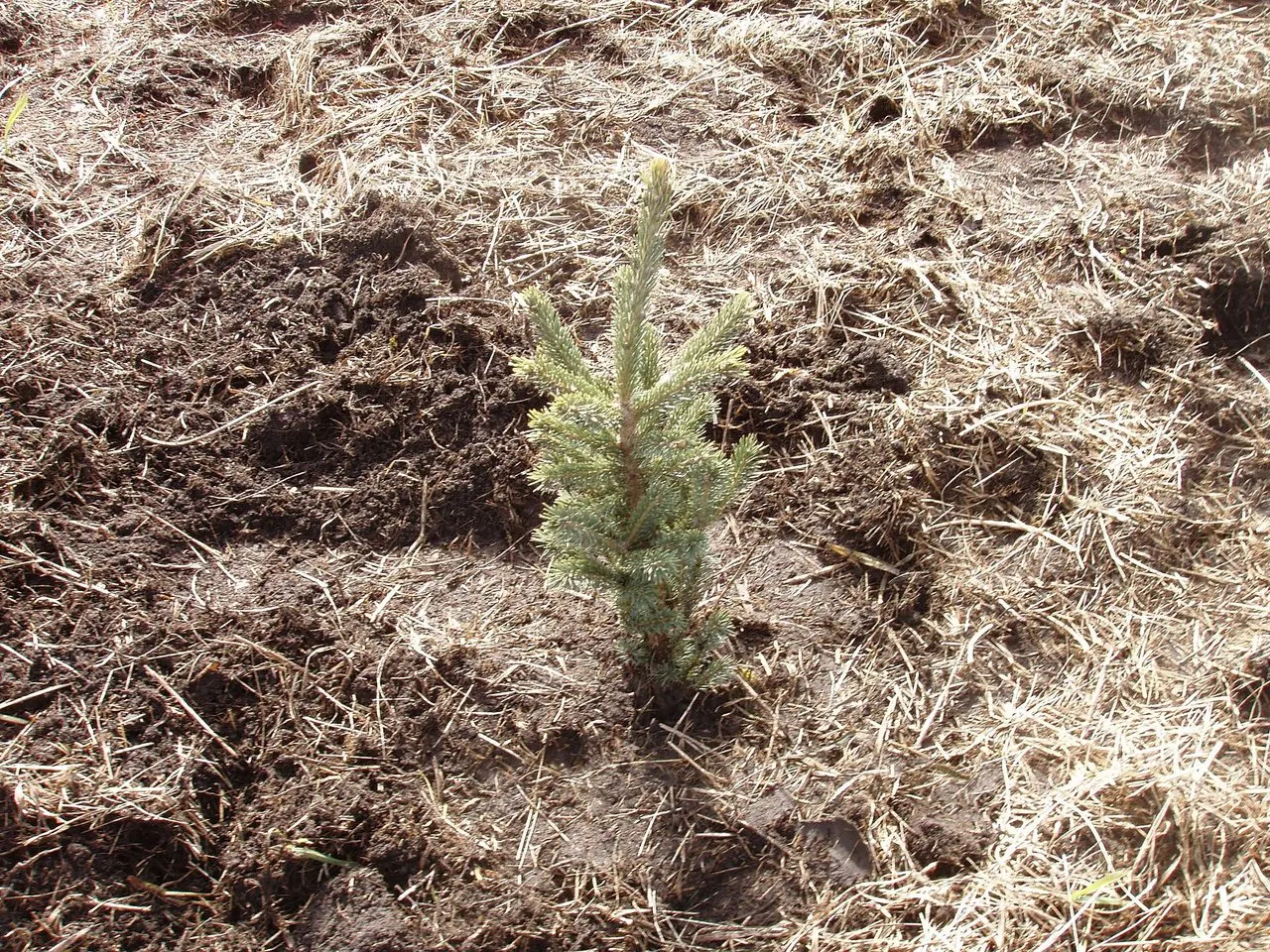
A sapling costs little and takes only minutes to plant, but it takes decades to become a forest. That is why the clearing near Muhos hurts so much. The trees that fell had grown for generations, and no amount of new planting can bring back the old forest in our lifetime. Read about the kids who planted one tree to save the planet.
What a Forest Gives Us for Free
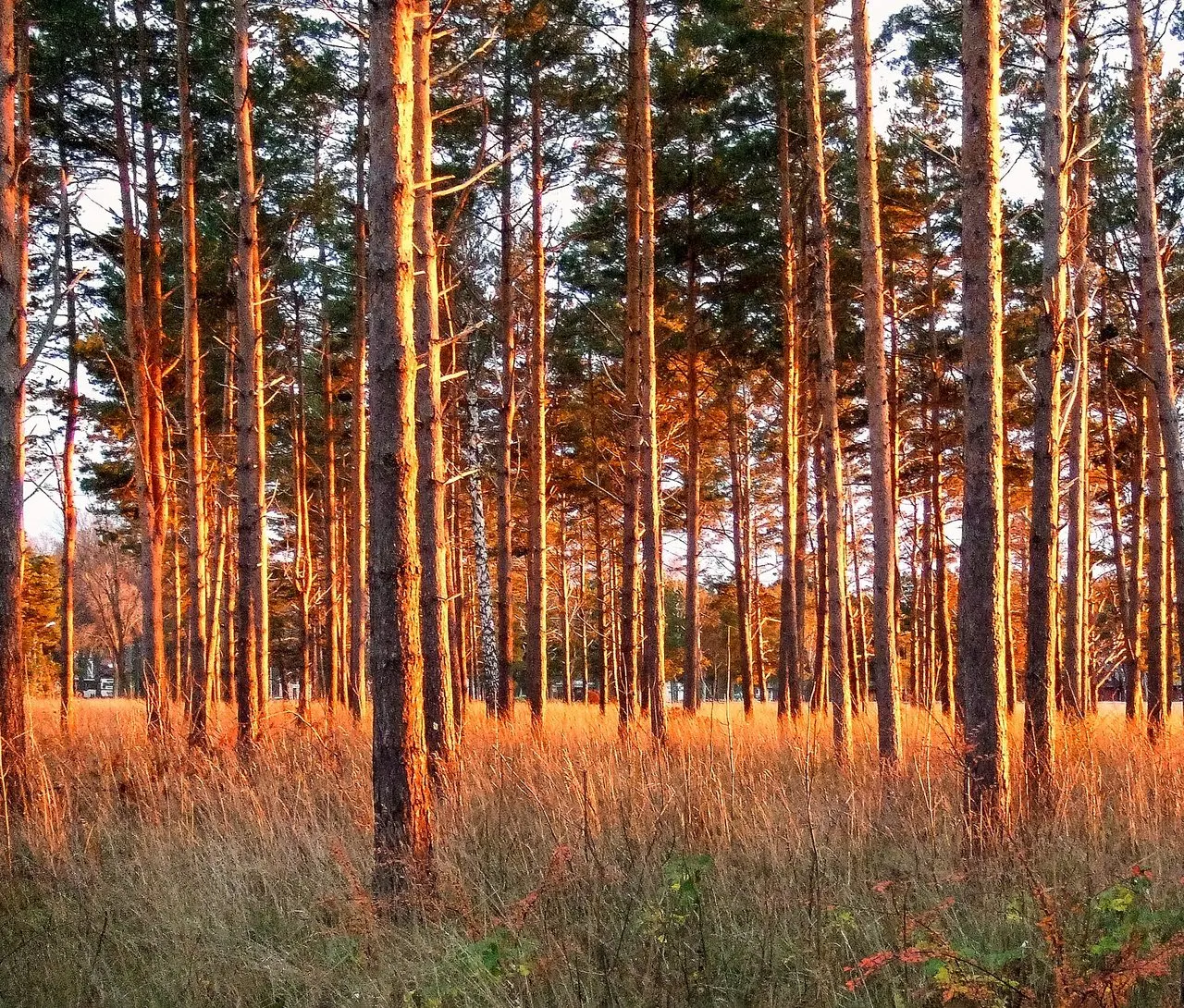
A forest asks for nothing and gives a great deal. Trees clean the air, hold the soil, shelter birds and animals, and cool the land on hot days. People walk among them to clear their heads, and children learn the names of birds there. A pine forest at sunset is a quiet place that no building can replace. Read about the fight over a river in Michigan.
Sorting Paper Into the Blue Bin
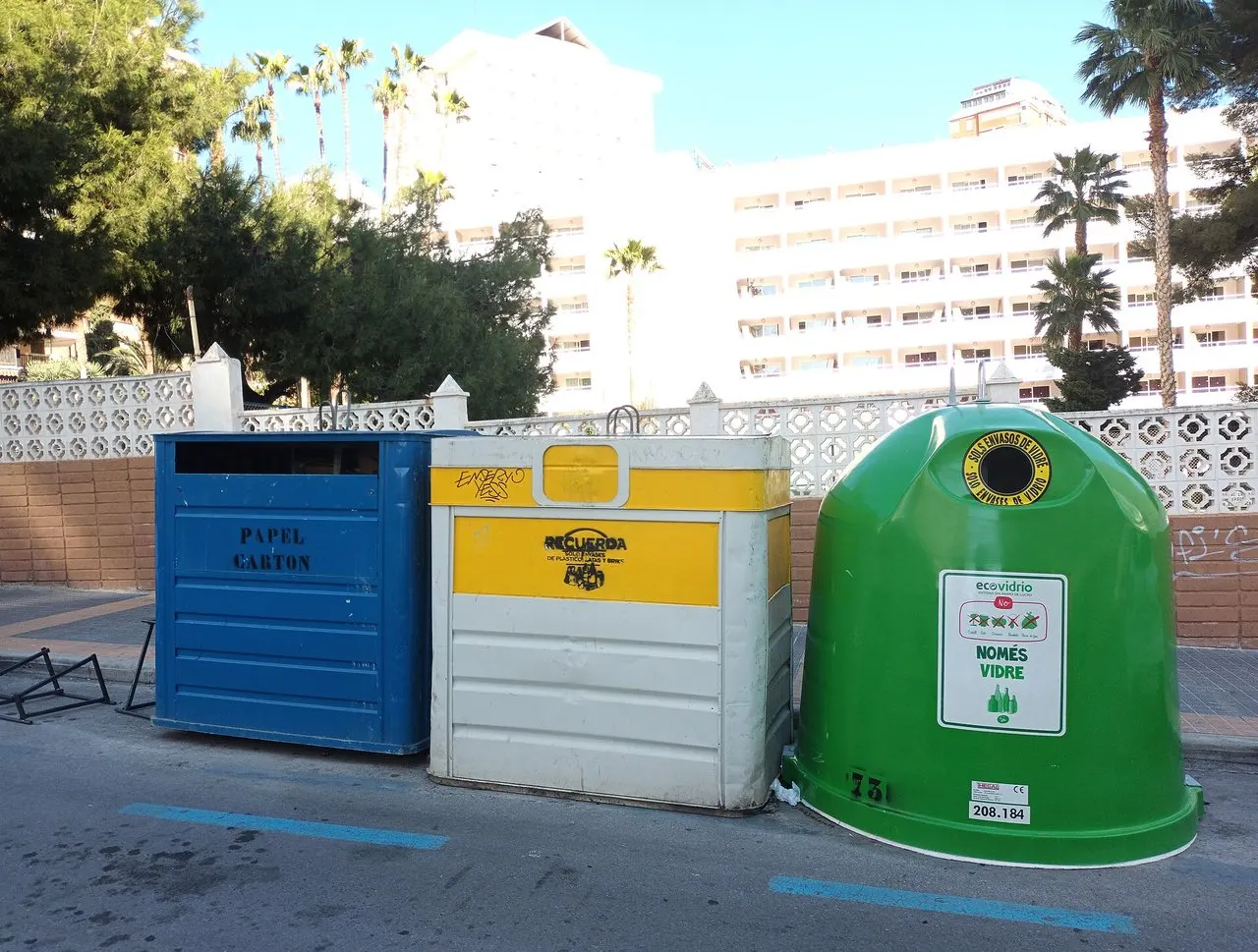
The blue bin was a small act with a big idea behind it. Every sheet of paper we recycled meant one less tree cut for pulp, and millions of small acts added up to whole forests left standing. Schools taught the habit, offices followed it, and towns built their whole recycling system around it. Read about a warning about men who play with toys.
Print on Both Sides, Every Time

Printing on both sides was the first rule many of us learned at work. It cut paper use in half with one small change, and it became so normal that nobody thought about it. Offices put up signs, teachers reminded their classes, and the habit spread from desk to desk across the country. Read about a graduation photo 18 years in the making.
Police Opened an Investigation

After the clearing near Muhos, Finnish police opened a criminal investigation into the work at the site. That means officers are looking closely at what happened, who gave the orders, and whether the rules were followed. An investigation does not decide guilt, but it shows the matter is being taken seriously by the authorities. Read about a grandma whose story became a movie.
Finland Ordered the Work to Stop
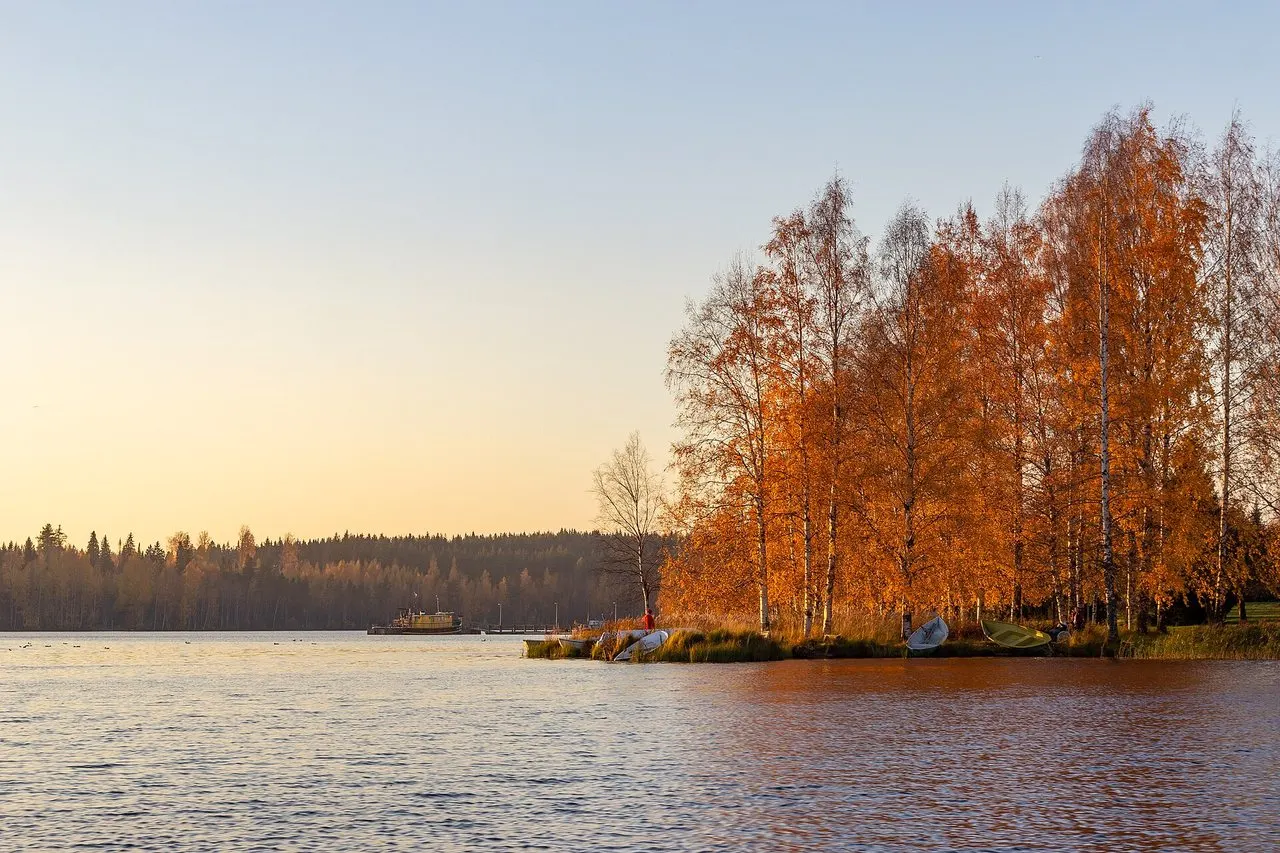
In October 2026, Finnish authorities ordered the clearing work to stop because the environmental checks had not been finished. An environmental assessment is meant to look at the harm a project may cause before the machines move in, not after the trees are already down. The halt came too late for the forest, and the trees that fell cannot be put back. Read about rising stronger each day with faith.
Please Consider the Environment Before Printing

For years, almost every work email ended with the same gentle line, please consider the environment before printing. It was a small reminder at the bottom of the page, and most of us read it a thousand times without thinking. Now that line feels like a promise we made to the forest. Read about regrets about spending millions in the midterms.
Hundreds of Acres, Seen From Above
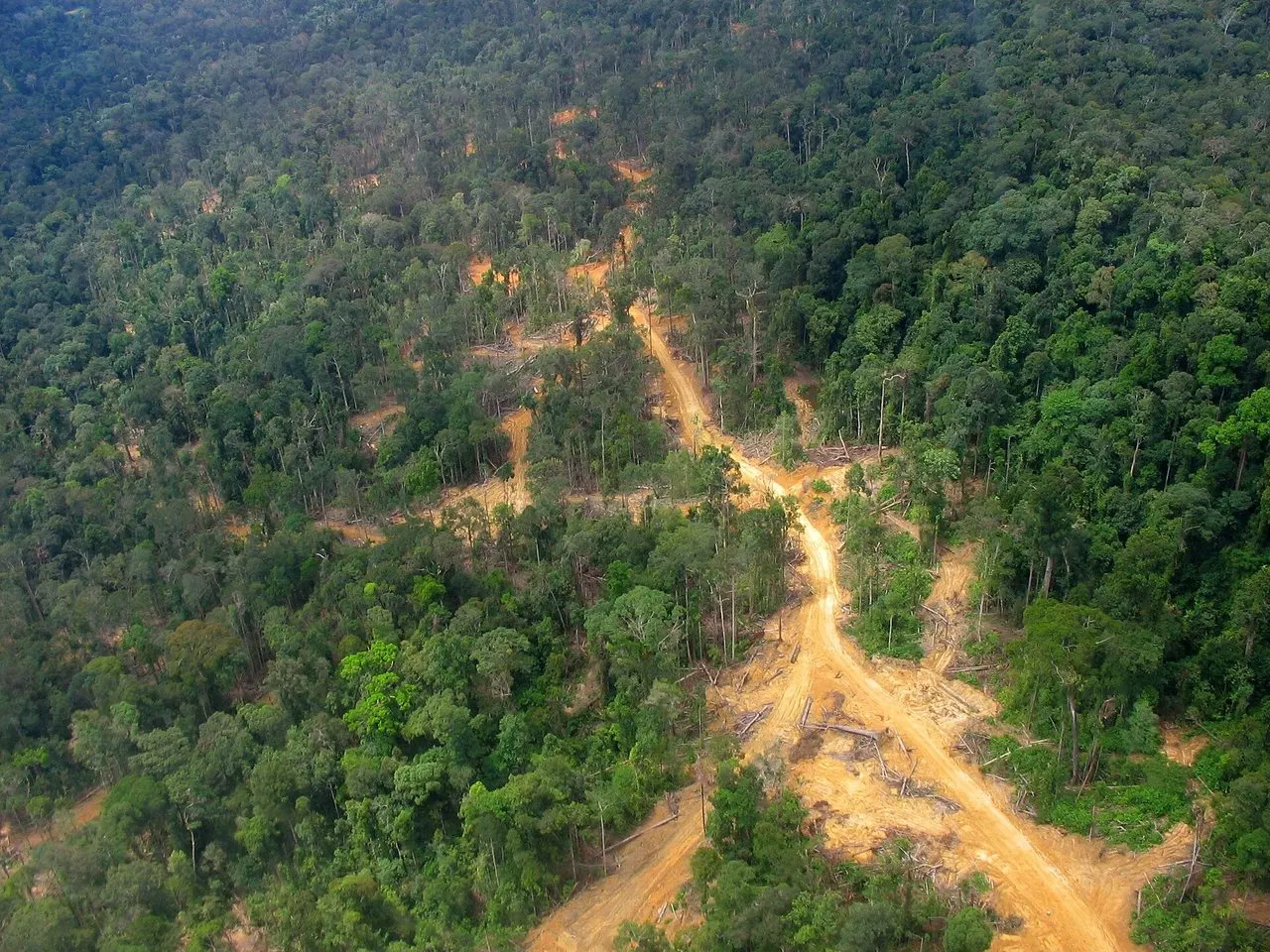
From the air, the scale of a clearing is plain to see. Where green forest stood, there is now a pale patch of bare earth, crossed by the straight lines of logging roads. The patch grows wider each week, and the forest edge moves further back. Seen this way, a few hundred acres looks like a wound on the land. Read about a joke about Washington spending billions a day.
How Much Water Do Data Centers Use
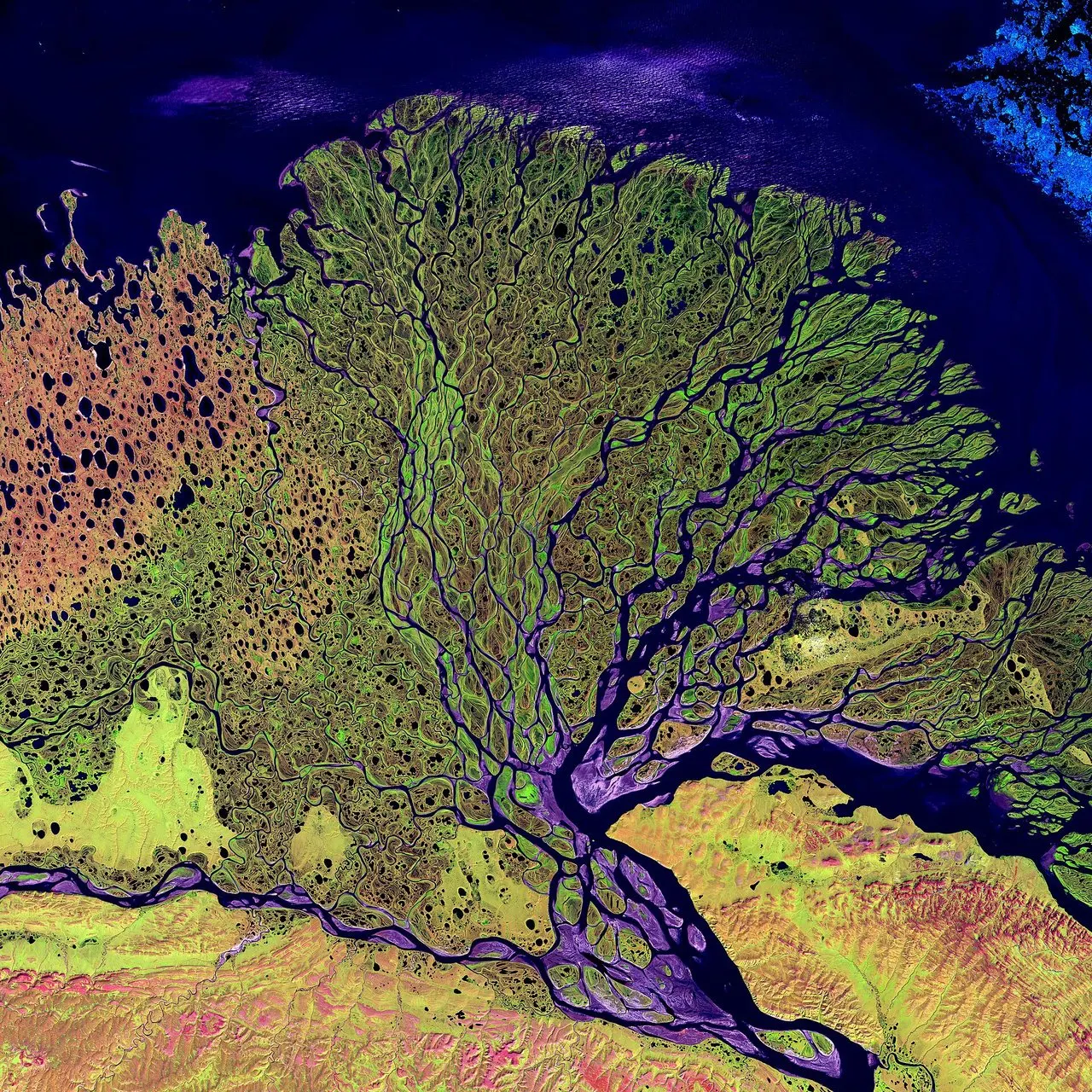
The giant buildings do not just use power. They also use huge amounts of water to cool their machines, and in some places they use as much water as a small town. Rivers and lakes near a site can feel the strain, and local people start to ask where their own water will come from. Read about a six-year journey back to faith.
Every Sheet Saved Was a Little Bit of Forest
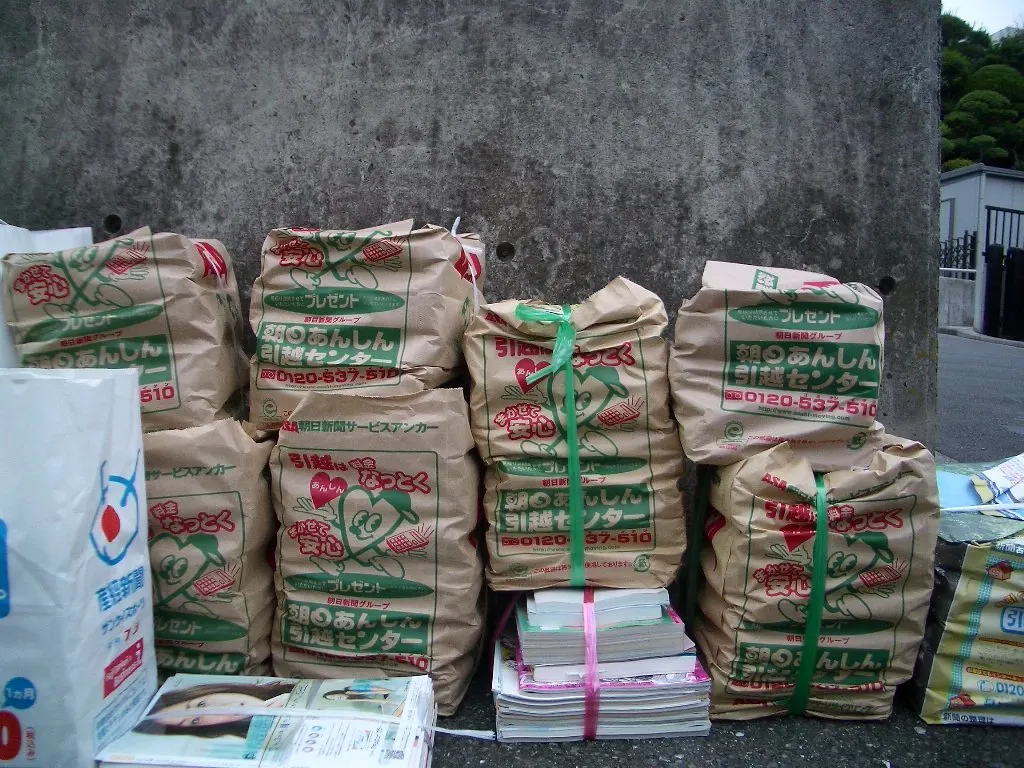
Our kids learned in school that every sheet saved was a little bit of forest saved, and they believed it because it was true. Stacks of old newspapers and cardboard went out for recycling, and the paper came back as new sheets. The loop worked, and it taught a whole generation to care about the trees around them. Read about moving forward with gratitude.
Google and the Data Centers in Finland
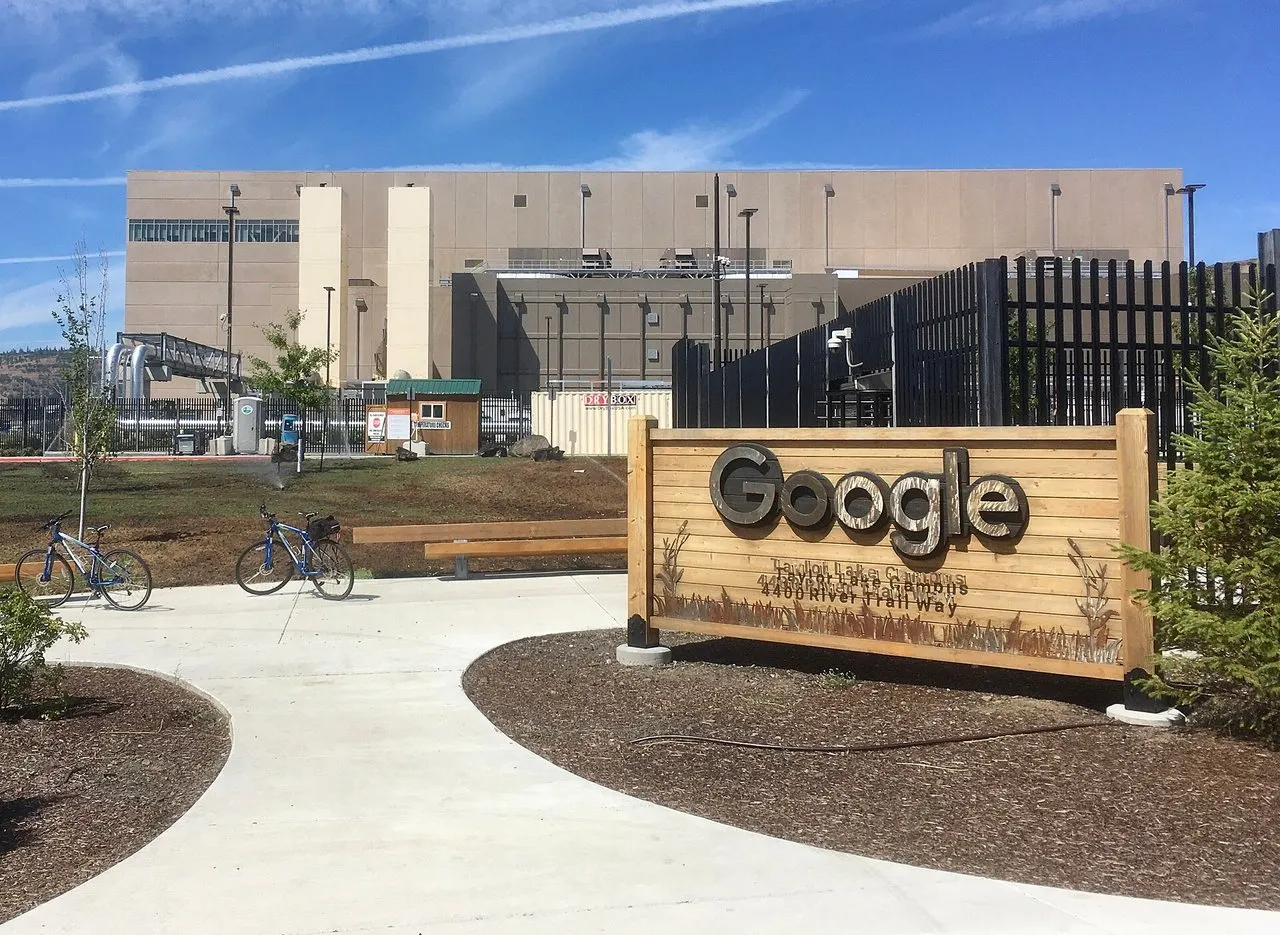
The clearing near Muhos was linked to a Google subsidiary, and the story has put a spotlight on how big technology companies build their sites. Google has said little in public, but the reports from Finland name the company in the headlines. Readers now want to know what the firm will do next. Read about the kids who planted one tree to save the planet.
Why Data Centers Need So Much Land

A modern data center is not one building but a whole campus of halls, each filled with machines that need space, power and cooling. As demand for online services grows, the campuses grow too, and each new hall needs a fresh piece of land. The hunger for space is why forests are in the way. Read about the fight over a river in Michigan.
The Forest Roads of the North
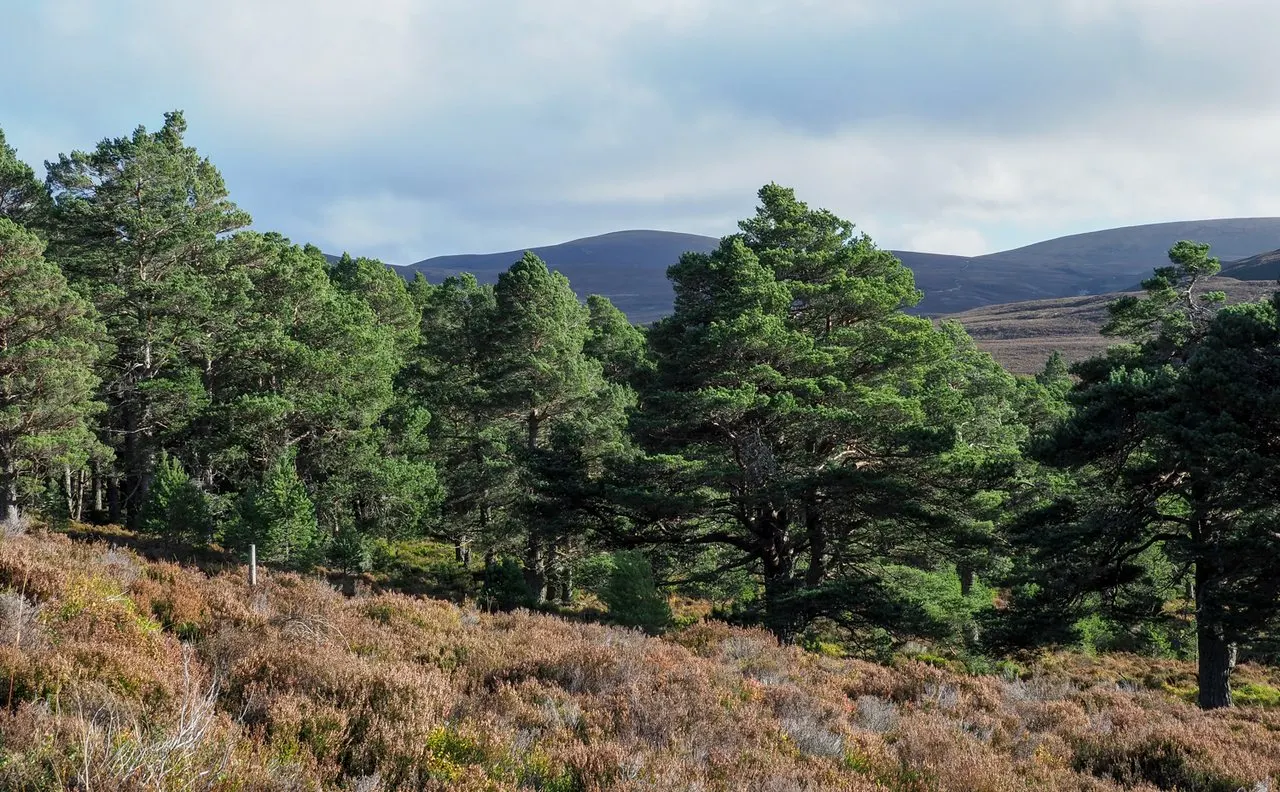
In northern Finland, narrow roads wind between the pines, carrying timber trucks, walkers and the occasional reindeer. These roads are the veins of the forest, and once a wide road is cut, the machines that follow can reach deep into the woods. A new road often means a forest is about to change, and the change is rarely good news for the trees. Read about a warning about men who play with toys.
As Much Electricity as a Small Town
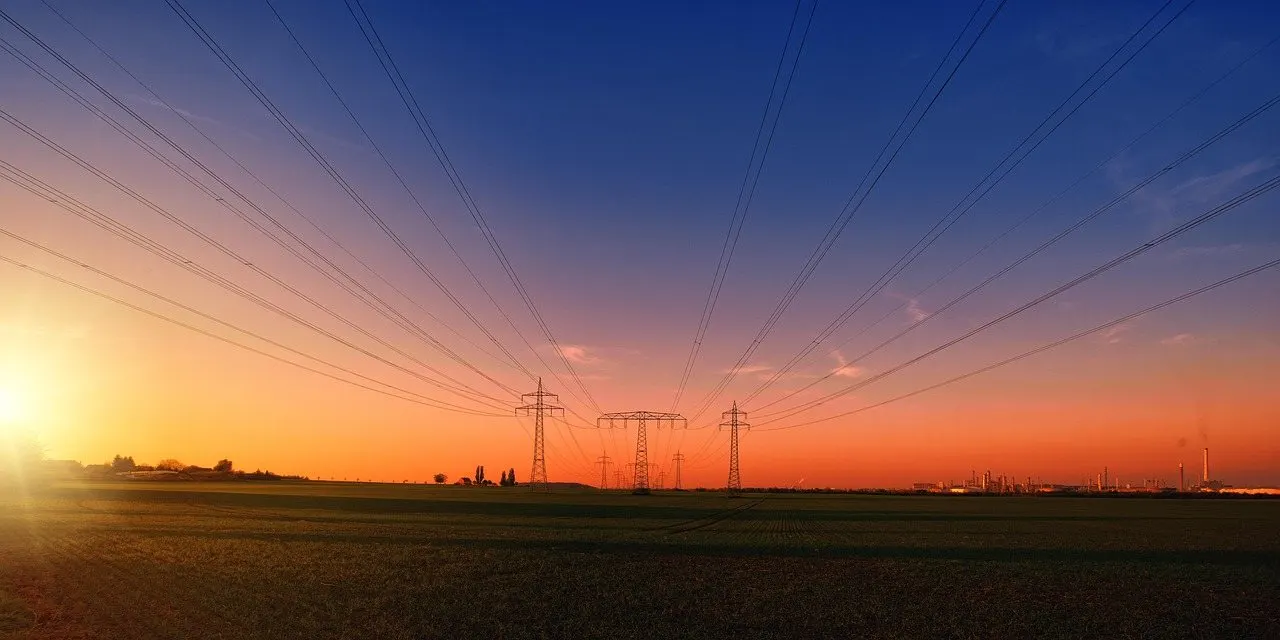
A single large data center can use as much electricity as a small town, and it uses it around the clock. That power has to come from somewhere, and in many places it comes from the same grid that lights homes and schools. When a new center opens, the whole region feels the extra demand. Read about a graduation photo 18 years in the making.
The Servers Inside Data Centers Never Sleep
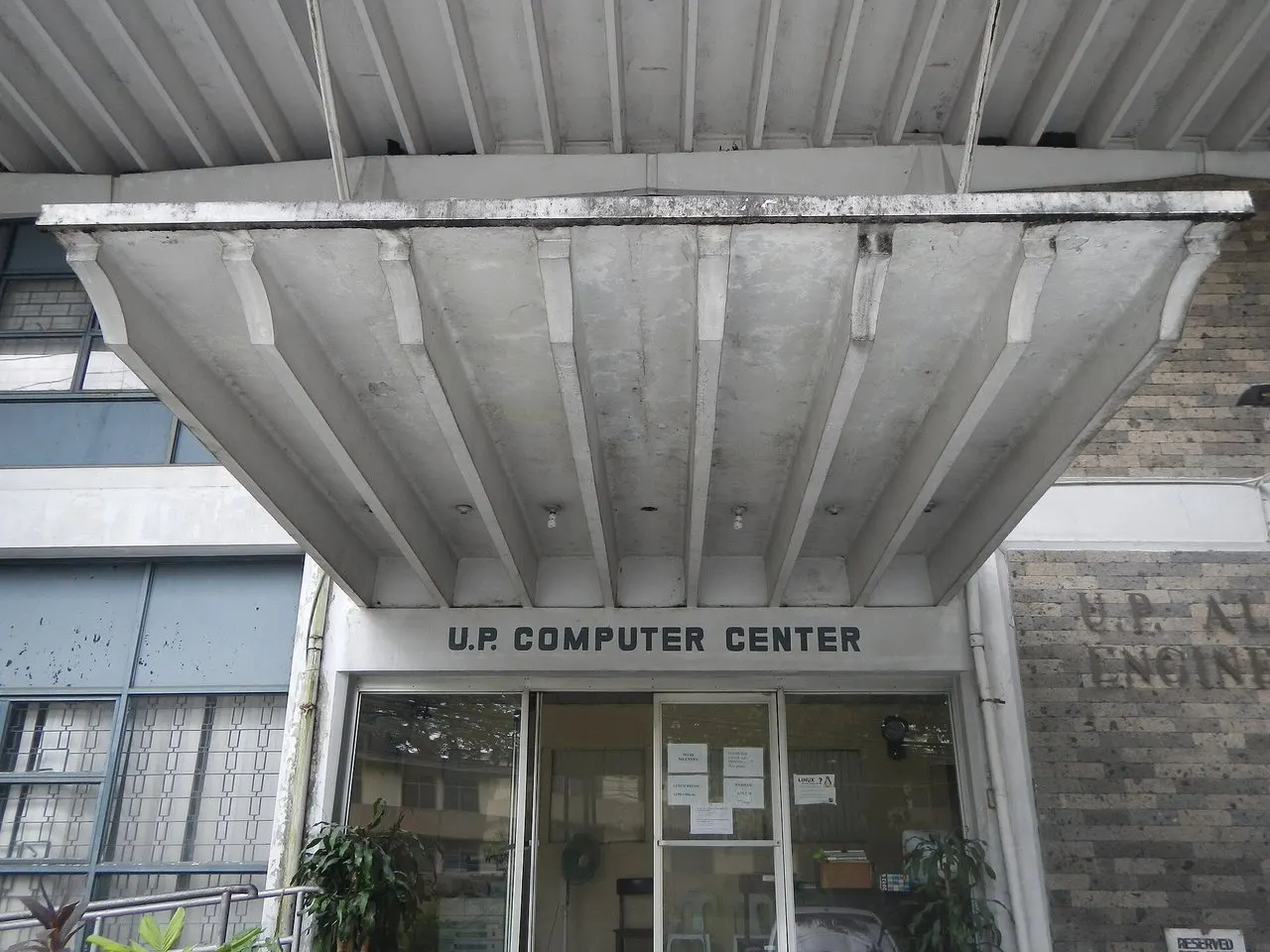
Unlike a shop or an office, a data center never closes. Its servers answer questions, stream films and store photos at three in the morning just as they do at noon. That is why the hum never stops and the power never dips, and why the buildings keep growing to meet the demand. Read about a grandma whose story became a movie.
What Should Come First, Trees or Technology
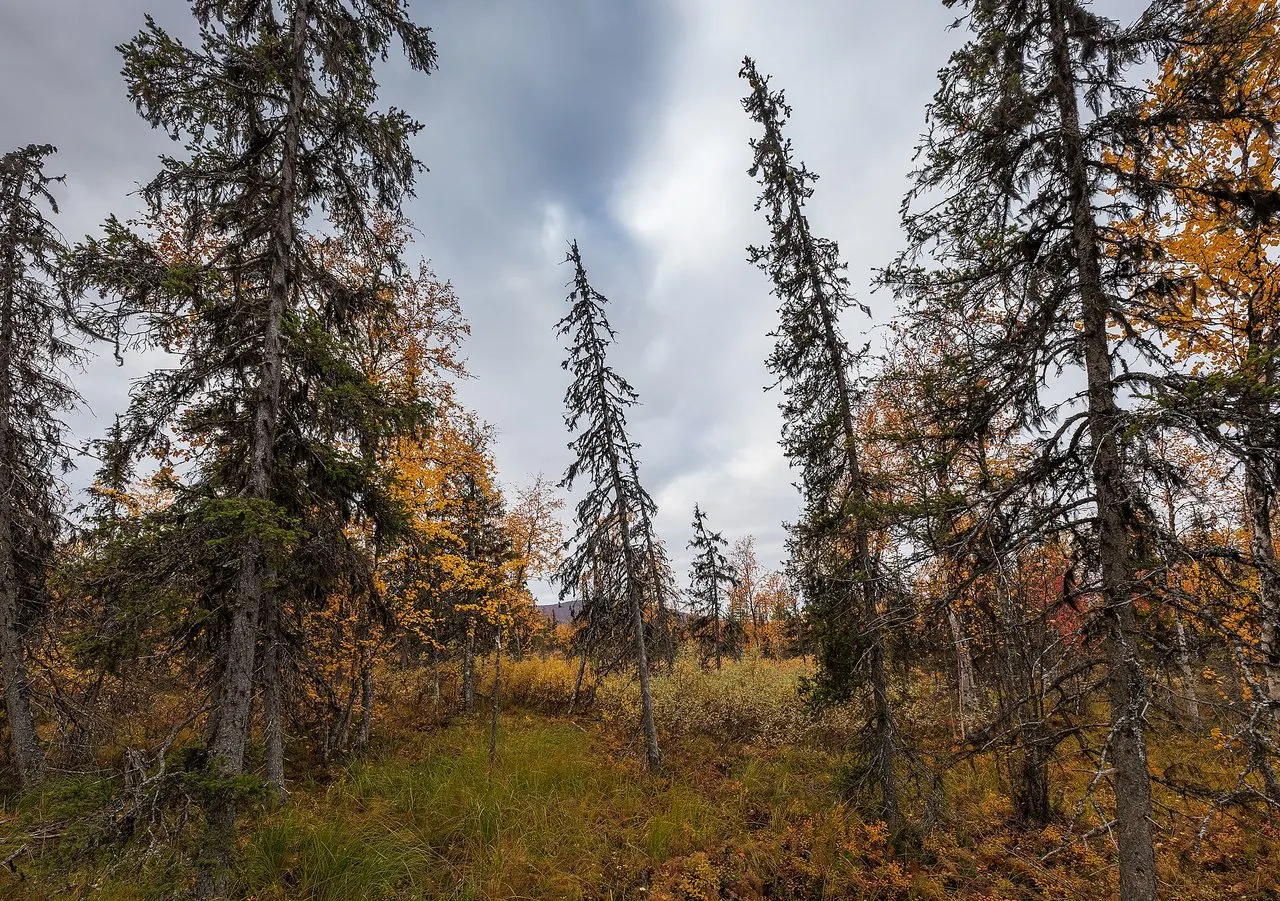
We are not against technology, and nobody in this story is asking to switch off the internet. The question is simpler, and it is the one the post asks. Why should the forest be the first thing to go when old factory sites, empty malls and parking lots are waiting? Tell us what you think in the comments below. Read about rising stronger each day with faith.