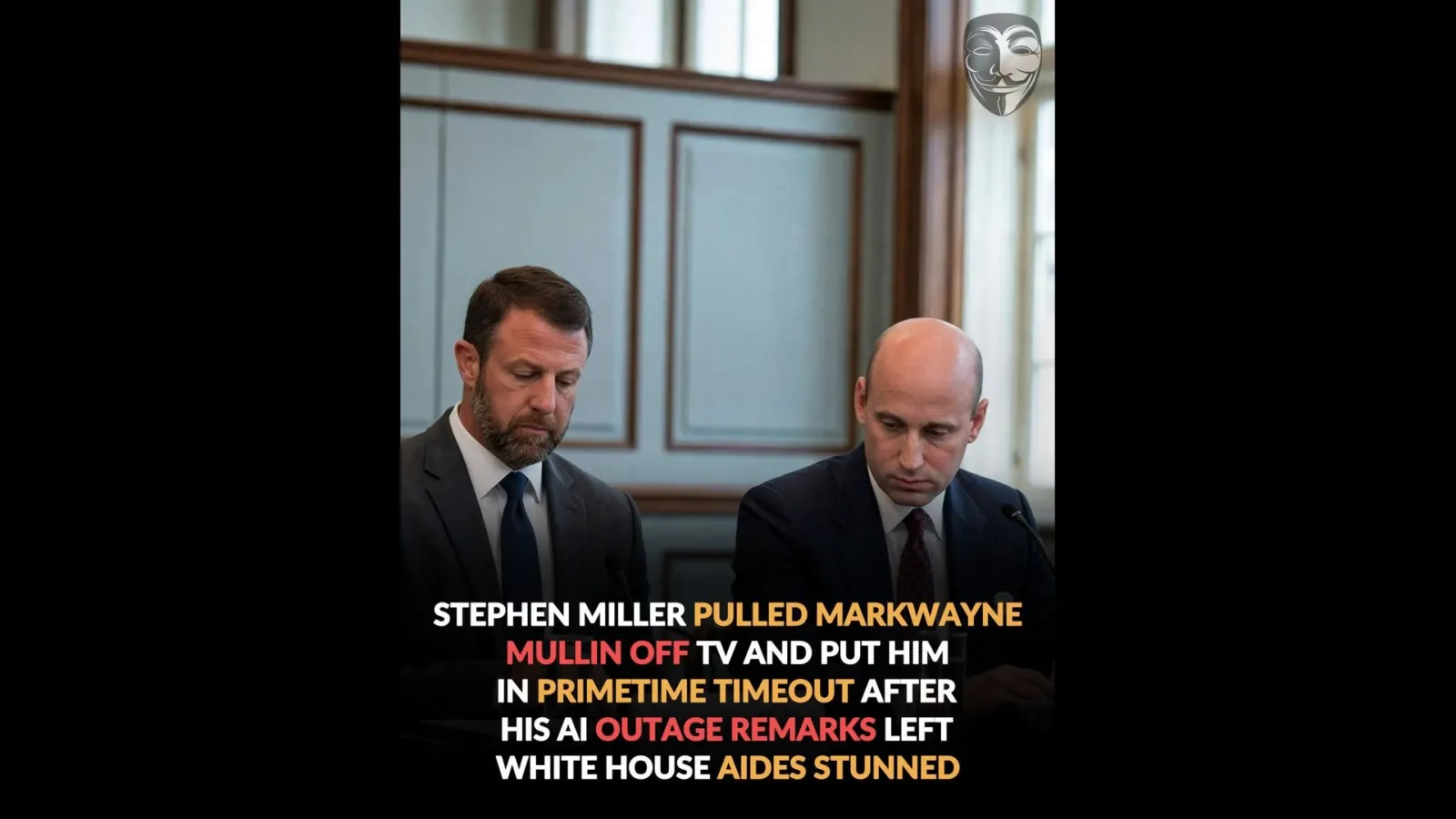
The Mullin Primetime Timeout That Stunned Washington
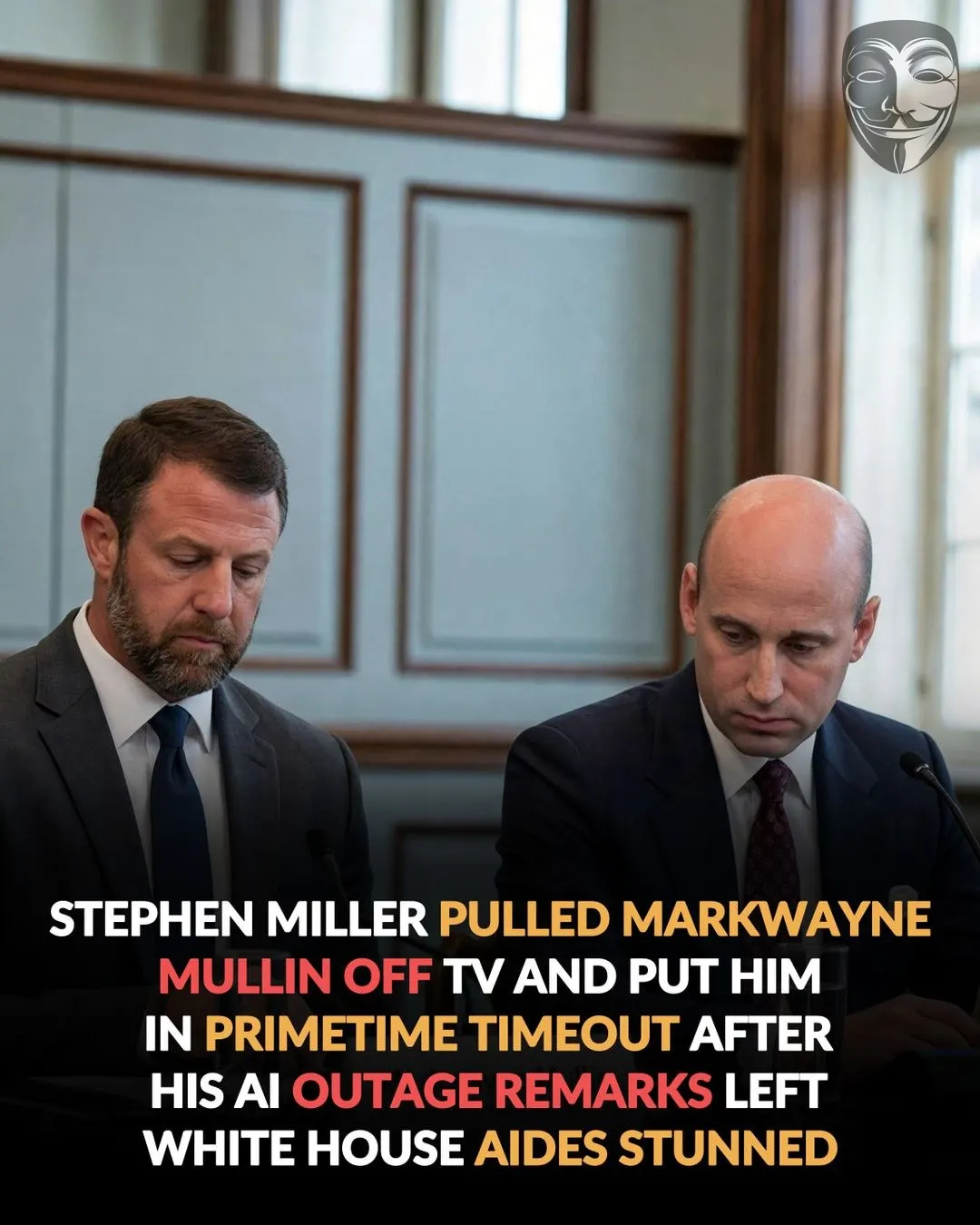
The Mullin primetime timeout began on a Monday night, when Homeland Security Secretary Markwayne Mullin told Sean Hannity that a smart friend in tech thought artificial intelligence might be behind the nationwide outages. The claim had no evidence behind it, and it landed badly inside the White House. Within a day, new chief of staff Stephen Miller had pulled Mullin from television appearances until further notice. Politico called the move a primetime timeout, and the phrase stuck fast. In the slides ahead, we walk through the remark, the reaction, and the two men now doing the talking.
Mullin is a former Oklahoma senator who now leads one of the largest departments in the federal government, and his job is to keep the country safe and calm in a crisis. That is why his shaky television performances drew so much attention, and why Miller moved so fast to change the messenger. The story also touches a second nerve, because Mullin had said he was open to talking about permanent legal status for young immigrants brought to America as children. You can read about his earlier clash over flight delays.
References:
Poynter: Timeout for DHS Secretary Markwayne Mullin
Politico: Mullin’s on TV time-out
Wall Street Journal: Markwayne Mullin Took Over a DHS in Crisis and Is Struggling to Turn It Around
Washington Examiner: Mullin’s Middle East trip draws scrutiny as DHS faces pressing domestic challenges
The Night on Sean Hannity That Changed Everything
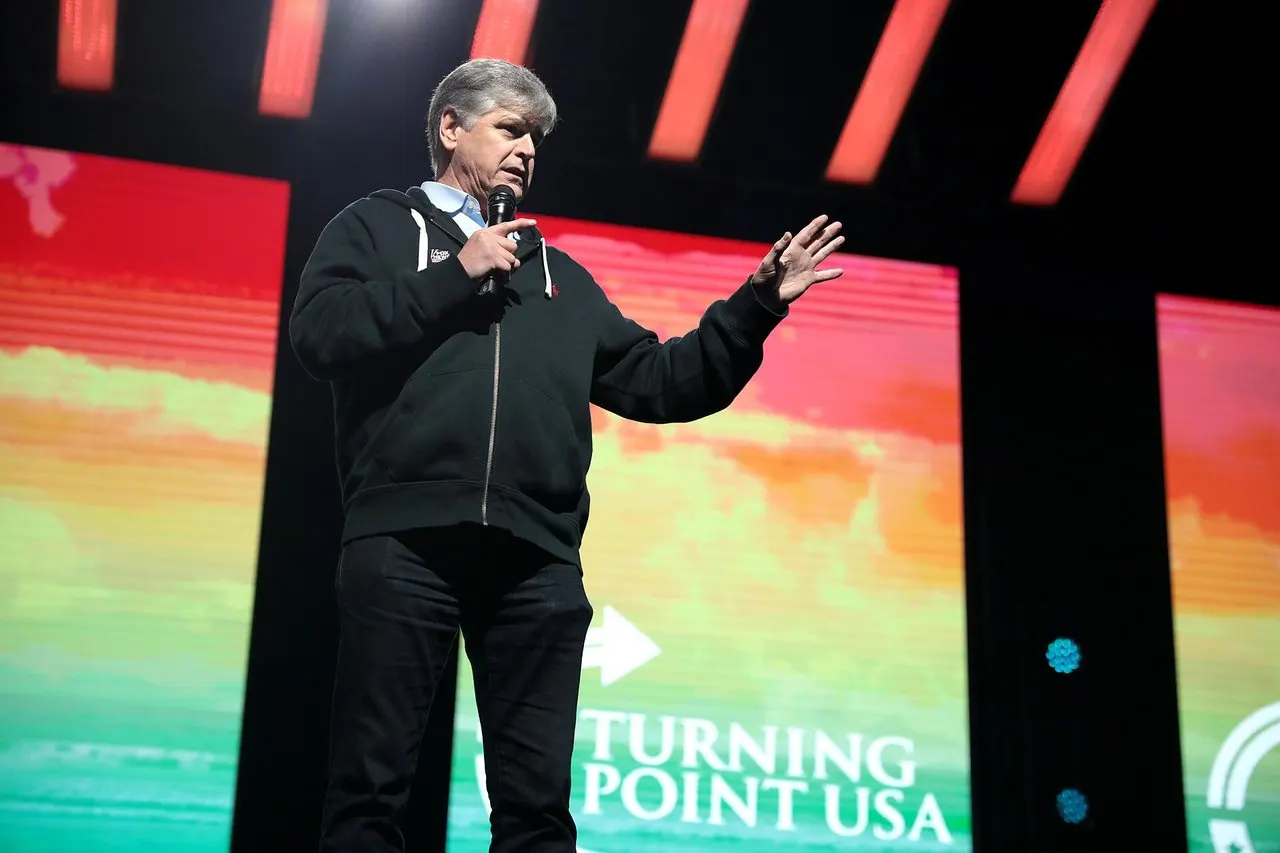
Mullin went on Sean Hannity’s Fox News show on a Monday night to talk about the wave of technology outages hitting the country. Millions watched, and the White House counted on him to calm fears about air travel, banking and computer systems. Instead, he offered a guess that stunned the room. He said a friend who is very smart with tech suspected that artificial intelligence, which Trump calls SI, was behind the disruptions. Read more in the joke about outages and DEI. The moment ended with Mullin off the air.
The Mullin Primetime Timeout Started With a Theory

The heart of the Mullin primetime timeout is one short answer on live television. Mullin said the outages could be linked to SI, short for superintelligence, a term President Donald Trump prefers for artificial intelligence. He pointed to one person he called very smart with tech, and he made clear it was not Elon Musk. The White House later said there is no evidence that the outages were caused by a cyberattack or by SI. See how much water data centers use for more on the tech world around this story.
White House Group Chats Lit Up With WTF
As Mullin spoke, White House group chats filled with short, stunned messages. Politico reported that aides reacted with WTF as they watched the interview unfold. The chats are where top staff trade quick notes during big television moments, and the tone that night was plain disbelief. Nobody in the chats seemed to know where the AI theory had come from. The messages showed a team that felt its own secretary had gone off script in front of the whole country. Read about the fight over Democratic leadership in our other political coverage.
Stephen Miller and the Mullin Primetime Timeout
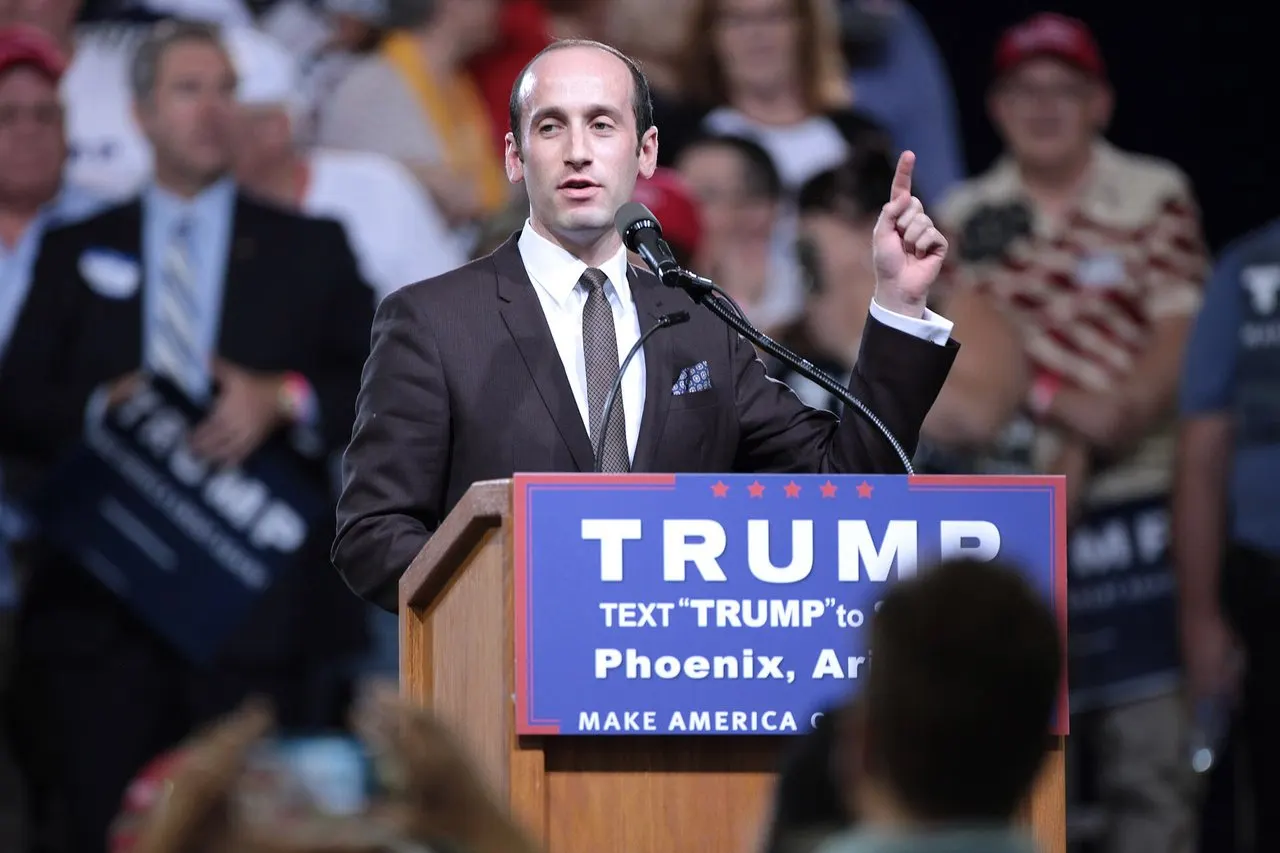
Stephen Miller had been White House chief of staff for only about two weeks when he made the call. He is known as the architect of Trump’s tough immigration policies, and he had already been watching Mullin’s television performances with concern. A White House official told Politico that Miller knows every part of the government and can pull the Cabinet together fast. He stepped in, took Mullin off the air, and picked steadier voices to speak. See Zelensky’s silent response in Berlin for more on this White House.
Manila and the Mullin Primetime Timeout Call
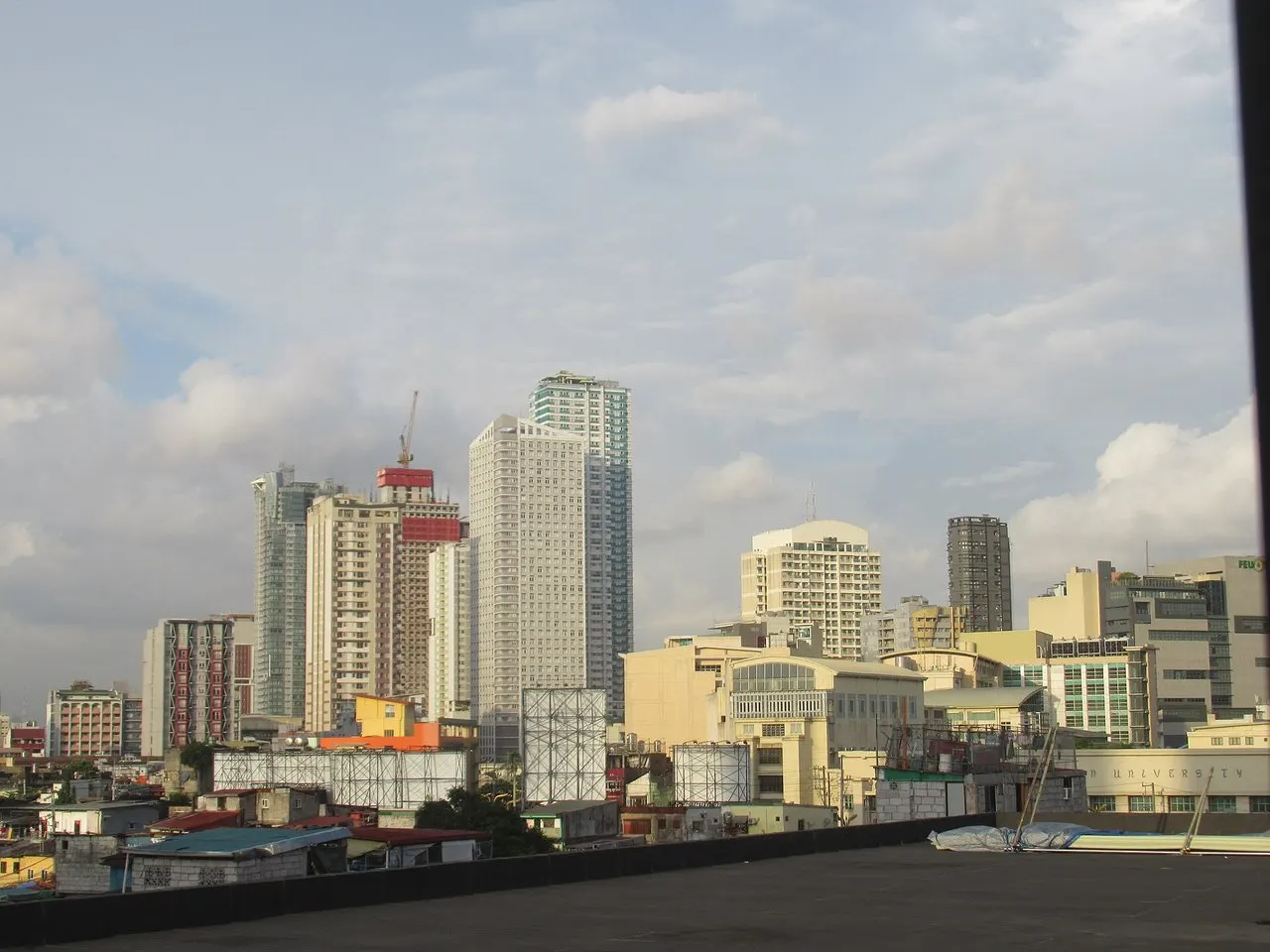
Miller made the decision from Manila, in the Philippines, where he was traveling with President Trump on a trip through Asia. The time gap did not slow him down. Politico reported that he stepped in during the early morning hours in Manila, on Tuesday afternoon in Washington, to swap Mullin for steadier hands. A White House official said the team managed to pull together a clear response even from overseas. The Mullin primetime timeout showed that distance was no shield. Read Trump’s trip across Asia for more on the Asia trip.
The New Chief of Staff Shows His Power
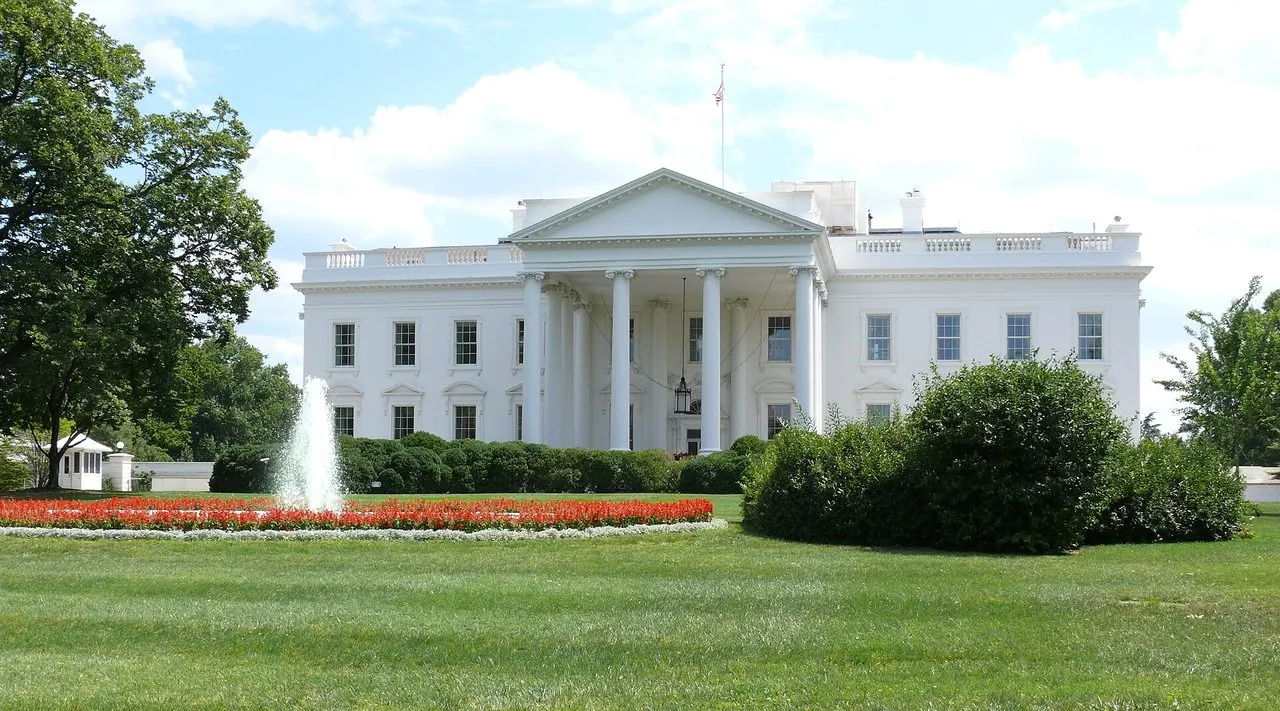
Miller took over as chief of staff after Susie Wiles left the job, and the timeout was an early big move. Trump announced the change in early November, only days after his party lost ground in the midterm elections. Miller moved fast to show that the White House would speak with one voice. Aides close to the White House said every member of the Cabinet trusts him and that he can get them lined up behind one message. See Liz Cheney’s warning to her colleagues for more on power in Washington.
Jay Clayton Steps In as the Steady Voice
Director of National Intelligence Jay Clayton is now one of the two officials who will explain the outages to the public. One person close to the White House said the team needed to speak with one voice and the right voice, and the decision was made to put Jay out there. Clayton leads the intelligence community, and his calm, careful style is the opposite of Mullin’s loose television manner. The swap tells the public who the White House trusts now. Read Kash Patel’s missed hearing for more on officials under pressure.
Marco Rubio After the Mullin Primetime Timeout
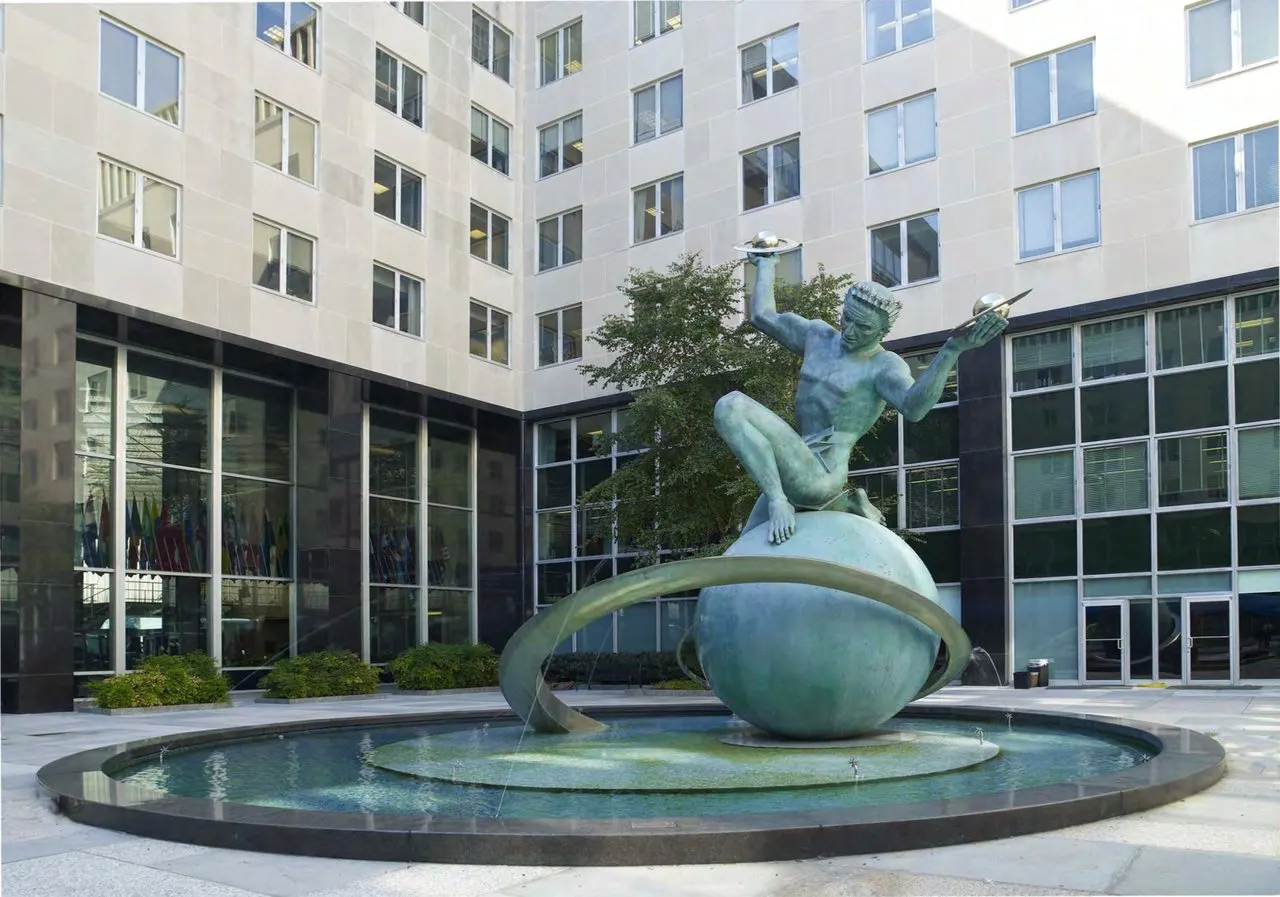
Secretary of State Marco Rubio will share the public role with Clayton after the timeout. Rubio is one of the most experienced voices in the Cabinet, and he has handled tough questions on television for years. The White House wants the public to hear a steady, joined up message about what caused the outages and what comes next. Rubio’s calm style fits that plan. He and Clayton now carry the story that Mullin once carried alone. See Marco Rubio’s recent remarks for more on Rubio and the wider world.
What the Department of Homeland Security Does
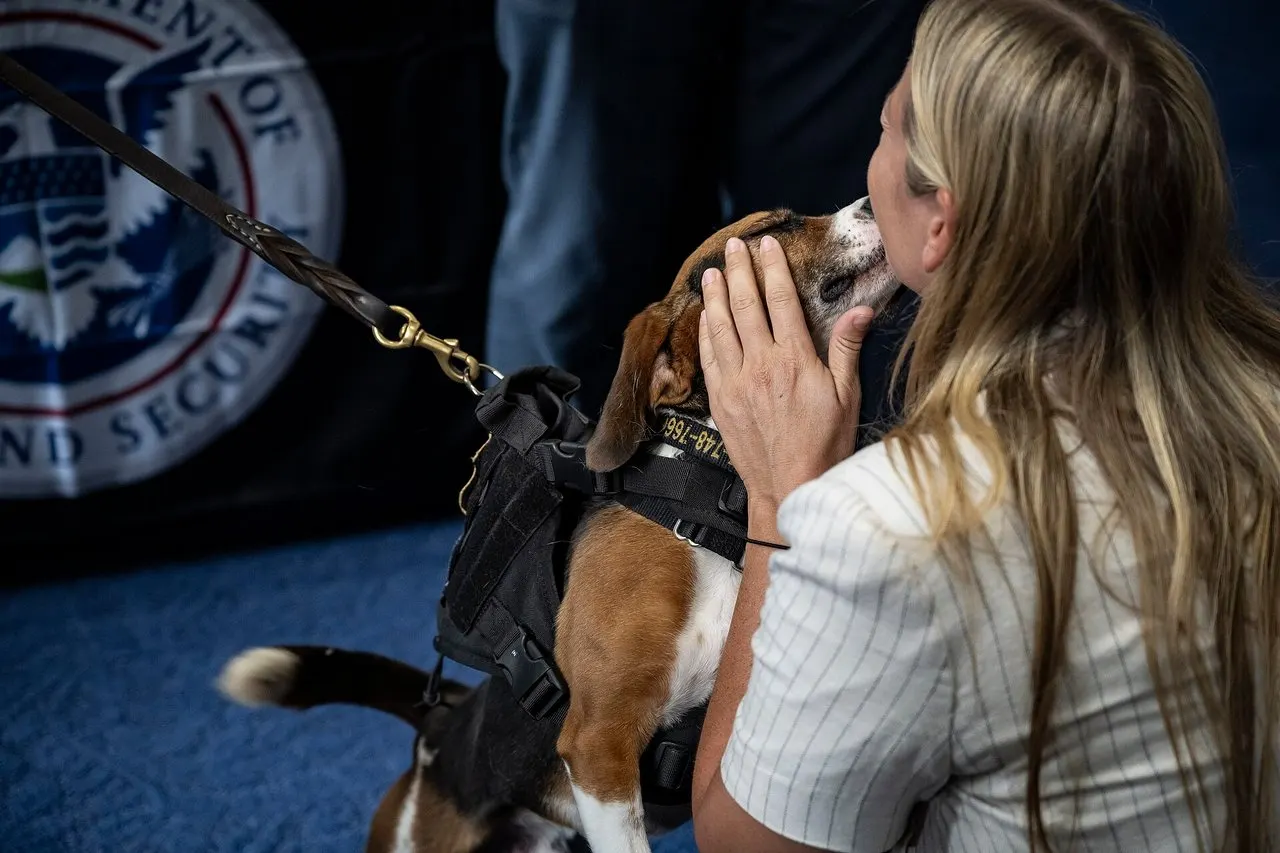
The Department of Homeland Security is one of the largest departments in the federal government. It covers border security, disaster response, airport screening and protection against cyber threats. Its secretary is the public face of that work in a crisis, which is why Mullin’s television job mattered so much. When systems fail across the country, Americans look to DHS for clear answers. A shaky message from the top can spread fear fast. That is the heart of this story. Read his earlier clash over flight delays for more on DHS and its leaders.
The Outages That Put America on Edge
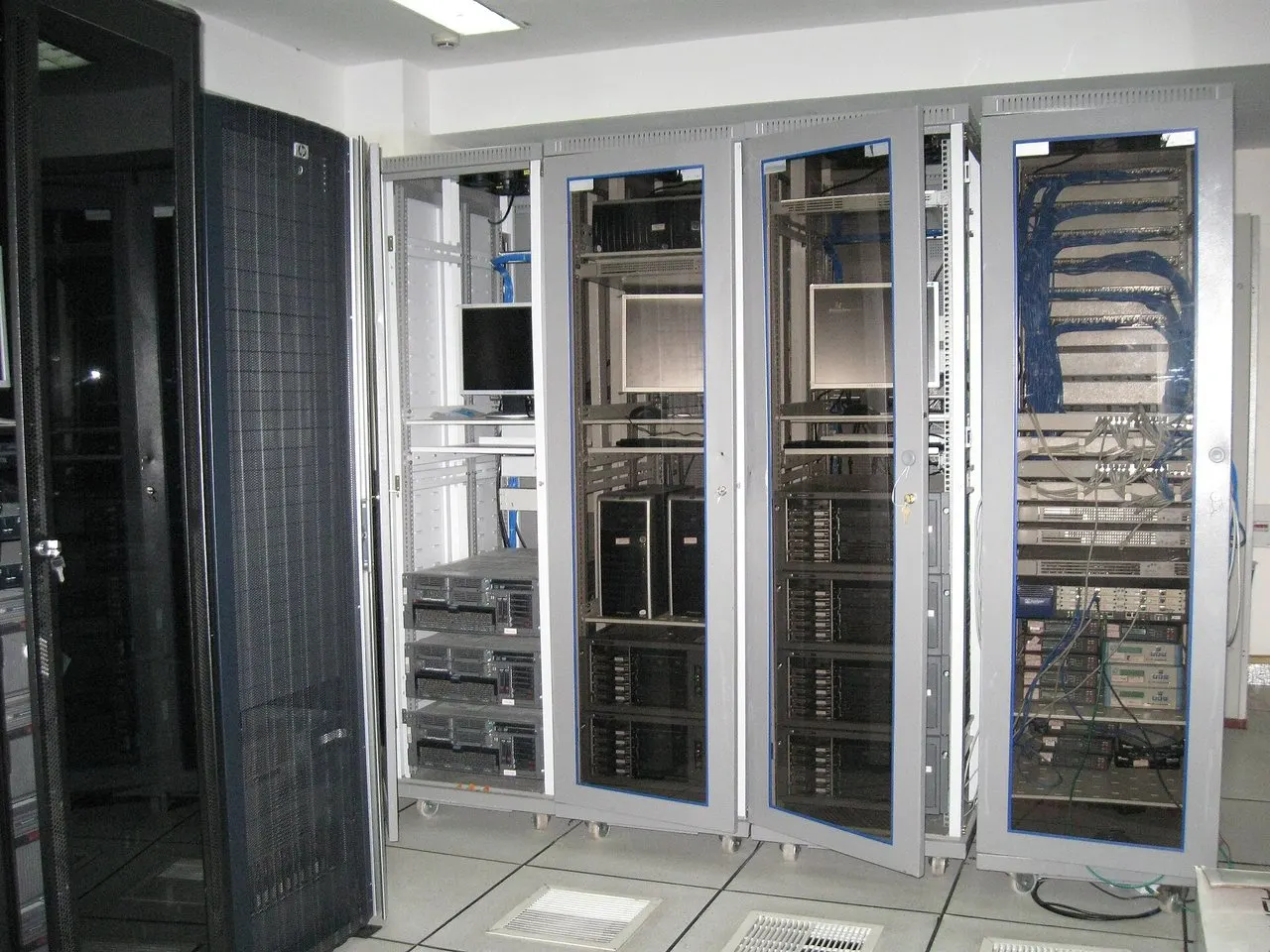
The outages hit many parts of American life at once. Air traffic control systems faltered, planes were grounded, and banking services glitched. Software crashed at big companies, and ordinary people wondered if the country was under a cyberattack. The White House says there is no sign of a coordinated attack or a malign threat, and a DHS spokesperson said Americans are safe. Still, the fear was real, and it needed a calm voice. See how much water data centers use for more on the systems involved.
The Mullin Primetime Timeout and the Grounded Planes
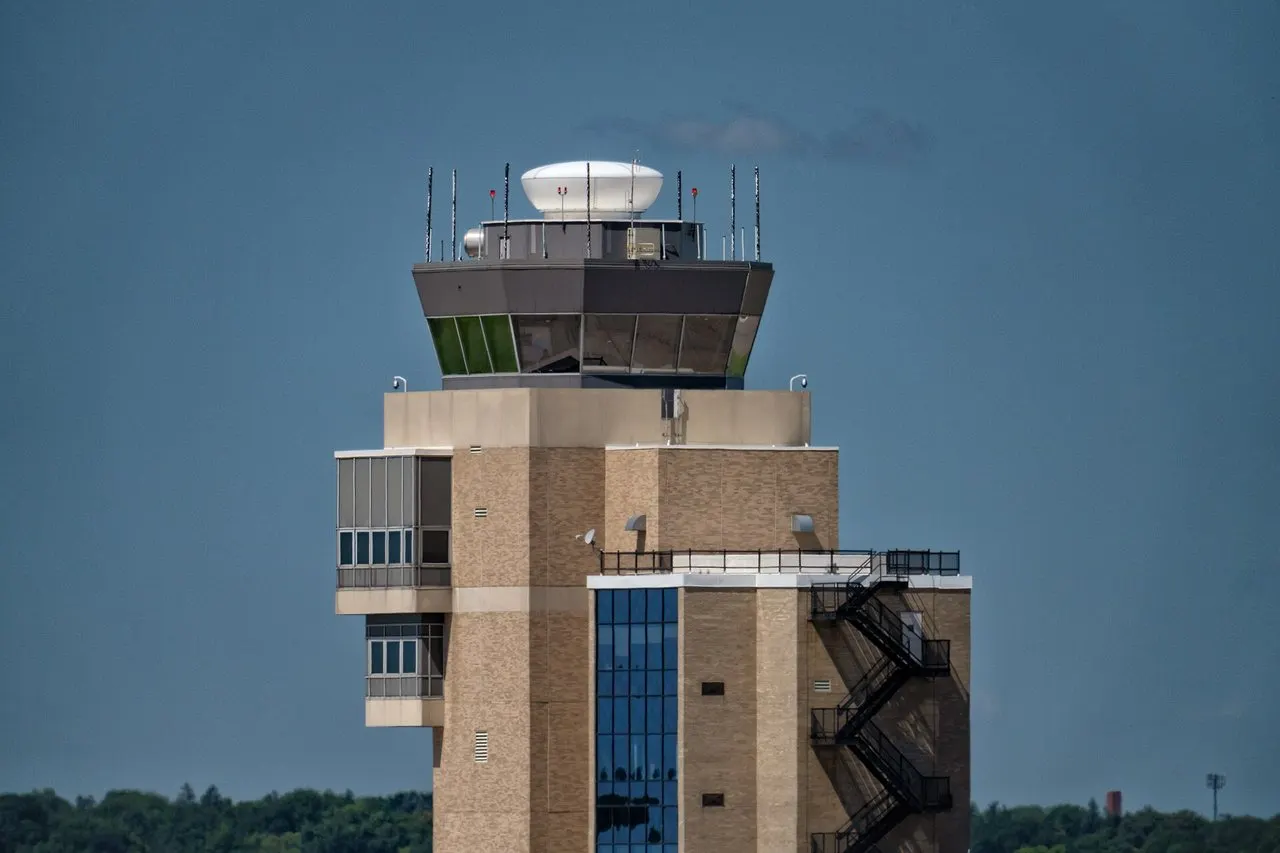
The timeout came after a week when the Federal Aviation Administration grounded flights and travelers faced long delays. Microsoft and JPMorgan Chase were among the big names hit by the glitches, along with air traffic control systems. The mix of banks, planes and tech made the story feel close to home for almost everyone. People wanted to know if their money and their flights were safe. Clear answers mattered more than guesses. Read his earlier clash over flight delays for more on the fallout.
Travelers Stuck as Flights Stopped Moving
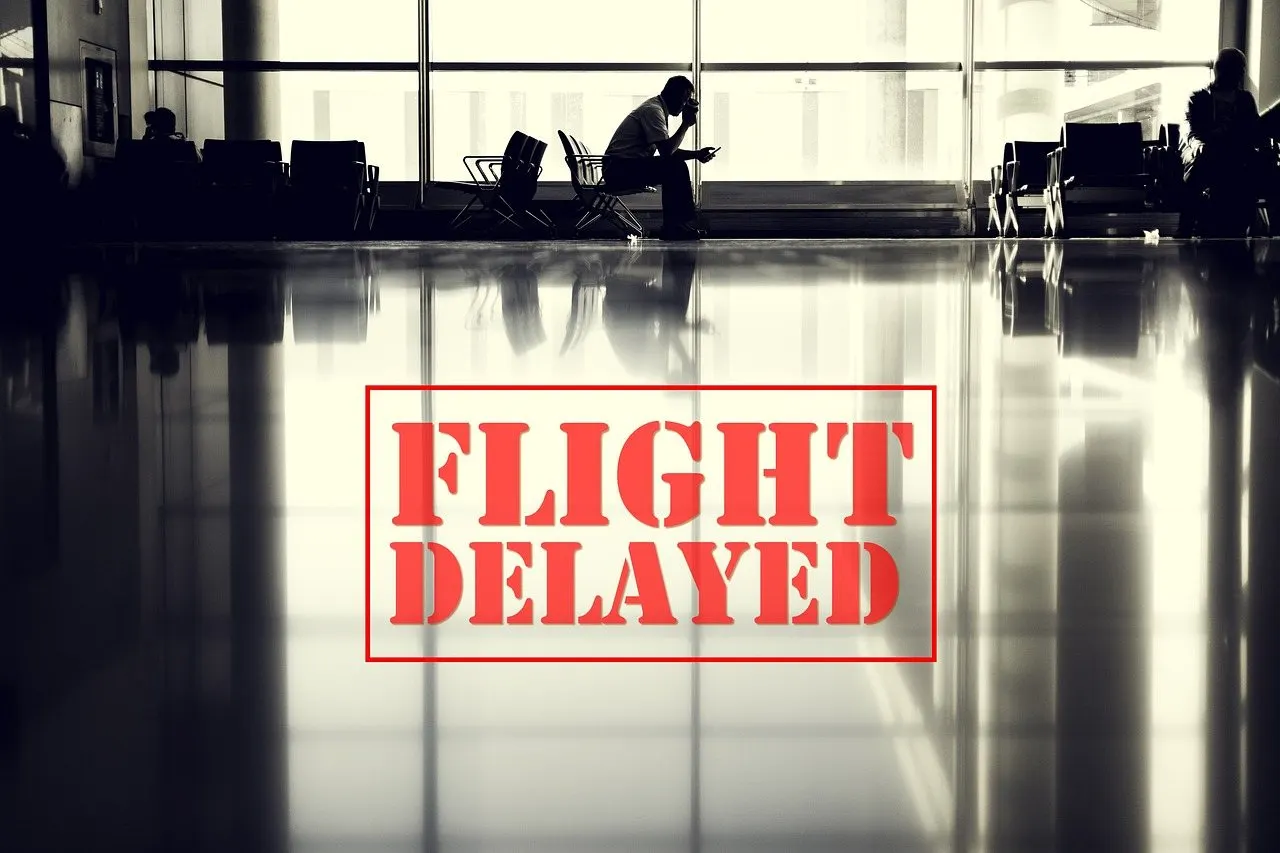
For travelers, the outages were not a policy debate but a ruined day. Flights were delayed or canceled, lines grew long, and families waited for news that kept changing. Airport staff did their best with little information, and many passengers turned to their phones for updates. The FAA grounding of all airplanes was one of the most visible signs of the trouble. It is easy to see why the White House wanted a sure voice on television. See the joke about outages and DEI for more on a difficult week.
Microsoft, JPMorgan and Air Traffic in the Mix

The outages reached some of the biggest names in American business. Microsoft systems, JPMorgan Chase services and air traffic control all suffered glitches in the same stretch of days. That mix made the story hard to explain, because no single cause was clear. Mullin’s AI theory tried to tie it all together with one simple answer. The White House says the real picture is still being checked, and there is no proof of an attack. Read Karoline Leavitt and the birth rate debate for more on big national stories.
The Mullin Primetime Timeout Was a Long Time Coming

The Hannity night was not Mullin’s first rough television moment, and the trouble had been building for days. He and Transportation Secretary Sean Duffy held a press conference on a Friday that drew wide criticism, and Miller watched it from the side of the briefing room. A senior DHS official told The Atlantic that Mullin gives the sense he is winging it, and that he rivals the last president for the frequency of gaffes. The pattern worried the White House. See the probe into Katie Zacharia for more on officials in the spotlight.
The DACA Remark That Added to the Trouble

Mullin’s television troubles were not his only problem with the new chief of staff. On November 9, he said he was open to talking about permanent legal status for immigrants brought to America as children under DACA. He said Congress would have to act, and that he would be open to talk about anything. For Miller, the architect of Trump’s hardline immigration agenda, that was unwelcome news. Frustration had been building ever since. Read Melania Trump’s Thanksgiving wish for more on immigration debates.
Miller, Immigration and a Hard Line

Stephen Miller built his name on tough immigration policy, and he has shaped Trump’s crackdown for years. That is why Mullin’s openness to a deal for DACA recipients landed so badly. The two men now sit at opposite ends of the same debate, one pushing for talks and the other guarding a hard line. The timeout is about television, but the immigration gap sits behind it. It helps explain why Miller acted so fast and so firmly. See Marco Rubio’s recent remarks for more on the wider debate.
An Empty Chair After the Mullin Primetime Timeout

The clearest image of the Mullin primetime timeout is a simple one, an empty chair in a television studio. Mullin was the face of the outage response, and now he is off the air until further notice. No return date has been set, and the White House has not said when he might come back. For a Cabinet secretary, losing the cameras is a public rebuke. It tells viewers, in plain sight, that the boss has lost trust. Read Kaitlan Collins and the Putin question for more on Washington power plays.
How Politico Playbook Broke the Story

Politico Playbook broke the story of the timeout, with reporting by Will Steakin, Dasha Burns and Adam Wren. Their newsletter is read across Washington each morning, and this item set the tone for the day. Poynter picked it up, and soon the phrase primetime timeout was everywhere. The reporting quoted two people close to the White House and a White House official who praised Miller’s fast work. Good reporting turned a backstage move into a national story. See Trump’s long flight home from China for more on the news cycle.
One Voice After the Mullin Primetime Timeout
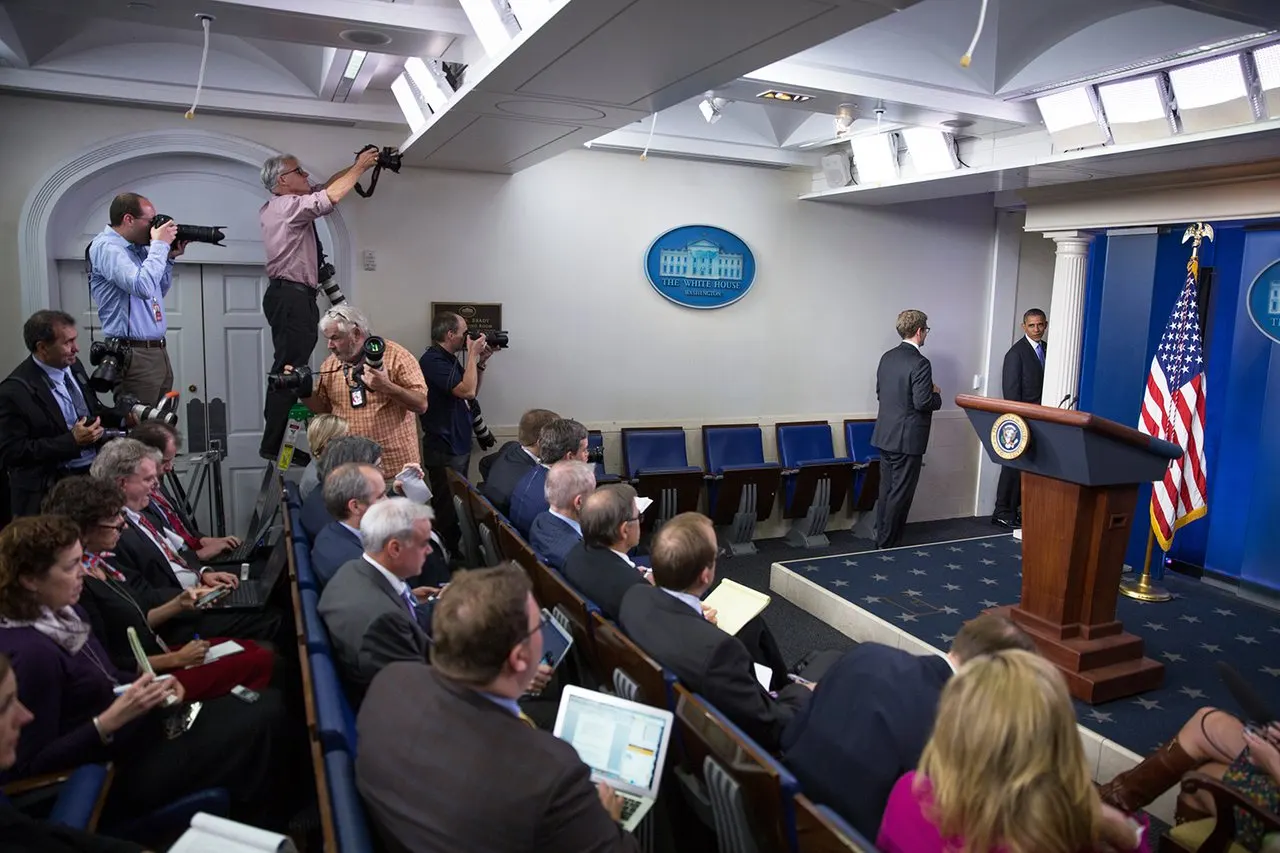
The White House now wants one clear message about the outages, and the Mullin primetime timeout is how it got there. Clayton and Rubio will speak for the administration, and the press team will keep the story tight. A DHS spokesperson said there is no sign of a coordinated cyberattack and no active threat to the homeland. The line is simple, and it will be repeated often. Whether the public buys it depends on what the next days bring. Read the vote that made Hakeem Jeffries speaker for more on the message.
A Middle East Trip Under a Microscope

Mullin is now on a five day trip to the Middle East, and the timing has drawn fresh scrutiny. The Washington Examiner noted the trip as DHS faces pressing challenges at home, and The Washington Post reported that White House staff are watching his standing closely. Some staffers are even said to have a betting pool on how long he will keep his job. A secretary abroad while his team changes the message at home is a tough place to be. See the Armenia and Azerbaijan peace deal for more on trips abroad.
From Oklahoma to the Cabinet
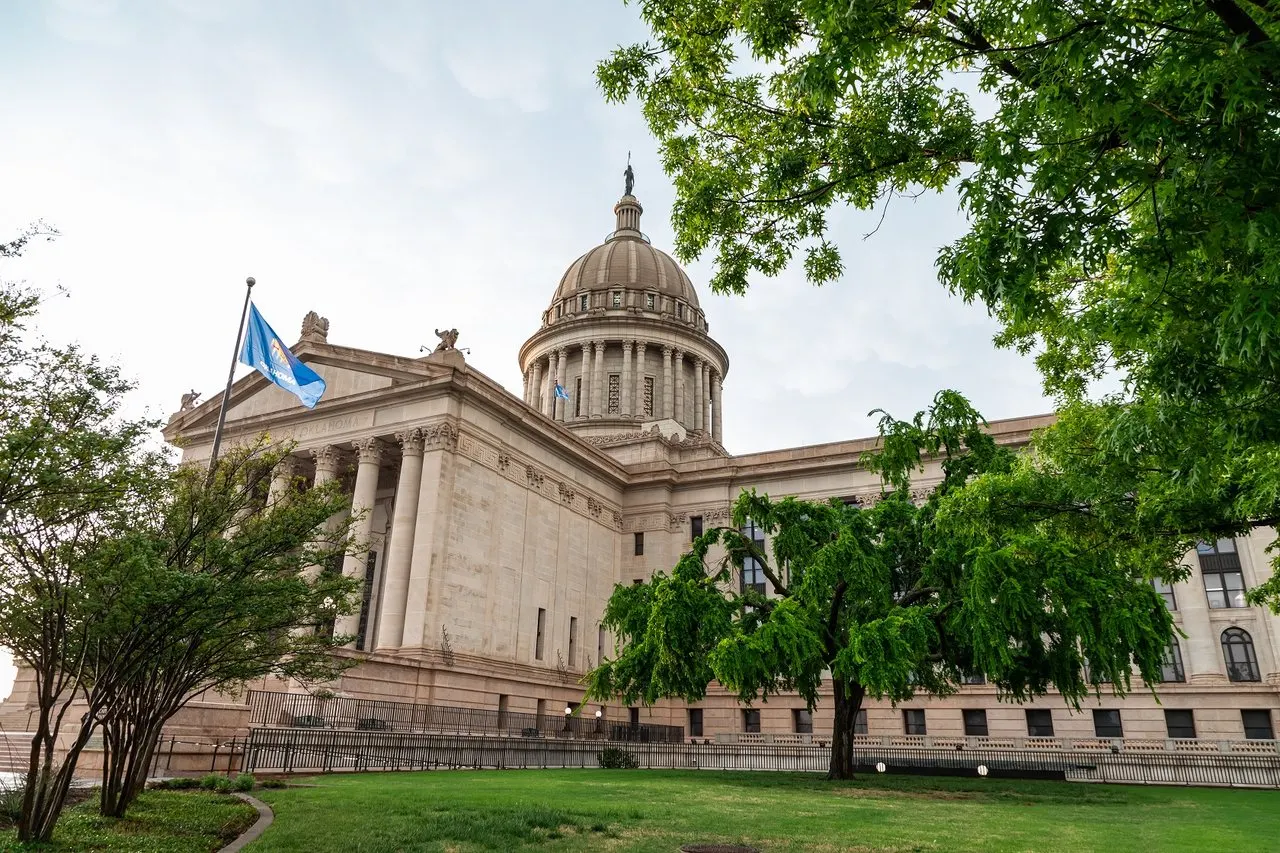
Markwayne Mullin came to Washington as a senator from Oklahoma, and he rose fast in politics. He took over a Department of Homeland Security in crisis, as the Wall Street Journal put it, and he has struggled to turn it around. The job is huge, the crises keep coming, and the cameras never stop. His next test may come in a hearing room, where White House officials will watch for any new slip. Read the plan to close Rikers Island for more on long careers in politics.
The Mullin Primetime Timeout: What Do You Think?

The timeout raises a simple question for readers. Should a Cabinet secretary lose his television role over one bad interview, or was Miller right to act fast and protect the message? Mullin may return to the air, or he may fade from the spotlight for good. His future now rests on quiet work and steady answers. Tell us what you think in the comments below, and keep reading Melania Trump’s Thanksgiving wish for more stories from Washington.