Halal Meals in New York City Are About to Get Easier to Find
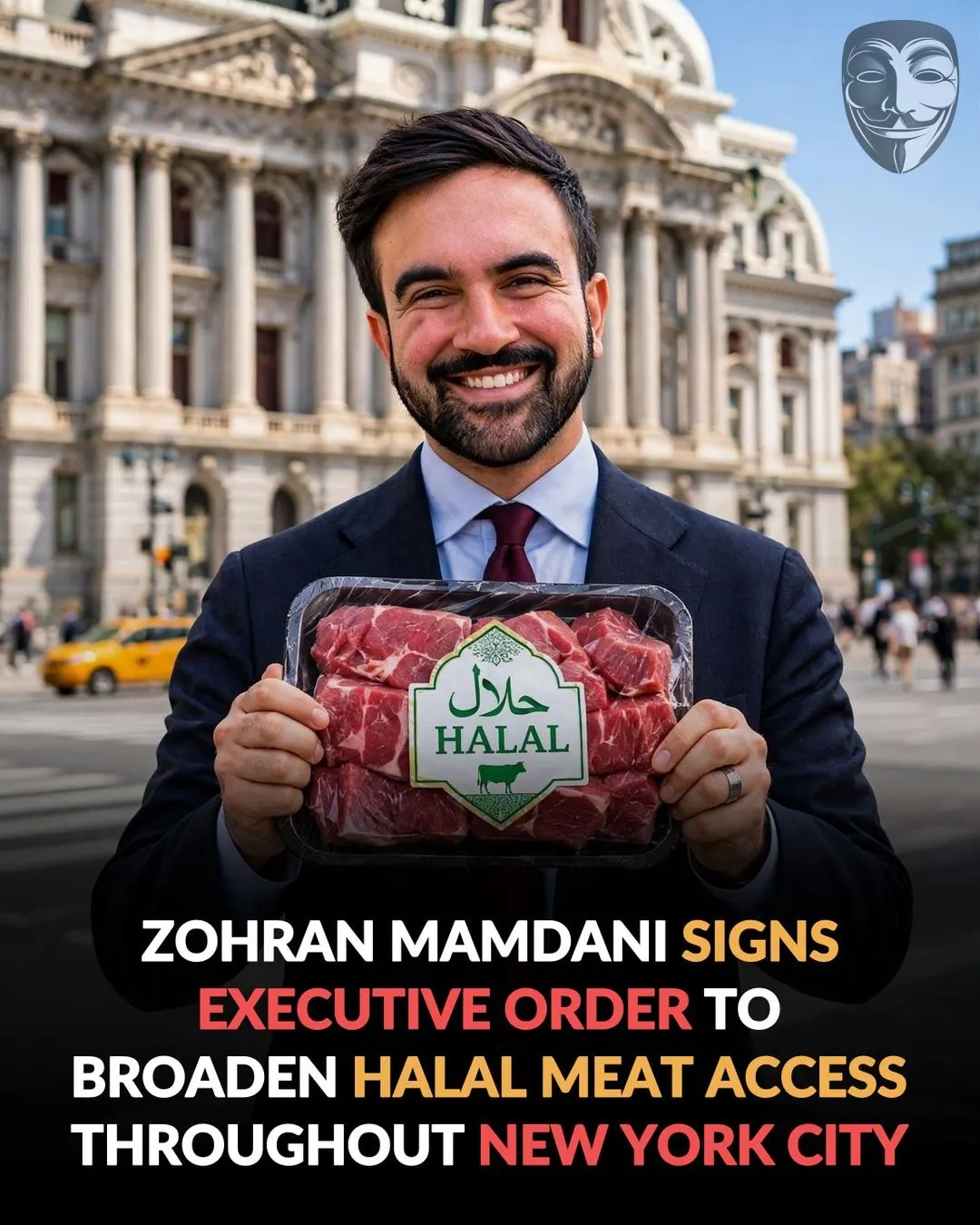
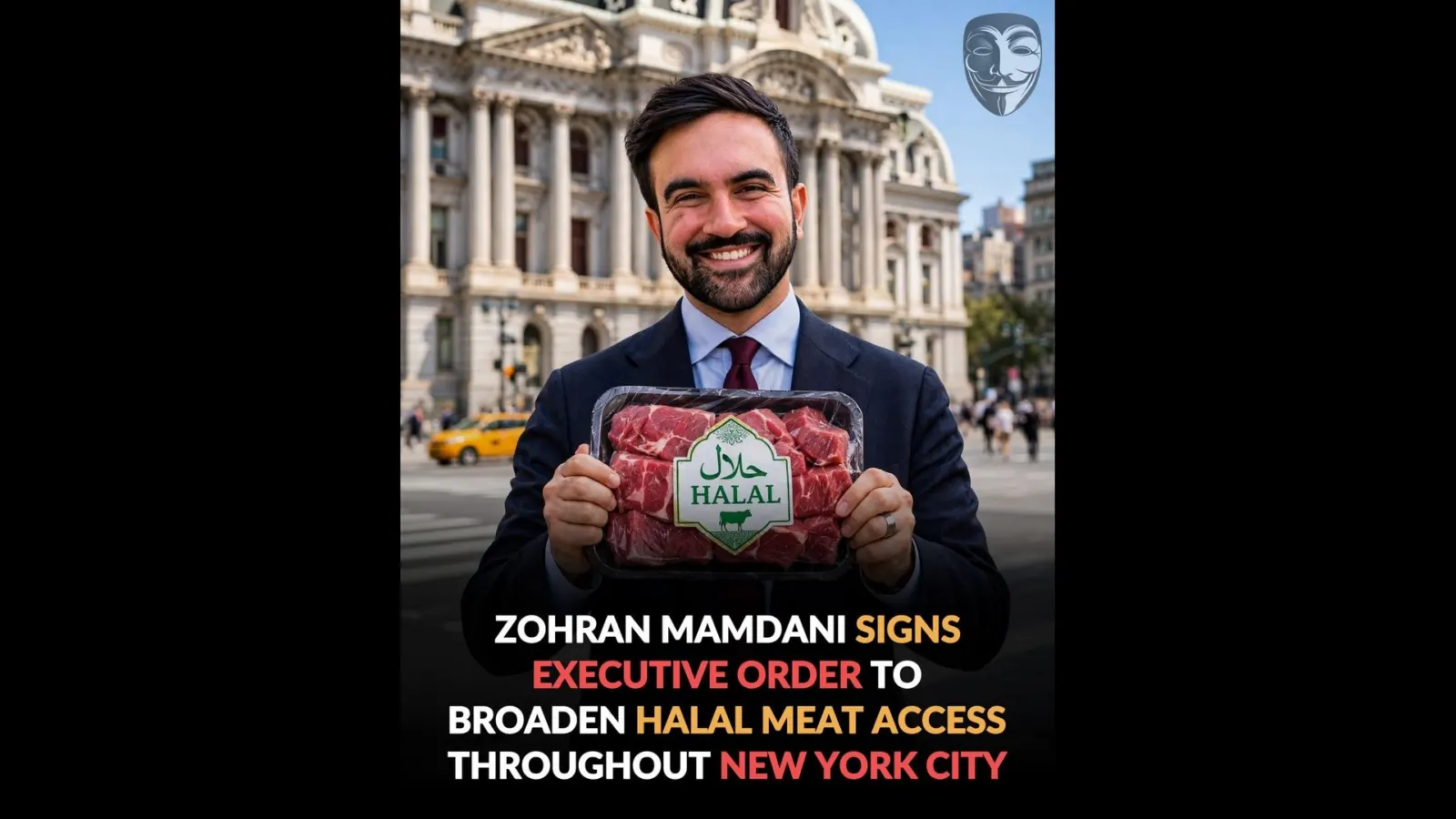
Halal meals will soon be easier to find across New York City after Mayor Zohran Mamdani signed Executive Order 25 on November 18, 2026. The order tells city agencies to make publicly funded meal programs more welcoming for New Yorkers who follow belief based dietary rules. The Mayor’s Office of Food Policy will now write citywide guidance within one year, covering halal and kosher certification, clear labels on meals and ingredients, and yearly surveys of the people who rely on these programs.
City agencies serve more than 220 million meals and snacks every year to public school students, hospital patients, older adults and New Yorkers in shelters and city jails. The order builds on the city’s Food Forward NYC plan and aims to end the patchwork where some programs offered halal or kosher meals on request while others did not. In the slides ahead we look at what the order changes. For more on the mayor’s plans, read our report on the plan to close Rikers Island by 2032.
References:
NYC Gov: Mayor Mamdani Signs Executive Order to Make City Served Meals More Religiously Inclusive
The Halal Times: Mamdani Orders Wider Access to Halal and Kosher Meals Across New York City
JFeed: Mamdani Signs Executive Order on Kosher Meals in NYC
Bushwick Daily: Mamdani Orders Halal and Kosher Guidance for City Agencies That Serve 220 Million Meals and Snacks a Year
The Mayor Signed Executive Order 25 on November 18
On November 18, 2026, Mayor Zohran Mamdani put his name to Executive Order 25. The order directs every city agency that serves food to make its programs more open to people who follow halal or kosher rules. It tells agencies to work together and to write clear guidance that every program can follow. The signing marked the start of a year long process that will shape menus across the city. For more on the mayor, read our story on the debate over data center water use.
What Halal Meals Mean for Many New Yorkers
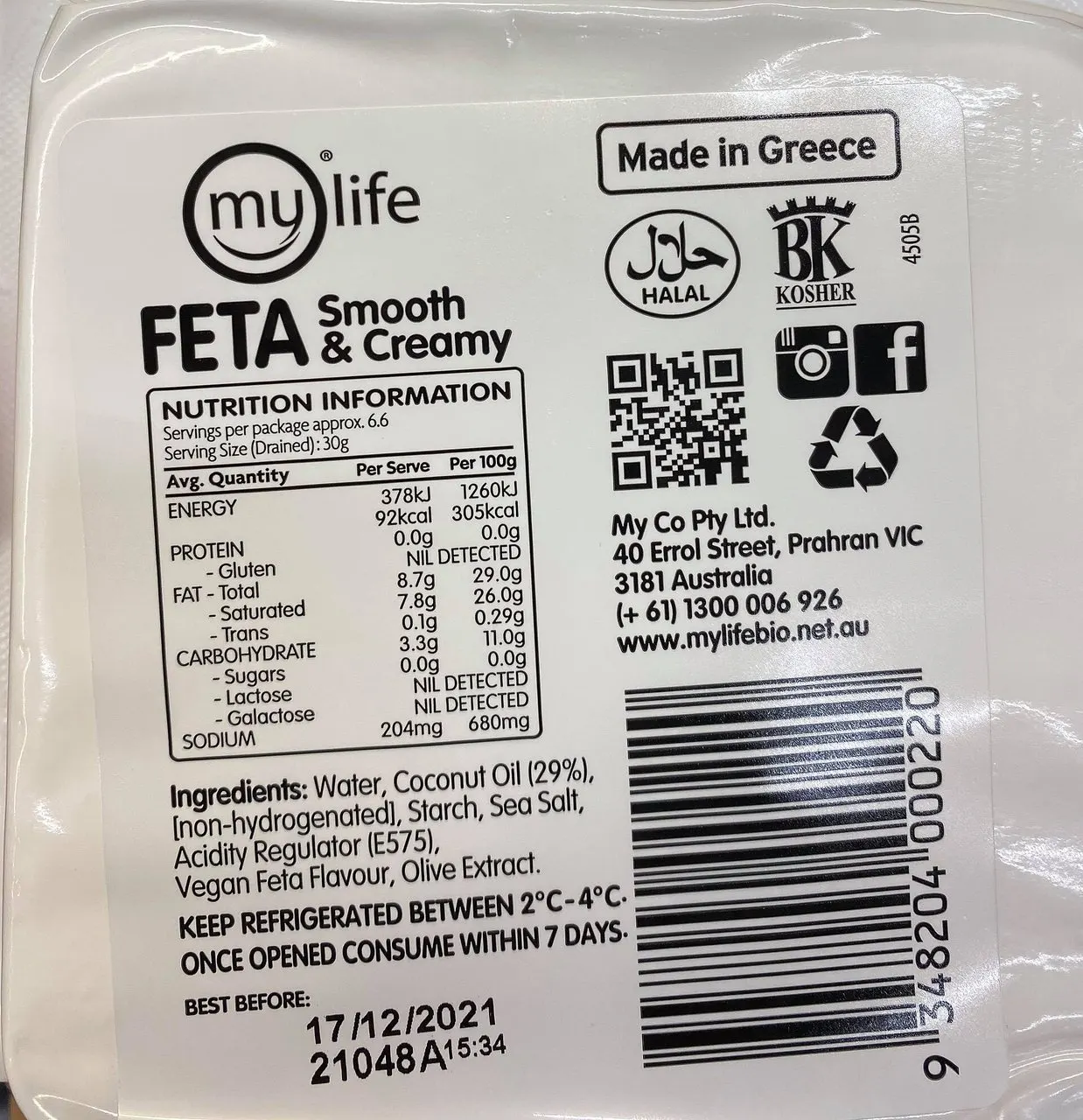
For many Muslim New Yorkers, halal meals are a daily part of faith, not a food trend. Halal is the Arabic word for what is allowed under Islamic law. Meat must come from animals slaughtered in a set way, and pork and alcohol are left out. When a school or hospital cannot offer a halal meal, some people skip the meal or go hungry. That is the gap the new order aims to close. Read our report on the plan to end horse drawn carriages for more context.
Kosher Meals Get the Same Promise

Kosher meals follow Jewish dietary law, and the new order covers them too. Kosher rules set out which animals may be eaten, how meat must be prepared, and how meat and dairy must stay apart. Food must be made under supervision. For many Jewish New Yorkers, these rules shape every meal of the day. A hospital tray or a school lunch that ignores them is not a real option. The order says both sets of rules deserve the same respect. Read our story on Melania Trump and her small staff.
A Patchwork That Left Too Many People Guessing
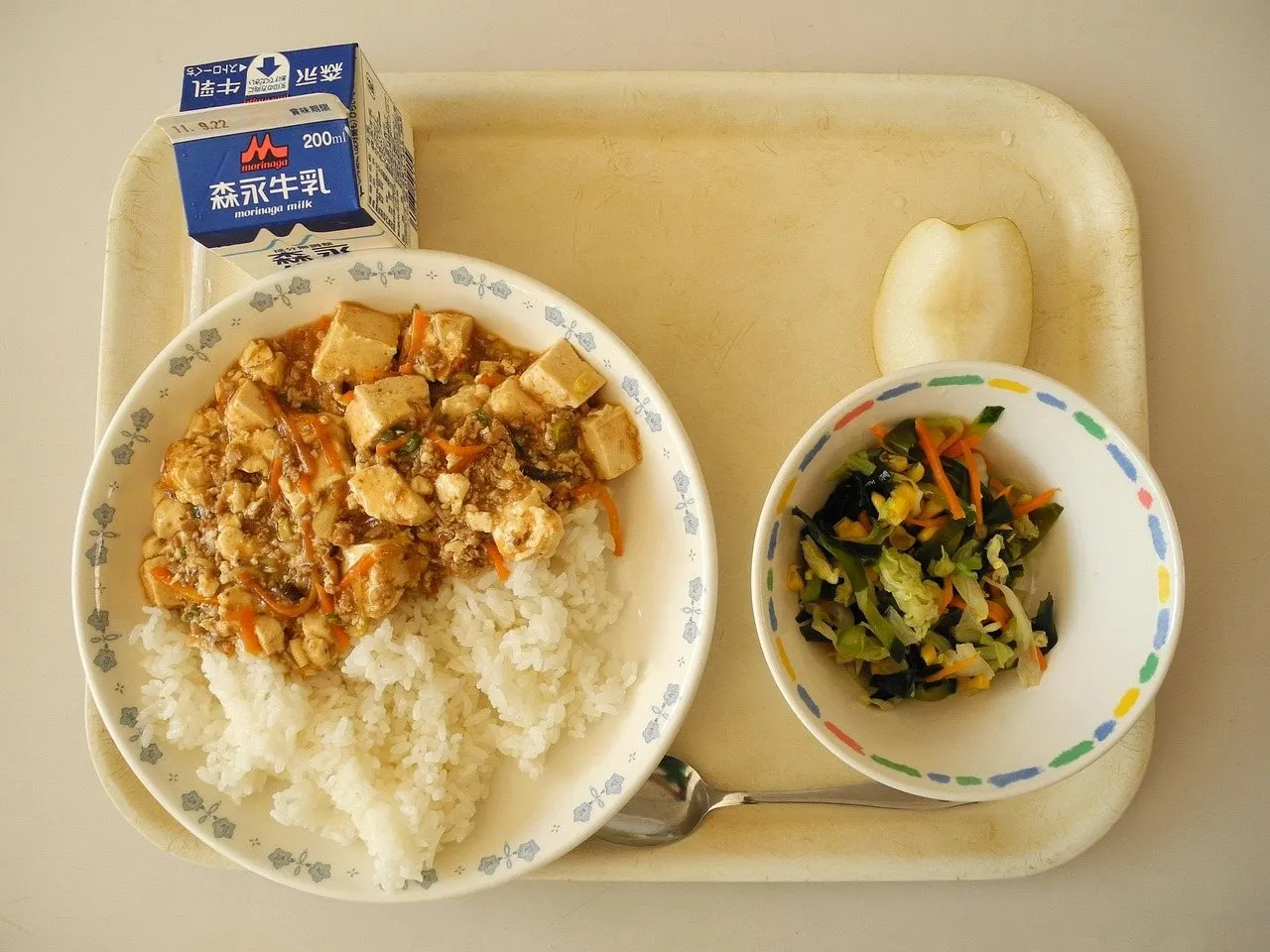
Before the order, each program made its own choice about halal and kosher food. Some schools and hospitals offered a halal or kosher meal when a person asked for one. Others had no option at all, and people had to work it out. The result was a patchwork that changed from one building to the next. Two New Yorkers with the same needs could get different meals. The order aims to replace that guesswork with one clear set of rules for all. Read our report on Karoline Leavitt and the Pew study.
220 Million Meals and Snacks Every Year

The scale of city food service is hard to picture. City agencies serve more than 220 million meals and snacks every year. That food reaches public school students, hospital patients, older adults and New Yorkers in shelters and city jails. A small change in the rules touches a huge number of plates. That is why the order matters far beyond one kitchen or one school. When the guidance is ready, it will shape meals across all five boroughs. Read our guide to wrecking public services for more on how city rules work.
Public Schools Serve the Most Halal Meals
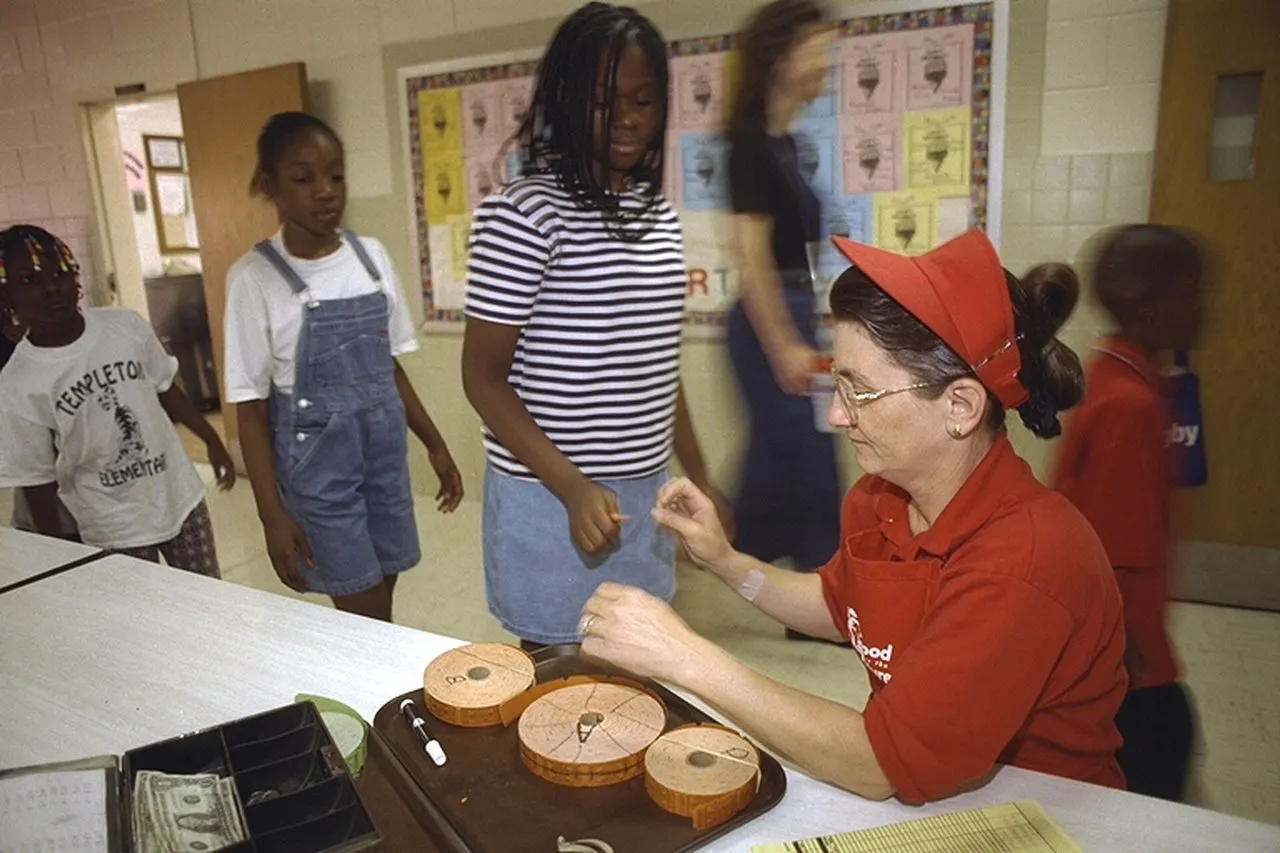
Public schools serve most of the city’s meals, so the order will be felt most in school cafeterias. Students who keep halal or kosher rules need a lunch they can trust every day, not only when a kind cook is on duty. Clear labels and steady supply will let families plan with ease. Teachers and lunch staff will also know what to serve without guessing. A school lunch should feed every child in the room. Read our report on the fight over the largest ICE detention center.
Hospitals Must Offer Food That Fits Every Faith
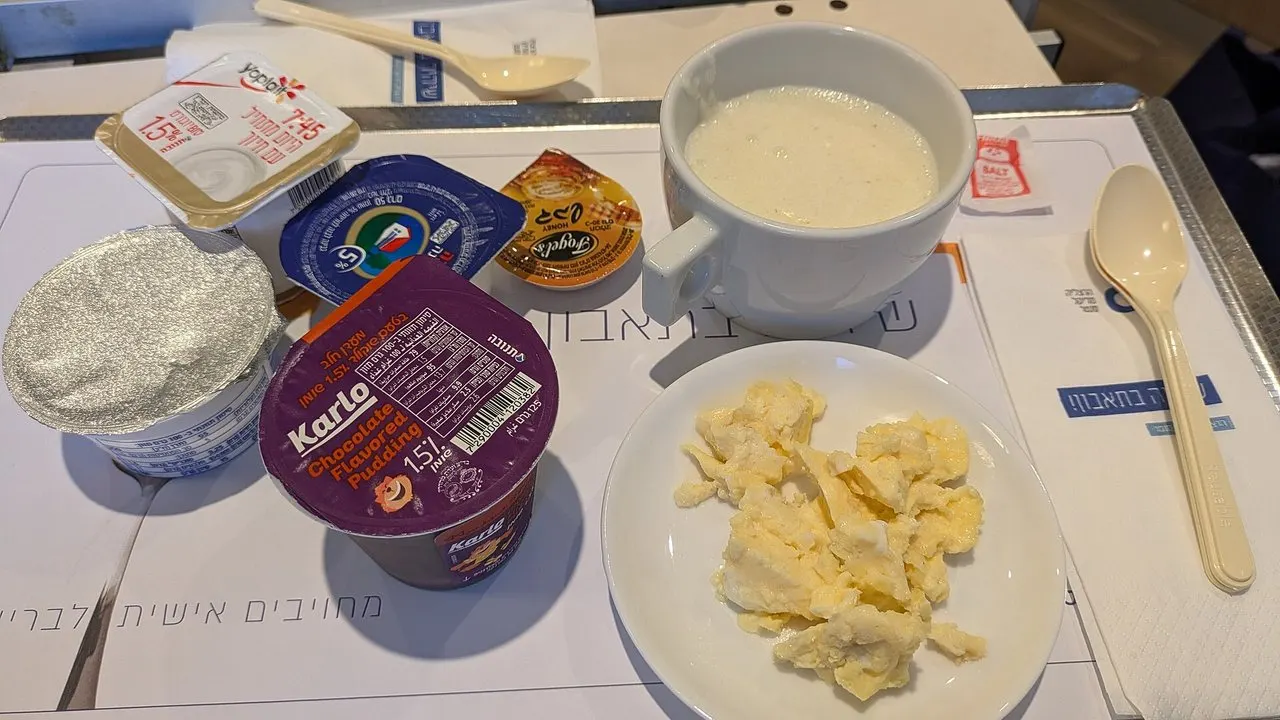
A hospital stay is hard enough without worrying about the food on the tray. Patients who keep halal or kosher rules often face long days with few safe choices. The order tells hospitals in the city system to plan meals that fit belief based diets from the start. Clear labels will help nurses and kitchen staff get each tray right. Food that fits a patient’s faith can help them feel cared for while they heal. Read our story on the study on armed schools for more on city life.
Older Adults and Senior Centers Are Covered Too
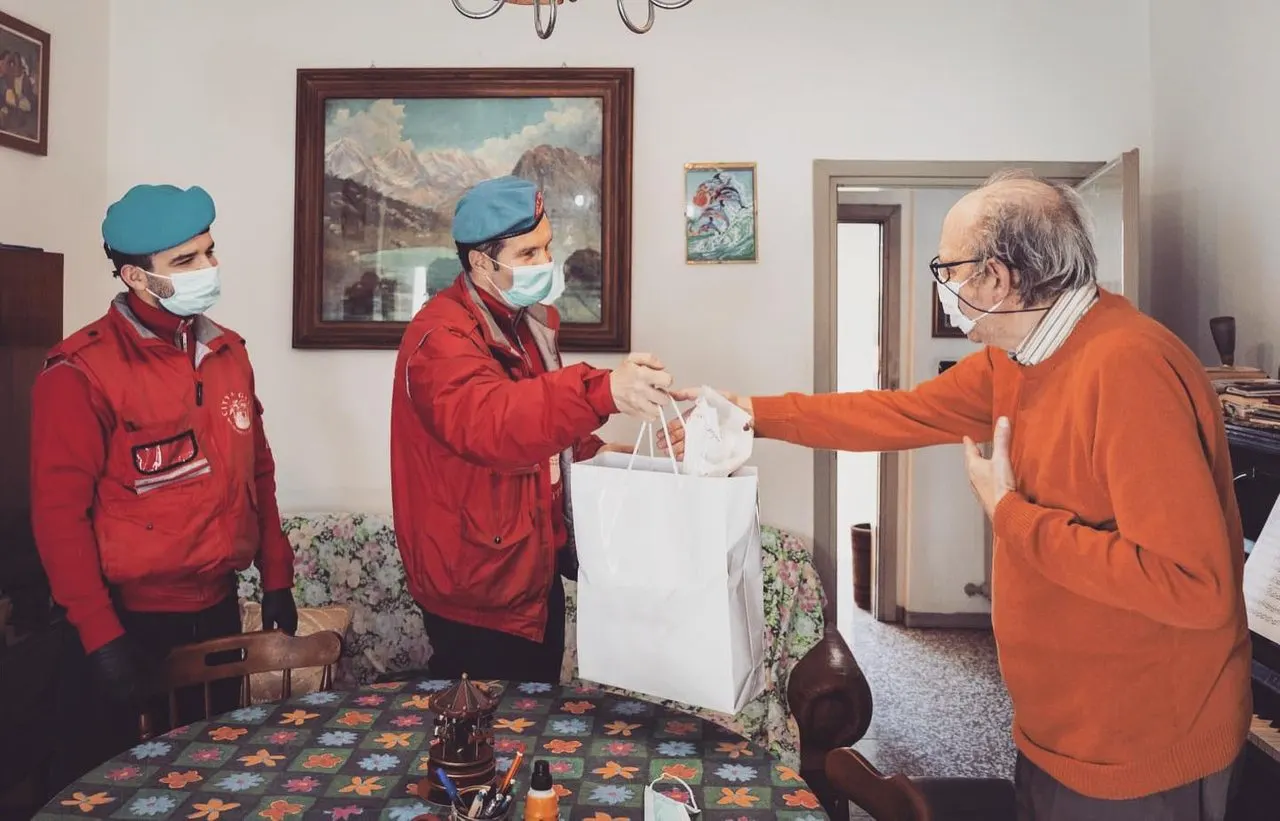
Older adults who eat at senior centers will also see a change. Many of them rely on the city’s meal programs for a hot lunch each day. Some have kept halal or kosher rules for a whole lifetime, and a meal that breaks those rules is no meal at all. The order says their needs count just as much as a student’s or a patient’s. Clear labels and trained staff will make the difference at the table. Read our report on the plan to close Rikers Island by 2032.
Shelters and City Jails Are Part of the Order
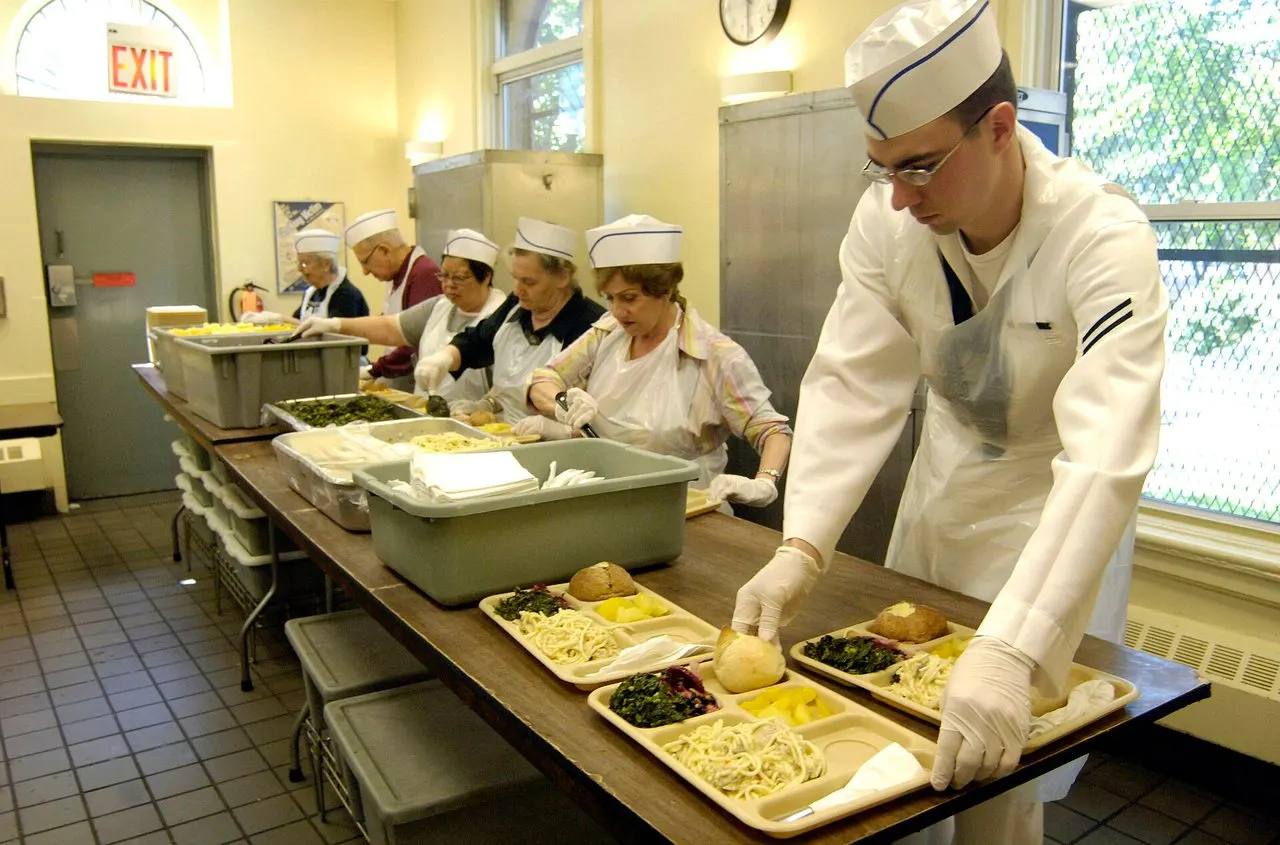
People in shelters and city jails depend on the city for every meal, so the order reaches them too. They cannot shop for food or cook for themselves, which makes clear rules even more vital. A shelter resident who keeps halal rules should not have to choose between faith and dinner. The same is true for a person in a city jail. The order says dignity at the table belongs to everyone the city feeds. Read our story on the debate over data center water use.
Clear Labels on Halal Meals and Every Ingredient
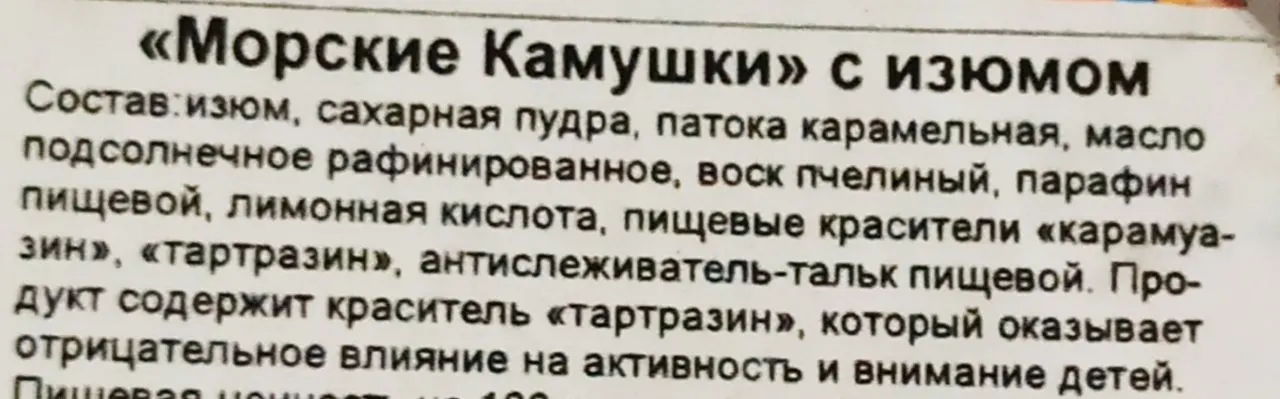
A meal is only safe to eat when you know what is in it. The order calls for clear labels on meals and ingredients, so people can see at a glance if food meets their rules. Labels will also help kitchen staff serve the right tray to the right person. Mistakes happen when labels are vague or missing, and one wrong tray can ruin a person’s trust. Clear words on every dish will cut those errors. Read our report on the plan to end horse drawn carriages.
Certification Will Be Checked Across the City
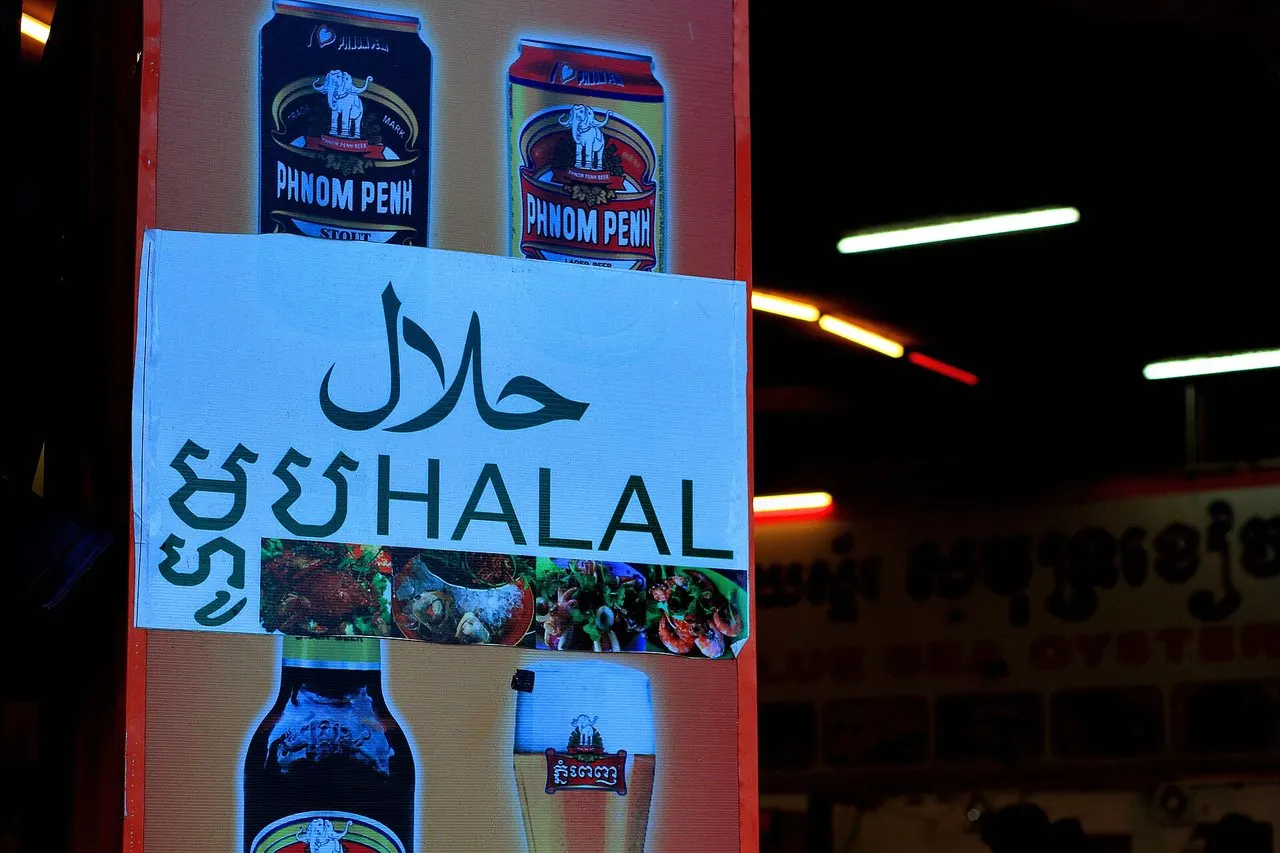
A halal or kosher label only works if someone checks it. The order calls for citywide guidance on halal and kosher certification, so programs will know which marks to trust. Certification bodies inspect kitchens, supply chains and cooking methods before they grant their seal. That check gives families a reason to believe the label. Without it, a claim on a menu is only words. The guidance will set one bar that every program must meet. Read our story on Melania Trump and her small staff.
The Food Policy Office Has One Year to Write the Rules

The Mayor’s Office of Food Policy now has the pen. The order gives the office one year to write citywide guidance for all agencies that serve meals. That guidance will cover certification, clear labeling of meals and ingredients, and yearly surveys of the people who use the programs. A full year gives the office time to hear from faith leaders, cooks and dietitians. The result should be rules that work in a real kitchen. Read our report on Karoline Leavitt and the Pew study.
Yearly Surveys Will Ask the People Who Eat the Food

Rules work best when the people they serve get a say. The order calls for annual surveys of the people who rely on city meal programs. Those surveys will ask if the food fits their needs and where it falls short. The answers will show which programs are doing well and which need help. A survey is a simple tool, but it turns a promise into a check that can be measured. Read our guide to wrecking public services for more on how the city listens.
Food Forward NYC Paved the Way for Halal Meals
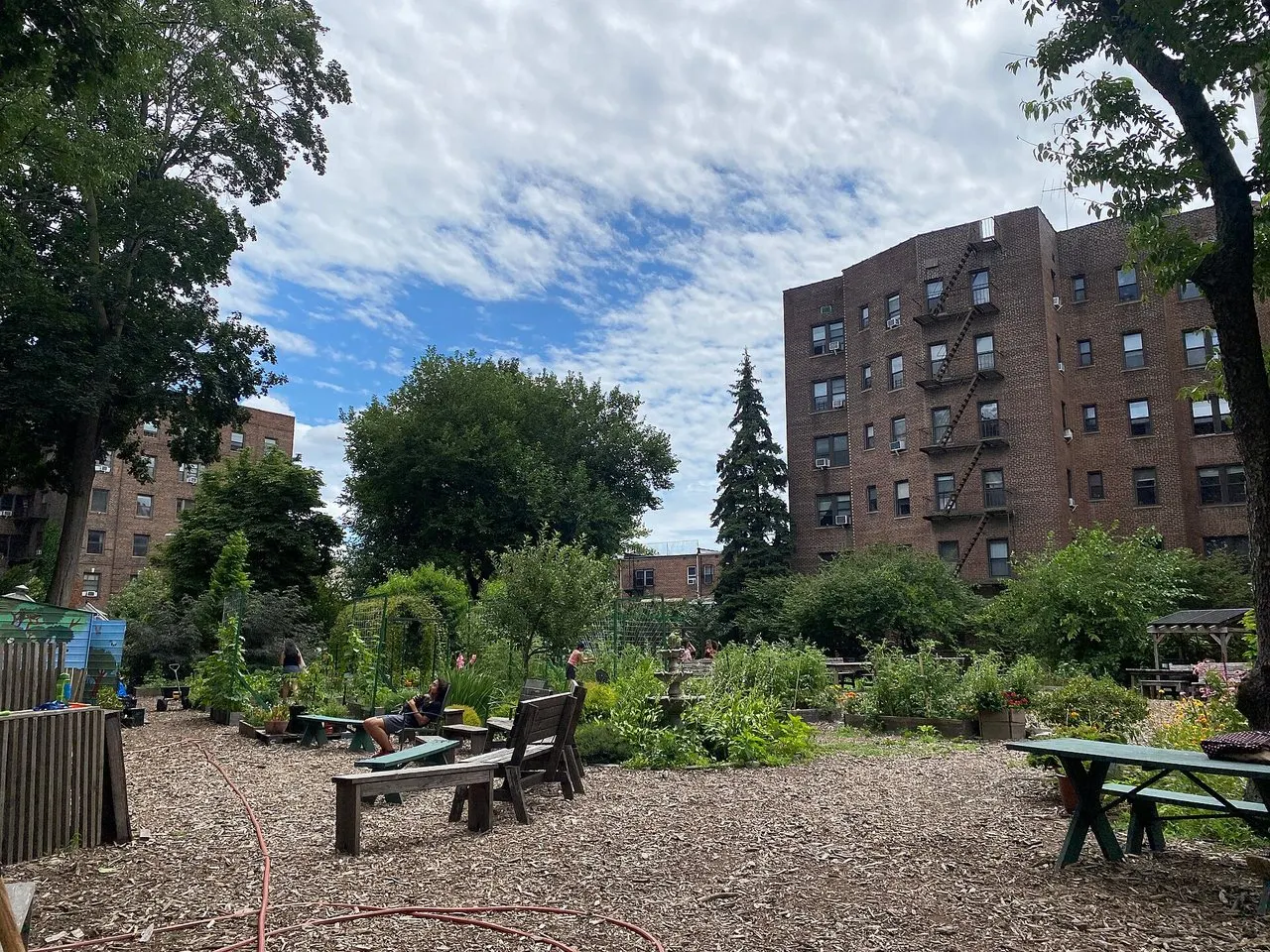
The order does not start from zero. It builds on the city’s Food Forward NYC plan, which set out a vision for fair and healthy food. That plan already pushed the city to think about who gets good food and who is left out. The new order takes that idea one step further, into the kitchens and trays of every agency. A plan only matters when it changes what is served. Read our report on the fight over the largest ICE detention center.
Halal Meals on the Streets of New York
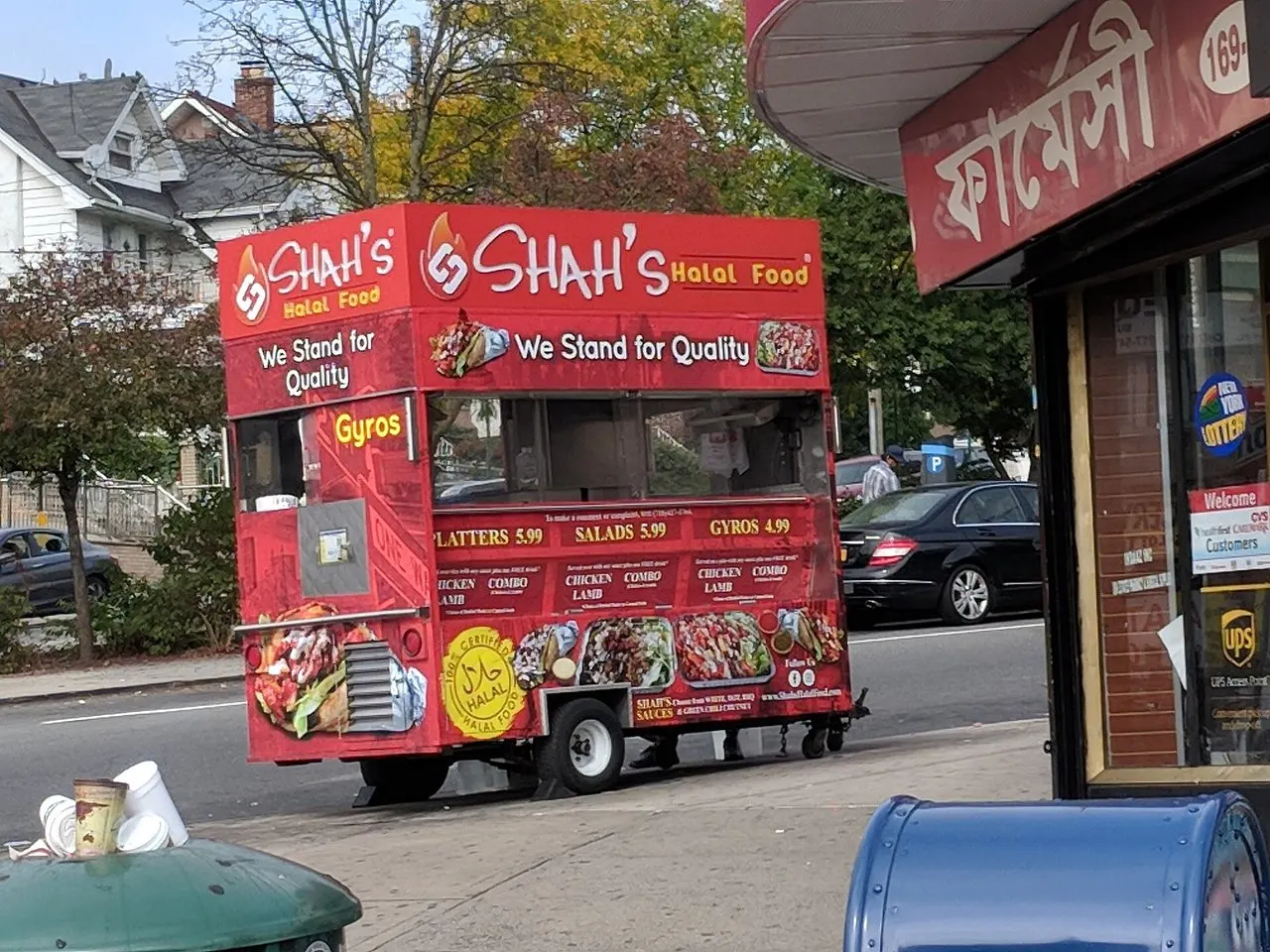
New Yorkers already know halal food from the carts and trucks on busy corners. Halal carts are a familiar sight in the city, serving chicken and rice to workers, students and late night crowds. The new order is about public programs, not street carts, yet both show the same truth. Halal food is part of daily life in New York, not a rare request. The city is catching up with its own streets. Read our story on the study on armed schools.
Why the Order Matters to Muslim Families
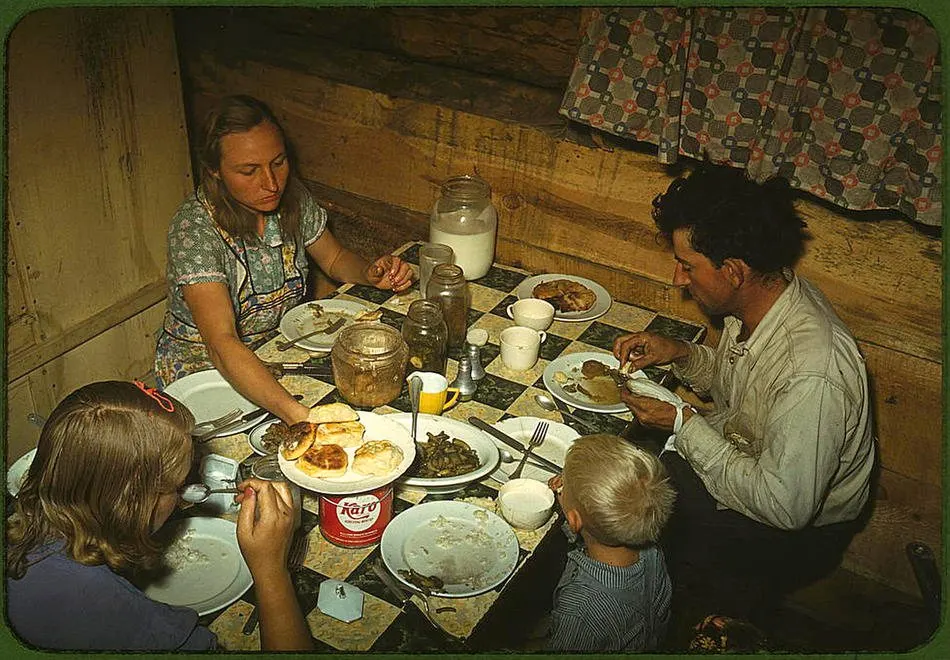
For Muslim families, the order means a school lunch a child can eat without worry. It means a hospital tray a parent can trust while a loved one recovers. It means a senior center meal that respects a lifetime of faith. These are small moments, but they add up to dignity in daily life. When the city serves food that fits a family’s faith, it tells that family they belong. Read our report on the plan to close Rikers Island by 2032.
Why the Order Matters to Jewish Families

For Jewish families, the order means the same respect for a different set of rules. A child who keeps kosher should find a school lunch that fits, just like any other child. A patient in a hospital bed should not have to explain the same needs at every meal. A grandparent at a senior center should be able to eat with peace of mind. Faith shapes the table in every home, and the city is learning to honor that. Read our story on the debate over data center water use.
Halal Meals and Kosher Meals Side by Side

The order treats halal and kosher needs together, and that is part of its strength. Two different faiths with different rules both ask for the same thing, food they can trust. The guidance will cover both kinds of certification and both kinds of labels. Kitchens will learn to handle both with care. When a city serves everyone at the same table, the meal itself becomes a sign of respect. Read our report on the plan to end horse drawn carriages.
What the City Still Has to Decide About Halal Meals
The order sets the goal, but the details are still to come. The Food Policy Office must decide how certification will be checked, how labels will look, and how agencies will report their progress. It must also hear from the people who run kitchens and the people who eat the food. Big choices made in a hurry can go wrong, so the year of work matters. The guidance will show how serious the promise is. Read our story on Melania Trump and her small staff.
How Other Cities Handle Faith Based Meals
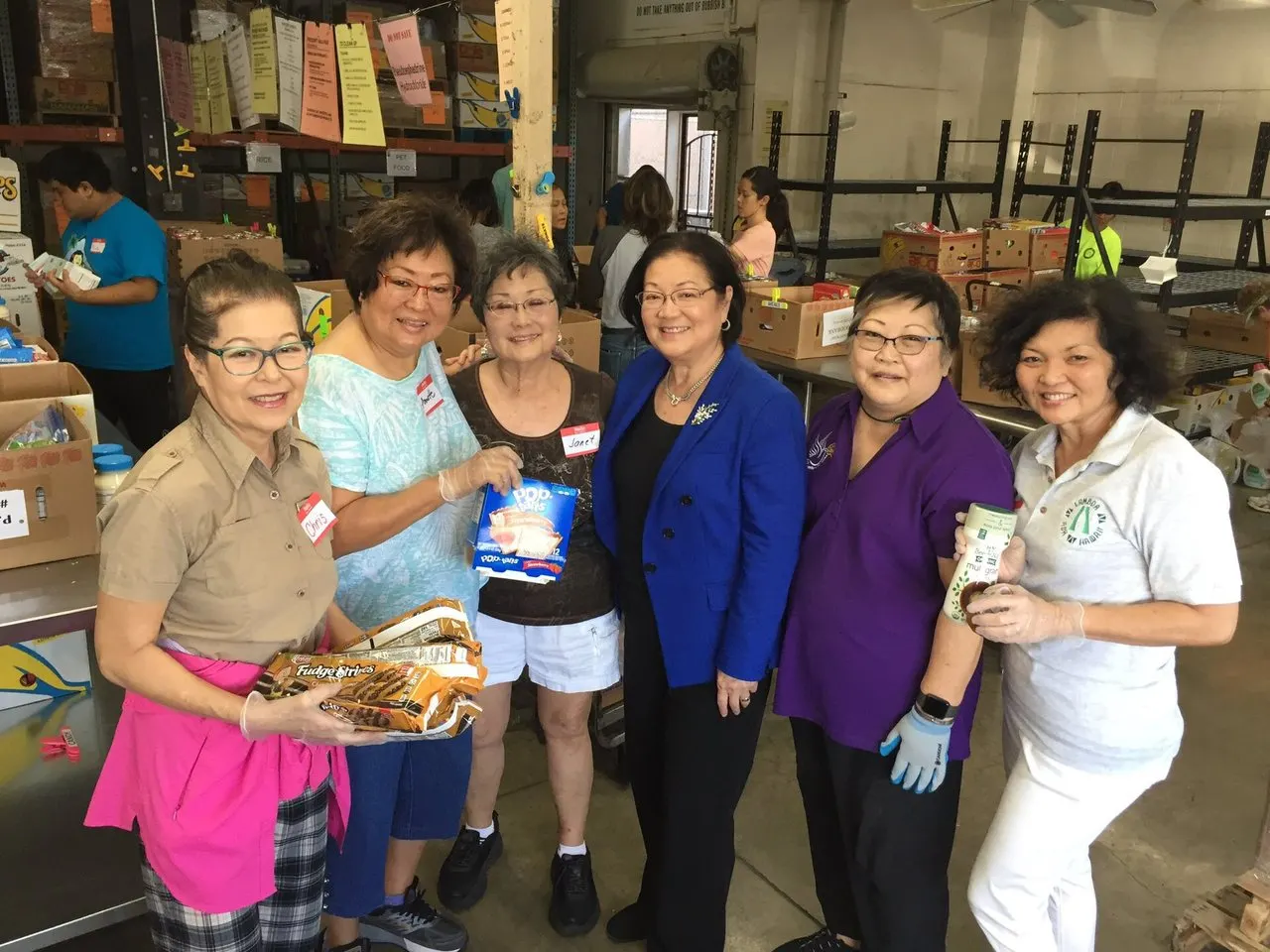
New York is not the first place to face this question. Schools and hospitals in other large cities have worked out ways to offer halal and kosher meals at scale. Some use certified kitchens that cook for many sites at once. Others train their own staff and bring in outside checks. New York can learn from what worked elsewhere and skip what did not. A year of study gives the city time to borrow the best ideas. Read our report on Karoline Leavitt and the Pew study.
Halal Meals in Schools Could Change Lunch for Thousands
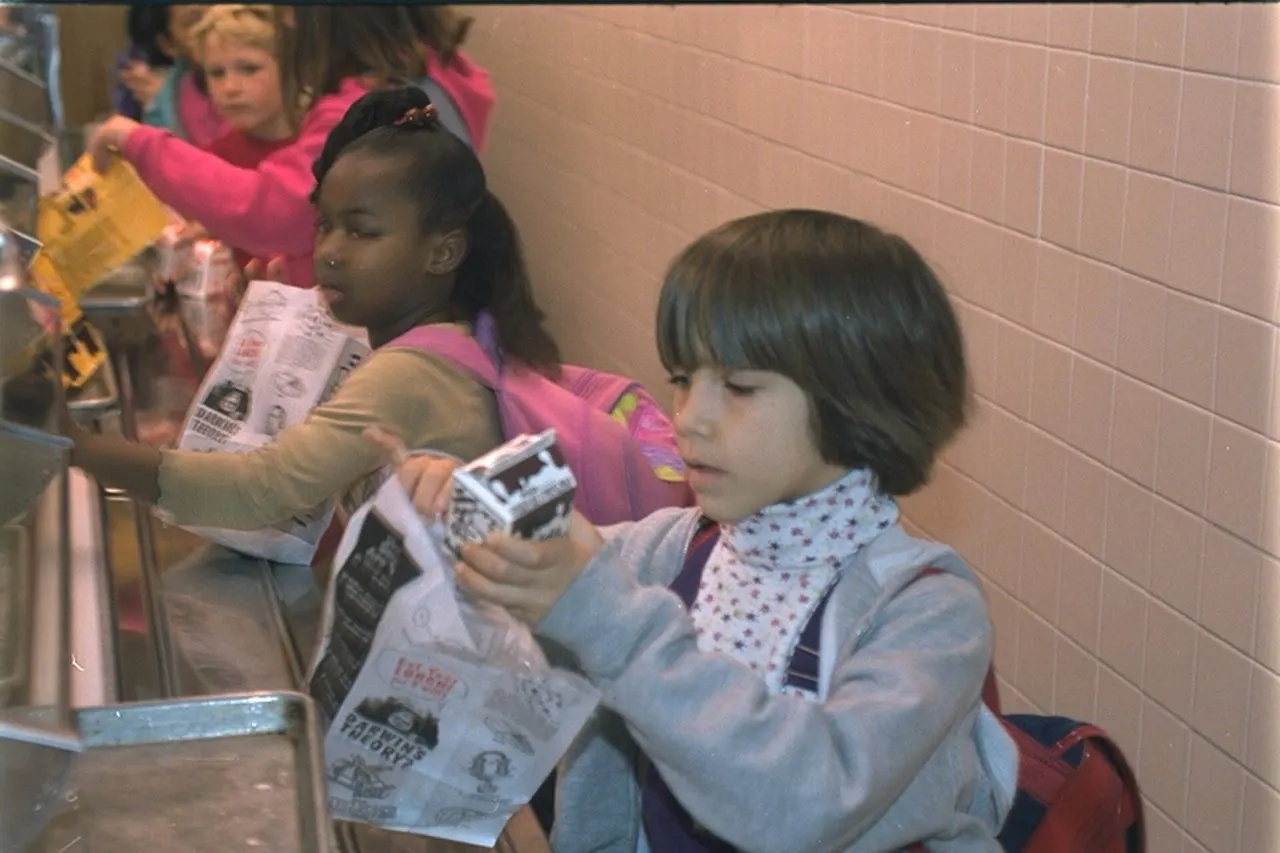
Schools are where the order will touch the most lives. A child who can eat the lunch served at school can focus on class instead of an empty stomach. Parents will no longer need to pack a meal each day or worry that their child goes hungry. Over a school year, that change adds up to thousands of safe lunches. It is a quiet change, but for the families it helps, it will feel large. Read our guide to wrecking public services for more on school rules.
The Change Starts With the Next Menu
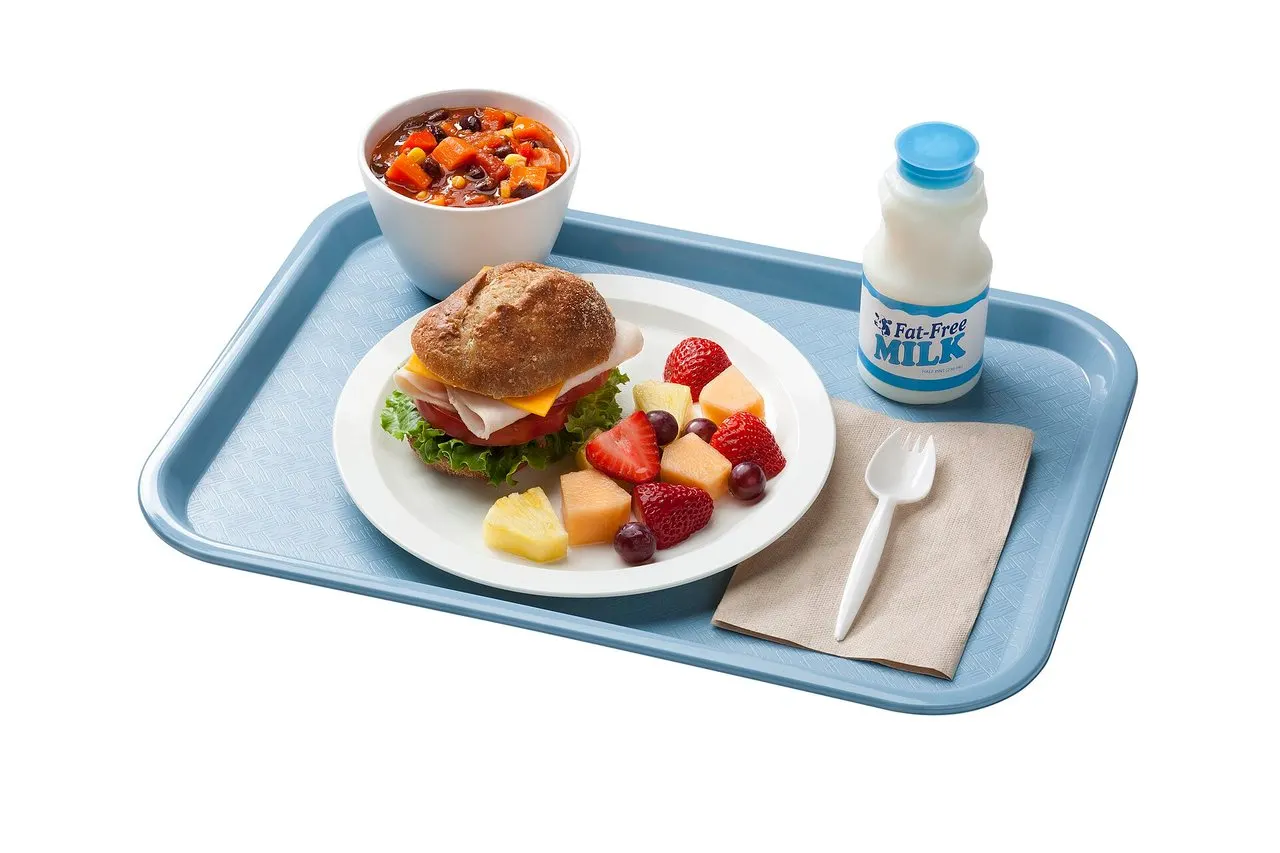
Guidance takes a year, but the order already sends a signal to every agency kitchen. Menus are planned months ahead, and cooks will start to ask new questions about suppliers and labels. Agencies that already offer halal and kosher meals can share what they know. Those that do not can start to plan now instead of waiting for the deadline. Change in a city this size starts with small steps in many kitchens. Read our report on the fight over the largest ICE detention center.
What Do You Think of Halal Meals in City Programs?

Mayor Mamdani has signed the order, and the city now has a year to turn it into real meals on real trays. The plan will only work if the people who eat the food say it meets their needs. Would you welcome halal and kosher meals in your school, hospital or senior center? What would you like the new labels to show? Share your thoughts in the comments and keep reading our story on the study on armed schools.