Fuel Price Rollback Expected Again Next Week in the Philippines
Fuel price rollback is expected again next week in the Philippines, and motorists have good reason to welcome the news. Diesel is projected to drop by P2.35 to P2.55 per liter, while gasoline is set to fall by P2.00 to P2.15 per liter, according to the Philippine Star. The estimates come from four days of trading in the regional fuel benchmark, which guides the weekly price moves in the country. Oil firms are expected to announce the final adjustments on Monday, and the new prices will take effect on Tuesday.
In the slides ahead we look at what the rollback means for diesel and gasoline users, how the weekly price system works, and why small cuts still matter to families and drivers across the country. The story is based on the report by Brix Lelis and on four news references that all point to the same good news for the pump. For more on fuel prices in the Philippines, read our earlier report on the projected rollback.
References:
Balita: Fuel prices going down by P2/liter
Philippine News Agency: Another oil price cut looms next week
BusinessWorld: Another oil price cut due this week
The Chronicle: Fuel prices expected to drop anew next week
Diesel Drops by as Much as P2.55 per Liter
Diesel is the fuel that keeps much of the Philippines moving, and the projected cut of P2.35 to P2.55 per liter is welcome news for the people who use it most. Trucks, buses and jeepneys all run on diesel, so a lower price at the pump can ease costs for drivers who spend long hours on the road. The estimate comes from four days of trading in the regional fuel benchmark, and oil firms will confirm it on Monday. Read our earlier report on the projected rollback.
Gasoline Gets Cheaper by Up to P2.15 per Liter
Gasoline is the fuel most private cars and motorcycles use, and the projected cut of P2.00 to P2.15 per liter will be felt by millions of drivers. A family car that fills up once a week will pay a little less at every visit to the pump, and the savings add up over a month. The estimate is based on four days of trading in the regional fuel benchmark, the same guide oil firms use each week. Read how gas prices became a political flashpoint.
Four Days of Trading Set the Fuel Price Rollback
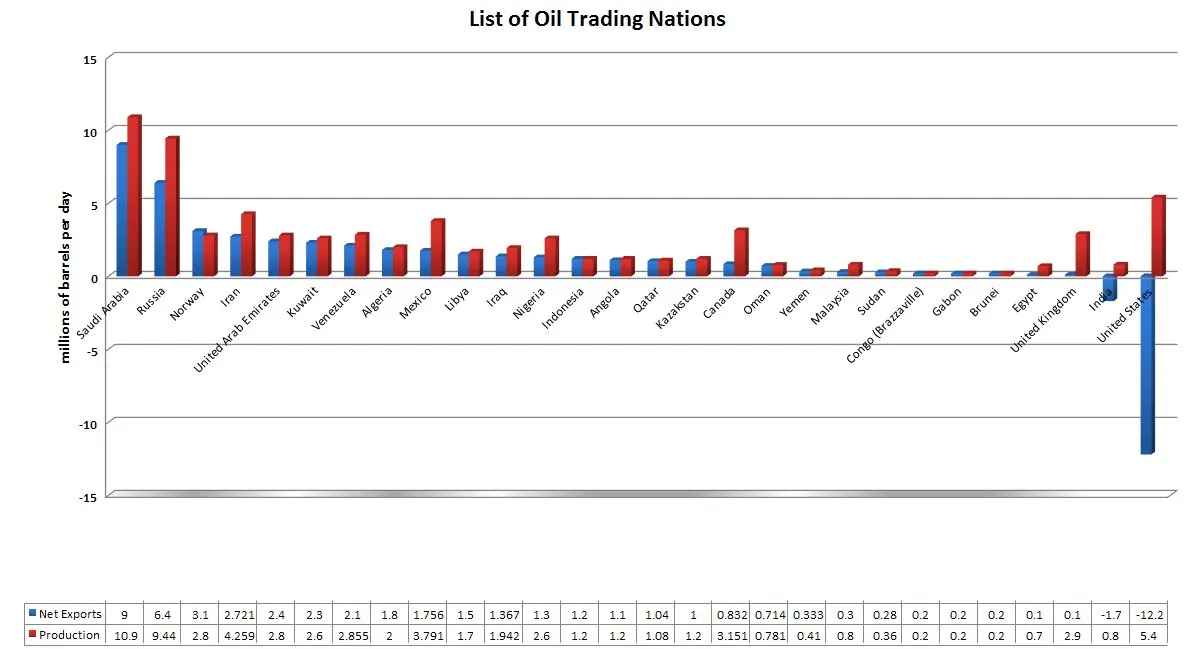
The estimates for next week come from four days of trading in the regional fuel benchmark, the guide that oil firms watch when they set local pump prices. When the benchmark moves down over those four days, the local price is expected to follow. That is why the Philippine Star could report the projected cuts days before the official announcement. The final numbers will be confirmed on Monday. Read our earlier report on the projected rollback.
Oil Firms Announce on Monday and Prices Change on Tuesday
Oil firms in the Philippines are expected to announce the final price adjustments on Monday, and the new prices will take effect on Tuesday. That weekly rhythm is familiar to motorists, who often check the news on Monday to plan their fill up. A driver who can wait until Tuesday will pay the lower price, while one who fills up on Monday still pays the old rate. Read how gas prices became a political flashpoint.
The Philippine Star First Reported the Fuel Price Rollback
The news of the coming cuts was reported by the Philippine Star, with Brix Lelis sharing the estimates for diesel and gasoline. The report gave motorists an early look at the numbers before the oil firms make their official announcement on Monday. Other newsrooms carried the same message, from Balita to the Philippine News Agency, BusinessWorld and The Chronicle. Read our story on the visit that brought the Philippines into the spotlight.
What the Cheaper Fuel Means for Motorists

For the ordinary motorist, a rollback of more than two pesos per liter is real money back in the pocket. A driver who uses a full tank each week will notice the difference at the pump, and a family that runs two cars will feel it twice over. Cheaper fuel also takes a little pressure off household budgets at a time when many costs keep climbing. Read the debate over gas and diesel prices in the United States.
Jeepney Drivers Feel Every Fuel Price Rollback
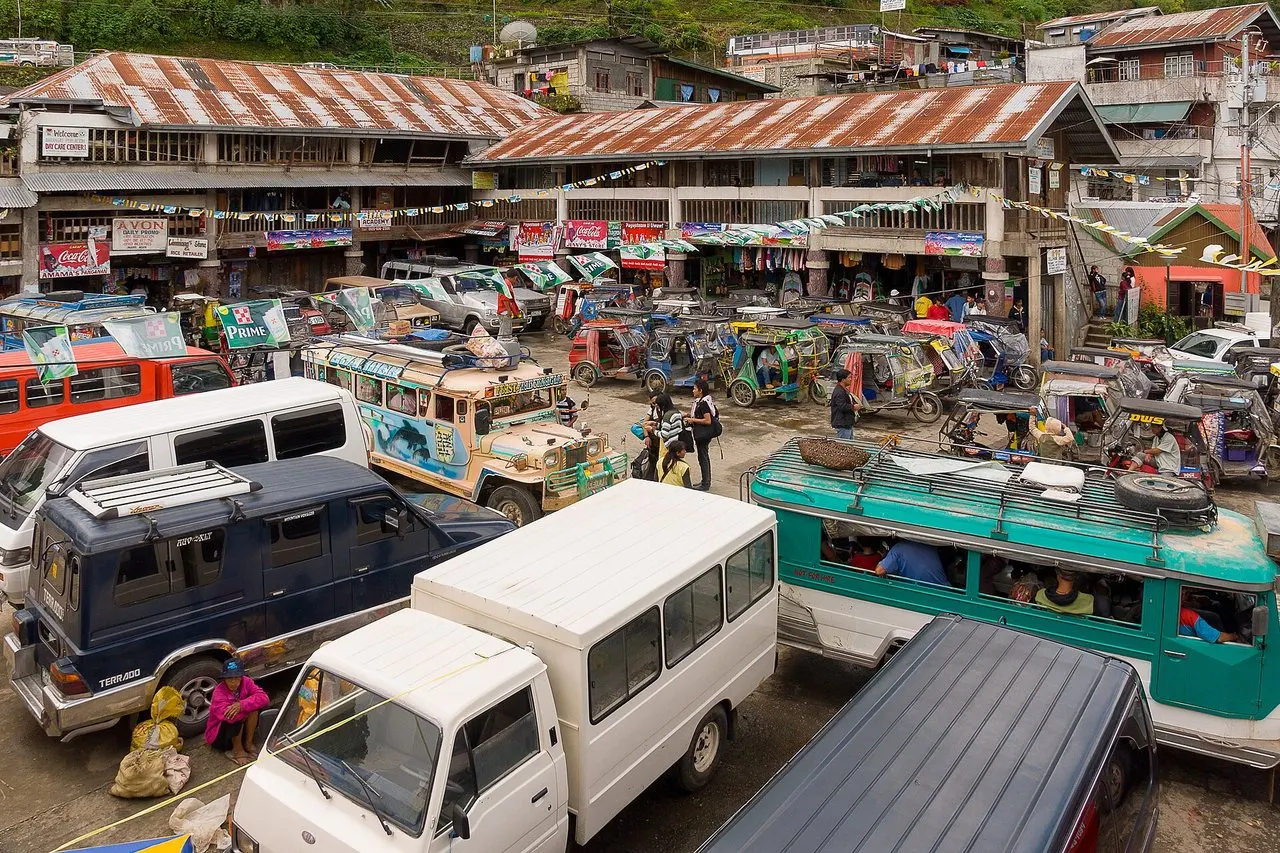
Jeepney drivers are among the people who feel fuel prices most, because diesel is their biggest daily cost. A cut of more than two pesos per liter means a driver keeps a little more of each fare at the end of a long day on the road. Jeepneys carry millions of commuters across Philippine cities, so cheaper diesel helps both the drivers and the people who ride. Read our story on the visit that brought the Philippines into the spotlight.
Motorcycle Riders Save a Little on Every Trip
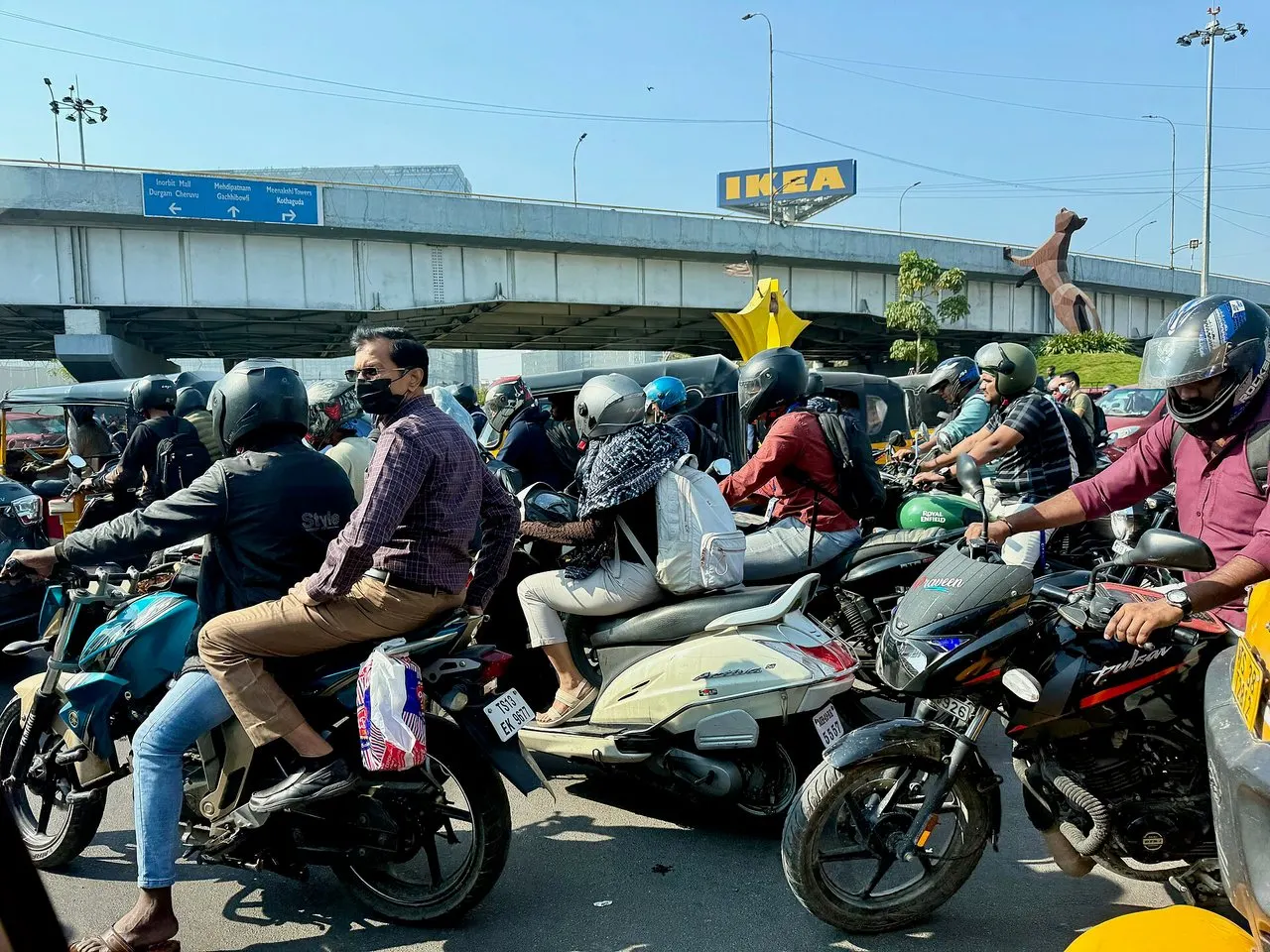
Motorcycles are one of the most common ways to get around Philippine cities, and most of them run on gasoline. A cut of P2.00 to P2.15 per liter may look small on one fill up, but riders who top up every day or two will see the savings grow through the week. Delivery riders, who spend all day on the road, will feel the difference most of all. Read the plan to end horse drawn carriages in New York.
How the Regional Benchmark Shapes the Fuel Price Rollback
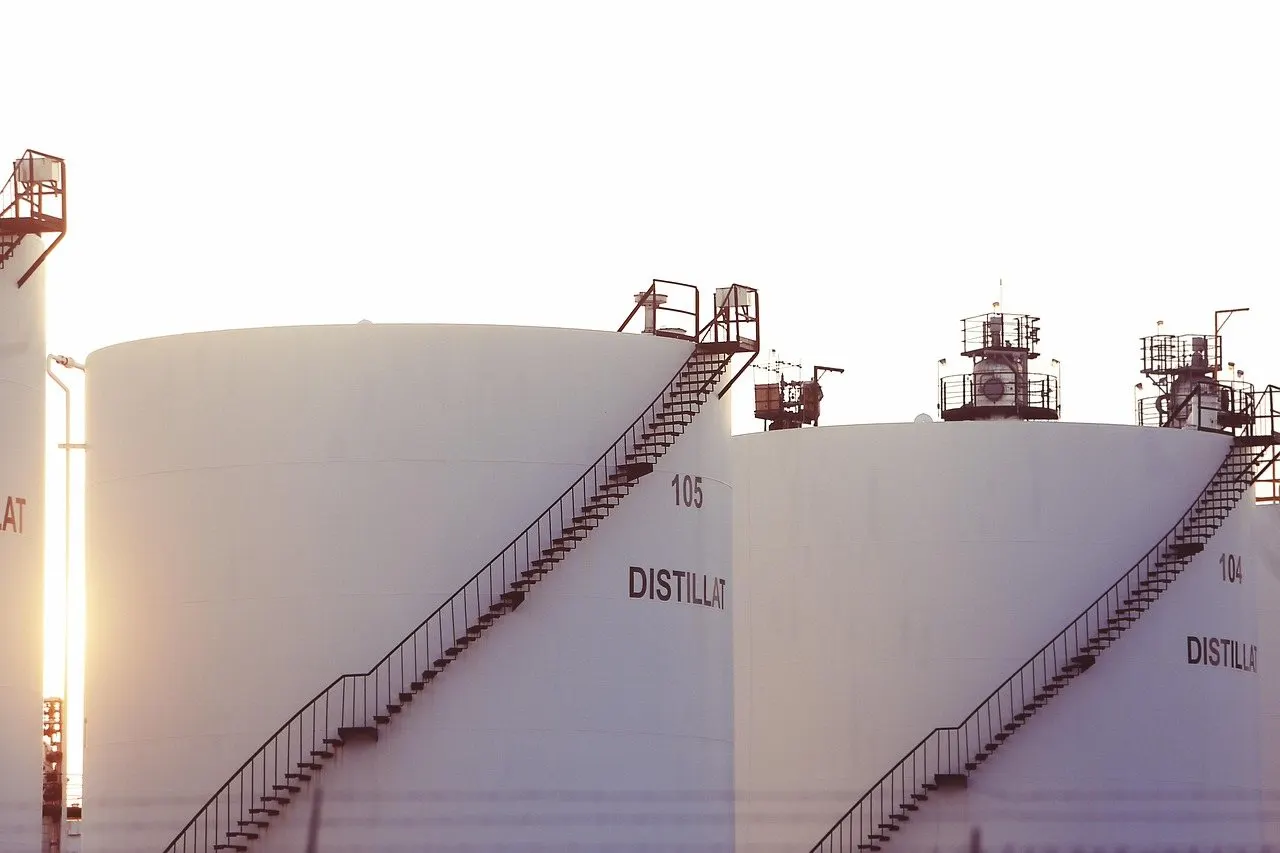
Fuel prices in the Philippines follow the regional fuel benchmark, which tracks the cost of refined fuel in the region. Oil firms watch four days of trading in that benchmark, then use the movement to work out the local adjustment for the week. When the benchmark falls, as it did this week, a rollback follows. It is a simple link between world markets and the pump. Read the probe into energy deals in Texas.
World Oil Markets Help Push Philippine Prices Down
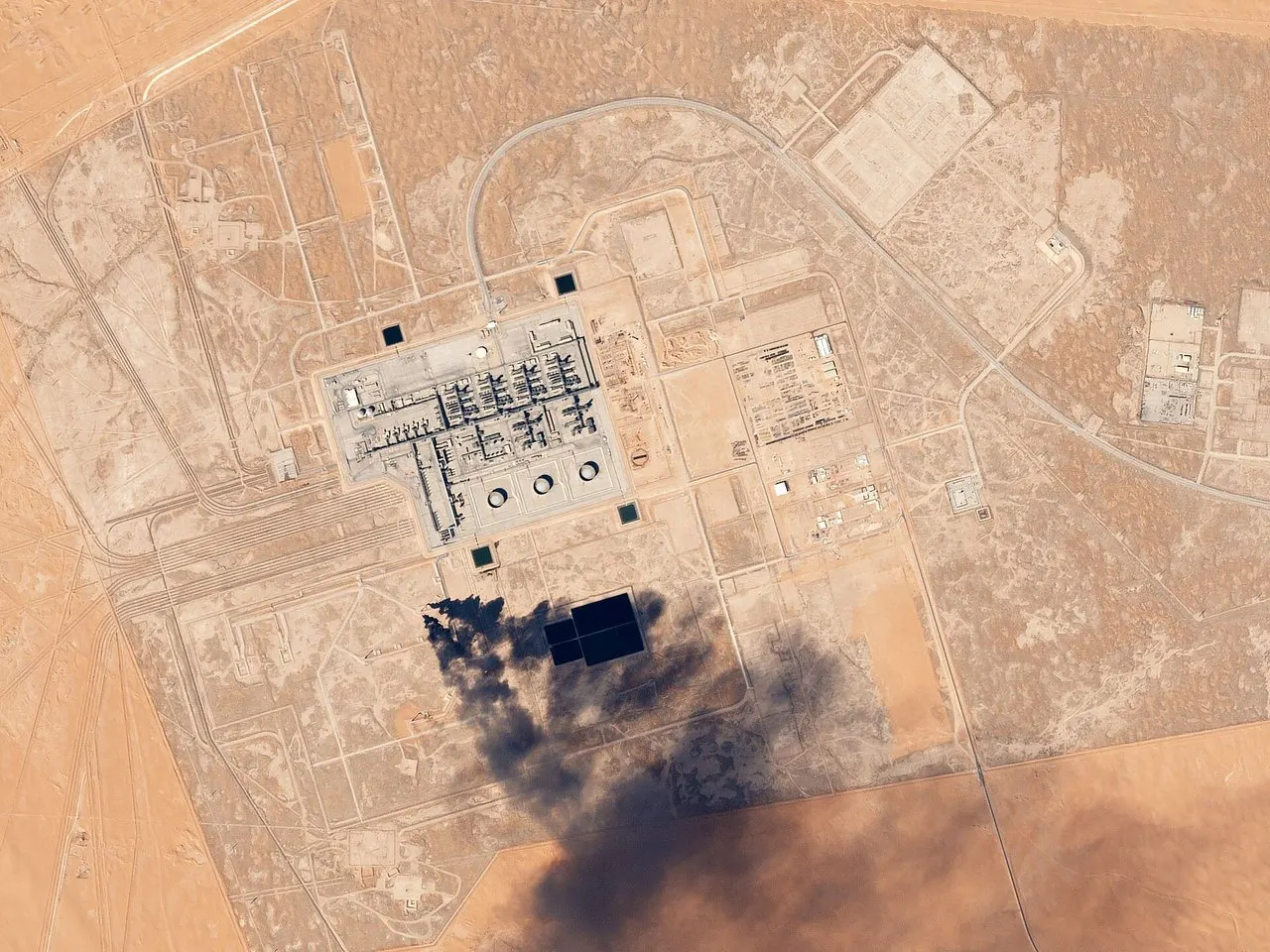
The Philippines buys much of its fuel from abroad, so world oil markets matter to every driver in the country. When global supply is steady and demand softens, the regional benchmark eases, and local prices follow it down. This week the trading pointed to lower prices, which is why the rollback is expected. It is a reminder that the pump price is tied to events far away. Read the big trade trip that made headlines in China.
Why Fuel Prices Move Up and Down Each Week
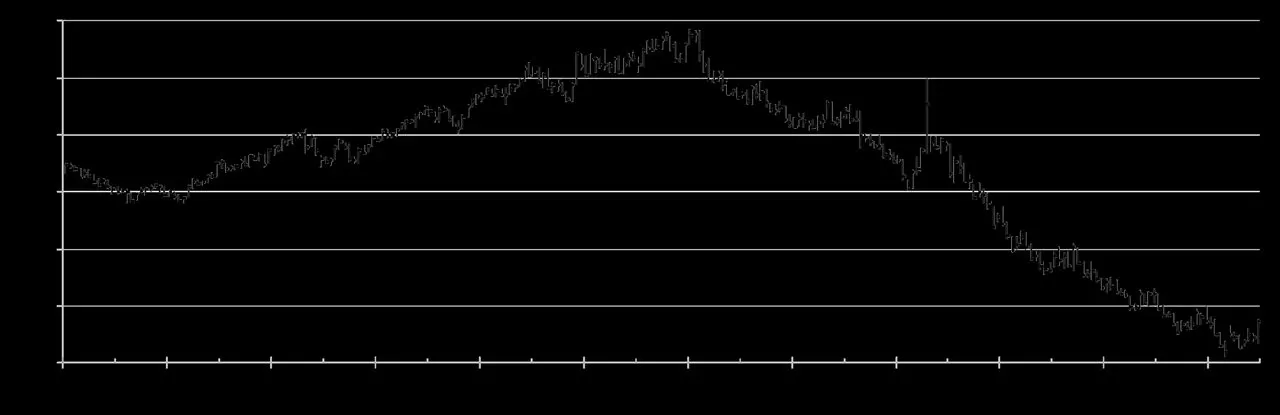
Fuel prices move each week because the cost of oil and refined fuel never stands still. Trading in the regional benchmark reacts to supply, demand and news from oil producing countries, and those moves show up at Philippine pumps within days. Some weeks bring a rollback and some bring a hike, which is why drivers watch the Monday announcements closely. Read the row over a historic meeting in Shenzhen.
Diesel Keeps Trucks and Deliveries Moving
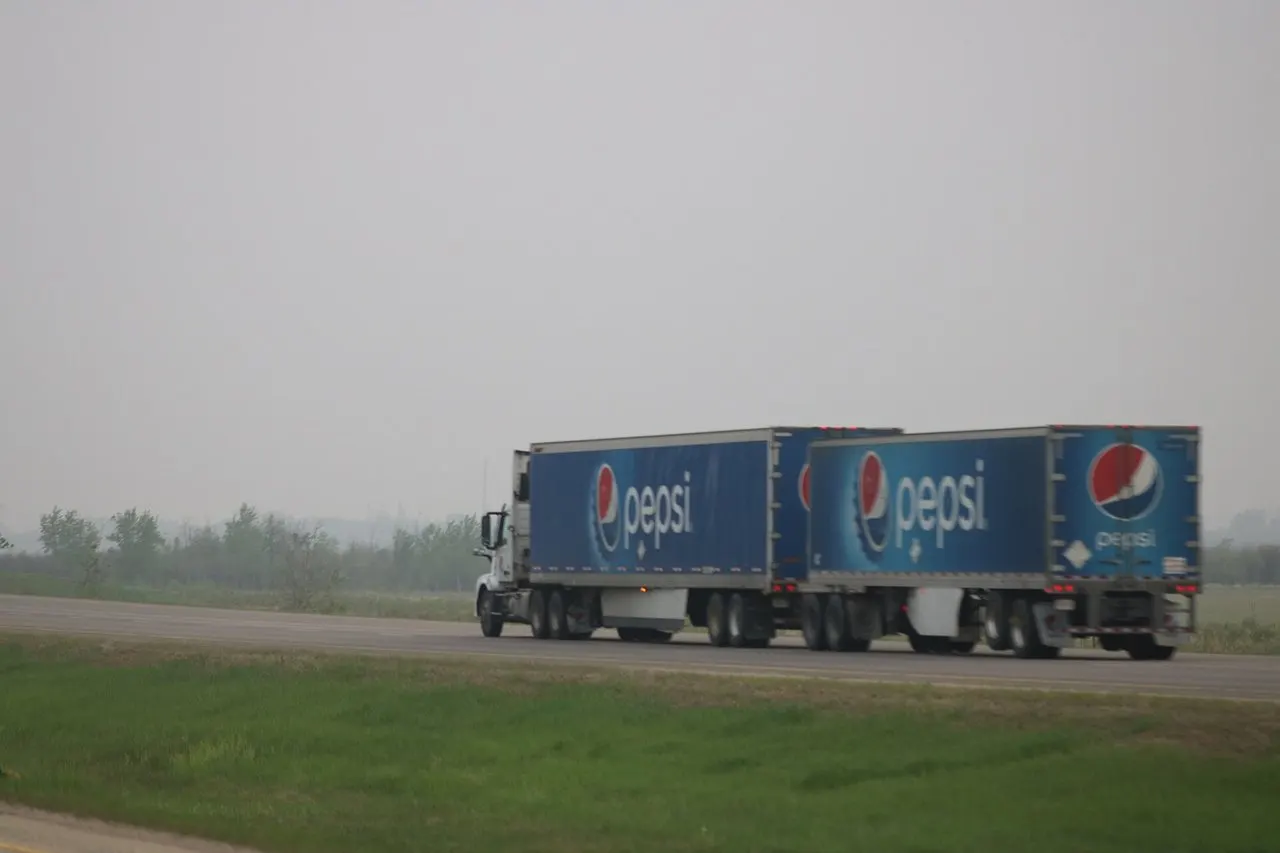
Trucks that carry food and goods across the country run on diesel, so a diesel rollback helps more than drivers. When transport costs fall, the pressure on the price of rice, vegetables and other goods eases a little too. That is why a cut in diesel is good news even for people who never drive a car. Read the historic vote for a new House Speaker.
A Full Tank Costs Less After the Fuel Price Rollback
A driver filling a full tank next week will pay less than this week, and the saving is easy to work out. With diesel down by more than two pesos per liter, a 40 liter fill up costs over 90 pesos less, and a gasoline fill up saves a similar amount. It is not a fortune, but it is money that stays in the family budget. Read the fight over delivery fees and rising prices in New York.
A Second Straight Week of Cheaper Fuel
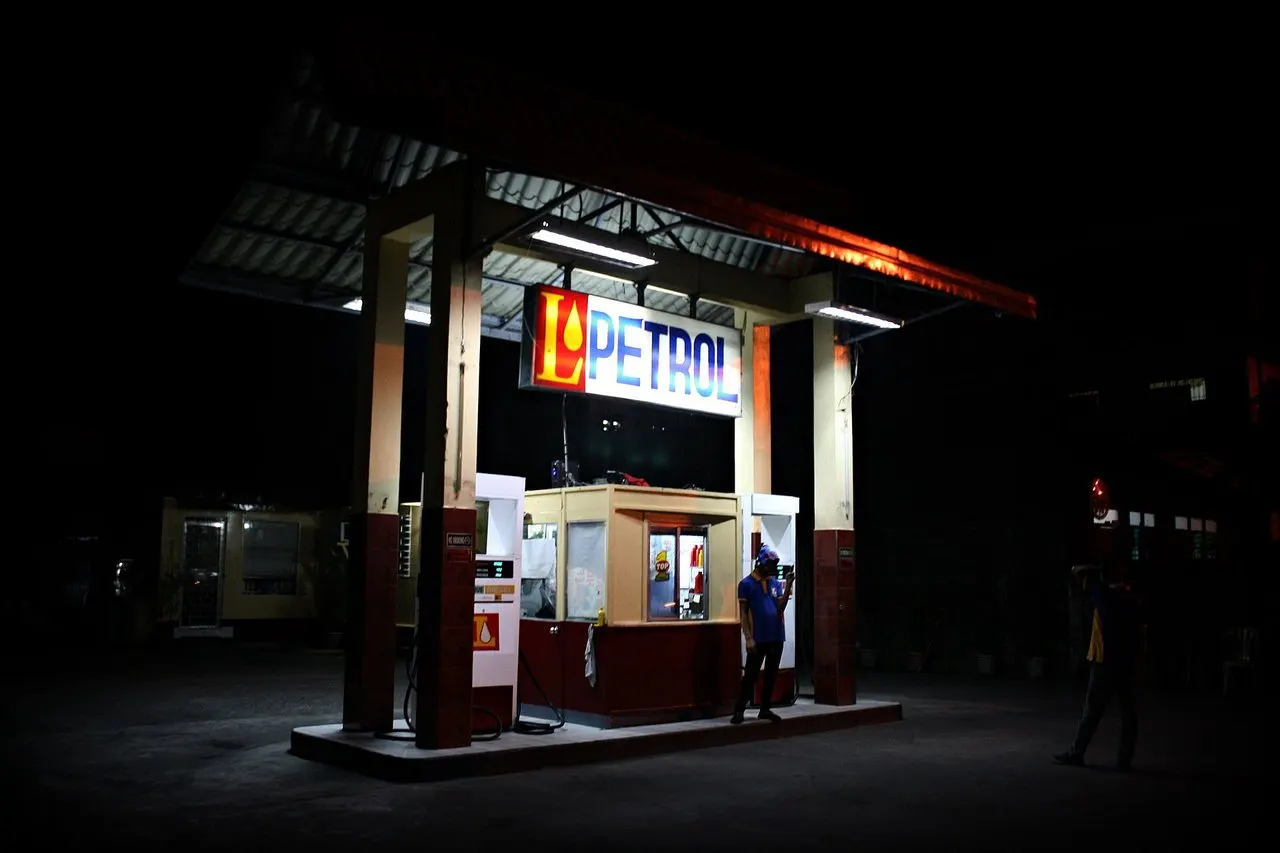
The coming rollback is not the first sign of relief for motorists, since the reports all speak of prices dropping anew. Balita put it plainly with the headline that fuel prices are going down by P2 per liter, while the Philippine News Agency said another oil price cut looms next week. BusinessWorld and The Chronicle carried the same message. Read how gas prices became a political flashpoint.
Should You Wait Until Tuesday to Fill Up
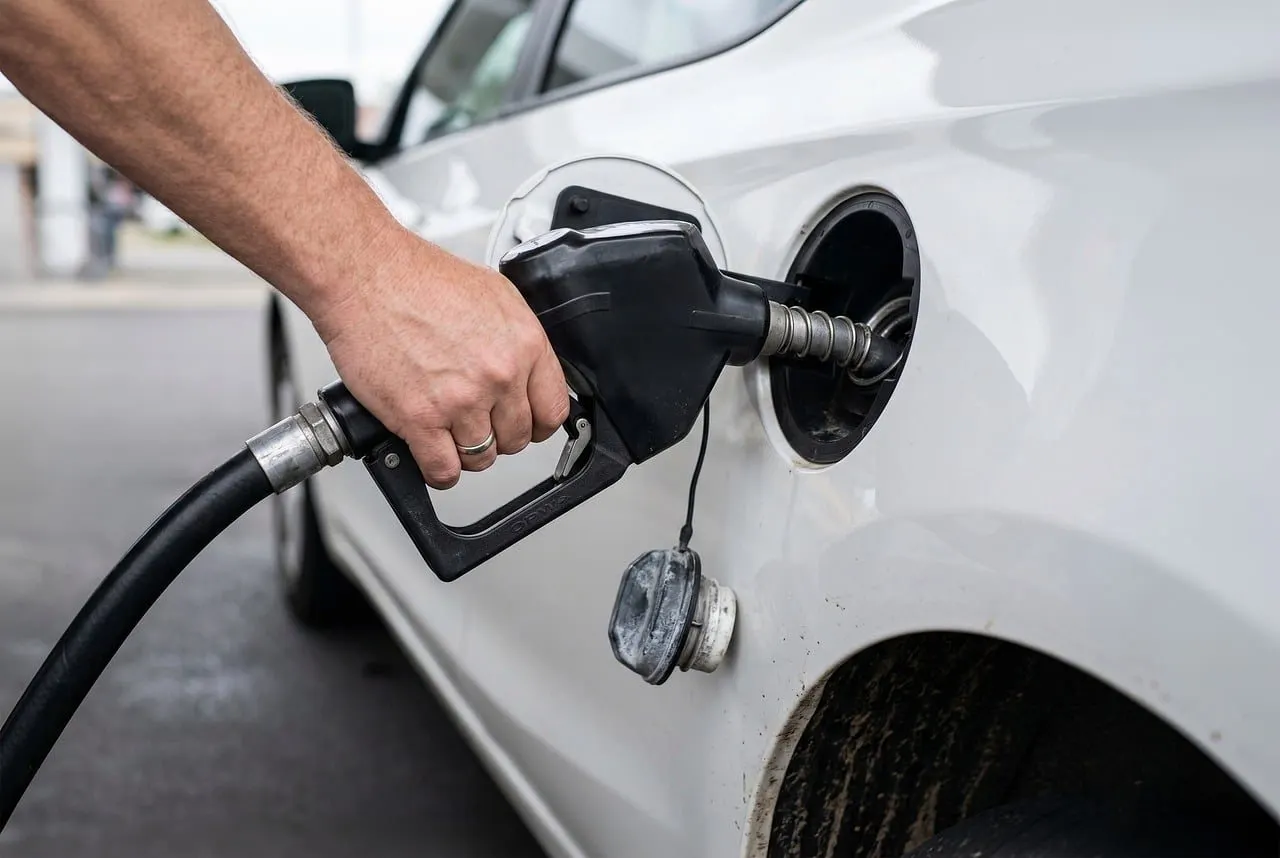
With new prices taking effect on Tuesday, many drivers will plan their fill up around that day. If the tank can last until Tuesday, waiting means paying the lower price on every liter. If the tank is nearly empty on Monday, a small top up can bridge the gap until the rollback lands. It is a small choice that saves real money. Read the joke about meeting dictators before Congress.
Cheaper Fuel Can Ease Pressure on Goods and Fares
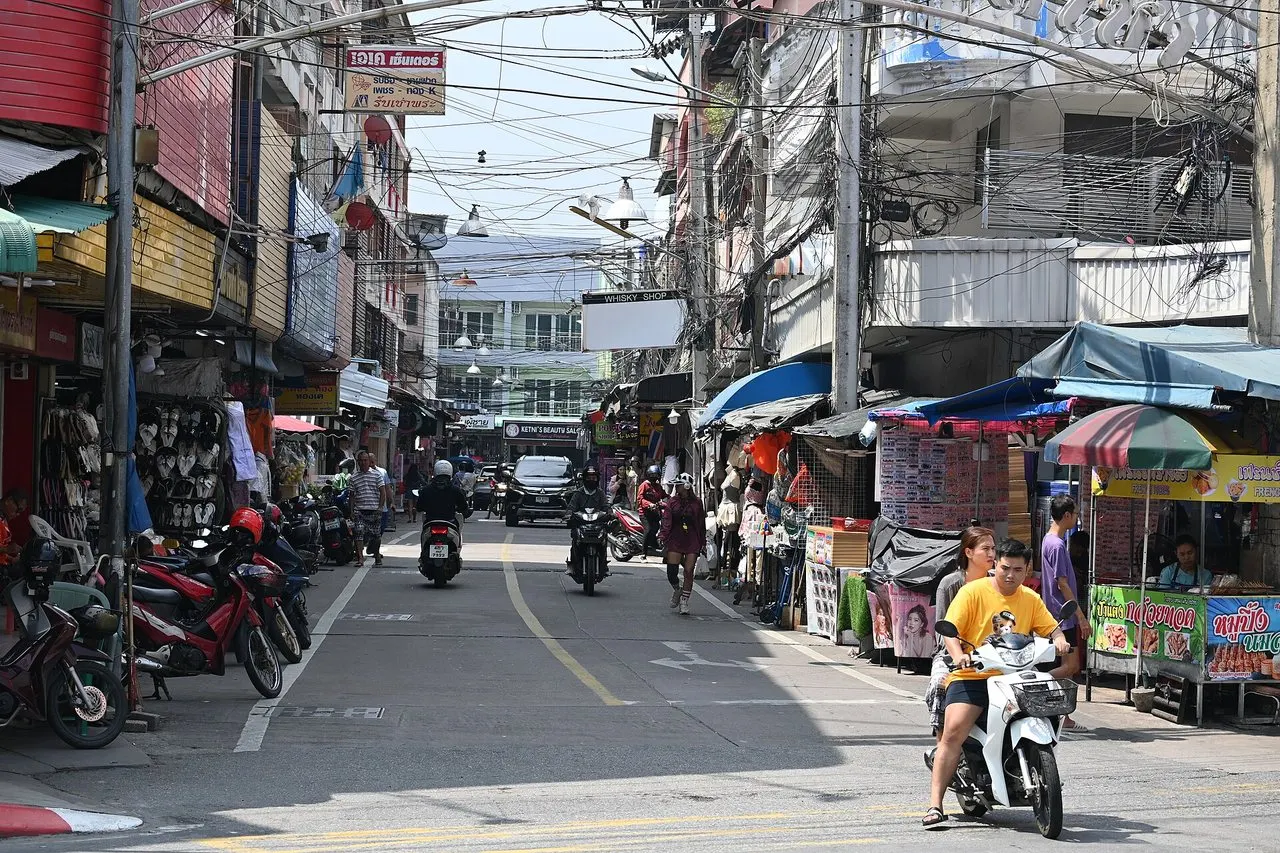
Fuel is part of the cost of almost everything that moves, from market goods to bus and jeepney fares. When diesel gets cheaper, vendors and drivers spend less to bring goods to market and to carry passengers across town. The savings may be small at first, but they help keep prices steady for shoppers and commuters alike. Read the probe into energy deals in Texas.
The Weekly Routine Behind Each Fuel Price Rollback
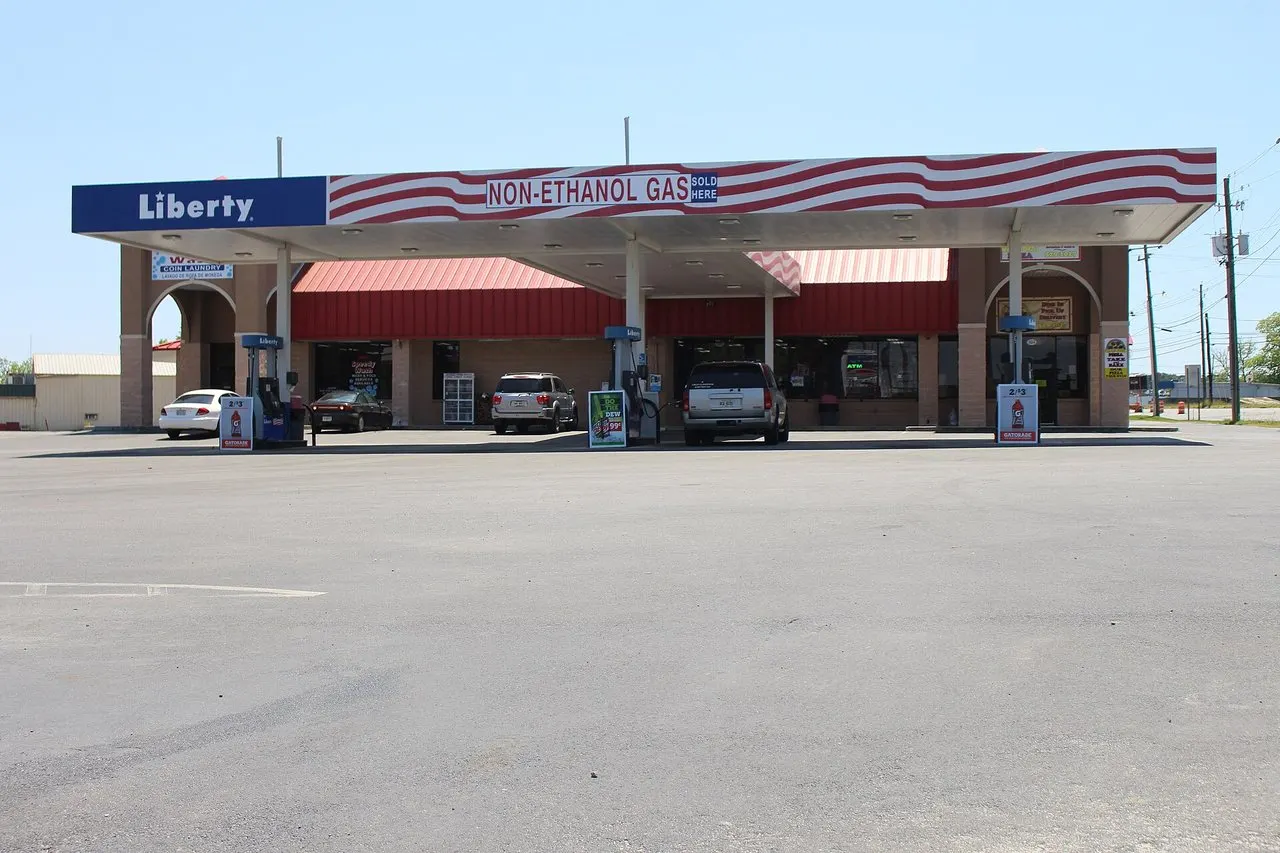
The Monday announcement and Tuesday price change are part of a weekly routine that oil firms follow all year. Traders watch the regional benchmark, firms work out the adjustment, and the news goes out on Monday so drivers know what to expect. Motorists have learned to check the headlines at the start of each week. Read the joke about meeting dictators before Congress.
How to Check the New Prices Before You Drive
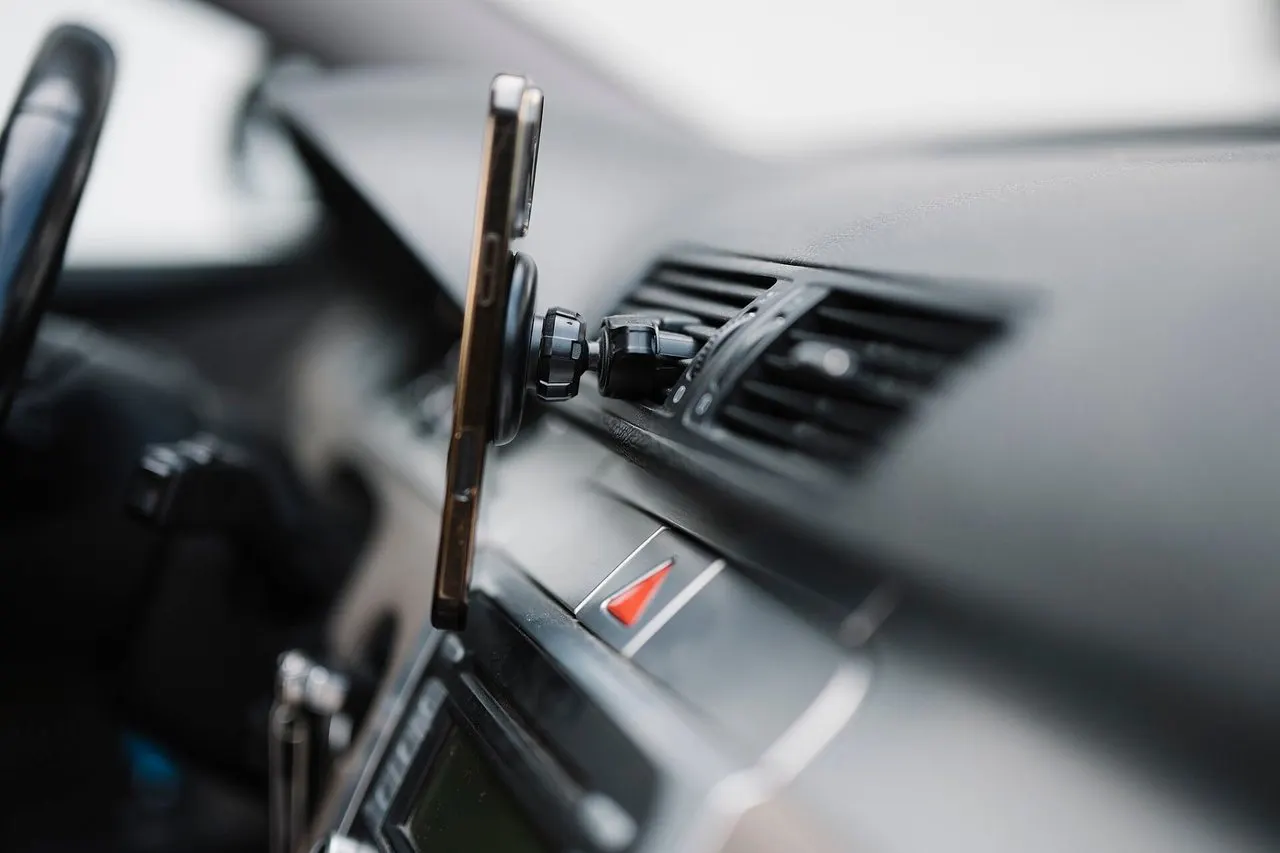
Drivers do not have to guess what they will pay, since the new prices are published widely on Monday. News sites, radio and social media all carry the announcement from the oil firms, and many drivers check their phones before they head out. Knowing the price in advance makes it easy to plan the cheapest time to fill up. Read the late night roast of a summit in China.
Manila Roads Stay Busy Even as Fuel Gets Cheaper
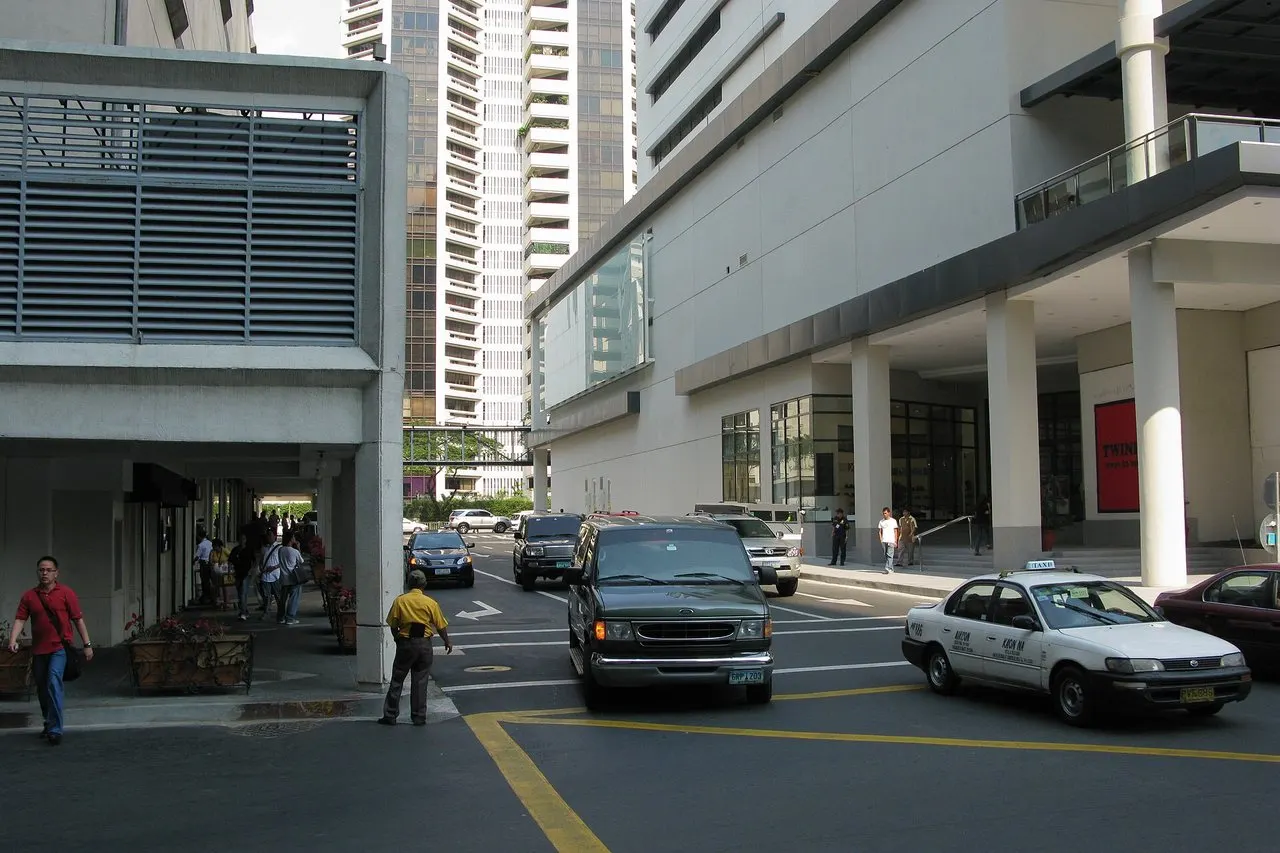
Cheaper fuel does not clear the traffic on Manila roads, but it does make the daily crawl a little less costly. Cars, buses and jeepneys crowd the streets of Makati and the rest of the capital every day, and every liter burned in traffic is money spent. A rollback softens that cost for the thousands of people who drive for work. Read a holiday loaf that starts with easy dough.
Simple Ways to Stretch Every Liter Further
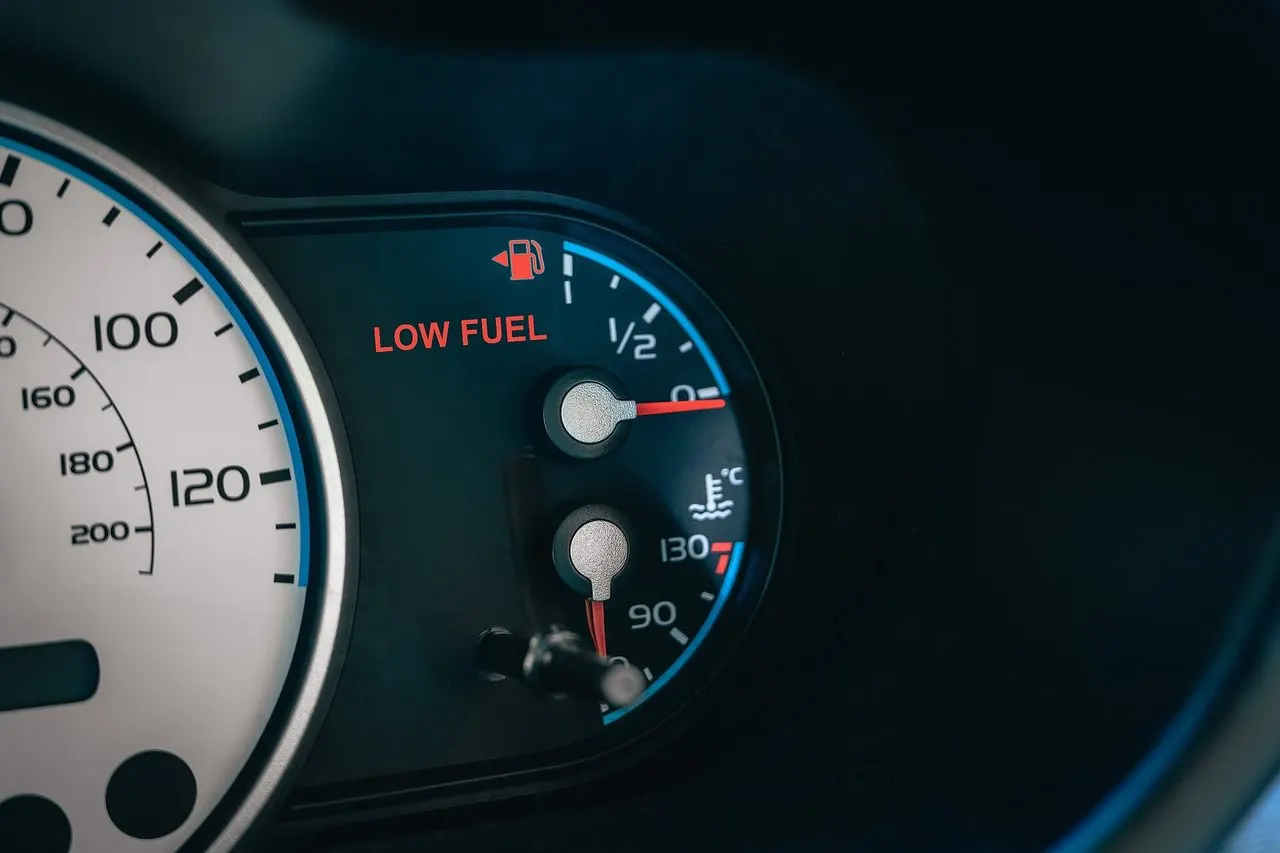
A rollback helps, but drivers can save even more with a few simple habits. Keeping tires pumped up, driving at a steady speed and avoiding heavy loads all help a car use less fuel. Turning off the engine during a long wait and keeping up with regular maintenance also make a difference. Looking after your health on long trips matters too, and a cancer treatment that uses sound waves shows how medical research keeps moving forward. Read a golden retriever with a cheeky question at the bank for a lighter moment.
Commuters Hope the Fuel Price Rollback Reaches Fares
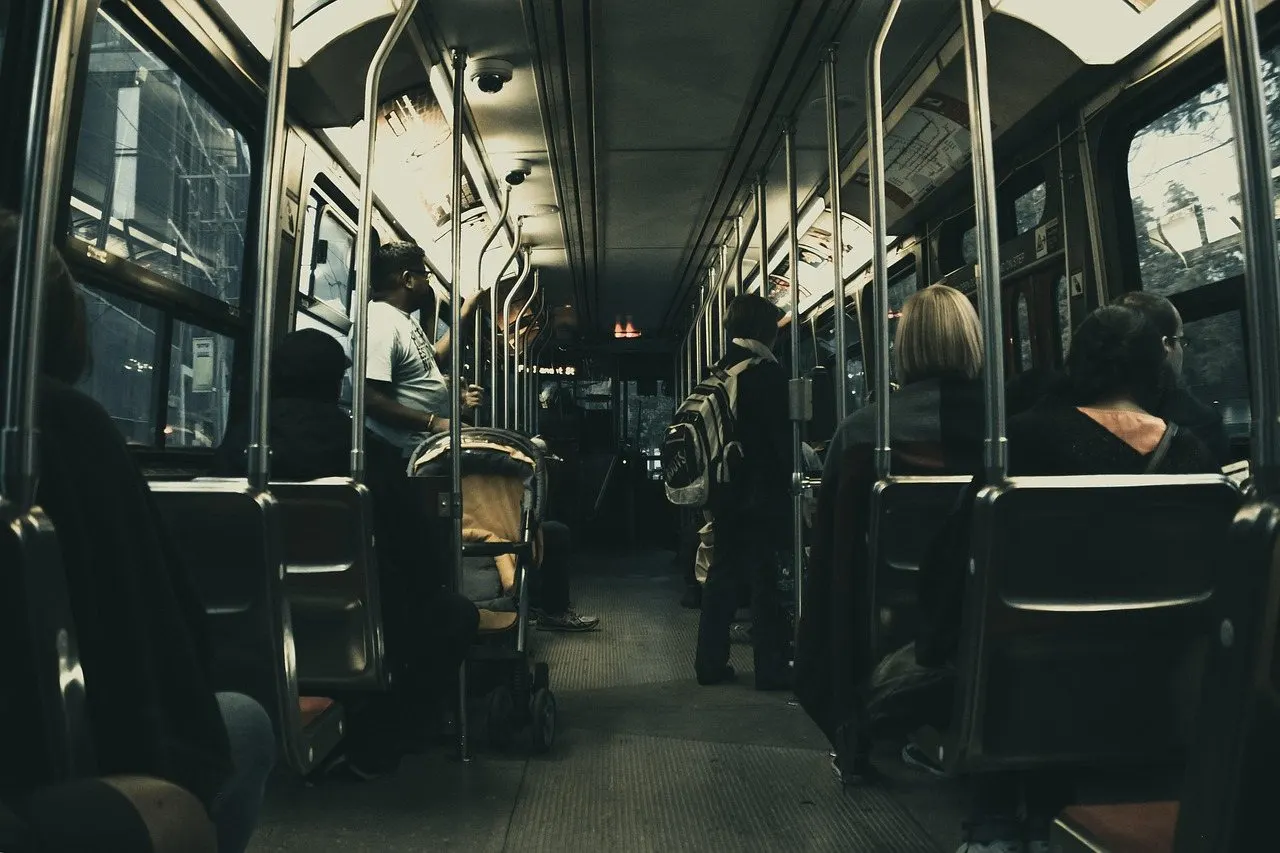
Commuters who ride buses and jeepneys every day hope that cheaper diesel will keep fares steady. When fuel costs fall, operators face less pressure to ask for higher fares, and that protects the daily budget of workers and students. A rollback at the pump can mean calm at the fare box too. Read the plan to end horse drawn carriages in New York.
Fuel Prices Have Swung All Year
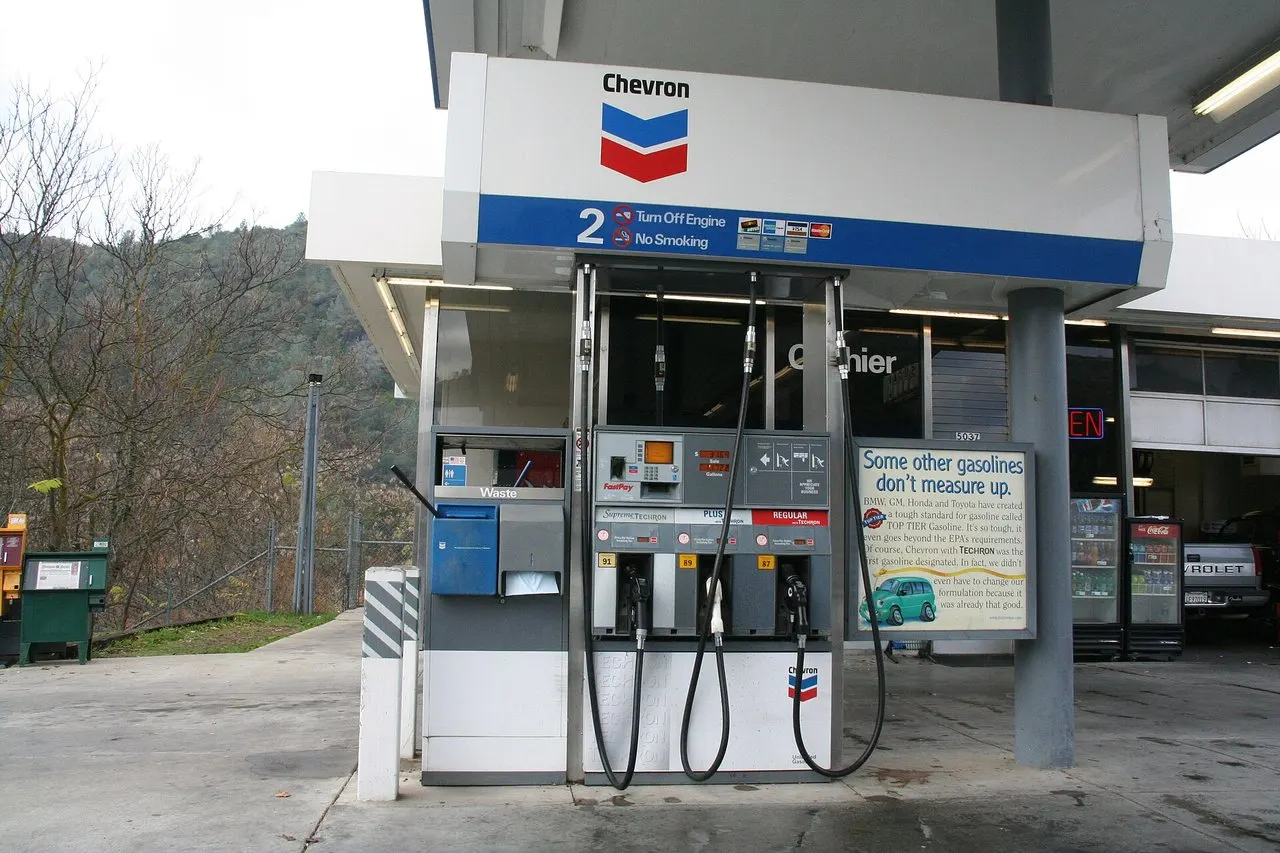
Fuel prices have moved up and down all year, with rollbacks and hikes taking turns at the pump. Each week brings a fresh announcement, and drivers have learned to take the good weeks with the bad. This week is a good one, with diesel and gasoline both set to fall by more than two pesos per liter. Read the questions about friendship with world leaders.
How to Read a Fuel Price Announcement

A fuel price announcement is easy to read once you know what to look for. It gives the change per liter for diesel and gasoline, the day the new price takes effect, and the reason behind the move, usually the regional benchmark. The Philippine Star report gave all three, with the numbers, the Tuesday start and the four days of trading. Read the questions about friendship with world leaders.
Small Savings From the Fuel Price Rollback Add Up
Two pesos per liter may sound small, but it adds up fast for people who drive every day. A jeepney driver, a delivery rider or a family with a long commute can save hundreds of pesos over a month of cheaper fuel. That money can go to food, school costs or a little extra for the family. Read a promise about never paying a bill again.
What Will You Do With Your Fuel Price Rollback Savings
The rollback lands on Tuesday, and the question now is what you will do with the savings. Will you fill up early and enjoy the lower price, plan a trip you have been putting off, or simply keep the extra pesos for the week ahead? Whatever you choose, the cheaper fuel is a welcome break for motorists. Tell us in the comments what you will do with the savings, and keep reading a family celebrating a new grandchild.