Texas ICE Camp: Two Men Lost 11 Days Apart
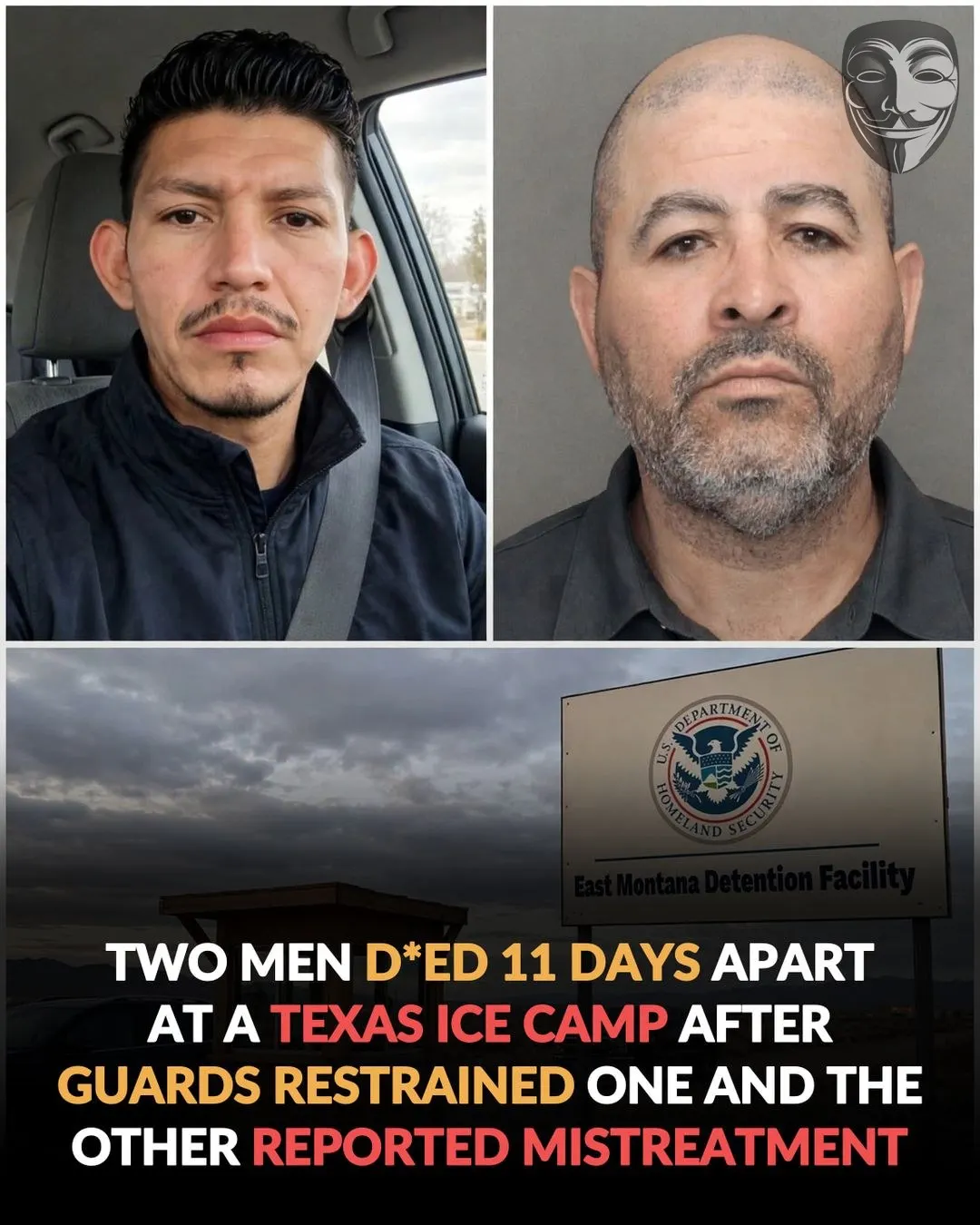
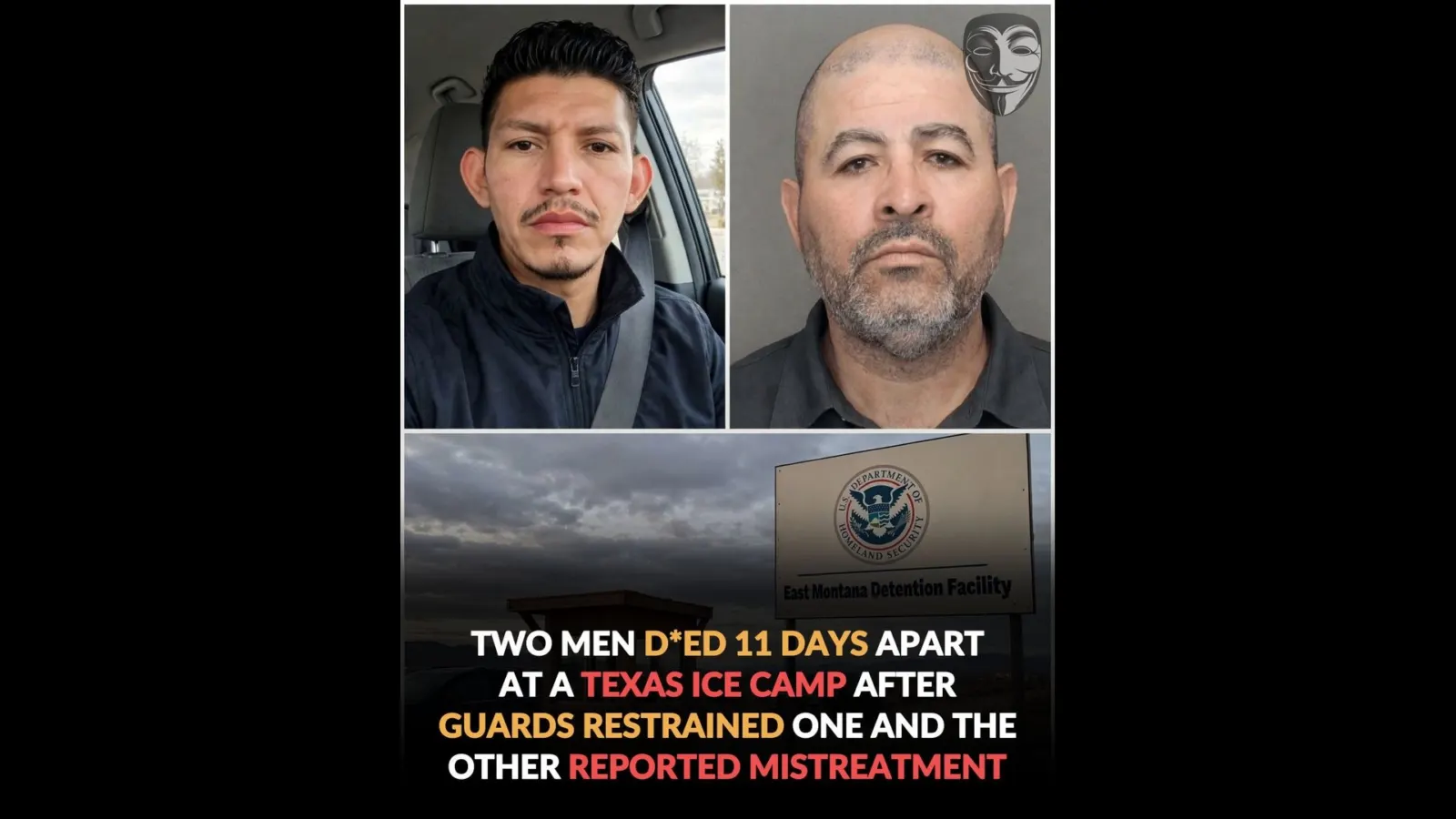
Texas ICE camp in El Paso is where two men lost their lives just 11 days apart, and their stories have raised hard questions across America. Victor Manuel Diaz, 36, from Nicaragua, had told staff he had been harassed and possibly abused. Eleven days earlier, Geraldo Lunas Campos, 55, from Cuba, died after four guards restrained him. Both men were held at Camp East Montana, the biggest immigration detention camp in the country.
In the slides ahead we look at who these two men were, what happened inside the camp, and why lawmakers are now asking for answers. The details come from the camp’s own reports, the medical examiner, and records released through public records requests. You can also read how ICE deportation flights vanished from public trackers for more on the news shaping the country right now.
References:
Mother Jones: A Tiny Firm Was Hired to Run ICE’s Biggest Detention Facility, Here’s How It All Imploded
Particle News: ICE Reports Third De*th at Camp East Montana as Agency Cites Presumed Self crisis
Arizona Daily Star: Camp East Montana, 3 de*ths, a year of violations
YAC News: A detainee’s de*th at ICE’s largest camp was ruled a homicide, GAO found the evidence missing or destroyed
A Camp Bigger Than Any Other in America

Camp East Montana in El Paso is the biggest immigration detention camp in America, a huge site built to hold thousands of people waiting on their immigration cases. Its size is part of the story, because a place that big needs strong staff, clear rules, and steady watch over the people inside. When two men died there in less than two weeks, the size of the camp made the questions even louder. Read how Poland stopped thousands at its border in one day.
Victor Manuel Diaz, 36, From Nicaragua

Victor Manuel Diaz was 36 years old and came from Nicaragua in 2024. He was sending money home so his family could save for a house, a dream shared by many who leave home to work in America. His family says he had no criminal case behind his arrest, only a missed immigration court date. He was a son and a brother trying to build a better life. Read the family found at home after a daughter’s 911 call.
Geraldo Lunas Campos, 55, From Cuba

Geraldo Lunas Campos was 55 years old and came from Cuba. He was the first of the two men to die at the camp, eleven days before Diaz. His death was ruled a homicide by the medical examiner, a finding that turned a detention death into a criminal question. His family and the public are still waiting for a full account of what happened to him. Read Trump’s trip to China and the deals that came with it.
Eleven Days That Shook the Texas ICE Camp

Eleven days passed between the two deaths, a short span that shocked even people used to bad news from detention centers. Two men, two different stories, one camp, and less than two weeks apart. The timing is why the story spread so fast, and why it stayed in the news. When deaths come that close together, people ask what went wrong. Read the remarks that outraged Muslims across America.
Four Guards on Top of One Man
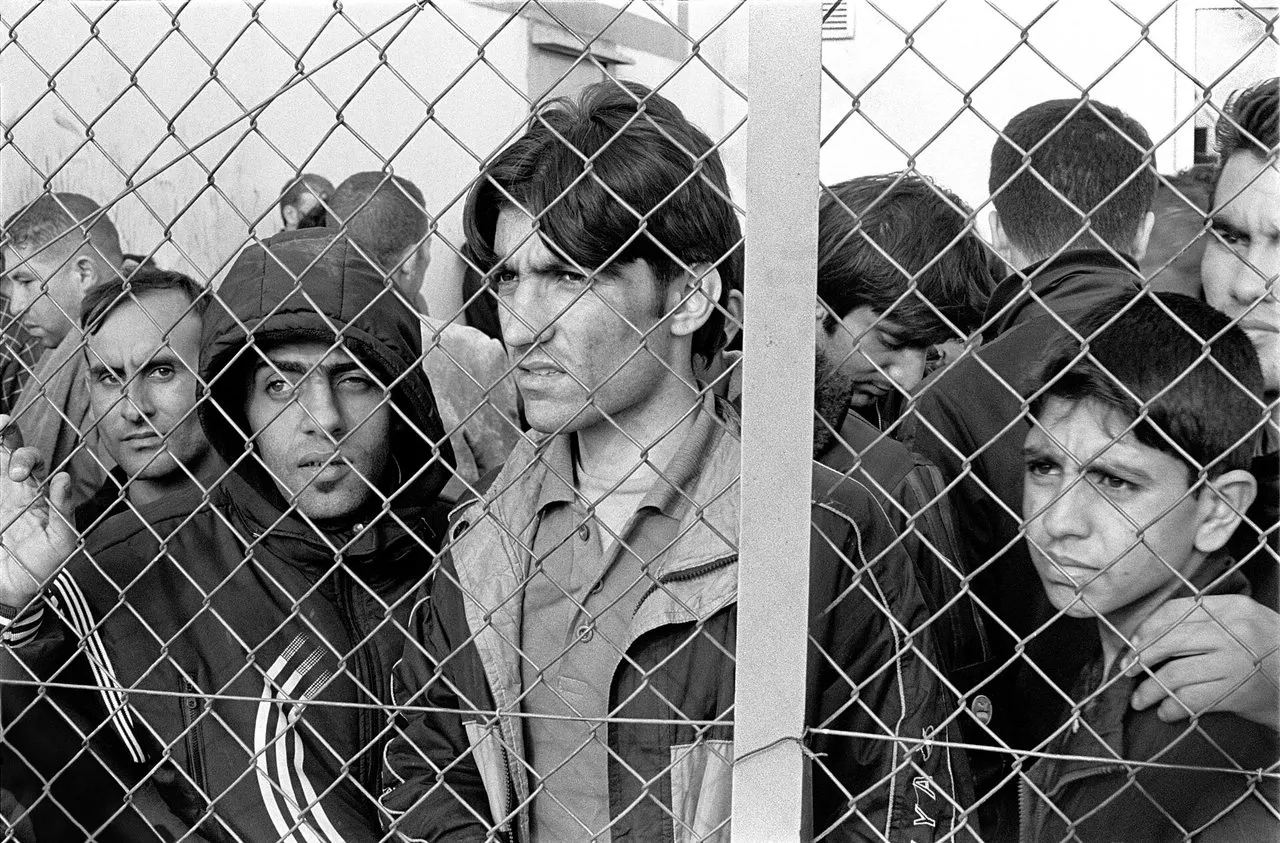
According to ICE’s own internal report, four guards were on top of Geraldo Lunas Campos, and one had an arm around his neck. The medical examiner ruled his death a homicide by neck and torso compression, which means pressure on his neck and chest stopped him from breathing. Those words, from the government’s own records, are the heart of this story. Read the legal fees fight over Trump’s case.
A Report of Harassment and Abuse

Eight days after his arrest, Victor Manuel Diaz told staff at the camp that he had been harassed and possibly abused. It takes courage to report something like that while locked inside a detention center, far from home and family. His report should have set off extra care and close watch. Instead, what followed has become the most painful part of the story. Read Trump’s long flight home from China.
The Holding Room With Too Few Checks
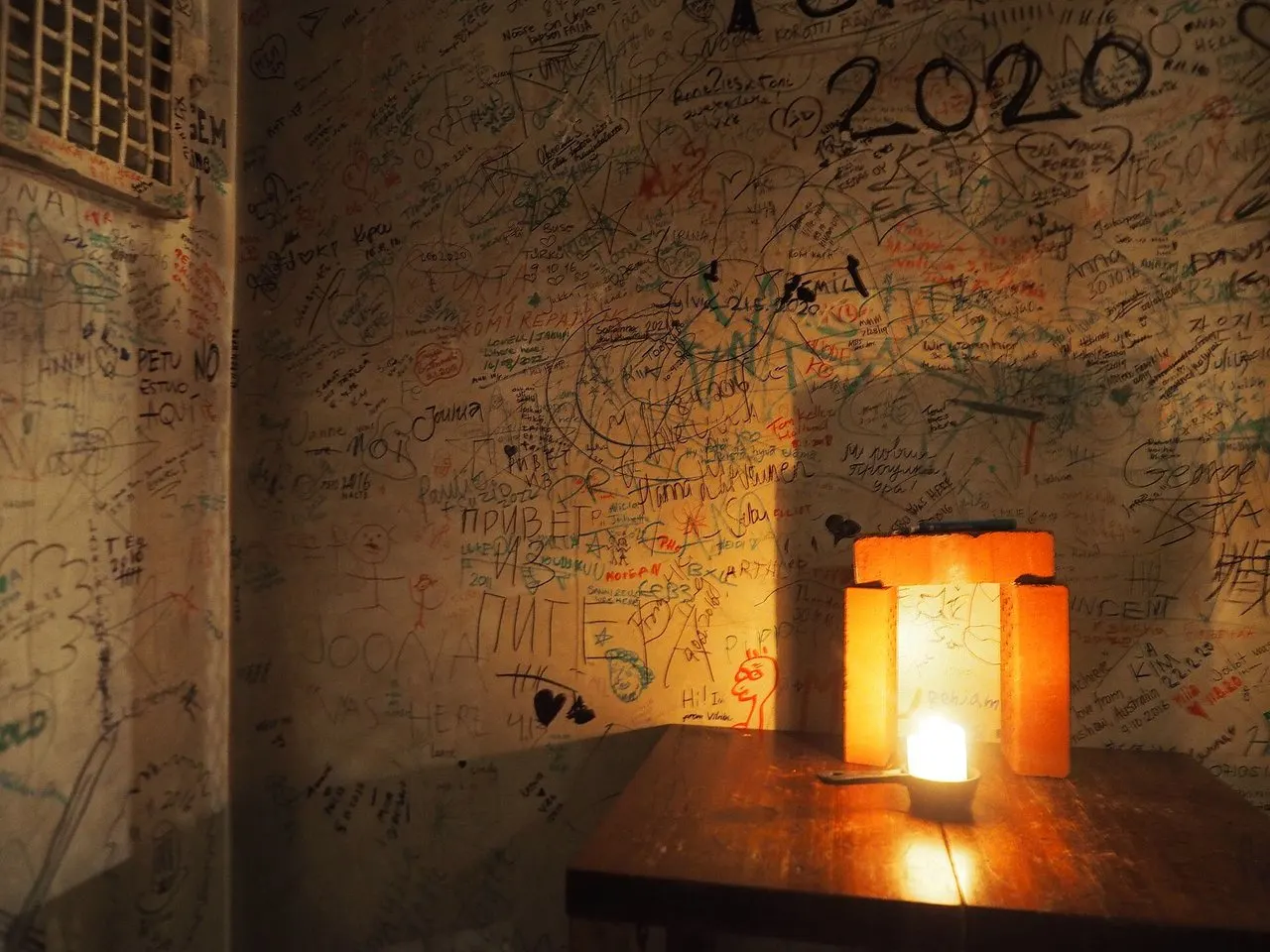
After his report, Diaz was placed in a holding room, but the checks on him came less often than ICE rules require for people at risk. A behavioral health worker had noted his depressed mood and flat affect, clear signs that he needed close attention. Staff logged him asleep at 3 p.m., and half an hour later they found him hanging from his bedsheet. Read Kevin Hart on what being rich really means.
Fifteen Minutes Apart: The Rule for At-Risk People

ICE’s own rules say people at risk of harming themselves must be kept in rooms built to stop that, with checks no more than 15 minutes apart. The rule exists because minutes can decide whether someone lives or dies. Diaz was not given that level of care, and the gap in checks is now one of the main questions in the case. Rules only help when they are followed. Read the actor who passed away at 66.
The Texas ICE Camp Doors With No Windows
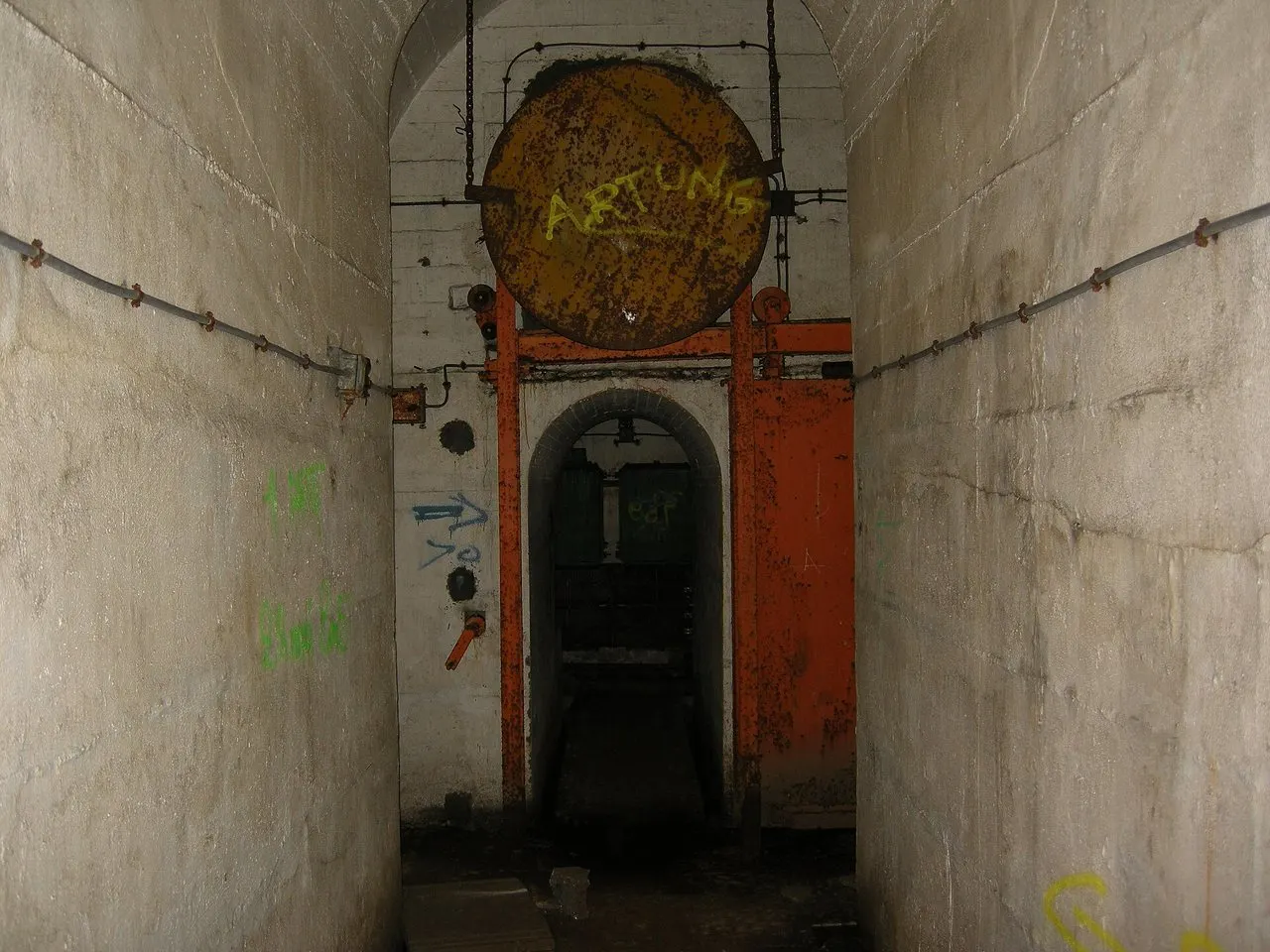
Months before Diaz died, ICE had warned the company running the camp that the doors on its medical holding rooms had no windows to see inside. Staff could not look in on the people they were meant to watch. The company promised to fix the doors and never did. Records released later show ICE privately called that failure a material contributing factor in Diaz’s death. Read how ICE deportation flights vanished from public trackers.
A Logbook With Pages Missing
After Campos died, the guards’ logbook turned up damaged, with pages missing. A logbook is the written record of what happened, who was where, and when checks were made. When pages go missing, it becomes much harder to know the truth. Investigators look at missing records as a serious problem, and this one has drawn sharp questions. Read how Trump urged European leaders on Ukraine.
A Homicide Ruling by Neck and Torso Compression

The medical examiner ruled that Geraldo Lunas Campos died by homicide, caused by neck and torso compression. That is a formal finding, made by a doctor who studied the body and the facts. It means his death was caused by another person, not by illness or accident. The ruling is why calls for a criminal review have grown so strong. Read the family found at home after a daughter’s 911 call.
A Company That Had Never Run a Jail

The camp is run by a company called Acquisition Logistics, which had never run a jail before winning this job. Running a detention camp takes skill in safety, health care, and daily care for thousands of people. Giving that job to a firm with no record in the field is one of the biggest questions in this story, and critics say the results speak for themselves. Read the Georgia teens found safe after their mom’s plea.
A $1.3 Billion Contract and a Single-Family Home

Trump’s ICE paid the company 1.3 billion dollars to run the camp, a huge sum for a firm that worked out of a single-family home in Virginia. Its website read only, Site maintenance in progress. The gap between the money and the setup is hard to miss, and it has led many to ask how the contract was awarded at all. Read the remarks that outraged Muslims across America.
What the Texas ICE Camp Meant for Families

Behind the camp walls are families waiting for news, sending money, and hoping their loved ones come home. Diaz was sending money home so his family could save for a house, a plan that ended with a phone call no family wants. Every person in detention has people outside who love them, and every death reaches far beyond the fence. Read America’s vote at the UN on protections.
Money Sent Home to Save for a House

Diaz came to America in 2024 and worked to send money home, so his family could save for a house of their own. That is a common story among migrants, who often live simply here to give their families more back home. The house was never bought. His family now grieves a son and brother who had come here to help them. Read Trump’s long flight home from China.
An Arrest in Minnesota on January 6

ICE arrested Victor Manuel Diaz in Minnesota on January 6. He was far from the Texas border, and far from the camp where he would later die. His arrest began a chain of events that moved him across the country and into a system his family says failed him. How he ended up in El Paso is part of the record. Read Trump’s return home from Asia.
A Missed Court Date, Not a Crime

His family says Diaz was arrested for missing an immigration court date, not for any crime. A missed court date can lead to detention, but it is not a criminal act. That detail matters to his family, who want the world to know he was not a criminal. He was a worker with a court date he missed. Read the actor who passed away at 66.
Alarm Bells That Should Have Rung
Rep. Veronica Escobar, who represents El Paso, said there should have been alarm bells screaming up and down the chain. Her words point to a system that saw warning signs and did not act. A report of abuse, a low mood, a room with no window, checks too far apart: each one alone should have raised alarm. Together, they should have screamed. Read how Poland stopped thousands at its border in one day.
What the Texas ICE Camp Records Show

Records released through a public records request show what ICE knew and when it knew it. They show the warning about the doors, the promise to fix them, and the private view that the failure helped cause a death. Public records are how the truth comes out when official statements fall short, and these records tell a grim story. Read the ICU nurse remembered on his 38th birthday.
A Material Contributing Factor

ICE privately called the windowless doors a material contributing factor in failing to prevent Diaz’s death. Those are careful words from an agency describing its own failure. They mean the doors were not a small detail, but one of the reasons a young man died. The words were written in private, and only came out through a records request. Read Trump’s trip to China and the deals that came with it.
The Texas ICE Camp and the Questions Left Behind
A third death at the camp was later reported, and a year of violations has been tied to the site. The questions now reach beyond two men to the whole system: who checks the company, who watches the guards, and who answers when rules are broken. The answers matter for every person still held there today. Read Melania Trump’s wish for peace around the world.
What Should Happen Next at the Texas ICE Camp
Two men are gone, and their families deserve a full and honest account of what happened. Should the camp stay open, should the company lose its contract, and should anyone face charges for the homicide ruling. What do you think should happen next. Share your thoughts in the comments below, and read the legal fees fight over Trump’s case to stay caught up on the story.