Baby T: A Kentucky Foster Family Waits for Answers
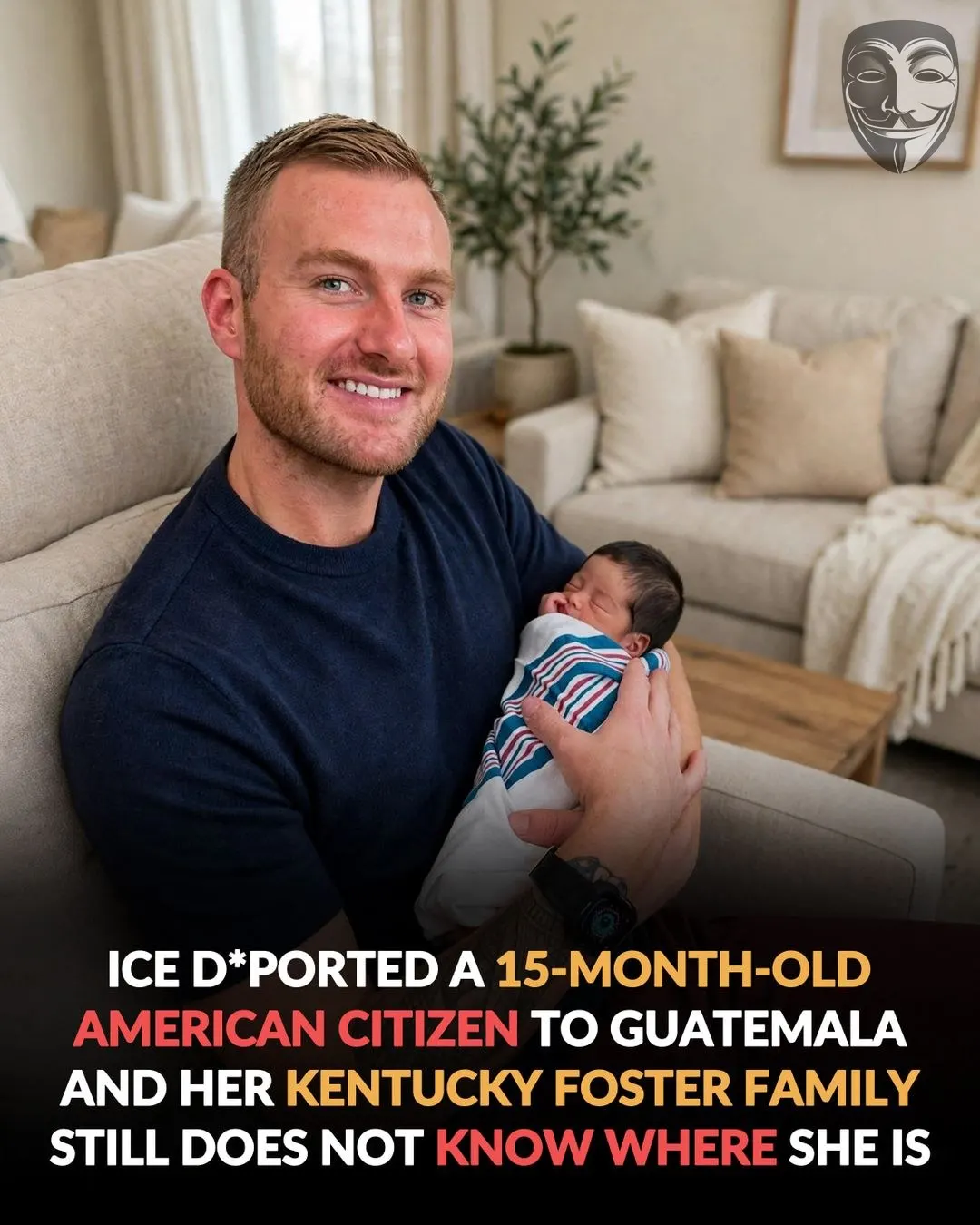
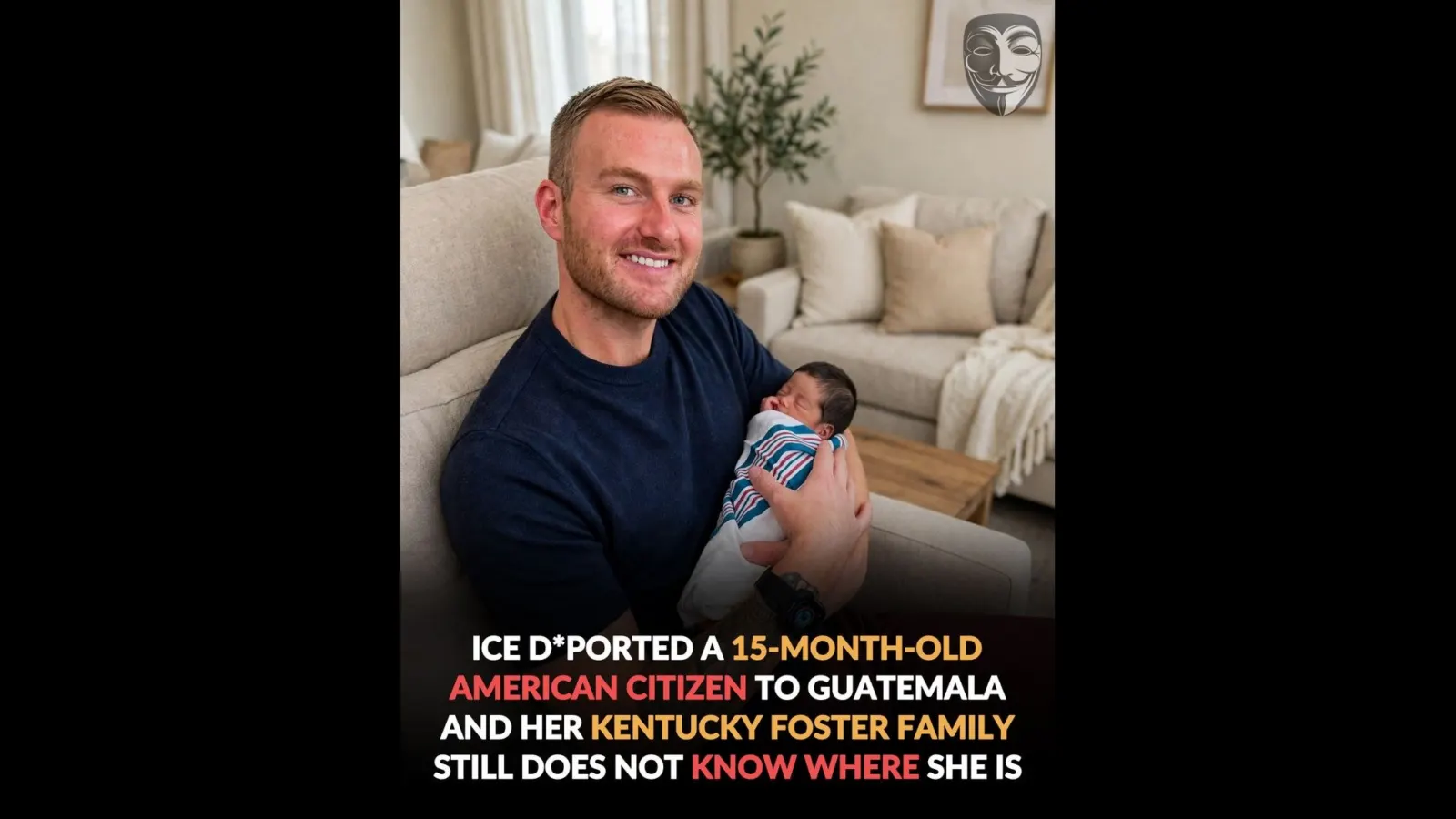
Baby T was born in Louisville, Kentucky, on August 2, 2025, and she went into state care just hours after her birth. Police said the newborn had cuts all over her body, and a police report said her mother told nurses she tried to kill her, though her attorney later challenged that account in court. Foster father Caleb Yeske raised her for more than a year in Kentucky. You may also like a teenager who used sign language to comfort a stranger.
In September, a family court judge ordered the baby returned to her mother, and ICE sent them both to Guatemala, over the objection of Kentucky’s child welfare agency. Weeks later the mother signed notarized papers giving Yeske guardianship so he could bring the baby back, but while they waited for her passport at the embassy, Guatemalan authorities took the baby into custody, and the family says they still do not know where she is. You can also read about one kind act on a flight.
References:
WDRB WAVE: Foster family seeks answers after Kentucky-born baby taken into custody in Guatemala
WDRB WAVE: Troubleshooters: Louisville foster family fights turning baby over to ICE, returned to biological mom
Kentucky Lantern: ‘Tragic case’ of deported mother, child to Guatemala continues to wind through courts
Gray News: Kentucky-born baby now in Guatemalan custody after deportation, foster family says
Baby T Was Born in Louisville on August 2, 2025

Louisville sits on the Ohio River in northern Kentucky, and it is the largest city in the state. The baby was born there on August 2, 2025, and within hours she was placed into state care. It is also where Caleb Yeske and his family live. For more than a year, the little girl grew up in a Kentucky home, far from the country where her mother was born. Read about a judge who ordered ICE to justify an arrest.
A Newborn Taken Into State Care Within Hours
The baby went into state care hours after she was born. Police said she had cuts all over her body, and a police report said her mother told nurses she tried to kill her. Her attorney later challenged that account in court. Court records say the mother, who speaks only the Mayan language K’iche, was sexually assaulted on her journey from Guatemala and gave birth alone at home. See a newborn who looked unimpressed at her first meeting with her mother.
Baby T Found a Home With Foster Father Caleb Yeske
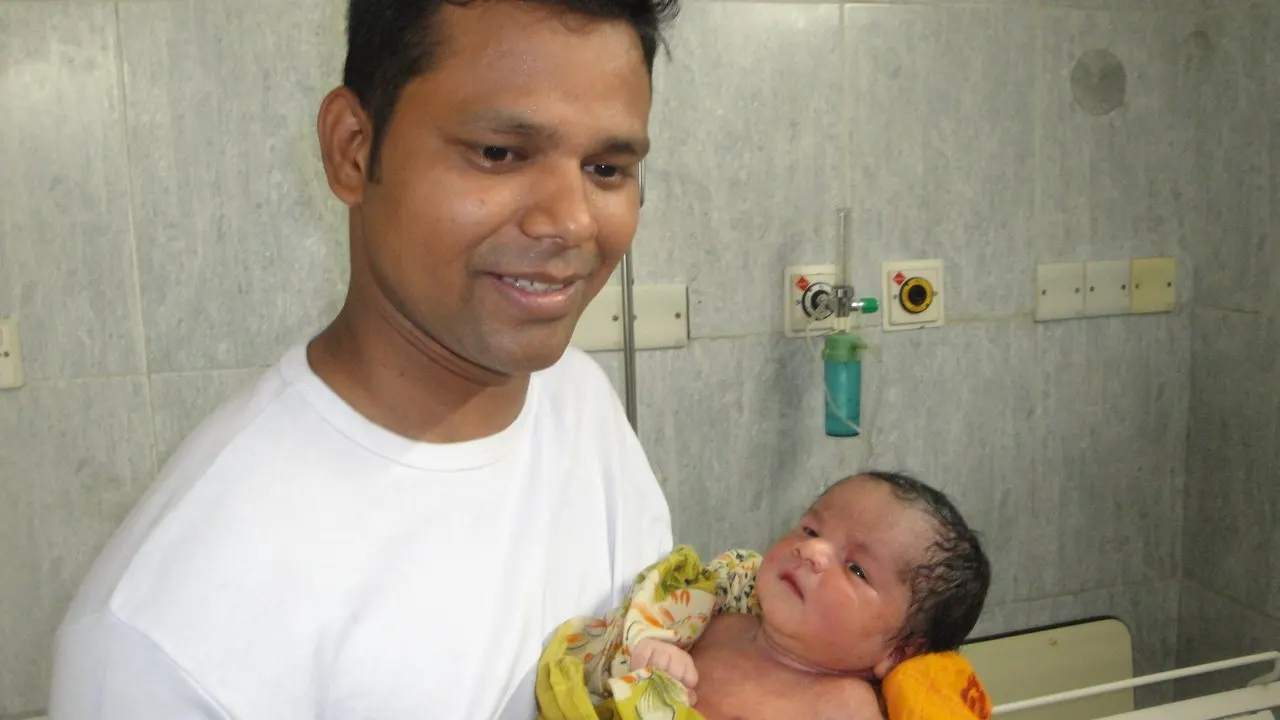
Caleb Yeske and his family fostered the baby for more than a year. He became the foster father who raised her from her first days, and she spent almost her entire life in Kentucky custody with the people who loved her as their own. Foster families give children safety, meals and a steady routine. The bond that grows in that first year can shape a child for life. Read a father who says time with his kids matters more than money.
Baby T Spent More Than a Year Growing Up in Kentucky
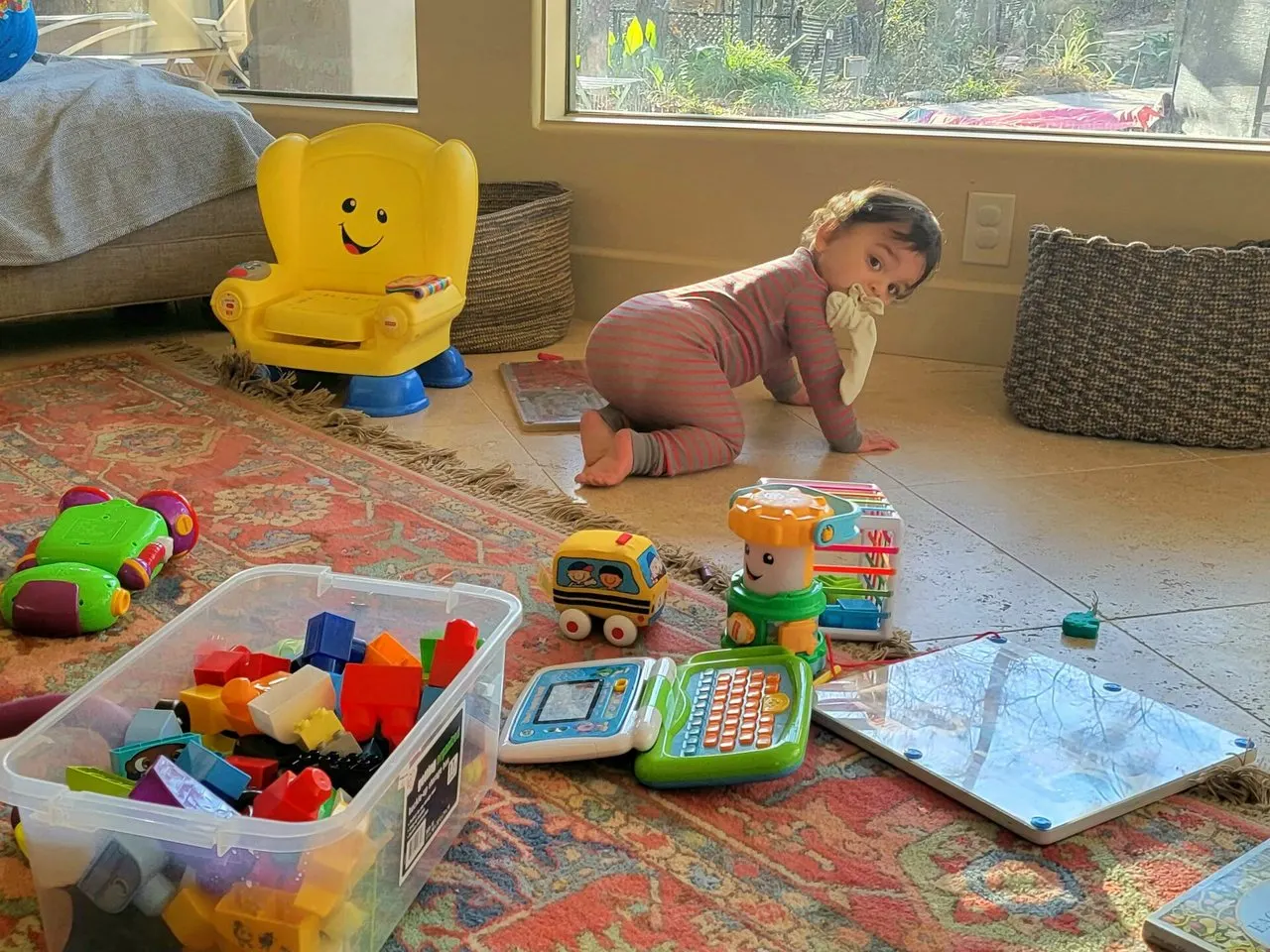
For more than a year, the little girl lived with the Yeske family in Kentucky. She learned to crawl, then to walk, and then to talk, in the home of the people who had cared for her since birth. A year is a long time in the life of a baby, and every month brings new firsts, from first words to first steps. Her foster family watched her grow, and they believed she would stay with them. Learn about a debate over how much water and power data centers use.
A Mother Who Speaks Only K’iche
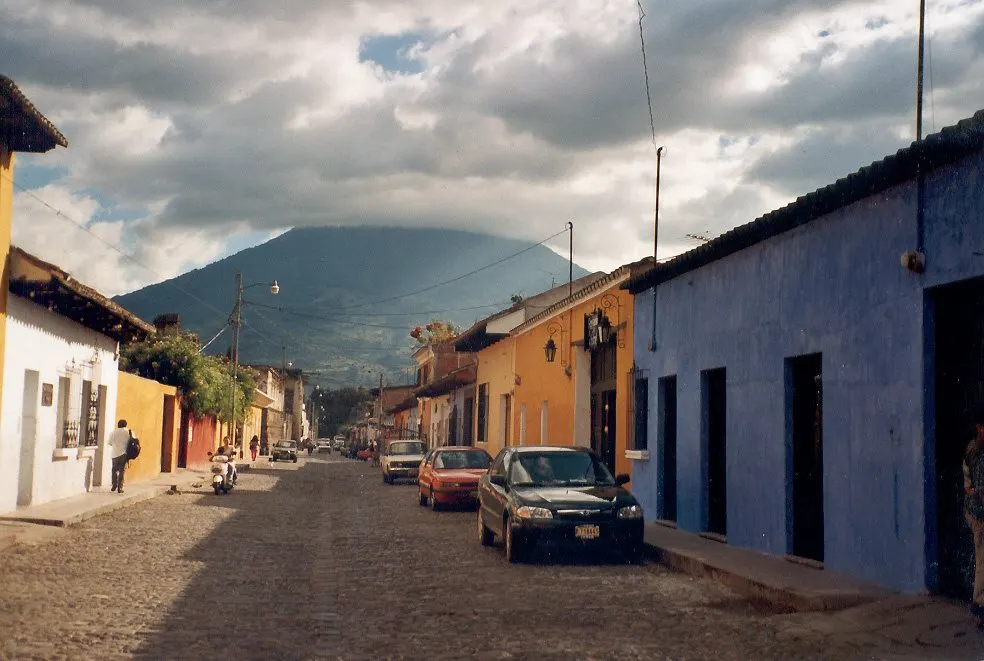
Court records say the baby’s mother speaks only K’iche, a Mayan language spoken in the highlands of Guatemala. She was sexually assaulted on her journey from Guatemala, and she gave birth alone at home. A language barrier can make every step harder, from hospital care to court hearings, because the mother needs an interpreter to understand what is happening. Her story shows how hard the journey north can be. See a family found at home after a daughter called 911.
A Guilty Plea in July and Time Served

In July the mother pleaded guilty to wanton endangerment, and she was given time served. That meant her sentence was counted as already served by the time she had spent in custody, so she did not face more jail time for that charge. But her legal troubles were not over, because immigration officers were waiting. After the plea, she was held by ICE in Louisiana while the next steps in her case were decided. Read about a president reporting on meetings after a long flight from China.
Held by ICE in Louisiana

After her plea, the mother was held by ICE in Louisiana. Immigration detention centers hold people while their cases move forward, and families are often kept apart during that wait. Louisiana is home to several large detention centers, and many people held there come from far away. For the mother, the weeks in detention were a time of waiting, while her baby stayed in foster care back in Kentucky. Learn about a petition that gathered 218 signatures in the House.
A Family Court Judge Ordered the Baby Returned

In September, a family court judge ordered the baby returned to her mother. Family courts decide where a child should live, and judges must weigh the rights of parents against the safety and best interests of the child. The judge in Jefferson Family Court heard the case and ruled that the baby should go back to her biological mother. That order set off the chain of events that followed. See millennials who grew up chasing Carmen Sandiego.
Kentucky Child Welfare Officials Objected

Kentucky’s child welfare agency objected to the baby being sent away. The agency had cared for the child since the day she was born, and its workers knew her history and her needs. Child welfare agencies speak up in court when they believe a move could put a child at risk, and judges listen to their views. In this case, the agency’s objection was not enough to stop the order. Read about a debate over whether lawmakers in a vegetative state should resign.
Baby T Was Sent to Guatemala With Her Mother

In September, ICE sent the baby to Guatemala with her 20-year-old mother, even though the foster family objected. The baby was only 15 months old, and she had spent almost her whole life in Kentucky. A flight like that is long and strange for a small child, and it took her far from the only home she had ever known. Her foster family watched her go, and they feared for her safety. Learn about a singer who called his father the greatest dad in the world.
Weeks Later, the Mother Asked for Help

Within weeks of arriving in Guatemala, the mother was asking Yeske for help. She reached out to the foster father who had raised her baby, and she wanted him to bring the child back to the United States. It was a turn that surprised many people who had followed the case, because the court order had given her custody. But life in Guatemala was hard, and she wanted a new plan. See a gamer who stayed awake 50 hours to finish a game first.
Baby T and the Notarized Papers for Guardianship

The mother signed notarized papers giving Yeske guardianship and permission to travel with the baby back to the United States. A notarized paper is signed in front of a notary, who checks the identity of the person signing and stamps the document to show it is real. With those papers, Yeske hoped he could travel to Guatemala, pick up the baby, and bring her home to Kentucky. Read about an investigation into claims about a former press secretary.
Waiting for a Passport at the Embassy
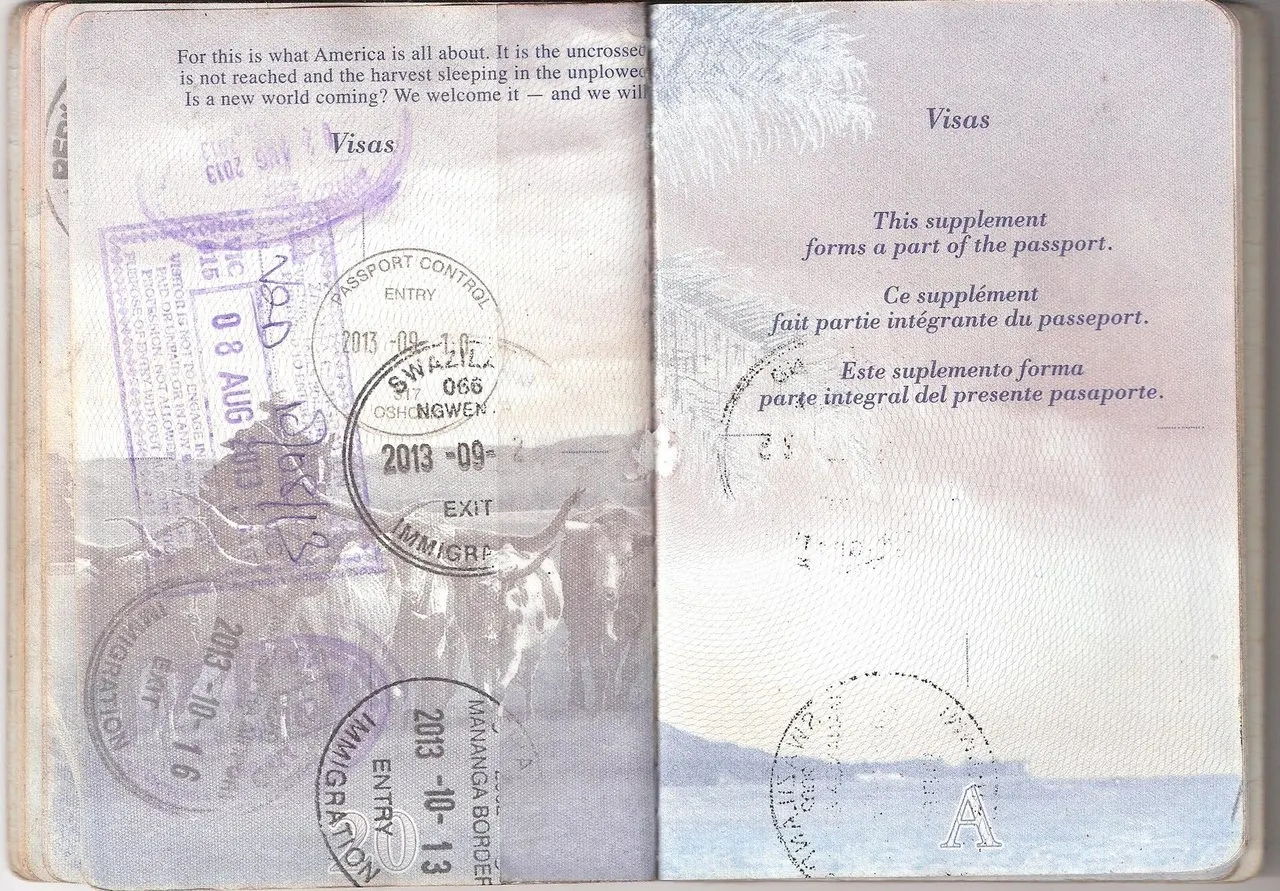
While they waited on the embassy for the baby’s passport, the plan was on hold. A United States citizen child needs a passport to travel home, and babies born in the United States are citizens who can get one. The embassy checks the child’s birth records and the parents’ papers before it issues the document. That wait can take days or weeks, and the family hoped it would end soon. Learn about a chief executive asked to return after resigning.
Baby T Was Taken Into Custody in Guatemala

While they waited for her passport at the embassy, Guatemalan authorities took the baby into custody. The foster family had hoped the wait would end with the baby coming home, but instead the child was taken by officials in Guatemala. No one in the family was told where she was taken, and the news reached them as a shock. The little girl was now in the hands of a system far from home. See a race decided by just 330 votes after a recount.
Someone Reported the Baby Missing
Someone reported the baby missing, and Yeske says it is still unclear who made that report. A missing report can set off a search by local officials, and it can also lead to a child being placed in protective custody. The family does not know who called, or why, and they have not been told where the baby is now. That lack of answers is the hardest part for the people who raised her. Read about a teenager who used sign language to comfort a stranger on a flight.
Baby T Is a 15-Month-Old American Citizen

Yeske spoke plainly about the child he raised. He said, "This is a 15-month-old American citizen. She was born here, raised here and spent almost her entire life in Kentucky custody." Those words sum up why the case has touched so many people, because Baby T is an American child who was born in Louisville and raised by a Kentucky family. Her foster father wants the world to remember that simple fact. See our report on babies born during a measles outbreak.
What Birthright Citizenship Means in America

Children born in the United States are citizens of the United States, no matter where their parents came from. That rule comes from the Fourteenth Amendment, and it has been part of American law for more than 150 years. A citizen child can get a United States passport, and she has the right to live in the country where she was born. That is why her birth in Louisville matters so much. Read about a newborn who looked unimpressed at her first meeting with her mother.
How Foster Care Works for a Newborn

When a baby cannot stay safely with a parent, the state places the child in foster care. A foster family gives the baby a home, food, clothes and love while the courts decide what should happen next. Social workers visit the home, check on the child, and report back to the court. The goal is often to reunite the child with a parent, but the child’s safety always comes first. Learn about a new grandmother celebrating the birth of her grandson.
What a Family Court Judge Must Weigh

A family court judge hears hard cases about children, parents and homes. The judge must weigh the rights of a parent against the best interests of the child, and the law gives parents strong rights unless there is clear proof of harm. The judge also hears from social workers, lawyers and doctors before ruling. Each choice shapes a child’s life for years, and judges know the weight of that duty. See a debate over how much water and power data centers use.
Baby T and How ICE Removals Work

ICE carries out removals of people who are ordered to leave the United States. Officers detain people, arrange travel papers, and put them on flights to their home countries. When a parent is removed, a child may travel with them, and that choice can split a family or keep it together. The process moves fast, and families often have little time to appeal. Read about a beloved zoo hippo remembered by her keepers.
How a Baby Gets a United States Passport

A baby born in the United States can get a passport, but the process takes proof. Parents must show the birth certificate, proof of their own identity, and proof of their relationship to the child. Both parents usually must agree, unless one parent has sole custody or a court order. Abroad, the embassy handles the same steps, and the wait can feel long. Learn about a president reporting on meetings after a long flight from China.
Guatemala, the Country at the Center of the Story

Guatemala is a country in Central America, south of Mexico, and its capital is Guatemala City. Millions of people live there, and many speak Spanish, while others speak Mayan languages like K’iche in the highlands. The land is known for volcanoes, old Maya cities and colorful towns like Antigua. For the baby’s mother, Guatemala is home, and it is the place where the child now waits. See a legal fight over millions in fees.
What a United States Embassy Does Abroad
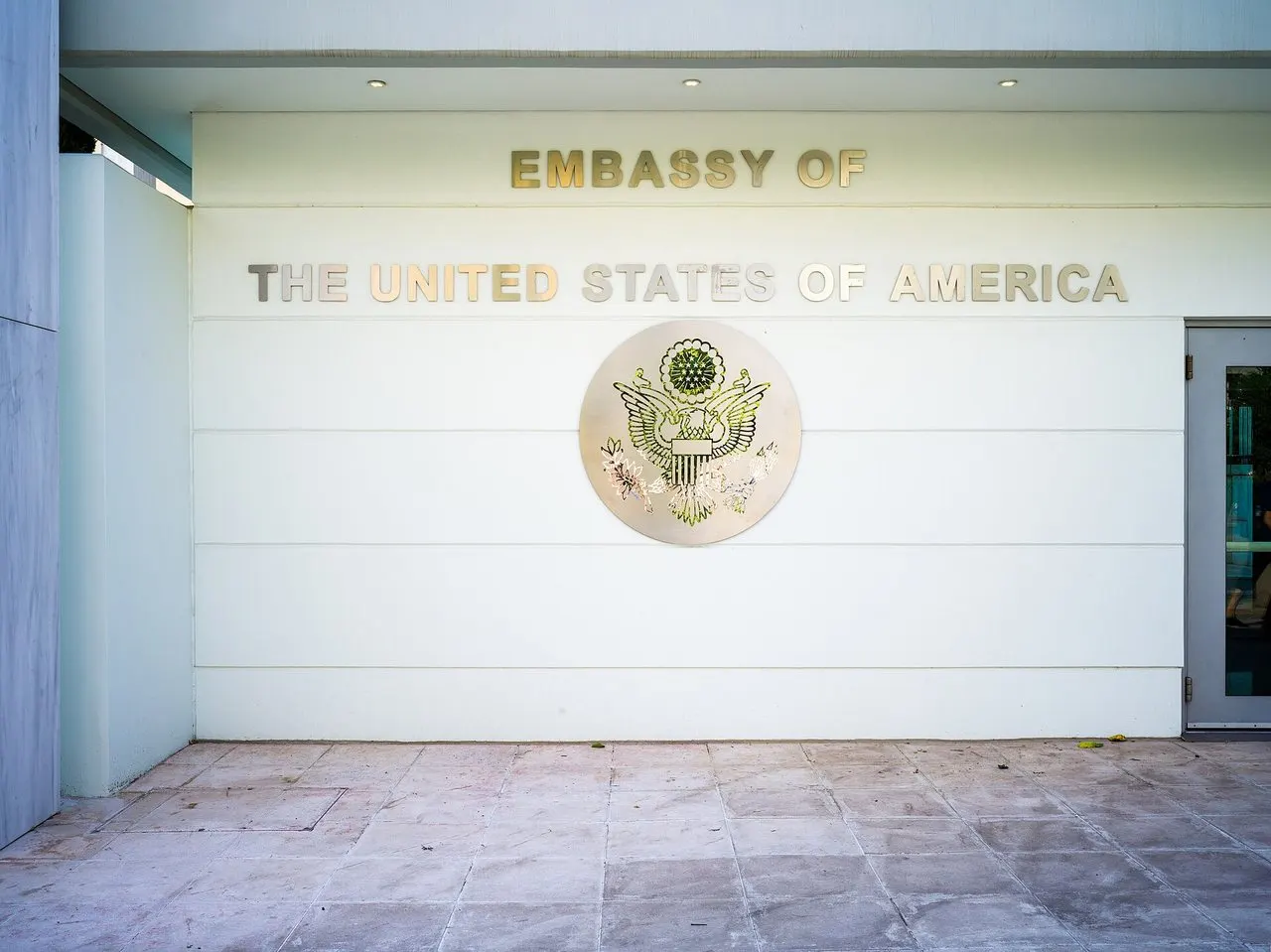
A United States embassy is the office that represents America in another country. Its staff help citizens who are abroad, and they issue passports, help in emergencies, and work with local officials. When a citizen child is in another country, the embassy can check on the child and help the family. That is why the family waited for news from the embassy in Guatemala. Read about millennials who grew up chasing Carmen Sandiego.
Baby T and the Reporting From WDRB and WAVE

Alena Noakes first reported the story in WDRB and WAVE, the Louisville news stations that have followed the case from the start. Local reporters in Louisville knew the family, the court and the child welfare agency, and they kept asking questions when the baby was sent away. Their reports carried the story to readers across Kentucky and beyond, and the foster family turned to them for help. Learn about a trip to Asia that brought billions in new deals.
What the Kentucky Lantern Reported

The Kentucky Lantern called it a tragic case of a deported mother and child to Guatemala that continues to wind through the courts. The news outlet has followed the legal twists, from the family court order to the guardianship papers and the wait for a passport. Its reporting shows how a single case can move through many courts and many hands, and how hard it is to follow. See a singer who called his father the greatest dad in the world.
Baby T in the National News

Gray News reported that the Kentucky-born baby is now in Guatemalan custody after the deportation, and the foster family says they do not know where she is. National outlets picked up the story because it raises questions that go beyond one family, about citizenship, foster care and the power of a court order. The more people who hear the story, the more pressure there is for answers. Read about an actor remembered for his roles on television.
What Happens Next in the Courts

The case continues to wind through the courts, and the next steps are not yet clear. The guardianship papers, the passport wait and the custody in Guatemala all raise legal questions that lawyers and judges must sort out. The foster family hopes the courts will let them bring the baby home, and they are waiting for a ruling that could change everything. Learn about an investigation into claims about a former press secretary.
Why This Case Has Drawn So Much Attention
This case has drawn attention because it brings together so many hard questions at once. A 15-month-old American citizen was sent to another country, her foster family lost track of her, and no one can say where she is now. People care because the story is about a baby, a family and a system that was meant to protect her. The questions it raises will not fade soon. See a case built around a viral photo in a police uniform.
What Do You Think Should Happen Next

The foster family in Kentucky still does not know where the baby is, and they are waiting for answers from Guatemala and from the courts. What do you think should happen next for the little girl who was born in Louisville and raised by the family who loves her? Should she come home to Kentucky, or is there another path that keeps her safe? Share your thoughts in the comments below, and keep reading a race decided by just 330 votes after a recount.