East Potomac Park Faces a Fight Over Its Future

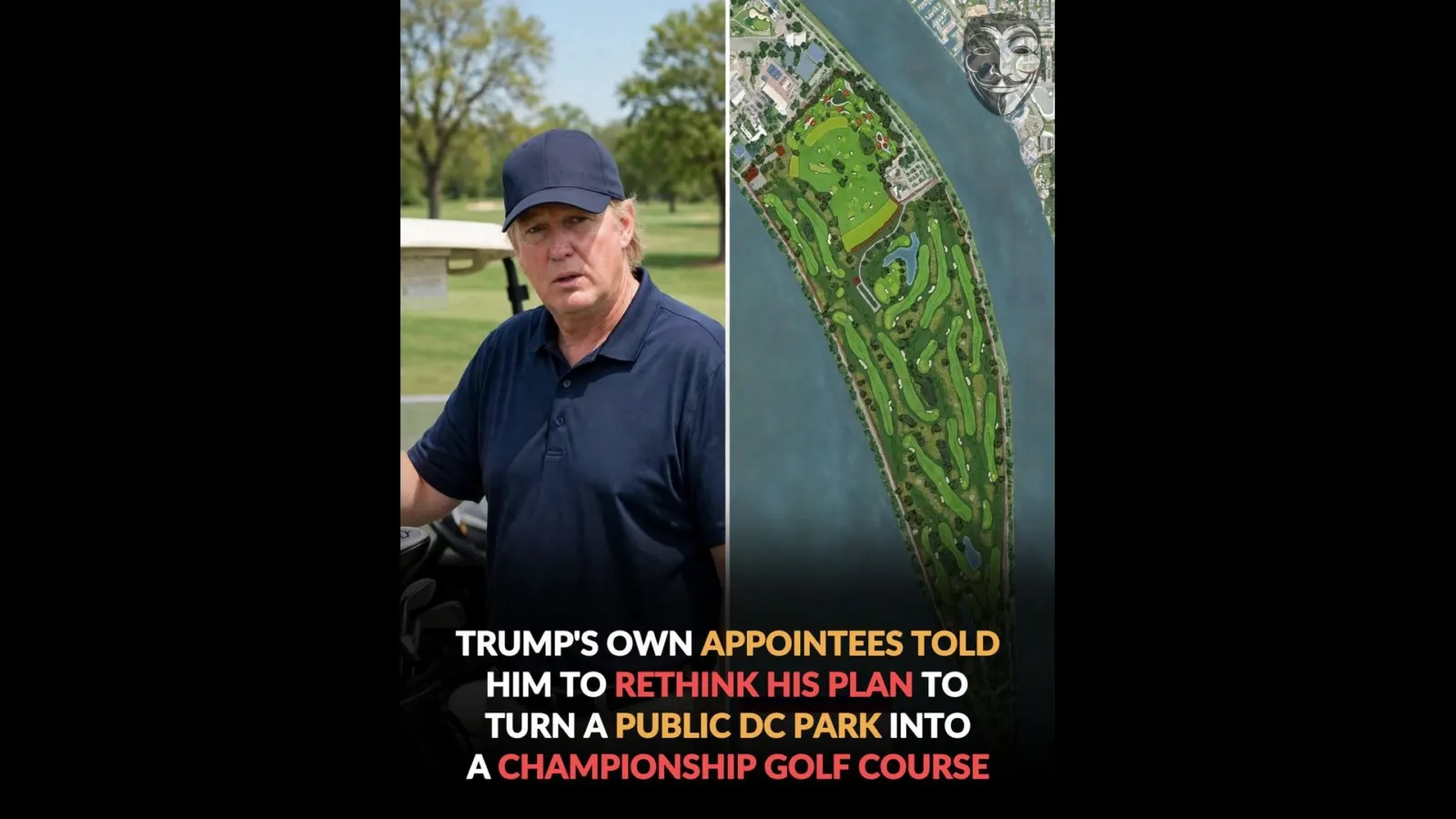
East Potomac Park is at the center of a fight over the future of public land in Washington, DC. President Donald Trump wants to turn all of the park into one 18-hole championship golf course. This week, his own handpicked members of the Commission of Fine Arts pushed back. Chairman Rodney Mims Cook Jr. told the Interior Department to go back to the drawing board and keep the peninsula open to everyone. He spoke after hearing more than a dozen members of the public speak against the plan.
The plan would wipe out Ohio Drive, the Hains Point picnic area and the country’s oldest mini golf course. A federal judge also stepped in on Saturday. U.S. District Judge Ana Reyes temporarily blocked the administration from closing the park and called the planned shutdown pretextual. The park is also home to DC’s oldest cherry blossom trees. In the slides ahead, we look at what the plan would destroy, who pushed back and what happens next for this public peninsula.
References:
Associated Press: Judge temporarily blocks Trump from moving ahead on Washington public golf course redevelopment
Washington Post: Arts panel asks Trump administration to rethink East Potomac golf course’s scope
NPR: How the East Potomac golf course became a D.C. landmark, and what could happen to it
Newsmax: Trump-Picked Arts Panel Seeks Smaller East Potomac Golf Plan
Trump Wants the Whole Park as One Golf Course
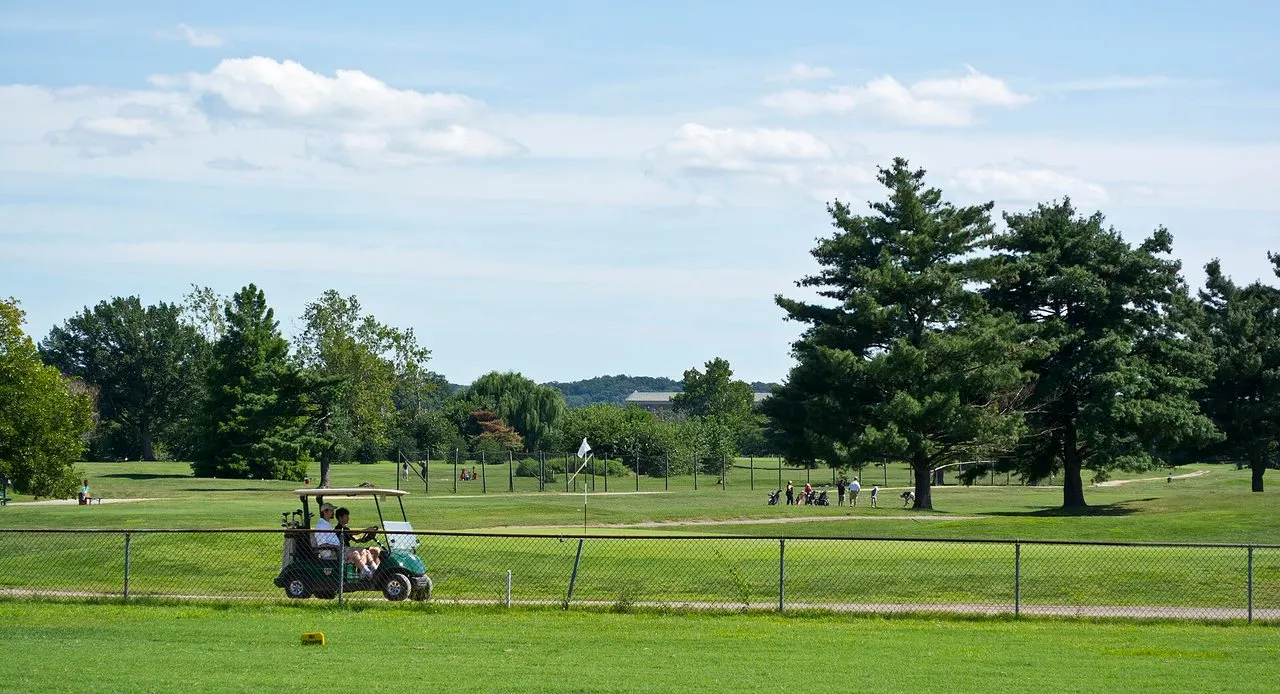
President Donald Trump wants to turn all of East Potomac Park into a single 18-hole championship golf course. The plan would take over the whole peninsula in Washington, DC, and remake a public park that people use every day. Golf is already played there, but this plan goes much further. It would replace the mix of roads, picnic areas and open green space with one large course built for championship play. Supporters of the plan say the park needs new investment. Critics say a public park should stay open to everyone, not serve one sport.
East Potomac Park and the Panel That Said No
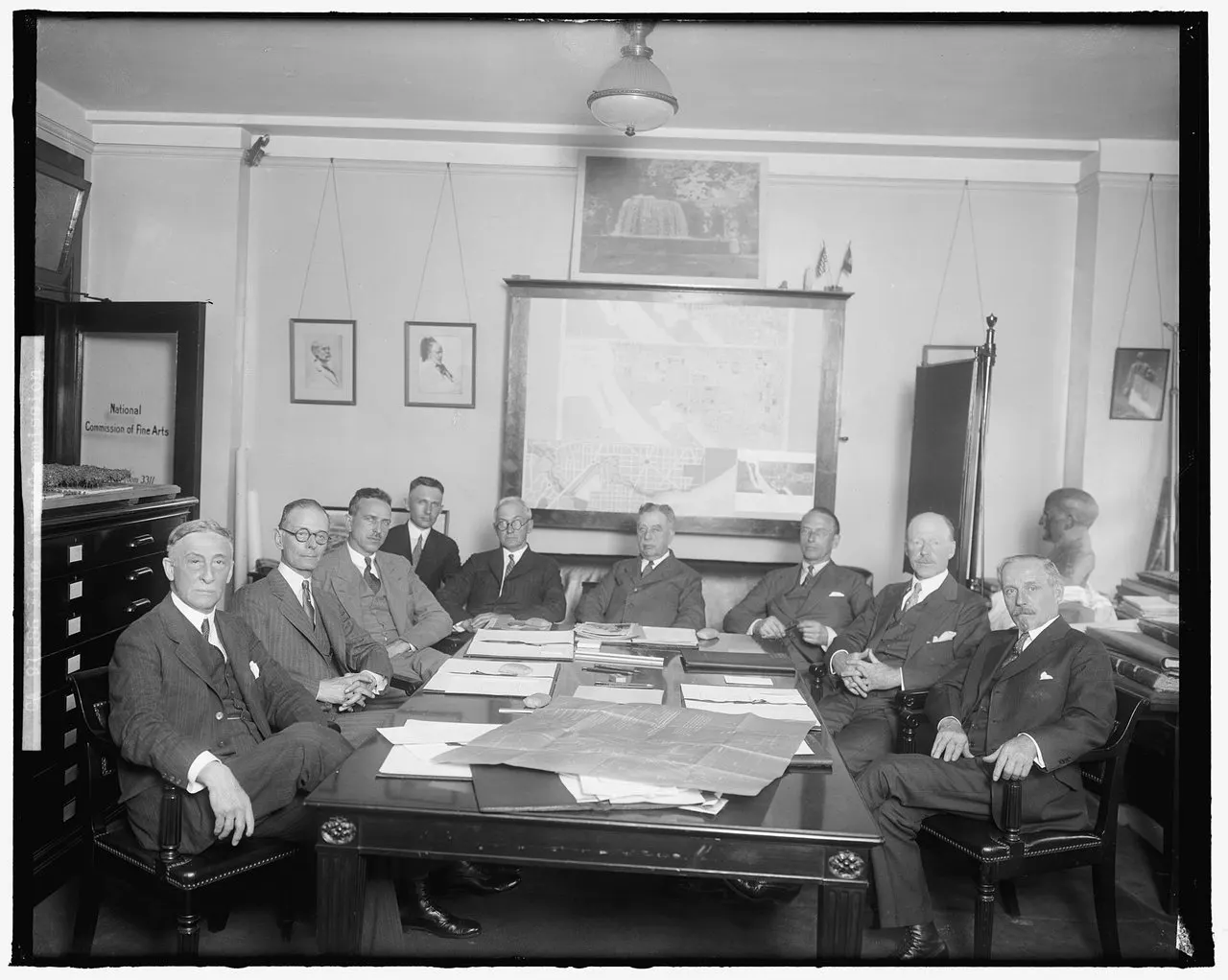
The Commission of Fine Arts is the panel that reviews design and planning for major projects in Washington, DC. Its members are appointed by the president, and this week those members told the administration to rethink the golf plan. Chairman Rodney Mims Cook Jr. led the review. He listened to the Interior Department’s presentation and then to more than a dozen members of the public who spoke against the plan. The panel did not approve the project as presented. Instead, it asked the Interior Department to go back and bring a smaller and more open plan.
Sharpen Your Pencil, the Chairman Told Interior
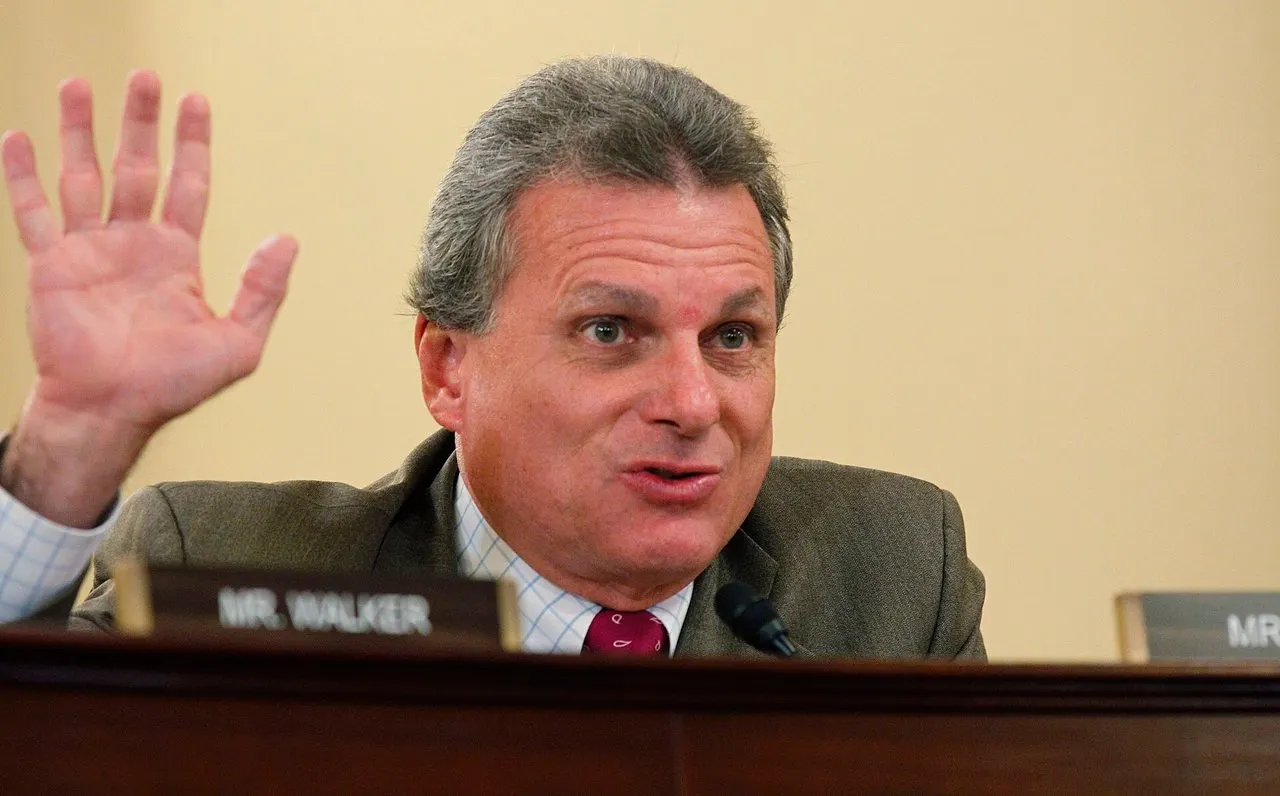
Rodney Mims Cook Jr. chairs the Commission of Fine Arts, and his words carried weight this week. After listening to the Interior Department and the public, he told Interior official Greg Wischer that the plan had to change. He said, ‘You have some things here that matter to these folks.’ His advice was plain and direct. He told the department to ‘sharpen your pencil’ and to ‘keep this peninsula available to everybody.’ Those two phrases summed up the panel’s view. The plan could not move ahead without more thought about the people who use the park every day.
More Than a Dozen Voices Spoke Against the Plan
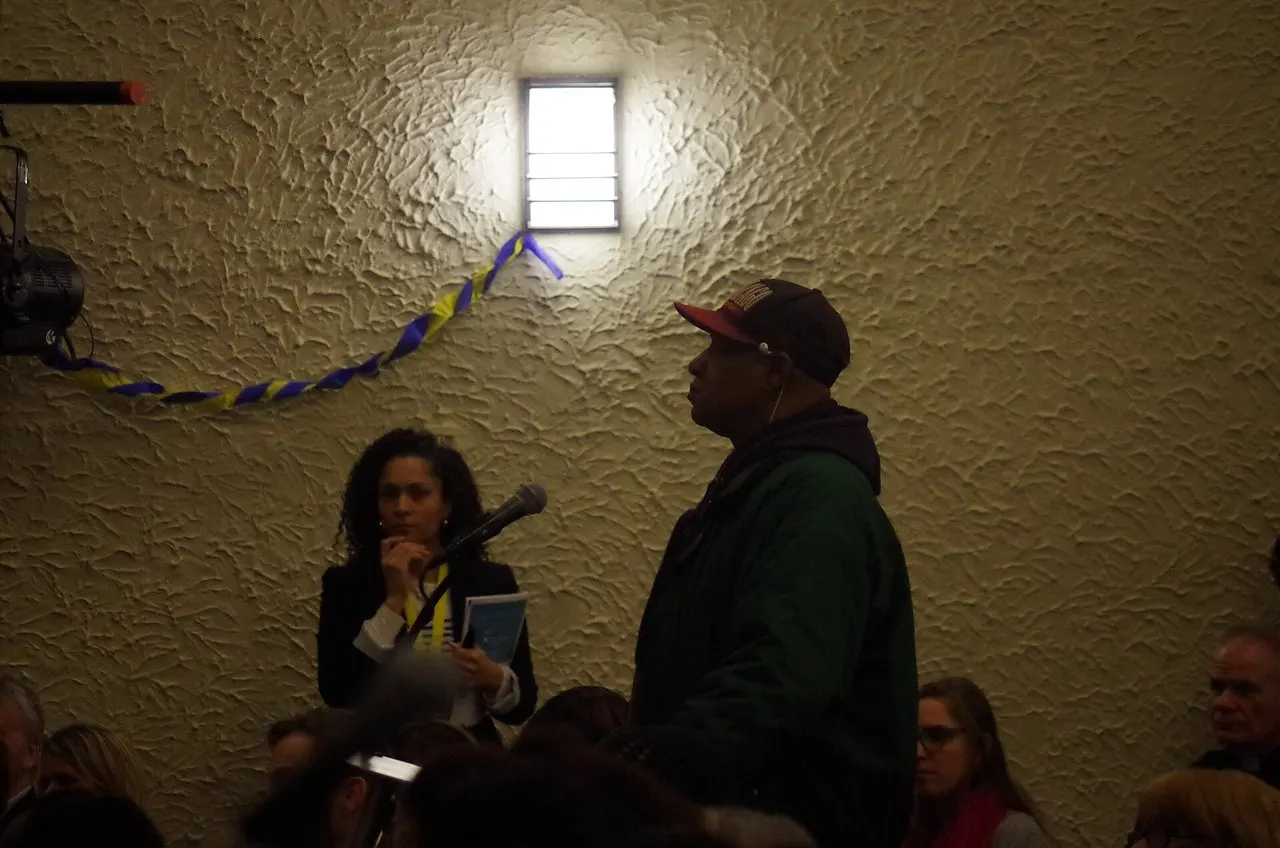
More than a dozen members of the public spoke against the golf plan at the hearing. They came to defend the park they use for running, walking, biking, picnics and fishing. Each voice added weight to the case against closing the peninsula to build one large course. Public hearings give ordinary people a chance to tell officials what a place means to them. In this case, the message was clear and repeated. People love this park as it is, and they do not want to lose it to a championship golf course.
A Federal Judge Steps In on a Saturday
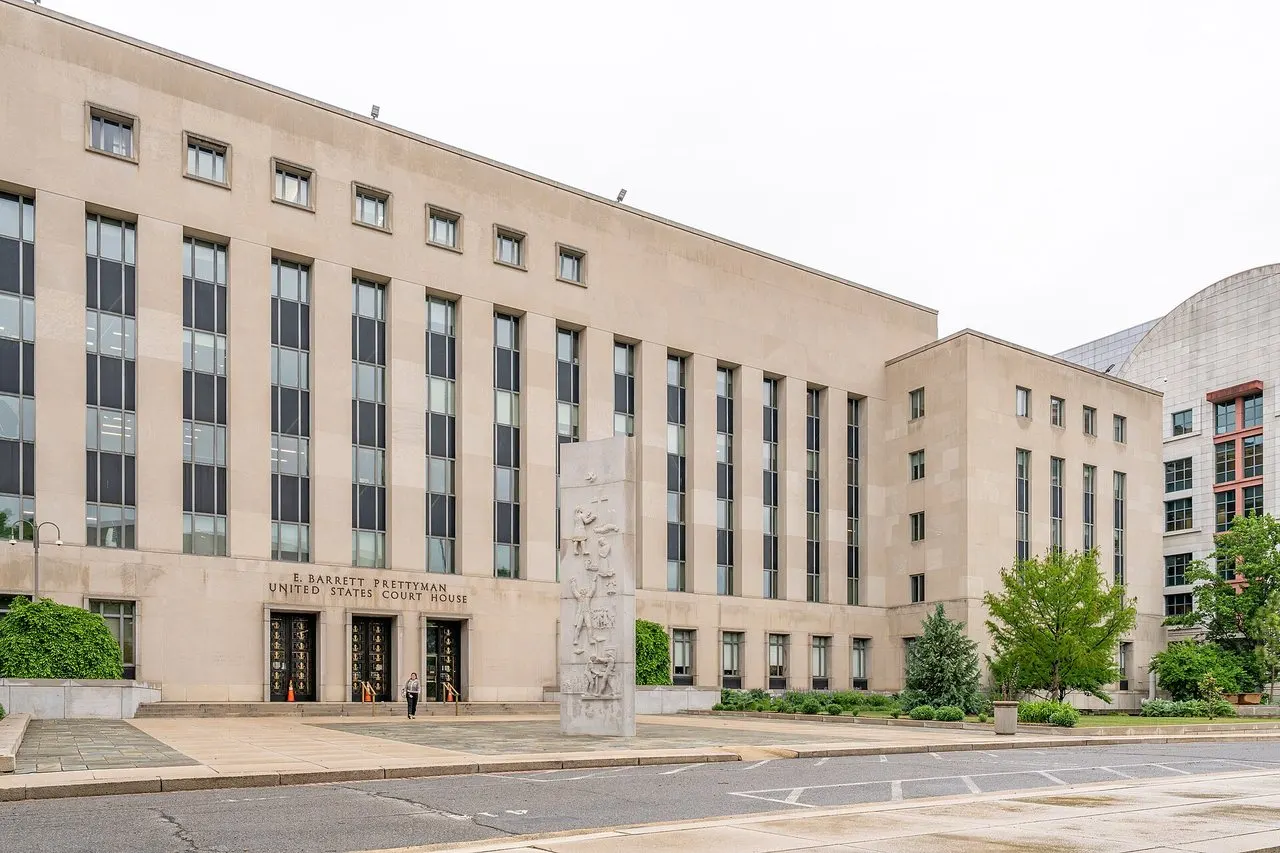
On Saturday, U.S. District Judge Ana Reyes temporarily blocked the administration from closing the park. Her order keeps East Potomac Park open while the legal fight goes on. The judge called the planned shutdown pretextual, a word that means the stated reason did not match the real reason. The administration had claimed the park was unsafe because of a deteriorating seawall. The judge was not convinced. Her ruling was a second setback in the same week, after the arts panel had already asked for the plan to be rethought.
East Potomac Park Stays Open for Now
The judge’s order means the park stays open for now. Runners can still use Ohio Drive. Families can still picnic at Hains Point. Anglers can still fish from the shore. The mini golf course can still welcome players. A temporary block does not end the case, but it stops the closure while the court looks at the facts. For the people who use the park every day, that pause matters. It keeps a public place public while the plan faces questions in court and at the arts panel.
Ohio Drive Is Where the City Gets Its Exercise
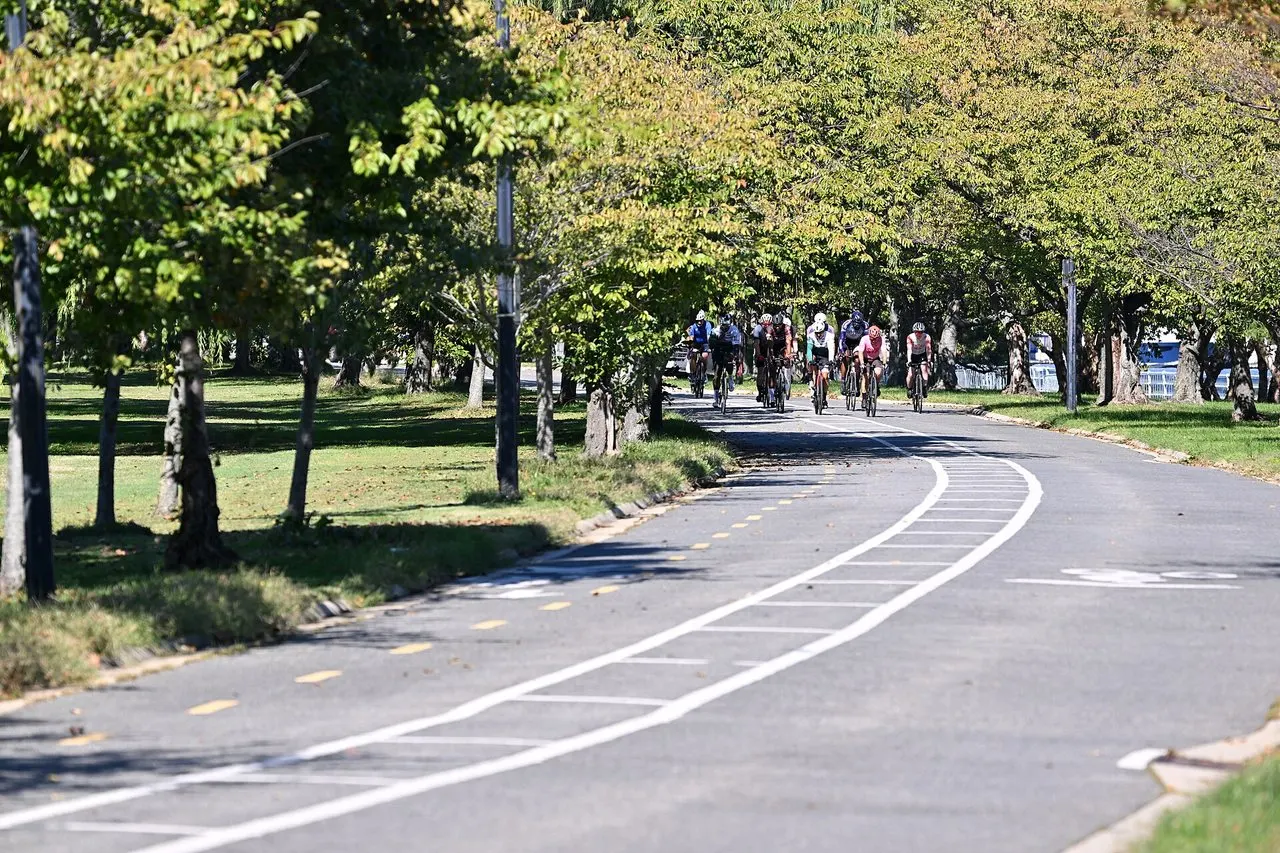
Ohio Drive is the road where runners, bikers and walkers get their exercise. It loops around the peninsula and gives people a flat and scenic route close to the water. On a good day, the road is full of joggers, cyclists and families out for a stroll. The golf plan would wipe out Ohio Drive. That would take away one of the most used exercise routes in the city. For many Washington residents, the road is part of a daily routine. Losing it would change how they move, train and spend time outside.
Hains Point and the Picnics at Risk
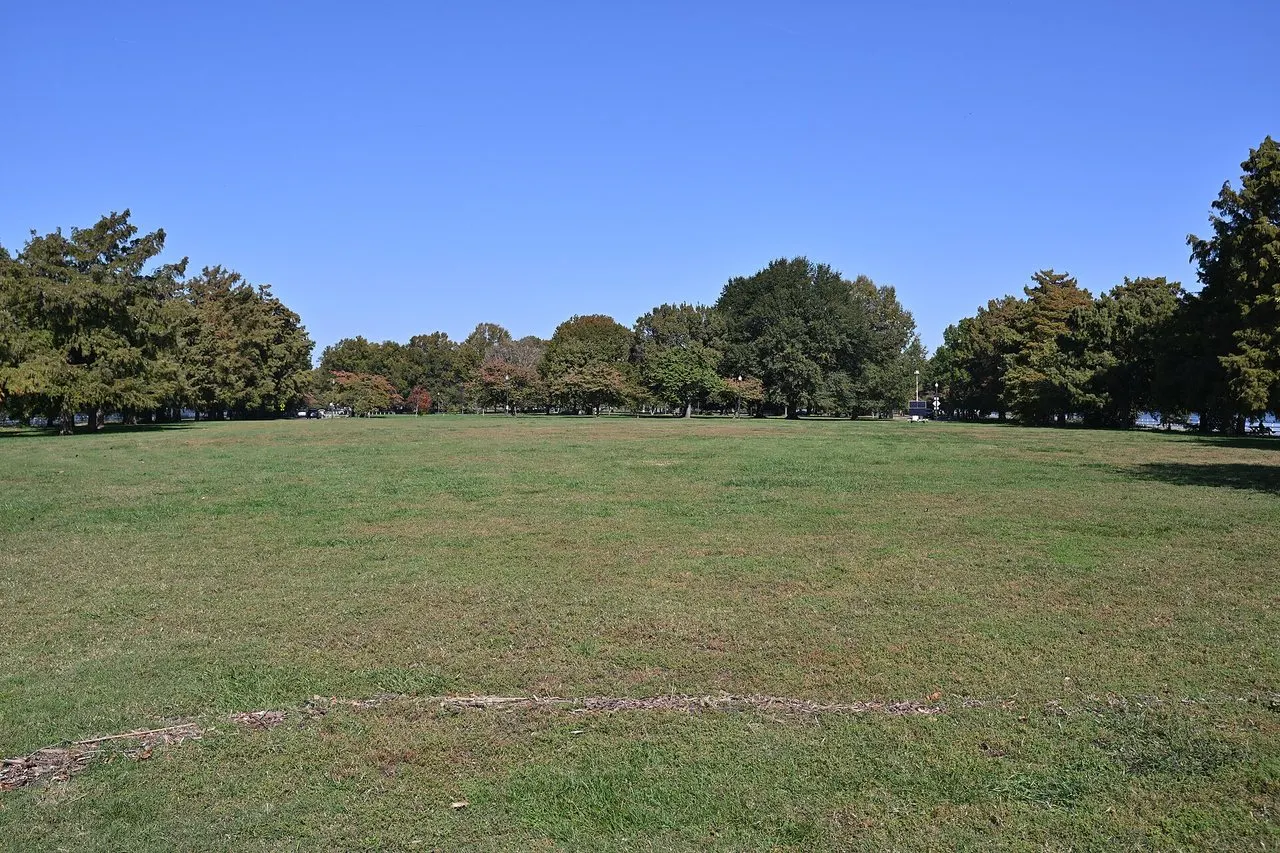
Hains Point is a beloved picnic spot at the tip of the peninsula. Families spread blankets on the grass and eat together with the river on both sides. Children play while parents watch the boats pass on the Potomac. It is the kind of simple public place that makes a city feel like home. The golf plan would wipe out the Hains Point picnic area. That loss would hit families who cannot afford private clubs or country escapes. A public picnic spot belongs to everyone, and that is why so many people spoke up to save it.
The Fishing Outpost on the Peninsula
The park is home to a fishing outpost where anglers cast their lines into the Potomac. Fishing is a patient pastime, and it costs little more than a rod and some bait. For many people, it is the easiest way to spend a morning on the water. The golf plan would wipe out the fishing outpost along with the picnic area and the road. That would close one more free and open use of the river. A championship course serves golfers. A fishing spot serves anyone who wants to sit by the water and wait for a bite.
East Potomac Park Holds the Oldest Mini Golf Course
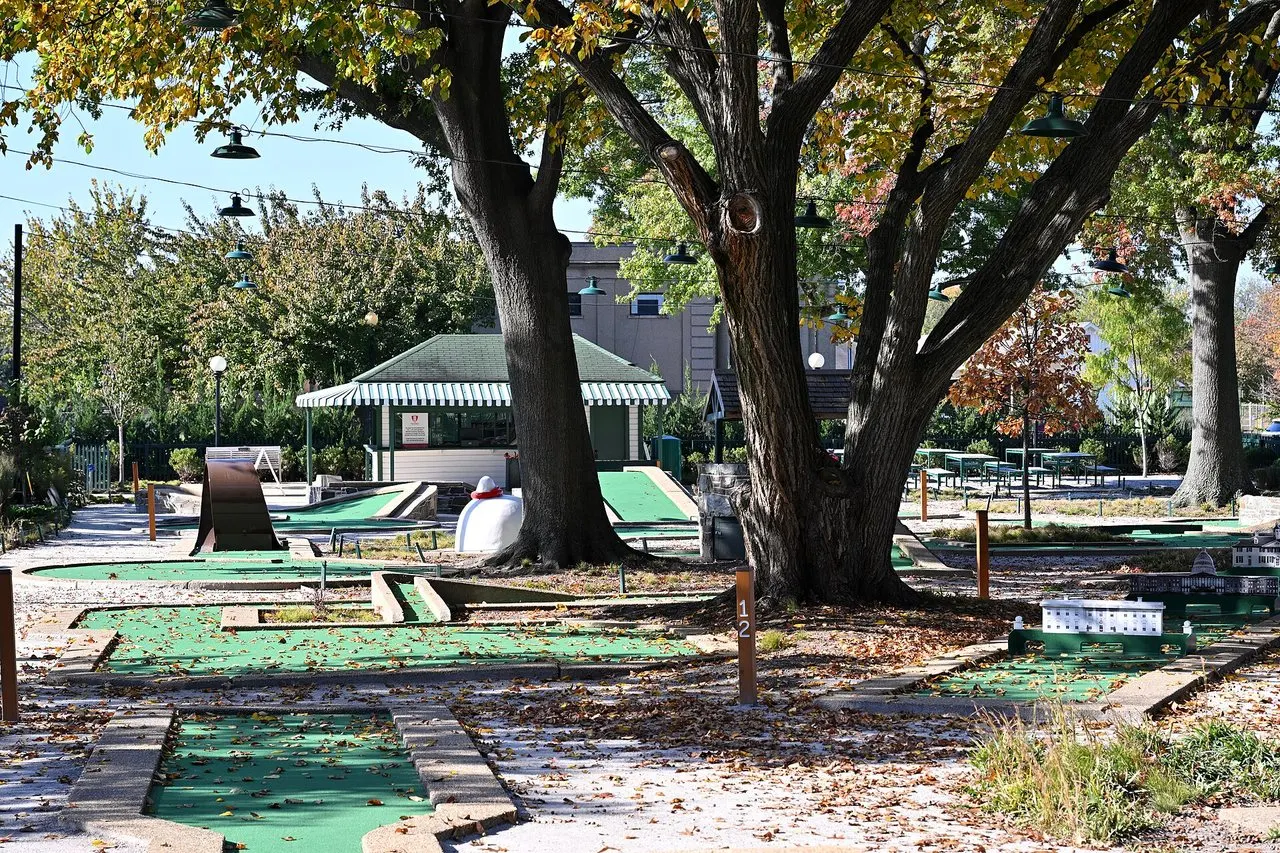
The mini golf course at East Potomac Park is the country’s oldest continuous mini golf course. It got a roughly one million dollar restoration in 2024, which brought the small course back to life for a new generation of players. Mini golf is a game for children, parents and grandparents together. It is cheap, simple and fun, and it fits the spirit of a public park. The golf plan would wipe out this little course. A place with deep history would be lost to make room for a championship course.
The Oldest Cherry Blossom Trees in DC

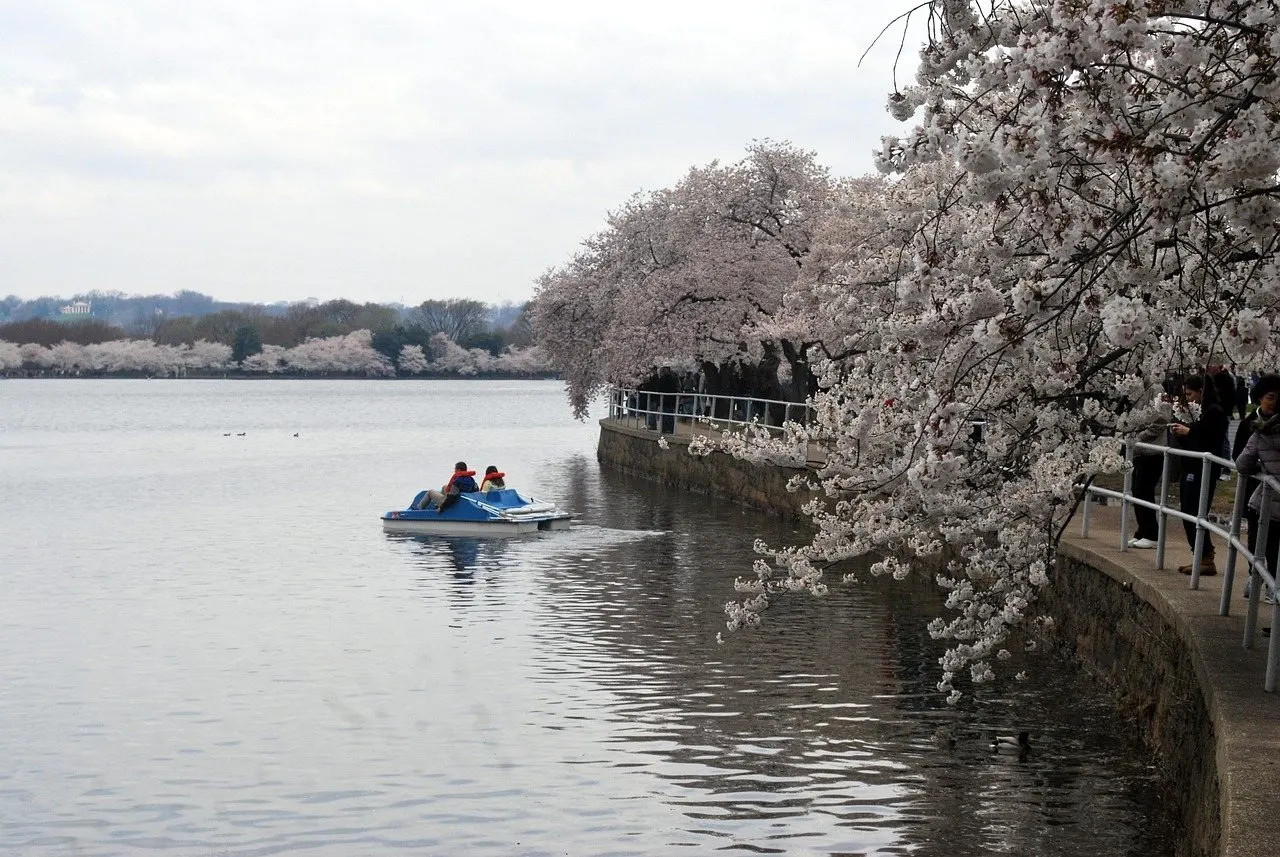
The park is also home to DC’s oldest cherry blossom trees. Each spring, the pink blossoms draw crowds to the Tidal Basin and the streets nearby. The trees are a gift of history, planted long ago and cared for ever since. They bloom for only a short time, and that brief show makes them even more loved. The golf plan puts these trees at risk along with the rest of the park. A championship course would change the land they grow on. Losing the oldest cherry trees in the city would be a loss no new fairway could replace.
A Deteriorating Seawall, or a Reason to Close the Park
The administration claims the park is unsafe because of a deteriorating seawall. A seawall holds back the river and protects low land from flooding. When it wears down, water can spill over paths and grass. That is a real problem, and it needs a real fix. But the judge called the planned closure pretextual. That word suggests the safety claim was used as a reason to close the park, not as a reason to repair it. A broken wall can be fixed. A closed park is a choice, and the court did not accept that choice.
What the Commission of Fine Arts Actually Does
The Commission of Fine Arts advises the federal government on design in Washington, DC. It reviews plans for memorials, parks and public buildings so the capital keeps its character. The panel has shaped the look of the city for more than a century. Its members bring skill in architecture, art and planning. They do not build the projects, but their advice carries weight with the agencies that do. This week, the panel used that role to ask for a rethink. It told the Interior Department that the golf plan was too big and too closed.
East Potomac Park Was Built From the River Itself
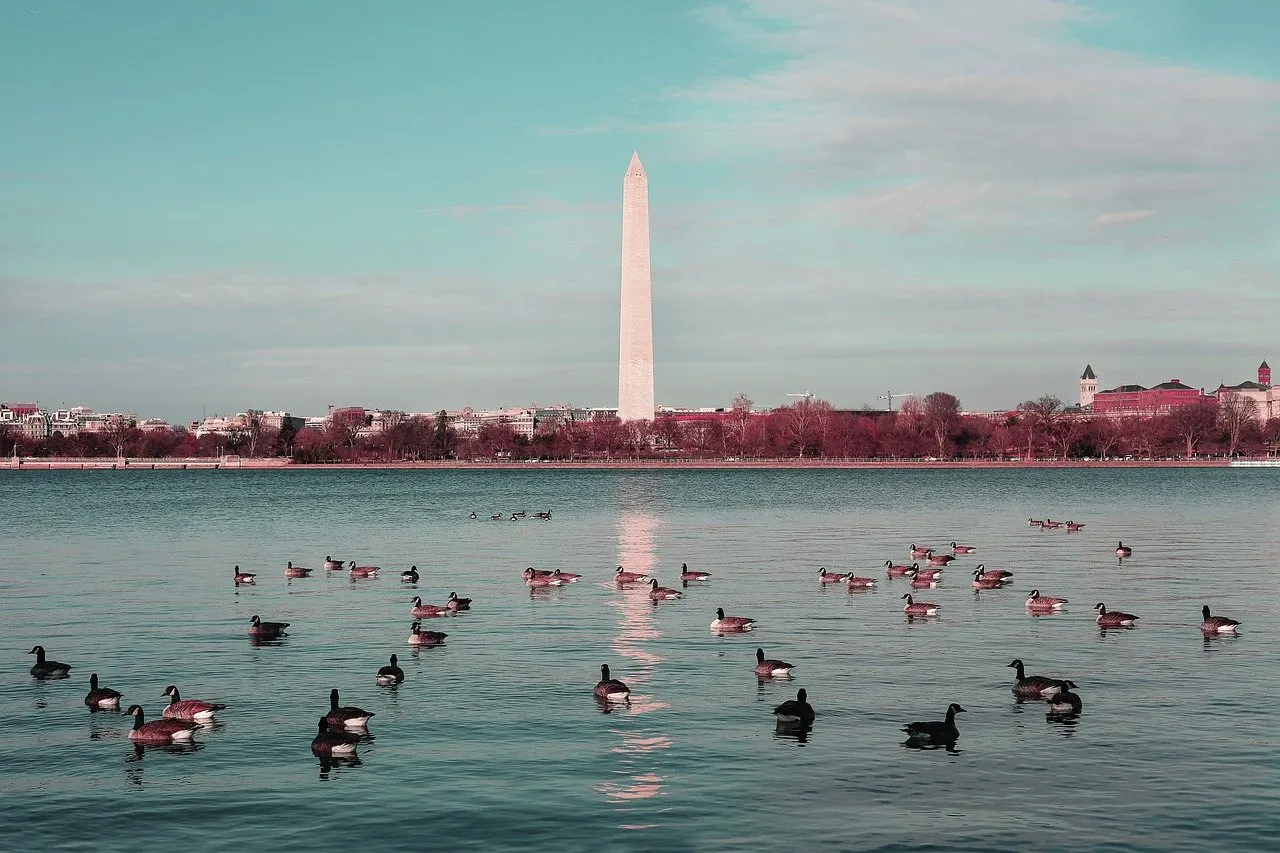
East Potomac Park sits on land that was built from the river itself. Workers dredged mud and sand from the Potomac and the Washington Channel to form the long peninsula. The park took shape in the early years of the last century, when the city was reshaping its waterfront. Today the peninsula reaches south between the channel and the river. Its flat paths and open lawns make it easy for anyone to enjoy. The land was made for the public, and that history is part of why people defend it now.
Golf Has a Long History on This Peninsula

Golf has been played on this peninsula for many years. The park already has public golf courses where anyone can book a tee time and play. That is the point of a public course. It welcomes beginners, families and regular players without a private club membership. A championship course is different. It is built for big events, with long fairways, deep rough and high standards for play. Turning the whole park into one championship course would end the easy public golf that people know today.
East Potomac Park Belongs to Runners, Families and Anglers

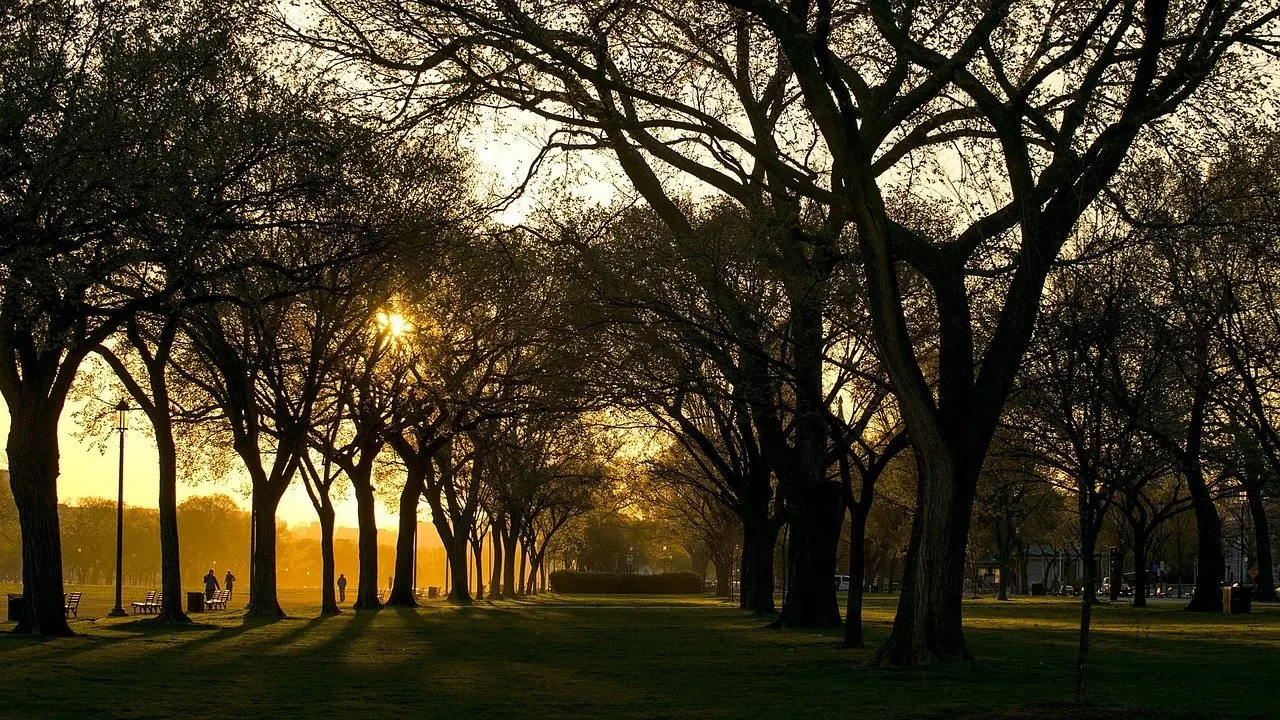
East Potomac Park belongs to the people who use it every day. Runners train on Ohio Drive. Cyclists ride the flat loop. Families picnic at Hains Point. Anglers fish from the shore. Children play mini golf. Older residents walk the paths for fresh air and a view of the river. None of them pays a club fee. None of them needs a membership. That open access is what makes a public park special. A championship golf course would serve a smaller group, and the rest of the city would lose a place that is now theirs.
What Happens Next for the Plan
The Interior Department must now go back to the drawing board. The arts panel asked for a smaller plan that keeps the peninsula open to everyone. The judge’s order keeps the park open while the case moves ahead. That gives the public more time to speak and the agencies more time to listen. A new plan could protect the road, the picnic area and the mini golf course while still improving the park. Or the administration could press on and face more time in court. Either way, the park is not closing tomorrow, and the fight is not over.
East Potomac Park and the Meaning of the Pushback
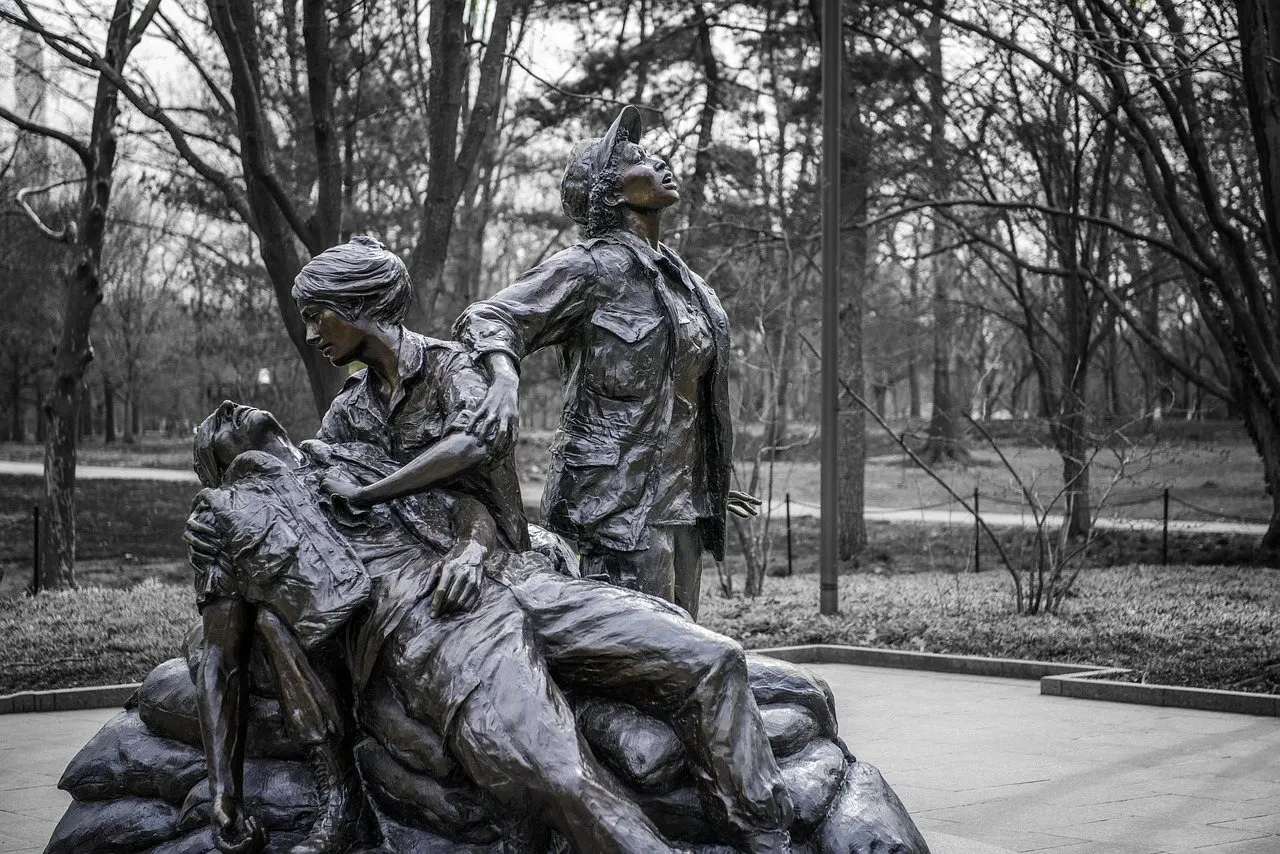
The pushback matters because it came from Trump’s own appointees. The chairman of the arts panel was picked by the president, yet he told the Interior Department to rethink the plan. That is a rare public break inside an administration. It shows that even loyal appointees can draw a line when a public place is at stake. The original post called it a sign of a lame duck presidency, as appointees no longer seem afraid to defy his wishes. Whatever the politics, the result was the same. The plan hit a wall, and the park got a voice.
Sunset Over the Potomac and a Park Still Open
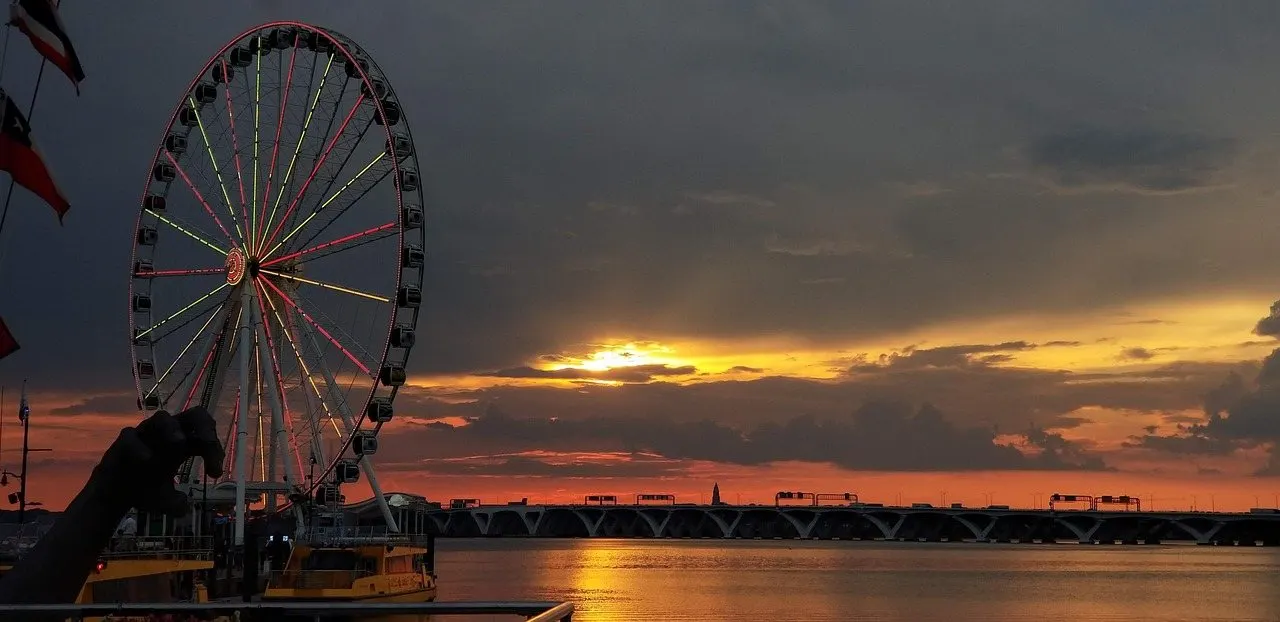
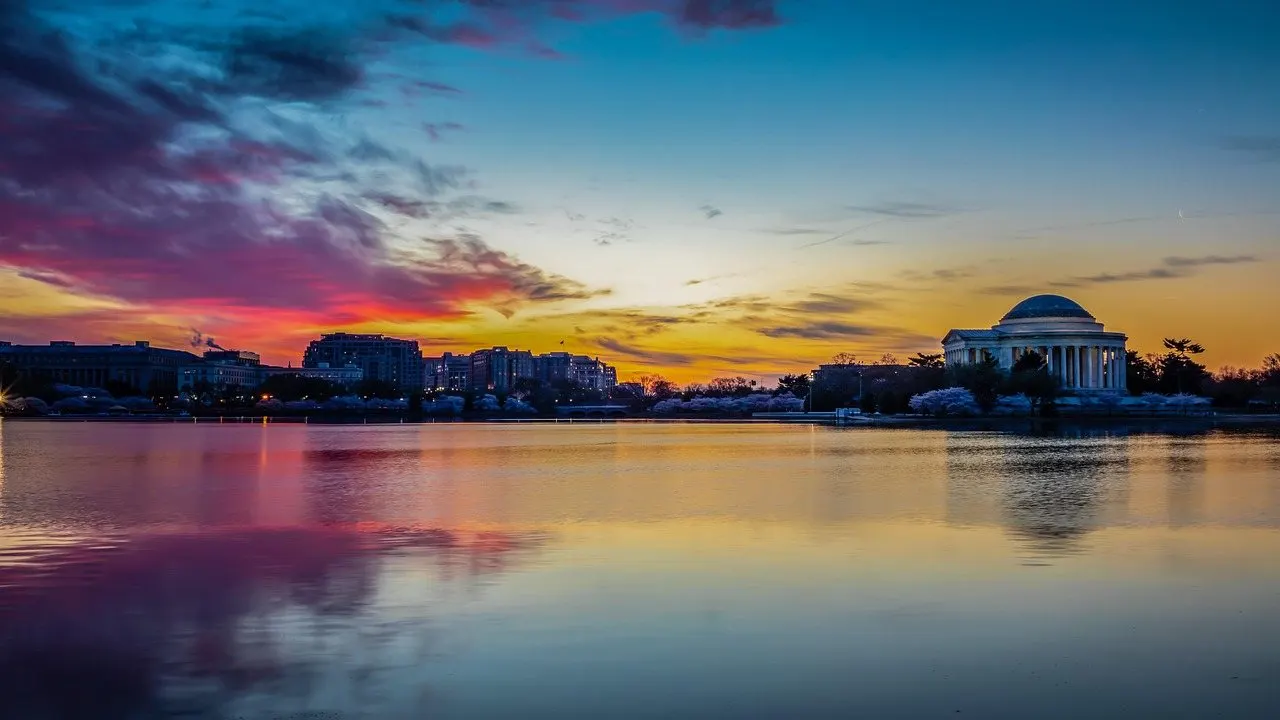
At sunset, the Potomac turns gold and the park fills with a quiet light. Runners finish their last loop. Anglers pack up their rods. Families head home with tired children. It is a calm hour in a busy city, and it belongs to anyone who walks in. That feeling is hard to put a price on. A golf course has its own beauty, with green fairways and neat bunkers. But a public park at dusk offers something else. It offers a whole city a place to breathe, and that is worth keeping.
What Should Happen to East Potomac Park Next

So what should happen to East Potomac Park next? Should the whole peninsula become one championship golf course, or should it stay a public park for runners, picnickers, anglers and families? The arts panel and the judge have both said slow down and think again. Now it is your turn to weigh in. Tell us in the comments how you use the park and what you would protect first. Your voice matters, because public land only stays public when the public speaks up for it.