Pretoria Nigerian ban March in Sunnyside: 28 Facts
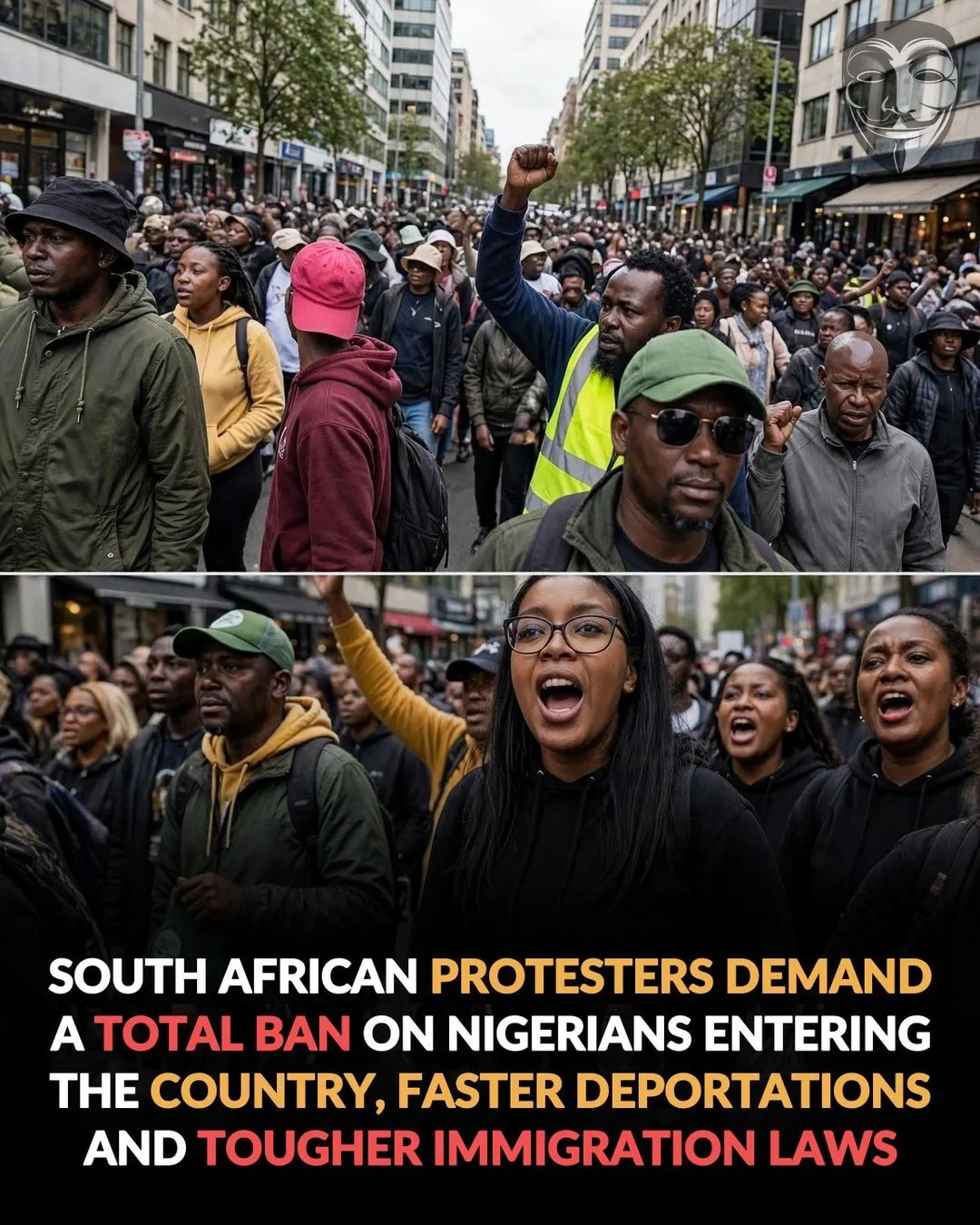
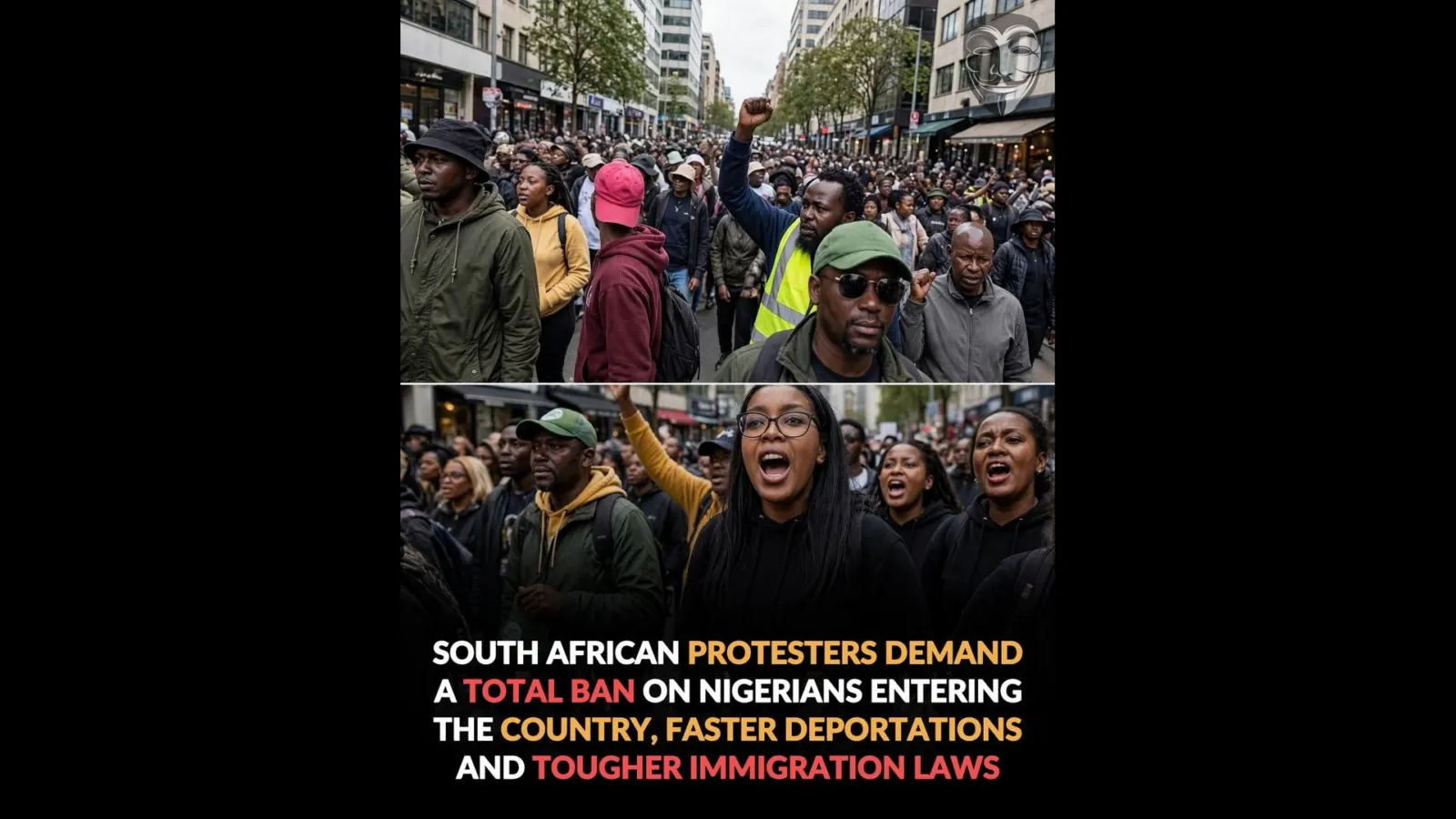
The Pretoria Nigerian ban was the central demand of a march through Sunnyside in Pretoria on Wednesday, November 18. Members of the March and March movement walked through the suburb, which is known as Little Lagos because of its large Nigerian community, on their way to the Department of Home Affairs in Hatfield. The group was led by Jacinta Ngobese-Zuma, and its legal representative, Xolani Zuma, called for a total ban on Nigerians entering the country. For more on public debate, read a speech about Africa rising.
The marchers also demanded stricter immigration laws, faster deportations of undocumented foreigners and South Africa leaving the 1951 United Nations Refugee Convention, which they called unsustainable. The South African government has distanced itself from the campaign, and the ban remains a demand from the protesters, not an announced government policy. In the slides ahead, we look at the march, the people, the places and the rules at the centre of the debate. For more on public debate, read a debate about who counts as an immigrant.
References:
Business Day: Marchers in Pretoria demand border ban on Nigerians
First Weekly Magazine: Ban Nigerians From Coming Here South African Protesters Target Little Lagos in Pretoria
The Trumpet: South Africans Demand Ban on Nigerians in Pretoria Protest
Inside Africa: Who Gave You Permission Anti Nigerian Marchers Storm Pretorias Little Lagos as Police Fire Water Cannon in Gqeberha
Marchers Walk Through Pretoria With a Clear Demand and the Pretoria Nigerian ban
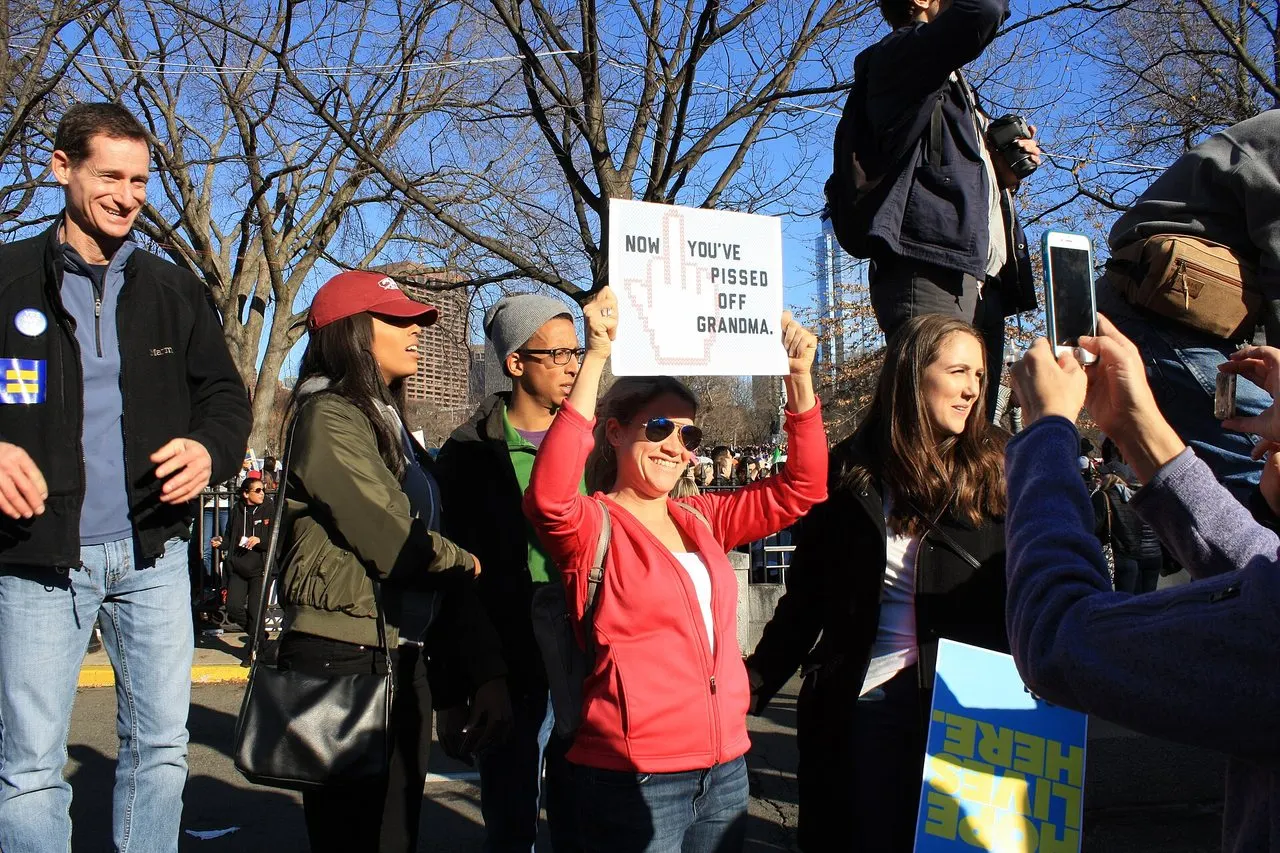
The march took place on Wednesday, November 18, in Pretoria. Members of the March and March movement walked together through the streets, carrying their message to the offices that handle immigration. The day was planned as a public march, not a quiet meeting, and the group wanted its demands to be seen and heard by officials and by people living nearby. The Pretoria Nigerian ban was the central call of the day, and marchers repeated it as they walked. See that report.
Sunnyside and the Name Little Lagos
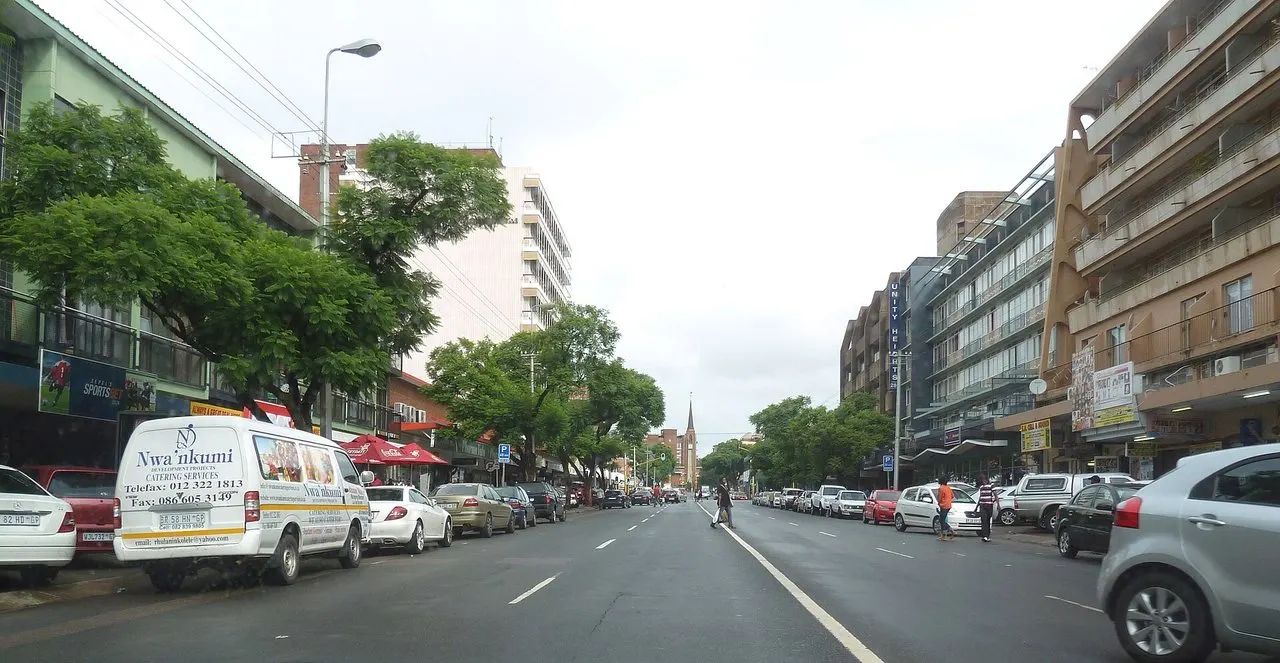
Sunnyside is a busy suburb of Pretoria, and many people know it for its flats, shops and lively streets. The area has a large Nigerian community, and that is why some people call it Little Lagos. The nickname comes from everyday life, from shops and neighbours and the sound of familiar languages on the street. For the marchers, the name itself became a point of argument, and they asked why a South African suburb carried the name of a Nigerian city. See that story.
Jacinta Ngobese-Zuma Leads the March
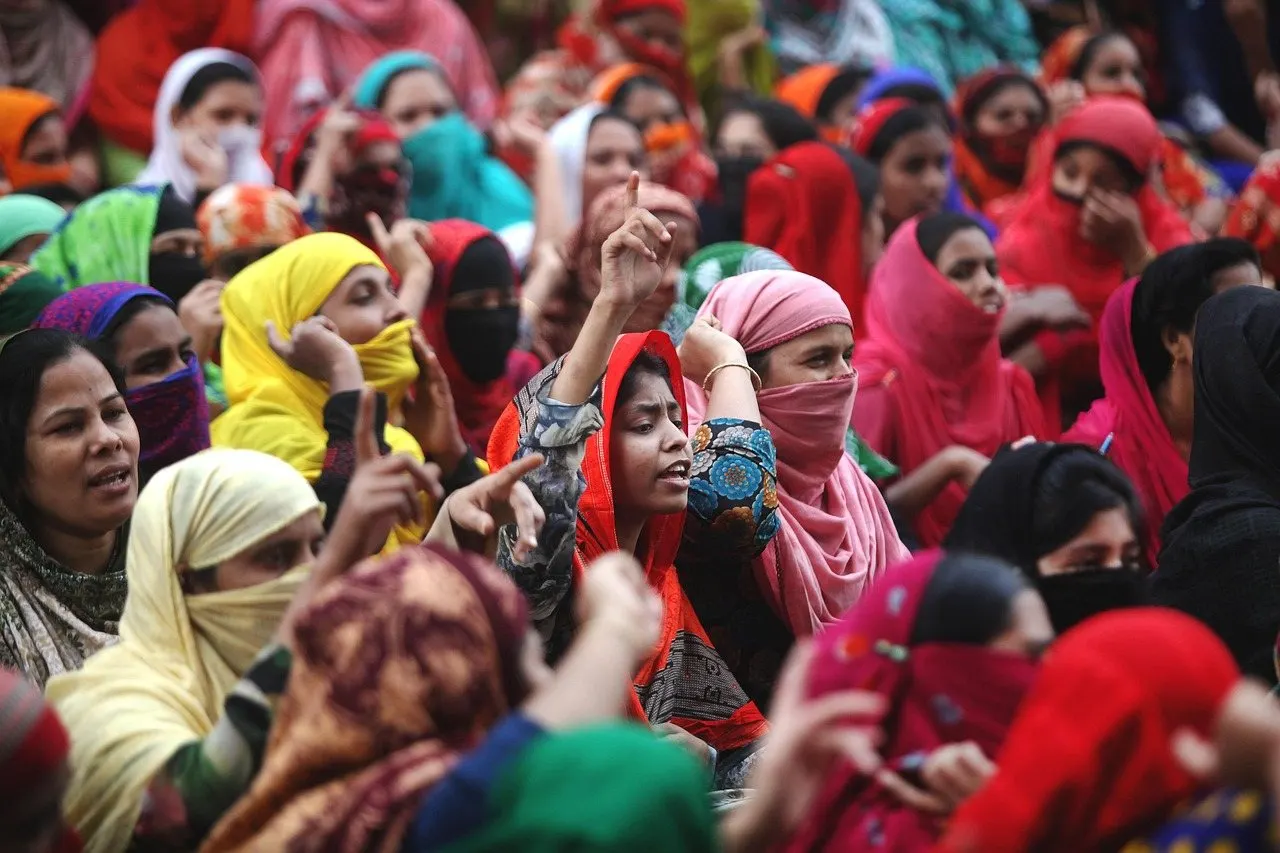
Jacinta Ngobese-Zuma leads the March and March movement, and she led the march through Sunnyside. She spoke to Nigerian residents in the area and asked them to come out and explain why the suburb carries the Lagos name. Her words were direct, and they set the tone for the day. She invited people to talk, but her question was also a challenge, and it was heard by marchers, residents and reporters who followed the group through the streets. See those facts.
Xolani Zuma Calls for a Ban and the Pretoria Nigerian ban
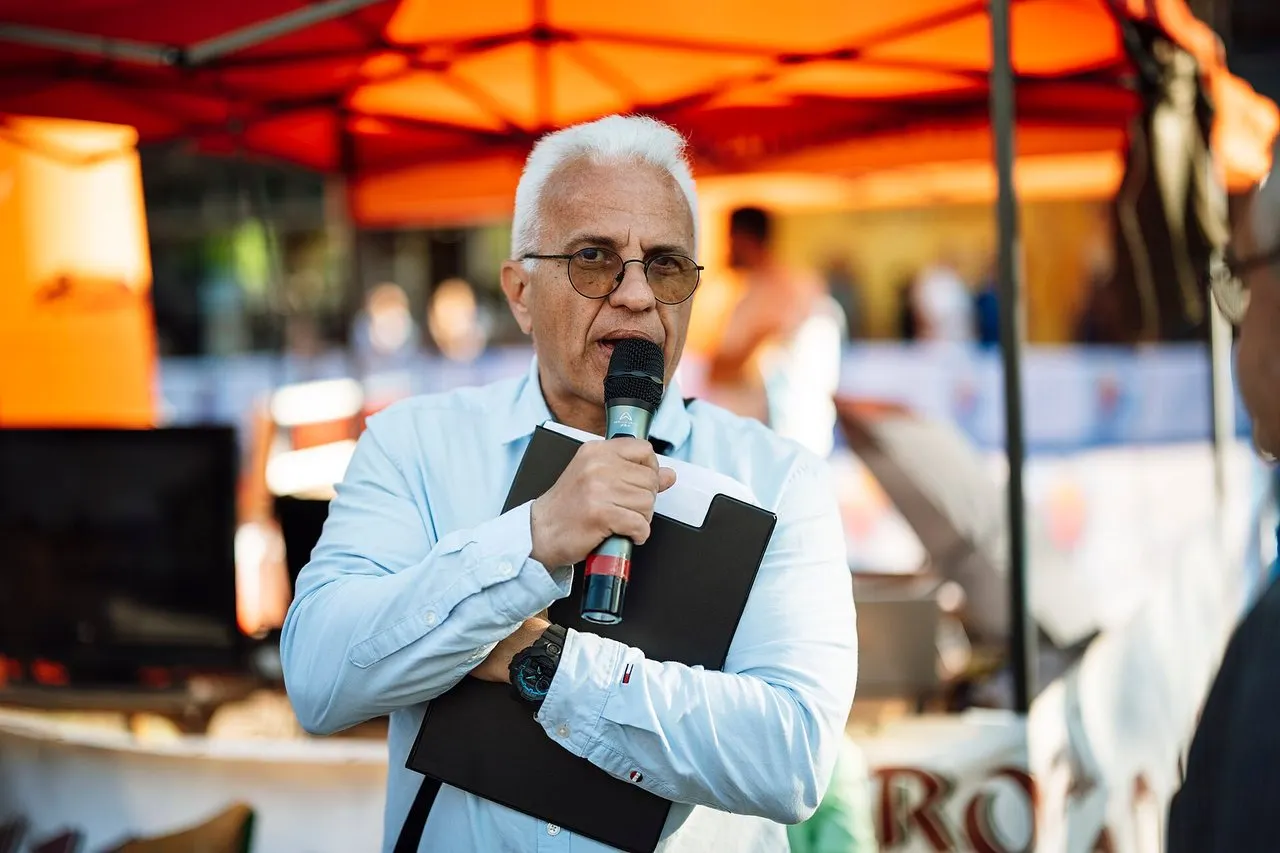
Xolani Zuma is the legal representative of the movement, and he went further than the other speakers. He called on the state to ban Nigerians from entering the country until, in his words, they stop selling drugs to South Africans. His call was the strongest demand of the day, and it drew the most attention in reports about the march. The demand was made in public, in front of the crowd, and it was repeated in news coverage after the march ended. See that bill.
The Walk to Home Affairs in Hatfield

The marchers walked from Sunnyside toward the Department of Home Affairs in Hatfield. Home Affairs is the department that handles identity documents, visas and immigration, so it was a natural place to take the demands. The route passed through Arcadia, and the group kept moving together toward the offices. The walk itself was part of the message, and the destination showed that the marchers wanted a reply from the people who run the system. See those moments.
Stricter Immigration Laws on the List
The protesters also demanded stricter immigration laws. They want the rules for entering and staying in South Africa to be harder, and they want the government to act faster on people who do not have papers. For the marchers, stricter laws are a way to protect jobs, homes and safety in their communities. For critics, such laws can also hurt honest people who follow the rules, and that tension sits at the heart of the debate in South Africa today. See that hippo story.
Faster Deportations for People Without Papers and the Pretoria Nigerian ban
Faster deportations were another key demand of the march. The protesters want undocumented foreigners to be sent home more quickly, and they want the process to be clear and firm. Deportation is already part of immigration law, but the marchers say it moves too slowly and leaves too many cases open. The call raises hard questions about fairness, about courts and papers, and about how a country treats people who have built a life far from home. See those claims.
Leaving the 1951 Refugee Convention
The marchers also called for South Africa to leave the 1951 United Nations Refugee Convention. They called the agreement unsustainable, and they said it places too much pressure on the country. The convention is an old promise that countries made after the Second World War to protect people who flee danger. Leaving it would be a major step, and it would change how South Africa handles people who ask for safety at its borders. See that joke.
What the Refugee Convention Promises
The 1951 Refugee Convention was written to protect people who flee war and persecution. Countries that sign it agree to give shelter and a fair hearing to people who seek safety. The idea is simple, but the work is hard, because each case must be checked and each person must be treated with care. Supporters say the promise still matters today, and they warn that leaving it would send a cold message to people in real danger around the world. See that outage joke.
The Government Keeps Its Distance and the Pretoria Nigerian ban
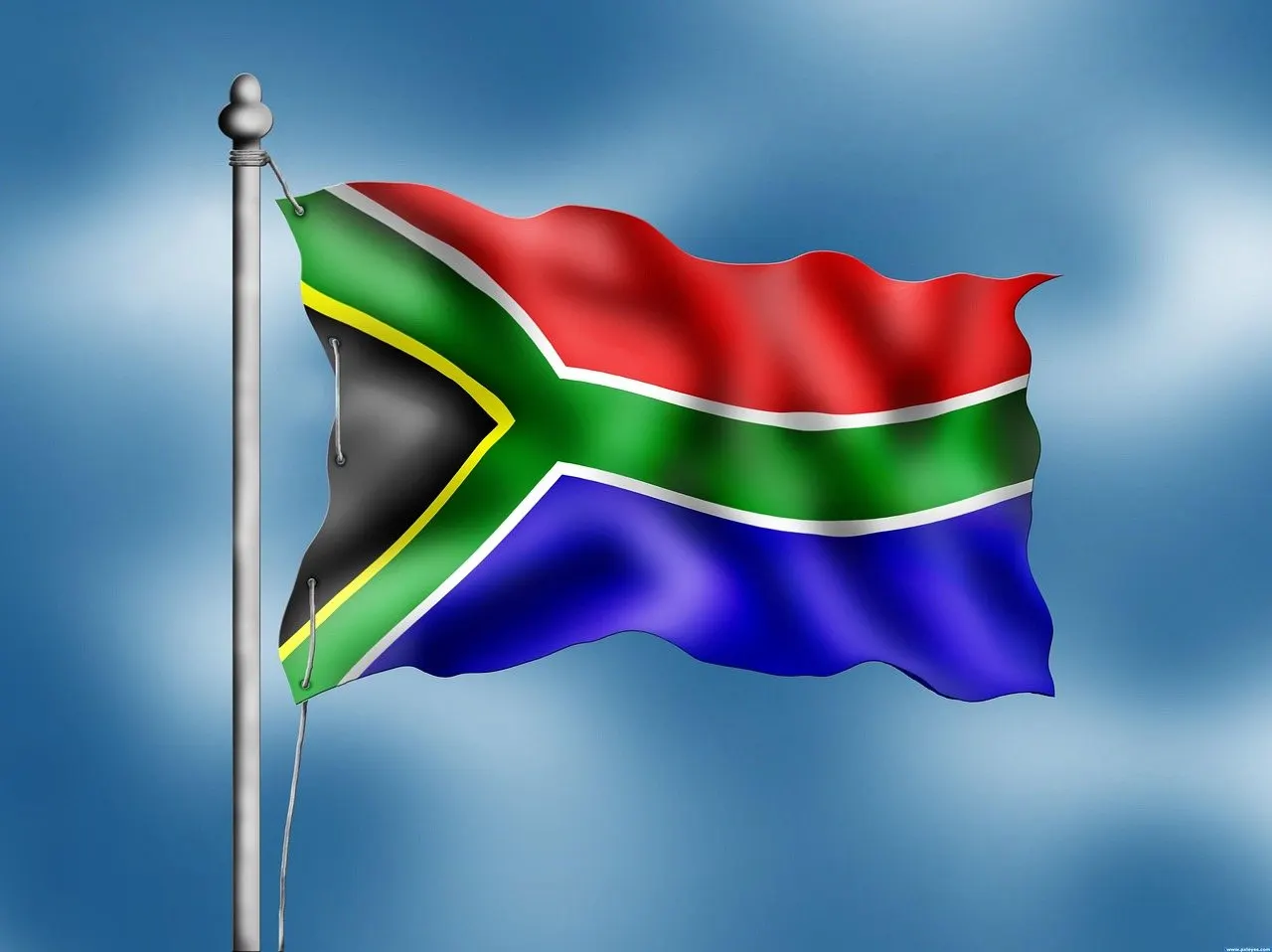
The South African government has distanced itself from the campaign. Officials have made clear that the call for a ban is a demand from the protesters, not an announced government policy. That gap matters, because a march can ask for change while the government can choose a different path. The government must weigh the law, the economy and relations with other countries, and its reply so far has been to keep its distance from the marchers and their call. See this speech.
A Demand Is Not a Policy
A demand is not the same as a policy, and that difference is important in this story. The protesters asked for a total ban, tougher laws and faster deportations, but none of those steps has been announced as law. A policy would need a decision by the government, a change in the rules and a clear plan for how it would work. Until that happens, the march remains a protest, and the ban remains a call from the street rather than a rule of the country. See that report.
Accusations at the Centre of the March

The marchers accused some Nigerians of being involved in drug trafficking and contributing to crime in local communities. That accusation was at the centre of the call for a ban, and it was repeated by speakers during the march. It is important to say that this is an accusation made by the protesters, not a proven fact about a whole community. Many Nigerians in South Africa live and work peacefully, and they have spoken out against being judged as a group for the acts of a few. See that story.
Crime Fears in Local Communities and the Pretoria Nigerian ban

Crime in local communities was a real concern for the marchers, and they linked it to their call for tougher rules. People who live in busy suburbs want safe streets, honest neighbours and quick help from the police when trouble comes. When people feel unsafe, they look for clear answers, and a march can give them a voice. The challenge is to deal with crime by finding the people who break the law, rather than blaming a whole community for the acts of a small number. See those facts.
Nigerian Life in Sunnyside
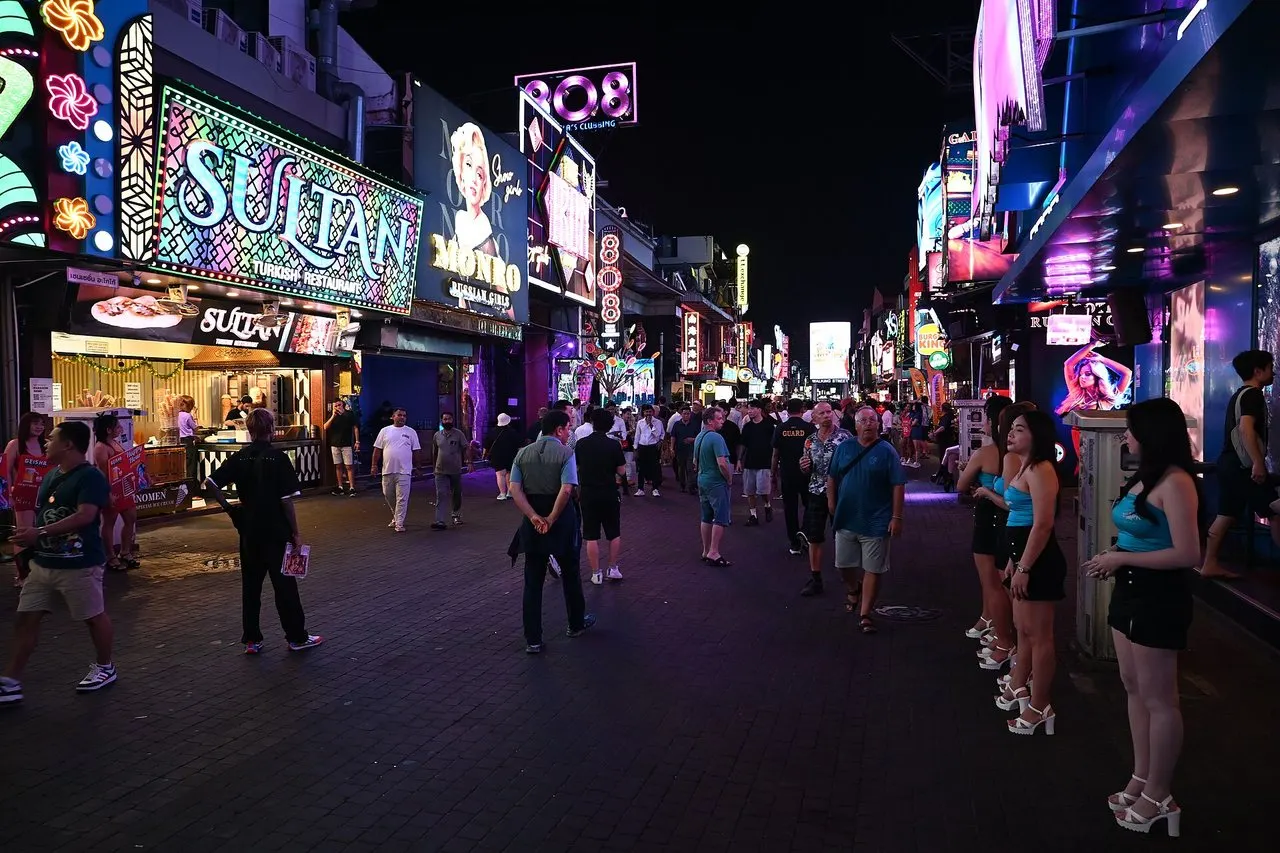
Nigerians have lived in Sunnyside for many years, and the area is home to shops, churches and families from many places. The nickname Little Lagos grew out of that daily life, and for many residents it is simply a friendly name for a place that feels like home. The march challenged that name, and it asked residents to explain it. For the people who live there, the suburb is not a slogan, and it is a place where they work, raise children and build a life. See that bill.
Pretoria, a City of Government and People
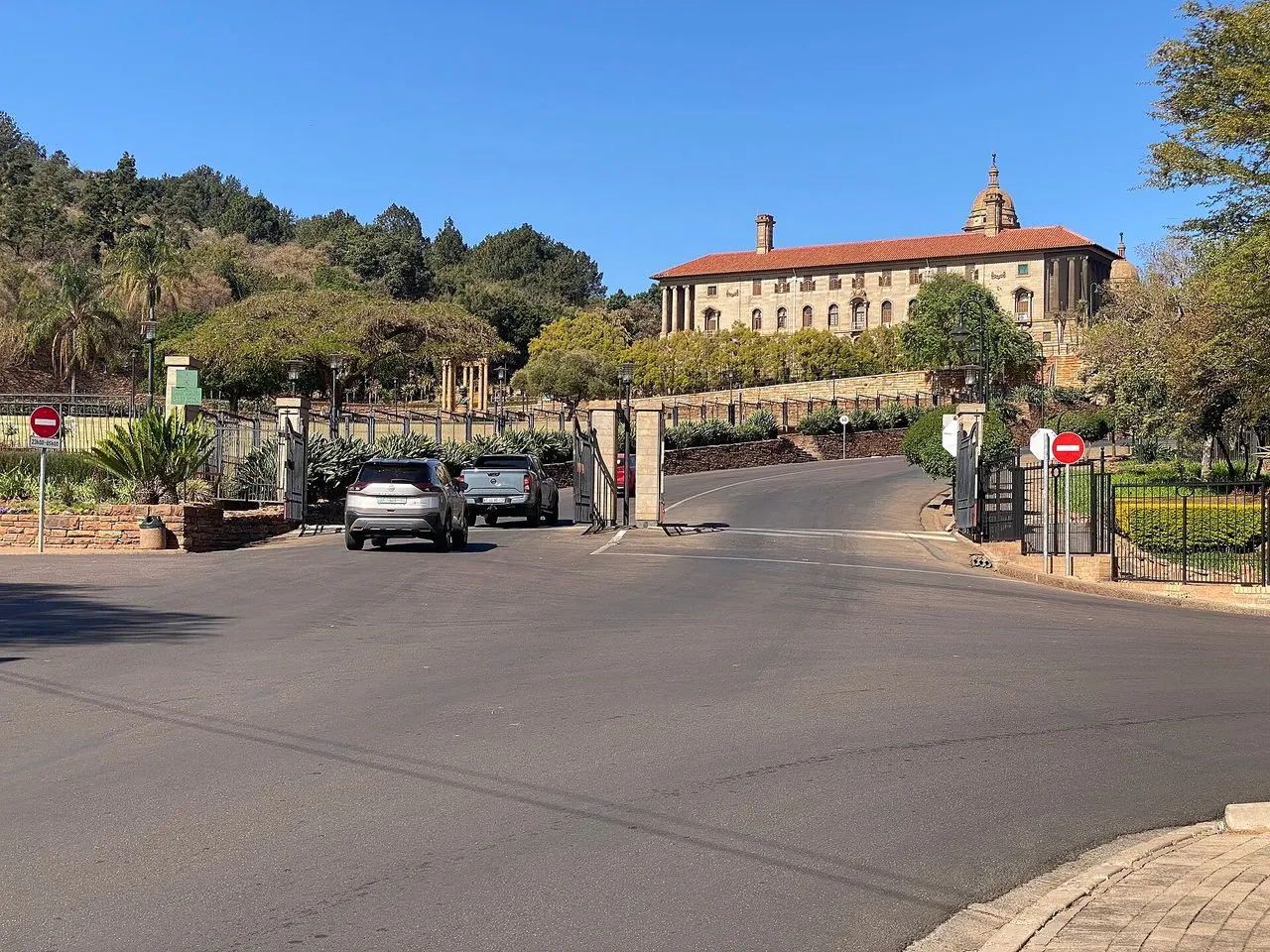
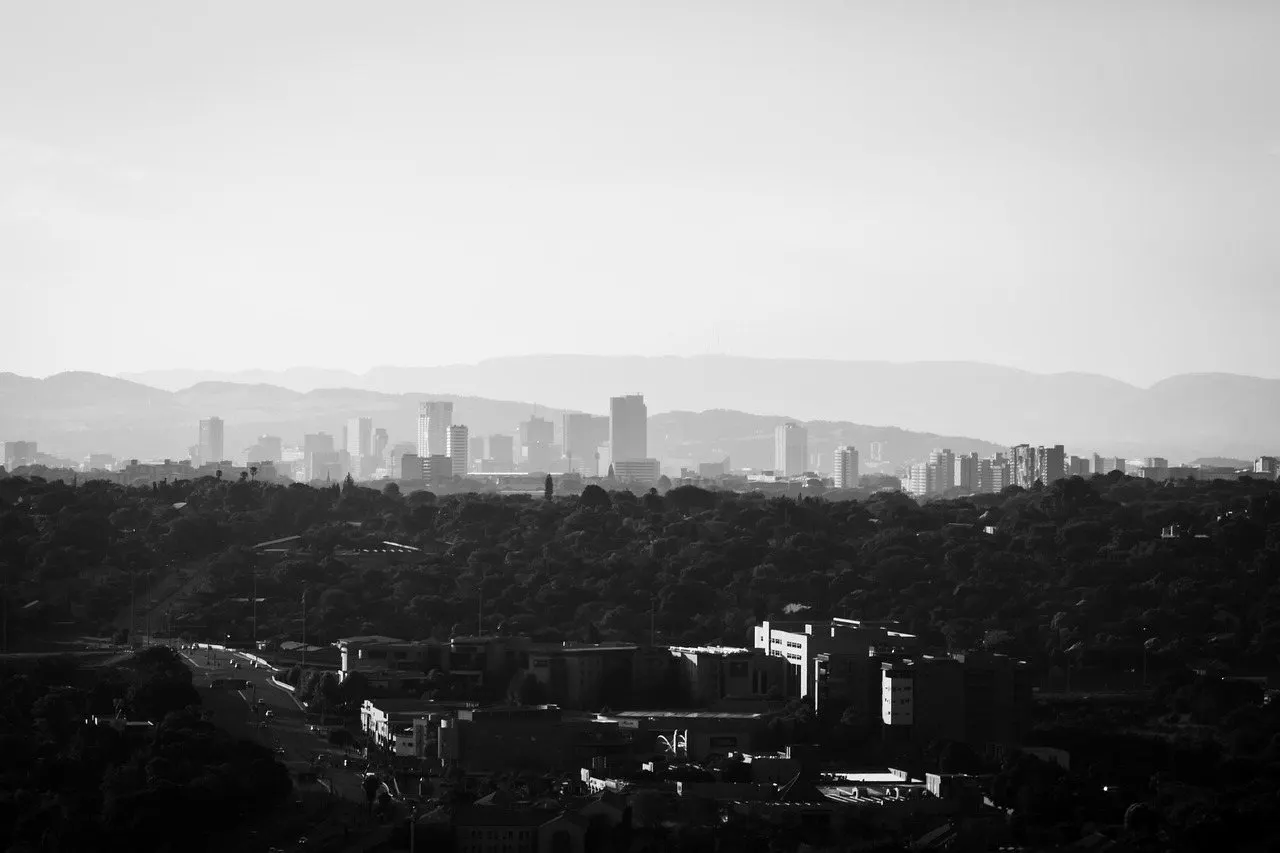
Pretoria is one of the capitals of South Africa, and it is home to government offices, embassies and many people from across the country and the continent. The city has wide streets, jacaranda trees and busy suburbs like Sunnyside and Hatfield. A march in Pretoria is easy to see, because it passes through the heart of the city and past the offices where decisions are made. That is why the group chose the city for its public call for change. See those moments.
How a March Makes Its Point and the Pretoria Nigerian ban
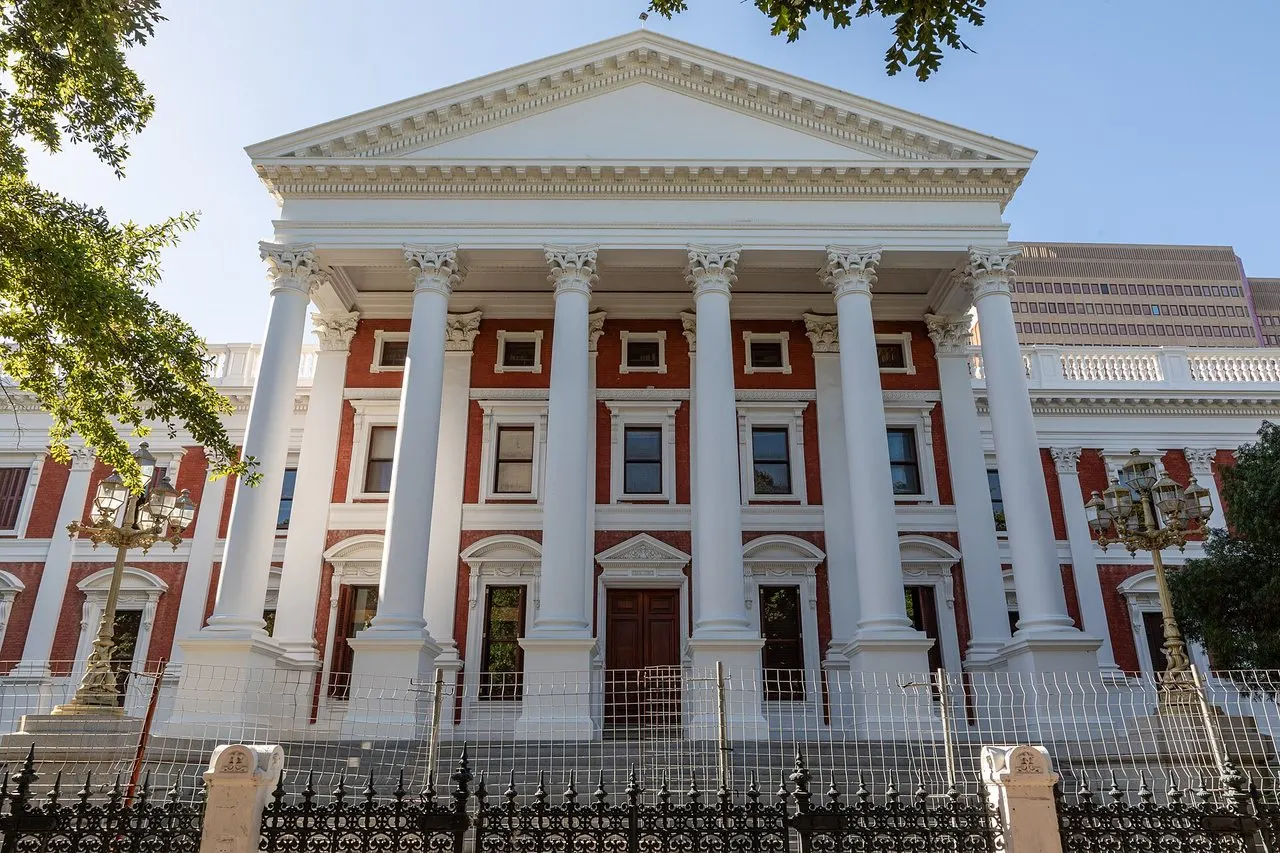
A march is a simple and old way for people to make a public point. People walk together, carry signs and speak to reporters, and the walk itself shows that many people share the same view. In South Africa, marches are a normal part of public life, and they are used by many groups for many causes. The March and March walk followed that pattern, and it used the streets of Pretoria to carry a clear message to the government and to the public. See that hippo story.
Home Affairs and the Papers That Matter

The Department of Home Affairs handles the papers that let people live, work and travel in South Africa. It deals with identity documents, passports, visas and asylum claims, and its offices are often busy with long queues. When marchers take their demands to Home Affairs, they are speaking to the department that runs the system day by day. The marchers wanted the department to hear them, and they wanted its officials to act on their calls for change. See those claims.
How Immigration Law Works
Immigration law sets the rules for who can enter a country, how long they can stay and what papers they need. The law tries to balance safety, work and family life, and it gives officials the power to check papers and to act when the rules are broken. Changing the law is not simple, and it takes time, debate and clear plans. The marchers want the law to be stricter, and they want the change to happen soon, but any change must still follow the constitution and the courts. See that joke.
Deportation and the Need for a Fair Process and the Pretoria Nigerian ban
Deportation is the legal process of sending a person back to their home country when they do not have the right to stay. The process usually involves papers, a hearing and a decision by officials, and it can take time when cases are complex. The marchers say the process is too slow, and they want it to move faster. Supporters of a fair process say speed must not come at the cost of mistakes, because a wrong decision can break up a family or send a person back to danger. See that outage joke.
The History of the 1951 Convention
The Refugee Convention was agreed in 1951, after millions of people were forced from their homes by war. It gave countries a shared set of rules for protecting people who flee persecution, and it asked them to treat each claim with care. Over time, many countries signed the agreement, and it became a key part of international law. The marchers now say the agreement no longer works for South Africa, and they want the country to step away from it and write its own rules. See this speech.
Tensions in a Busy Suburb
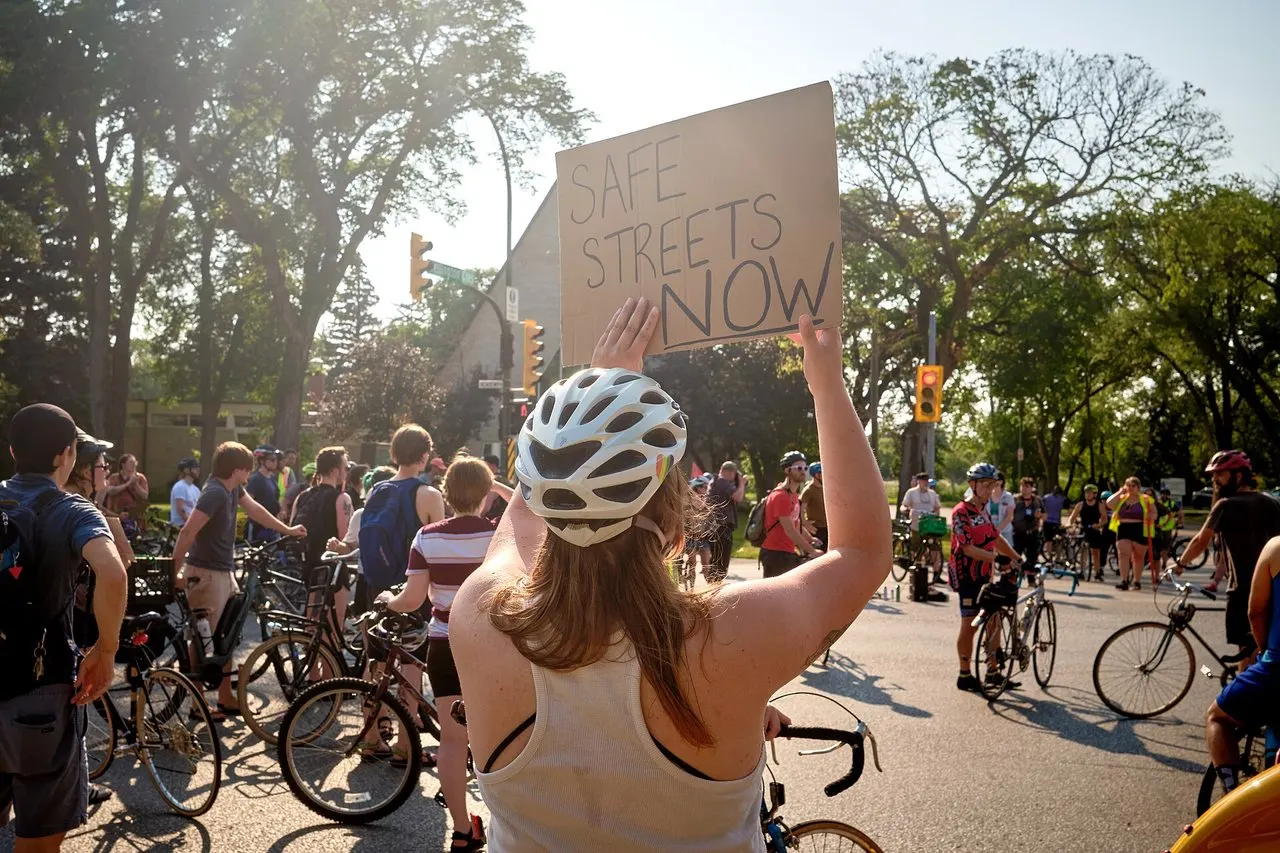
Community tensions can grow when people feel that jobs, housing and safety are under pressure. In busy suburbs, neighbours may come from many countries, and they may speak different languages and follow different customs. That mix can bring new food, music and trade, but it can also bring fear when people do not know each other well. The march in Sunnyside showed that tension in public, and it showed how quickly a local nickname can become a national argument about who belongs. See that report.
How the News Covered the March and the Pretoria Nigerian ban
News coverage of the march spread the story far beyond Pretoria. Reports in Business Day, First Weekly Magazine, The Trumpet and Inside Africa all described the same day, with the same leaders and the same demands, but each report added its own detail and tone. Readers in Nigeria and South Africa followed the story online, and many shared their views in comments. The coverage shows how a local march can become a story that two countries watch, discuss and argue about together. See that story.
Police and Protests After Pretoria
Police are often present at marches to keep people safe and to keep traffic moving. In Gqeberha, two days after the Pretoria march, police used a water cannon during a related protest, according to the Inside Africa report. That detail shows that the campaign did not end in Pretoria, and it shows how quickly a protest can become tense. Most marches end peacefully, but the presence of police is a reminder that public protest always carries a risk for everyone on the street. See those facts.
What Happens After the March
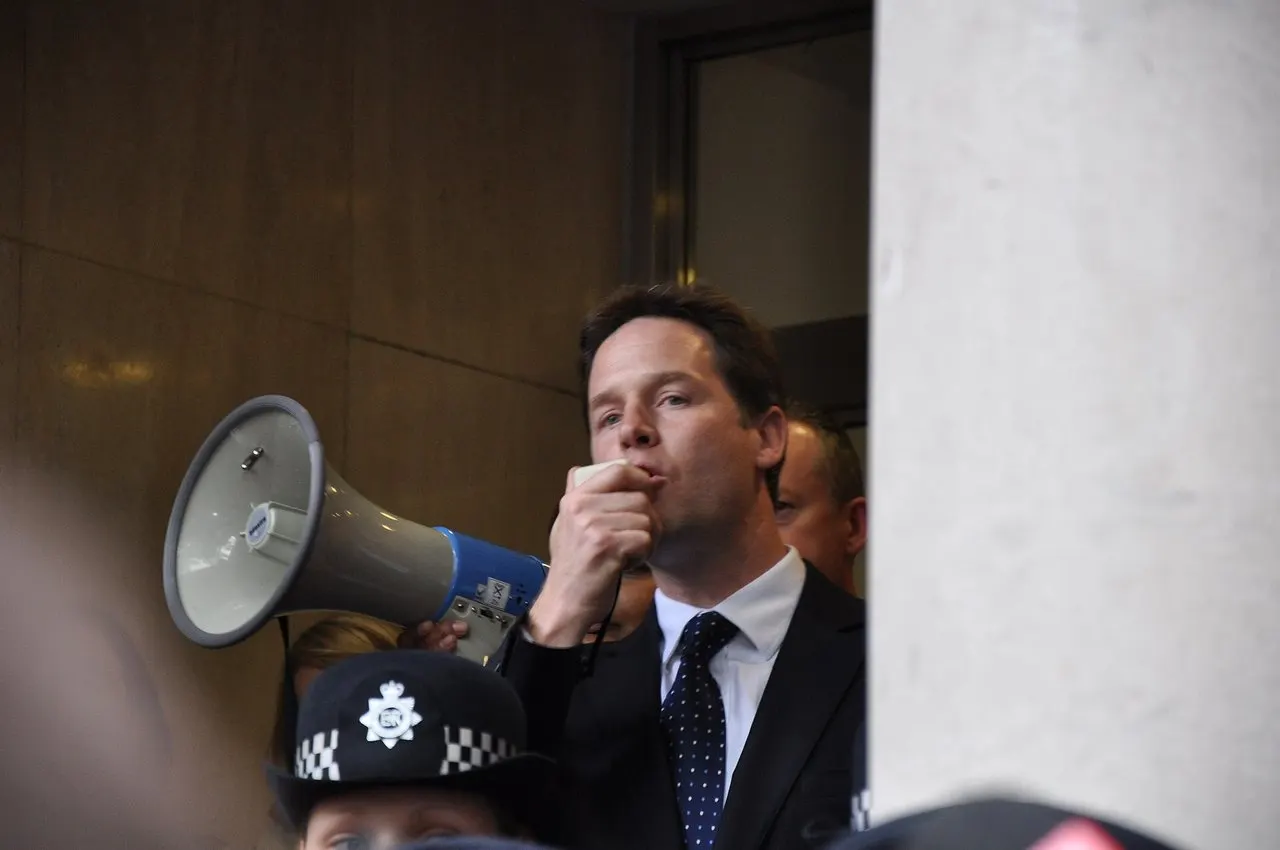
The story did not end when the marchers reached Hatfield. After the march, the debate continued online, in news reports and in talks between people in South Africa and Nigeria. Some people supported the call for a ban, and others said it was unfair to judge a whole nation by the acts of a few. The government has not announced a ban, and the marchers have not dropped their call, so the argument is likely to continue in the weeks ahead, in public and in private. See that bill.
The Facts to Remember From the Day and the Pretoria Nigerian ban

For readers who want to follow this story, the key facts are clear and simple. The march took place on November 18, it was led by Jacinta Ngobese-Zuma, and it ended at the Department of Home Affairs in Hatfield. The demands were a ban on Nigerians entering the country, stricter immigration laws, faster deportations and withdrawal from the Refugee Convention. The government has distanced itself, and the ban remains a demand, not a policy, so readers should watch for any official reply in the days ahead. See those moments.
Two Countries With Long Ties

South Africa and Nigeria are two of the largest economies in Africa, and their people have long ties through trade, travel, music and family. Many Nigerians live and work in South Africa, and many South Africans travel to Nigeria for business and study. A call for a ban touches those ties, and it can strain relations between the two countries. The march shows how a local protest can reach across a border, and how the words spoken on one street can be heard in another country. See that hippo story.
What Should Happen Next
What do you think should happen next in this debate? Should South Africa keep its current rules, make them stricter, or find a new way to deal with immigration and safety in places like Sunnyside? Share your view in the comments, and tell us how you think neighbours from different countries can live well together. Your voice matters, and a calm and honest conversation can help people on both sides of this argument to understand each other better. See those claims.