Liz Cheney Warning to Republicans Still Echoes
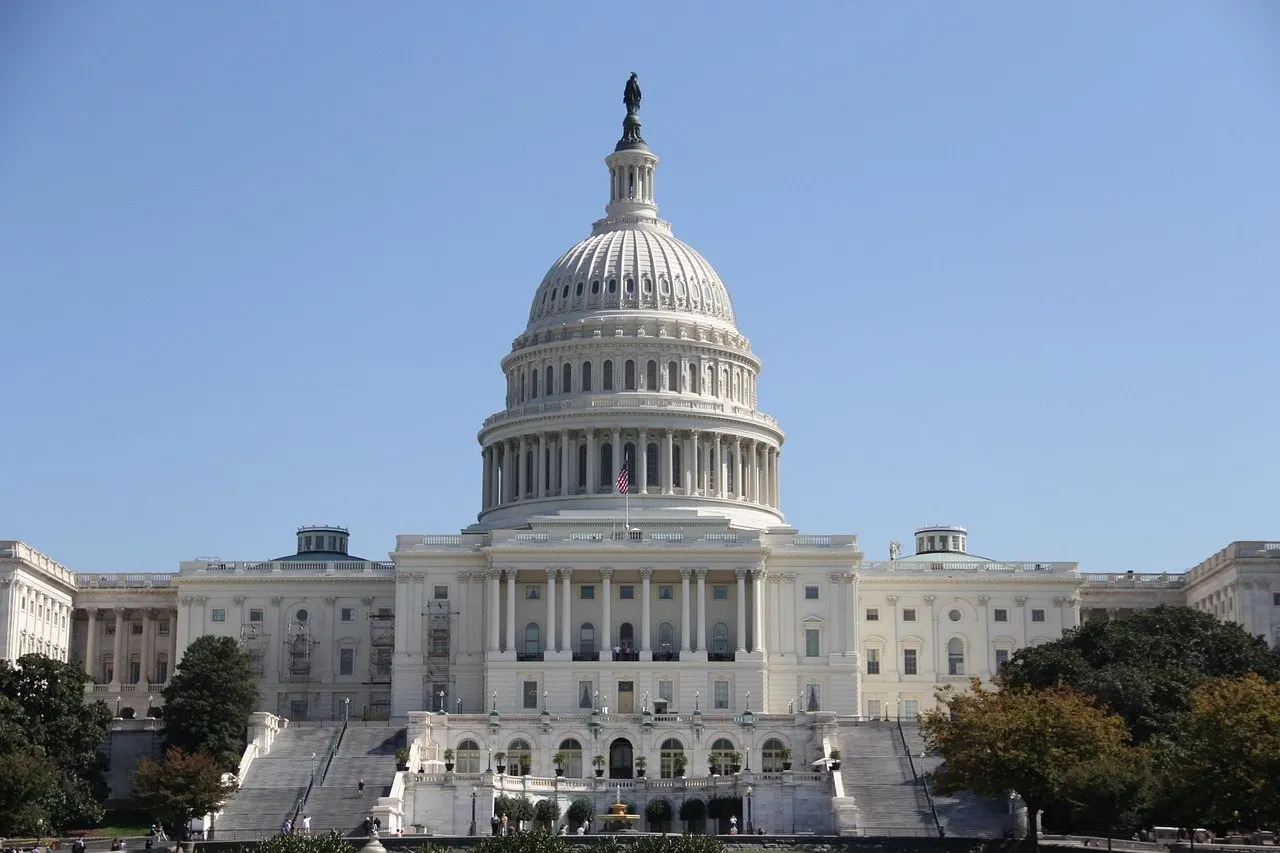
The Liz Cheney warning came in June 2022, during the first public hearing of the House January 6 committee, when the panel’s vice chair looked at her fellow Republicans and told them a day would come when Donald Trump was gone, but their dishonor would remain. She spoke near the end of her opening remarks, as the committee began laying out its case about the attack on the Capitol, and her words were aimed at colleagues defending what she called the indefensible. The moment was calm, direct, and widely quoted.
Cheney paid a price for her stand. She lost her House Republican leadership role, and in August 2022 she lost her Wyoming primary to Harriet Hageman, a Trump backed challenger, by a wide margin. Even so, the warning keeps resurfacing, because it asks whether loyalty to a party should come before loyalty to principle. In the slides ahead, we look at the hearing, the fallout, and why the line matters today. For more on a divided Congress, read about the vote that made Hakeem Jeffries the first Black speaker.
References:
NPR: Liz Cheney offers a stark message to the GOP members who continue to support Trump
Montana Public Radio: Who is Harriet Hageman, the woman who beat Liz Cheney in the Wyoming House race
Ballotpedia News: Harriet Hageman defeats Liz Cheney in the Republican primary for Wyoming At-large Congressional District
Reason: Cheney Loses to Trump-Endorsed Primary Challenger Hageman
The Night the Liz Cheney Warning Was Delivered
The hearing took place in June 2022, when the House January 6 committee presented its findings in public for the first time. The session was held in prime time, and millions of Americans watched the panel lay out what it had learned. Cheney, as vice chair, played a central role, and her opening remarks set the tone for the evening. The committee used video, testimony, and documents to build its case. For more on tense moments in Congress, read about a tense hearing about a possible security risk.
Cheney Was the Vice Chair of the Panel
Cheney served as vice chair of the January 6 committee, a role that put her at the center of one of the most watched investigations in recent history. She was a Republican from Wyoming, and her presence on the panel gave it a bipartisan shape when the country was divided. Her job was to present the evidence fairly and to ask the hard questions. That put her at odds with her own party. For more on close contests, read about a House race decided by just 330 votes.
The Words That Stopped the Room
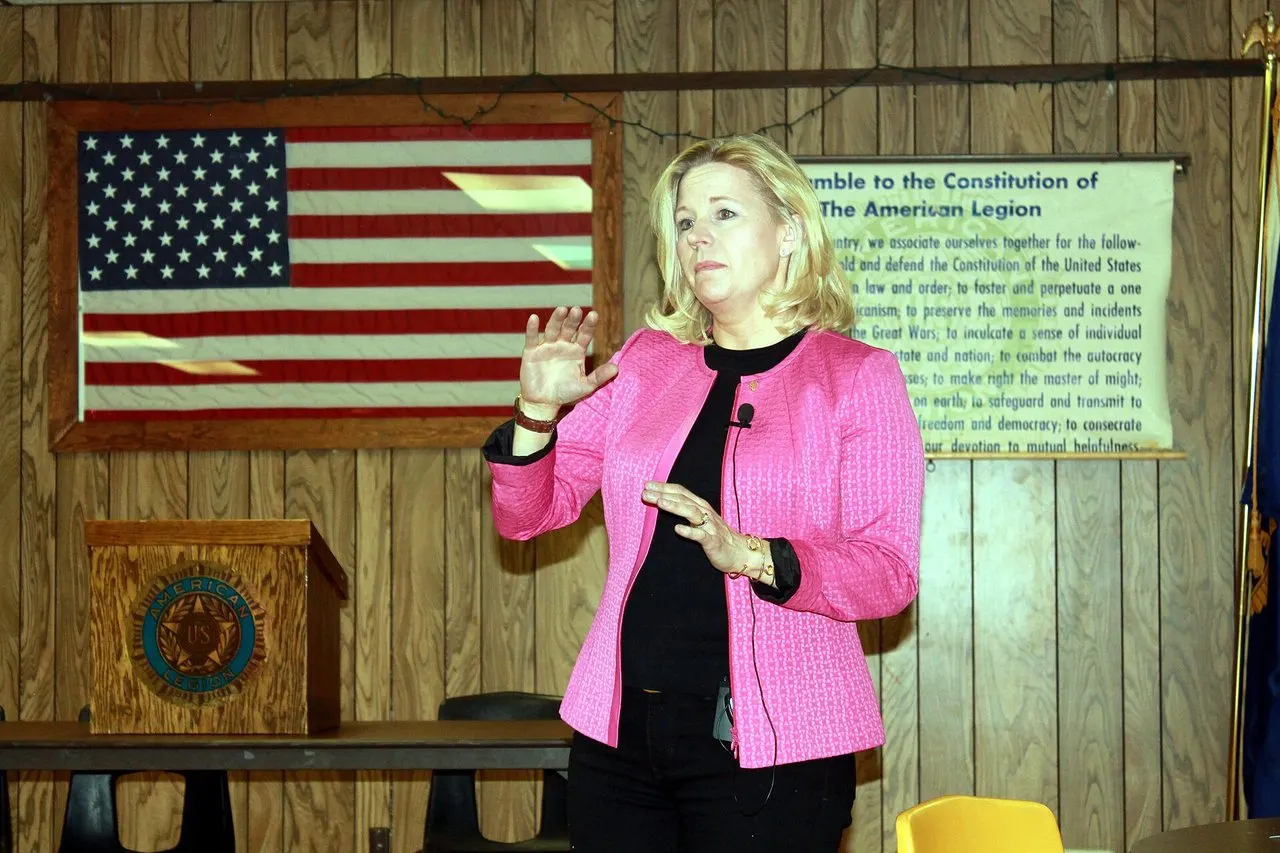
The warning itself was simple and direct. Cheney told her colleagues that a day would come when Donald Trump was gone, but their dishonor would remain. The line landed because it looked past the news and asked Republicans to think about how history would judge them. She spoke to people defending what she called the indefensible, asking them to weigh short term loyalty against a lasting mark. Few hearing lines have been repeated as often. Read about the effort to deny a part in the Trump era.
A Liz Cheney Warning About Loyalty and Principle

At its heart, the warning was about a choice every official faces, loyalty to a party or loyalty to principle. Cheney argued that standing by a leader when the facts point the other way carries a cost that does not fade. Her colleagues had to decide if defending Trump was worth the stain she described. The question has no easy answer, which is why the line still sparks debate. For more on races decided by a handful of votes, read about a House race decided by just 330 votes.
What the Committee Was Laying Out That Night
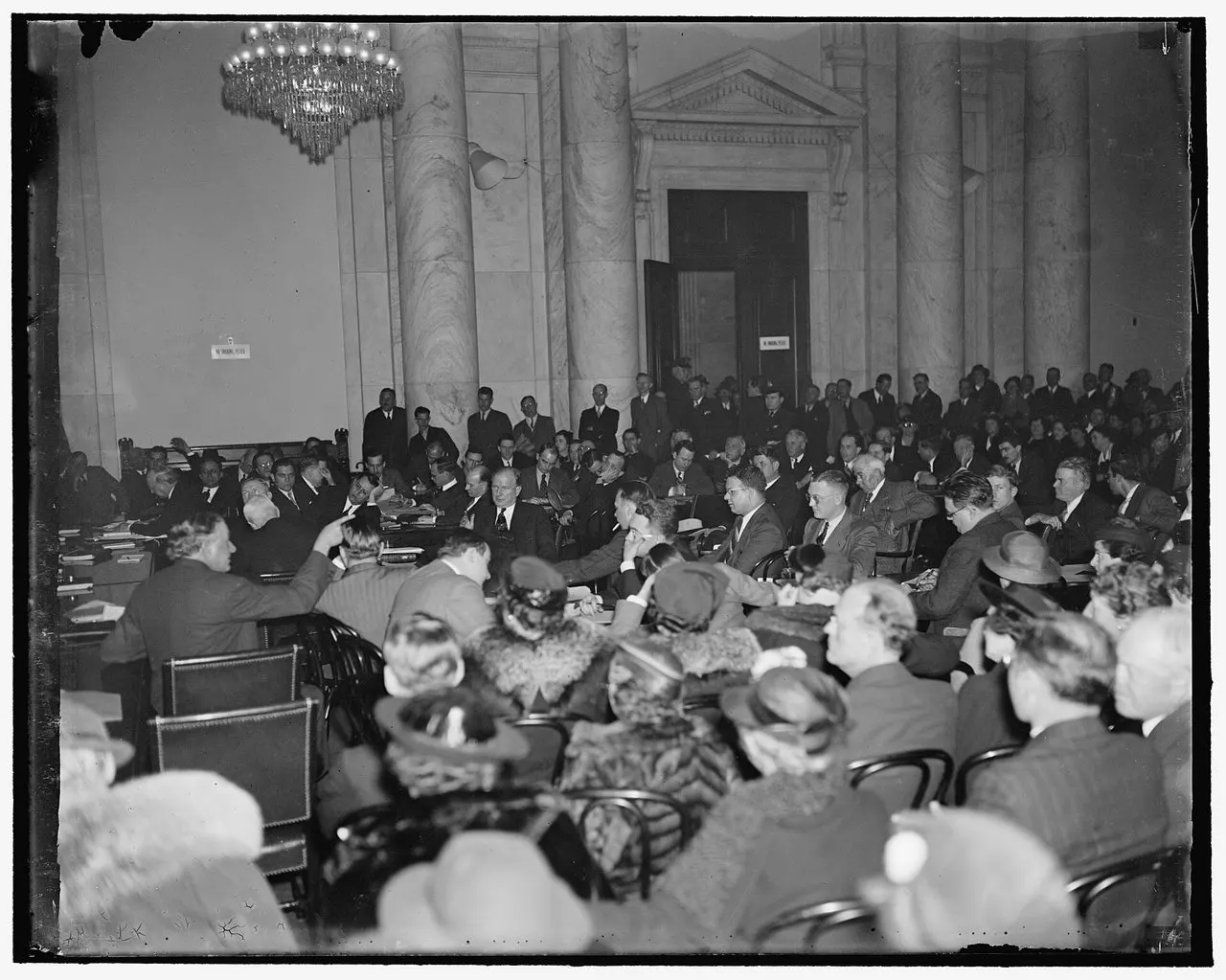
The committee spent the evening laying out its case about the attack on the Capitol, using testimony from witnesses, video from that day, and records gathered over months of work. The goal was to show the public what happened and who knew what before it happened. Cheney’s remarks came near the end of her opening statement, after the groundwork had been set. Her warning gave the evidence a moral frame. For more on leaders meeting abroad, read about the warm greeting between Trump and Putin in China.
Defending What She Called the Indefensible
Cheney aimed her words at Republicans who kept defending Trump even as the committee presented its evidence. She called their position indefensible, a blunt word for a colleague to use in public. The charge was that they knew better and chose loyalty anyway. That kind of direct criticism inside a party is rare, and it is one reason the moment drew so much attention. It also explains why the reaction was so sharp. Read about a historic peace deal at the White House.
The Liz Cheney Warning Was Aimed at Her Own Party

What made the moment stand out was its audience. Cheney was not speaking to Democrats or to the press, but to her own Republican colleagues. A party leader turning on her own side is unusual, and it showed how far she was willing to go. She framed the choice as a matter of honor, not policy, and that made it harder to dismiss. Her party heard it, and the response came fast. For more on political fallout, read about a Texas race that ended a country club membership.
The Price Came Quickly
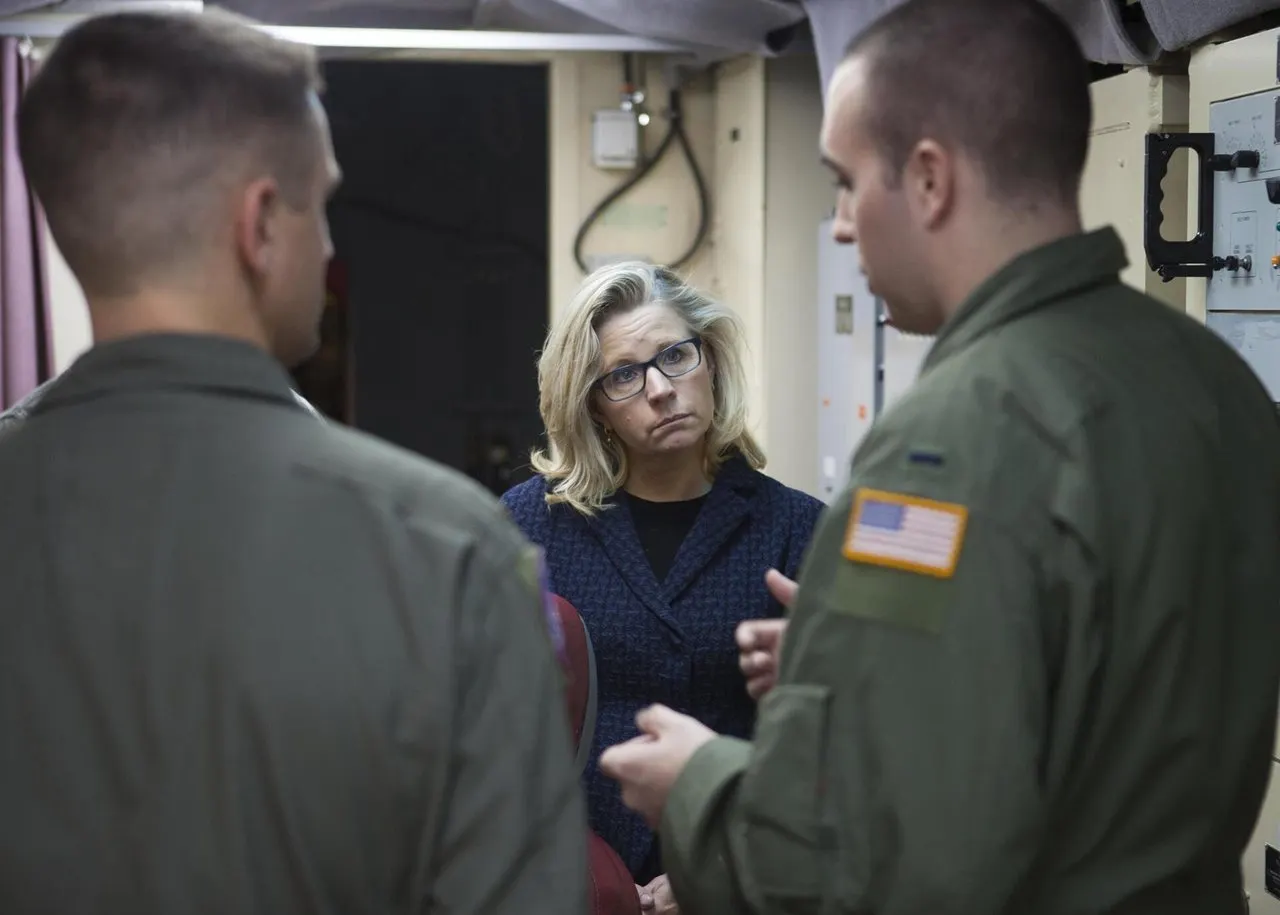
The cost of the stand arrived fast. Cheney lost her role in House Republican leadership, a post that had made her one of the most powerful Republicans in Congress. The vote to remove her showed that the party had chosen a different direction. For Cheney, the loss was a sign that her warning had hit a nerve. She did not back down, and the split between her and the party only grew. Read about the trilateral meeting of Trump, Putin and Xi.
Wyoming Decided Her Fate in August 2022
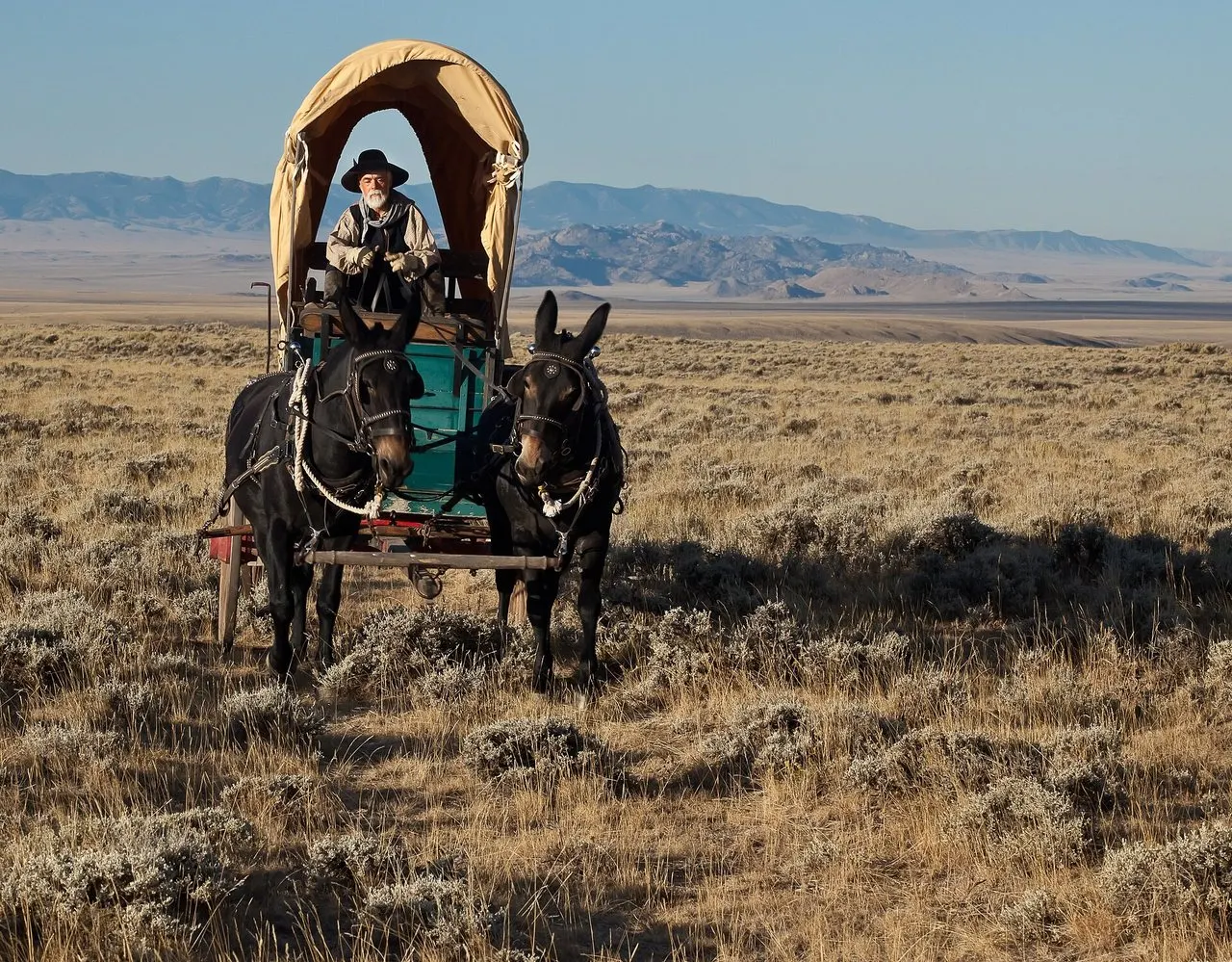
In August 2022, Wyoming voters decided Cheney’s fate in a Republican primary. She lost to Harriet Hageman, a Trump backed challenger, by a wide margin. The result was not close, and it ended her time in the House. Hageman had the backing of Trump and much of the state party, while Cheney ran on her record and her stand. The primary showed how much the party had changed. For lighter moments in politics, read about a message chalked outside a Trump hotel in New York.
The Liz Cheney Warning and the Challenger Who Won
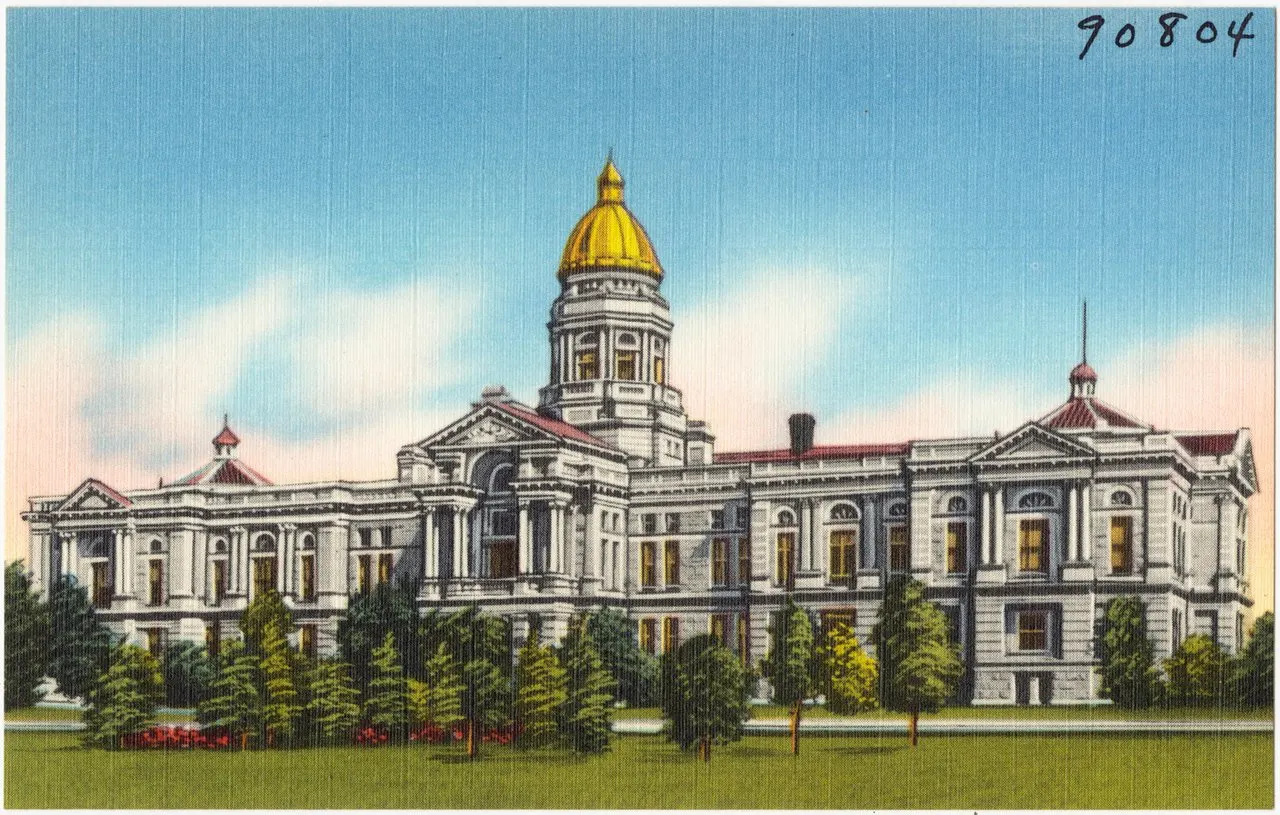
Harriet Hageman was the challenger who beat Cheney in the Wyoming primary, and her win ended Cheney’s time in the House. Hageman ran with the backing of Trump, who had made defeating Cheney a priority after her role on the January 6 committee. For Wyoming voters, the race became a choice between a longtime incumbent and a candidate promising a fresh start. Hageman’s victory showed the power of that backing. For more on money and influence in politics, read about a warning about a delivery bill in New York.
A Wide Margin in the Wyoming Primary
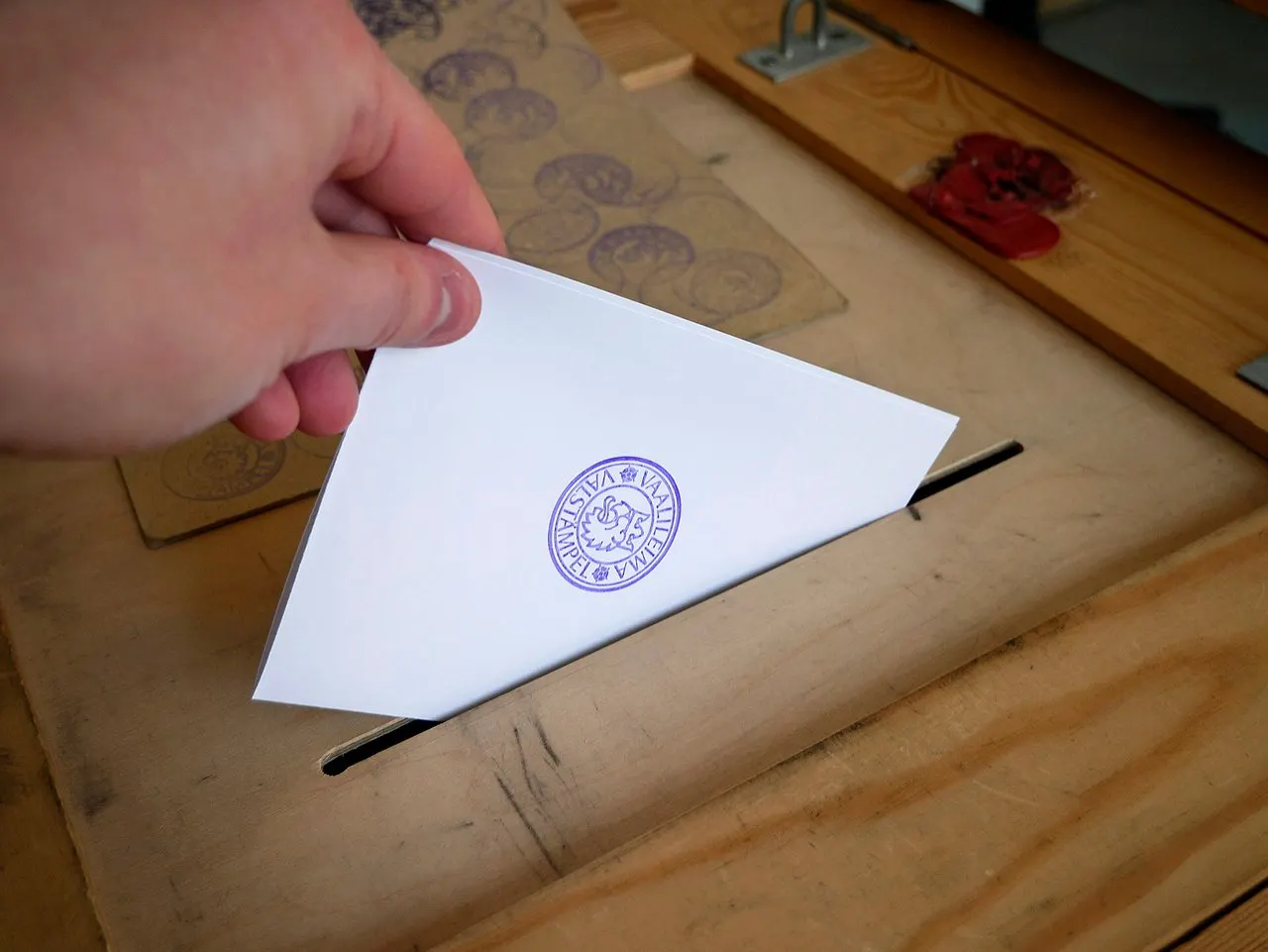
The primary was not close. Hageman beat Cheney by a wide margin, a result that surprised few people who had followed the race. Cheney had trailed in polls for months, and her stand on the January 6 committee had cost her support at home. The margin mattered because it showed that the warning had not moved Wyoming voters. Instead, the state chose the candidate Trump backed. For more on votes that changed everything, read about the vote that made Hakeem Jeffries the first Black speaker.
Why the Warning Keeps Coming Back
Years later, the warning still shows up in news stories, social media posts, and speeches. People share it when a politician breaks with a party or when a leader asks for loyalty that the facts do not support. The line works because it is short, clear, and hard to forget. It also asks a question that never goes out of date, which is what makes a quote last. For more on close races, read about a House race decided by just 330 votes.
The Liz Cheney Warning in One Sentence
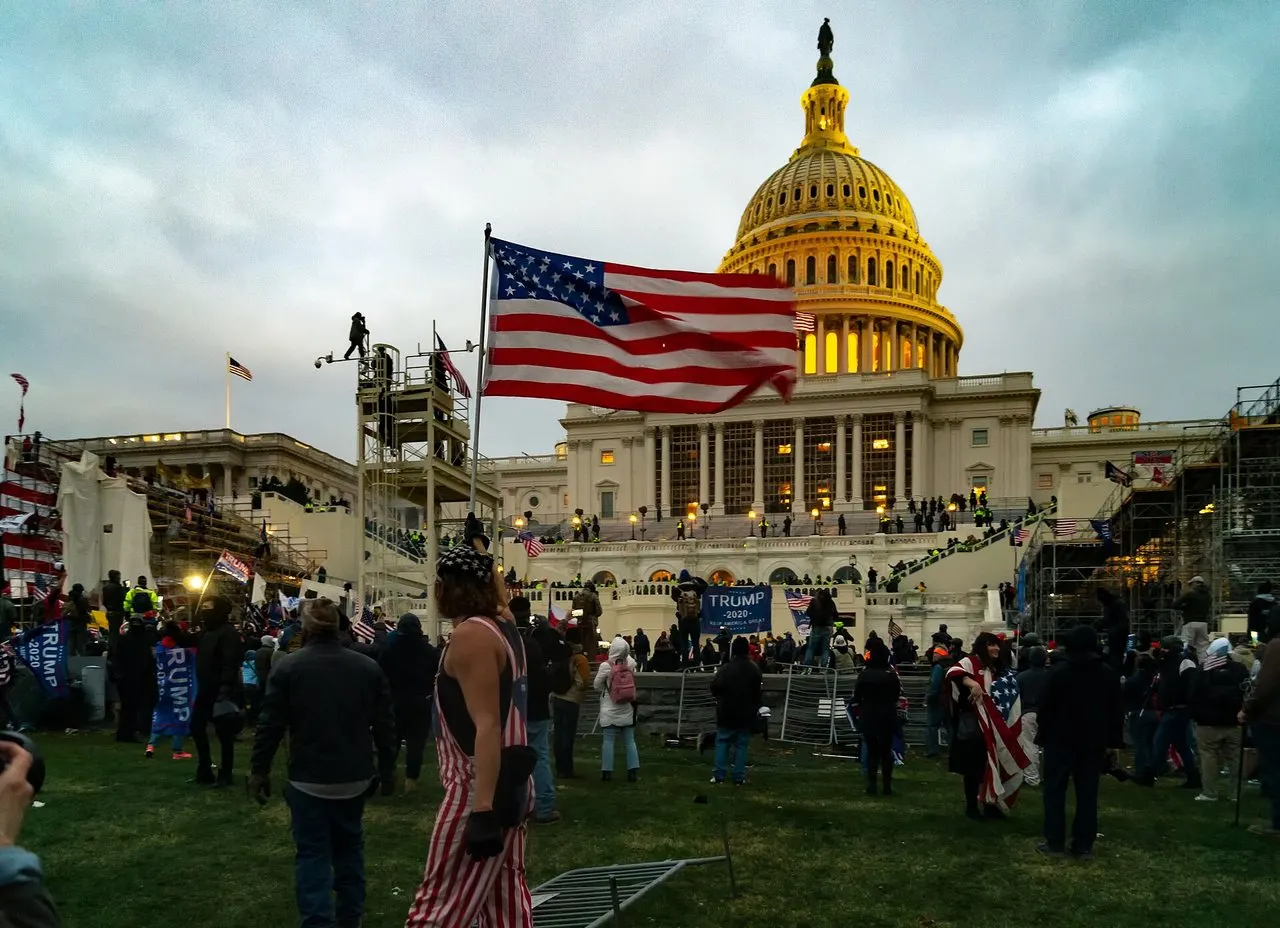
The whole warning fits in one sentence, and that is part of its power. A day will come when Donald Trump is gone, but your dishonor will remain. There is no extra language, no hedge, and no room to misunderstand it. The sentence pairs a fact about the future with a judgment about the present, and it leaves the listener to sit with the weight of both. Short lines like that travel far. Read about the effort to deny a part in the Trump era.
Opening Remarks Near the End of the Night
Cheney delivered the warning near the end of her opening remarks, a spot that gave it extra weight. By then, the committee had set out its case, and the audience knew what was at stake. Placing the line at the close meant it was the last thing many viewers heard before the hearing moved on. Good speakers save their strongest words for the end, and Cheney did exactly that. For more on leaders abroad, read about the warm greeting between Trump and Putin in China.
Republicans Who Stood by Trump
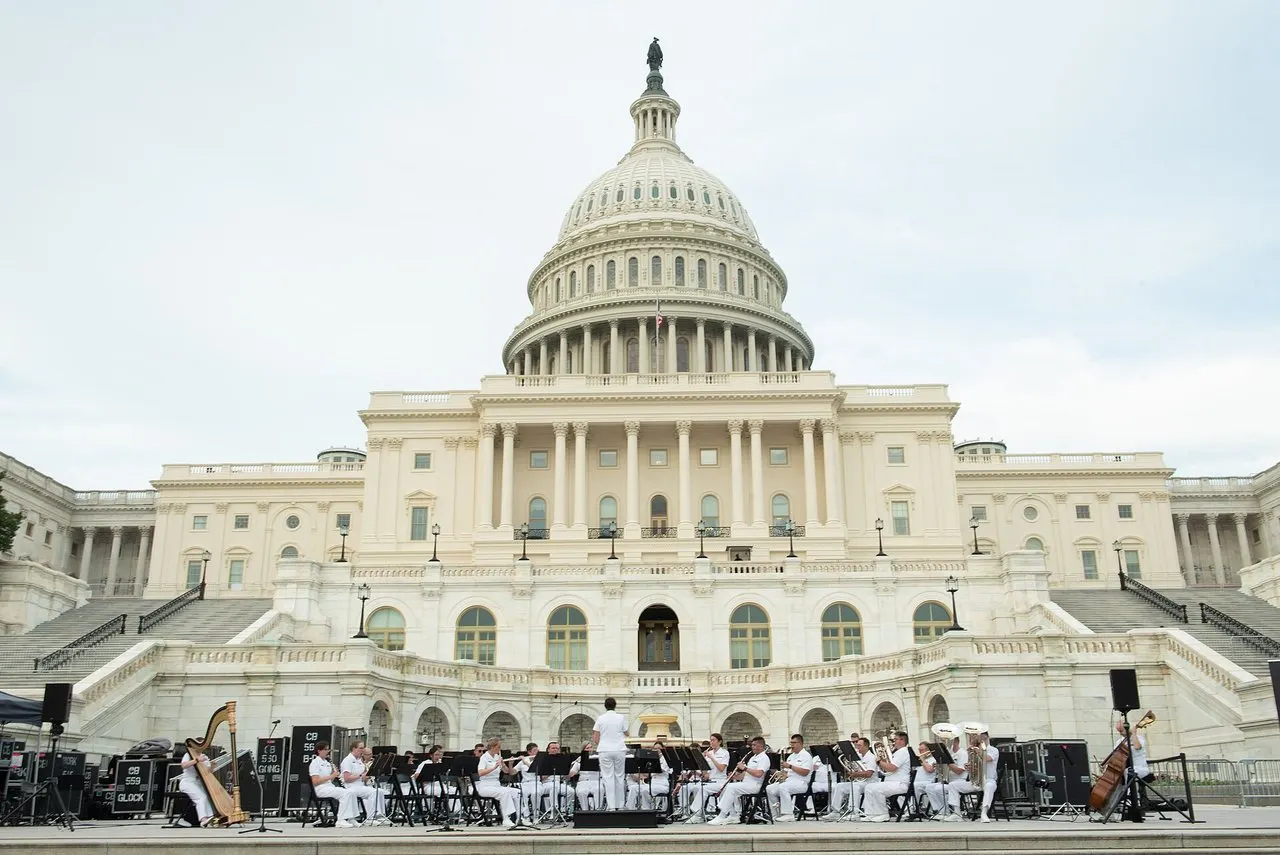
Many Republicans in Congress stood by Trump through the hearings and after them. They argued that the committee was partisan, that the election questions were settled, and that the party should move on. Cheney disagreed, and her warning was aimed squarely at that choice. The split inside the party was real, and it shaped primaries across the country in 2022. For more on meetings between world leaders, read about critics questioning a handshake in China.
The Liz Cheney Warning Asked a Hard Question
The warning asked a hard question that goes beyond one hearing or one leader. When a party asks you to defend something you know is wrong, what do you do? Cheney’s answer was to speak up, even knowing the cost. Her colleagues had to give their own answer, in public and on the record. That is why the line still matters, because the question keeps coming back in new forms. Read about the debate over banning Sharia law.
Wyoming Roots and a Family Name

Cheney represented Wyoming, a state where her family name has long carried weight. Her father, D*** Cheney, served as vice president, and the family has deep roots in the state. Wyoming voters knew her well, which made her primary loss all the more striking. The race was not about a stranger, but about a familiar figure who had taken a stand her state did not follow. For more on trips abroad, read about a trip to Asia that ended with a news conference.
Inside the House Republican Conference
Before the hearings, Cheney held a senior post in House Republican leadership, chairing the party conference. The role made her one of the top Republicans in the chamber, responsible for shaping the party message. She lost that post in May 2021, after her criticism of Trump put her at odds with the rest of the leadership. The removal was a clear signal of where the party stood. For more on summits, read about the summit that brought three leaders together.
A Party Split in Two Directions
The Republican Party in 2022 was split between those who stayed loyal to Trump and those, like Cheney, who said the party had to face the facts. The split showed up in primaries, in fundraising, and in public arguments. Cheney’s warning spoke to that divide, asking colleagues to think about which side of it history would remember. The party chose its direction, and Cheney paid the price. Read about a tarmac greeting in Shenzhen.
The Liz Cheney Warning Still Rings True for Many

For many Americans, the warning still rings true because it is about more than one politician. It is about what happens when loyalty to a person replaces loyalty to a principle. People share the line when they see that trade being made, in politics or in everyday life. A good warning outlives the moment it was given, and this one has. For more on influence in politics, read about a clash over billionaire spending in the midterms.
Cameras Were Rolling That Night
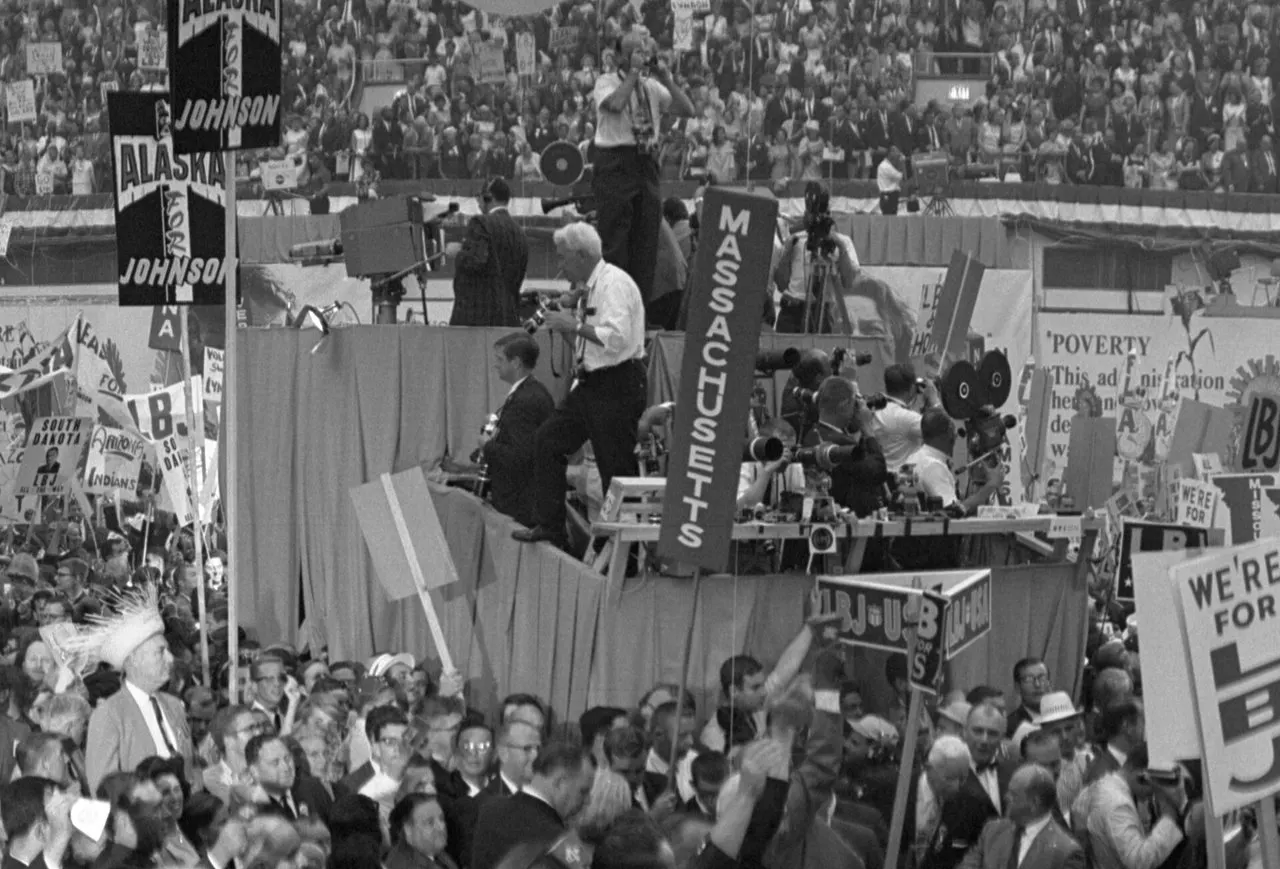
The hearing was televised in prime time, and cameras carried every word to homes across the country. That is why the warning reached so many people so fast. Viewers saw Cheney speak directly, without a filter, and the clip spread online within hours. Televised hearings can shape public memory in a way that written reports cannot. This one did. For more on hearings and investigations, read about a tense hearing about a possible security risk.
An Oath Comes Before a Party
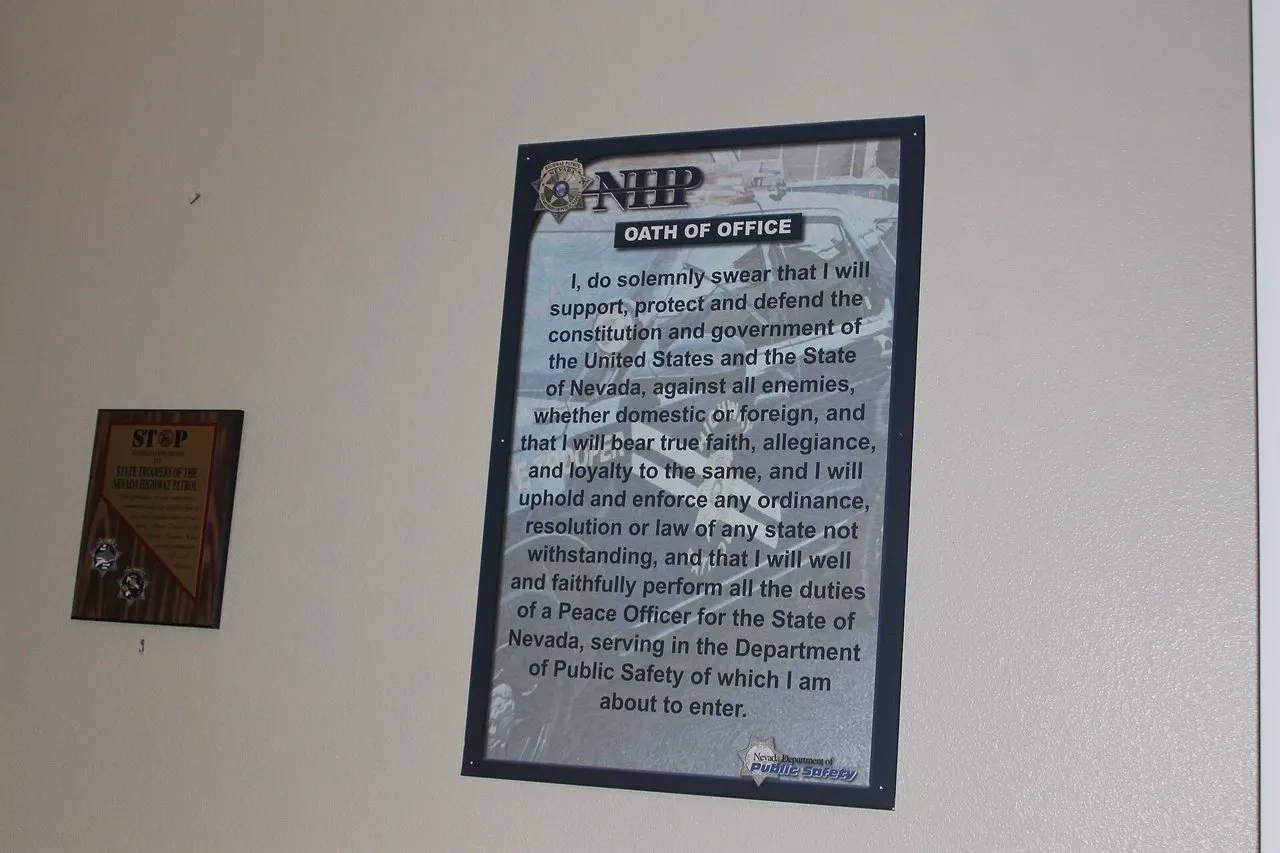
Every member of Congress takes an oath to support and defend the Constitution, a promise that comes before party loyalty. Cheney’s warning drew on that idea, reminding colleagues that their duty was to the country first. The oath is a public promise, and breaking it carries a weight that outlasts any single election. That is the standard she asked her colleagues to measure themselves against. Read about a veteran lawmaker who lost her seat by 330 votes.
Primary Night in Wyoming
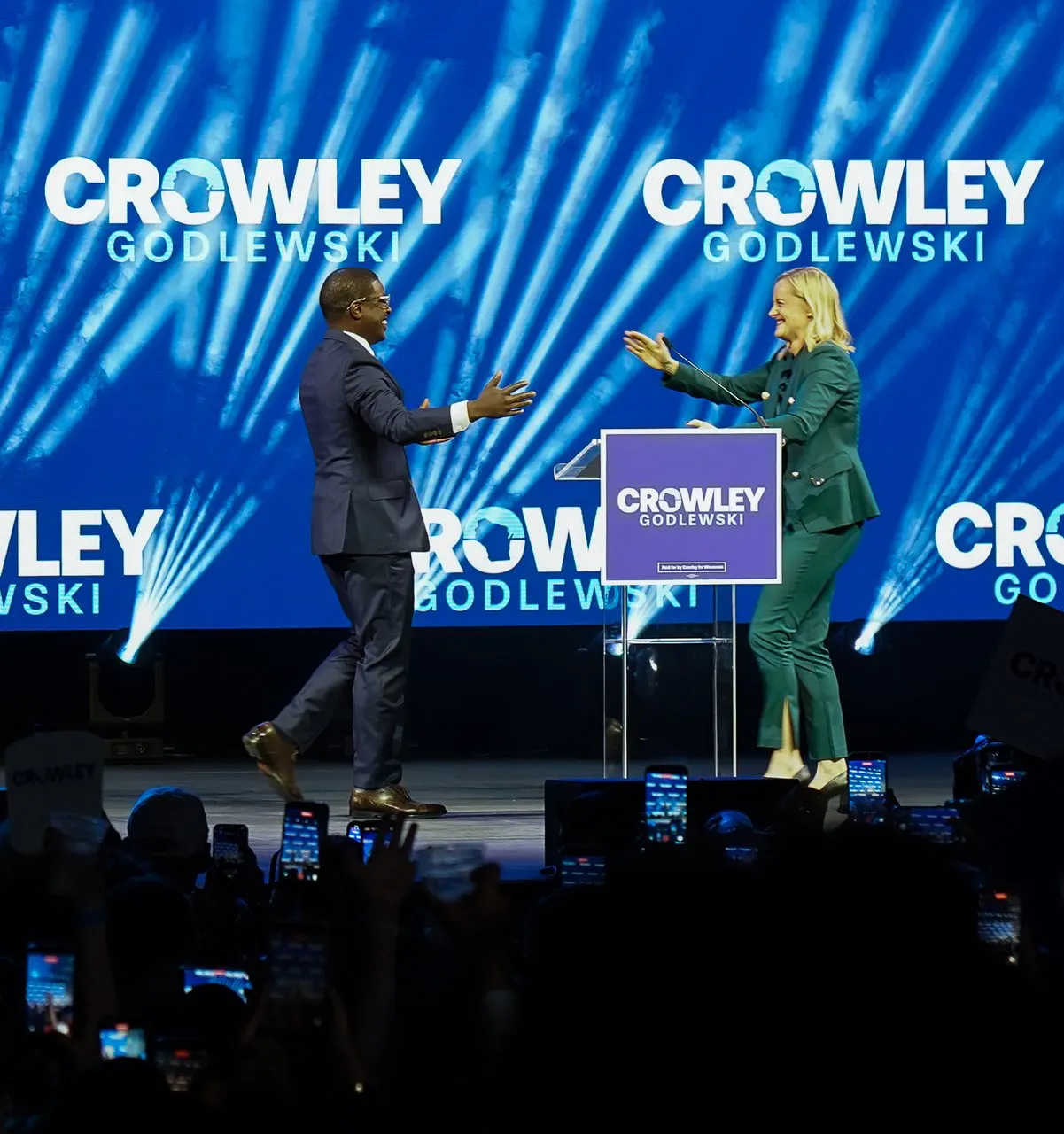
On primary night in August 2022, the results came in quickly, and the outcome was clear. Hageman won by a wide margin, and Cheney conceded with grace. She used her concession speech to repeat her message, saying she would keep speaking about the Constitution and the future of the party. Losing an election did not change her view. For more on denial and accountability, read about the effort to deny a part in the Trump era.
Life After the Loss
After leaving Congress, Cheney kept speaking and writing about the Constitution and the future of the Republican Party. She published a book about her time on the committee and her break with Trump, and she continued to warn that the party faced a choice about its values. Her voice did not fade after the loss, and her warning kept finding new audiences. The story did not end on primary night. Read about the fight over millions in legal fees.
The Liz Cheney Warning Every Voter Should Hear
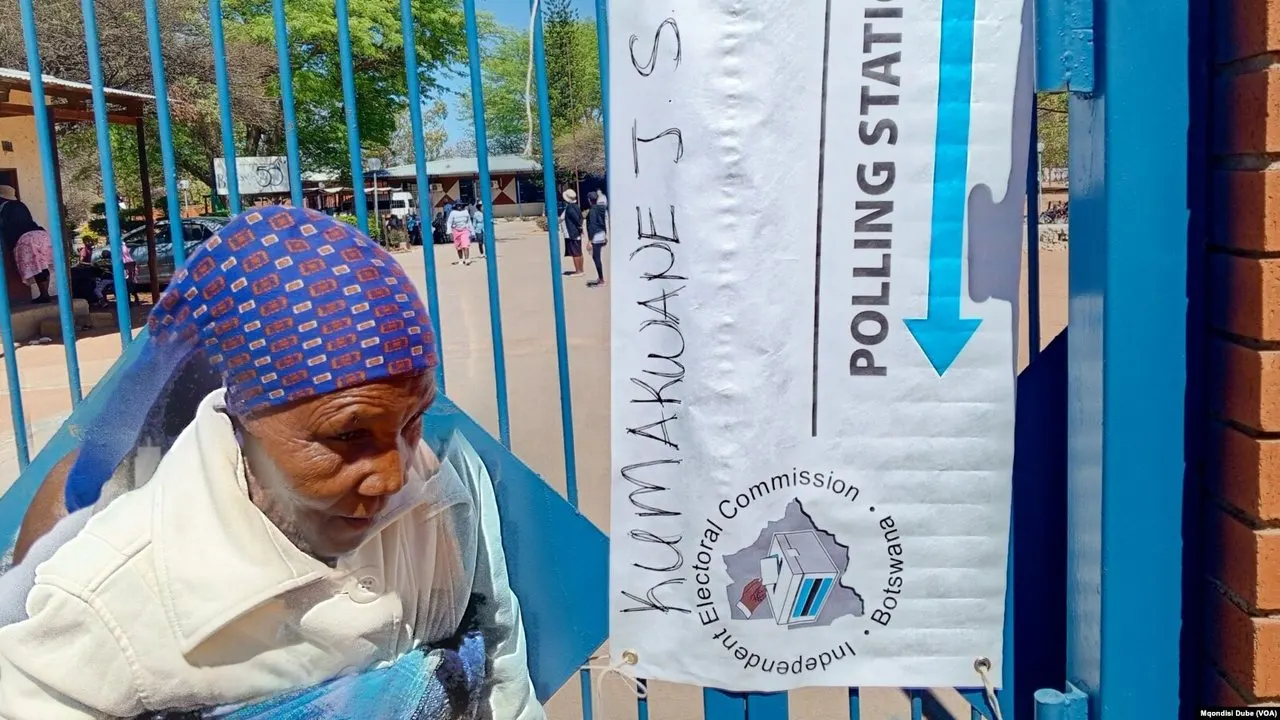
The warning matters to voters too, because it asks them to think about what they reward at the ballot box. Do they back candidates who stand by a party no matter what, or those who speak up when the facts demand it? Every election is a chance to answer that question. Cheney’s line gives voters a simple test to carry into the booth. For more on high stakes hearings, read about critics questioning a handshake in China.
The Warning Today
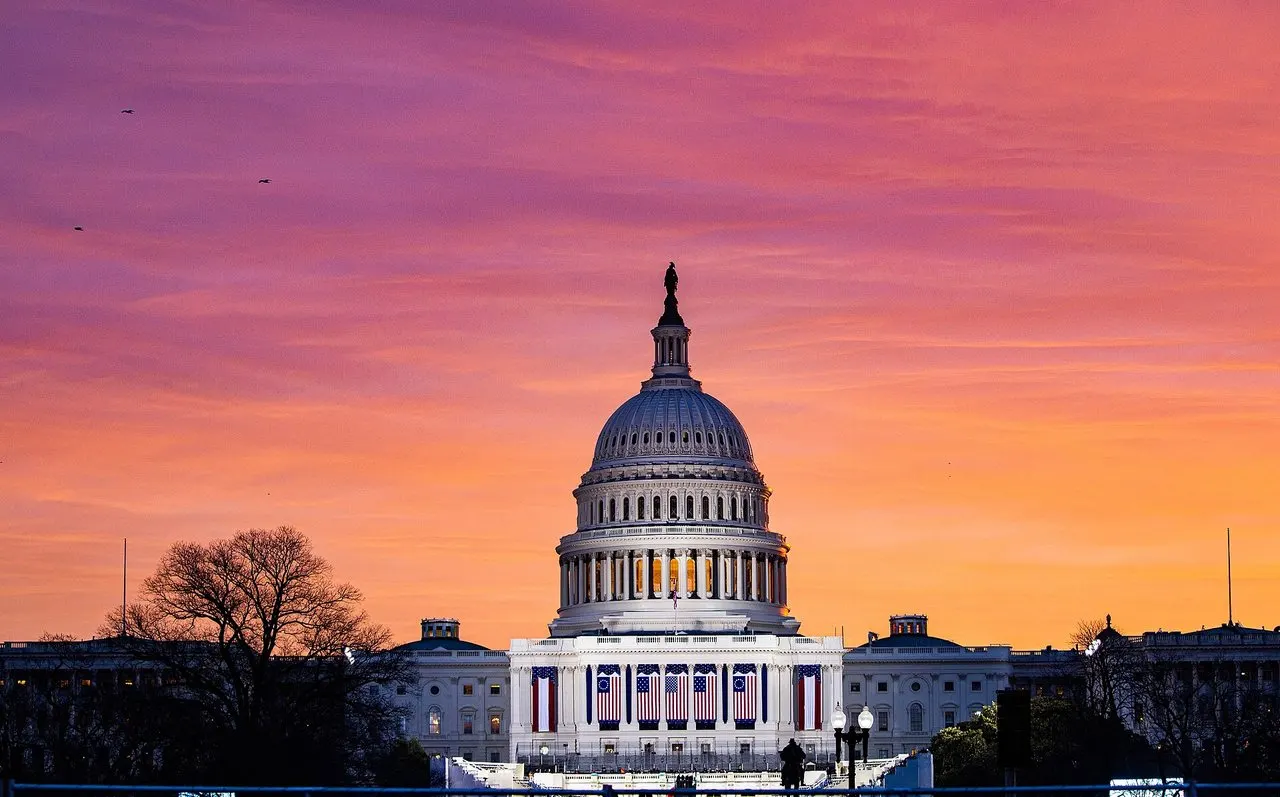
Today, the warning still circulates whenever the debate over Trump and the Republican Party flares up again. It appears in posts, in columns, and in speeches by people who see the same choice Cheney described. The line has become a shorthand for a moment when principle and party collided. As long as that tension lasts, the warning will keep being quoted. Read about a historic peace deal at the White House.
What Do You Think She Got Right?
Cheney’s warning asks each of us a question, and now we want to hear your answer. Was she right to speak up, even knowing it would cost her the seat? Would you have done the same in her place? Share your thoughts in the comments below, and tell us what you think the line means today. Your view matters, and the debate is far from over. For more on political fallout, read about a Texas race that ended a country club membership.