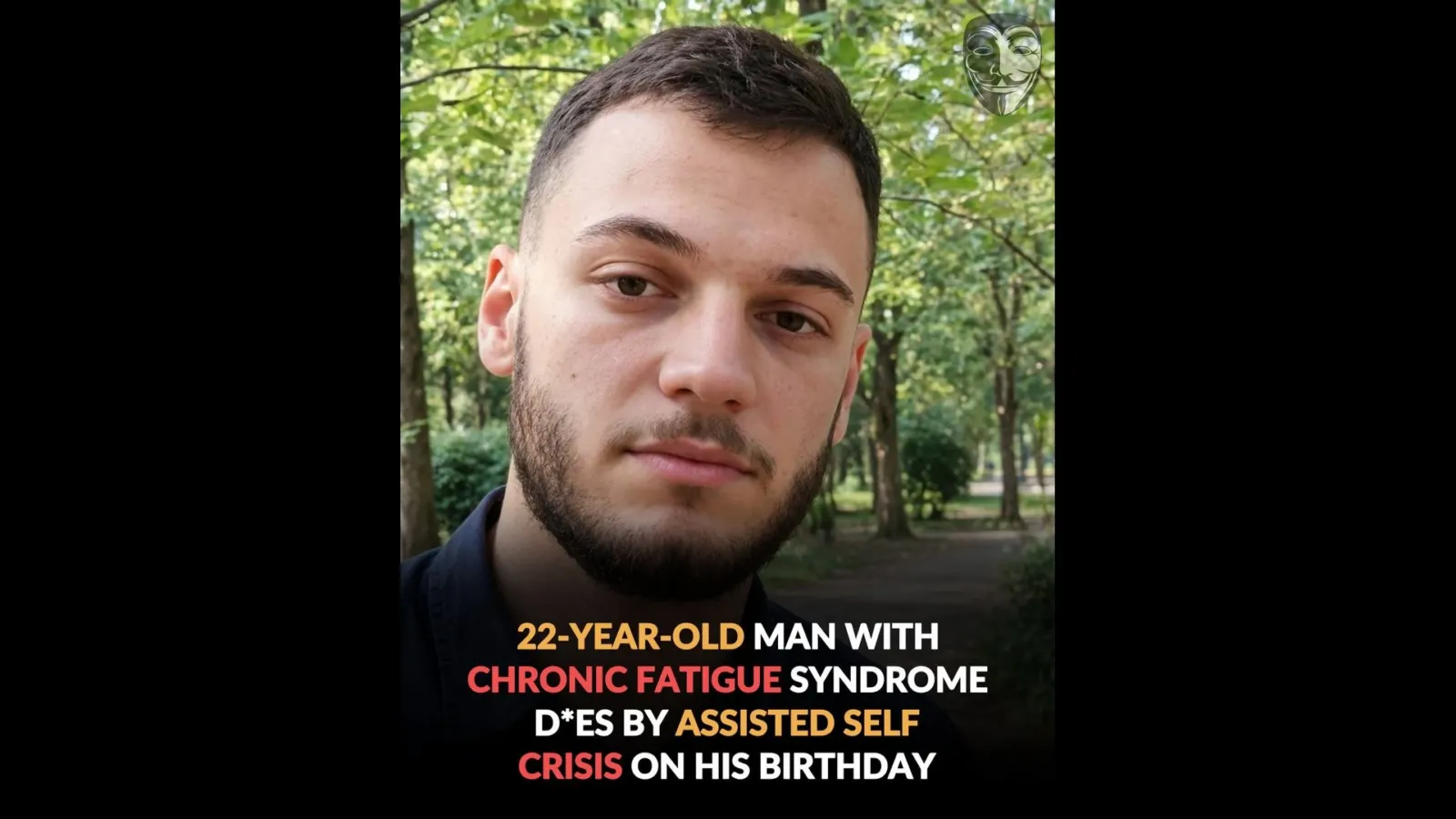
Samuel Prinz-Reiterer and the Choice He Made Public
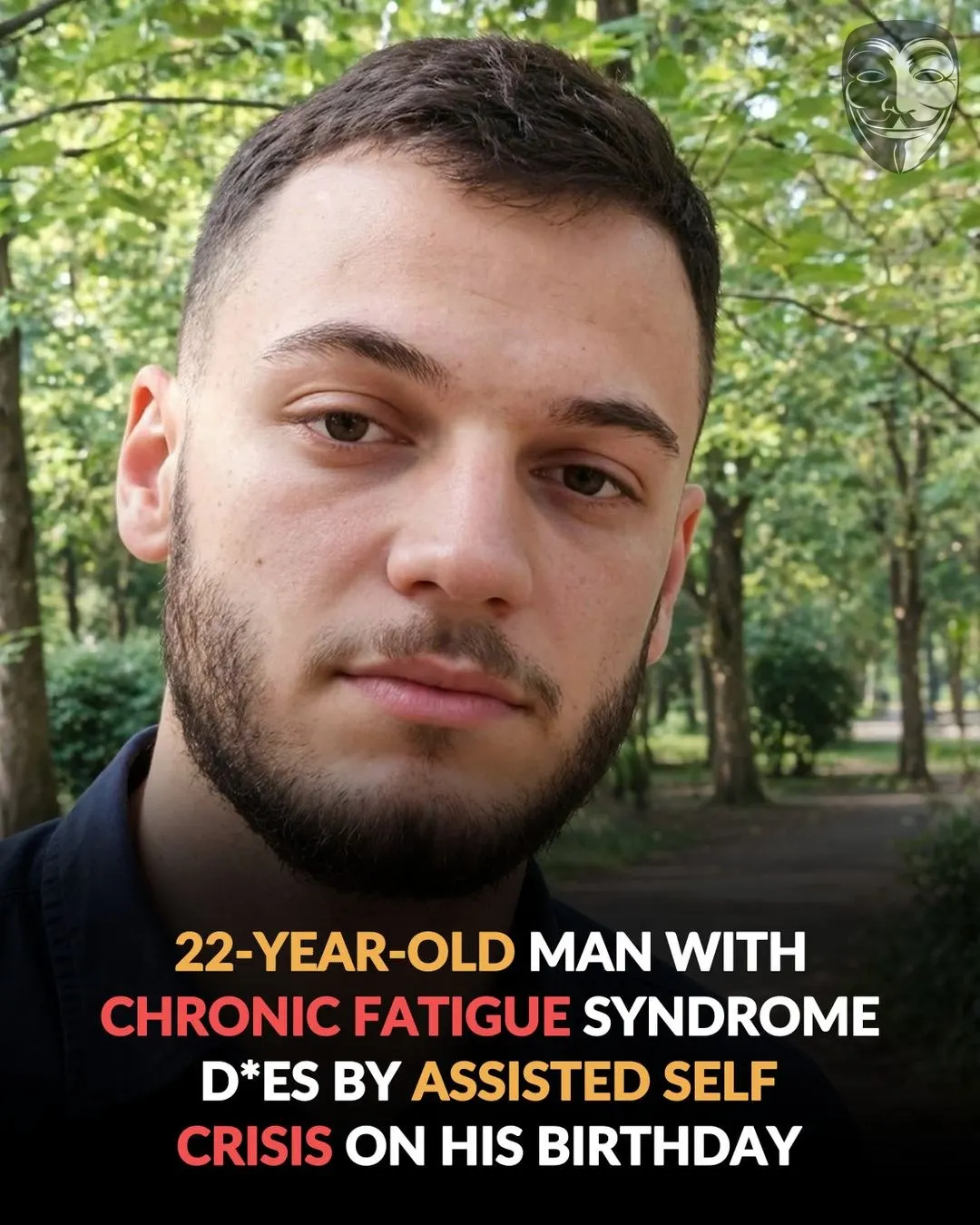
Samuel Prinz-Reiterer was 22 years old when he made a choice that spread far beyond Austria. In January he wrote on Reddit that he had chosen to end his life with medical help in 12 days, and he said he wanted it known to spread awareness of the illness that had taken over his life. A Covid infection in summer 2024 had left him with severe ME, and his health had fallen so far he spent his days in bed. His story reached far, like a young influencer who shared her cancer fight with millions.
In the slides ahead we look at the young man behind the headlines, the illness that left him bedbound, the doctors who spoke about his case, and the law in Austria that gave him his choice. He died on his 22nd birthday, 30 January, and he wanted the world to understand why. For more stories of lives that touched many people, read about a basketball star remembered by his old teammate.
References:
LADbible: 22-year-old man with chronic fatigue d*es by euthanasia on his birthday
Metro: Man, 22, with chronic fatigue d*es by assisted d*ing on his birthday
Right To Life UK: 22-year-old Austrian with chronic fatigue d*es by assisted self crisis on his birthday as assisted suicides in country surge by 267%
Next Gen News: Young Man D*es on His Birthday After Devastating Post-COVID Illness
Samuel Prinz-Reiterer Announced His Choice on Reddit

In January, Samuel went to Reddit and told strangers what he had decided. He wrote that he had chosen to end his life with medical help in 12 days, in plain words for anyone to read. On Reddit people share their lives with strangers, and his post found readers across the world within hours. He did not hide behind a false name or soften the news, because he wanted the truth known. Read about an actor whose long career ended in a sudden loss.
Twelve Days to Say What Mattered Most

Twelve days is not long, and Samuel knew it. He gave himself that short window between his post and the day he had chosen, and in those days his words travelled far beyond his room. Friends, strangers and reporters read his post and asked what could bring a 22-year-old to such a choice. The answer was an illness that had taken almost everything from him, and he wanted people to hear it from him first. Read about a leader marking his 84th birthday after decades of service.
Samuel Prinz-Reiterer and the Summer That Changed Everything

In summer 2024 Samuel caught Covid, and his life was never the same. The infection passed, but something stayed behind, and over the months his health fell away. What had been a normal life for a young man became a life shaped by exhaustion and pain. Doctors later said he had developed severe ME, a serious illness that can follow a viral infection. His story shows how fast a virus can change a life, as seen in scientists who built a tiny pancreas from living cells.
A Life Lived in Bed Around the Clock

By the end, Samuel lay in bed all day. His body could no longer cope with sitting up, moving about or the small things most people never think about. The bed became his whole world, and the days passed in one quiet room while life went on outside. Severe ME can do this to a person, leaving them weak after even the smallest effort. His days were measured in rest, not plans, and his strength was spent simply getting through each hour. Read about a zoo hippo whose health update worried her fans.
Samuel Prinz-Reiterer Could Not Bear the Daylight

Light hurt him, so his room stayed dark. He could not bear daylight, so the curtains stayed closed and the world outside was shut out. This is a sign of very severe ME, where the body reacts strongly to things healthy people barely notice. A bright window could bring on pain and exhaustion for hours. Living like that meant giving up sunshine and the joy of a bright morning, and it left him alone with his thoughts. Read about a father who says real wealth is time with his kids.
When Even Sound Became Too Much

Sound hurt him too. He could not bear noise, so all around him had to stay quiet. A raised voice, a television or a closing door could bring on pain and leave him exhausted. In very severe ME, the senses can turn against a person, and ordinary sounds feel too loud. That meant his room was dark and silent, and the quiet grew heavy daily. His stillness was not peace, but a sign of how ill he was, as told in a Thanksgiving wish for peace around the world.
When Talking to His Own Mother Became Too Much

Even speaking with his mother became too much for Samuel. Talking took energy he no longer had, and could leave him worse for hours after. For a mother, that must have been hard, to be so close and yet unable to reach her son. Severe ME often steals speech and company, because the brain cannot keep up with a normal chat. His silence was not a choice, but a sign of how ill he was, as told in a couple who said yes again in Paris after 23 years.
Samuel Prinz-Reiterer Asked for Awareness, Not Silence

Awareness was the heart of his message. Samuel did not ask for pity, nor did he ask people to agree with him. He asked them to learn what ME can do to a young person, and to remember the illness is real even when unseen. Many people with ME say the hardest part is not being believed, and his post pushed back against that. By speaking out, he gave a voice to thousands who stay quiet in dark rooms, as in a mayor keeping promises on rent and childcare.
The Neurologist Who Spoke to Der Standard

His neurologist, Andreas Winkler, spoke to Der Standard, the Austrian newspaper, about Samuel and his illness. Doctors do not often talk in public about one patient, but Winkler felt the story needed a clear medical voice. He knew Samuel well, had followed his decline, and could explain what the illness had done to a young body. His words gave weight to what Samuel had written himself, and they helped readers see that this was a medical story, not only a personal one. Read about an anime return with a new trailer.
Samuel Prinz-Reiterer and the Worst Form of Post Covid Illness

Winkler told Der Standard that Samuel most likely had the worst form of post Covid illness. Those are heavy words from a doctor, and they tell us how far past ordinary tiredness his condition had gone. Post Covid illness can linger for months or years after infection, and at its worst it can take away movement, speech and light. He lived at that far edge. His case shows the serious side of a virus many shrug off, like a young influencer who shared her cancer fight with millions.
What Der Standard Found When It Looked Closer

Der Standard, an Austrian newspaper, looked closely at Samuel and his story. Its reporters spoke with his doctor and read his own words, and checked the facts before they printed them. Good reporting matters most when a story is painful, because readers need to trust what they are told. The paper found a young man whose illness was real, whose suffering was deep, and whose choice was his. That care is why his story travelled far, as seen in an actor whose long career ended in a sudden loss.
Samuel Prinz-Reiterer Died on His 22nd Birthday

Samuel died on his 22nd birthday, 30 January. He had counted down to that day, and when it came his illness ended on the date he had chosen. A birthday should be candles and good wishes, but for him it became the day it ended. He ended his life by assisted dying that day, under Austrian law. The timing is why his story is so hard to forget, and why many people shared it, like a leader marking his 84th birthday after decades of service.
30 January, a Birthday Like No Other

The 30th of January will always mean two things for those who loved Samuel. It is the day he was born, 22 years earlier, and the day he died. Most birthdays mean cake and songs, but his family now holds a date that carries joy and grief. He chose that day himself, and the choice says something about how he saw his life, as a story to finish on his terms. His birthday became his farewell, as told in scientists who built a tiny pancreas from living cells.
The Last Hours Before the Day Ended

The final hours of 30 January passed quietly, like his last days. Samuel had announced his choice publicly, so nothing was hidden from those who followed his story. Little can be said about those hours without feeling private, and his family has kept most to themselves. What we know is that he had thought it through for weeks, and his public post had left his reasons plain for all. His last hours closed a short life shaped by illness, as in a zoo hippo whose health update worried her fans.
Samuel Prinz-Reiterer and the Law in Austria

Samuel died in Austria, where assisted dying has been legal since 2022. The law lets adults with severe and lasting illness ask for medical help to end their lives, but only after checks and assessments. It is not a quick path, and doctors must be sure the person understands the choice. Samuel met the rules of that law, and his death was lawful where he lived. His case is now part of a wider talk about the law itself, like a father who says real wealth is time with his kids.
Samuel Prinz-Reiterer and the 267 Percent Rise

One report on his story carried a striking number, saying assisted suicides in Austria had surged by 267 percent. That figure has worried many in the country, and started a wider talk about who is choosing this path and why, and whether enough is done to help people live. Numbers like that raise hard questions, and show Samuel was not the only case to stir debate. His age made his story stand out, and why so many readers paused, as in a Thanksgiving wish for peace around the world.
What ME/CFS Really Is

ME stands for myalgic encephalomyelitis, and CFS for chronic fatigue syndrome, and together they name one illness. It is a neurological and multisystem illness, which can affect the brain, muscles and heart. It often follows a viral infection, and it can leave a person exhausted by the smallest effort. Rest does not fix it, with no cure yet. For most patients it means a smaller life, and for a few a life in bed, as told in a couple who said yes again in Paris after 23 years.
Samuel Prinz-Reiterer Lived With Severe ME/CFS

Most people with ME can move about, though they tire fast, but Samuel had the severe form. He was bedbound, sensitive to light and sound, and unable to talk with his mother. Doctors describe severe ME as a state where the body cannot recover from effort, and even thinking can bring on a crash. That was his daily life for months, and it only grew worse. His story shows the far end of an illness many still think is just tiredness, like a mayor keeping promises on rent and childcare.
Why Rest Does Not Fix This Illness

People tell ME patients to rest, as if sleep cured it, but rest does not fix this illness. The hallmark of ME is a crash after effort, called post exertional malaise, where a small task can leave a person worse. That is why Samuel could not sleep his way back, and his days in bed did not bring him back. Science is learning how the illness works, and patients wait for answers that are slow to come. His case shows why that wait matters, as in an anime return with a new trailer.
Families Who Live With This Illness Every Day

Behind every person with severe ME is a family living with the illness too. Samuel could barely speak with his mother, yet she was there through his decline, watching her son fade behind a closed door. Families here learn to be quiet, to keep the lights low and to show love in small acts. They carry a weight few see, and often feel alone with it. His story reminds us illness touches a whole household, not one person, as in a young influencer who shared her cancer fight with millions.
What Awareness Means for People With ME/CFS

Awareness sounds small, but for people with ME it can change a life. A blue ribbon, a shared post or a news story can help a patient feel believed at last. Samuel hoped his choice would do that work, and his story shows it did. Many patients say doctors, friends and family doubt them, because the illness leaves no mark outside. When the public learns what severe ME looks like, patients find it easier to ask for help, like an actor whose long career ended in a sudden loss.
How the Story Spread Around the World

Within days, Samuel was written about in Britain and America. LADbible, Metro and other outlets told his story, and readers shared it widely on social media. A young man from Austria became known to people who had never heard of ME, and his words reached far past his small room. That is the power of a plain story. The press can carry a voice further than one person could, and his voice travelled far, as seen in a leader marking his 84th birthday after decades of service.
Samuel Prinz-Reiterer and the Debate That Follows

His story has added fuel to a debate burning in Austria. Some say the law gives a kind choice to sufferers, while others say it moves too fast and offers too little help. Both sides point to Samuel, one to his suffering, one to his youth, and ask what a caring country should do. There are no easy answers, and the talk will go on long after the headlines fade. His case is part of it, as in scientists who built a tiny pancreas from living cells.
Other Countries With Assisted Dying Laws

Austria is not the only country where assisted dying is lawful. Switzerland has allowed it for many years, and the Netherlands, Belgium, Canada and others have their own laws, each with its own rules. Some allow it only for terminal illness, while others, like Austria, cover severe lasting illness. The laws differ in detail, but they all wrestle with how much choice a person should have at life’s end. Samuel lived under one of these laws, as told in a zoo hippo whose health update worried her fans.
Finding Support When Illness Closes In

For people with ME, support often comes from others who share the illness. Online groups, patient charities and small circles of friends help people feel less alone, even when they cannot leave their rooms. A kind message, a shared tip or simply being believed can make a hard day easier. Samuel found his voice online, and many patients find their community there too. No group can cure the illness, but company can soften the loneliness that comes with it, as in a father who says real wealth is time with his kids.
Remembering a 22-Year-Old Who Spoke Up

Samuel will be remembered not for how he died, but for what he said before he went. He was 22, an age when most are starting out, and he used his last days to speak for others who cannot speak. Candles, quiet words and shared posts have marked his passing. His name is now tied to a cause, and that was what he wanted. To remember him is to remember the illness too, and the people still living with it, like a Thanksgiving wish for peace around the world.
Learning More About ME/CFS

If his story made you want to learn more, there is much to read. Patient groups, doctors and researchers have written plain guides about ME, and studies appear yearly. Reading them will not bring Samuel back, but it can help the next young person whose body is failing. Knowledge is the first step to better care, and it starts with listening to patients. His wish was awareness, and a book is a good place to start, as in a couple who said yes again in Paris after 23 years.
Hope for Better Care and Better Answers

There is no cure for ME yet, but research is moving, and hope is not lost. Scientists study how viruses can harm the body long after infection ends, and doctors are learning to spot the illness sooner. Better care means rest plans that fit each patient, help at home, and a system that believes people the first time. Samuel did not see those answers, but his story may push them closer. Hope rests with the researchers and patients who keep going, like a mayor keeping promises on rent and childcare.
What Would You Say to Someone Living With Severe ME/CFS?

Samuel lived his last months in a dark and silent room, and he still found the strength to speak to the world. If you met someone living with severe ME, what would you say to them first? Would you ask how they cope, or tell them that you believe them, or simply sit with them for a while? Share your thoughts in the comments below, and tell us what his story made you feel. Your words may reach someone who needs them today. Read about an anime return with a new trailer.