The Epstein Files, One Year After the Law
The Epstein files are back in the headlines one year after President Donald Trump signed the Epstein Files Transparency Act on Nov. 19, 2025. The Justice Department said its Jan. 30 release of more than 3 million pages completed its obligations under the law, after it had identified over 6 million potentially responsive pages. The release was meant to answer a long public debate about what the government held and what it would share. Instead, new reports about a foreign breach and problems with redactions have kept the story alive.
The story took another turn when reports revealed a foreign intruder accessed an FBI server holding Epstein investigation records on Feb. 12, 2023. In February, the department pulled several thousand documents after redaction errors exposed victims names and uncensored photos. Lawyers said nearly 100 victims lives were turned upside down. Those two events raised fresh questions about how the files were handled and who should see them. In the slides ahead we look at the law, the release and the fallout. For more on the politics around the files, read about the petition that forced a House vote on the files.
References:
US Department of Justice: Department of Justice Publishes 35 Million Responsive Pages in Compliance with the Epstein Files Transparency Act
Reuters: Foreign Hacker in 2023 Compromised Epstein Files Held by FBI Source and Documents Show
Associated Press: Government Says It Is Fixing Redactions in Epstein Related Files That May Have Had Victim Information
Anchorage Daily News: Epstein Files Were Rife With Uncensored Photos and Victims Names Despite Redaction Efforts
Trump Signed the Law on Nov. 19, 2025
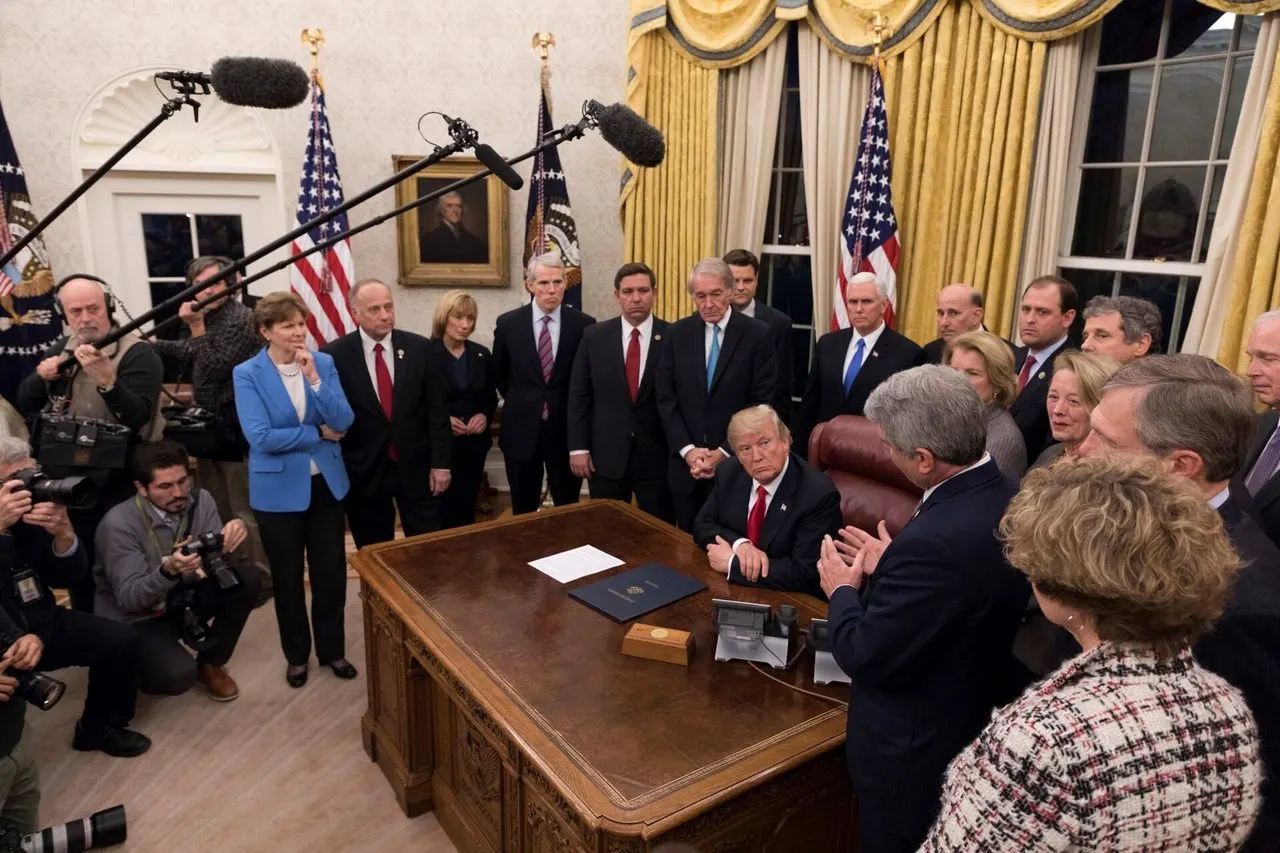
President Donald Trump signed the transparency act on Nov. 19, 2025, one year before this story returned to the headlines. A bill becomes law when the president signs it, and this signing was the moment the Justice Department faced a firm duty to release the records. The law gave the public a clear date to watch and a clear promise to measure. For the families and the public waiting for answers, the signature was only the start. You can follow the wider story in Hillary Clinton on Putin and Trump.
What the New Law Asked the Epstein Files to Reveal
The Epstein files include the records of a federal investigation, and the new law told the Justice Department to make them public. The department said its Jan. 30 release of more than 3 million pages completed its obligations under the law. It had first identified over 6 million potentially responsive pages, so the work of review was huge. A release this large needs care, because names and private details must be kept out of public view. Read about the legal fees fight involving Fani Willis and the debate in Trump’s historic China trip and $17 billion in deals.
The Justice Department Said Its Job Was Done

The Justice Department said its Jan. 30 release completed its obligations under the law. Its own headline says it published 35 million responsive pages in compliance with the act, a number far larger than the 3 million pages in the first release. The gap between the two counts shows how the release grew over time. For readers, the key question is simple. Did the public get the full picture, or only part of it. See Trump’s return from Asia with new deals for more context.
More Than 3 Million Pages in the Epstein Files

More than 3 million pages sounds like a mountain of paper, and in a way it is. The Justice Department said its Jan. 30 release passed that mark. Each page had to be found, read and checked before it could go public. That is why the department first counted over 6 million potentially responsive pages. The sheer size of the release is part of the story. Few government releases are this big, and few draw this much attention. Follow Trump shaking hands with Putin in China to see how the story unfolded.
Six Million Pages Were Found in the Search

Before anything could be released, the Justice Department had to find what it held. It identified over 6 million potentially responsive pages tied to the investigation. That count covers files, reports, photos and other records gathered over many years. Sorting that much material takes teams of reviewers and months of work. It also explains why the release came in stages rather than all at once. The scale still shapes the debate today. Read Trump falling asleep at the APEC table for related stories.
A Foreign Intruder Reached the Epstein Files in 2023
On Feb. 12, 2023, a foreign intruder accessed an FBI server holding Epstein investigation records. ABC News reported the breach in March, and Reuters later reported that a foreign hacker compromised the files held by the FBI, citing a source and documents. The news raised a hard question. If a server holding sensitive records could be reached from outside, what else might have been seen. The breach is now part of the story of the files. See the kiss cam moment that brought down a CEO.
Hackers and the Files They Reached
A hacker is someone who breaks into a computer system without permission, and a foreign hacker may work for another country or for money. The Reuters report said the intruder reached an FBI server holding investigation records. Servers like that hold names, dates, photos and notes that were never meant to be public. A break in can put private people at risk even when the target is a government file. That risk sits at the heart of the debate. Read the measles outbreak and the MMR debate.
How ABC News Broke the Breach Story

ABC News reported in March that a foreign intruder accessed an FBI server holding Epstein investigation records on Feb. 12, 2023. The files were back in the news because of a breach that had happened two years earlier. Good reporting often works this way. A source shares what happened, documents back it up, and the public learns something the government did not announce. The ABC report set off a new round of questions about the files. See the gold POTUS coin from Trump.
When Redactions Failed in the Epstein Files
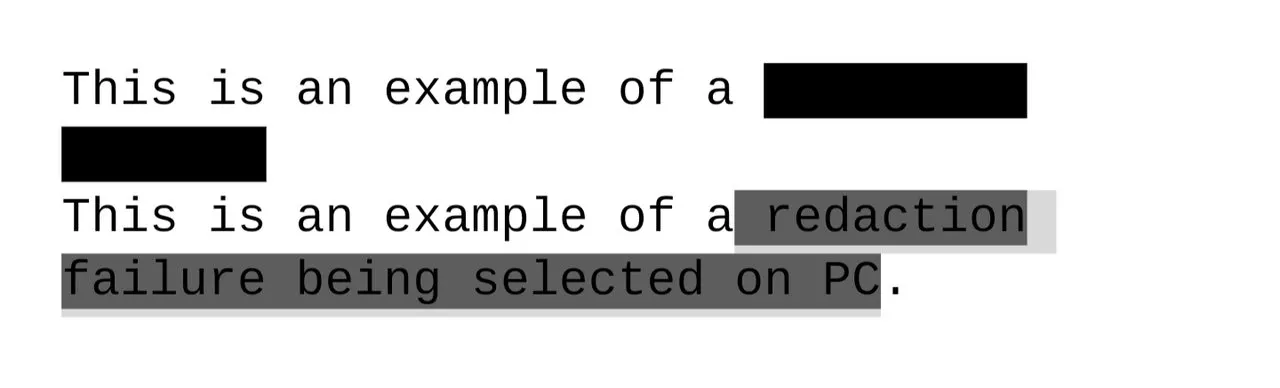
A redaction is a black bar or blur that hides a name or a private detail in a public document. In February, the department pulled several thousand documents after redaction errors exposed victims names and uncensored photos. The mistakes were the kind that should never happen. Once a file is public, it can be copied in seconds, so pulling it back does not undo the harm. The department said it is fixing the redactions now. Read Kash Patel and the Mar-a-Lago gala.
Thousands of Documents Were Pulled Back

The Justice Department pulled several thousand documents in February after the redaction errors came to light. Pulling a document means taking it off the public site while reviewers fix the pages. The Associated Press reported that the government says it is fixing redactions in files that may have had victim information. The work is slow because each page must be checked by hand. The goal is to share the files without hurting the people in them. See the case for new Russia sanctions.
Victims of the Epstein Files Mistakes

The people hurt most by the redaction errors were the victims named in the files. Lawyers said nearly 100 victims lives were turned upside down when names and uncensored photos slipped through. The Anchorage Daily News reported that the files were rife with uncensored photos and victims names despite redaction efforts. For those people, a public file is not an abstract debate. It is their name and their privacy on display. Read the Asia trip and its $17 billion in deals.
Nearly 100 Victims Had Their Lives Turned Upside Down

Lawyers for the victims used plain words to describe the harm. They said nearly 100 victims lives were turned upside down after the redaction errors exposed their names and photos. The files hold the records of real people, and a mistake in one file can reach a family in a single day. That is why victim advocates ask for slow and careful review before any release. Speed matters less than safety for the people named. See how the petition reached 218 signatures.
Lawyers Spoke Up for the Victims
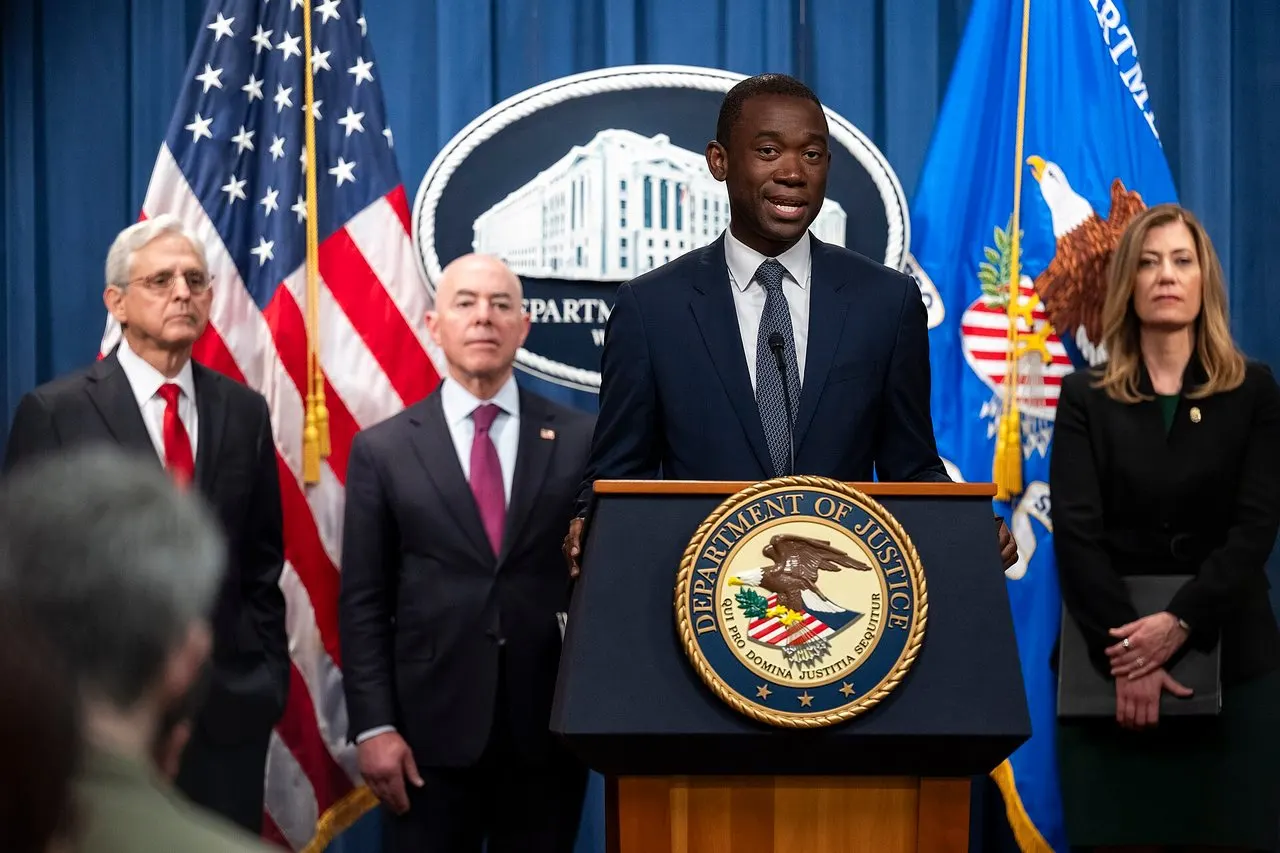
When the errors came out, lawyers spoke up fast. They told reporters that nearly 100 victims lives were turned upside down, and they pressed the department to fix the files. Lawyers play this role in many public cases. They speak for people who cannot speak for themselves, and they ask courts and agencies to protect private names. Their words put faces to a story that can feel like only paper. Read Clinton says Putin holds something over Trump for more.
The Petition That Forced the Epstein Files Vote

Before the law was signed, a petition in the House forced the issue onto the floor. Speaker Mike Johnson canceled two weeks and sent the House home early again while the petition forcing a vote on the files sat with 218 signatures. A discharge petition needs 218 signatures to force a vote, and reaching that number showed the pressure inside Congress. The petition is why the law moved when it did. See Willis and the $17 million question.
218 Signatures Changed the Course of the Story
In the House, 218 is the magic number. It is a majority of the 435 seats, and a petition with that many signatures can force a vote even when leaders want to wait. The petition on the files reached 218 signatures, and the pressure it built helped push the bill forward. Weeks later, the president signed the law. The number 218 is small on paper, but it changed a national story. Read Trump’s meetings with Xi and Putin in Asia.
What the Epstein Files Actually Contain
The files hold the records of a federal investigation into Jeffrey Epstein, including reports, interviews, photos and court papers. Some pages name people who were never charged with anything. Others hold details that victims asked to keep private. That mix is why every release is reviewed page by page. The public wants to know what happened, and the victims want their names kept safe. Both aims matter. See the handshake during the Ukraine conflict.
Reporters and Cameras Waited Outside

Every step of this story was covered by reporters. ABC News broke the breach story, Reuters traced the foreign hacker, the Associated Press covered the redaction fixes, and Al Jazeera and PBS NewsHour followed the release. Reporters and cameras waited outside courthouses and offices for each new batch of pages. Their work is how the public learned what the government released and what it held back. The press keeps the story honest. Read the APEC moment caught on camera.
The Epstein Files Debate in the Press
Newspapers and news sites have argued about the files for a year. Some say every page should be public because the public paid for the investigation. Others say privacy must come first, because victims names are in the pages. The post that started this article asked the same question. Should the files be made public, even if foreign hackers are the ones who leak them. It is a hard question with no easy answer. See the affair question after the Coldplay concert.
What Happens Next for the Release
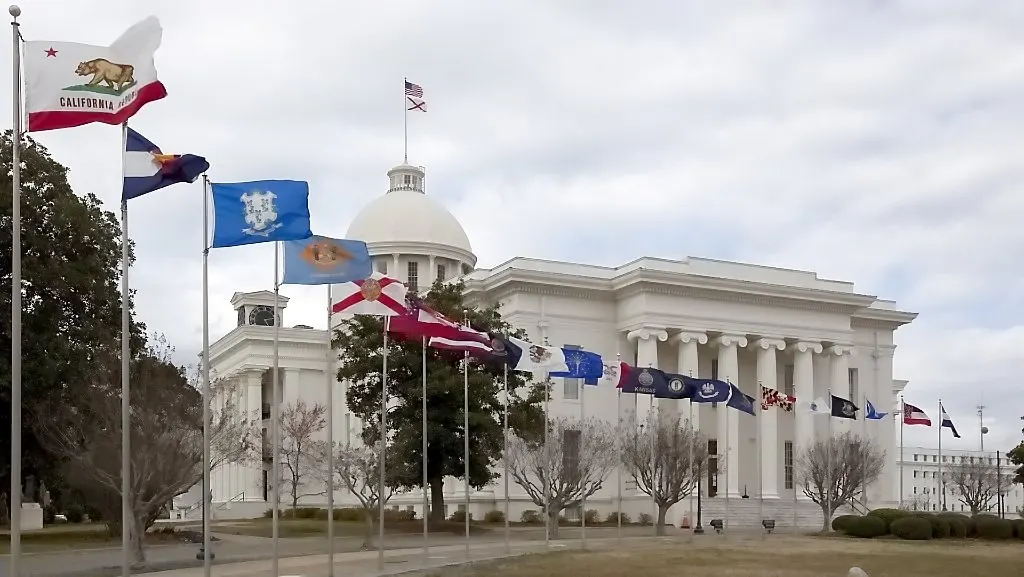
The Justice Department says its release completed its obligations, but the story is not over. Its own headline says it published 35 million responsive pages in compliance with the law, far more than the first 3 million. Congress is still watching, victims are still waiting for safe redactions, and the public is still asking what remains hidden. The next chapter may be a new release, a new report or a new hearing. Read the U.S. losing measles elimination status.
How the Release Is Checked, Page by Page

A big release is checked one page at a time. Reviewers read each file, mark the names and photos that must stay private, and send the rest to the public site. The department says it is fixing redactions that may have had victim information, which means the checks are still going on. It is slow work, and mistakes can still slip through. Careful review is the only way to share the files safely. See the coin Melvin Matibag showed off.
Should the Files Be Made Public?

So here is the question at the heart of this story. Should the files be made public, even if foreign hackers are the ones who leak them. One year after the law was signed, the release is still making headlines, and the debate is still open. Some readers say the public has a right to know everything. Others say safety must come first. What do you think. Share your view in the comments and keep reading Trump heads back to Washington after China.