In Chinese, the Owl Is the Cat-Headed Eagle
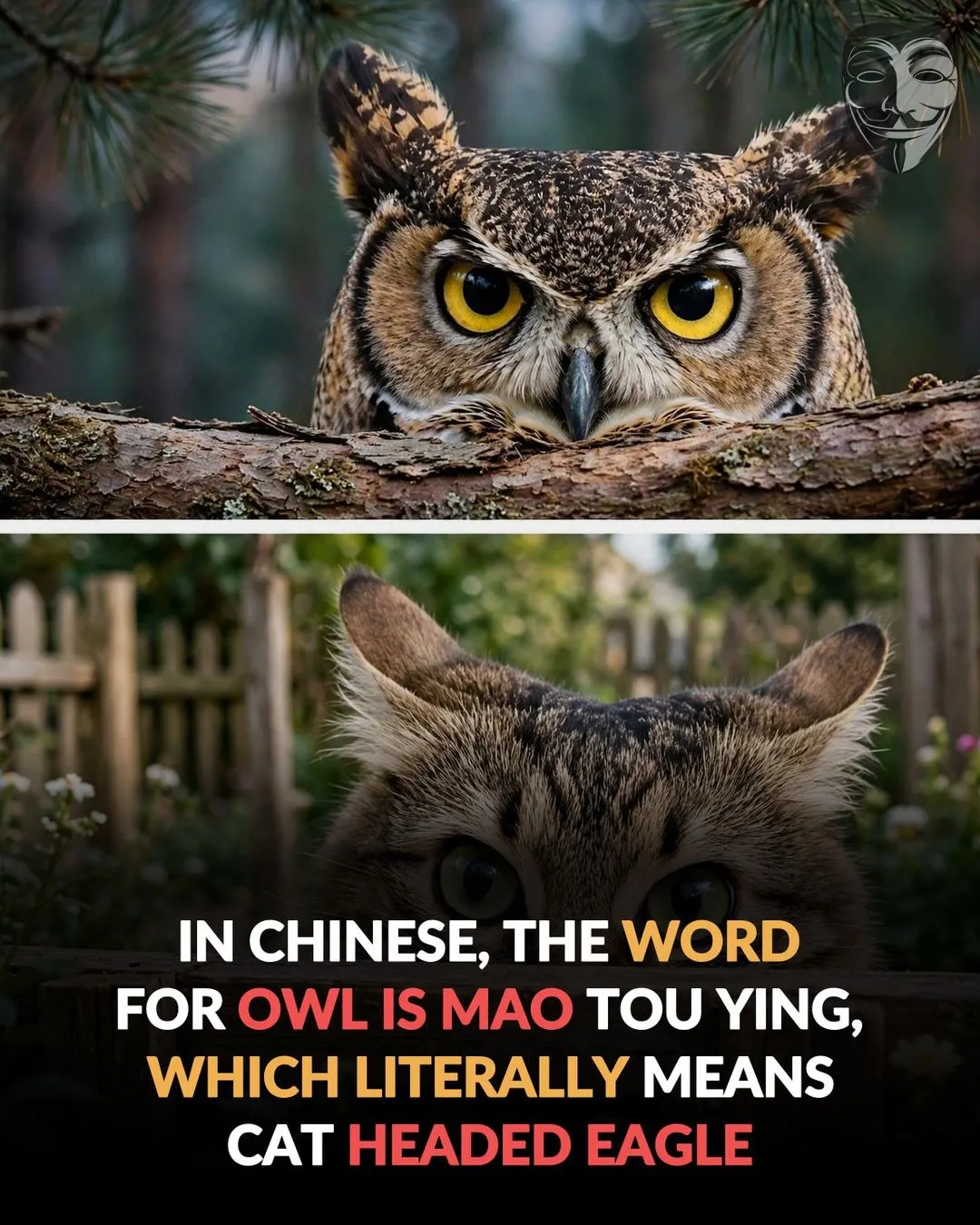
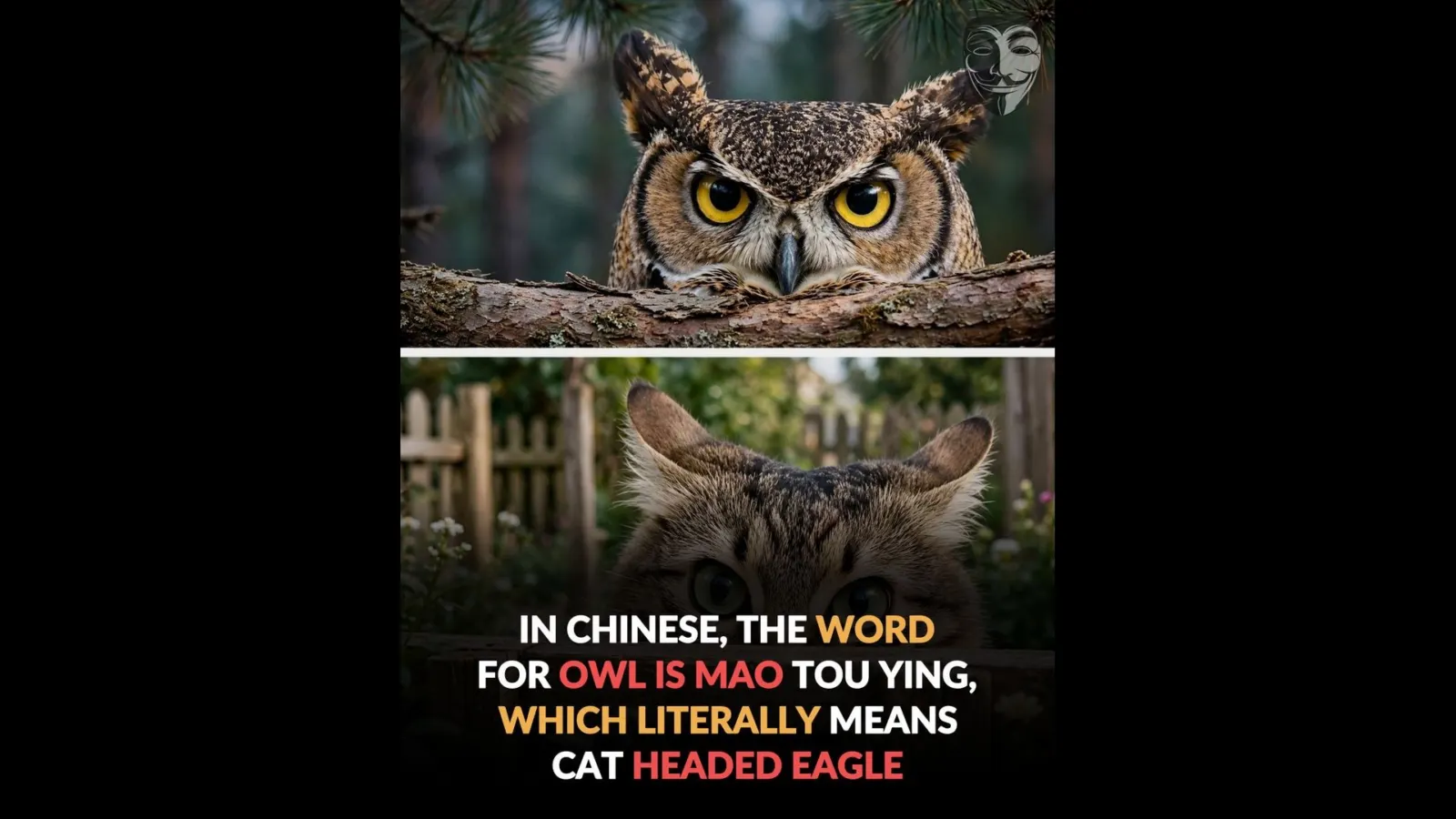
The cat-headed eagle is the name Mandarin Chinese gives to the owl, and it is one of the charming animal names in any language. The name comes from three characters that mean cat, head and eagle, and together they paint a picture of the bird itself. Anyone who has looked closely at an owl can see why the name fits so well. Its big forward-facing eyes, round face and little feather tufts make it look like a cat peeking over a fence. Next we look at the night skills owls and cats share.
The likeness goes deeper than looks, because both animals are quiet night hunters with sharp hearing and eyes built for low light. Owls can turn their heads about 270 degrees since their eyes stay fixed in place, and cats use night vision, whiskers and hearing to find prey after dark. The two animals are not related at all, since one is a bird and the other is a mammal, yet nature gave them the same tools for the same night shift. See a golden tiger named Ava.
References:
Live Science: Cats: Facts about our feline friends
Live Science: Feline Vision: How Cats See the World
Childrens Museum: Why Do Owls Rotate Their Heads?
World Owl Trust: Back in the Collection
Three Characters Build the Cat-Headed Eagle Name
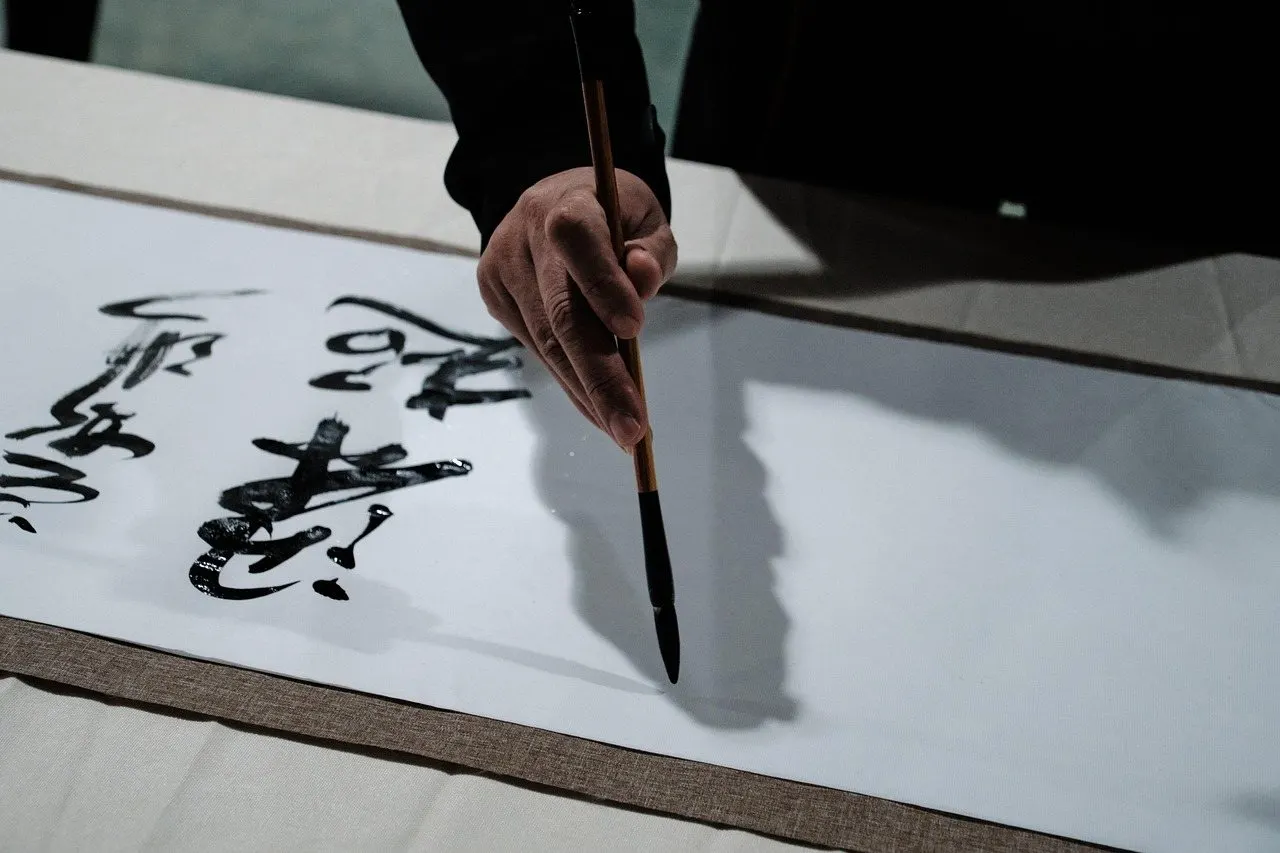
Mandarin Chinese builds the word for owl from three characters, and each one adds a piece of meaning. The first means cat, the second means head, and the third means eagle, so the full word reads as cat-headed eagle. Chinese often names animals this way, letting the characters paint a picture of the creature. Once you know the three parts, the name is easy to remember, and it is hard to look at an owl again without seeing the cat in its face. See a poodle named Pablo.
A Face That Looks Like a Cat
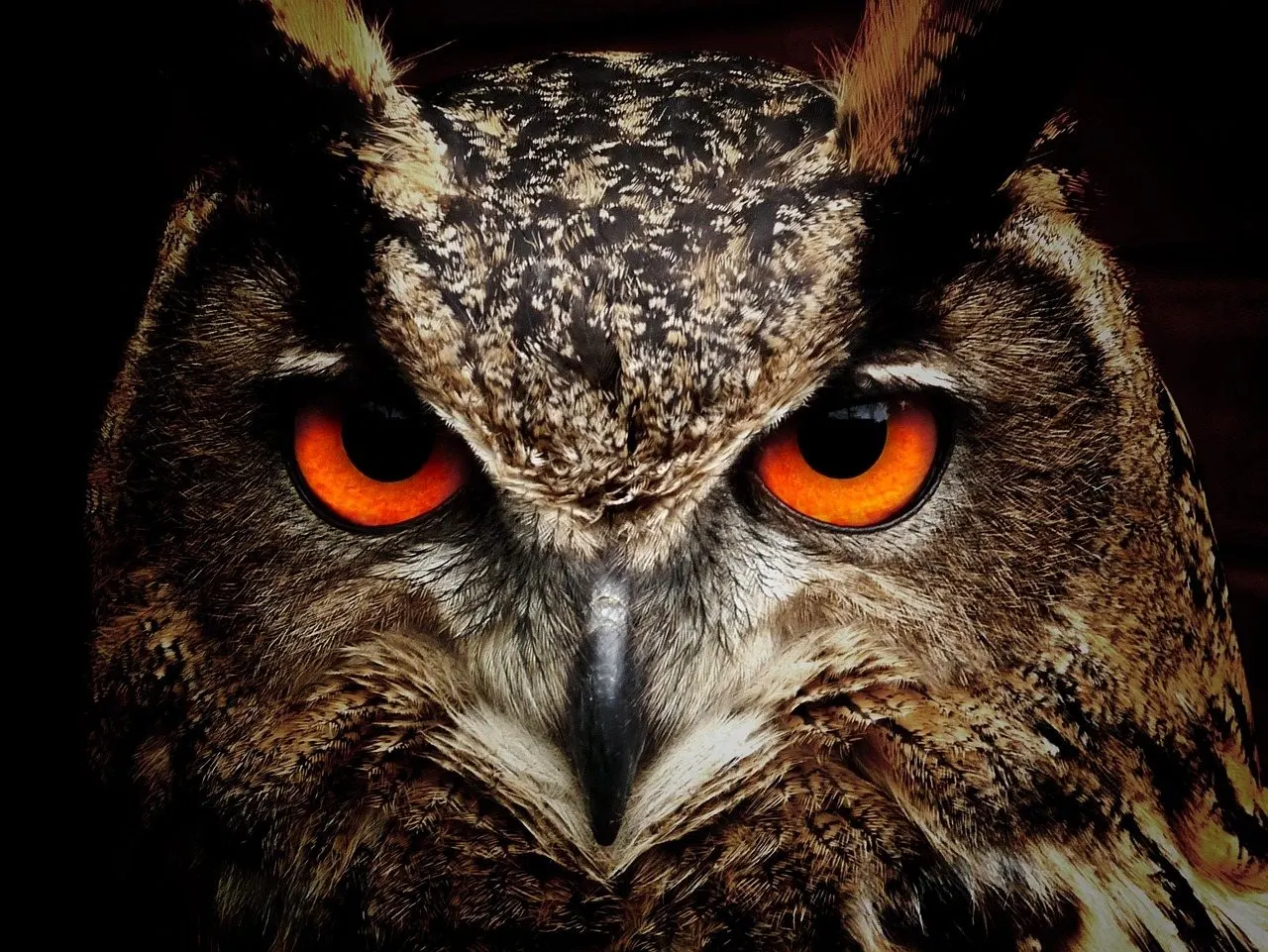
Look closely at an owl and the cat in its face starts to appear. The big eyes sit at the front of the head, like a cat, and the round face frames them in soft feathers. A small beak sits where a cat nose would be, and tufts on some owls rise like pointed ears. The cat-headed eagle name captures this first impression in three simple words. It makes people smile once they see the likeness. Read more in a boy who walked miles in the cold.
Ear Tufts That Look Like Pointed Ears
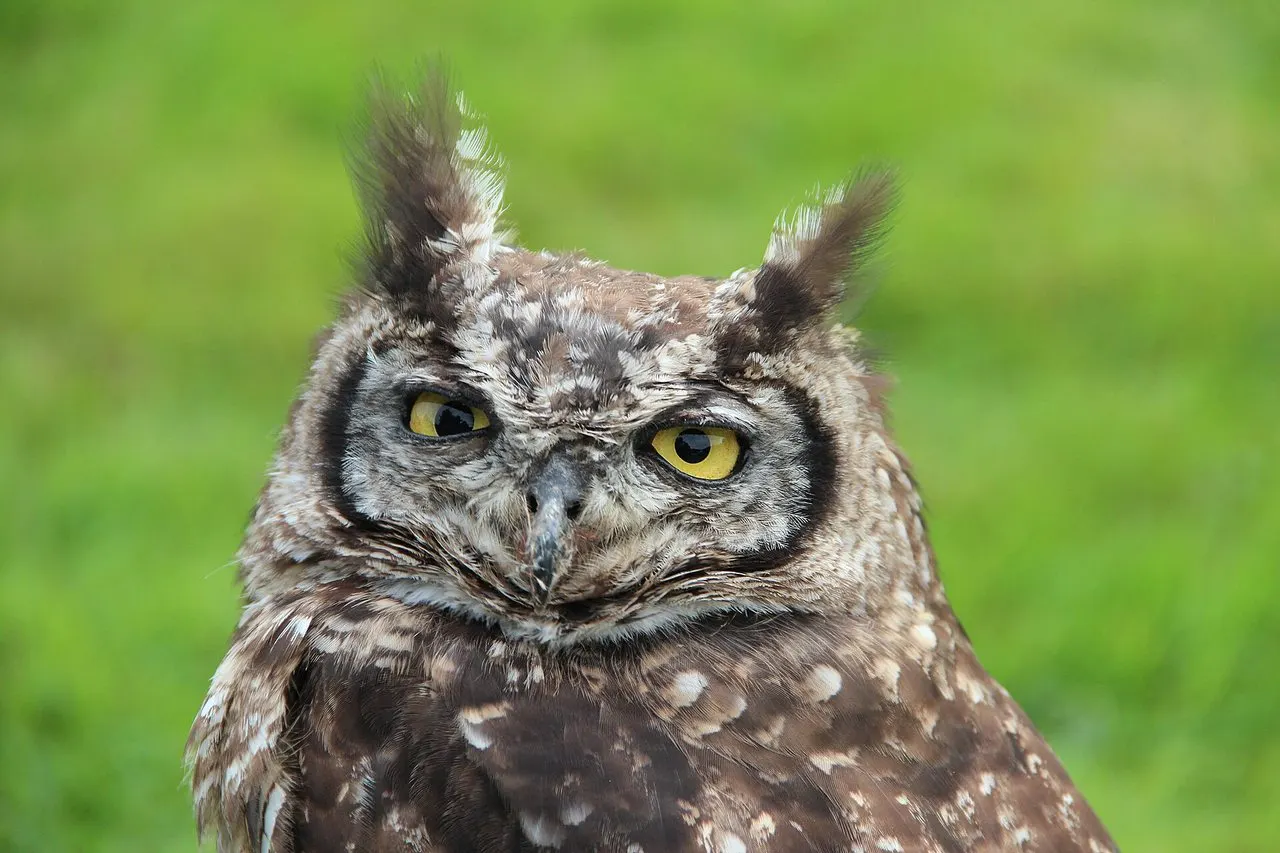
Some owls wear tall tufts of feathers on their heads, and the tufts look just like the pointed ears of a cat. The great horned owl is the best example, with two dark tufts that stand up on either side of its face. The tufts are only feathers, not real ears, and they do not help the bird hear. They help the owl blend into branches by day, and they add to the cat-like look behind the bird’s Chinese name. You may also like a miniature pancreas.
The Barn Owl Wears a Heart-Shaped Face
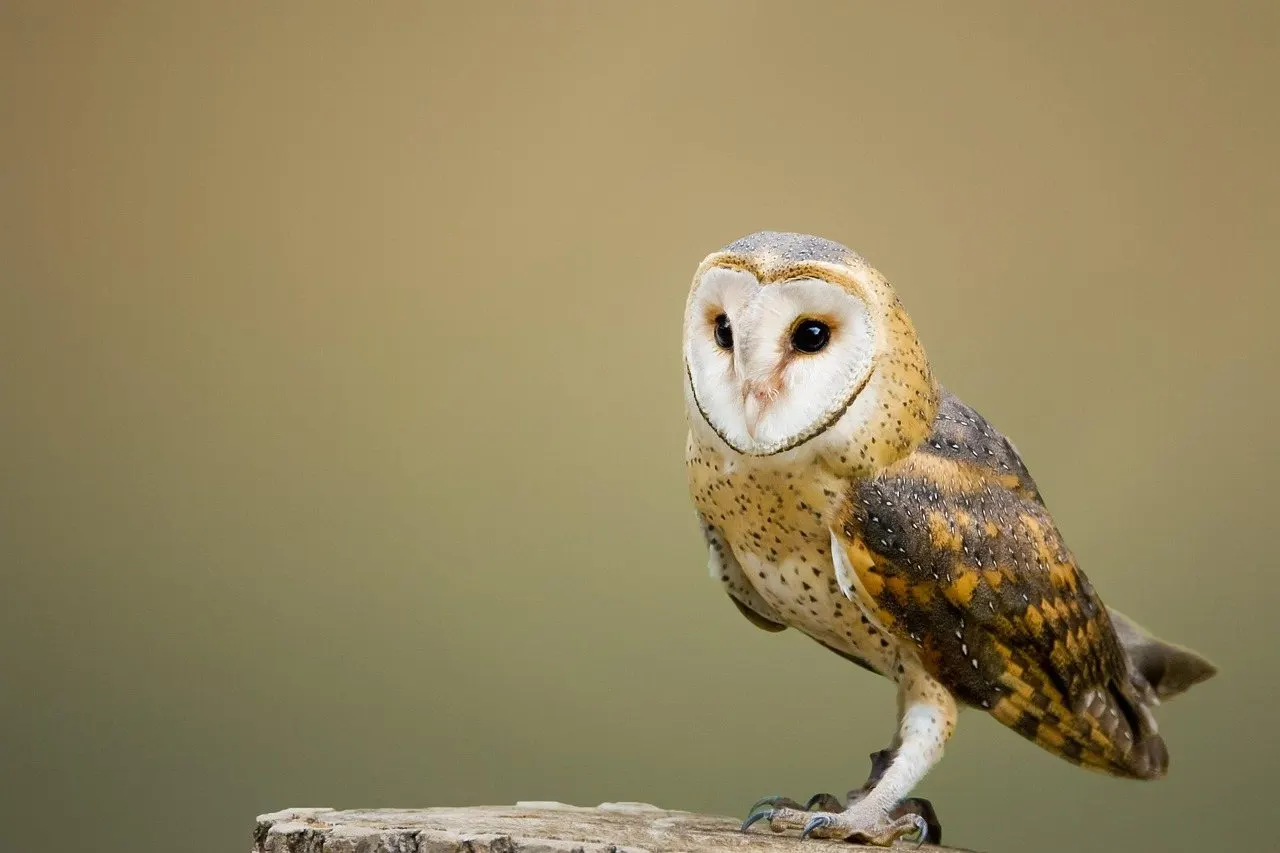
The barn owl has a pale heart-shaped disc of feathers around its dark eyes, one of the most cat-like faces of all owls. The disc works like a dish that catches sound and guides it to the ears, which helps the owl hunt in darkness. Its small beak and soft golden feathers complete the gentle look. Visitors often say it looks like a pet, not a wild hunter, and that soft face is part of its charm. For another story, see friendship tested by politics.
Big Eyes Help the Cat-Headed Eagle Hunt at Night
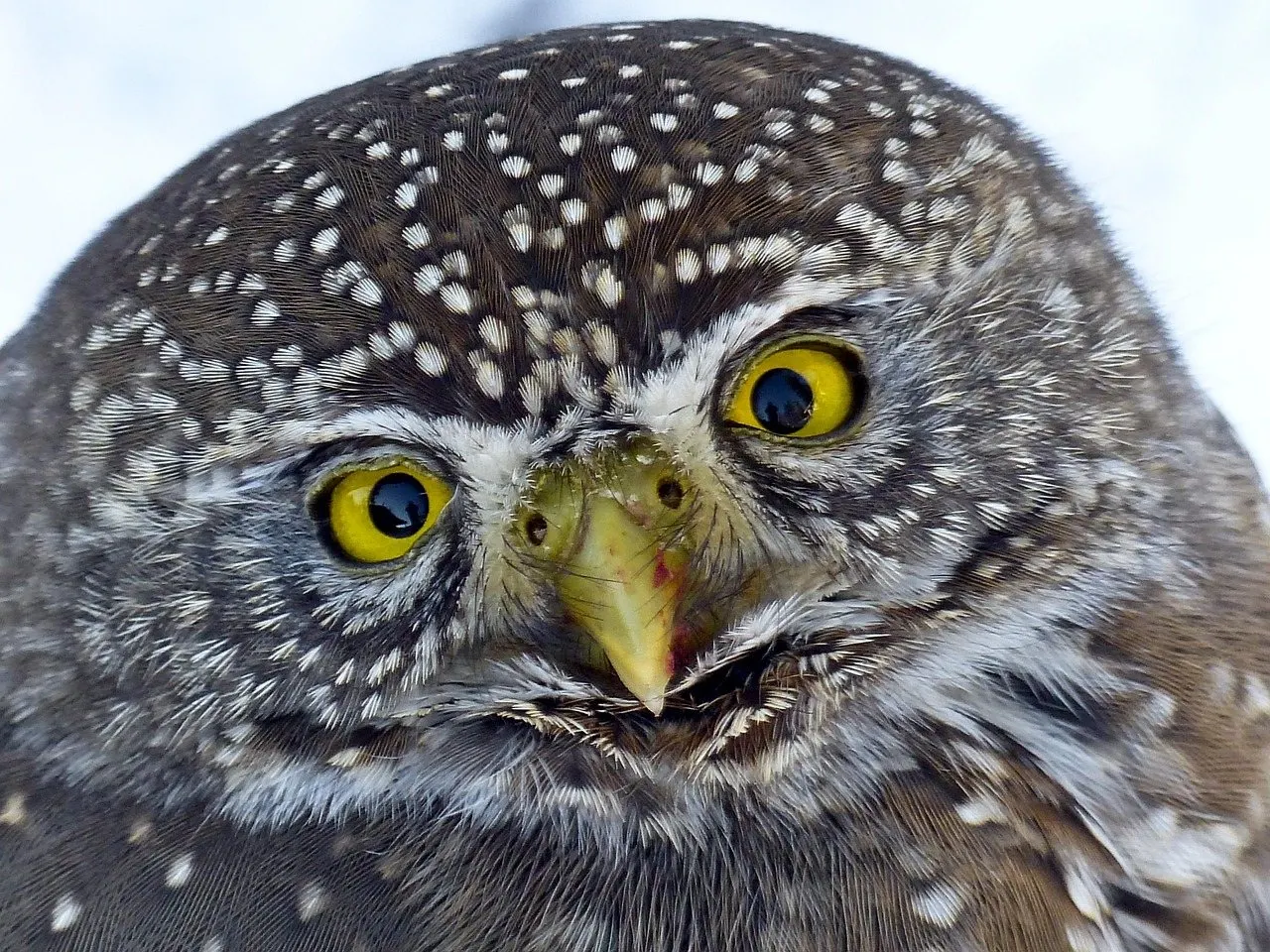
An owl has enormous eyes for its skull, and those big eyes gather light so the bird can see when the sun is gone. The eyes are largely fixed in place, which is why the bird must turn its whole head to look around. Cats have large eyes too, and their pupils open wide in dim light to catch every bit of glow. Both animals depend on sharp sight to find small prey moving in the grass after dark. Take a look at a world without cash.
A Head That Turns About 270 Degrees
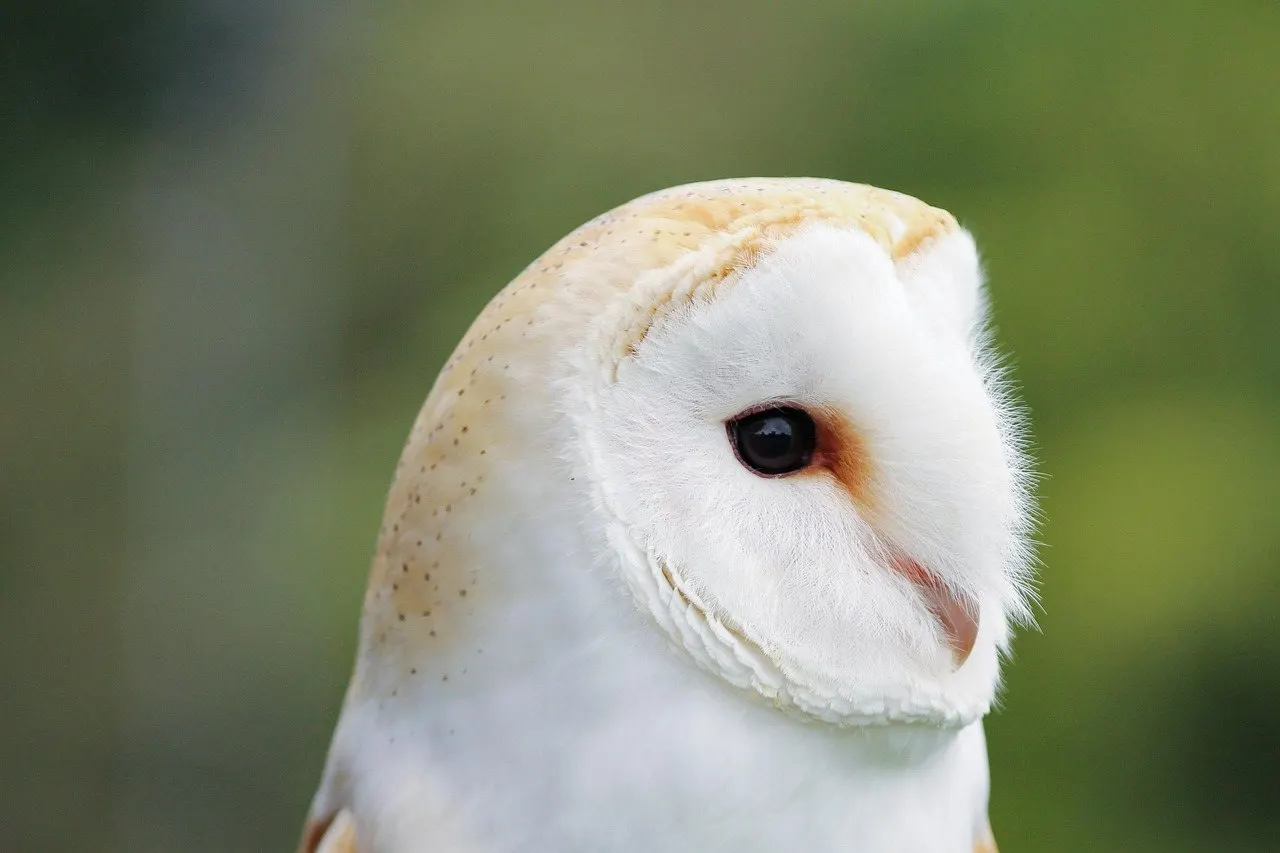
Because an owl cannot move its eyes inside their sockets, it turns its head instead, and it can swivel about 270 degrees in either direction. That wide turn lets the bird watch the ground behind it without moving its body or giving away its perch. Extra bones in the neck and special blood vessels keep the brain safe during the twist. Children often ask why owls can do this trick, and the answer starts with those fixed eyes. Our stories on a visit to Manila.
Feathers Built for Silent Flight
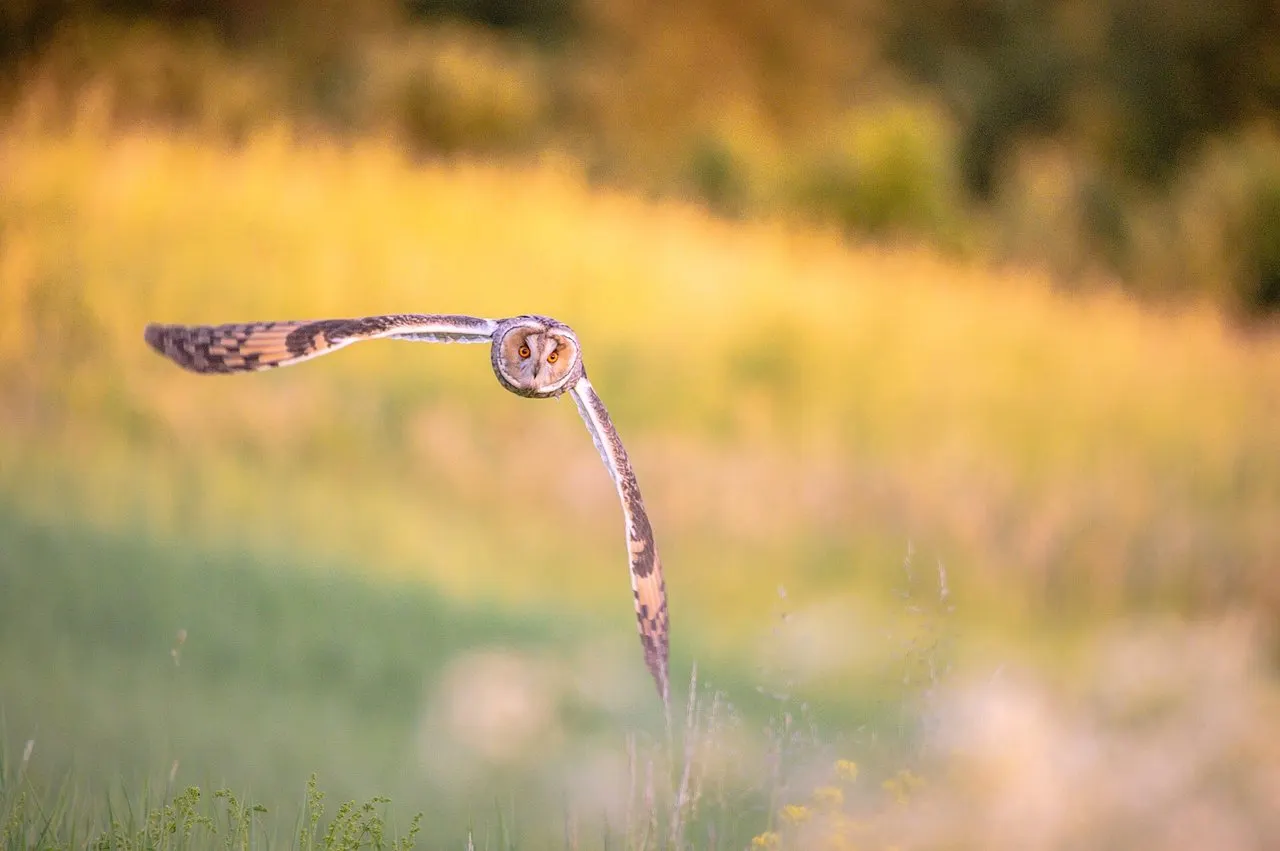
Many owls can fly almost without a sound, thanks to soft edges on their wing feathers that break up the rush of air. That quiet flight lets the bird swoop down on mice and other small prey before they hear it coming. Cats hunt quietly too, placing each paw with care and freezing when a twig snaps underfoot. Both hunters know that silence is the best tool for catching dinner, and both have bodies built to move without noise. Read about a healthy workplace.
Sharp Hearing Guides the Cat-Headed Eagle in the Dark
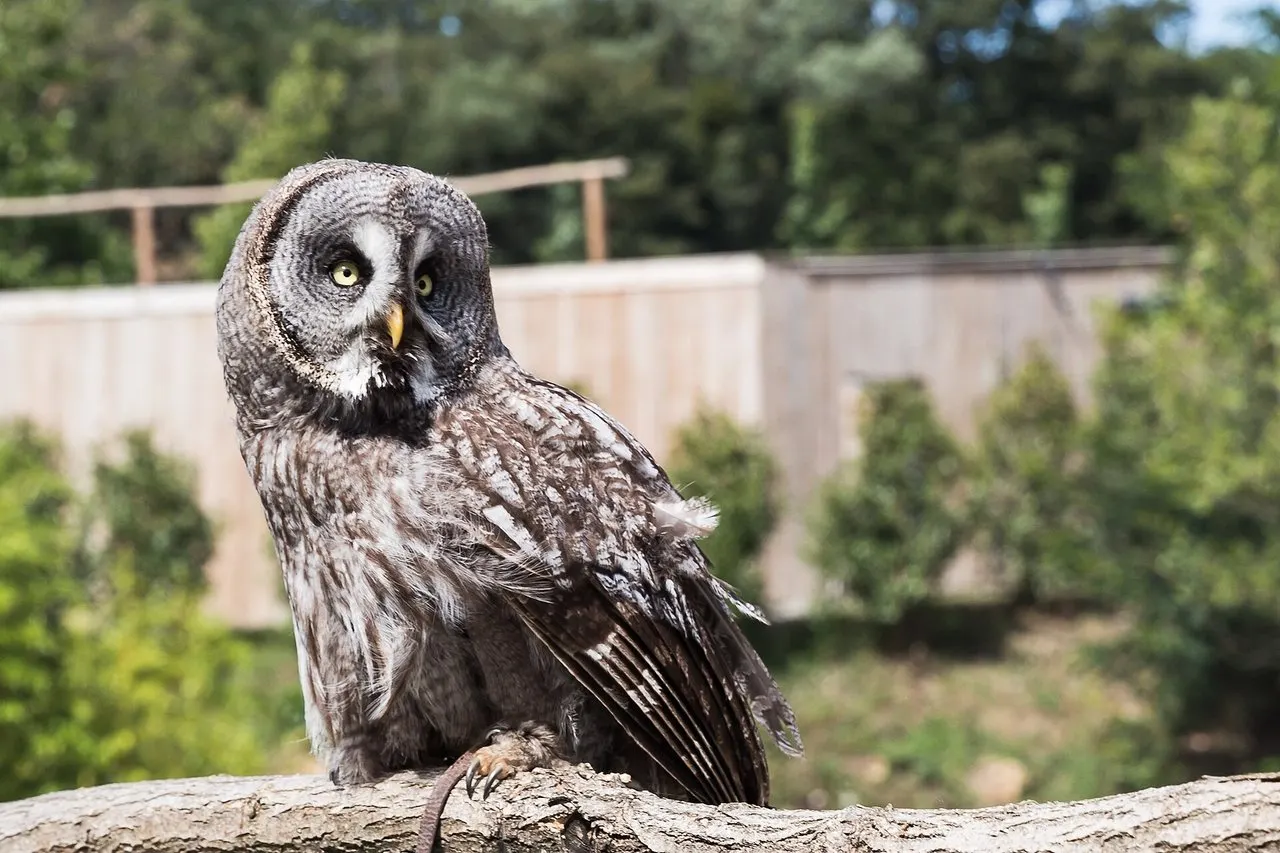
Owls hear far better than most birds, and some can find a mouse under snow or leaves by sound. Their ears sit at different heights, so a sound reaches one ear sooner than the other, which tells the bird where the prey hides. Cats also have excellent hearing, and they can turn their ears to catch faint rustles in the dark. For both hunters, ears matter as much as eyes on the night shift. You might enjoy a golden tiger named Ava.
How Cats See So Well at Night
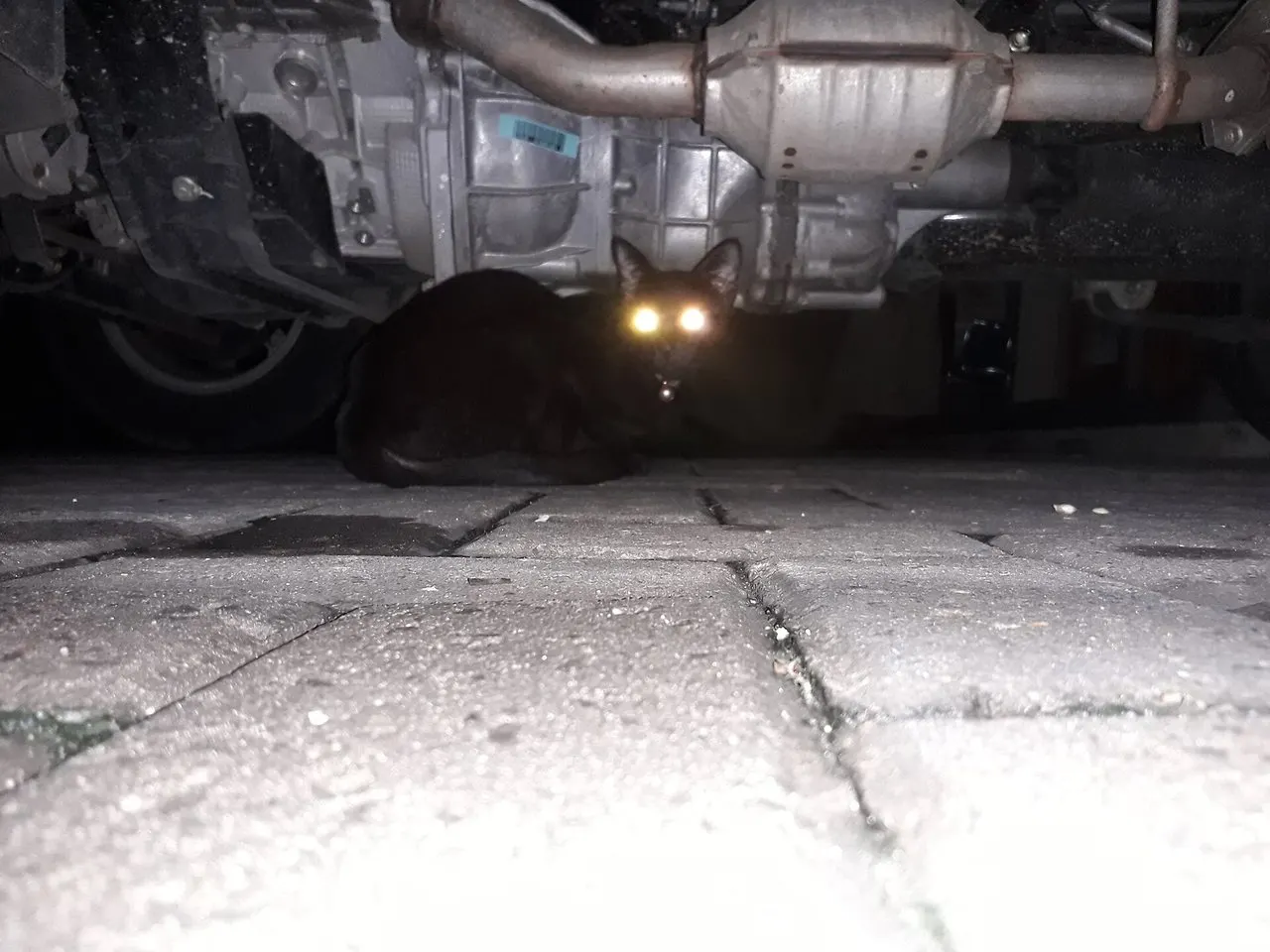
A cat sees far better in dim light than a person, because its eyes hold more rod cells that sense faint light. A shiny layer behind the retina bounces light back through the eye, which is why cat eyes seem to glow in the dark. That glow is not magic, it is a mirror that gives the eye a second chance to catch light. The name makes sense here too, since both animals share eyes built for the dark. For a lighter read, try a poodle named Pablo.
Whiskers That Feel the Way in the Dark
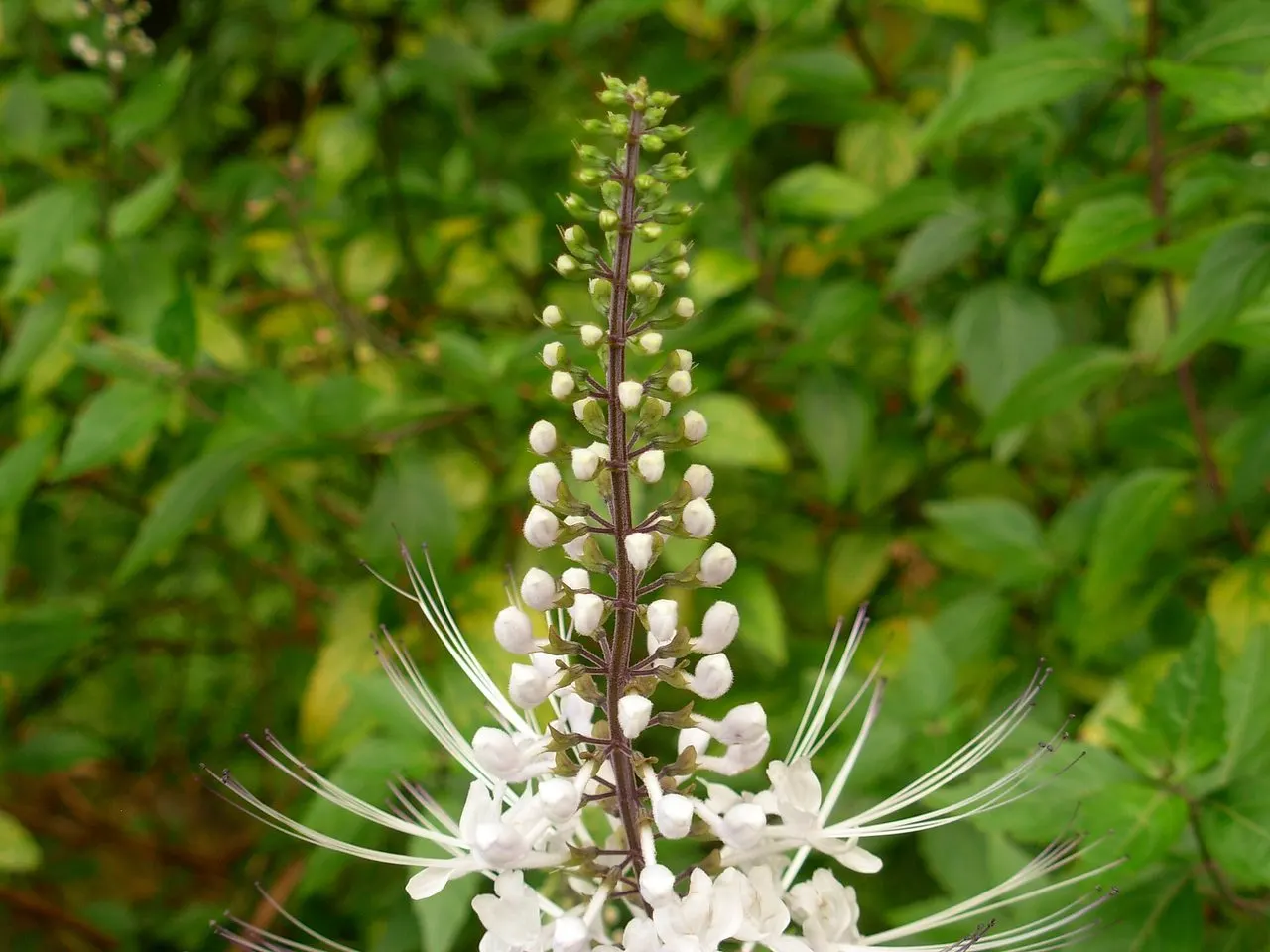
A cat uses its whiskers like fingertips, feeling the air around its head as it moves through the dark. The whiskers tell the cat whether a gap is wide enough to pass through, and they sense tiny changes in air flow when prey moves nearby. Owls lack whiskers, but stiff bristles around the beak help them sense food close to the face. Both animals use touch to fill in what their eyes cannot see at night. Check out a boy who walked miles in the cold.
The Cat-Headed Eagle Has Talons, Not Retractable Claws
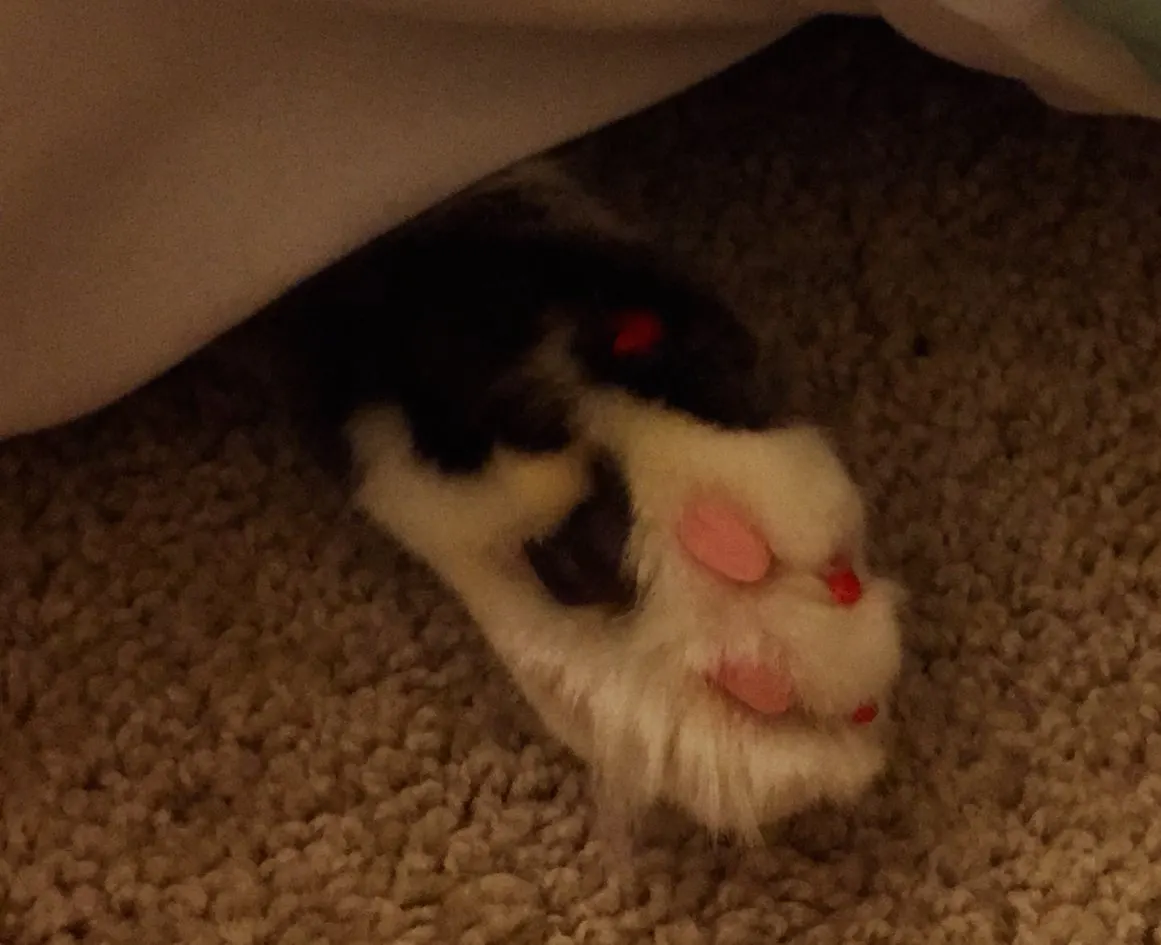
Here the two animals part ways, because an owl hunts with strong talons that stay out all the time, while a cat keeps its claws tucked away until they are needed. A cat can pull its claws back to keep them sharp and silent on soft paws, then snap them out to grip prey or climb a tree. An owl grips with curved talons that lock tight around a mouse. The tools look different, but both are built for the same quick catch. More stories live in a miniature pancreas.
Cats on the Hunt After Dark
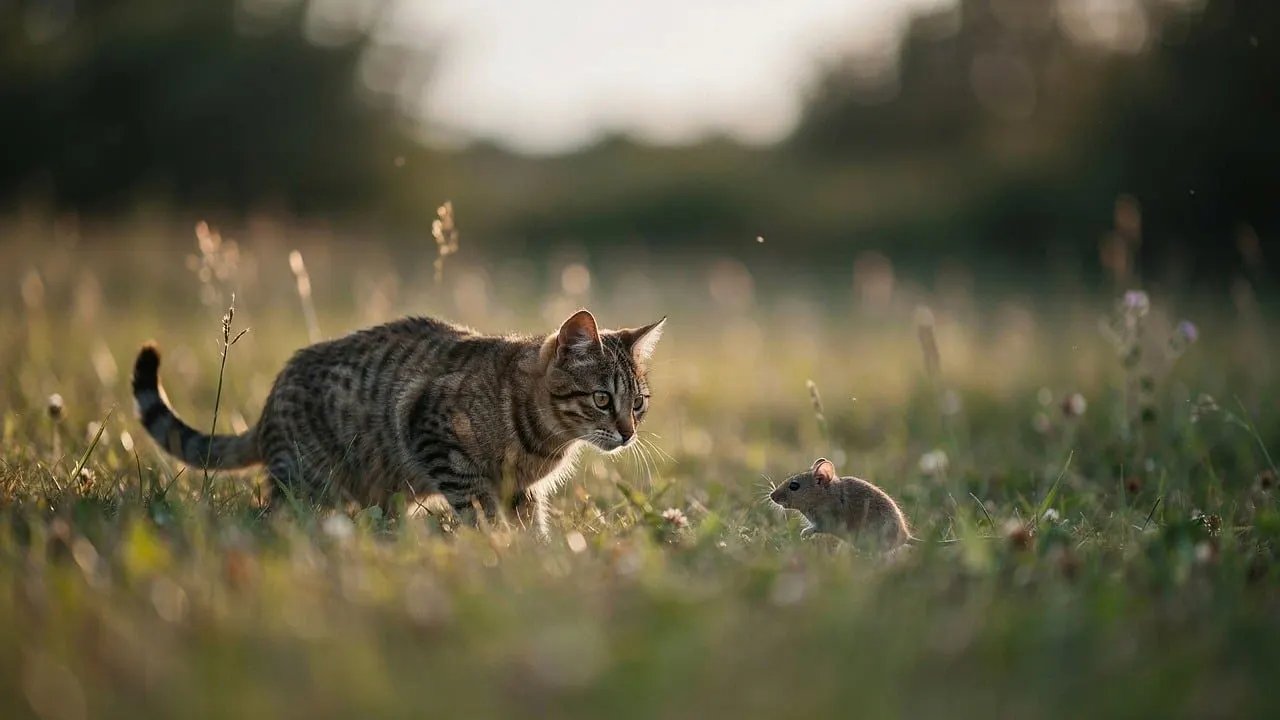
When the house lights go out, a cat turns into a patient hunter, crouching low and watching the grass for the smallest movement. It waits, wiggles its hindquarters, and then springs in one fast pounce. Owls hunt the same way from above, watching from a branch and dropping silently onto prey below. Both animals hunt alone, trust their senses, and strike only when the moment is right, which is why they share the night so well. Keep reading with friendship tested by politics.
The Snowy Owl in Winter White
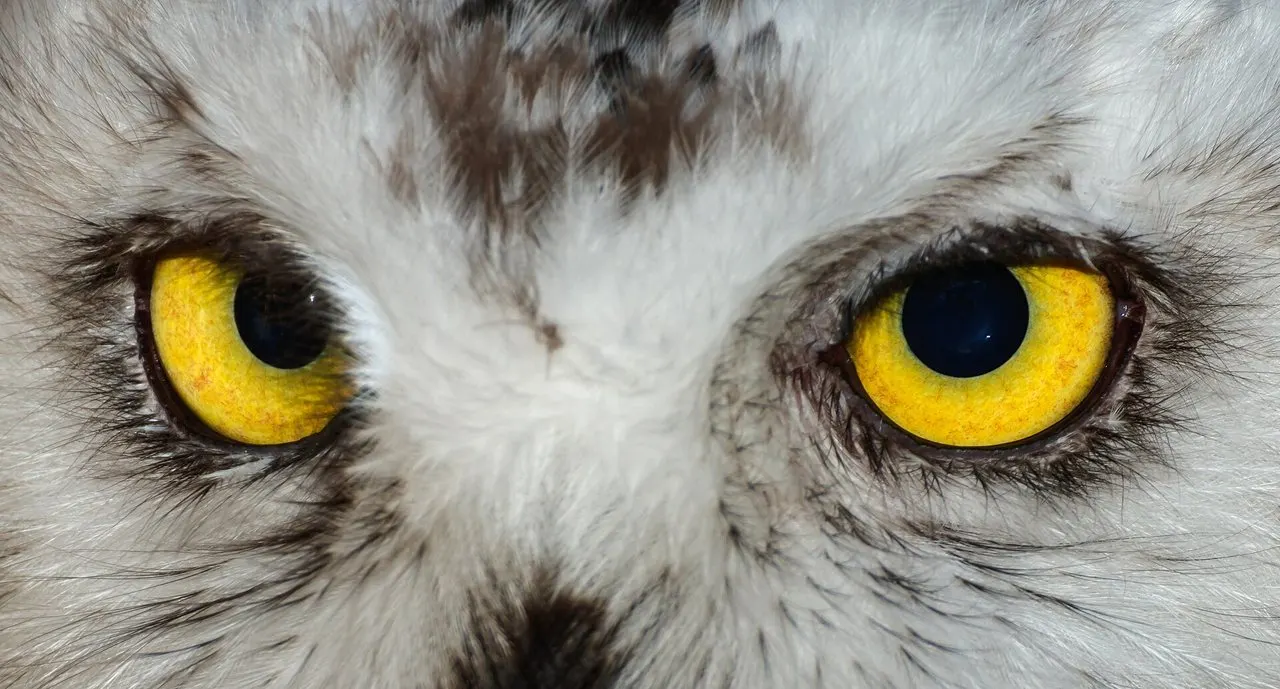
The snowy owl looks like a winter version of the same bird, with white feathers marked by dark bars that blend into snow and pale sky. Unlike most owls, it often hunts in daylight during the long Arctic summer, when the sun barely sets. Its yellow eyes stand out against the white face, and its feathered feet work like warm boots on the ice. It shows how one family of birds can adapt its look to very different homes. Our pieces on a world without cash.
The Eagle in the Cat-Headed Eagle Name
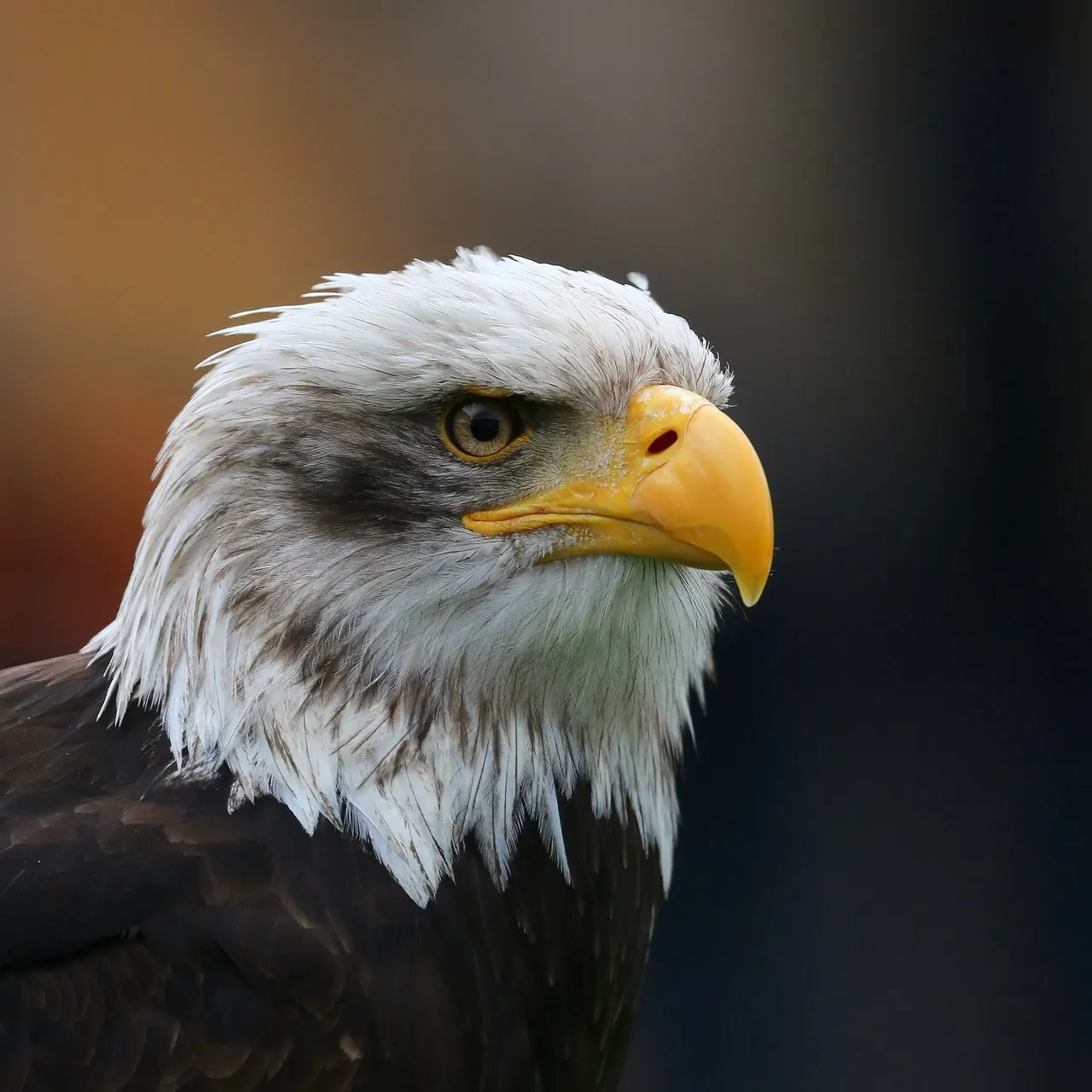
The last character means eagle, and it points to the owl as a bird of prey, a hunter with a hooked beak and a fierce grip. Eagles are larger and hunt by day, while owls rule the night, but both are raptors that catch live prey with sharp talons. The Chinese name joins the two ideas together, a cat face on an eagle hunter. It is a small poem of a name, and it tells you what the bird is in three words. Enjoy a visit to Manila.
Two Hunters Sharing the Night Shift

Night belongs to animals that can see, hear and move in the dark, and owls and cats are two of the best at that job. One hunts from the trees and the other from the ground, so they rarely fight over the same meal. The cat-headed eagle name links them in language, even though one flies and the other prowls. Nature often gives different animals the same tools when they work the same hours, and these two are a fine example. Discover a healthy workplace.
A Name That Comes From China

The name comes from Mandarin, the most widely spoken form of Chinese, used for owls for a very long time. Chinese is rich in names that describe what an animal looks like or how it behaves, and this owl name is one of the clearest examples. A bamboo forest in China is the kind of quiet green place where an owl might rest by day and hunt by night. The name carries a piece of that landscape with it wherever it travels. Try a golden tiger named Ava.
Other Names Show Why the Cat-Headed Eagle Name Fits

Many languages name animals by what they look like, and Chinese does this more than most. A name that says cat-headed eagle tells a listener at once about the face, the ears and the hunting life of the bird. Other animal names in Chinese work the same way, joining simple words into a clear picture. That habit makes the language easy to learn for animal lovers, because each name is a small clue about the creature it describes. Wander over to a poodle named Pablo.
A Bird and a Mammal, Two Different Families
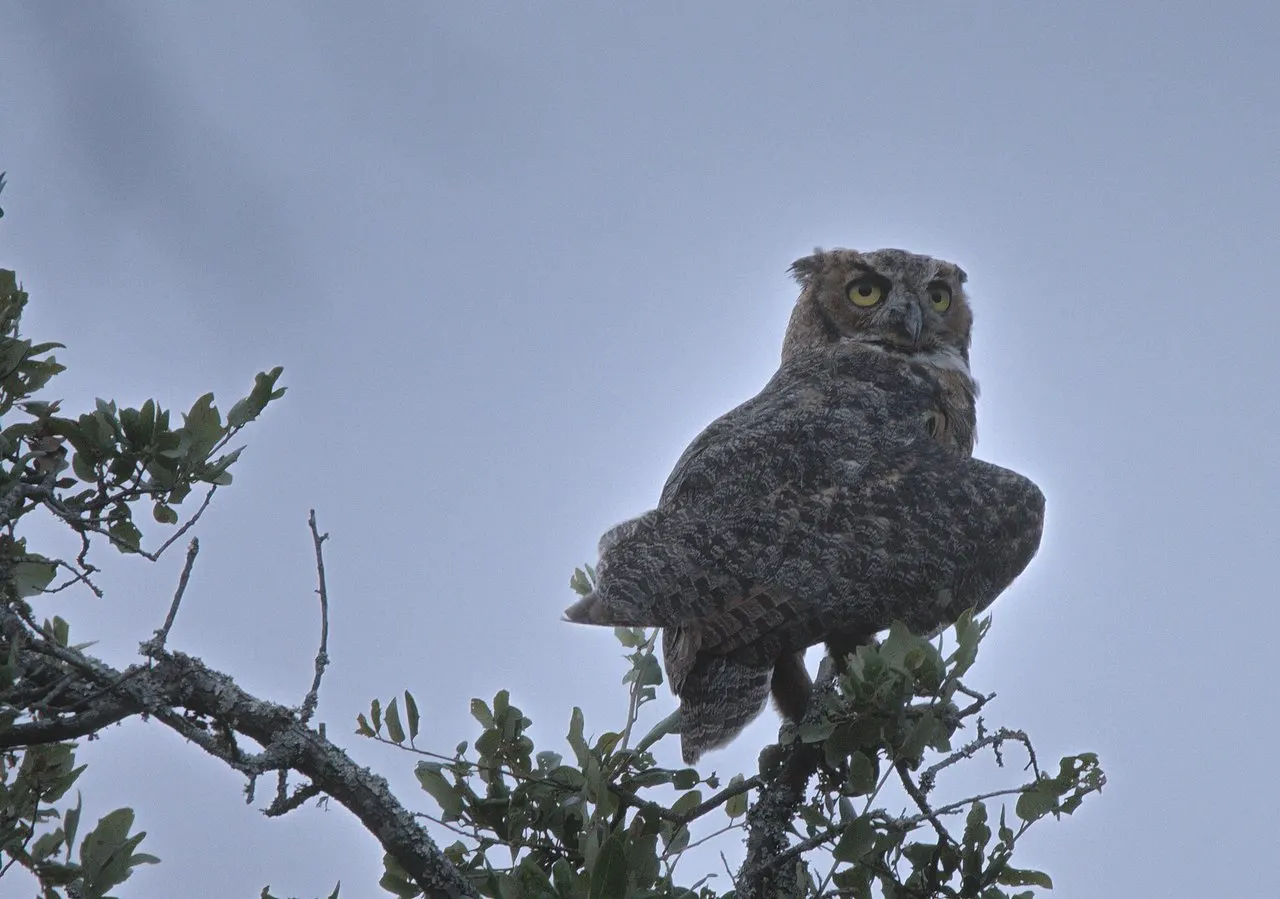
For all their likeness, owls and cats belong to different branches of the animal family tree. An owl is a bird, with feathers, wings and eggs, while a cat is a mammal, with fur and live young that drink milk. Their last shared ancestor lived long ago, before either animal looked the way it does today. The shared night skills came later, shaped by the same dark hours rather than by shared blood. Our reports on a boy who walked miles in the cold.
The Same Tools for the Same Job
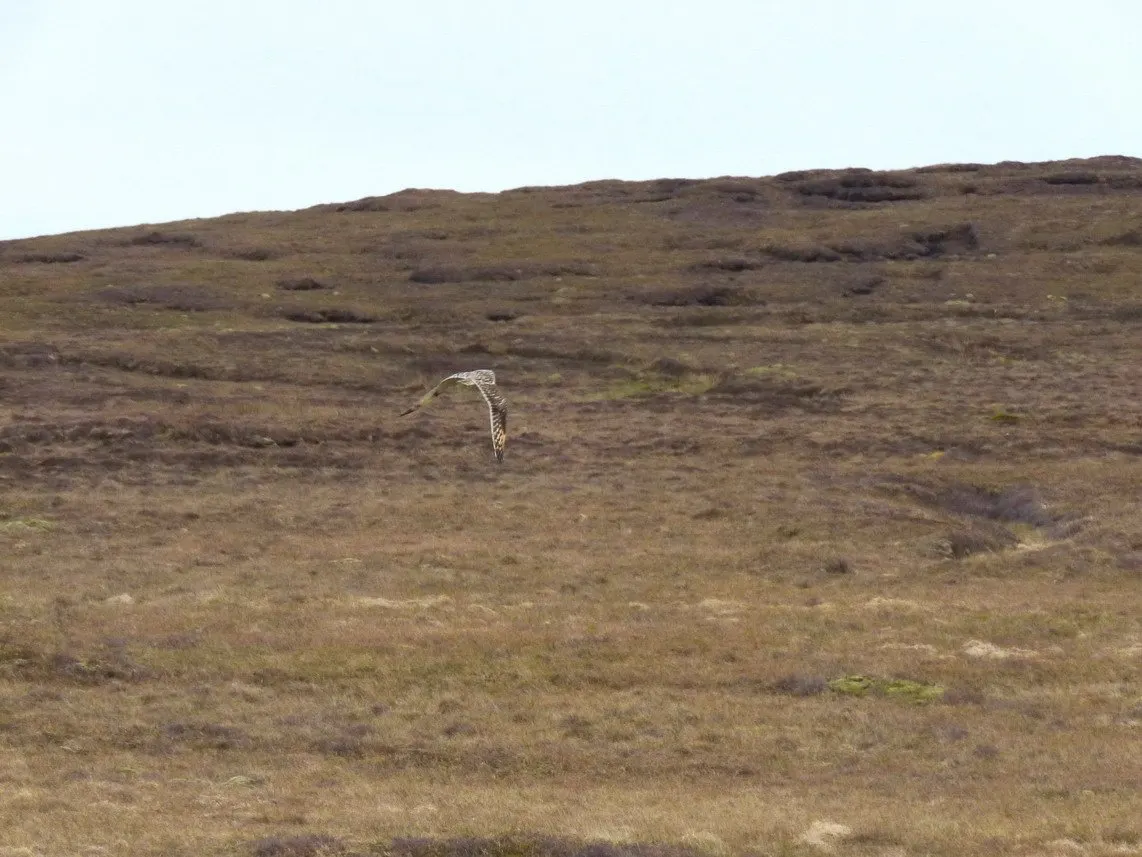
When two unrelated animals face the same problem, nature often gives them the same answer, and scientists call this convergent evolution. Owls and cats both needed to find small prey in the dark, so both gained big eyes, keen hearing and quiet movement. The cat-headed eagle name points at that shared answer without knowing the science behind it. It is a folk name that got the biology right, and that is why it still delights people today. Look at a miniature pancreas.
The Cat-Headed Eagle Hunts Mice in Open Fields
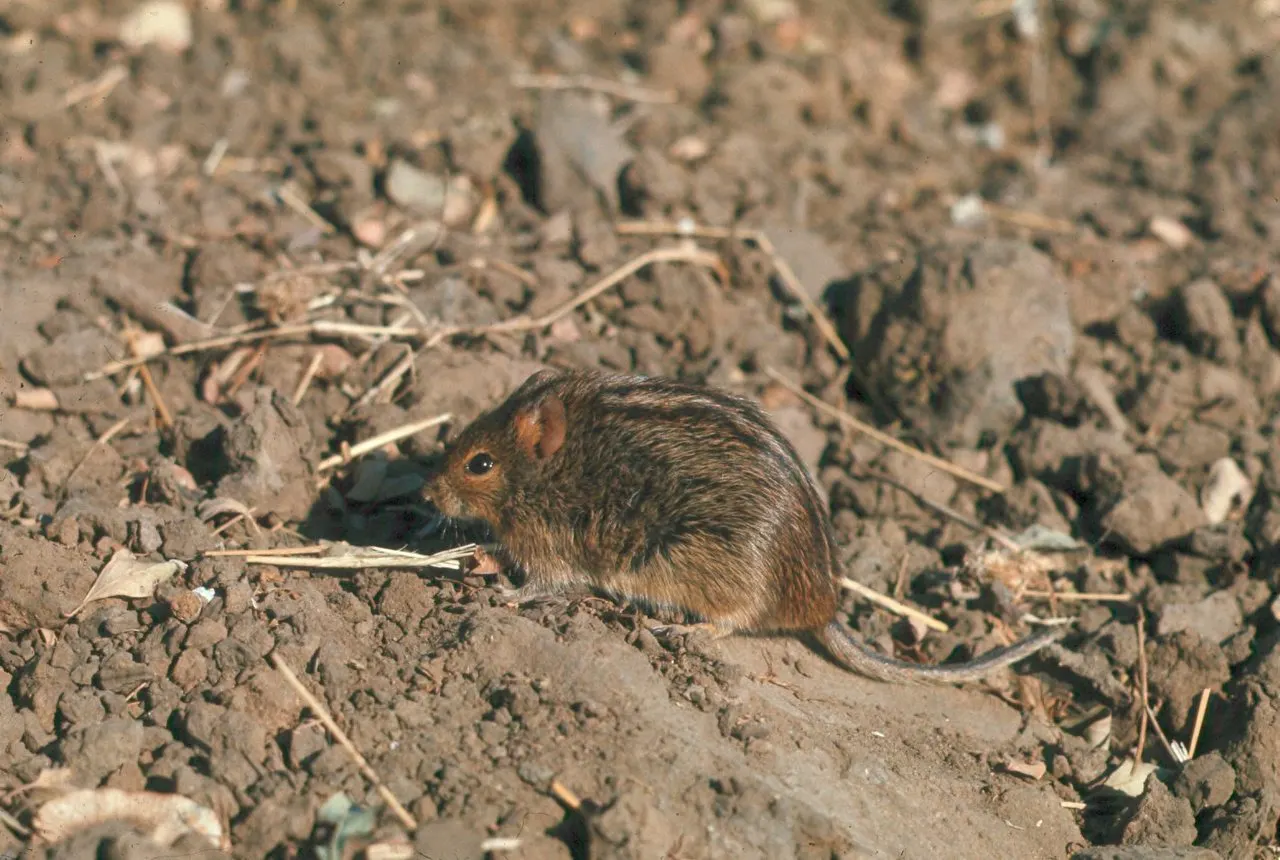
Open fields at dusk are good hunting ground, as mice and voles move through the grass while the light fades. An owl watches from a fence post or a low branch, then drops in silence and catches prey with both feet. One owl can catch many small rodents in a night, which helps farmers more than most people know. That quiet work in the fields is the heart of the owl life, and the cat in its name hunts the same way. Catch up on friendship tested by politics.
What Cats Hunt After Dark
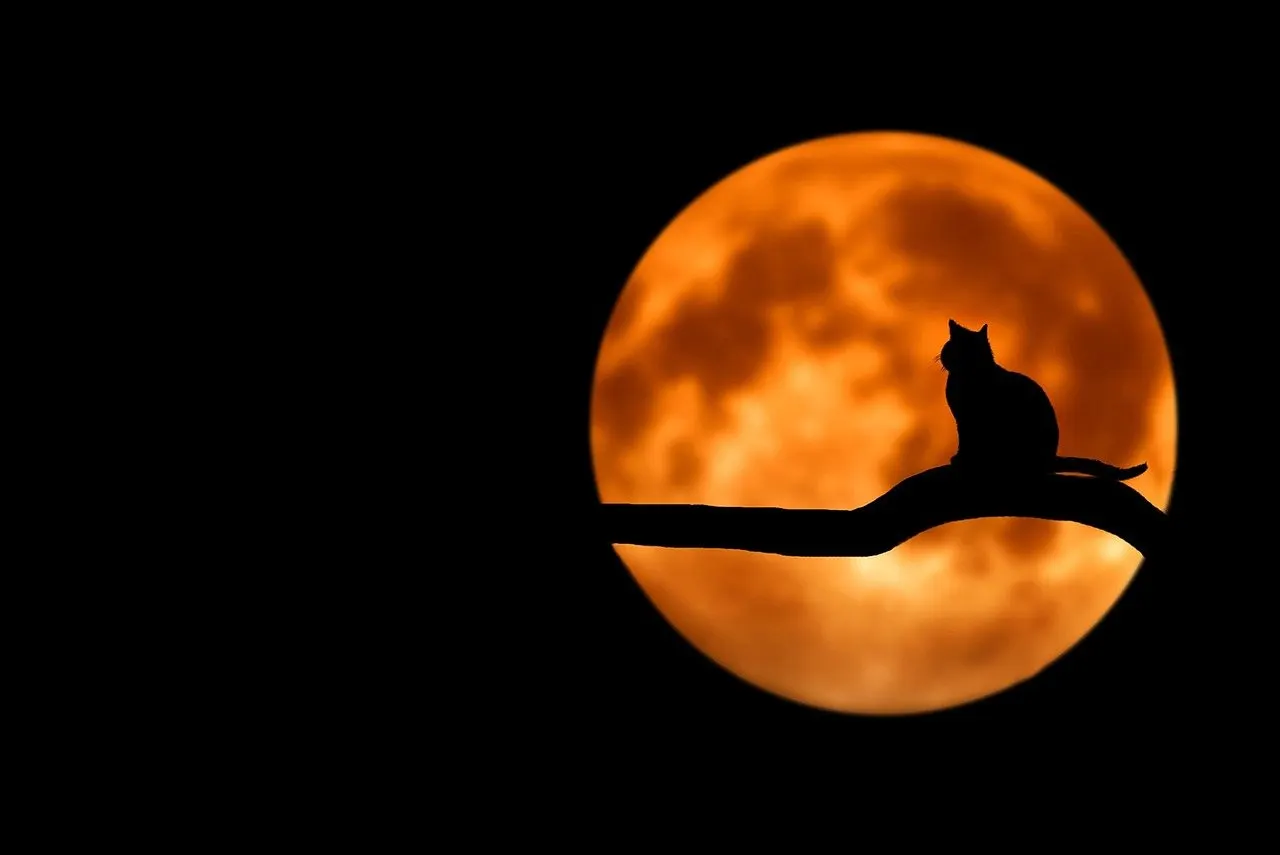
A pet cat that slips out at night follows the same old instincts, stalking mice, moths and anything else that moves in the grass. Most house cats do not need to hunt to eat, but the urge stays strong, and a night outside is a chance to practice it. Owners often find small gifts left on the doorstep by morning, which is the cat sharing its catch. The cat-headed eagle name fits here too, since both hunters work the same dark hours. Browse a world without cash.
How to Spot an Owl at Dusk
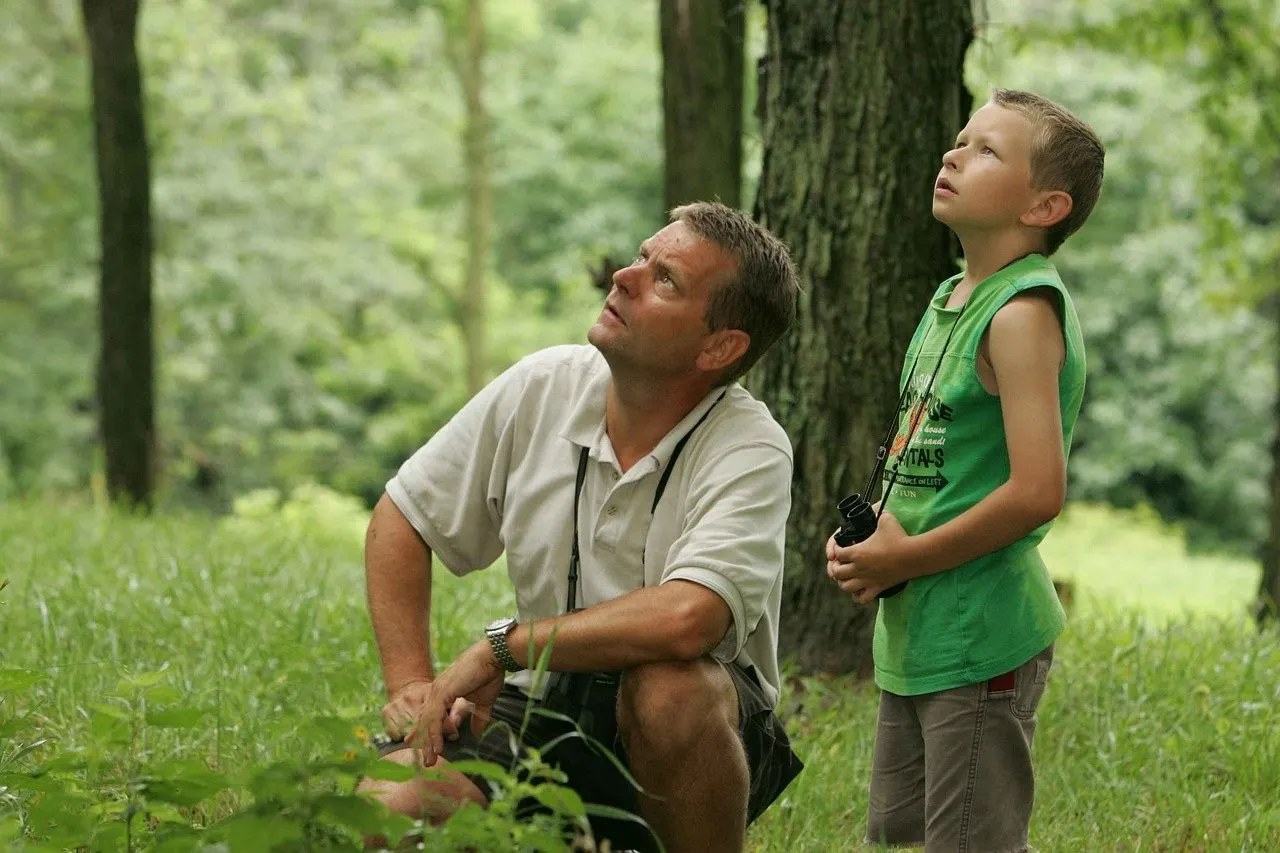
The best time to look for an owl is at dusk, when the bird leaves its daytime roost and starts to hunt. Listen for soft hoots, watch fence posts and bare branches, and scan the edges of fields where mice run. Bring binoculars, move slowly, and keep your voice low, since owls notice movement and sound with ease. If you are patient and a little lucky, you may see those big forward-facing eyes turn toward you in the fading light. Do not miss a visit to Manila.
What Do You Think of the Cat-Headed Eagle Name?
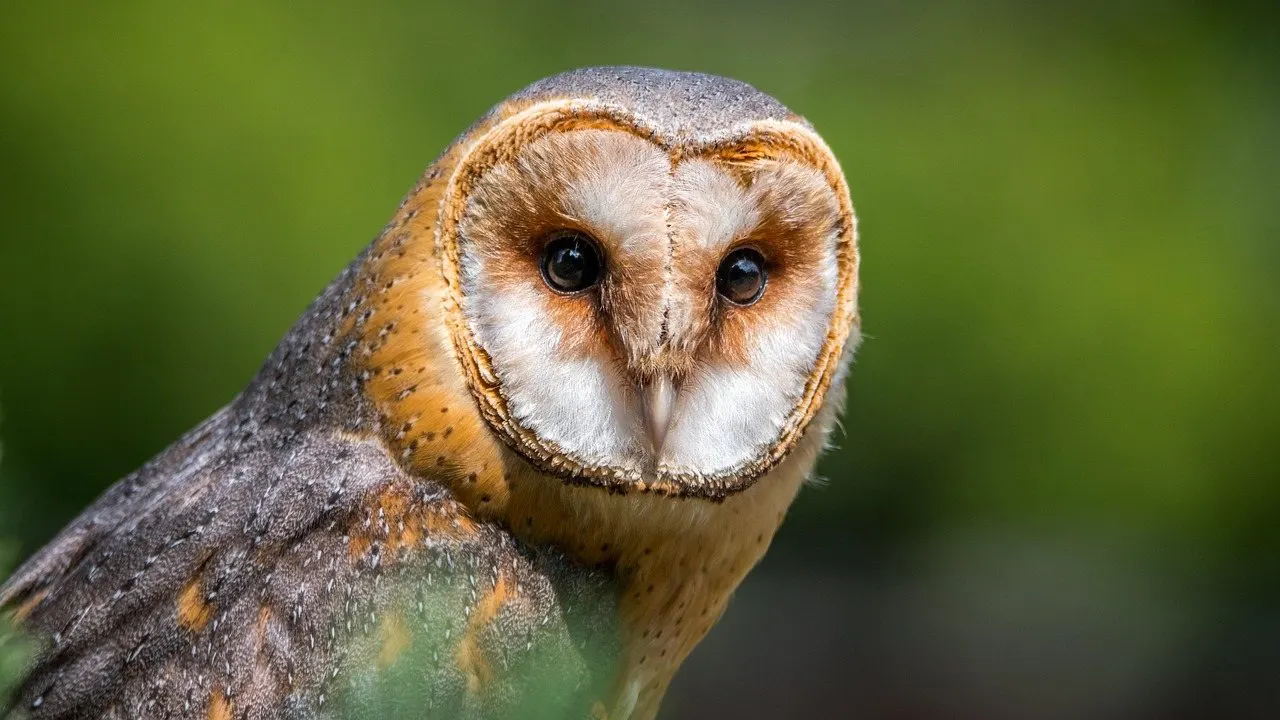
Now you know why Mandarin calls the owl a cat-headed eagle, from the three characters to the round face, the tufted ears and the night skills it shares with cats. The name is simple, honest and fun, and it turns a plain bird name into a small story. If you could rename an animal, what would you call it, and why? Share your answer in the comments, and tell us whether you see the cat in the owl face now. Find more in a healthy workplace.