Armenia Azerbaijan Peace Deal Brings Hope After 35 Years
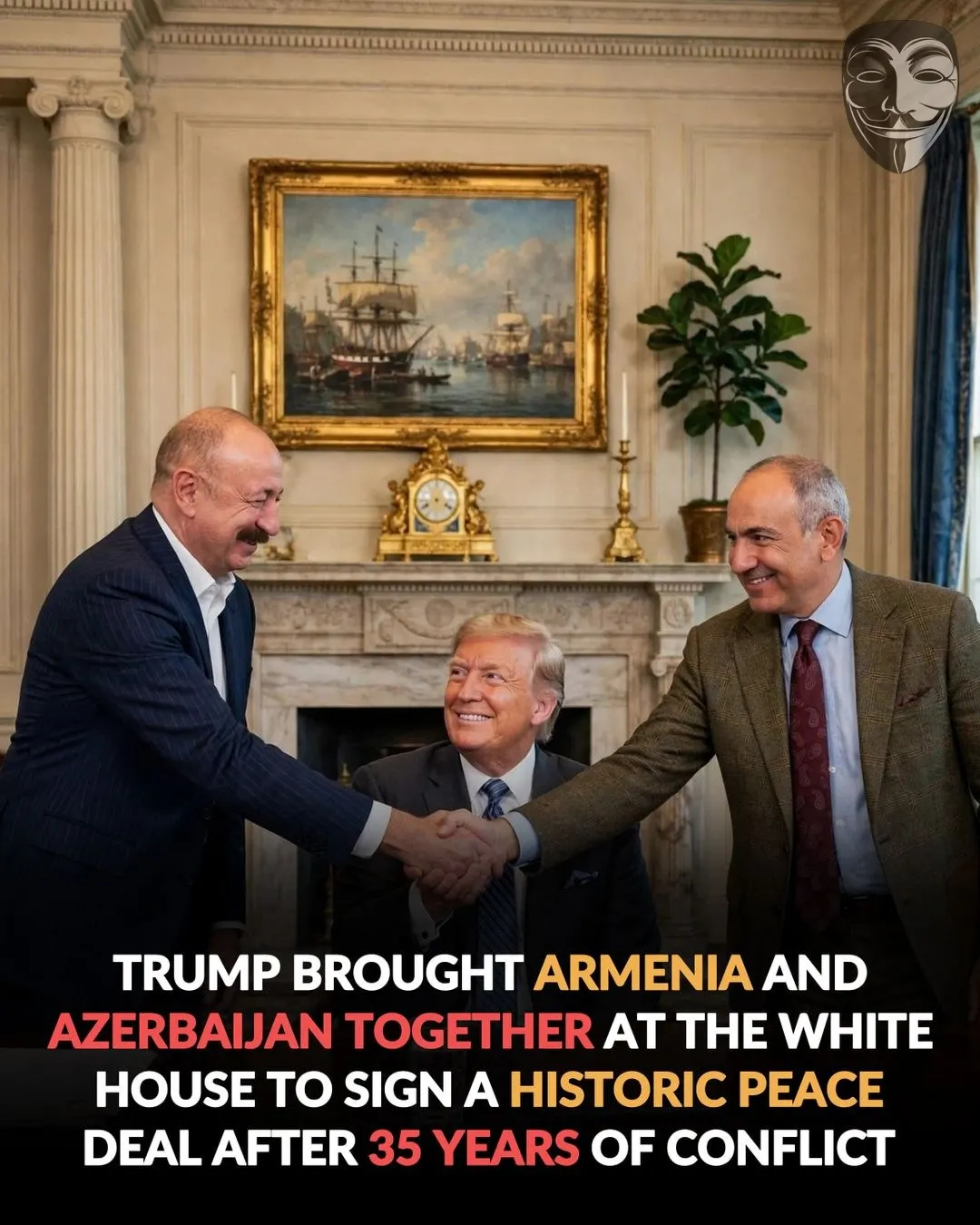
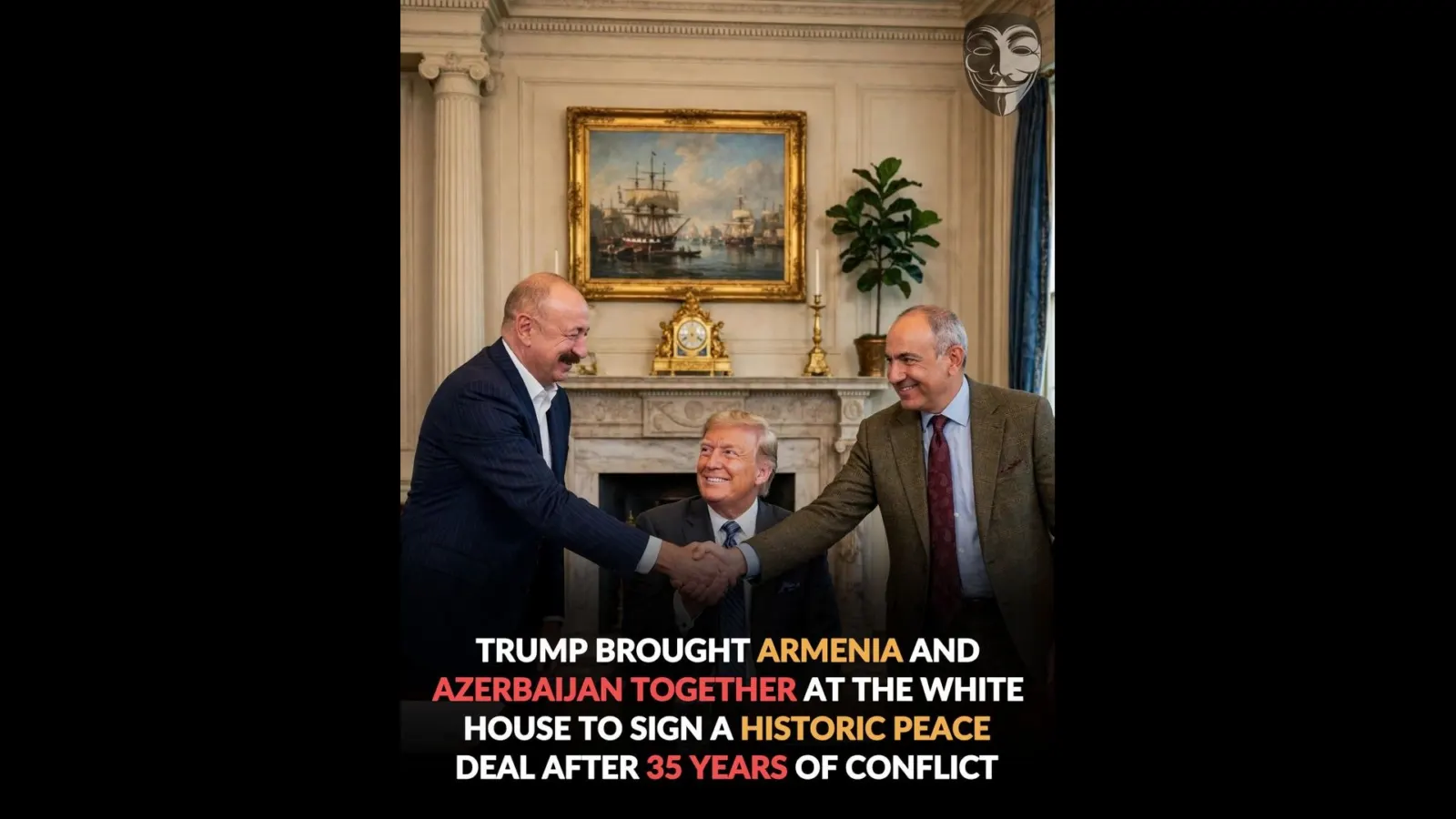
Armenia Azerbaijan peace deal is the phrase the world used on August 8, 2025, when President Donald Trump hosted Azerbaijani President Ilham Aliyev and Armenian Prime Minister Nikol Pashinyan at the White House. The two leaders signed a joint declaration for peace after 35 years of conflict, and Trump said the two countries were committing to stop all fighting forever. They also agreed to open up commerce, travel and diplomatic relations between their peoples.
The deal also created the Trump Route for International Peace and Prosperity, a special transit corridor through Armenia that gives Azerbaijan access to Nakhchivan while respecting Armenian sovereignty. Aliyev and Pashinyan both thanked Trump, and Pashinyan said the president deserved the Nobel Peace Prize for brokering the agreement. In the slides ahead we look at the handshake, the corridor and what comes next, and you can also read about the Thailand trade deal.
References:
White House: President Trump Brokers Another Historic Peace Deal
Reuters: Trump Announces Peace Deal Between Azerbaijan and Armenia at White House
Wikipedia: Armenia Azerbaijan Peace Agreement
GovInfo: Remarks Prior to a Signing Ceremony With President Ilham Aliyev of Azerbaijan and Prime Minister Nikol Pashinyan of Armenia and an Exchange With Reporters
The Land at the Heart of the Story
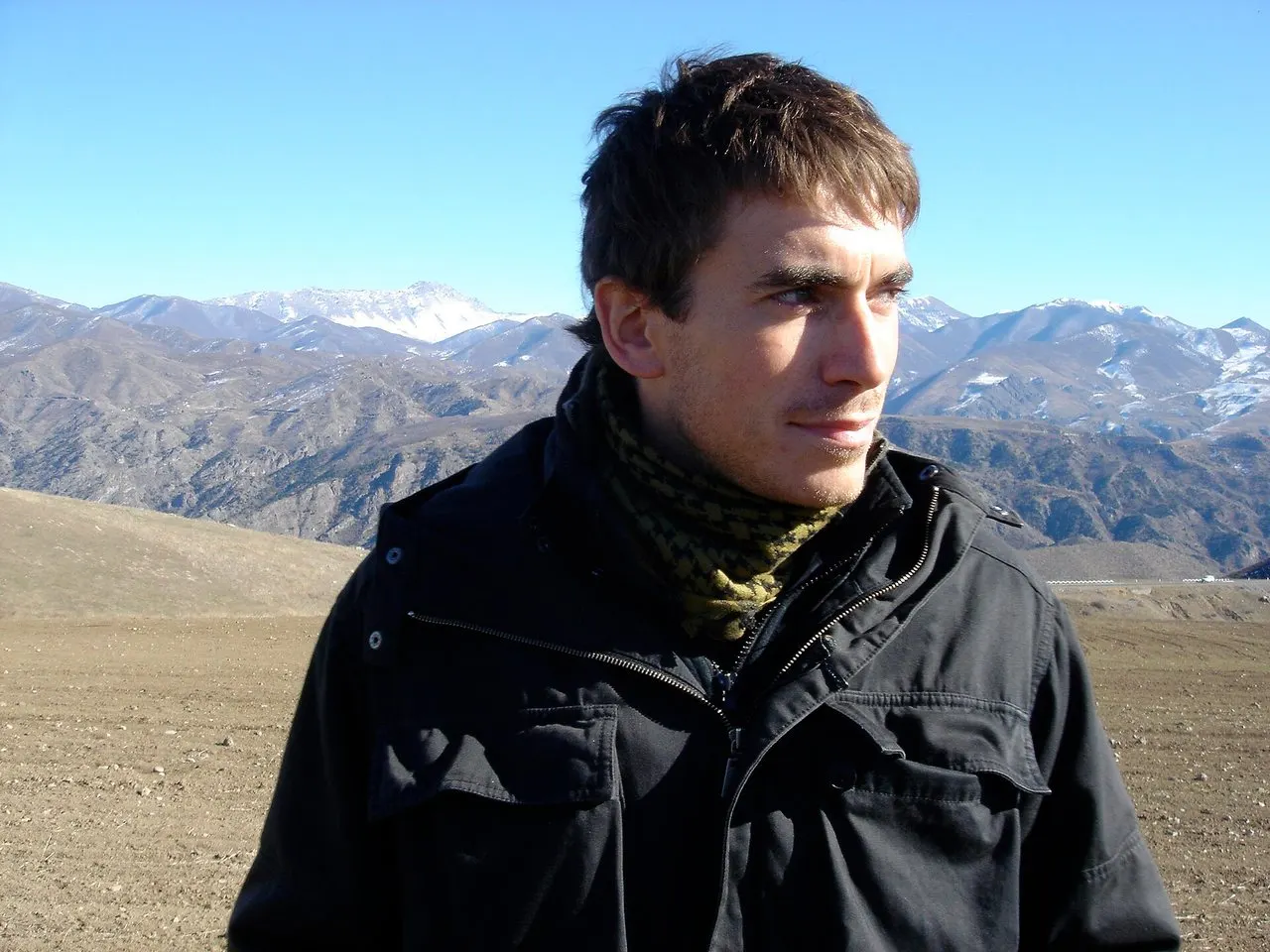
For 35 years, Armenia and Azerbaijan lived with a conflict rooted in Nagorno-Karabakh, a mountainous region that both peoples hold dear. Generations grew up with closed borders, lost homes and little contact across the line that divided them. The fighting shaped daily life in towns and villages on both sides, and families on each side carried their own memories of loss. Peace had been talked about for decades, but it never held, and you can read about a joint peace declaration in Shenzhen.
How the Armenia Azerbaijan Peace Deal Came Together
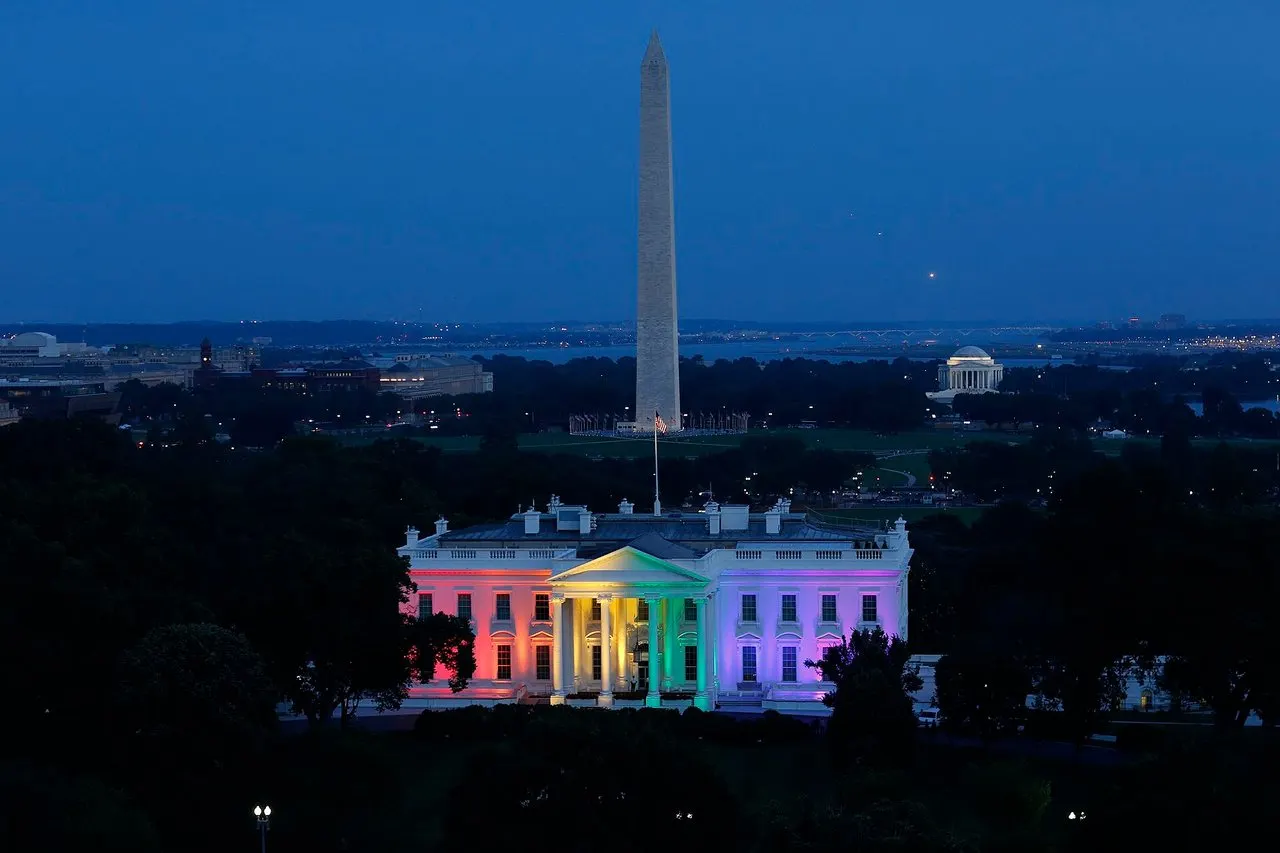
The White House has hosted many historic meetings, but this one brought together two leaders whose countries had not known peace for 35 years. Trump welcomed Aliyev and Pashinyan into the same room and kept them talking until they could sign a joint declaration. The setting mattered, because a White House welcome carries weight around the world. For more on presidential meetings abroad, read about his trip home from Asia.
Trump Hosts Two Leaders at the White House
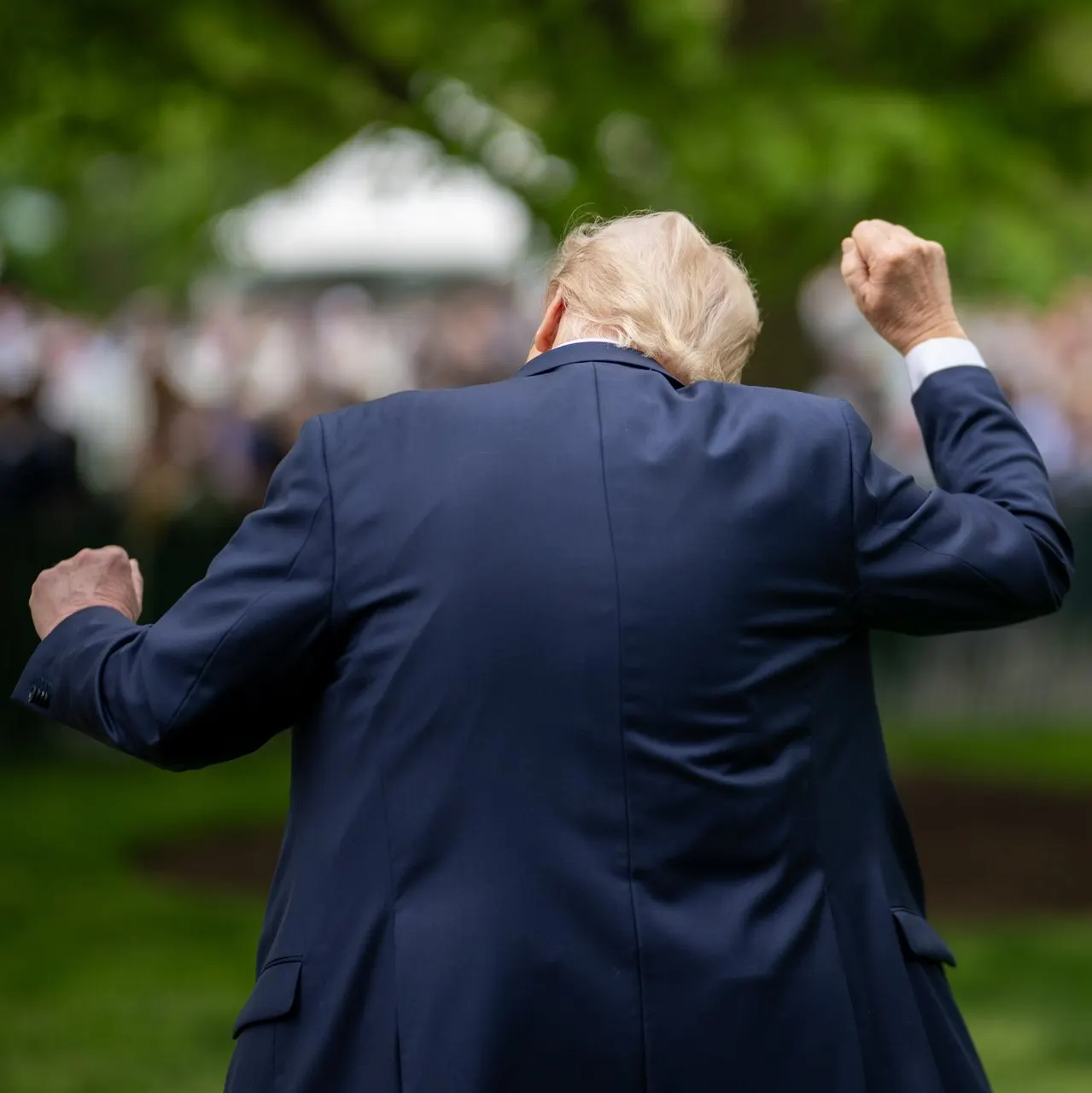
President Donald Trump stood between the two leaders as host, mediator and witness. He had pushed for the meeting for months, and his team worked through the details until both sides were ready to sit down together. Trump told reporters the two countries were committing to stop all fighting forever, a line that drew applause in the room. His style of deal making is on display in the APEC moment with Xi Jinping and also in the Iran debate in Congress.
The Armenia Azerbaijan Peace Deal Is Signed
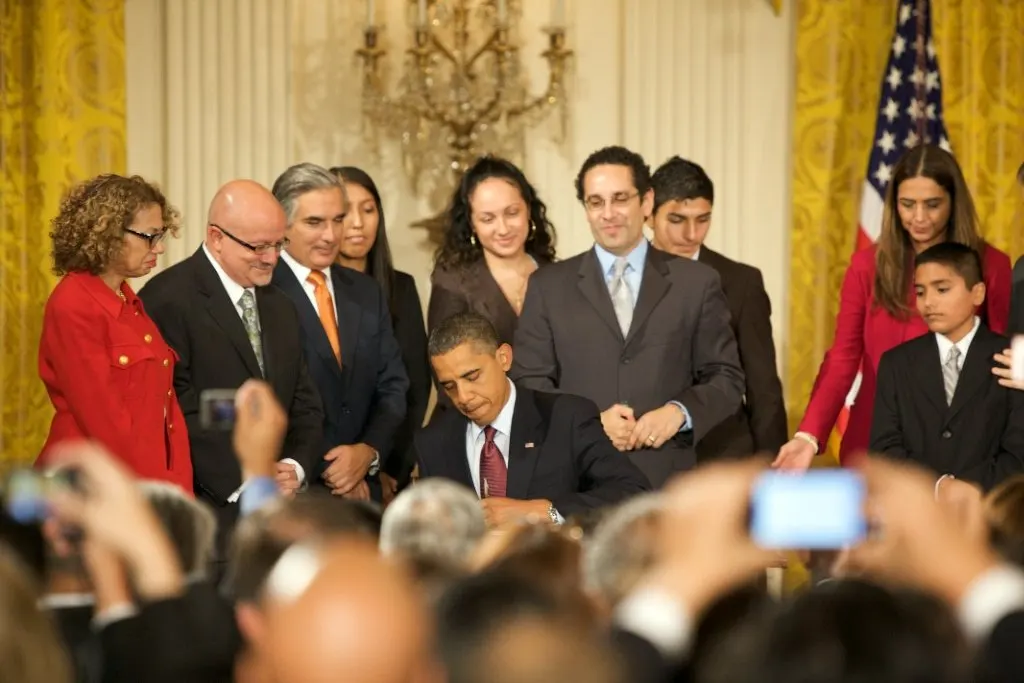
The signing itself was simple and solemn, with the two leaders putting their names to a joint declaration for peace. Cameras caught the moment the pens moved, and the room understood what it meant after 35 years of conflict. A signed paper does not end every dispute on its own, but it gives both sides a shared promise to point to. Read about another signing moment in the DHS secretary timeout.
A Handshake Seals the Armenia Azerbaijan Peace Deal
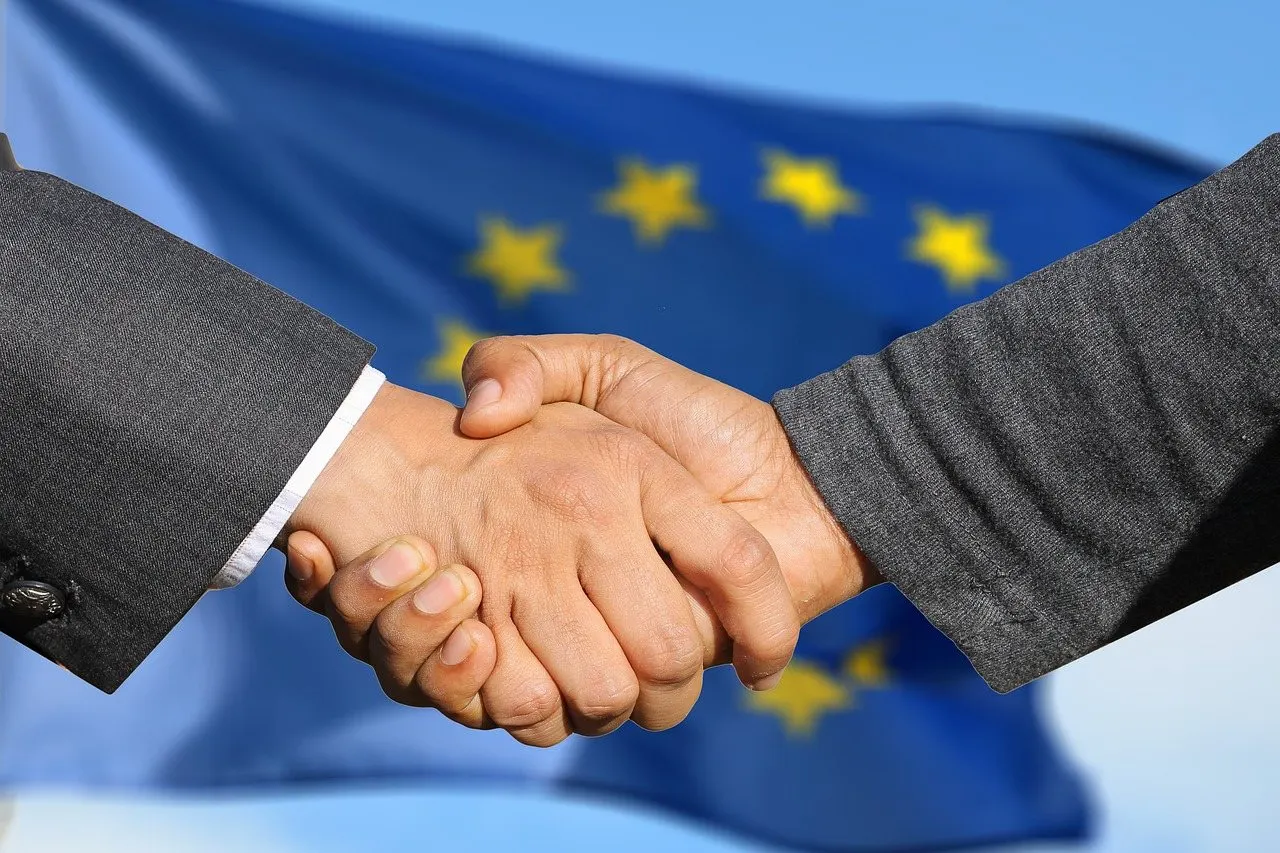
After the signing came the handshake, the image the whole world saw. Aliyev and Pashinyan shook hands with Trump standing between them, and the photo traveled around the globe within minutes. A handshake between leaders who had been rivals for so long carries meaning no speech can match. It told their peoples that the fighting was meant to be over for good, as described in the White House news conference.
Commerce, Travel and New Roads
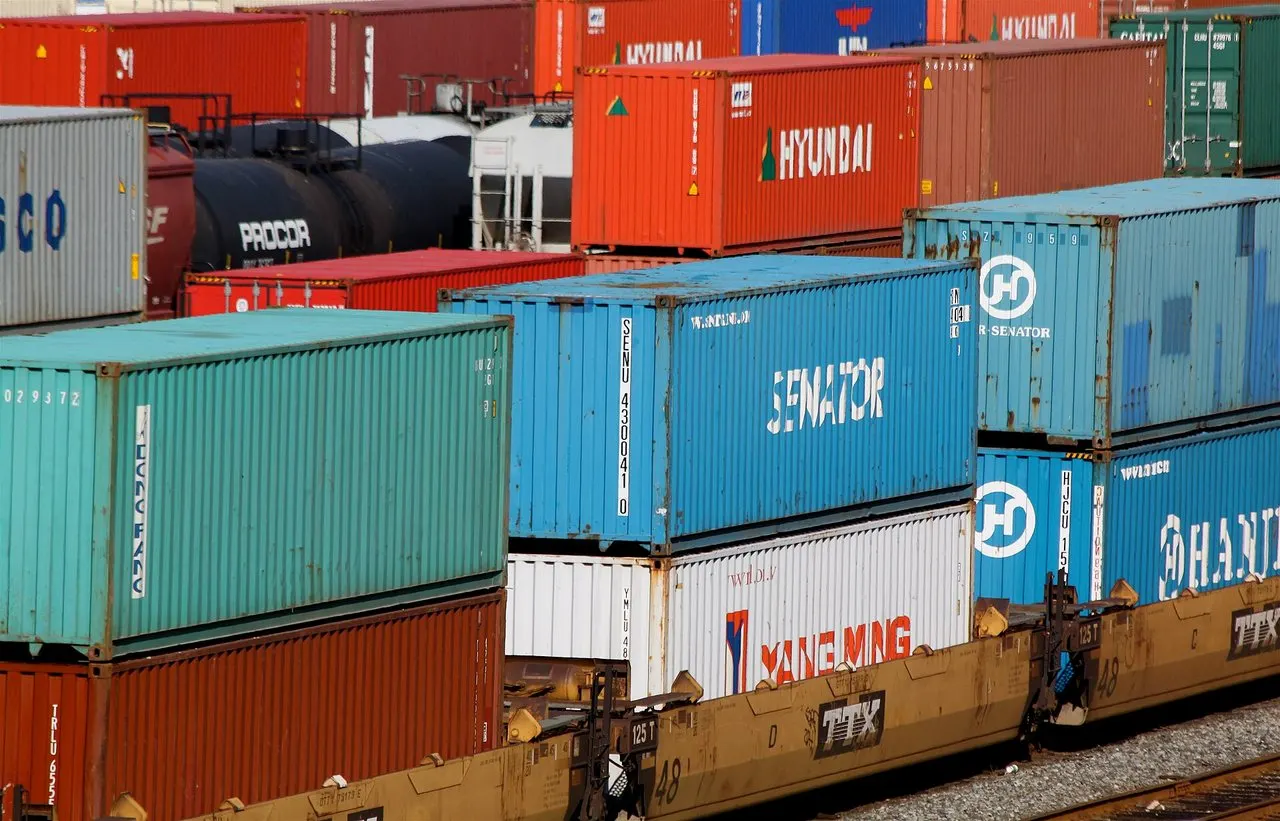
One of the most practical parts of the deal is the promise to open up commerce, travel and diplomatic relations. Closed borders had kept traders, families and travelers apart for decades, and opening them means goods can move and people can visit again. Ports, markets and border towns on both sides stand to gain from the change. Trade has been a theme in the Sharia law debate and in the red scarf moment at APEC as well.
What Is the Trump Route
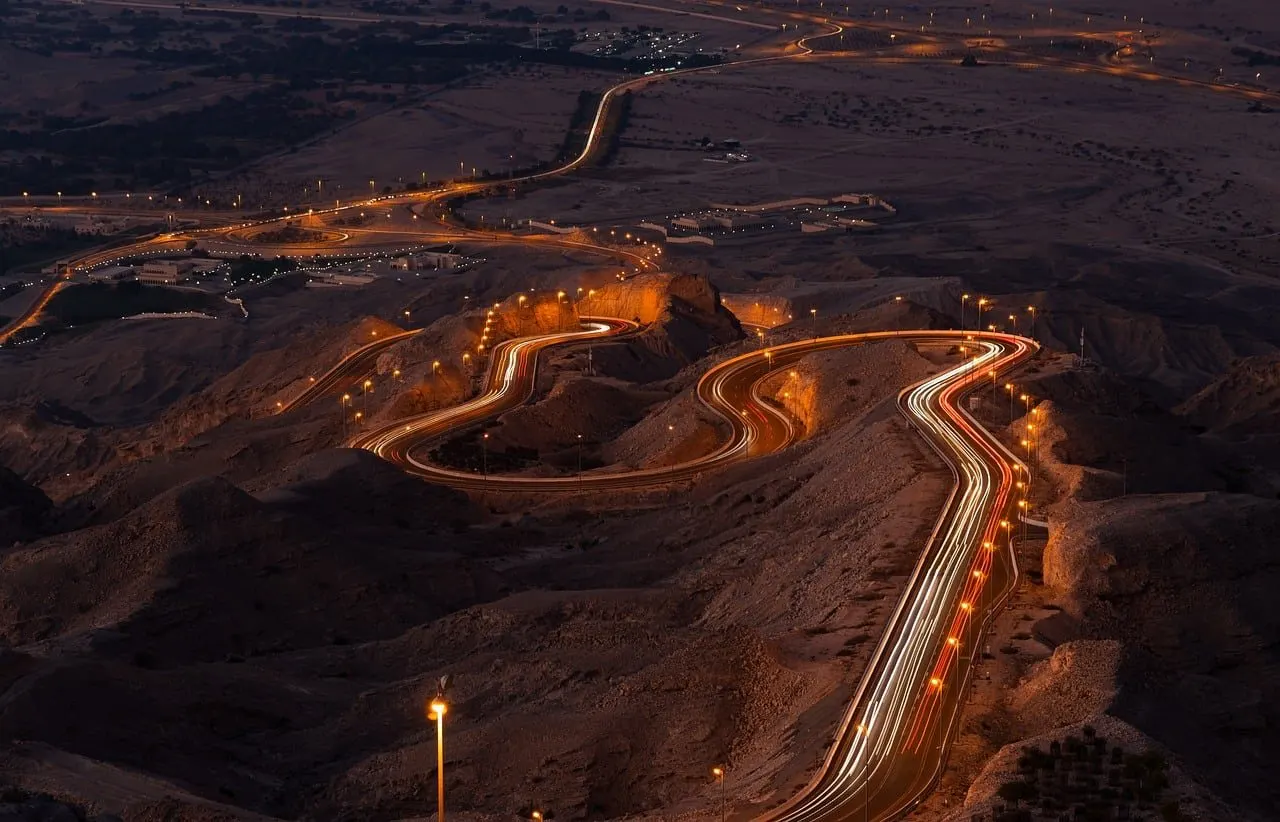
The deal created the Trump Route for International Peace and Prosperity, a special transit corridor through Armenia. It gives Azerbaijan access to Nakhchivan, its territory separated from the rest of the country, while respecting Armenian sovereignty. Roads and rails through mountains are never simple to build, but the corridor is the heart of the agreement. The idea echoes other big plans in the Shenzhen summit with Xi and Putin.
Why Nakhchivan Matters
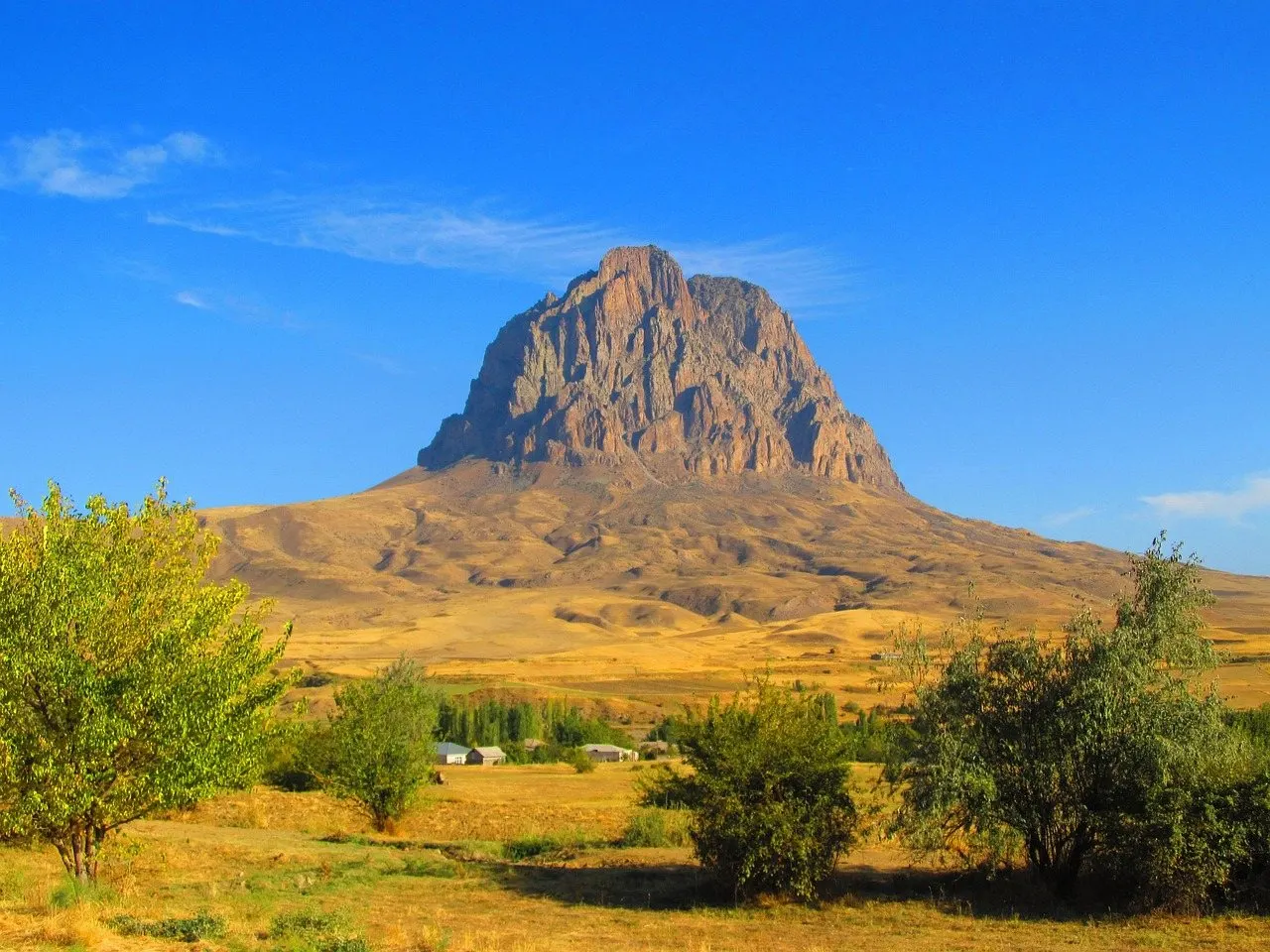
Nakhchivan is a part of Azerbaijan cut off from the rest of the country by Armenian land, and reaching it has been difficult for decades. The new corridor changes that by giving Azerbaijan a direct route through Armenia to Nakhchivan. For families and traders there, a shorter road means cheaper goods and closer ties to the capital, Baku. You can read more about the region in the gold POTUS coin gift and about diplomacy in the amber throne birthday gift.
Yerevan Hears the News
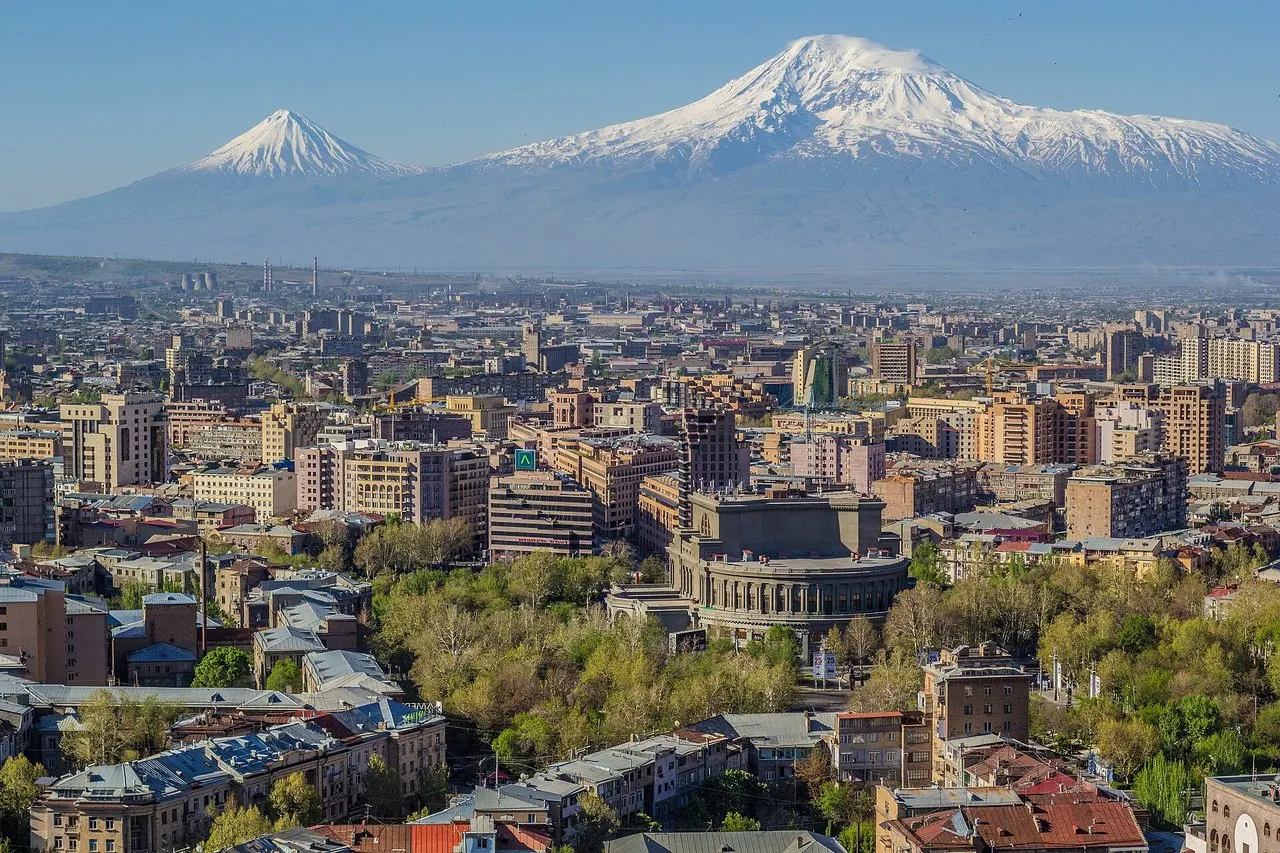
In Yerevan, the capital of Armenia, people followed the White House ceremony on television and on their phones. For Armenians, the deal raised hope that a generation of tension could finally give way to open borders and normal life. The city is old and proud, with wide squares and pink stone buildings that have seen empires come and go. City life and politics also feature in the 2028 odds for Marco Rubio.
Aliyev Thanks Trump
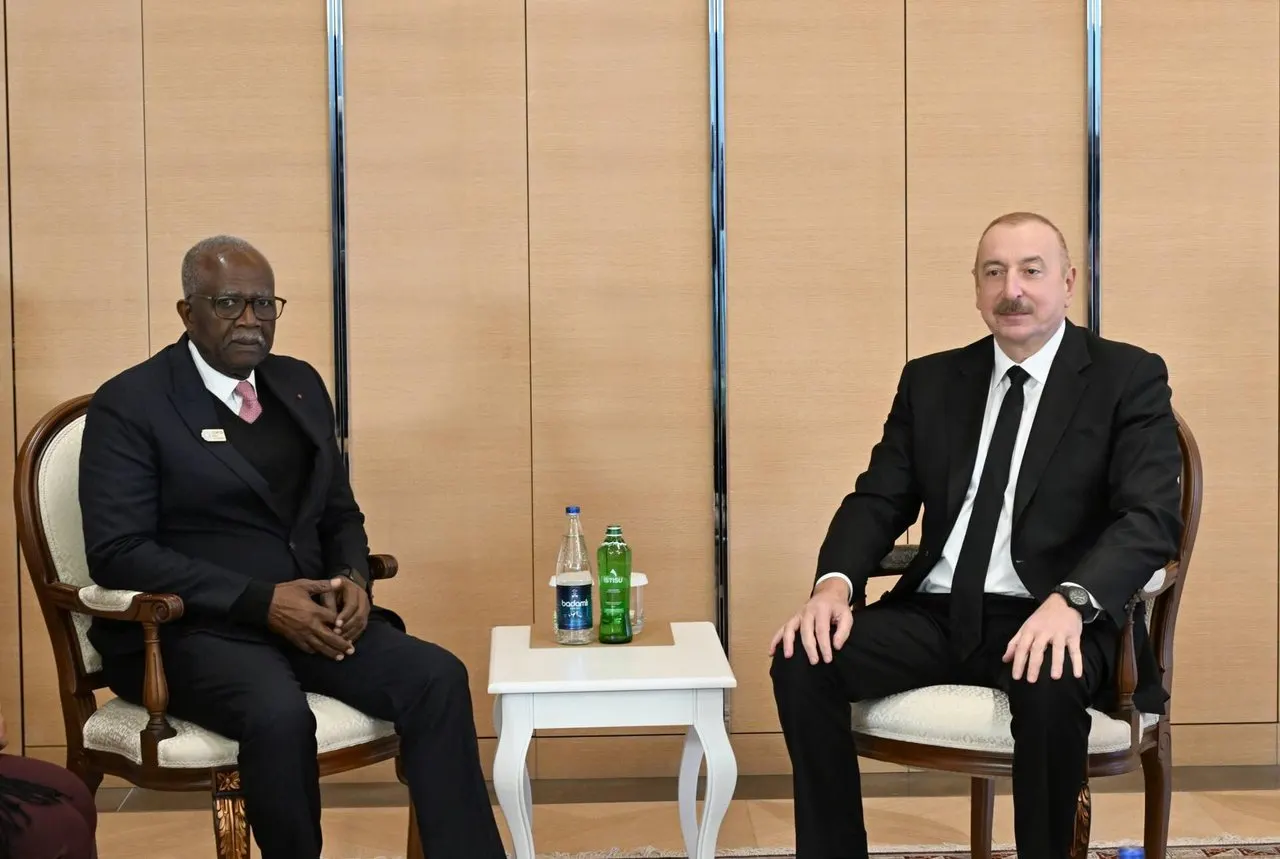
President Ilham Aliyev of Azerbaijan thanked Trump warmly at the White House and praised him for bringing the two sides together. Aliyev has led Azerbaijan for many years and has long pushed for a settlement that restores his country’s links to Nakhchivan. His thanks carried the weight of a leader who finally saw a road to peace. Leadership and thanks are also themes in the Thailand trade deal and in the House vote for Hakeem Jeffries.
Pashinyan Praises the President
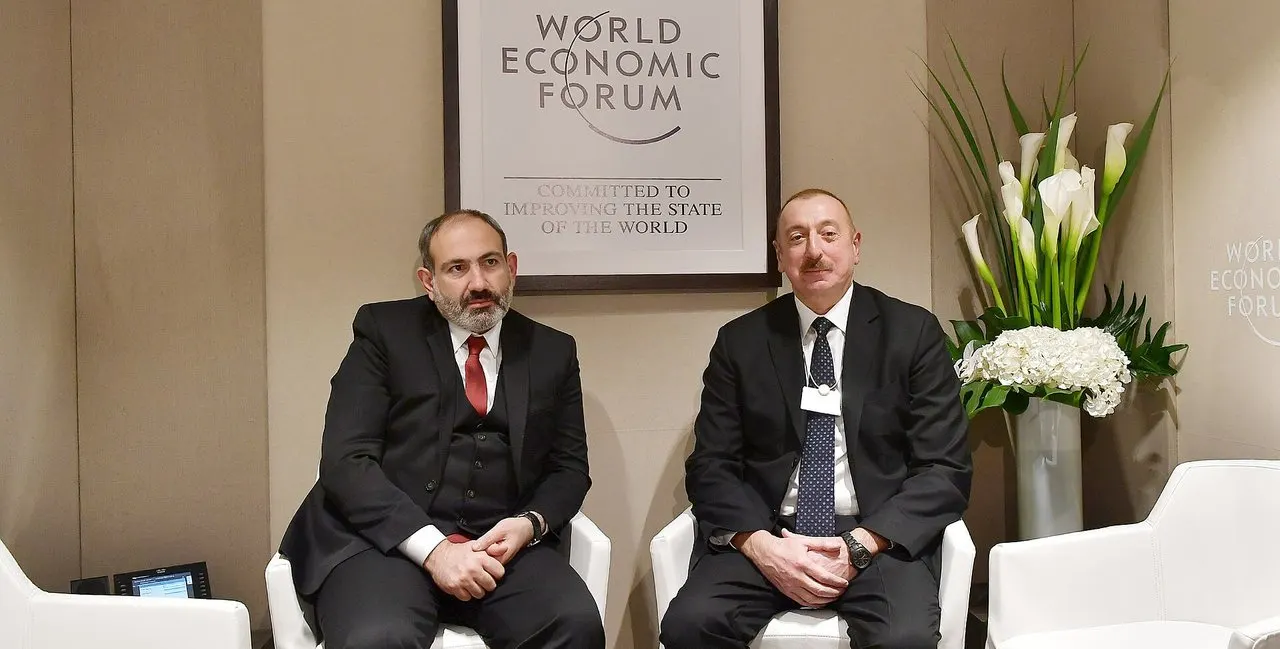
Prime Minister Nikol Pashinyan of Armenia also thanked Trump, and he went further, saying the president deserved the Nobel Peace Prize for brokering the agreement. Pashinyan leads Armenia’s government and has faced hard choices at home over peace with Azerbaijan. His praise showed how much the day meant to him. Read about other leaders praising Trump in a joint peace declaration in Shenzhen.
Stepanakert and the Road Ahead
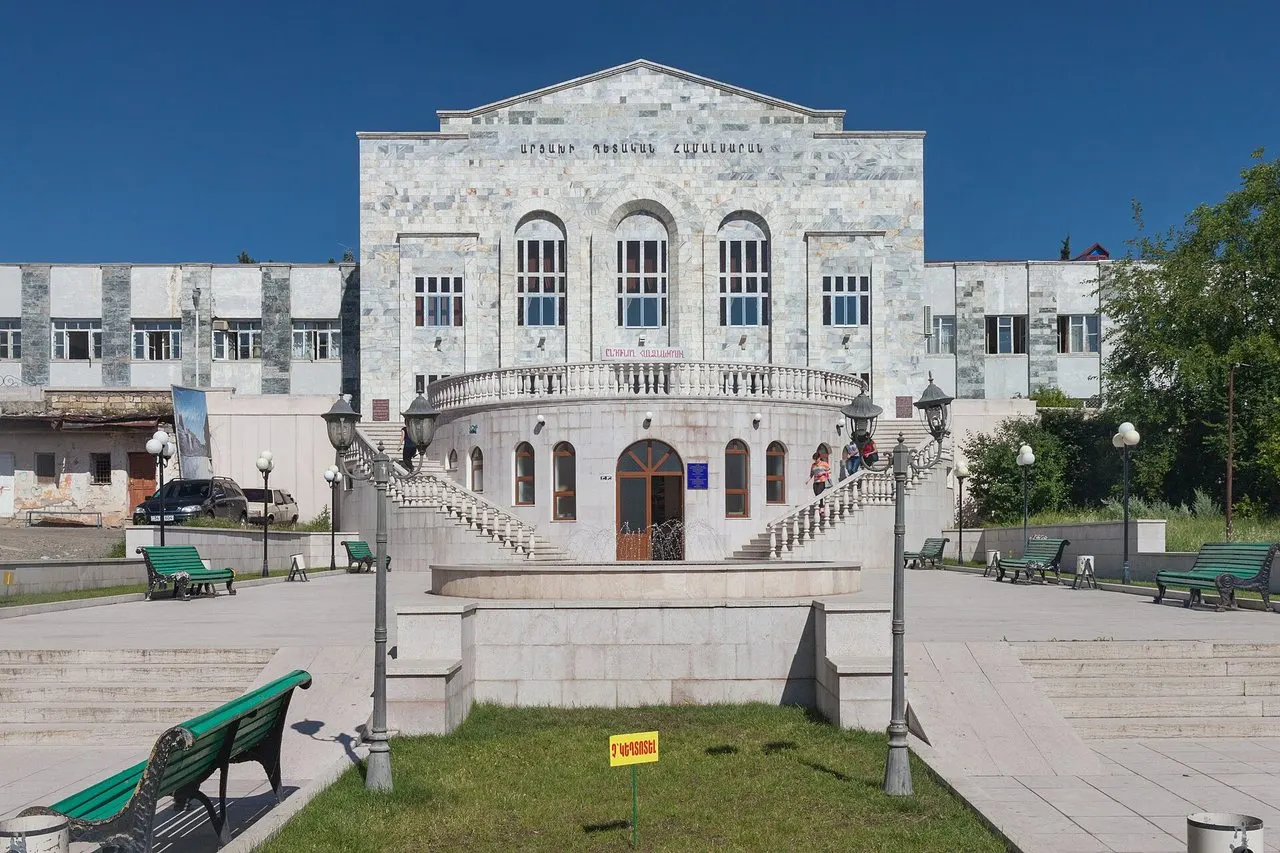
Stepanakert is the main town of Nagorno-Karabakh, and its future sits at the center of the story. People there have lived through the hardest years of the conflict, and peace means a chance to rebuild homes, schools and daily life. The joint declaration does not settle every question at once, but it opens a door that was closed for 35 years. Other long waits are told in his trip home from Asia.
A Village in the High Mountains
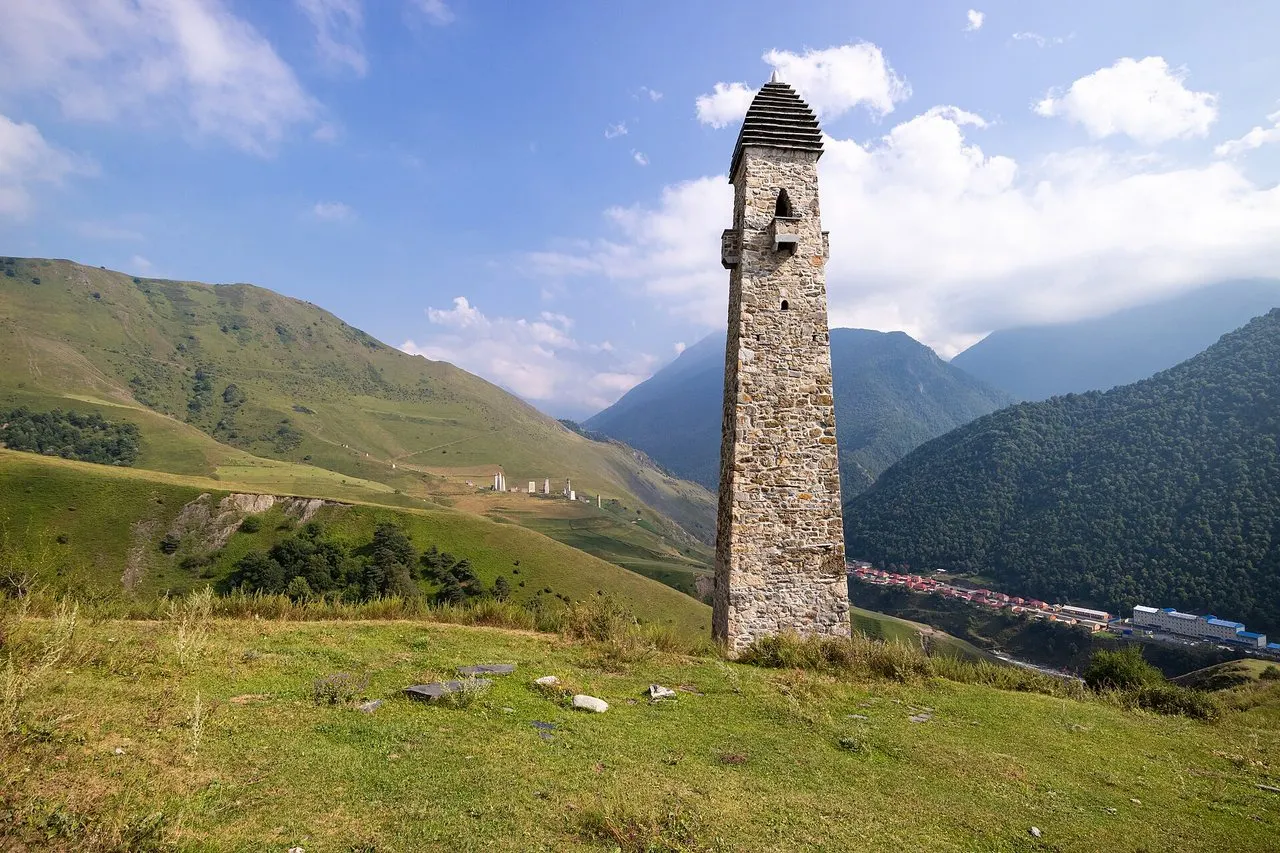
Across the Caucasus, small mountain villages have lived with the conflict in quiet ways, through sons sent away, roads closed and markets lost. Peace could bring visitors, trade and young people back to places that have grown quiet. Village life moves slowly, and the mountains do not change quickly, but a new road can change a village in a single year. Read about mountain life and the APEC moment with Xi Jinping, and about the Iran debate in Congress.
Baku Watches the Signing
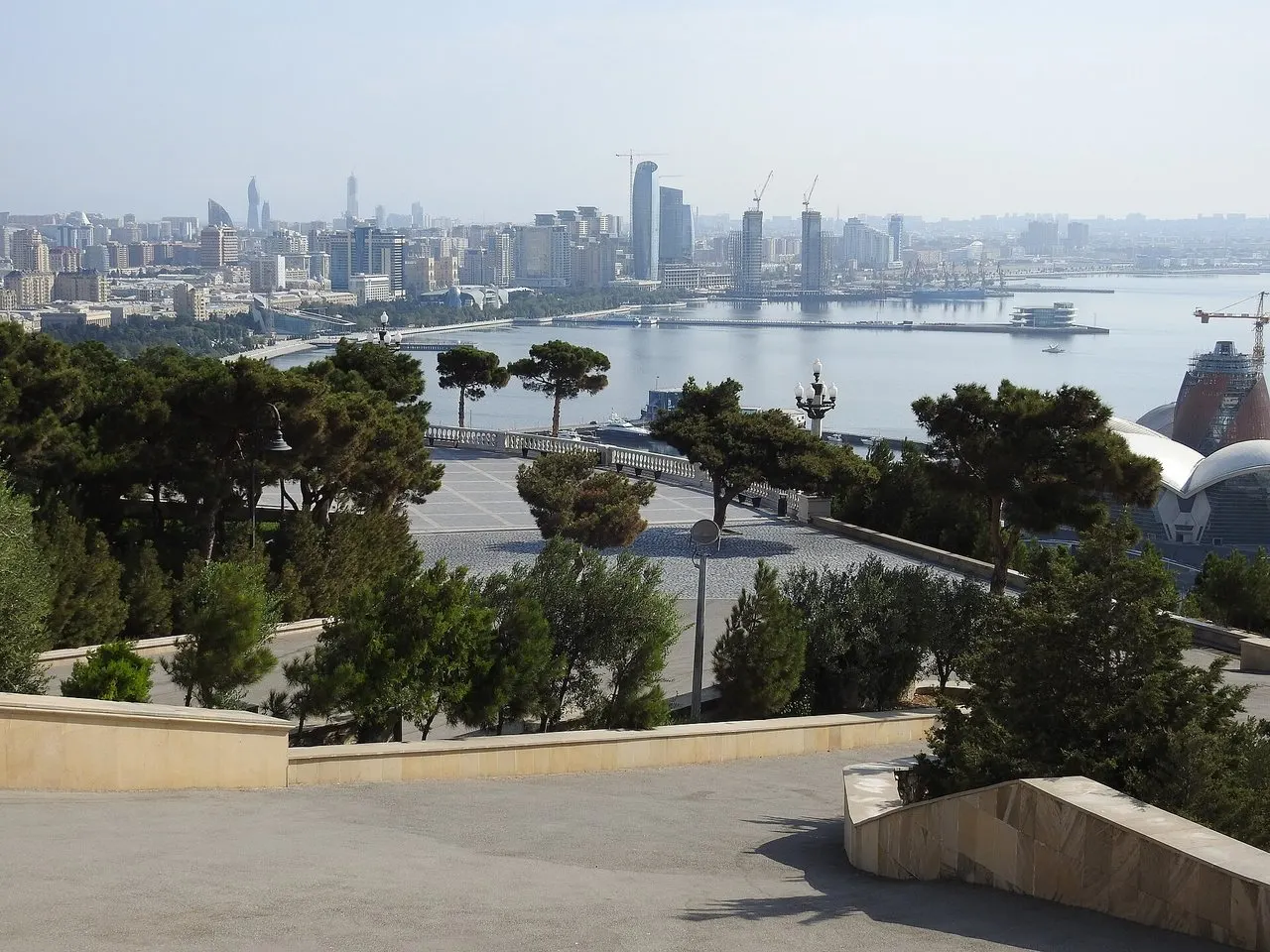
In Baku, the capital of Azerbaijan on the Caspian Sea, people watched the signing with pride and relief. The city has grown fast in recent years, with new towers rising along the waterfront, and its people have waited a long time for peace with Armenia. A deal signed far away in Washington still matters most at home. Baku and Washington both appear in the DHS secretary timeout and in the plan to recover Trump family profits.
A Flag for a New Chapter
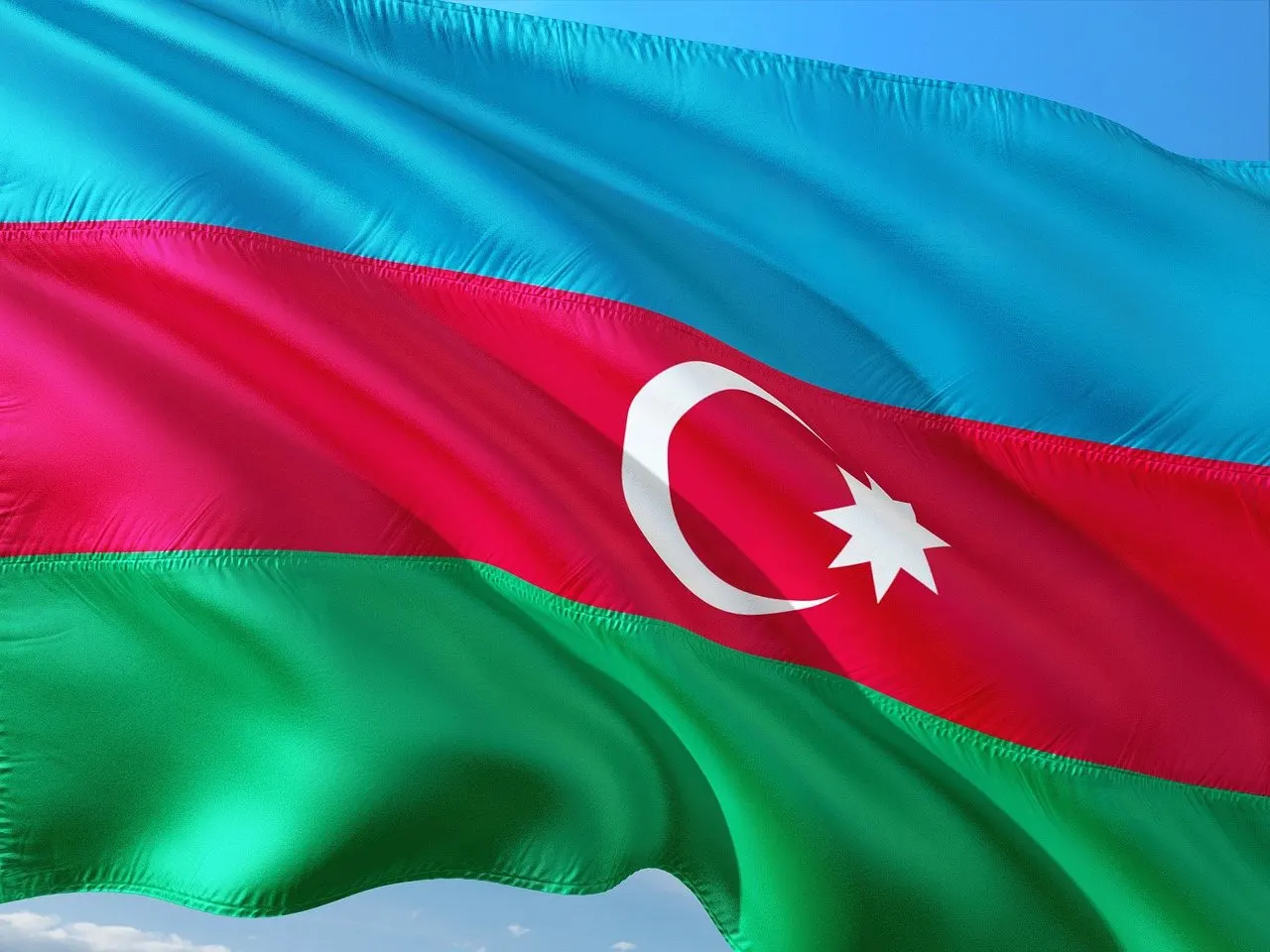
The flag of Azerbaijan flew in Washington on the day of the signing, a small detail that meant a great deal. Flags stand for nations, and seeing two flags side by side in the White House told the world that both countries were being treated as equals. Blue, red and green, the colors carry the country’s history. National symbols and gifts are also the subject of the White House news conference.
The Mountains Between Two Neighbors
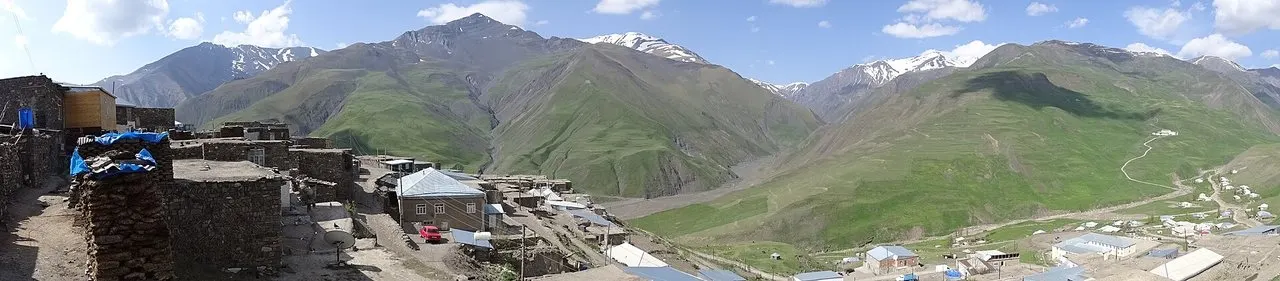
The Caucasus mountains stand between Armenia and Azerbaijan and have shaped both countries for centuries. High peaks and deep valleys make travel hard, and they also make the land beautiful, with snow, forests and old stone churches. A peace deal must work in this hard landscape, and the Trump Route will cross it. Mountain stories and summits also feature in the Sharia law debate.
Trains, Trucks and Trade
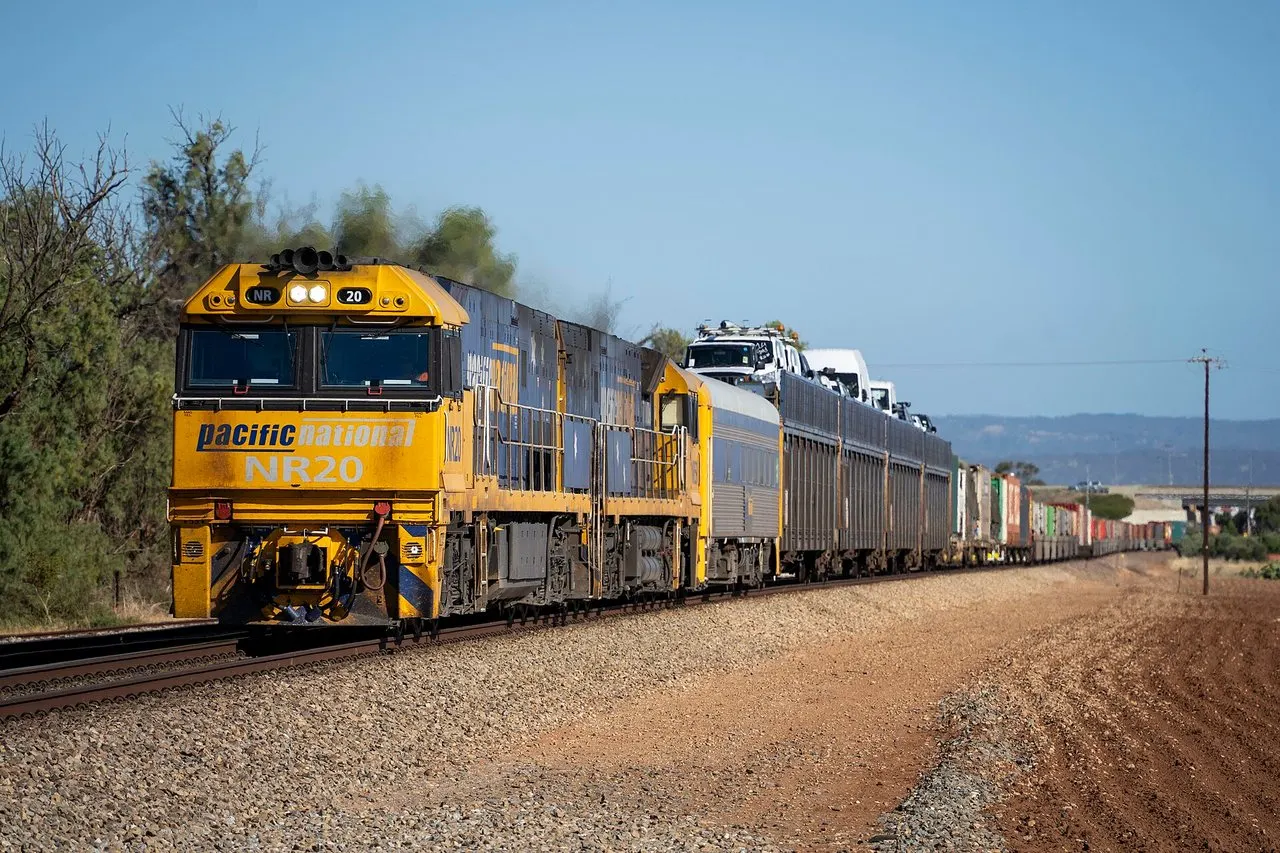
If the Trump Route works as planned, freight trains and trucks will carry goods through Armenia between Azerbaijan and Nakhchivan, and onward to wider markets. Rail lines are the quiet workhorses of trade, moving far more than any single truck can carry. New routes can cut days off a journey and bring down prices for ordinary people. Trade routes and deals are covered in the Shenzhen summit with Xi and Putin and in the trilateral meeting in Shenzhen.
A Road Through the Mountains
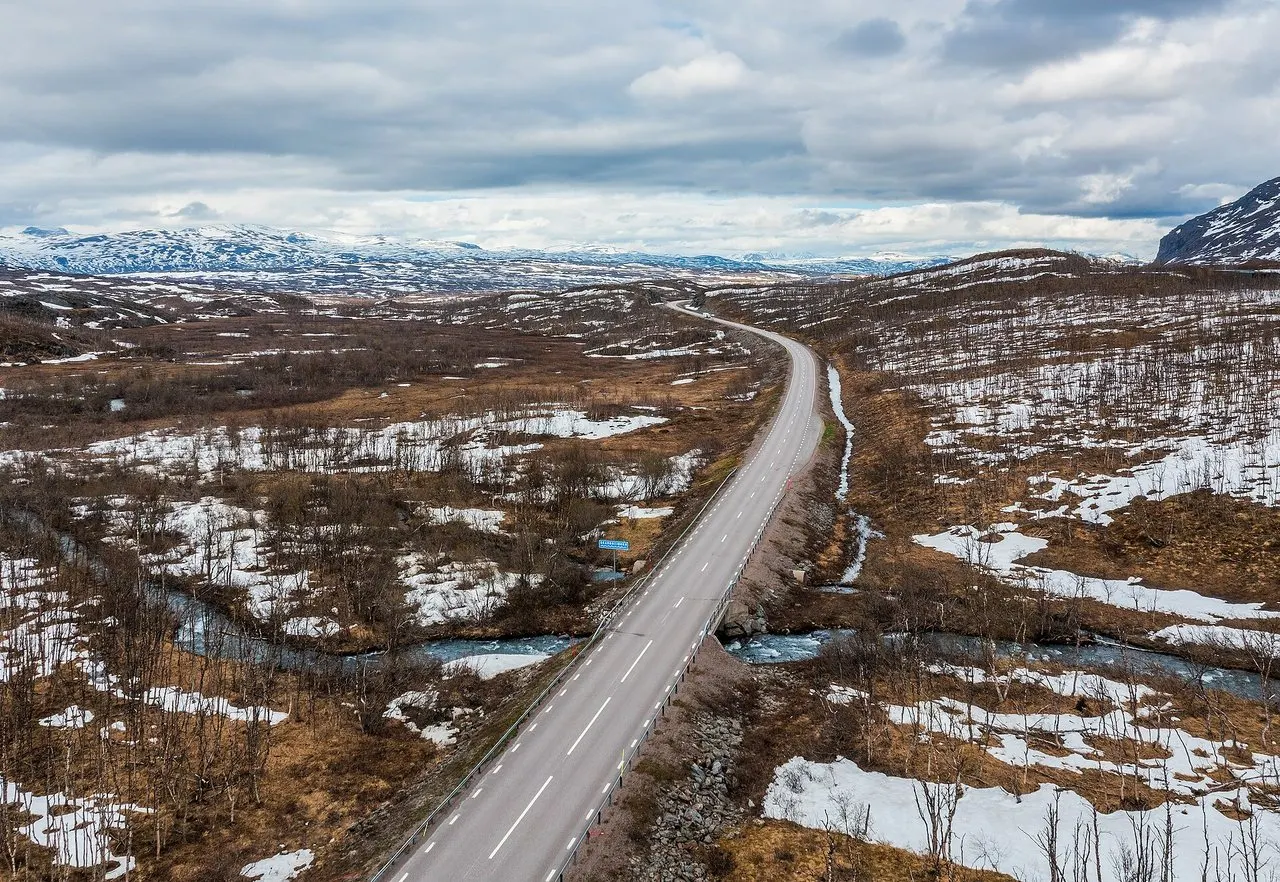
Building a road through mountains takes time, money and care, and the Trump Route will need all three. Engineers must cut through rock, bridge valleys and keep the road open in winter snow. Yet the reward is a direct link that has been missing for 35 years, and both sides have reason to build it well. Big building projects and the gold POTUS coin gift also appear in the amber throne birthday gift.
Republic Square in Yerevan
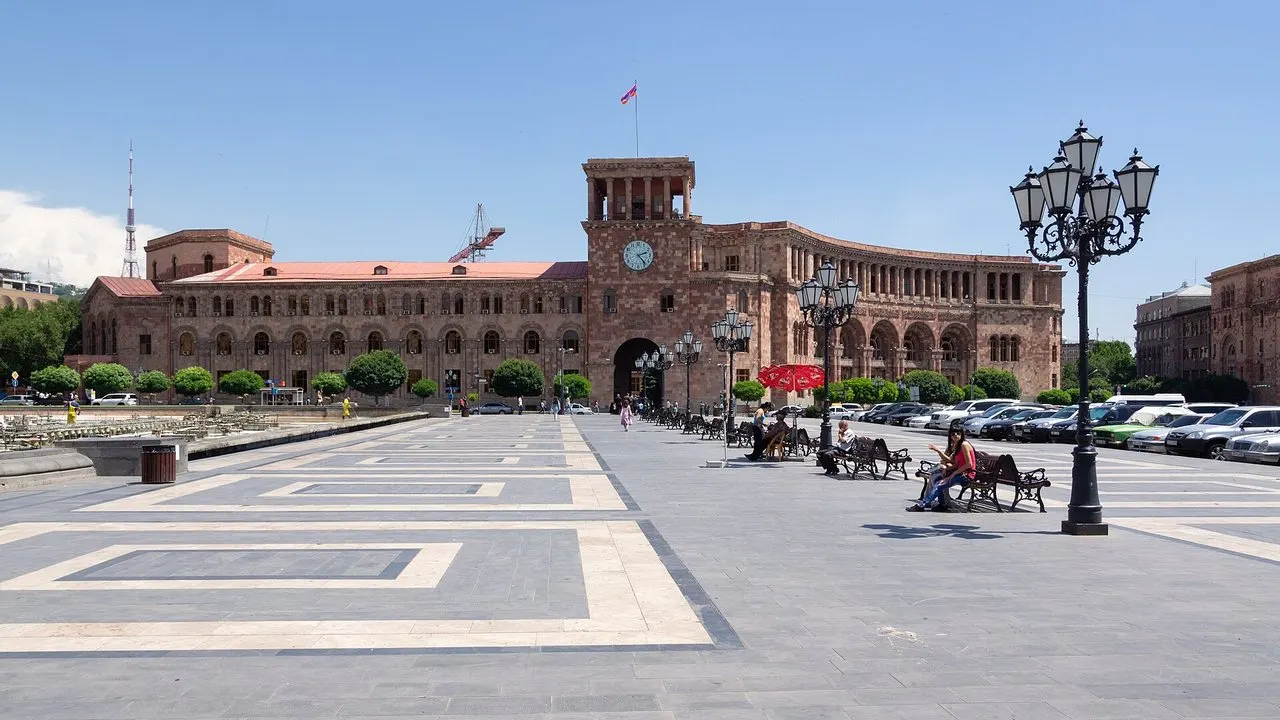
Republic Square is the grand heart of Yerevan, ringed by pink stone buildings and fountains where families gather on warm evenings. It has been the stage for celebrations and protests alike, and it will be one of the places where Armenians mark this new chapter. Public squares hold a nation’s memory. Other capitals and their squares appear in the 2028 odds for Marco Rubio and in the rebuke from Poland.
The Flame Towers Light Up Baku
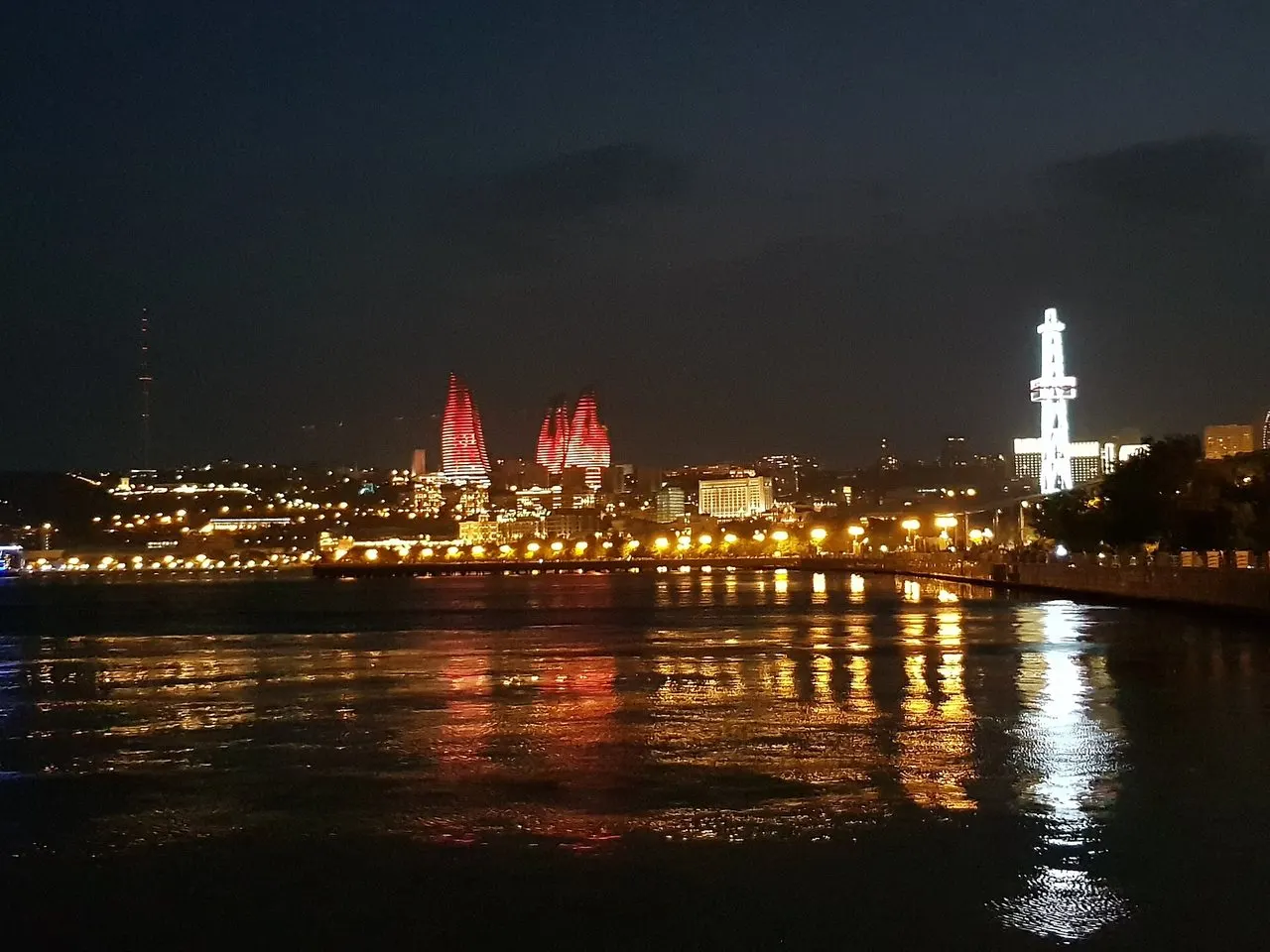
The Flame Towers rise above Baku like three tongues of fire, lit up at night for the whole city to see. They have become the symbol of modern Azerbaijan, a country that wants the world to see its growth and ambition. On the night of the signing, their light felt like a celebration. Modern landmarks and gifts are also the theme of the Thailand trade deal.
The Armenia Azerbaijan Peace Deal at the White House
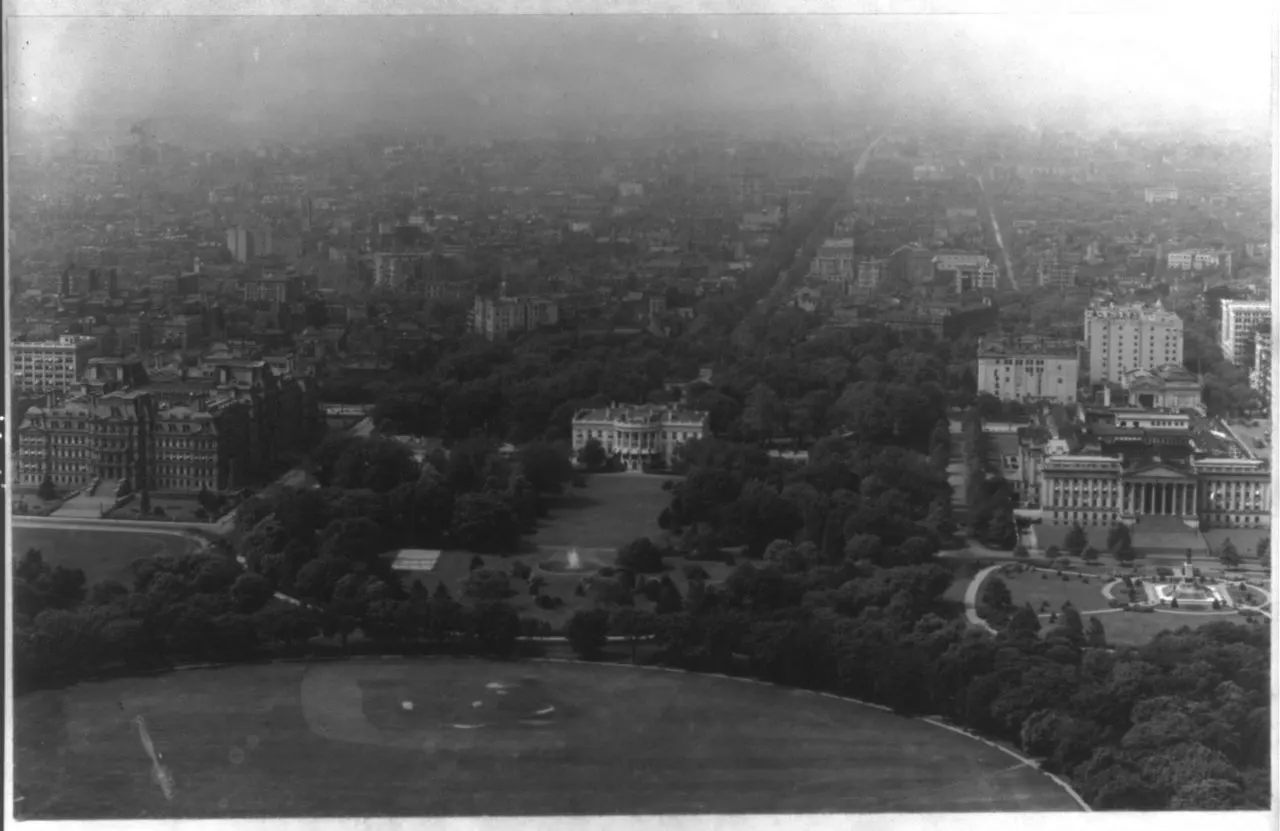
The White House itself played a part in the story, because its lawns, columns and history give every meeting held there a sense of occasion. Leaders who meet in Washington know the world is watching, and that pressure can help them reach an agreement. The building has seen peace deals before, and this one joins that history. See how the White House handles big days in a joint peace declaration in Shenzhen.
The World Reacts to the Armenia Azerbaijan Peace Deal
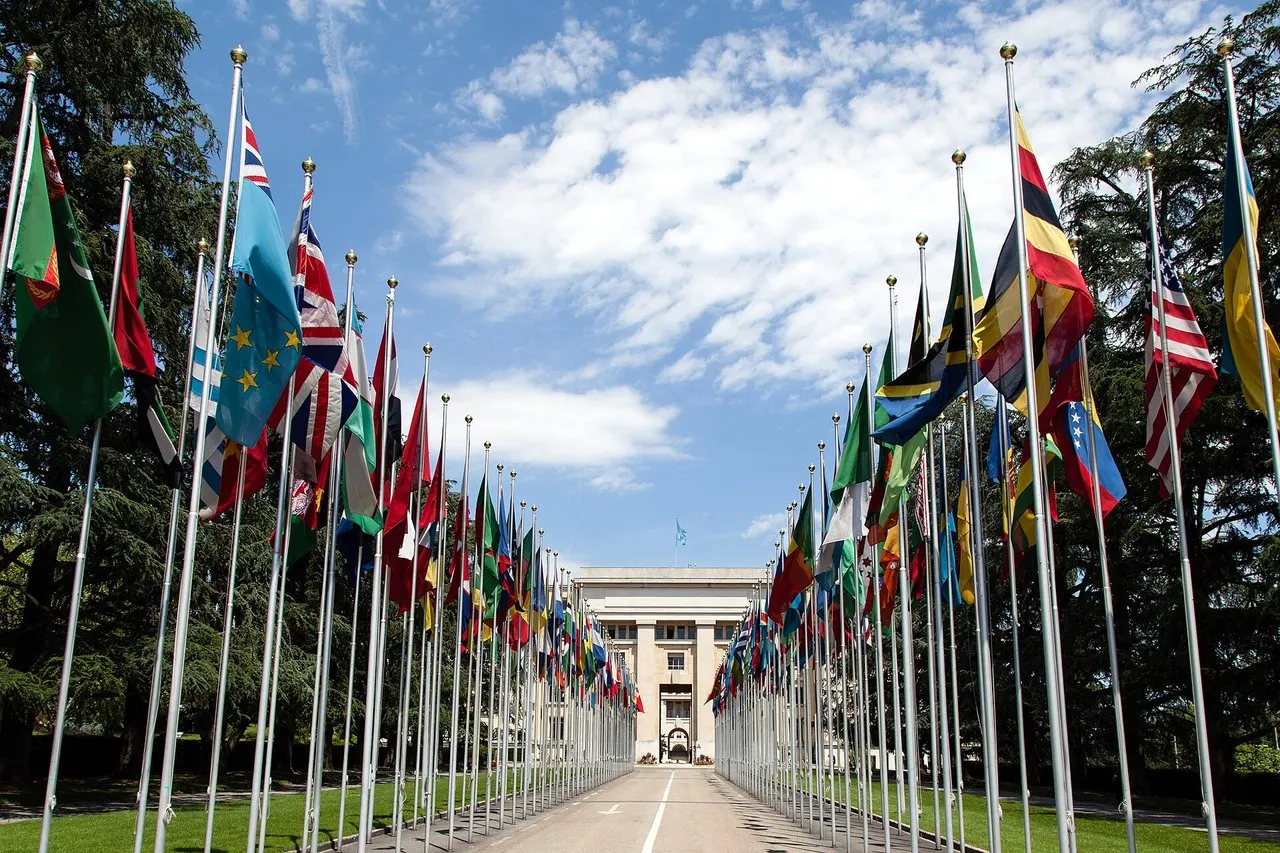
Around the world, governments and newspapers welcomed the news from Washington, because a settled Caucasus means safer trade routes and less risk of a wider war. The United Nations and other bodies have watched the region for decades, and many had given up hope of a deal. The reaction showed how much the world wanted this peace. Global reactions also followed his trip home from Asia.
Diplomats Welcome the Armenia Azerbaijan Peace Deal
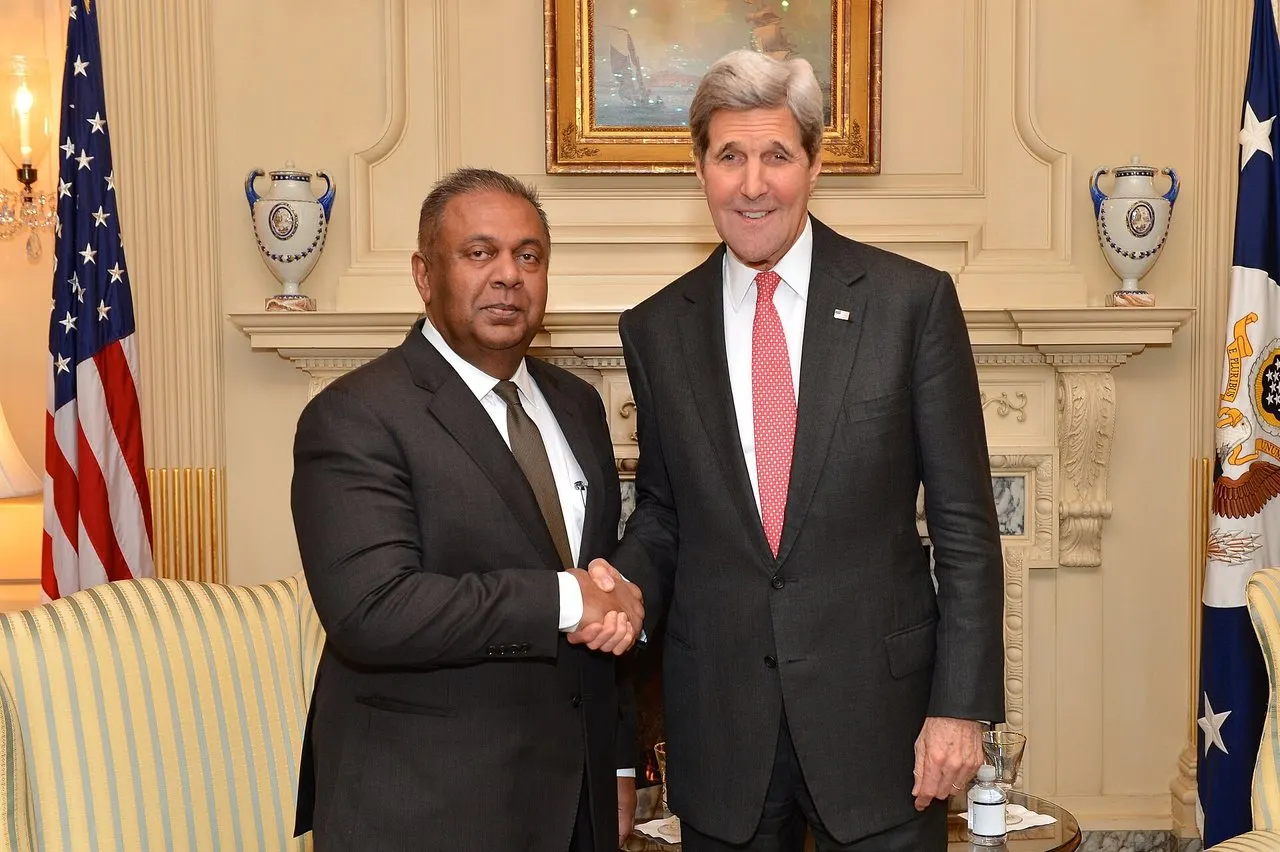
Diplomats who had worked on the region for years welcomed the deal with relief, because they knew how many talks had failed before. A handshake between rivals is the moment diplomats work toward, and this one came after 35 years of trying. Their quiet work behind the scenes rarely makes the news. Diplomacy and handshakes are also at the center of the APEC moment with Xi Jinping.
What Diplomats Said About the Armenia Azerbaijan Peace Deal
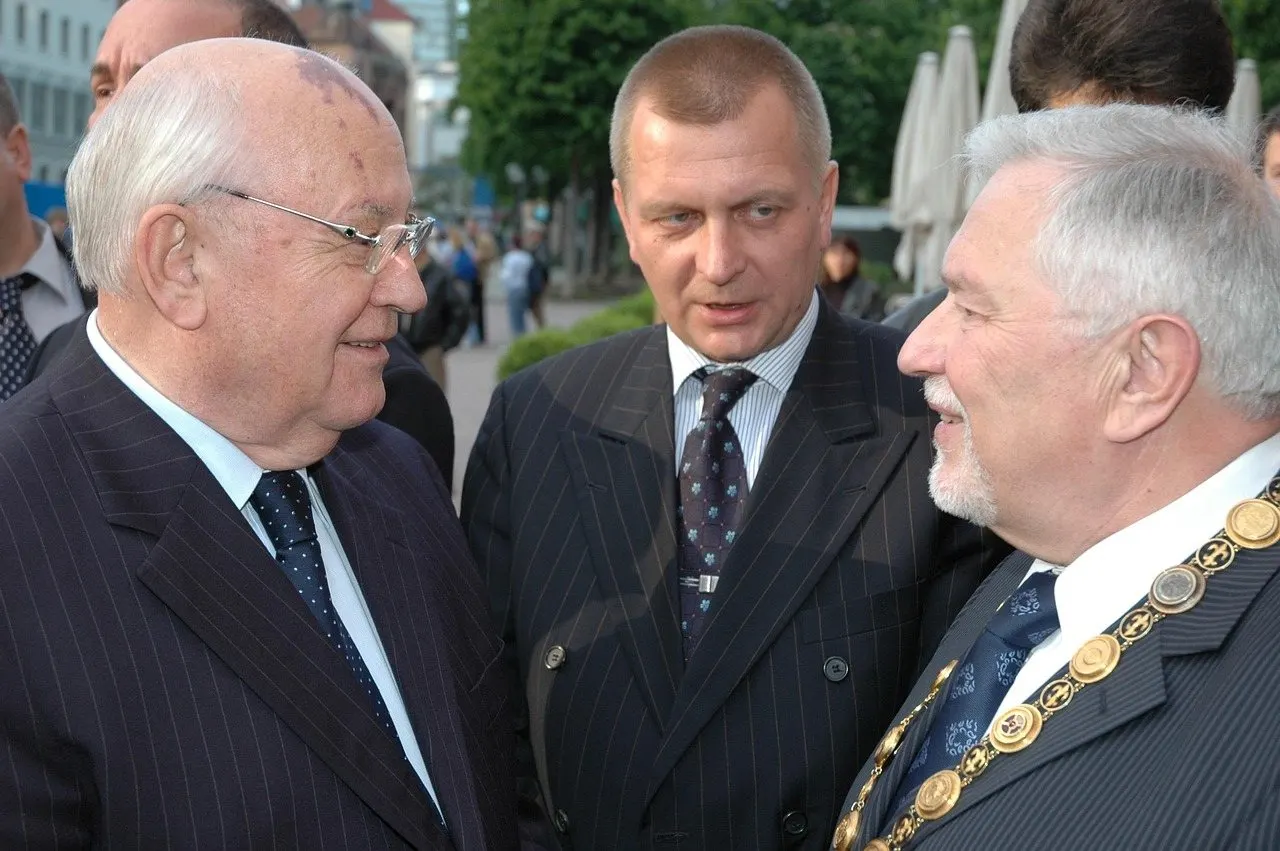
In meeting rooms after the ceremony, diplomats talked about what comes next, from border crossings to trade rules and the building of the Trump Route. A signed declaration is only the start, and the hard work of turning words into roads, rails and open borders now begins. The people who do that work deserve credit too. More on diplomatic meetings can be found in the DHS secretary timeout.
Inside the Oval Office
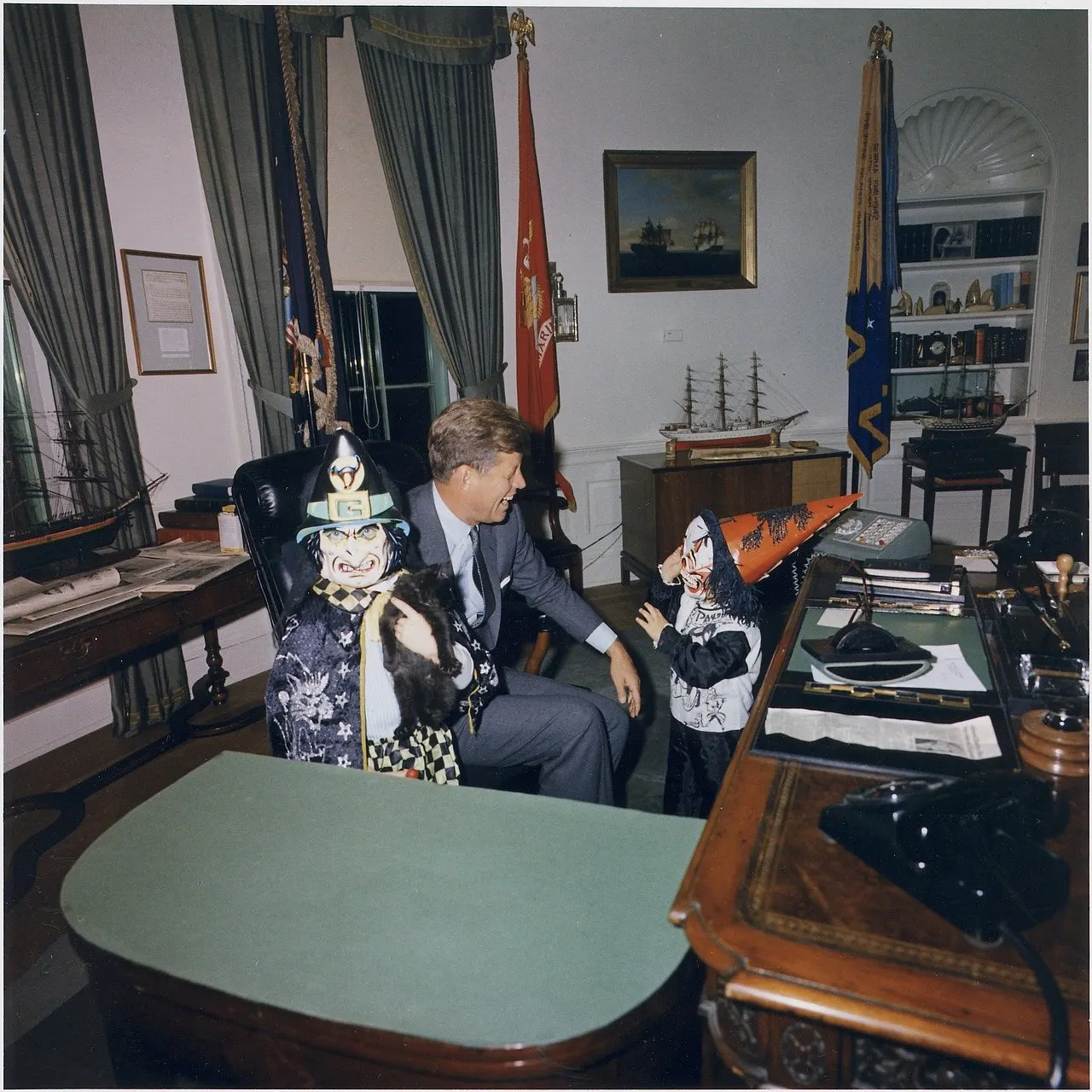
The Oval Office is where American presidents make their hardest calls, and Trump used it to shape the final push for this deal. Behind its famous desk, calls were made and plans were set that led to the White House ceremony on August 8, 2025. The room is small, but decisions made there reach around the world. The Oval Office also features in the White House news conference and in his four day trip to China.
Mountain Villages Look to the Future
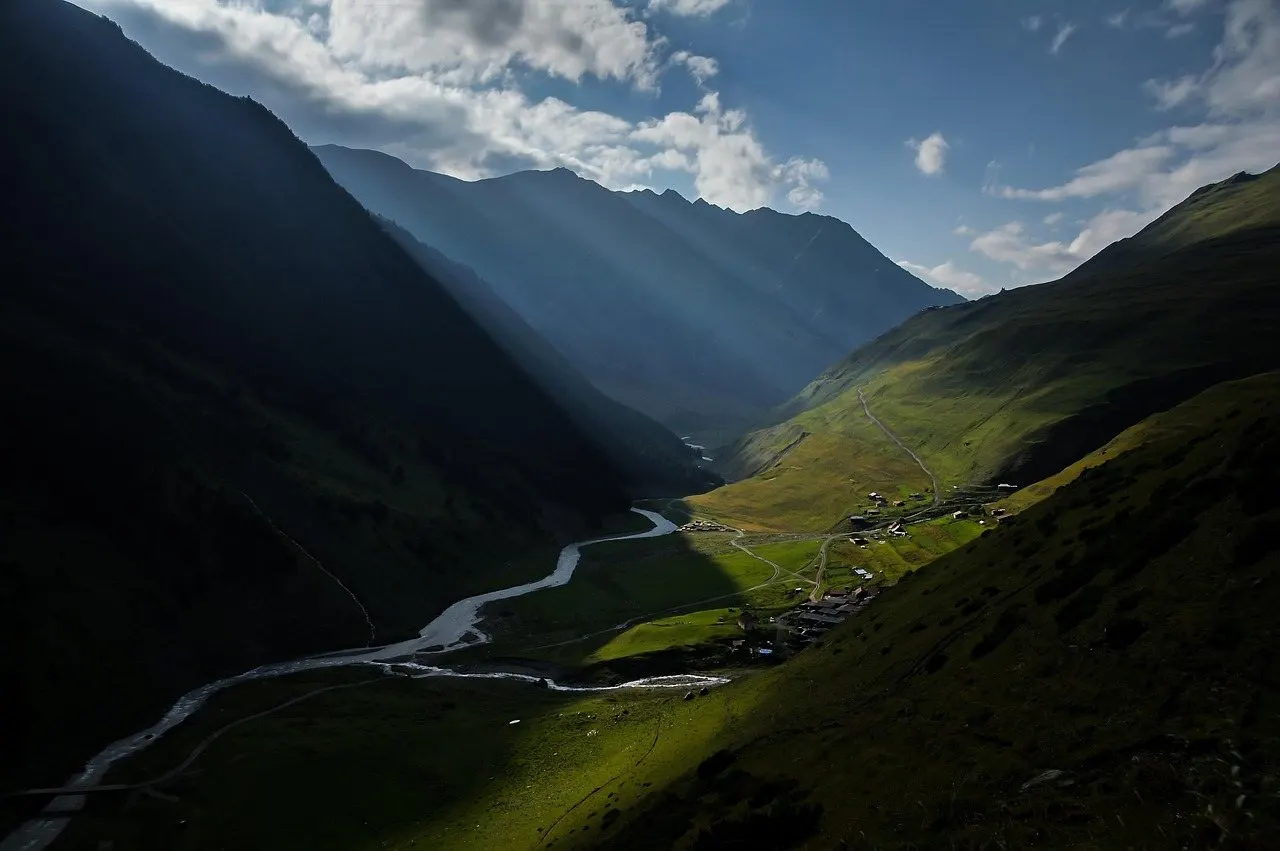
In the mountain villages of the Caucasus, people heard the news on radios and phones and talked about what it could mean for their children. A road that stays open, a market that stays full and a border that stays calm would change life more than any speech. Villages do not ask for much, and peace is at the top of the list. Village hopes and the Sharia law debate are joined by the red scarf moment at APEC.
A Dove for the Armenia Azerbaijan Peace Deal

A dove has long stood for peace, and after 35 years of conflict, the image fits this story. The deal signed at the White House gives both peoples a reason to hope that their children will grow up without the fear their parents knew. What do you think of this deal, and what should happen next? Share your thoughts in the comments below, and keep reading the Shenzhen summit with Xi and Putin.