Shenzhen Peace Summit Brings Trump, Xi and Putin Together
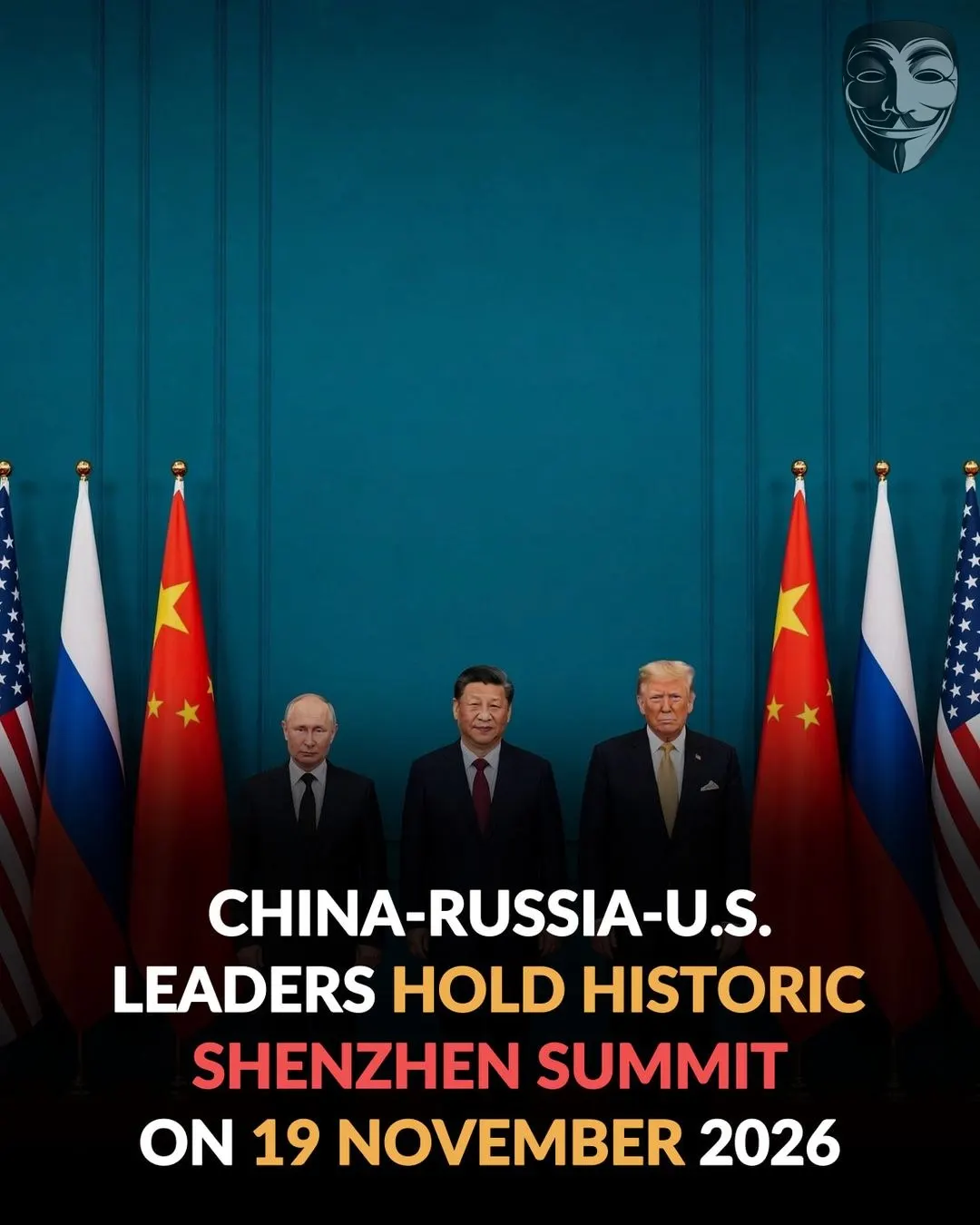
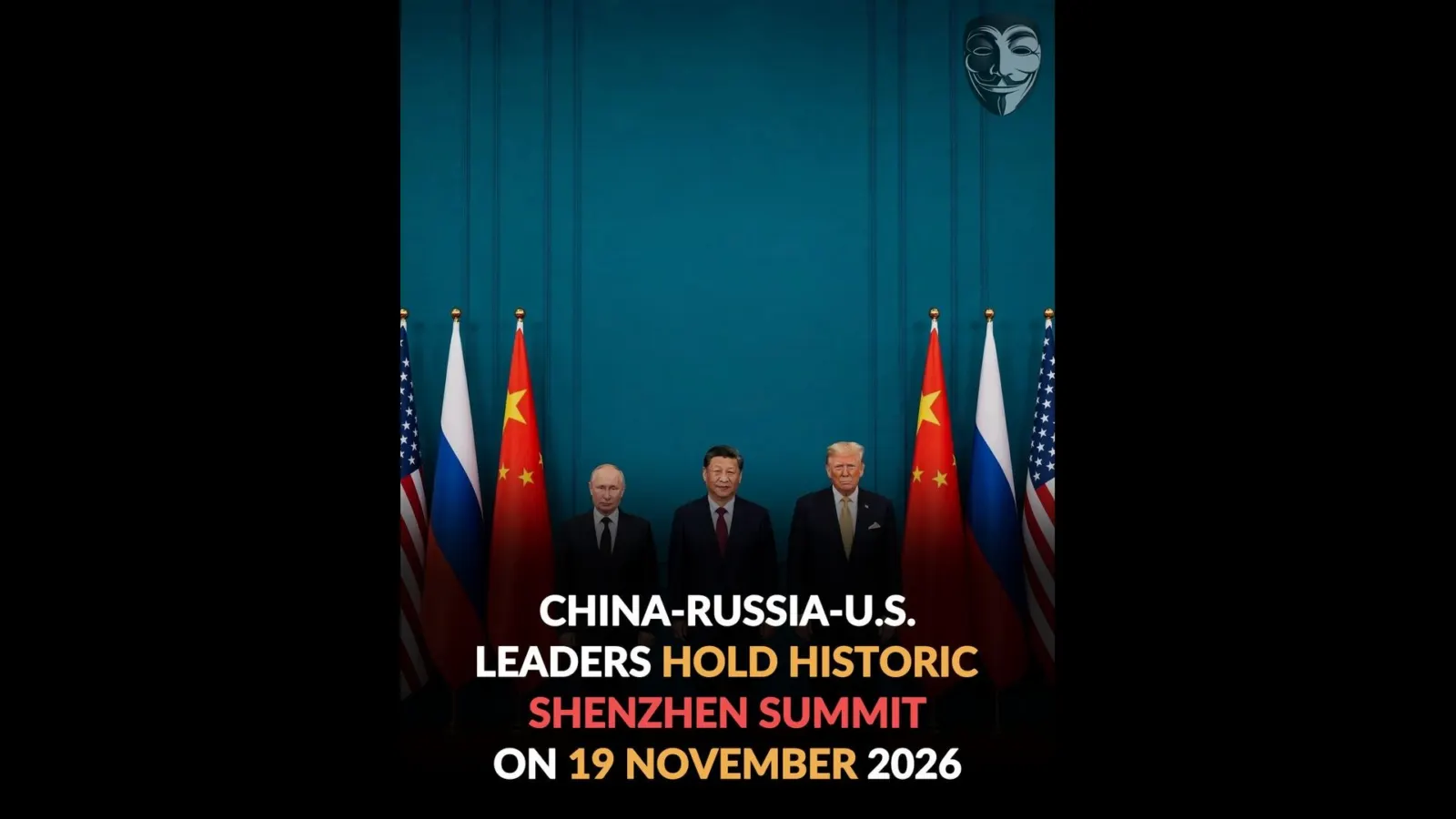
The Shenzhen peace summit brought together President Donald Trump, President Xi Jinping and President Vladimir Putin in Shenzhen, China, on 19 November 2026. It was the first time the three leaders had ever met together in one room, and the White House called it a historic first on the world stage. The meeting took place on the sidelines of the APEC leaders meeting, which had already drawn leaders from around the Pacific to the southern Chinese city. Cameras captured the three men side by side, and the image quickly spread around the world.
By the end of the day the three leaders had signed a four point Declaration toward Peace, a short document with big promises. It committed them to maintain strategic stability and international security, to reform the United Nations, to increase supplies of refined petroleum products, and to hold a dialogue on reducing nuclear risks. The text also reaffirmed that a nuclear conflict cannot be won and must never be fought. In the slides ahead we look at the meeting, the document and what it could mean, starting with the first trilateral meeting and the joint peace declaration.
References:
White House: U.S.-Russia-China Heads of State Declaration toward Peace
Fox News: Trump, Putin, Xi issue 4-point declaration after historic summit
SRN News: Trump, Xi and Putin release ‘peace declaration’ from unprecedented summit
Diplomacy Edu: Trump, Xi and Putin issue peace declaration at Shenzhen summit
Shenzhen Welcomes the World for the Summit
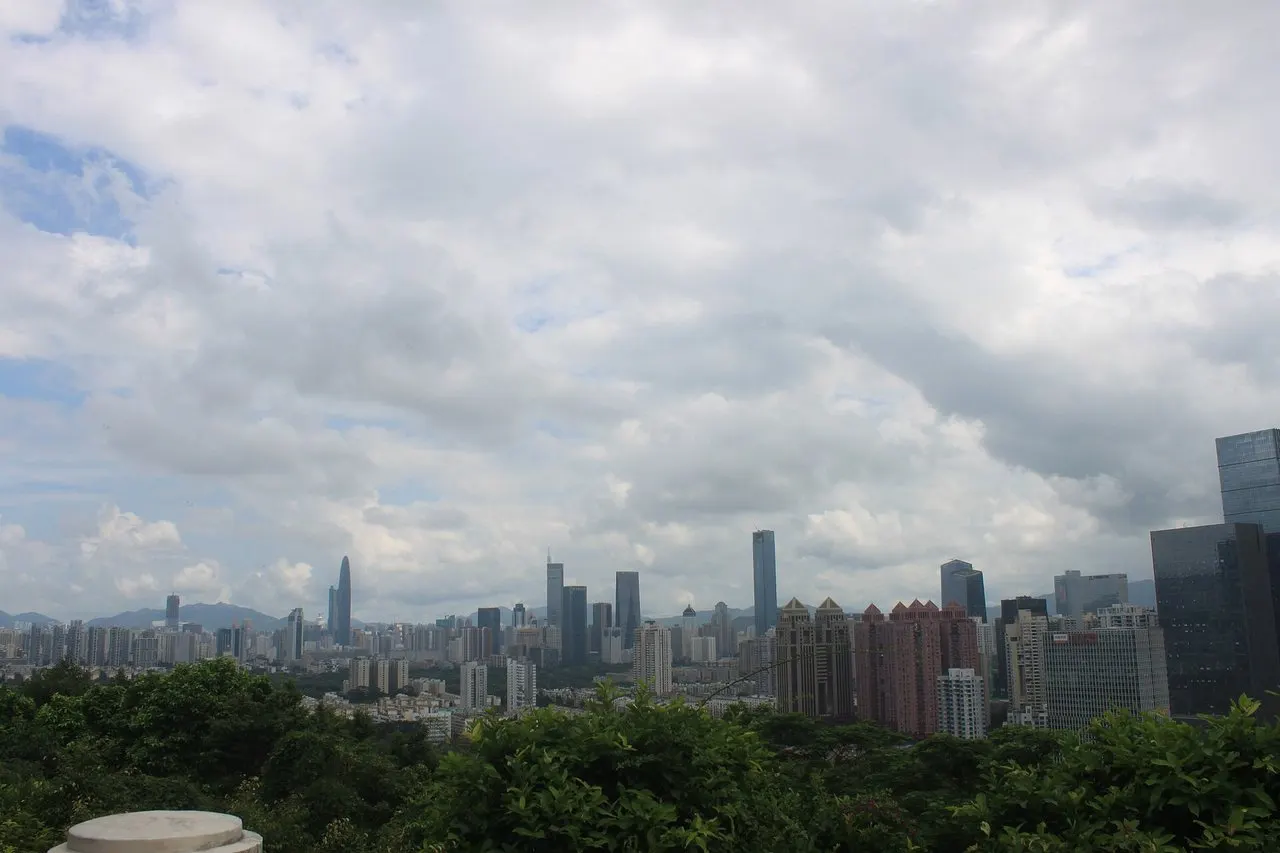
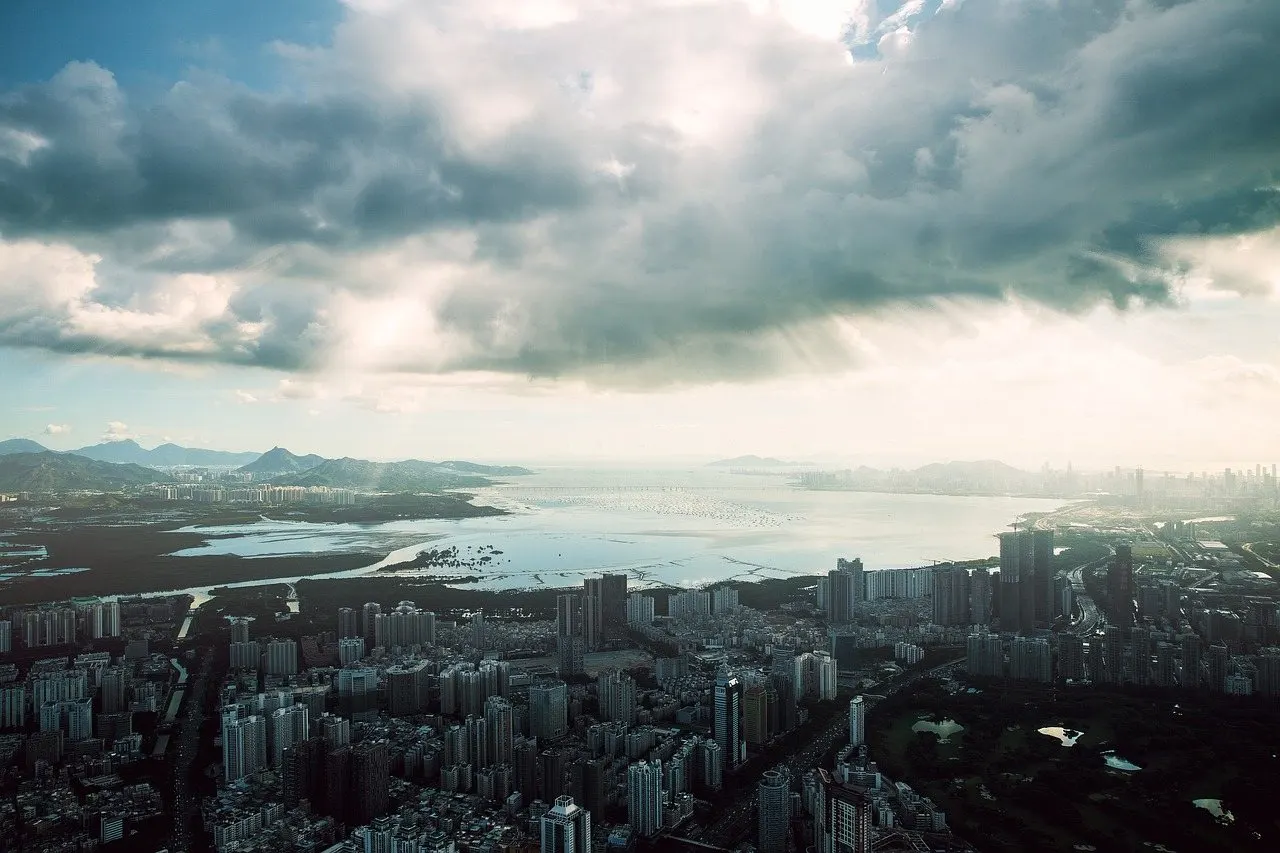
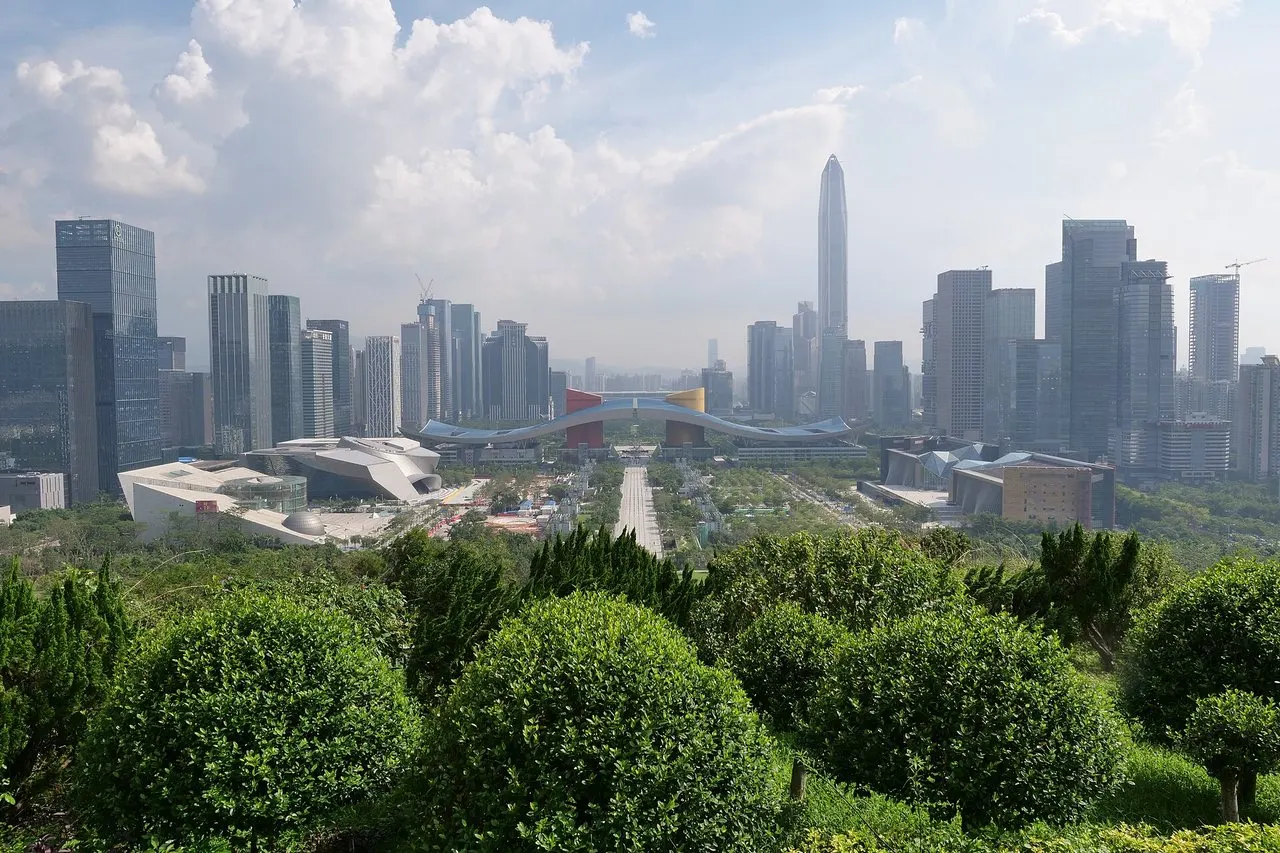
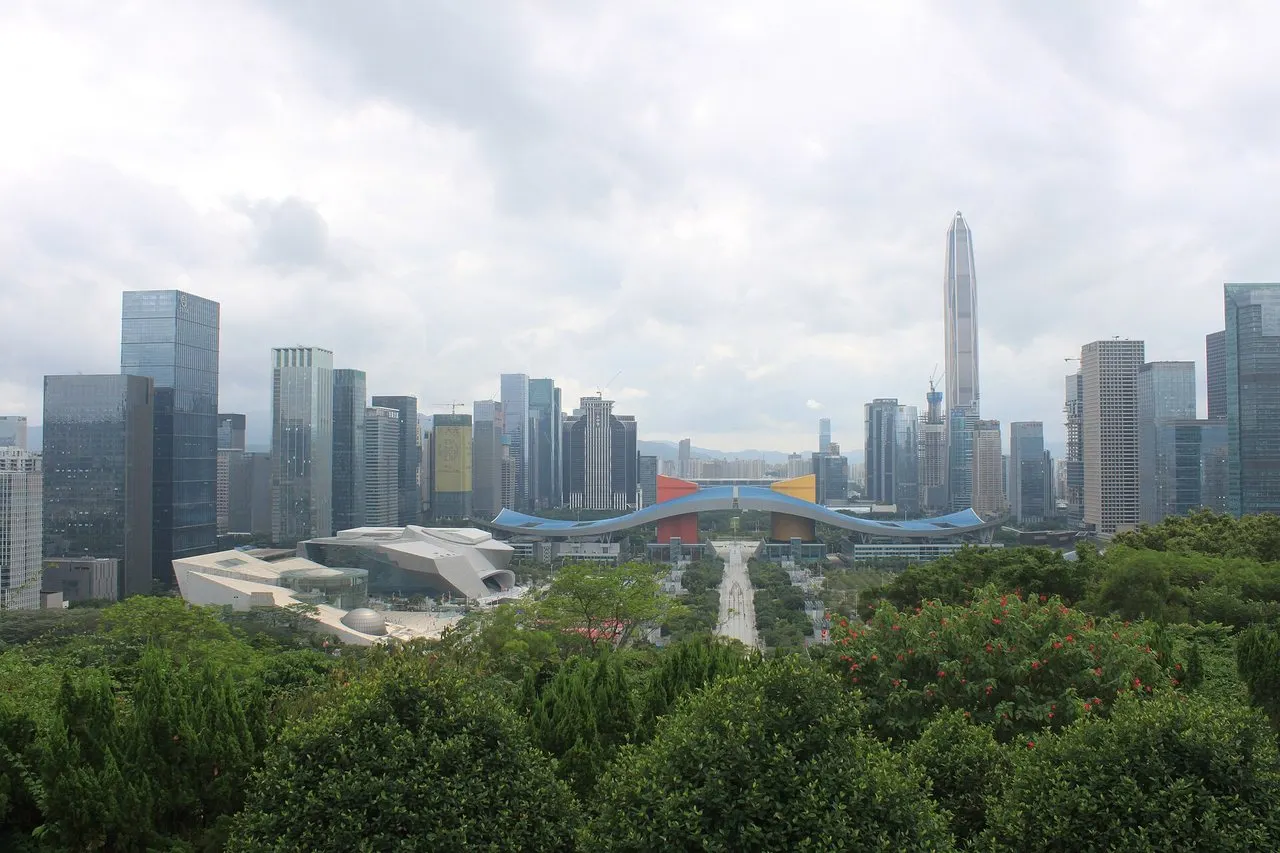
Shenzhen sits in southern China, just north of Hong Kong, and it has grown from a small fishing town into one of the largest cities in the world in only a few decades. Its skyline is filled with glass towers, and its streets are busy with workers and shoppers. The city is known for technology, trade and fast growth, which made it a fitting place for a meeting about the future. Leaders from around the Pacific were already in town for the APEC gathering. Read about the tarmac greeting in Shenzhen and the four day trip to China.
Trump Arrives at the Shenzhen Peace Summit
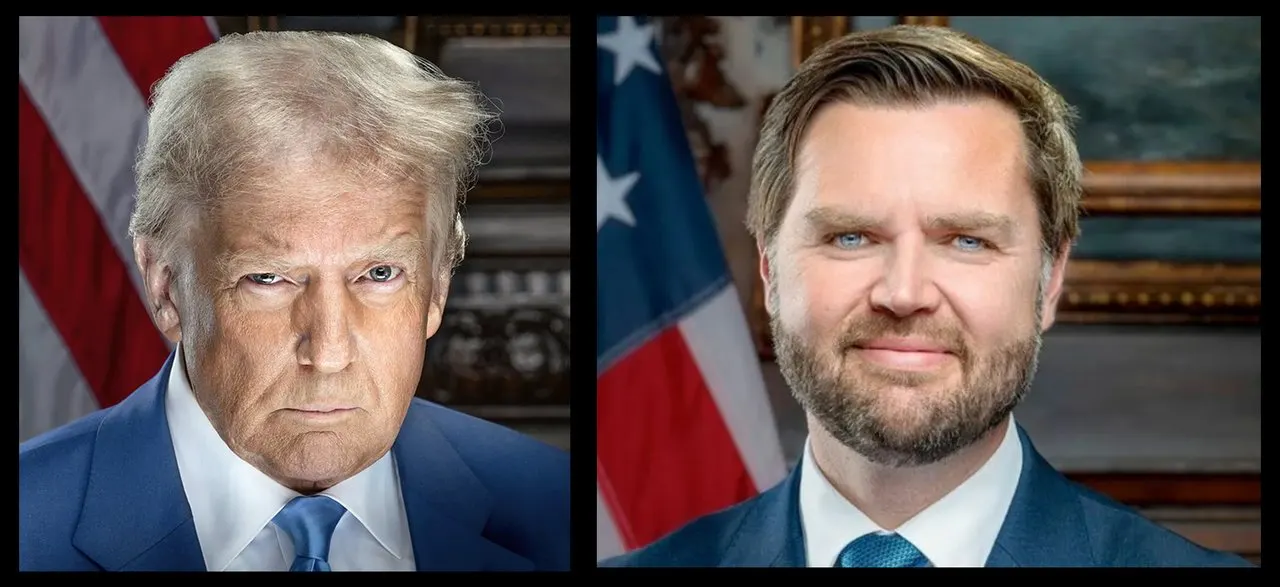
President Donald Trump flew into China as the leader of the United States, the largest economy in the world. He had met Xi Jinping before, and he had spoken with Vladimir Putin many times, but he had never sat down with both men at the same table. The trip was already his longest in Asia in years, and it came with trade talks, business deals and long days of meetings. For Trump, the Shenzhen stop was the centerpiece, and it put him at the heart of the first ever trilateral summit and the agreement on U.N. reform.
Xi Jinping Hosts the Historic Meeting
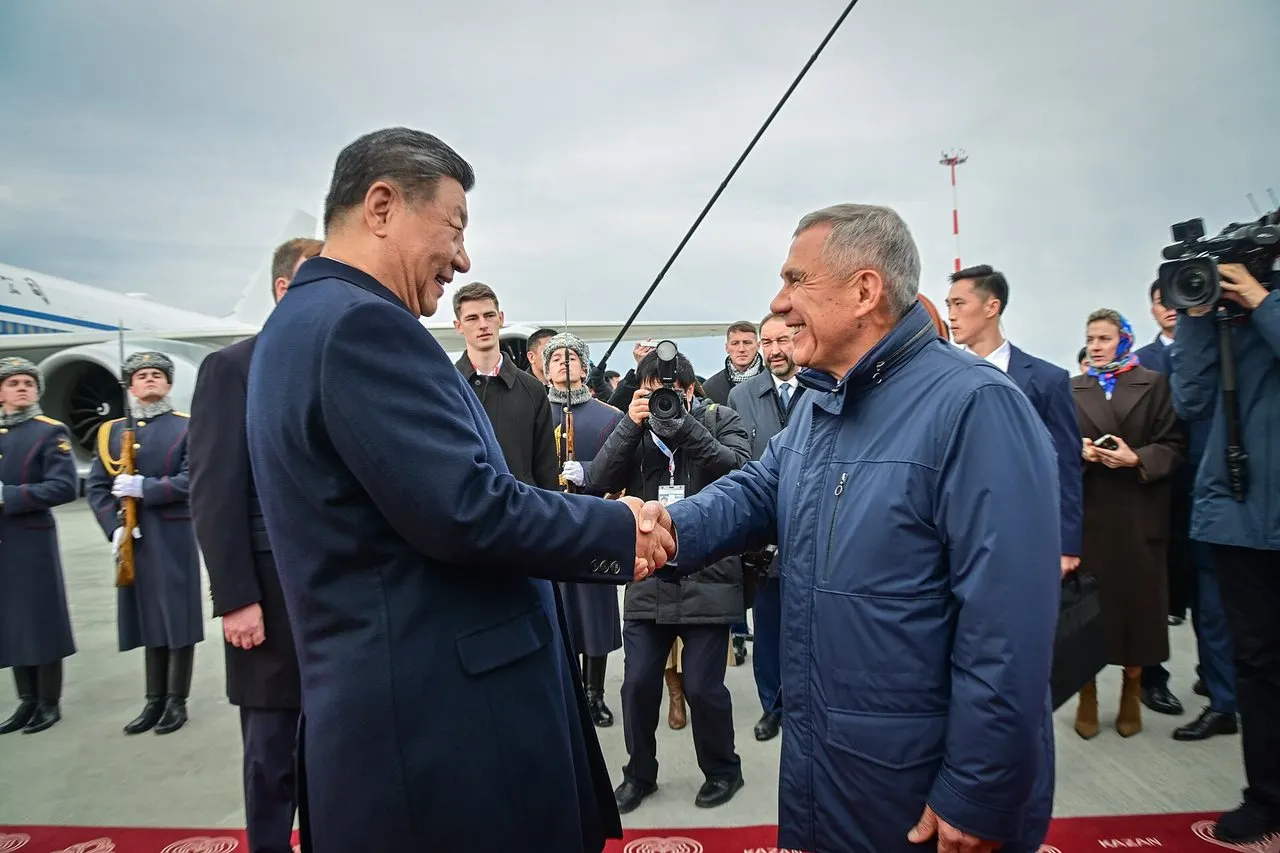
President Xi Jinping welcomed the meeting as the host leader, and China set the stage in Shenzhen. As the leader of the host country, Xi greeted each guest in turn and guided the talks through the day. China has long said it wants a bigger voice in world affairs, and hosting two of the most powerful leaders on earth in one room showed that ambition in plain sight. The setting mattered too, because Shenzhen is a symbol of modern China. Read about the warm greeting between the two leaders and the handshake in China that opened the day.
Putin Completes the Trio at the Shenzhen Peace Summit
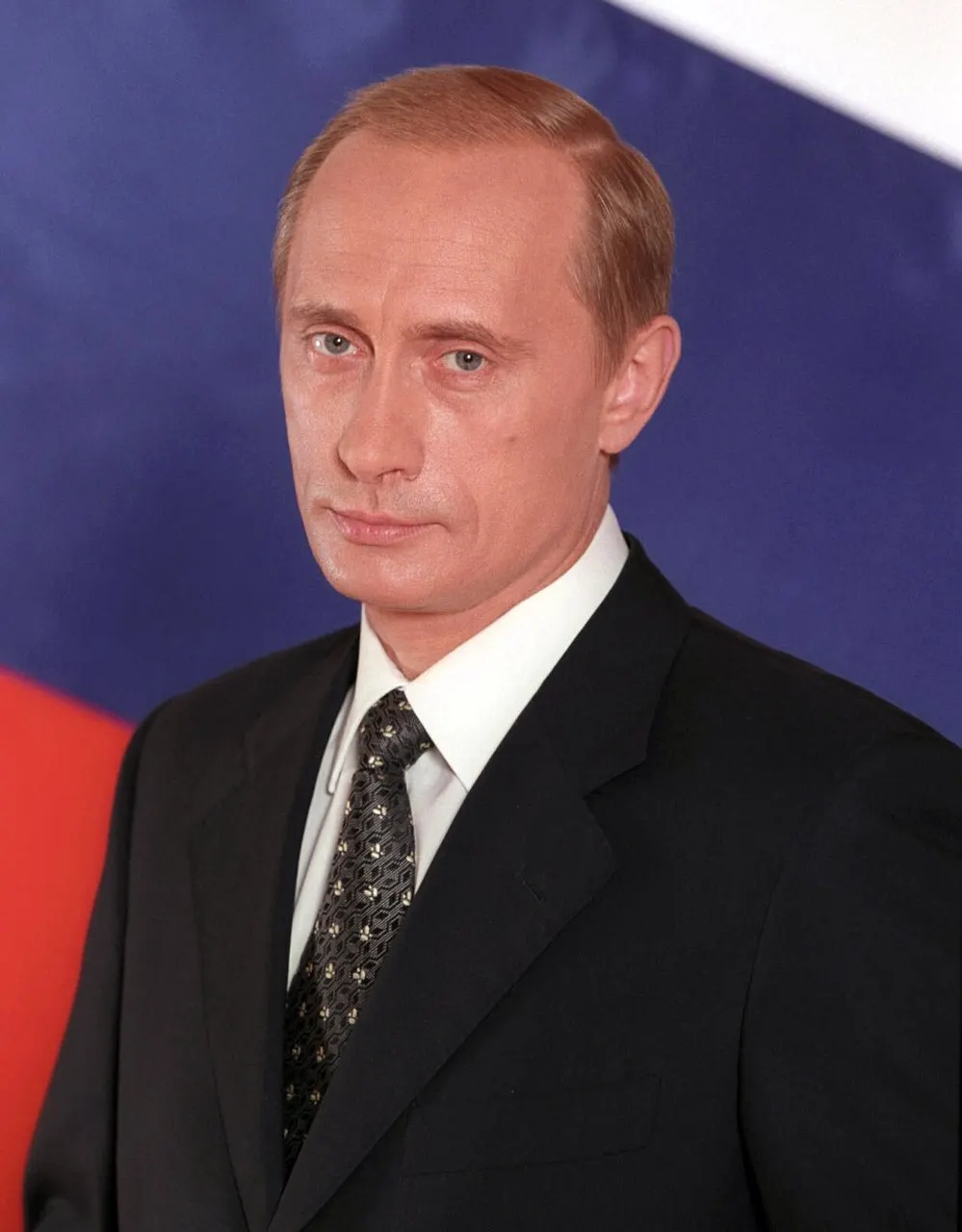
President Vladimir Putin arrived as the leader of Russia, completing the trio that made the meeting historic. Russia has often been at odds with the West in recent years, so his presence at the table drew close attention from every capital in the world. Putin shook hands with both leaders, took his seat and joined the talks that would end with a signed declaration. His attendance showed that even rivals can sit together when the subject is peace. See the hour long talk at the APEC summit and the historic first meeting that brought the three men together.
The APEC Meeting Sets the Stage
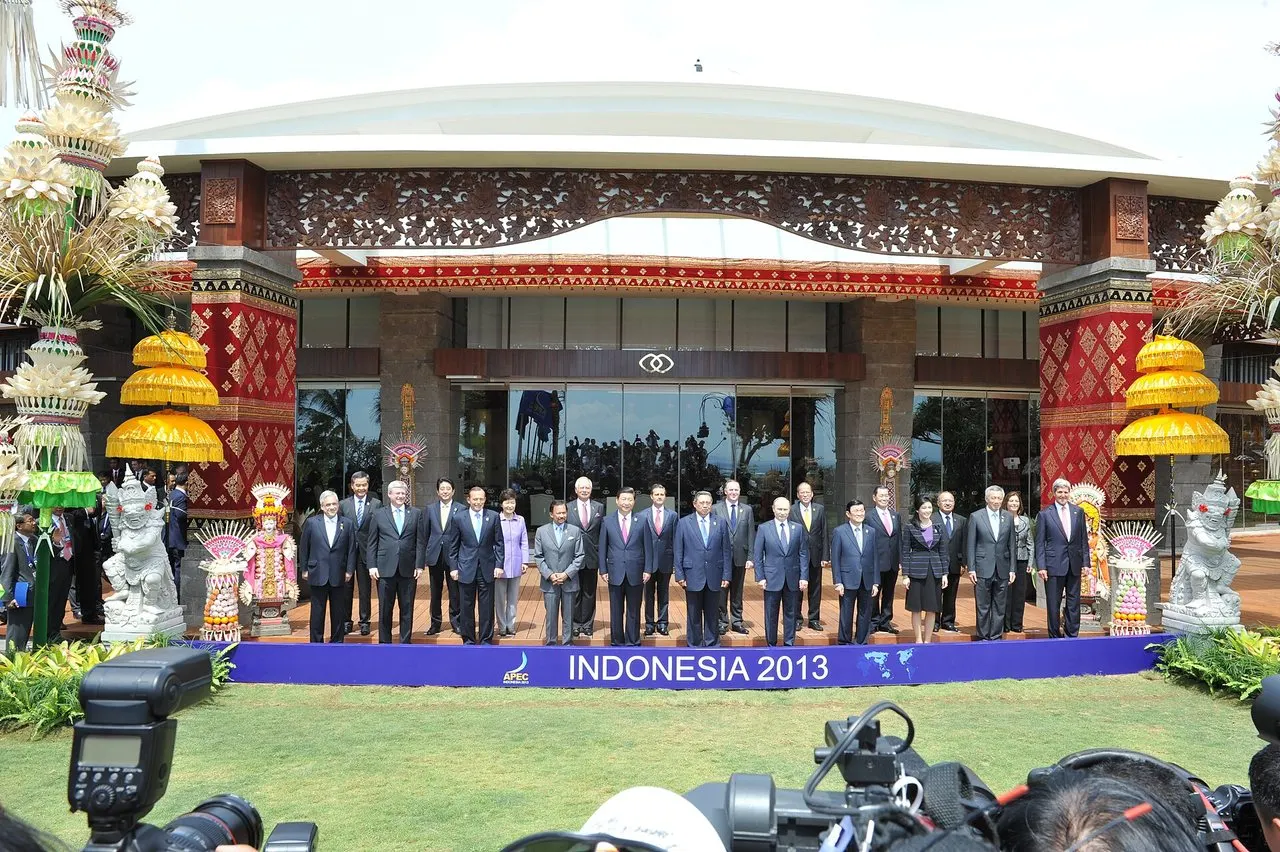
The meeting happened on the sidelines of the APEC leaders meeting, the yearly gathering of leaders from 21 economies around the Pacific. APEC was built to make trade easier and to bring leaders together, and its summits are known for long days of talks and group photos. This year three of the most watched leaders in the world stepped aside for their own private session. The APEC setting gave them a reason to be in the same city, and the call for engagement and dialogue and the call to cut nuclear risks framed the talks.
A Warm Greeting Opens the Shenzhen Peace Summit
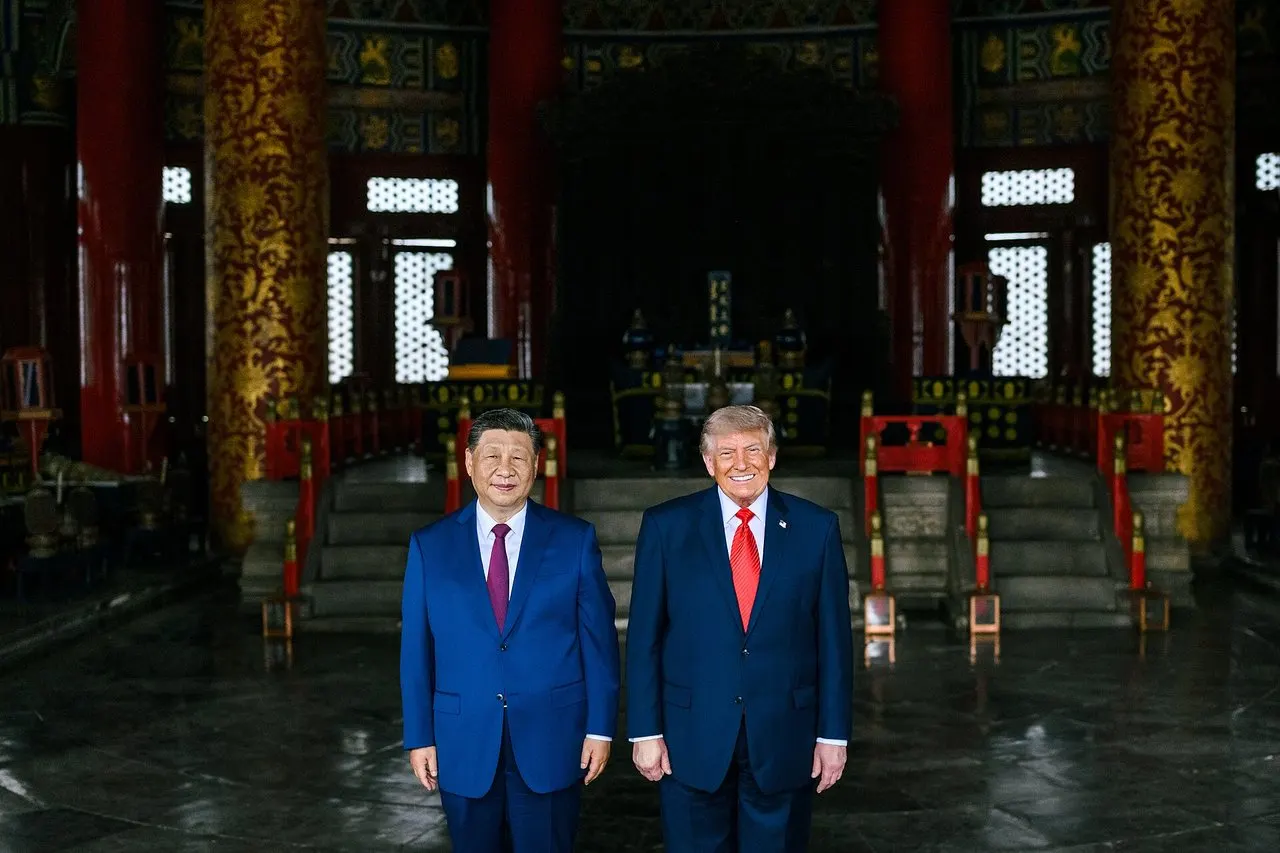
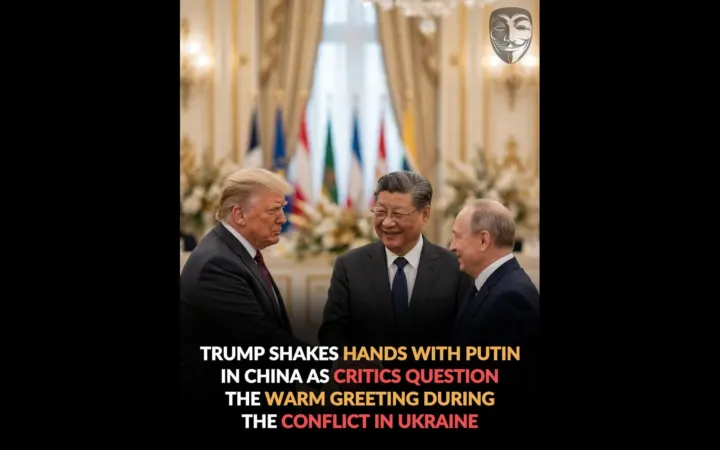
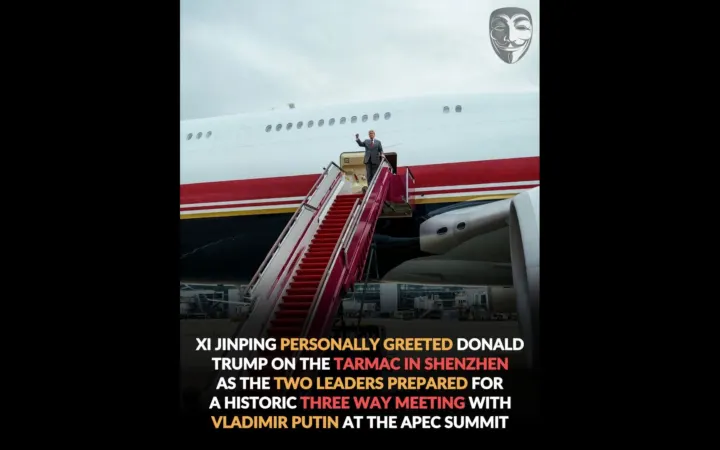
The day began with warm greetings, and Trump called Putin my friend as the two leaders shook hands. The moment drew praise from some and criticism from others, but the handshake set a friendly tone for the hours that followed. Xi greeted Trump on the tarmac when he landed, and the three men were soon photographed together, smiling for the cameras. In diplomacy, a greeting can matter as much as a signed page, because it shows the world that talking is possible. Read the joint peace declaration and the tarmac greeting in Shenzhen for more on the day.
Four Points Shape the Declaration toward Peace
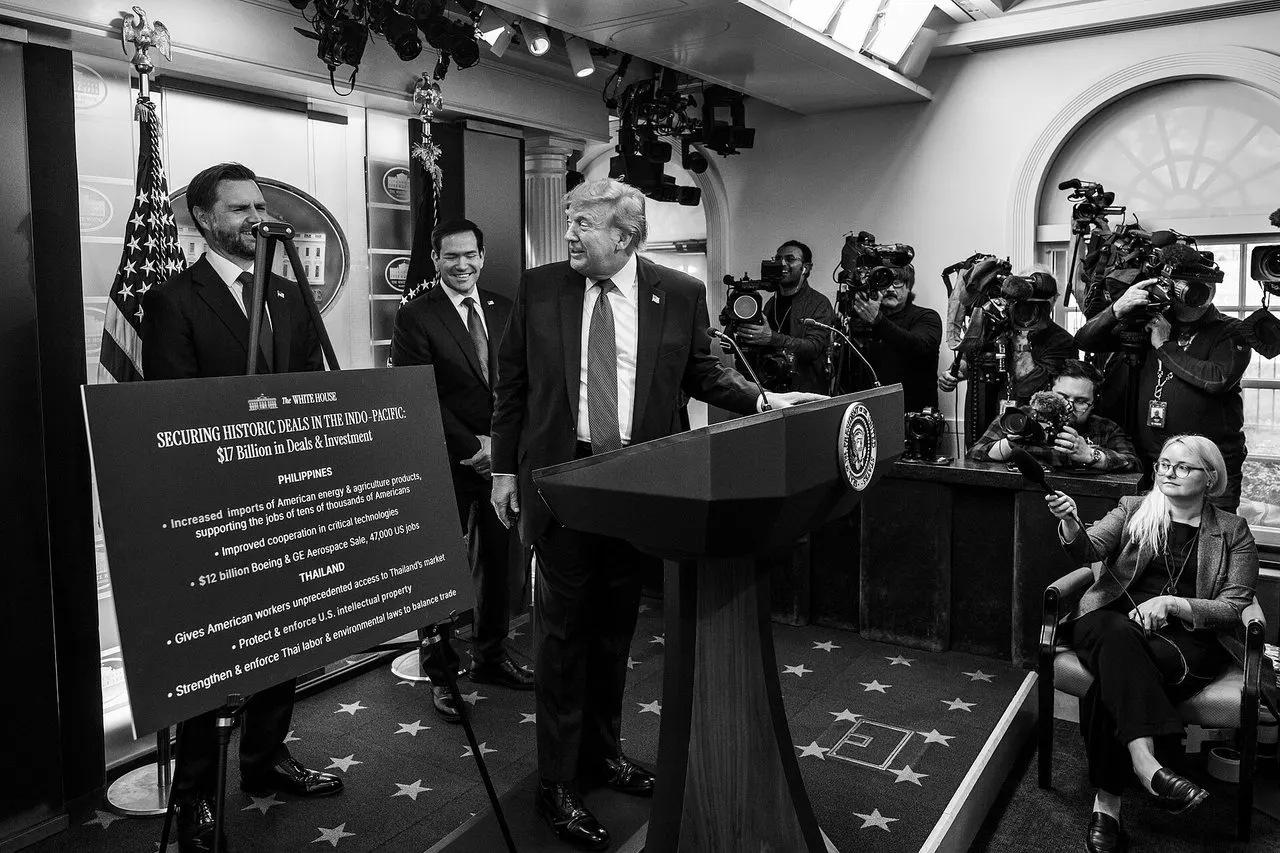
The heart of the day was the four point Declaration toward Peace, a short text signed by all three leaders. Its first point promised to maintain strategic stability and international security, words that cover the balance of power between the largest countries on earth. The second point called for reform of the United Nations, the body founded after the Second World War to keep the peace. The third and fourth points dealt with fuel and nuclear risks, and the text was only a few pages long. See the first trilateral meeting and the four day trip to China.
Strategic Stability Leads the Shenzhen Peace Summit Agenda
Strategic stability is a careful phrase, but it means something simple. It means the largest countries agree not to upset the balance that keeps them from sliding toward conflict. For decades, the United States, Russia and China have watched each other closely, building weapons and alliances while talking through diplomats. A promise to maintain stability does not solve every dispute, but it sets a floor under the relationship. That is why it came first in the declaration, and why the agreement on U.N. reform and the warm greeting between the two leaders both point to the same goal.
Reforming the United Nations
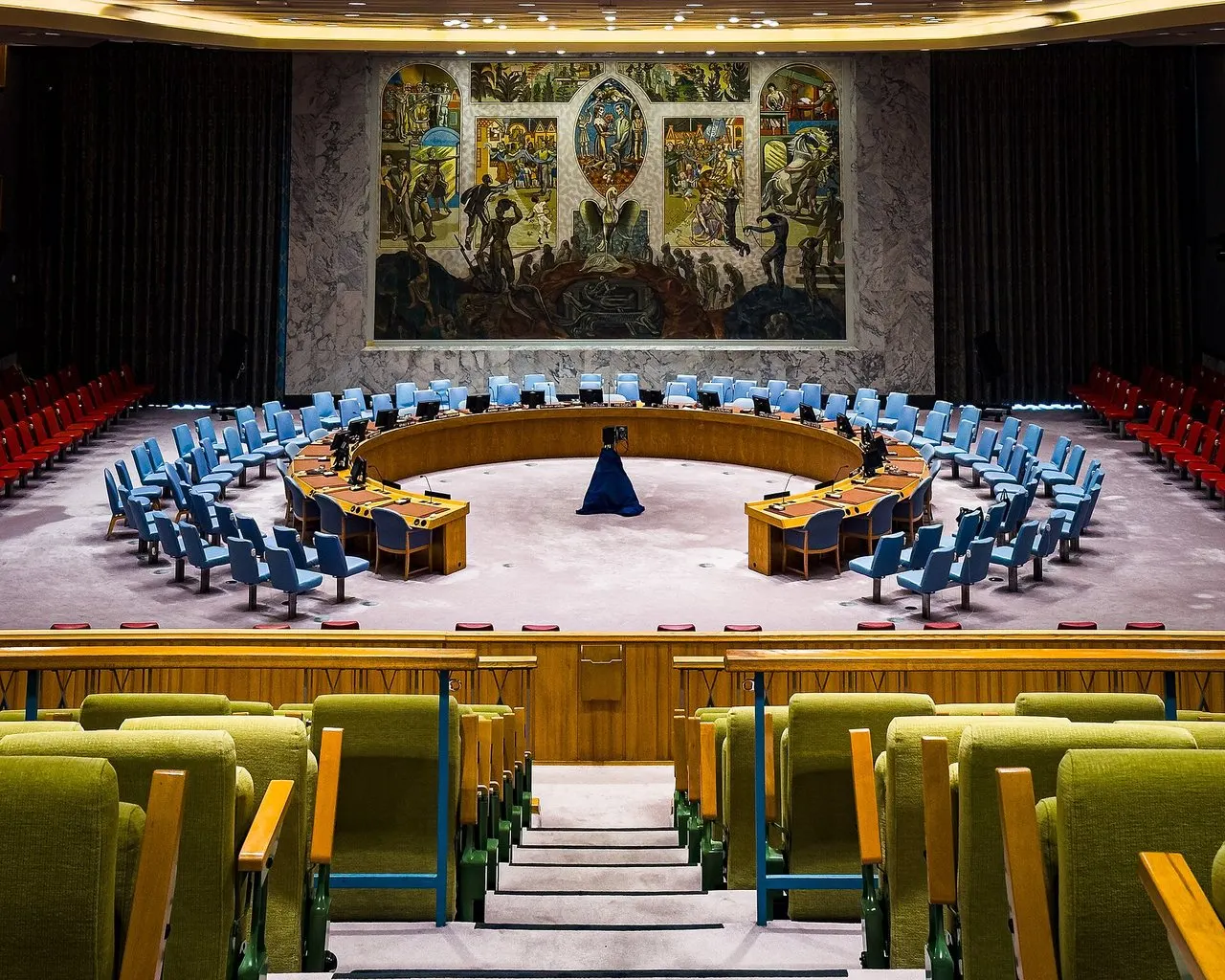
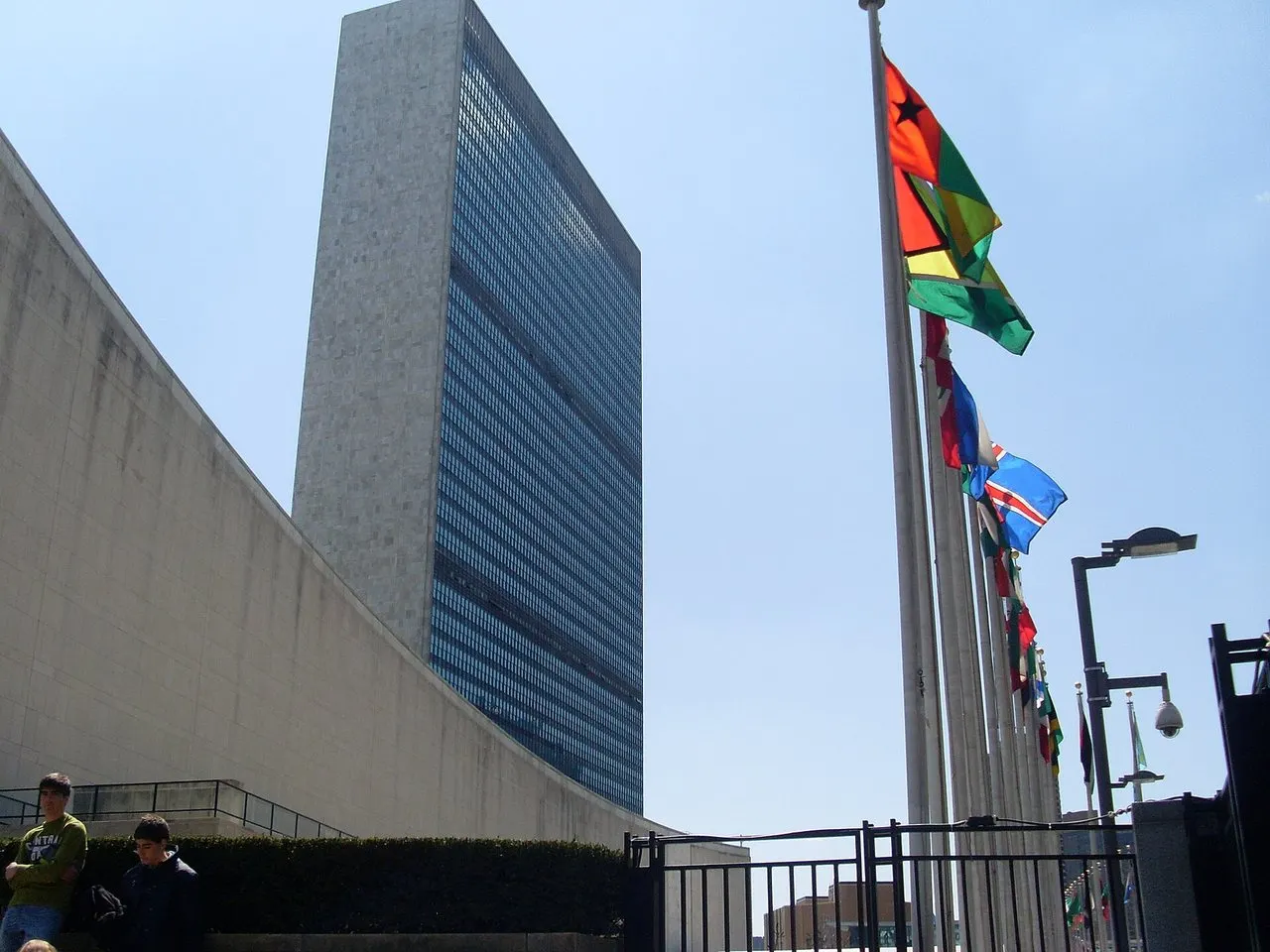
The United Nations was founded in 1945, after the Second World War, to give countries a place to talk instead of fight. Its headquarters stand in New York, and its Security Council has 15 members who meet to deal with threats to peace. Many leaders have said for years that the body needs to change, because the world of today looks very different from the world of 1945. The declaration promised reform, though it did not spell out the details. Follow the first ever trilateral summit and the handshake in China to see how the leaders framed the promise.
Fuel Supplies Get a Boost at the Shenzhen Peace Summit
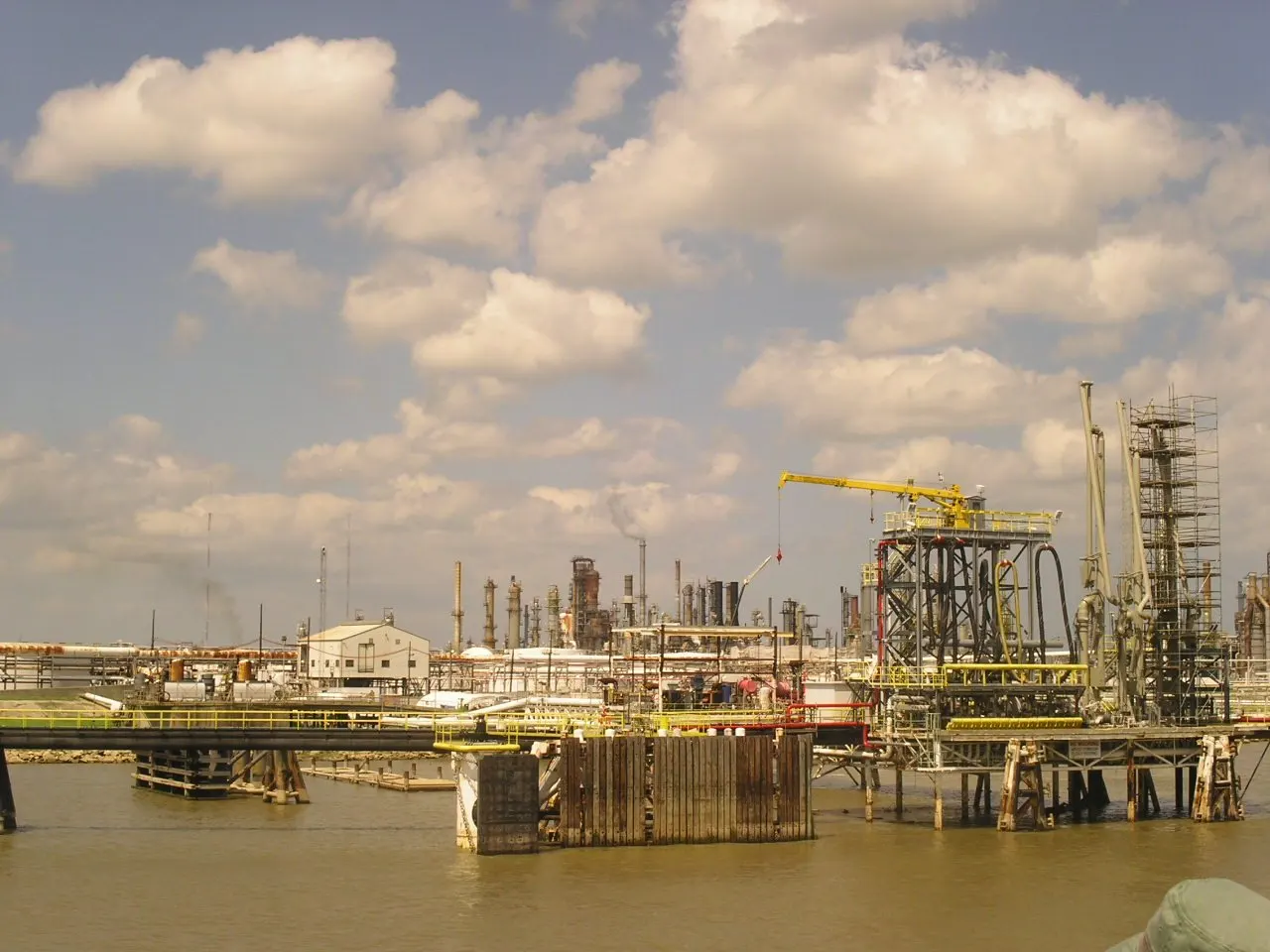
The third point of the declaration promised to increase supplies of refined petroleum products, the fuels made from crude oil. Refined products include gasoline and diesel, the fuels that run cars, trucks, planes and ships around the world. When supplies are tight, prices rise and ordinary families feel it at the pump. A promise to increase supplies is therefore a promise about daily life as much as about diplomacy. It was one of the most practical lines, and the hour long talk at the APEC summit and the call for engagement and dialogue show how trade shaped the day.
A Clear Line on Nuclear Risks

The fourth point opened a dialogue on reducing nuclear risks, and the declaration carried one of the strongest lines of the day. It reaffirmed that a nuclear conflict cannot be won and must never be fought, words that still carry great weight. Nuclear weapons have hung over world politics since 1945, and every generation of leaders has had to manage the danger. A dialogue is only a first step, but it is where every safer path begins. Read the historic first meeting and the call to cut nuclear risks for the full story.
Why the Shenzhen Peace Summit Matters
Summits come and go, but this one will be remembered because it was the first of its kind. No American, Chinese and Russian leader had ever met together in one room before, and the fact that they did so in public, with cameras watching, sent a message of its own. The world is used to seeing these three countries disagree, so agreement on four points felt new. The declaration may be short, but first meetings set the tone for what follows, and the joint peace declaration and the agreement on U.N. reform explain why it drew so much attention.
A Trip Built Around One Big Meeting
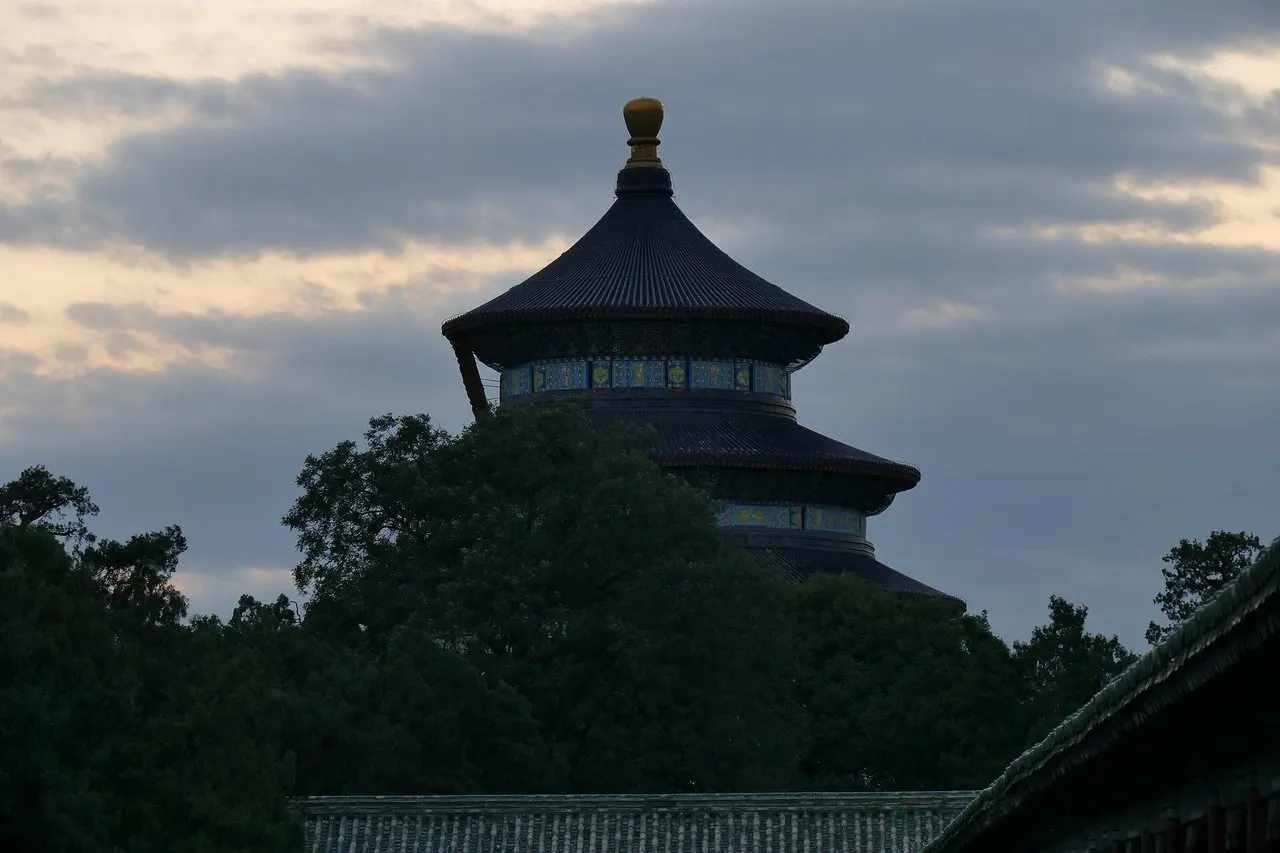
The Shenzhen meeting was the centerpiece of a four day trip to China that mixed business and diplomacy. The visit brought trade talks, meetings with business leaders and reports of deals worth 17 billion dollars, including new orders for American planes and goods. Trump also toured the Temple of Heaven in Beijing with Xi, a stop that gave the trip a softer, more personal side. Big trips like this one are built around one moment, and this trip was built around Shenzhen. See the first trilateral meeting and the first ever trilateral summit for how the day unfolded.
What Comes Next After the Shenzhen Peace Summit
What happens next will decide whether the meeting was a photo opportunity or a turning point. The declaration promised talks on nuclear risks and reform of the United Nations, and both will need follow up meetings, working groups and hard choices. Fuel supplies will be watched in the markets, and diplomats will look for the first signs of real change. For now, the three leaders have shown that they can sit together and sign the same page. Follow the tarmac greeting in Shenzhen and the hour long talk at the APEC summit for the latest on the trip.
Trump Heads Home After the Historic Trip
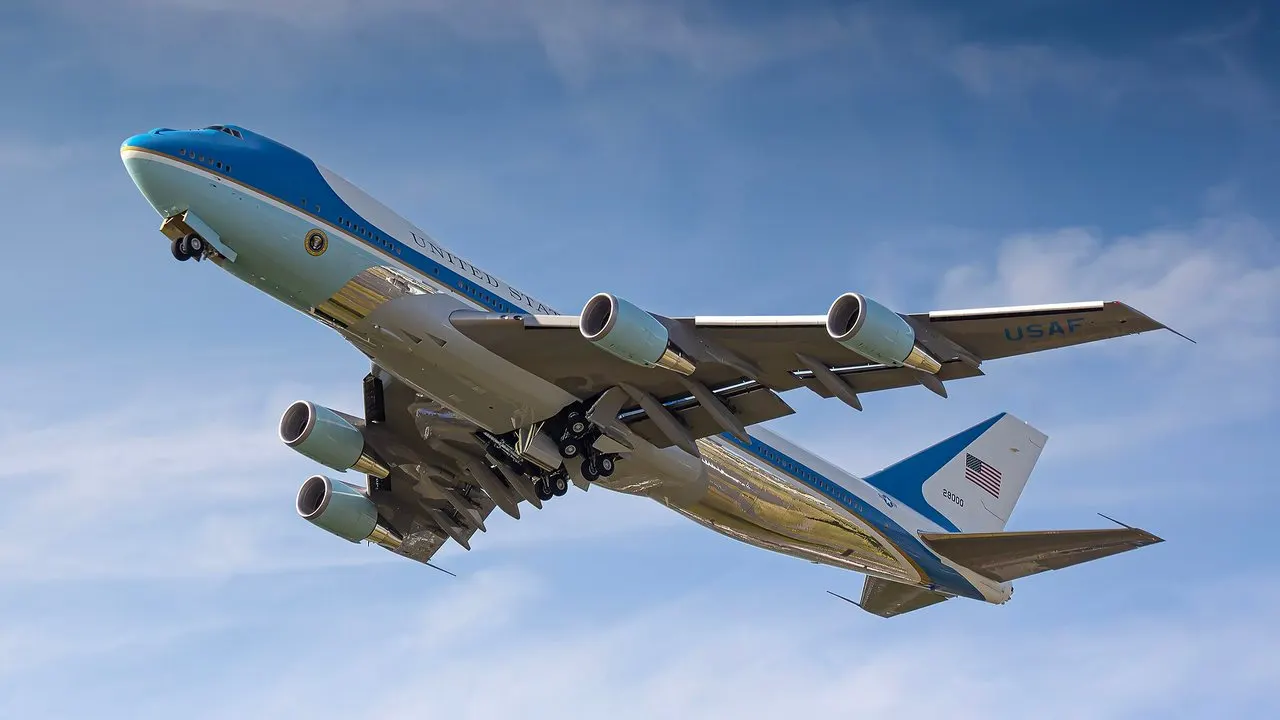
After four days in China, Trump headed home, and the trip ended the way most presidential trips end, with a long flight and a news conference waiting in Washington. The White House said he would speak to reporters at noon after landing, a sign the trip was meant to be explained at home. Air Force One carried him away from Shenzhen, but the photos and the declaration stayed behind for the world to read. His team called the trip great and highly consequential, and the four day trip to China and the historic first meeting round out the story.
The World Watches Three Leaders Talk
Around the world, newsrooms, governments and ordinary people watched the same photos and read the same short declaration. Some praised it as a step toward calm, while others warned that warm words do not fix deep disagreements. Both views can be true, because a single day cannot settle years of rivalry between great powers. What it can do is open a door, and this meeting opened one in Shenzhen. The next months will show who walks through it, and the warm greeting between the two leaders and the call for engagement and dialogue capture the two sides of the day.
What Will This Meeting Mean a Year From Now?
So what do you think this meeting will mean a year from now? Will the four points of the declaration turn into real talks, real reform and real fuel supplies, or will the photos fade and the rivalry return? History is full of summits that promised much and delivered little, and it is also full of small meetings that grew into something larger. The three leaders have given the world a page to watch. Tell us in the comments what you expect, and read the handshake in China and the call to cut nuclear risks once more before you answer.