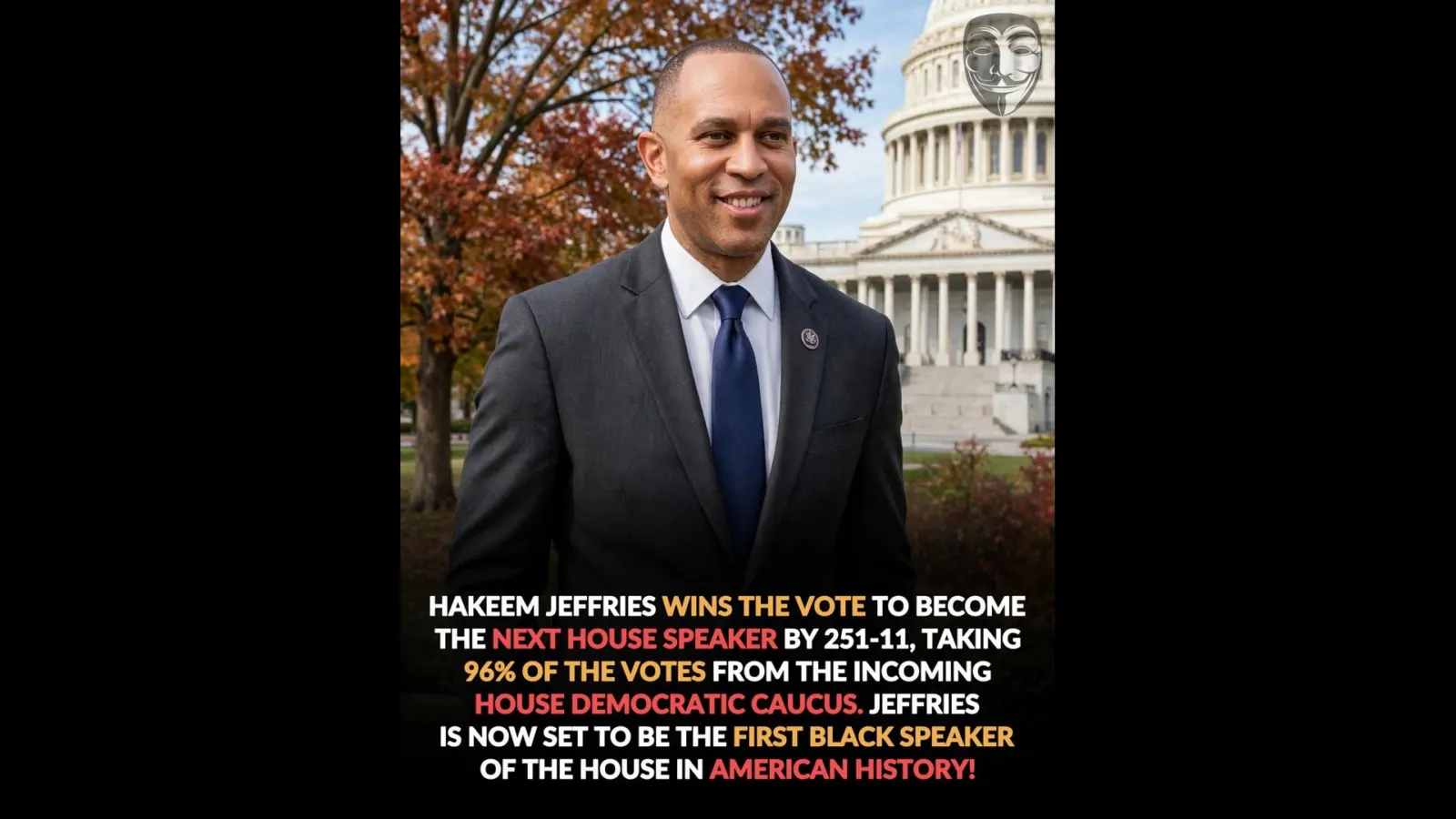
Hakeem Jeffries Wins the Democratic Nomination for Speaker

Hakeem Jeffries won the Democratic nomination for House Speaker on Wednesday, November 18, 2026, in a closed door secret ballot vote of 251 to 11. He ran unopposed after Democrats won back the House in the midterm elections, and he took about 96 percent of the votes cast in the incoming Democratic caucus. The result sets up a full House vote on January 3, 2027, when the new Congress convenes. If the full House elects him, he would become the first Black Speaker in American history.
The road to the speakership has one more step, and the numbers look strong for the nominee. He would need 218 votes on the floor, where Democrats are projected to hold at least 257 seats. Seven newly elected Democrats voted no in the caucus, saying they want commitments on priorities like Medicare for All before they back him. In the slides ahead, we look at the vote, the history at stake, and what happens next. For more on the nomination, read our report on the vote that made him the nominee and what his colleagues said about the choice.
References:
Associated Press: Democrat Hakeem Jeffries is nominated to become House speaker, a historic first
CNN: Hakeem Jeffries overwhelmingly wins House speaker nomination despite thr*ats from ultra-progressives
New York Post: House Democrats nominate Hakeem Jeffries for speaker
Wall Street Journal: Democrats Back Hakeem Jeffries for Speaker Amid Left-Wing Objections
The Vote by the Numbers: 251 to 11

The numbers tell a clear story about where House Democrats stand. Jeffries won 251 votes, while only 11 members voted against him, which works out to about 96 percent of the votes cast in the incoming caucus. A margin that wide is a strong show of unity after a midterm win, and it gives the nominee momentum heading into the floor vote. The caucus met behind closed doors, so the public saw the result rather than the debate. Read about another historic first for a Black leader and what the midterm results mean for the new majority.
A Closed Door Secret Ballot on November 18

The vote took place on Wednesday, November 18, 2026, in a closed door secret ballot of the incoming House Democratic caucus. A secret ballot lets members vote their conscience without public pressure, and it is the usual way a party picks its nominee for Speaker. Jeffries ran unopposed, so the only question was how wide the margin would be. The answer came back quickly, and the result was shared with the public soon after. See how the nomination vote played out and another first that made history.
Hakeem Jeffries Ran Unopposed After the Midterms

Jeffries ran unopposed for the nomination, which says a lot about his standing in the party. After Democrats won back the House in the midterm elections, no other Democrat stepped forward to challenge him for the top job. That kind of clear field is a sign that the caucus sees him as its leader, and it spared the party a public fight. The vote then became a measure of unity rather than a contest. Read how the new Congress is taking shape and the leadership win that shook up the caucus.
Seven Newcomers Said No

Seven newly elected Democrats voted no in the caucus, and their message was clear. They want commitments on priorities like Medicare for All before they back the nominee on the floor. New members often use their first big vote to show voters back home what they stand for, and this group chose health care as its test. Their votes did not change the outcome, but they did put their priorities on the table. Read about the health care plan at the center of the debate and the working group shaping the party’s health policy.
The Full House Vote Comes on January 3, 2027

The next big date is January 3, 2027, when the new Congress convenes and the full House holds its own vote for Speaker. The caucus nomination is a party decision, but the floor vote is the official one, and every member of the House gets a say. The nominee will need to win over the full chamber, not just his own party. That day will open the new session with one of its most watched moments. Follow his warning to the MAGA movement and the debate over the party’s direction.
Why 218 Votes Is the Magic Number
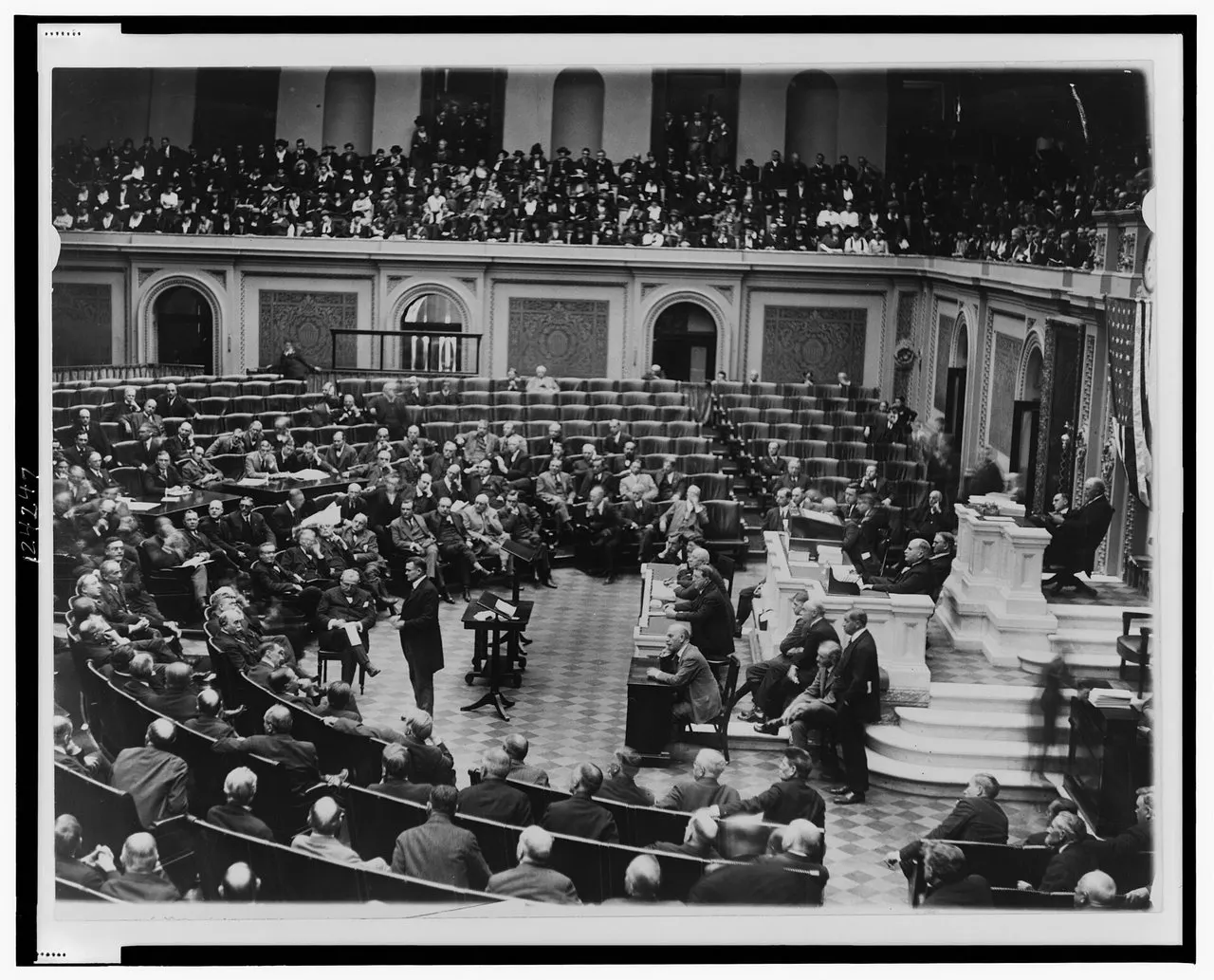
To win on the floor, the nominee needs 218 votes, which is a majority of the 435 seats in the House. That number is the target in every Speaker election, and it is why the size of the majority matters so much. With Democrats projected to hold at least 257 seats, the math gives the nominee room to lose some votes and still win. Still, every vote counts until the roll is called. See how 218 signatures forced another House vote and how a race decided by 330 votes changed hands.
Democrats Are Projected to Hold at Least 257 Seats

Democrats are projected to hold at least 257 seats in the new House, a clear majority after winning back the chamber in the midterm elections. A majority that size gives the nominee a cushion on the floor, and it gives the party room to pass its bills without needing help from the other side. It also means the new majority can set the agenda from day one. The exact count may still shift as final results come in. Read what the midterm exit polls showed and how a recount changed one House race.
Hakeem Jeffries Could Become the First Black Speaker

Jeffries could become the first Black Speaker of the House in American history, a milestone that would break a barrier that has stood since the office was created. The Speaker is one of the most powerful jobs in American government, and the list of people who have held it has never included a Black American. That is why this vote is being watched far beyond Washington. It is a moment many people thought they might never see. Learn about another Black leader who made history in Florida and the long road to this nomination.
What the Speaker of the House Actually Does

The Speaker of the House presides over the chamber, sets the agenda, and decides which bills come up for a vote. The job is second in line to the presidency, after the vice president, which shows how much trust the office carries. The Speaker also leads the majority party and speaks for the House in talks with the Senate and the White House. It is a job that mixes procedure with politics every single day. See how the current Speaker handled the Epstein files petition and the colleague who just won a leadership seat.
Leading the House Democrats

Jeffries leads the House Democrats, a role he took on after Nancy Pelosi stepped back from party leadership. He has served in the House since 2013, representing a Brooklyn district in New York, and he rose through the ranks to become the top Democrat in the chamber. Leading a caucus means keeping many different voices together, and the 251 to 11 vote shows he has done that well. Read about the questions facing Democratic leaders in Washington and the plan to expand Medicare step by step.
Hakeem Jeffries: From Brooklyn to the Capitol

Jeffries represents a Brooklyn district in New York, and his home borough has shaped his politics from the start. His roots are in Brooklyn, where he served in the New York State Assembly before coming to Washington in 2013. Voters there have sent him back to the House again and again, and his rise shows how a local leader can reach the top of national politics. His district sits across the river from Manhattan. See the New York leader who just kept a big promise and how close races can turn on a few hundred votes.
The Road From Minority Leader to Nominee

Jeffries became the top Democrat in the House after serving as minority leader, the job of leading the party while it is out of power. In that role, he held the caucus together through tough votes and long nights, and he built the trust that showed up in the 251 to 11 result. The step from minority leader to Speaker nominee is a natural one when a party wins back the majority. It rewards patience and steady leadership. Read how he handled the fight over the nomination and why some Democrats still have doubts.
Medicare for All and the Priorities Behind the No Votes

Medicare for All sits at the heart of the debate, because the seven no voters want firm commitments on health care before they support the nominee. The idea would expand Medicare step by step until every American has coverage, and it has strong support among progressives in the party. Others in the caucus prefer a slower path, which is why the talks matter so much. Health care may decide how united the party looks in January. See the four year plan to expand Medicare and the team shaping the party’s health policy.
What Comes Next for Hakeem Jeffries

What comes next for the nominee is a busy stretch of planning before January 3. He and his team will count votes, talk with the seven holdouts, and prepare the agenda for the new Congress. The transition from nominee to Speaker takes weeks of quiet work, and the goal is a smooth first day. If the floor vote goes as expected, he will take the gavel as the new Congress opens. Follow the questions facing party leaders and the New York leader who kept a big promise.
What Do You Think of This Historic Moment?

This vote may be remembered as the moment the House changed, or it may be remembered as the start of a harder fight inside the party. Either way, the country will be watching on January 3, when the full House casts its votes and history is either made or delayed. The story is not finished, and the next chapter belongs to the new Congress. What do you think of this historic moment? Share your thoughts in the comments and keep reading our report on the nomination vote and the road that led to this moment.