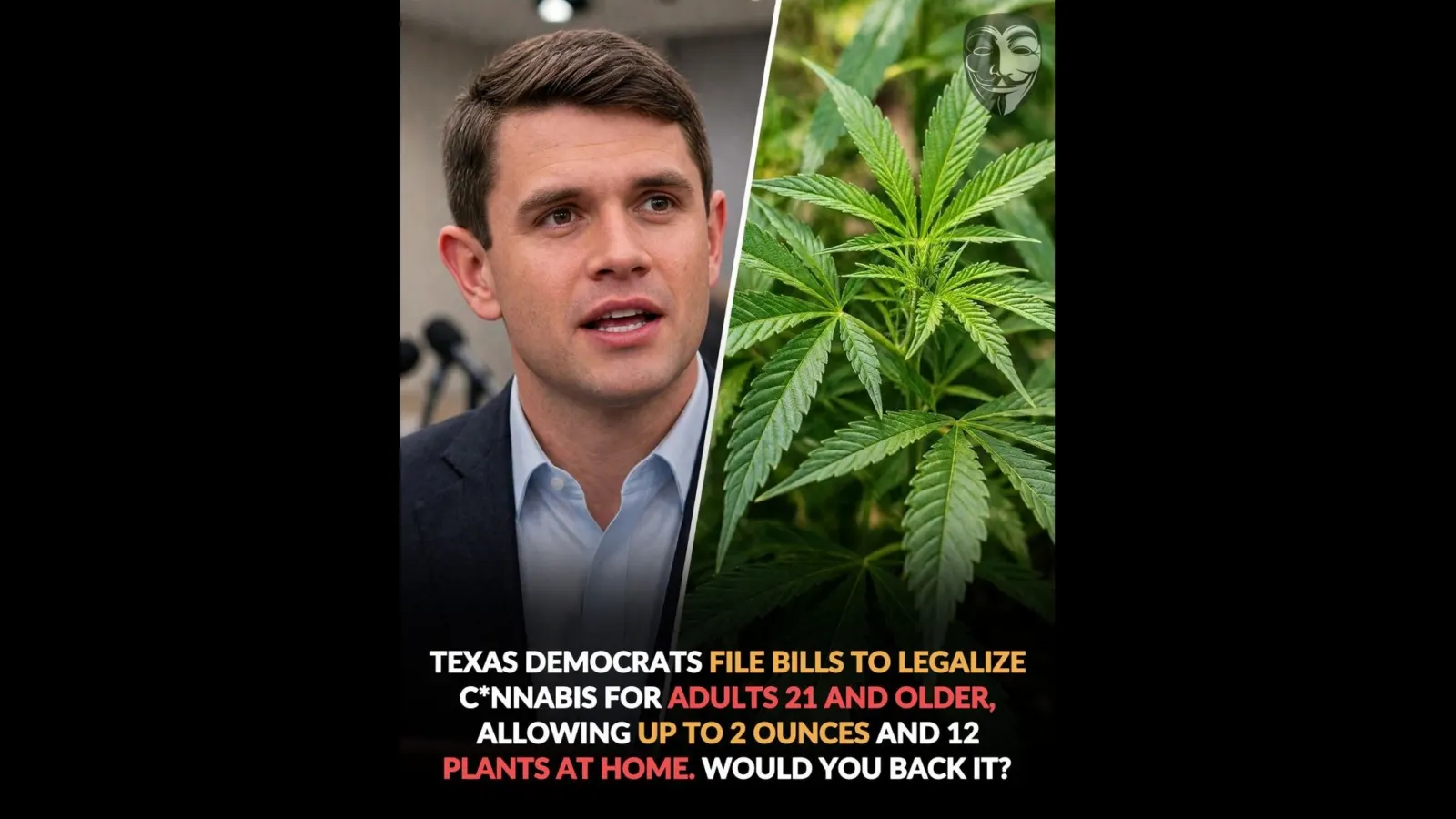
Texas Marijuana Legalization Bills Filed in Austin
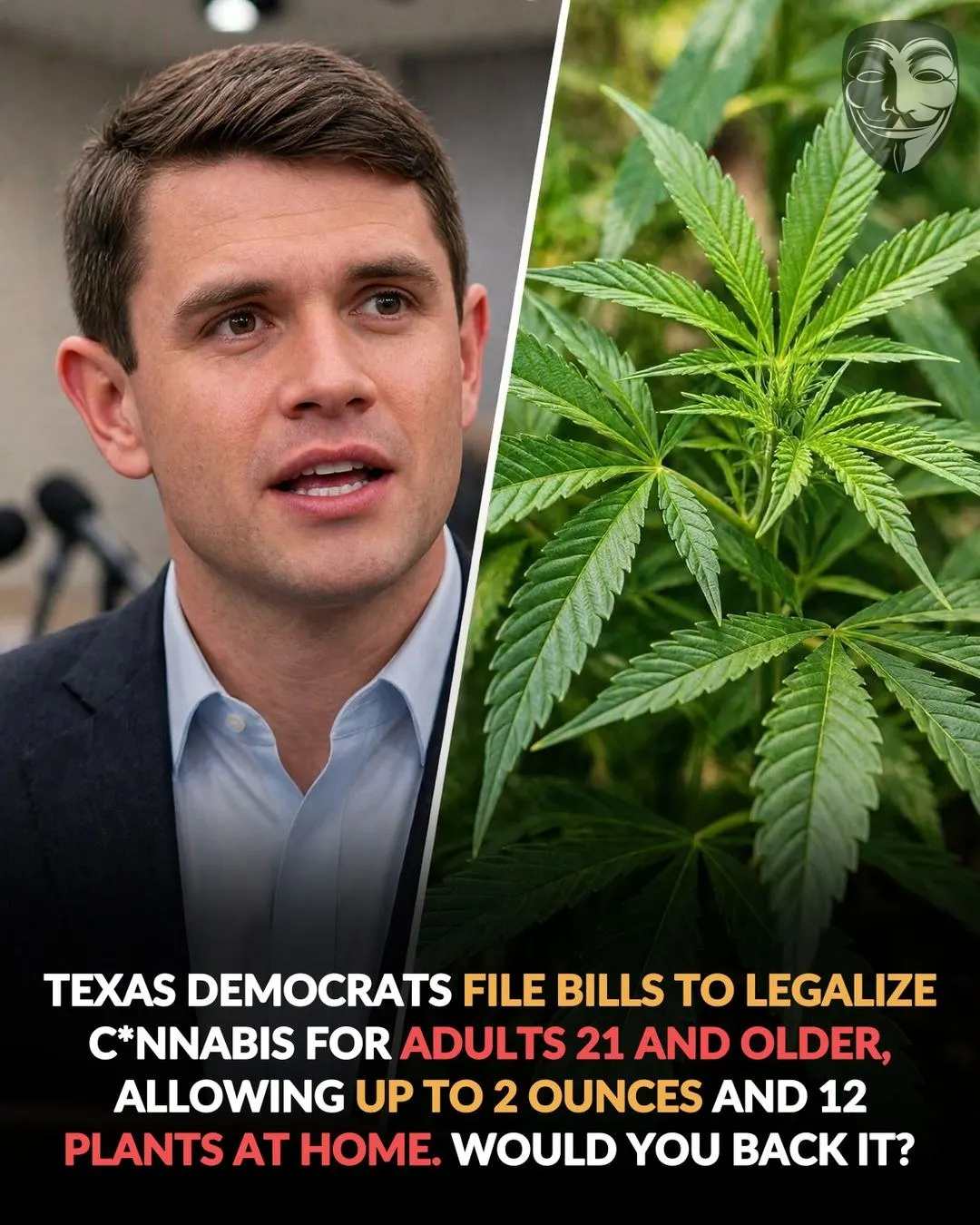
Texas marijuana legalization is back on the table in Austin after two Democratic state representatives filed bills that would let adults use cannabis legally. State Reps. John Bucy III and Joe Moody filed House Bills 362 and 369 on Nov. 9. The plan would allow Texans 21 and older to keep up to 2 ounces, including 15 grams of concentrate, and to grow up to 12 plants at home. Licensed stores could sell cannabis under the plan, and the state would collect a 20 percent retail tax.
The bills would send half of the new tax money to the state school fund, which supporters say could help classrooms across Texas. The Legislature can take the bills up starting Jan. 12, 2027, and if the bills pass, the new law would take effect Sept. 1, 2027. In the slides ahead, we walk through the bills, the limits, the tax plan, and what happens next. For more on how Texas leaders handle big fights, read the attorney general and Starlink deals.
References:
USA Today: Is marijuana legal in Texas? Lawmakers file bills to legalize weed
High Times: Texas Recreational Marijuana Legalization Bills Filed: HB 369 and HB 362 Explained
Marijuana Moment: Marijuana Would Be Legalized Statewide In Texas Under New Bills Filed For 2027 Session
Cannabis Business Times: Texas Lawmakers Spark 2027 Adult-Use Legalization Debate
The Two Lawmakers Behind the Bills
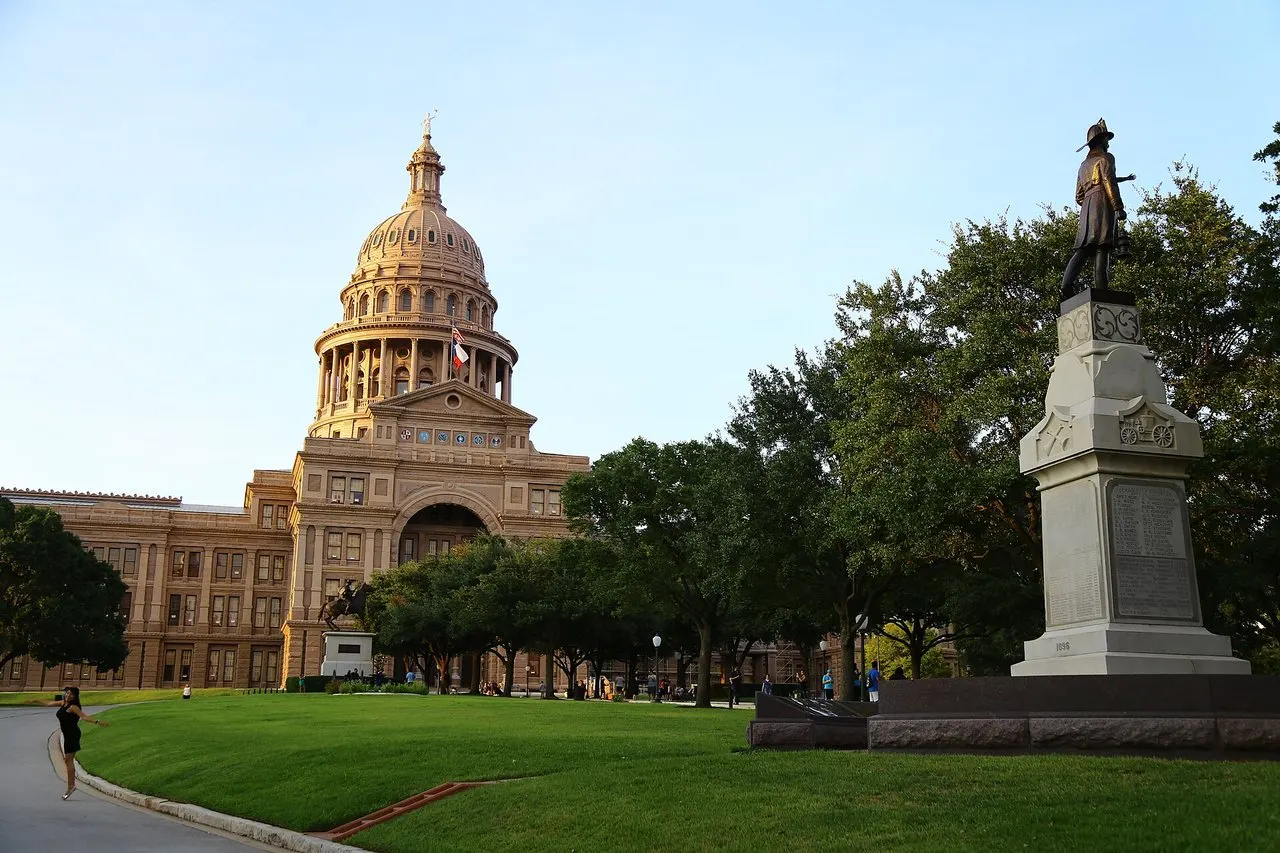
Texas Democratic state Reps. John Bucy III and Joe Moody filed House Bills 362 and 369 on Nov. 9. Both men serve in the Texas House, where members file bills before each session. Filing is only the first step, and most bills never reach a vote. Still, the filing puts the idea on the record and gives supporters a clear plan to talk about. Read about a bill that stalled in Ohio.
Texas Marijuana Legalization and House Bill 362

House Bill 362 is one of the two bills that would open the door to legal cannabis use for adults in Texas. The bill sets the age at 21 and older, which matches the legal age for alcohol in the state. It would let adults keep up to 2 ounces of cannabis, including 15 grams of concentrate, and grow up to 12 plants at home. The bill also sets up a licensed system, so sales would go through stores that the state approves and watches. See the Texas cannabis bills.
House Bill 369 Joins the Effort
House Bill 369 is the second bill in the pair, and it carries the same goal as House Bill 362. Lawmakers often file twin bills so the idea has two paths through the Capitol, and so a committee can pick the version that fits best. Both bills were filed on the same day, Nov. 9, by the same two sponsors. The pair gives supporters twice the chance to get a hearing when the Legislature meets. For more on twin efforts in politics, read a quiet moment in Berlin.
Texas Marijuana Legalization and the Two Ounce Limit
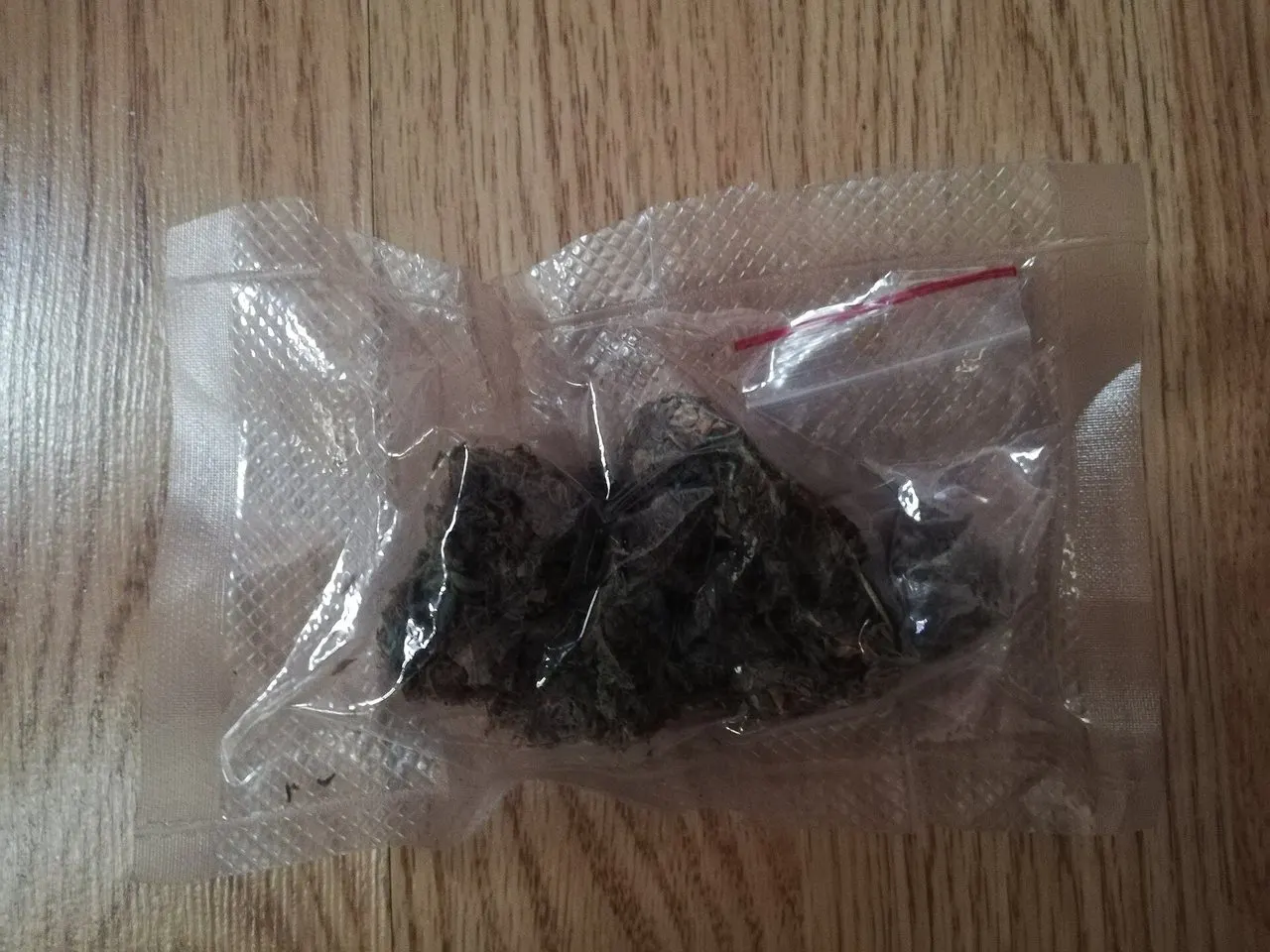
Under the bills, an adult 21 or older could keep up to 2 ounces of cannabis at a time. Two ounces is about the size of a small bag, and it is the same kind of limit that other states use for personal use. The limit draws a clear line between personal use and larger amounts that would still break the law. The bills also set a separate limit for concentrate, which is a stronger form of cannabis. Read strange vintage bakes that really work.
Fifteen Grams of Concentrate
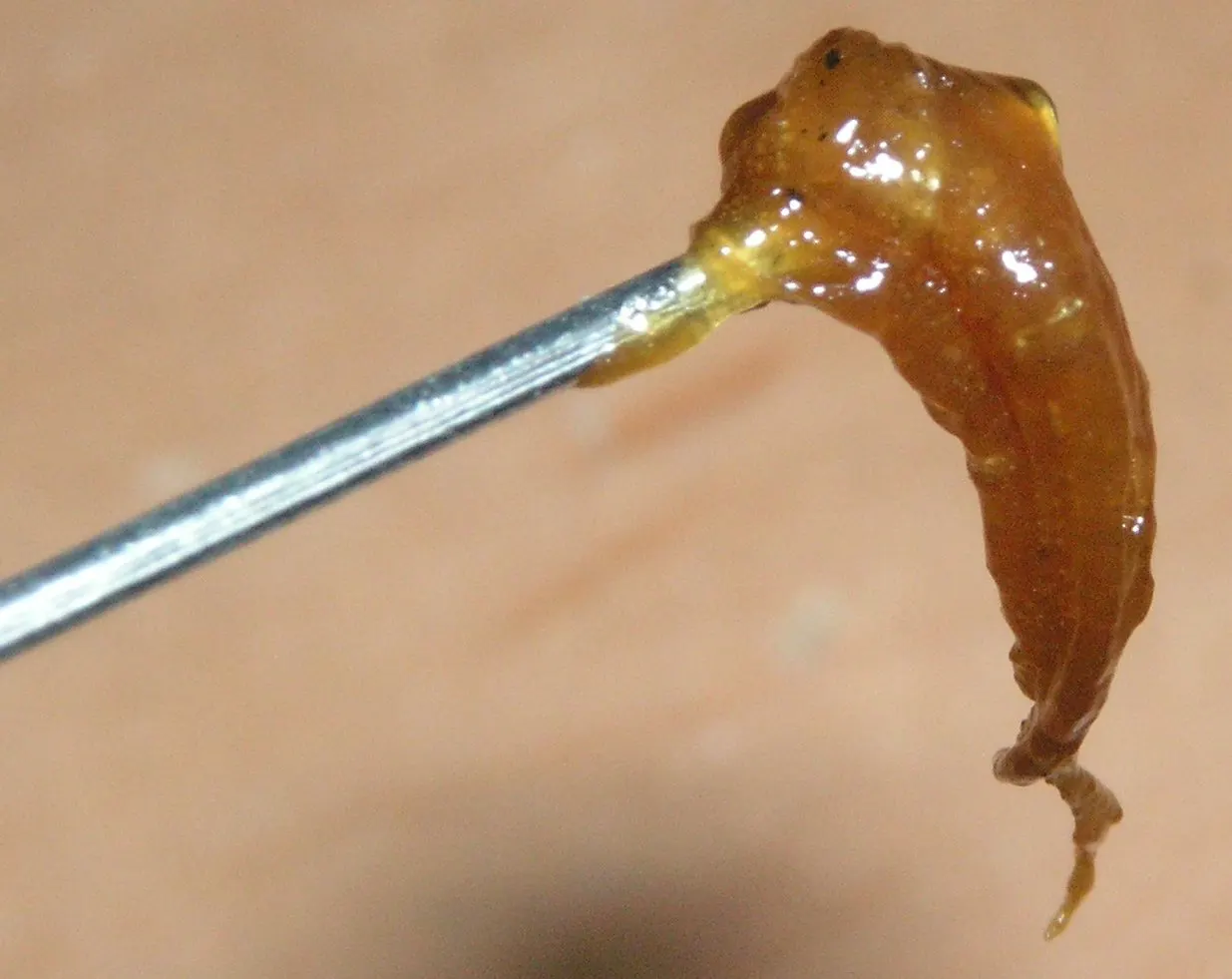
The bills also allow up to 15 grams of cannabis concentrate, which is a thick oil or wax made from the plant. Concentrate is much stronger than dried flower, so the limit is set in grams instead of ounces. Fifteen grams is a small amount by weight, but it can last a long time because a little goes a long way. The separate limit shows that the lawmakers thought about the different forms cannabis takes today. Learn more in a cancer treatment that uses sound waves.
Twelve Plants Grown at Home
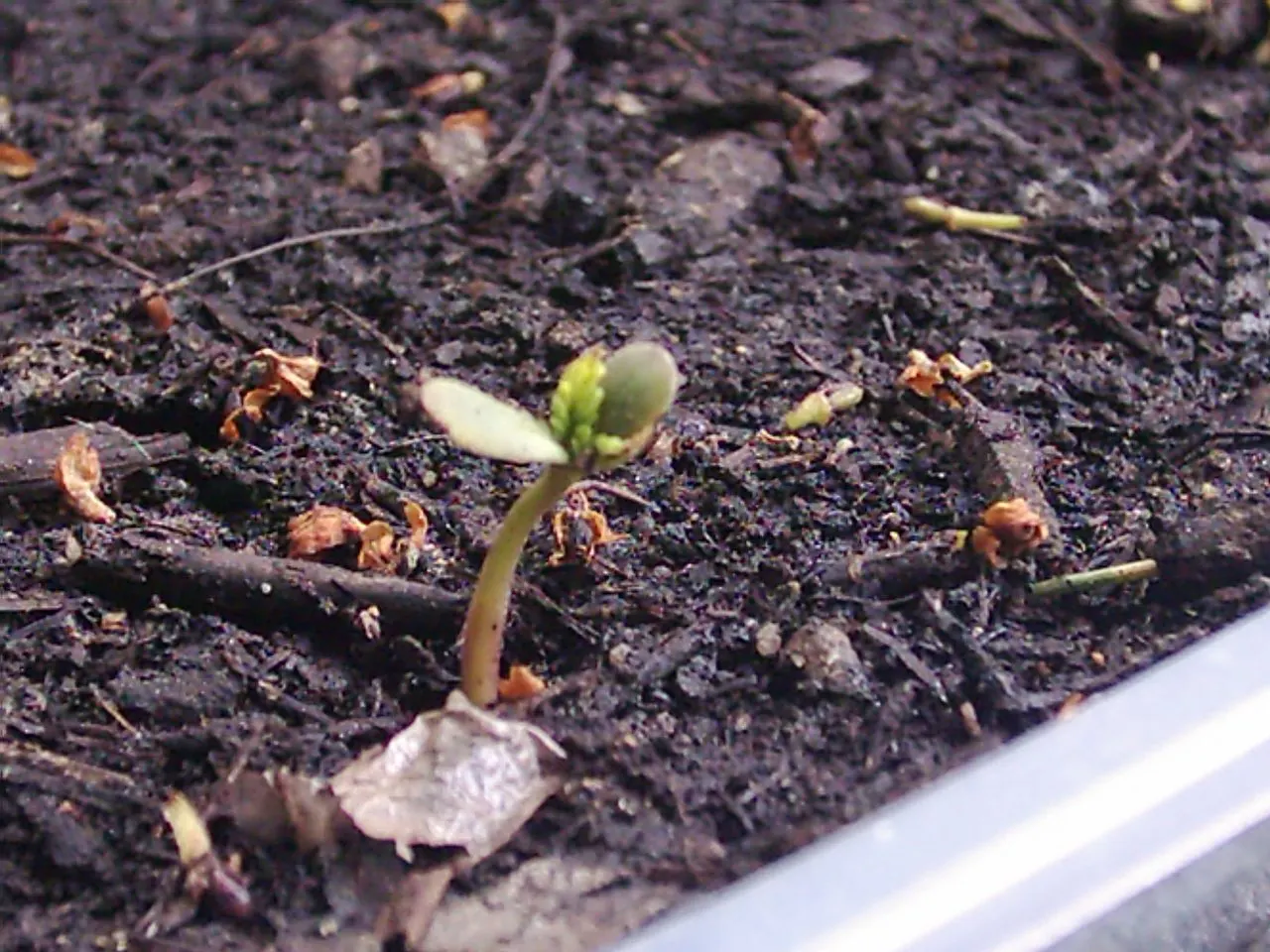
Texans 21 and older could grow up to 12 cannabis plants at home under the bills. Home growing is a big part of the plan, because it lets adults who want to grow their own supply do so without a store. Twelve plants is enough for a steady home supply, and the limit keeps the growing at a personal scale. Other states that allow home growing also cap the number of plants, often at six or twelve. For more on home life and rules, see a father making time for his kids.
Texas Marijuana Legalization and Licensed Stores

The bills would set up licensed stores that could sell cannabis to adults 21 and older. A licensed system means the state picks which shops can sell, checks what they sell, and makes sure buyers show proof of age. That is how other states run legal cannabis sales, and it is also how Texas runs alcohol sales today. Licensed shops would have to follow rules on labels, safety, and where they can open. Read the Texas cannabis bills for more on licensed business in Texas.
A 20 Percent Tax on Every Sale

Every legal sale would carry a 20 percent retail tax under the bills. That means a buyer would pay the price of the product plus one fifth more in tax. A 20 percent tax is high compared with the sales tax on most goods, but it matches the kind of tax other states place on cannabis. The tax is a big part of the plan, because it turns a new legal market into money the state can use. See a city bill that could raise delivery costs for more on taxes and public money.
Texas Marijuana Legalization Tax Money for Schools

Half of the money from the 20 percent retail tax would go to the state school fund. That fund helps pay for public schools across Texas, from big city districts to small rural ones. Supporters say tying cannabis money to schools gives voters a clear reason to back the plan, since the money would reach classrooms. The other half of the tax money would go to the state as well, though the bills focus on the school share. Read the House speaker vote for more on how public money is spent.
Only Adults 21 and Older

The bills draw a firm line at age 21, so only adults could buy, keep, or grow cannabis legally. Anyone younger would still face the current laws, and stores would have to check IDs at the door, just like bars and liquor stores do today. The age limit is one of the parts of the plan that both sides tend to agree on, since keeping cannabis away from young people is a shared goal. For more on age and responsibility, see a father making time for his kids.
Texas Marijuana Legalization Waits Until January 2027
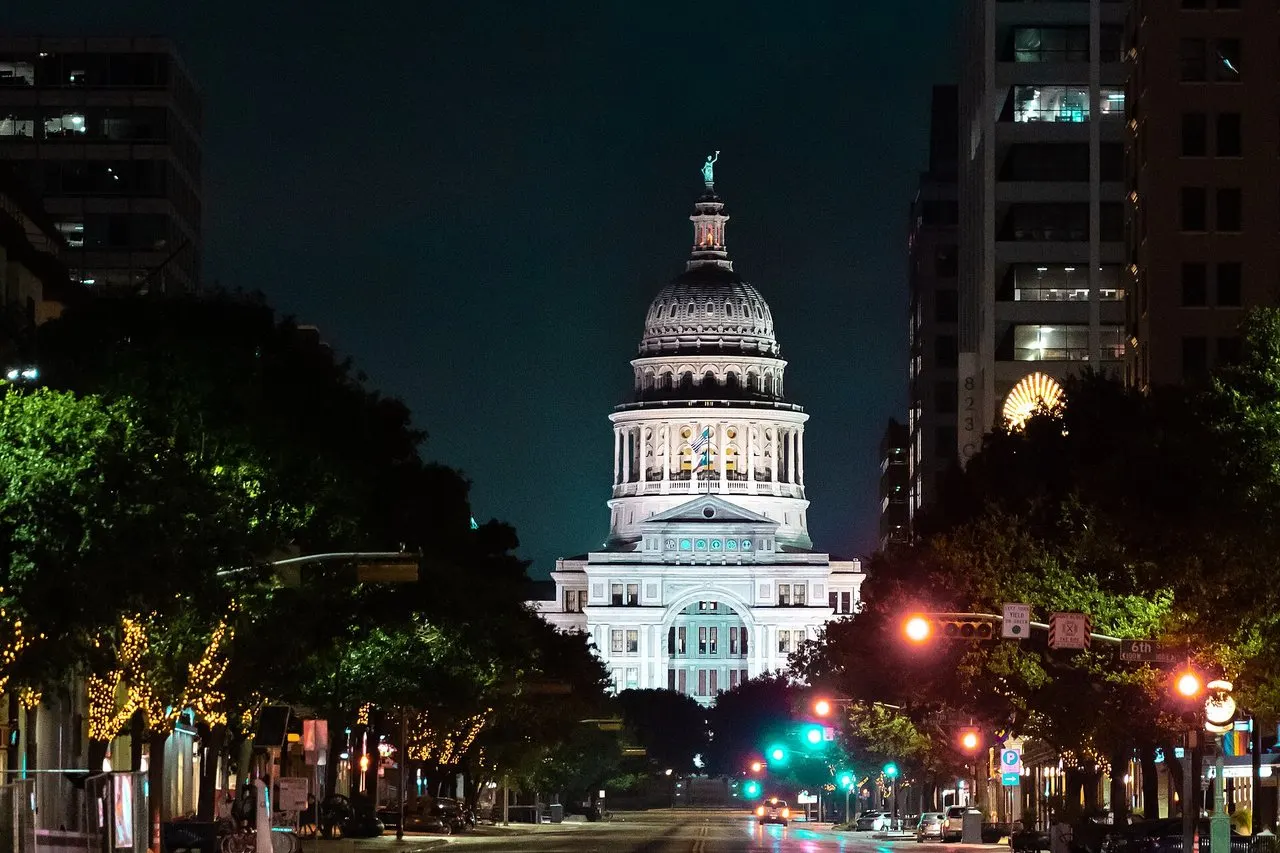
The Texas Legislature can take the bills up starting Jan. 12, 2027, when the next regular session begins. Texas lawmakers meet in regular session once every two years, so timing matters a lot. A bill filed now has to wait for that session, and then it must pass through committees and votes in both chambers. Many bills are filed early so supporters have time to build their case and talk to other lawmakers. Read a joke about meeting dictators for more on long waits in politics.
September 1, 2027, the Start Date
If the bills pass, the new law would take effect Sept. 1, 2027. That date gives the state time to set up the licensed system, write the rules for stores, and train the people who will run it. A start date months after passage is normal for big new laws in Texas. Until that date, the current laws stay in place, even if the bills pass earlier in the session. For more on dates that change daily life, see a trip across Asia.
What Texas Law Says Today
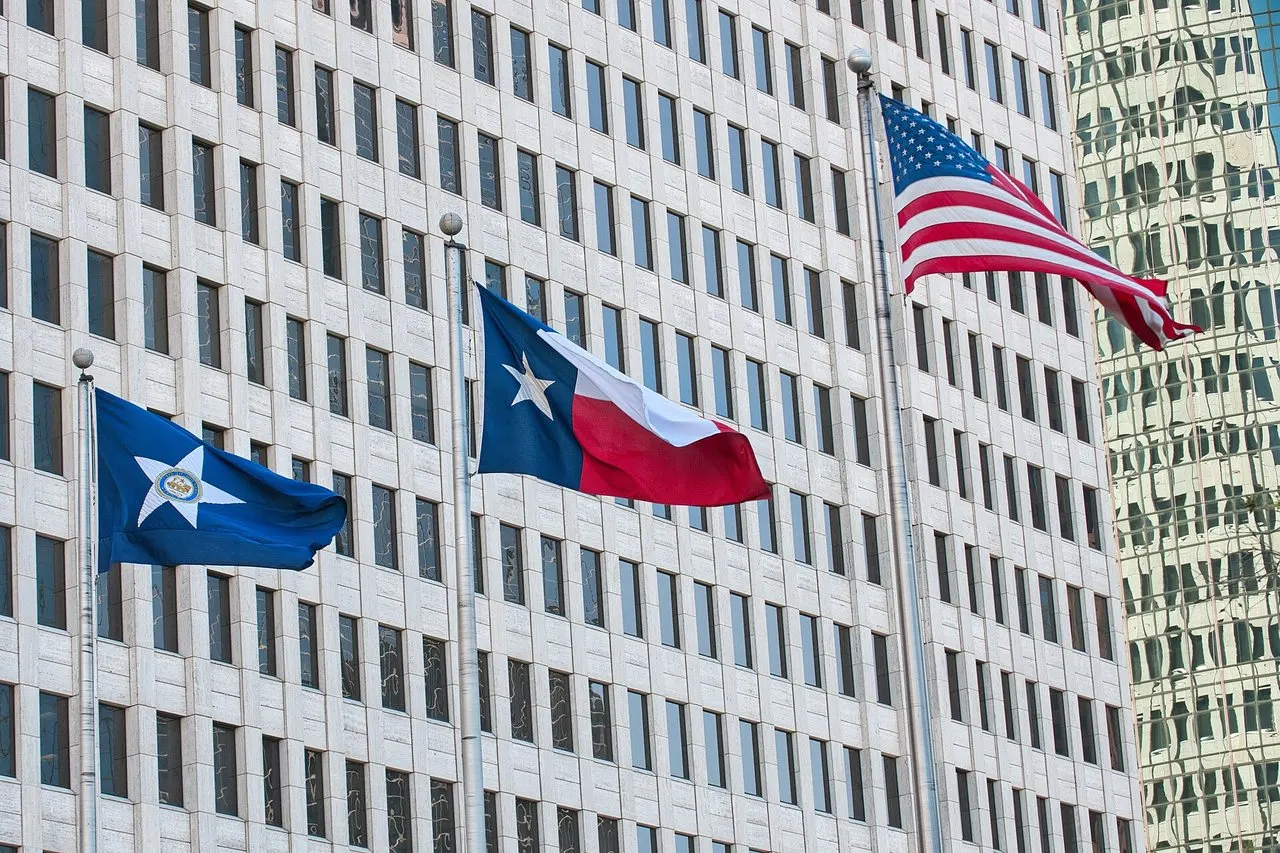
Today, recreational cannabis is not legal in Texas, and adults who are caught with it can face fines or jail time. Texas does have a small medical program, called the Compassionate Use Program, which lets some patients get low dose cannabis oil. Hemp products with very low levels of THC are also sold legally in the state. The new bills would change the picture in a big way by adding full adult use on top of the current system. Read an investigation into a former press secretary for more on Texas law today.
Texas Marijuana Legalization: Lessons From Other States
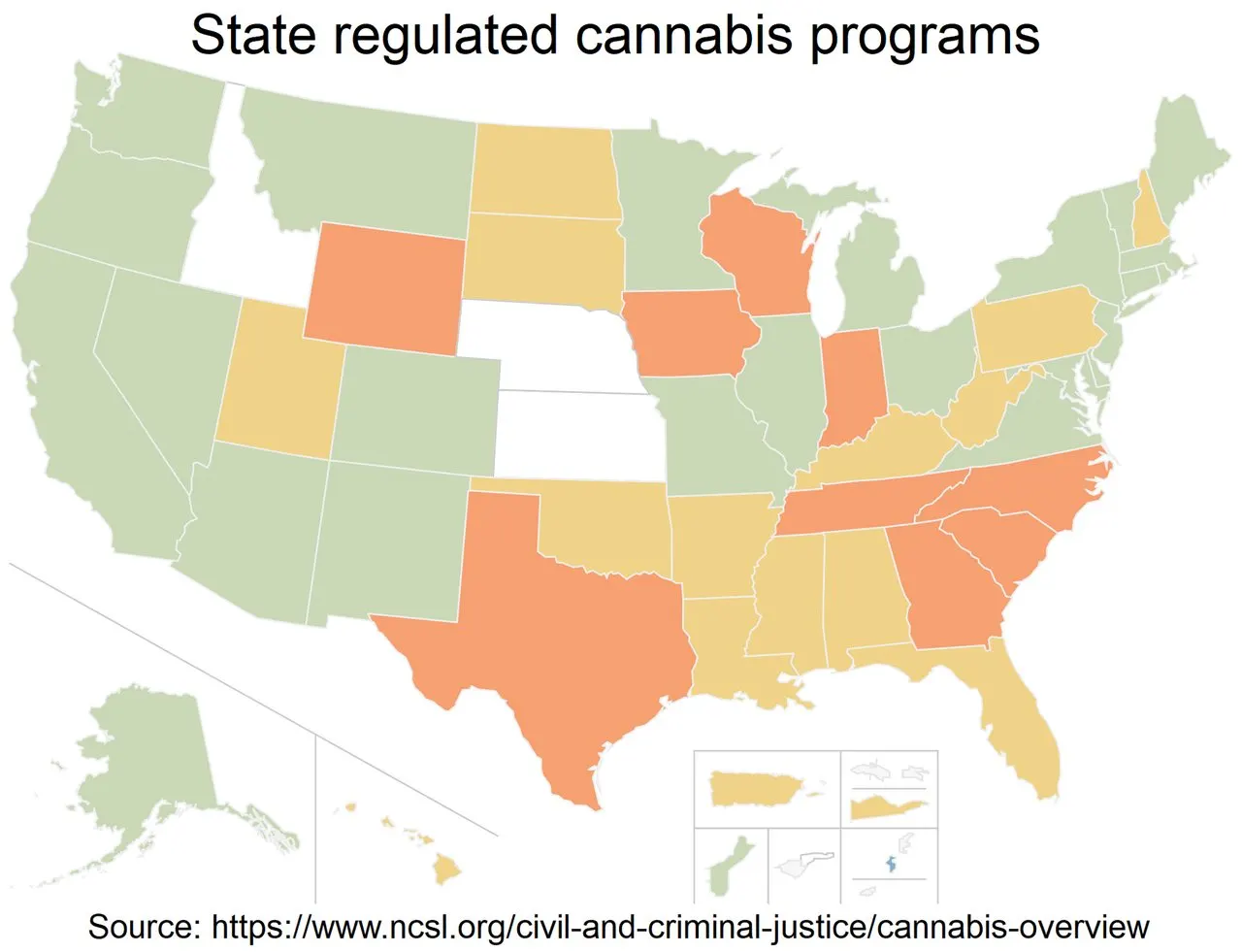
About two dozen states already allow adults to use cannabis legally, and each one wrote its own rules for limits, taxes, and stores. Colorado and Washington were among the first to open licensed shops, and other states followed with their own versions. Some states set low taxes and saw big sales, while others set high taxes and saw buyers stay with unlicensed sellers. See the Texas cannabis bills for more on states trying new ideas.
Medical Cannabis in Texas Today
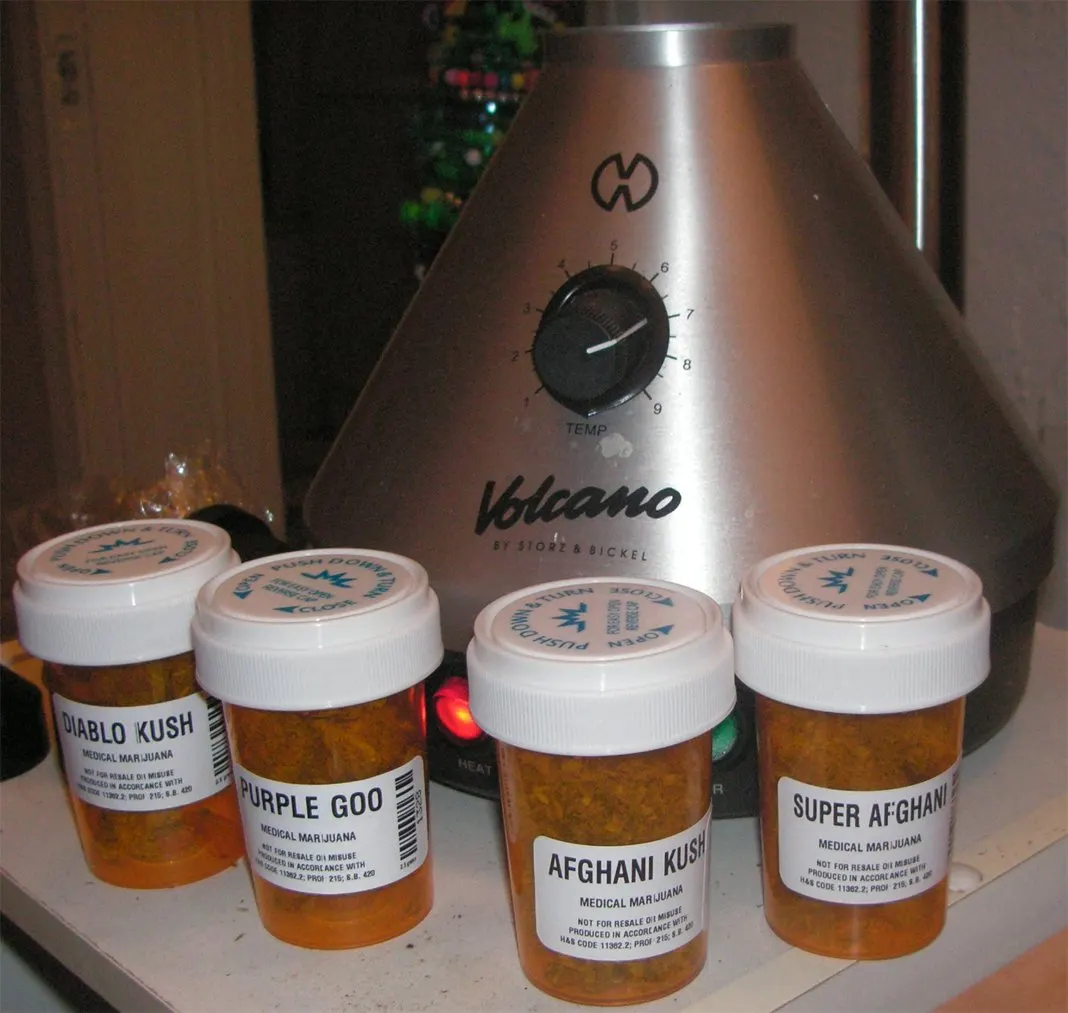
Texas already has a medical cannabis program, but it is one of the narrowest. Only patients with a short list of conditions can join, and the products they can buy are low in THC, the part that causes a high. Doctors must register with the state to take part, and few licensed dispensaries serve the whole state. Supporters of the new bills say the medical program shows Texas can run a safe, licensed system. Learn more in a cancer treatment that uses sound waves, where new treatments also face strict rules.
Texas Marijuana Legalization and What Voters Think
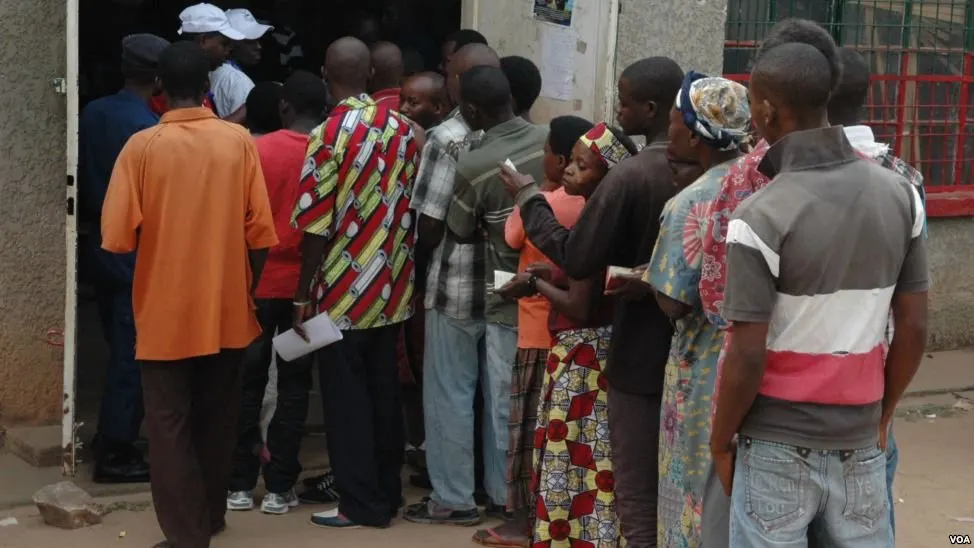
Polls over the years have shown growing support for legal cannabis among Texas voters, and support has grown across party lines. Many Texans say they would back legal use for adults, while others want the state to focus on medical use first. Supporters point to the polls when they argue that the public is ready for change. Opponents say polls can shift, and that voters care more about jobs, schools, and safety. For more on public opinion, read the House speaker vote.
How Police See the Change

Police in Texas spend time and money on cannabis cases today, from small amounts found in cars to larger cases that reach the courts. Supporters of the bills say legal use would free officers to focus on serious crime, and would cut the number of arrests for small amounts. The bills would still ban driving under the influence, and police would keep the power to act on that. See an investigation into a former press secretary for more on law and order.
Texas Marijuana Legalization: The Case for Change

Supporters say legal cannabis would bring tax money to schools, cut arrests for small amounts, and let adults make their own choices. They also say a licensed market is safer than an unlicensed one, because licensed shops test their products and label them clearly. Farmers and shop owners see new jobs in growing, packing, and selling. Supporters point to other states, where licensed sales have raised large sums for public programs. Read a clash over campaign spending for more on money and jobs.
Critics Raise Their Concerns

Critics say legal cannabis could lead to more use by young people, even with an age limit of 21. They worry about driving safety, since cannabis can slow reaction time, and about health effects from heavy use. Some critics say the tax money would not be worth the social costs, and that schools need steady funding, not money tied to sales. Others say the state should fix its medical program first before opening the door to full adult use. For more on heated debates, see a meeting behind closed doors.
Texas Marijuana Legalization: What Happens Next
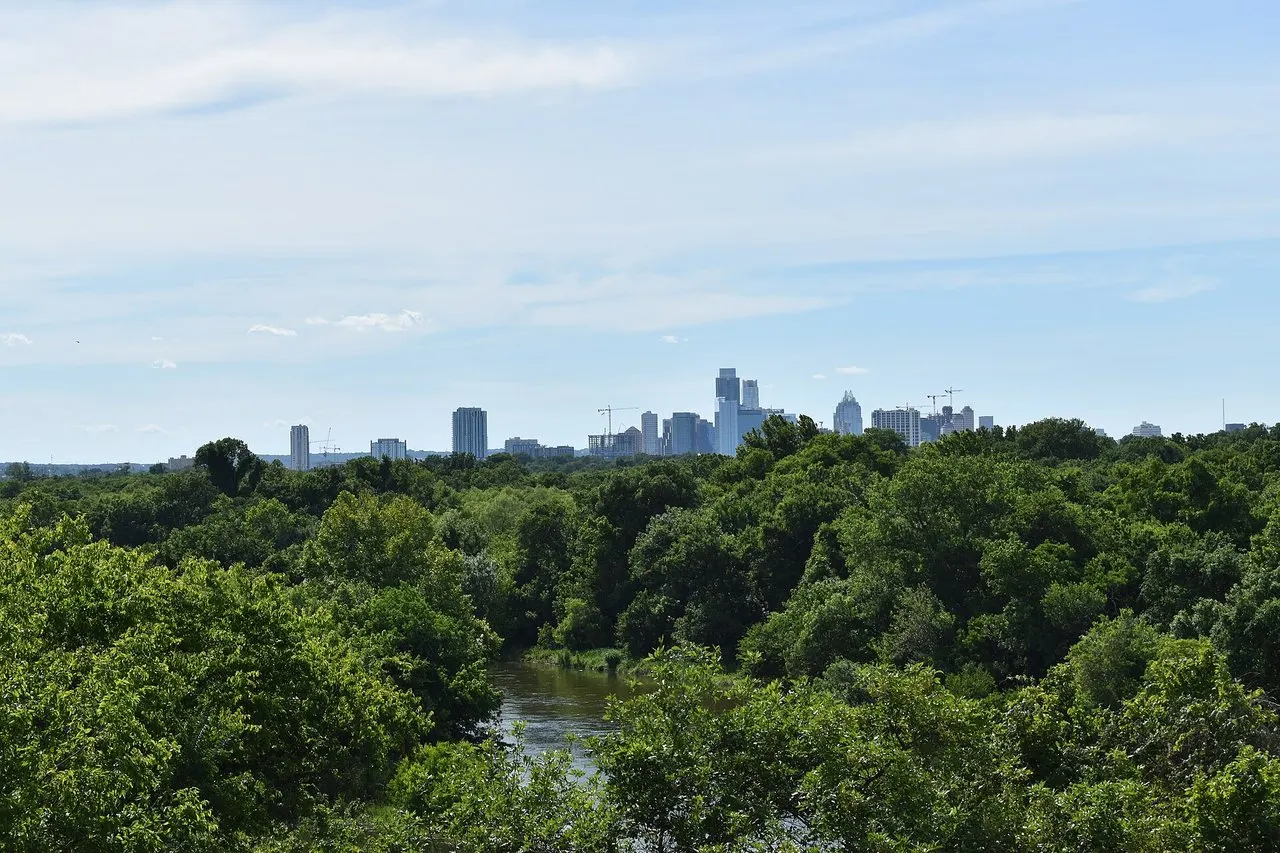
Between now and Jan. 12, 2027, supporters will talk to lawmakers, hold events, and try to win over the committees that control the bills. When the session opens, the bills need a committee hearing, a vote in the House, and then a vote in the Senate before they can reach the governor. Most bills fail at one of those steps, so the road is long. Read a bill that stalled in Ohio for more on bills fighting for a vote.
Would You Back It?

Texas Democrats have filed the bills, and now the question goes to you. Would you back legal cannabis for adults 21 and older, with a 2 ounce limit, 12 plants at home, licensed stores, and a 20 percent tax that helps fund schools? Or do you think Texas should keep the current laws and focus on medical use? The Legislature will decide in 2027, but lawmakers listen to the people they serve. Read a mystery photo from 1959 for more stories to weigh in on.