
A Networking Event That Lasts Forever Has Introverts Laughing

A networking event that lasts forever is the joke at the center of a Babylon Bee piece that had introverts laughing and groaning at the same time. The satire site shared the story on November 19, 2026, imagining scholars who announced that unbelieving introverts would skip hell and spend eternity at a business mixer that never ends. The post drew more than 14,000 likes and hundreds of comments from readers who said they would rather do almost anything than work a crowded room. The slides ahead look at the joke and the numbers behind it.
The joke lands because the fear behind it is real. Walking into a room full of strangers and trading small talk can feel harder than the work itself. The Nova poll found that nearly 60 percent of young professionals avoid in-person mixers, and about 29 percent feel socially anxious when faced with small talk. A Johns Hopkins study added that introverts performed nearly as well as extroverts in social settings, so the fear of the room may be worse than the room. Read why so many data centers are being built and the business deal built on jets and jobs.
References:
Source: Babylon Bee: Scholars In Lieu Of Hell Unbelieving Introverts Will Be Sent To A Business Networking Event That Lasts Forever
Source: Workplace Insight: People No Longer Want To Network And It Is Harming Them And Their Careers
Source: London Daily News: Gen Z Professional Networks Are Shrinking As Young Workers Avoid Face To Face Interaction Study Suggests
Source: Newswise: Introverts Perform Nearly As Well In Social Settings As Extroverts Do According To Study By Johns Hopkins Carey Business School Researcher
The Networking Event Joke That Started It All

The Babylon Bee shared its satirical piece on November 19, 2026, and the idea spread fast. The joke imagined scholars announcing that unbelieving introverts would skip hell and spend forever at a business mixer that never ends. Readers loved the picture of endless small talk and handshakes. The post drew more than 14,000 likes and hundreds of comments, many from people who said the joke felt true. Satire works by taking a small daily dread and stretching it. Read about a night of country music stars and surprise guests and why forests matter more than new buildings.
What the Scholars Supposedly Announced

In the joke, scholars delivered the news with a straight face. Unbelieving introverts would not face fire and torment. Instead, they would be sent to a business mixer that lasts forever, shaking hands and making small talk without end. The humor comes from the trade. Hell sounds scary, yet many readers said the mixer sounded worse. That is the heart of the satire. It takes a fear people rarely admit and puts it in a place they know too well. See how leaders are judged by the public and whether dogs really feel jealousy.
Why Small Talk Feels So Hard

Small talk looks easy from the outside, but it can feel like hard work for a quiet person. Every hello needs a follow up, every pause feels loud, and every smile has to arrive on time. Introverts often prefer deep talks with one person over quick chats with twenty. That is not rudeness. It is simply a different way of using energy. A crowded room drains them while it charges others up. Knowing this helps everyone be kinder at work mixers. Read the dog who saved her owner in the dark and new hope for people who cannot see.
The Networking Event Dread Is Real for Young Workers
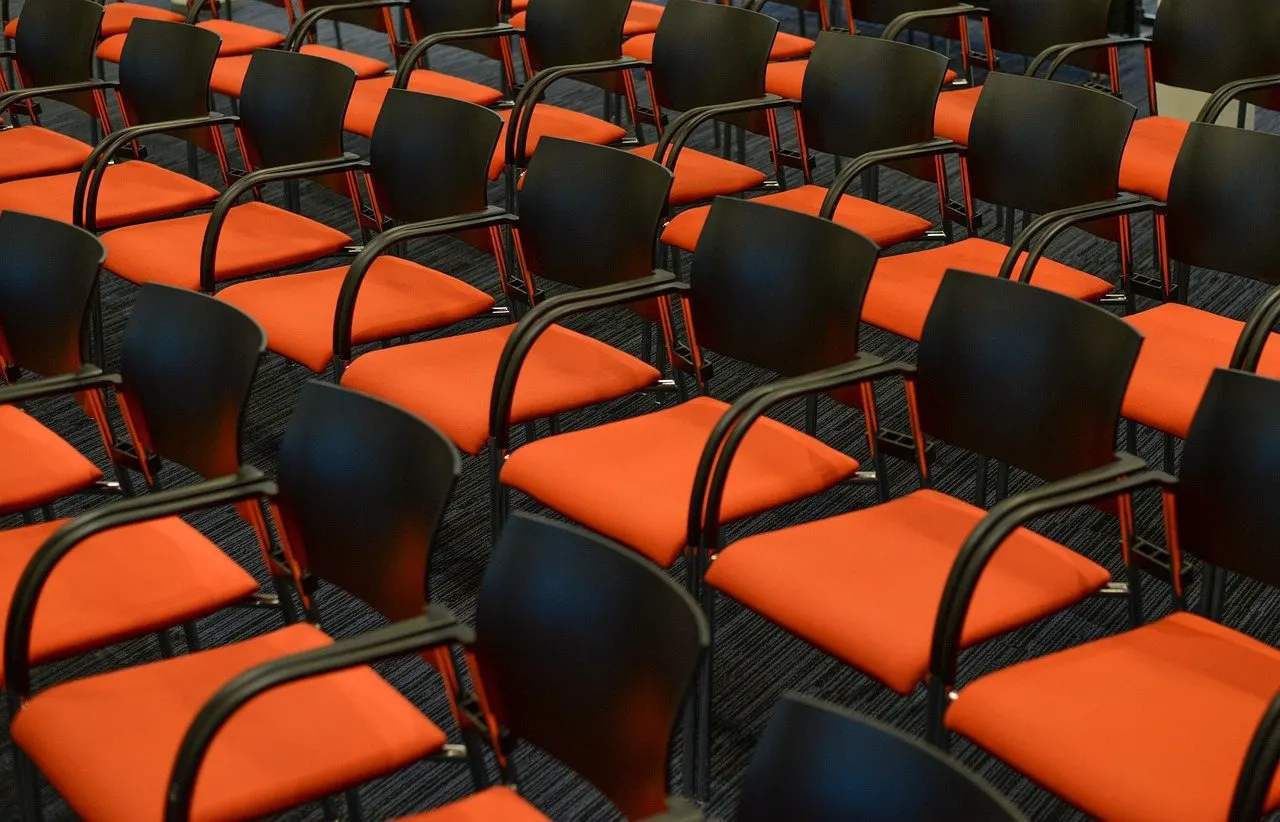
The numbers behind the joke are striking. A Nova poll found that nearly 60 percent of young professionals avoid in-person mixers, and about 29 percent feel socially anxious when faced with small talk. That means more than half of young workers skip the very rooms where careers are often built. They are not lazy. Many say the events feel forced, loud, and hard to enjoy. The poll gives the joke its weight, because the dread it describes is shared by millions. See why so many data centers are being built and a family facing illness with courage.
Social Anxiety at a Crowded Room

Social anxiety turns a simple hello into a heavy task. The heart beats faster, the mind searches for the right words, and the exit starts to look very tempting. About 29 percent of young professionals say they feel this way when small talk begins, according to the Nova poll. It helps to know that the feeling is common, not a personal flaw. Arriving with a friend, setting a time to leave, and asking others about their work can make the room easier. Read moments when faith opened a door and a mother defending her own choice.
What Johns Hopkins Found About Introverts
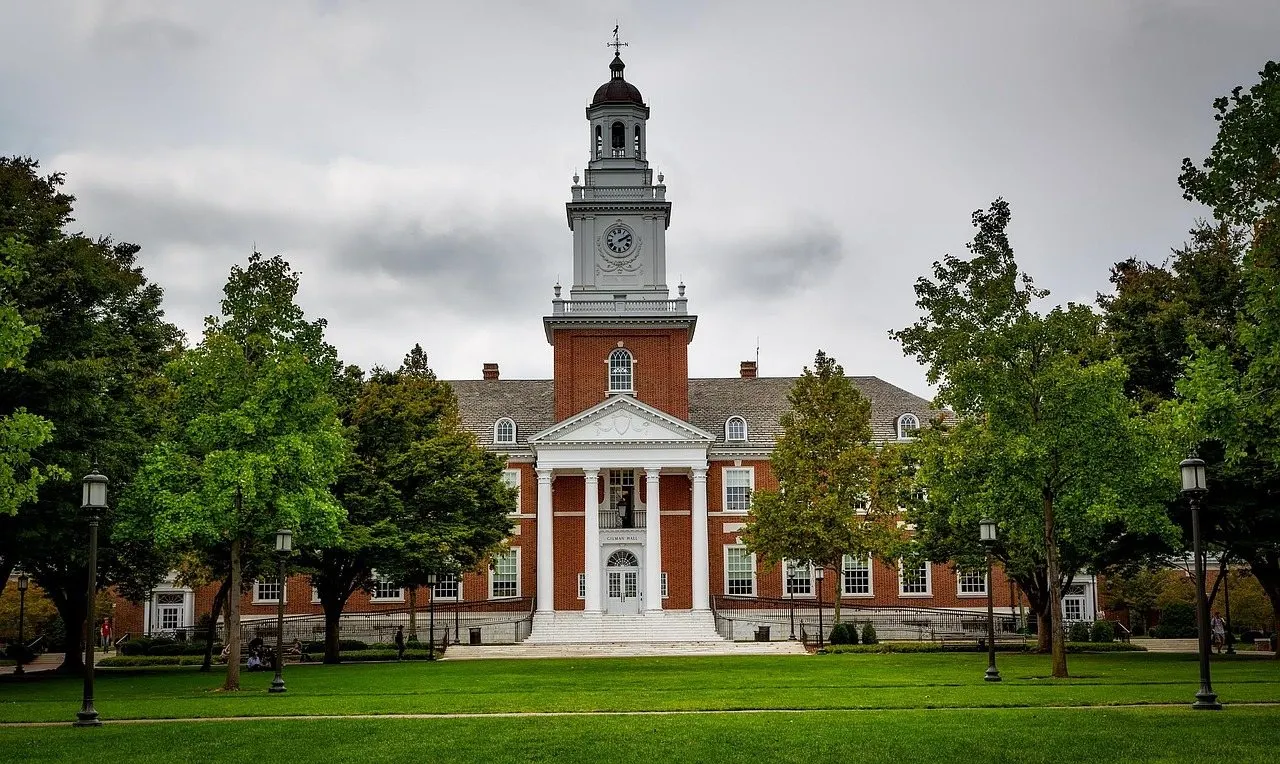
A study from Johns Hopkins Carey Business School brought good news for quiet people. Researchers found that introverts performed nearly as well as extroverts in social settings. The gap between the two groups was small, which means the fear of the room may be worse than the room itself. Introverts may feel drained after a long mixer, yet they can still hold a fine talk, ask good questions, and leave a strong mark. Skill and comfort are not the same thing. See a device that may help blind people see again and the sailor who lived through Pearl Harbor.
The Fear of the Room May Beat the Room Itself

The Johns Hopkins finding points to a hopeful truth. The dread before a mixer is often bigger than the mixer itself. People picture blank stares and awkward silences, then find a normal talk about work, travel, or food. Introverts do well once the talk starts, because listening is a real strength in any room. The hard part is walking in, not staying in. Remembering this can turn a feared night into a fine one. Read a deal worth billions and thousands of jobs and a comeback night full of famous faces.
A Networking Event in the Age of Screens

Screens have changed how young workers meet. Many now build work ties through messages, video calls, and online groups, and they skip the loud hotel ballroom. That shift helps explain why in-person mixers feel strange to a new generation. Online talks let quiet people think before they answer, which feels safer. Yet screens cannot replace a firm handshake or a shared laugh over coffee. The best path may mix both worlds. See a plea to keep forests full of wildlife and what research says about jealous dogs.
Gen Z Networks Are Getting Smaller

A London Daily News report says Gen Z work networks are shrinking as young workers avoid face to face talks. The headline matches the Nova poll, and it paints a clear picture. Fewer handshakes mean fewer casual ties, and casual ties often lead to jobs, advice, and new ideas. Young workers are not against people. They simply prefer smaller groups and honest talks over big loud rooms. Employers who want them to mix may need to rethink the format. Read the president Americans admire most and one bark that led rescuers through the woods.
Skipping the Networking Event Can Cost a Career

A Workplace Insight report warns that avoiding mixers can harm careers. People who never show up miss the casual chats where jobs are shared and mentors are found. Work is not only about skill. It is also about being known, trusted, and remembered when a new role opens. That does not mean quiet people must change who they are. It means finding a style that fits, like small dinners, one on one coffee, or short visits. See a gift that may help future patients and the rush to build data centers.
How to Survive Small Talk Without Hiding

A few simple habits can make small talk easier for anyone. Arrive early when the room is calm, ask people about their work, and listen more than you speak. Good questions beat clever lines every time. Take short breaks near the drinks table, step outside for fresh air, and give yourself a kind time to leave. No one has to stay all night to make the evening count. Small steps build real confidence over time. Read a TV star speaking up for her baby and a gentle look at trust and patience.
The Handshake That Never Ends

The funniest image in the joke is the handshake that never ends. One grip leads to another, then to a name tag, a business card, and a talk about the weather. In the satire, this loop runs forever, which is exactly what makes it feel like a punishment. Most mixers end after two hours, yet to a tired introvert those two hours can feel endless. The joke works because it stretches a real feeling just far enough to make us laugh. See a life that stretched from 1941 to 106 and how one trade deal promised American jobs.
Introverts at Work Still Get the Job Done

Quiet workers often do their best work away from the crowd. They listen well, think before they speak, and notice details that loud rooms miss. The Johns Hopkins study backs this up, showing introverts hold their own in social settings. A team needs both kinds of people, the talkers who open doors and the thinkers who finish the work. Good bosses know this and give each person room to shine in their own way. Read how to help a jealous dog and the case for wild places over warehouses.
When the Networking Event Joke Hits Home

The post drew hundreds of comments, and many of them read like confessions. Readers wrote that they would pick almost any chore over a crowded mixer, and some said the joke felt less like satire and more like a warning. That is why the post spread so far. It gave quiet people words for a feeling they had carried alone for years. Laughter helps, and so does knowing that millions feel the same way. See the science of restoring sight and the CMA night that had fans talking.
What Readers Said in the Comments
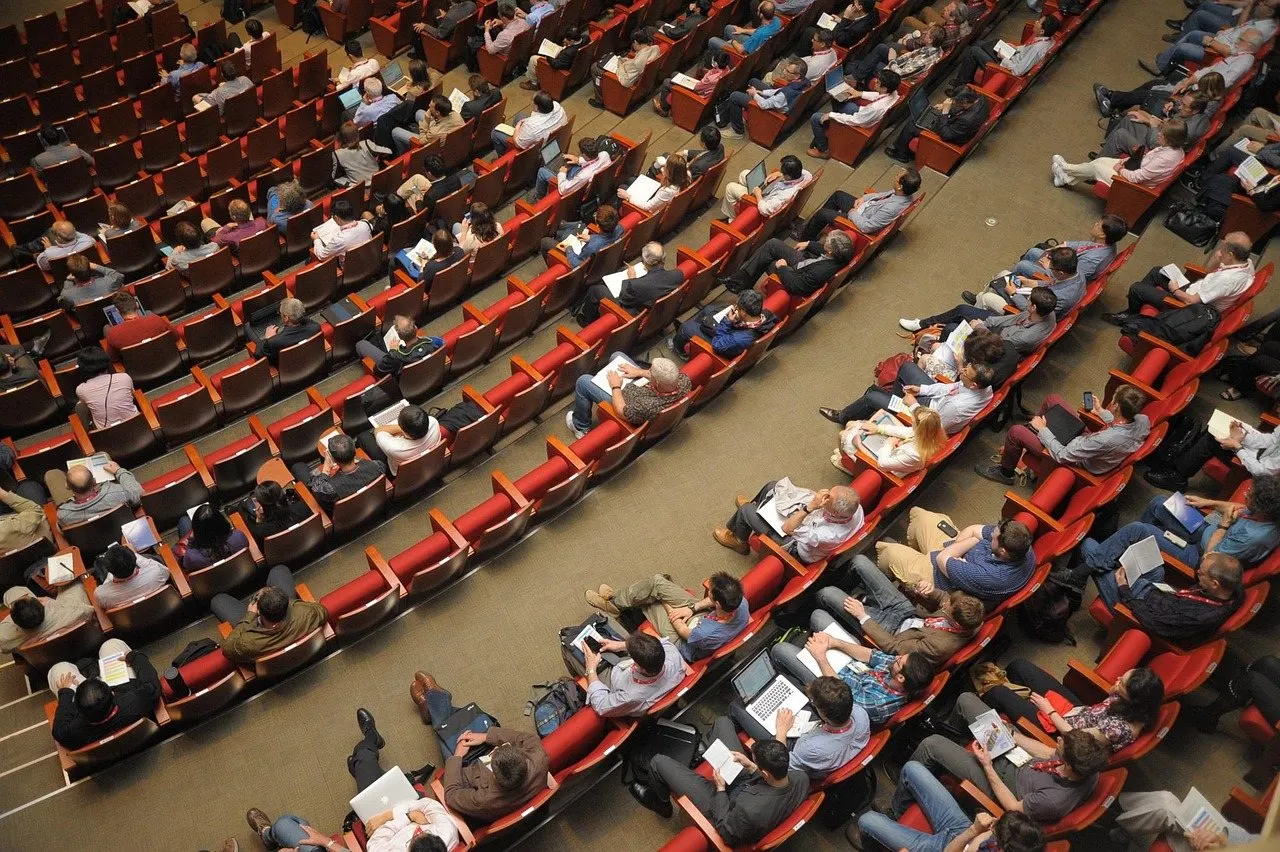
The original caption was a single word, Noooooo, and it said everything. Readers piled on with jokes about hiding near the food table, faking phone calls, and leaving early. More than 14,000 likes showed how wide the feeling runs. Comments are where a joke becomes a shared moment, as strangers trade stories and find they are not alone. The Bee team could not have asked for a better reply. Read a loyal dog and a freezing night and what a new poll says about past presidents.
Why the Bee Joke Traveled So Fast

The Babylon Bee has built a name on jokes that feel true, and this one is a fine example. It takes a real poll, a real study, and a real fear, then wraps them in a wild idea. Readers share it because it says what they think but rarely say out loud. A joke that names a shared dread travels far, from office chats to family group texts. That is the quiet power of satire. See the oldest Pearl Harbor survivor and how one family plans to help science.
Would You Rather Face the Networking Event or Something Worse

So here is the question the joke leaves behind. If you had to pick, would you take the endless mixer, with its handshakes, name tags, and small talk that never stops, or would you pick something else entirely? Tell us in the comments what your own worst room looks like, and how you get through it. Your story may help another quiet reader feel less alone. Thank you for reading, and keep an eye out for our next gallery. Read stories of hope and new beginnings and one family’s personal health decision.