Libyan Nokia Delivery Finally Arrives After 16 Years
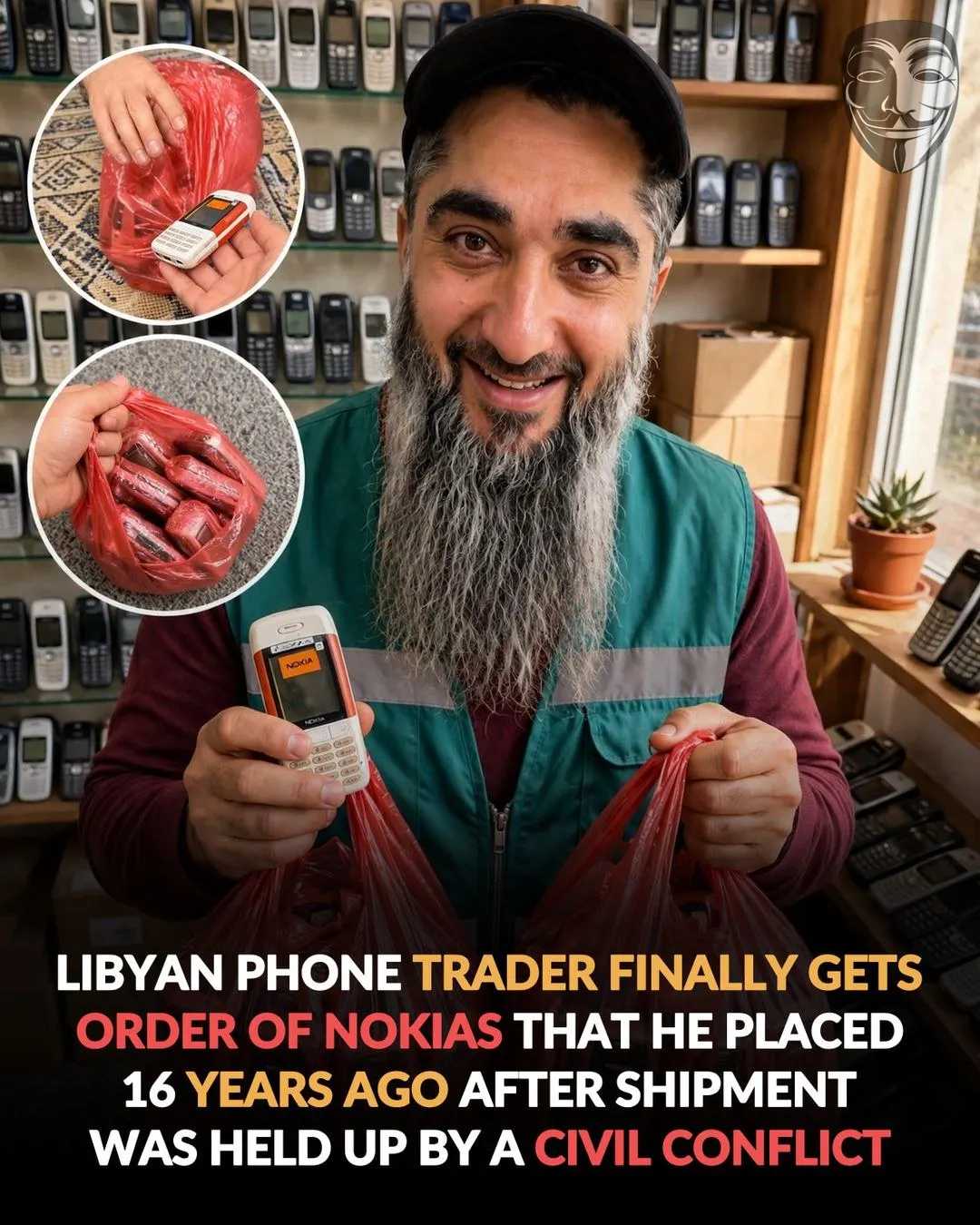
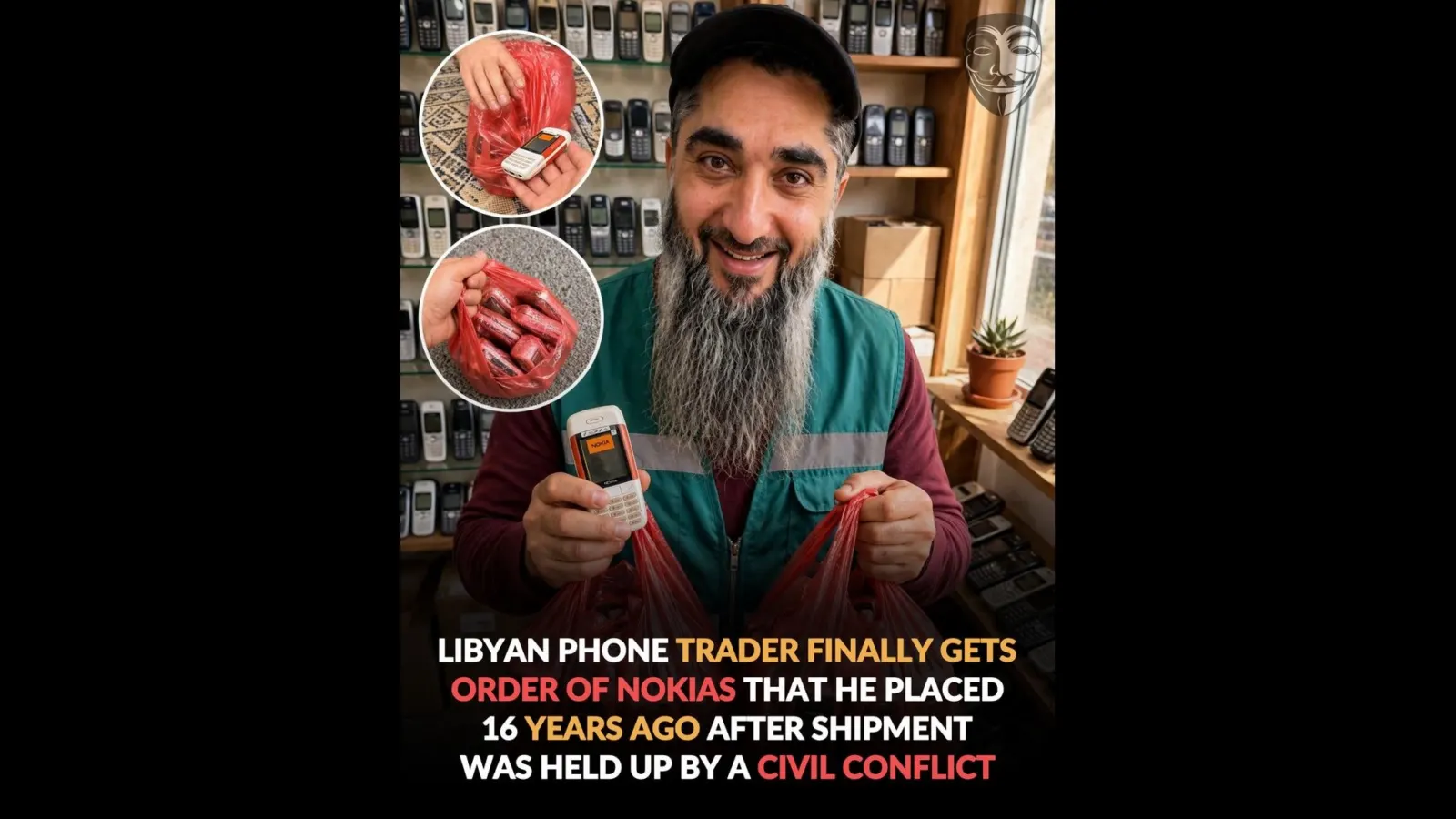
A Libyan Nokia delivery ordered in 2010 finally reached its buyer in January 2026, sixteen years after the order was placed. A mobile phone dealer in Tripoli ordered a shipment of brand new Nokia handsets, and then the delivery simply never came. The order was caught up in the disruption that followed the start of the Libyan civil war in 2011, and the boxes sat forgotten in a warehouse while the whole world moved on to smartphones. The story sounds almost too strange to believe, yet it is real.
When the boxes finally arrived, the dealer burst out laughing as he unpacked box after box of untouched button phones, including classic music edition handsets and early Communicator models. The sender and the shop were reportedly only a few kilometres apart in Tripoli the whole time, which makes the long wait even harder to believe. In the slides ahead we look at the order, the long delay, and the happy ending. You may also like our story about a five cent chocolate bar that returns for one day and our report on a bridge planned for decades.
References:
World Manual: Libyan Phone Dealer Finally Receives Order Of Nokias That He Placed 16 Years Ago After Shipment Was Delayed By A Civil Conflict
Dexerto: Man Receives Nokia Phone Delivery 16 Years After Ordering Them
The Conclave: Libyan Trader Receives Nokia Phone Shipment 16 Years After Placing Order
Nokiamob: Nokia Phones Ordered In 2010 Finally Arrive After 16 Years
How the Libyan Nokia Delivery Began in 2010
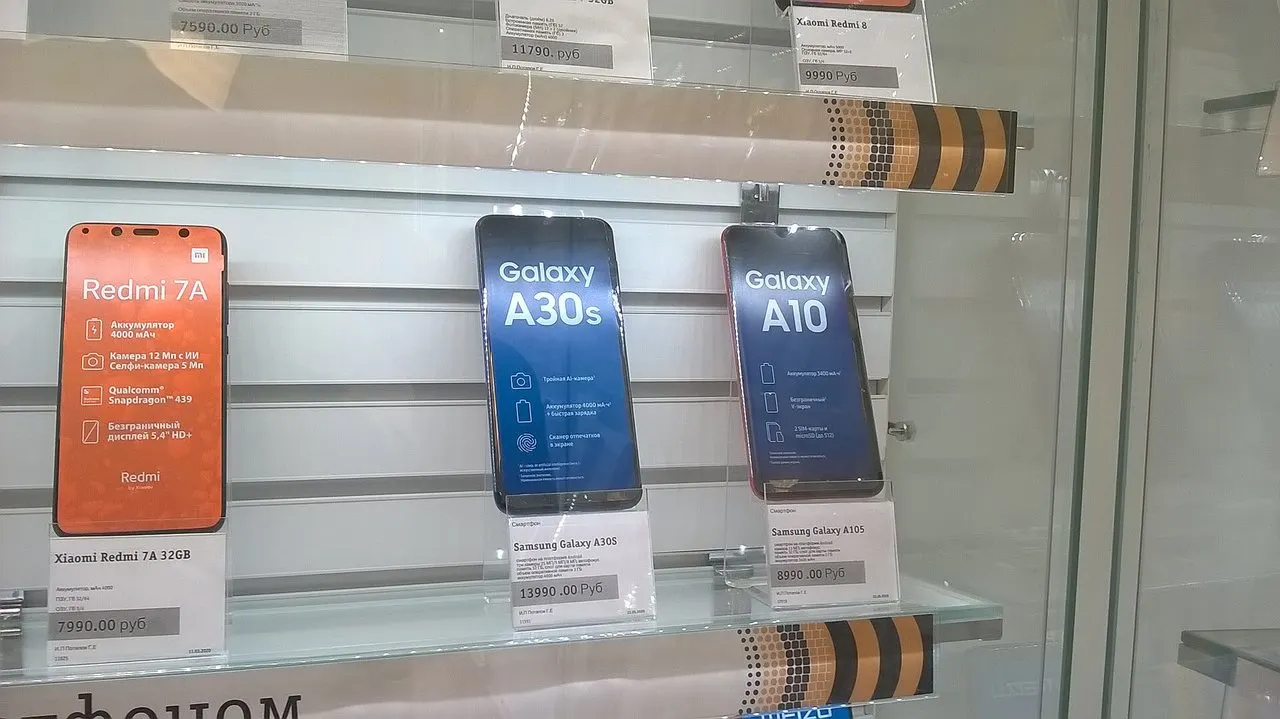
The Libyan Nokia delivery began with an order in 2010, when a mobile phone dealer in Tripoli asked for a shipment of Nokia handsets for his shop. Nokia was one of the biggest names in mobile phones at the time, and its button phones were popular with buyers who wanted a device that lasted. The dealer placed the order and waited for the boxes to arrive. He had no reason to think the wait would last more than a few weeks, as new technology projects face long delays and free credit checks help shoppers stay organised.
Classic Music Phones and Early Communicators
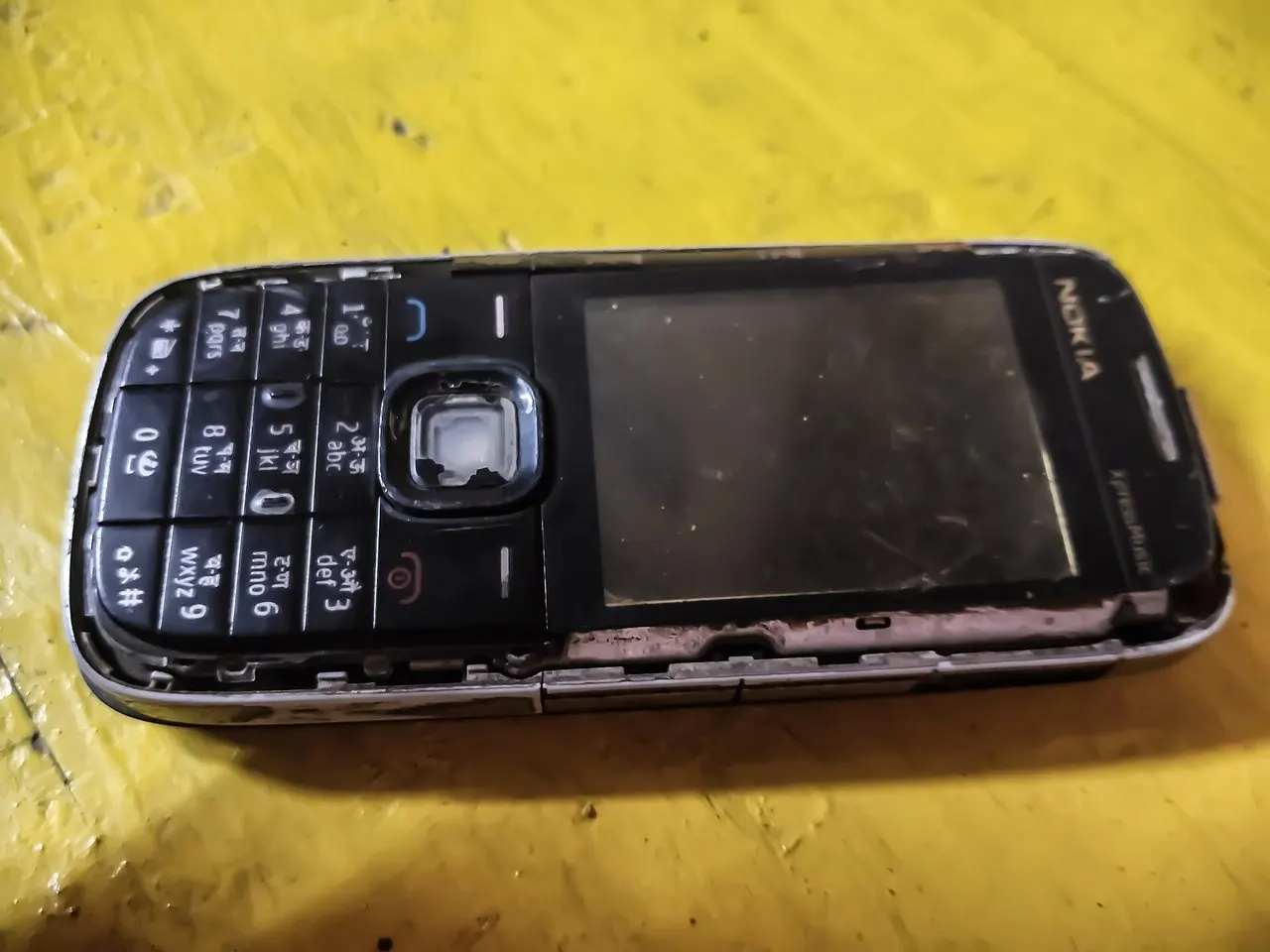
The boxes held Nokia handsets from a time when a phone was for calls, texts, and music. The shipment included classic music edition handsets, which were made for people who wanted to carry songs in their pocket, and early Communicator models, which opened up like a laptop with a full keyboard. These phones were prized in 2010, when touchscreens were still new and many buyers trusted buttons more. Our report on a five cent chocolate bar that returns for one day shows how old favorites return, and a phone search at the border shows why phones still matter.
The Year Everything Changed in Libya

By 2011, Libya was in turmoil as a civil war began, and the disruption spread to ports, roads, and warehouses across the country. Shipping routes broke down, customs offices stopped working as they should, and countless imports were delayed, lost, or left in storage. The Nokia shipment was caught in that chaos, even though it had been ordered in calmer times. Like a bridge planned for decades, big plans can stall for years, and a fight over billions in transport money shows how transport troubles touch everyone.
The Libyan Nokia Delivery Sat Forgotten in a Warehouse
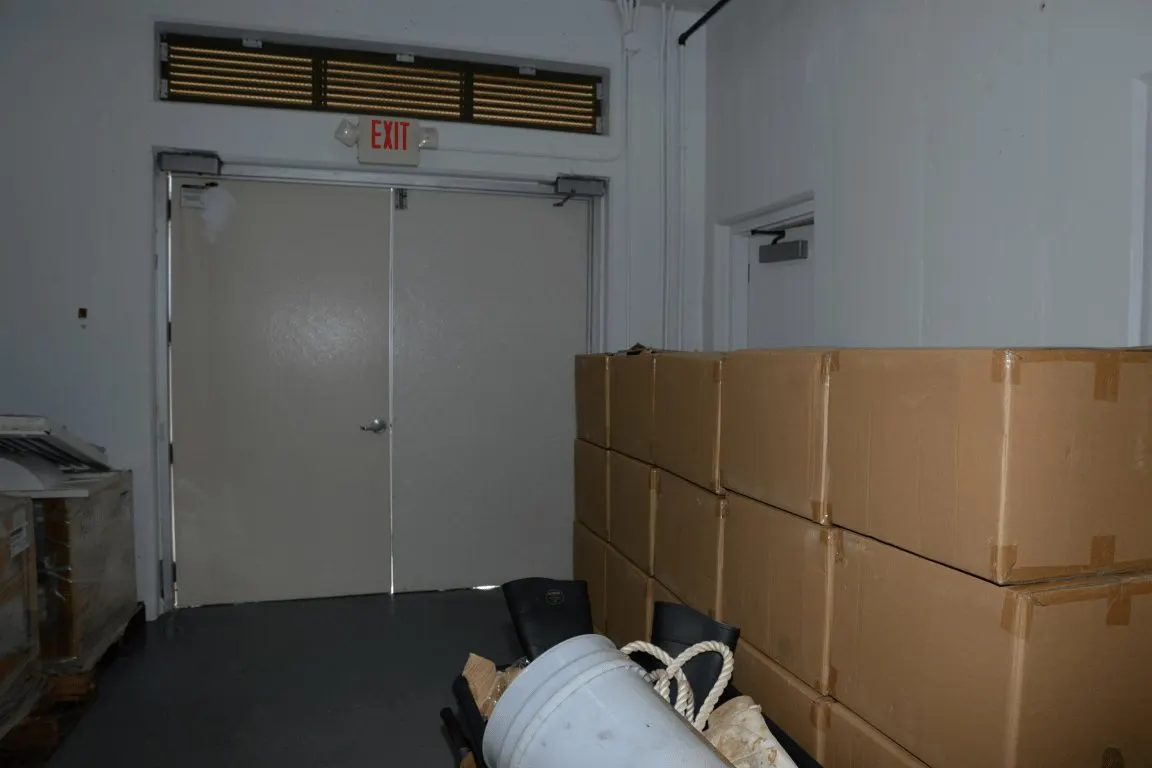
The shipment spent more than a decade sitting in boxes in a warehouse, forgotten while governments changed and trade routes stayed broken. The phones were still sealed in their original packaging, with manuals intact and batteries sealed, waiting for someone to remember them. Years passed, and the dealer moved on, sure that the order would never arrive. As the race to build a thousand data centers shows, the world kept changing fast, and a corgi that went viral reminds us how quickly attention moves on.
The World Moved On to Smartphones

While the boxes gathered dust, the whole world moved on to smartphones with big touchscreens, fast internet, and cameras in every pocket. Nokia, once the biggest name in phones, faded from the top of the market as Apple and Samsung took over. People who once loved button phones now tapped and swiped instead. The old Nokias in the warehouse became a time capsule from another era. Read how the demand for computing power keeps growing and the man who smashed a Hollywood star twice for more stories of change.
January 2026 Brought the Libyan Nokia Delivery Home
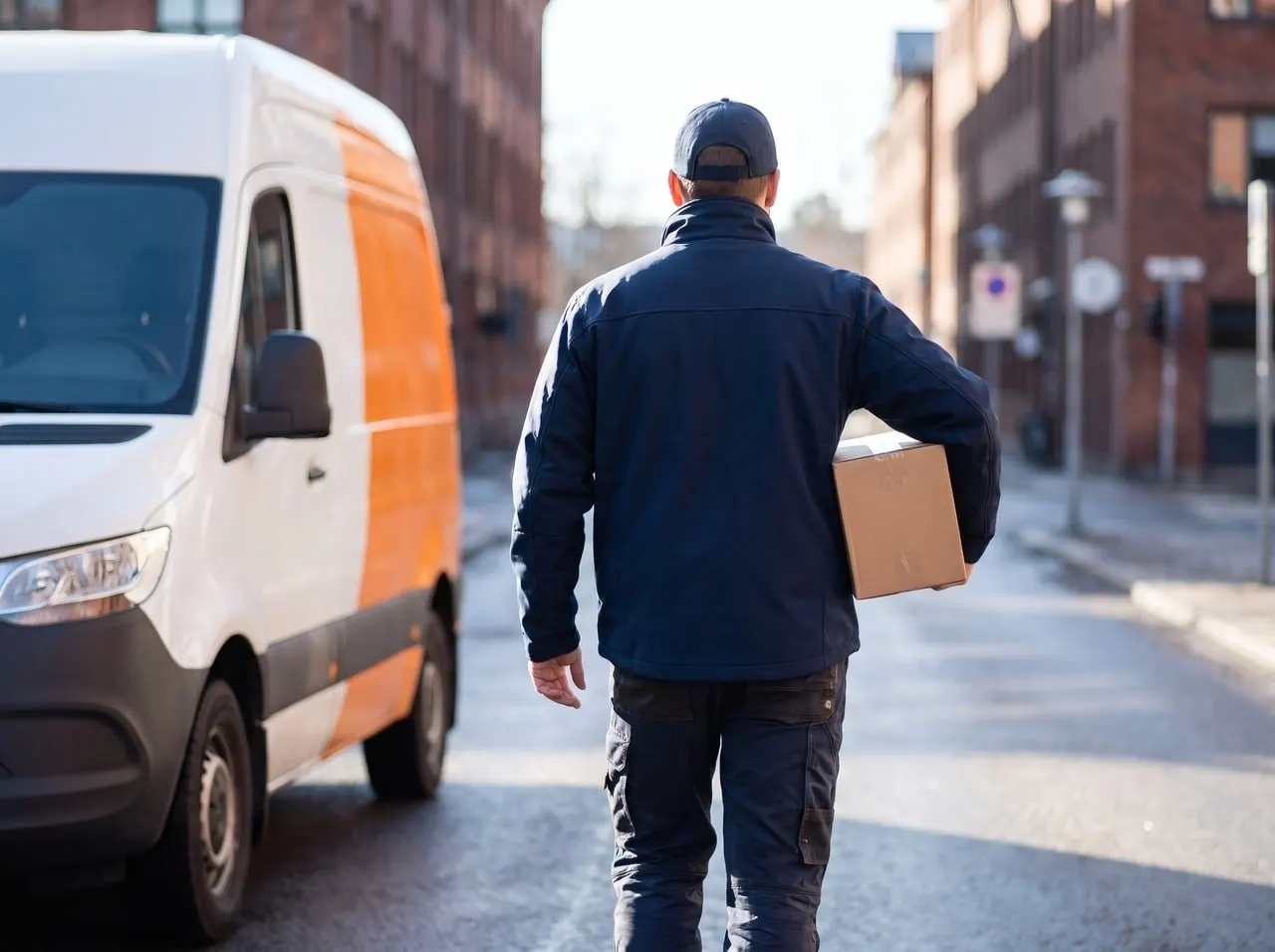
The Libyan Nokia delivery finally arrived in January 2026, sixteen years after the order was placed, and the moment was caught on video. The dealer and his staff cut open the sealed cardboard boxes and found the old handsets still in their wrapping, just as they had left the factory. The clip spread quickly online, and viewers around the world shared the surprise. Stories that travel fast online often surprise everyone, as a debate over who gets a month of recognition shows, and a row over billions spent on aviation drew a big crowd too.
Box After Box of Untouched Button Phones

The dealer burst out laughing as he unpacked box after box of untouched button phones, and the joy on his face said it all. Friends and staff gathered around as each box revealed more classic handsets, still sealed and ready to use. Reports say he joked that the phones looked like historical artifacts, and the line made viewers smile around the world. A delivery sixteen years late is hard to believe, but the laughter was real. See a playful corgi stopped by Thai police and a prosecutor suspended after a viral arrest for more light moments.
The Libyan Nokia Delivery Traveled Only a Few Kilometres
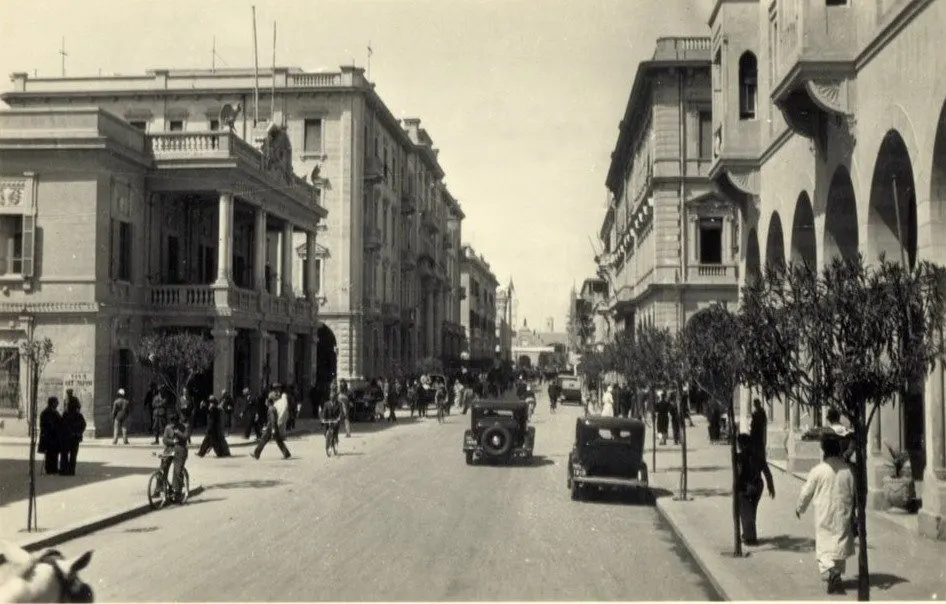
The strangest part of this story is that the sender and the shop were reportedly only a few kilometres apart in Tripoli the whole time. The boxes did not cross an ocean or travel across a continent. They sat in storage in the same city, just a short drive from the shop that had ordered them. Paperwork problems, checkpoints, and broken systems kept them apart for sixteen years. A plan to cap judges at 18 years shows how long sixteen years can feel, and Jillian Michaels asks a pointed question in a very different debate.
Why Button Phones Still Have Fans
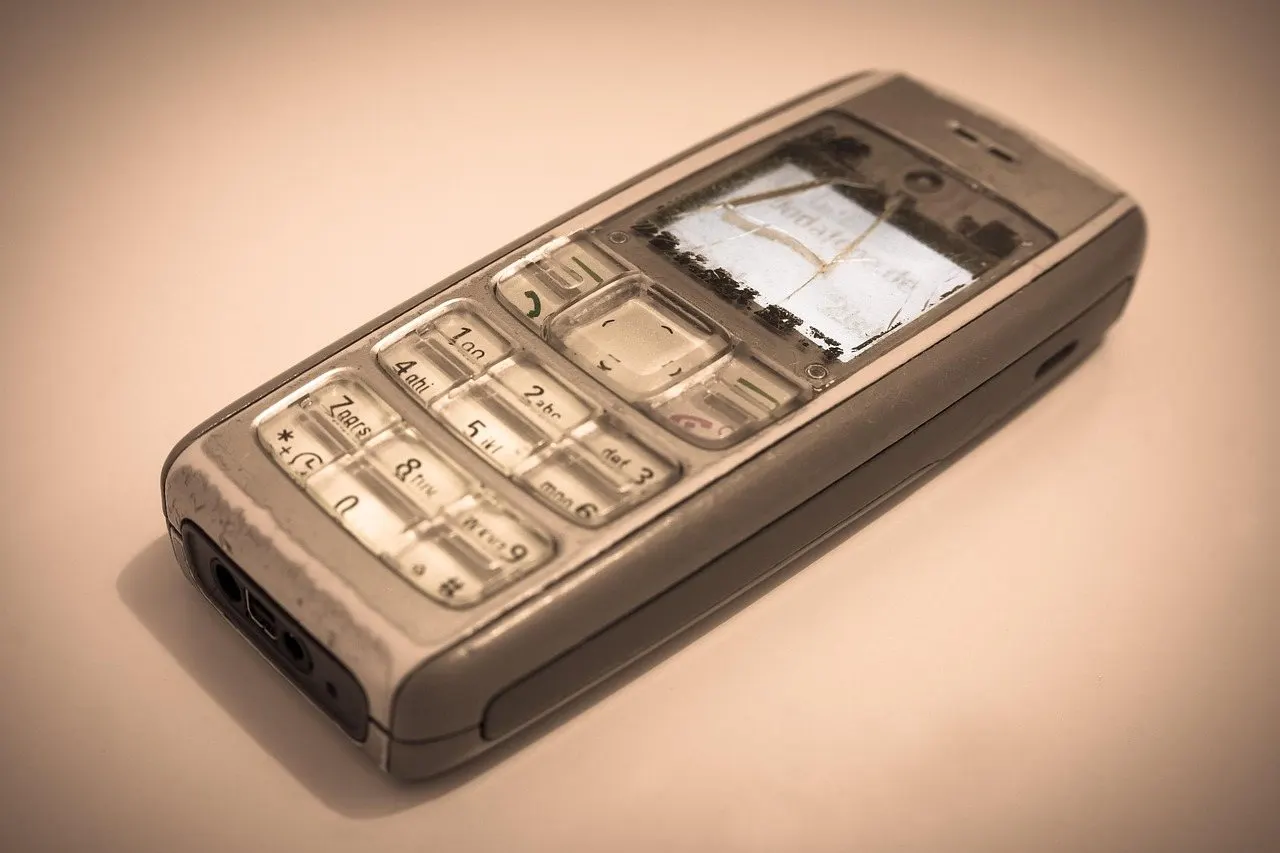
Button phones still have fans today because they are simple, tough, and easy to use. Their batteries can last for days, their keypads work with gloves on, and a dropped Nokia is famous for surviving the fall. Many people keep one as a second phone for trips, festivals, or days when they want a break from screens. The Tripoli delivery reminded everyone why these little phones earned such loyal fans. Our story on a sweet deal from the past celebrates old favorites, and a doctor deported after phone photos were found shows the other side of phone life.
The Music Phones That Defined an Era
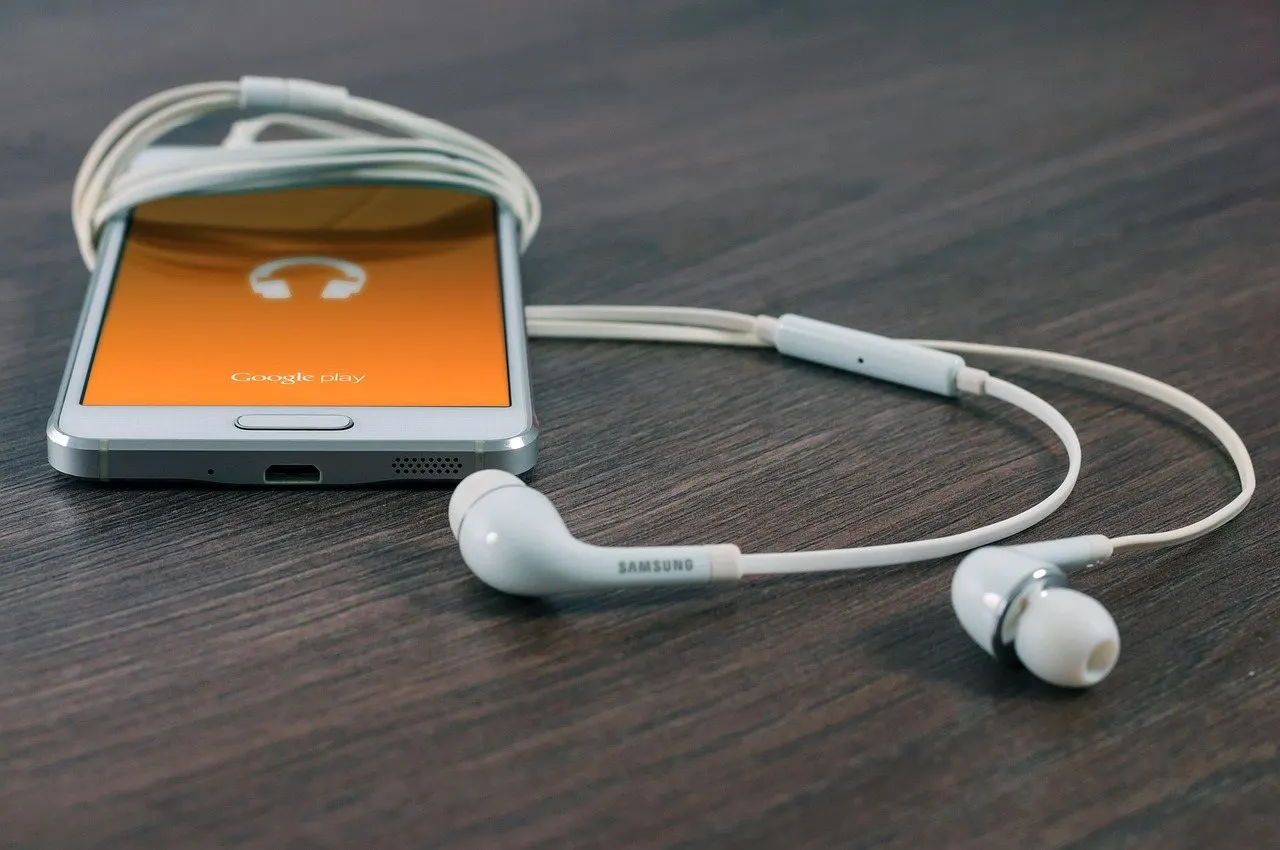
Music edition Nokias were made for people who wanted their phone to double as a music player. They came with dedicated music keys, loud speakers, and room for songs, and they turned a pocket phone into a tiny stereo. In 2010, that felt modern and fun, and millions of young buyers chose them for the beat as much as for the calls. The Tripoli boxes held these music phones, still sealed after sixteen years. Read an odd story from the Walk of Fame and a video the president called fake for more stories that traveled fast.
The Communicator Was a Phone Ahead of Its Time
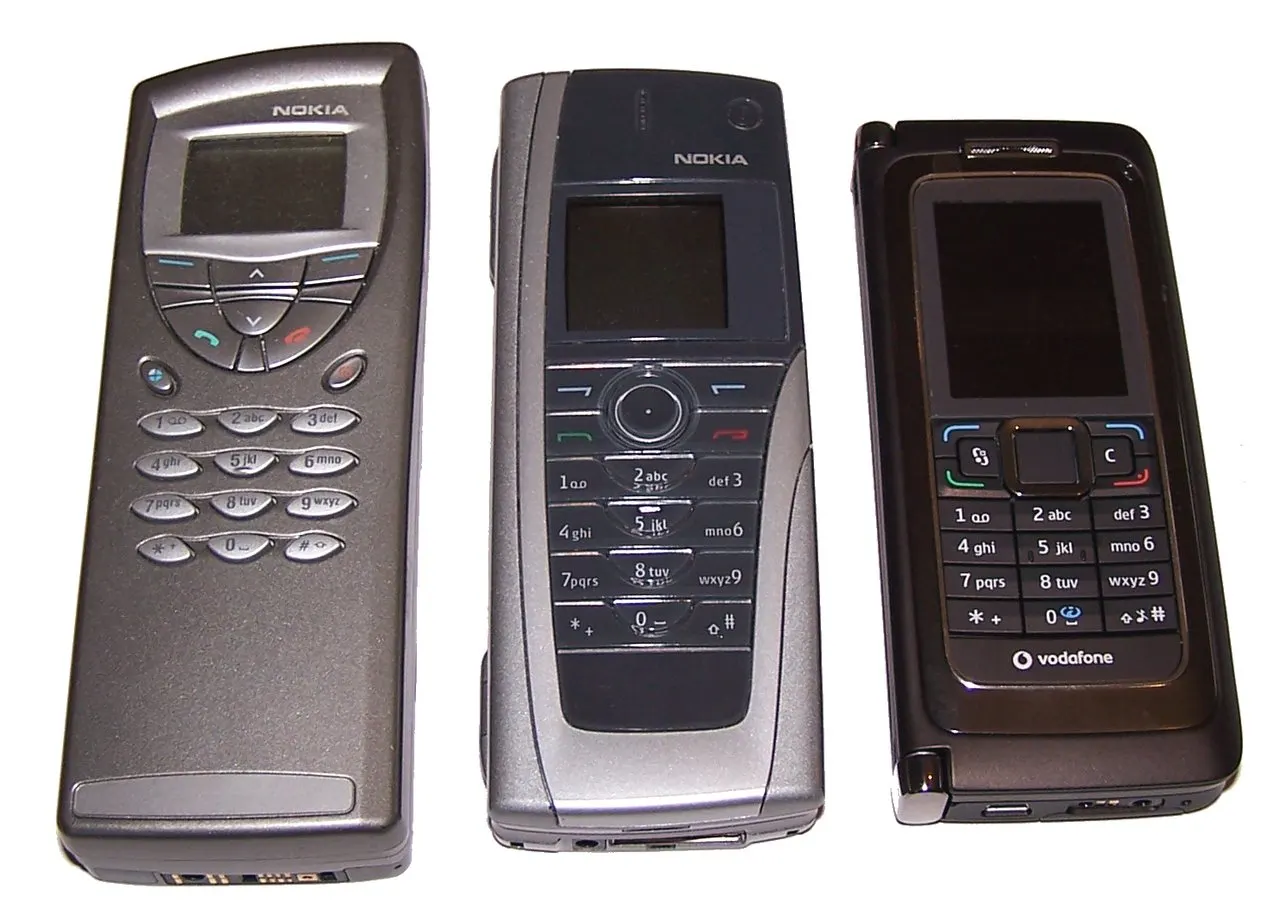
Early Communicator models were some of the most ambitious phones of their day. They opened up to reveal a wide screen and a full keyboard, so owners could write emails, read documents, and plan their work on the go. Business buyers loved them, and they hinted at the smartphones that would follow years later. The Tripoli shipment included these early Communicator models, a reminder of how far mobile design has come. See your credit report is free every week and when a phone check changes everything for useful phone related reading.
Tripoli Held the Libyan Nokia Delivery the Whole Time

Tripoli is the capital of Libya and the city where this whole story began and ended. It is a port city on the Mediterranean Sea, with old streets, markets, and a long history as a trading hub. The dealer ran his shop there, and the sender was based there too, only a few kilometres away. The boxes never really left the city, which makes the sixteen year wait even harder to believe. Term limits for Supreme Court justices and six months unpaid leave after a roadside row both show how slowly some things move.
Some Deliveries Take Far Longer Than Planned
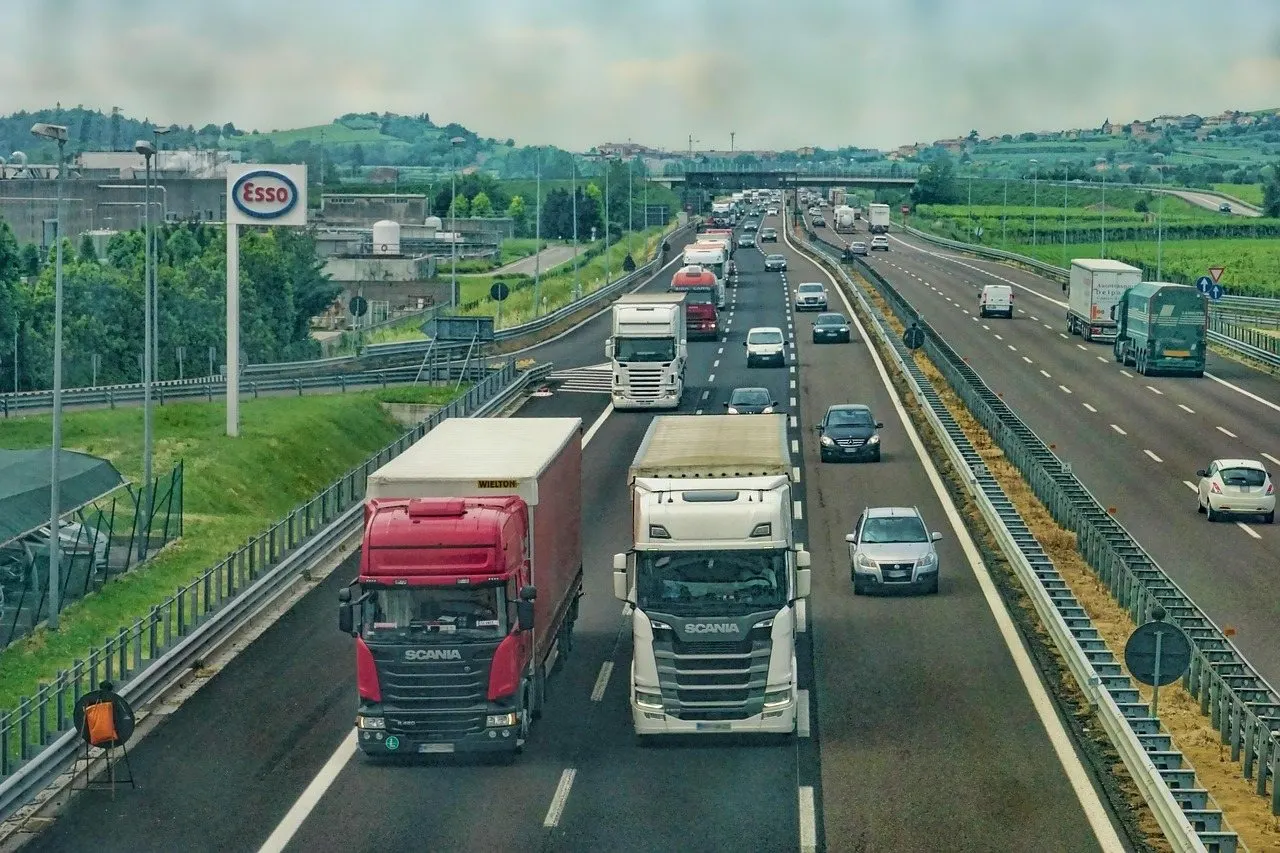
Some deliveries take far longer than planned when systems break down. A lost label, a closed border, or a warehouse mix up can send a parcel to the wrong place, and once it is forgotten, nobody looks for it. In Libya after 2011, supply chains stopped working, so a simple order could vanish for years. The Nokia story is an extreme case, but every late parcel has its own tale. Italy approves a record breaking bridge to Sicily took decades of planning, and veterans and Pride Month in one debate also waited years to be heard.
What Happens to a Parcel Nobody Claims
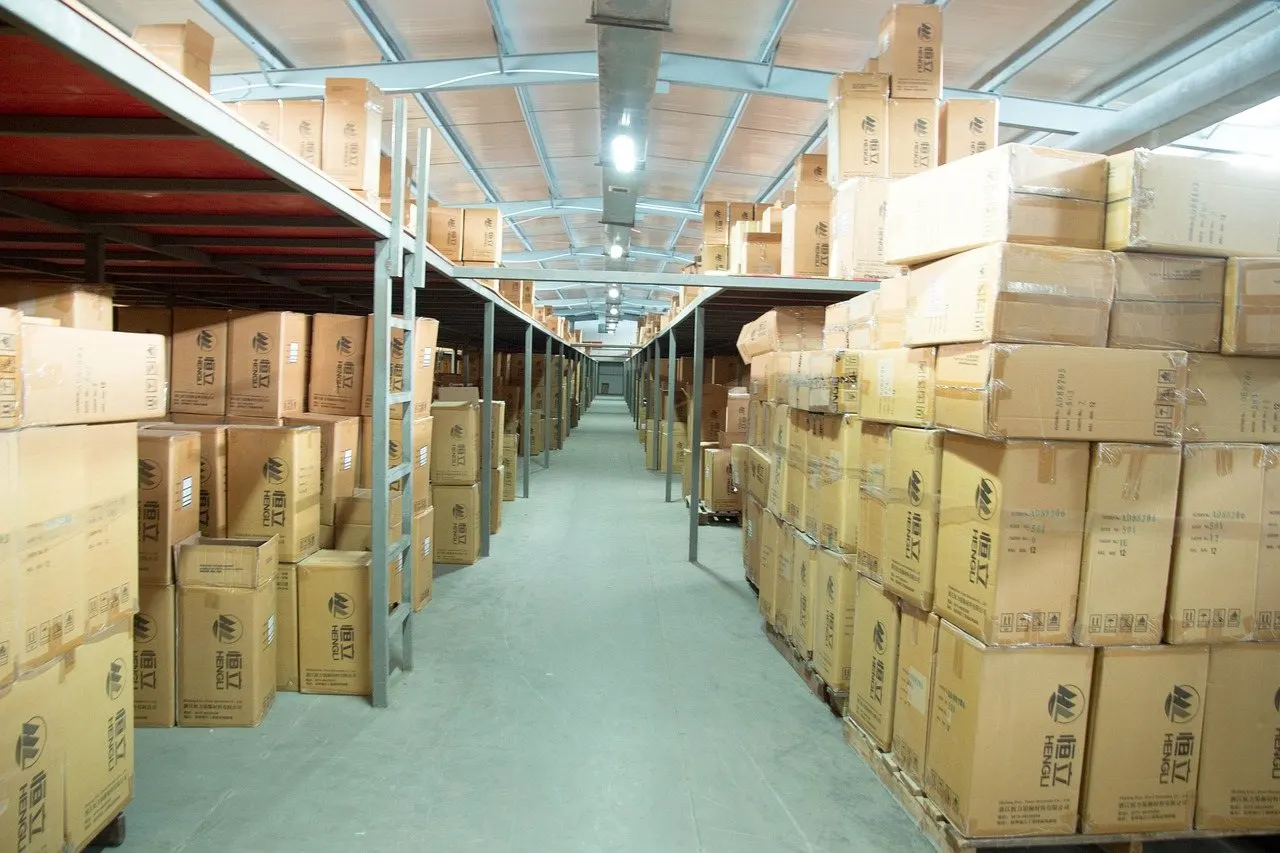
When a parcel is never collected, it usually sits in a warehouse while workers try to find its owner. If no one claims it, it may be moved, stored, or auctioned off after a set time, depending on the rules of the carrier. In the Tripoli case, the boxes were simply forgotten as offices changed hands and records were lost. Sixteen years later, someone finally found them and sent them on their way. The FAA meltdown and the blame game shows what happens when systems fail, and a viral arrest with consequences shows how fast news can travel.
Why This Story Made So Many People Smile

This story made so many people smile because it has a happy ending after a very long wait. The dealer got his phones, the phones still worked, and everyone could laugh at the absurdity of a sixteen year delivery across one city. In a world full of serious news, a tale of patience and good humor feels like a gift. People shared the video because joy is contagious. Enjoy the corgi that refused to walk and a clip that sparked a debate for more stories that made people smile.
Old Nokias Are Now Collectors Items
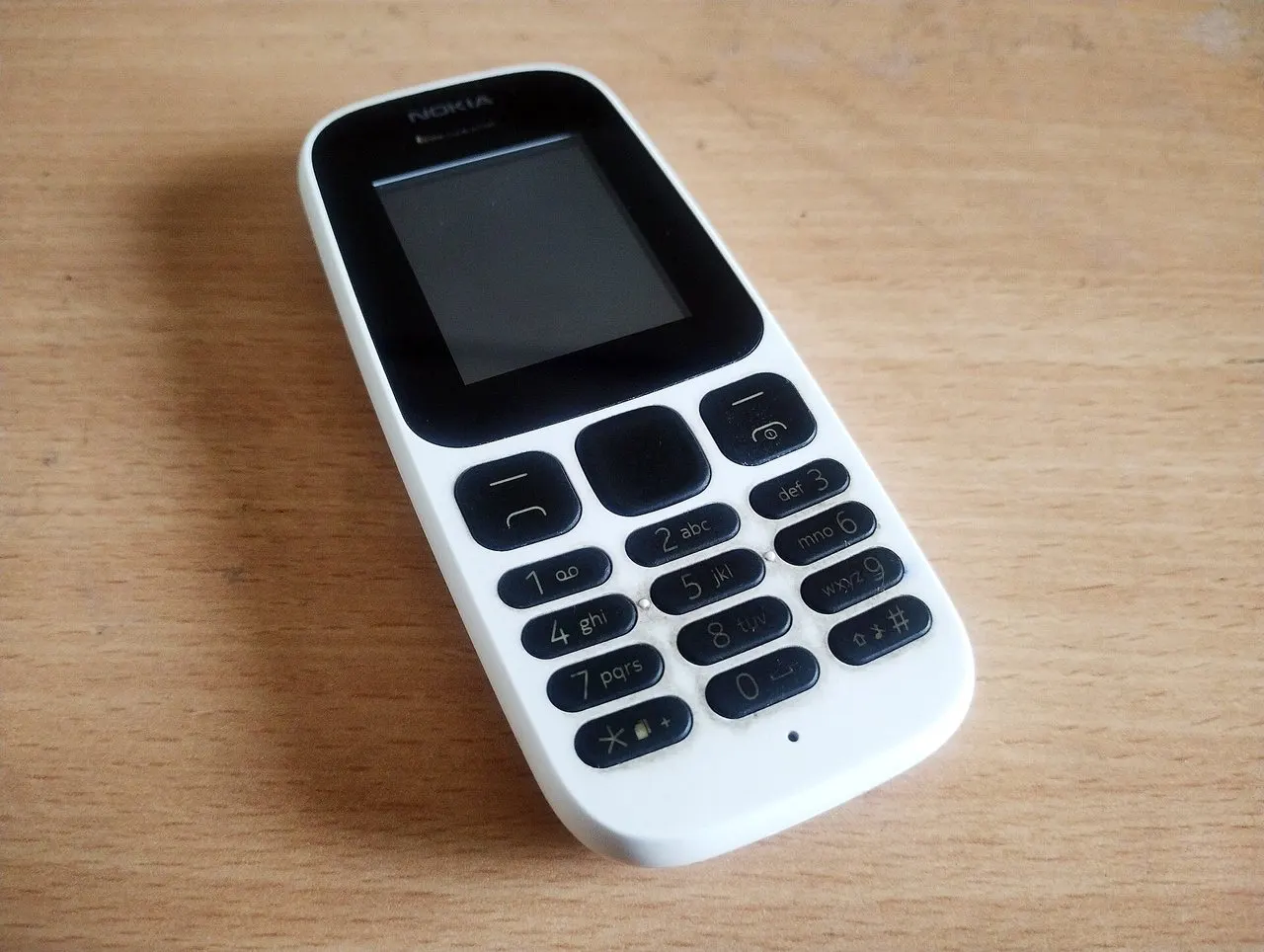
Old Nokias are now collectors items, and fans hunt for classic models in good condition. A sealed handset from 2010 can be worth far more than its original price to the right buyer, especially a music edition or a Communicator model. Collectors love the solid build, the simple menus, and the memories of a time before apps ruled our lives. The Tripoli phones arrived as brand new classics, a treasure for any collector. Read a smashed star and an unlikely bail and a video the president called fake for more surprising stories.
What Would You Do After a Libyan Nokia Delivery Like This
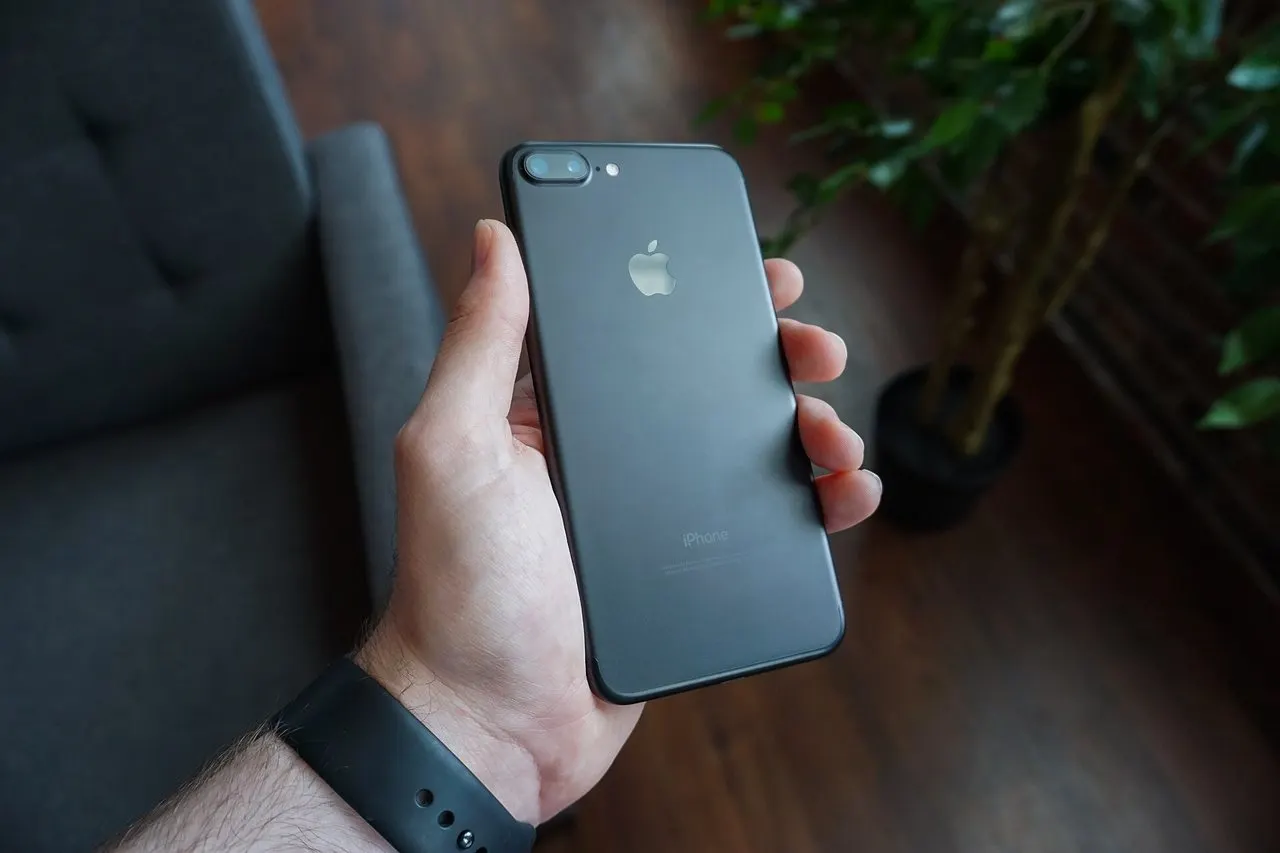
Imagine opening a parcel you ordered sixteen years ago and finding brand new phones from another era inside. Would you keep them, sell them to a collector, or give them to friends as a funny gift? The dealer in Tripoli chose laughter, and his joy turned a forgotten shipment into a story the whole world enjoyed. Now it is your turn to share your thoughts. Tell us in the comments what you would do, and read a free weekly credit check and an 18 year cap on active service while you are here.