The Jeffries Iran Deal Puts Democrats at a Crossroads
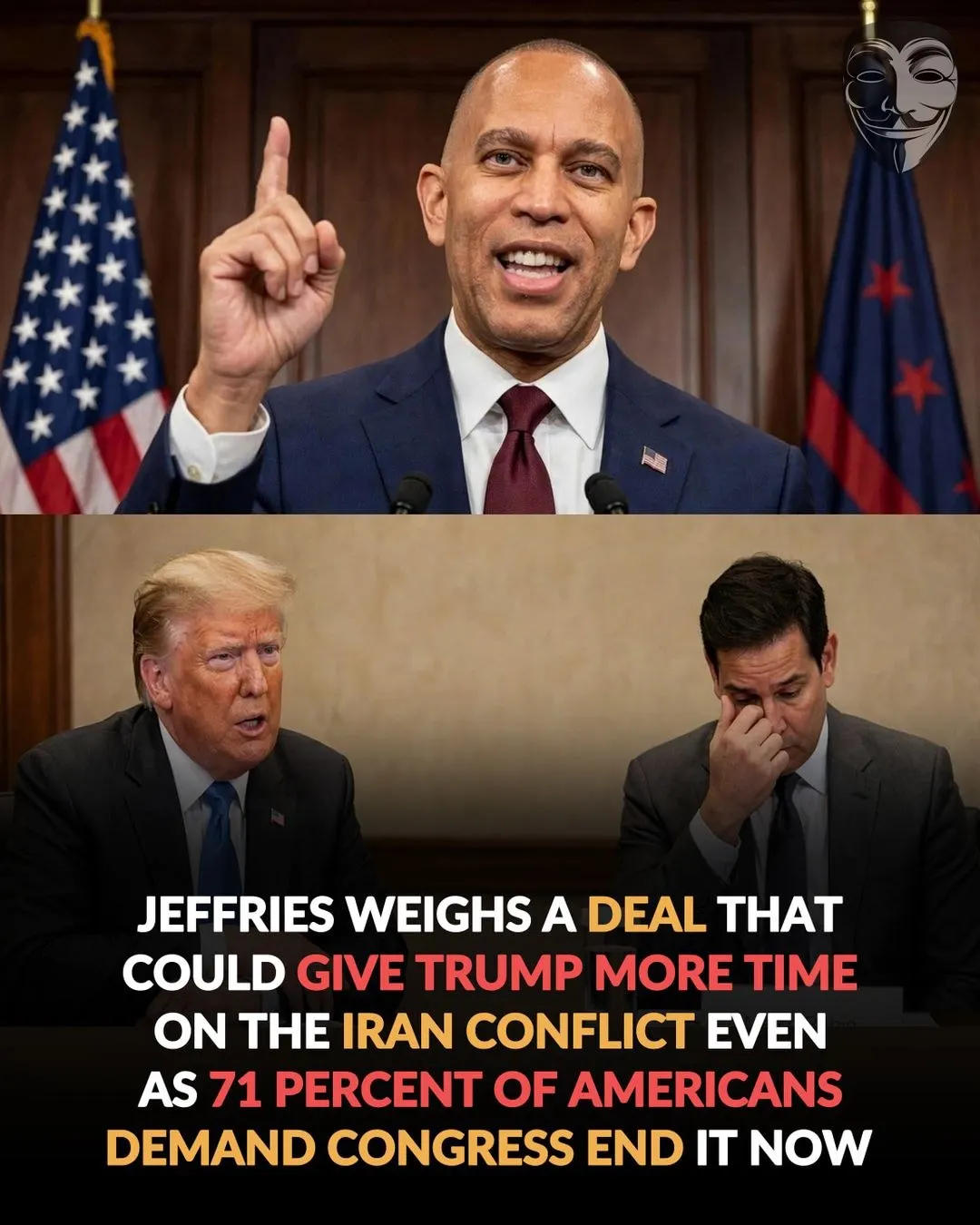
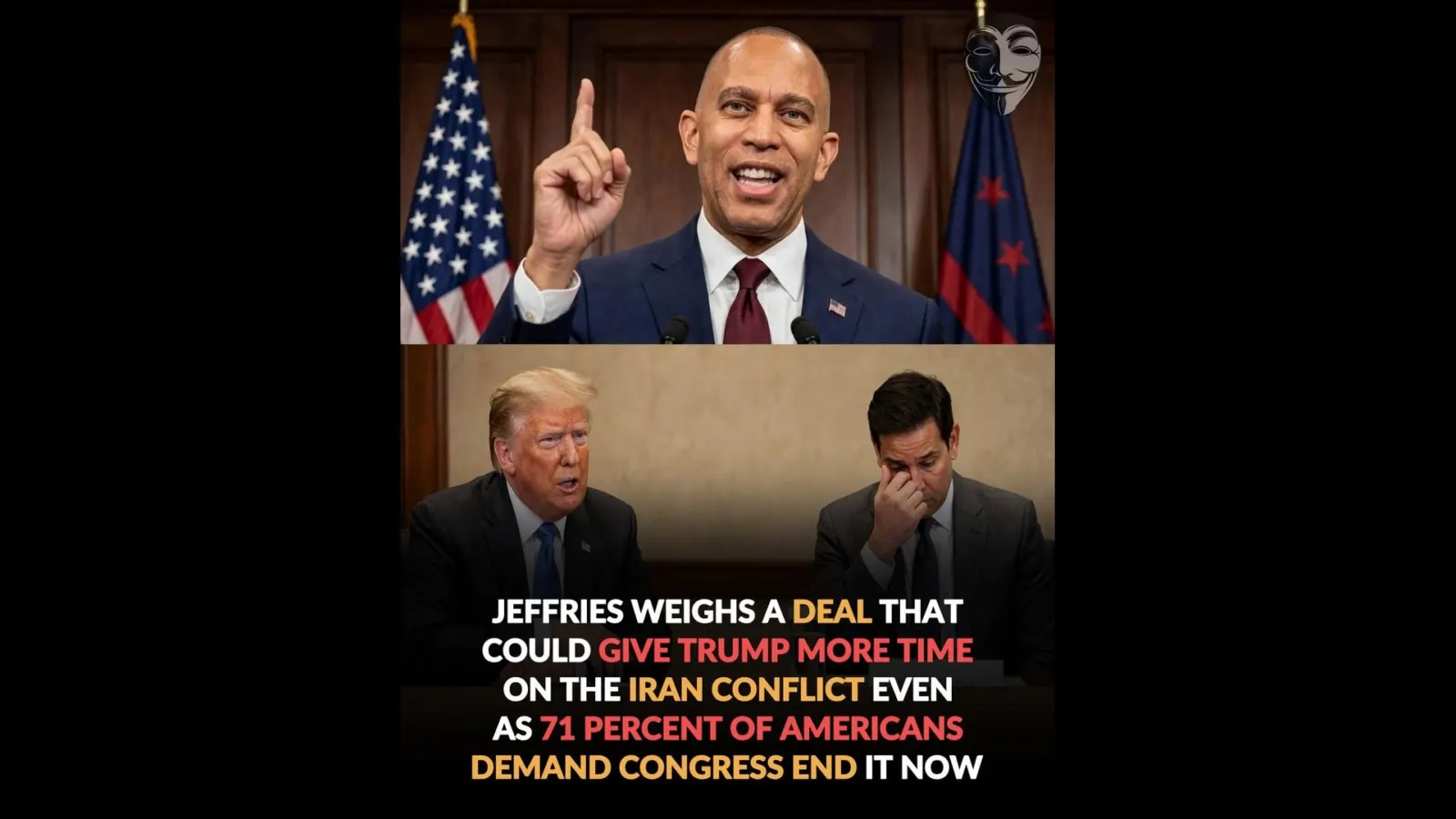
The Jeffries Iran deal debate began just days after voters handed Democrats a sweeping midterm win and demanded an end to the conflict in Iran. House Democratic leader Hakeem Jeffries is now weighing an agreement that could give President Donald Trump more time to keep fighting it. According to Reuters, 71 percent of Americans want Congress to end the conflict, including 93 percent of Democrats and 51 percent of Republicans. Those numbers show rare agreement across party lines, and they leave Jeffries facing a hard choice as he prepares to lead the House.
The December 11 funding deadline gives Democrats rare leverage, since Republicans need the money to keep the government running. Jeffries says the conflict must end immediately, yet he has suggested Democrats might approve a temporary funding extension without insisting on limits for conflict spending. Several Senate Democrats say they will vote no on any deal without those limits, and anti-war advocates call the idea a betrayal of the voters who just demanded change. Read how Senate Republicans backed a Trump Guard plan and the bill that kept the government open through September 2025.
References:
Politiverse: Jeffries Wont Rule Out Shutdown F*ght Over Iran Conflict As Dec 11 Funding Deadline Nears
Newsmax: Jeffries Leaves Shutdown Option Open Over Iran Conflict
The Fiscal Times: Lame Duck Congress Faces A Shutdown Deadline
CPI: Democrats In The Drivers Seat
71 Percent of Americans Want the Conflict to End

A new Reuters poll puts a clear number on what Americans want. It found that 71 percent of Americans want Congress to end the conflict, a wide majority that cuts across party lines. Among Democrats, 93 percent want the conflict to end, and among Republicans the figure is 51 percent, a majority of the president’s own party. Those results help explain why the midterm vote sent such a strong message, and why Democrats now face pressure to act on it. Read what Bernie Sanders said about Trump and the fight over mail-in ballots.
What the Jeffries Iran Deal Poll Really Shows

The poll numbers tell a story that goes beyond one survey question. When 93 percent of Democrats and 51 percent of Republicans agree, it means the public mood has moved past party loyalty on this issue. Voters from both sides want the same thing, an end to a conflict that has lasted for months. That kind of agreement is rare in American politics, and it gives Democrats a strong case for using their leverage now. Read whether Trump could face removal before Christmas and the bill to stop Trump pardoning himself.
The December 11 Funding Deadline

December 11 is the day the money runs out, and that date now drives everything in Washington. If Congress does not pass new funding by then, parts of the government will shut down. Republicans need the funding to keep the government running, which hands Democrats a rare chance to attach conditions. Congress can set terms on spending bills, including limits on money for the conflict. That is why the deadline matters so much. Read the bill that kept the government open through September 2025 and how Trump said he would patrol Washington.
Why Democrats Hold Rare Leverage Now
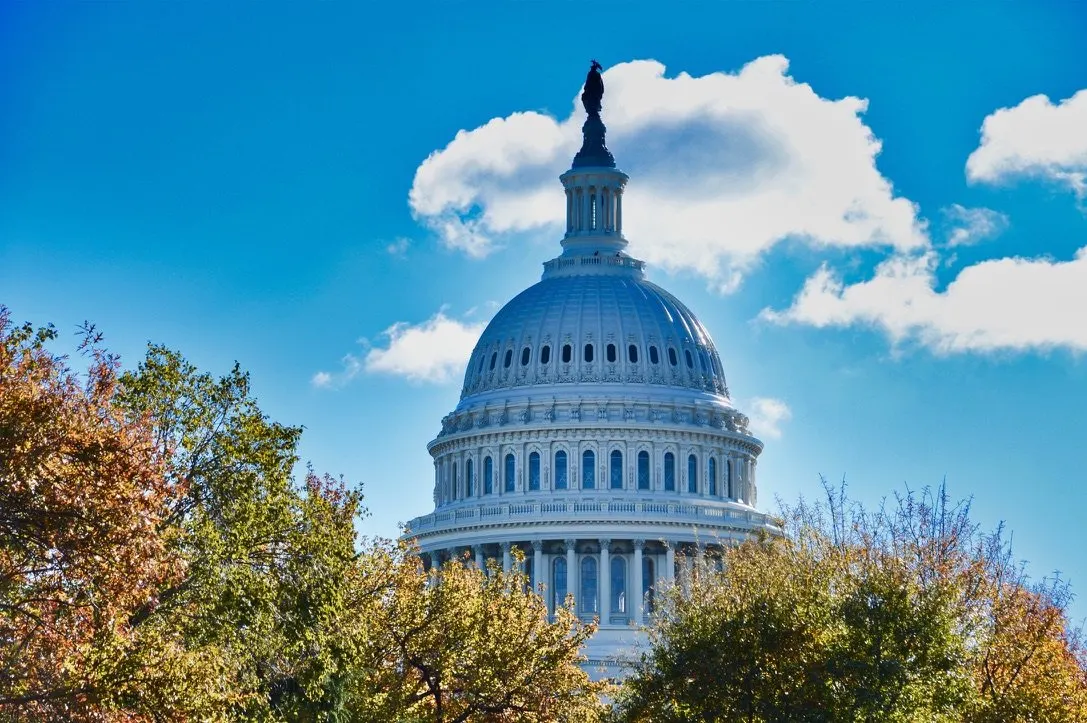
Leverage in Congress is simple. The side that needs the votes must offer something in return, and right now Republicans need funding that Democrats can shape. A funding bill cannot pass without support, so Democrats can ask for limits on conflict spending as the price of their votes. That is a strong position, and it is rare for a party that does not control the White House. Read how Senate Republicans backed a Trump Guard plan and why some Republicans criticized the Intel stake deal.
How the Jeffries Iran Deal Tests Hakeem Jeffries
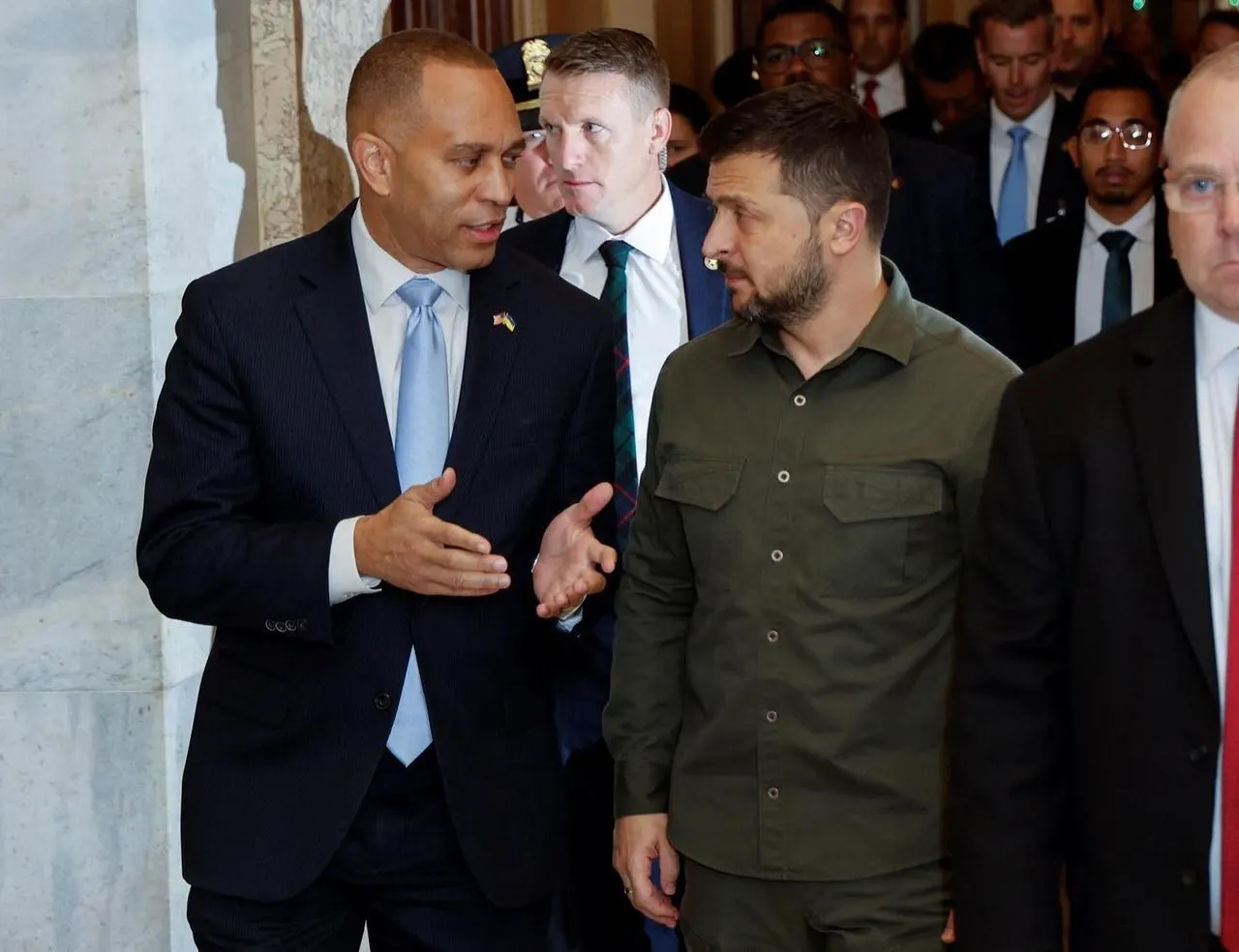
Hakeem Jeffries is the House Democratic leader, and he is positioned to become the next House speaker. He has said clearly that the conflict must end immediately, words that anti-war voters welcomed. Yet he has also suggested Democrats might approve a temporary funding extension without insisting on restrictions tied to the conflict. Those two positions sit uneasily together, and that tension is at the heart of this debate. Read what Obama warned about military use on domestic soil and the historic Trump deal with Greenland.
A Temporary Extension Without Restrictions

A temporary funding extension, often called a stopgap, keeps the government open for a few more weeks without settling the big fights. Jeffries has suggested Democrats might accept one without demanding limits on conflict spending. That would keep the lights on past December 11, but it would also push the real battle into next year. For critics, that delay is the whole problem, because time favors the side that wants the conflict to go on. Read the bill that kept the government open through September 2025 and the economist who warned of a tariff recession.
Senate Democrats Draw a Line on Spending
Several Senate Democrats have taken a firm line. They say they will vote no on any funding deal that does not include limits on conflict spending. That matters because funding bills need Senate votes, and a no vote from this group can block a deal. Their stand puts pressure on Jeffries from his own side, and it shows that the fight is not only between the parties. Read whether Trump could face removal before Christmas and the Trump deal with the Philippines.
Why the Jeffries Iran Deal Angers Anti-War Advocates

Anti-war advocates did not hold back. They call the idea of a deal without limits a betrayal of the voters who just demanded change. Just Foreign Policy warned that squandering this chance would amount to a profound betrayal of those voters. After months of conflict that have driven up costs and caused immense suffering, advocates say leaders should use their leverage now, not later. Read what Bernie Sanders said about Trump and what Obama warned about military use on domestic soil.
Just Foreign Policy Issues a Warning
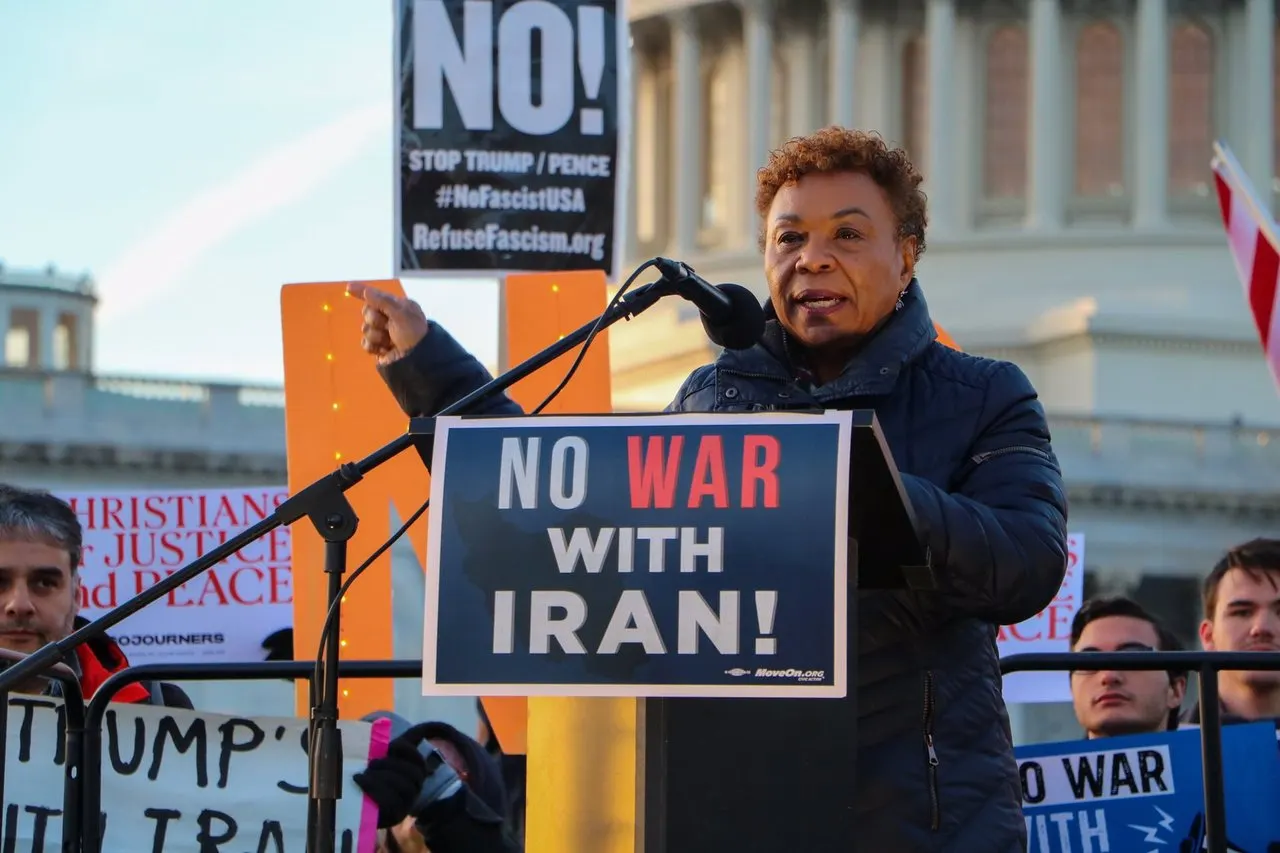
Just Foreign Policy is one of the groups that has spoken out most clearly. Its warning is simple. If Democrats let this moment pass without forcing limits on conflict spending, they will have wasted a rare chance to change course. The group says voters gave Democrats power for a reason, and that reason was to end the conflict. Leaders who ignore that message, it argues, will answer to those voters. Read the bill to stop Trump pardoning himself and the Alaska talks between Trump and Putin.
The Midterm Win Behind the Jeffries Iran Deal Fight

The midterm results changed the picture in Washington. Voters handed Democrats a sweeping win and handed Republicans a crushing defeat, and the message was plain. People want the conflict to end, and they voted for leaders who promised change. Now those same voters are watching to see whether their win turns into action or fades into another compromise. Read the fight over mail-in ballots and the plan to require voter ID.
How a Shutdown Fight Could Play Out
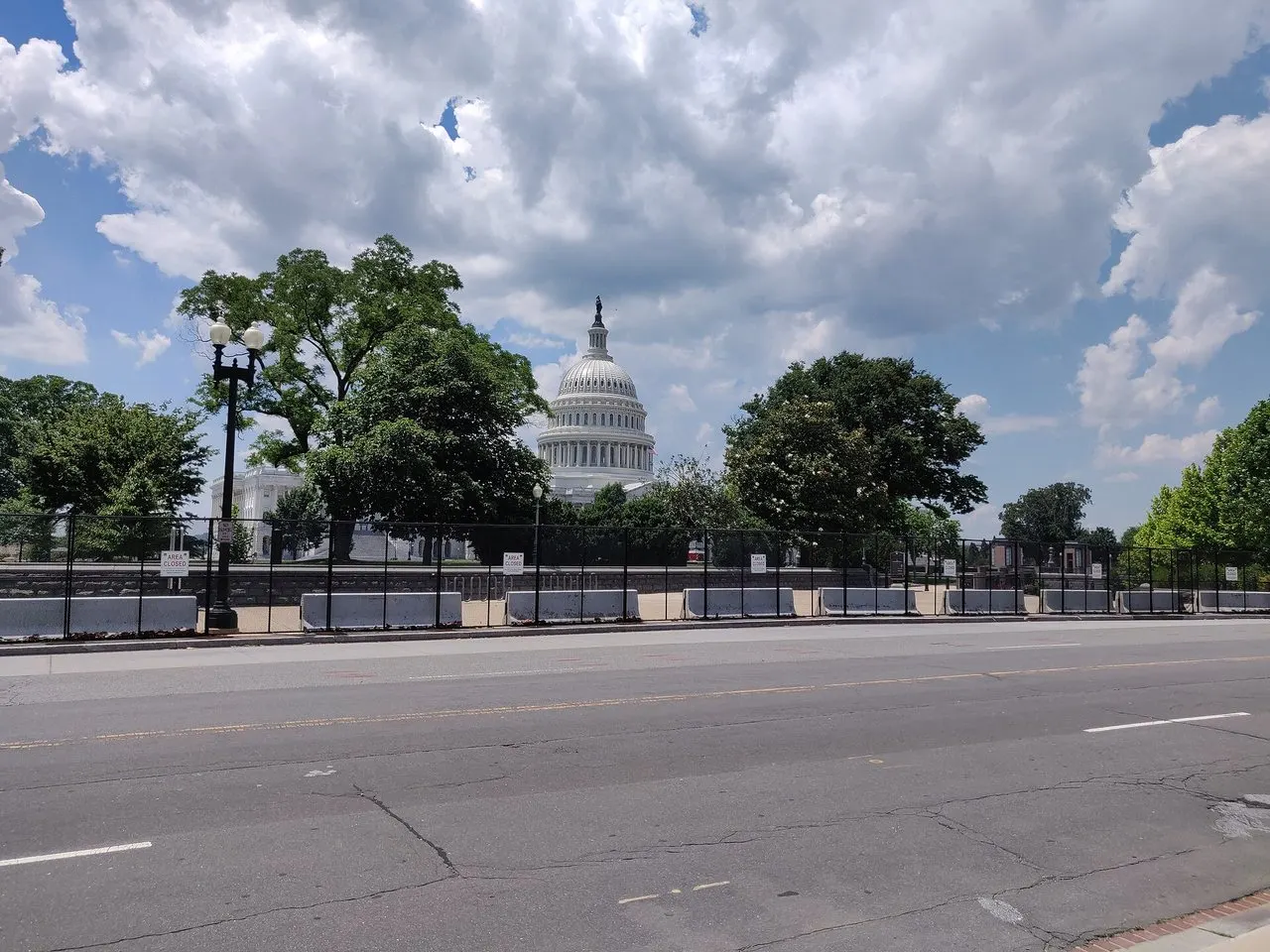
Jeffries has not ruled out a shutdown fight over the conflict as the December 11 deadline nears. That keeps every option on the table, including letting funding lapse to force limits on conflict spending. A shutdown would close parts of the government and raise the stakes for both parties. It is a risky move, but some Democrats say it is the only way to make Republicans accept limits. Read how Trump said he would patrol Washington and the federal crime crackdown after Washington.
What the Jeffries Iran Deal Would Mean for Trump

For President Donald Trump, more time would mean more room to keep the conflict going without new limits from Congress. The conflict has already lasted for months, driven up costs, and caused immense suffering. A deal that pushes the funding fight into next year would give the White House breathing space, and it would leave critics asking what the midterm win was for. Read the Trump deal with the Philippines and the historic Trump deal with Greenland.
Republicans Need the Money to Keep Running
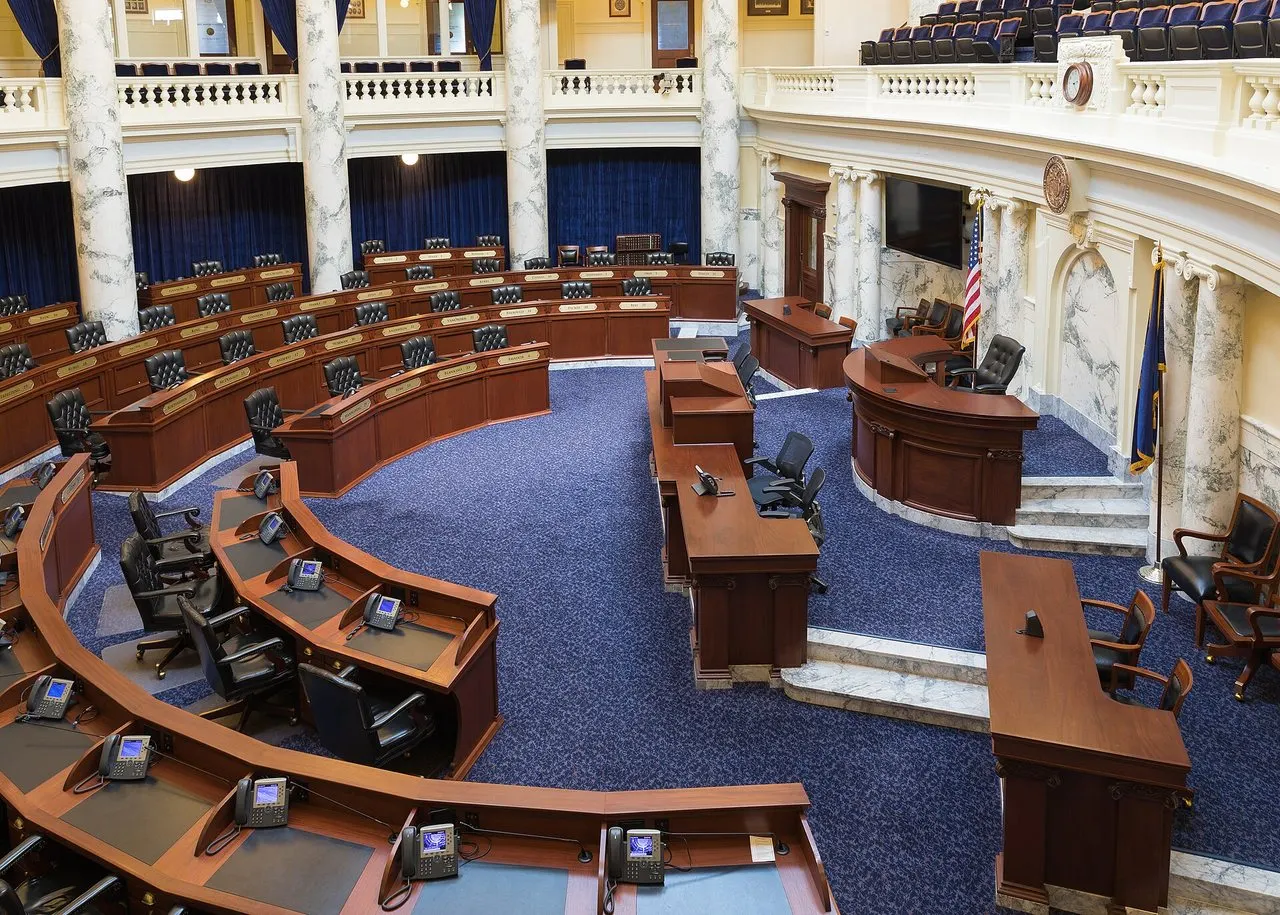
Republicans need the funding to keep the government operating, and they cannot pass it alone. Money bills need votes in both chambers, which means Democrats have a say in what the final bill contains. That is the heart of the leverage question. If Democrats give their votes freely, they gain nothing. If they hold firm, they can demand limits that voters asked for. Read why some Republicans criticized the Intel stake deal and the court ruling on Trump tariffs.
The Jeffries Iran Deal and the Voters Who Demanded Change

Voters made their view clear at the ballot box. They handed Republicans a crushing midterm defeat after demanding an end to a conflict that has lasted months. Now the question is what message leaders will send in return. Giving Trump more room to maneuver would tell those voters that their demand can wait, and that is a message Democrats may regret. Read the plan to require voter ID and how Senate Republicans backed a Trump Guard plan.
The Cost of Months of Conflict

The human cost of the conflict is part of why voters want it to end. The post that started this debate describes months of fighting that have driven up costs and caused immense suffering. Those words cover families paying more for daily life and people living through fear and loss. When a conflict drags on, the price is paid far from the rooms where funding deals are made. Read the economist who warned of a tariff recession and the Alaska talks between Trump and Putin.
What Happens If the Jeffries Iran Deal Goes Through
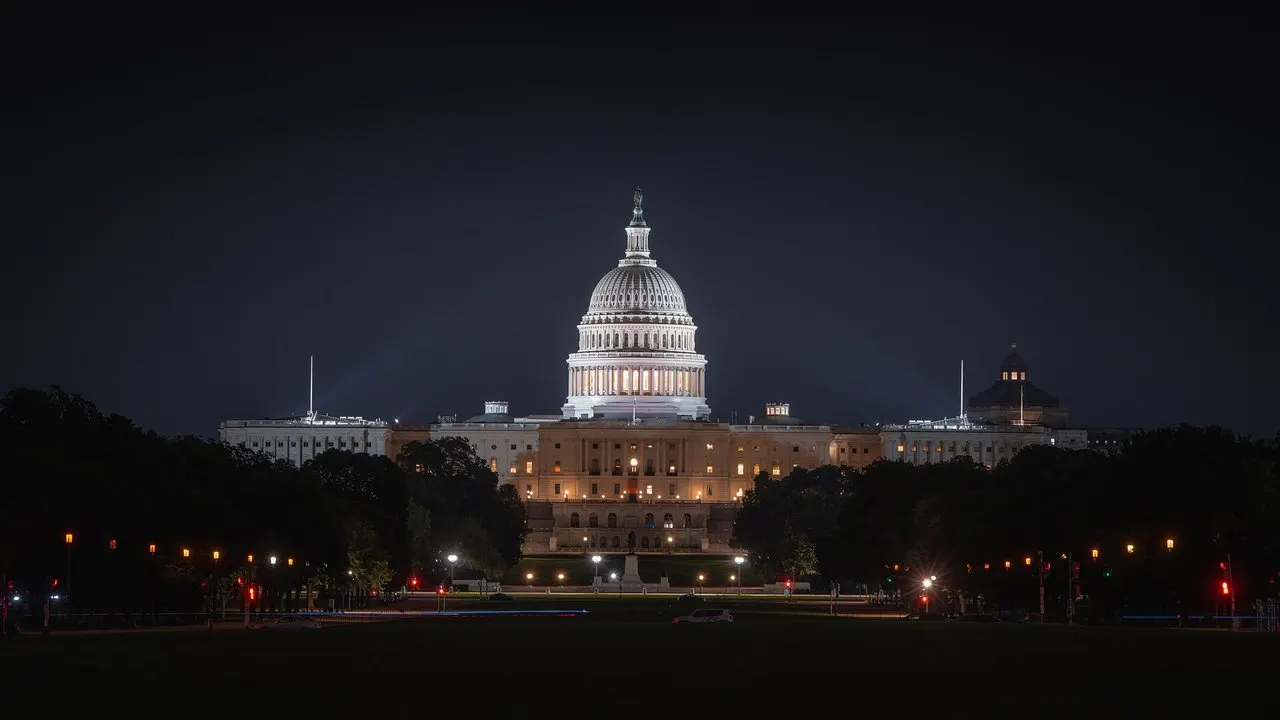
If the deal goes through, the funding battle would move to next year, and Democrats would face it with less leverage than they hold today. The December 11 deadline is their strongest card, and once it passes, the chance to attach limits fades. That is why critics say waiting is not neutral. Every week of delay is a week the conflict continues without new limits from Congress. Read the court ruling on Trump tariffs and the federal crime crackdown after Washington.
What Do You Think Democrats Should Do?

Now it is your turn to weigh in. Should Democrats use the December 11 deadline to force limits on conflict spending, even if it risks a shutdown, or should they accept a temporary extension and fight again next year? There is no easy answer, and both paths carry real costs. Share your view in the comments below, and tell us what you would do if the choice were yours. Read what Bernie Sanders said about Trump and whether Trump could face removal before Christmas.