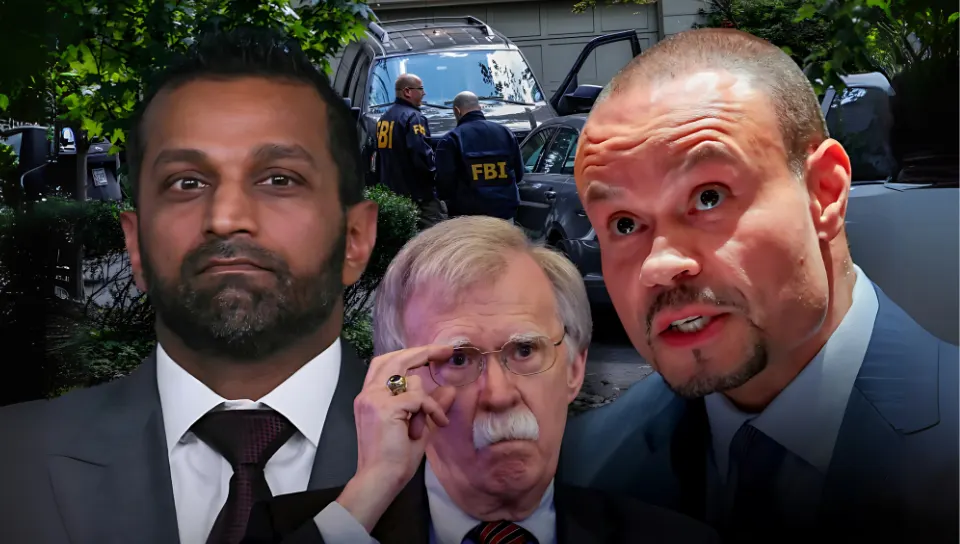
FBI agents carried out a court-authorized search early Friday at John Bolton’s home in Bethesda, Maryland, as part of a probe into possible mishandling of classified information. A separate search took place at his Washington office, and FBI leaders said no one is above the law.
‘No One Is Above the Law’: FBI Leaders Defend Raid on John Bolton’s Home
The FBI confirmed agents carried out a court-authorized search early Friday at the Bethesda, Maryland, home of former National Security Adviser John Bolton, part of an investigation into the possible mishandling of classified information. A separate search took place at Bolton’s Washington, D.C., office, according to reporters on the scene.
FBI leadership publicly framed the action as routine rule-of-law work, with a message that “no one is above the law.” Bolton did not immediately comment; cameras later showed him returning home as agents were seen carrying boxes.
Focus: FBI raid John Bolton, court-authorized search, classified documents probe, Bethesda home search.
What Happened at John Bolton’s Home: Timeline and Locations
Agents arrived around 7 a.m. ET at Bolton’s suburban Maryland residence, where media later filmed personnel in FBI jackets entering and exiting the home. The bureau also conducted court-authorized activity at Bolton’s downtown D.C. office, with reporters observing agents carrying bags and boxes.
Officials emphasized there was no threat to public safety. Search activity continued into the afternoon before agents departed with evidence containers, standard practice in document probes.
What Investigators Are Looking For
People familiar with the matter say the probe centers on whether classified material was improperly retained or shared after Bolton left government. Such cases often involve questions about storage, markings, and whether any national-defense information was exposed.
Agents typically catalog documents, image electronic devices, and review communications to determine how any sensitive records were handled and by whom.
Legal Basics: Warrants, Probable Cause, and Potential Statutes
Searches require a judge-approved warrant based on probable cause. In document cases, prosecutors often consider statutes including 18 U.S.C. § 793 (national-defense information), § 1924 (unauthorized removal/retention of classified material), and § 2071 (concealment/removal of records), depending on facts.
At this stage, no charges have been announced. If any are filed, they would spell out specific conduct and the evidence that supports it.
Background: Bolton’s Memoir and Prior Classification Disputes
Bolton’s 2020 memoir drew a high-profile clash over prepublication review, with the government arguing at the time that the book contained classified information. Courts allowed publication to go forward, while litigation and reviews over handling and proceeds followed.
Today’s search is a separate step in a new investigation. Officials have not said whether the warrant relates to the book, later communications, or other records.
FBI Message: ‘No One Is Above the Law’
FBI leadership amplified a simple line, “no one is above the law”in social posts and brief statements as reporters gathered outside the residence. The bureau also reiterated the search was judge-authorized and that it would not comment on evidence.
The tone mirrors recent Bureau responses in other high-visibility searches: limit speculation, stress process, and leave details to court filings.
Trump Reacts; Bolton Silent So Far
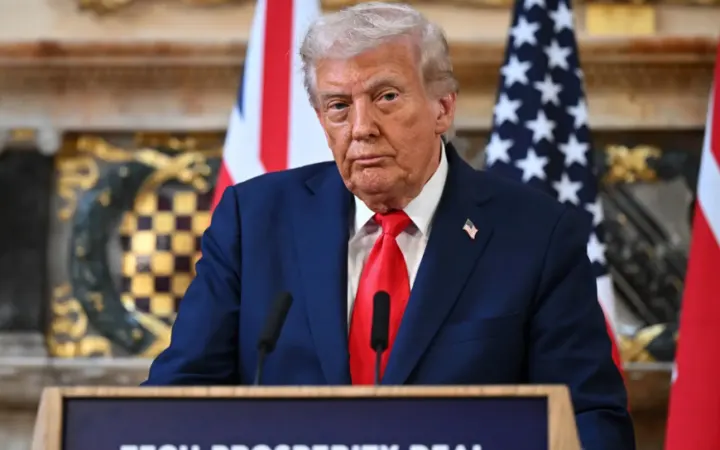
President Donald Trump told reporters he learned of the search from television and said he would be briefed later, while repeating criticisms he has long leveled at Bolton. The two have feuded publicly since Bolton’s 2019 departure from the White House.
Bolton did not issue a statement by press time. He was photographed returning to his home as agents concluded part of the operation.
How Searches Like This Work: Boxes, ‘Filter Teams,’ and Chain of Custody
Agents typically separate potential evidence, create a property receipt, and preserve chain of custody. In cases where privileged or unrelated personal material may be present, the government uses filter teamsagents and lawyers walled off from case investigators, to screen content.
Digital items are often imaged on-site; documents are transported for classification review and forensic analysis.
Comparisons and Caution: Other Classified-Records Cases
High-profile searches involving classified materials have also touched figures in both parties in recent years. Each case turns on specific factswhat was kept, where it was stored, and whether there was obstruction or misuse after requests to return items.
Because standards and evidence differ, analysts warn against assuming this search will track outcomes seen in other investigations.
Politics vs. Process: Claims of Retaliation, Claims of Rule-of-Law
Supporters of the move say it reflects even-handed enforcement; critics view it through a political lens given Bolton’s public split with Trump. The FBI says it does not comment on ongoing investigations and points to judicial oversight as a safeguard.
Members of Congress are already seeking briefings and may press for public release of the warrant and the affidavitthough affidavits are often sealed during active probes.
What Happens Next: Receipts, Motions, and Possible Unsealing
Targets typically receive or can obtain a property receipt listing seized items. Lawyers then decide whether to seek judicial relieffor example, to return certain materials, or to negotiate search-protocol issues, especially around privilege.
Courts sometimes unseal warrants or portions of affidavits after filings or if the subject consents. That is when the public learns more about the what and why behind a search.
How to Read Early Claims Online
Viral posts can blend fact with rumor during federal searches. Rely on primary documents (warrants, receipts) and on-the-record statements from credible outlets on the scene rather than speculative threads.
If a claim hinges on a quote, look for the full contexttime, place, and whether the speaker actually referenced the Bolton case or spoke in general terms.
What to Watch: Dates and Documents That Will Matter
Key milestones include any unsealing of the warrant, a possible release of the property receipt, and congressional oversight letters. If charges are considered, watch for grand jury activity and filings by the U.S. Attorney.
Short term, reporters will seek confirmation of what was taken and whether further searches are planned. Until then, details will remain limited by design.
Note: This is Part 1 of a two-part article. Part 2 will continue below after user confirmation.
The Warrant Itself: What It Has to Show
A federal search warrant must list the place to be searched and the items to be seized, and be signed by a judge who found probable cause. In document cases, attachments typically describe rooms, containers, and devices that agents are allowed to open or image.
Warrants also set time windows for execution and may include instructions about knock-and-announce, filter teams, or how to handle materials that might be privileged or unrelated. After the search, agents prepare a property receipt that lists what was taken.
Classified vs. “National Defense Information”, Not Always the Same
“Classified” is an executive-branch system for protecting sensitive material. “National defense information” (NDI) is a term in criminal law tied to whether disclosure could harm the United States. Something can be unmarked and still count as NDI depending on context and content.
That distinction matters because some statutes focus on how information was handled and what it reveals, not only on formal classification stamps. Investigators typically seek expert reviews to assess sensitivity and potential damage.
Prepublication Review & Former Officials
Senior officials sign agreements to submit manuscripts and public remarks for prepublication review. The aim is to prevent accidental disclosure of sensitive material. Disputes sometimes arise about whether edits were followed and how final drafts map to approved text.
Searches in a new case would focus on actual itemsnotes, drafts, emails, devices, not prior headlines. What matters to investigators is whether sensitive content was retained or shared outside secure channels after leaving office.
How DOJ Weighs Charges in Records Cases
Prosecutors look at willfulness, volume, sensitivity, and any signs of obstruction or false statements. They also consider cooperation: Were items returned promptly when discovered? Did counsel facilitate searches or resist them?
Even when a search occurs, the end result can range from no charges to misdemeanors or felonies, depending on the evidence and the public-interest balance set by the Department of Justice.
Comparisons Are Tempting, But Facts Drive Outcomes
High-profile records cases often invite comparisons. Yet outcomes hinge on specifics: how many items, which rooms and devices, what markings, and whether officials misled investigators or corrected mistakes quickly.
That’s why analysts caution against assuming this investigation will copy the trajectory of another. Each file stands or falls on its own evidence trail.
Potential Defense Themes You Might Hear
Common arguments include overclassification, disputes about declassification authority, and challenges to search scope or filter procedures. Defense lawyers also scrutinize chain of custody and whether agents exceeded the warrant’s terms.
Courts test these claims through motions. Success can narrow what prosecutors may use, or, at times, end a case outright if key evidence is suppressed.
Digital Footprints: Emails, Cloud Backups, and Devices
Modern searches rarely stop at paper. Investigators often image phones, laptops, and external drives, then seek cloud data through separate legal process. Metadata can show who had access and when files were moved or shared.
Digital forensics helps confirm whether sensitive material stayed in a restricted enclave or spread across personal accounts and devices after government service.
Congressional Oversight: What Lawmakers Can, and Can’t, Get
Committees may request briefings, the warrant, and a document index. Affidavits are often sealed during active probes, so early oversight typically centers on process questions rather than evidence.
Expect letters, hearings, and tussles over privilege and ongoing-investigation protections. Public clarity usually improves once courts unseal receipts or other filings.
How to Read Headlines Without Getting Spun
Early coverage thrives on speed. The antidote is primary documents: warrants, receipts, and on-the-record statements. Quotes can travel fast; context travels slower.
Focus on who said what, when, and under what authority. That’s how you separate process from politics.
FOIA and Court Access: Pathways to Public Records
The Freedom of Information Act lets the public request records from agencies, though active cases trigger exemptions. Courts sometimes unseal warrants or receipts after filings or by consent of the parties.
When documents do emerge, journalists compare them to timelines to test claims and spot gaps or contradictions.
What Happens to Seized Material After the Raid
Documents are cataloged and, if necessary, reviewed in secure settings by classification authorities. Personal or privileged items identified by filter teams are segregated and can be returned or withheld pending court guidance.
If charges are filed, the Classified Information Procedures Act (CIPA) sets rules for handling sensitive evidence so trials can proceed without revealing protected details.
Possible Timelines: From Quiet Review to Public Filings
Best case: Questions are resolved through document returns or narrow findings; no criminal charges follow. Middle case: Extended negotiations and limited filings clarify issues over months.
Worst case: Evidence supports felony counts, leading to a charged case and lengthy litigation over scope, privilege, and classified handling.
Staying Oriented: A Reader’s Guide to the Next Updates
When the next development hits, ask four things: Did a court unseal anything? Did counsel describe what was taken? Did DOJ signal charging posture? Did Congress secure oversight materials beyond press quotes?
Answering those questions will tell you whether the story has shifted from search to evidenceand from speculation to a public record.
Source: CBS News