Elissa Slotkin Fired Back at a Trump Prosecutor
Elissa Slotkin answered a Trump prosecutor with two words that set off a storm in Washington. Aaron Reitz, the United States attorney for the Southern District of Texas, sent her a letter that said her talk of congressional oversight might break the law. He also told her to preserve her documents and communications. Slotkin is a Democrat from Michigan and a member of the United States Senate. She wrote back on Wednesday and said the threat was baseless. Her reply has now become one of the most talked about letters in the capital.
In her reply, Slotkin said the Constitution’s Speech or Debate clause bars prosecution of a legislator for oversight work. She said Reitz posted the letter on social media instead of sending it to her lawyer because it was about publicity. She told him to withdraw the letter and answered with two words, bring it on. The story has grown into a fight about free speech and the limits of a prosecutor’s power. For more on White House fights with Congress, read the bill to stop a president pardoning himself and Bernie Sanders on Trump as the most corrupt president.
References:
Finwire: Sen Elissa Slotkin Fires Back At DOJ Official Over Investigation Of Her Political Speech
Slotkin Senate: Slotkin Responds To Threats Of Prosecution From US Attorney, Tells DOJ To Bring It On
Baker Law: Congress Prepares For Rigorous Oversight As White House Orders Federal Contractors On Their Responses
The Mary Sue: Trump Orders Federal Contractors To Notify The White House Before Answering Congress
A Letter Arrived From a Texas Prosecutor

Aaron Reitz sent the letter as the top federal prosecutor for the Southern District of Texas, a district that covers Houston. He is 39 years old and took the job over the summer after finishing fourth in a Republican primary for state attorney general. Before that, he was chief of staff to Senator Ted Cruz of Texas. His letter said Slotkin’s remarks about oversight sounded potentially illegal to him, and he told her to preserve all of her documents and communications. Read more in the threat to take away Rosie O’Donnell’s citizenship and the Supreme Court tariffs case.
Who Is Aaron Reitz
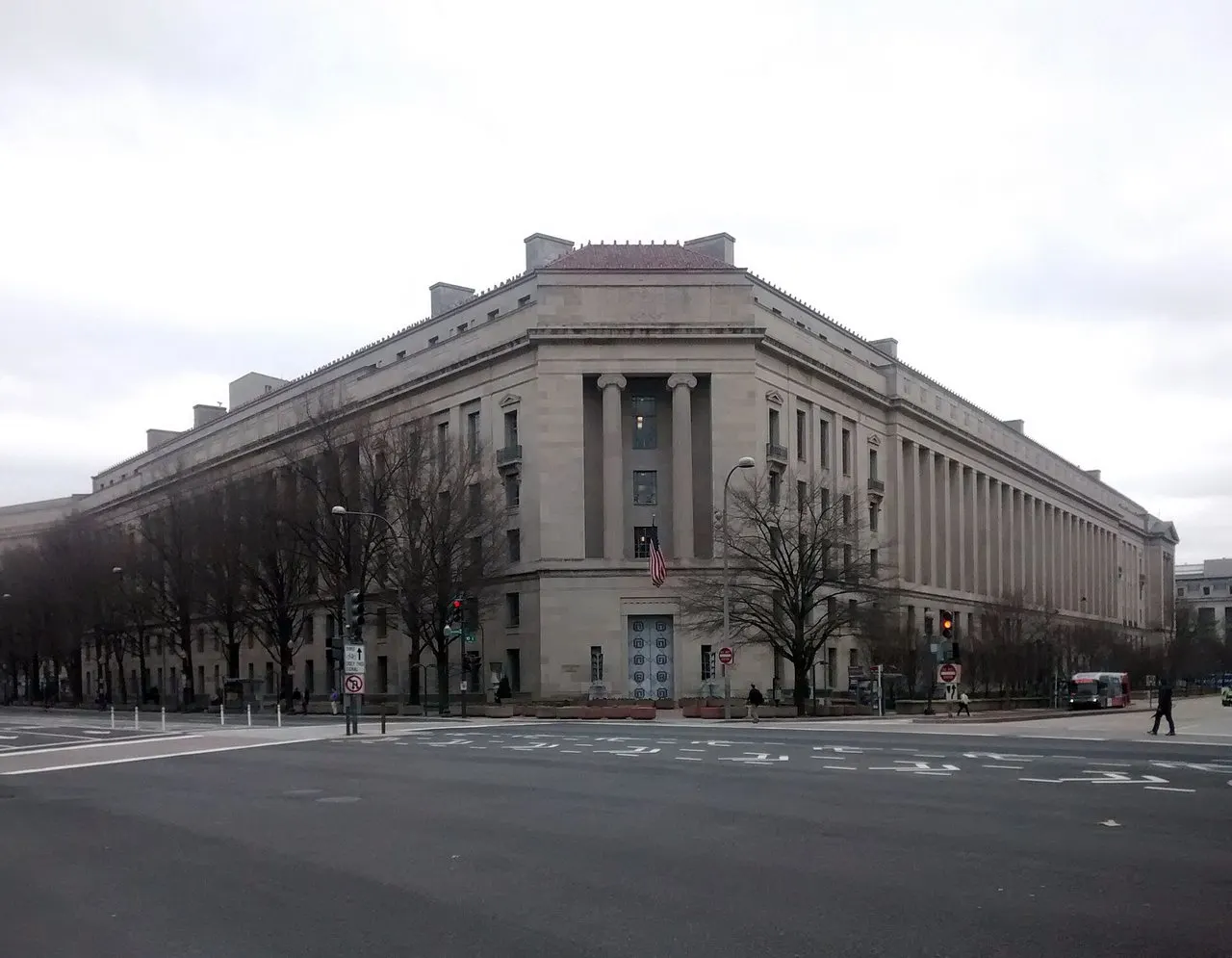
Reitz is a lawyer who built his career in Texas Republican politics before he became a United States attorney. He worked as chief of staff to Ted Cruz. He then ran for state attorney general and finished fourth in the Republican primary. He got the prosecutor job. The role puts him in charge of federal cases across a huge district, from Houston to the border. His letter to Slotkin was one of several he posted online. Read more in the plan to send the National Guard into Democratic led cities and the federal crime crackdown after D.C..
What Slotkin Said About Oversight

The remarks at the center of the letter were about congressional oversight and the message it might send. Slotkin had said that oversight might send a deterrence message to people thinking about joining the Trump administration. Reitz wrote that this sounded potentially illegal to him. Slotkin says she made the remarks under her basic right to free speech, a right every American holds under the First Amendment. She also says oversight is a core duty of a United States senator. Read more in the D.C. crackdown and its arrests and Lisa Cook suing Trump over the Federal Reserve Board.
Elissa Slotkin Cited the Speech or Debate Clause
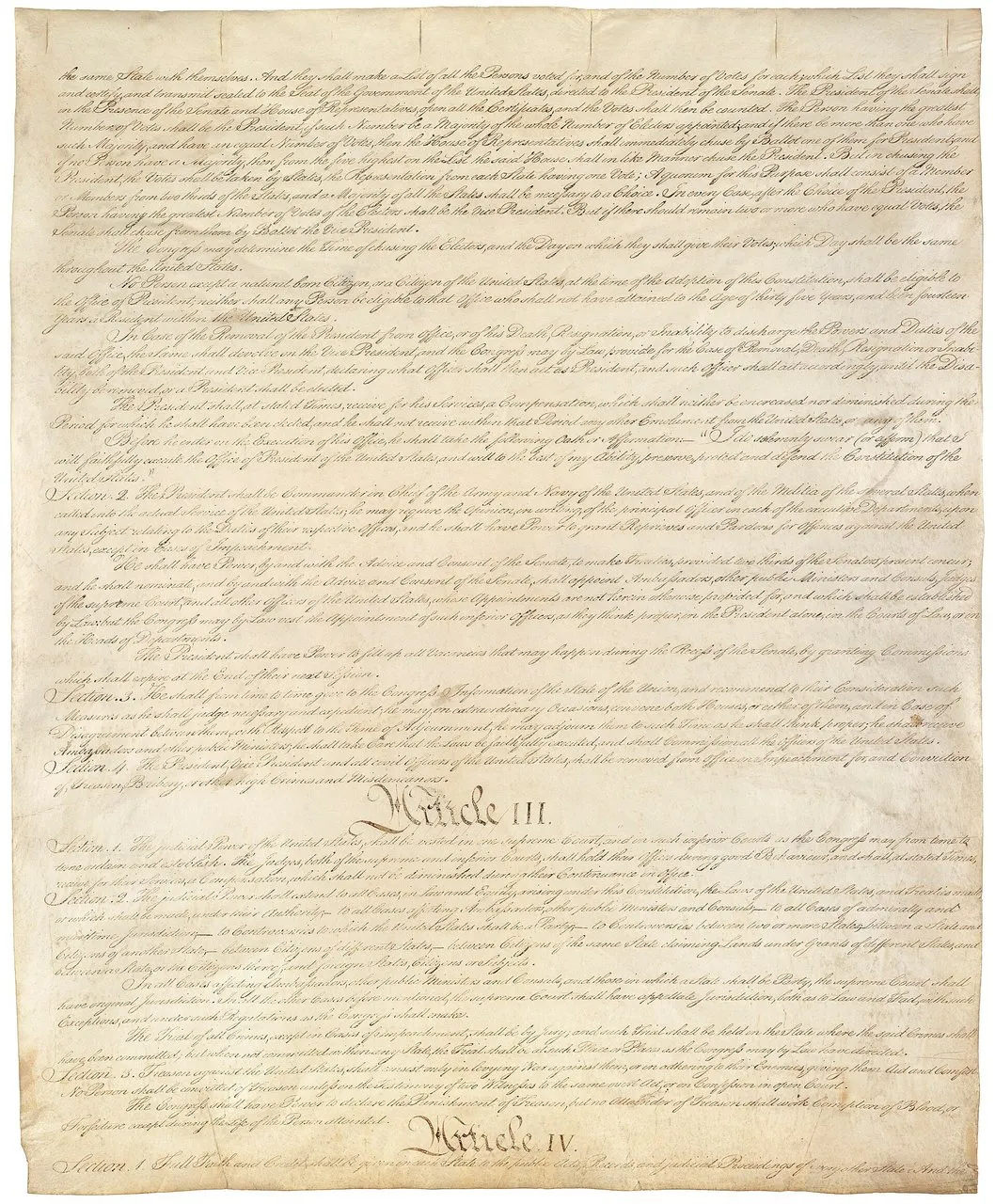
Slotkin leaned on one of the oldest protections in the Constitution when she answered Reitz. The Speech or Debate clause bars prosecution of a legislator for conducting an investigation or performing other legislative acts. Slotkin quoted that rule and said it covers her oversight work. She wrote that his threat of investigation was baseless and that he should withdraw the letter. The clause has guarded lawmakers since the founding, so they can speak and investigate without fear of arrest. Read more in JD Vance criticizing Senate Democrats and Trump accusing Democrats of leaking an Iran strike report.
She Called the Threat Baseless
Slotkin did not soften her words when she called the letter baseless. She wrote that the threat of investigation had no legal ground and that Reitz should withdraw it immediately. She also said his public threats broke Justice Department policy. Her lawyer had already warned the attorney general against following the president’s public call to look into her speech. The attorney general later conceded that her words alone were absolutely not a crime. Read more in Obama warning about military use on domestic soil and Trump patrolling D.C. with police and troops.
Elissa Slotkin Said the Letter Was About Publicity

Slotkin pointed at the part of the story that gives it away, in her view. Reitz did not send the letter to her, or to her lawyer, or to the Senate legal counsel. He posted it on social media for the public to see. Slotkin wrote that this choice is evidence the threat is more about publicity and his own political ambitions than any real inquiry. She also said he appeared to be seeking attention. Read more in the fight over a bill to stop a president from pardoning himself and the threat to take away Rosie O’Donnell’s citizenship.
The Letter Went on Social Media First

The letter reached the public through a post on X, not through a letter delivered to the senator. Reitz posted the message online. Slotkin says that is not how a real inquiry works. A real inquiry would go to the person under scrutiny, or to her lawyer, or to the Senate legal counsel. Instead, the letter appeared in public first. That order of events is the heart of her claim that the move was meant to make a point. Read more in Bernie Sanders calling Trump the most corrupt president and the court ruling that called the tariffs illegal.
Five Democrats Got Similar Letters

Slotkin was not the only Democrat to get a letter like this one. Reitz posted similar letters on X to Elizabeth Warren, Richard Blumenthal, Adam Schiff and Robert Garcia. Each letter raised questions about remarks on oversight and told the lawmaker to preserve records. The five letters turned a single dispute into a wider fight about how far a prosecutor can go when lawmakers criticize the government. Legal experts have questioned whether the civil rights laws cited in the letters fit the facts. Read more in the Guard deployment debate and Bondi and the D.C. sweep.
A Grand Jury Said No Earlier This Year

This is not the first time Slotkin has faced this kind of threat. Earlier this year, a grand jury unanimously refused to bring a similar case against Slotkin and five other Democrats. A grand jury is a group of citizens that decides whether there is enough evidence to charge a person with a crime. A unanimous refusal means every member of the group agreed the case should not go forward. That history makes the new letter look even weaker to Slotkin. Read more in the crime crackdown in Chicago and New York and the Fed governor who sued Trump.
Elissa Slotkin and the First Amendment

Slotkin also grounded her reply in the First Amendment, which guards the freedom of speech for every American. She wrote that she made her remarks consistent with that basic right. Political speech sits at the core of the First Amendment, and courts have long protected sharp criticism of the government. A senator who warns about oversight is speaking about public business, not plotting a crime. That is why legal experts say a speech case against a lawmaker would face a steep climb. Read more in Vance and the RFK Jr. hearing and the warning on liberties and Guard deployments.
The Justice Department Said Her Words Were Not a Crime
The Justice Department itself has stepped back from the idea that Slotkin broke the law. Attorney General Todd Blanche said her words alone were absolutely not a crime. He also said there were no ongoing criminal investigations into words that lawmakers have said. Those words came at a press conference last week. They stand in sharp contrast to the letter Reitz posted online. The gap between the attorney general and his own prosecutor is now part of the story. Read more in the Iran intelligence leak claim and the D.C. patrol plan.
Why Oversight Is at the Heart of the Fight
Oversight is one of the oldest jobs of Congress. Lawmakers ask questions, demand records, and hold hearings to check the work of the executive branch. That power is written into the Constitution and has been used by both parties for generations. When oversight works, the public learns what the government did and why. When it is threatened, lawmakers say the public loses its check on power. That is why this letter has drawn so much attention. Read more in the self pardon bill and National Guard troops in American cities.
Elissa Slotkin and the Coming Fight Over Contracts
Slotkin’s fight is part of a much larger clash over oversight that is building in Washington. Democrats won the midterm elections and will take control of Congress in January, when the 120th Congress begins. Their leaders have already sent dozens of letters telling companies and agencies to preserve records. Government contracts are near the top of their list, with a focus on money linked to the president’s family. The White House is pushing back hard. Read more in Sanders and his criticism of Trump and the federal crackdown on crime.
A New Order Tells Contractors to Check With the White House
On Friday, November 20, the president signed Executive Order 14438, a new rule for federal contractors. It tells contractors and subcontractors to notify the White House before answering congressional requests about their work. They must also coordinate their answers with the White House and follow instructions to withhold material seen as privileged. Firms that ignore the order risk losing their contracts or being shut out of future government work. Democrats call the order unlawful. Read more in Rosie O’Donnell and the citizenship threat and the arrests in the D.C. sweep.
What Happens Next for Elissa Slotkin
What happens next is still open. Slotkin has told Reitz to withdraw his letter immediately, and she has said she will guard her rights if the matter goes further. Reitz has said he is not interested in chilling free speech, but he has not withdrawn the letter. The Justice Department has said there is no criminal case over her words. For now, the letter stands as a public warning, and the senator stands by her answer. Read more in the court ruling that called the tariffs illegal and Lisa Cook and her lawsuit.
Why Legal Experts Are Watching Closely

Legal experts have raised sharp questions about the letters. They say the civil rights laws Reitz cited do not fit remarks made in the course of oversight. They also point to the Speech or Debate clause, which the Supreme Court has read to shield legislative acts from prosecution. Slotkin says his public threats also broke Justice Department policy. The debate now turns on whether a prosecutor can use the threat of charges to shape what lawmakers say in public. Read more in the Vance attack on Democrats and the call to prosecute over the leak.
What Do You Think of Elissa Slotkin’s Answer?

Slotkin answered a prosecutor’s letter with two words, and the country is still talking about them. She said the Constitution protects her oversight work, and she told Reitz to take his letter back. He has not done so, and the fight over free speech and oversight is only getting louder. Now it is your turn to weigh in. Do you think Slotkin was right to answer the way she did, or should she have stayed quiet? Share your thoughts in the comments below. Read more in Obama and the Guard warning and Trump and the Park Police visit.