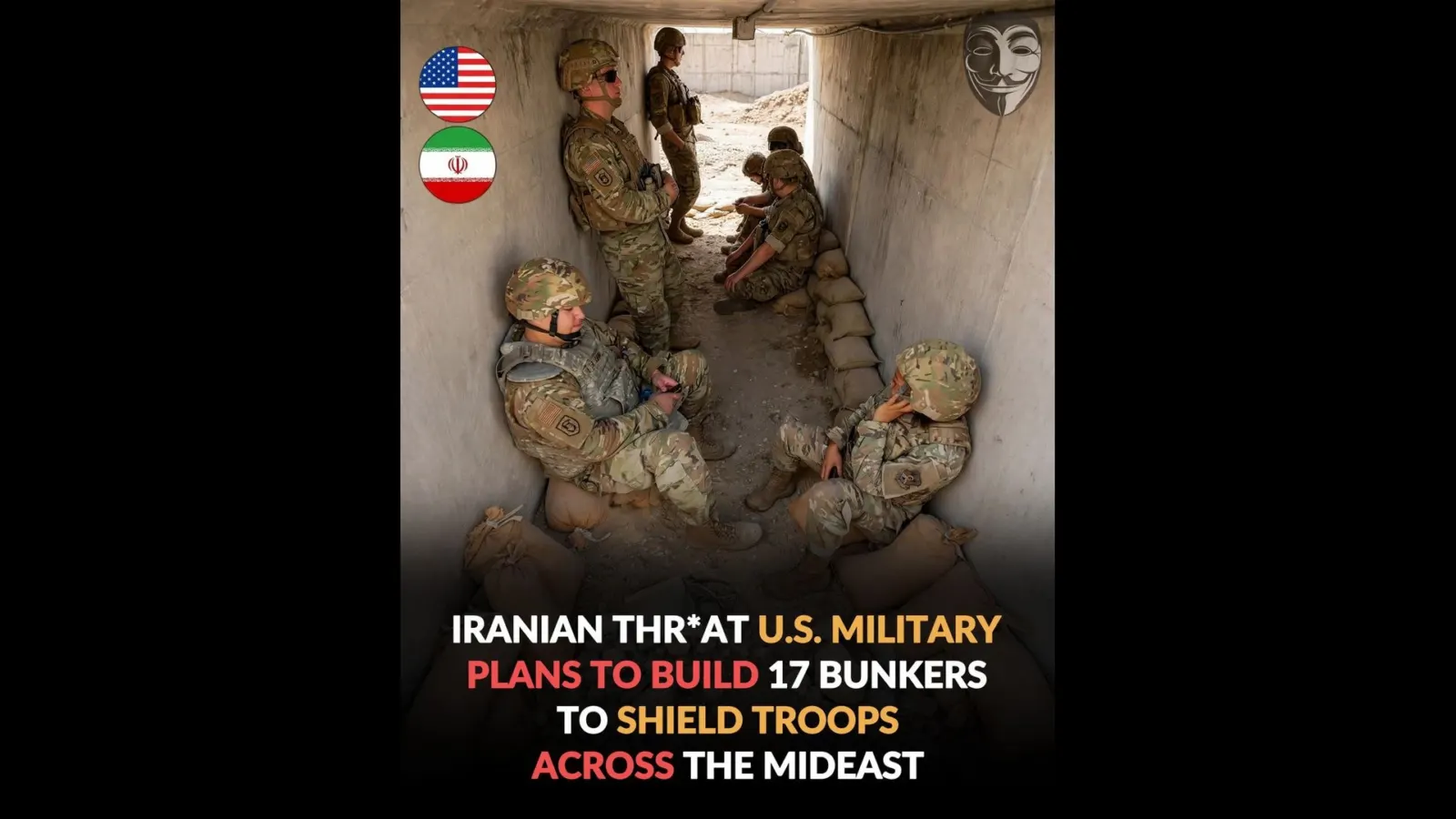
US Army Bunkers Planned Across the Mideast
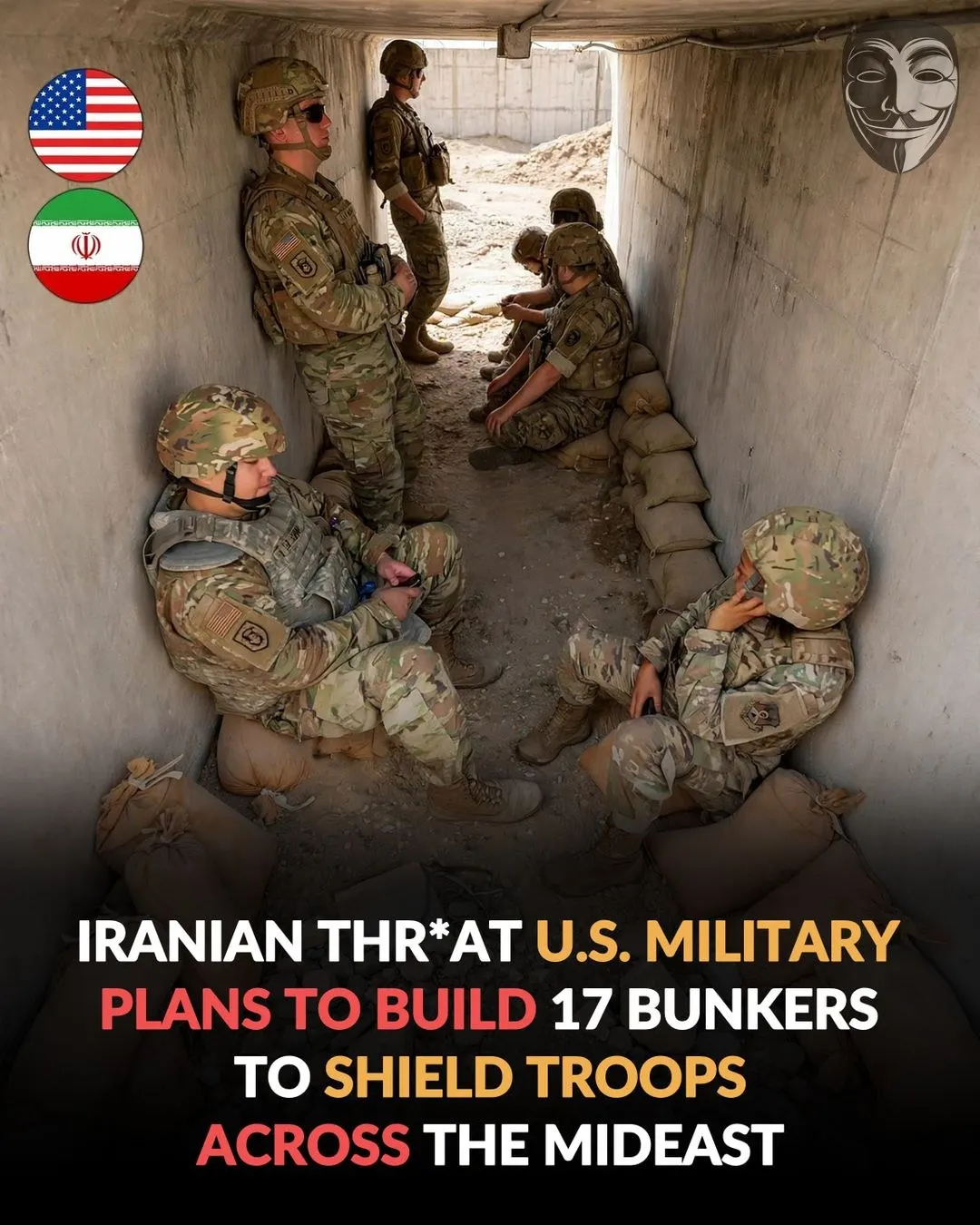
US Army bunkers are going up across the Middle East as the United States rushes to protect its troops from Iranian missile and drone fire. The Army has asked contractors to build 17 reinforced concrete shelters at bases in Israel, Saudi Arabia and Lebanon, replacing shipping containers that now serve as makeshift protection. Ten bunkers are planned for Israel, five for Saudi Arabia and two for Lebanon, and the work must be finished within 45 days of a task order. Learn more in our earlier coverage: karine-jean-pierre
The call for bids came after at least 23 American service members were killed since February, according to reports, and after nine months of Iranian fire that exposed how thin the protection had become. The Army gave firms only three days to submit quotes, with responses due November 25, a timetable that shows how urgent commanders consider the danger. The new shelters are meant to give troops real cover when warning sirens sound, instead of thin metal walls that cannot stop a blast. Learn more in our earlier coverage: bernie-sanders-2028
References:
Military Times: US Army Takes Urgent Action To Build Concrete Bunkers Across The Middle East
SOFREP: After Nine Months Of Iranian Fire, The Army Finally Seeks Bunkers For Troops
Jerusalem Post: US Army Building Fortified Bunkers In Isr*el, Saudi Arabia And Lebanon
Roya News: US Army Urgently Seeking Contractors To Construct 17 Reinforced Concrete Bunkers
Seventeen Shelters for Three Countries
The plan covers three countries and 17 separate structures, each one a reinforced concrete bunker built to shield troops from missiles and drones. Israel will host the largest share, with ten bunkers at bases there, while Saudi Arabia will get five and Lebanon two. The Army set the split after reviewing where its people face the greatest danger, and the notice tells builders that every site must be ready fast. The three-country spread shows how wide the threat has become for American forces in the region. Learn more in our earlier coverage: trump-alive-rumors trump-armenia-azerbaijan
Ten US Army Bunkers Planned for Israel
Israel will receive ten of the 17 bunkers, the largest share in the plan, because American bases there sit closest to the threat. Troops in Israel have lived under the danger of Iranian missiles for months, and the shelters now in use are shipping containers that offer little real protection. The new concrete bunkers will give soldiers a hardened place to run when alarms sound. Builders must move quickly, since the Army wants every structure finished within 45 days of a task order. Learn more in our earlier coverage: trump-guard-blue bruce-willis-health
Five Bunkers for Saudi Arabia
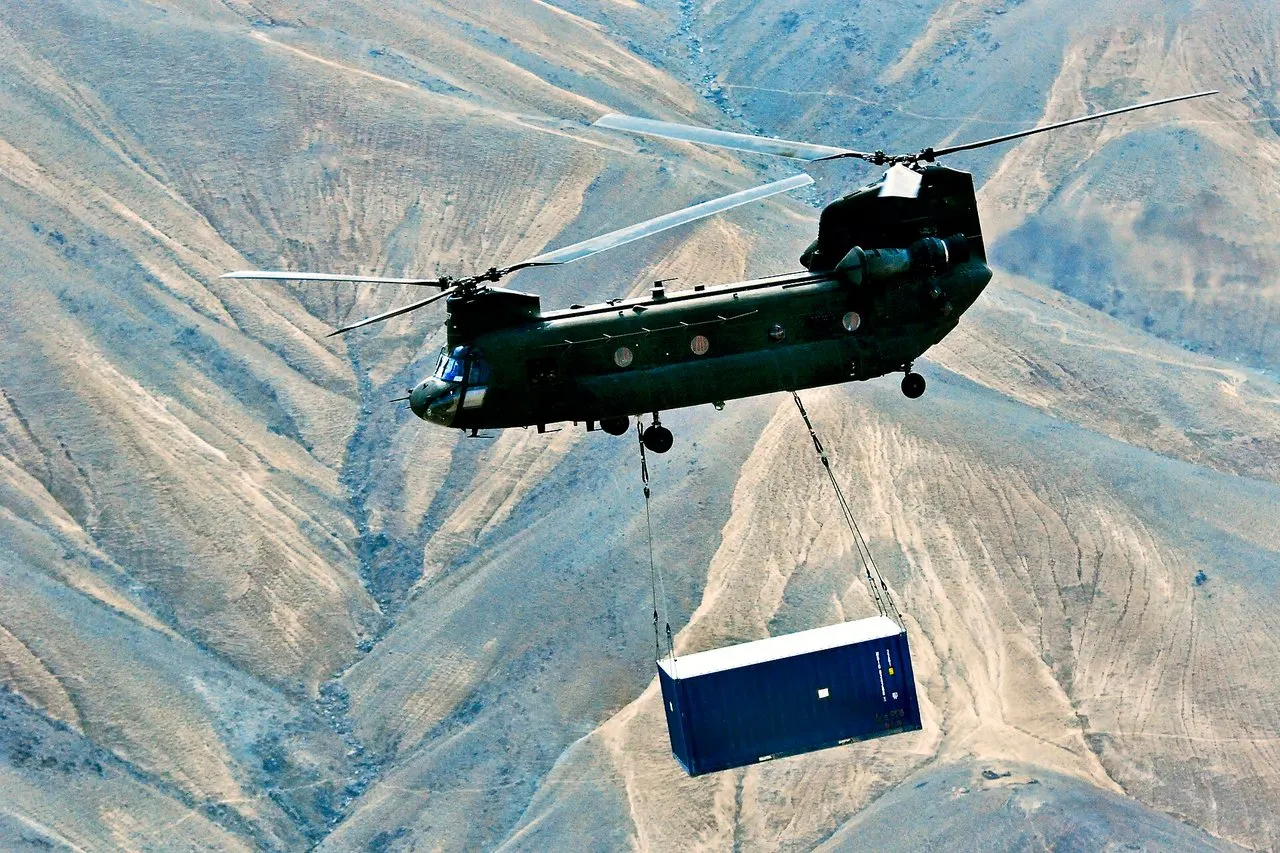
Saudi Arabia will host five of the new bunkers at American bases in the kingdom, where troops support operations across the region. The bases there have also relied on shipping containers for shelter, and commanders have warned that a missile or drone strike could turn those thin walls into deadly shrapnel. The concrete structures will be built to absorb blasts and keep the people inside alive. The Army included Saudi sites in the same urgent order as Israel and Lebanon. Learn more in our earlier coverage: chp-protection-for rfk-jr-fire
Two Bunkers for Lebanon
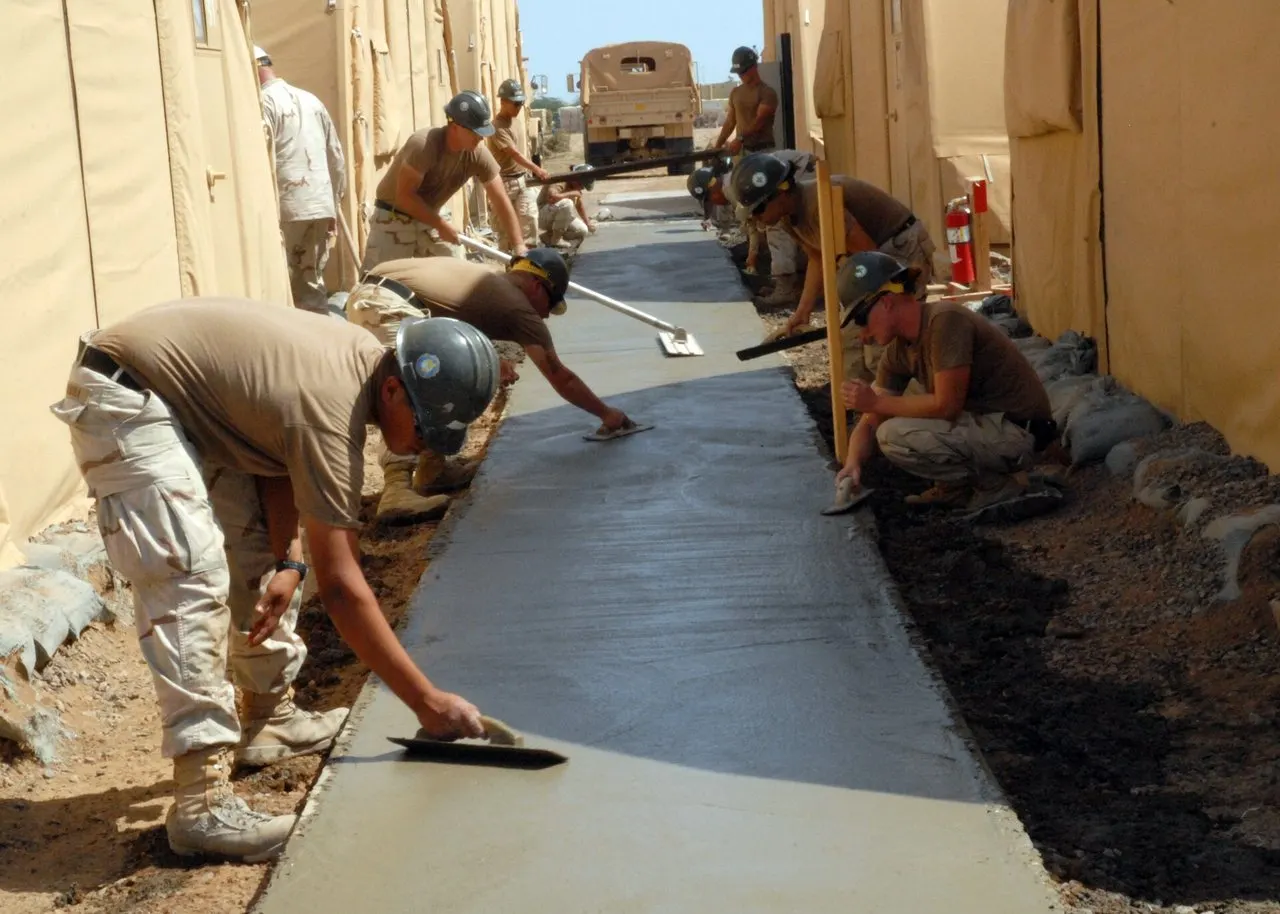
Lebanon will get two bunkers, the smallest share, but the need there is no less urgent for the troops stationed in the country. American forces in Lebanon work in a tense security climate, and the same container shelters stand between them and incoming fire. The Army’s notice puts Lebanon on the same 45-day clock as the other two countries, so builders must deliver all three sites on one tight schedule. Even two hardened shelters can save lives when rockets start falling. Learn more in our earlier coverage: stephen-king-predicts uk-cheerleader-life
Why Shipping Containers Are Not Enough

For months, American troops in the Middle East have sheltered in shipping containers when Iranian missiles and drones came in. The Army now says plainly that those containers leave people at risk, because thin steel cannot stop a warhead or the blast that follows it. A direct hit can tear a container apart and wound everyone inside. The new bunkers are reinforced concrete, built to take the force of an explosion and keep the troops inside safe. Learn more in our earlier coverage: viral-video-white voter-id-mail
US Army Bunkers Built to Withstand Missile Fire
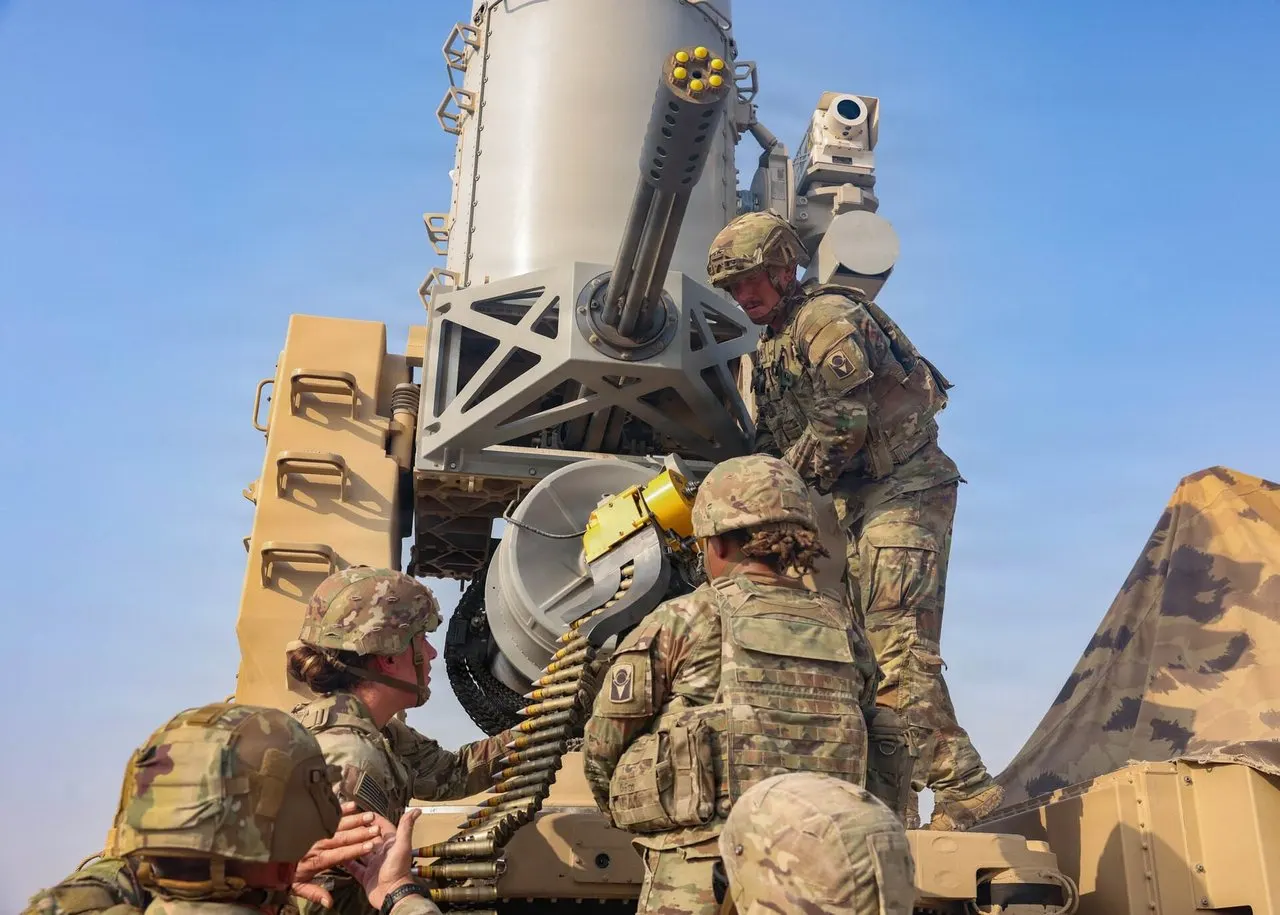
The new shelters will be built from reinforced concrete, the same material used for hardened military structures around the world. Thick walls and a solid roof can absorb the shock of a missile strike and stop the fragments that kill people in open shelters. The Army’s notice describes the bunkers as a direct answer to Iranian missile and drone attacks, which have grown more frequent over the past nine months. Troops will finally have a place built for the threat they actually face. Learn more in our earlier coverage: karine-jean-pierre bernie-sanders-2028
Forty-Five Days to Finish the Work
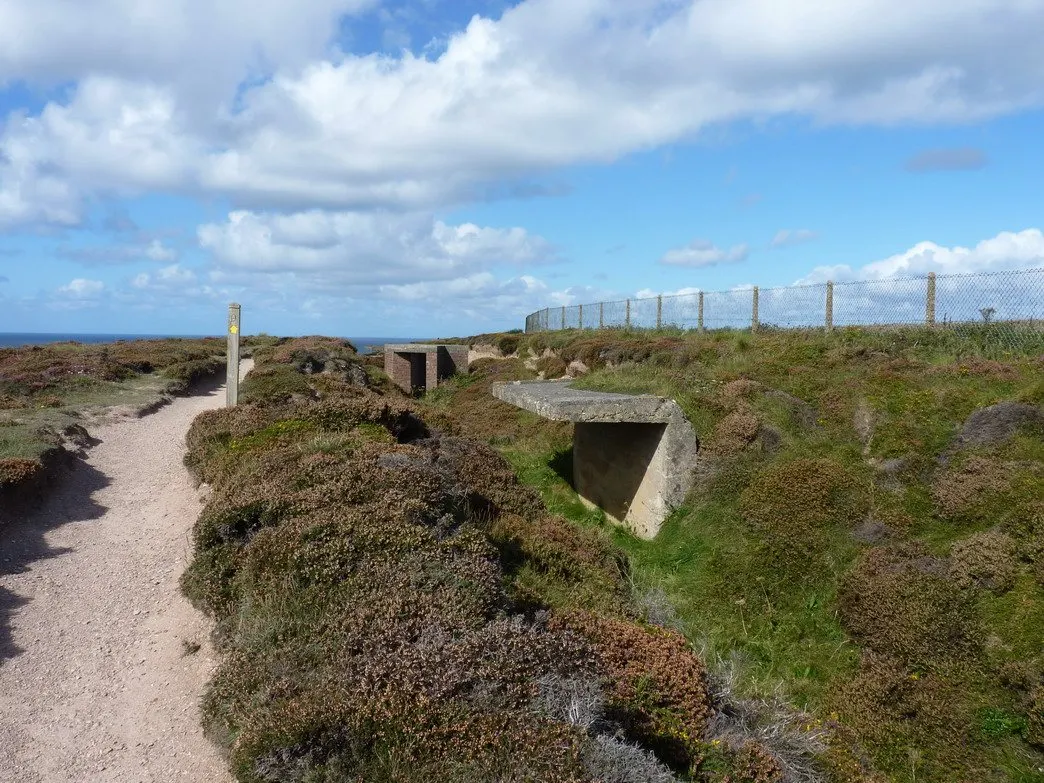
Every bunker must be finished within 45 days of the task order, a deadline that leaves builders almost no room for delay. Concrete takes time to pour and cure, so contractors will need crews working around the clock at three countries at once. The Army set the short window because the danger is already here, not months away, and troops cannot wait for slow construction. Firms that win the work will have to move people and materials fast. Learn more in our earlier coverage: trump-alive-rumors trump-armenia-azerbaijan
Three Days to Bid on US Army Bunkers

The Army gave construction firms only three days to submit quotes for the bunker work, with responses due November 25. That is an unusually short window for a project spread across three countries, and it signals how fast the military wants the shelters built. Companies must price the concrete, the labor and the logistics in days, not weeks. The rush also means only firms that can mobilize quickly will be able to take the job. Learn more in our earlier coverage: trump-guard-blue bruce-willis-health
Twenty-Three Troops Killed Since February

At least 23 American service members have been killed since February, according to reports, a toll that hangs over the bunker decision. Each loss has added pressure on the Army to give troops better protection than shipping containers. The deaths came during months of Iranian missile and drone fire aimed at American bases across the region. The new bunkers cannot bring anyone back, but commanders believe they can stop the next attack from adding to the count. Learn more in our earlier coverage: chp-protection-for rfk-jr-fire
US Army Bunkers Replace Old Shelters

The concrete bunkers will replace the shipping containers that troops have used as shelters, a change the Army says is long overdue. Containers were never meant to stop missiles, and every month of Iranian fire has shown their limits. The new structures give each base a hardened room where troops can wait out an attack in relative safety. Replacing the containers is the heart of the plan, and the reason the Army is moving on a 45-day clock. Learn more in our earlier coverage: stephen-king-predicts uk-cheerleader-life
Nine Months of Iranian Fire
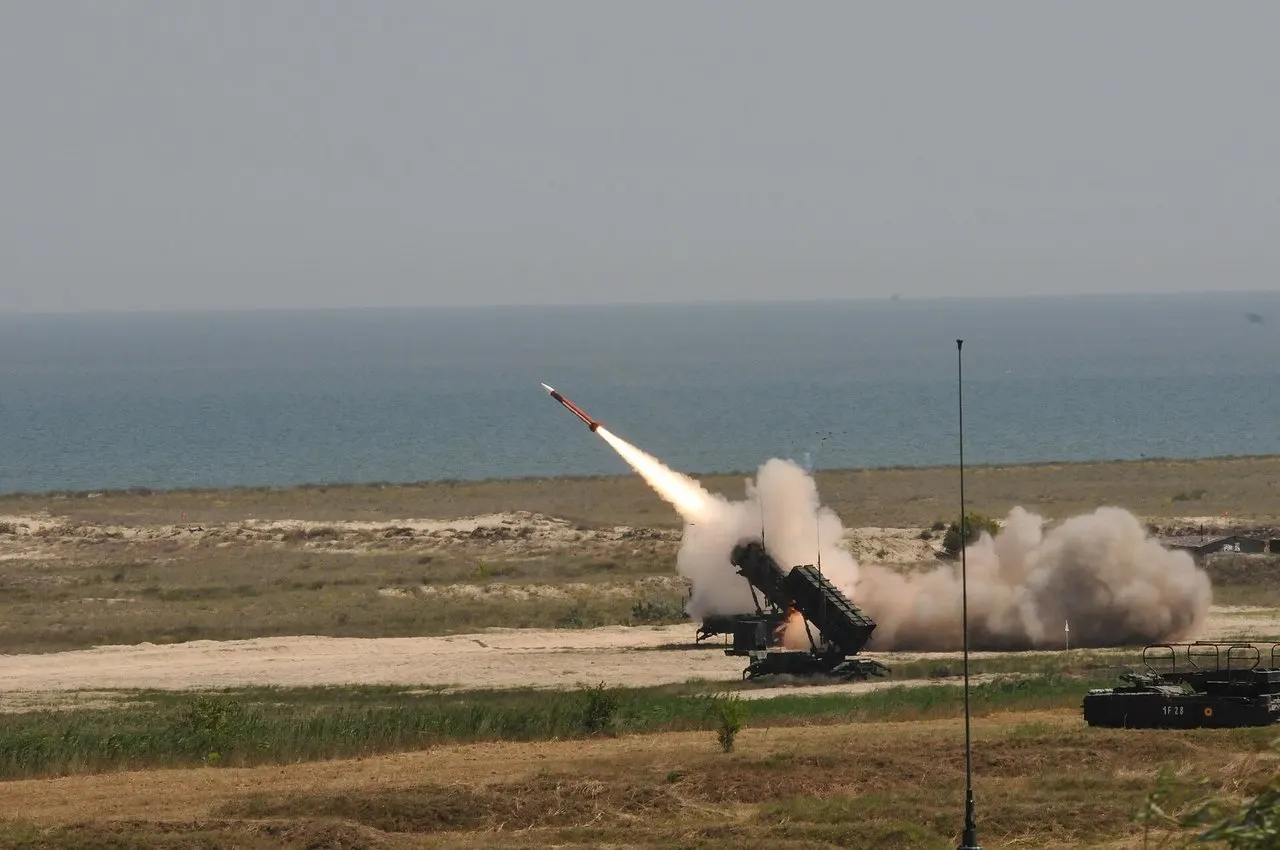
The bunker order follows nine months of Iranian missile and drone fire aimed at American forces in the Middle East. Bases in the region have lived under repeated alerts, and troops have run for shelter again and again. The SOFREP headline put it plainly: after nine months of fire, the Army finally seeks bunkers for its troops. The long wait has drawn criticism, but the order now on the table is the most concrete step yet to protect the force. Learn more in our earlier coverage: viral-video-white voter-id-mail
What the Bunkers Will Look Like
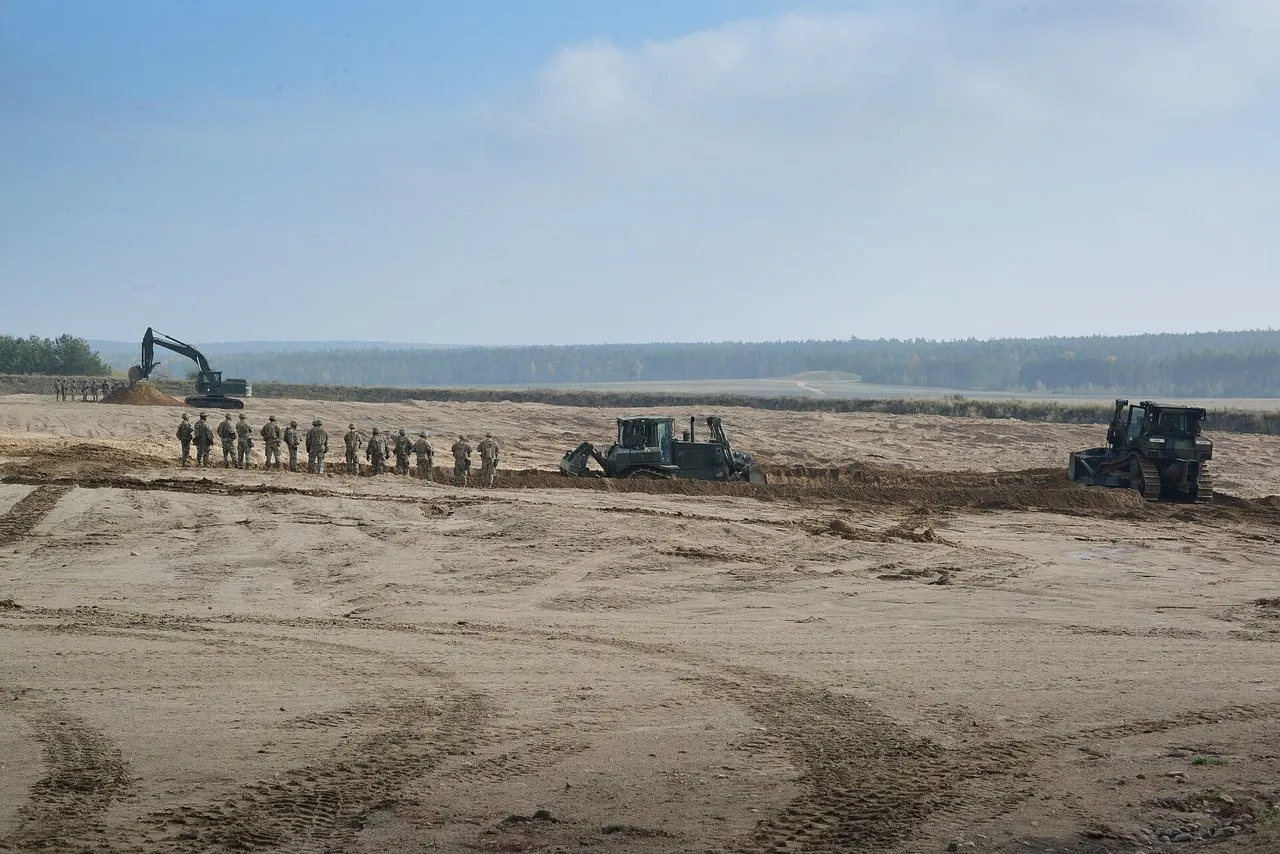
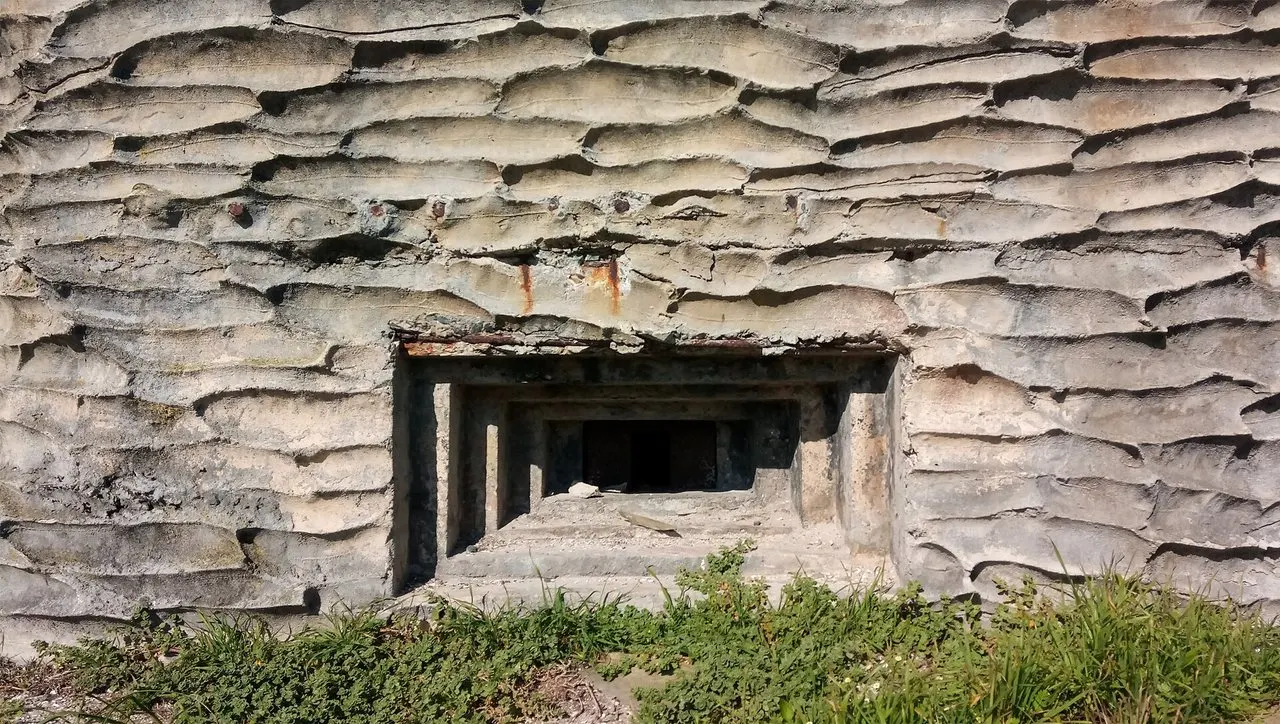
The bunkers will be reinforced concrete structures, low and thick-walled, built to shield the people inside from blast and fragments. Military Times reported the Army’s urgent call for contractors, and the notice describes shelters that can be built fast at bases in three countries. Engineers will pour concrete walls and roofs strong enough to take a hit. The design is simple on purpose: the goal is protection, not comfort, and speed matters more than style. Learn more in our earlier coverage: karine-jean-pierre bernie-sanders-2028
US Army Bunkers and the November 25 Deadline
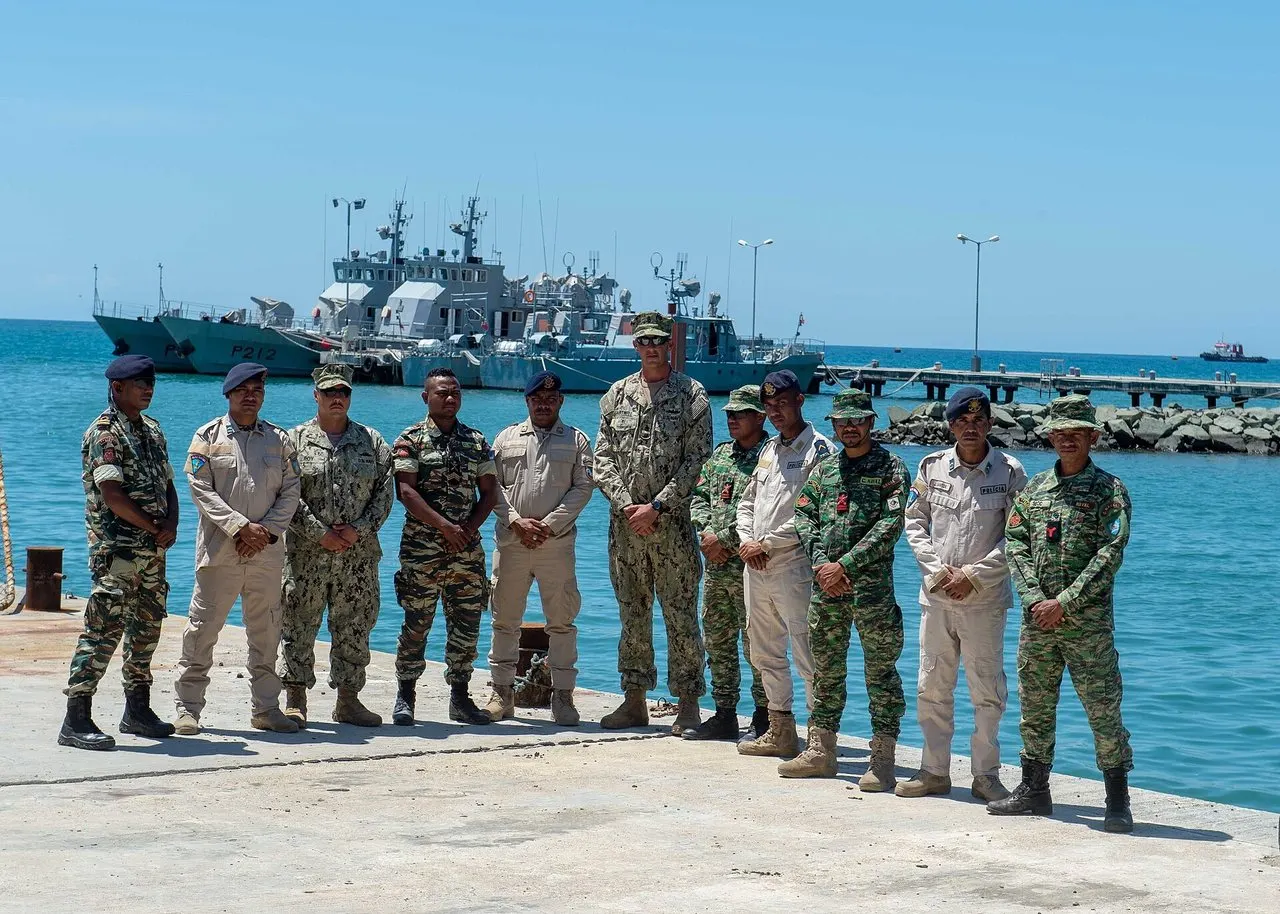
Responses to the Army’s call for quotes are due November 25, just three days after the notice went out. That date is the first hard deadline in the plan, and it will decide which firms get to build the 17 bunkers. After the bids come in, the Army must pick contractors and issue task orders fast, because the 45-day construction clock starts then. The November 25 date shows the whole effort is being run at wartime speed. Learn more in our earlier coverage: trump-alive-rumors trump-armenia-azerbaijan
Coalition Troops Also Under the Concrete
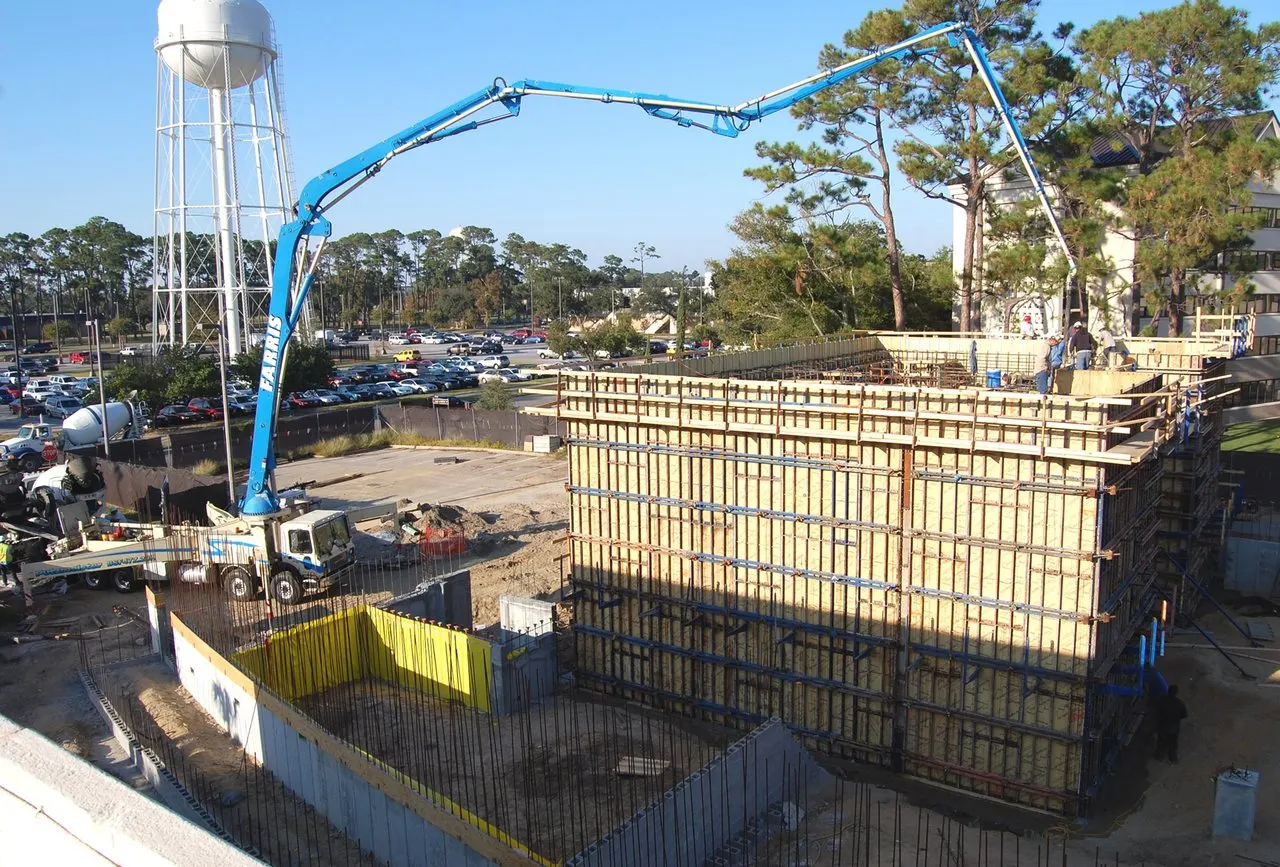
The bunkers will protect American and coalition troops alike, since allied forces share the bases in Israel, Saudi Arabia and Lebanon. The original caption for the post said the shelters are meant to better protect American and coalition troops from Iranian missile and drone attacks. That shared danger is why the Army is building on three countries at once. When the sirens sound, the concrete will cover everyone on the base, whatever flag they serve under. Learn more in our earlier coverage: trump-guard-blue bruce-willis-health
How Contractors Will Build Them
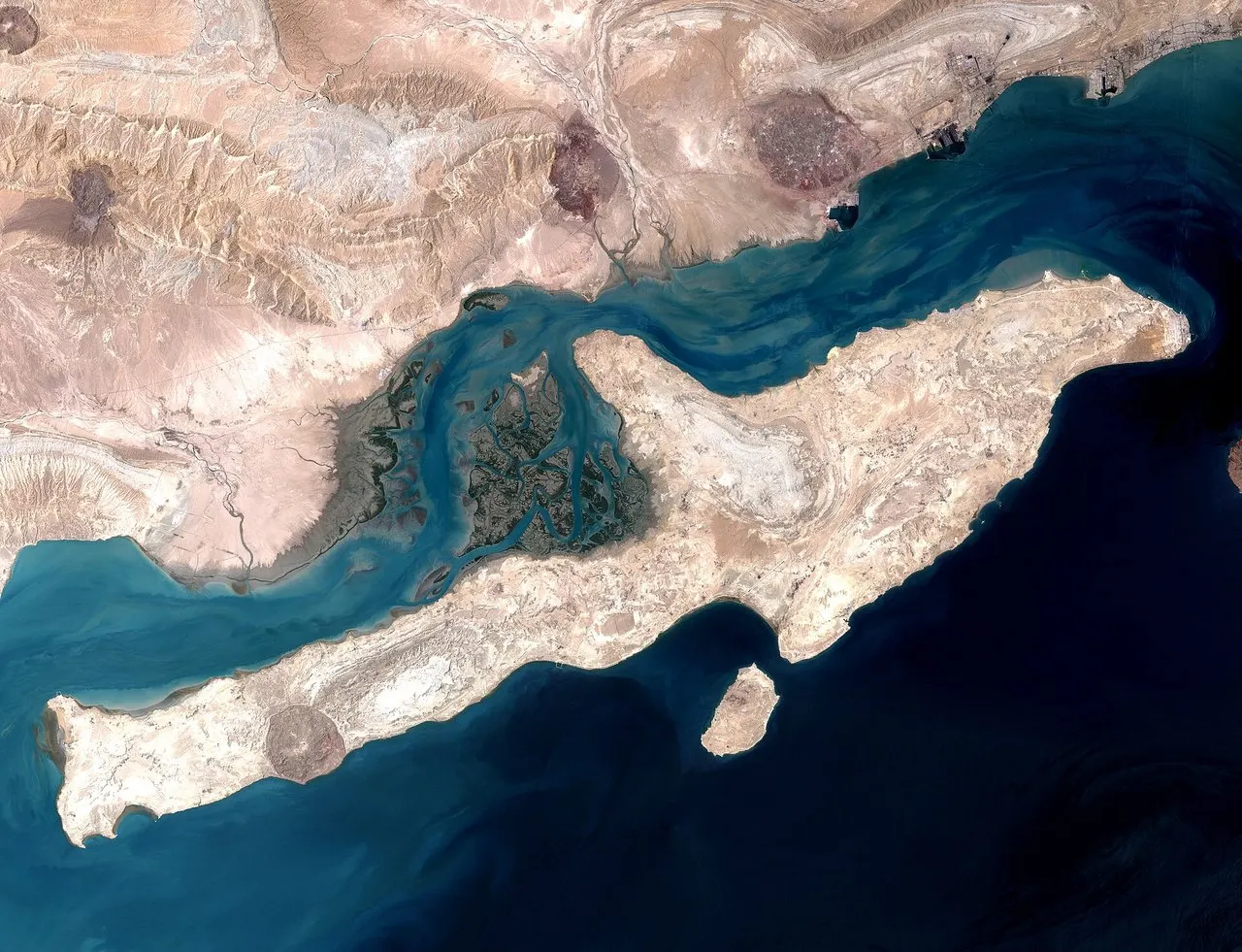
Contractors will have to pour reinforced concrete at bases in three countries, working under the same 45-day deadline at every site. That means hiring local crews, moving cement and steel, and running heavy equipment around the clock. The firms must also work around live military operations, since the bases stay active while the bunkers go up. The Army’s short bidding window means the winners will be companies that already have people and machines in the region. Learn more in our earlier coverage: chp-protection-for rfk-jr-fire
US Army Bunkers: What Comes Next
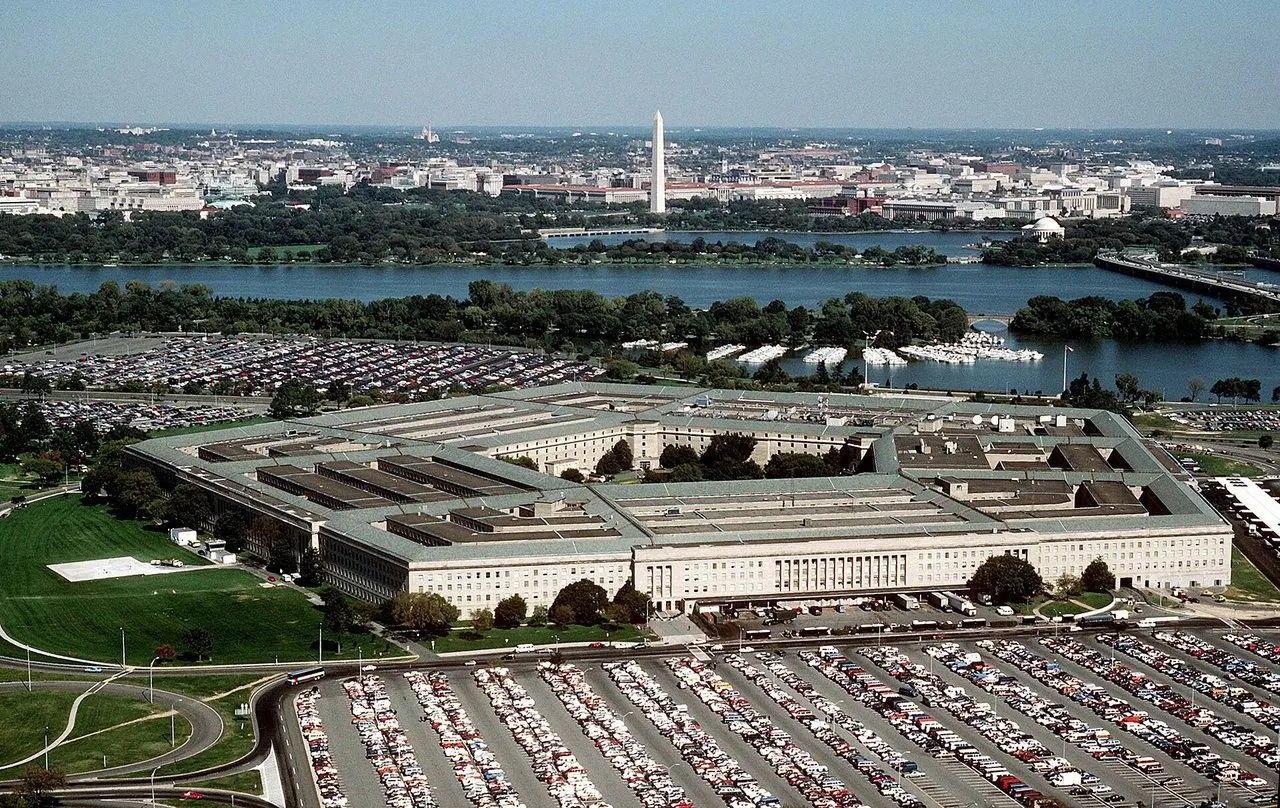
Once the bids are in on November 25, the Army will pick its builders and the 45-day clock will start. If the schedule holds, troops in Israel, Saudi Arabia and Lebanon will have hardened shelter within weeks, not months. The order is the largest bunker push for the region in years, and it signals that commanders expect the threat to continue. The next step after the bids is construction, and every day of delay leaves troops in containers. Learn more in our earlier coverage: stephen-king-predicts uk-cheerleader-life
The Cost of Waiting
The Army waited nine months of Iranian fire before ordering these bunkers, and critics will ask why the concrete was not poured sooner. The 23 troops killed since February are the grim measure of that wait. Now the plan is finally moving, with 17 shelters, three countries and a 45-day deadline. The bunkers will not end the threat, but they will give American troops a fighting chance to survive the next missile or drone attack. Learn more in our earlier coverage: viral-video-white voter-id-mail