Texas Senate Audit Puts Talarico Win to the Test

The Texas Senate audit is now the biggest test of the November 3 results in Texas. Democrat James Talarico defeated Republican Ken Paxton by nearly 1.2 million votes out of roughly 10 million cast, ending a 38-year Democratic drought in the seat. The state will now run its first full statewide risk-limiting audit on November 19, pulling paper ballots by hand and comparing them with the electronic totals. It is the first statewide win for the party since 1994, and the check will show whether the paper trail matches the reported result.
Officials generated a random 10-digit number through public dice rolls on November 18, livestreamed for all to see, and that number decides which ballots are pulled for the hand count. Secretary of State Robert Howden said Texans deserve to know their elections are secure and their votes are counted accurately. In the slides ahead we look at how the audit works and why the wide margin matters. For more on voting rules, read our report on the fight over mail-in ballots and voting machines and how Senate Republicans backed the plan to send the National Guard into cities.
References:
Associated Press: Texas Senate Race Results Show Talarico Ahead Of Paxton
Texas Tribune: Texas Begins First Statewide Audit Of Senate Race
KXAN: Talarico Defeated Paxton By Nearly 1.2 Million Votes
Houston Chronicle: Secretary Of State Says Audit Adds Accountability And Transparency
Nearly 1.2 Million Votes Separated the Two Candidates
James Talarico won the November 3 Senate race by nearly 1.2 million votes out of roughly 10 million cast. That gap is large for a statewide race, and it is the reason the audit can reach a clear answer by checking a smaller share of ballots. The win ended a 38-year Democratic drought in the seat and gave the party its first statewide win since 1994. Read about the Senate hearing where RFK Jr. defended CDC firings and how JD Vance criticized Senate Democrats in a heated post.
What the Texas Senate Audit Actually Checks
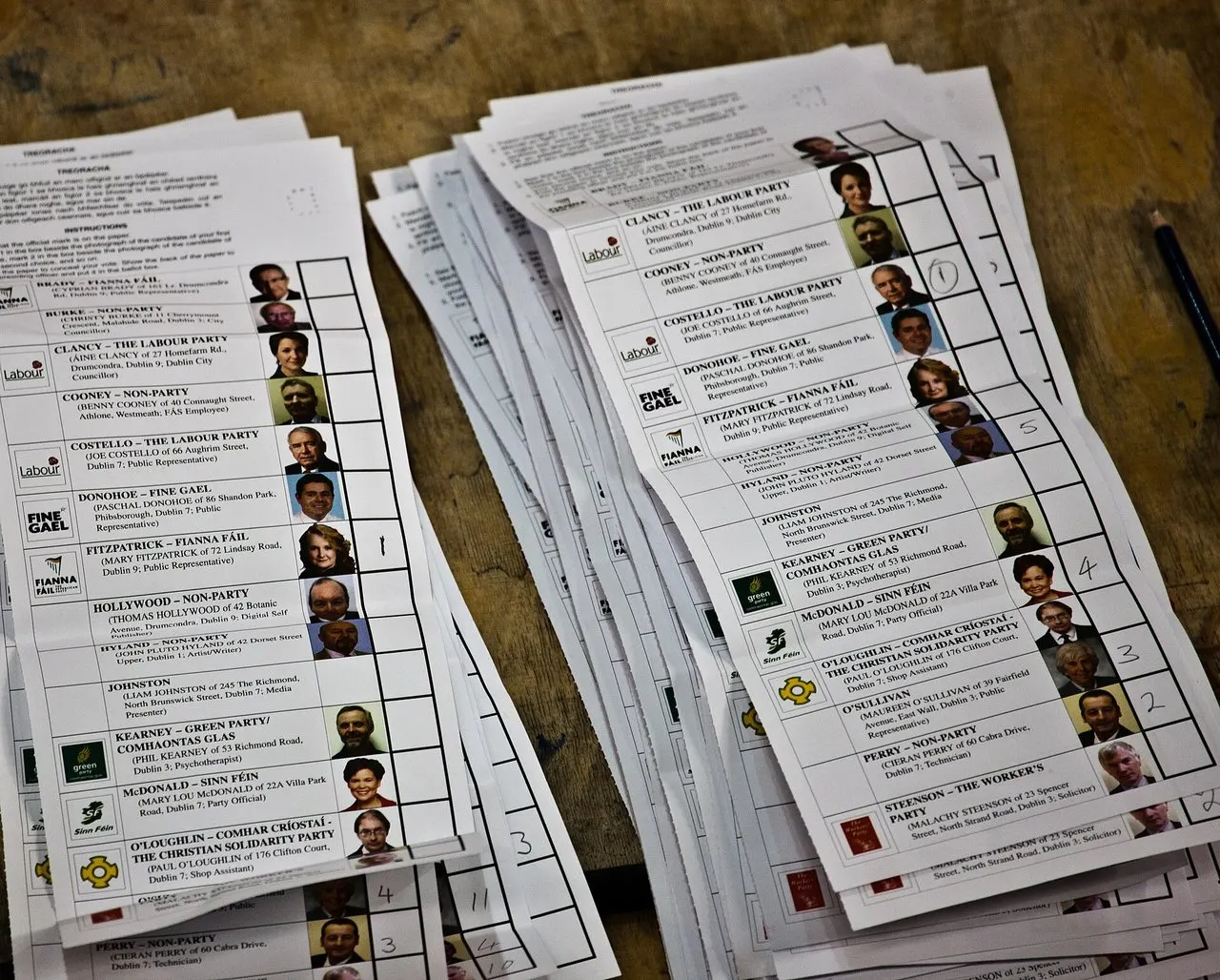
A risk-limiting audit is a statistical check that compares paper ballots with the electronic totals. Workers pull a sample of ballots, count them by hand, and see whether the hand count points to the same winner. If the sample matches the reported result, the audit can stop with high confidence. If it does not match, the sample grows until the answer is clear. See how a 109-0 vote reshaped an Arctic security deal and why a Fed governor sued over an attempt to remove her.
Dice Rolls on a Livestream Picked the Ballots

Officials generated a random 10-digit number through public dice rolls on November 18, and the whole process was livestreamed for all to see. That number decides which paper ballots are pulled from boxes statewide for a hand count. Using dice in public makes the pick hard to rig, because anyone watching can see each roll land. Random selection matters here, since the audit only works when no one can steer the sample toward friendly boxes. Read about a Texas business owner facing deportation after an ICE arrest and a Texas teen who built an AI app to screen heart sounds.
Paper Ballots at the Heart of the Texas Senate Audit
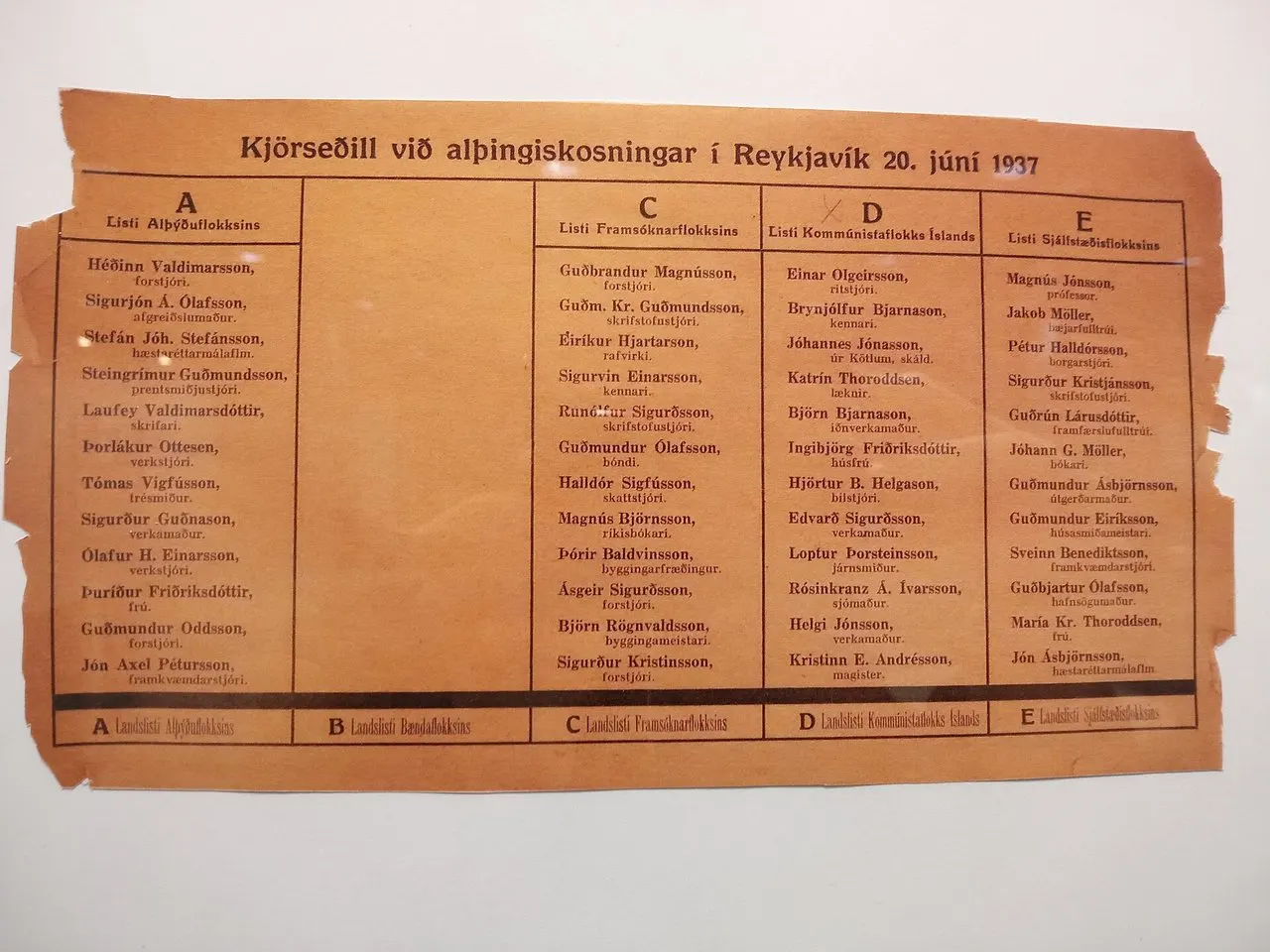
The audit puts paper ballots against the machines. Workers pull the chosen ballots from their boxes, count them by hand, and compare the hand count directly with the electronic totals. Paper matters because voters marked it themselves, and it cannot be changed by a software glitch. Machines count fast, but the paper is the backup that lets people check the machines. That is why the audit starts with the paper, not with a printout. See how a Utah judge awarded 951 million dollars to one family and why Trump went to the U.S. Open final in New York.
Why a Wide Margin Means a Smaller Sample

A margin this wide means fewer ballots need review to reach high confidence. When the gap between the winner and the loser is nearly 1.2 million votes, a small sample can already show that the paper trail agrees with the machines. That keeps the hand count quick and focused, while still giving Texans a real check on the result. If the sample ever showed a problem, the audit would grow until the numbers were clear. Read about the 17 billion dollar deal Trump brought home from the Philippines and the viral White House video aides called maintenance.
Robert Howden and the Promise of Accurate Counts

Secretary of State Robert Howden said Texans deserve to know their elections are secure and their votes are counted accurately. He called the process an important milestone for Texas elections, one that adds an additional layer of accountability and transparency. His words set the tone for the audit, because a check only builds trust when the people running it explain it in the open. Voters will now watch whether the hand count matches the machines. See the debate over mail-in ballots and voting machines and how JD Vance criticized Senate Democrats over an RFK Jr. hearing.
The Texas Senate Audit Is a First for the State

Texas is running its first full statewide risk-limiting audit, and that is why this check is getting so much attention. No statewide race in Texas has faced a check of this size before, with ballots pulled from boxes across the state and counted by hand. A first run like this also sets the pattern for the audits that will follow in later years. If it goes smoothly, it becomes the model for how Texas checks big races. Read about the Senate vote to send the National Guard into Democratic-led cities and the Senate hearing where RFK Jr. defended CDC firings.
The 2021 Laws Behind the Audit

The audit stems from 2021 laws passed by the Republican-led legislature, which set a five-year timeline for statewide risk-limiting audits. Lawmakers wrote the rule so that Texas would build up to a full statewide check, instead of trying it all at once. That slow build gave counties time to learn the method on smaller races first. Now the timeline has arrived, and the Senate race is the first to face the full check. See how a 109-0 vote in Denmark approved a historic Arctic deal and why a Texas business owner faces deportation after an ICE arrest.
Counties Must Run Their Own Sample Counts
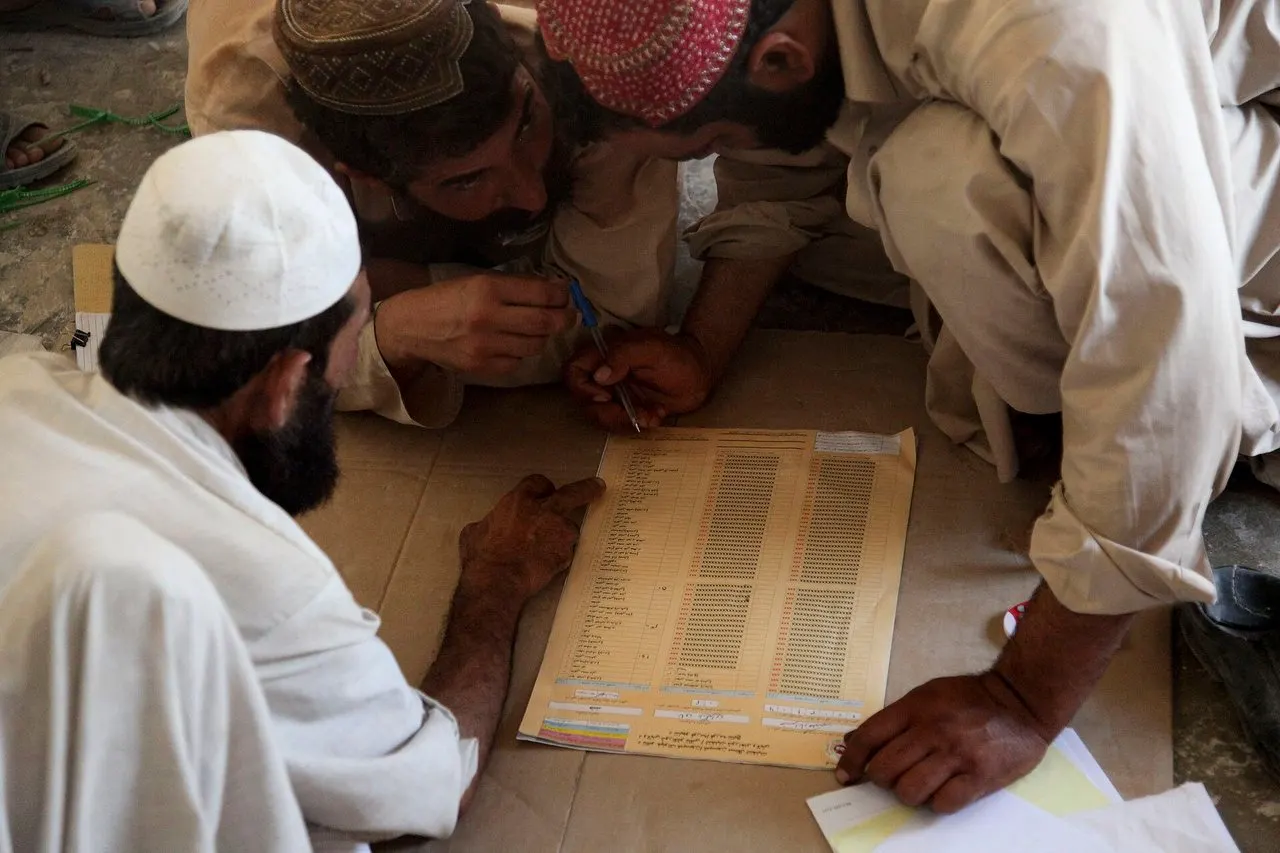
Counties must also perform their own sample hand counts of this race and others. The statewide check is only one layer, and the county counts add a second one close to home, where local workers know their own ballot boxes. Each county pulls its own sample, counts by hand, and compares the result with its machines. That local work makes the audit hard to fake. Read about why a Fed governor sued Trump over an attempt to remove her and how a Texas teen built an AI app that screens heart sounds.
Ending a 38-Year Drought in the Seat

The win ended a 38-year Democratic drought in the seat and delivered the party its first statewide win since 1994. For nearly four decades, Democrats had not won a statewide race of this kind in Texas, which is why the result drew notice far beyond the state. A win that breaks a long pattern invites a closer look, and the audit gives that look a shape. The paper trail will now confirm what the count showed. See how a Utah judge awarded 951 million dollars to one family and the 17 billion dollar package Trump brought home from the Philippines.
Roughly 10 Million Texans Cast a Ballot
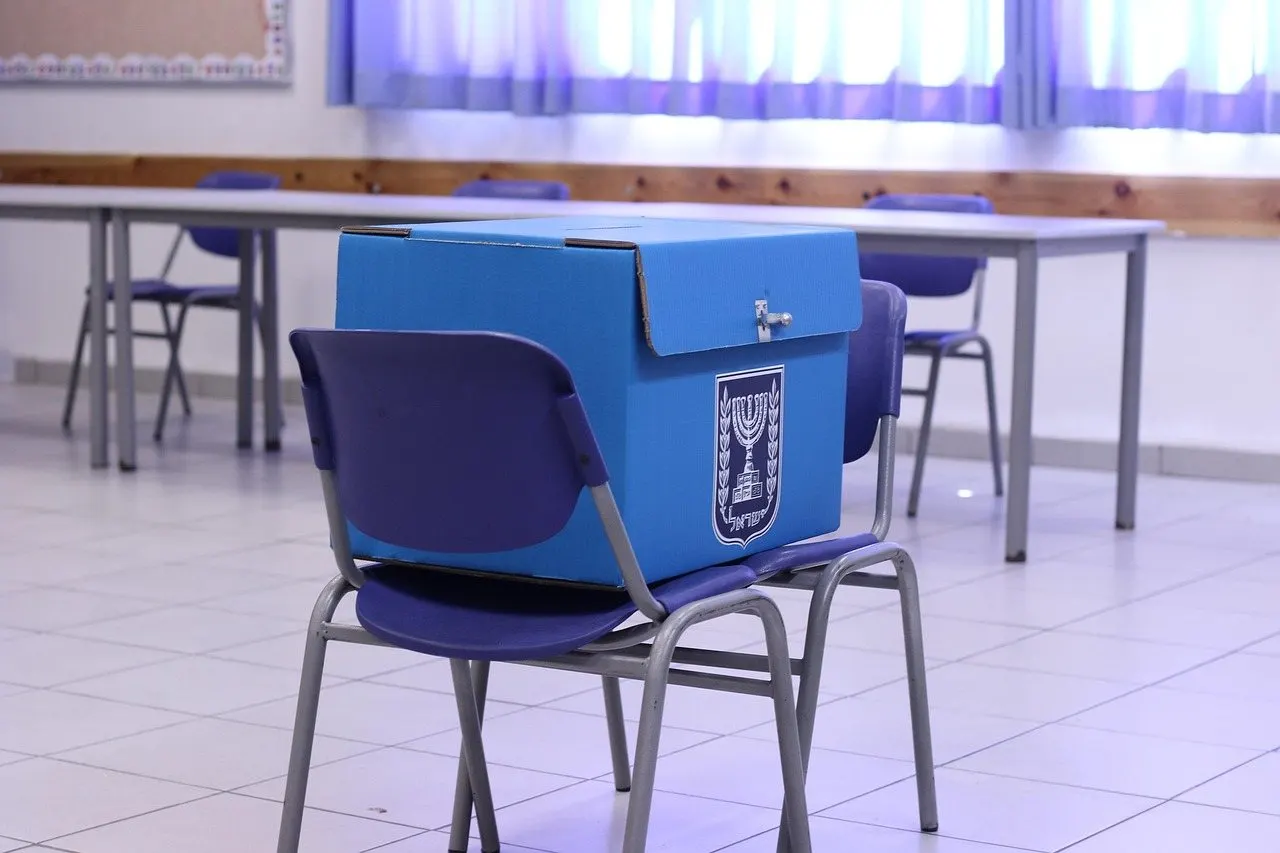
Roughly 10 million Texans cast a ballot in the race, a huge number that shows how much was at stake. Counting that many votes by machine takes hours, but checking them by hand takes a careful sample instead of a full recount. The audit does not need to touch every ballot to give a clear answer, because the sample is picked at random and counted with care. That is the whole point of the method. Read about why Trump attended the U.S. Open final in New York and the viral White House video that aides called maintenance.
How the Texas Senate Audit Keeps the Check Honest

Random selection is what keeps the Texas Senate audit honest. The 10-digit number came from dice rolls in public, so no official could quietly pick which boxes to check. Every box in the state had the same chance of being pulled, and the list of chosen ballots came from that number alone. That is how a small sample can speak for millions of votes without favoring either side. Read about the fight over mail-in ballots and voting machines and how a 109-0 vote approved a historic Arctic security deal.
Transparency You Can Watch From Home

The dice rolls were livestreamed, so anyone could watch the random number take shape in real time. That kind of openness is rare in election work, where much of the counting happens behind closed doors. A livestream lets voters see the process with their own eyes instead of taking it on trust. It also leaves a public record that anyone can replay later. See how Senate Republicans backed the plan to send the National Guard into cities and why a Fed governor sued over an attempt to remove her from the board.
What Happens if the Numbers Do Not Match

Any discrepancies trigger expansion of the sample, so the audit grows until the answer is solid. That rule is the safety net of the check, because a sample that looks wrong is never the end of the story. Workers would pull more ballots, count more by hand, and keep going until the paper trail and the machines agree or the gap is explained. A clean result ends it early, while a messy one gets more eyes. Read about how JD Vance criticized Senate Democrats in a profane post and why a Texas business owner faces deportation after an ICE arrest.
Trust After the Texas Senate Audit

Secretary Howden called the audit an important milestone that adds accountability and transparency, and those two words are the point of the exercise. Accountability means the count can be checked, and transparency means the public can watch it happen. When the hand count matches the machines, voters have a reason to trust the result that goes beyond one side saying so. That trust is what the audit is built to earn. See the Senate hearing where RFK Jr. defended CDC firings and how a Texas teen built an AI app that screens heart sounds.
Why Texans Are Watching the Texas Senate Audit
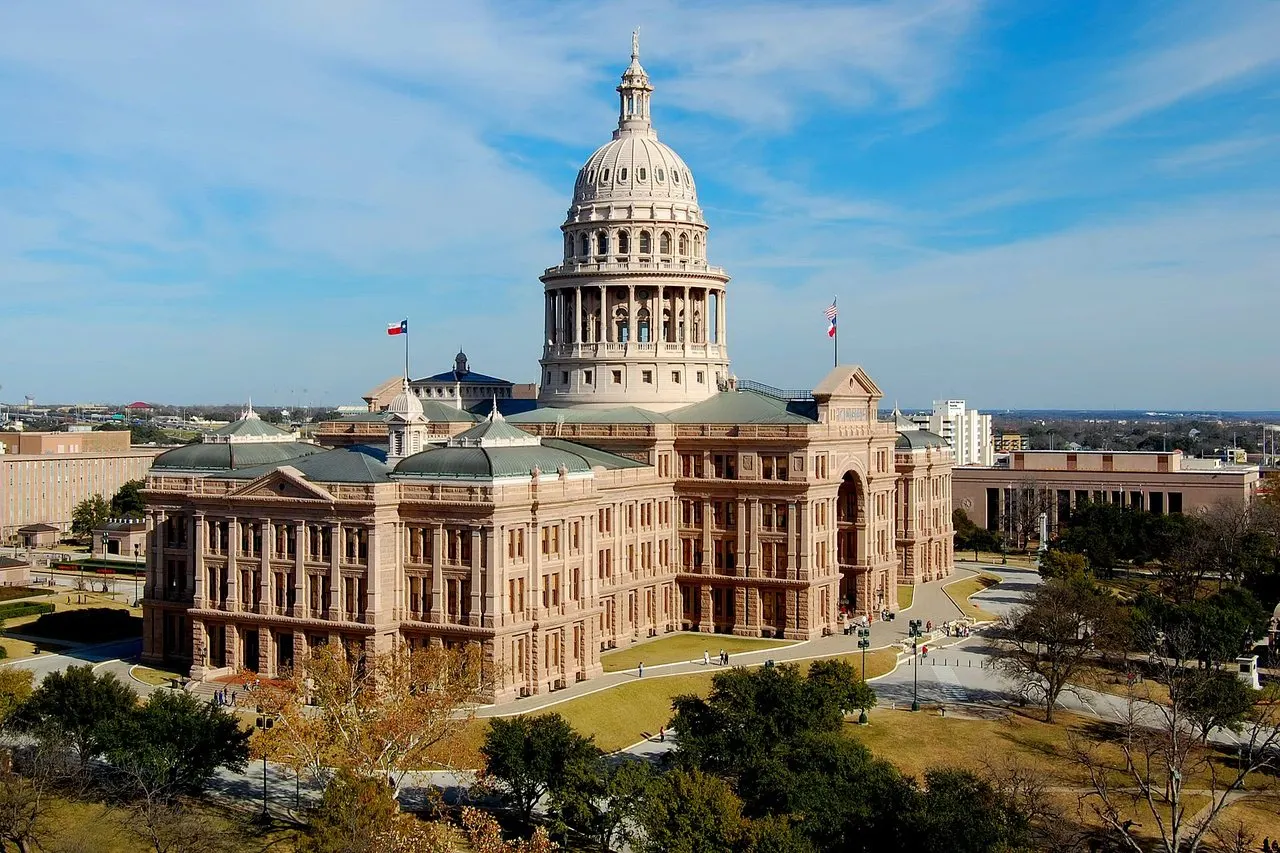
The audit is set for November 19, and Texans will be watching to see whether the paper ballots match the electronic totals. It is the first full statewide check of its kind in Texas, so the result will shape how future races are checked. A clean match would confirm a historic win, while any gap would raise fair questions that deserve a full answer. Either way, the count will be done in the open. Read about how a Utah judge awarded 951 million dollars to one family and why Trump attended the U.S. Open final in New York.
What Do You Want to Know About the Audit?
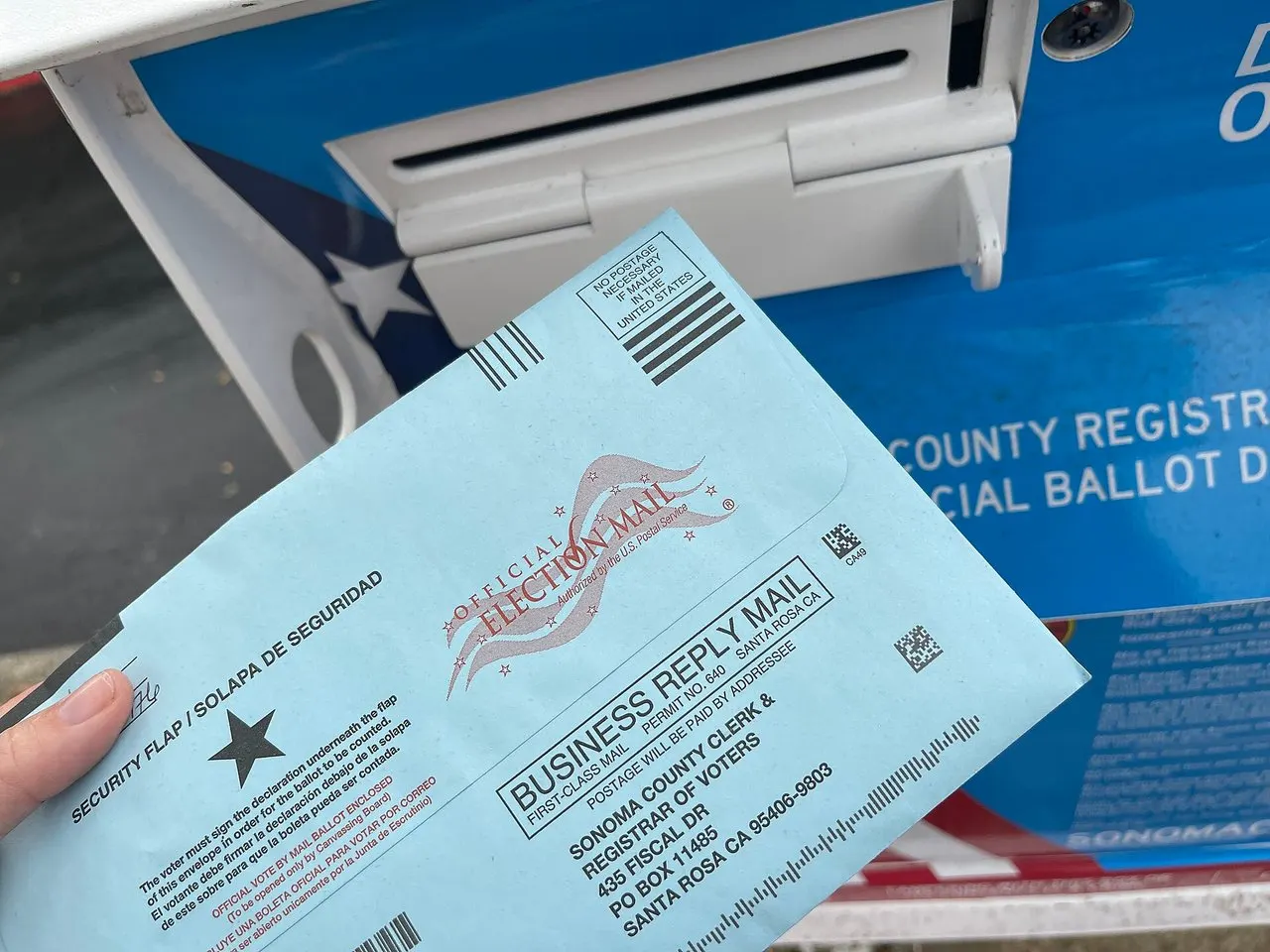
The audit will hand count the ballots picked by those public dice rolls, and the result will be public. If the paper trail matches the machines, it will close the book on a historic Texas race. If it does not, the sample will grow until the answer is clear. What part of the audit do you want to know more about, and what would you ask the people counting the ballots? Share your thoughts in the comments below. Read about the 17 billion dollar deal Trump brought home from the Philippines and the viral White House video aides called maintenance.