The Trump Conviction Case That Divided America

The Trump conviction case began with a verdict that split the country in two. In May 2024, a New York jury found Donald Trump guilty on 34 felony counts of falsifying business records, a historic first for a former president. The case has stayed in the news ever since, through sentencing, appeals, and a new court fight in late 2026. In the slides ahead we follow the verdict, the sentence, and the debate that still surrounds it. For more on warnings inside Washington, read a warning from Liz Cheney to her Republican colleagues.
The sentence came in January 2025, when a judge gave Trump an unconditional discharge. That left the conviction on his record with no jail time, no fine, and no probation. His lawyers are still fighting the verdict, and on November 23, 2026, an appeals court gave him a new path to move the case into federal court. Supporters and critics have argued about the case ever since, online and in the press. The courts, not the comment sections, will decide what happens next.
References:
NPR: Violent online rhetoric heats up after Colorado ballot ruling on Trump
Associated Press: Some in the GOP parrot far right talk of a coming civil conflict
Santa Cruz Sentinel: Trump to be sentenced Jan 10
Granite State Report: Every Offense Donald Trump Has Been Convicted Of A Timeline
The Trump Conviction Case Verdict: 34 Counts

The verdict came down in May 2024, after a trial in a Manhattan courtroom that drew cameras from everywhere. Twelve jurors found Donald Trump guilty on 34 felony counts of falsifying business records, tied to payments made during the 2016 campaign. It was the first time a former American president had been convicted of a crime. The courtroom was packed, and the verdict was read out to a crowd outside. The decision set off cheers from critics and anger from supporters. Read a second judge blocking the triumphal arch plan.
What Falsifying Business Records Means

Under New York law, falsifying business records means changing or hiding entries in company books. It becomes a felony when the false records are used to hide another crime. Prosecutors said the records were changed to cover up payments, and the jury agreed on all 34 counts. Business records may sound dull, but courts treat them as the paper trail of truth. When the trail is altered, trust suffers. That is why the charges carried such weight. Read Zelensky saying nothing after Trump called Putin his friend.
The Trump Conviction Case Was Heard in New York
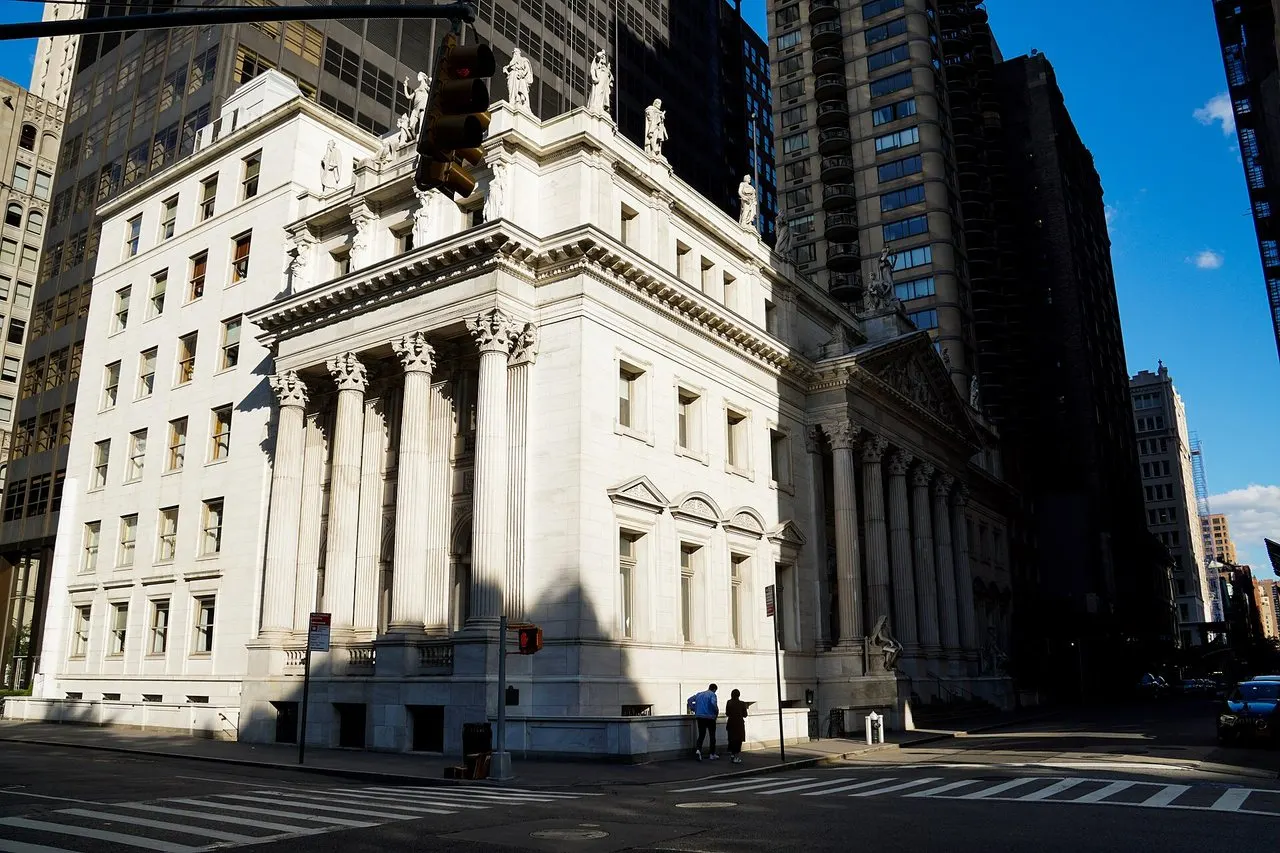
The trial took place in Manhattan, in New York City, in a courthouse that has hosted many famous cases. Reporters lined up before dawn for seats, and crowds gathered on the sidewalk. Inside, the judge kept strict order while lawyers argued over documents and testimony. The setting gave the case a stage as big as its stakes. New York has long been the center of American finance and law, and this trial added one more chapter. Read the Justice Department dropping a case in Alaska.
The Sentence Was an Unconditional Discharge

In January 2025, the judge sentenced Trump to an unconditional discharge. That is a rare outcome, and it means the conviction stays on his record with no jail time, no fine, and no probation. The judge said the sentence fit the case, even as lawyers argued about what it meant. For Trump, it was a mixed result, a conviction without punishment. For his critics, it felt like too little. For his supporters, it felt like too much. Read Robert De Niro saying he cannot love the country led by Trump.
The Trump Conviction Case Appeal Fight Goes On
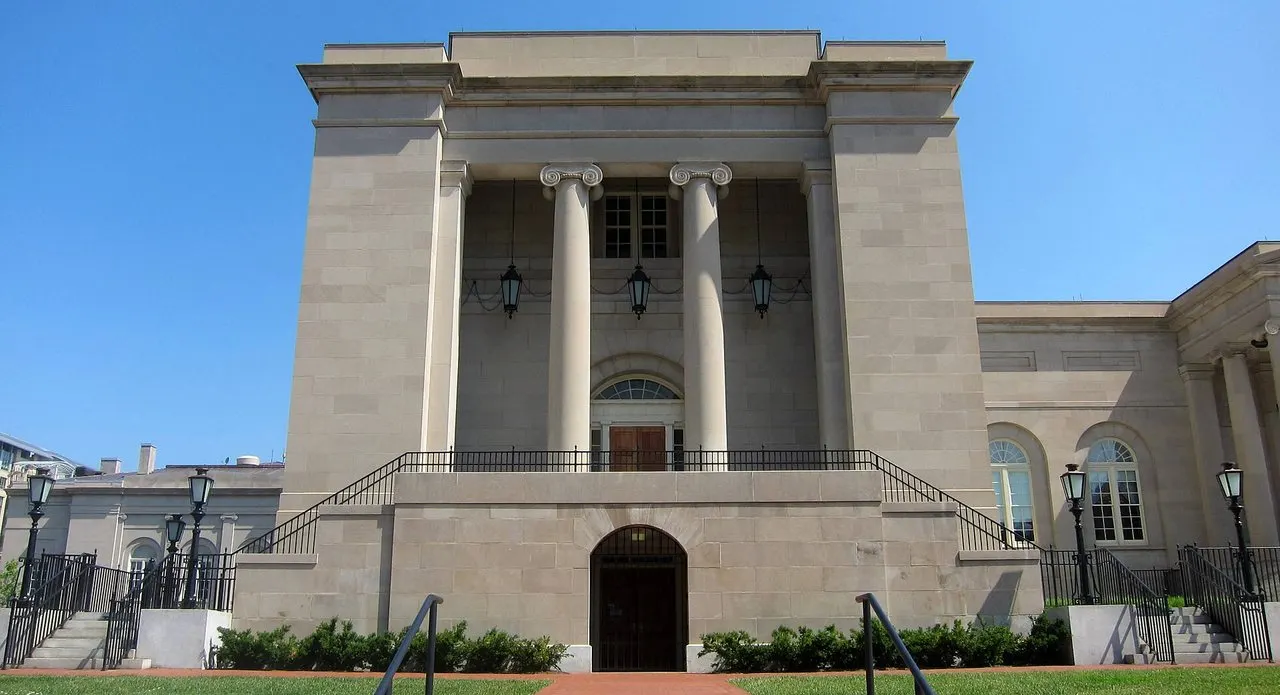
Trump’s lawyers have never stopped fighting the verdict. They filed appeals and argued that the trial was unfair and the charges should never have been brought. Appeals are a normal part of the justice system, and they can take months or years. Each filing gives the case new life in the news and keeps both sides arguing. The lawyers say they will keep going until the conviction is overturned. The courts will take up each claim in turn. Read a court sentencing in the Barracas fire case.
A New Path for the Trump Conviction Case
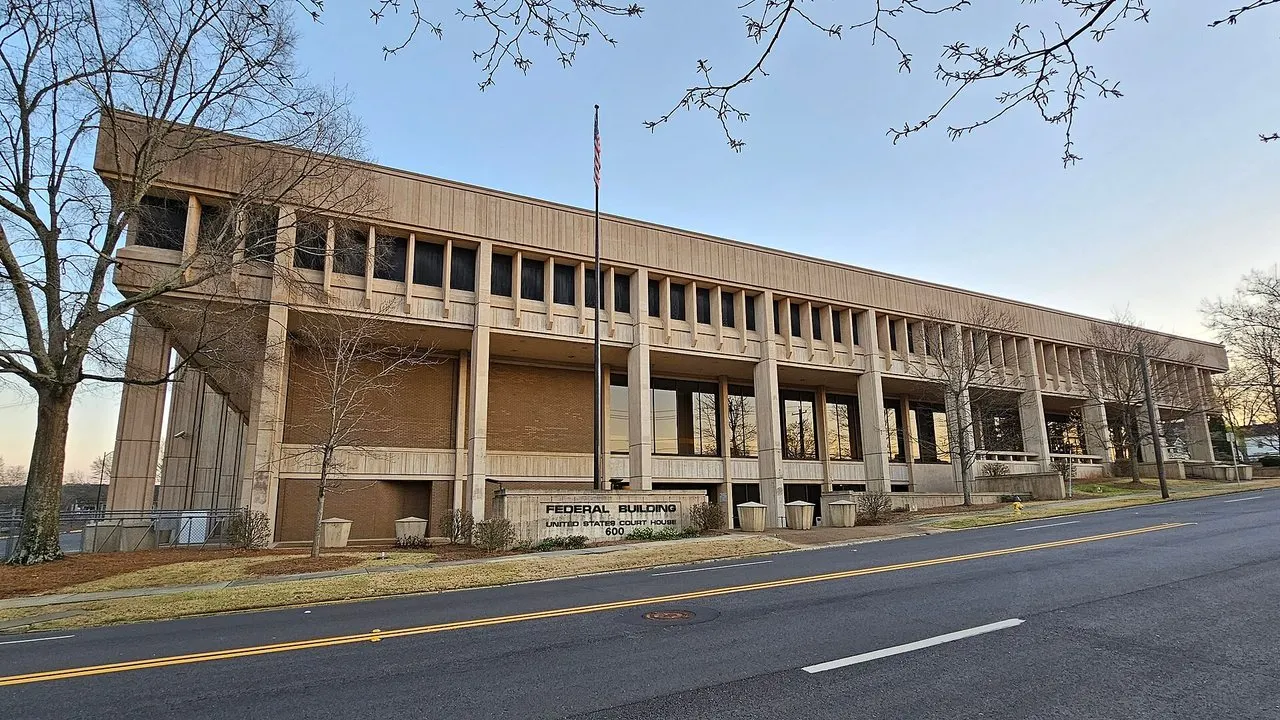
On November 23, 2026, an appeals court gave Trump a new path to move the case into federal court. The ruling did not overturn the conviction, but it opened a door his lawyers had been pushing on for a long time. Moving a case to federal court can change which judges hear it and which rules apply. Trump hopes a federal court will throw the conviction out entirely. The decision set off a fresh round of debate about where the case belongs. Read another judge halting the arch plan.
Why Federal Court Matters for the Trump Conviction Case
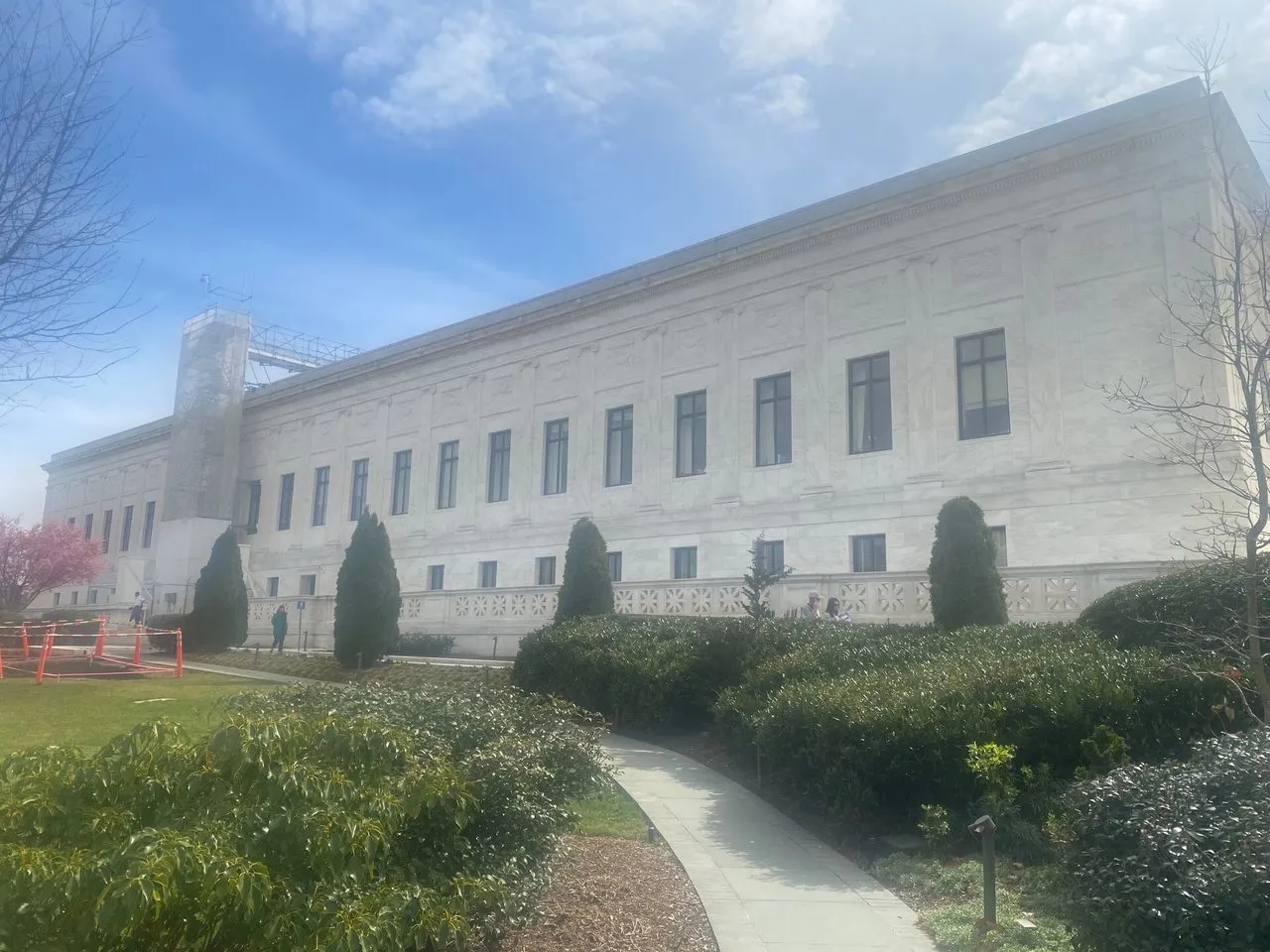
Federal courts hear cases that involve federal law or the United States Constitution, while state courts handle state crimes like the ones in this case. That split is why the move matters so much to both sides. Trump and his lawyers believe a federal judge may look at the case differently. Prosecutors say the case belongs in the state court where it was tried. The fight over the right court is now as important as the fight over the verdict itself. Read a summit with Russia and China.
Online Rhetoric Heated Up After the Ruling

After the Colorado ballot ruling, angry posts about Trump spread fast online, according to NPR. People shared threats and warnings, and the tone grew darker with each new court date. Online rhetoric has become part of almost every big case now, and this one is no different. Experts say heated words online can spill into real life, and they urge people to argue without threats. The case shows how fast a courtroom story can turn into a social media storm. Read a bill aimed at closing a loophole.
The Colorado Ballot Ruling Added Fuel
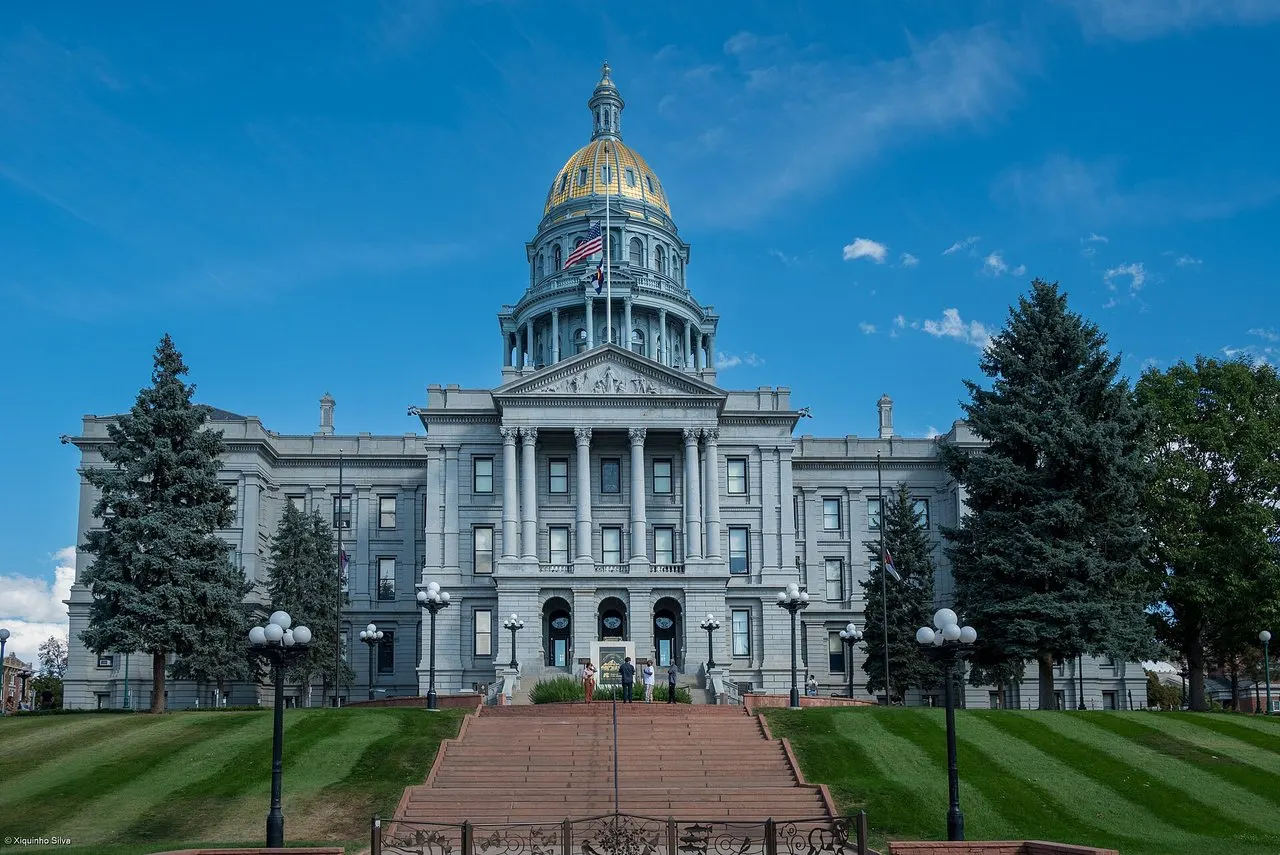
The Colorado ballot ruling came when a court in that state weighed whether Trump could appear on the ballot. The decision drew national attention, and it fed the online anger that NPR reported on. Ballot cases are rare, and they touch the heart of how elections work. Supporters of the ruling said the law was clear. Critics said voters should decide. Either way, the ruling kept Trump and the courts in the headlines together. Read a warning from Liz Cheney to her Republican colleagues.
Some Voices in the GOP Echo Talk of a Coming Civil Conflict
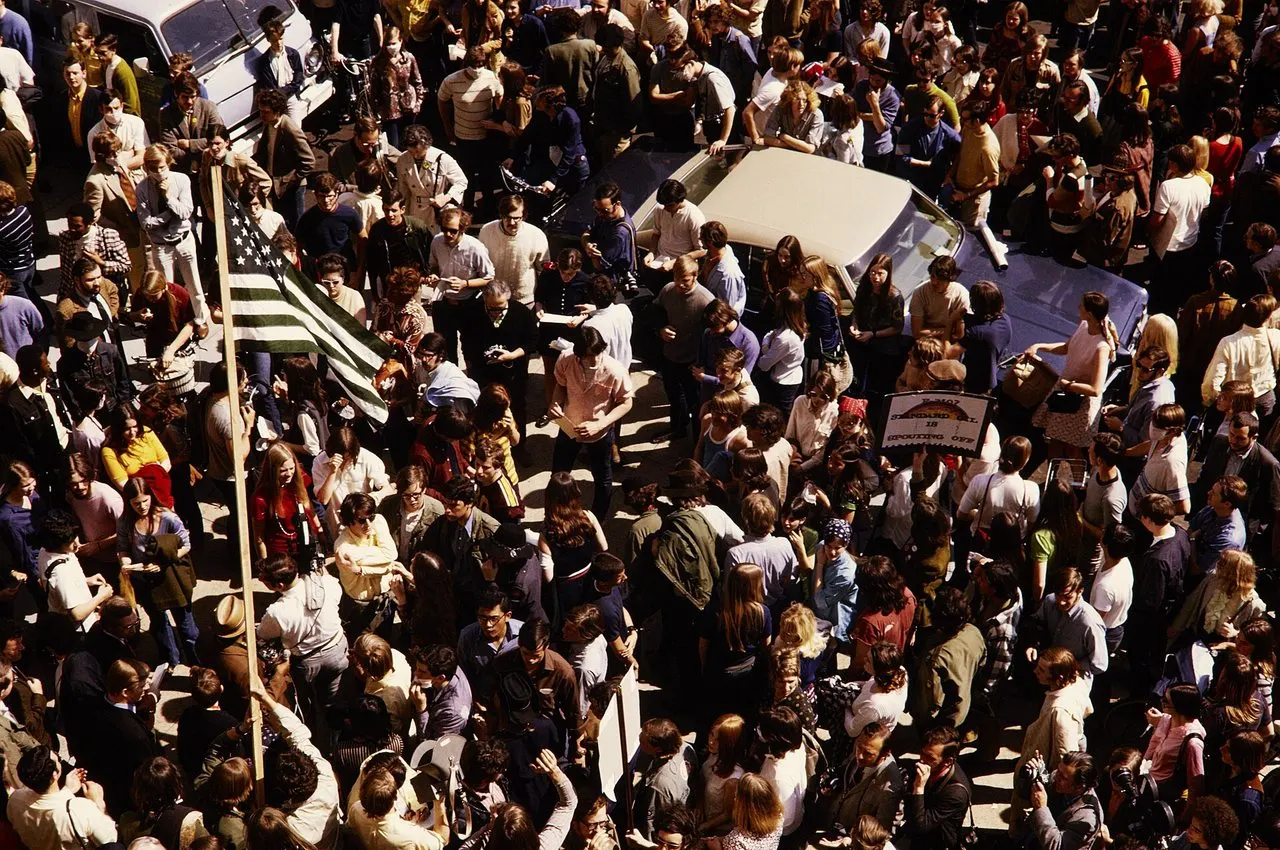
The Associated Press reported that some in the GOP have repeated far right talk of a coming civil conflict. The words show up in speeches, posts, and interviews, and they worry people who study political violence. Party leaders do not all agree, and some have pushed back against the talk. But the phrases keep spreading, and each new court date gives them fresh energy. The debate over those words is now part of the debate over the case itself. Read a second judge blocking the triumphal arch plan.
Supporters Say the Trump Conviction Case Was Political
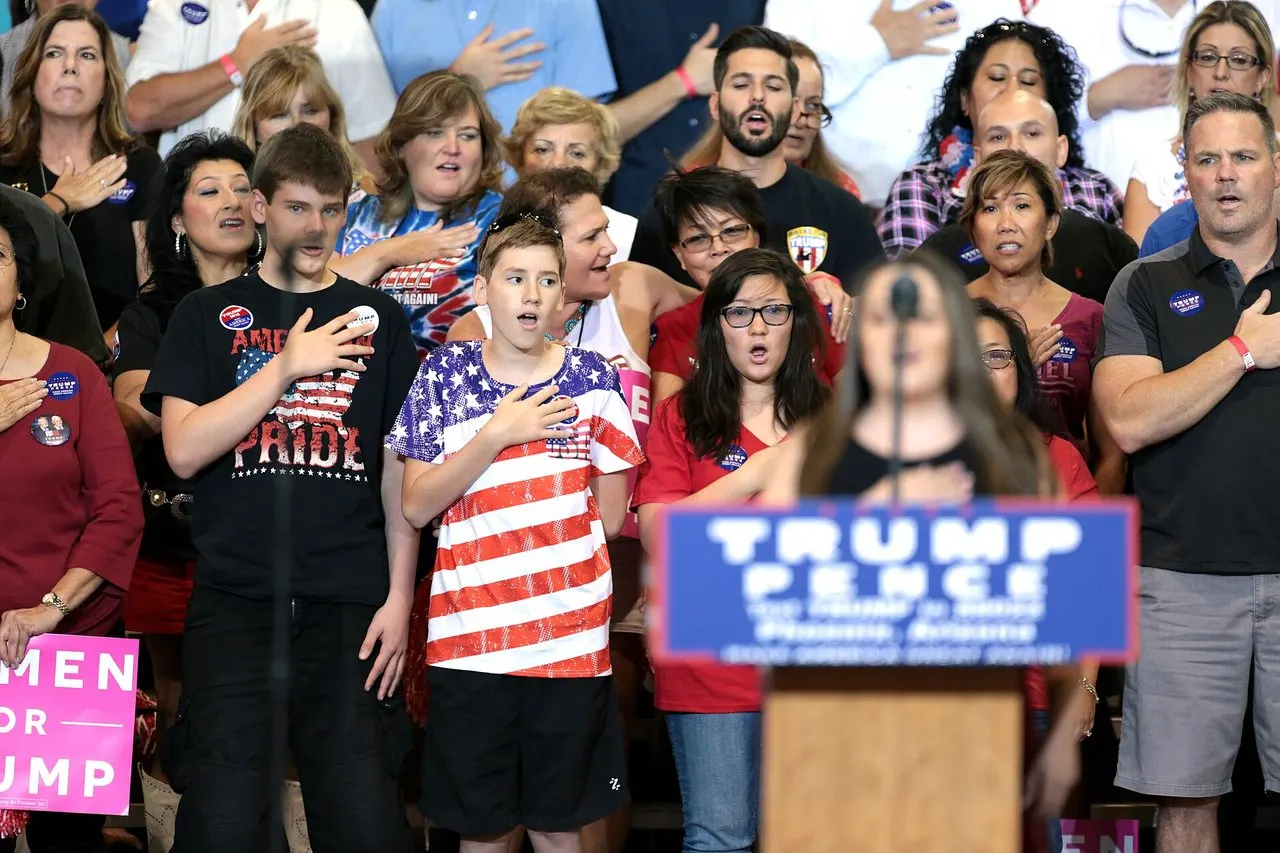
Many of Trump’s supporters say the prosecution was political from the start. They argue that the case was brought to damage him and other politicians would never face such charges. Rallies and online posts repeat that claim, and it has become a core part of his defense. His supporters point to the timing and headlines as proof. Whether the claim is fair is a question the courts have not taken up, but voters hear it. Read Zelensky saying nothing after Trump called Putin his friend.
Critics Say No One Is Above the Law
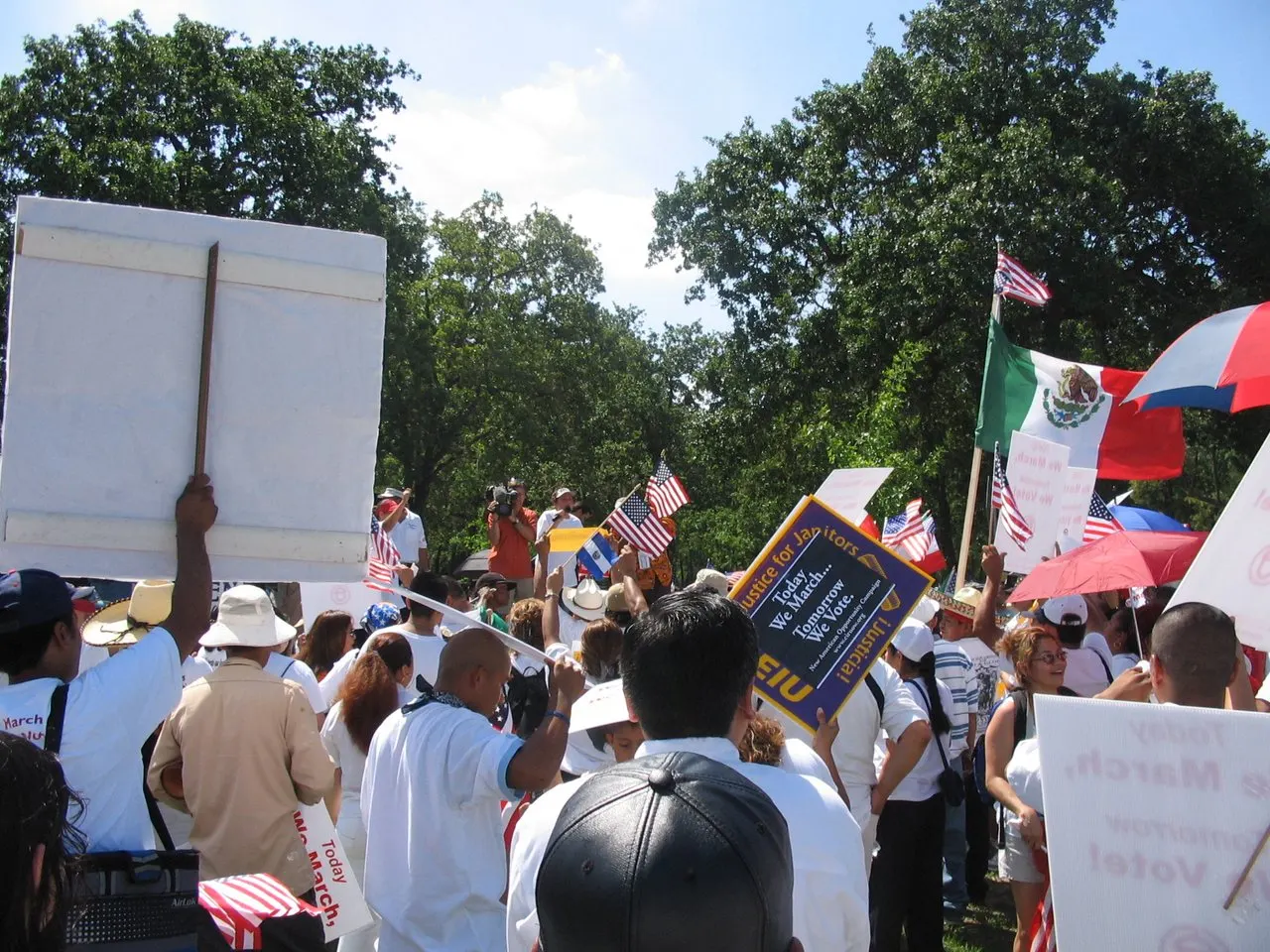
Critics of Trump say no one should be above the law, not even a former president. They argue that a jury heard the evidence and reached a fair verdict, and that the sentence should be respected. For them, the case is a test of whether the justice system treats everyone the same. They say talk of a second civil conflict is reckless and puts the country at risk. The courts, they insist, must be allowed to do their work in peace. Read the Justice Department dropping a case in Alaska.
A Country Split Down the Middle

The case has divided the country for years, and every new court date brings a fresh wave of angry posts online. Families and friends argue about it at dinner tables and on social media. Some say the verdict was justice. Others say it was politics. The split runs through towns, workplaces, and churches across America. It is a reminder that a court case can become a national argument that touches almost everyone. Read Robert De Niro saying he cannot love the country led by Trump.
How the Trump Conviction Case Shaped the Campaign
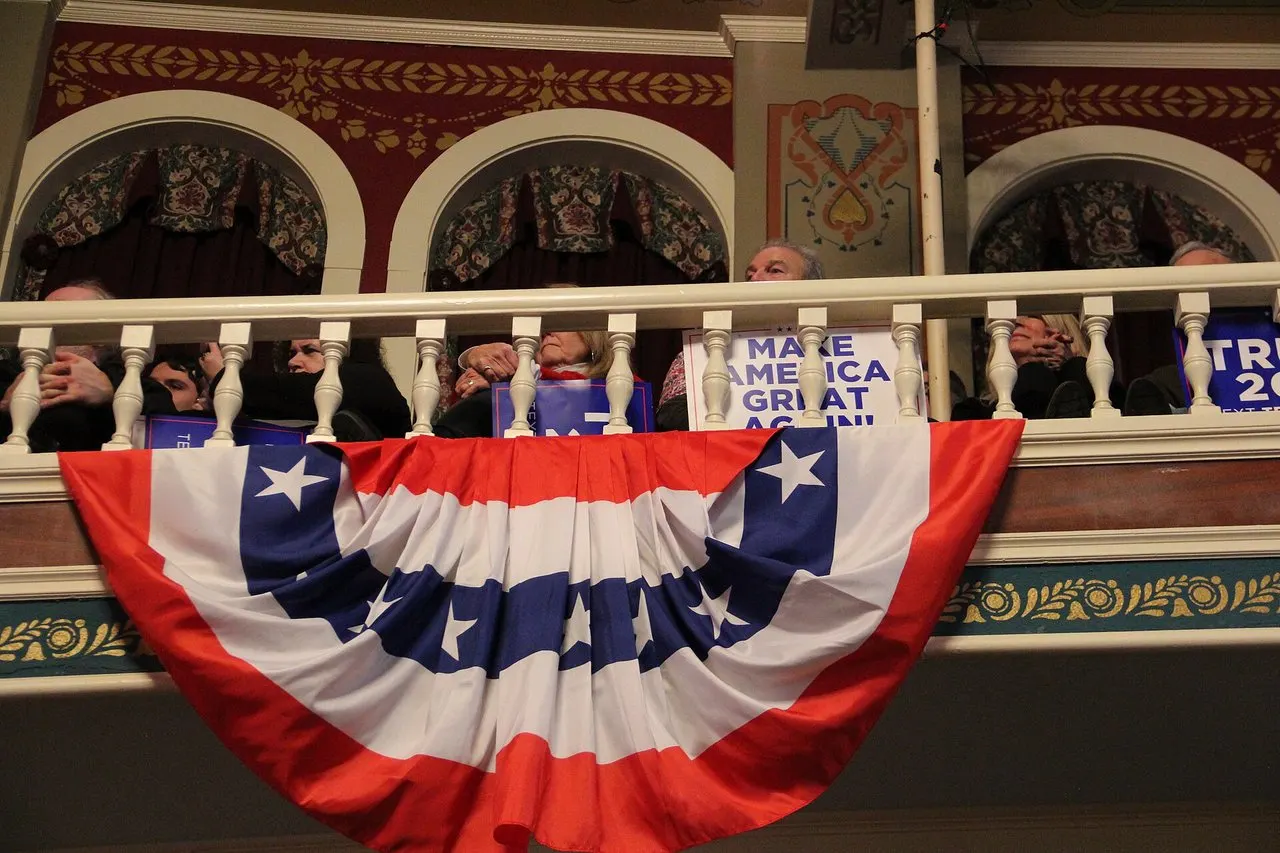
The trial ran through the middle of the 2024 campaign season, and it shaped the race in ways both sides still argue about. Trump held rallies and spoke about the case to large crowds. His rivals pointed to the verdict as proof he should not return to office. Voters heard both messages every day. In the end, the case became part of the campaign itself, not just a story beside it. Its shadow has lasted well past election day. Read a court sentencing in the Barracas fire case.
Inside the Manhattan Courtroom

Inside the Manhattan courtroom, the trial followed the same rules as any other case. The judge called the court to order, lawyers made their arguments, and witnesses took the stand one by one. Reporters filled the benches and sent updates out through the day. Outside, television crews waited for any news. The room was small, but the world was watching every word. That is the strange scale of a trial like this one. Read another judge halting the arch plan.
The Judge Set Sentencing for January 10
The Santa Cruz Sentinel reported that Trump was to be sentenced on January 10. The date was set after months of legal wrangling over when the sentence could be handed down. Sentencing day is often the most watched moment of a trial, and this one was no different. Cameras and crowds gathered early. The judge’s decision that day would shape the next chapter of the case. Everyone knew the eyes of the country were on that courtroom. Read a summit with Russia and China.
Every Offense on a Timeline

The Granite State Report published a timeline of every offense Donald Trump has been convicted of, laying out the charges in order. Timelines help readers keep track of cases that stretch across years and courts. This case alone covers the campaign, the trial, the sentence, and now the appeals. Each step adds a date and a decision to the record. Together, they show how long the road has been and how much is still unresolved. Read a bill aimed at closing a loophole.
What Happens Next in the Trump Conviction Case
Now the case may move into federal court, where new judges will look at it with fresh eyes. Federal courts can review whether state trials followed the Constitution, and that is the path Trump’s lawyers are counting on. The move will take time, with briefs, hearings, and rulings ahead. Neither side knows how it will end. What is clear is that the case is far from over, and the next chapter will be written in a new courtroom. Read a warning from Liz Cheney to her Republican colleagues.
Social Media Turns Every Court Date Into a Storm

Every court date in this case brings a fresh wave of posts, and social media turns each one into a storm. Supporters cheer, critics jeer, and the angriest voices get the most attention. Phones light up within minutes of any ruling. The speed of it all makes it hard to tell fact from rumor. That is why the courts move slowly and in writing, while the internet moves fast and in anger. The gap between the two keeps growing. Read a second judge blocking the triumphal arch plan.
Past Presidents and the Law
No former president had ever been convicted of a crime before this case, and that fact alone makes it historic. Past presidents faced scandals and investigations, but none stood in a courtroom as a convicted felon. The law applies to everyone, yet the sight of a former leader in the dock still shocks many Americans. History books will record this case as a first. How they judge it may depend on what the courts do next. Read Zelensky saying nothing after Trump called Putin his friend.
How High Profile Cases Are Covered
High profile trials are covered like no other news, with live blogs, television panels, and instant analysis. Reporters race to explain each ruling to readers who may not know the law. The coverage shapes how the public sees the case, for better or worse. Some say the cameras help the public understand justice. Others say they turn a trial into a show. Either way, this case has had more coverage than almost any trial in memory. Read the Justice Department dropping a case in Alaska.
The First Amendment and Angry Posts

The First Amendment protects the right to speak freely, and that includes angry posts about a trial. But free speech has limits, and threats against judges, jurors, and witnesses can bring charges of their own. Courts take those threats seriously, and they have warned people not to cross the line. The case has tested where free speech ends and danger begins. It is a question the country will keep asking as long as the case goes on. Read Robert De Niro saying he cannot love the country led by Trump.
What an Unconditional Discharge Leaves on the Record
An unconditional discharge leaves the conviction on the record, and that matters more than it may sound. A criminal record can follow a person for life, even without jail or a fine. It shows up in background checks and in history. For a former president, the record is now part of his public story. His lawyers hope a federal court will wipe it away. Until then, the conviction stands as the formal result of the trial. Read a court sentencing in the Barracas fire case.
The Long Road of Appeals

Appeals are a long road, with each step taking months and each ruling open to challenge. Lawyers file briefs, judges read them, and hearings are set and reset. The case has already moved through trial, sentencing, and one appeals court ruling. More steps lie ahead in federal court. The road may end with the conviction standing, or with it thrown out. Either way, the journey is far from finished. Read another judge halting the arch plan.
Why the Trump Conviction Case Still Matters

The case still matters in 2026 because it tests whether the law can hold a powerful person to account. It also tests whether the country can argue about that question without tearing itself apart. Each court date is a reminder of both tests. The verdict, the sentence, and the appeals are now part of American history. What happens next will shape how future cases are brought and how future presidents are judged. Read a summit with Russia and China.
What Do You Think Happens Next?

We have followed the verdict, the sentence, the appeals, and the angry debate that still surrounds this case. Now it is your turn to weigh in. Do you think the conviction will stand in federal court, or will it be thrown out? Do you think the sentence was fair? Share your thoughts in the comments below, and tell us what you think the courts should do next. Your voice is part of this story too, and we want to hear it. Read a bill aimed at closing a loophole.