The Last Research Chimps Are Finally Going Home
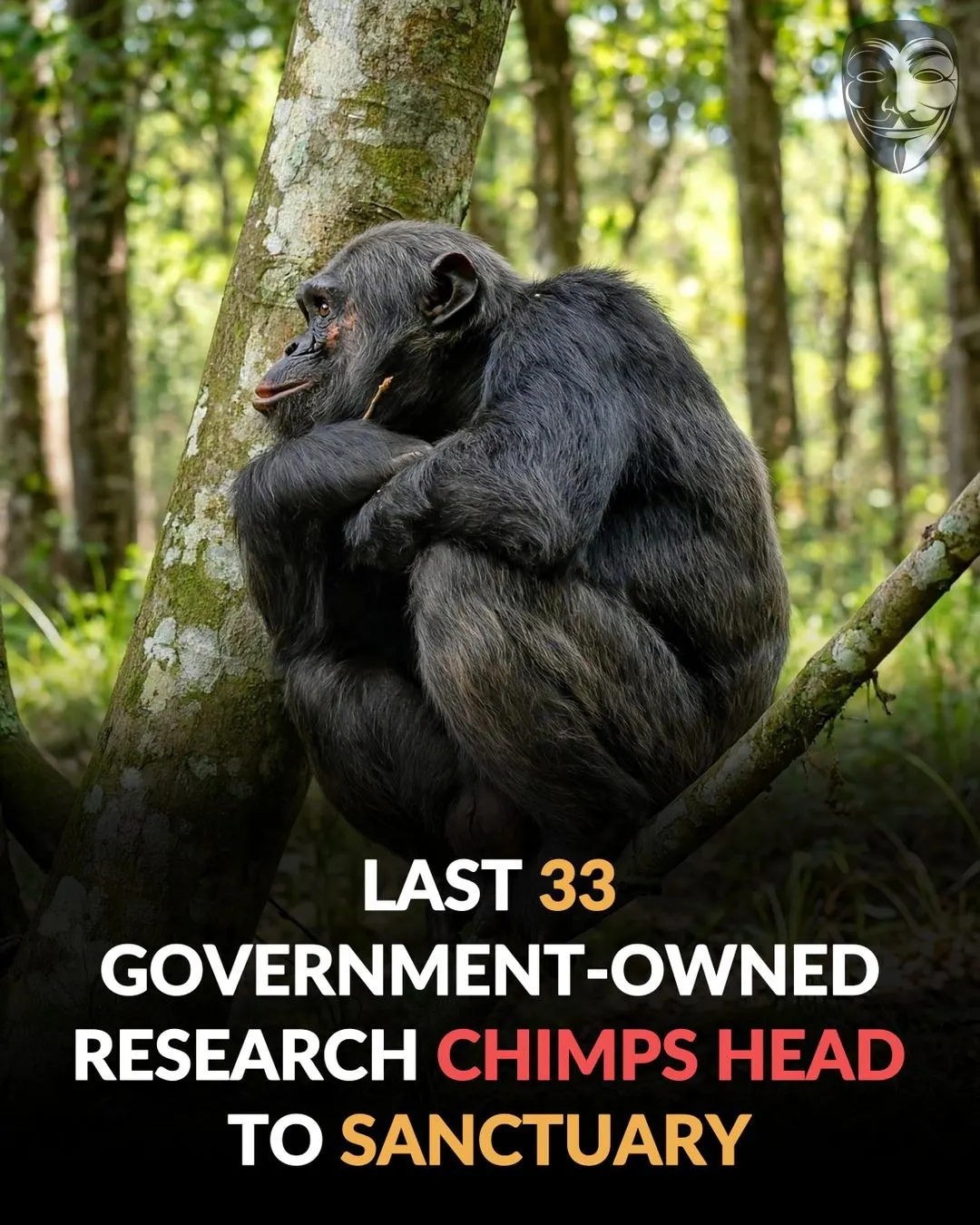
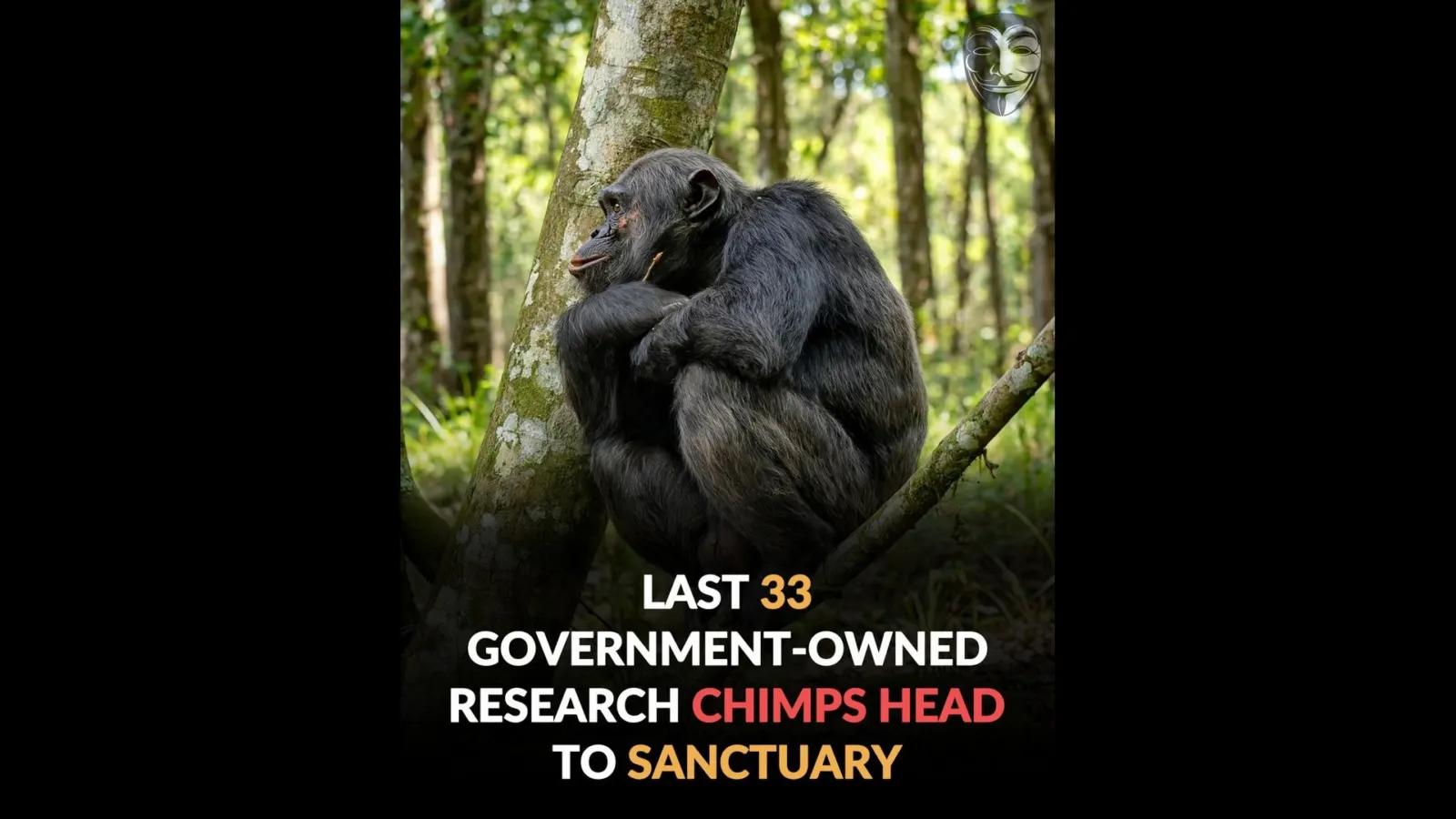
The last research chimps owned by the United States government are finally leaving laboratory life behind, and their story has touched people far beyond Texas. The National Institutes of Health has announced plans to move all 33 animals from the Keeling Center in Bastrop, Texas, to Chimp Haven in Keithville, Louisiana, a sanctuary with more than 200 acres of forested habitat. For more on families that stay close through hard times, read a family that stayed close after divorce.
The chimps range in age from their 30s to their late 50s, and many have health conditions that come with age, so each animal will travel in a small group with its individual needs carefully considered. The first moves are expected to begin in January 2027, and all 33 animals should arrive by the end of that year. In the slides ahead, we look at the place they are leaving, the sanctuary waiting for them, and the long road that brought them here. You may also like the Brexit vote that started a chain reaction.
References:
Source: IFLScience: The Last Medical Research Chimps Owned By The US Government Are Finally Retiring To A Sanctuary
Source: Species Unite: The last government-owned chimpanzees in US laboratories will finally be moved to a sanctuary in 2027
Source: WUTV29: After decades in research labs, the last NIH-owned chimpanzees are headed to sanctuary
Source: Humane World Action Fund: Victory: Last government-owned chimps in US laboratories to move to sanctuary
The Announcement That Ended the Wait
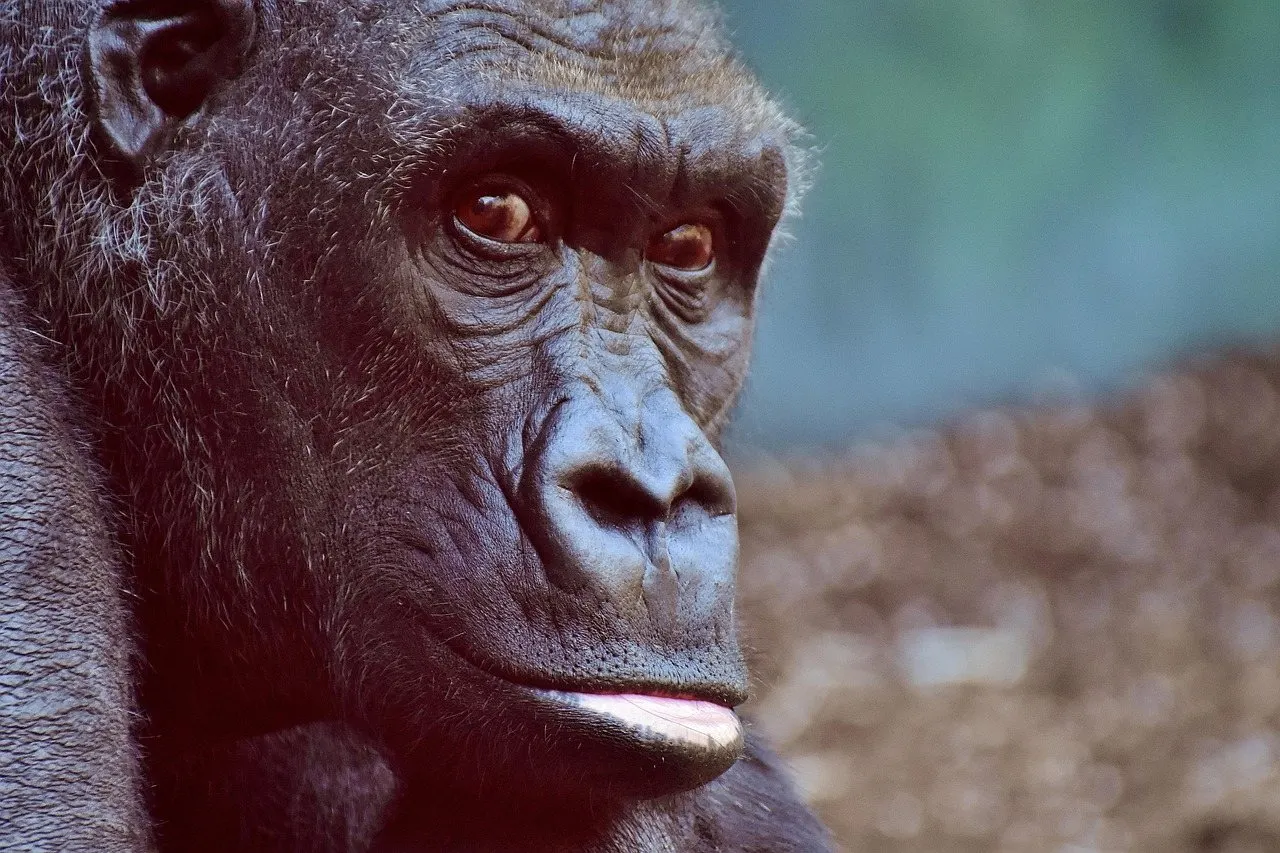
The announcement came from the National Institutes of Health, which said the last 33 government owned chimpanzees will move from Texas to Louisiana. For years, animal welfare groups had asked when these animals would finally retire, and the news answered a question that had hung over the Keeling Center since the government ended its support for biomedical experiments on chimps in 2015. The move gives the animals a real home at last, and the plan is now set in motion. Read about a senator who refused to back a shutdown.
Bastrop Was Home to the Research Chimps for Over a Decade

The Keeling Center sits in Bastrop, Texas, where the 33 animals have lived since 2015, when the government ended its support for biomedical experiments on chimpanzees. For more than a decade, the center has been their whole world, with indoor dens, outdoor yards and the daily routines of care. The chimps know the keepers, the feeding times and the sounds of the place, which makes leaving both a relief and a wrench. Read about mysterious rock art with giant round heads.
Chimp Haven Waits in Louisiana
Chimp Haven sits in Keithville, Louisiana, and it has cared for retired chimpanzees for about two decades. The sanctuary was built for animals coming out of laboratories, with room to climb, space to roam and groups of other chimps for company. For the 33 animals arriving from Texas, it will be the first place that feels like a real home rather than a facility. The staff there are ready, and the forest is waiting. Read about a preacher who says the living should prepare.
Two Hundred Acres of Forest to Roam
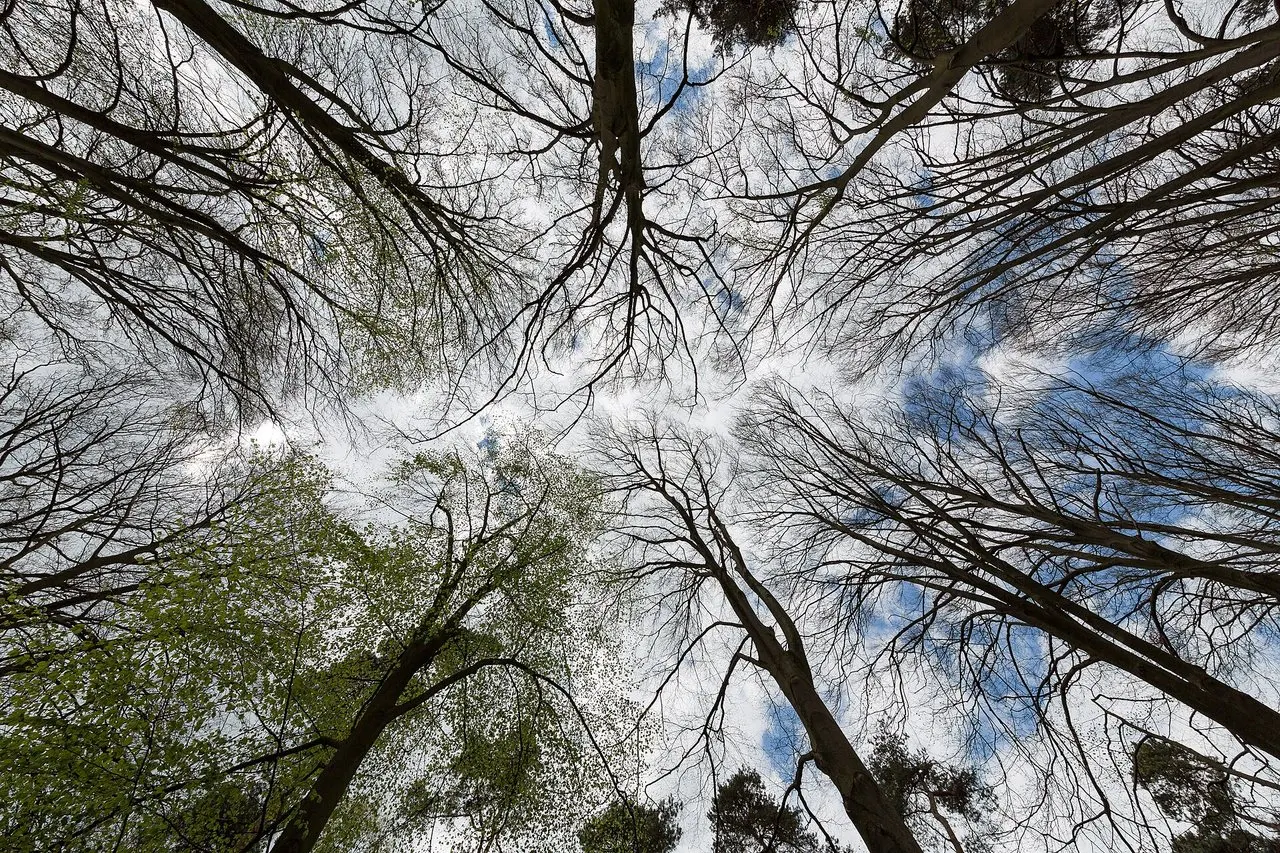
The sanctuary covers more than 200 acres of forested habitat, which means the animals will have trees to climb, grass underfoot and room to wander far beyond any yard they have known. Chimpanzees are built for the trees, with long arms and strong hands, and a forest gives them the chance to move the way nature intended. For animals that spent years in rooms and runs, open woodland will feel like freedom. Read about a grandma whose accidental invitation became a film.
Nine Social Groups of Research Chimps Will Travel Together
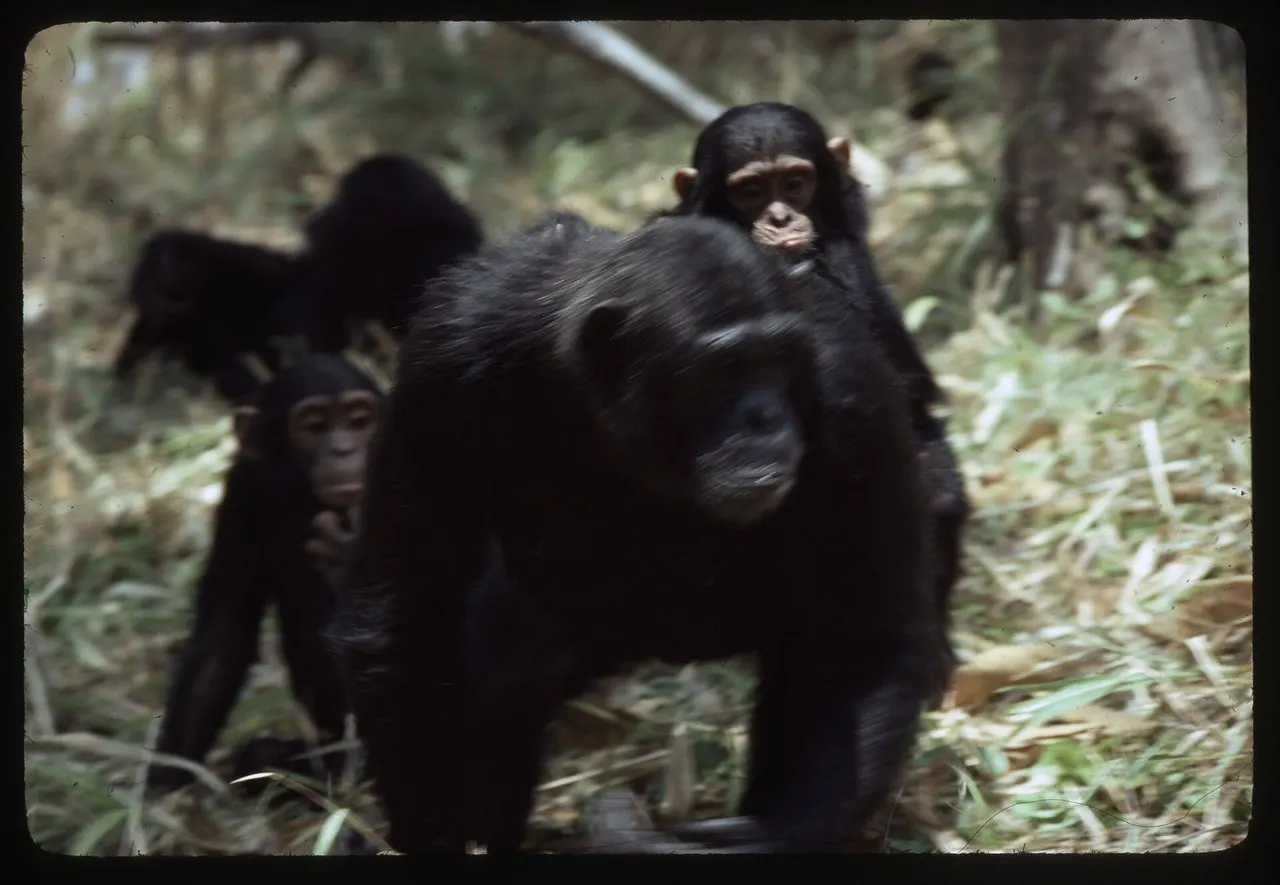
The 33 animals live in nine social groups, and the move has been planned so that friends stay together. Chimpanzees form close bonds, and breaking up a group would cause needless stress, so each group will travel in its own small batch with familiar faces around. Keepers know who grooms whom, who shares food and who prefers quiet corners, and those bonds will guide every step of the journey. Read about a housemate evicted with under four percent of the votes.
Small Batches, Careful Journeys
Nobody is rushing this move. The animals will travel in small batches, each one planned around the health and temper of the group inside. Vets will check every animal before it leaves Texas, and the road crews will keep the trips short, calm and steady. A journey like this is a big event for animals that have lived in one place for years, so patience matters more than speed. Read about two mothers and the bond guiding their sons.
The First Moves Begin in January 2027

The first groups are expected to leave Texas in January 2027, with the rest following through the year until all 33 animals have arrived. Spreading the moves across twelve months lets the sanctuary settle each group in properly, rather than crowding new arrivals into one busy week. By the end of 2027, the Keeling Center will hold no government owned chimpanzees at all, and a long chapter will close. Read about a meeting where presidents sized each other up.
The Research Chimps Are Aged From Their 30s to Their Late 50s
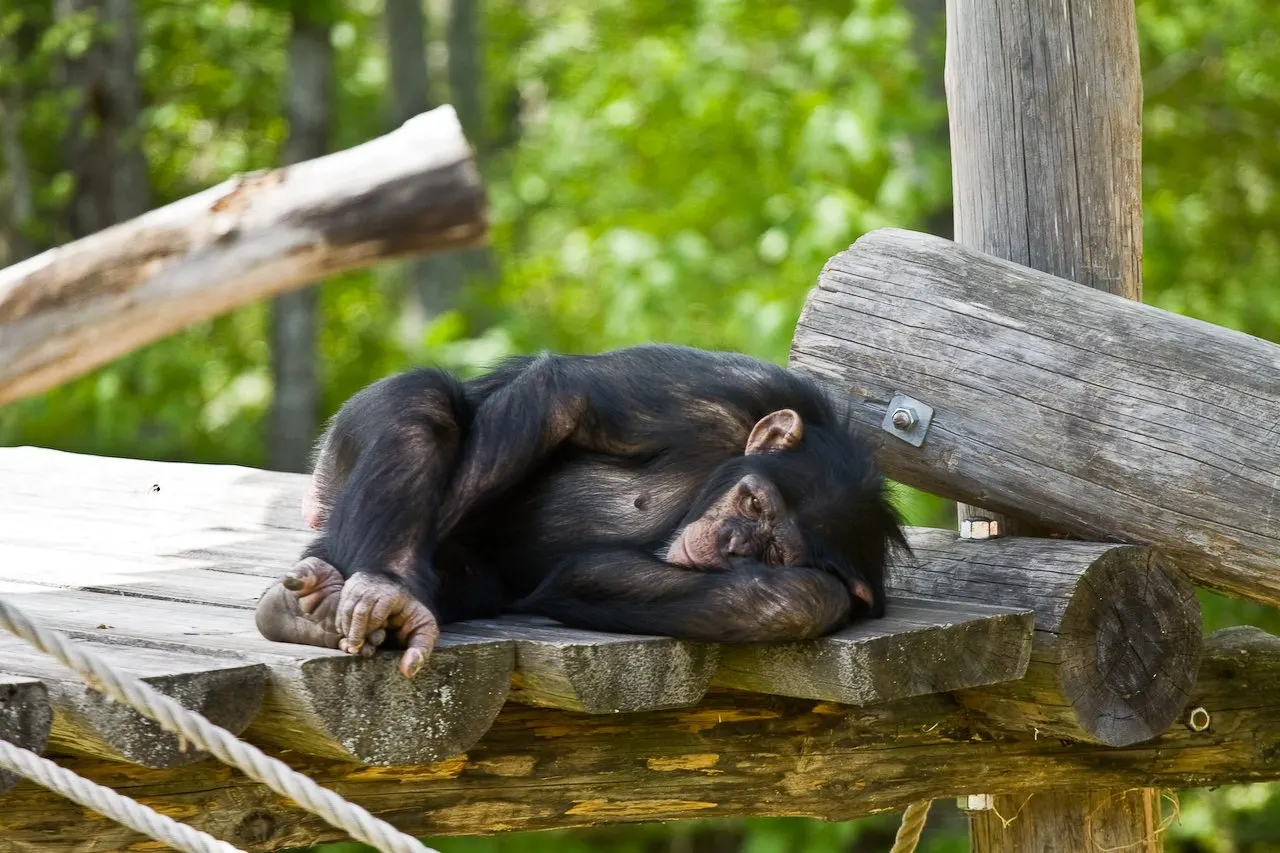
The animals range in age from their 30s to their late 50s, which makes them middle aged or elderly by chimpanzee standards. Many have health conditions that come with age, from stiff joints to worn teeth, and their care plans reflect that. The sanctuary will give them soft bedding, easy climbing routes and food that suits older animals, so their later years can be comfortable. Read about a promise never to plead for a meeting.
Health Comes First on Every Trip

Every animal will be checked by vets before it travels, and the teams will plan each trip around what that animal needs. Older chimps and those with health problems will get extra care, from padded transport to quiet handling and regular checks along the way. The whole point of the move is a better life, so no animal will be rushed or stressed for the sake of a schedule. Read about one senator who vowed to refuse.
Life Changed for the Research Chimps After 2015
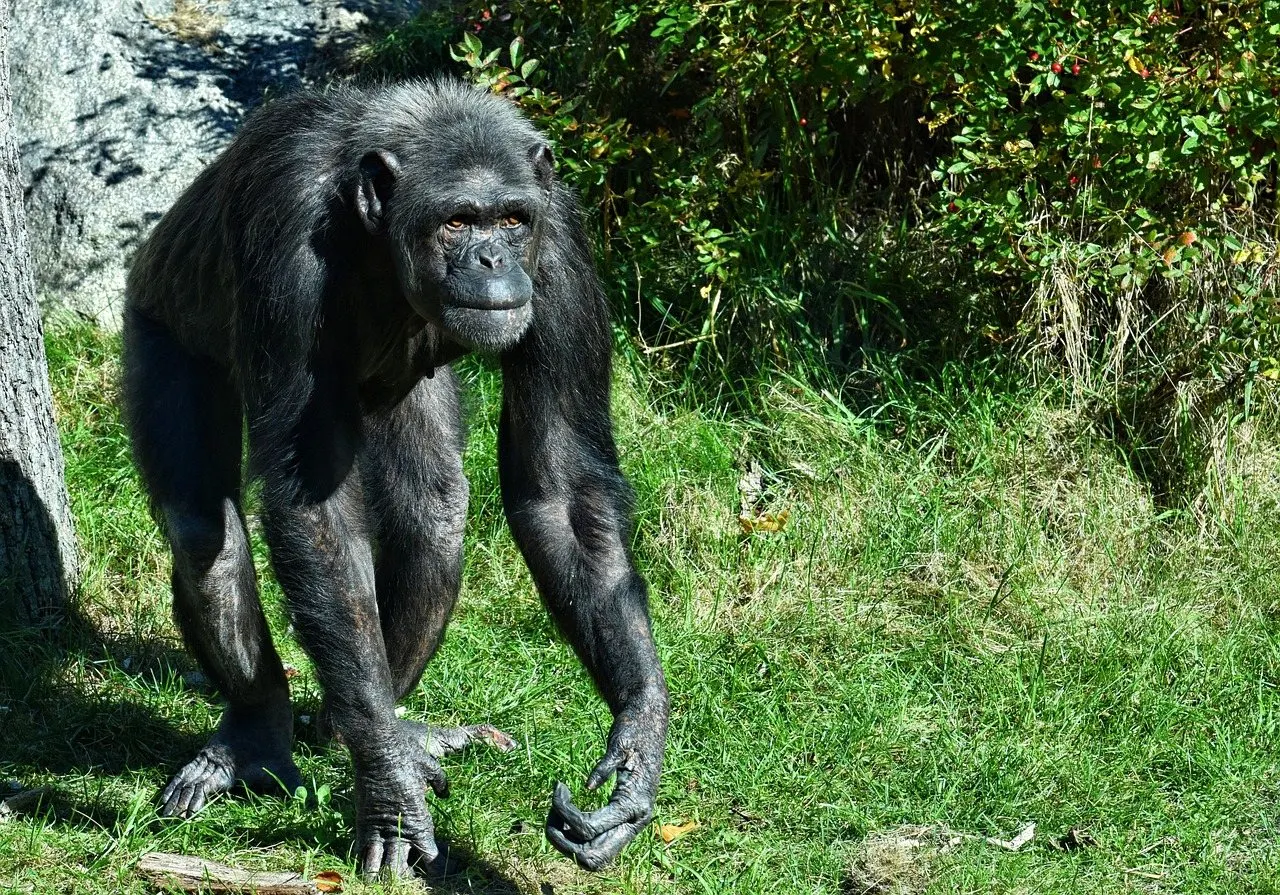
In 2015, the government ended its support for biomedical experiments on chimpanzees, and the animals at the Keeling Center stopped being test subjects. Their lives became quieter after that, with care and feeding as the daily routine instead of laboratory work. But they still lived in a research facility, not a sanctuary, and the move to Louisiana is the step that finally turns retirement from a promise into a real place. Read about a daughter’s update on her father.
Why the Government Ended Chimp Research
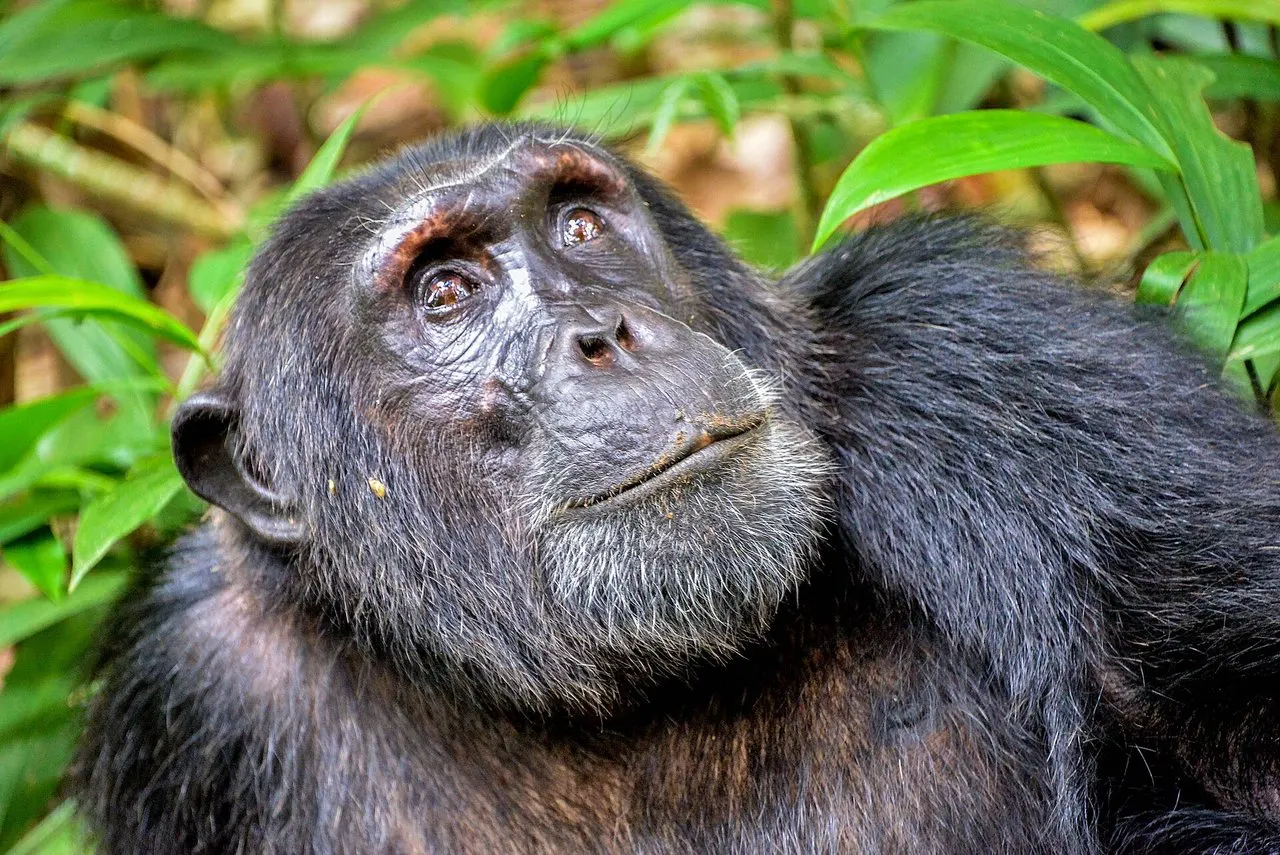
Chimpanzees were once used in medical research because they share so much biology with people, and scientists hoped they would unlock cures. Over time, the science moved on, and the public mood changed too, as more people asked whether it was right to keep such intelligent animals in laboratories. In 2015 the National Institutes of Health ended its support for the work, and the animals began the long wait for a sanctuary home. Read about a young man who chose his final day.
Research Chimps Are Our Closest Relatives in the Animal World
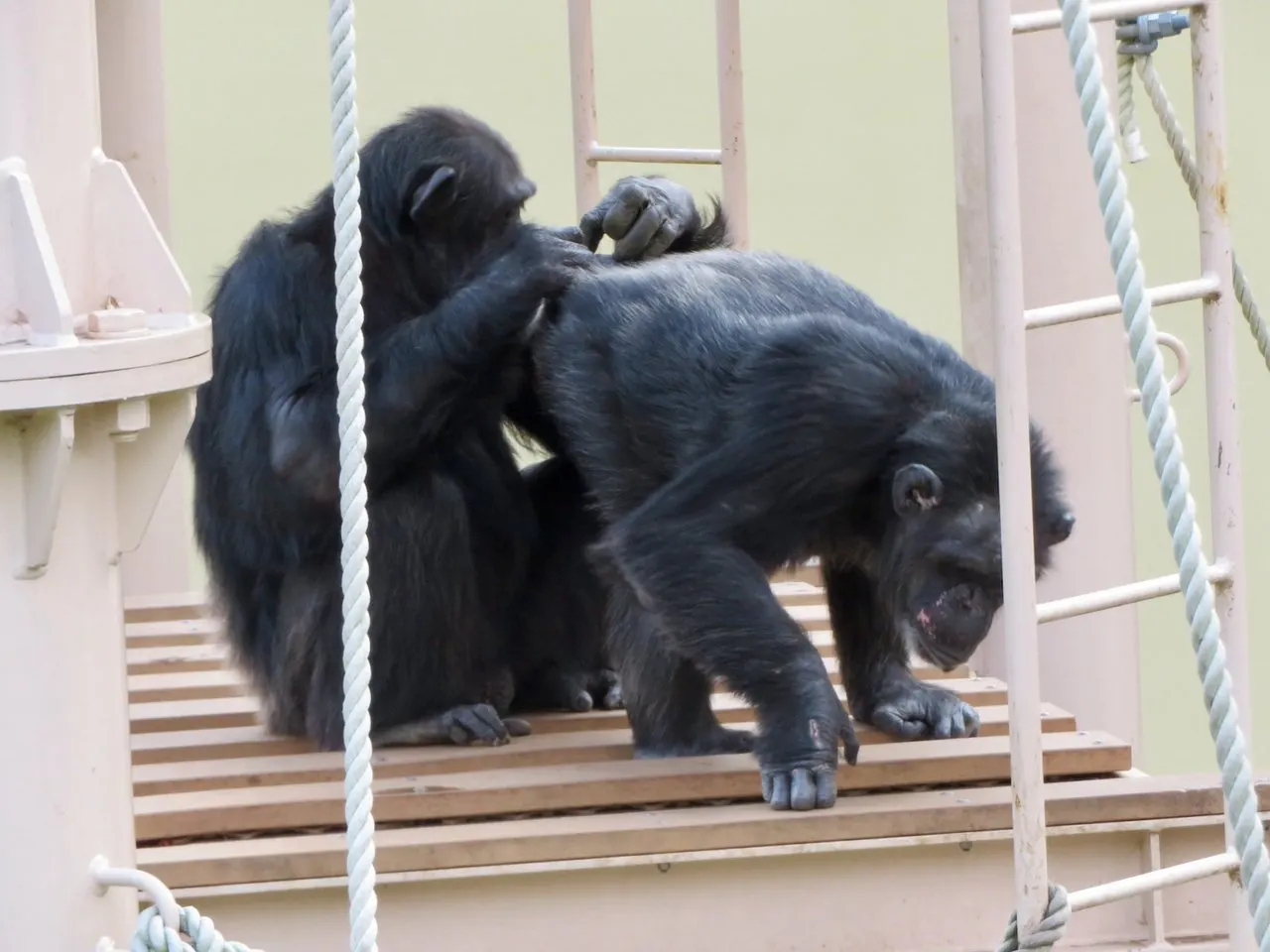
Chimpanzees share about 98.8 percent of their DNA with humans, which makes them our closest living relatives. They use tools, solve problems, learn from each other and show clear signs of joy, grief and friendship. That closeness is exactly why they were used in research, and it is also why so many people now feel they deserve a retirement that respects their intelligence. Read about how to greet a president at a summit.
Tool Users With Remarkable Minds
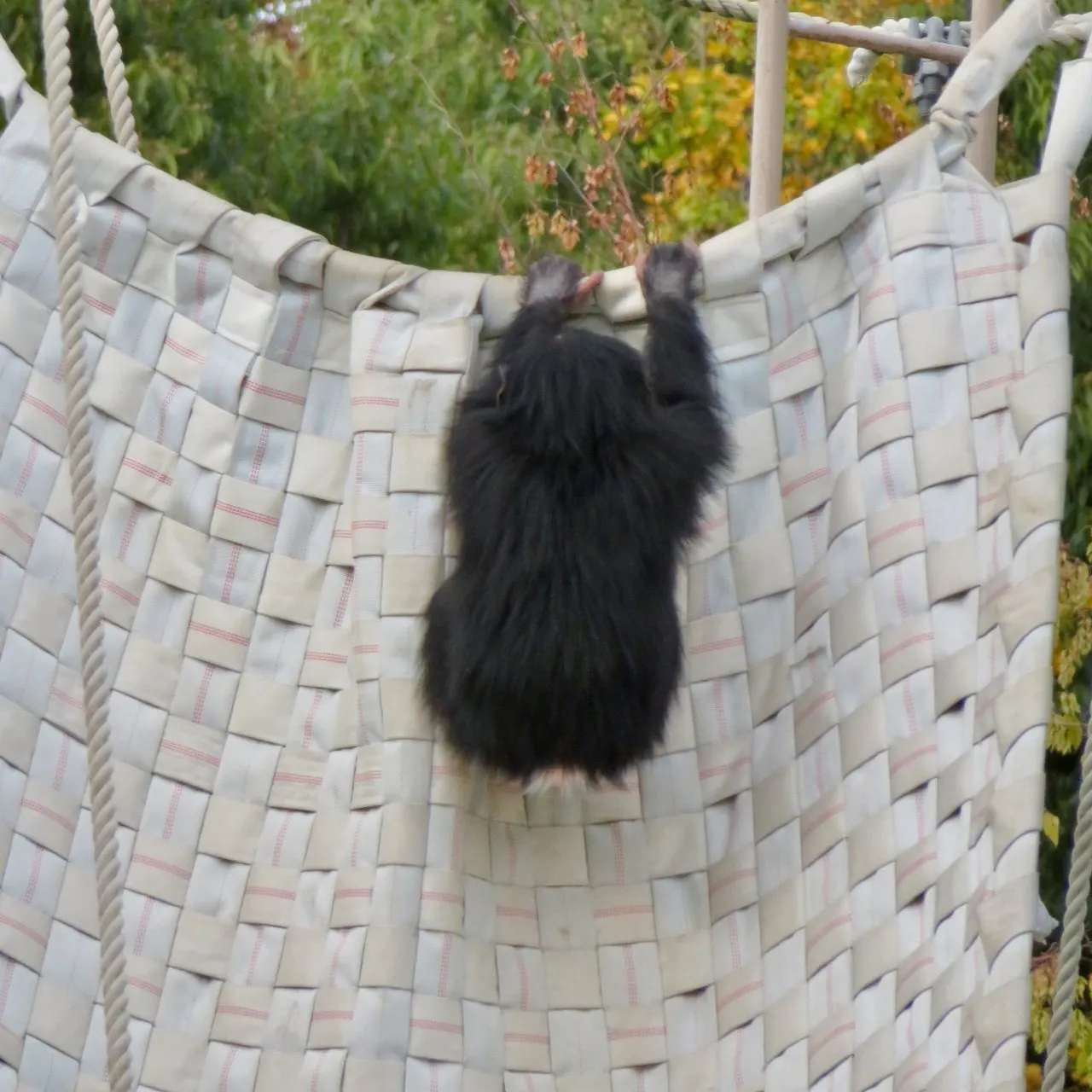
Wild chimpanzees are famous for using tools, from sticks to fish for termites to stones that crack nuts open. The behavior was first documented by Jane Goodall in Tanzania, and it changed how the world saw these animals. The chimps heading to Louisiana carry that same cleverness, and a sanctuary gives them branches, stones and puzzles to keep their minds busy. Read about a detention center that earned millions.
What Chimpanzees Eat in the Wild
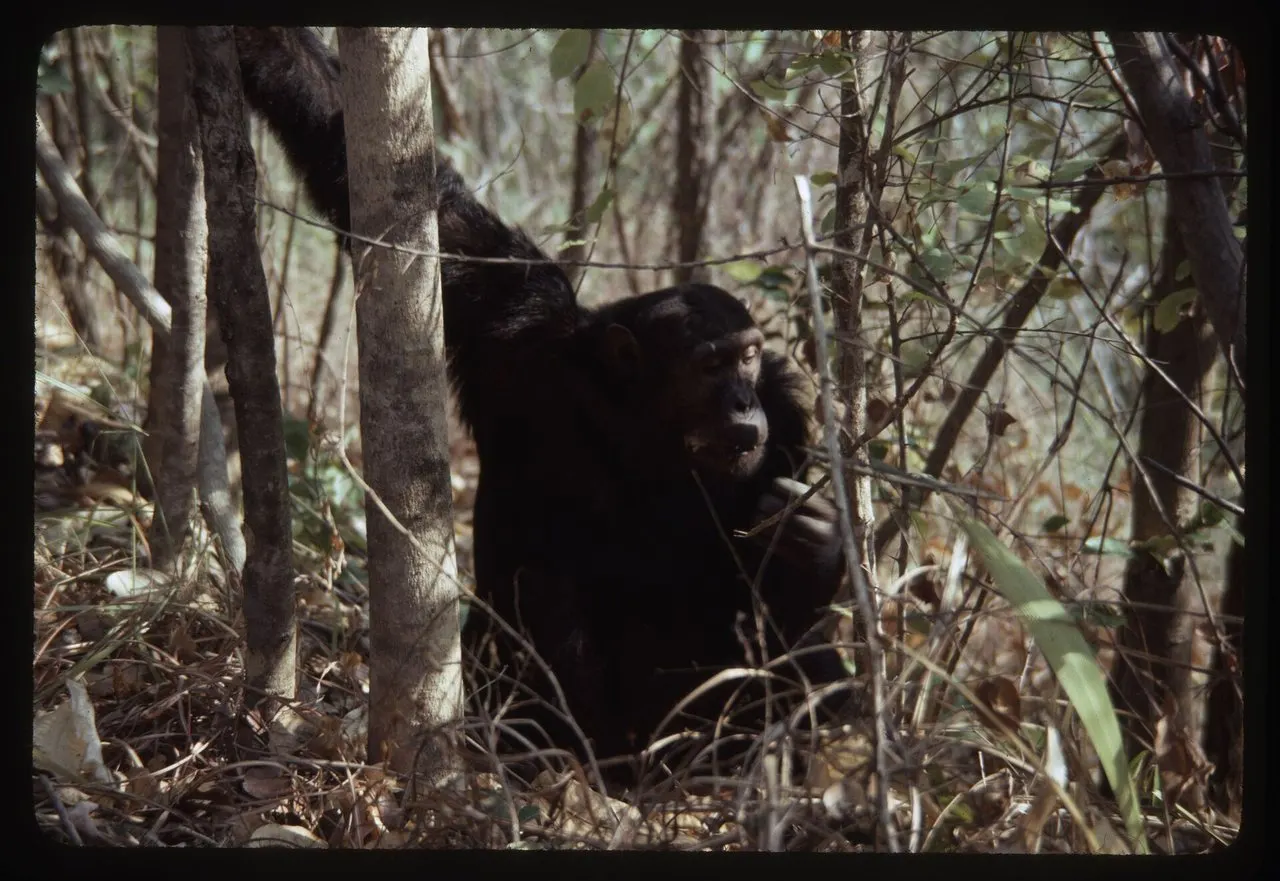
In the wild, chimpanzees eat mostly fruit, along with leaves, seeds and the odd insect, and they spend much of the day searching for food. At a sanctuary, keepers offer a varied diet that keeps the animals busy and healthy, with fruit and vegetables scattered through the habitat so the chimps can forage as they would in a forest. Good food is a simple pleasure, and it matters more with age. Read about what being rich really means to a father.
Mothers Among the Research Chimps and Their Babies
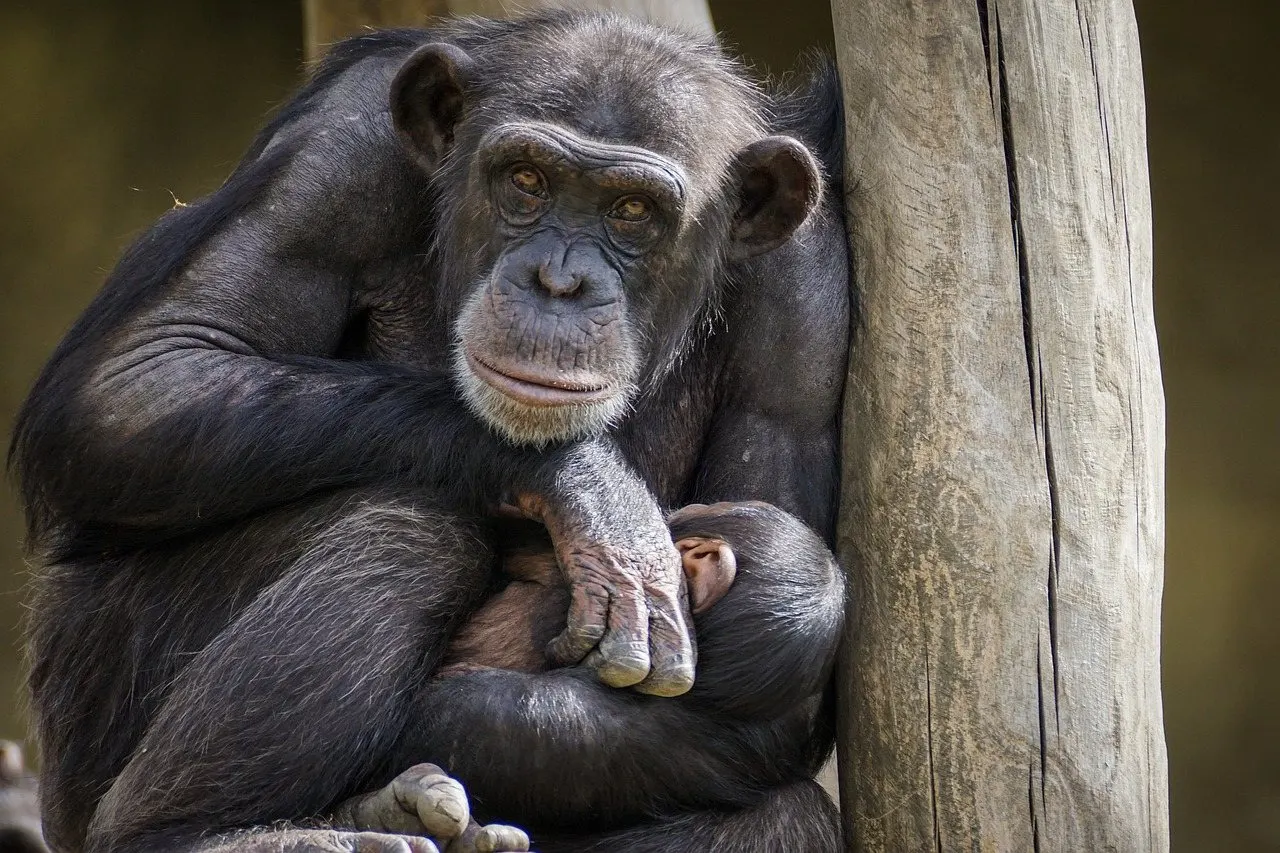
Chimpanzee mothers carry their babies close for years, nursing them, grooming them and teaching them how to find food and climb safely. The bond between mother and child is one of the strongest in the animal world, and young chimps stay near their mothers long after they can walk. In a sanctuary, family groups can stay together, and the little ones can grow up climbing trees instead of watching the world through glass. Read about a family that stayed close after divorce.
Climbing Trees Again After Years Inside
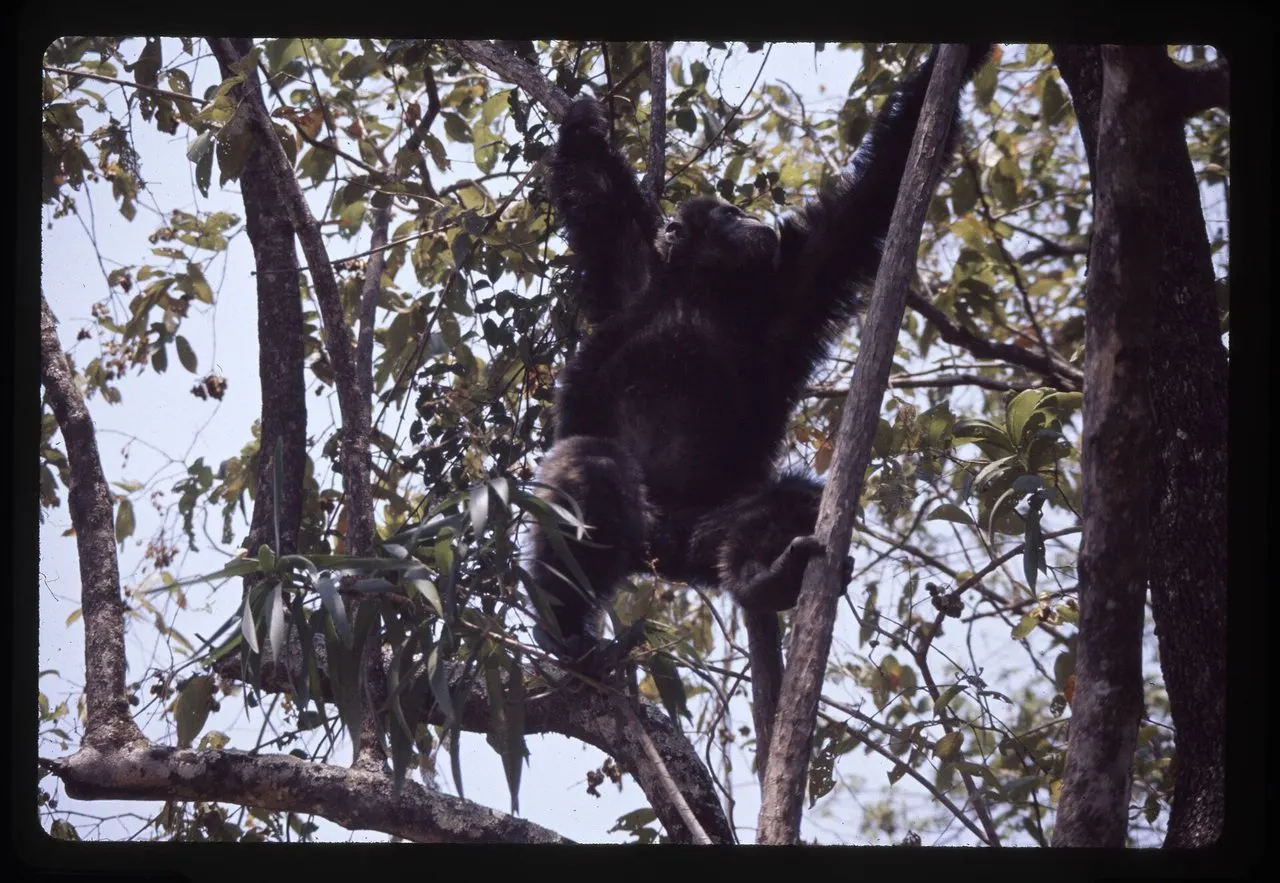
A chimpanzee belongs in the trees, and the forest at Chimp Haven will finally let these animals climb the way they were built to. Long arms and gripping hands make them natural climbers, and a tall canopy gives them room to play, rest and watch the world from above. After years in rooms and yards, the chance to sit high in a tree and feel the wind will be a new kind of freedom. Read about a senator who refused to back a shutdown.
A Sanctuary Is Not a Laboratory
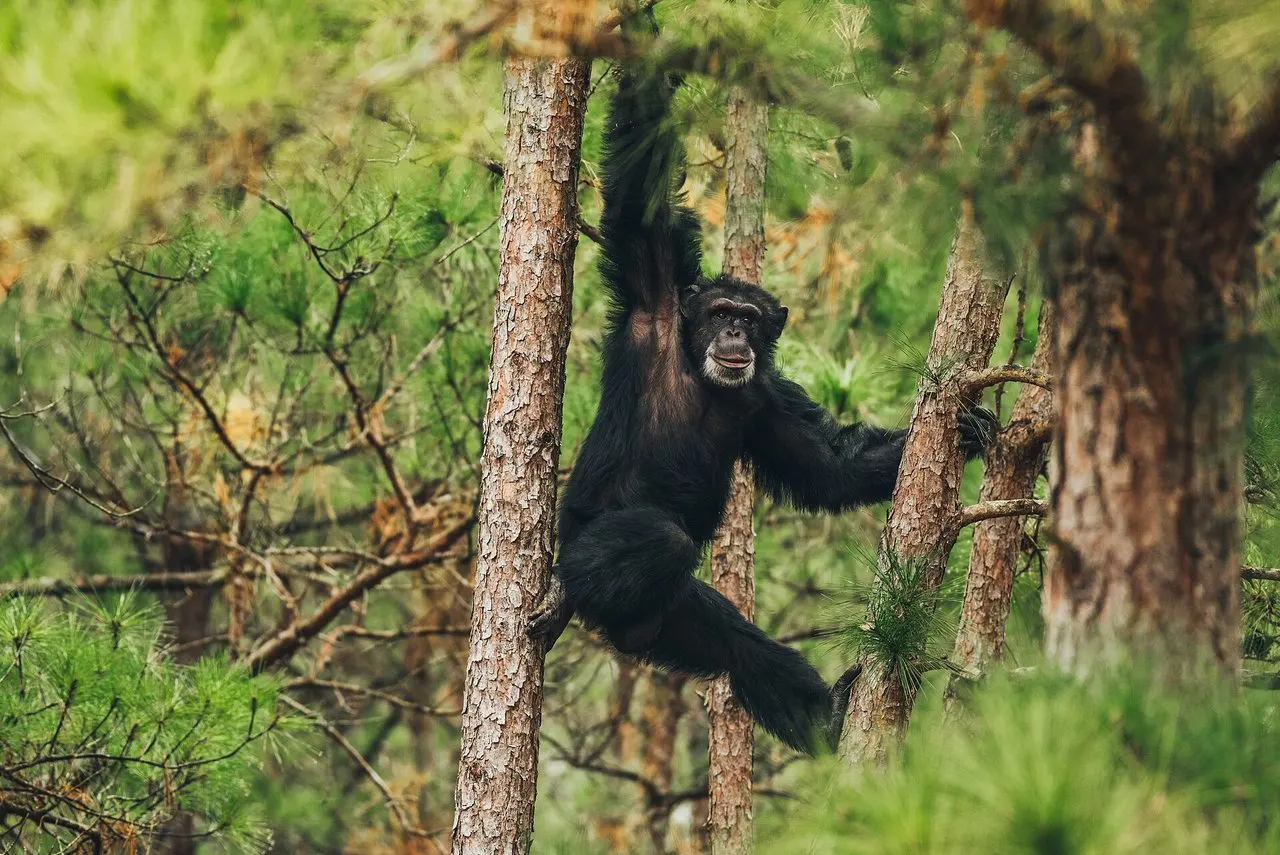
A laboratory is built for experiments, with cages, corridors and schedules set by researchers. A sanctuary is built for the animals, with open space, trees, choice and company. That difference matters more than anything, because it turns the animals from subjects into residents with their own routines. At Chimp Haven, the chimps will decide when to climb, when to rest and when to sit with friends. Read about mysterious rock art with giant round heads.
Caregivers Who Know the Research Chimps by Name
The keepers at a sanctuary learn every animal by name, by face and by habit, and that knowledge shapes how each chimp is cared for. They know who likes to climb at dawn, who prefers a quiet corner and who will trade a hug for a piece of fruit. That kind of personal care is what turns a facility into a home, and it is what the 33 animals will find waiting for them. Read about a preacher who says the living should prepare.
Growing Old With Dignity and Comfort
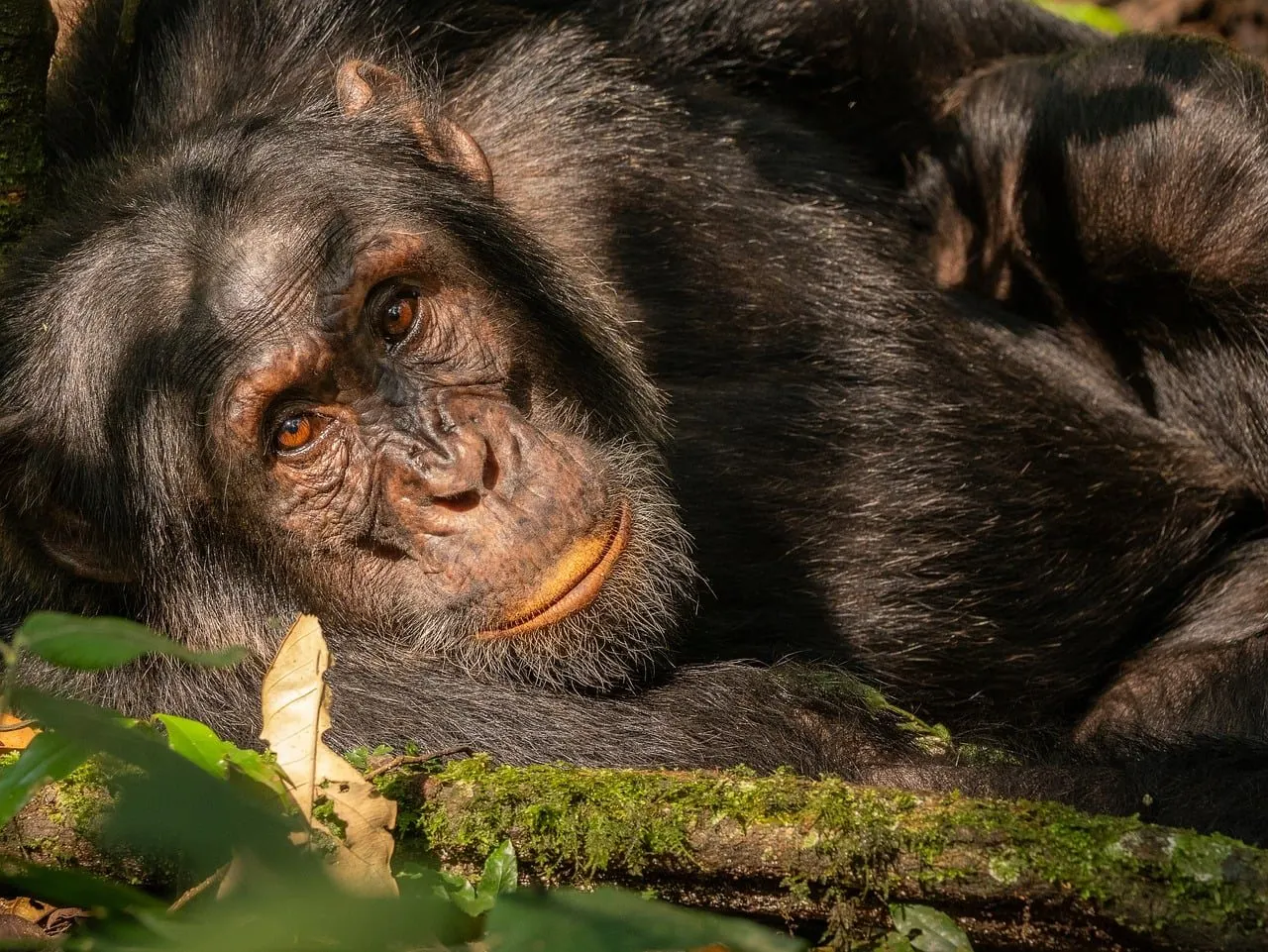
Old age comes to chimpanzees just as it comes to people, with slower steps, aching joints and a need for rest. A good sanctuary plans for that, with soft places to sleep, food that is easy to chew and vets who watch for the small changes that mean an animal needs help. The 33 animals have earned that kind of care, and their later years should be gentle ones. Read about a grandma whose accidental invitation became a film.
Friends They Have Known for Decades
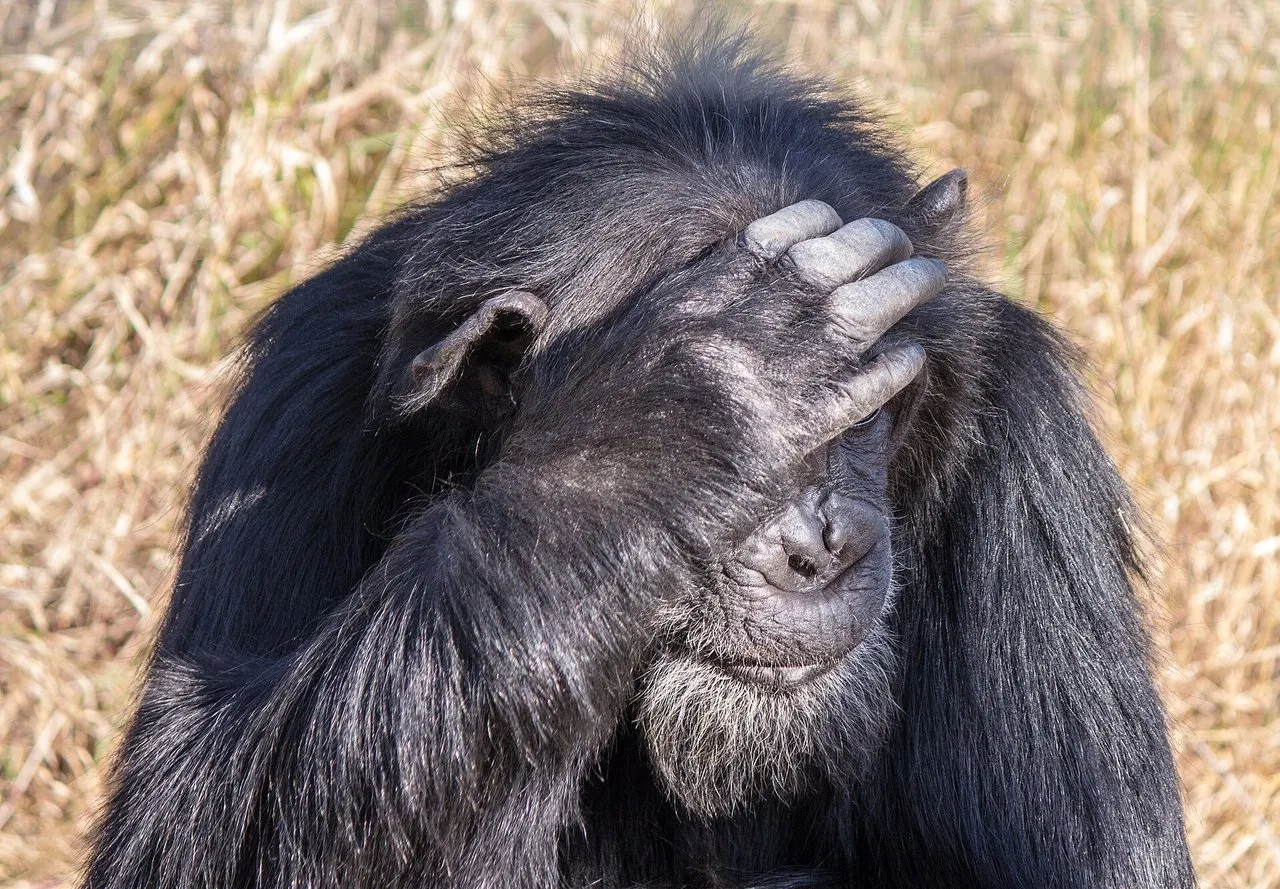
Chimpanzees remember their friends, and the bonds they form can last a lifetime. The nine social groups travelling to Louisiana are built on friendships that have grown over years of shared days, shared meals and shared grooming sessions. Keeping those groups together is one of the kindest parts of the move, because no animal should have to face a new home without a familiar face beside it. Read about a housemate evicted with under four percent of the votes.
The Research Chimps Are Bound for Louisiana
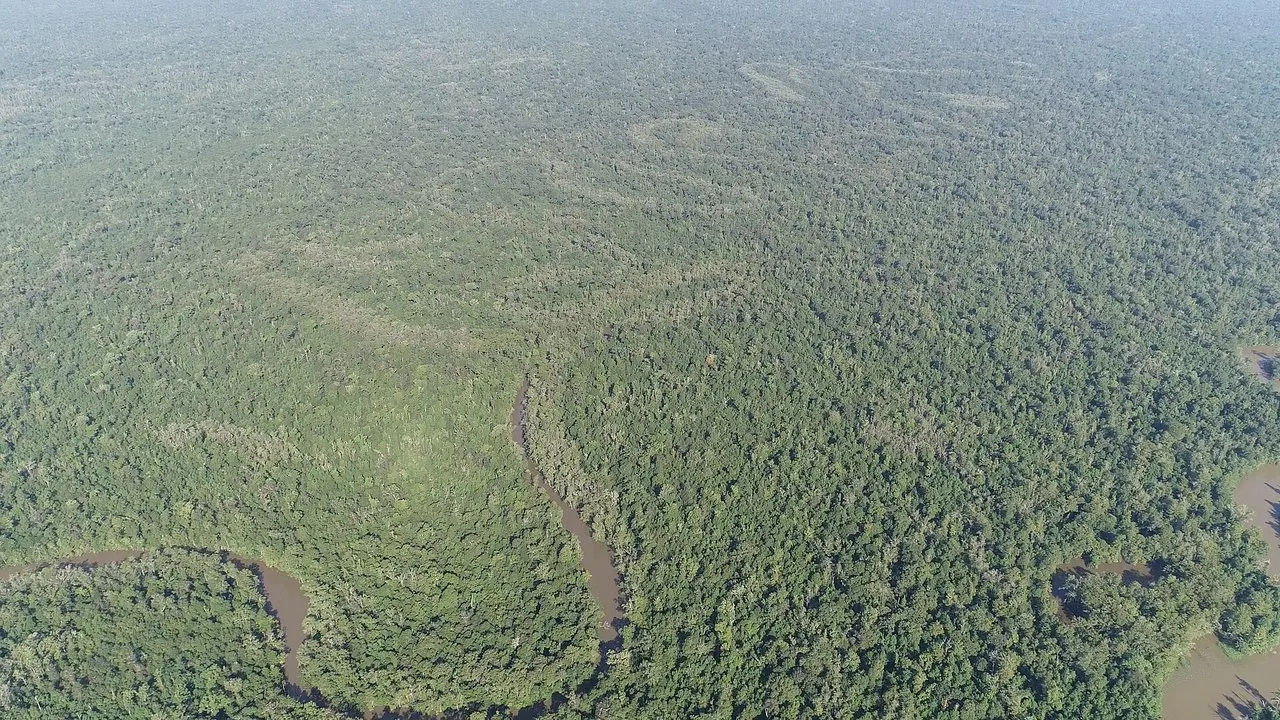
Louisiana will be the new home for all 33 animals, and Chimp Haven in Keithville has been preparing for their arrival. The sanctuary sits on forested land where the chimps can roam, climb and settle into groups, with keepers and vets close by. The state is a long way from the Texas center in miles and in spirit, and the move marks a fresh start for animals that have waited years for it. Read about two mothers and the bond guiding their sons.
From Texas Roads to a New Home
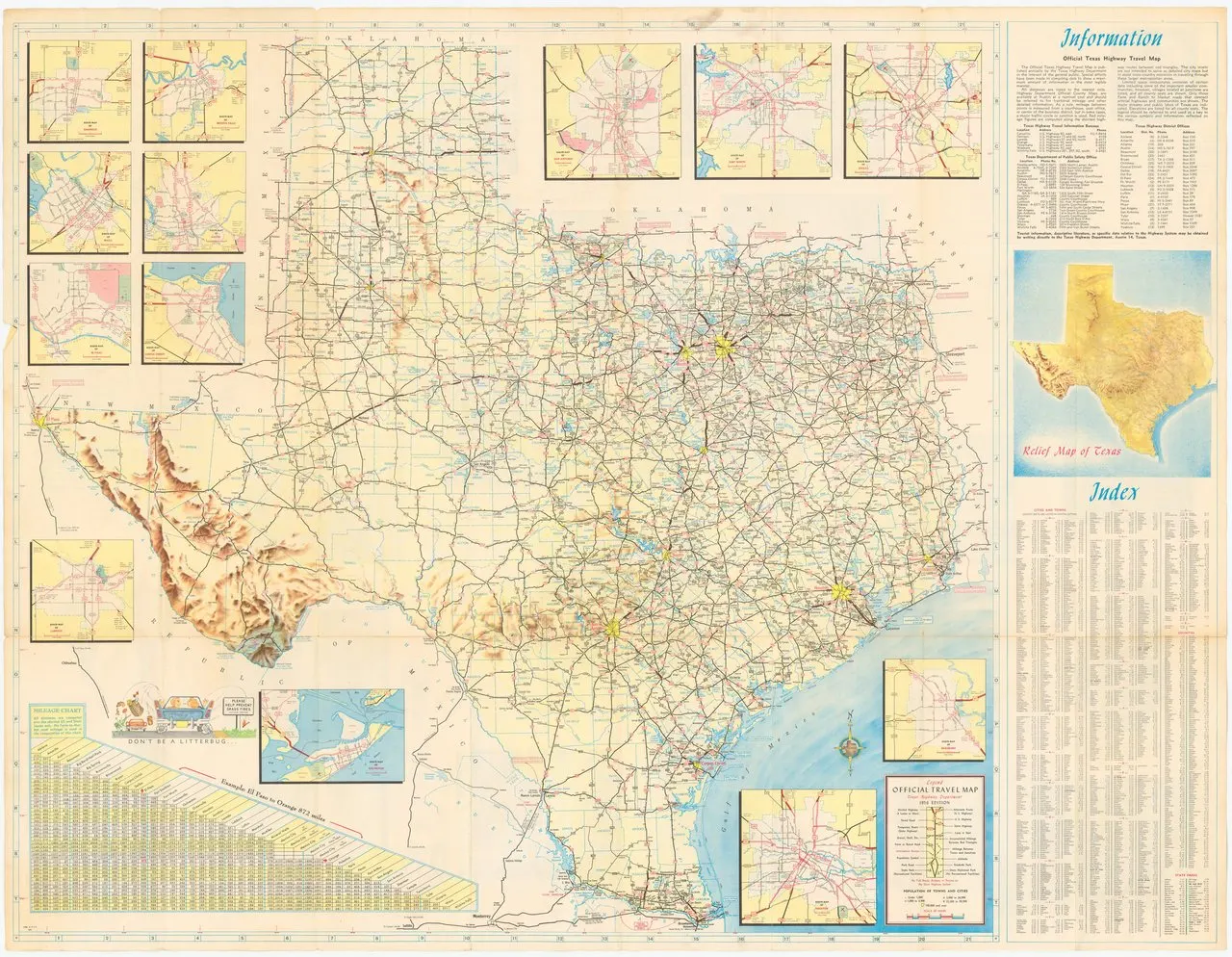
The road from Bastrop to Keithville takes several hours, and the animals will make the trip in small groups with their keepers nearby. Trucks will carry them in comfort, with food, water and rest stops planned along the way. It is a long drive for animals that have spent years in one place, but the end of the road is a forest, and that is worth the journey. Read about a meeting where presidents sized each other up.
The End of an Era in American Science
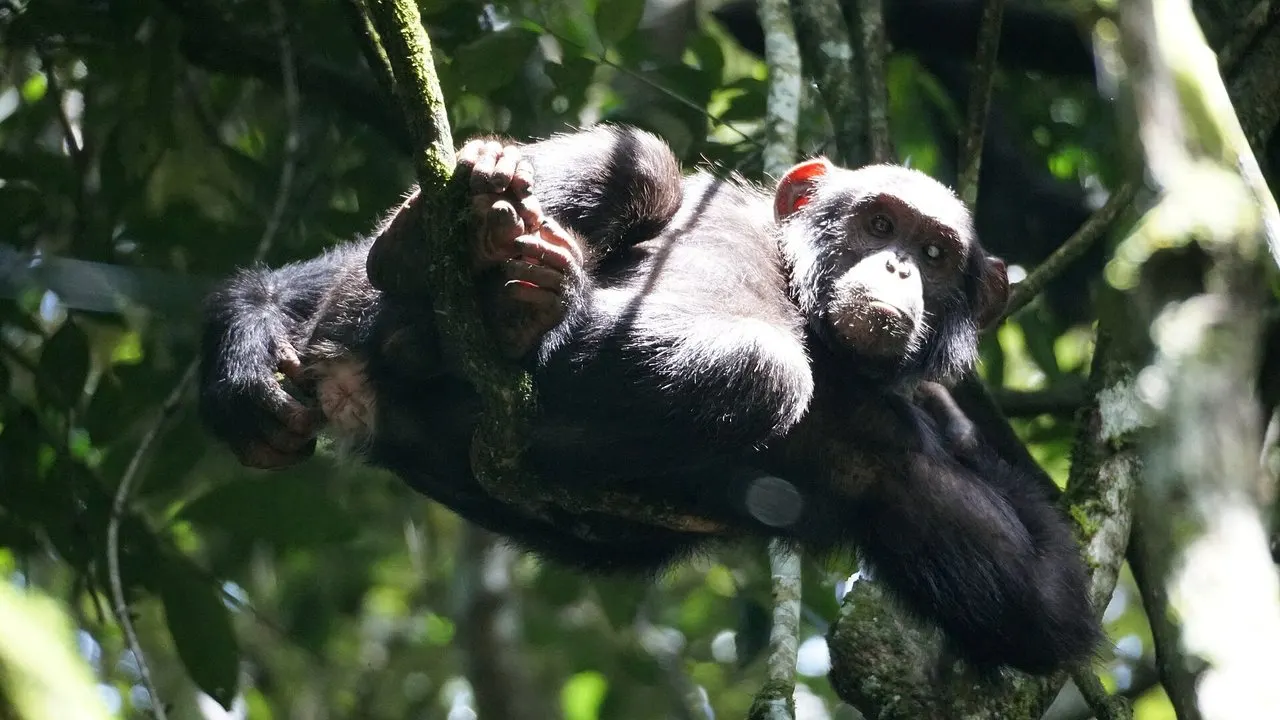
When the last chimp leaves Texas, an era in American science will end. For decades, the government owned chimpanzees for research, and their lives were shaped by experiments rather than by choice. The retirement of the final 33 animals closes that chapter for good, and it says something hopeful about how the country now sees animals that think, feel and remember. Read about a promise never to plead for a meeting.
What Retirement Looks Like for the Research Chimps
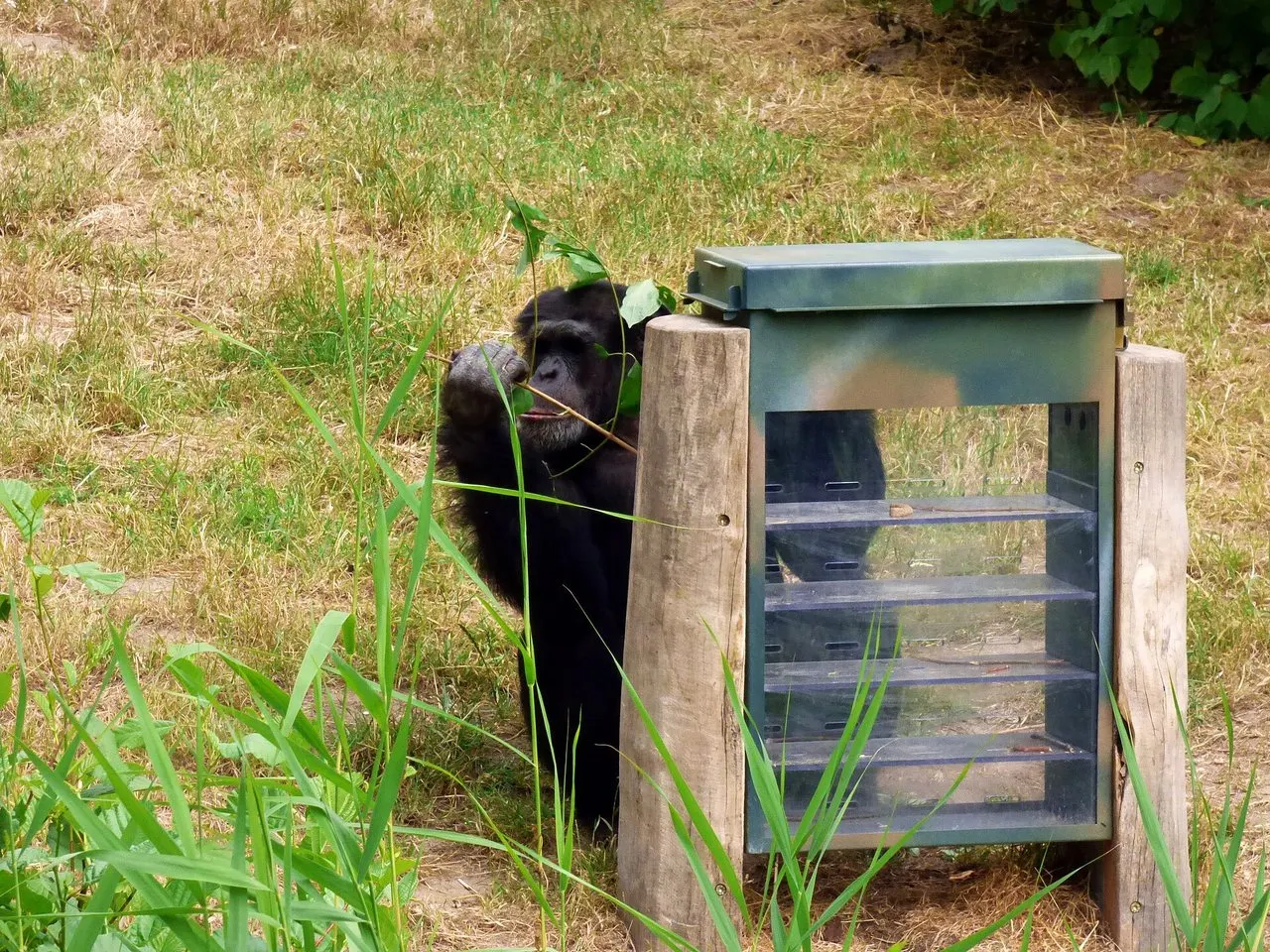
Retirement for a chimpanzee means slow mornings, long naps in the sun and afternoons spent foraging, grooming and playing with friends. There are no experiments, no schedules set by strangers and no small rooms. Instead, there are trees to climb, grass to sit in and other chimps to share it all with, which is as close to a wild life as a sanctuary can offer. Read about one senator who vowed to refuse.
The People Who Fought for This Day
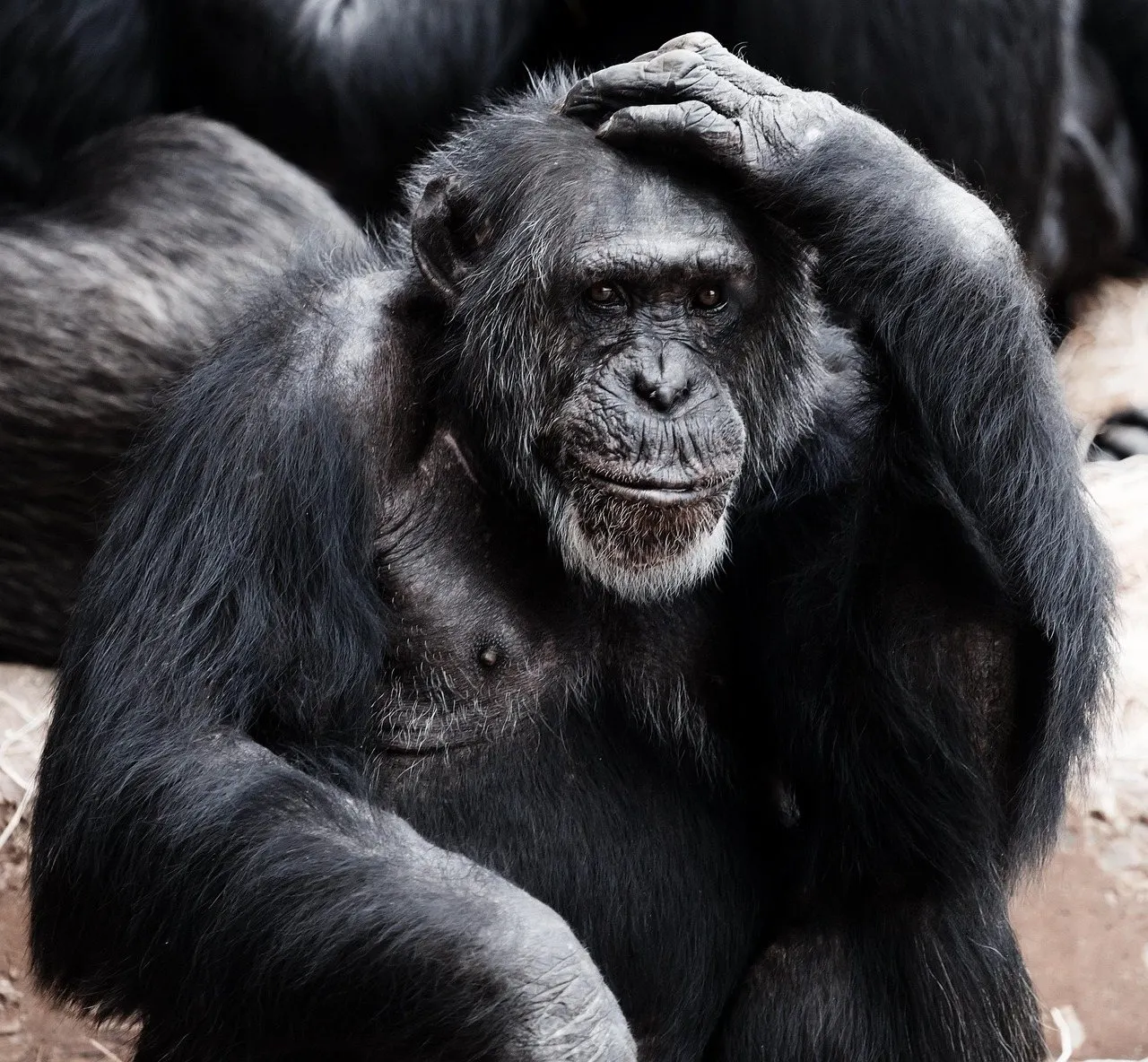
This move did not happen by itself. Animal welfare groups, scientists and ordinary people pressed for years to retire the last government owned chimpanzees, and the Humane World Action Fund called the decision a victory. Their work kept the issue alive long after the headlines faded, and it gave the 33 animals a voice they could not raise for themselves. The sanctuary gates open because people refused to forget them. Read about a daughter’s update on her father.
Why Sanctuaries Matter More Than Ever
Sanctuaries exist because animals that worked for science, entertainment or trade need somewhere to go when the work ends. They offer space, care and company instead of cages, and they let animals live out their years with dignity. The story of the 33 chimps shows why these places matter, and why the people who run them deserve support. Every animal that retires to a sanctuary is a small victory. Read about a young man who chose his final day.
The Research Chimps Settle Into Their New Home
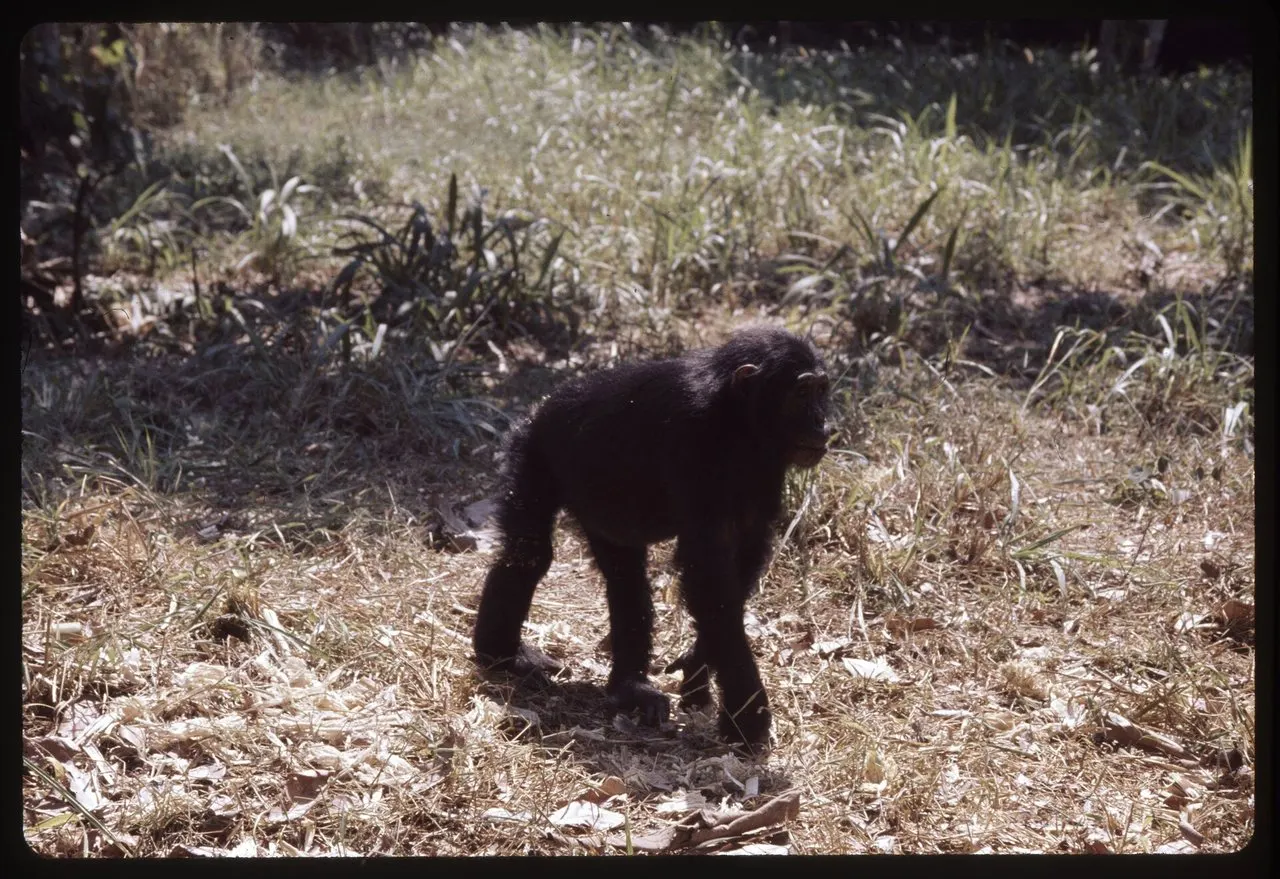
The first weeks at Chimp Haven will be about settling in, with keepers watching as each group explores its new space. The chimps will test the trees, find the sunny spots and work out where they like to sleep. New routines will form, and old friends will stay close as the forest becomes familiar. By the end of 2027, all 33 animals should be home, and the sanctuary will feel like theirs. Read about how to greet a president at a summit.
Thirty-Three Names, Thirty-Three New Beginnings
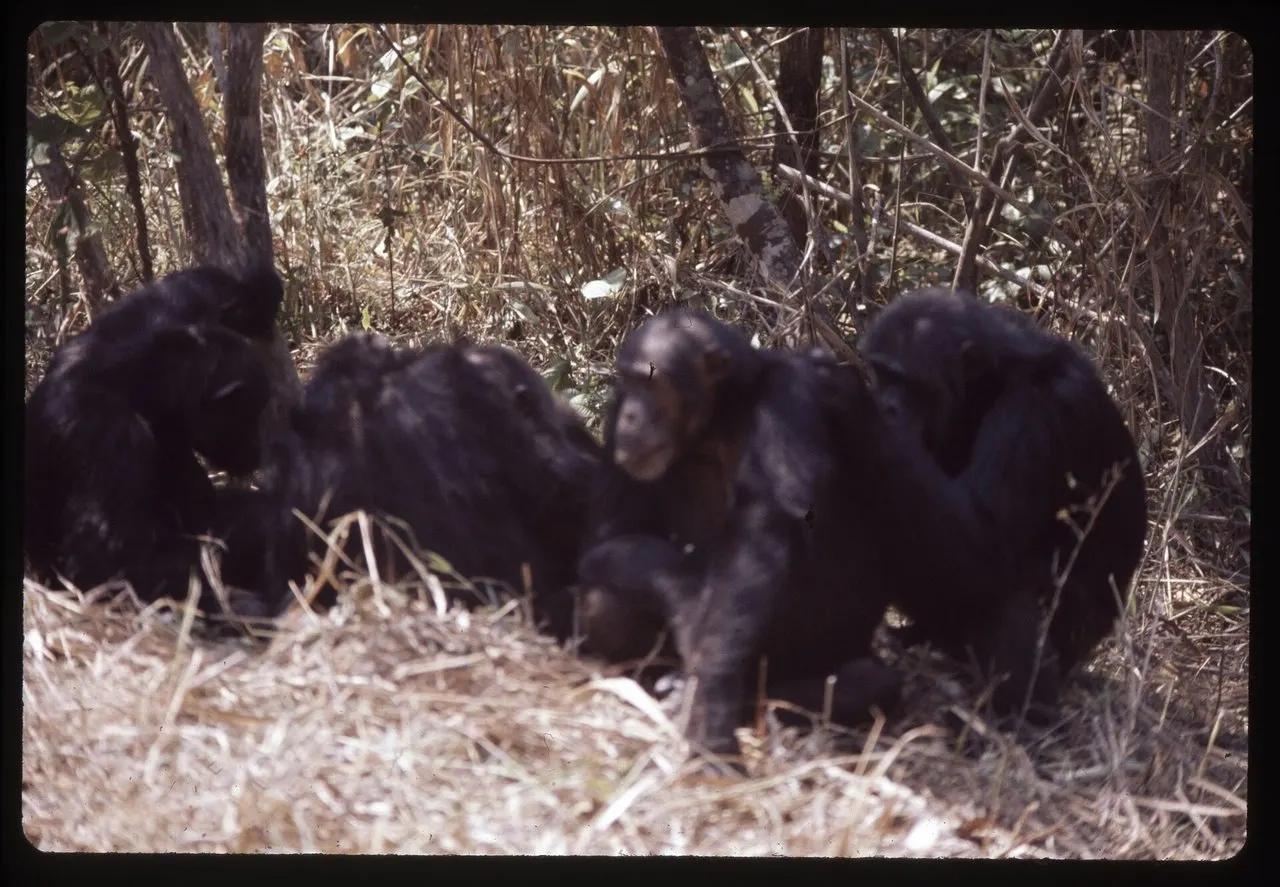
Behind the number 33 are 33 individuals, each with a name, a history and a personality that the keepers know well. Some are bold, some are shy, and all of them have spent years waiting for a life beyond the laboratory. Their move to Louisiana is not just a transfer of animals, it is 33 fresh starts, and each one deserves to be counted. Read about a detention center that earned millions.
What Would You Tell Them If You Could?
The last 33 government owned chimpanzees are about to start a new life in the Louisiana forest, and their story has reminded many people why animals like these matter. If you could send them a message for their first morning at the sanctuary, what would you say? Would you wish them tall trees, kind keepers and long naps in the sun? Share your thoughts in the comments, and keep reading what being rich really means to a father.