The Pax Silica Protest Turns the Ateneo Fountain Brown
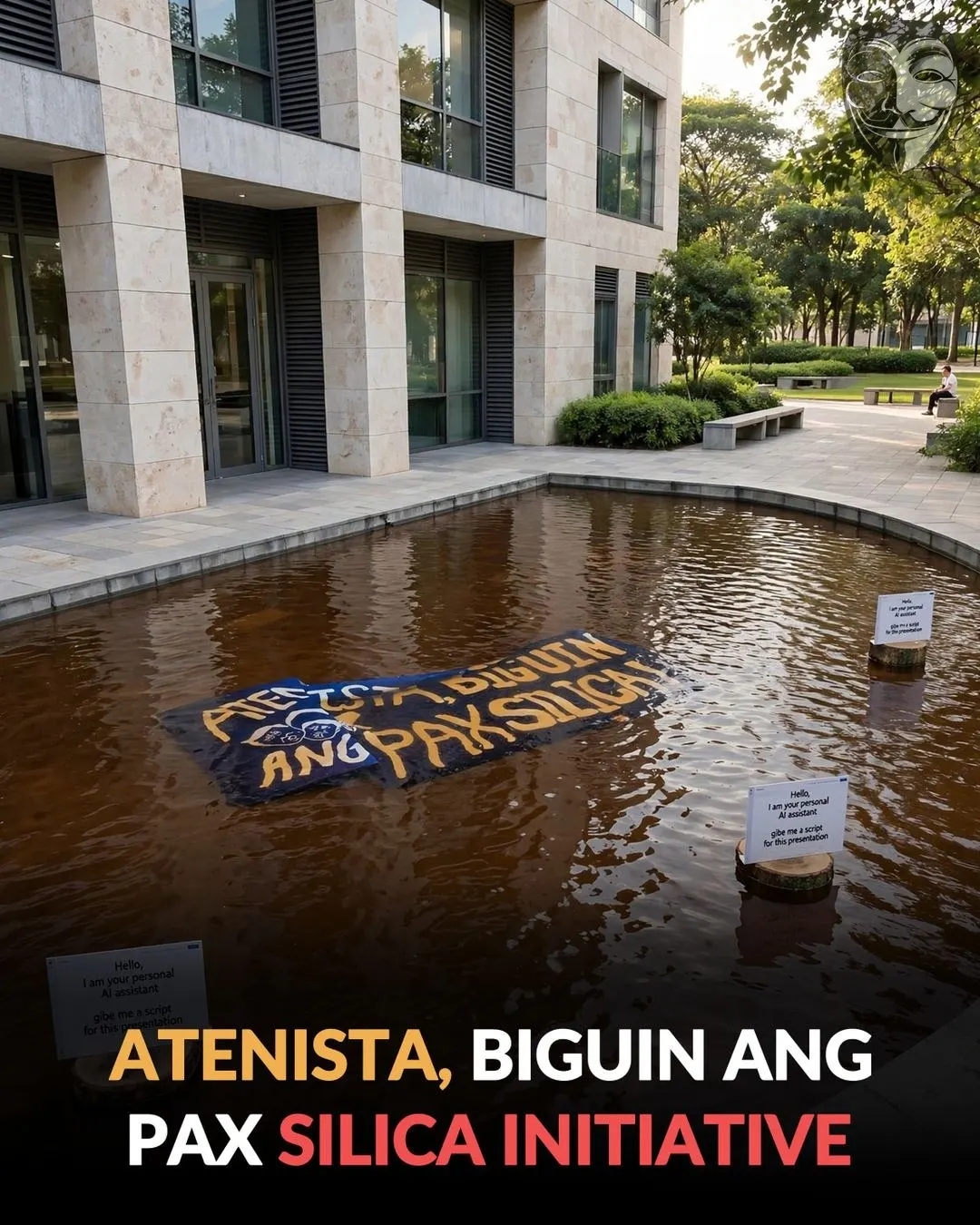
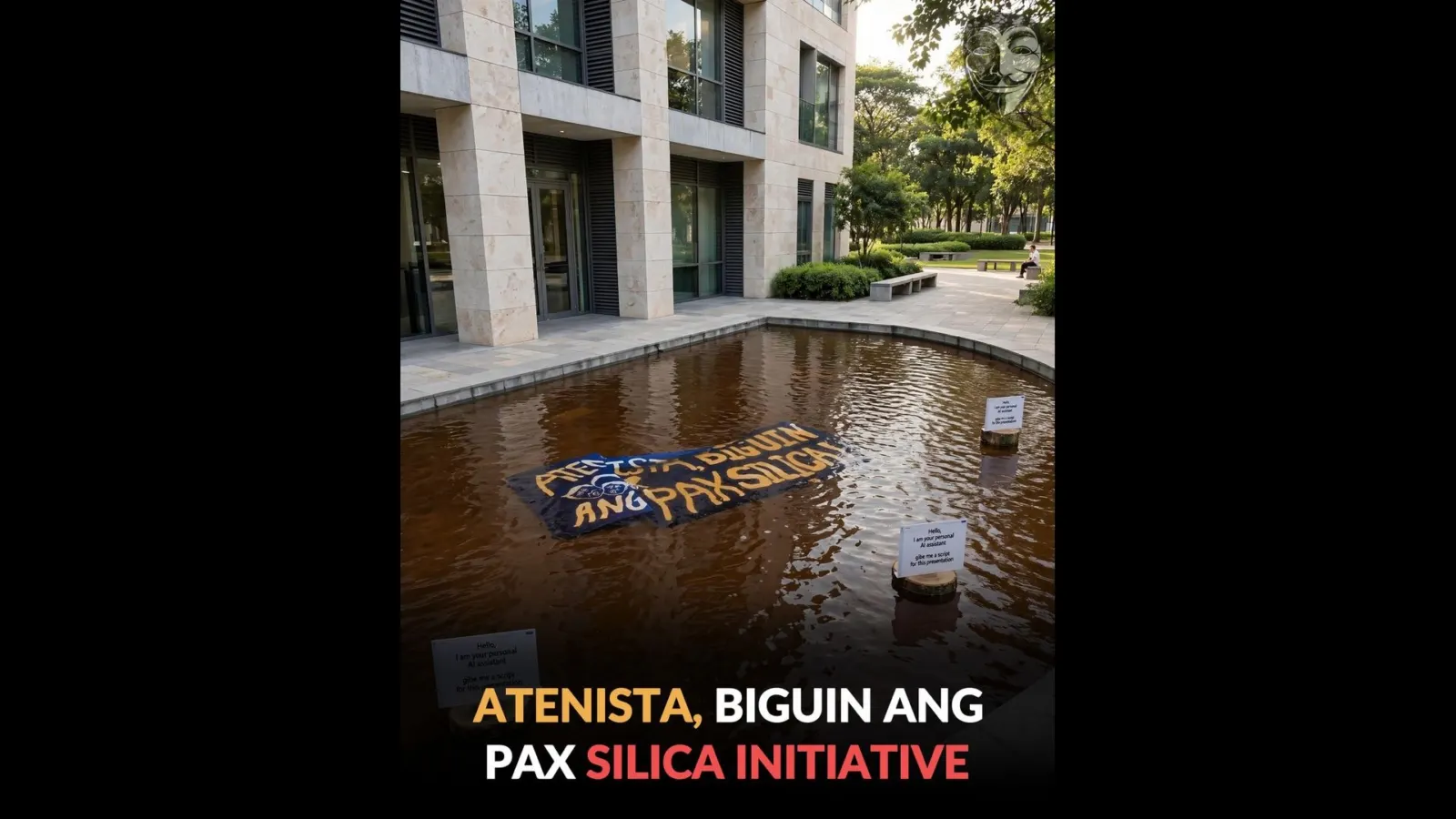
The Pax Silica protest began with a single bold image at Ateneo de Manila University, where students dyed the fountain at the Rizal Library First Pacific Hall a murky brown. The water turned the color of earth after the dye spread through the pool, and a banner floated on the surface with the words Atenista, Biguin ang Pax Silica. The message asked every Ateneo student to question the initiative and to think for themselves. The photo of the brown fountain drew attention beyond the campus, much like a university dress code debate that sparked talk across the country.
Small signs set on wooden stumps around the pool copied the look of AI chat windows, including one that read gibe me a script for this presentation, a playful jab at students who lean on chatbots for schoolwork. The Ateneo Environmental Science Society led the demonstration on November 19 to start a conversation about how artificial intelligence is shaping education. The Pax Silica protest asked a simple question about learning in the age of AI, and you can read more in university researchers.
References:
GMA News: Ateneo Rizal Library Fountain Dyed Brown
Inside The Metro: Ateneo Fountain Turns Brown in Protest Against Pax Silica
Inside The Metro: Ateneo Students Raise Concerns Over AIs Growing Influence Through a Symbolic Protest
The GUIDON: Rizal Library Fountain Dyed Brown During Demonstration Against Pax Silica
The Fountain at the Heart of the Campus

The fountain at the Rizal Library First Pacific Hall sits at a busy spot where students pass every day on their way to class and study. Fountains like this one are often the quiet center of a campus, a place where friends meet and where the sound of water softens the noise of a school day. On November 19 the familiar pool looked very different, and the change made people stop and look. The brown water turned an ordinary landmark into a message, as striking as a new cancer treatment.
Students Raise Their Voices in the Pax Silica Protest

Students at Ateneo de Manila University planned the demonstration with care, choosing a symbol that everyone on campus would notice right away. A dyed fountain is hard to ignore, and that was the point, because the group wanted people to pause and ask what Pax Silica means for their education. Young people have long used peaceful protest to speak up about the issues that shape their lives. The crowd that gathered showed the same spirit as a city ban after years of debate.
The Rizal Library and Its Famous Fountain
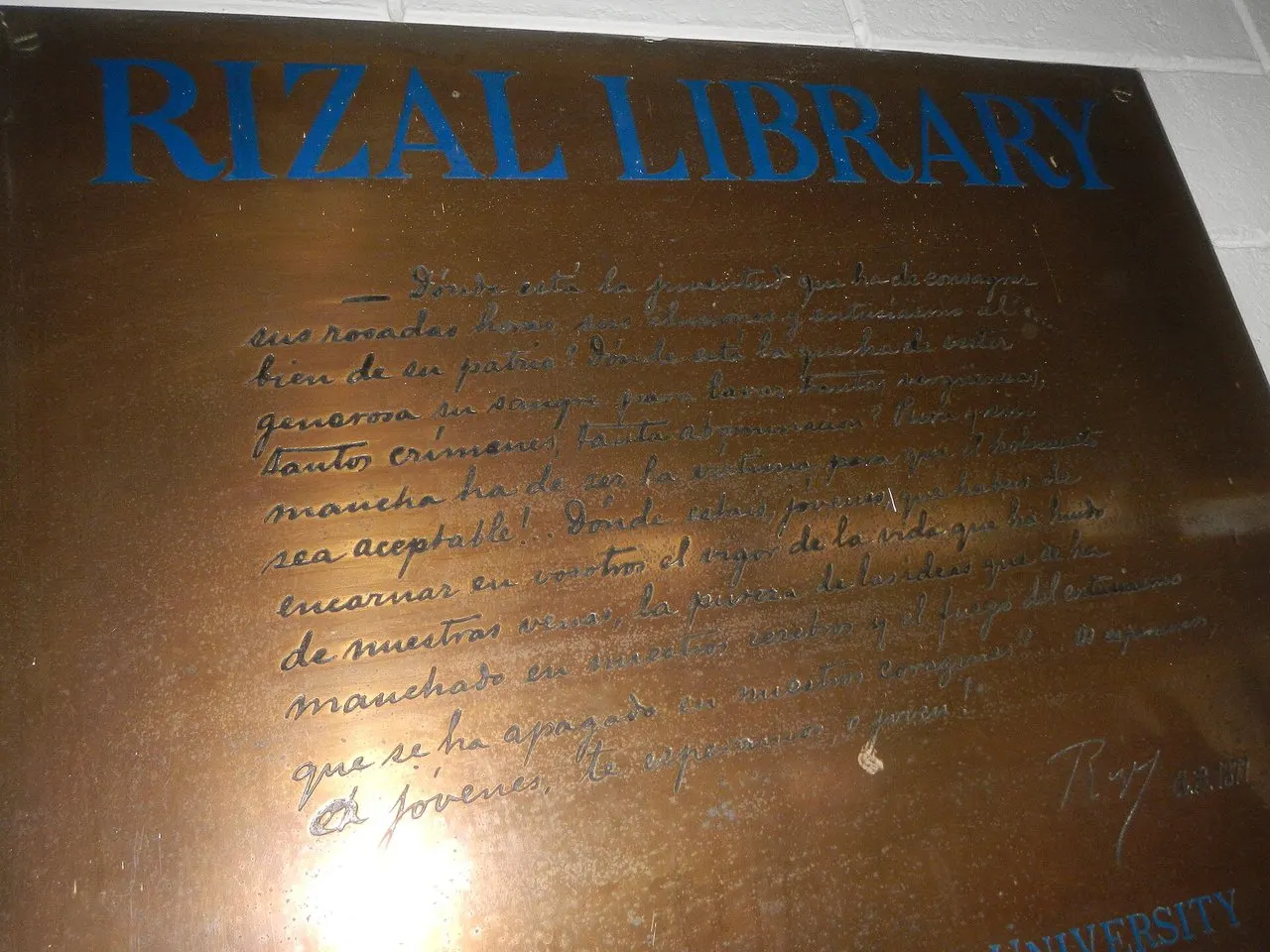
The Rizal Library is named for Jose Rizal, the national hero of the Philippines, and it holds the books and records that Ateneo students use for study and research. Its First Pacific Hall faces the fountain that became the center of the protest, so the library and the pool are linked in the daily life of the campus. A library is a place for questions, and the demonstration fit that spirit. The building stands as a reminder of learning, much like a candid interview about leadership.
A Playful Jab at Chatbot Homework

One of the small signs around the pool read gibe me a script for this presentation, copying the way students type prompts into AI chatbots. The joke landed because so many students know that feeling, staring at a blank screen and wishing a machine would do the work. The sign was funny, but it carried a serious point about learning. When a tool writes the essay, the student misses the thinking that makes the lesson stick, a concern shared by a drone rescue in the floods.
When Students Lean on AI for Schoolwork

Chatbots can answer questions in seconds, and that speed tempts students who are short on time or stuck on a hard assignment. Teachers say the danger is not the tool itself but the habit of handing over the thinking to a machine. A presentation written by a chatbot may look polished, yet the student who presents it may not understand a word of it. Schools everywhere are now setting rules for honest use, and the Pax Silica protest joined that wider debate, much like a gorilla with unusual fingers.
A Library Known for Quiet Study
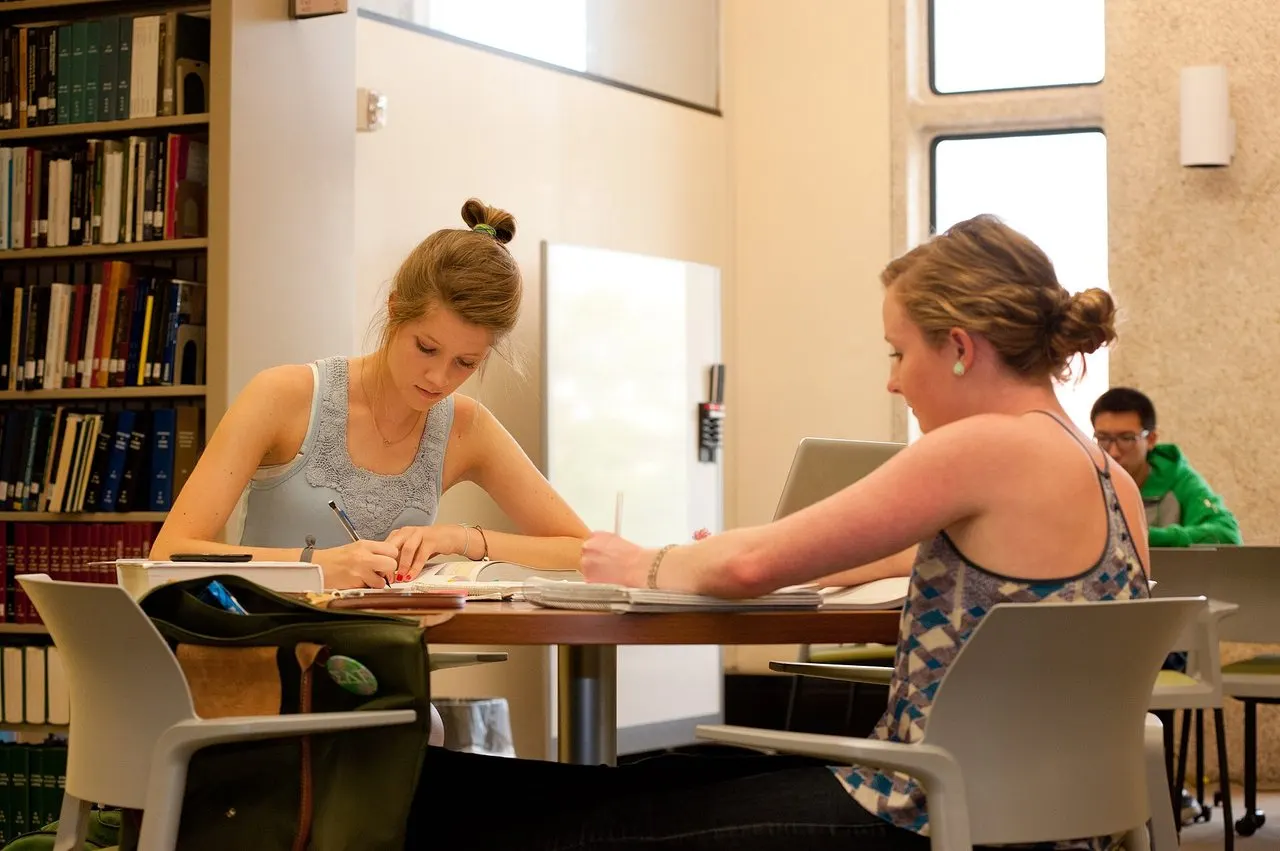
Libraries have always been places where students go to think slowly and work deeply, far from the rush of phones and deadlines. The Rizal Library at Ateneo is no different, with rows of shelves and desks where students read, write and prepare for class. The protest took place right outside those doors, so the message met students at the very place where learning happens. It was a fitting stage, and the scene recalled a mystery carved in stone.
How a Fountain Became a Pax Silica Protest Stage
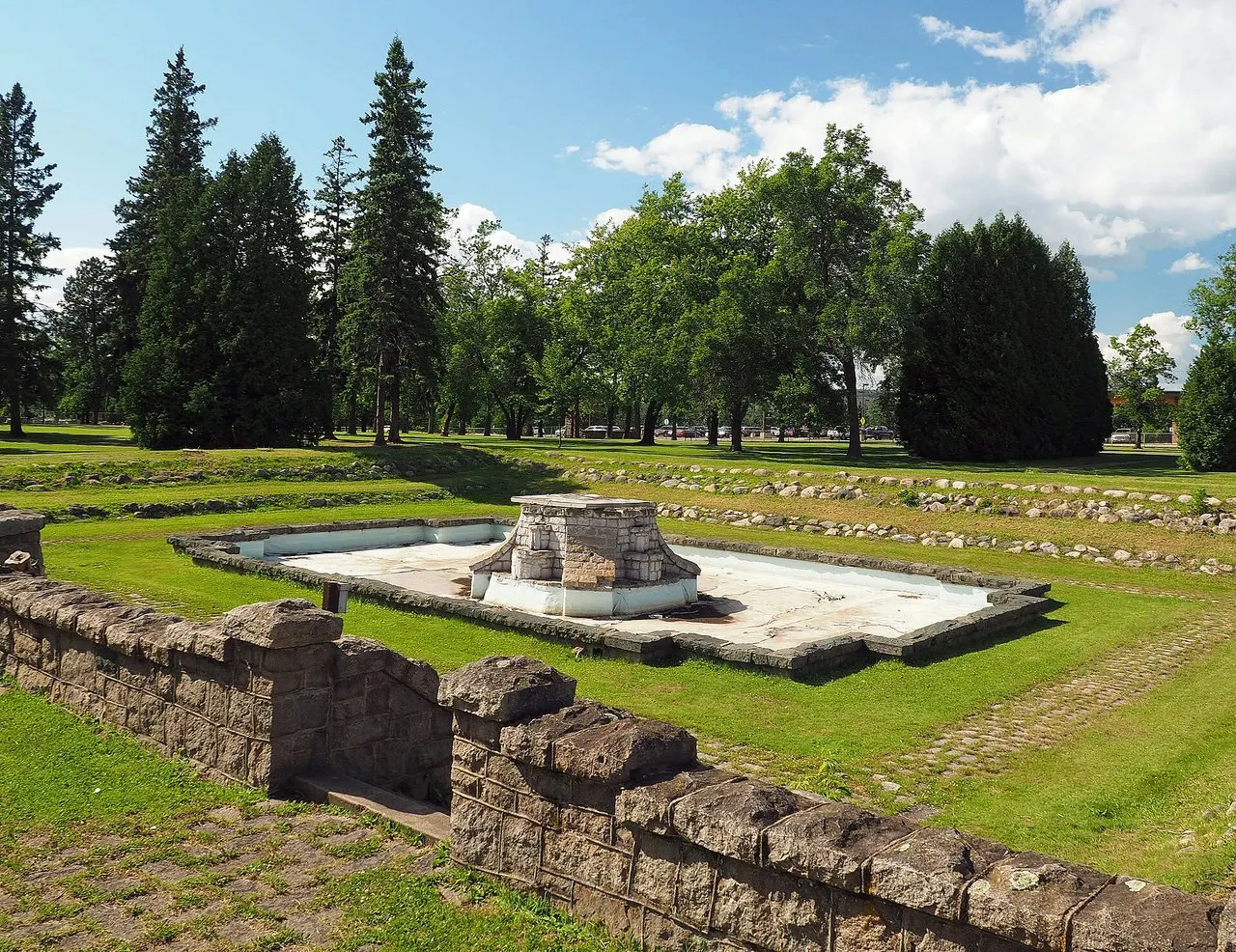
A fountain is public art that belongs to everyone on campus, which is why it made such a strong stage for the Pax Silica protest. The students did not need a hall or a permit to be seen, because the pool sits in the open where hundreds of people pass each day. The brown water changed a familiar sight into a question that could not be missed. Peaceful protests often work this way, turning an everyday place into a message, as in a gamer who stayed awake for 50 hours.
Signs That Copied AI Chat Windows

The small signs around the pool looked like the chat windows that students see every day on their phones and laptops. Each one carried a prompt a student might type into an AI tool, and the wooden stumps made them look like they had grown out of the ground by the water. The design was clever because it spoke the visual language of the tools being questioned. People smiled first and then thought, which is exactly what the organizers hoped for. Read more in a joke about Washington spending.
The Ateneo Environmental Science Society Leads the Pax Silica Protest

The Ateneo Environmental Science Society organized the demonstration, and the choice of a fountain fit a group that cares about water and the natural world. Dyeing the water brown was a visual way to show how a new technology can change something familiar and shared. Student societies often lead campus conversations, because they bring friends together around a cause they care about. The group turned a simple idea into a day the whole campus talked about, with the same energy as a university dress code debate.
Books, Study and a Brown Fountain

Inside the Rizal Library, shelves of books hold the history and science that students study for years before they graduate. The protest outside asked whether AI tools help that learning or quietly replace it, and the question matters most in a library, where the work of thinking is the whole point. A book cannot be skimmed by a chatbot and still teach the reader. The brown fountain reminded everyone walking past that real learning takes time, a truth echoed in a new cancer treatment.
A Conversation About AI in the Pax Silica Protest

The demonstration was not a call to ban artificial intelligence, but an invitation to talk about how it is shaping education. AI can help students find sources, check grammar and explore new ideas, and many teachers welcome those uses. The worry begins when the tool does the learning instead of the student, and the protest asked the campus to draw that line with care. Honest debate is how a university finds its way, a value shared by a city ban after years of debate.
Think for Themselves, the Banner Urged

The banner floating in the murky water read Atenista, Biguin ang Pax Silica, which in English asks Ateneo students to wake up and question the Pax Silica initiative. The words were aimed at the students themselves, not at the school, because the organizers wanted their classmates to think for themselves before accepting a new program. A banner on water is a fragile thing, yet the message stayed with everyone who read it. The Pax Silica protest asked students to keep their own judgment. Read more in a candid interview about leadership.
Ateneo de Manila University in Quezon City
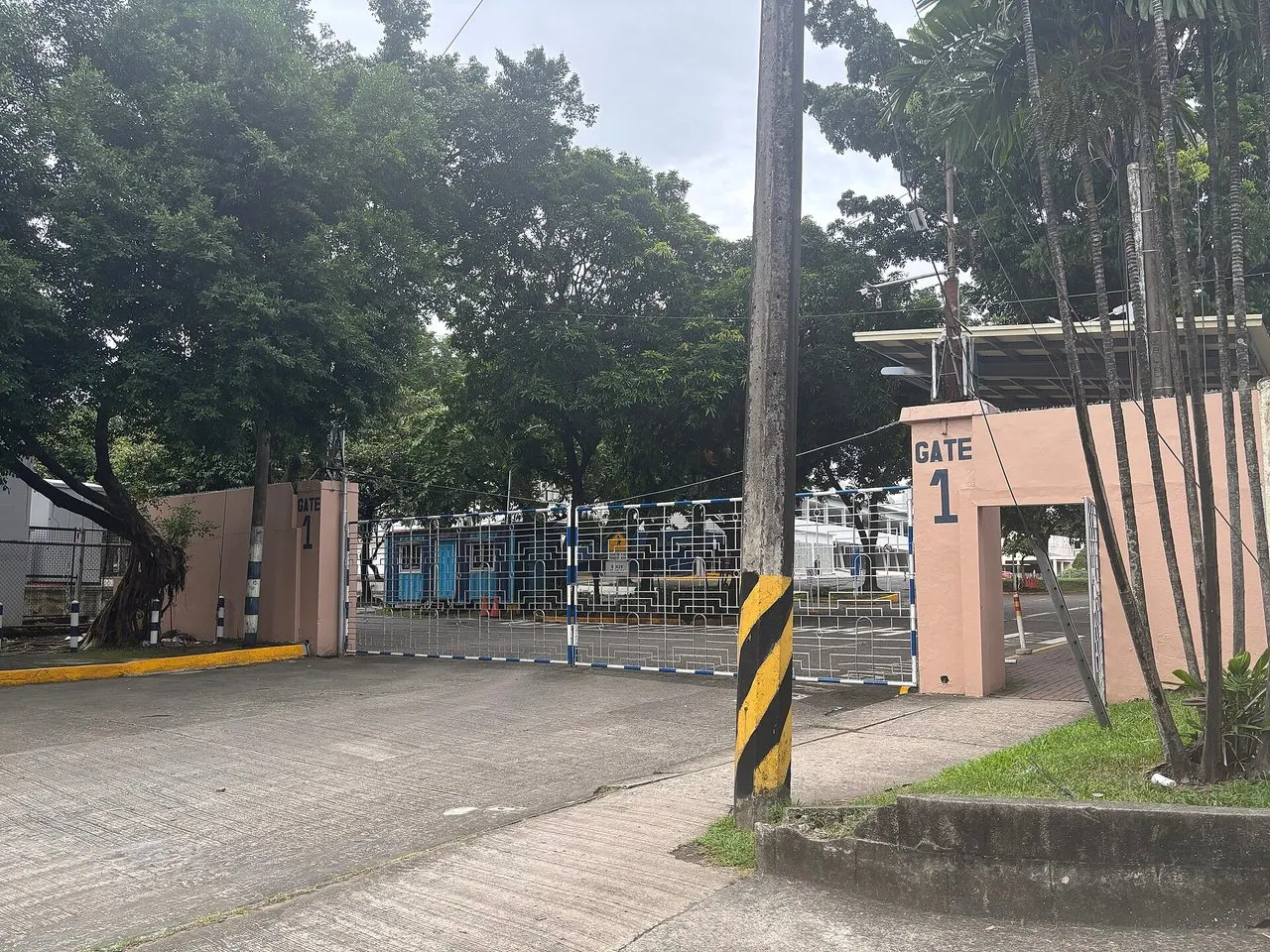
Ateneo de Manila University is one of the best known schools in the Philippines, with a campus in Quezon City that mixes old stone buildings with modern halls. The university is run by the Jesuits, a Catholic order known for education, and its students are called Ateneans. The school has a long history of teaching students to serve their country and to think clearly about hard questions. The fountain protest fit that tradition, and the campus gate stands as a symbol of it, much like a drone rescue in the floods.
Why the Water Turned Brown in the Pax Silica Protest

The students used dye to turn the fountain water brown, a color that suggests mud and murk rather than clear water. The choice was visual, not harmful, because the point was to make people see the change at a glance. Brown water looks wrong in a fountain, and that wrongness was the message, a picture of what happens when learning gets clouded. The dye would wash away, but the photo of the brown pool kept traveling online, a reminder as lasting as a gorilla with unusual fingers.
A Campus That Loves Its Green Spaces
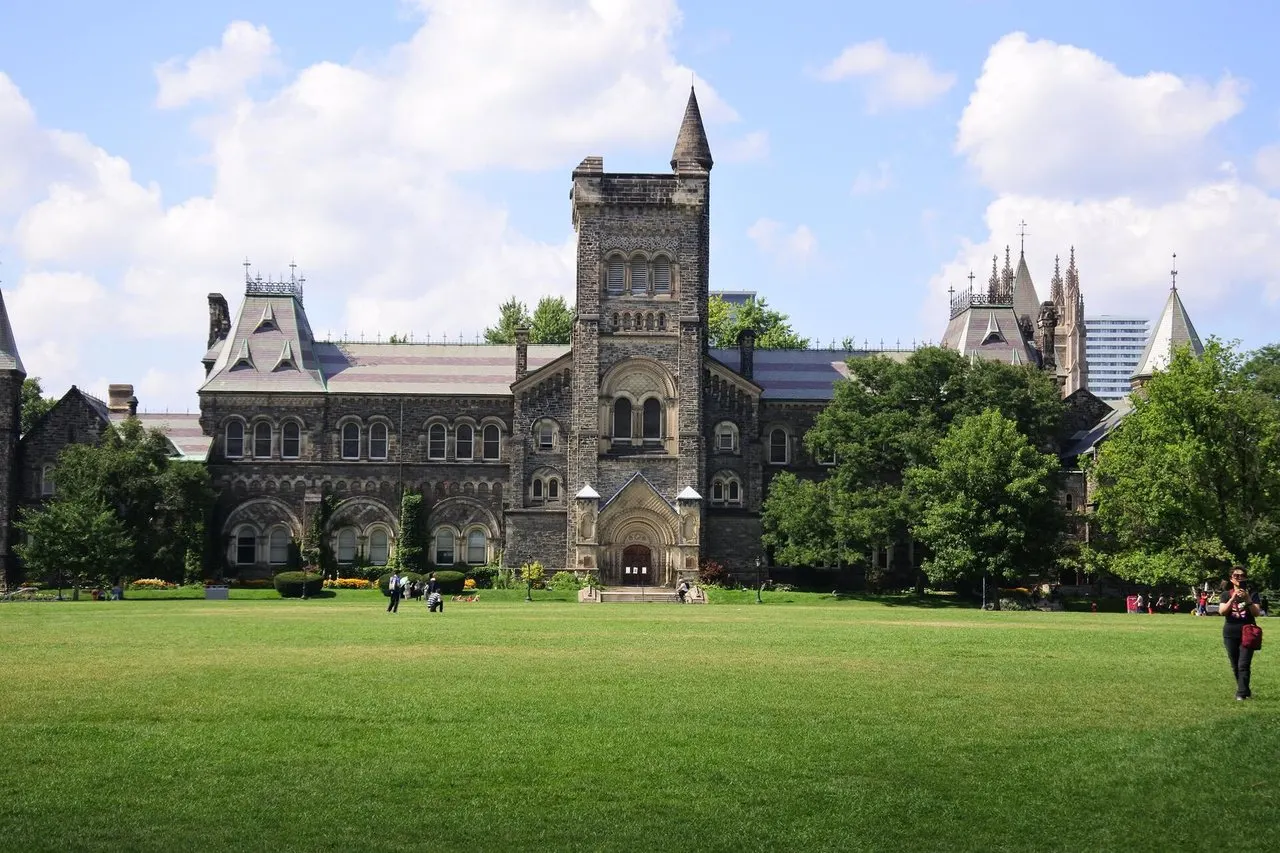
Ateneo is known for its green campus, with lawns and trees that give students room to breathe between classes. The fountain sits among those open spaces, so the protest took place in the part of campus where students relax and meet friends. Green space matters at a university because it gives young people a place to slow down and talk. The brown water stood out even more against that green setting, and the contrast made the message sharper. Read more in a mystery carved in stone.
A Peaceful March With a Pax Silica Protest Message

The demonstration stayed peaceful from start to finish, with students gathering, holding signs and talking with classmates who stopped to look. Peaceful protest has a long history on university campuses, where young people learn to argue their case in public and listen to answers. The Ateneo students did not block doors or shout down anyone, and their calm approach made the message easier to hear. The day showed how a campus can disagree with grace, and you can read more in a gamer who stayed awake for 50 hours.
One Photo That Spread the Story

The photo of the brown fountain was taken by RJ Hernandez and shared through The GUIDON, the student publication of Ateneo, and it soon reached news sites across the Philippines. A single strong image can carry a story further than a long speech, because people share what surprises them. The brown water, the floating banner and the small chatbot signs gave the photo layers that rewarded a second look. News of the protest spread fast, and the image became its calling card, and you can read more in a joke about Washington spending.
Students Talk About AI in Class

After the fountain protest, the talk moved into classrooms, where students and teachers discussed what AI should and should not do in school. Some students said chatbots help them start a draft, while others said the tools make it too easy to skip the hard parts of learning. Teachers listened and shared their own worries about honest work. Those talks are the real result of the protest, because a campus that talks openly can set fair rules, a goal shared by a university dress code debate.
What Happens to a Fountain After a Pax Silica Protest
Once the demonstration ended, the fountain needed to be cleaned so the water could run clear again, and campus staff would have washed out the dye and checked the pumps. A dyed fountain is a temporary change, and the pool soon returns to its usual look, but the photo and the story stay. That is the nature of a symbolic protest, because the image outlives the event itself. The fountain keeps flowing, and students keep passing by, a rhythm as steady as a new cancer treatment.
What the Protest Means for Future Graduates

Ateneo graduates will enter workplaces where AI tools are already part of daily life, so the question the protest raised will follow them beyond campus. Employers want graduates who think clearly, check facts and use new tools wisely, not people who let a machine do the thinking for them. Learning to use AI well is a skill, and learning when not to use it is another. The protest gave future graduates a lesson they can carry with them, and you can read more in a city ban after years of debate.
AI in the Classroom: Help or Shortcut
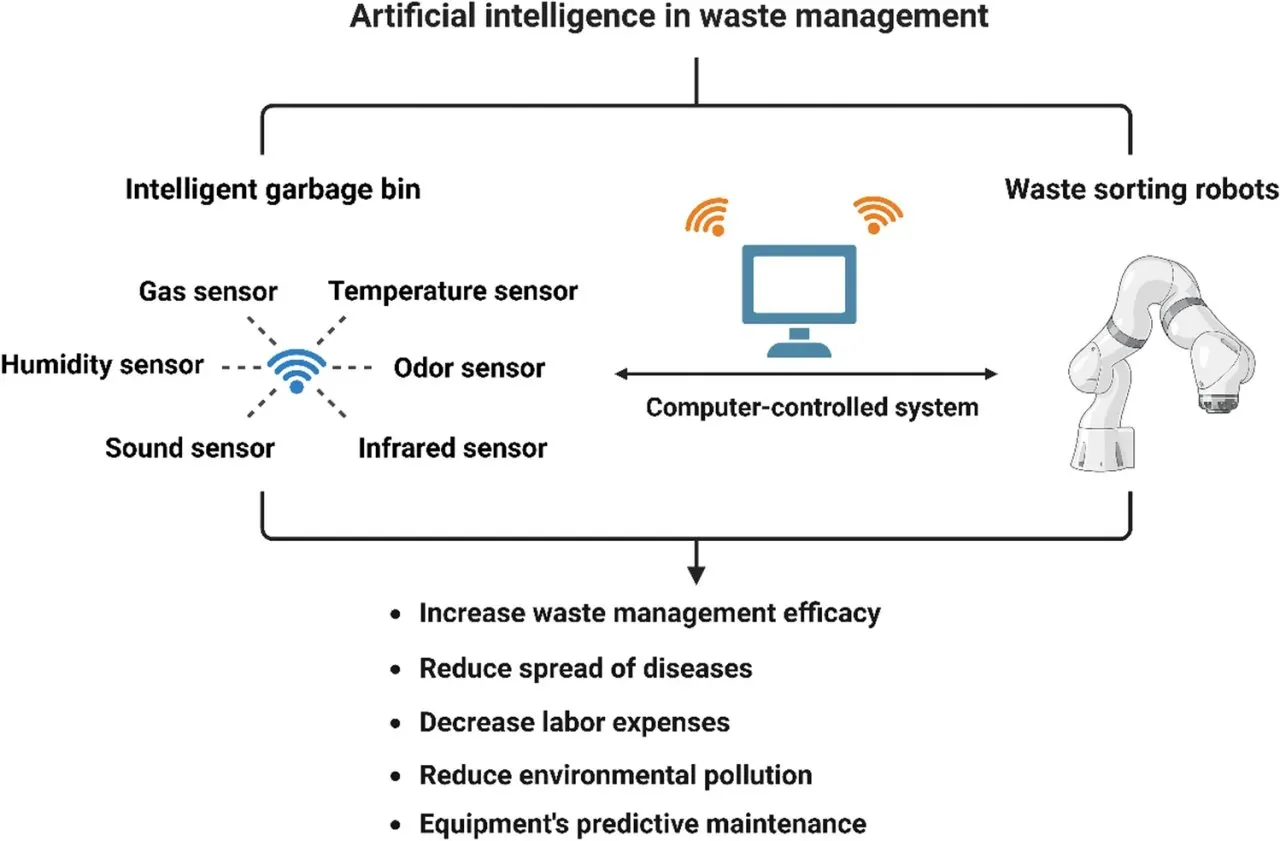
Artificial intelligence is already in classrooms around the world, helping teachers grade papers, translate lessons and reach students who learn in different ways. The Pax Silica protest did not reject that promise, but it asked whether schools are moving too fast without asking students what they need. A tool that helps one student may hold back another, and the difference matters. The campus debate is part of a global talk about AI in education, a conversation as wide as a candid interview about leadership.
Reading, Thinking and Learning by Hand
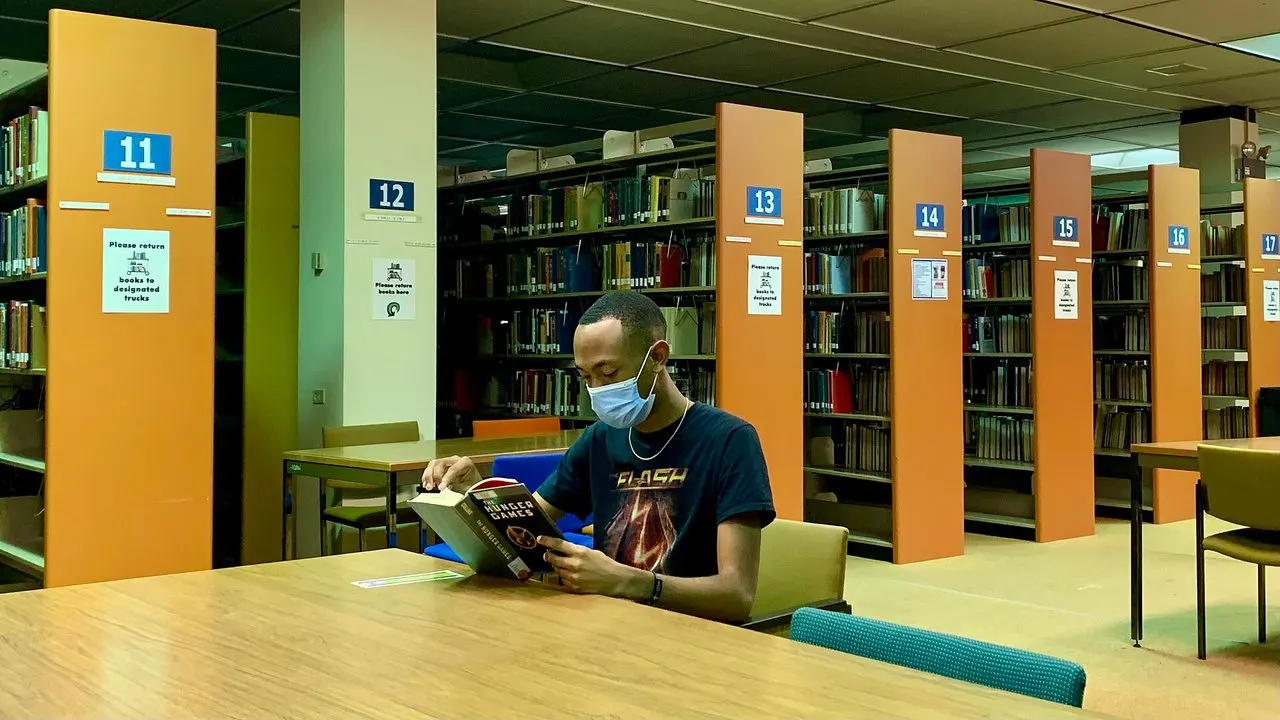
There is still no shortcut for reading a book slowly, taking notes by hand and wrestling with a hard idea until it makes sense. Students who do that work build memory and judgment that no chatbot can hand them, and teachers can see the difference in their writing. AI can summarize a chapter in seconds, but the summary is not the same as understanding it. The protest reminded students that slow learning has value, a quiet truth also found in a drone rescue in the floods.
Peaceful Protest Lessons From the Pax Silica Protest

The Ateneo protest worked because it was creative, peaceful and easy to understand, and those three qualities are what make a campus demonstration memorable. A brown fountain said more than a long speech, and the chatbot signs made people laugh before they thought. Students who watched the protest learned that they can raise a concern without anger or damage. That lesson may shape how they speak up in the future, a skill as valuable as a gorilla with unusual fingers.
What Happens Next After the Pax Silica Protest

The Pax Silica protest ended, but the questions it raised are still open, and the campus will keep talking about what the initiative means for students. The university may explain the program in more detail, and students may ask for clearer rules about AI in their classes. The best result of a protest is a real conversation, and the brown fountain started one. What happens next depends on everyone who saw the photo and stopped to think, a future as open as a mystery carved in stone.
The Library That Started a Conversation
The Rizal Library will keep its books, its desks and its quiet rooms, and the fountain outside will keep flowing as students pass each day. The protest added a new chapter to the library story, because the building is now linked to a day when students asked a bold question about learning. Libraries are meant to hold questions, not just answers, and this one did its job well. The campus will remember the brown water, a memory as lasting as a gamer who stayed awake for 50 hours.
What Do You Think About AI in School?
The Pax Silica protest asked students to think for themselves about artificial intelligence, and now we want your view. Do you use chatbots for homework, and do they help you learn or hold you back? Would you have joined the students at the fountain, or is AI a useful tool schools should welcome? Share your thoughts in the comments below, and tell us how your school handles AI in class. Your view matters, and the conversation is better when readers join in, as in a joke about Washington spending.