Denmark Burqa Ban Took Effect in 2018
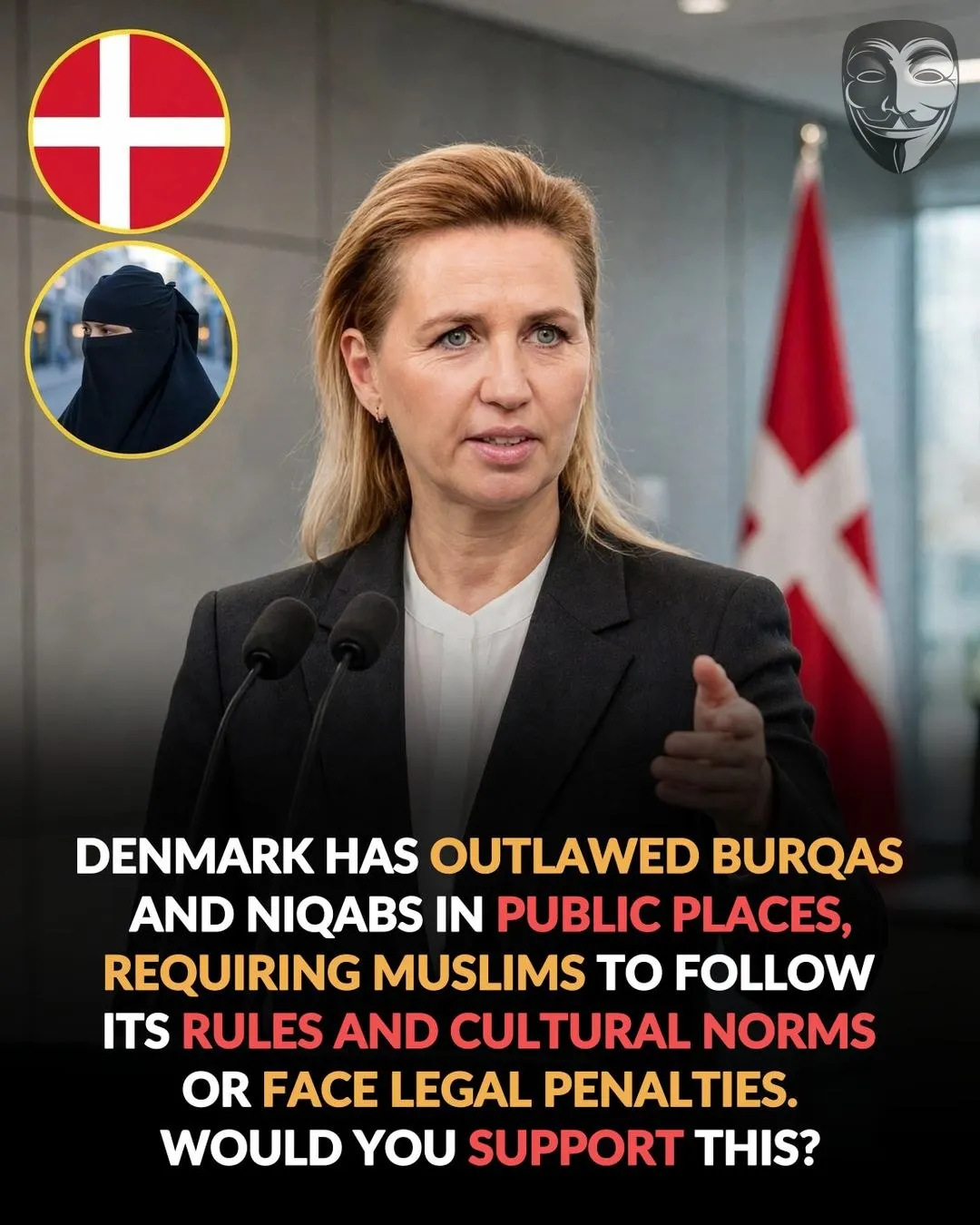
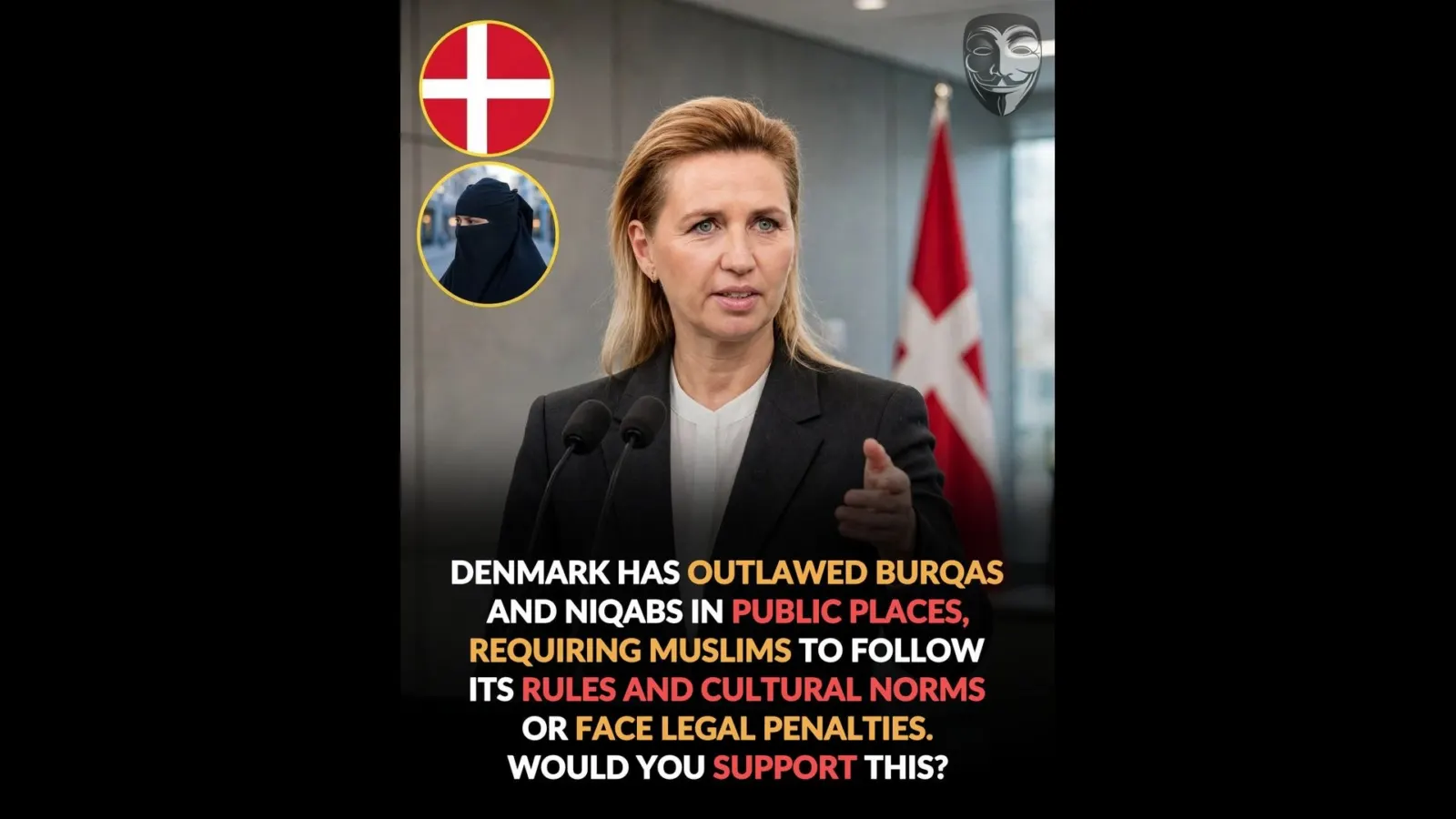
The Denmark burqa ban took effect on August 1, 2018, after Denmark’s parliament voted to outlaw face-covering clothing in public places. The law passed on May 31, 2018, by 75 votes to 30, and it covers burqas and niqabs worn by some Muslim women. Anyone caught breaking the rule faces a fine of 1,000 kroner for a first offence, rising to 10,000 kroner for repeated offences. Ordinary hijabs and headscarves that leave the face visible remain legal under the law.
Supporters say the law helps social integration and public interaction, and they argue that everyone living in Denmark should follow the same rules in public. Critics say it limits belief-based freedom and personal choice, and they argue that it falls hardest on Muslim women. Denmark now stands among several European countries with similar rules, and the debate divides voters. The slides ahead cover the vote, the fines, the exceptions and the reaction. For more on Denmark, read about Denmark’s parliament approved a Greenland security deal and how Muslims are projected to become the world’s largest faith group by 2035.
References:
NPR: Denmark Bans The Burqa And Niqab
Human Rights Watch: Denmark’s Face Veil Ban Latest in Harmful Trend
Al Jazeera: Denmark passes law banning face veil in public spaces
LatestLY: Denmark Becomes Latest European Country to Ban Full-Face Veil in Public Spaces
Parliament Voted 75 to 30 on May 31, 2018
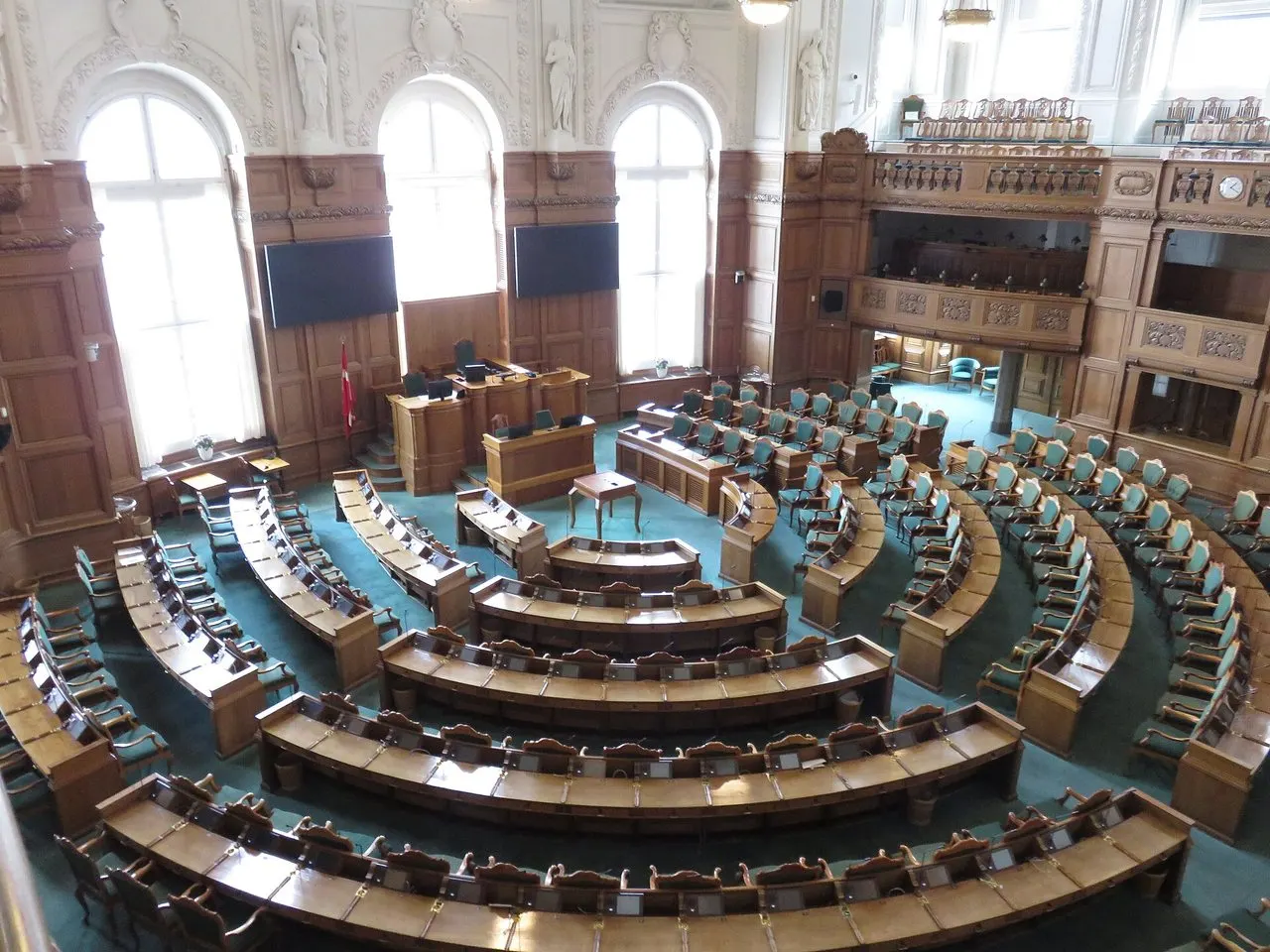
Denmark’s parliament voted 75 to 30 on May 31, 2018, to ban clothing that covers the face in public places. The vote followed months of debate, and the law took effect on August 1, 2018, giving police and the public two months to prepare. Supporters in parliament said a visible face matters for trust and open contact in daily life. The result placed Denmark beside other European states with similar rules. You can read about Denmark’s parliament approved a Greenland security deal and how 162 countries backed Palestinian self-determination at the UN.
What the Denmark Burqa Ban Covers

The law covers burqas and niqabs, the garments that hide the face and leave only a small opening or none at all. It applies to everyone in a public place, whatever their faith or nationality, so the rule stays neutral. A woman in a full face veil in a street, park or shop can be stopped and fined. The ban does not name one group in its text, yet it touches Muslim women most. Read how Muslims are projected to become the world’s largest faith group by 2035 and why Erdogan says there is only one Islam.
First Offence Costs 1,000 Kroner
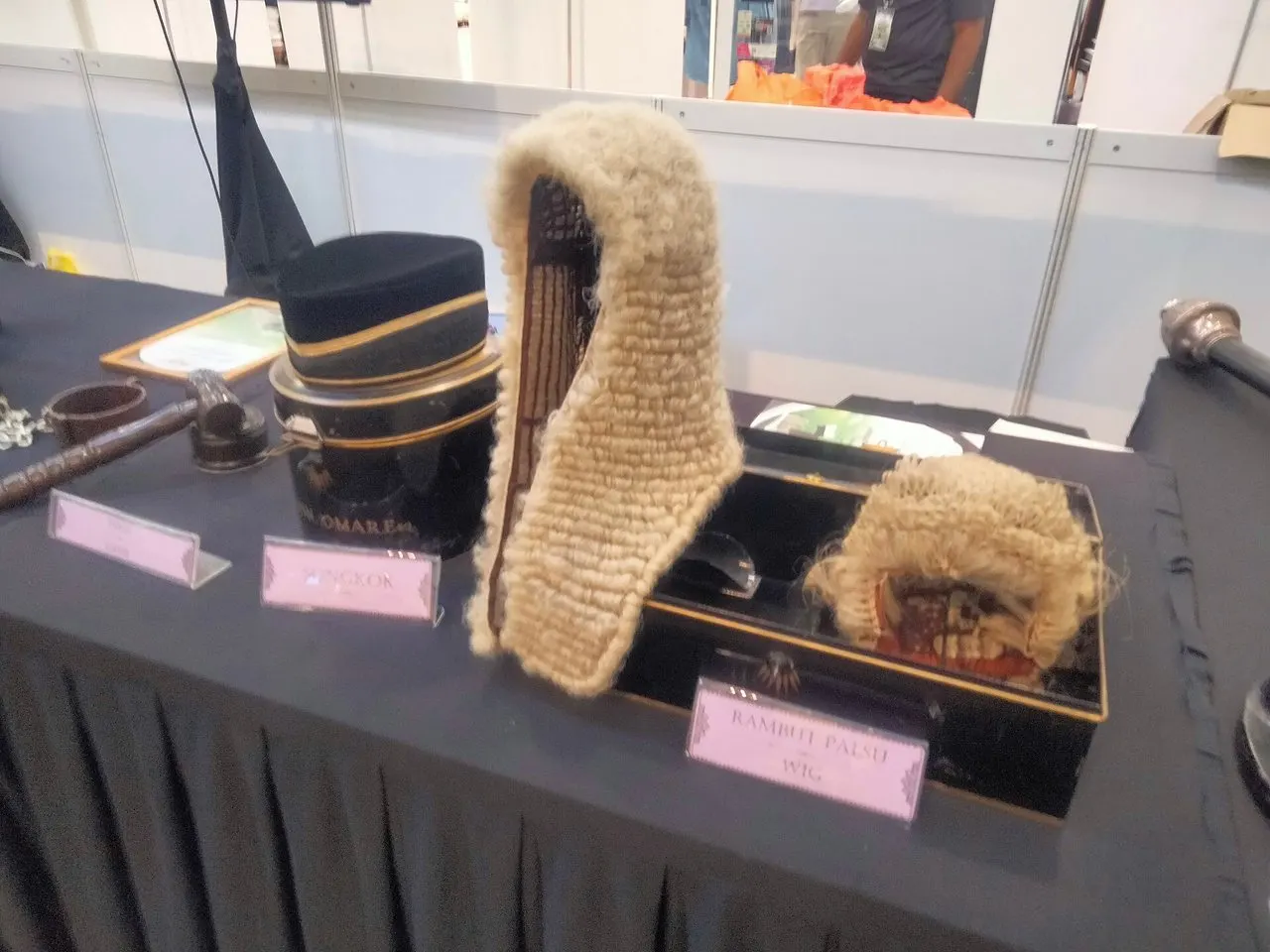
A first offence brings a fine of 1,000 kroner, which is roughly the cost of a modest weekly shop for a small family. Repeat offences cost far more, rising step by step to 10,000 kroner for someone caught again and again. The scale is meant to warn first and punish harder only when the warning is ignored. Supporters call the fines fair and clear, while critics call them a heavy price for a piece of clothing. Learn about Ohio Republicans rejected a bill to end child marriage and how Melania has just five staff members.
Hijabs Stay Legal Under the Denmark Burqa Ban
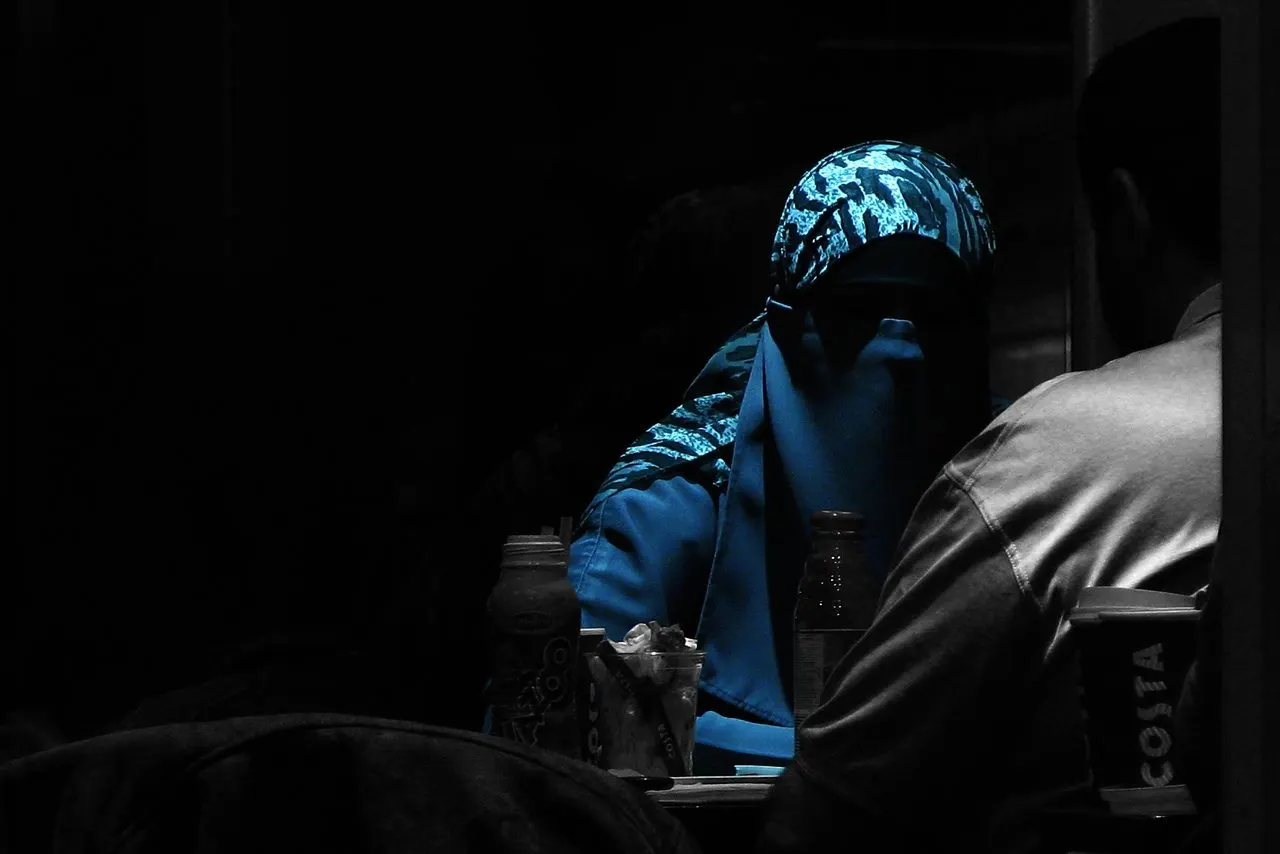
Ordinary hijabs and headscarves that leave the face visible remain legal, and many Muslim women in Denmark wear them every day without any trouble from the law. The distinction matters, because the rule targets the covered face, not the covered head. A scarf that frames the face is fine, while a veil that hides it is not. This line lets women keep a visible sign of faith while meeting the public rule. See why Muslims are projected to become the world’s largest faith group by 2035 and what being your true self attracts the right people means for daily life.
Exceptions for Health, Safety and Harsh Weather
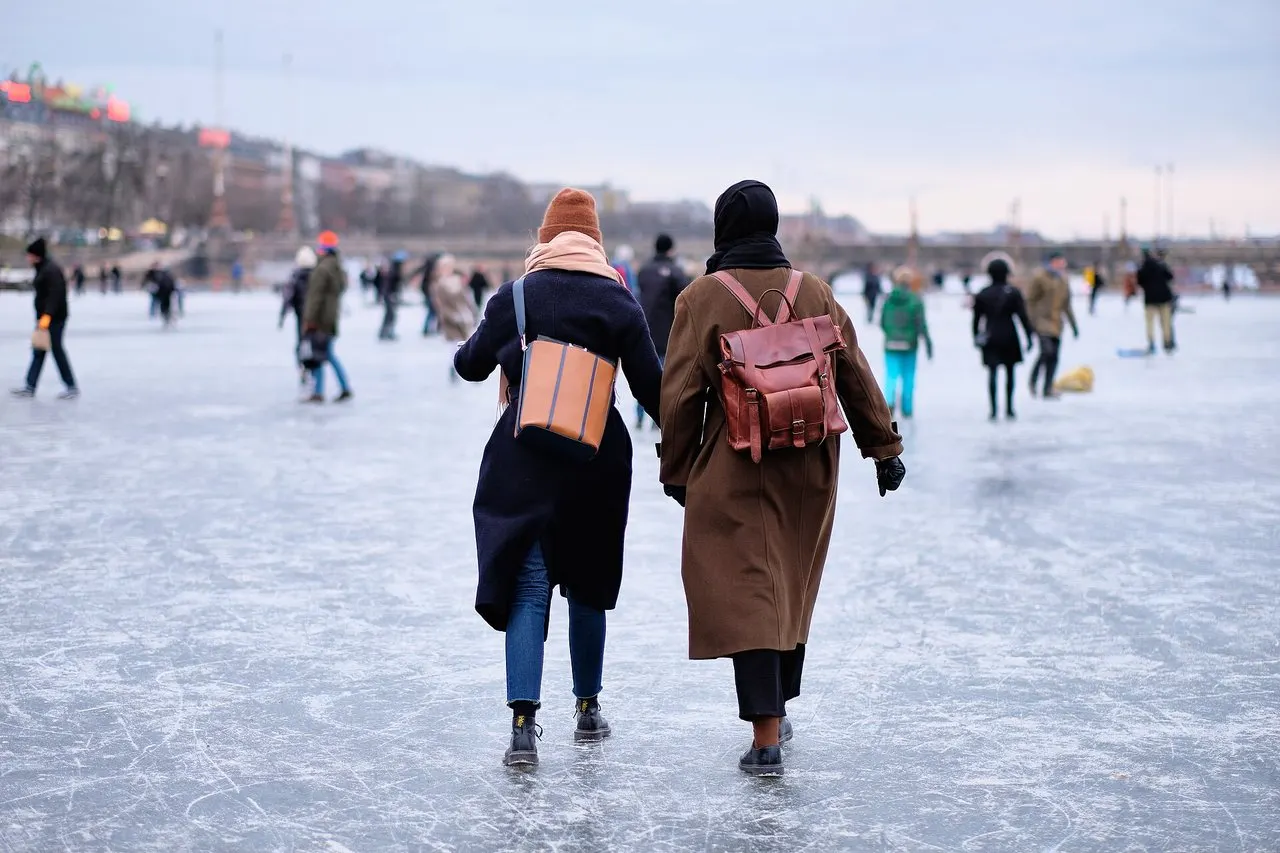
The law allows exceptions for health, safety and harsh weather, so a face covering worn for a clear practical reason is not punished. A worker in a dust mask, a rider in a helmet and a walker wrapped against a freezing wind all fall outside the ban. Police are expected to use common sense and ask why a face is covered before they act. These carve outs were written to keep the rule focused on its real aim. Read about Ohio Republicans rejected a bill to end child marriage and how she faced every storm alone and still rose stronger.
Why Supporters Say the Law Helps Integration
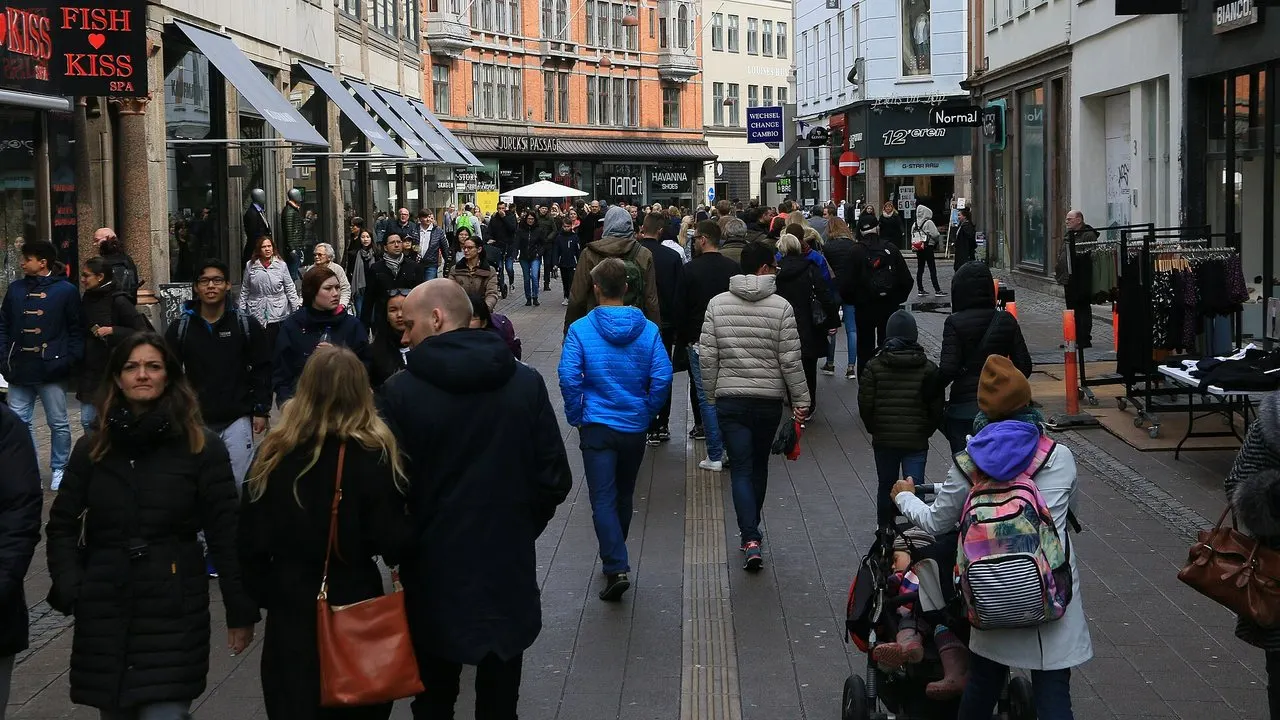
Supporters say the law helps social integration, because a visible face makes everyday contact easier in shops, schools and workplaces. They argue that open faces build trust, and that shared public rules help newcomers feel part of Danish life. For them the ban is not about faith at all, but about how people meet each other in a small and open society. They also point to respect for Danish cultural values as a fair demand. Learn why Erdogan says there is only one Islam and what Obama speaking in Michigan tells us about public life.
Why Critics Oppose the Denmark Burqa Ban
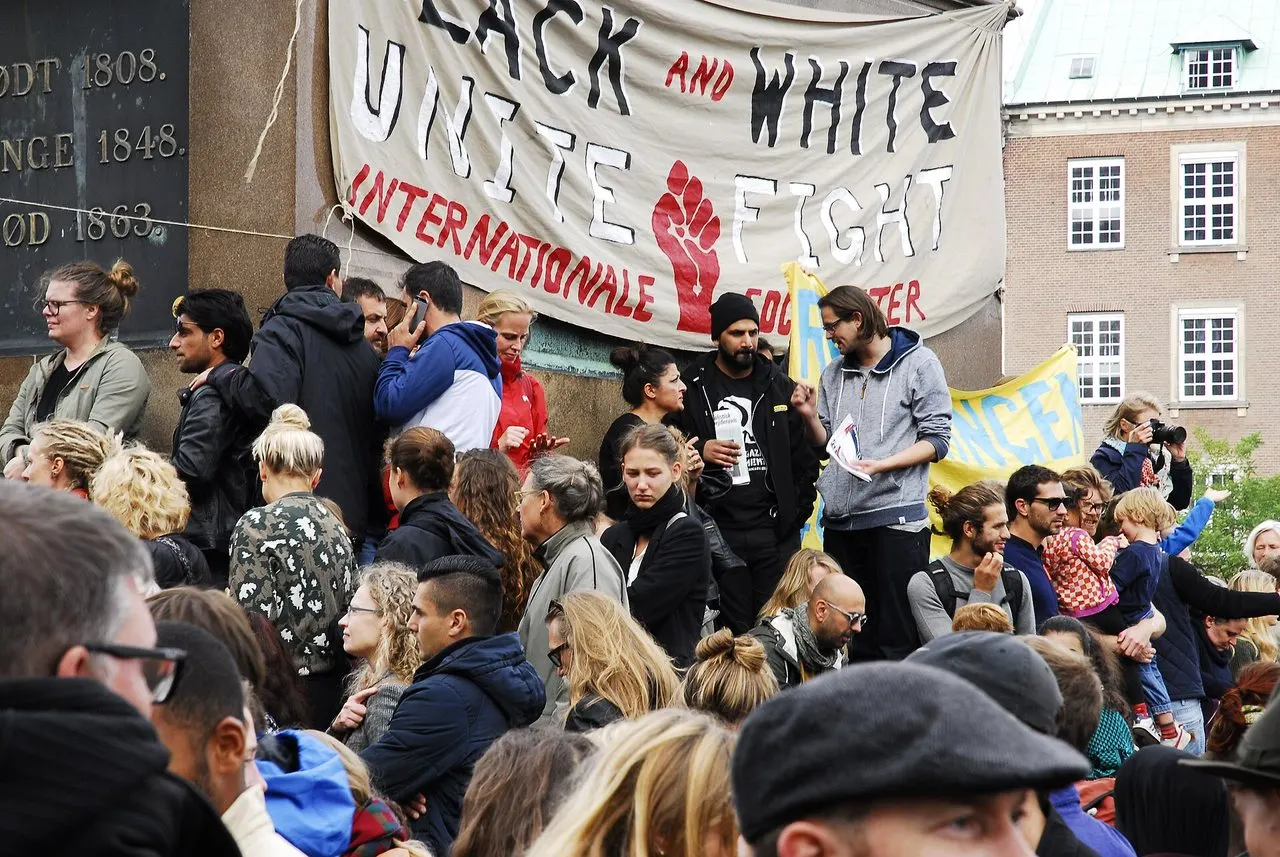
Critics say the law limits belief-based freedom and personal choice, and they argue that it falls hardest on a small group of Muslim women. Human rights groups call the ban part of a harmful trend across Europe, and they say it pushes some women to stay home rather than go out unveiled. For critics the state should not tell adults what to wear in a public street. They want the choice left to the woman herself. Read how 162 countries backed Palestinian self-determination at the UN and why Brexit was the first domino to topple.
Denmark Stands Among Several European Countries

Denmark now stands among several European countries with similar rules, so the Danish vote was part of a wider shift rather than a lone step. France moved first, and Belgium and Austria later wrote their own bans on face coverings in public. Each country gave its own reasons, yet the pattern is the same, and the debate in each place sounds much alike. Supporters in one country often quote the laws of another. See how Brexit was the first domino to topple and why Trump shakes hands with Putin and Xi.
What Is a Burqa
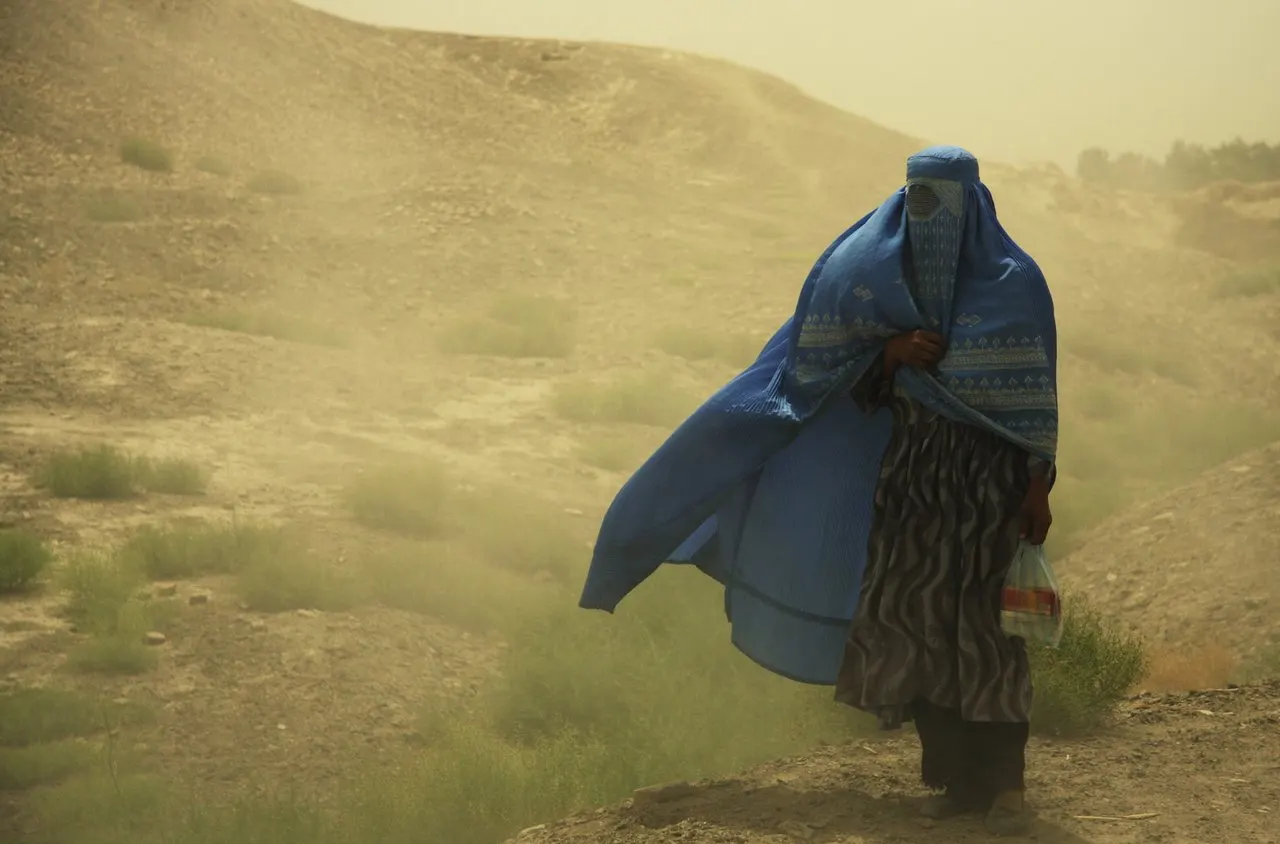
A burqa is a loose garment that covers the whole body and the face, with only a mesh screen over the eyes so the wearer can see out. It is worn by some Muslim women, most often in Afghanistan and Pakistan, where it has a long history. In Denmark very few women wear one, yet the garment became the symbol of the whole debate. Knowing what it looks like explains why the law drew so much attention. Read about being your true self attracts the right people and how she faced every storm alone and still rose stronger.
What Is a Niqab
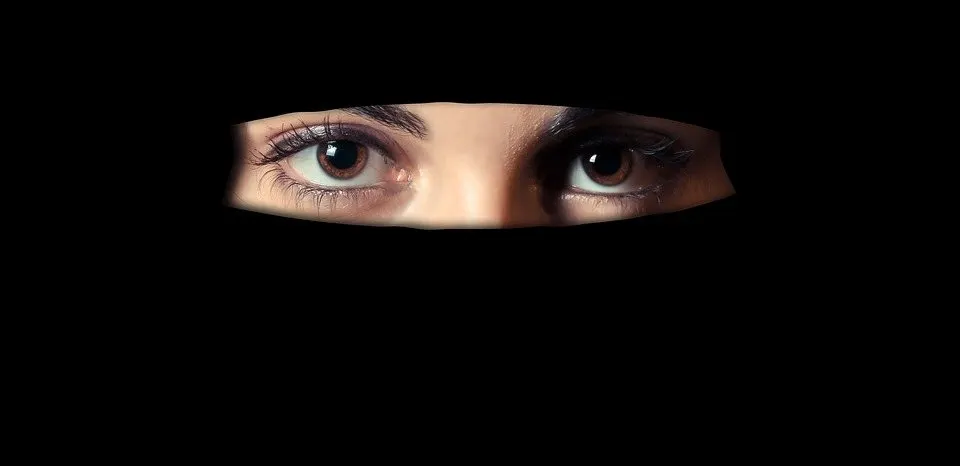
A niqab is a veil that covers the face and leaves only the eyes visible, usually worn with a headscarf and loose outer clothes. Some Muslim women choose it as an expression of faith and modesty, and wear it in daily life, at work and with family. Like the burqa, it is rare on Danish streets, yet it sits at the centre of the law. The debate turns on whether the state may overrule that personal choice. Learn why Erdogan says there is only one Islam and read about the Barracas fire verdict.
Burqa, Niqab and Hijab Under the Denmark Burqa Ban
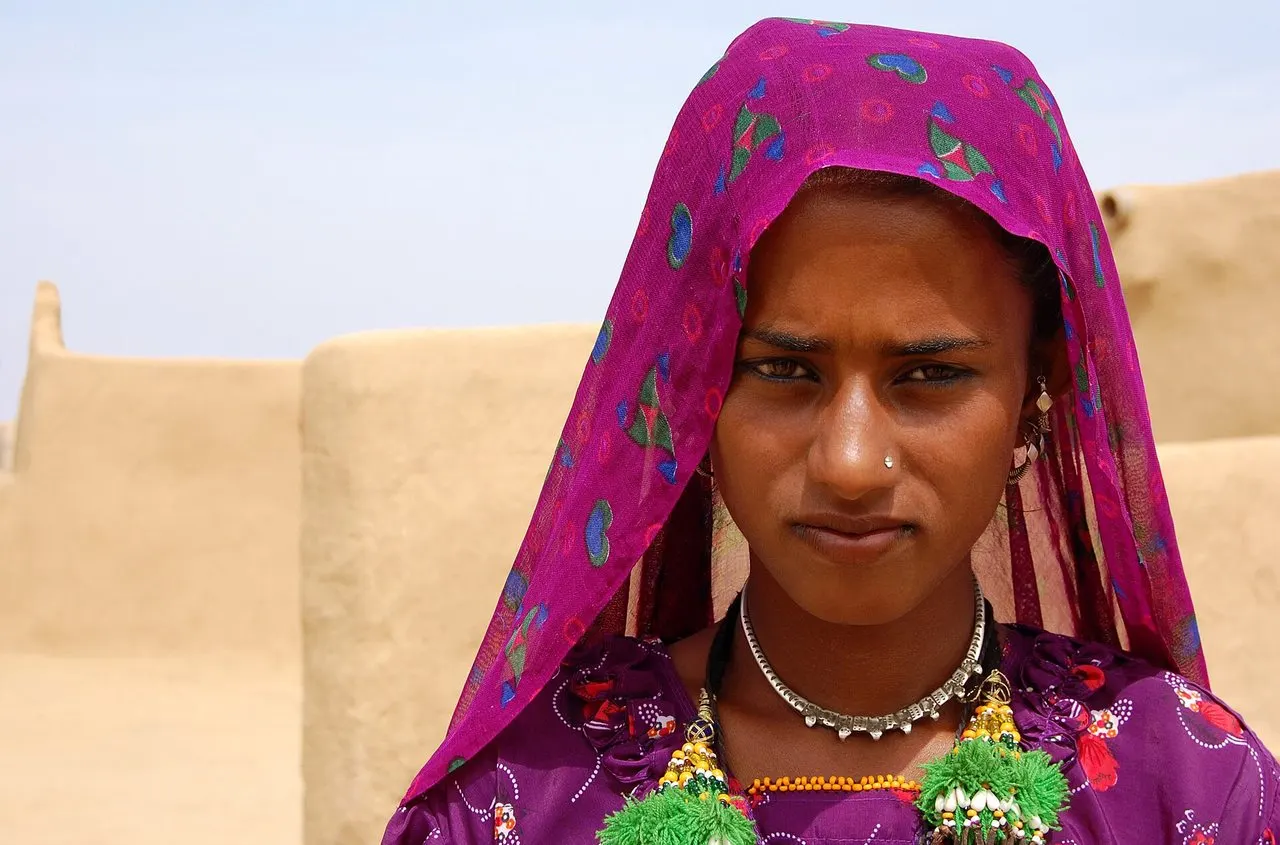
The burqa, the niqab and the hijab are three different garments, and the Danish law treats them differently. The burqa covers the whole face behind a mesh screen, the niqab covers the face but leaves the eyes clear, and the hijab covers the hair and neck while the face stays open. Only the first two fall under the ban, while the hijab stays legal everywhere in public. That split is the key to the whole law. Read about America abstained from a UN vote on violence against women and children and how 162 countries backed Palestinian self-determination at the UN.
Public Places Where the Rule Applies
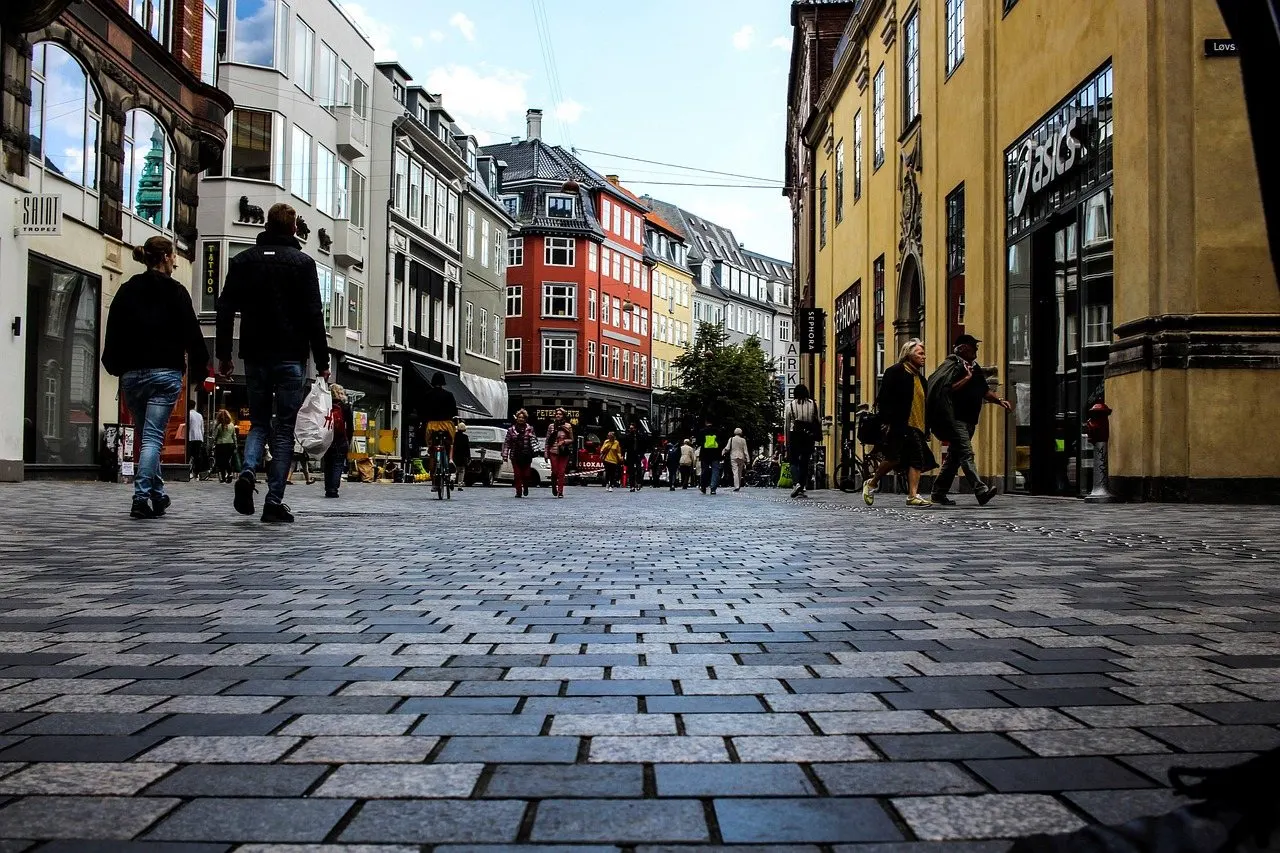
The ban applies in public places, which means streets, parks, squares, shops, buses and trains, anywhere that strangers meet in the open. A private home is not covered, and neither is a place of worship, so the rule follows people into shared space only. That scope is why the law reaches so far into daily life, since most of the day is spent in public. A woman must decide before she steps out of her door. See Denmark’s parliament approved a Greenland security deal and why Mamdani will end NYC horse drawn carriages by 2028.
How the Rule Is Enforced on the Street

Police enforce the rule on the street, and an officer who sees a covered face in public may stop the person and ask them to show it. If the person refuses, the officer can issue a fine on the spot, starting at 1,000 kroner. Officers are told to stay calm and to check for a valid exception first, such as health or cold weather. In practice most encounters end with a warning and a talk, not a fine. Learn about Ohio Republicans rejected a bill to end child marriage and how a second judge blocked Trump’s triumphal arch.
The First Fines Under the Denmark Burqa Ban
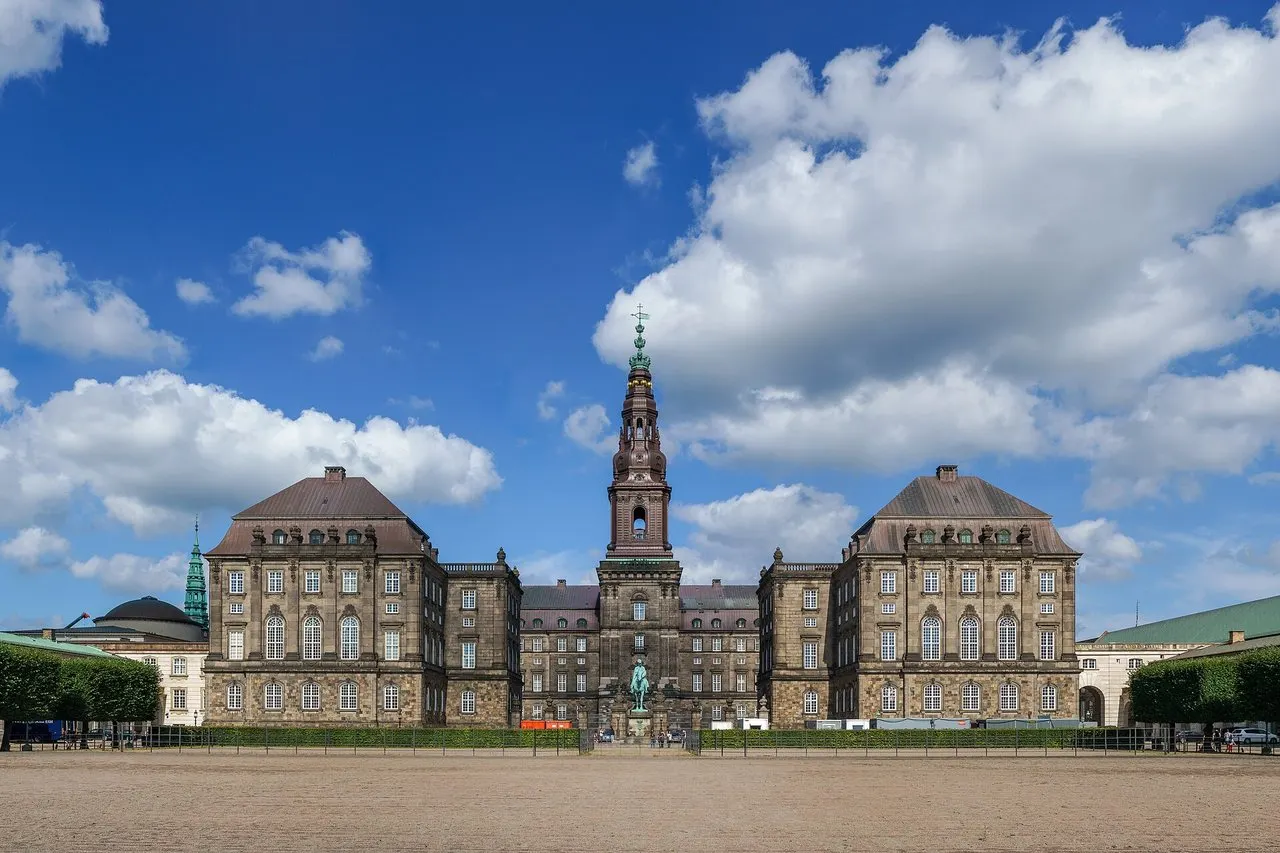
The first fines came soon after August 1, 2018, and the early cases drew cameras and headlines across Denmark. One of the first fined was a woman in a niqab who had come to a shopping centre to protest the new rule, and her case tested how the law would work. Supporters said the fine proved the law had teeth, while critics said it proved the law targeted belief. Read about an Argentine court sentenced a man to life in prison for the Barracas fire and why Prince Harry vows he would rejoin the British Army.
The Debate Inside the Danish Parliament
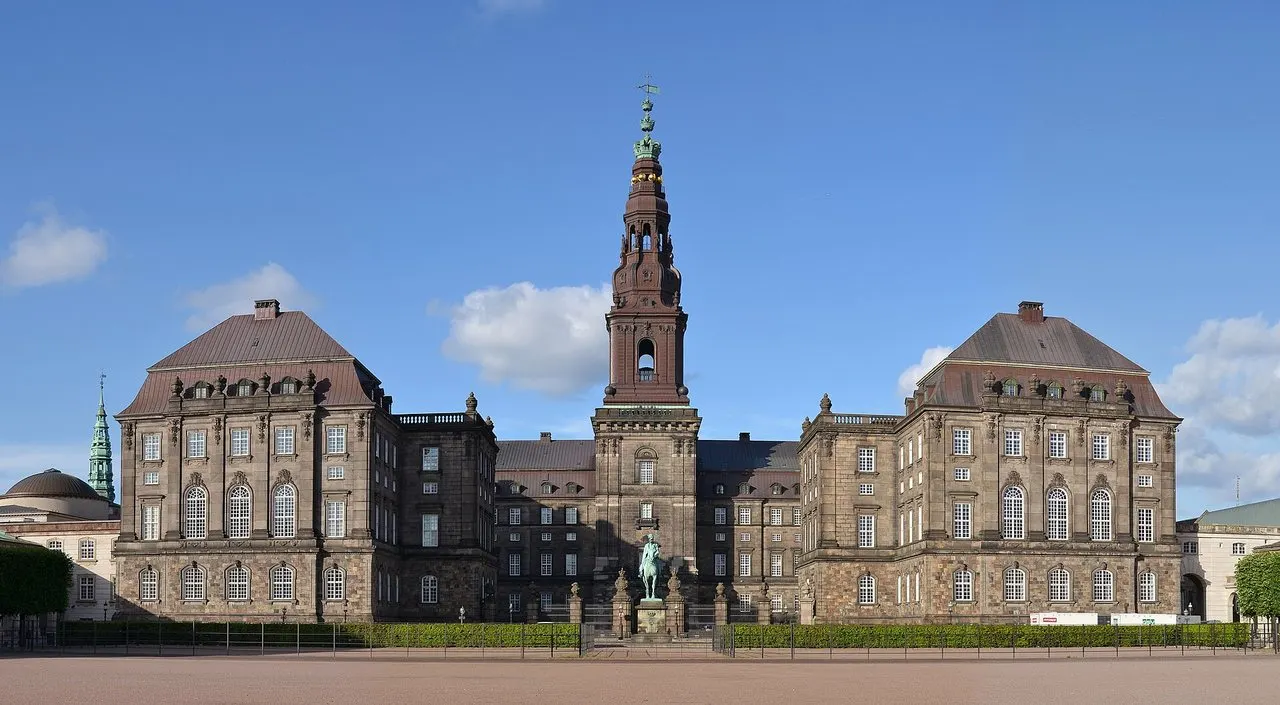
The debate inside the Danish parliament was sharp, with 75 members voting for the ban and 30 voting against it on May 31, 2018. Supporters spoke of open faces and shared rules, while opponents warned that the law would single out Muslim women and solve no real problem. The government held its line, and the majority carried the day. The vote showed how divided even a small parliament can be on questions of faith. Read about De Niro cannot love the country led by Donald Trump and why Rubio says Putin will be treated as the gangster he is.
Muslim Women in Denmark Speak About the Law
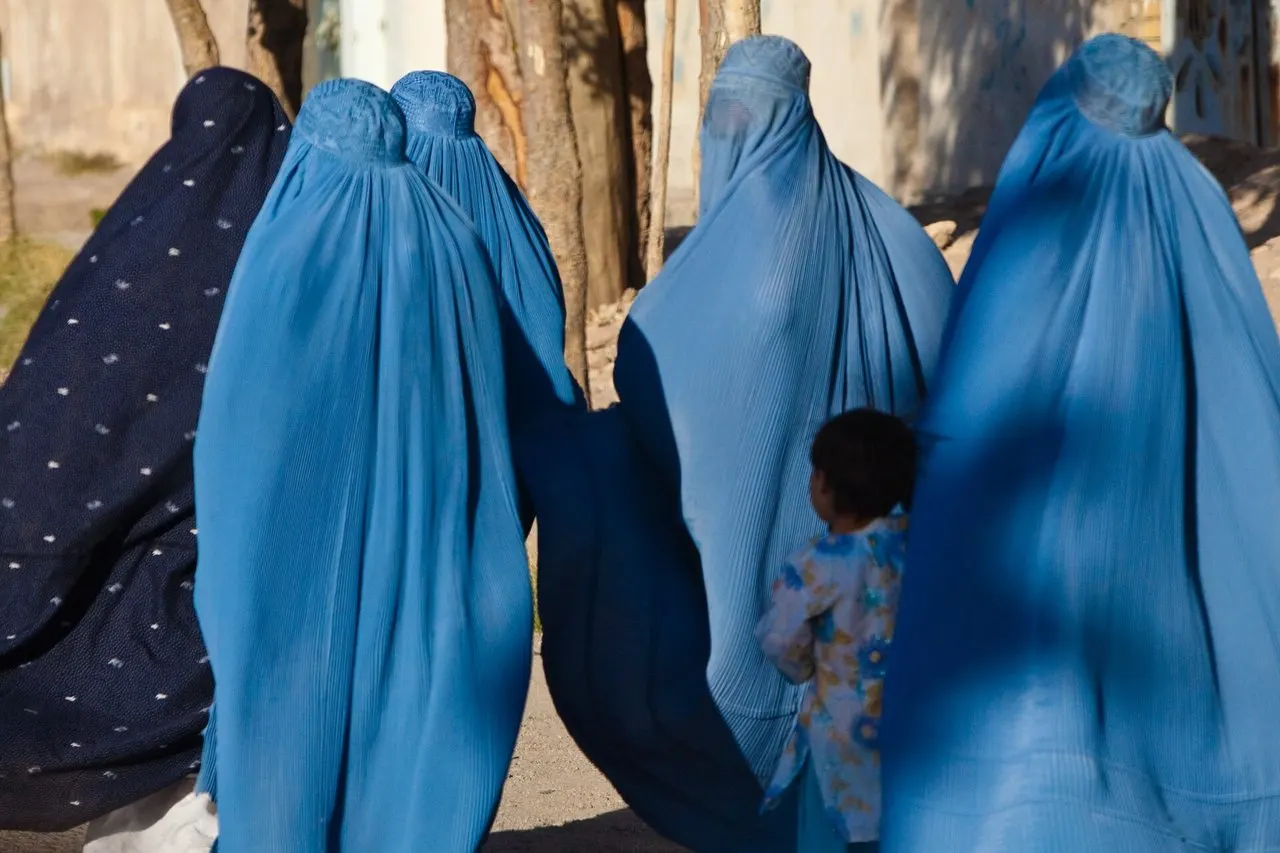
Muslim women in Denmark speak about the law in very different voices, and their views do not fit one simple story. Some say the ban frees them from pressure to cover up, while others say it takes away a choice that belongs to them alone. A few say they now stay home more often, because going out unveiled feels wrong to them. Their voices matter most, since the law lands on their daily lives. Learn about America abstained from a UN vote on violence against women and children and how Patricia Heaton moved forward with her life with gratitude.
Public Interaction and the Denmark Burqa Ban
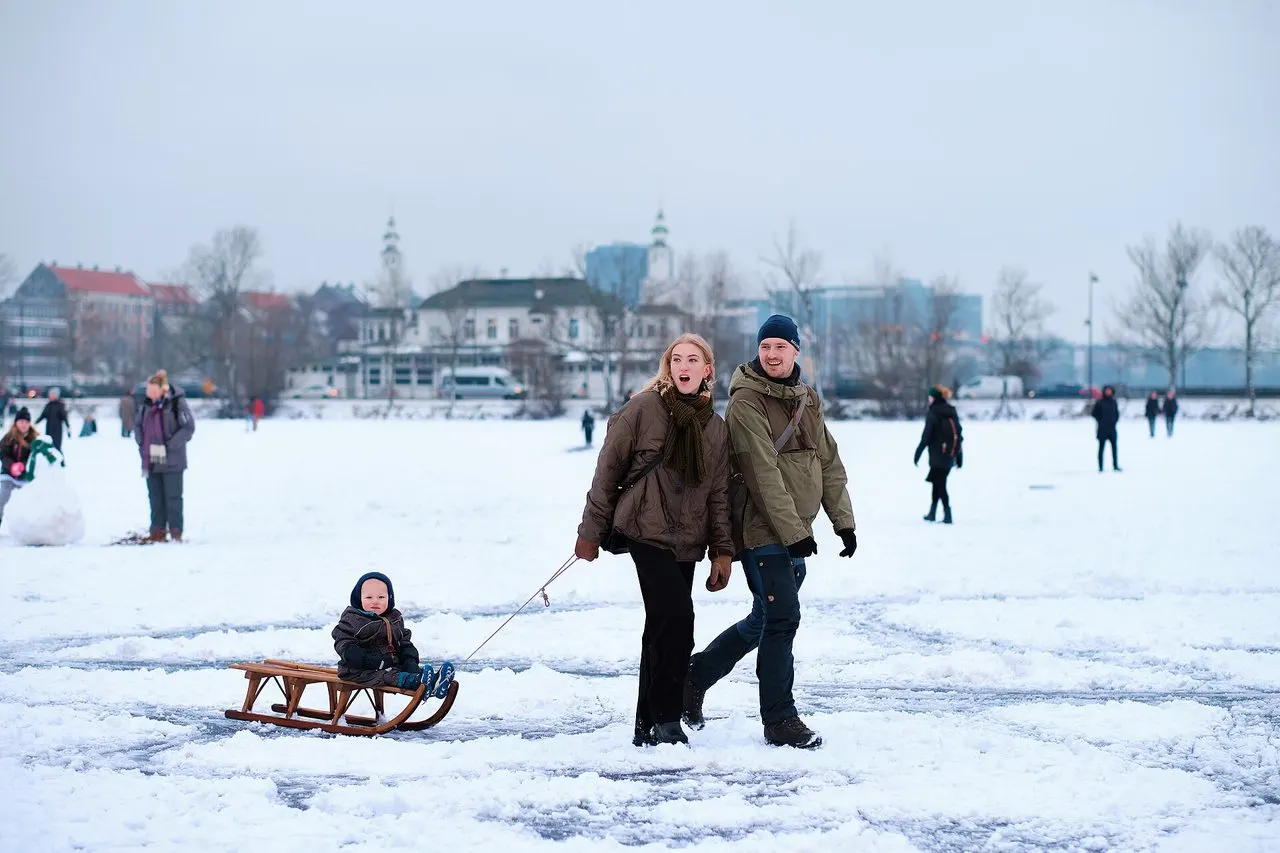
Public interaction sits at the heart of the case for the law, since supporters say a face you can see makes a stranger easier to trust. A smile, a nod and a clear look all help people feel safe with each other in a shop or on a bus. Critics answer that trust is built by kindness and fair dealing, not by a bare face, and that a covered face harms no one. The argument turns on what a face really means between strangers. Read about Obama speaking in Michigan and why Trump shakes hands with Putin and Xi.
Danish Cultural Norms Behind the Debate
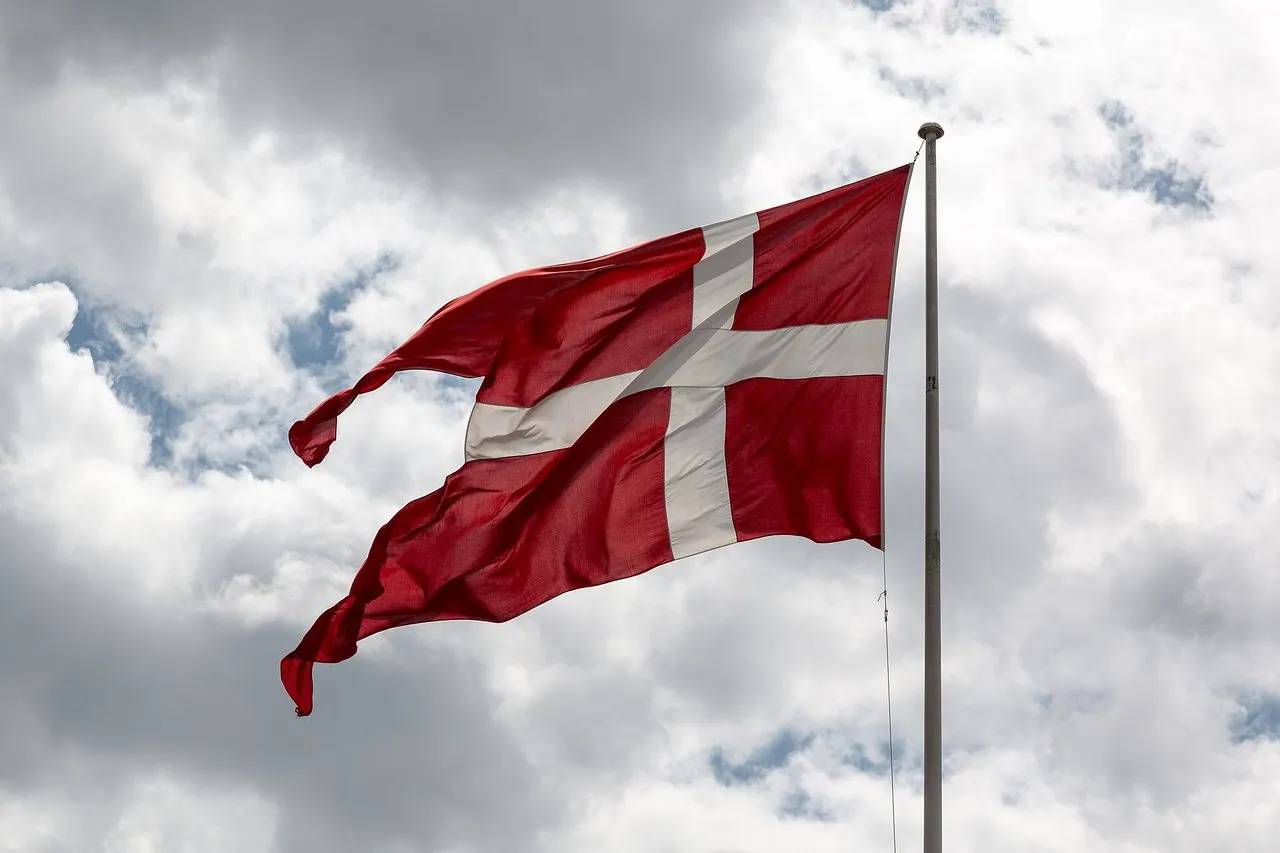
Danish cultural norms stand behind much of the support, since many Danes prize openness, equality and direct talk. Supporters say newcomers should meet the country halfway by following its public customs, as Danes follow local customs abroad. Critics reply that a free society should make room for difference, and that norms grow stronger when they are chosen, not forced. The clash is really about what it means to belong. Read about an Argentine court sentenced a man to life in prison for the Barracas fire and why Schumer calls the Shenzhen meeting a historic embarrassment.
France Moved First With Its Own Ban

France moved first with its own ban, passing a law in 2011 that fined women for wearing a full face veil in public. The French rule became a model that other countries studied, and Denmark’s supporters often pointed to Paris when they made their case. France said its ban protected public order and the rights of women, and its courts upheld the rule. The French example shows that Denmark joined a trend, not a fad. Learn why Trump shakes hands with Putin and Xi and how Schumer calls the Shenzhen meeting a historic embarrassment.
Belgium and Austria Beside the Denmark Burqa Ban
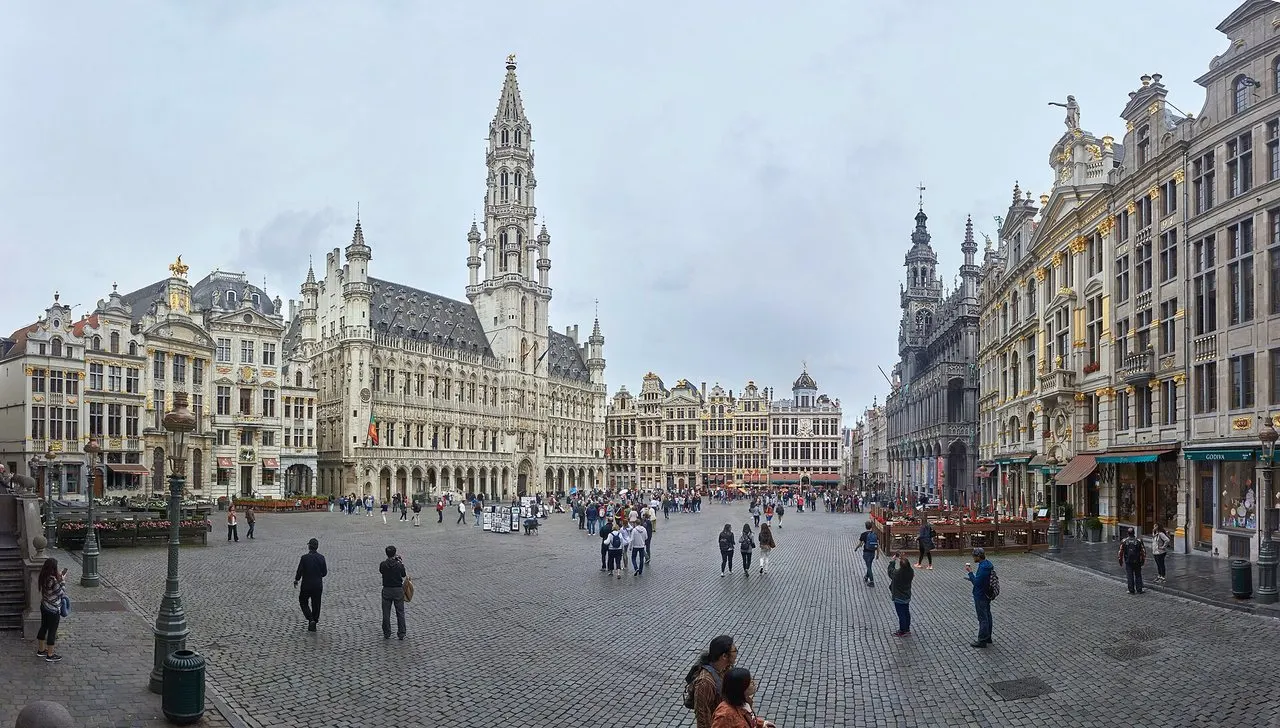
Belgium and Austria wrote their own bans as well, with Belgium acting in 2011 and Austria following in 2017 with a wider rule on face coverings. Each country framed the step in its own words, yet the laws work in much the same way, with fines for a covered face in public. Together with France and Denmark, they form a clear European pattern that still sparks debate in every capital. Read why Brexit was the first domino to topple and how Schumer calls the Shenzhen meeting a historic embarrassment.
The Law and Freedom of Belief

The law and freedom of belief sit in tension, and that is why the debate never ends. Human Rights Watch called the Danish ban the latest in a harmful trend, warning that such laws single out Muslim women. Supporters answer that freedom of belief does not include a right to hide the face in public, and shared rules can limit how belief is shown. Courts in Europe have so far let such bans stand. Learn about America abstained from a UN vote on violence against women and children and why De Niro cannot love the country led by Donald Trump.
Integration First, Say the Supporters
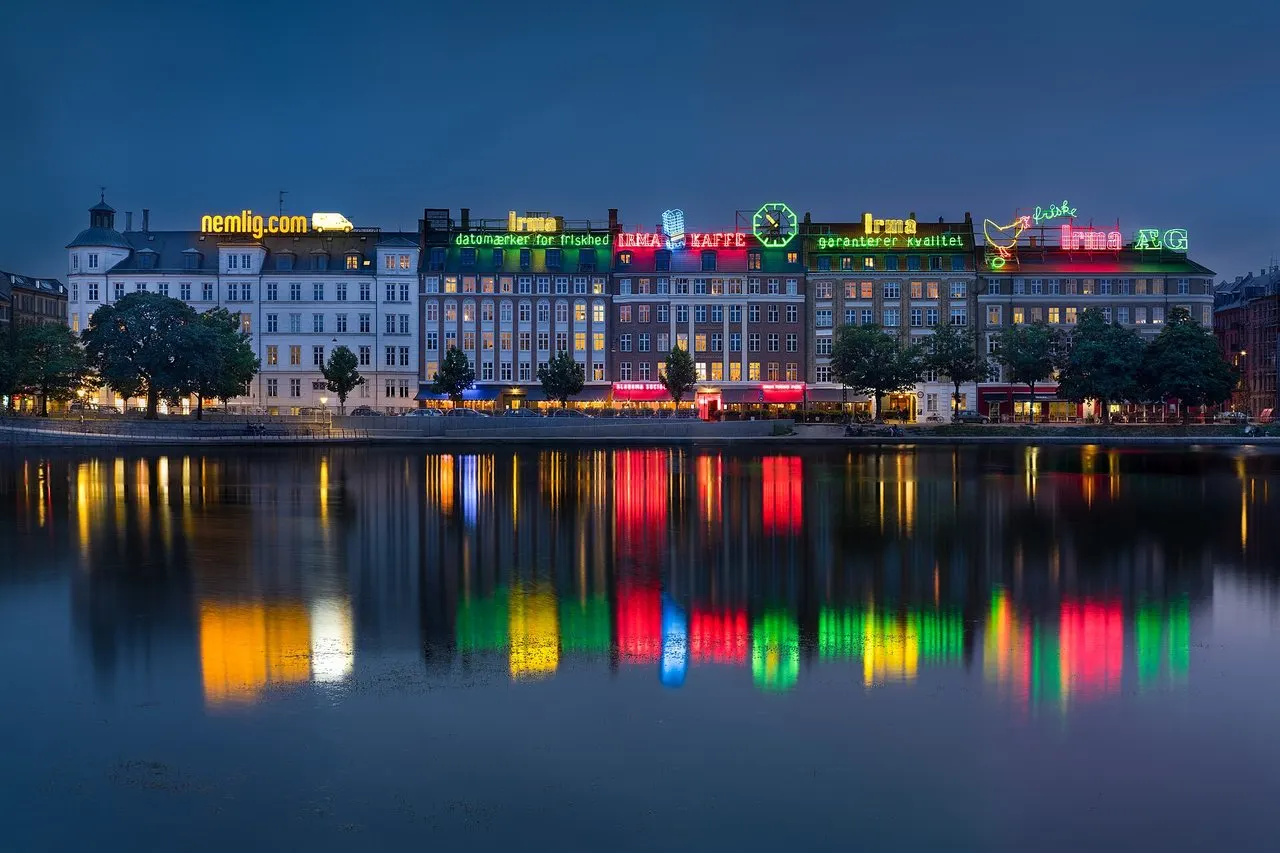
Integration first, say the supporters, because a shared public life needs shared public rules that everyone can see and follow. They argue that a visible face helps a newcomer find work, make friends and join in local life, and that the law gives a gentle push in that direction. For them the ban is a welcome mat, not a wall, and it asks little of anyone who wants to belong. Critics hear the same words very differently. Read about De Niro cannot love the country led by Donald Trump and how a second judge blocked Trump’s triumphal arch.
Personal Choice and the Denmark Burqa Ban
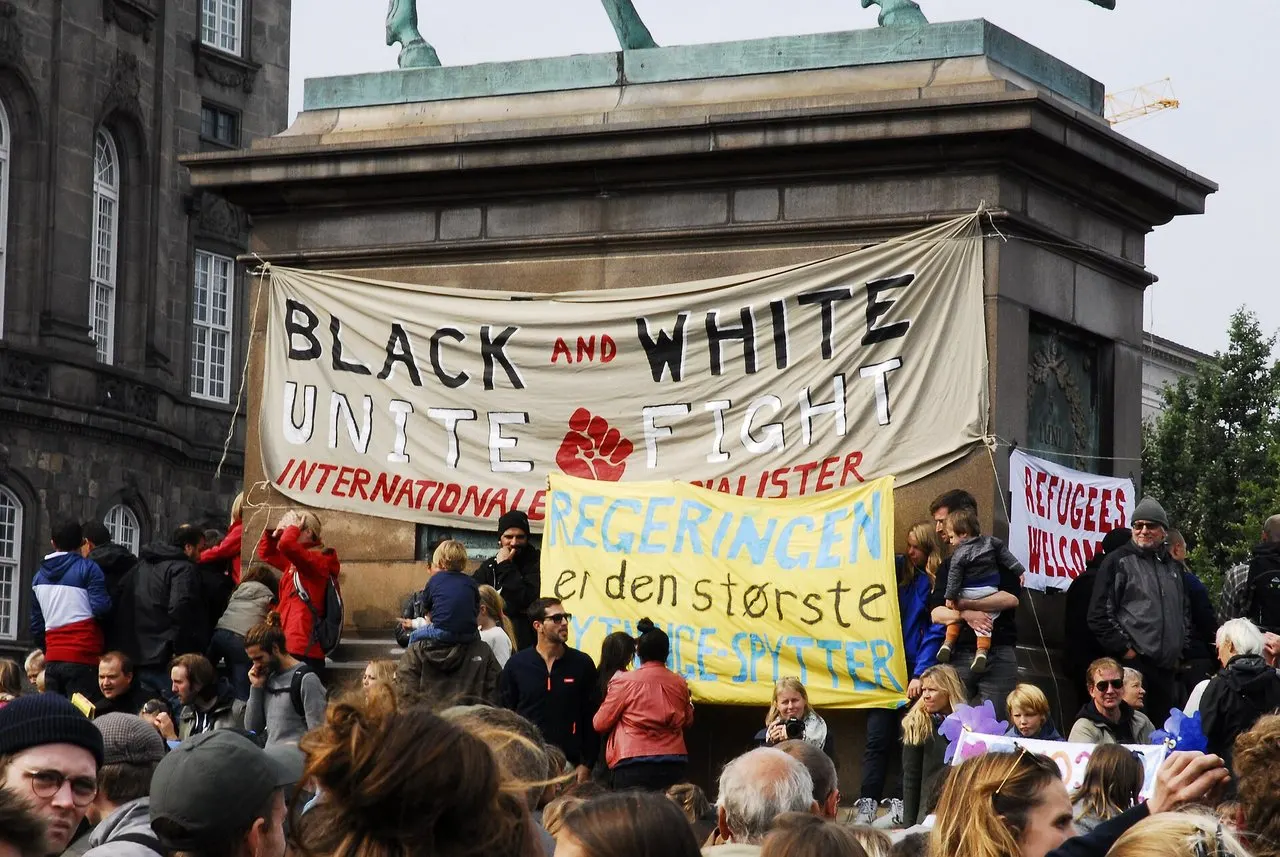
Personal choice comes first, say the critics, because what a woman wears is her own decision and not the business of the state. They argue that a free country should trust adults to dress as their faith and conscience tell them, even in a public street. For them the ban punishes the very women it claims to help, by pushing them out of sight. The choice, they say, should stay with the woman. Learn how Melania has just five staff members and why Prince Harry vows he would rejoin the British Army.
What the Fines Mean in Real Life
What the fines mean in real life is a bill that stings but does not ruin, at least for a first offence at 1,000 kroner. A repeat offender who keeps covering up can watch the fine climb to 10,000 kroner, which is a serious sum for most families. Few cases reach that top level, since most people pay the first fine and change their habits. The scale works as a warning first and a punishment second. Read how a second judge blocked Trump’s triumphal arch and why Mamdani will end NYC horse drawn carriages by 2028.
Daily Life in Denmark After 2018
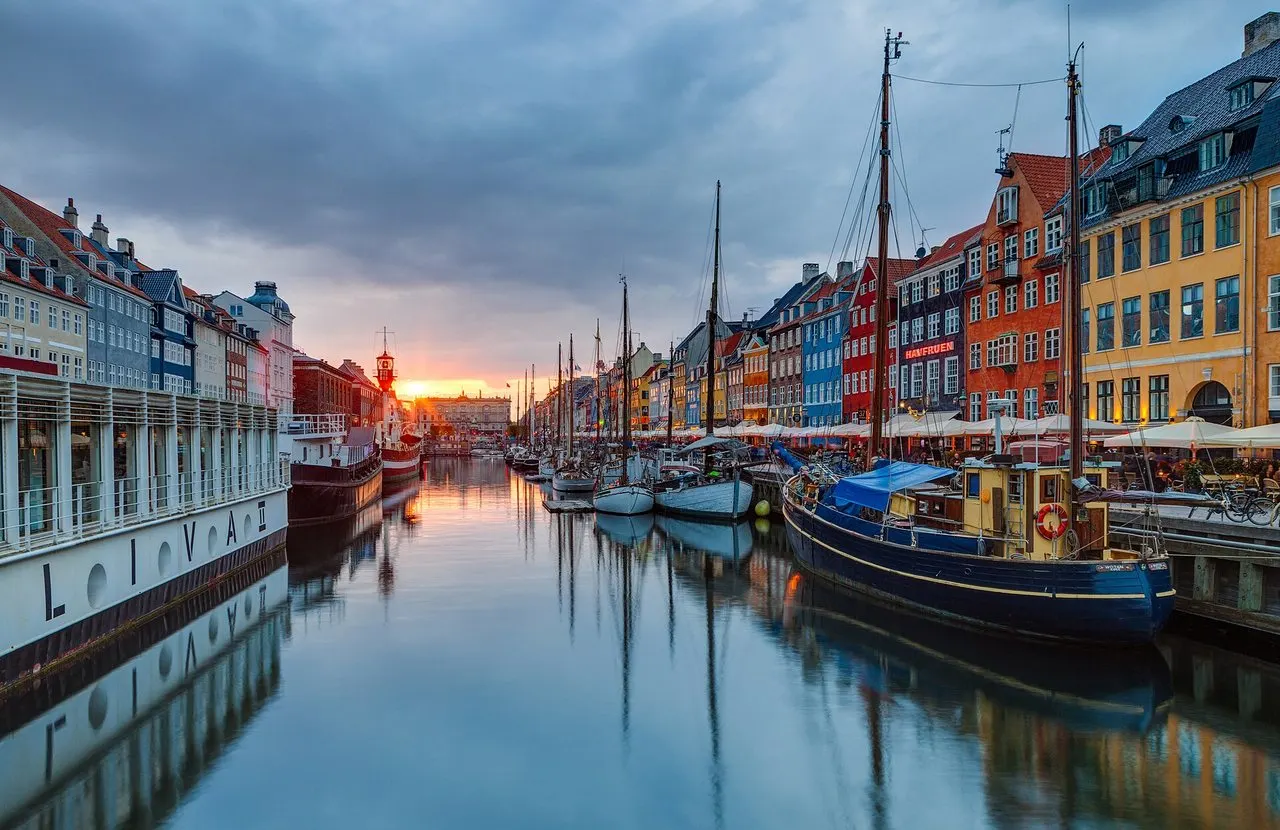
Daily life in Denmark after 2018 goes on much as before, since full face veils were always rare on Danish streets. The law changed the rules more than the streets, yet it left a mark on public debate that is still felt today. Muslim women who wear the hijab carry on as usual, while the few who wore the niqab had to choose. The country still argues about what the law really means. Learn why Prince Harry vows he would rejoin the British Army and what no pleading for meetings with Vladimir Putin tells us about firm lines.
Could Other Countries Follow Denmark

Could other countries follow Denmark, and will the European pattern keep spreading in the years ahead? The question hangs over every capital where face veils are debated, and each new ban gives courage to the next campaign. Supporters hope the trend grows, while critics hope courts and voters will draw a line. For now Denmark stands as one more example in a long and open argument. Read how Melania has just five staff members and why Patricia Heaton moved forward with her life with gratitude.
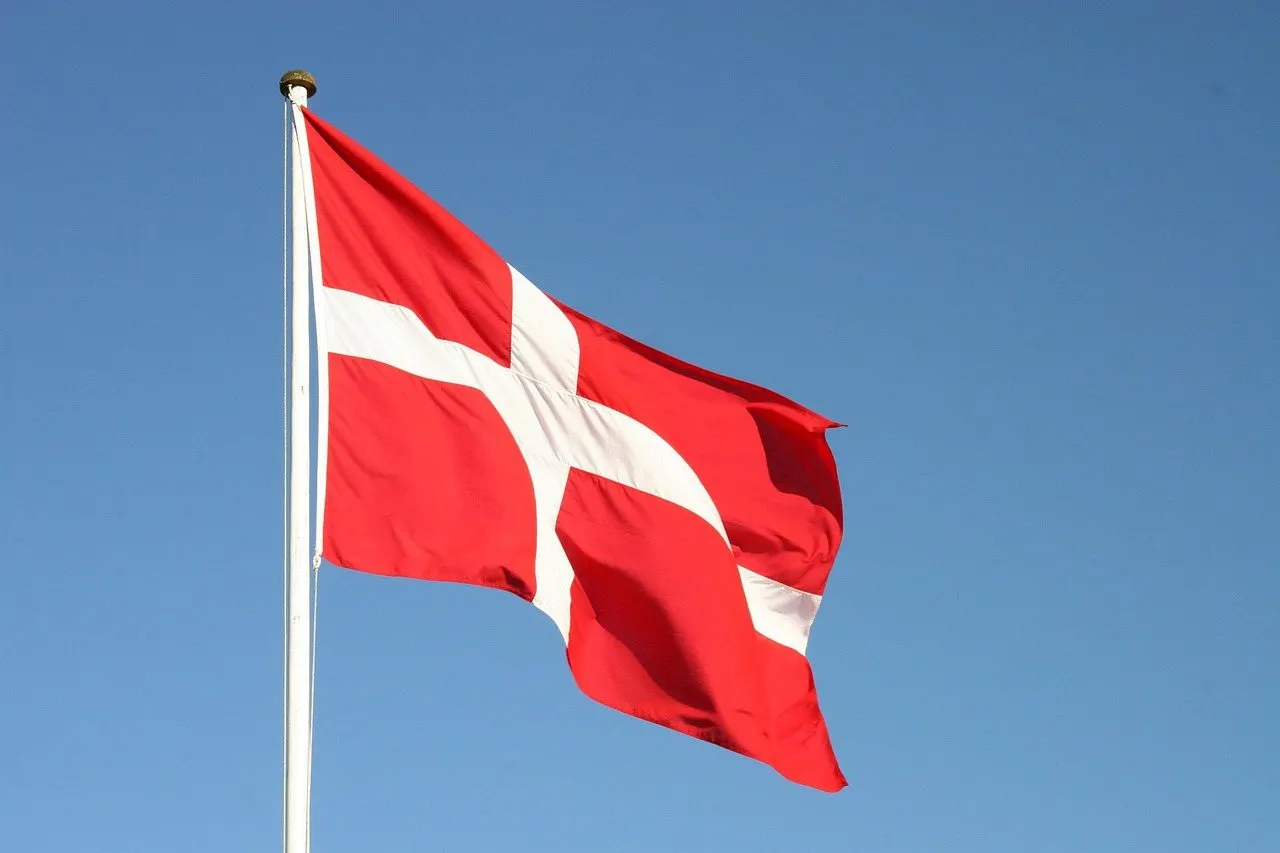
Would You Support a Similar Law
Would you support a similar law in your country, and where would you draw the line between shared rules and personal choice? Denmark chose a clear line in 2018, and the debate it started still divides friends and neighbours today. Some readers will back the ban, and others will call it unfair, and both sides have honest reasons. Tell us what you think in the comments below, and share this gallery with someone who would join the debate. Read about Obama speaking in Michigan and how she faced every storm alone and still rose stronger.