Better Days Ahead After What Is Gone
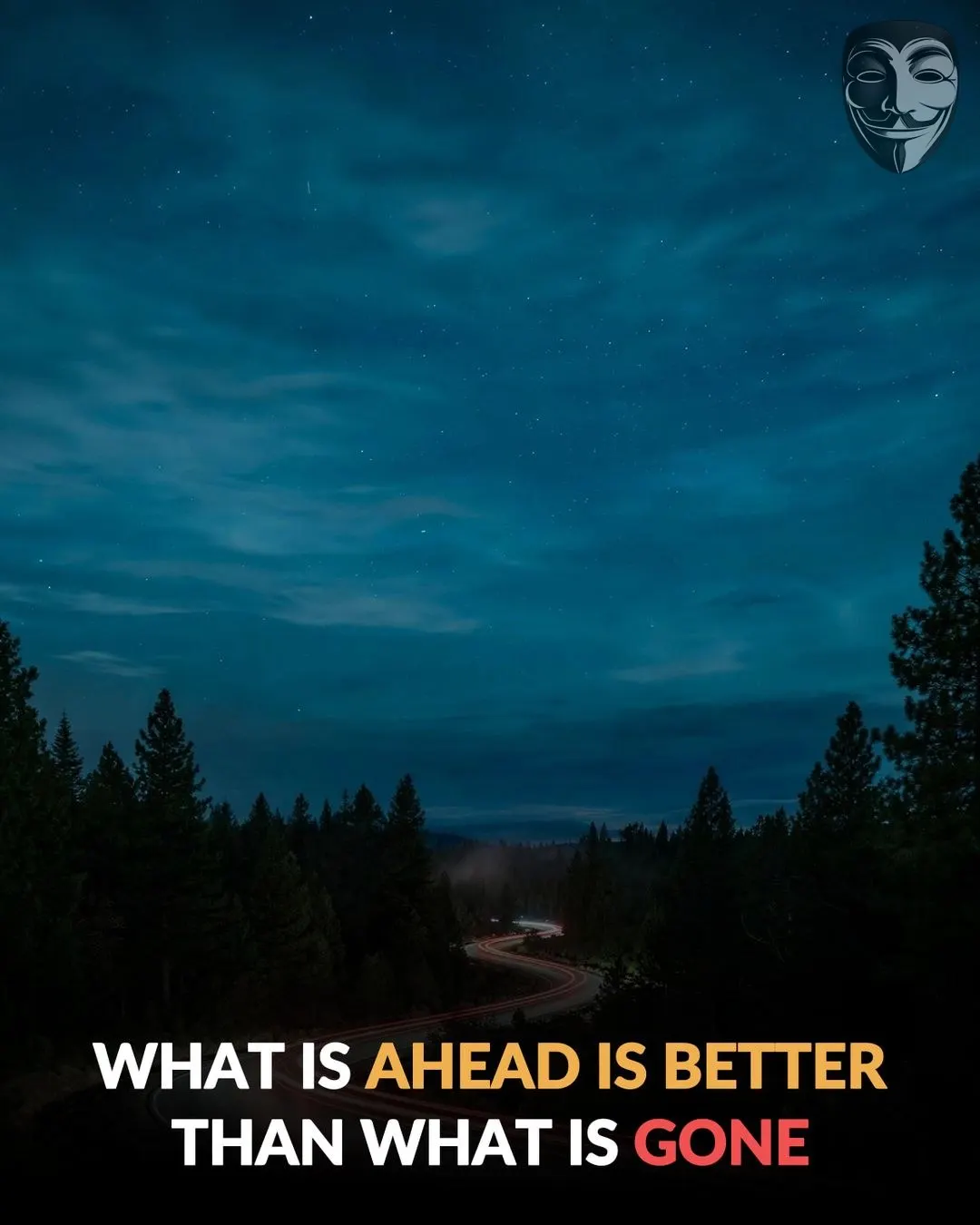
Better days ahead are still possible, even when the road behind you feels heavy and the chapter you loved has already ended. Power of Positivity shared a simple reminder that has stayed with thousands of readers, that what is coming is better than what is gone. It speaks to anyone holding on to a job, a relationship, or a version of life that no longer fits, and it offers a gentle reason to keep walking forward. The words are short, but they carry a promise that the future can still hold good things.
Research on hope backs up the feeling behind those words. A long study of 25,000 adults found that hopeful people adapted faster after hard events and reported better wellbeing, health and relationships over time. Letting go does not erase the past, it simply makes room for the next stretch of road, and that road can still lead somewhere good. In the slides ahead we look at hope, healing and new starts, and you can also read about moving forward with gratitude.
References:
Brookings: Hope and the life course
Good News Network: Hope Is the Most Impactful Emotion in Determining Long-Term Economic, Social Outcomes
Psychology Today: New Ways to Discover Hope and Possibility
Warwick Business School: Always look on the bright side of life
The Reminder That Started It All

The message began with a simple post from Power of Positivity, a page known for short reminders that lift the spirits of its readers. The line said that what is ahead is better than what is gone, and it spread quickly because so many people saw their own lives in it. A few words can feel like a hand on the shoulder when the past is hard to leave behind. You can find comfort in stories like a study about the future of America.
A Job That No Longer Fits
Many people know the ache of a job that once felt right and slowly stopped fitting. The work may have changed, the team may have moved on, or the person may have grown in a new direction. Leaving can feel like failure, even when staying would cost more in peace and health. A closed door at work is not the end of a career, it is often the start of a search for work that fits the person you have become, as shown in tough questions at a hearing and in a sale that a judge had ruled unlawful.
Better Days Ahead After a Relationship Ends

The end of a relationship can leave a person standing in an empty room full of memories. The plans you made together are gone, and the future you pictured has to be drawn again from scratch. That grief is real, and it deserves time and kindness. Yet many people find, months later, that the space left behind made room for a calmer and kinder love, for themselves first and then for someone new, a hope echoed in a warning about the world we are building and in moments of hope that kept people going.
Letting Go of an Old Version of Life

We all carry a version of ourselves that once fit well and now feels too small. It may be the student, the young parent, the newcomer, or the person who played it safe for years. Outgrowing that version is not a betrayal, it is growth. The old self taught you what you needed to know, and now it can rest while a newer self takes the lead. Letting go of who you were makes space for who you are becoming, as seen in a tragedy at a Texas camp and in a beloved hippo remembered by millions.
What 25,000 Adults Taught Researchers About Hope

Hope is not only a feeling, it is something researchers can study and measure. A long study of 25,000 adults followed people over time and looked at how hope shaped their lives after hard events. The results were clear and steady across the group. People with more hope did not avoid trouble, but they met it with a stronger sense of direction. Their stories show that hope is a skill we can build, as explored in signs it is time to move on and in a new poll about the race ahead.
Better Days Ahead for Hopeful People
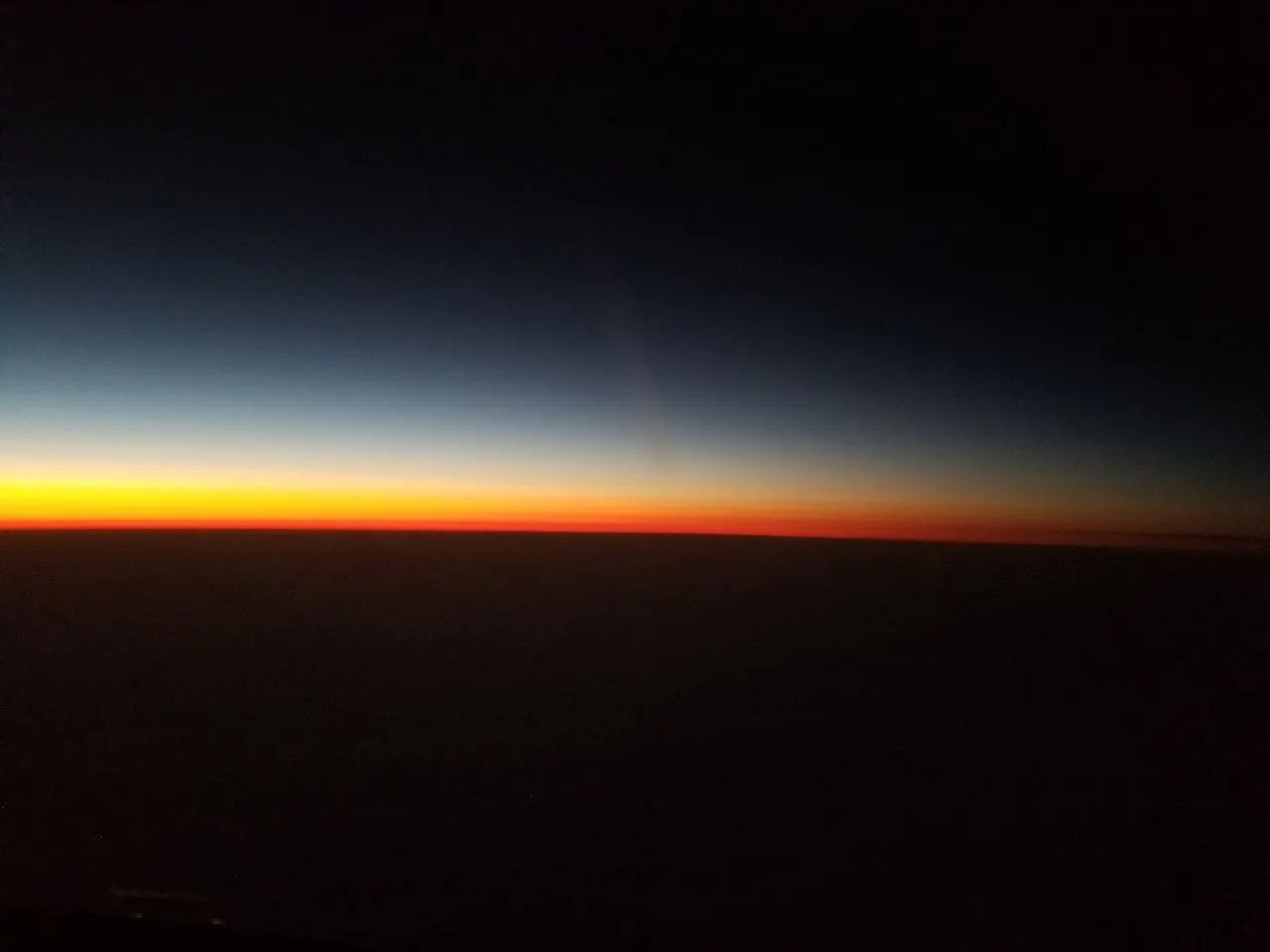
The study found that hopeful people adapted faster after hard events. They were quicker to find a new routine, to ask for help, and to try a different plan when the first one failed. That speed matters, because the weeks after a setback often shape what comes next. Hope does not remove the pain, but it keeps a person moving while the pain heals. It turns a long wait into a series of small steps, a pattern you can see in a farewell at 86 and in a joke about meeting dictators.
Hope Helps the Body as Well as the Mind

Hope helps the body as well as the mind, and the study found better health among hopeful people over time. Stress weighs on sleep, appetite and energy, and a hopeful outlook can ease that load. People who believe things can improve are more likely to rest, to eat well, and to keep medical appointments. These small habits add up over months and years. Caring for the mind is also caring for the body, a point made clear in a stalled vote in Ohio and in a question about what data centers use.
Health, Wellbeing and Relationships Over Time

The same study linked hope with better wellbeing and stronger relationships over time. Hopeful people tend to stay open to others instead of pulling away when life gets hard. They keep in touch with friends, they accept support, and they offer it in return. That circle of care becomes a safety net in hard seasons. A hopeful heart is often a connected heart, and that connection is a gift, as shown in a hippo weeks before her tenth birthday and in a debate about marijuana laws in Texas.
Better Days Ahead in Our Relationships
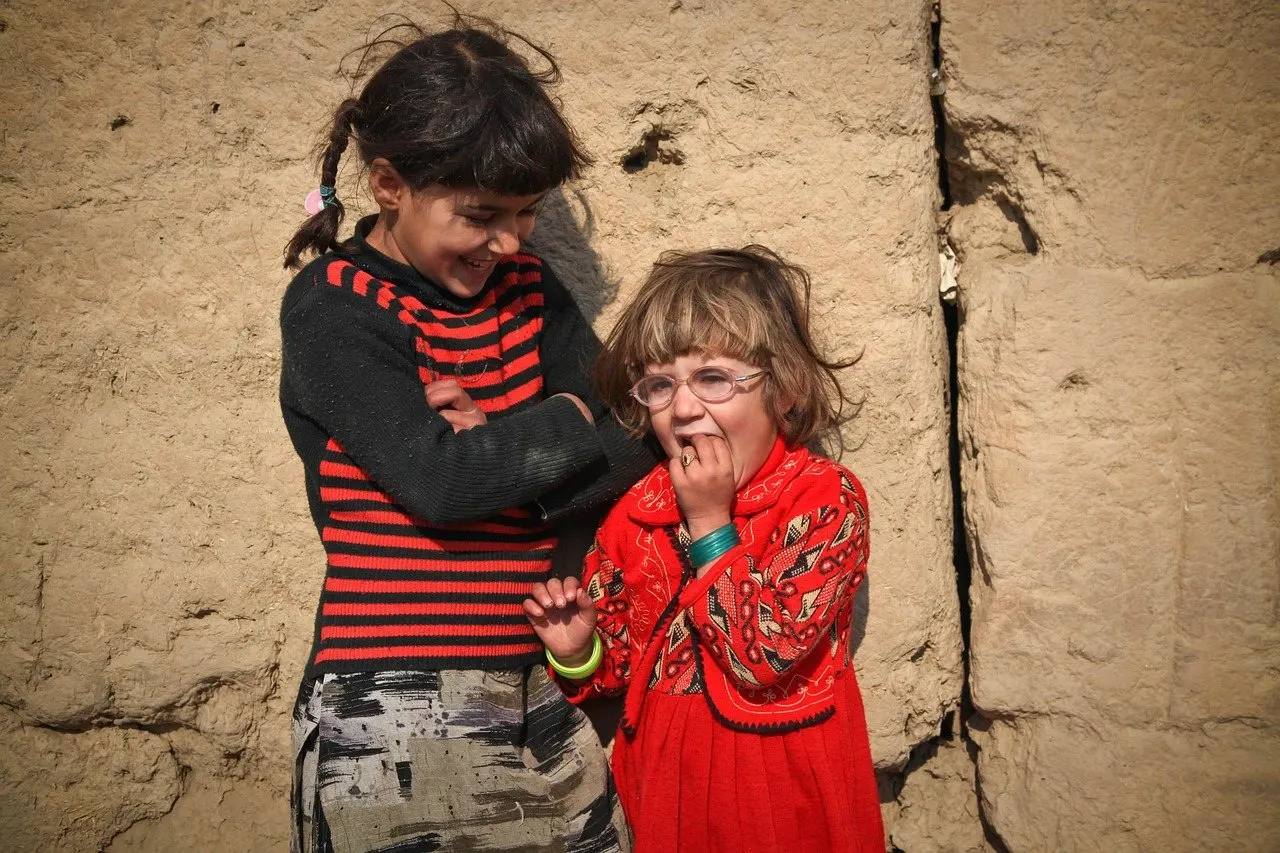
Hard times can strain even the closest relationships, yet hope gives people a reason to stay in touch and keep talking. When one person believes the future can improve, it is easier for the other to believe it too. Shared hope can carry a couple, a family or a friendship through a season of loss. The bond may change shape, but it does not have to break. Many relationships grow stronger after trouble, as seen in a daughter splitting rent with roommates and in a clash over campaign spending.
Adapting Faster After Hard Events

Adapting faster does not mean rushing past grief or pretending that nothing happened. It means finding a way to live with what happened while still making plans. Hopeful people often break a big problem into small parts and deal with one part at a time. They ask for help early and they accept it when it comes. That steady pace beats a grand gesture, and it is a habit anyone can learn, as shown in a long flight and a briefing room report and in a hippo whose passing became a flash point.
When the Road Behind You Feels Heavy
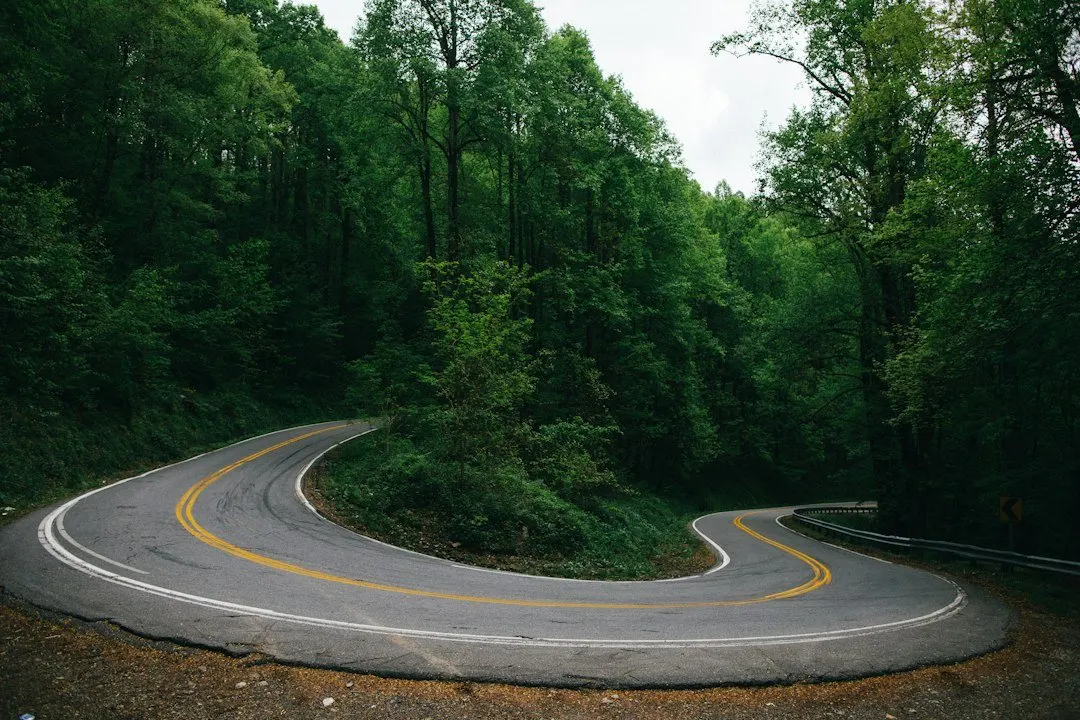
When the road behind you feels heavy, every step can seem too much. The past may hold mistakes, losses, or words you wish you could take back. Carrying all of that at once will slow anyone down. It can help to set down one weight at a time, to forgive yourself for one thing, and then another. The road does not get shorter, but your load gets lighter, and the walk gets easier, a truth reflected in a warning before a blast in Iowa and in a timeout after remarks on television.
Better Days Ahead on a New Road
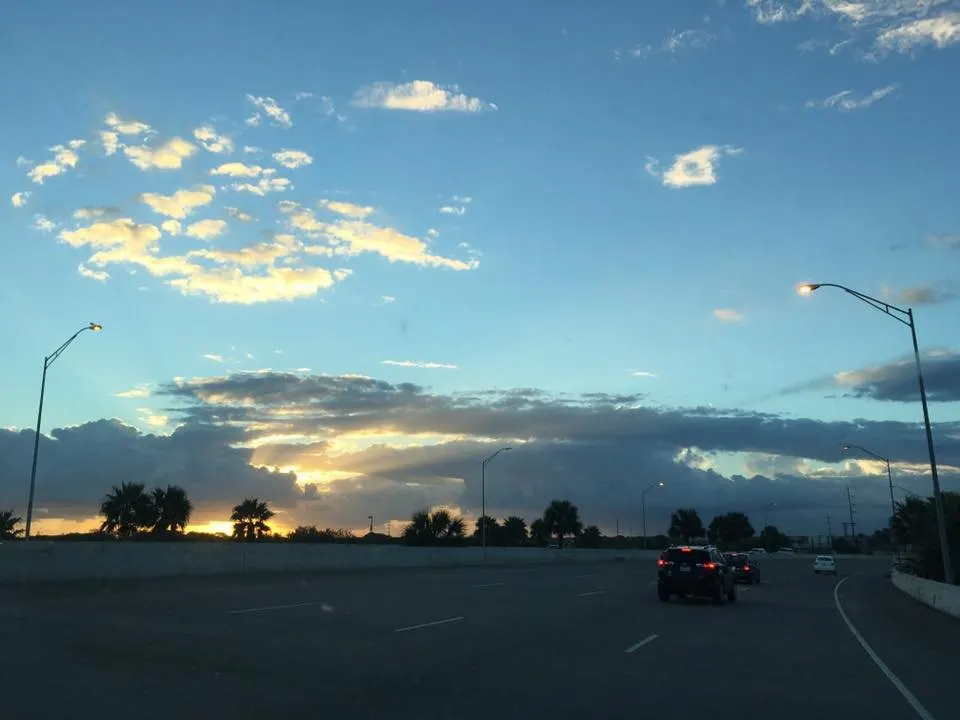
A new road can look strange at first, with no familiar turns and no old landmarks to guide you. That strangeness is not a warning, it is simply the sign of new ground. Each day on the new road adds a landmark of its own, a friendly face, a small win, a place that starts to feel like home. Before long the strange road becomes your road, and the walk feels natural again, a journey much like a father who refused to give up his son and like a robot that may outnumber people.
Small Steps Forward Each Day
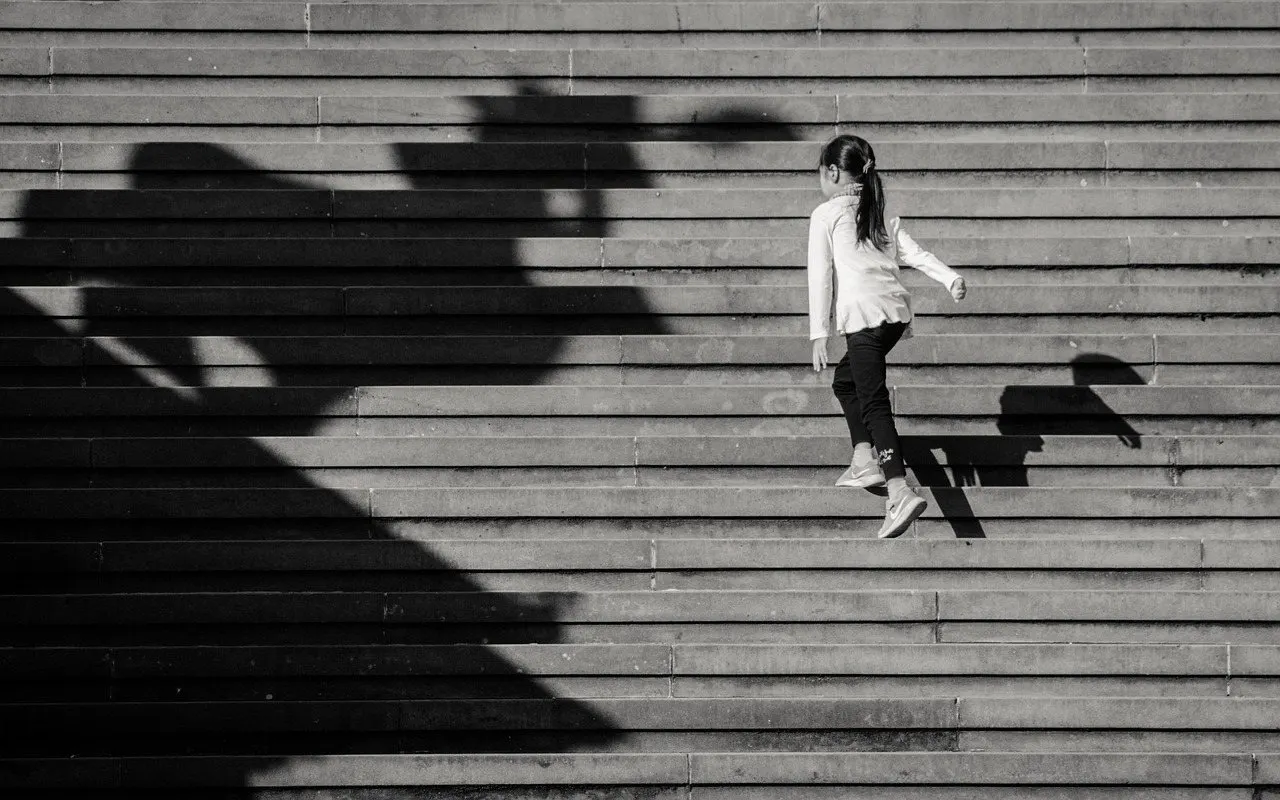
Big change rarely arrives in one bold move. It comes in small steps, a phone call made, a walk taken, a letter written, a room cleaned. Each small step is easy to dismiss, yet together they carry a person forward. On a hard day, one step is enough. On a good day, you may take ten. The count does not matter as much as the direction, and every step forward is a quiet victory, a lesson echoed in a welcome song at a banquet and in a meeting between world leaders.
Morning Light and Fresh Starts
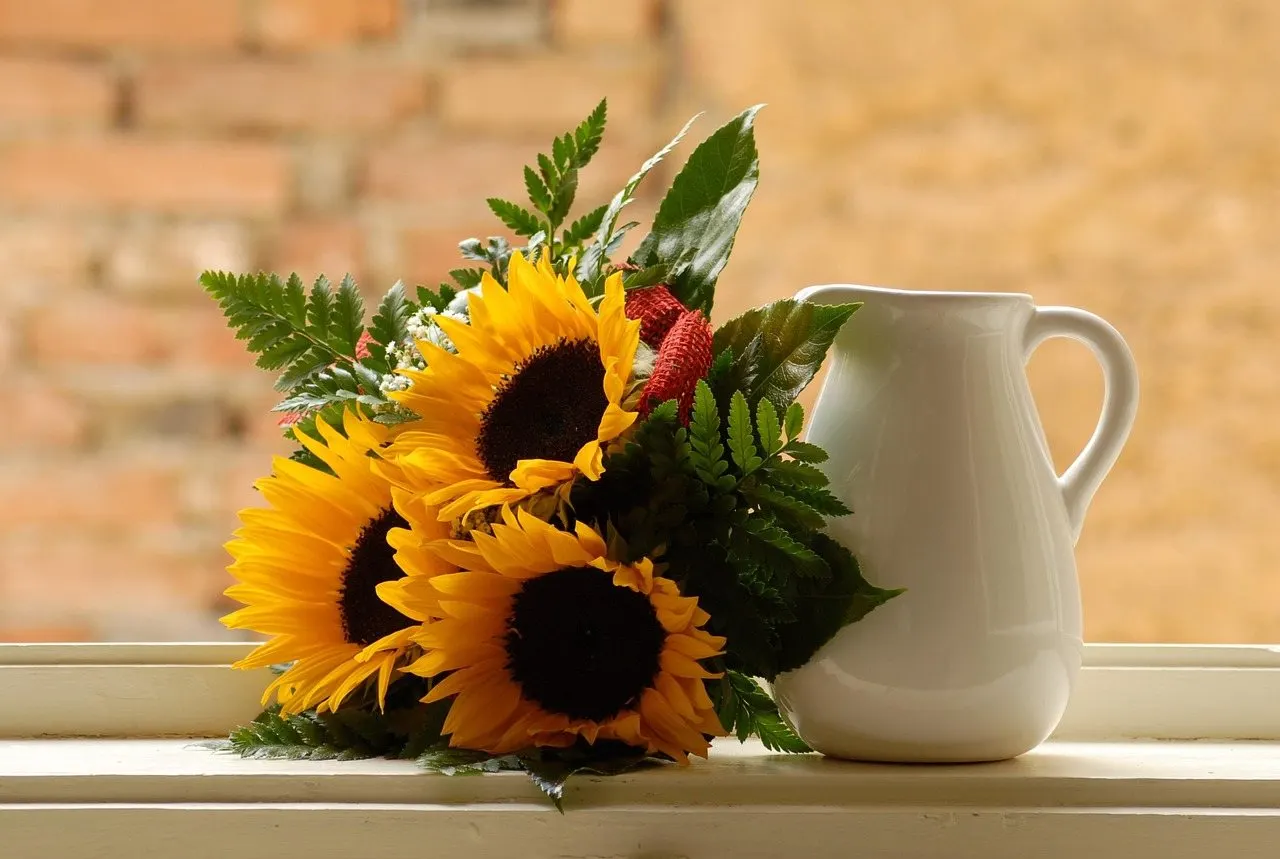
Morning light has a way of making yesterday feel smaller. The sun rises whether we are ready or not, and it brings a fresh page with it. A simple morning routine, a glass of water, a short walk, a few deep breaths, can set the tone for the whole day. Fresh starts do not need a new year or a big event. They can begin at breakfast, in an ordinary kitchen, on an ordinary morning, much like the fresh starts in a mystery in ancient rock art and in a debate about remarks on Gaza.
Better Days Ahead Begin With One Choice

Every new chapter begins with one choice, and that choice is often smaller than we expect. It may be the choice to get up, to call a friend, to apply for a job, or to say no to something that hurts. One choice does not fix everything, but it opens a door that was closed. Through that door comes light, air and new options. The future starts with the choice you make today, a truth you can see in moving forward with gratitude and in a silent shrug that said more than words.
Gratitude for What the Past Taught Us
Gratitude does not mean pretending the past was perfect. It means noticing what the hard years taught you, the strength you found, the people who stayed, the lessons you carry now. A grateful look back can turn pain into wisdom without denying the pain. Writing down three good things from the past week can shift the whole mood of a day. Thankfulness is a quiet form of hope, as shown in a study about the future of America and in a meeting that raised hard questions.
Always Look on the Bright Side of Life
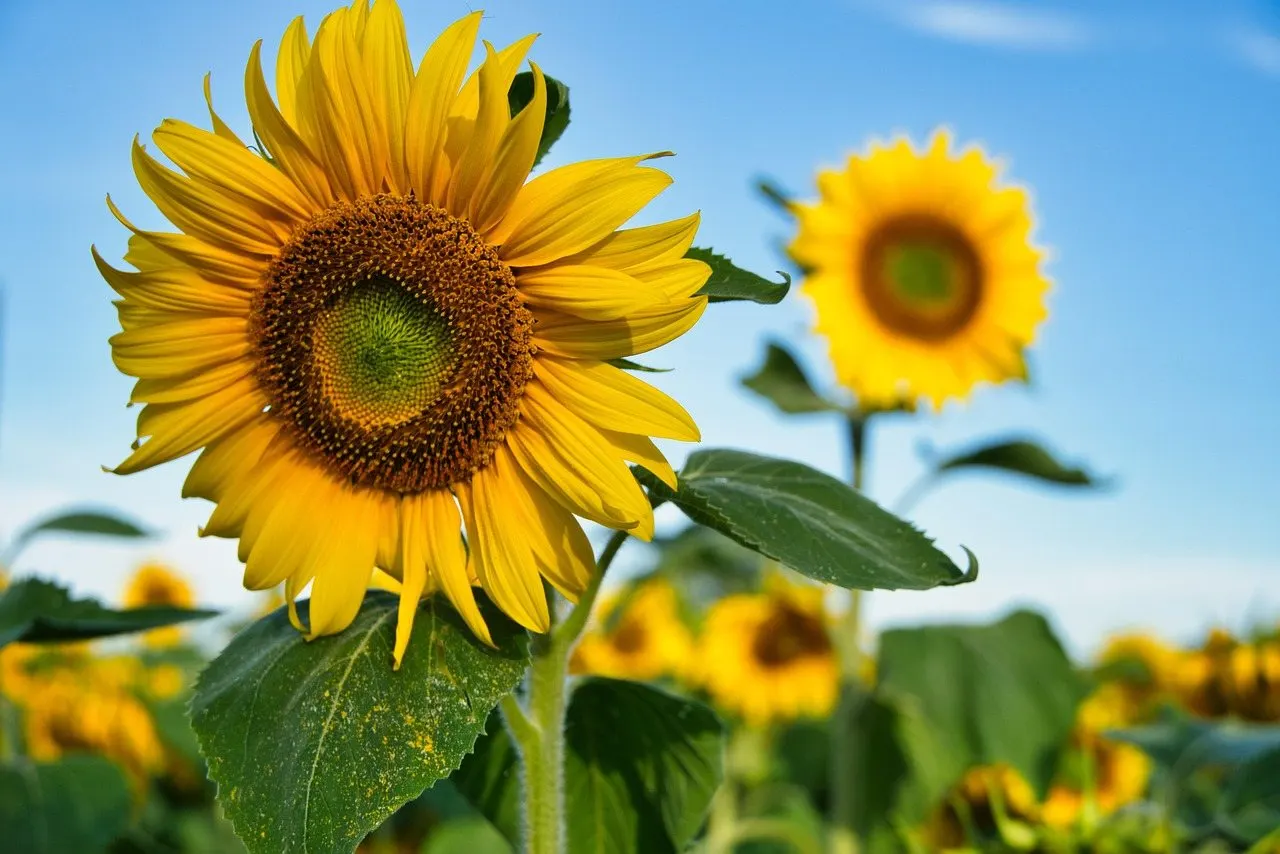
Looking on the bright side of life is not about ignoring trouble, it is about refusing to let trouble have the last word. A bright outlook notices what is still working, who is still kind, and what is still possible. That focus does not solve every problem, but it keeps energy free for the problems that can be solved. Optimism is a practical tool, not a fantasy, and it has guided many people through dark times, as seen in tough questions at a hearing and in a sale that a judge had ruled unlawful.
Better Days Ahead After Loss
Loss leaves a hole that no words can fill, and grief has its own slow timetable. There is no prize for getting over it quickly, and no shame in missing someone for a long time. Yet even in grief, small moments of warmth return, a shared laugh, a kind memory, a peaceful morning. Those moments do not replace what was lost, but they show that life can still hold tenderness, a hope shared in a warning about the world we are building and in moments of hope that kept people going.
A New Chapter and a New Season
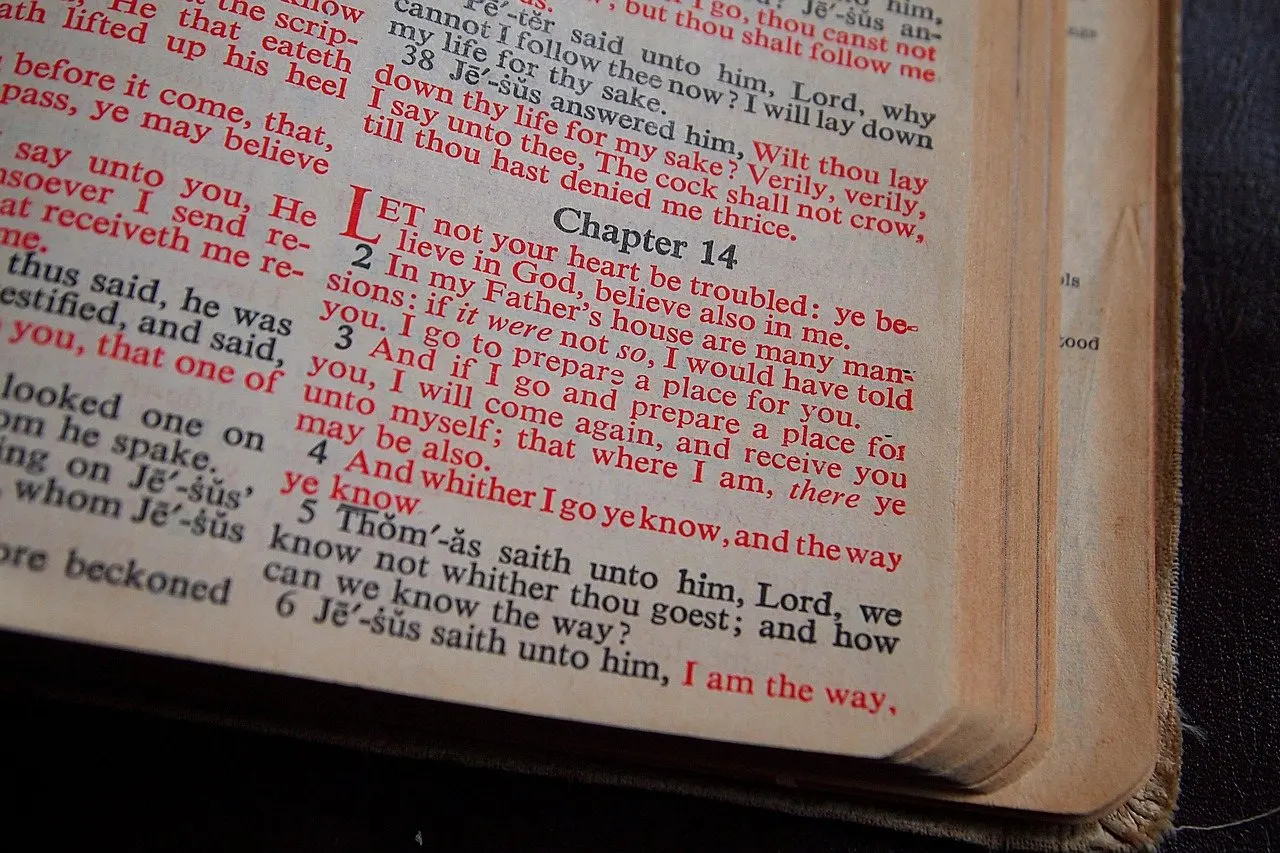
A new season of life can feel like opening a book to a blank page. The old chapters are finished, and the new ones are waiting to be written. That blank page can be frightening, but it is also a gift. You get to choose the setting, the pace, and the people who walk beside you. Step into the new season slowly, and let it surprise you, a fresh start much like a tragedy at a Texas camp and like a beloved hippo remembered by millions.
Friends Who Walk Beside You
No one should have to walk a hard road alone, and friends who stay close make the walk lighter. A true friend does not always have the right words, but their presence is enough. They sit with you, they listen, and they remind you of who you are when you forget. If you are walking now, look beside you. If you are steady, look for someone who needs a hand, a kindness reflected in signs it is time to move on and in a new poll about the race ahead.
Better Days Ahead When You Keep Going

Keeping going is the simplest and hardest advice of all. It does not ask for speed or style, only for one more step when stopping feels easier. The people who reach the other side of hard times are rarely the fastest or the strongest. They are the ones who kept going on the days when nothing seemed to change. If today is one of those days, take the next step anyway, a resolve echoed in a farewell at 86 and in a joke about meeting dictators.
Why Hope Is More Than Wishful Thinking

Some people think hope is just wishful thinking, but research shows it is much more than that. Hope pairs a goal with a plan and a belief that the plan can work. It looks for paths around obstacles instead of staring at the wall. When one path closes, a hopeful person looks for another. That habit can be practiced like any skill, one small plan at a time, a point made clear in a stalled vote in Ohio and in a question about what data centers use.
The Science of Looking Forward
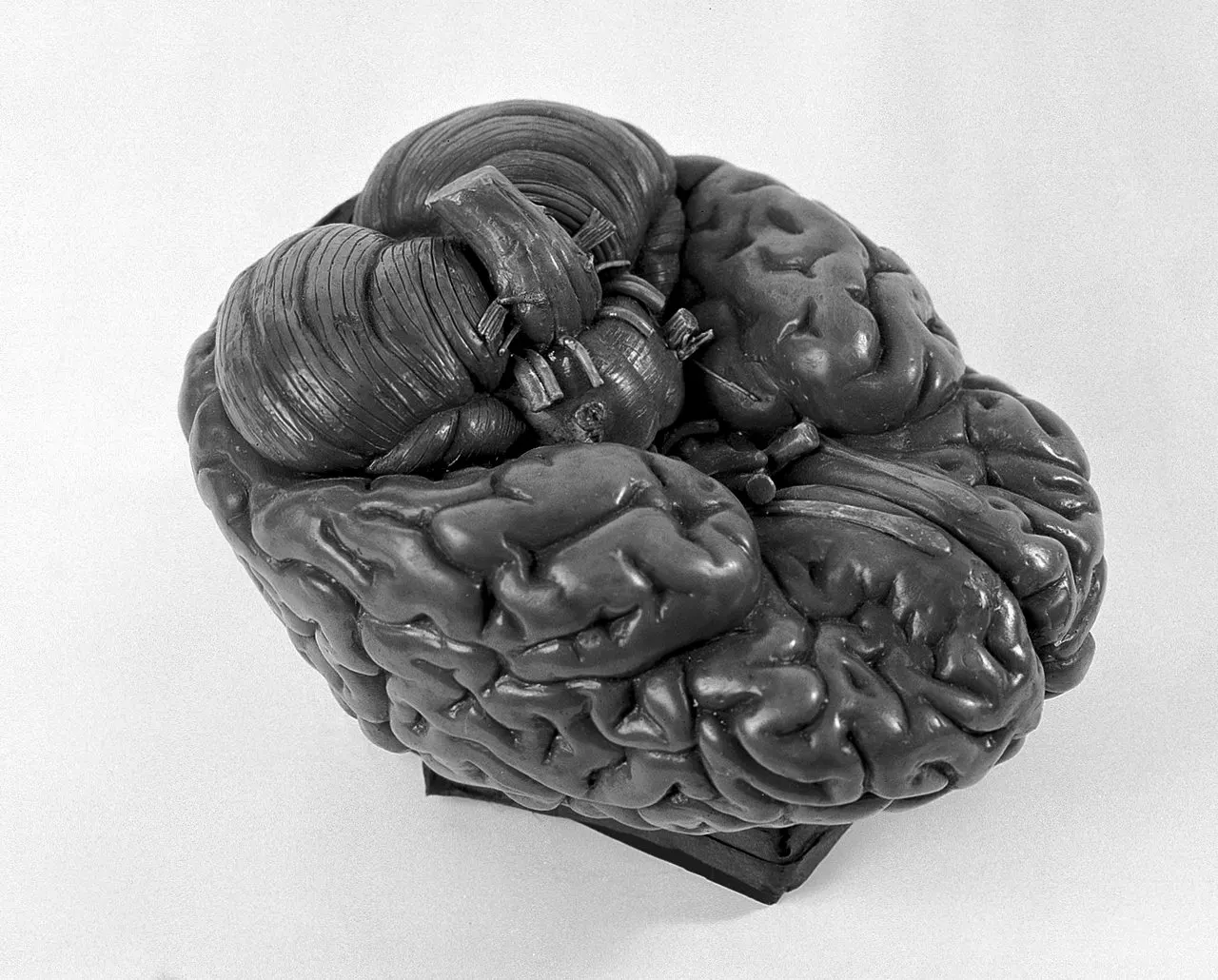
The science of looking forward is simple at its core. The brain likes a clear picture of a good outcome, and that picture can pull a person through hard work. Setting a small goal, picturing the result, and taking the first step creates a loop of progress. Each loop builds confidence for the next one. Looking forward is not daydreaming, it is training the mind to move, a habit explored in a hippo weeks before her tenth birthday and in a debate about marijuana laws in Texas.
Better Days Ahead for the Hopeful Heart

A hopeful heart is not a naive heart. It has seen trouble and chosen to believe anyway. That choice takes courage, because hope makes a person open to disappointment. Yet the hopeful heart also stays open to joy, to surprise, and to love. It keeps beating steadily through the dark, waiting for the light it trusts will come. Guard that hope, feed it daily, and let it grow, a message shared in a daughter splitting rent with roommates and in a clash over campaign spending.
What to Do on a Hard Day
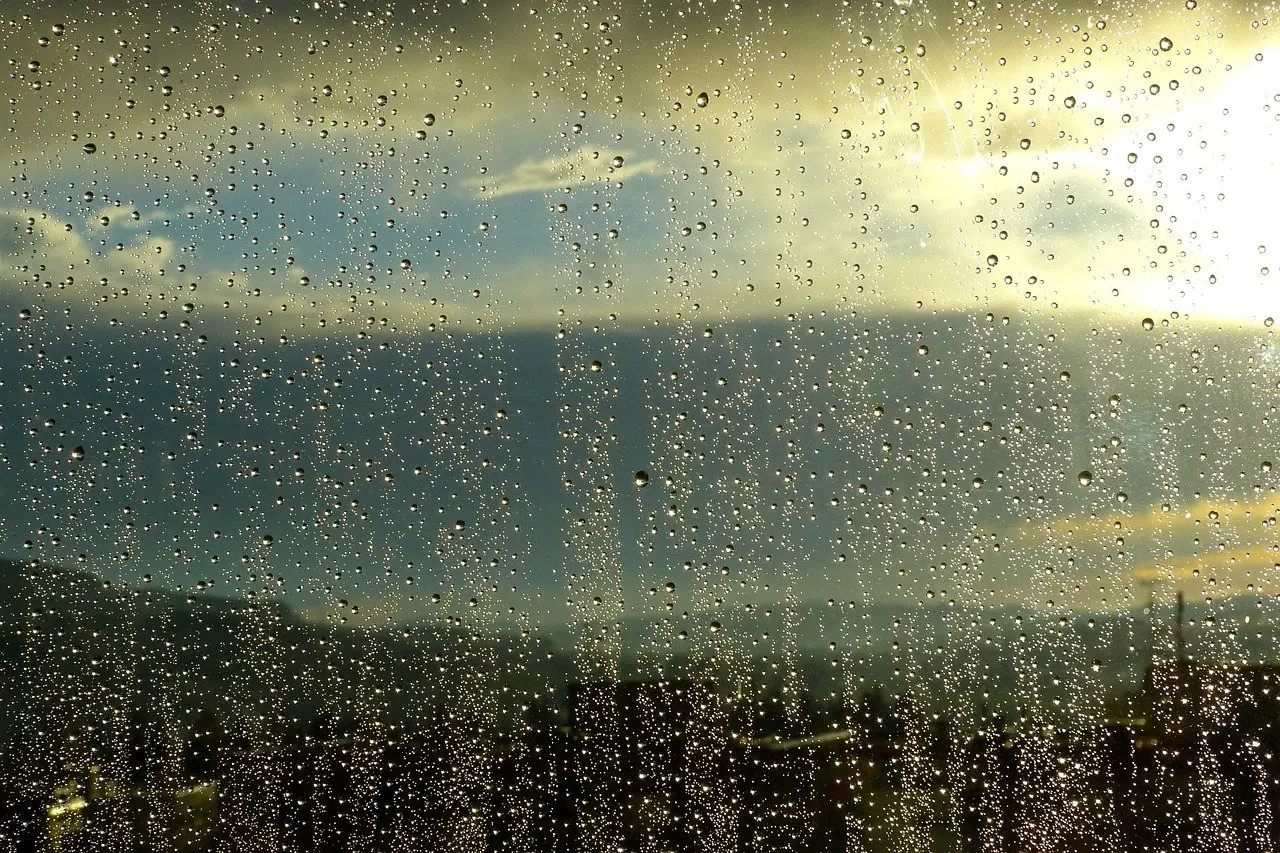
On a hard day, the best plan is a small one. Drink some water, step outside for fresh air, and call one person who cares about you. Do one useful thing, even a tiny one, and let it count. Hard days pass more quickly when they hold one kind act, one deep breath, and one honest rest. You do not have to fix your whole life today. You only have to get through today with care, a gentle plan like a long flight and a briefing room report and like a hippo whose passing became a flash point.
Planting Seeds for the Future
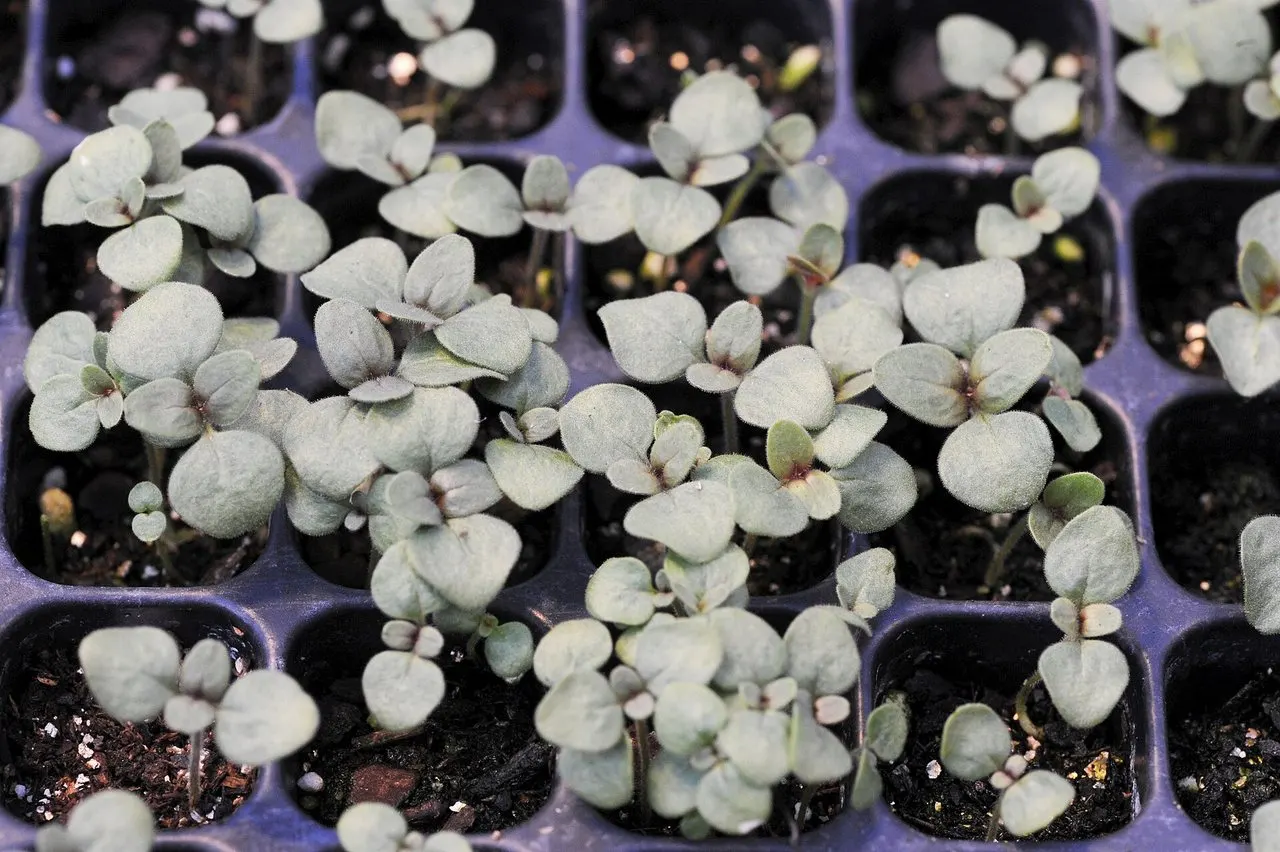
Planting seeds is an act of faith in the future. A gardener puts a small seed in dark soil and trusts that light and water will do their work. Nothing shows above the ground for days, yet growth is happening out of sight. Your own efforts work the same way. The kind words, the study, the practice, they are seeds. Tend them daily and watch what grows, a patient hope like a warning before a blast in Iowa and like a timeout after remarks on television.
Waiting for the Future With Patience
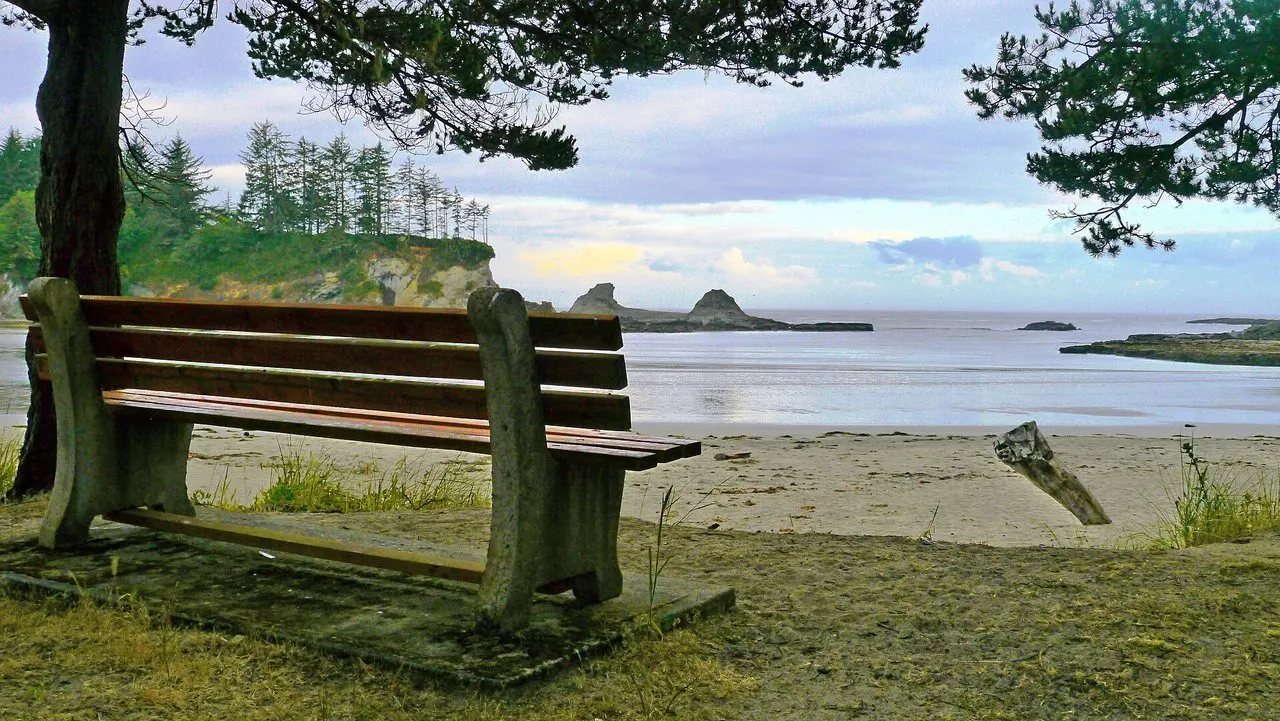
Waiting for the future can test the patience of anyone. We want the good part now, not later, and the waiting can feel like wasted time. But waiting is not empty. It is the season when roots grow deep and plans take shape. Use the waiting well, rest, learn, and prepare. When the future arrives, you will be ready to meet it with open hands, a calm hope like a father who refused to give up his son and like a robot that may outnumber people.
The Next Stretch of Road
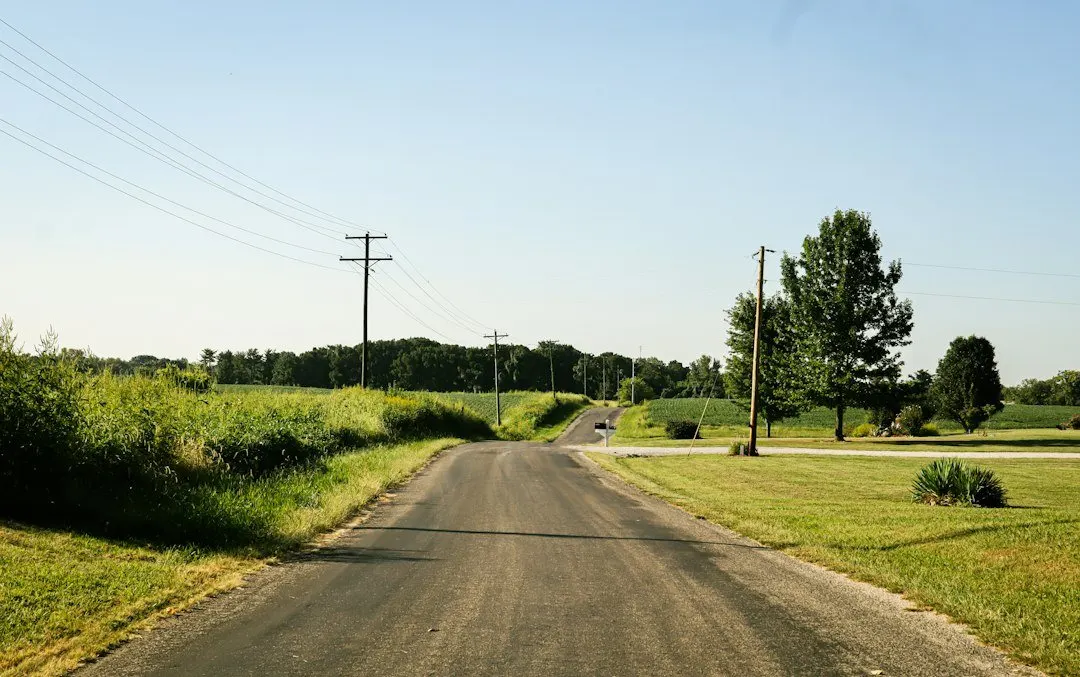
The next stretch of road is yours to walk at your own pace. There is no single right speed, and there is no prize for rushing. Some days you will walk far, and some days you will rest by the roadside. Both are part of the journey. What matters is that the road is open and that you are still on it. Keep your eyes on the horizon and your heart open to what comes, a journey like a welcome song at a banquet and like a meeting between world leaders.
What Would You Tell Someone Starting Over
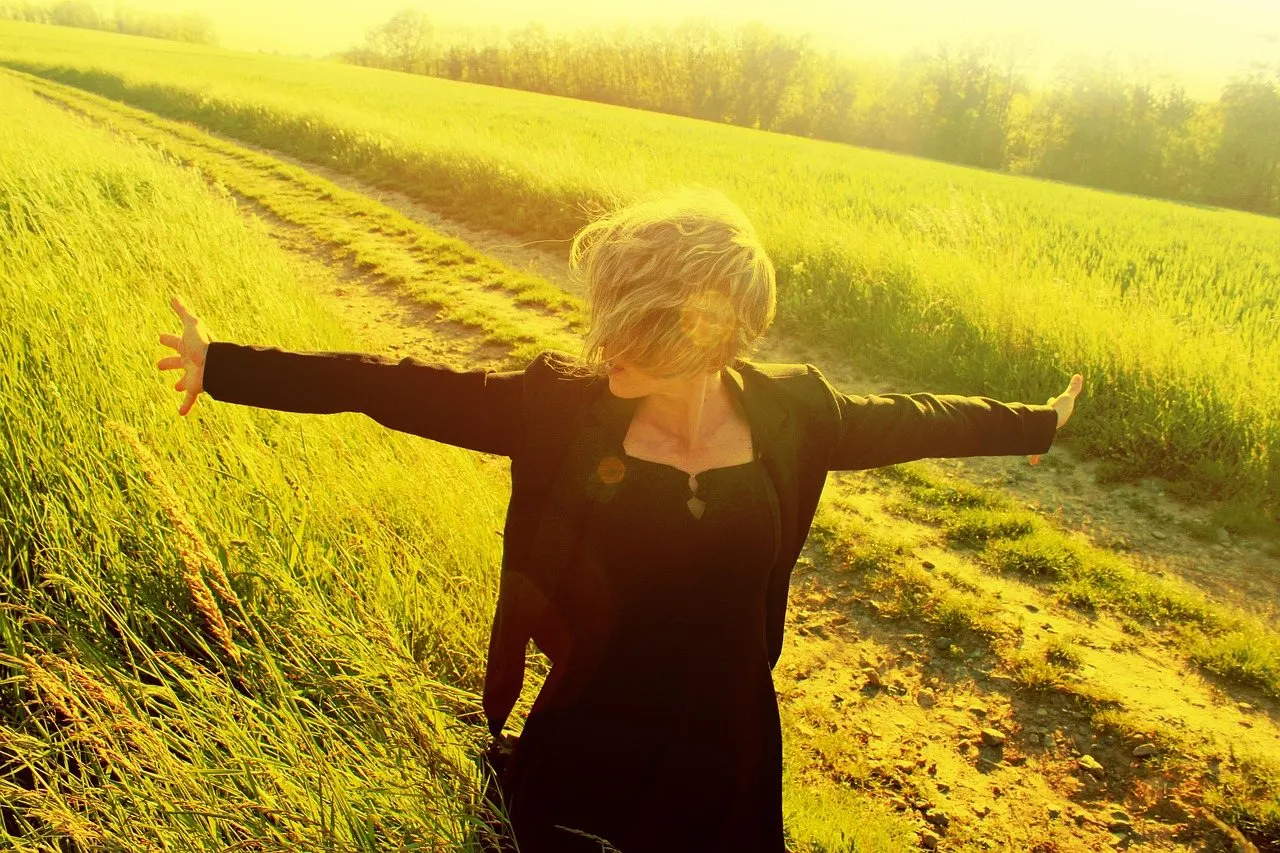
If you could tell someone who is starting over one true thing, what would it be? Would you say that the pain will soften, that help will come, or that the future is still worth walking toward? Your words might be the reminder someone else needs today, just as this message was a reminder for thousands. Share your answer in the comments below, and tell us what helped you keep going, a conversation like a mystery in ancient rock art and like a debate about remarks on Gaza.