Tuskegee Dress Code Divides a Historic Campus
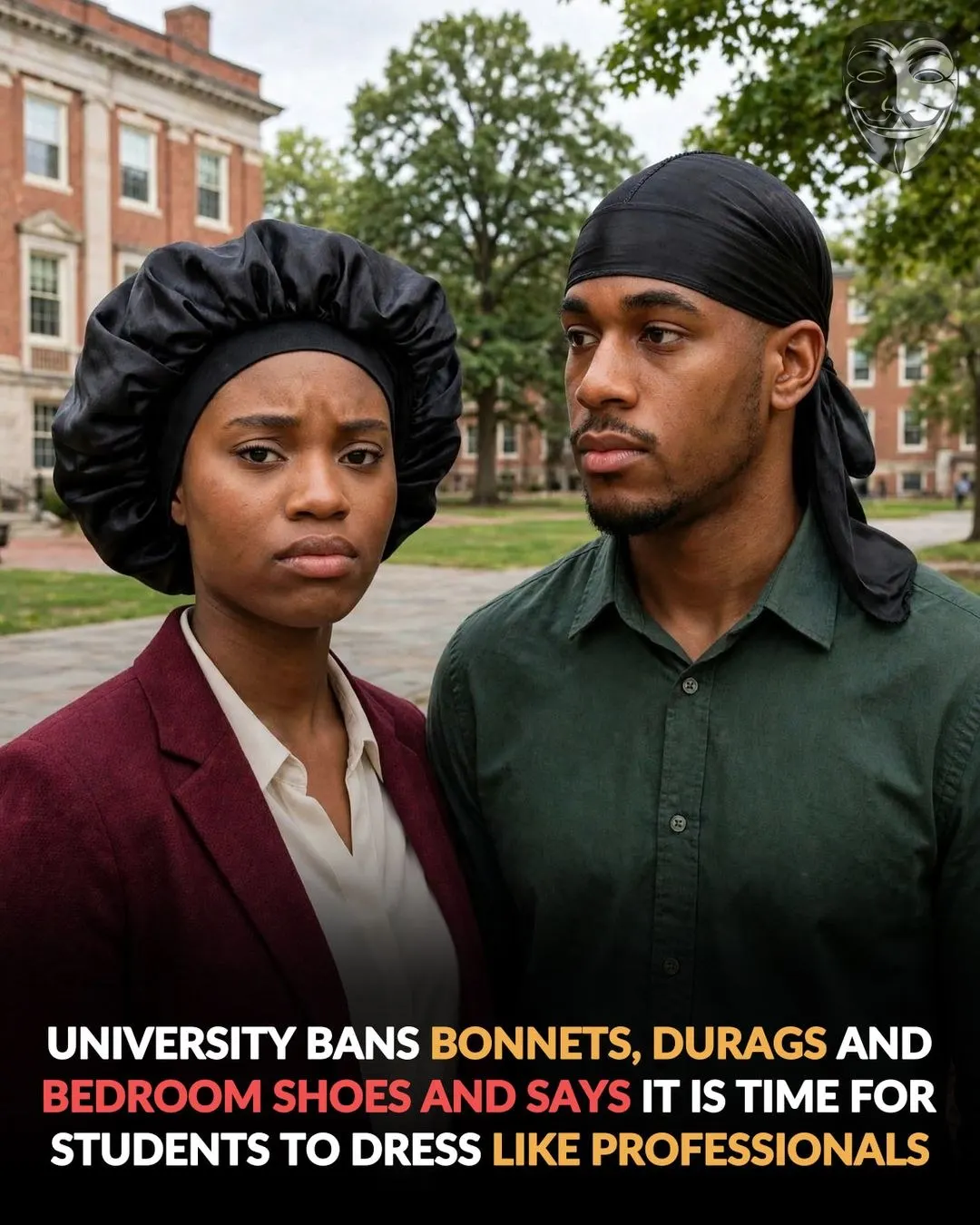
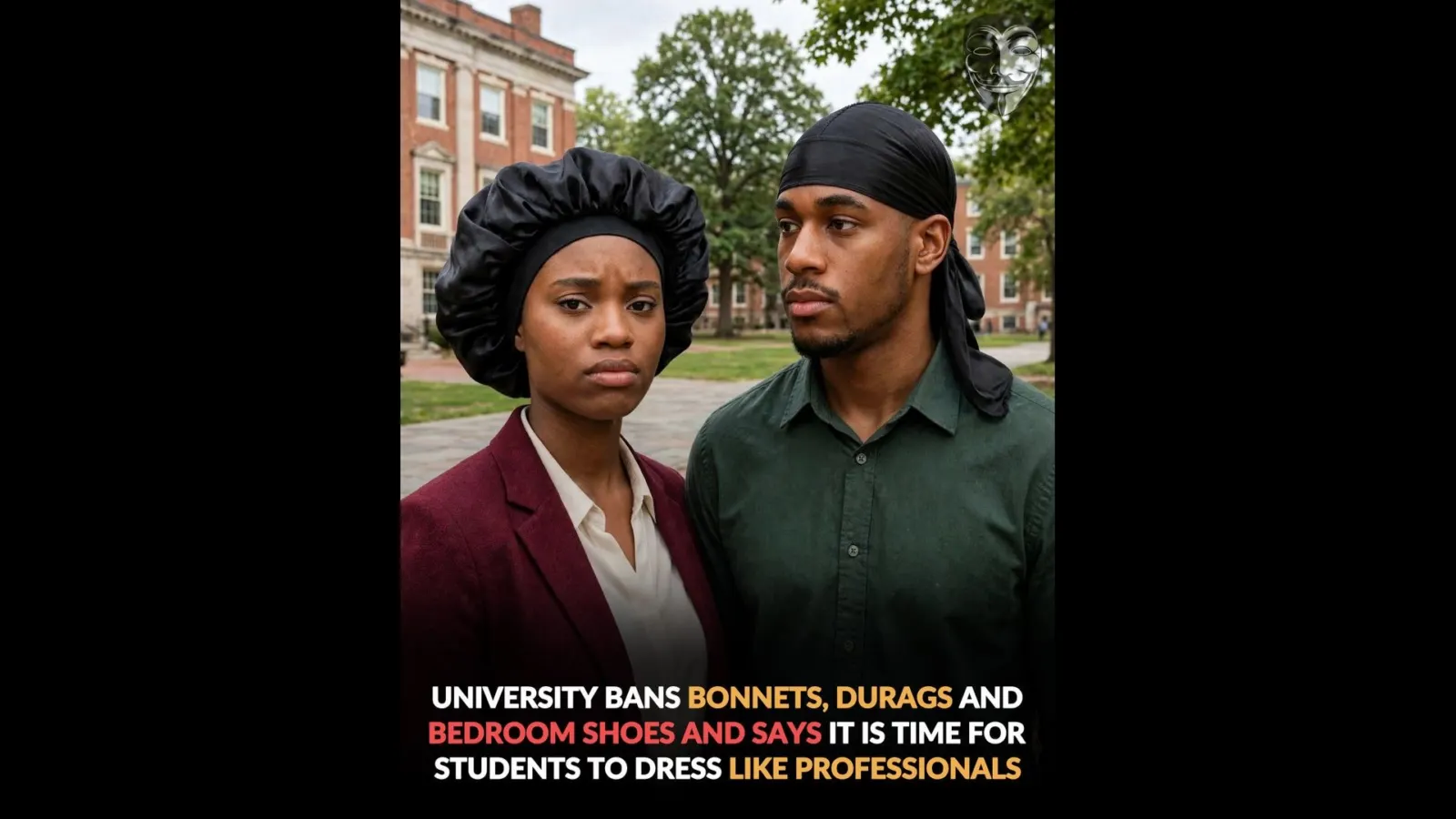
The Tuskegee dress code has put an Alabama campus at the center of a debate about hair, clothes and respect. Tuskegee University began the 2026-2027 school year with a stricter dress code that bans bonnets, durags, bedroom shoes and pajama wear in classrooms, the cafeteria and events like Convocation. The policy prohibits revealing clothing on campus. President Dr. Mark A. Brown told students the handbook requires a business suit and shoes, saying the goal is to raise the bar and prepare students for work. Bans can spark debate, as shown by Sweden’s ban on lab tests on great apes.
Critics say the ban targets items widely used to protect textured Black hairstyles, while supporters say it is about getting students ready for professional life. The debate has divided students and alumni, with some calling it respectability politics and others saying professional dress builds discipline for the careers ahead. In the slides that follow, we look at what the rules say, why hair care matters so much, and what the wider debate means for campus life today. Lawmakers and rules often spark strong views, as in the debate over lawmakers in a vegetative state.
References:
FIRE: Tuskegee Tells Students to Suit Up and Leave the Durag at Home
Emerald Book: Why Tuskegee’s New Dress Code Has No Empirical Link to Career Success
Finest Image: Ethical Dress Codes After Tuskegee’s Ban
New York Post: Tuskegee University president defends dress code after backlash: ‘Raise the bar, students will reach it’
What the New Tuskegee Dress Code Bans
The list at the heart of the new Tuskegee dress code is short and clear. Bonnets, durags, bedroom shoes and pajama wear are now banned in classrooms, the cafeteria and events like Convocation, and revealing clothing is also prohibited. For many students, a bonnet or durag is not a fashion item at all, since it protects hair and keeps a style in place. That is why this list has drawn attention. You may also like Kevin Hart and the time he spends with his kids.
Where the Tuskegee Dress Code Applies on Campus
The rules do not stop at the classroom door. They apply in classrooms, in the cafeteria and at events like Convocation, which means students must think about dress for much of the day. A student heading to lunch after class faces the same standard as a student heading to a lecture. That wide reach is one reason the policy has stirred talk, since a code that follows students all day feels different from a rule for one room. Read about Trump’s briefing after his long flight from China.
The President Tells Students to Raise the Bar
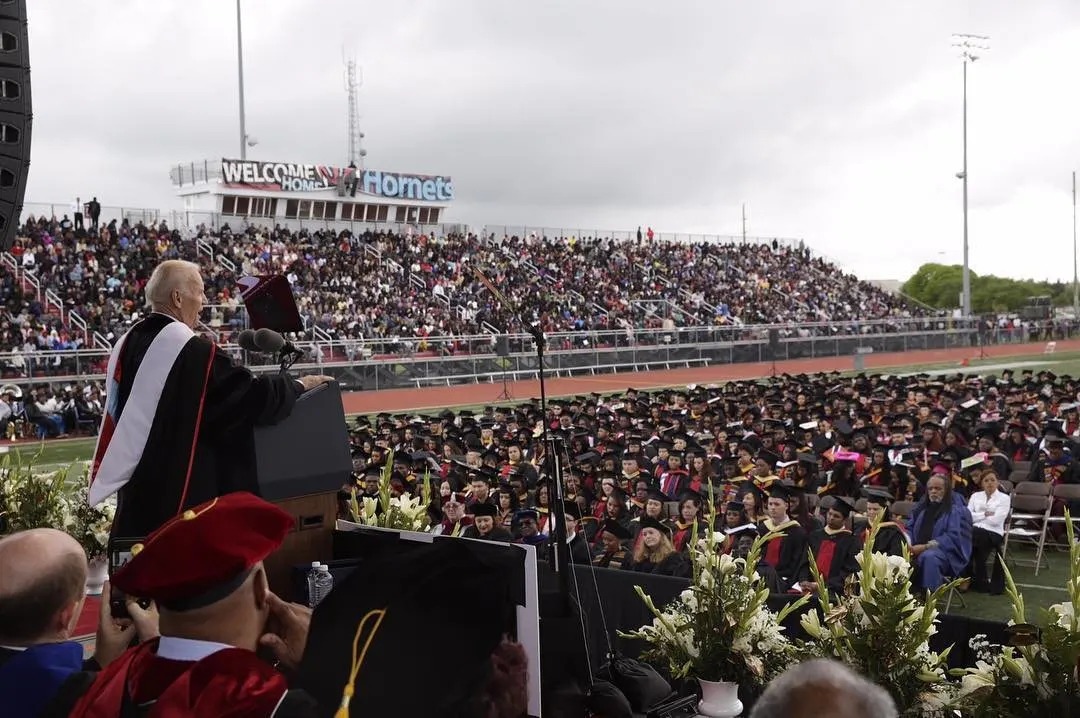
President Dr. Mark A. Brown set out the change in an email to students at the start of the school year. He said the handbook requires students to arrive on campus with a business suit and proper shoes for a business meeting. His message was simple: raise the bar and students will reach it. The president framed the rules as preparation, not punishment, and as a way to help students walk into work ready for what comes next. You may also like the GTA 6 change for Jason and Lucia.
The Goal Behind the Tuskegee Dress Code

The stated goal is to prepare students for the workforce. A business suit and proper shoes are the uniform of many job interviews and office meetings, so the university wants students to practice that standard while they study. Supporters say the habit starts early, in class and at campus events, so that professional dress feels normal by graduation day. The idea is that looking ready helps students feel ready too. See the blessing that follows a stressful time.
A Campus With a Long and Proud History
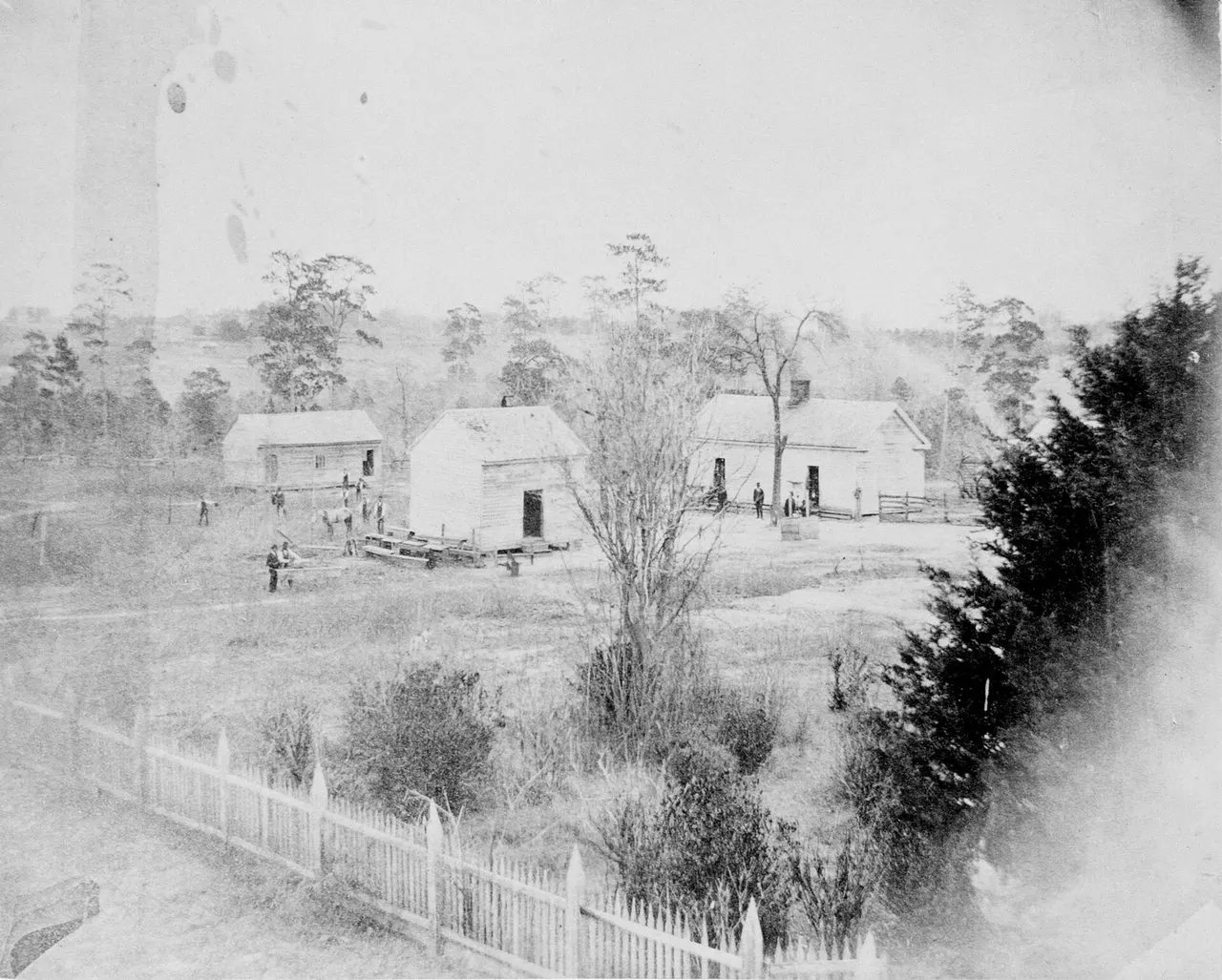
Tuskegee University is one of the most famous historically Black universities in America. It was founded in 1881, and Booker T. Washington led the school in its early years. The campus later trained the Tuskegee Airmen, the Black fighter pilots of World War II. That long history is why a new dress code draws national eyes: what happens at Tuskegee is watched far beyond Alabama, and its name carries weight. Read about the handshake between Trump and Putin in China.
Why Bonnets and Durags Matter to Many Students
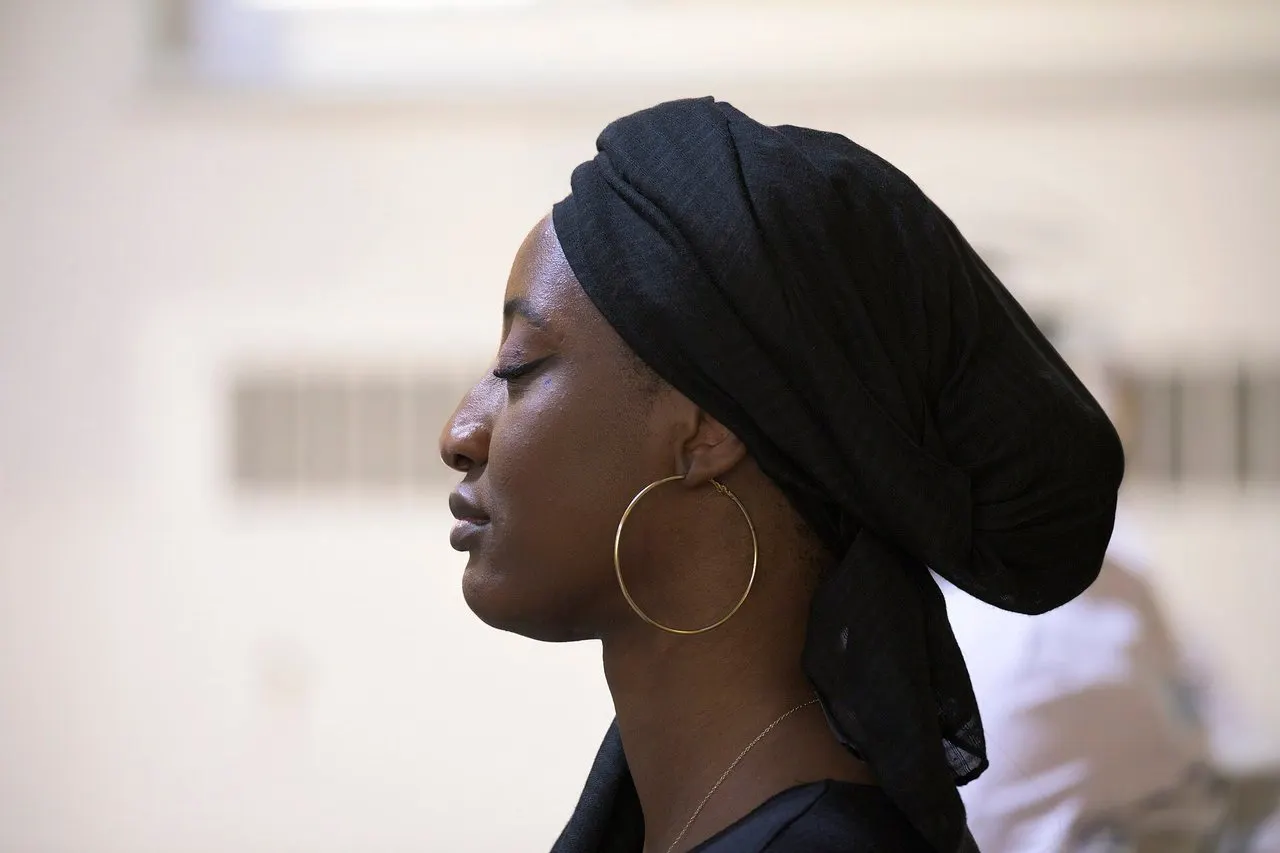
A bonnet or durag is a practical tool for many people with textured hair. It protects curls and waves from breakage, keeps moisture in, and holds a style in place through the night. Many Black students wear one at home and see it as part of hair care, not as a fashion choice. That is why critics say the ban touches something personal, and why the debate is about more than clothes. You may also like Trump’s China trip and his meeting with Xi and Putin.
Critics Say the Tuskegee Dress Code Goes Too Far
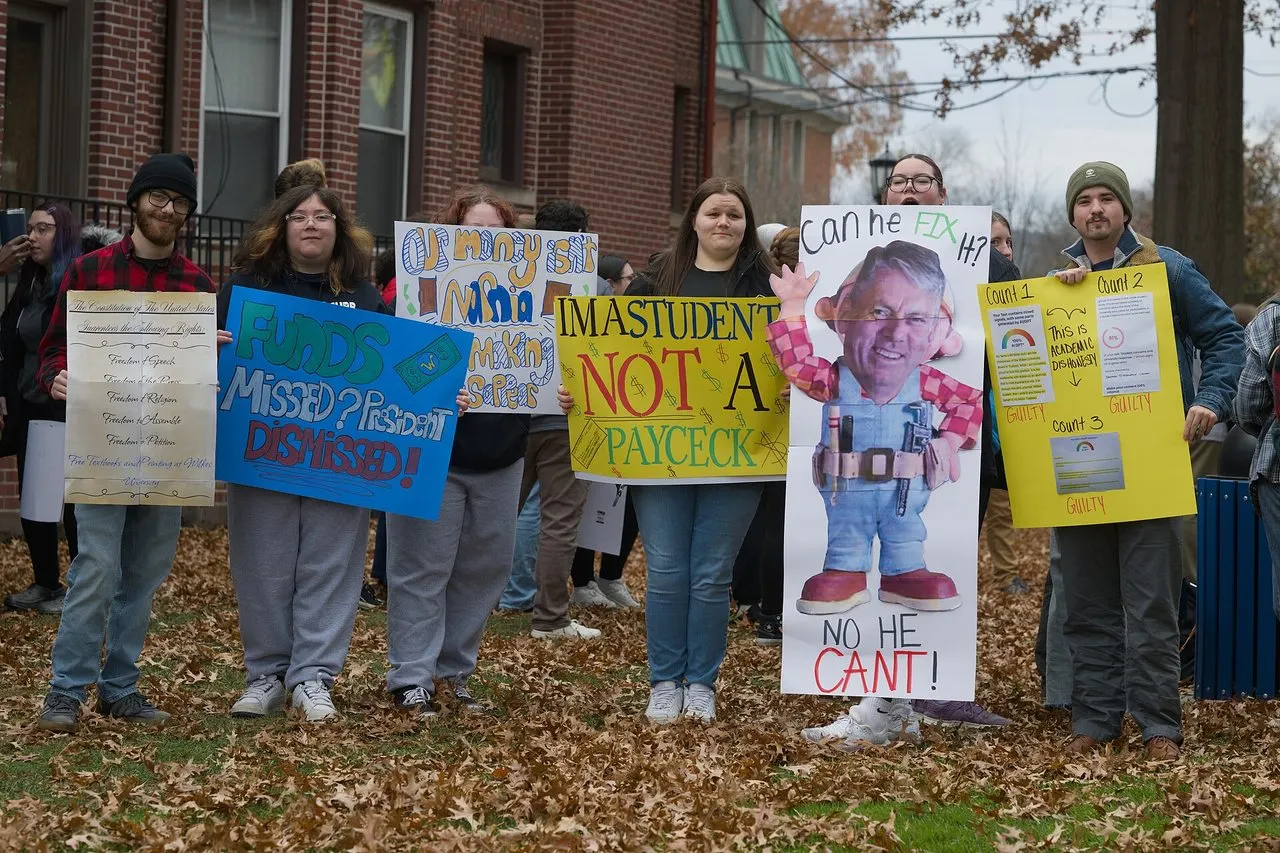
Critics argue the ban targets items widely used to protect textured Black hairstyles, and they see that as unfair. Some call the policy respectability politics, the idea that Black people must dress a certain way to be taken seriously. They say a bonnet in a classroom harms no one, and that talent should matter more than clothes. For them, the rule polices identity instead of preparing students for work. Read the debate over lawmakers in a vegetative state.
Supporters Say the Rules Build Discipline

Supporters see the rules in a different light. They say professional dress builds discipline, and that students who dress for work start to think like workers. A suit and proper shoes, in this view, are a daily lesson in standards, not a burden. Supporters also note that many jobs expect the same dress, so the campus is simply matching the world students will enter after graduation. You may also enjoy Melania Trump’s lean first lady office.
Students React to the New Rules
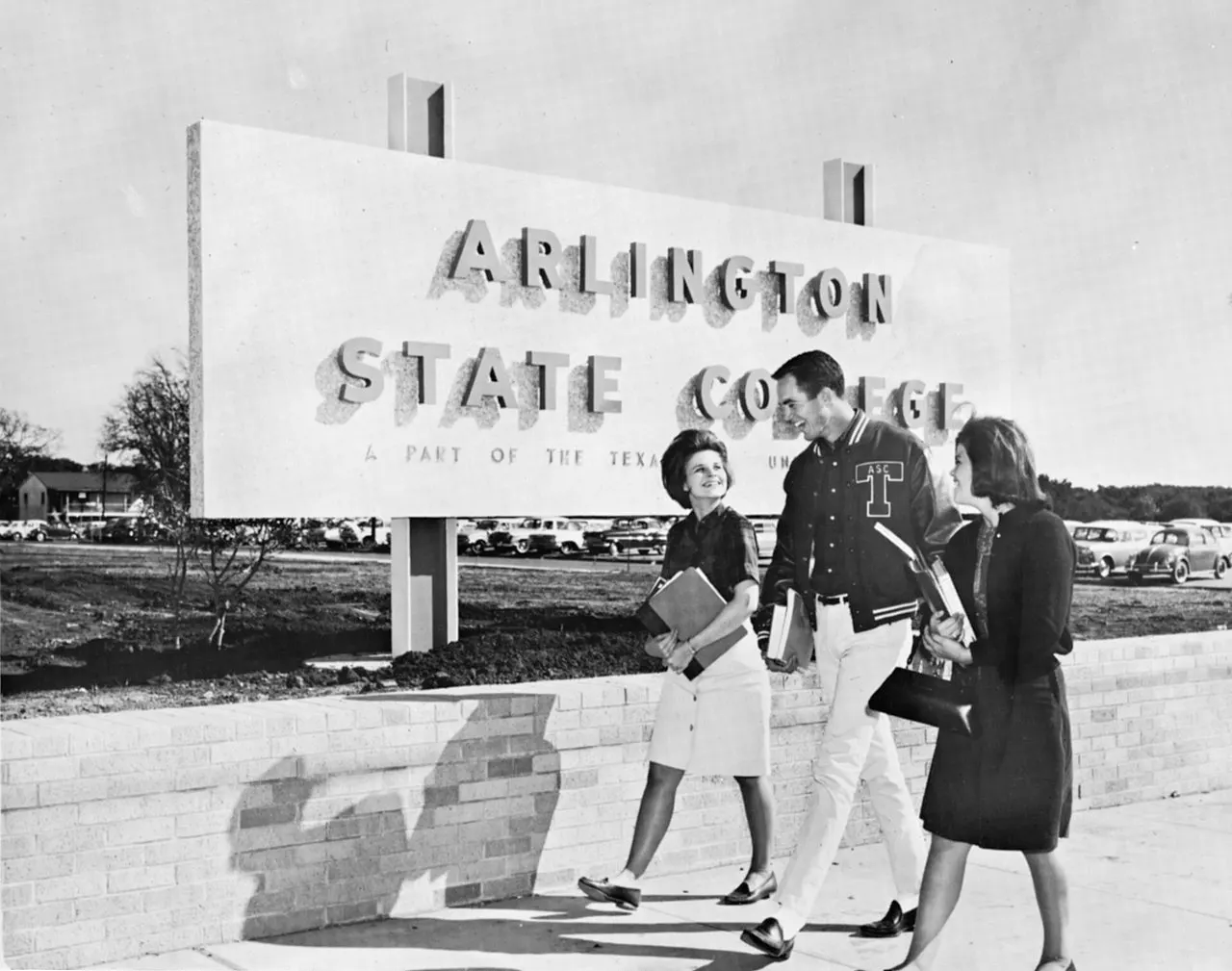
Students on campus have reacted in different ways. Some welcome the change and say they like the idea of dressing up for class. Others say the rules feel strict, and that a bonnet or bedroom shoes never stopped anyone from learning. Between classes, the dress code is now a common topic of talk, and opinions shift from one friend group to the next. The campus is split, much like the wider debate. See Zelensky’s silent shrug in Berlin.
Alumni Join the Tuskegee Dress Code Debate
Alumni have joined the debate too, and their voices carry weight. Some graduates say the rules match the standards they met in their own careers, and they praise the university for raising expectations. Others say the school should trust students to choose for themselves, and that pride in Tuskegee should not depend on a suit. The split among alumni shows how deep the question runs. Read about the cancer treatment that uses sound waves.
What Counts as a Business Suit

A business suit usually means a matching jacket and trousers or skirt, a shirt, and proper shoes. It is the standard outfit for job interviews, courtrooms and boardrooms across America. The handbook at Tuskegee asks students to arrive with that outfit and proper shoes for a business meeting. For students who own no suit, that ask can feel large, and it raises questions about cost and access. You may also like Melania Trump’s black lace dress at the premiere.
The Handbook Rule in Plain Words

The student handbook is the book of campus rules, and this year it carries a clear dress standard. Students must arrive on campus with a business suit and proper shoes. The handbook is not a suggestion: it sets the standard the university expects every day. Handbooks like this one guide campus life in many ways, from classes to conduct, and students are expected to know what is inside them. See the unimpressed newborn meeting her mom.
How the Tuskegee Dress Code Compares With Other Schools
Many colleges have dress rules, but few are this strict. Some schools ask students to dress neatly for labs or presentations, and others set rules only for formal events. A full ban on bonnets, durags and bedroom shoes across classrooms and the cafeteria goes further than most. That is why other schools are watching Tuskegee closely, and why the story has traveled well beyond Alabama. Read Fiona the hippo and her life at the zoo.
Professional Dress and the First Job

First impressions matter at a job interview, and clothes are part of that first look. A neat suit and clean shoes tell an employer that a candidate takes the meeting seriously. That is the habit Tuskegee wants to build: students who dress for work before they ever apply for a job. Whether a campus rule is the best way to teach that habit is the question at the heart of this debate. You may also enjoy the claims about Ceuta.
Hair, Identity and the Classroom
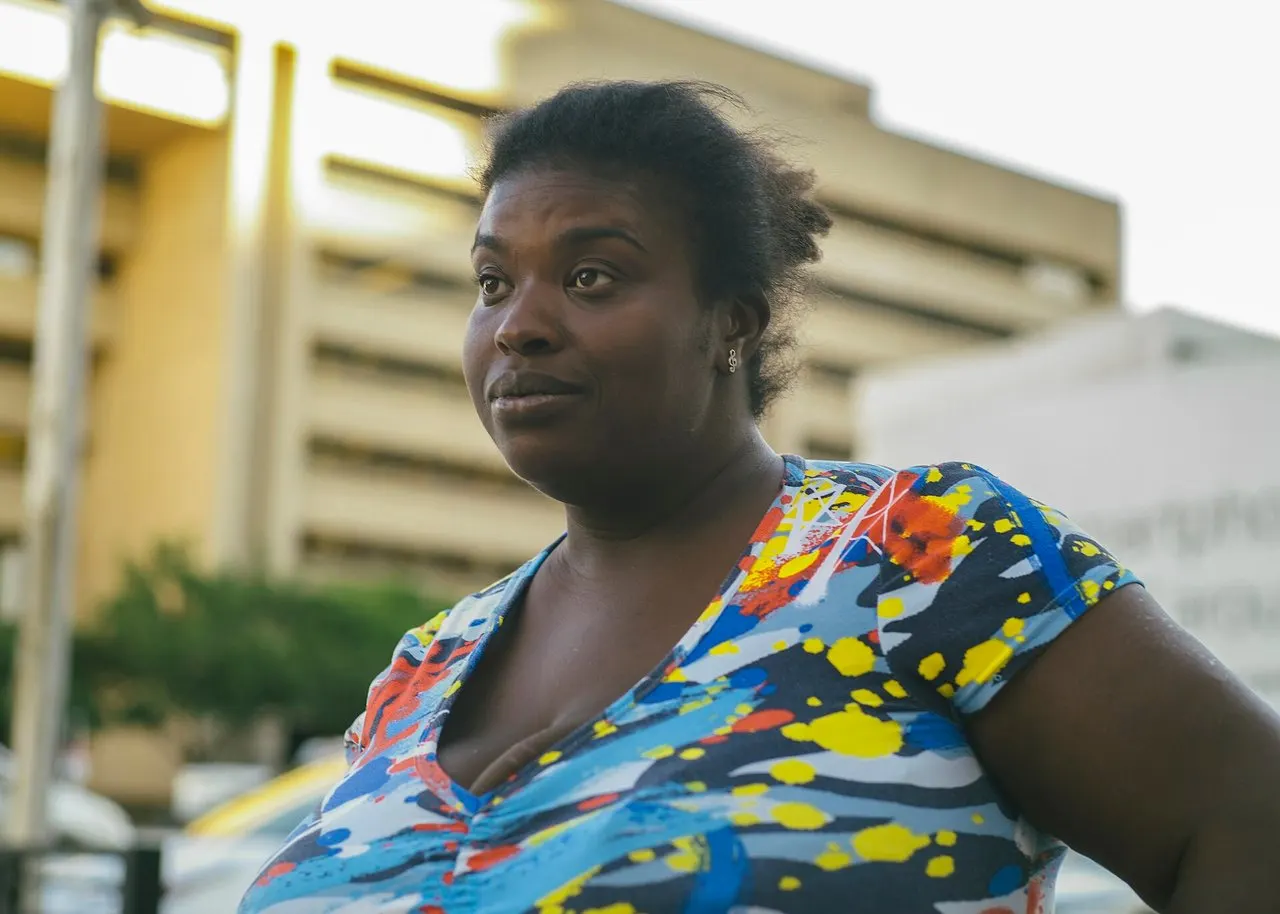
Hair is personal, and for many Black students it is tied to identity and culture. Bonnets and durags protect textured hair, and headwraps have a long history in Black life. When a rule bans those items in class, some students hear a message about who belongs and who must change. The classroom should be a place to learn, they say, not a place to hide part of who you are. See the joke about meeting dictators.
Convocation and the Tuskegee Dress Code
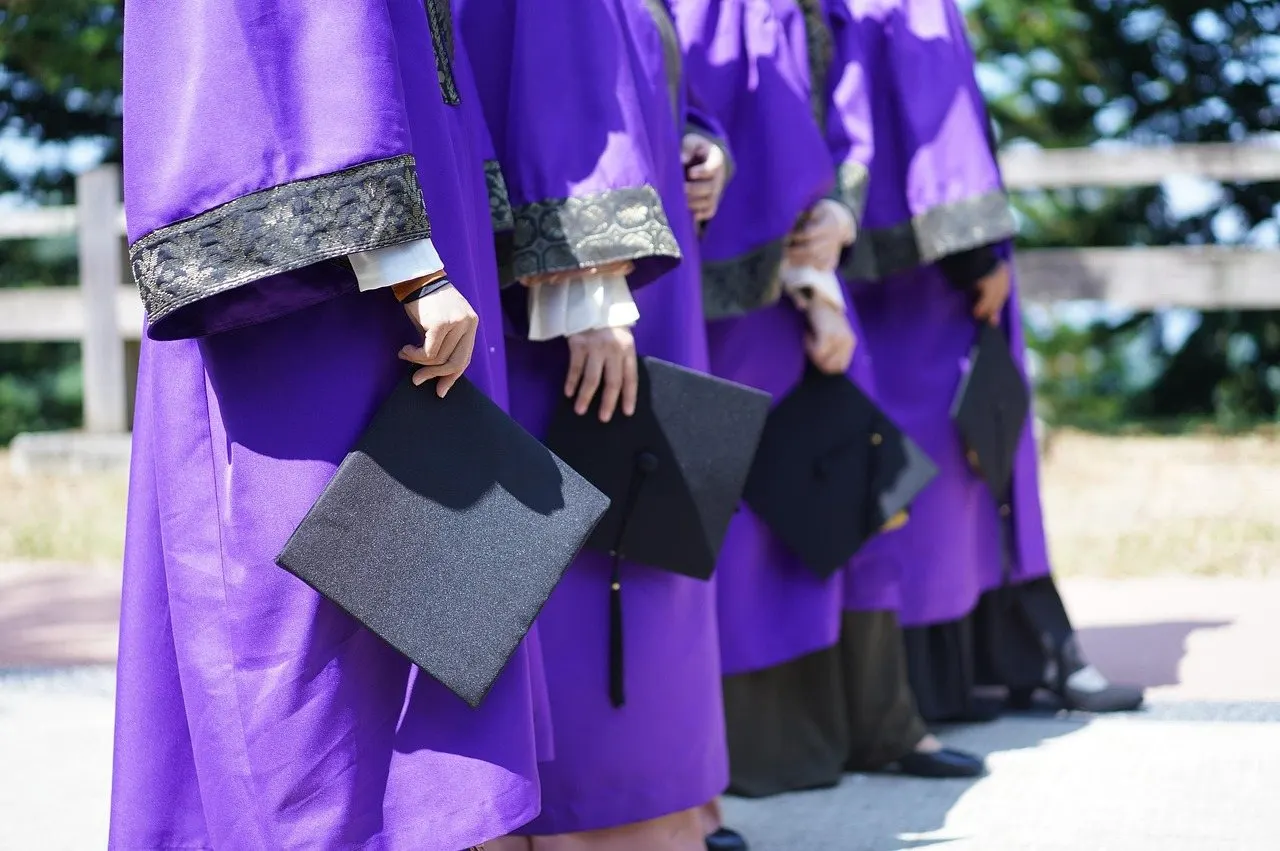
Convocation is one of the most formal events on a college calendar. Students and staff gather in academic dress to mark the start of the year, hear from leaders, and welcome new students. At Tuskegee, the new dress rules apply at Convocation too, so the ceremony sets the tone for the year ahead. The event is a reminder that some campus moments have always called for formal dress. You may also like Kevin Hart and the time he spends with his kids.
The Cafeteria Is Part of the Rule Too
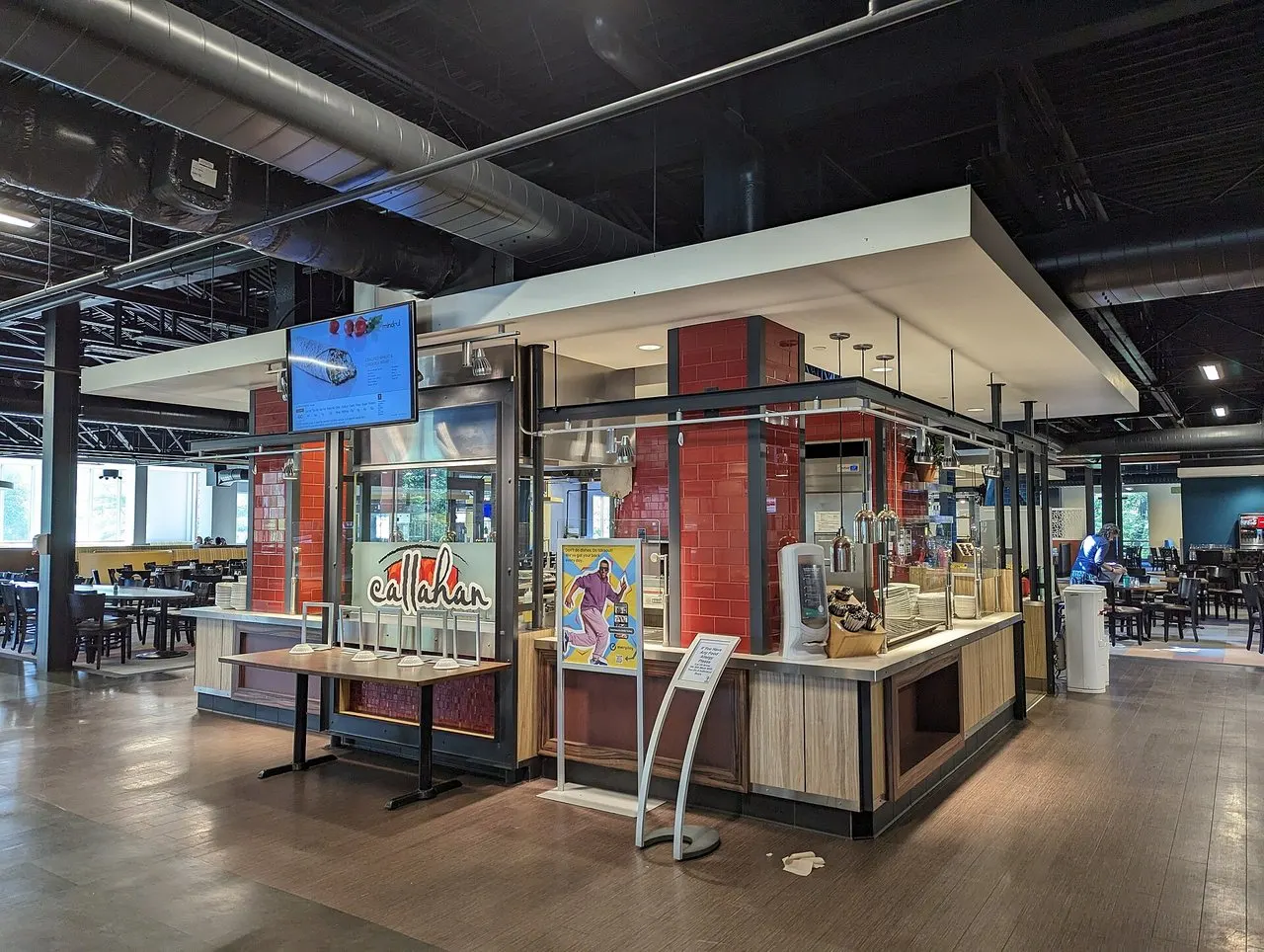
The cafeteria may seem like a relaxed place, but the rules apply there as well. Students eat, meet friends and take a break between classes in the dining hall, and the dress code follows them through the door. Supporters say a shared standard should hold across campus, while critics ask why lunch needs a suit. The cafeteria rule shows how far the new policy reaches into daily life. Read about Trump’s trip to Asia and the deals that came with it.
Pajamas and Bedroom Shoes Stay in the Dorm

Bedroom shoes and pajama wear are now off limits outside the dorm, and the rule is easy to understand. Pajamas belong to sleep, not to class, and the university wants the line between rest and work to stay clear. Most students would agree that class is not the place for sleepwear. The question is whether the same logic should reach bonnets and durags, which many see as hair care rather than sleepwear. See the GTA 6 change for Jason and Lucia.
The Line on Revealing Clothing in the Tuskegee Dress Code
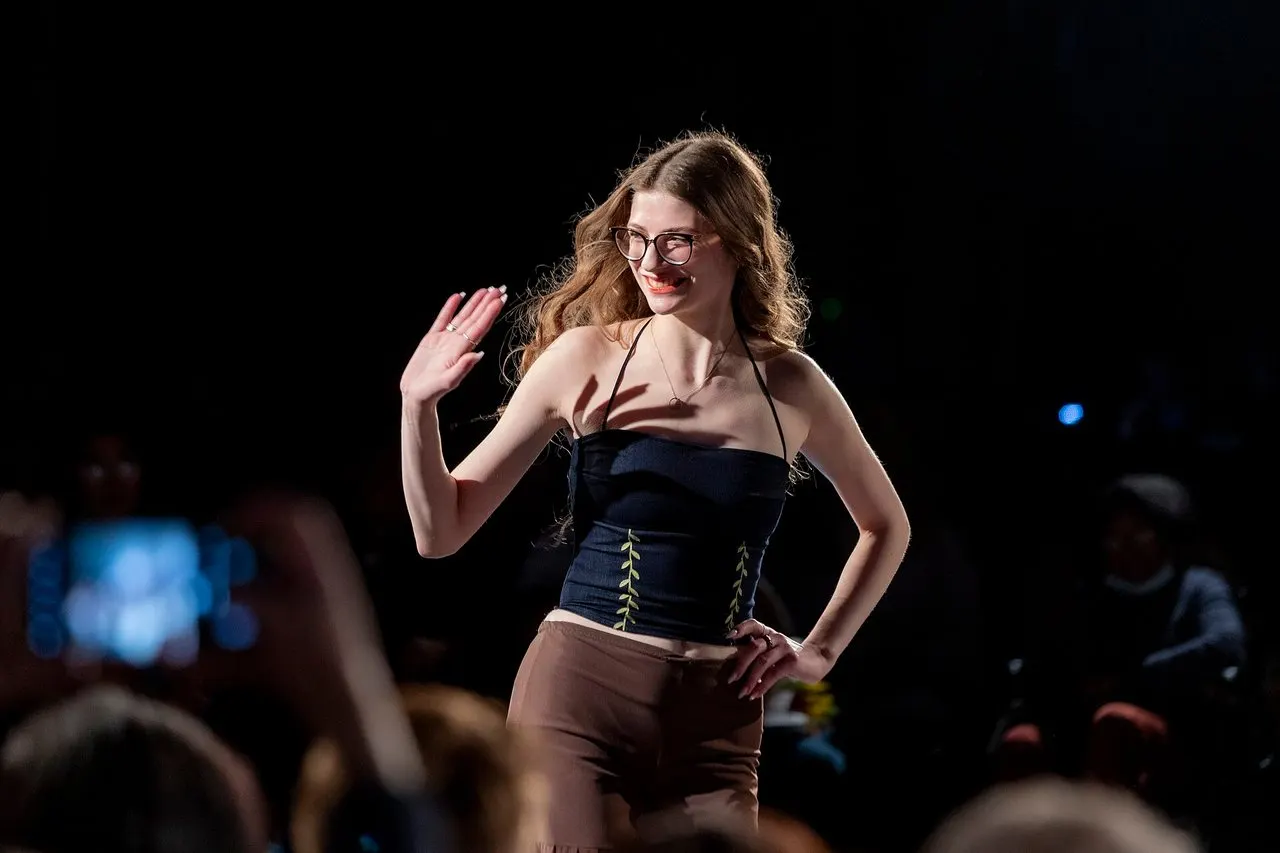
The policy also prohibits revealing clothing on campus, a rule many schools already have in some form. The idea is that class and formal events call for modest, work ready dress. But the line between neat and revealing is not always clear, and students say rules like this can feel uneven in how they are applied. Clear examples and fair enforcement matter as much as the words in the handbook. You may also enjoy the report on Putin sharing intelligence with Iran.
Social Media Reacts to the Ban
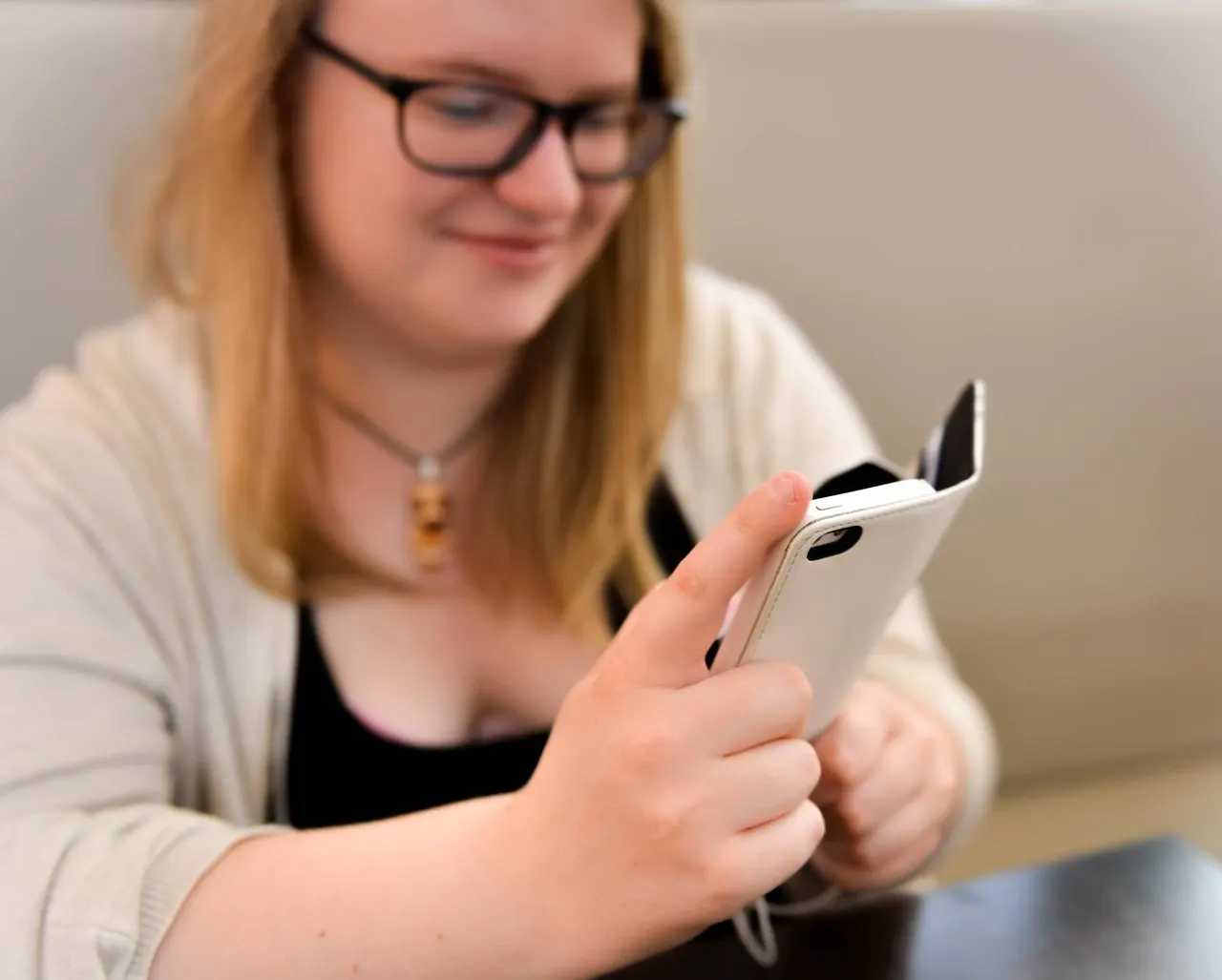
News of the ban spread fast online, where students, alumni and strangers all had views to share. Some posts praised the university for setting a high bar, while others called the rules unfair and out of touch. Social media turns a campus debate into a national one in hours, and the strong reactions show how much clothes and hair mean to people. The online debate is still going, post by post. Read the handshake between Trump and Putin in China.
Respectability Politics, Explained in Simple Terms
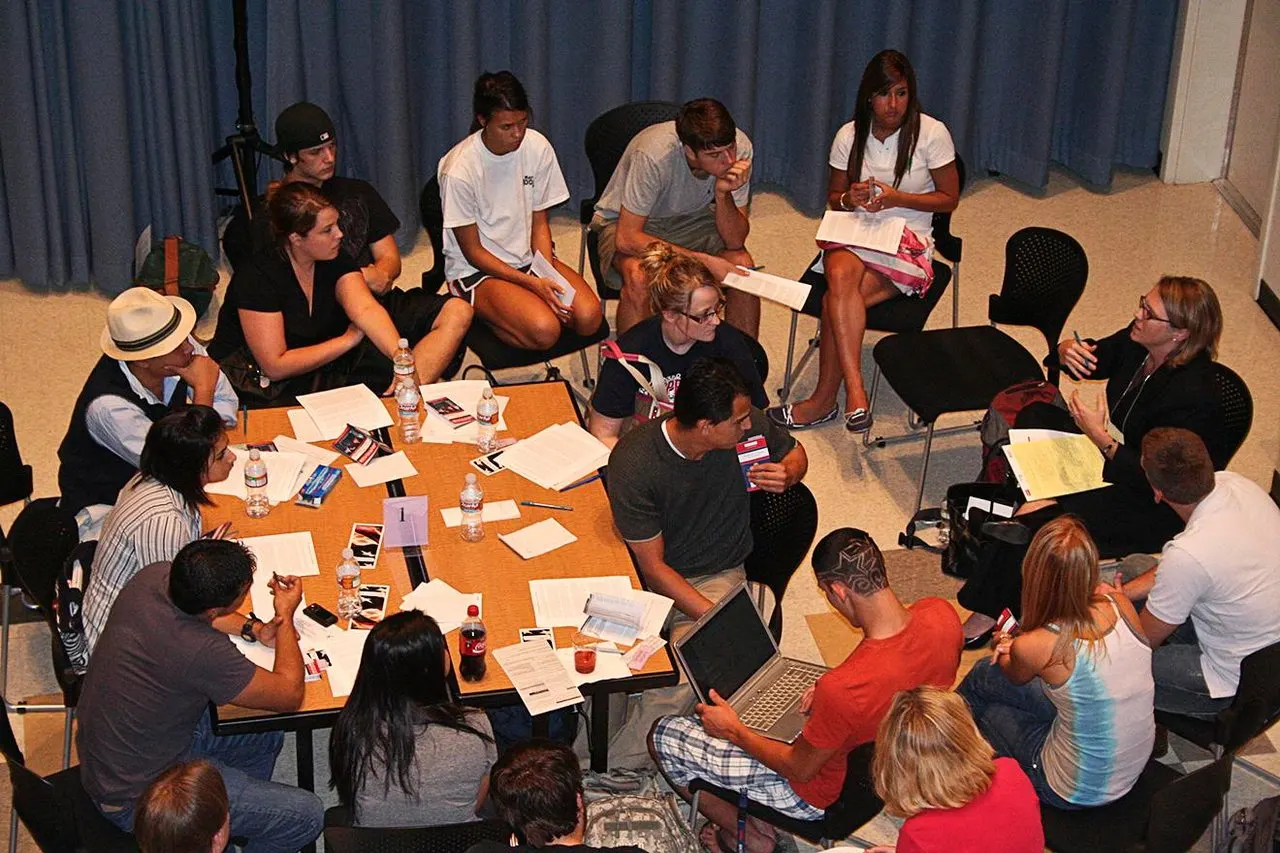
Respectability politics is the idea that a group must look and act a certain way to earn respect. Critics of the dress code use the term to say the rules ask Black students to hide parts of their culture to be accepted. Supporters answer that every job has a dress standard, and that meeting it is a skill, not a surrender. The phrase itself has become a shorthand for the whole debate. See the girls in pink bows at the capitol.
What the Tuskegee Dress Code Teaches About Work

Employers often judge a first meeting by dress, and many workplaces still expect a suit or neat business clothes. A student who practices that standard in college may feel more at ease in a real interview. That is the lesson supporters hope the rules will teach. Yet skills, grades and character matter most in the end, and no outfit can replace them. The debate is about balance, not about clothes alone. Read the race decided by only 330 votes.
The 2026-2027 School Year Begins With New Rules
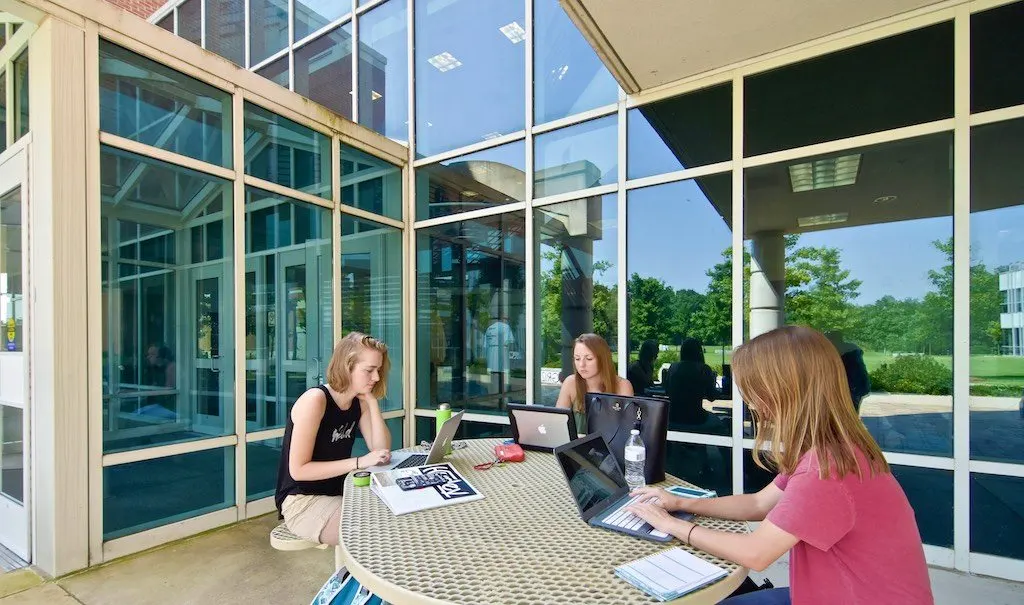
The 2026-2027 school year opened with the new rules already in place, so returning students felt the change on day one. New students met the standard in their first week, along with new classes, new friends and a new campus to learn. A fresh school year is always full of change, but this year the dress code is the change everyone talks about. The first weeks will show how the rules work in practice. You may also like Fiona the hippo at the Cincinnati Zoo.
How Campus Dress Codes Have Changed Over Time
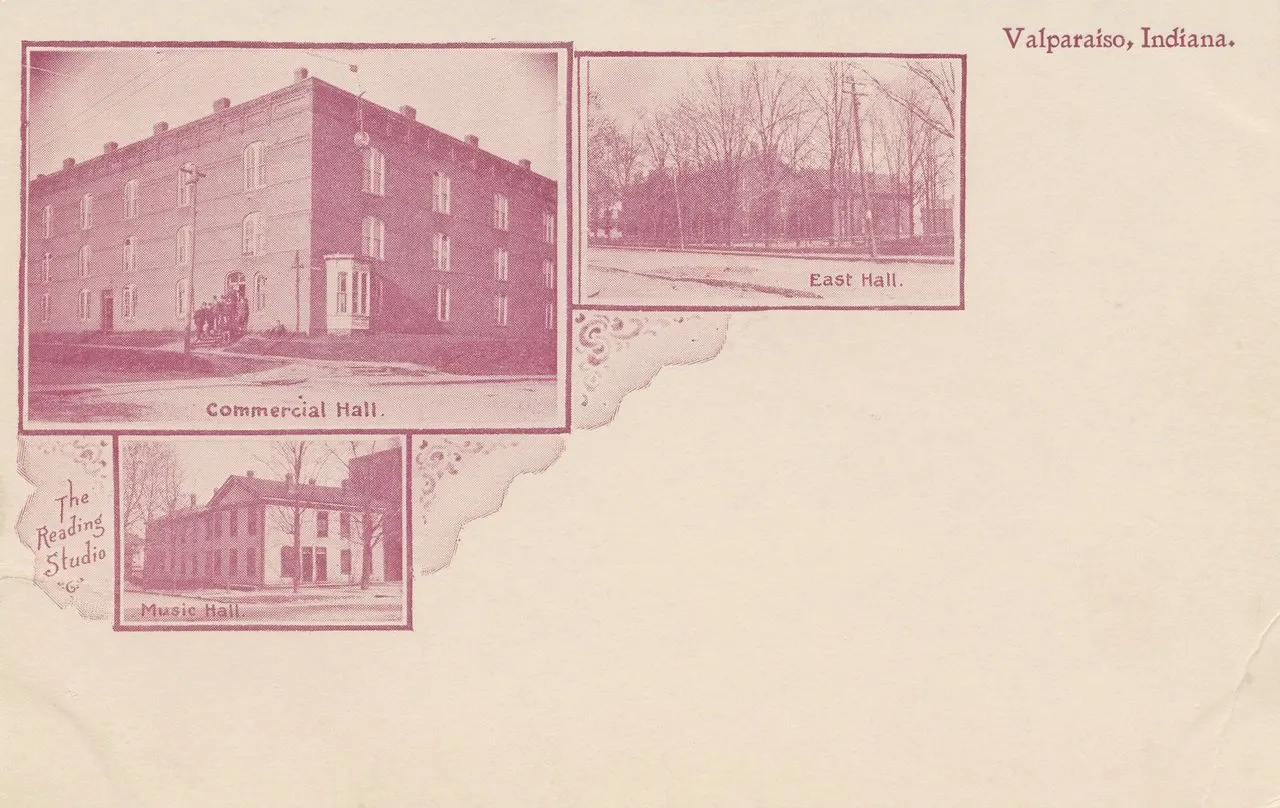
College dress codes were once far stricter than they are today. In past decades, many schools set rules for skirts, ties and hair, and students faced penalties for breaking them. Over time, campuses loosened up, and casual dress became normal in class. The Tuskegee rules run against that long trend, which is one reason they feel striking now. History shows that campus dress rules always spark debate. See the calm life of a glowing cat mom.
What Happens When a Student Breaks the Rules

The post does not spell out penalties, so the next step is unclear to many students. On most campuses, a dress rule is first handled with a quiet word from a teacher or staff member, not a harsh punishment. Clear and fair handling matters, since students accept rules more easily when they are applied the same way to everyone. The university will need to show that the standard is fair in practice, not only on paper. Read about Patrick Stewart’s farewell at 86.
The Tuskegee Dress Code and the Bigger Debate About HBCUs
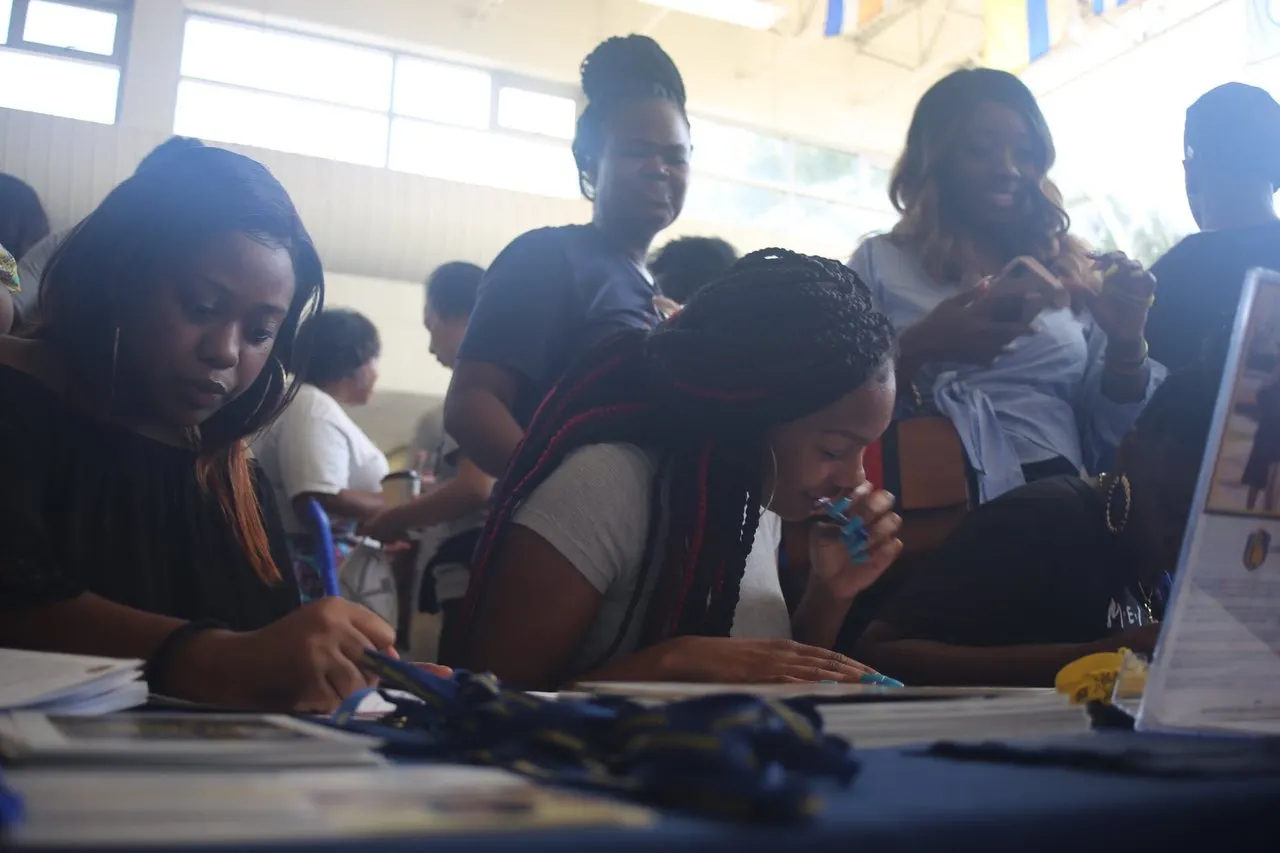
Historically Black colleges and universities carry a special role in American life. They were built when Black students were shut out of many schools, and they remain proud centers of Black learning and culture. A dress code at an HBCU therefore raises questions that go beyond one campus: about image, pride and who sets the standard. The debate at Tuskegee is, in part, a debate about what HBCUs should stand for today. You may also enjoy the greeting between Trump and Putin at the summit.
Lessons Other Schools May Take From Tuskegee
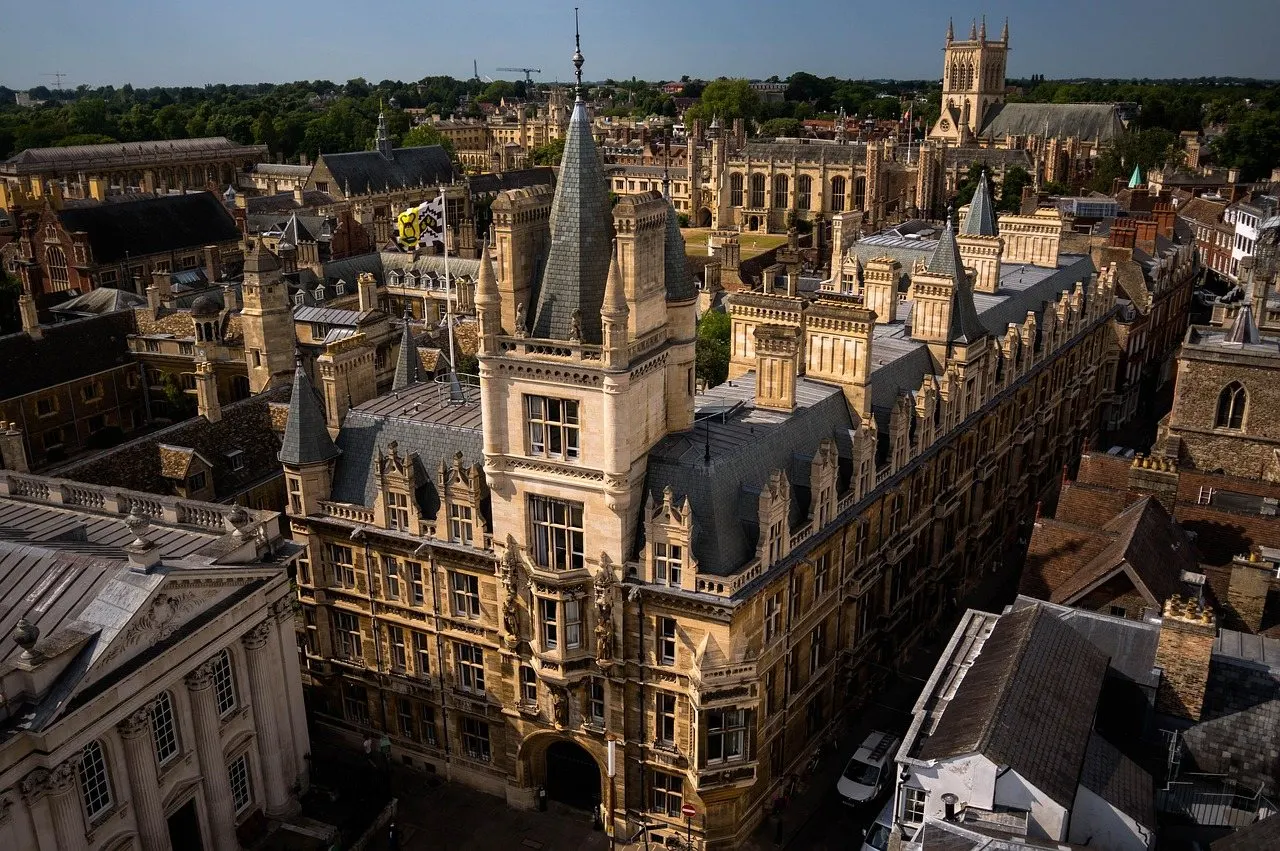
Other schools are watching Tuskegee to see what happens next. If the rules help students feel ready for work, some may copy parts of the policy. If the backlash grows, others may decide the cost is too high. Either way, the story has put campus dress codes back in the news, and school leaders everywhere are thinking about where they draw their own lines. Tuskegee has started a wider talk. See the Michigan sound wave treatment.
What Do You Think of the New Rules
Now it is your turn to weigh in on the Tuskegee dress code. Do the rules help students get ready for work, or do they go too far into personal choice? Would you welcome a dress code at your school, or would you push back against it? Share your view in the comments below, and tell us what you would change if the choice were yours. We read every comment, and the best ones keep the debate going. Before you go, read the truck that looked like it drove through a wall.